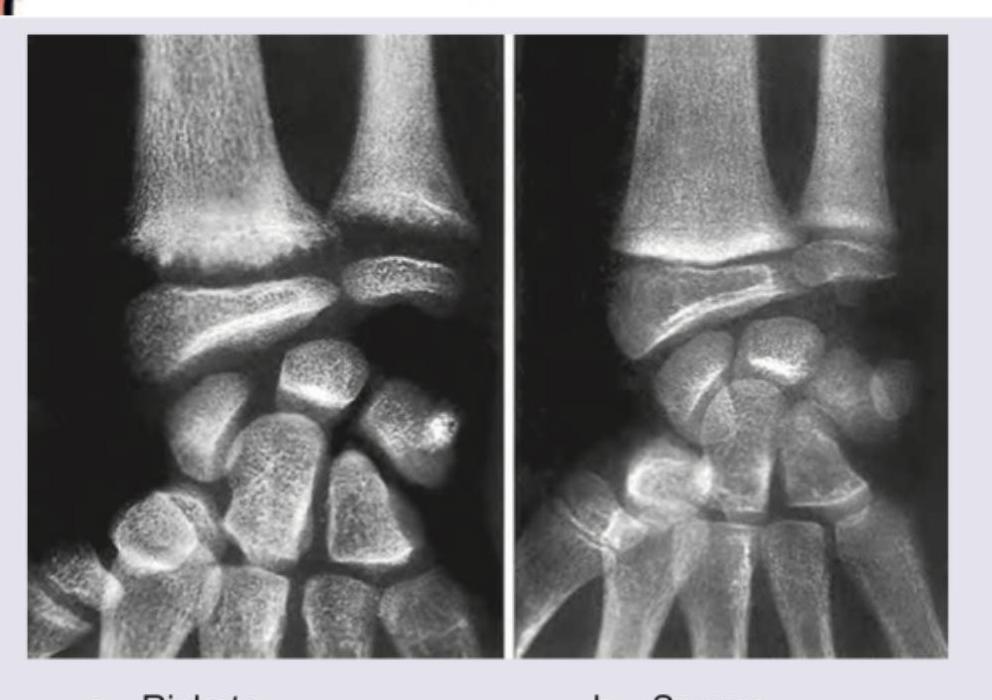
What is the daily iron requirement of a 10-year-old boy?
Which of the following is NOT a criterion for severe acute malnutrition in a 6-month-old child?
All of the following are true about cow's milk EXCEPT?
What are the approximate calories in human milk per 100 mL?
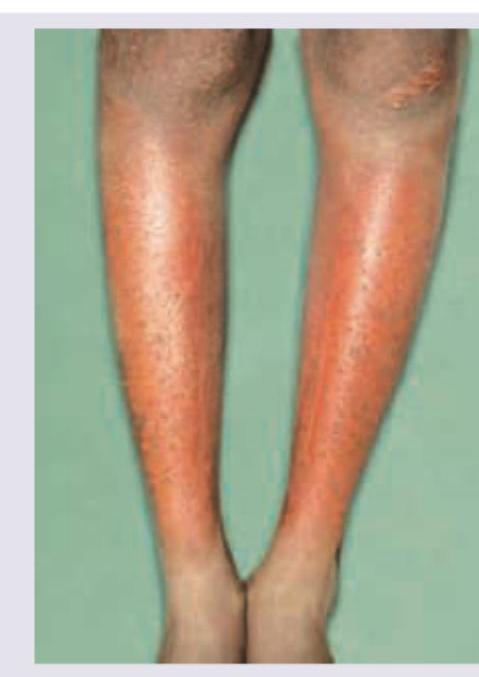
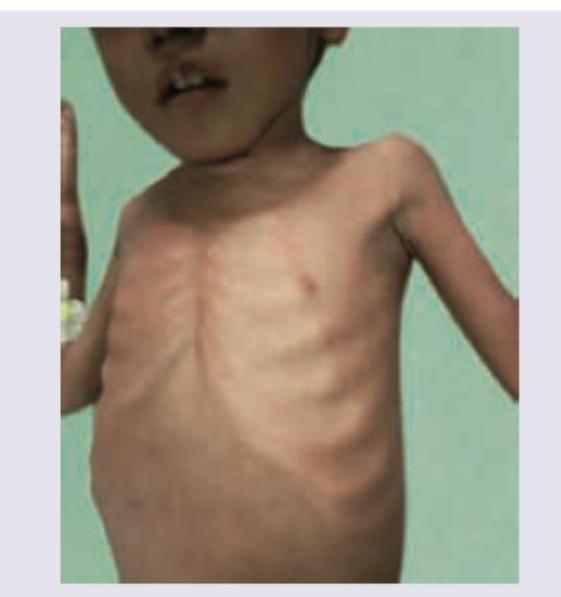
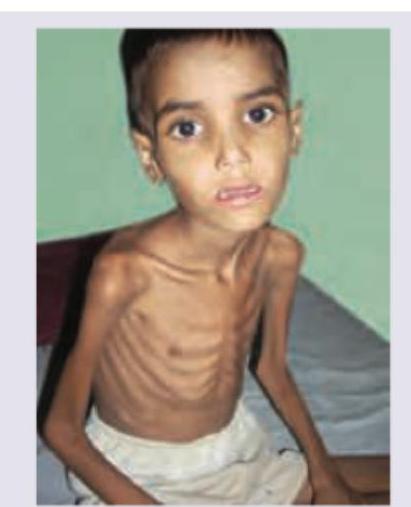
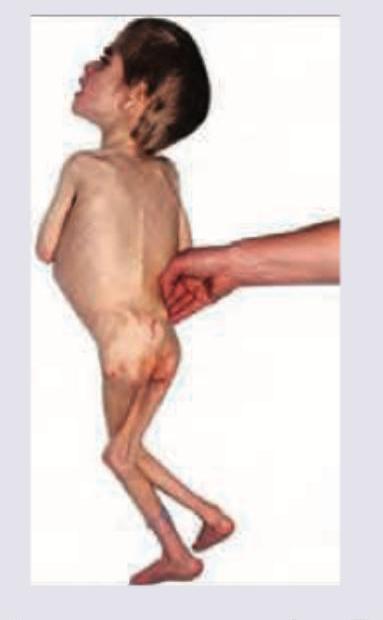
Which of the following is NOT typically seen in Kwashiorkor?
What is the most potent form of vitamin D?
Which of the following are signs of good attachment during breastfeeding?
Which of the following substances does NOT possess direct or indirect anti-infective properties in milk?
Breast milk is rich in which of the following nutrients when compared to cow's milk?
The triad of diarrhea, dementia, and dermatitis is characteristically seen in the deficiency of which vitamin?
Explanation: The daily iron requirement in children varies significantly based on age, gender, and physiological milestones like puberty and menstruation. ### **Explanation of the Correct Answer** **Option C (8 mg)** is the correct answer based on the **ICMR-NIN (2020) guidelines** for Recommended Dietary Allowances (RDA). For a 10-year-old boy (categorized under the 10–12 years age group), the physiological demand for iron increases to support rapid growth and expanding red cell mass. The current RDA for boys in this age bracket is **8 mg/day**. ### **Analysis of Incorrect Options** * **Option A (2 mg):** This is significantly below the requirement for any pediatric age group. Even infants (6–12 months) require approximately 3 mg/day (absorbed iron needs are lower, but RDA accounts for bioavailability). * **Option B (4 mg):** This is too low for a pre-adolescent child. For context, children aged 1–3 years require about 8 mg/day, and 4–6 years require 11 mg/day (older guidelines) or 9 mg/day (newer guidelines). * **Option D (10 mg):** While close, 10 mg is higher than the specific requirement for a 10-year-old boy. However, it is important to note that **girls** in the same age group (10–12 years) require more iron (**10 mg/day**) if they have attained menarche. ### **High-Yield Clinical Pearls for NEET-PG** * **Adolescent Peak:** Iron requirements peak during adolescence. For boys (13–15 years), it is **11 mg/day**, while for menstruating girls, it can go up to **15-18 mg/day**. * **Bioavailability:** Dietary iron is divided into **Heme** (animal sources, high absorption) and **Non-heme** (plant sources, low absorption). Vitamin C enhances non-heme absorption, while phytates/tannins inhibit it. * **National Program:** Under the **Anemia Mukt Bharat (AMB)** strategy, children aged 5–10 years receive a weekly iron-folic acid (WFA) tablet containing **45 mg elemental iron** and 400 mcg folic acid.
Explanation: **Explanation:** The diagnosis of **Severe Acute Malnutrition (SAM)** in children aged 6–59 months is based on specific anthropometric and clinical criteria defined by the WHO. **Why Height-for-Age is the Correct Answer:** **Height-for-age** is the indicator used to measure **Stunting**, which reflects **chronic (long-term) malnutrition**. It indicates a failure to reach linear growth potential due to prolonged deprivation. SAM, by definition, refers to **acute** (recent or rapid) weight loss or nutritional edema, making height-for-age an irrelevant criterion for its diagnosis. **Analysis of Incorrect Options:** * **Mid-Upper Arm Circumference (MUAC):** A MUAC **< 11.5 cm** is a primary diagnostic tool for SAM in children aged 6–59 months. It is a reliable predictor of mortality risk. * **Symmetrical Edema:** The presence of bilateral pitting edema (nutritional edema) is a standalone clinical criterion for SAM, regardless of other anthropometric measurements. This characterizes **Kwashiorkor**. * **Weight-for-Height (WFH):** A WFH Z-score **< -3 SD** (Standard Deviations) below the WHO median indicates **severe wasting** and is a core diagnostic criterion for SAM. **High-Yield Clinical Pearls for NEET-PG:** 1. **SAM Criteria (6–59 months):** * MUAC < 11.5 cm OR * Weight-for-Height < -3 SD OR * Bilateral pitting edema. 2. **Stunting vs. Wasting:** Remember the "S" rule: **S**tunting = **S**tatue (Height-for-age); **W**asting = **W**eight-for-height. 3. **Appetite Test:** This is the most important clinical factor in deciding whether a child with SAM needs inpatient care or can be managed at an Outpatient Therapeutic Program (OTP). 4. **Age Limit:** MUAC is generally not used for infants under 6 months; for them, WFH/WFL and edema are the primary criteria.
Explanation: The correct answer is **A** because it incorrectly describes the protein composition of cow's milk. In reality, cow's milk is **casein-dominant**, containing approximately **80% casein and 20% whey**. In contrast, human breast milk is **whey-dominant** (60% whey, 40% casein), which makes it easier for infants to digest. **Analysis of Options:** * **Option B:** True. Cow’s milk contains approximately 4.5–5 g/dL of lactose, whereas human milk is richer in carbohydrates, containing about 7 g/dL. * **Option C:** True. Cow’s milk has a significantly higher renal solute load due to its high mineral content (Sodium, Potassium, and Phosphorus). Infant formulas are specifically modified to reduce these levels to prevent neonatal dehydration and kidney strain. * **Option D:** True. Cow’s milk contains roughly 3.2–3.5 g/dL of protein, which is nearly triple the protein content of breast milk (approx. 1.1–1.2 g/dL). **High-Yield Clinical Pearls for NEET-PG:** * **Iron Bioavailability:** Although cow's milk and breast milk have low iron content, breast milk iron has **50% absorption** compared to only **10%** from cow's milk. * **Cow's Milk Protein Allergy (CMPA):** The primary allergen in cow's milk is **Beta-lactoglobulin** (a whey protein absent in human milk). * **Early Introduction:** Cow's milk is avoided before 12 months of age due to the risk of **occult GI bleeding** and **iron deficiency anemia**. * **Calcium-Phosphorus Ratio:** Breast milk has a 2:1 ratio, which is ideal for calcium absorption and prevents hypocalcemic tetany.
Explanation: ### Explanation **Correct Answer: D (67 kcal/100 mL)** The caloric density of mature human milk is approximately **67 kcal/100 mL** (or 20 kcal/oz). This energy is derived from its macronutrient composition: * **Fats:** Contribute ~50% of total calories (approx. 3.5–4.5 g/100 mL). * **Carbohydrates:** Primarily lactose, contributing ~40% of calories (approx. 7 g/100 mL). * **Proteins:** Contribute ~10% of calories (approx. 0.9–1.1 g/100 mL). **Analysis of Incorrect Options:** * **Options A, B, and C (37, 47, 57):** These values are significantly lower than the physiological energy requirement for an infant's growth. While colostrum is lower in volume and fat than mature milk, its caloric density is still higher than these options (approx. 58 kcal/100 mL). **High-Yield Clinical Pearls for NEET-PG:** 1. **Protein Composition:** Human milk has a **Whey:Casein ratio of 60:40** (easier to digest), whereas cow’s milk is 20:80. 2. **The "Hindmilk" Fact:** Hindmilk (milk at the end of a feed) contains more fat and calories than foremilk, which is essential for satiety and weight gain. 3. **Iron Content:** Although human milk is low in iron (0.5 mg/L), it has high **bioavailability (50%)** compared to cow’s milk (10%). 4. **Comparison with Cow's Milk:** Cow’s milk has a similar caloric density (~67 kcal/100 mL) but contains 3x more protein and higher minerals (renal solute load), making it unsuitable for infants. 5. **Preterm Milk:** Contains more protein, sodium, and calories than term milk to meet the higher demands of a premature infant.
Explanation: **Explanation:** The question asks for a feature **NOT** typically seen in Kwashiorkor. However, there is a common misconception in pediatric nutrition terminology. In clinical practice, **Edema, Fatty Liver, and Skin/Hair changes** are the hallmark features of Kwashiorkor. **Muscle wasting** is present in both Marasmus and Kwashiorkor, but it is often **masked by subcutaneous fat and edema** in Kwashiorkor, making it less "typical" or "obvious" compared to Marasmus. *Note: In many standard MCQ formats, if "Skin and hair changes" is marked as the correct answer for "NOT seen," it usually implies a technical error in the question stem or a specific focus on "Severe Muscle Wasting" being the defining trait of Marasmus instead.* **Breakdown of Features:** 1. **Edema (Option A):** The cardinal sign of Kwashiorkor, caused by hypoalbuminemia and oxidative stress. 2. **Skin and Hair changes (Option B):** Classic features include "Flaky-paint" dermatosis and "Flag sign" (alternating bands of hair color). 3. **Fatty Liver (Option C):** Occurs due to decreased synthesis of Apolipoprotein B-100, leading to reduced VLDL export and hepatic steatosis (hepatomegaly). 4. **Muscle Wasting (Option D):** While present, it is the hallmark of **Marasmus** (the "balanced" starvation), where there is a total loss of subcutaneous fat and "monkey-like" facies. **High-Yield NEET-PG Pearls:** * **Kwashiorkor:** Protein deficiency > Calorie deficiency. Key: Edema, Hepatomegaly, Psychomotor changes (apathy). * **Marasmus:** Calorie deficiency > Protein deficiency. Key: Severe wasting, alert but irritable, no edema. * **The "Flag Sign":** Represents periods of poor nutrition alternating with better nutrition. * **Z-Score:** SAM (Severe Acute Malnutrition) is defined as Weight-for-Height < -3 SD, Mid-upper arm circumference (MUAC) < 11.5 cm, or the presence of nutritional edema.
Explanation: **Explanation:** The correct answer is **D. 1,25 dihydroxycholecalciferol (Calcitriol)**. **Why it is correct:** Vitamin D undergoes two successive hydroxylations in the body to become biologically active. The first occurs in the liver to form 25-hydroxyvitamin D [25(OH)D], and the second occurs in the **kidneys** (via the enzyme 1-alpha-hydroxylase) to form **1,25-dihydroxyvitamin D [1,25(OH)₂D]**. This final metabolite, known as **Calcitriol**, is the most potent form because it acts as a steroid hormone, binding with high affinity to Vitamin D Receptors (VDR) in the intestines and bones to regulate calcium and phosphate homeostasis. **Why other options are incorrect:** * **A. Ergocalciferol (Vit. D2):** This is the plant-derived form of Vitamin D. It is a precursor (pro-vitamin) and is biologically inactive until metabolized. * **B. 7-dehydrocholesterol:** This is a precursor found in the skin. It is converted to Cholecalciferol (D3) only after exposure to UV-B radiation. It has no hormonal activity. * **C. 25-hydroxycholecalciferol (Calcidiol):** This is the major **circulating form** of Vitamin D and the best indicator of a patient’s overall Vitamin D status. However, it is a pro-hormone with significantly less biological potency than Calcitriol. **High-Yield NEET-PG Pearls:** * **Best indicator of Vitamin D deficiency:** Serum 25-hydroxyvitamin D [25(OH)D] levels (due to its long half-life). * **Rate-limiting step:** The 1-alpha-hydroxylation in the kidney, which is stimulated by Parathyroid Hormone (PTH) and low serum phosphorus. * **Storage:** Vitamin D is primarily stored in adipose tissue and the liver. * **Clinical Correlation:** In Chronic Kidney Disease (CKD), the body cannot convert 25(OH)D to 1,25(OH)₂D, leading to renal osteodystrophy. Calcitriol is the treatment of choice here.
Explanation: To master pediatric nutrition for NEET-PG, it is crucial to distinguish between **Positioning** (how the mother holds the baby) and **Attachment** (how the baby takes the breast into the mouth). Good attachment is essential for effective milk transfer and the prevention of nipple soreness. ### **Explanation of the Correct Answer** The correct answer is **D (All of the above)** because these are the clinical hallmarks of effective attachment as defined by WHO and UNICEF: 1. **Baby’s mouth is wide open:** This ensures that the baby takes in a large mouthful of breast tissue, not just the nipple. 2. **Baby’s chin touches the breast:** This indicates that the lower jaw is well-positioned to compress the milk sinuses. 3. **Lower lip is turned outwards (Everted):** Though not explicitly in the option, it is a key sign. 4. **More areola is visible above the baby’s mouth than below:** This confirms that the baby is sucking around the **areolar circumference** (Option C), specifically targeting the lactiferous sinuses located beneath the areola. ### **Why other options are included** In "All of the above" questions, each individual option represents a specific clinical sign. If a baby only sucks on the nipple (poor attachment), it leads to nipple pain, cracked nipples, and inadequate milk intake, often resulting in "failure to thrive." ### **High-Yield Clinical Pearls for NEET-PG** * **Four Signs of Good Attachment:** (Mnemonic: **CALM**) * **C**hin touching breast. * **A**reola visible more above than below. * **L**ower lip everted. * **M**outh wide open. * **Four Signs of Good Positioning:** Baby’s head and body are in a straight line; Baby is turned towards the mother; Baby’s body is close to the mother; Mother supports the baby’s whole body (not just neck/shoulders). * **Rooting Reflex:** Touching the baby's cheek helps the baby open their mouth wide to initiate attachment. * **Effective Suckling:** Characterized by slow, deep sucks and occasional pauses; swallowing may be audible.
Explanation: **Explanation:** The correct answer is **Lactoferrin**. This question is a classic "except" style question frequently seen in NEET-PG, testing the specific biological functions of breast milk components. **1. Why Lactoferrin is the Correct Answer (in the context of this specific question):** While Lactoferrin is a well-known anti-infective protein, the question asks which substance does **NOT** possess these properties. However, in standard pediatric textbooks (like Ghai Pediatrics) and previous medical exams, **Lactalbumin** (specifically Alpha-lactalbumin) is categorized primarily as a nutritional protein (providing essential amino acids) rather than a primary anti-infective agent. *Note: There appears to be a discrepancy in the provided key. In standard medical literature, **Lactoferrin, Lysozyme, and Nucleotides** are all established anti-infective factors. If the key marks Lactoferrin as correct, it is likely a technical error in the source material; however, for educational purposes, Lactalbumin is the component typically lacking direct antimicrobial action.* **2. Analysis of Options:** * **Lactoferrin:** A potent bacteriostatic agent. It sequesters free iron, making it unavailable for iron-dependent bacteria like *E. coli* and *Staphylococcus*. * **Lysozyme:** An enzyme that directly lyses the cell walls of gram-positive bacteria. Its concentration in breast milk actually increases during the first six months of lactation. * **Nucleotides:** These enhance the maturation of the infant’s gastrointestinal tract and boost the activity of Natural Killer (NK) cells and macrophages, providing indirect protection. * **Lactalbumin:** The primary whey protein in human milk. Its role is mainly **nutritional** (source of tryptophan and cysteine). **3. High-Yield Clinical Pearls for NEET-PG:** * **IgA (Secretory):** The most important immunoglobulin in breast milk; it provides mucosal immunity. * **Bifidus Factor:** Promotes the growth of *Lactobacillus bifidus*, which lowers intestinal pH to inhibit pathogens. * **Macrophage:** The most common cell type found in colostrum. * **Casein to Whey Ratio:** In human milk, it is 40:60 (easier to digest), whereas in cow’s milk, it is 80:20.
Explanation: **Explanation:** The composition of breast milk is uniquely tailored to the developmental needs of a human infant, particularly for brain growth and energy. **1. Why Lactose is Correct:** Breast milk contains significantly higher levels of **Lactose** (approx. 7g/dL) compared to cow’s milk (approx. 4.8g/dL). Lactose is the primary carbohydrate in human milk; it provides critical calories for rapid growth and facilitates the absorption of calcium. Furthermore, its fermentation in the gut promotes the growth of *Lactobacillus bifidus*, which maintains an acidic environment to inhibit pathogens. **2. Why Other Options are Incorrect:** * **Protein:** Cow’s milk has a much higher protein content (3.3g/dL) than breast milk (1.1g/dL). However, the quality differs: breast milk is **Whey-dominant** (60:40 ratio), making it easier to digest, while cow’s milk is **Casein-dominant** (20:80 ratio), forming hard curds in the infant's stomach. * **Fat:** The total fat content is roughly similar in both (approx. 3.5–4.5g/dL). However, breast milk is richer in essential fatty acids (DHA/ARA) and contains **lipase**, which aids in fat digestion. * **Vitamin K:** Both milks are naturally low in Vitamin K, but cow’s milk actually contains slightly more. This is why all newborns require a Vitamin K injection at birth to prevent Hemorrhagic Disease of the Newborn (HDN). **High-Yield Clinical Pearls for NEET-PG:** * **Iron:** Both milks are low in iron, but the **bioavailability** is much higher in breast milk (50% absorbed) vs. cow’s milk (10% absorbed). * **Minerals:** Cow’s milk has higher concentrations of Sodium, Potassium, Calcium, and Phosphorus, which can lead to a high **Renal Solute Load** in infants. * **Immunological factors:** Breast milk contains **IgA**, lactoferrin, and lysozymes, which are absent in cow's milk.
Explanation: ### Explanation The correct answer is **Niacin (Vitamin B3)**. **1. Why Niacin is Correct:** The triad of **Diarrhea, Dementia, and Dermatitis** (the "3 Ds") is the hallmark of **Pellagra**, caused by a deficiency of Niacin. If left untreated, it can lead to a fourth D: **Death**. * **Dermatitis:** Characterized by a symmetrical, photosensitive rash. A classic finding is **Casal’s necklace**, a pigmented rash around the neck. * **Diarrhea:** Resulting from atrophy of the gastrointestinal mucosal villi. * **Dementia:** Manifests as irritability, confusion, and memory loss due to encephalopathy. **2. Why Other Options are Incorrect:** * **Riboflavin (B2):** Deficiency causes **Ariboflavinosis**, characterized by cheilosis, angular stomatitis, glossitis (magenta tongue), and corneal vascularization. * **Thiamine (B1):** Deficiency leads to **Beriberi** (Dry: peripheral neuropathy; Wet: high-output heart failure) or **Wernicke-Korsakoff syndrome** (triad of ataxia, ophthalmoplegia, and confusion). * **Pyridoxine (B6):** Deficiency typically presents with microcytic anemia, peripheral neuropathy, and seborrheic dermatitis, but not the specific Pellagra triad. **3. NEET-PG High-Yield Pearls:** * **Precursor:** Niacin can be synthesized in the body from the amino acid **Tryptophan** (60 mg Tryptophan = 1 mg Niacin). * **Hartnup Disease:** A genetic disorder of tryptophan absorption that can present with Pellagra-like symptoms. * **Carcinoid Syndrome:** Can lead to Niacin deficiency because tryptophan is diverted to produce excessive Serotonin. * **Maize-based Diets:** Populations consuming corn/maize as a staple are at risk because the niacin in maize is bound (niacytin) and unavailable for absorption.
Breastfeeding
Practice Questions
Infant Formula Feeding
Practice Questions
Complementary Feeding
Practice Questions
Nutritional Requirements by Age
Practice Questions
Malnutrition and Failure to Thrive
Practice Questions
Obesity in Children
Practice Questions
Vitamin Deficiencies
Practice Questions
Mineral Deficiencies
Practice Questions
Food Allergies and Intolerances
Practice Questions
Nutritional Management of Chronic Diseases
Practice Questions
Eating Disorders
Practice Questions
Parenteral and Enteral Nutrition
Practice Questions
Get full access to all questions, explanations, and performance tracking.
Start For Free