For how many hours can breast milk be stored in a refrigerator?
What is the recommended daily caloric intake from carbohydrates for a 4-year-old child?
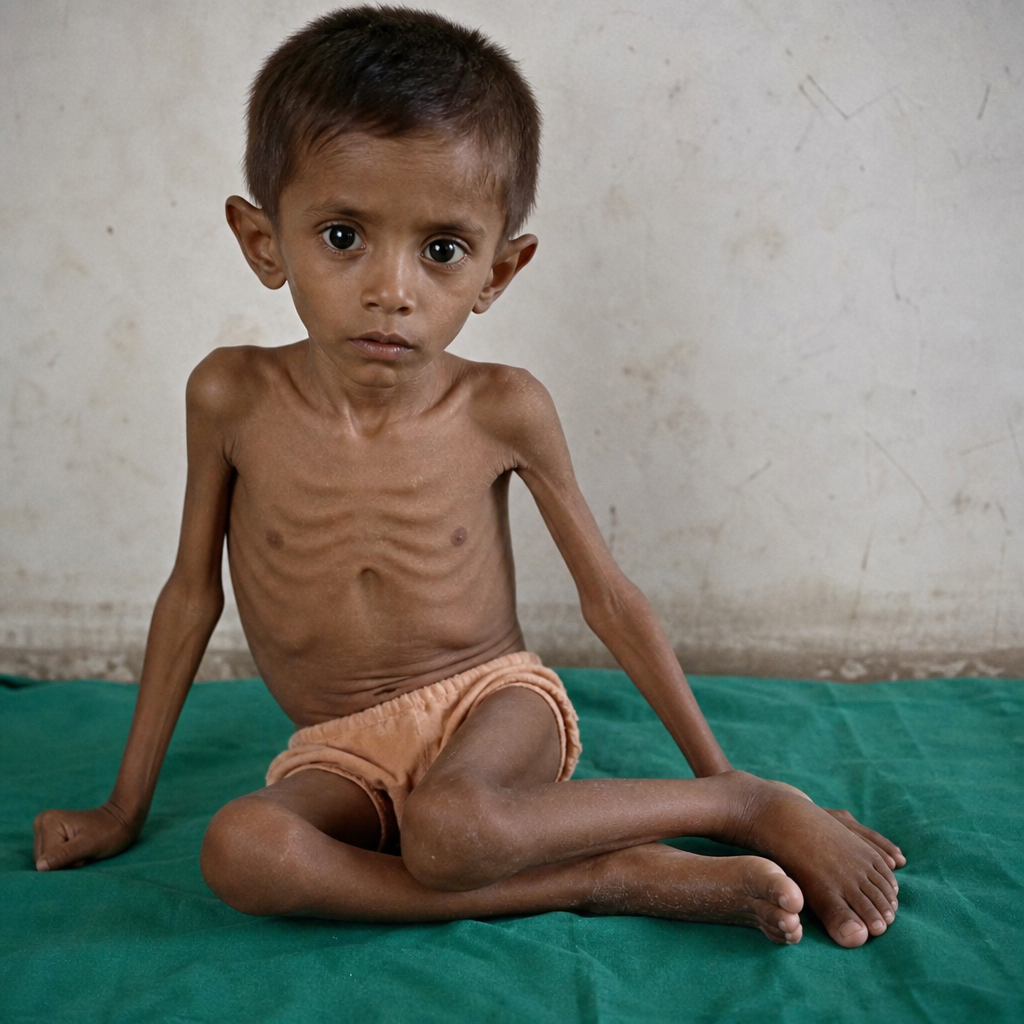
All of the following are seen in marasmus except?
In the Ghanian Ga language, what does 'Kwashirokar' mean?
Abnormal head shape due to premature fusion of cranial sutures is seen in all of the following conditions EXCEPT?
A 3-year-old girl presents with diarrhea of 2 weeks duration. Her weight is 8 kg and her height is 93 cm. What IV fluid should be administered?
Human breast milk is essential for the newborn. What essential fatty acid is it rich in?
Which of the following components in breast milk are beneficial in intestinal cell maturation and repair?
What is the 24-hour normal fluid requirement for a one-year-old child weighing 8 kg?
What is the recommended daily fluid intake for an 8 kg boy?
Explanation: **Explanation:** The storage of breast milk is a critical aspect of pediatric nutrition, especially for working mothers and neonates in the NICU. The correct answer is **24 hours** based on standard guidelines followed in many clinical settings and frequently tested in Indian medical examinations (like NEET-PG/INI-CET). **Why 24 hours is correct:** When breast milk is stored in a refrigerator (at approximately 4°C), the cold temperature inhibits the growth of bacteria while preserving the immunological properties (like IgA and lactoferrin) and nutritional content. While some international guidelines (like the CDC) suggest longer durations, the standard teaching in Indian pediatrics (often based on IAP/WHO recommendations for tropical climates) emphasizes **24 hours** as the safe limit to ensure minimal bacterial contamination and nutrient degradation. **Analysis of Incorrect Options:** * **48 hours (A):** While milk may remain safe in high-end medical-grade refrigerators, it is generally considered too long for routine home storage recommendations in India due to risks of lipolysis and potential power fluctuations. * **12 hours (C) & 6 hours (D):** These are too short for refrigeration. **6 hours** is actually the standard recommendation for storing breast milk at **room temperature** (25°C) in a clean environment. **High-Yield Clinical Pearls for NEET-PG:** * **Room Temperature:** Up to 4–6 hours (ideally 4 hours in Indian summers). * **Refrigerator (4°C):** 24 hours. * **Deep Freezer (-18°C to -20°C):** 3 to 6 months. * **Thawing:** Never boil or microwave breast milk. Thaw it overnight in the fridge or by placing the container in warm water. Once thawed, it must be used within 24 hours and **never refrozen**. * **Colostrum:** Rich in IgA and growth factors; should never be discarded.
Explanation: ### Explanation To determine the recommended caloric intake from carbohydrates, we must first calculate the **Total Energy Requirement (TER)** for a 4-year-old child. **1. Calculating Total Calories:** According to the standard pediatric formula (Holiday-Segar method or ICMR guidelines), the average energy requirement for a child aged 4–6 years is approximately **1350–1400 Kcal/day**. A simplified clinical rule of thumb for a 4-year-old (average weight ~16 kg) is roughly **90–100 Kcal/kg**, totaling approximately **1500 Kcal/day** (or 1000 + 100 × age in years). **2. Calculating Carbohydrate Proportion:** In a balanced pediatric diet, **50–60%** of the total daily calories should be derived from carbohydrates. * Calculation: 55% of 1500 Kcal ≈ **825 Kcal**. * Among the given options, **800 Kcal (Option C)** is the closest and most accurate representation of this physiological requirement. --- ### Analysis of Incorrect Options: * **A (300 Kcal):** This represents only ~20% of the daily requirement, which is insufficient and would lead to protein-energy malnutrition and ketosis. * **B (500 Kcal):** This is roughly 33% of the total intake; while higher, it still falls below the recommended 50-60% threshold for growing children. * **D (1000 Kcal):** This would represent nearly 70-75% of the total daily intake, which is excessive and would likely displace essential proteins and healthy fats from the diet. --- ### NEET-PG High-Yield Pearls: * **Caloric Distribution:** Carbohydrates (50-60%), Fats (25-30%), Proteins (10-15%). * **Energy Density:** Carbohydrates and Proteins provide **4 Kcal/g**, while Fats provide **9 Kcal/g**. * **Protein Requirement:** For a 4-year-old, the protein requirement is approximately **1.1 g/kg/day**. * **Rule of Thumb for Weight:** A child's weight doubles by 5 months, triples by 1 year, and quadruples by 2 years. At 4 years, the average weight is roughly 16 kg.
Explanation: **Explanation:** The core distinction between the two main types of Protein-Energy Malnutrition (PEM)—**Marasmus** and **Kwashiorkor**—lies in the clinical presentation and the child's mental state. **Why Apathy is the correct answer:** **Apathy** (a lack of interest or enthusiasm) is a hallmark clinical feature of **Kwashiorkor**, not Marasmus. In Kwashiorkor, the child is typically lethargic, irritable, and disinterested in their surroundings. In contrast, a child with Marasmus is characteristically **alert and hungry** (often described as "voraciously hungry"). Therefore, apathy is the "except" in this list. **Analysis of incorrect options:** * **Hunger:** As mentioned, Marasmic children have a preserved appetite because their primary deficiency is total calories (starvation). * **Wasting:** Severe muscle wasting and loss of subcutaneous fat are the defining features of Marasmus, leading to a "skin and bones" appearance. * **Loose folds of skin:** Due to the extensive loss of subcutaneous fat, the skin becomes redundant and hangs in loose folds, particularly prominent in the buttocks (the "baggy pants" appearance) and thighs. **NEET-PG High-Yield Pearls:** * **Marasmus:** Caused by deficiency of **total calories**. Key features: "Old man" or "Simian" facies, alert mental state, and absence of edema. * **Kwashiorkor:** Caused by **protein deficiency** despite adequate calories. Key features: **Edema** (pitting), "Moon facies," "Flaky paint" dermatosis, "Flag sign" (hair changes), and **Apathy**. * **Mnemonic:** **M**arasmus = **M**uscle wasting; **K**washiorkor = **K**uash (Fluid/Edema) and **A**pathy.
Explanation: ### Explanation **Correct Answer: B. Condition seen in the displaced child** The term **Kwashiorkor** was first introduced to the medical literature by **Cicely Williams** in 1933. It originates from the Ga language of Ghana and literally translates to "the sickness the baby gets when the new baby comes." **Underlying Medical Concept:** The "displacement" refers to the physical and nutritional displacement of the older child from the mother’s breast when a younger sibling is born. The older child is abruptly weaned from protein-rich breast milk to a diet consisting primarily of high-carbohydrate starches (like maize or cassava). This leads to **Protein-Energy Malnutrition (PEM)** characterized by a qualitative deficiency of protein despite a potentially adequate caloric intake. **Analysis of Incorrect Options:** * **A & C:** While the condition involves a second child, the linguistic meaning specifically emphasizes the **displacement** of the first child rather than just the birth order or familial relation. * **D:** The term is rooted in the biological weaning process between a mother and her offspring, not the social status of a stepchild. **High-Yield Clinical Pearls for NEET-PG:** * **Hallmark Sign:** **Edema** (pitting type, starting in feet/legs) due to hypoalbuminemia. * **Dermatological Sign:** "Flaky paint" or **"Crazy pavement" dermatosis**. * **Hair Changes:** **Flag sign** (alternating bands of light and dark hair reflecting periods of poor and good nutrition). * **Psychological State:** Children are typically **apathetic**, irritable, and lethargic (unlike the "voracious appetite" seen in Marasmus). * **Key Difference:** Marasmus is a deficiency of *total calories*, whereas Kwashiorkor is primarily a deficiency of *protein*.
Explanation: The question tests your ability to differentiate between **Craniosynostosis** (premature fusion of sutures) and **Microcephaly** (reduced brain growth). ### **Explanation** The correct answer is **Seckel Syndrome**. In this condition, the abnormal head shape is due to **primary microcephaly** (failure of brain growth), not the premature fusion of cranial sutures. The skull remains small because the brain underneath is not expanding to push the sutures apart. ### **Analysis of Options** * **Seckel Syndrome (Correct Answer):** Also known as "Bird-headed dwarfism," it is an autosomal recessive disorder characterized by severe intrauterine growth retardation, mental retardation, and a "beak-like" nose. The small head is a result of **microcephaly**, where sutures remain open but the brain volume is significantly reduced. * **Carpenter Syndrome:** An autosomal recessive disorder characterized by **acrocephaly** (pointed head) due to multisutural synostosis, associated with polydactyly and obesity. * **Apert Syndrome:** A classic craniosynostosis syndrome (autosomal dominant) featuring **turribrachycephaly** (tower-shaped head), midface hypoplasia, and "mitten-hand" syndactyly. * **Crouzon Syndrome:** The most common craniosynostosis syndrome. It presents with **brachycephaly**, proptosis (due to shallow orbits), and a "parrot-beak" nose, but lacks the limb abnormalities seen in Apert or Carpenter syndromes. ### **High-Yield Clinical Pearls for NEET-PG** * **Scaphocephaly:** Most common type of craniosynostosis; involves the **sagittal suture**. * **Virchow’s Law:** When a suture fuses prematurely, growth is restricted perpendicular to the suture and enhanced parallel to it. * **Apert vs. Crouzon:** If the question mentions **syndactyly**, think Apert; if limbs are normal, think Crouzon. * **Seckel Syndrome Key Triad:** Dwarfism, Microcephaly, and Beak-like protrusion of the nose.
Explanation: ### Explanation The key to solving this clinical scenario lies in identifying the child's nutritional status. According to the WHO growth charts, for a 3-year-old girl, a height of 93 cm is normal, but a weight of 8 kg is significantly below the -3 SD (Standard Deviation) mark. This indicates **Severe Acute Malnutrition (SAM)**. **1. Why 10% Dextrose is Correct:** Children with SAM are at an extremely high risk of **hypoglycemia** due to depleted glycogen stores and impaired gluconeogenesis. In the management of SAM (as per WHO and IAP guidelines), if a child presents with signs of shock or severe dehydration, the priority is to prevent or treat hypoglycemia immediately. **10% Dextrose** (5 ml/kg IV bolus) is the standard initial treatment for symptomatic hypoglycemia or as part of the stabilization phase in a malnourished child to prevent a fatal drop in blood glucose. **2. Why the Other Options are Incorrect:** * **Ringer’s Lactate (RL) & Normal Saline (NS):** While these are standard for rehydration in well-nourished children, they do not contain glucose. In SAM, using large volumes of isotonic crystalloids without glucose can worsen hypoglycemia and lead to fluid overload or heart failure due to the "reductive adaptation" of the malnourished heart. * **Isolyte P:** This is a maintenance fluid with low sodium and some dextrose (5%). However, it is not the preferred choice for the immediate management of a child with SAM who requires rapid glucose correction or specific rehydration protocols (like ReSoMal). **Clinical Pearls for NEET-PG:** * **SAM Definition:** Weight-for-height < -3 SD, MUAC < 11.5 cm, or presence of bilateral pitting edema. * **ReSoMal:** Rehydration Solution for Malnutrition is the preferred oral fluid; it has lower sodium (45 mmol/L) and higher potassium (40 mmol/L) than standard ORS. * **Rule of 10:** In SAM management, use 10% Dextrose for hypoglycemia and 10 ml/kg of fluid for shock (instead of the usual 20 ml/kg) to avoid cardiac failure.
Explanation: **Explanation:** Human breast milk is a complex biological fluid uniquely designed to support neonatal growth. While it contains several fatty acids, **Docosahexaenoic acid (DHA)** is the most clinically significant long-chain polyunsaturated fatty acid (LC-PUFA) found in breast milk that is notably absent or insufficient in standard cow's milk. DHA is essential for the structural development of the **brain and the retina**, playing a critical role in cognitive function and visual acuity in the newborn. **Analysis of Options:** * **A. Docosahexaenoic acid (Correct):** Breast milk is rich in DHA, which is vital for neurodevelopment. It is often considered the "gold standard" component that differentiates human milk from basic infant formulas. * **B. Linolenic acid & C. Linoleic acid:** These are "essential fatty acids" (precursors), but they are not the specific long-chain derivatives that breast milk is uniquely "rich in" to provide immediate developmental benefits. While present, they must be converted by the body into DHA and ARA, a process that is often inefficient in neonates. * **D. Arachidonic acid (ARA):** While breast milk does contain ARA, DHA is more frequently highlighted in exams regarding its specific role in brain and retinal maturation. **High-Yield Facts for NEET-PG:** * **Colostrum:** Rich in IgA, lactoferrin, and lymphocytes; lower in fat than mature milk. * **Casein to Whey Ratio:** In breast milk, it is **40:60** (easier to digest), whereas in cow’s milk, it is **80:20**. * **Iron Content:** Breast milk has low iron content, but its **bioavailability is very high** (50% absorption) compared to cow's milk (10%). * **Deficiencies:** Breast milk is notoriously deficient in **Vitamin D and Vitamin K**.
Explanation: ### Explanation **Correct Option: B. Epidermal growth factor (EGF)** **Why it is correct:** Breast milk contains various bioactive factors that promote the development of the neonatal gastrointestinal tract. **Epidermal Growth Factor (EGF)** is a heat-stable polypeptide found in high concentrations in colostrum and mature milk. Its primary physiological role is to stimulate the **proliferation, differentiation, and maturation of intestinal epithelial cells**. It plays a critical role in the "trophic effect" of breast milk, aiding in the repair of the intestinal mucosa following injury (such as necrotizing enterocolitis or viral enteritis) and enhancing the intestinal barrier function. **Analysis of Incorrect Options:** * **A. Lactoferrin:** This is an iron-binding protein. Its primary role is **antimicrobial**; it sequesters iron to prevent bacterial growth (bacteriostatic) and has direct bactericidal effects. * **C. Cytokines:** While breast milk contains cytokines (like IL-10 and TGF-β) that modulate the infant's **immune response** and provide anti-inflammatory protection, they are not the primary drivers of structural cell maturation and repair. * **D. Glutathione peroxidase:** This is an **antioxidant enzyme** that protects the infant from oxidative stress by scavenging free radicals; it does not directly stimulate cell growth or maturation. **High-Yield Clinical Pearls for NEET-PG:** * **Colostrum vs. Mature Milk:** Colostrum is richer in EGF, IgA, and lactoferrin compared to mature milk. * **Bifidus Factor:** A carbohydrate in breast milk that promotes the growth of *Lactobacillus bifidus*, maintaining an acidic gut pH to inhibit pathogens. * **Lysozyme:** Breast milk contains 3000x more lysozyme than cow’s milk; it kills bacteria by dissolving their cell walls. * **IgA:** Secretory IgA is the most abundant immunoglobulin in breast milk, providing mucosal immunity.
Explanation: The calculation of maintenance fluid requirements in pediatrics is based on the **Holliday-Segar Method**, which estimates fluid needs based on metabolic demand and body weight. ### **Explanation of the Correct Answer** According to the Holliday-Segar formula, the 24-hour fluid requirement is calculated as follows: * **First 10 kg of body weight:** 100 ml/kg/day * **Next 10 kg (11–20 kg):** 50 ml/kg/day * **Each kg above 20 kg:** 20 ml/kg/day For a child weighing **8 kg**, the calculation is: $8\text{ kg} \times 100\text{ ml/kg/day} = \mathbf{800\text{ ml/day}}$. Therefore, **Option B** is the correct maintenance volume. ### **Analysis of Incorrect Options** * **Option A (700 ml):** This would be the requirement for a 7 kg infant. It underestimates the needs of an 8 kg child. * **Option C (900 ml):** This would be the requirement for a 9 kg infant. * **Option D (1000 ml):** This is the standard maintenance for a 10 kg child. While a one-year-old often weighs approximately 10 kg (tripling their birth weight), the question specifies the weight as 8 kg, making this incorrect. ### **High-Yield Clinical Pearls for NEET-PG** 1. **The 4-2-1 Rule:** For hourly maintenance rates, use 4 ml/kg/hr for the first 10 kg, 2 ml/kg/hr for the next 10 kg, and 1 ml/kg/hr thereafter. (For an 8 kg child: $8 \times 4 = 32\text{ ml/hr}$, which equals $768\text{ ml/day}$). 2. **Weight Milestones:** Remember that a child typically **doubles** their birth weight by 5 months and **triples** it by 1 year. 3. **Insensible Water Loss:** Approximately 45 ml/100 kcal is lost through the skin and lungs; this increases with fever (12% increase for every 1°C rise above 37°C).
Explanation: **Explanation:** The calculation of daily maintenance fluid requirements in pediatrics is based on the **Holliday-Segar Method**, which estimates fluid needs based on body weight. This is a high-yield concept for NEET-PG. **The Holliday-Segar Formula:** * **First 10 kg:** 100 ml/kg/day * **Next 10 kg (11–20 kg):** 1000 ml + 50 ml/kg for every kg over 10 kg * **Above 20 kg:** 1500 ml + 20 ml/kg for every kg over 20 kg **Calculation for an 8 kg boy:** Since the weight is less than 10 kg, we use the first rule: $8 \text{ kg} \times 100 \text{ ml/kg/day} = \mathbf{800 \text{ ml/day}}$. **Analysis of Options:** * **Option B (800 ml):** Correct. It follows the standard 100 ml/kg rule for the first 10 kg of body weight. * **Option A (700 ml):** Incorrect. This would be the requirement for a 7 kg child. * **Option C (900 ml):** Incorrect. This would be the requirement for a 9 kg child. * **Option D (1 ml):** Incorrect. This is physiologically impossible for survival. **High-Yield Clinical Pearls for NEET-PG:** 1. **Hourly Rate:** To calculate the hourly maintenance rate (the 4-2-1 rule), it is 4 ml/kg/hr for the first 10 kg. For this child: $8 \times 4 = 32 \text{ ml/hr}$. 2. **Neonatal Exception:** The Holliday-Segar formula is **not** used for neonates (<28 days), as their fluid requirements change daily during the first week of life. 3. **Increased Needs:** Maintenance fluids must be increased in conditions like fever (12% increase for every 1°C rise), tachypnea, or phototherapy. 4. **Decreased Needs:** Fluids should be restricted in cases of SIADH, oliguric renal failure, or congestive heart failure.
Breastfeeding
Practice Questions
Infant Formula Feeding
Practice Questions
Complementary Feeding
Practice Questions
Nutritional Requirements by Age
Practice Questions
Malnutrition and Failure to Thrive
Practice Questions
Obesity in Children
Practice Questions
Vitamin Deficiencies
Practice Questions
Mineral Deficiencies
Practice Questions
Food Allergies and Intolerances
Practice Questions
Nutritional Management of Chronic Diseases
Practice Questions
Eating Disorders
Practice Questions
Parenteral and Enteral Nutrition
Practice Questions
Get full access to all questions, explanations, and performance tracking.
Start For Free