What component is increased in colostrum compared to normal milk?
A 12-hour-old male infant of a diabetic mother presents with seizures. Which of the following is the least likely cause?
What is the maximum urine osmolality in a preterm neonate?
A premature baby, born at 33 weeks of gestation with a birth weight of 1500 Gms has stable vitals. Which of the following is the initial feeding method of choice?
Neonatal apnea is seen in all of the following conditions except –
Which of the following is NOT commonly seen in a newborn?
A baby is born prematurely at 29 weeks gestation by caesarean delivery for fetal distress. The neonate develops tachypnea, nasal flaring, subcostal and intercostal retractions immediately after birth. Chest radiography shows bilateral, diffuse, ground glass appearance, air bronchograms, and poor lung expansion. What is the best treatment plan for this neonate?
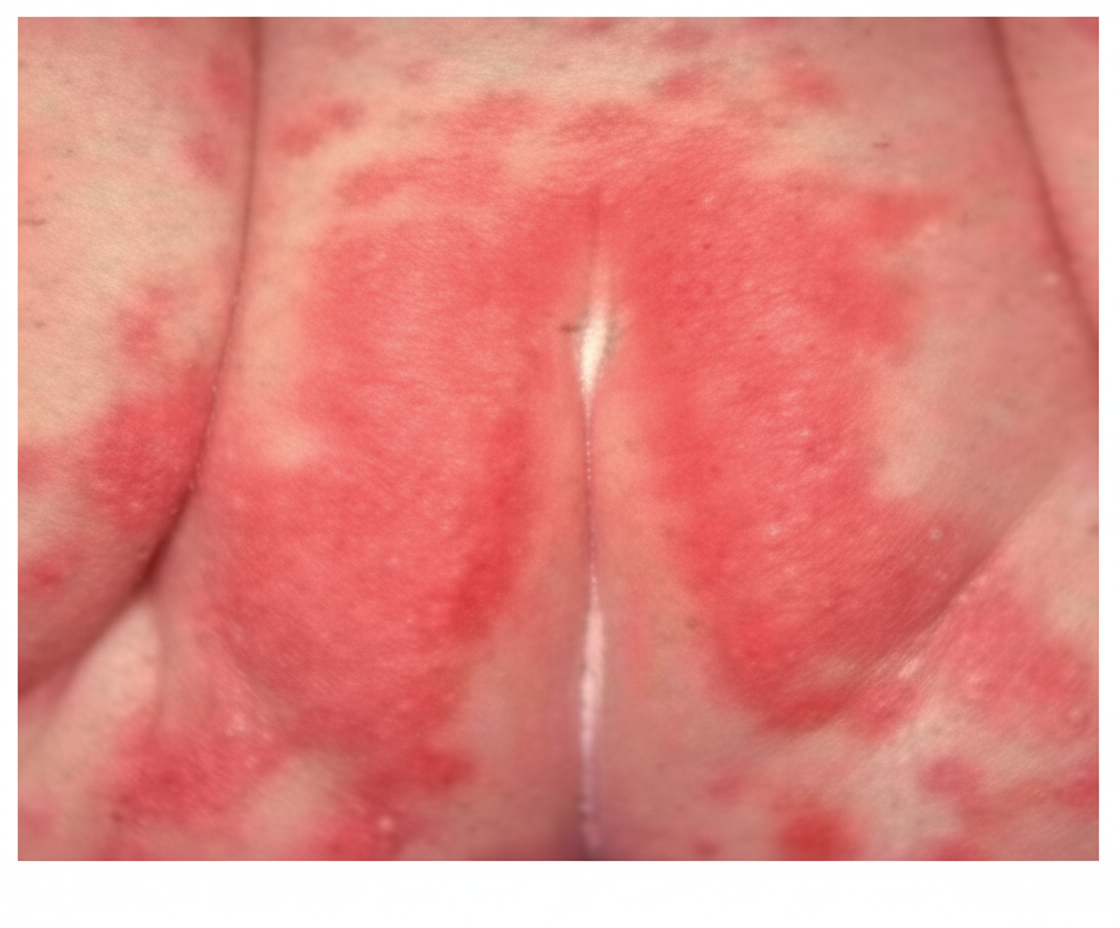
Which of the following is true about erythema toxicum neonatorum?
A newborn infant presents with intermittent cyanosis that improves with crying and worsens when quiet. What is the most likely diagnosis?
When severe dehydration in a neonate occurs, what is the recommended fluid replacement amount in the first hour?
Explanation: **Explanation:** Colostrum is the first stage of breast milk, secreted during the first 2–4 days postpartum. It is specifically designed to meet the immediate immunological and nutritional needs of a newborn. **Why "Increased Proteins" is correct:** Colostrum is significantly richer in **proteins** (approximately 8.5 g/dL) compared to mature milk (1.1 g/dL). This protein content is primarily composed of **Immunoglobulin A (IgA)**, lactoferrin, and albumin. The high IgA concentration provides "passive immunity," coating the newborn’s gut to protect against pathogens. **Analysis of Incorrect Options:** * **A & B (Potassium and Sodium):** Colostrum actually contains **higher** levels of sodium, chloride, and magnesium, and **lower** levels of potassium compared to mature milk. These electrolytes help in the initial stabilization of the neonate. * **D (Increased Calories):** This is a common misconception. Colostrum is **lower in calories** (approx. 58 kcal/dL) than mature milk (approx. 65–70 kcal/dL). This is because colostrum has lower concentrations of fat and lactose (carbohydrates) to accommodate the newborn's immature digestive system. **High-Yield NEET-PG Pearls:** * **Color:** Deep yellow due to high **Beta-carotene** content. * **Vitamins:** Rich in fat-soluble vitamins (**A, D, E, and K**). Vitamin A is crucial for reducing the severity of neonatal infections. * **Volume:** Secreted in small quantities (20–40 ml per feed), which is ideal for the small capacity of a neonate's stomach. * **Function:** Acts as a mild laxative to facilitate the passage of **meconium**, helping to prevent hyperbilirubinemia.
Explanation: **Explanation:** In an infant of a diabetic mother (IDM), seizures are a common clinical presentation, but **Hypermagnesemia** is the least likely cause. In fact, IDMs are characteristically predisposed to **Hypomagnesemia**. This occurs because maternal diabetes often leads to maternal magnesium loss through urine, resulting in maternal hypomagnesemia. This, in turn, causes secondary magnesium deficiency in the fetus. **Analysis of Options:** * **Hypoglycemia (Option A):** This is the most common metabolic complication in IDMs. Fetal hyperinsulinism (in response to maternal hyperglycemia) persists after birth, leading to a rapid drop in blood glucose, typically within the first 1–6 hours. It is a frequent cause of neonatal seizures. * **Hypocalcemia (Option B):** IDMs often experience hypocalcemia within the first 24–72 hours. This is attributed to delayed parathyroid hormone (PTH) synthesis and the aforementioned hypomagnesemia, which interferes with PTH release and action. * **Hypermagnesemia (Option C):** This is incorrect because IDMs are prone to *low* magnesium, not high. Hypermagnesemia is usually seen in neonates whose mothers received Magnesium Sulfate ($MgSO_4$) for pre-eclampsia or eclampsia, and it typically causes hypotonia and respiratory depression rather than seizures. * **Birth Asphyxia (Option D):** IDMs are often macrosomic, increasing the risk of prolonged labor, shoulder dystocia, and birth asphyxia, all of which are potent causes of early-onset neonatal seizures. **NEET-PG High-Yield Pearls for IDM:** * **Most common cardiac anomaly:** Ventricular Septal Defect (VSD). * **Most specific cardiac anomaly:** Transposition of the Great Arteries (TGA). * **Most specific malformation:** Caudal Regression Syndrome (Sacral Agenesis). * **Other complications:** Polycythemia, Hyperbilirubinemia, and Respiratory Distress Syndrome (due to insulin inhibiting surfactant production).
Explanation: **Explanation:** The ability of a neonate to concentrate urine is significantly limited compared to adults due to the anatomical and physiological immaturity of the kidneys. **1. Why 500 mOsm/kg is correct:** In preterm neonates, the maximum urinary concentrating capacity is approximately **500 mOsm/kg**. This limitation is due to several factors: * **Short Loops of Henle:** Preterm infants have shorter loops, reducing the efficiency of the countercurrent multiplier system. * **Low Medullary Urea Gradient:** Neonates are in an anabolic state with low protein intake/turnover, leading to lower urea levels in the renal medulla. * **Reduced Response to ADH:** The distal tubules and collecting ducts show diminished sensitivity to Antidiuretic Hormone (ADH). **2. Analysis of Incorrect Options:** * **A (200 mOsm/kg):** This is too low; even preterm kidneys can concentrate above the osmolality of plasma (~285 mOsm/kg). * **B (400 mOsm/kg):** While closer, it underestimates the peak capacity of a stable preterm infant. * **D (800 mOsm/kg):** This is the concentrating capacity of a **term neonate**. Full-term infants have more mature nephrons but still fall short of the adult capacity. **3. High-Yield Clinical Pearls for NEET-PG:** * **Adult Max Osmolality:** 1200–1400 mOsm/kg. * **Term Neonate Max Osmolality:** ~800 mOsm/kg. * **Preterm Neonate Max Osmolality:** ~500 mOsm/kg. * **Clinical Implication:** Because neonates cannot concentrate urine effectively, they are at a high risk of **hypernatremic dehydration** if fluid intake is inadequate or if they experience increased insensible water loss (e.g., under phototherapy). * **Diluting Capacity:** Interestingly, a neonate's ability to *dilute* urine (down to 30–50 mOsm/kg) is much better developed than their ability to concentrate it.
Explanation: **Explanation:** The primary determinant for the method of feeding in a neonate is the **gestational age**, which dictates the coordination of sucking, swallowing, and breathing. **1. Why Orogastric (OG) Tube Feeding is Correct:** Coordination of **sucking and swallowing** typically develops between **32 to 34 weeks** of gestation. This baby is born at 33 weeks and is hemodynamically stable. While the baby may have some sucking ability, it is often not mature enough to sustain total caloric requirements via oral feeds without the risk of aspiration or exhaustion. Therefore, **Enteral feeding via an Orogastric tube** is the initial method of choice to ensure adequate nutrition while the baby matures. Orogastric is preferred over nasogastric in neonates because they are obligatory nose breathers. **2. Why Other Options are Incorrect:** * **A & B (IV Fluids):** Intravenous fluids are indicated for babies <30 weeks, those with a birth weight <1200g, or those who are hemodynamically unstable (e.g., respiratory distress). This baby is 1500g and stable; starting enteral feeds early is preferred to promote gut maturation. * **D (Total Parenteral Nutrition):** TPN is reserved for extremely premature infants (<28-30 weeks) or those with surgical gastrointestinal contraindications where enteral feeding is not possible for a prolonged period. **Clinical Pearls for NEET-PG:** * **<30 weeks:** Start with IV fluids + Trophic feeds (minimal enteral nutrition). * **30–32 weeks:** Orogastric/Nasogastric tube feeding (Bolus feeds). * **32–34 weeks:** Transition from OG tube to Spoon/Paladai feeding. * **>34 weeks:** Direct Breastfeeding (Suck-swallow-breath coordination is fully mature). * **Birth Weight <1500g (VLBW):** These infants are at high risk for NEC; hence, breast milk (EBM) is the gold standard for enteral feeds.
Explanation: **Explanation:** Neonatal apnea is defined as the cessation of breathing for more than 20 seconds, or a shorter period if accompanied by bradycardia (<100 bpm) or cyanosis. It is a common manifestation of systemic instability in neonates. **Why "All of these" is correct:** Apnea is typically triggered by metabolic derangements and thermal instability. However, the conditions listed in the options are the **opposites** of the actual triggers. In clinical practice: * **Hypoglycemia** (not hyperglycemia) causes apnea due to neuro-glycopenia affecting the respiratory center. * **Hypocalcemia** (not hypercalcemia) leads to neuromuscular irritability and apnea. * **Hypothermia** (not hyperthermia) is a classic cause, though rapid warming can also trigger it. Since Hyperglycemia, Hypercalcemia, and Hyperthermia are **not** standard causes of neonatal apnea, and the question asks which conditions it is seen in (implying the options provided are incorrect associations), "All of these" is the appropriate choice to indicate that none of the individual metabolic/thermal states listed typically cause apnea. **Analysis of Options:** * **Hyperglycemia:** Rarely causes apnea; it is usually an incidental finding in stressed or extremely low birth weight infants. * **Hypercalcemia:** Rare in neonates; apnea is a hallmark of low calcium levels. * **Hyperthermia:** While fever can cause tachypnea, it is **Hypothermia** that is strongly associated with apneic spells. **High-Yield Clinical Pearls for NEET-PG:** * **Primary Apnea:** Responds to tactile stimulation. * **Secondary Apnea:** Requires positive pressure ventilation (PPV). * **Drug of Choice:** **Caffeine Citrate** is the preferred methylxanthine for Apnea of Prematurity (AOP) due to its wider therapeutic index and longer half-life compared to Theophylline. * **Most common cause:** Prematurity (due to an immature brainstem/respiratory center).
Explanation: This question tests the candidate’s ability to differentiate between normal physiological skin findings in a newborn and pathological conditions. The correct answer is **D (None of the above)** because all three listed options are benign, common, and transient findings in healthy neonates. ### **Explanation of Options:** * **Milia (Option A):** These are tiny (1–2 mm), white, pearly papules typically seen on the nose, chin, and forehead. They represent keratin-filled epidermal cysts. They are present in approximately 40–50% of newborns and resolve spontaneously within the first few weeks of life. * **Mongolian Spots (Option B):** Now more accurately termed *Congenital Dermal Melanocytosis*, these are blue-grey pigmented macules usually found over the sacrum or buttocks. They are caused by the entrapment of melanocytes in the dermis during fetal migration. They are extremely common in infants of Asian, African, and Hispanic descent. * **Epstein Pearls (Option C):** These are small, white-yellow cystic vesicles found on the hard palate (midline raphe). They are essentially the oral counterpart of milia (trapped epithelium). They are seen in about 60–85% of newborns and require no treatment. ### **High-Yield Clinical Pearls for NEET-PG:** 1. **Erythema Toxicum Neonatorum:** Another common finding; characterized by "flea-bite" appearing rashes with eosinophils on Tzanck smear. 2. **Transient Neonatal Pustular Melanosis:** Common in dark-skinned infants; characterized by neutrophils (unlike Erythema Toxicum) and leaves behind a collarette of scale. 3. **Bohn’s Nodules:** Similar to Epstein pearls but located on the buccal or lingual surface of the alveolar ridges. 4. **Management:** For all the above conditions, the management is always **reassurance and observation**, as they are physiological and self-limiting.
Explanation: ### Explanation **Diagnosis: Respiratory Distress Syndrome (RDS) / Hyaline Membrane Disease (HMD)** **1. Why Option B is Correct:** The clinical presentation is classic for **Respiratory Distress Syndrome (RDS)**. The primary pathophysiology is a deficiency of **pulmonary surfactant** (produced by Type II pneumocytes), which leads to high alveolar surface tension, widespread atelectasis, and decreased lung compliance. * **Risk Factors:** Prematurity (29 weeks) and Cesarean delivery (lack of labor-induced catecholamine surge that clears lung fluid and stimulates surfactant release). * **Radiological Hallmarks:** The "ground glass appearance" (diffuse micro-atelectasis), air bronchograms (patent airways against collapsed alveoli), and low lung volumes are pathognomonic. * **Management:** The gold standard is **exogenous surfactant replacement** (to reduce surface tension) combined with **respiratory support** (CPAP or mechanical ventilation) to maintain functional residual capacity. **2. Why Incorrect Options are Wrong:** * **Option A (Oxygen therapy):** While necessary, oxygen alone does not address the underlying alveolar collapse. Without surfactant, high oxygen concentrations can lead to oxygen toxicity and further lung injury. * **Option C (TEF Repair):** Tracheoesophageal fistula typically presents with excessive salivation, choking, and inability to pass a nasogastric tube. The X-ray findings here specifically point to parenchymal lung disease, not a structural malformation. * **Option D (Observation):** RDS is a progressive condition. Without intervention, it leads to worsening hypoxia, respiratory failure, and death. **3. NEET-PG High-Yield Pearls:** * **L/S Ratio:** A Lecithin/Sphingomyelin ratio **<2:1** in amniotic fluid indicates lung immaturity. * **Antenatal Steroids:** Administering Betamethasone or Dexamethasone to the mother 24-48 hours before preterm delivery significantly reduces the incidence of RDS. * **Complications of RDS:** Patent Ductus Arteriosus (PDA), Bronchopulmonary Dysplasia (BPD), and Retinopathy of Prematurity (ROP). * **Silverman-Anderson Score:** Used to assess the severity of respiratory distress in neonates (higher score = more severe).
Explanation: **Explanation:** **Erythema Toxicum Neonatorum (ETN)** is a common, benign, self-limiting cutaneous condition seen in approximately 50% of full-term newborns. 1. **Why Option B is Correct:** ETN is a physiological phenomenon, not an infection. The lesions are transient and typically peak at 24–48 hours of life. Because it is benign and asymptomatic (infants remain otherwise healthy), the management is strictly **observation**. It resolves spontaneously within 5–7 days without any intervention. 2. **Why Other Options are Incorrect:** * **Option A:** Since the etiology is non-infectious, antibiotics are unnecessary. Diagnosis is clinical; however, a Tzanck smear would show eosinophils, not bacteria. * **Option C:** The hallmark histological finding of ETN is **eosinophils**, not neutrophils. A classic NEET-PG trap is confusing ETN with *Transient Neonatal Pustular Melanosis (TNPM)*, which is characterized by neutrophils. * **Option D:** ETN typically appears within the first **24 to 72 hours** of birth. It rarely occurs after 10–14 days of life. Onset after 4 weeks would suggest other diagnoses like infantile acne or seborrheic dermatitis. **High-Yield Clinical Pearls for NEET-PG:** * **Appearance:** "Flea-bite" appearance—small erythematous macules, papules, or pustules on an erythematous base. * **Distribution:** Spares the **palms and soles** (unlike Syphilis or TNPM). * **Microscopy:** Wright stain of pustule contents reveals **innumerable eosinophils**. * **Predisposition:** More common in term infants with higher birth weights; rare in premature neonates.
Explanation: **Explanation:** The clinical presentation of **intermittent cyanosis that improves with crying and worsens during feeding or rest** is the classic hallmark of **Choanal Atresia**. **1. Why Choanal Atresia is correct:** Newborns are **obligate nasal breathers** until approximately 4–6 months of age. Choanal atresia involves a bony or membranous obstruction of the posterior nasal passage. When the infant is quiet or feeding, the mouth is closed, leading to upper airway obstruction and cyanosis. However, when the infant **cries**, they breathe through their **mouth**, bypassing the nasal obstruction, which leads to an immediate improvement in oxygenation and skin color. **2. Why the other options are incorrect:** * **Diaphragmatic Hernia:** Typically presents with immediate respiratory distress, a scaphoid abdomen, and shifted heart sounds. Cyanosis usually **worsens with crying** as the infant swallows air, further compressing the lungs. * **Cyanotic Congenital Heart Disease:** Cyanosis in cardiac lesions (like Tetralogy of Fallot or TGA) is generally persistent and typically **worsens with crying** (e.g., a "Tet spell") due to increased right-to-left shunting. * **Tracheal Agenesis:** This is a rare, fatal condition presenting with immediate, severe respiratory failure at birth and an inability to intubate. It does not present with intermittent cyanosis. **High-Yield Clinical Pearls for NEET-PG:** * **Diagnosis:** Failure to pass a 6F or 8F suction catheter through the nose into the nasopharynx. * **Gold Standard Investigation:** Non-contrast CT scan of the paranasal sinuses (shows narrowing of the posterior choanae). * **Management:** Immediate stabilization with an **Oral (McGovern) airway**; definitive treatment is surgical repair. * **Association:** Often part of the **CHARGE syndrome** (Coloboma, Heart defects, Atresia choanae, Retarded growth, Genitourinary anomalies, Ear anomalies).
Explanation: In neonatology, the management of severe dehydration or hypovolemic shock requires rapid volume expansion to restore organ perfusion and prevent multi-organ dysfunction. ### **Explanation of the Correct Answer** **Option A (20–40 mL/kg)** is the correct choice based on standard neonatal resuscitation and stabilization protocols (such as AIIMS and WHO guidelines). For a neonate in shock or with severe dehydration, the initial bolus is **20 mL/kg** of isotonic crystalloid (Normal Saline or Ringer’s Lactate) given over 15–20 minutes. If there is no clinical improvement, a second bolus of **20 mL/kg** is administered, totaling **40 mL/kg** within the first hour. ### **Analysis of Incorrect Options** * **Options B & C (5–15 mL/kg):** These volumes are insufficient for severe dehydration. While smaller volumes (10 mL/kg) may be used in specific cases like preterm infants with suspected cardiac dysfunction or HIE to avoid fluid overload, they are not the standard for severe hypovolemic shock. * **Option D (15–20 mL/kg):** While 20 mL/kg is the standard *initial* bolus, the question asks for the amount in the *first hour*. Since many neonates require a repeat bolus to achieve stability, the range of 20–40 mL/kg is more clinically accurate for the total first-hour management. ### **NEET-PG High-Yield Pearls** * **Fluid of Choice:** Always use **Isotonic Crystalloids** (0.9% NS or RL). Never use 5% Dextrose or hypotonic solutions for boluses. * **Assessment:** Improvement is marked by a decrease in heart rate, improved capillary refill time (<3 seconds), and increased urine output (>1 mL/kg/hr). * **Preterm Caution:** In very low birth weight (VLBW) infants, boluses should be given more cautiously (over 30–60 mins) to reduce the risk of Intraventricular Hemorrhage (IVH).
Neonatal Resuscitation
Practice Questions
Care of the Normal Newborn
Practice Questions
Prematurity and Low Birth Weight
Practice Questions
Respiratory Distress Syndrome
Practice Questions
Neonatal Jaundice
Practice Questions
Neonatal Sepsis
Practice Questions
Necrotizing Enterocolitis
Practice Questions
Intraventricular Hemorrhage
Practice Questions
Persistent Pulmonary Hypertension
Practice Questions
Perinatal Asphyxia
Practice Questions
Neonatal Seizures
Practice Questions
Congenital Anomalies
Practice Questions
Get full access to all questions, explanations, and performance tracking.
Start For Free