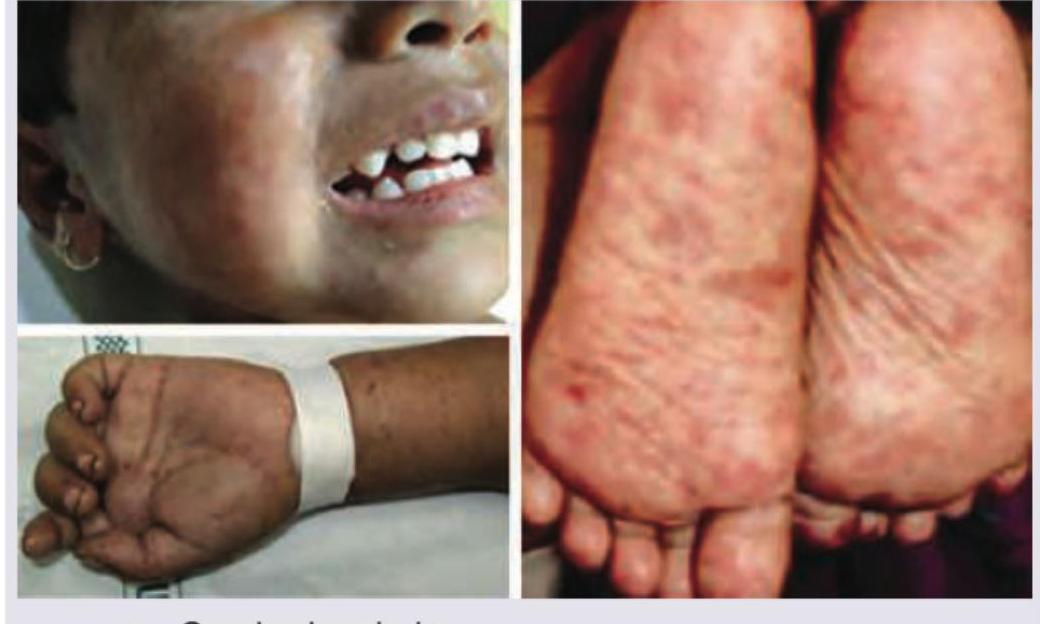
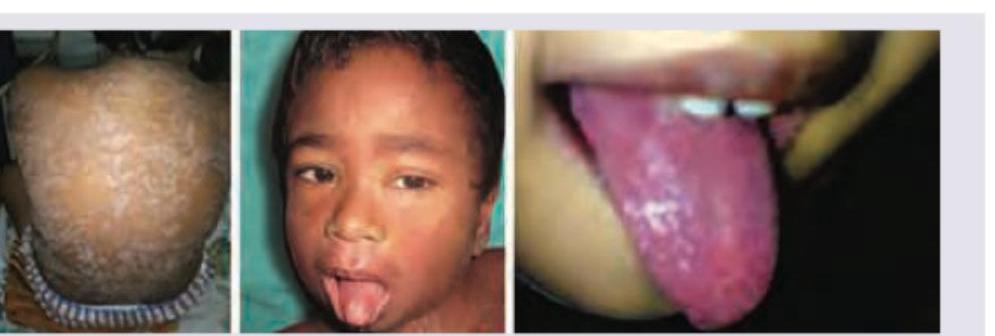
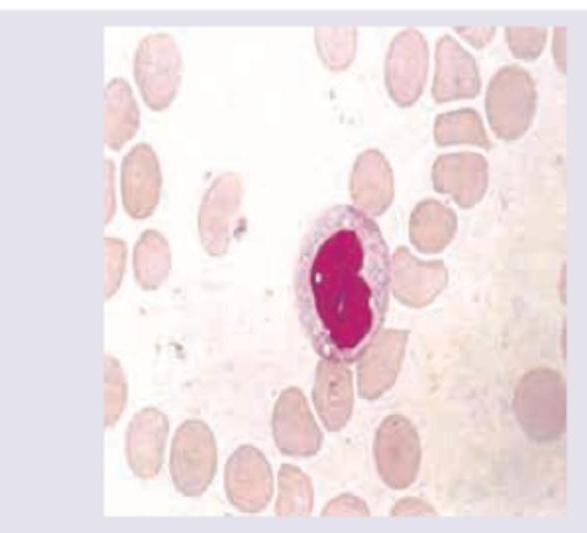
An 18-month-old baby with poor feeding and fever for 3 days presents with lower limb weakness. On examination, the baby is lethargic, has abnormal movement of the lower limbs, and the anterior fontanelle is bulging. What is the diagnosis?
Which of the following is true regarding chickenpox?
Which of the following is not a feature of Hutchinson’s triad?
Which of the following is true about erythema infectiosum?
A child is suffering from varicella (fever & rash) and the child's aunt is pregnant. What is the earliest time the aunt can meet the child?
Peusis affects which age group?
A 2-year-old known case of Rheumatic Heart Disease presents with a 3-week history of fever, hematuria, and palpitations. What is the most likely diagnosis?
Which is the commonest complication of Mumps in adults?
Hutchinson teeth are a characteristic feature of which condition?
Bronchopneumonia due to measles occurs due to which of the following mechanisms?
Explanation: **Explanation:** The clinical presentation of fever, poor feeding, and lethargy in an 18-month-old is highly suggestive of an acute infection. The presence of a **bulging anterior fontanelle** is a hallmark sign of increased intracranial pressure (ICP), which, in the context of fever, strongly points toward **Acute Bacterial Meningitis**. The "abnormal movement" and lower limb weakness are likely manifestations of meningeal irritation or focal neurological deficits resulting from inflammation or vasculitis associated with the infection. **Why other options are incorrect:** * **Intracranial Hemorrhage:** While it causes a bulging fontanelle and lethargy, it usually presents with a sudden onset, often following trauma or in the context of a bleeding diathesis (e.g., Vitamin K deficiency), and typically lacks a high-grade fever. * **Pseudotumor Cerebri (Idiopathic Intracranial Hypertension):** This condition presents with signs of raised ICP (headache, papilledema) but is rare in infants and is characteristically associated with a lack of fever and normal CSF composition. * **Cerebral Palsy:** This is a non-progressive permanent disorder of posture and movement resulting from an insult to the developing brain (often prenatal or perinatal). It does not present acutely with fever and a bulging fontanelle. **High-Yield Pearls for NEET-PG:** * **Most common organisms:** *Streptococcus pneumoniae* is the most common cause of bacterial meningitis in children >1 month of age. * **Clinical Signs:** In infants, classic signs like Kernig’s and Brudzinski’s are often absent. Look for non-specific signs: bulging fontanelle, high-pitched cry, and paradoxical irritability. * **Diagnosis:** Lumbar puncture is the gold standard (unless signs of herniation are present). * **Treatment:** Empiric therapy usually involves 3rd generation cephalosporins (Ceftriaxone/Cefotaxime) plus Vancomycin.
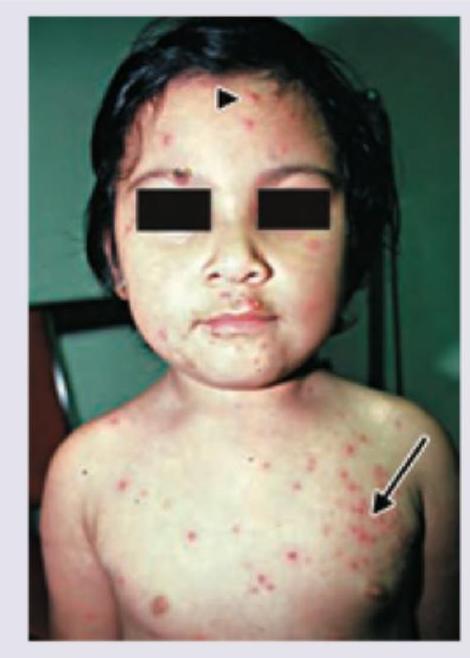
Explanation: **Explanation:** Chickenpox (Varicella) is a highly contagious viral infection caused by the **Varicella-Zoster Virus (VZV)**. The correct answer is **"All the above"** because the disease involves various systemic complications and specific preventive strategies. * **CNS Complications (Option A):** Neurological involvement is a recognized complication. The most common CNS manifestation in children is **Acute Cerebellar Ataxia** (presenting with nystagmus and unsteady gait), while **Encephalitis** is a rarer but more severe complication seen more frequently in adults. * **Reye’s Syndrome (Option B):** There is a strong association between VZV infection and Reye’s syndrome, especially when **Aspirin (salicylates)** is used to manage fever during the illness. This leads to acute encephalopathy and fatty degeneration of the liver. * **Immunoglobulins (Option C):** **Varicella-Zoster Immunoglobulin (VZIG)** is used for passive immunization. It is indicated for post-exposure prophylaxis in high-risk individuals (e.g., immunocompromised patients, pregnant women, and neonates exposed to maternal varicella) to prevent or attenuate the disease. **High-Yield Clinical Pearls for NEET-PG:** * **Rash Pattern:** Characterized by "pleomorphism" (all stages of rash—papule, vesicle, crust—seen simultaneously) and a "centripetal" distribution (starts on the trunk). * **Dew-drop on a rose petal:** Classic description of the varicella vesicle. * **Infectivity:** Patients are infectious from 48 hours before the rash appears until all vesicles have crusted over. * **Congenital Varicella Syndrome:** Occurs if the mother is infected in the first 20 weeks of pregnancy; characterized by cicatricial skin scarring, limb hypoplasia, and chorioretinitis.
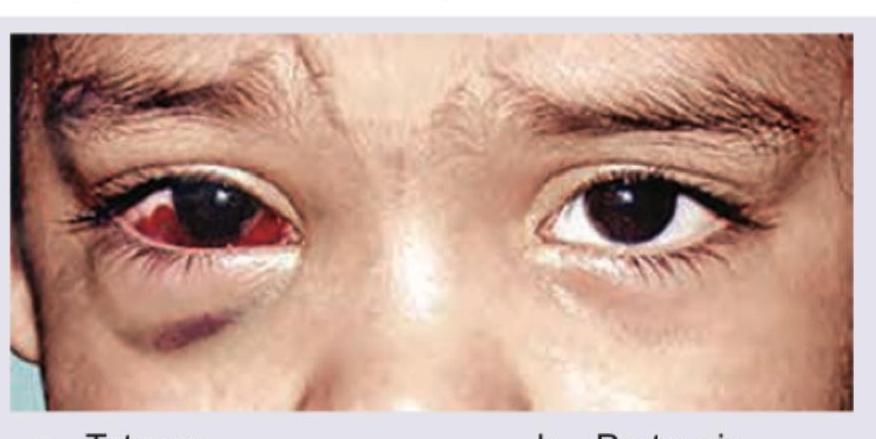
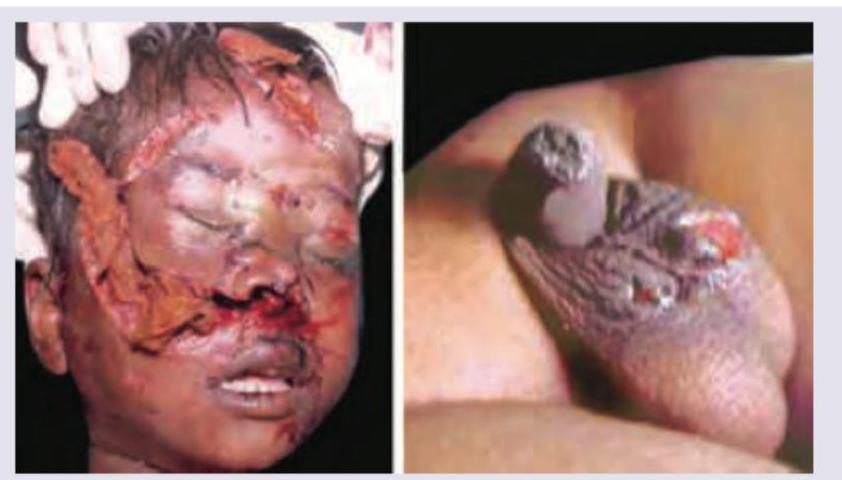
Explanation: **Explanation:** **Hutchinson’s Triad** is a classic clinical manifestation of **Late Congenital Syphilis** (appearing usually after 2 years of age). It consists of three specific findings resulting from chronic inflammation and developmental interference caused by *Treponema pallidum*. **1. Why Facial Nerve Paralysis is the correct answer:** Facial nerve paralysis (CN VII) is **not** a component of Hutchinson’s triad. While syphilis can cause various cranial neuropathies due to basal meningitis, the triad specifically involves the **8th cranial nerve (Vestidulocochlear nerve)**, leading to sensorineural hearing loss, not the 7th nerve. **2. Analysis of Incorrect Options:** * **Ocular Interstitial Keratitis (Option C):** This is the most common feature of the triad. It presents as chronic corneal inflammation, leading to scarring and potential blindness. * **Vestidulocochlear Nerve Paralysis (Option D):** This refers to 8th nerve deafness. It typically presents as sudden onset sensorineural hearing loss, often around puberty. * **Hutchinson’s Teeth (Option B):** While the option mentions **Mulberry Molars** (first molars with multiple poorly developed cusps), the triad specifically refers to **Hutchinson’s Incisors** (notched, peg-shaped permanent incisors). However, in the context of NEET-PG questions, dental abnormalities (Incisors/Molars) are grouped under the dental component of late syphilis. **Clinical Pearls for NEET-PG:** * **Early Congenital Syphilis (<2 years):** Look for Snuffles (hemorrhagic rhinitis), Rash (bullous pemphigus syphiliticus), and Parrot’s pseudoparalysis (due to osteochondritis). * **Late Congenital Syphilis (>2 years):** Look for Saber shins, Clutton’s joints (painless knee effusion), Saddle nose deformity, and Rhagades (linear scars at mouth corners). * **Diagnosis:** VDRL/RPR are used for screening; FTA-ABS or TP-PA are confirmatory.
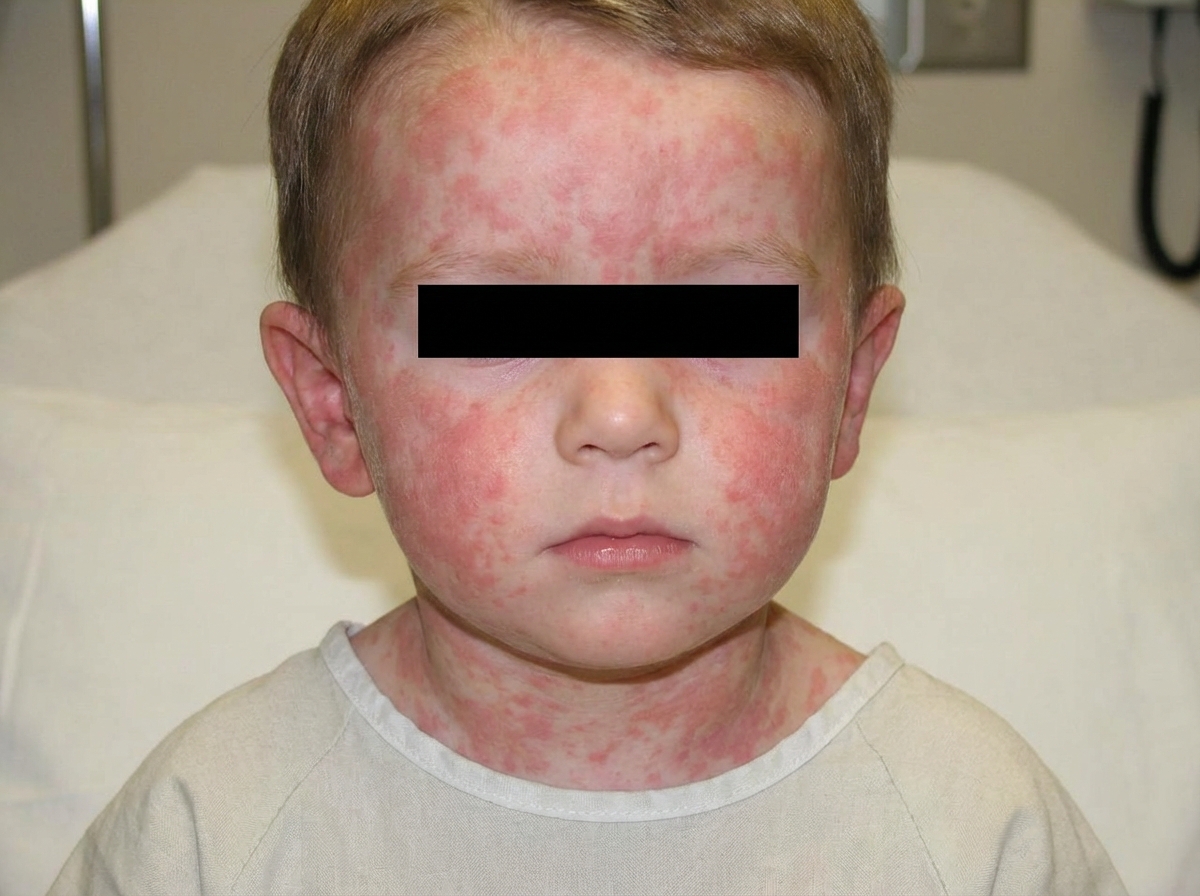
Explanation: ### Explanation **Erythema Infectiosum**, also known as **Fifth Disease**, is caused by **Human Parvovirus B19**. The clinical course of this disease is unique because it occurs in two distinct phases. **1. Why Option C is Correct:** The hallmark of Erythema Infectiosum is that the **prodromal symptoms** (fever, malaise, headache) are mild and resolve completely before the characteristic rash appears. This phenomenon is known as **defervescence**. By the time the rash manifests, the child is usually afebrile and, importantly, **no longer infectious**. The rash is an immune-mediated response rather than a direct viral effect. **2. Analysis of Incorrect Options:** * **Option A & B:** While it is true that Erythema Infectiosum presents with a "slapped cheek" appearance and is caused by Parvovirus B19, these are standard clinical features. In the context of NEET-PG "Single Best Answer" questions, if a specific physiological sequence (like defervescence before rash) is provided against general facts, the examiner is testing your knowledge of the **disease progression**. *Note: In many versions of this specific question, Option C is highlighted as the "most true" or distinguishing characteristic regarding the timing of infectivity.* * **Option D:** The rash typically begins on the **cheeks** (sparing the perioral area) and then spreads to the **extensor surfaces of the extremities** and trunk in a "lace-like" or reticular pattern. It does not typically involve the scalp or neck in the same way as Measles. **High-Yield Clinical Pearls for NEET-PG:** * **Infectivity:** The patient is infectious *before* the rash appears. Once the rash is visible, isolation is unnecessary. * **Reticular Rash:** The secondary rash has a "lacy" appearance and can recur for weeks with exposure to sunlight, heat, or stress. * **Complications:** Parvovirus B19 causes **Aplastic Crisis** in patients with chronic hemolytic anemias (e.g., Sickle Cell, Spherocytosis) and **Hydrops Fetalis** if contracted during pregnancy. * **Adults:** Often present with arthralgia or arthritis rather than a prominent rash.
Explanation: **Explanation:** The core medical concept here is the **period of communicability** of the Varicella-Zoster Virus (VZV). Varicella (Chickenpox) is highly contagious and is transmitted via respiratory droplets or direct contact with vesicle fluid. **Why Option A is correct:** A patient with varicella is infectious from **1–2 days before the onset of the rash** until **all lesions have crusted (scabbed) over**. Once the vesicles have crusted, the virus is no longer present in a transmissible form. For a pregnant woman, who is at high risk for complications (like pneumonia) and whose fetus is at risk for Congenital Varicella Syndrome, avoiding contact until the "crusting stage" is the absolute minimum safety requirement. **Why other options are incorrect:** * **Option B & C:** These are incorrect because the child is actively shedding the virus during the vesicular stage. Meeting "immediately" or based on "favoritism" ignores the high risk of transmission, which can lead to severe maternal morbidity or fetal anomalies. * **Option D:** While this is the safest social approach, it is not the *earliest* medical requirement. Once the lesions are crusted, the child is no longer a source of infection, making it medically safe for the aunt to visit before delivery. **High-Yield Clinical Pearls for NEET-PG:** * **Incubation Period:** 10–21 days (Average 14–15 days). * **Congenital Varicella Syndrome:** Highest risk if maternal infection occurs between **8–20 weeks** of gestation (features: limb hypoplasia, cicatricial skin scarring, microcephaly). * **Perinatal Varicella:** If the mother develops a rash 5 days before to 2 days after delivery, the neonate must receive **Varicella-Zoster Immunoglobulin (VZIG)** due to lack of maternal antibody transfer. * **Treatment of choice in pregnancy:** Oral Acyclovir is generally recommended to reduce maternal complications.
Explanation: **Explanation:** **Pertussis (Whooping Cough)**, caused by the Gram-negative coccobacillus *Bordetella pertussis*, is a highly contagious respiratory infection. While it can affect individuals of any age, it is classically a disease of childhood. **Why Option B is Correct:** Epidemiologically, the highest incidence of pertussis is seen in children **less than 5 years of age**. This age group is most vulnerable because immunity from the primary vaccination series (DTaP/Pentavalent) may not be fully established in early infancy, or it may begin to wane in the preschool years. Furthermore, the most severe complications, such as encephalopathy, seizures, and secondary pneumonia, occur predominantly in infants and young children. **Why Other Options are Incorrect:** * **Options A & C:** While infants aged 3–12 months are at high risk, limiting the range to these specific months is too narrow. Pertussis remains a significant burden throughout the entire preschool period (up to 5 years). * **Option D:** While there is a rising trend of pertussis in adolescents and adults due to waning immunity (leading to the recommendation of the Tdap booster), the primary target for public health interventions and the classic demographic for the full clinical syndrome remains children under 5. **High-Yield Clinical Pearls for NEET-PG:** * **Clinical Stages:** Catarrhal (most infectious), Paroxysmal (whooping cough, post-tussive emesis), and Convalescent. * **Diagnosis:** Gold standard is **Culture (Regan-Lowe or Bordet-Gengou medium)**; however, PCR is now the preferred rapid test. * **Hematology:** Characterized by **absolute lymphocytosis** (due to Lymphocytosis Promoting Factor), which is a rare finding in bacterial infections. * **Treatment:** **Macrolides** (Azithromycin is the drug of choice) are used to reduce communicability. * **Prophylaxis:** Erythromycin/Azithromycin should be given to all close contacts regardless of vaccination status.
Explanation: **Explanation:** The clinical presentation of prolonged fever (3 weeks), hematuria (suggestive of embolic phenomena or glomerulonephritis), and palpitations in a child with pre-existing Rheumatic Heart Disease (RHD) strongly points toward **Infective Endocarditis (IE)**. **Why Staphylococcal endocarditis is correct:** While *Viridans group Streptococci* were historically the most common cause of IE in children with underlying heart disease, recent epidemiological shifts show that **Staphylococcus aureus** is now the most common causative organism overall, particularly in acute presentations and cases involving prosthetic valves or intravenous access. In the context of NEET-PG, if a child with RHD presents with systemic signs like hematuria (microscopic or macroscopic) and fever, *S. aureus* is the preferred answer due to its increased virulence and rising prevalence in pediatric IE. **Why other options are incorrect:** * **Streptococcal endocarditis:** Though a common cause of subacute IE, current trends and board-style questions increasingly favor *Staphylococcus* as the leading pathogen in pediatric populations. * **Collagen vascular disease:** While conditions like SLE can cause fever and hematuria (lupus nephritis), they do not typically present with palpitations in the context of pre-existing RHD unless Libman-Sacks endocarditis is present, which is less common than infectious causes. * **Reactivation:** Reactivation of Rheumatic Fever (Jones Criteria) usually presents with migratory polyarthritis or chorea. While fever and carditis occur, the presence of hematuria specifically suggests the embolic or immunological complications of IE rather than a simple recurrence of ARF. **Clinical Pearls for NEET-PG:** * **Most common cause of IE (Overall/Pediatric):** *Staphylococcus aureus*. * **Most common cause of IE (Subacute/Native Valve):** *Viridans Streptococci*. * **Duke’s Criteria:** Used for diagnosis (2 Major, 1 Major + 3 Minor, or 5 Minor). * **Hematuria in IE:** Can be due to embolic renal infarcts or immune-complex mediated glomerulonephritis.
Explanation: **Explanation:** Mumps is an acute viral infection caused by the **Rubulavirus** (Paramyxoviridae family). While it primarily presents as parotitis in children, the clinical profile changes significantly in post-pubertal adults. **Why Orchitis is the Correct Answer:** **Epididymo-orchitis** is the most common extra-salivary complication of mumps in post-pubertal males, occurring in approximately **20-30%** of cases. It is typically unilateral (70%) and characterized by high fever, severe testicular pain, and swelling. While it can lead to testicular atrophy in about 50% of affected patients, permanent sterility is rare because the involvement is usually unilateral. **Analysis of Incorrect Options:** * **A. Encephalitis:** While CNS involvement is common (CSF pleocytosis in 50%), clinical encephalitis is rare (<1%). Aseptic meningitis is more frequent than encephalitis but still less common than orchitis in adults. * **C. Pancreatitis:** Occurs in about 5% of cases. It usually presents as mild epigastric pain and is often transient. * **D. Carditis:** Myocarditis is a rare complication of mumps and is seldom clinically significant. **High-Yield Clinical Pearls for NEET-PG:** * **Most common complication in children:** Aseptic Meningitis. * **Most common complication in adult females:** Oophoritis (approx. 5%). * **Deafness:** Mumps is a classic cause of sudden onset **unilateral** sensorineural hearing loss (SNHL). * **Diagnosis:** Primarily clinical; however, elevated **Serum Amylase** is a characteristic laboratory finding (due to both parotitis and pancreatitis). * **Prevention:** Live attenuated vaccine (Jeryl Lynn strain is most common).
Explanation: **Explanation:** **Hutchinson teeth** are a classic dental abnormality characterized by widely spaced, peg-shaped permanent incisors with a central notch on the cutting edge. This occurs due to the direct invasion of the developing tooth germs by *Treponema pallidum*. 1. **Why B is correct:** Hutchinson teeth are a component of the **Hutchinson’s Triad**, which is diagnostic of **Late Congenital Syphilis** (manifesting after 2 years of age). The triad includes: * Hutchinson teeth (Incisors) * Interstitial keratitis (leading to blindness) * Eighth nerve deafness (Sensorineural hearing loss) 2. **Why other options are incorrect:** * **A. Early congenital syphilis:** Presents before 2 years of age with features like snuffles (rhinitis), skin rashes (pemphigus syphiliticus), and hepatosplenomegaly. Dental changes only appear when permanent teeth erupt later in life. * **C. Rickets:** Characterized by delayed eruption of teeth and enamel hypoplasia, but not the specific notched, peg-shaped morphology. * **D. Scurvy:** Primarily affects the gums (swollen, bleeding) and leads to loose teeth due to defective collagen synthesis, but does not cause Hutchinson teeth. **High-Yield Clinical Pearls for NEET-PG:** * **Mulberry Molars:** Another dental sign of late congenital syphilis involving the first lower molars, which have multiple tiny globules of enamel instead of cusps. * **Saber Shins:** Anterior bowing of the tibia seen in late syphilis. * **Clutton’s Joints:** Painless, symmetrical swelling of the knees (hydrarthrosis). * **Higouménakis sign:** Unilateral thickening of the inner third of the clavicle.
Explanation: **Explanation:** The correct answer is **B. Immunomodulation.** Measles virus is notoriously known for causing **profound transient immunosuppression**, a process often referred to as "immune amnesia." The virus infects CD150+ (SLAM) receptors on T-lymphocytes, B-lymphocytes, and dendritic cells. This leads to a depletion of memory cells and a shift from a Th1 to a Th2 cytokine response, which impairs cell-mediated immunity. This state of immunomodulation makes the host highly susceptible to secondary bacterial infections. Bronchopneumonia in measles is most commonly a secondary bacterial complication (caused by *S. pneumoniae*, *S. aureus*, or *H. influenzae*) occurring because the virus has "paralyzed" the host's normal immune defenses. **Analysis of Incorrect Options:** * **A. Sinusitis:** While measles can cause inflammation of the upper respiratory tract, sinusitis is a localized complication and not the physiological mechanism leading to lower respiratory tract infection (bronchopneumonia). * **C. Bronchial obstruction:** While viral inflammation causes mucosal edema, the primary driver for the high incidence of pneumonia in measles is the systemic immune deficit, not mechanical obstruction. * **D. Aspiration:** Aspiration pneumonia is typically related to impaired consciousness or swallowing mechanisms (e.g., in neurological disorders), which is not the standard pathogenesis of measles-associated pneumonia. **High-Yield Clinical Pearls for NEET-PG:** * **Most common cause of death in Measles:** Pneumonia (either primary viral Hecht’s giant cell pneumonia or secondary bacterial bronchopneumonia). * **Vitamin A:** Supplementation is mandatory in measles management as it restores gut/respiratory integrity and improves immune function, reducing mortality. * **Warthin-Finkeldey Cells:** Pathognomonic multinucleated giant cells found in lymphoid tissue during measles. * **Koplik Spots:** Occur during the prodromal stage, opposite the lower second molars.
Vaccine-Preventable Diseases
Practice Questions
Immunization Schedule
Practice Questions
Common Childhood Infections
Practice Questions
Pediatric HIV
Practice Questions
Congenital Infections
Practice Questions
Fever in Infants and Children
Practice Questions
Meningitis and Encephalitis
Practice Questions
Respiratory Tract Infections
Practice Questions
Gastrointestinal Infections
Practice Questions
Parasitic Infections
Practice Questions
Tuberculosis in Children
Practice Questions
Opportunistic Infections
Practice Questions
Get full access to all questions, explanations, and performance tracking.
Start For Free