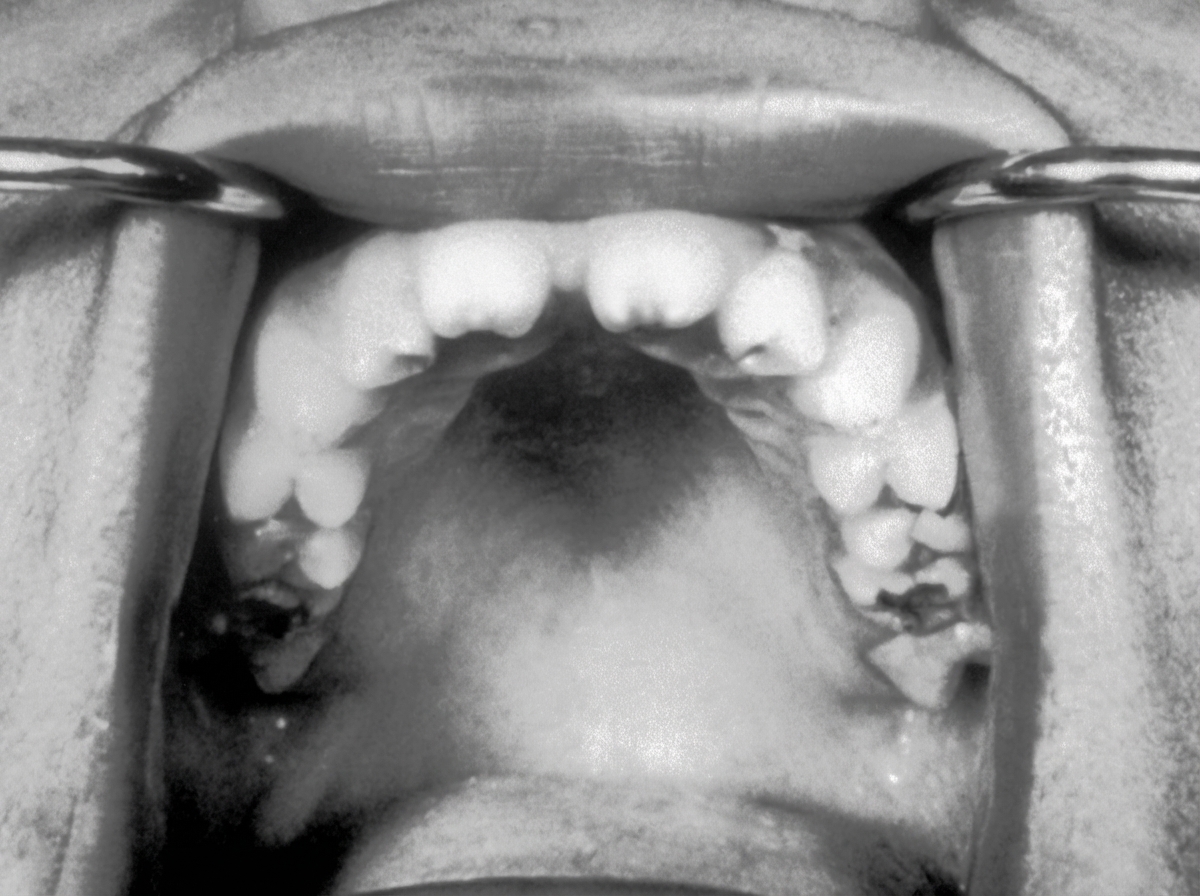
A 3-year-old child presented with a 15-day history of high-grade fever, polymorphous exanthem, rhinorrhea, vomiting, diarrhea, and abdominal pain. On examination, bilateral conjunctival injection with limbal sparing, erythema of oral and pharyngeal mucosa, edema of hands and feet, and mild cervical lymphadenopathy at III and IV levels were noted. Laboratory findings included leucocytosis with neutrophilia and immature forms, elevated erythrocyte sedimentation rate, elevated C-reactive protein, anemia, abnormal plasma lipids, hypoalbuminemia, and hyponatremia. Coronary angiogram findings are also available. What is the most important next step in the management of this child?
Which of the following is TRUE about measles, EXCEPT?
A 3-year-old boy presents with a week-long history of fever, diffuse faint rashes, erythema of palms and soles, enlarged unilateral cervical nodes, and a strawberry tongue. What is the most likely diagnosis?
What is a rare complication of measles?
What is the immediate treatment of choice for severe hypotension in Dengue shock syndrome?
Congenital anomalies are most severe in which of the following infections?
Which of the following conditions does NOT typically present with a maculopapular rash?
Risk of congenital defects in a baby is maximum if the gestational age at the time of maternal rubella infection is:
A six-month-old male child presented with fever, inability to feed, and seizures. On examination, the child had altered sensorium and neck rigidity. Cerebrospinal fluid (CSF) analysis suggested pyogenic meningitis. Microscopic examination revealed Gram-negative coccobacilli, and culture on blood agar showed a specific phenomenon. What is this phenomenon?
A mother brings her 3-year-old boy into the emergency room because he has developed a harsh, "barking" cough with hoarseness. To which virus family does the virus responsible for this child's illness belong?
Explanation: **Explanation:** The clinical presentation is a classic case of **Kawasaki Disease (KD)**, a medium-vessel vasculitis. The child meets the diagnostic criteria: fever >5 days plus at least four out of five clinical features (polymorphous rash, bilateral non-purulent conjunctival injection with limbal sparing, oral mucosal changes like "strawberry tongue," extremity changes like edema, and cervical lymphadenopathy). The laboratory findings (elevated ESR/CRP, anemia, hypoalbuminemia, and hyponatremia) and the mention of coronary angiogram findings further support this diagnosis. **Why Option C is correct:** The standard of care for acute Kawasaki Disease is the combination of **Intravenous Immunoglobulin (IVIg)** and **Aspirin**. * **IVIg (2 g/kg):** Reduces the incidence of coronary artery aneurysms from 25% to <5% if administered within the first 10 days of illness. * **Aspirin:** Used initially at high doses (80–100 mg/kg/day) for its anti-inflammatory effect, then switched to low doses (3–5 mg/kg/day) for its anti-platelet effect once the fever subsides. **Why other options are incorrect:** * **Options A & B:** Monotherapy is insufficient. IVIg is the primary disease-modifying agent, but Aspirin is essential to manage inflammation and prevent thrombotic complications in the coronary arteries. * **Option D:** Clopidogrel is only indicated in children with giant aneurysms or those who cannot tolerate aspirin; it is not the first-line acute management. **Clinical Pearls for NEET-PG:** * **Most common cause** of acquired heart disease in children in developed countries. * **Cardiac complication:** Coronary artery aneurysms (most common in the proximal LAD and RCA). * **Incomplete KD:** Suspect in infants or children with prolonged fever and fewer than 4 criteria but elevated inflammatory markers. * **Echo:** Should be performed at diagnosis, at 2 weeks, and at 6–8 weeks.
Explanation: **Explanation:** The correct answer is **D**, as the statement is false. Measles is highly contagious and is infective **4 days before to 4 days after** the appearance of the rash. The period of maximum infectivity occurs during the prodromal stage (catarrhal stage) due to high viral shedding in respiratory secretions through coughing and sneezing. **Analysis of other options:** * **Option A:** **Koplik spots** are pathognomonic for measles. They appear on the buccal mucosa opposite the lower second molars during the **prodromal stage**, usually 1–2 days before the rash, and disappear shortly after the rash starts. * **Option B:** In measles, the fever typically **increases (spikes)** with the onset of the rash and then gradually subsides. This is a distinguishing feature from Roseola Infantum, where the fever drops *before* the rash appears. * **Option C:** Under the National Immunization Schedule (NIS) in India, the first dose of the Measles-Rubella (MR) vaccine is administered at **9 completed months** (up to 12 months) to avoid interference from maternal antibodies. **High-Yield Clinical Pearls for NEET-PG:** * **Agent:** RNA Paramyxovirus (Genus *Morbillivirus*). * **Rash Pattern:** Maculopapular, starts behind the ears (retro-auricular), spreads cephalocaudally, and disappears with **brownish discoloration/desquamation**. * **Vitamin A:** Supplementation is mandatory in all children with measles to prevent complications like blindness and reduce mortality. * **Complications:** Most common is **Otitis Media**; most common cause of death is **Pneumonia**; most serious late complication is **SSPE** (Subacute Sclerosing Panencephalitis).
Explanation: **Explanation:** The clinical presentation of a 3-year-old with prolonged fever, extremity changes (erythema of palms/soles), strawberry tongue, polymorphous rash, and unilateral cervical lymphadenopathy is a classic description of **Kawasaki Disease (KD)**. **1. Why Kawasaki Disease is Correct:** KD is an acute, medium-vessel vasculitis primarily affecting children under 5 years. Diagnosis is clinical based on **fever for ≥5 days** plus at least 4 out of 5 criteria (CRASH): * **C**onjunctivitis (Bilateral, non-exudative) * **R**ash (Polymorphous, non-vesicular) * **A**denopathy (Cervical, >1.5 cm, usually unilateral) * **S**trawberry tongue (and other oropharyngeal changes) * **H**ands and feet (Erythema/edema in acute phase; periungual desquamation in subacute phase) **2. Why Other Options are Incorrect:** * **Scarlet Fever:** Caused by Group A *Streptococcus*. While it features a strawberry tongue and rash, the rash is typically "sandpaper-like" and concentrated in skin folds (Pastia’s lines). It responds rapidly to antibiotics, unlike KD. * **Erythema Infectiosum (Fifth Disease):** Caused by Parvovirus B19. It presents with a characteristic "slapped-cheek" appearance followed by a reticular (lace-like) rash on the trunk, usually without high fever or mucosal changes. * **Infectious Mononucleosis:** Presents with fever, exudative pharyngitis, and lymphadenopathy. However, the adenopathy is usually bilateral and posterior cervical, and a rash only typically appears after administering Ampicillin/Amoxicillin. **High-Yield Pearls for NEET-PG:** * **Most serious complication:** Coronary artery aneurysms (occurs in 20-25% of untreated cases). * **Investigation of choice:** 2D-Echocardiography. * **Treatment:** IVIG (2 g/kg) + High-dose Aspirin. (Note: This is one of the few pediatric indications for Aspirin). * **Lab finding:** Marked thrombocytosis is common in the subacute phase (2nd–3rd week).
Explanation: **Explanation:** Measles (Rubeola) is associated with several complications, ranging from very common to extremely rare. **Why SSPE is the correct answer:** **Subacute Sclerosing Panencephalitis (SSPE)** is a chronic, progressive neurodegenerative disease caused by a persistent infection with a mutant measles virus. It is considered a **late and rare complication**, typically occurring **7–10 years** after the initial measles infection. It is characterized by cognitive decline, myoclonic jerks, and eventually death. The incidence is approximately 1 in 10,000 to 1 in 100,000 cases. **Analysis of incorrect options:** * **A. Diarrhea:** This is the **most common** complication of measles worldwide, especially in malnourished children. * **B. Pneumonia:** This is the **most common cause of death** associated with measles in children. It can be caused by the virus itself (Hecht’s giant cell pneumonia) or secondary bacterial infections. * **C. Otitis media:** This is the **most common bacterial complication** of measles. **NEET-PG High-Yield Pearls:** * **Most common complication:** Diarrhea. * **Most common cause of death:** Pneumonia. * **Most common CNS complication:** Post-measles encephalitis (occurs within 1–2 weeks). * **SSPE Diagnosis:** Look for high titers of anti-measles antibodies in the CSF and serum, and **periodic complexes** (burst-suppression pattern) on EEG. * **Vitamin A:** Supplementation reduces morbidity and mortality in all children with acute measles.
Explanation: ### Explanation **Correct Option: A. Intravenous crystalloids** The primary pathophysiology of Dengue Shock Syndrome (DSS) is **increased vascular permeability** leading to plasma leakage. This results in profound hypovolemia and hemoconcentration. The immediate treatment of choice is rapid volume replacement with **Isotonic Crystalloids** (e.g., Normal Saline or Ringer’s Lactate). The goal is to restore effective circulating volume and improve tissue perfusion. According to WHO guidelines, fluid resuscitation should be titrated based on the patient's clinical response and hematocrit levels. **Why Incorrect Options are Wrong:** * **B. Dexamethasone:** Steroids have no proven role in the management of Dengue or DSS. They do not reduce plasma leakage or improve survival and may increase the risk of gastrointestinal bleeding. * **C & D. Noradrenaline/Dopamine:** Inotropes and vasopressors are not the first-line treatment for DSS. The hypotension is **hypovolemic**, not cardiogenic or distributive. Using vasopressors in an "empty" vascular bed can worsen tissue ischemia. They are only considered in refractory shock after adequate fluid resuscitation has failed. **High-Yield Clinical Pearls for NEET-PG:** * **Critical Period:** The risk of DSS is highest during the **defervescence phase** (when the fever drops), usually between days 3–7 of illness. * **Fluid Choice:** Isotonic crystalloids are first-line. **Colloids** (e.g., Dextran 40 or Starch) are reserved for patients with refractory shock or those who do not respond to initial crystalloid boluses. * **Warning Signs:** Abdominal pain, persistent vomiting, mucosal bleed, lethargy, and a sudden increase in hematocrit with a rapid decrease in platelet count. * **Narrow Pulse Pressure:** A pulse pressure of **≤ 20 mmHg** is a hallmark sign of impending shock in Dengue.
Explanation: **Explanation:** **Congenital Rubella Syndrome (CRS)** is characterized by the highest risk of severe, multisystemic malformations, particularly when the infection occurs during the first trimester (the period of organogenesis). The virus causes chronic focal destruction of cells and mitotic inhibition, leading to a classic triad of **Cataracts, Sensorineural deafness, and Cardiac defects (Patent Ductus Arteriosus).** The severity is inversely proportional to gestational age; infection before 11 weeks leads to anomalies in nearly 100% of cases. **Analysis of Incorrect Options:** * **Mumps:** While mumps during pregnancy is associated with an increased risk of spontaneous abortion in the first trimester, it is **not** a recognized teratogen and does not cause a specific syndrome of congenital anomalies. * **Cytomegalovirus (CMV):** CMV is the most common cause of congenital infection, but it often presents with "damage" (microcephaly, periventricular calcifications, hearing loss) rather than structural "malformations" or "anomalies" as severe as those seen in Rubella. * **Toxoplasma:** Congenital toxoplasmosis typically presents with the Sabin triad (Chorioretinitis, Hydrocephalus, and Intracranial calcifications). While serious, the structural anatomical disruption is generally less extensive than the multisystemic embryopathy of Rubella. **High-Yield Clinical Pearls for NEET-PG:** * **Gregg’s Triad (Rubella):** Cataract, PDA, and Deafness. * **Blueberry Muffin Rash:** Seen in Rubella and CMV (due to extramedullary hematopoiesis). * **Timing:** Rubella risk is highest in the 1st trimester; after 16 weeks, the risk of major anomalies is negligible. * **Vaccination:** Live attenuated vaccines (MMR) are contraindicated during pregnancy. Women should avoid pregnancy for 1 month after vaccination.
Explanation: The correct answer is **Scarlet fever** because it presents with a **sandpaper-like punctate erythematous rash**, rather than a classic maculopapular rash. ### 1. Why Scarlet Fever is the Correct Answer Scarlet fever, caused by Group A Streptococcus (GAS), is characterized by a **finely papular, "sandpaper" rash** on an erythematous base. It typically begins in the flexures (Pastia’s lines) and spreads to the trunk and extremities. Unlike maculopapular rashes, which consist of flat and raised spots, the rash in Scarlet fever is distinctively rough to the touch and is followed by desquamation. ### 2. Analysis of Incorrect Options * **Measles (Rubeola):** This is the prototype of a **maculopapular rash**. It typically begins behind the ears at the hairline and spreads cranio-caudally, becoming confluent. * **Exanthem Subitum (Roseola Infantum):** Caused by HHV-6, it presents with a high fever that subsides, followed by the sudden appearance of a **rose-pink maculopapular rash** starting on the trunk. * **Infectious Mononucleosis (EBV):** While not always present, a **maculopapular rash** frequently occurs in patients with IM, especially after the administration of aminopenicillins (Ampicillin/Amoxicillin). ### 3. High-Yield Clinical Pearls for NEET-PG * **Scarlet Fever Triad:** Strawberry tongue, circumoral pallor, and Pastia’s lines. * **Koplik Spots:** Pathognomonic for Measles (found on buccal mucosa opposite the lower 2nd molars). * **Forchheimer Spots:** Small petechiae on the soft palate seen in **Rubella** (German Measles). * **Nagayama Spots:** Erythematous papules on the soft palate/uvula seen in **Roseola**. * **Slapped Cheek Appearance:** Characteristic of Erythema Infectiosum (Fifth Disease/Parvovirus B19).
Explanation: The risk of **Congenital Rubella Syndrome (CRS)** is inversely proportional to the gestational age at the time of maternal infection. The earlier the infection occurs during organogenesis, the more severe and widespread the fetal damage. ### Why < 11 weeks is correct: During the first trimester, the virus can cross the placenta and cause chronic fetal infection, leading to cell death and inhibition of mitosis. If infection occurs **before 11 weeks**, the risk of congenital defects is approximately **90%**. This period is critical as it coincides with the peak of organogenesis for the heart, eyes, and ears. ### Analysis of Incorrect Options: * **11–12 weeks:** While the risk remains high (approx. 67–80%), it is statistically lower than the near-certainty of defects seen in infections occurring before 11 weeks. * **13–16 weeks:** The risk drops significantly to about **25–35%**. Defects are usually limited to single organs, most commonly sensorineural hearing loss. * **Beyond 16 weeks:** The risk of major structural malformations becomes negligible, though minimal risks of deafness or retinopathy persist until 20 weeks. ### High-Yield Clinical Pearls for NEET-PG: * **Gregg’s Triad:** The classic presentation of CRS includes **Cataracts** (or glaucoma), **Sensorineural hearing loss** (most common), and **Congenital Heart Disease** (most commonly Patent Ductus Arteriosus). * **Blueberry Muffin Rash:** Represents extramedullary hematopoiesis in the skin. * **Diagnosis:** Presence of **Rubella-specific IgM** in the neonate or persistence of IgG beyond 6–12 months. * **Prevention:** Live attenuated **RA 27/3 vaccine**. It is contraindicated in pregnancy, and pregnancy should be avoided for 1 month post-vaccination.
Explanation: ### Explanation The clinical presentation of fever, seizures, altered sensorium, and neck rigidity in a six-month-old is classic for **acute pyogenic meningitis**. The microscopic finding of **Gram-negative coccobacilli** strongly points toward ***Haemophilus influenzae* type b (Hib)**, a leading cause of meningitis in unvaccinated infants. **1. Why Satellitism is the Correct Answer:** *Haemophilus influenzae* is a fastidious organism that requires two specific growth factors: **Factor X (Hemin)** and **Factor V (NAD)**. While blood agar contains Factor X, the Factor V is sequestered inside red blood cells. *Staphylococcus aureus* (and some other bacteria) synthesizes and releases excess Factor V into the medium. When *H. influenzae* is streaked alongside *S. aureus*, it grows as tiny colonies clustered around the *Staph* streak. This phenomenon is known as **Satellitism**. **2. Why Other Options are Incorrect:** * **B. Motility:** *H. influenzae* is a non-motile organism. Motility (e.g., "tumbling motility") is characteristic of *Listeria monocytogenes*, another cause of neonatal meningitis. * **C. Pleomorphism:** While *H. influenzae* is indeed pleomorphic (varying in shape from coccobacilli to long filaments), pleomorphism is a **morphological characteristic** seen on microscopy, not a "phenomenon" observed on culture media like blood agar. **3. NEET-PG High-Yield Pearls:** * **Culture Media:** The gold standard for *H. influenzae* is **Chocolate Agar**, where RBCs are lysed by heat to release both Factors X and V. * **CSF Findings in Pyogenic Meningitis:** Elevated proteins, low glucose (<40% of blood glucose), and neutrophilic pleocytosis. * **Prophylaxis:** Rifampicin is used for chemoprophylaxis in close contacts of Hib meningitis cases. * **Vaccination:** The Hib conjugate vaccine has significantly reduced the incidence of this disease globally.
Explanation: **Explanation:** The clinical presentation of a **barking cough, hoarseness, and inspiratory stridor** in a 3-year-old child is classic for **Croup (Laryngotracheobronchitis)**. The most common causative agent of Croup is the **Parainfluenza virus (Type 1 and 2)**, which belongs to the **Paramyxovirus** family. These are enveloped, single-stranded, negative-sense RNA viruses. **Why the other options are incorrect:** * **A. Papovavirus:** This family (now split into Papillomaviridae and Polyomaviridae) includes HPV, which causes warts and respiratory papillomatosis, but not acute croup. * **C. Parvovirus:** Specifically Parvovirus B19, this causes Erythema Infectiosum (Fifth disease), characterized by a "slapped-cheek" rash, not respiratory obstruction. * **D. Picornavirus:** This family includes Rhinovirus (common cold) and Coxsackievirus (Hand-foot-mouth disease). While they cause upper respiratory infections, they are not the primary cause of the subglottic swelling seen in croup. **High-Yield Clinical Pearls for NEET-PG:** * **Radiology:** Look for the **"Steeple Sign"** on an AP X-ray of the neck, representing subglottic narrowing. * **Management:** The mainstay of treatment is **Dexamethasone** (oral or IM). In severe cases with stridor at rest, **Nebulized Adrenaline** (Racemic Epinephrine) is used for rapid mucosal vasoconstriction. * **Age Group:** Typically affects children aged 6 months to 3 years. * **Paramyxovirus Family Members:** Remember the mnemonic **PaMMR** (Parainfluenza, Measles, Mumps, RSV).
Vaccine-Preventable Diseases
Practice Questions
Immunization Schedule
Practice Questions
Common Childhood Infections
Practice Questions
Pediatric HIV
Practice Questions
Congenital Infections
Practice Questions
Fever in Infants and Children
Practice Questions
Meningitis and Encephalitis
Practice Questions
Respiratory Tract Infections
Practice Questions
Gastrointestinal Infections
Practice Questions
Parasitic Infections
Practice Questions
Tuberculosis in Children
Practice Questions
Opportunistic Infections
Practice Questions
Get full access to all questions, explanations, and performance tracking.
Start For Free