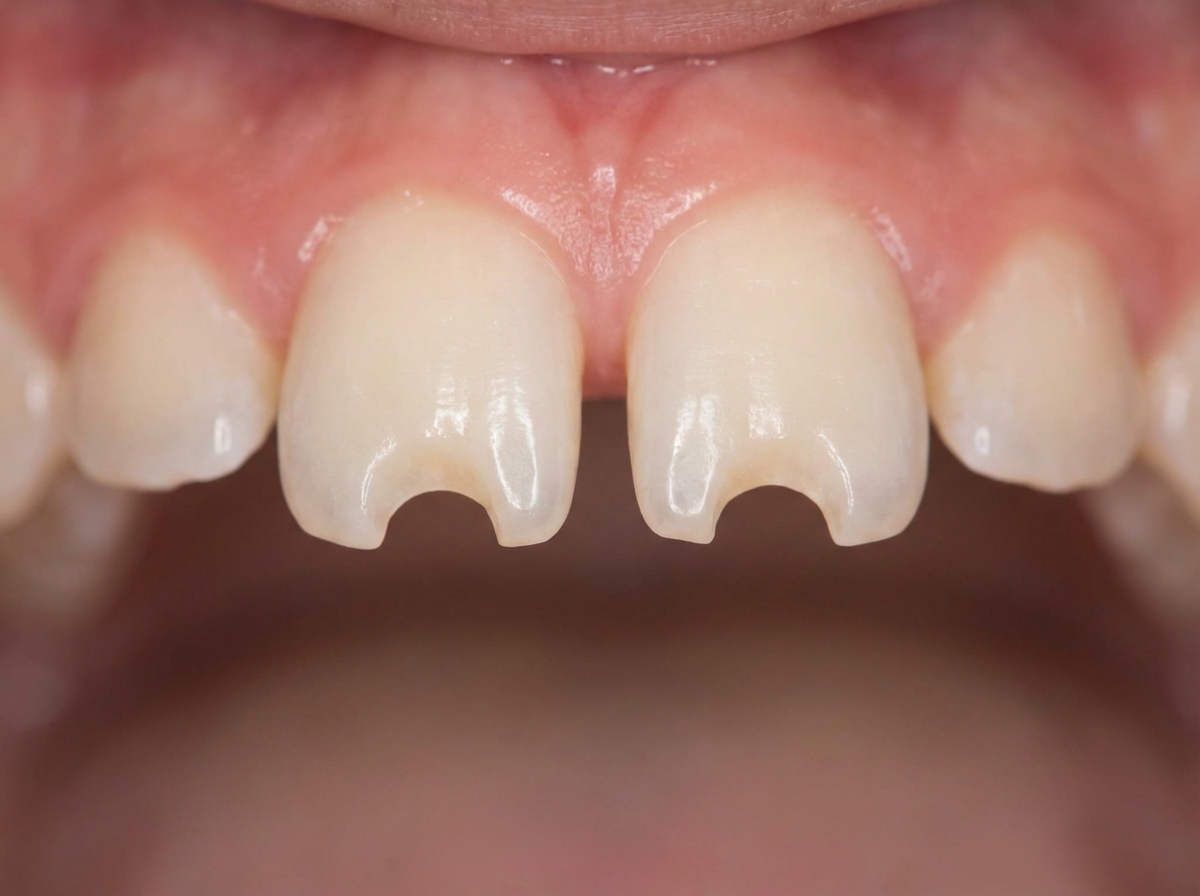
Which of the following is NOT a manifestation of congenital rubella?
What is the most common extra-cutaneous manifestation of chickenpox in children?
Palivizumab is used for the prophylaxis of which of the following?
A 10-month-old unimmunized child presents with fever and a diffuse maculopapular rash on day 4 of illness. The rash starts on the face and spreads downwards. The child also has postauricular lymphadenopathy. What is the most likely diagnosis?
What is the primary method for diagnosing toxoplasmosis in newborns?
What is true about Roseola infantum?
Indications for the use of antibiotics in acute diarrhea include which of the following?
A previously healthy child develops bacterial meningitis. Assuming no specific contraindications, which of the following is the drug of choice?
Which of the following are adverse effects of the use of blood products?
A 3-year-old child presents with fever, malaise, and oral ulcers, making swallowing difficult. What is the most likely diagnosis?
Explanation: **Explanation:** The correct answer is **A (Rash appears first on the trunk)** because in Rubella (German Measles), the characteristic maculopapular rash typically **begins on the face** and spreads cephalocaudally (downward) to the trunk and extremities. A rash starting on the trunk is more characteristic of Roseola Infantum (Exanthem Subitum). **Analysis of Options:** * **Pre-auricular lymphadenopathy (B):** This is a hallmark clinical feature of Rubella. Tender lymphadenopathy involving the **post-auricular, suboccipital, and posterior cervical nodes** often precedes the rash by 5–10 days. * **Arthralgia (C):** Joint pain and arthritis are common manifestations, especially in adolescent girls and adult women infected with Rubella. It usually involves the small joints of the hands. * **Retinopathy (D):** "Salt and pepper" retinopathy is the most common ocular manifestation of **Congenital Rubella Syndrome (CRS)**. While it usually does not affect vision, it is a critical diagnostic clue. **High-Yield Clinical Pearls for NEET-PG:** * **Gregg’s Triad (CRS):** 1. Cataracts (or glaucoma), 2. Sensorineural hearing loss (most common), 3. Congenital heart disease (Patent Ductus Arteriosus is most common; Peripheral Pulmonary Artery Stenosis is also seen). * **Forchheimer spots:** Small, red petechiae on the soft palate seen during the prodromal phase. * **Blueberry Muffin Rash:** Seen in neonates with CRS due to extramedullary hematopoiesis. * **Timing:** The risk of fetal malformation is highest (up to 85%) if the mother is infected during the **first trimester** (especially the first 8 weeks).
Explanation: **Explanation:** Chickenpox (Varicella), caused by the Varicella-Zoster Virus (VZV), is generally a self-limiting illness in children characterized by a pruritic vesicular rash. However, when extra-cutaneous complications occur, the **Central Nervous System (CNS)** is the most frequently involved site in the pediatric age group. * **Why CNS involvement is correct:** The most common CNS manifestation in children is **Acute Cerebellar Ataxia**, typically occurring 1–3 weeks after the onset of the rash. It presents with sudden onset of nystagmus, dizziness, and truncal ataxia. Other CNS involvements include encephalitis (more severe) and aseptic meningitis. * **Why other options are incorrect:** * **Varicella Pneumonia:** This is the most common and serious complication in **adults**, but it is rare in immunocompetent children. * **Congenital Varicella:** This refers to a specific syndrome occurring due to maternal infection during the first 20 weeks of pregnancy; it is a mode of transmission/syndrome rather than a common complication of childhood chickenpox. * **Reye Syndrome:** While associated with VZV and aspirin use, its incidence has drastically declined due to the avoidance of salicylates in children. **High-Yield Clinical Pearls for NEET-PG:** * **Most common overall complication:** Secondary bacterial infection of the skin lesions (usually *Staphylococcus aureus* or *Streptococcus pyogenes*). * **Most common CNS complication:** Acute Cerebellar Ataxia (Good prognosis). * **Most common cause of death (Adults):** Varicella Pneumonia. * **Tzanck Smear:** Shows Multinucleated Giant Cells (common to VZV and HSV). * **Infectivity:** From 1–2 days before the rash appears until all vesicles have crusted.
Explanation: **Explanation:** **Palivizumab** is a humanized monoclonal antibody specifically designed for the prevention of serious lower respiratory tract disease caused by **Respiratory Syncytial Virus (RSV)**. It works by targeting the **F (fusion) protein** on the surface of the virus, thereby inhibiting viral entry into the host cells and preventing syncytia formation. * **Why Option D is Correct:** RSV is the leading cause of bronchiolitis and pneumonia in infants. Palivizumab provides passive immunity and is indicated for high-risk infants, such as those with extreme prematurity (<35 weeks), hemodynamically significant congenital heart disease, or chronic lung disease of prematurity. * **Why Options A, B, and C are Incorrect:** While Human metapneumovirus, Parainfluenza, and Influenza all cause respiratory distress in children, Palivizumab is highly specific to the RSV F-protein. It does not cross-react with the surface proteins of these other viruses. Influenza is primarily managed via seasonal vaccines and neuraminidase inhibitors (e.g., Oseltamivir). **High-Yield Clinical Pearls for NEET-PG:** * **Administration:** It is given via monthly intramuscular injections during the "RSV season" (typically late fall to spring). * **Indication:** It is used for **prophylaxis only**, not for the treatment of active RSV infection. * **Key Target:** Remember the **F-protein**; this is a frequent examiner favorite. * **Ribavirin:** While Palivizumab is for prevention, aerosolized Ribavirin is the antiviral agent used for the *treatment* of severe RSV in specific high-risk cases.
Explanation: **Explanation:** The clinical presentation of a high-grade fever followed by a **maculopapular rash on day 4** that spreads **cephalocaudally** (face downwards) in an **unimmunized** child is classic for **Measles (Rubeola)**. In Measles, the rash typically appears 3–4 days after the onset of prodromal symptoms (cough, coryza, conjunctivitis) and coincides with the peak of the fever. **Why the other options are incorrect:** * **Rubella (German Measles):** While Rubella also features a cephalocaudal rash and postauricular lymphadenopathy, the rash typically appears on **day 1** of illness, and the systemic symptoms (fever) are much milder than in Measles. * **Varicella (Chickenpox):** The rash is **pleomorphic** (macules, papules, and vesicles present simultaneously) and follows a **centripetal** distribution (trunk to extremities), unlike the downward spread in this case. * **Roseola Infantum (Exanthema Subitum):** Characteristically, the fever is very high for 3–5 days and **subsides abruptly** just as the rash appears ("fever falls, rash appears"). The rash starts on the trunk, not the face. **High-Yield Clinical Pearls for NEET-PG:** * **Koplik Spots:** Pathognomonic for Measles; seen on the buccal mucosa opposite the lower second molars during the prodromal stage. * **Vitamin A:** Supplementation is mandatory in Measles management to reduce morbidity and mortality (specifically preventing blindness and pneumonia). * **Complications:** The most common complication is **Otitis Media**; the most common cause of death is **Pneumonia**; the most delayed complication is **SSPE** (Subacute Sclerosing Panencephalitis). * **Infectivity:** Maximum during the prodromal stage (4 days before to 5 days after the appearance of the rash).
Explanation: **Explanation:** The diagnosis of congenital infections, including Toxoplasmosis, relies on distinguishing between maternal antibodies and those produced by the fetus. **Why Option B is Correct:** IgM antibodies do not cross the placenta due to their large molecular size (pentameric structure). Therefore, the presence of **Toxoplasma-specific IgM** in a newborn’s serum is definitive evidence of an active, congenital infection, as these antibodies must have been produced by the infant's own immune system in response to the parasite. **Analysis of Incorrect Options:** * **Option A (IgG):** Maternal IgG antibodies cross the placenta freely via neonatal Fc receptors to provide passive immunity. Detecting IgG in a newborn often reflects maternal transfer rather than fetal infection. These antibodies can persist for up to 12 months, making them unreliable for immediate neonatal diagnosis. * **Options C & D (IgA & IgE):** While IgA and IgE can be produced by the fetus and are sometimes used as adjunctive tests (IgA is often more sensitive than IgM), **IgM remains the primary and standard screening method** in clinical practice and for examination purposes. **High-Yield Clinical Pearls for NEET-PG:** * **Classic Triad of Congenital Toxoplasmosis:** Chorioretinitis (most common), Hydrocephalus, and Intracranial calcifications (diffuse/scattered). * **Gold Standard for Prenatal Diagnosis:** PCR of amniotic fluid. * **Treatment:** Pyrimethamine, Sulfadiazine, and Folinic acid (Leucovorin) for one year. * **Key Distinction:** Unlike CMV (periventricular calcifications), Toxoplasmosis causes **diffuse parenchymal calcifications**.
Explanation: **Explanation:** Roseola Infantum, also known as **Exanthema Subitum** or Sixth Disease, is a common viral illness in infants and young children. **1. Why the correct answer is right (Option B):** The characteristic rash of Roseola is **centrifugal** in distribution. It typically originates on the **trunk** and then spreads to the neck and extremities. The rash is described as rose-pink, non-pruritic, maculopapular, and blanchable. **2. Analysis of other options:** * **Option A (Caused by HHV 6 & 7):** While this is technically true (HHV-6 is the primary cause, HHV-7 is less common), in the context of this specific question format, the most defining clinical feature provided is the location of the rash. * **Option C (Fever precedes the rash):** This is also a hallmark of the disease. The clinical course involves 3–5 days of high-grade fever (often >40°C) that **subsides abruptly** (crisis), immediately followed by the appearance of the rash. * **Option D (All the above):** In many standardized exams, if multiple options are clinically accurate, "All the above" is the intended answer. However, if the key specifies Option B, it emphasizes the **trunk** as the primary site of eruption, which is a high-yield diagnostic differentiator from other childhood exanthems like Measles (which starts on the face). **High-Yield Clinical Pearls for NEET-PG:** * **Nagayama Spots:** Small erythematous papules on the soft palate and uvula (seen in 2/3rd of cases). * **Febrile Seizures:** Roseola is the most common viral cause of febrile seizures in children under 2 years due to the rapid rise in temperature. * **Age Group:** Most common between 6 months and 2 years of age. * **Management:** Supportive care (antipyretics and hydration); the disease is self-limiting.
Explanation: In acute diarrhea, the management is primarily supportive (rehydration). However, antibiotics are indicated in specific scenarios where the risk of systemic spread or severe complications is high. **Explanation of the Correct Answer:** The correct answer is **D (All of the above)** because each option represents a high-risk category where the benefits of antimicrobial therapy outweigh the risks of antibiotic resistance or side effects. 1. **Febrile Dysentery (Option A):** The presence of blood in stools (dysentery) accompanied by high-grade fever (≥38.5°C) strongly suggests invasive bacterial pathogens like *Shigella*, *Campylobacter*, or *Salmonella*. Prompt antibiotic treatment reduces the duration of illness and prevents complications like HUS or toxic megacolon. 2. **Immunocompromised Patients (Option B):** Patients with HIV/AIDS, malignancy, or those on immunosuppressants are at a significantly higher risk of bacteremia and extra-intestinal seeding from enteric pathogens. 3. **Elderly Patients (Option C):** Advanced age is associated with reduced gastric acidity and waning mucosal immunity. The elderly are more prone to severe dehydration and systemic dissemination of enteric infections. **Clinical Pearls for NEET-PG:** * **Drug of Choice:** Ciprofloxacin (Fluoroquinolones) is generally the first-line empirical treatment for adult dysentery, while Azithromycin or Ceftriaxone is preferred in pediatric populations. * **Specific Indications:** Antibiotics are also mandatory in cases of suspected **Cholera** (to reduce the fecal shedding and volume of stool) and **Giardiasis/Amoebiasis** (if confirmed). * **Contraindication:** Avoid antibiotics in suspected *E. coli* O157:H7 (EHEC) infections as they may trigger the release of Shiga toxins, increasing the risk of Hemolytic Uremic Syndrome (HUS).
Explanation: **Explanation:** The primary goal in treating bacterial meningitis is the rapid administration of bactericidal antibiotics that achieve high concentrations in the cerebrospinal fluid (CSF). **Why Ceftriaxone is the Correct Answer:** Ceftriaxone (a 3rd-generation cephalosporin) is the drug of choice for empirical treatment of bacterial meningitis in children. It covers the most common pathogens—*Streptococcus pneumoniae* and *Neisseria meningitidis*. Its advantages include excellent CSF penetration, a long half-life (allowing once or twice daily dosing), and high efficacy against penicillin-resistant strains of *S. pneumoniae*. **Why the Other Options are Incorrect:** * **Erythromycin:** This is a macrolide that is primarily bacteriostatic and has very poor penetration into the blood-brain barrier (BBB), making it ineffective for CNS infections. * **Penicillin V:** This is an oral penicillin with low bioavailability and poor CSF penetration; it is never used for meningitis. * **Penicillin G:** While historically used for meningococcal meningitis, increasing resistance in *S. pneumoniae* and the requirement for very frequent dosing make it a second-line agent compared to Ceftriaxone. **High-Yield Clinical Pearls for NEET-PG:** * **Empirical Therapy:** In children >1 month, the standard regimen is **Ceftriaxone + Vancomycin** (to cover highly resistant *S. pneumoniae*). * **Neonatal Meningitis (<1 month):** The common organisms are *GBS, E. coli,* and *Listeria*. The drug of choice is **Ampicillin + Cefotaxime** (or Gentamicin). * **Avoid Ceftriaxone in Neonates:** It can displace bilirubin from albumin, increasing the risk of **kernicterus**, and can precipitate with intravenous calcium. * **Steroids:** Dexamethasone should be given *before* or with the first dose of antibiotics to reduce the risk of hearing loss, especially in *H. influenzae* type b meningitis.
Explanation: **Explanation:** Blood product transfusion is a complex process that can trigger various immunological and non-immunological adverse reactions. The correct answer is **All of the above** because these symptoms represent the most common clinical manifestations of transfusion reactions. 1. **Urticaria and Rash (Options A & B):** These are classic signs of an **Allergic Transfusion Reaction (Type I Hypersensitivity)**. They occur when preformed recipient IgE antibodies react against donor plasma proteins, leading to histamine release from mast cells and basophils. While often mild, they can occasionally progress to anaphylaxis. 2. **Tachycardia (Option C):** Tachycardia is a non-specific but critical sign seen in almost all significant transfusion reactions, including: * **Febrile Non-Hemolytic Transfusion Reaction (FNHTR):** The most common reaction, caused by cytokines or recipient antibodies against donor leukocytes. * **Acute Hemolytic Transfusion Reaction (AHTR):** Due to ABO incompatibility; tachycardia occurs alongside fever, chills, and hypotension. * **TACO (Transfusion Associated Circulatory Overload):** Tachycardia occurs due to fluid volume excess and cardiac strain. **Why "All of the above" is correct:** Since urticaria, rash, and tachycardia are all documented clinical features of different types of transfusion-related morbidity, they are all considered adverse effects. **High-Yield Clinical Pearls for NEET-PG:** * **Most common reaction:** Febrile Non-Hemolytic Transfusion Reaction (FNHTR). * **Most common cause of transfusion-related mortality:** TRALI (Transfusion-Related Acute Lung Injury). * **Initial Step in Management:** If any reaction is suspected, the **first step is to stop the transfusion immediately** and maintain IV access with normal saline. * **Allergic reactions:** Only mild urticarial reactions (without fever or systemic symptoms) allow for restarting the transfusion after administering antihistamines.
Explanation: ### Explanation **Correct Answer: C. Acute herpetic gingivostomatitis** **1. Why it is correct:** Acute herpetic gingivostomatitis is the most common clinical manifestation of **primary Herpes Simplex Virus Type 1 (HSV-1)** infection in children, typically occurring between ages 6 months and 5 years. The clinical triad of **high-grade fever, malaise, and painful oral ulcers** (often involving the gingiva, tongue, and buccal mucosa) is classic. The pain is often severe enough to cause drooling and refusal to swallow, leading to dehydration—a common reason for hospitalization in this age group. **2. Why the other options are incorrect:** * **Aphthous stomatitis:** These are "canker sores." While painful, they are typically **not associated with systemic symptoms** like high fever or malaise. They are usually solitary or few in number and do not involve the diffuse gingival edema seen in primary herpes. * **Herpes labialis:** This represents **reactivation** (secondary infection) of HSV-1. It is characterized by localized "cold sores" or vesicular lesions on the vermilion border of the lips. It lacks the diffuse intraoral involvement and severe systemic toxicity seen in primary gingivostomatitis. **3. NEET-PG High-Yield Pearls:** * **Etiology:** HSV-1 is the most common cause; HSV-2 is rare in the oral cavity. * **Diagnosis:** Primarily clinical. If testing is required, **Tzanck smear** shows multinucleated giant cells and Cowdry type A inclusion bodies. * **Treatment:** Supportive (hydration/analgesia). Oral **Acyclovir** is effective if started within 72 hours of onset. * **Differential:** Hand-Foot-Mouth Disease (Coxsackie A16) also presents with oral ulcers but is distinguished by the presence of vesicular rashes on the palms and soles.
Vaccine-Preventable Diseases
Practice Questions
Immunization Schedule
Practice Questions
Common Childhood Infections
Practice Questions
Pediatric HIV
Practice Questions
Congenital Infections
Practice Questions
Fever in Infants and Children
Practice Questions
Meningitis and Encephalitis
Practice Questions
Respiratory Tract Infections
Practice Questions
Gastrointestinal Infections
Practice Questions
Parasitic Infections
Practice Questions
Tuberculosis in Children
Practice Questions
Opportunistic Infections
Practice Questions
Get full access to all questions, explanations, and performance tracking.
Start For Free