
Drug Allergies — MCQs

First line therapy in anaphylactic shock is:
A 45-year-old patient with a known allergy to penicillin presents with an enterococcal endocarditis. The physician needs to prescribe an antibiotic but wants to ensure it is safe for a penicillin allergy. The patient has had previous allergic reactions to penicillin including rash & swelling. Which of the following drugs can be used safely in a patient allergic to penicillin?
A patient presents with painful oral ulcers and target lesions on extremities. Which drug is MOST likely to cause this condition?
All of the following can cause SLE-like syndrome except
A patient comes to you with skin reactions after visiting the hair dresser. What will you do to confirm the diagnosis of contact dermatitis?
Which of the following drugs can cause hypotension by releasing histamine from mast cells?
A 45-year-old patient with a known allergy to penicillin presents with an enterococcal endocarditis. The physician needs to prescribe an antibiotic but wants to ensure it is safe for a penicillin allergy. The patient has had previous allergic reactions to penicillin including rash & swelling. Which of the following drugs can be used safely in a patient allergic to penicillin?
Drug of choice for Enterococcus infection in a patient allergic to penicillin?
Drug of choice for Enterococcus infection in a patient allergic to penicillin:
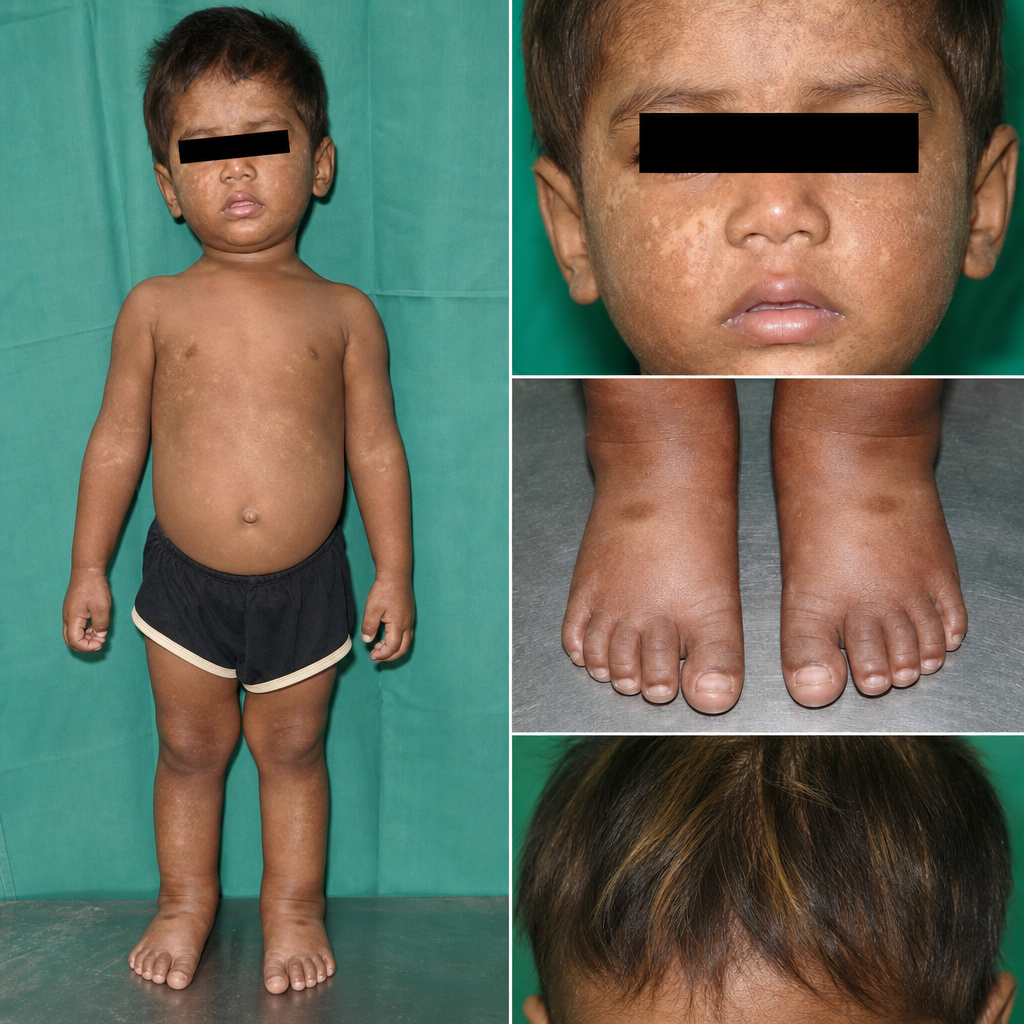
A 2.5-year-old boy is brought to the nutrition clinic. He was born at term with a birth weight of 3.0 kg. His mother reports that since weaning he has been fed almost exclusively on a maize-based porridge with minimal animal protein or legumes. On examination, he weighs 9.8 kg and has a height of 82 cm. He has bilateral pitting oedema up to the ankles, generalised skin changes with areas of hyperpigmentation and hypopigmentation, and hair that shows alternating light and dark bands. Serum albumin is 1.8 g/dL. Haemoglobin is 8.2 g/dL. Stool microscopy shows no parasites. Which of the following biochemical profiles is most consistent with this child's nutritional disorder?
Want unlimited practice?
Get full access to all questions, explanations, and performance tracking.
Scan to download app