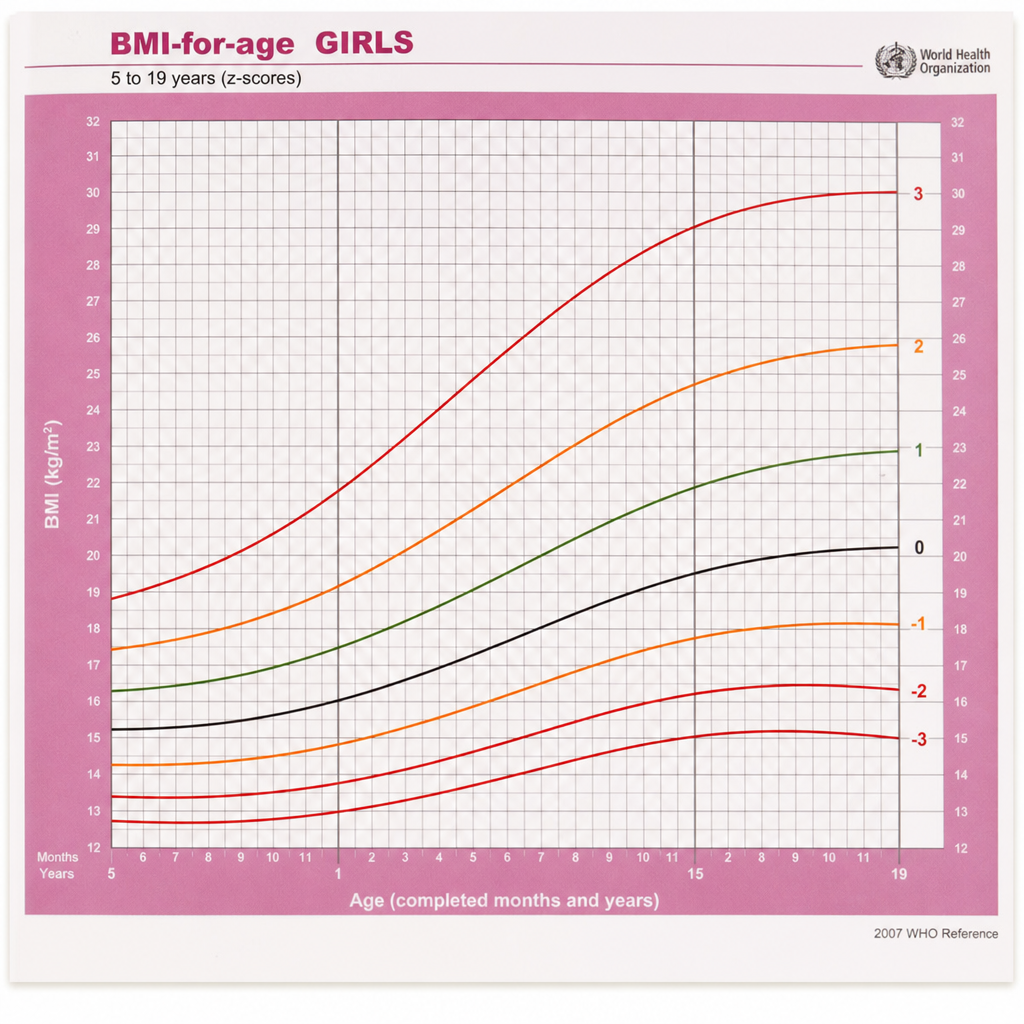
A 13-year-old boy presents with bilateral gynecomastia. His height is 148 cm, weight is 58 kg, and his sexual maturity rating is stage 2. What is the most likely cause of the gynecomastia?
What is the earliest sign of puberty in females?
Cystic hygroma may be associated with which of the following genetic conditions?
Down's syndrome occurs due to nondisjunction of which chromosome?
Arrange the following developmental milestones in order of appearance (age wise) from first to last: immature pincer grasp, rolls over, laughs loud, 1-2 words with meaning.
What is the best indicator for growth measurement?
Prenatal exposure to cigarette smoke is associated with all of the following except:
What is the ponderal index in malnourished babies?
A mother has a child with Trisomy-21 (Down syndrome). What is the percentage of recurrence risk for this condition in a subsequent child?
Nocturnal enuresis may be considered normal up to what age?
Explanation: ### Explanation **Correct Answer: C. Pubertal gynecomastia** **Why it is correct:** Pubertal (physiological) gynecomastia is a common finding, occurring in up to 50–60% of boys during adolescence. It typically occurs between the ages of 10 and 14, peaking at **Sexual Maturity Rating (SMR) stages 2 or 3**. The underlying mechanism is a **transient imbalance** between estrogen and androgen action at the breast tissue level, where estrogen levels rise faster than testosterone during early puberty. In this case, a 13-year-old boy at SMR stage 2 fits the classic demographic and clinical profile for this benign, self-limiting condition. **Why the other options are incorrect:** * **A. Prolactinoma:** While hyperprolactinemia can cause galactorrhea (milky nipple discharge), it rarely causes true glandular gynecomastia in males unless it leads to secondary hypogonadism. * **B. Testicular tumor:** Certain tumors (e.g., Leydig cell or hCG-secreting germ cell tumors) can cause gynecomastia, but they are usually accompanied by testicular masses, rapid progression, or precocious puberty, which are absent here. * **D. Chronic liver disease:** This causes gynecomastia due to decreased degradation of estrogens and increased SHBG levels. However, it would be accompanied by other stigmata like jaundice, ascites, or spider nevi, and is rare in an otherwise healthy 13-year-old. **High-Yield Clinical Pearls for NEET-PG:** * **Peak Incidence:** Most common at SMR stage 2–3 (Tanner stage). * **Management:** Reassurance is the key. 90% of cases resolve spontaneously within 1–2 years. * **Red Flags:** Gynecomastia is considered pathological if it occurs before puberty (SMR 1), persists beyond age 17, or is associated with macro-orchidism or testicular masses. * **Drug-induced causes (High-yield):** Spironolactone, Cimetidine, Ketoconazole, and Digitalis (Mnemonic: **"S**ome **G**uys **C**an **K**now **D**is" - **S**pironolactone, **G**ynecomastia, **C**imetidine, **K**etoconazole, **D**igitalis).
Explanation: **Explanation:** In females, the first clinical sign of puberty is **Thelarche** (breast bud development), which typically occurs between **8–13 years** of age. This process is driven by the activation of the Hypothalamic-Pituitary-Gonadal (HPG) axis, leading to increased secretion of estrogen from the ovaries. **Analysis of Options:** * **Thelarche (Correct):** It marks the onset of puberty (Tanner Stage 2). It is usually followed by pubarche within 6 months. * **Pubarche:** This refers to the appearance of pubic hair, driven by adrenal androgens (Adrenarche). While it often occurs shortly after thelarche, it is the second sign in the sequence for most girls. * **Menarche:** This is the onset of menstruation and is a **late event** in puberty, occurring approximately 2–2.5 years after thelarche (typically Tanner Stage 4). * **Menstruation:** This is the physiological process itself; as a milestone, it is referred to as menarche. **High-Yield NEET-PG Pearls:** 1. **Sequence of Puberty (Females):** Thelarche → Pubarche → Peak Height Velocity (Growth Spurt) → Menarche. 2. **Precocious Puberty:** Defined as the appearance of secondary sexual characteristics before **8 years** in girls and **9 years** in boys. 3. **Delayed Puberty:** Absence of thelarche by age **13** or absence of menarche by age **15** (if secondary traits are present) or **13** (if absent). 4. **First sign in Males:** Testicular enlargement (Volume ≥ 4 ml or length > 2.5 cm).
Explanation: **Explanation:** **Cystic hygroma** is a congenital malformation of the lymphatic system (lymphangioma) that occurs due to the failure of the lymphatic channels to communicate with the venous system. This leads to the formation of large, fluid-filled sacs, most commonly located in the posterior triangle of the neck. 1. **Why Turner Syndrome (45, XO) is correct:** Turner syndrome is the most common genetic condition associated with cystic hygroma. In these fetuses, the failure of lymphatic drainage leads to localized edema in the neck. If the hygroma resolves in utero, it typically leaves behind **redundant skin folds (webbed neck)**, which is a classic clinical feature of Turner syndrome. It is also frequently associated with Trisomies (21, 18, and 13) and Noonan syndrome. 2. **Why other options are incorrect:** * **Klinefelter syndrome (47, XXY):** This is characterized by primary hypogonadism, tall stature, and gynecomastia. It is not typically associated with lymphatic malformations like cystic hygroma. * **Crouzon syndrome:** This is an autosomal dominant craniosynostosis syndrome characterized by premature fusion of skull bones, proptosis, and midface hypoplasia. It does not involve the lymphatic system. **Clinical Pearls for NEET-PG:** * **Transillumination:** Cystic hygromas are brilliantly transilluminant (unlike hemangiomas). * **Prenatal Diagnosis:** Often detected via ultrasound in the first trimester as increased **nuchal translucency**. * **Complications:** Can cause airway obstruction or dysphagia if large. * **Association:** If a cystic hygroma is found in a female newborn, the first diagnostic step should be a **Karyotype** to rule out Turner syndrome.
Explanation: **Explanation:** **Down Syndrome (Trisomy 21)** is the most common chromosomal aberration and the leading genetic cause of intellectual disability [1]. It occurs due to the presence of an extra copy of **Chromosome 21**. In approximately 95% of cases, this is caused by **meiotic nondisjunction**, where chromosomes fail to separate properly during gametogenesis (most commonly during maternal Meiosis I). The risk of nondisjunction increases significantly with advanced maternal age. **Analysis of Incorrect Options:** * **Chromosome 13 (Patau Syndrome):** Trisomy 13 is characterized by severe midline defects, including holoprosencephaly, cleft lip/palate, polydactyly, and microphthalmia [2]. * **Chromosome 18 (Edwards Syndrome):** Trisomy 18 presents with micrognathia, low-set ears, rocker-bottom feet, and a characteristic "clenched hand" (index finger overlapping the third) [2]. * **Chromosome 15:** Abnormalities here are typically associated with genomic imprinting disorders rather than trisomy, such as **Prader-Willi Syndrome** (paternal deletion) or **Angelman Syndrome** (maternal deletion) on the 15q11-13 locus [3]. **High-Yield Clinical Pearls for NEET-PG:** * **Karyotype Variations:** While 95% are due to nondisjunction, 4% are due to **Robertsonian Translocation** (usually t(14;21)), and 1% are **Mosaicism** [1]. * **Cardiac Defects:** Endocardial cushion defects (Atrioventricular Septal Defect) are the most common. * **GI Malformations:** Duodenal atresia ("Double bubble" sign) and Hirschsprung disease. * **Screening:** First-trimester screening shows **increased Nuchal Translucency**, low PAPP-A, and high β-hCG. * **Later Life:** Increased risk of Acute Leukemia (AMKL/ALL) and early-onset Alzheimer’s disease.
Explanation: ### Explanation The correct sequence of developmental milestones is determined by the chronological maturation of the central nervous system, following a cephalocaudal (head-to-toe) and proximodistal (center-to-periphery) progression. **1. Analysis of Milestones (Chronological Order):** * **Laughs loud (4 months):** This is a social/language milestone. Social smiles appear at 2 months, followed by vocalizations like cooing (3 months) and laughing aloud by 4 months. * **Rolls over (5 months):** A gross motor milestone. Infants typically roll from prone to supine at 5 months and supine to prone by 6 months. * **Immature pincer grasp (9 months):** A fine motor milestone. This involves using the ulnar side of the thumb and index finger to pick up small objects. It matures into a **precise pincer grasp** (using fingertips) by 12 months. * **1-2 words with meaning (12 months):** A language milestone. While "mama/dada" non-specifically starts at 9 months, specific meaning is attributed by 1 year. **2. Why the other options are incorrect:** * **Option B & D:** These place "1-2 words with meaning" (12 months) before earlier milestones like rolling or laughing, violating the natural timeline of development. * **Option C:** This incorrectly places "Immature pincer grasp" (9 months) before "Rolls over" (5 months) and "Laughs loud" (4 months). **Clinical Pearls for NEET-PG:** * **Pincer Grasp Evolution:** 9 months (Immature/Crude) $\rightarrow$ 12 months (Mature/Precise). * **Social Smile:** The first social milestone, appearing at 2 months. * **Red Flag:** Failure to sit without support by 9 months or failure to walk by 18 months requires immediate evaluation. * **Hand Dominance:** Usually develops by 18–24 months; if it appears before 12 months, suspect spasticity in the contralateral limb.
Explanation: **Explanation:** In pediatric clinical practice, **Weight** is considered the most sensitive and best overall indicator of a child's current nutritional status and growth. **Why Weight is the Correct Answer:** Weight is a dynamic parameter that reflects the sum of all body components (fat, muscle, bone, and water). It is the first growth parameter to be affected by acute malnutrition, illness, or dehydration. Because it changes rapidly in response to health status, it is the most reliable tool for **short-term monitoring** of growth and the detection of acute growth failure. **Analysis of Incorrect Options:** * **Height (A):** Height (or length) is an indicator of **long-term (chronic) nutritional status**. It does not decrease; it only slows down or stops. Stunting (low height-for-age) reflects past or chronic malnutrition rather than acute changes. * **Arm Circumference (C):** Mid-Upper Arm Circumference (MUAC) is primarily used as a **screening tool** in field settings to identify Severe Acute Malnutrition (SAM) in children aged 6–59 months. While useful, it is not as sensitive or comprehensive as weight for routine growth monitoring. **Clinical Pearls for NEET-PG:** * **Best indicator of acute malnutrition:** Weight-for-height (Wasting). * **Best indicator of chronic malnutrition:** Height-for-age (Stunting). * **First parameter to be affected in malnutrition:** Weight. * **Last parameter to be affected in malnutrition:** Head circumference (Brain sparing effect). * **Growth Velocity:** The most sensitive indicator of growth (requires two measurements over time), but among single-point measurements, weight is the gold standard.
Explanation: **Explanation:** Prenatal exposure to cigarette smoke is a well-documented risk factor for adverse fetal and neonatal outcomes, primarily due to nicotine-induced vasoconstriction and carbon monoxide-mediated fetal hypoxia. **Why Neonatal Diabetes is the Correct Answer:** Neonatal diabetes is a rare genetic condition (most commonly due to mutations in *KCNJ11* or *ABCC8* genes) and is **not** causally linked to maternal smoking. While maternal smoking is associated with an increased risk of metabolic syndrome and Type 2 Diabetes later in adult life (due to the "Barker Hypothesis" of fetal programming), it does not cause neonatal diabetes. **Analysis of Incorrect Options:** * **Short Stature:** Smoking is the most common cause of **Intrauterine Growth Restriction (IUGR)**. Chronic hypoxia leads to decreased birth weight, length, and head circumference, which can persist as short stature in childhood. * **Learning Problems:** Nicotine acts as a neuroteratogen. It interferes with brain acetylcholine receptors, leading to long-term cognitive deficits, reduced IQ, and behavioral issues like ADHD. * **Changes in Neurodevelopmental Status:** Exposed neonates often exhibit neurobehavioral abnormalities, including increased irritability, hypertonicity, and tremors (often termed "nicotine withdrawal" or dysregulation). **High-Yield Clinical Pearls for NEET-PG:** * **Most common preventable cause of IUGR:** Maternal cigarette smoking. * **Sudden Infant Death Syndrome (SIDS):** Maternal smoking is one of the strongest modifiable risk factors for SIDS. * **Congenital Malformations:** Smoking is specifically linked to an increased risk of **Orofacial clefts** (Cleft lip/palate). * **Barker Hypothesis:** Low birth weight (often due to smoking) predisposes the individual to adult-onset hypertension, CAD, and Type 2 Diabetes.
Explanation: **Explanation:** The **Ponderal Index (PI)** is a critical anthropometric tool used to assess fetal and neonatal growth, particularly to differentiate between types of Intrauterine Growth Restriction (IUGR). It is calculated using the formula: **PI = [Weight (in grams) / Length (in cm)³] × 100** **Why Option B is Correct:** In healthy, term neonates, the normal Ponderal Index is typically between **2.2 and 3.0**. A value **less than 2** is the diagnostic cutoff for malnutrition or **Asymmetric IUGR** (wasted babies). In these cases, the baby’s weight is significantly reduced relative to their length because weight gain is affected in the third trimester while skeletal growth is relatively preserved (the "brain-sparing" effect). **Analysis of Incorrect Options:** * **Option A (<1):** This value is physiologically incompatible with life in a term neonate; even severely malnourished infants rarely fall below 1.5. * **Options C & D (<4 and <6):** These values are too high. A PI above 3.0 actually indicates a "short and fat" baby, often seen in infants of diabetic mothers (macrosomia). **NEET-PG High-Yield Pearls:** * **Asymmetric IUGR:** Low PI (<2). Caused by placental insufficiency (e.g., PIH). Better prognosis. * **Symmetric IUGR:** Normal PI (but low absolute weight/length). Caused by early insults like chromosomal anomalies or TORCH infections. * **Clinical Utility:** PI is more sensitive than weight-for-gestational-age alone in identifying neonates at risk for metabolic complications like hypoglycemia and hypothermia. * **Rule of Thumb:** If the baby looks "old man-like" with loose skin folds, the PI will almost certainly be <2.
Explanation: The recurrence risk of Down syndrome (Trisomy 21) is a high-yield concept in NEET-PG, primarily determined by the underlying cytogenetic mechanism. ### **Explanation of the Correct Answer** In approximately **95% of cases**, Down syndrome is caused by **Nondisjunction** (usually maternal meiosis I), which is a sporadic event. For a mother who has already had one child with Trisomy 21 due to nondisjunction, the recurrence risk is approximately **1%** (or the age-related risk, whichever is higher). This 1% risk accounts for the possibility of parental germline mosaicism. ### **Analysis of Incorrect Options** * **A (50%) & B (25%):** These percentages are characteristic of Mendelian inheritance patterns (Autosomal Dominant and Recessive, respectively). Down syndrome is a chromosomal numerical aberration, not a single-gene Mendelian disorder. * **C (15%):** This is a distractor. However, it is important to note that if a mother is a carrier of a **Robertsonian translocation (14;21)**, the theoretical risk is 33%, but the actual clinical recurrence risk is about **10-15%**. If the father is the carrier, the risk is only 1-2%. ### **High-Yield Clinical Pearls for NEET-PG** 1. **Most common cause:** Meiotic Nondisjunction (95%). 2. **Robertsonian Translocation:** Accounts for ~3-4% of cases. It is the only form that can be inherited from a phenotypically normal parent. 3. **21;21 Translocation:** If a parent carries a 21;21 translocation, the recurrence risk is **100%**. 4. **Maternal Age:** The risk of nondisjunction increases significantly after age 35, but the "1% rule" applies to younger mothers where the baseline risk is lower than 1%. 5. **Screening:** The most sensitive screening test in the first trimester is the **Combined Test** (nuchal translucency + PAPP-A + free β-hCG).
Explanation: **Explanation:** **1. Why Option D (6 years) is Correct:** In pediatric development, nocturnal enuresis (bedwetting) is defined as the involuntary passage of urine during sleep in a child old enough to have developed bladder control. According to standard pediatric guidelines (including Nelson Textbook of Pediatrics and Ghai Pediatrics), bladder control is typically achieved by age 4 during the day and age 5–6 at night. Therefore, nocturnal enuresis is considered a normal developmental variation and **not a clinical diagnosis until the child reaches 6 years of age**. Before this age, the neuromuscular maturation of the bladder and the arousal mechanism from sleep are often still developing. **2. Why Other Options are Incorrect:** * **A & B (3-4 years):** At this stage, most children are still mastering daytime continence. Bedwetting is extremely common (up to 20-25% of 4-year-olds) and is considered a normal part of the physiological maturation process. * **C (5 years):** While some classifications (like DSM-5) use age 5 as a threshold for diagnosis, clinical practice and many standard textbooks (often followed in NEET-PG) emphasize that treatment is rarely initiated and the condition is not considered "abnormal" until the child has completed their 5th year (i.e., starting at age 6). **3. High-Yield Clinical Pearls for NEET-PG:** * **Primary vs. Secondary:** Primary enuresis means the child was never dry; Secondary means the child was dry for at least 6 months before restarting bedwetting (often due to stress or UTI). * **Most Common Cause:** Delayed maturation of the cortical mechanisms that allow for inhibition of the voiding reflex. * **Management:** * First-line: Behavioral therapy (fluid restriction before bed, bladder training). * Most effective long-term: **Enuresis Alarms** (Conditioning therapy). * Pharmacotherapy: **Desmopressin (DDAVP)** is the drug of choice for rapid relief; **Imipramine** (TCA) is used but carries a risk of cardiotoxicity.
Normal Growth Parameters
Practice Questions
Developmental Milestones
Practice Questions
Puberty and Adolescent Development
Practice Questions
Growth Disorders
Practice Questions
Failure to Thrive
Practice Questions
Developmental Screening and Assessment
Practice Questions
Developmental Delays
Practice Questions
Growth Charts and Monitoring
Practice Questions
Short Stature
Practice Questions
Tall Stature
Practice Questions
Precocious and Delayed Puberty
Practice Questions
Psychosocial Development
Practice Questions
Get full access to all questions, explanations, and performance tracking.
Start For Free