At what age does a child typically hug their parents?
What is the typical number of teeth present at 7 years of age?
Which of the following is NOT a characteristic of Rett syndrome?
What is the approximate percentage of HbF in a 6-month-old infant?
What is the earliest sign of male puberty?
Teeth that erupt within 30 days of birth are called:
Which of the following language milestones does NOT typically develop by 15 months of age?
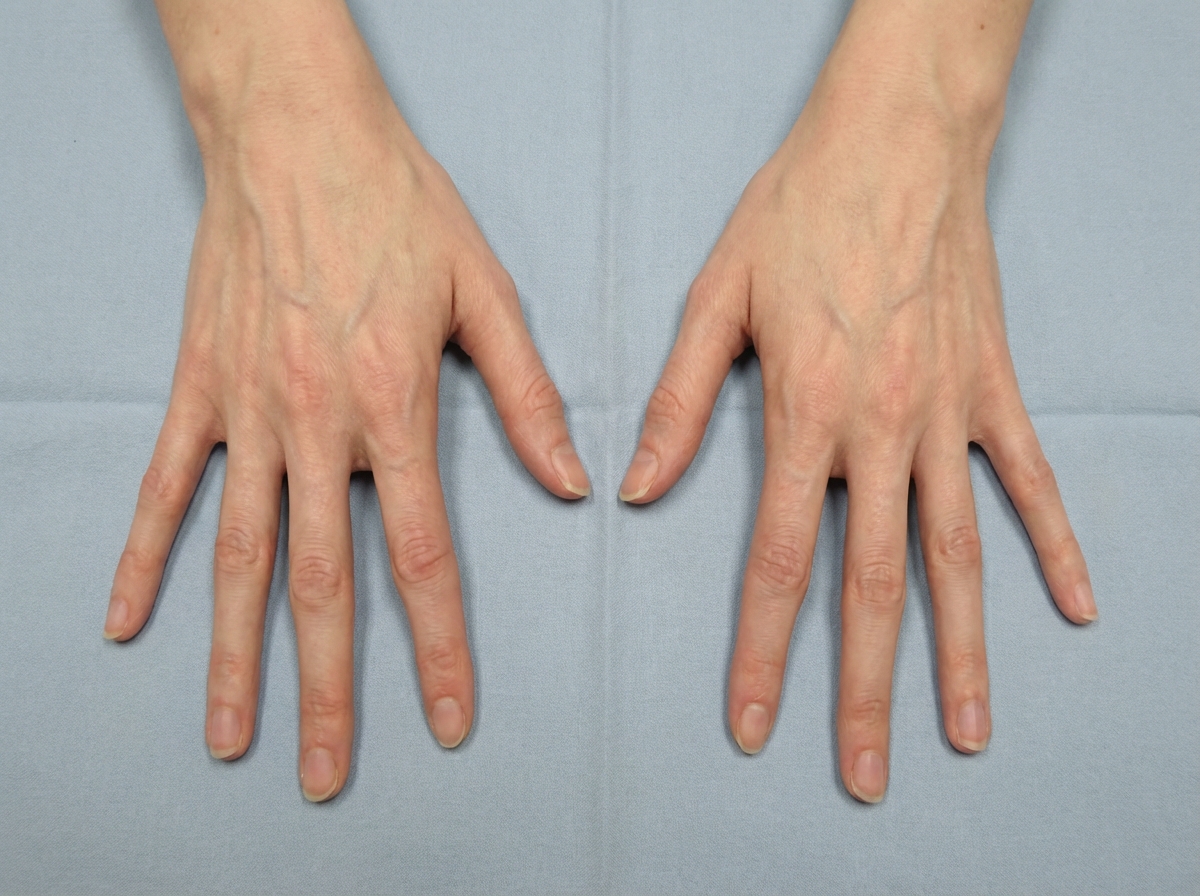
What is the disease in which these hand abnormalities are seen?
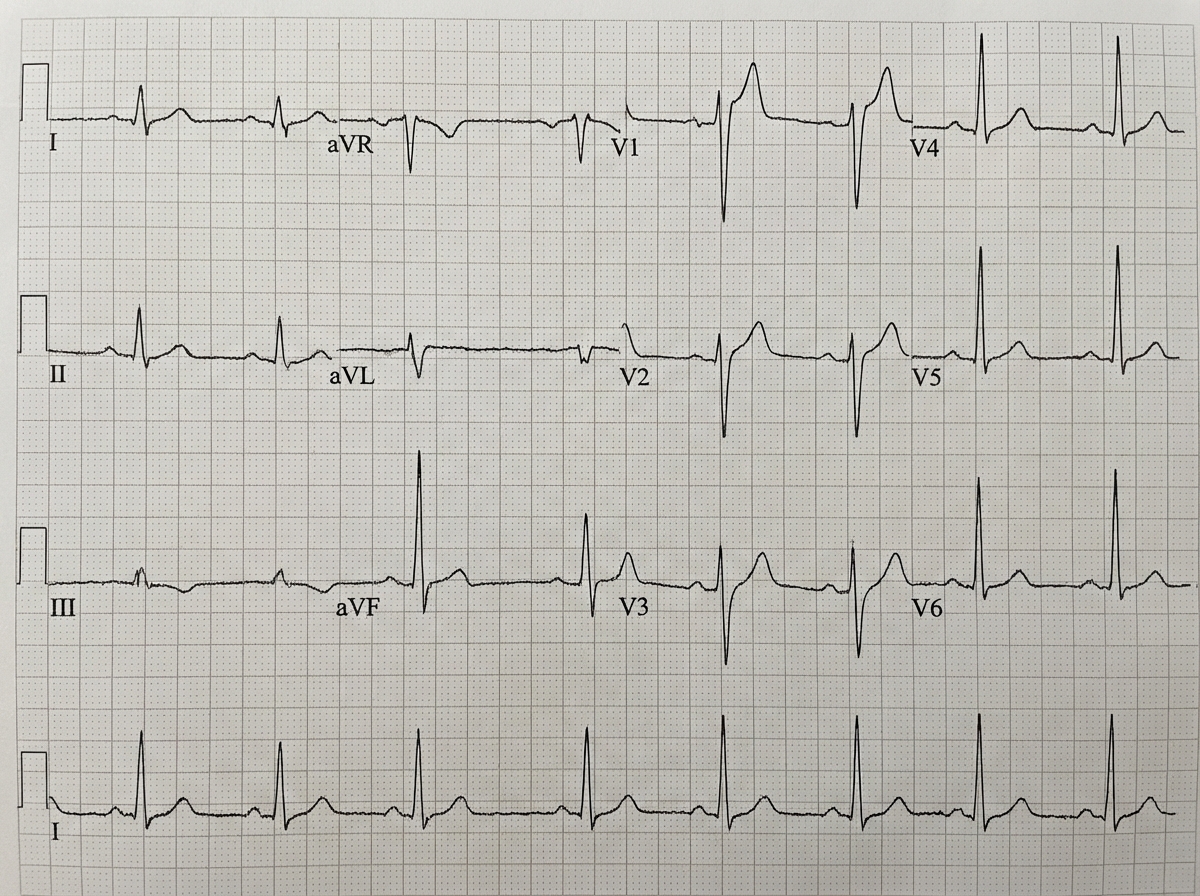
A child presents with failure to thrive. Despite counseling on nutritional improvement, the parents report no change. What is the likely diagnosis?
What is the approximate annual increase in height for a child before puberty?
Explanation: **Explanation:** The development of social and emotional milestones follows a predictable sequence in pediatrics. **Hugging parents** is a specific social milestone that typically manifests at **15 months** of age. This behavior signifies an increasing awareness of social relationships and the ability to express affection physically and spontaneously. * **Why 15 months is correct:** At this age, a child’s emotional intelligence evolves from simple recognition to active engagement. Along with hugging, a 15-month-old typically begins to show empathy (looking sad if someone else is crying) and can follow simple one-step commands without gestures. * **Why other options are incorrect:** * **12 months:** At one year, the primary social milestones are "waving bye-bye," playing simple games like "Pat-a-cake" or "Peek-a-boo," and showing separation anxiety. * **18 months:** By this age, social play becomes more advanced. A child begins "Parallel Play" (playing alongside others but not with them) and starts to mimic domestic activities like sweeping or dusting. * **24 months:** At two years, children enter the stage of "Symbolic Play" and begin to show more independence (the "terrible twos"), often resisting authority and playing more interactively. **NEET-PG High-Yield Pearls:** * **Kissing parents:** Occurs slightly later than hugging, typically around **18 months**. * **Social Smile:** Appears at **2 months** (the first social milestone). * **Stranger Anxiety:** Starts at **6-7 months**, peaking at 9 months. * **Finger Feeding:** Starts at **9 months**. * **Domestic Mimicry:** Characteristic of **18 months**.
Explanation: **Explanation:** The number of teeth at age 7 is determined by the transition from primary (deciduous) to secondary (permanent) dentition. By age 6, most children have their full set of **20 primary teeth**. At approximately 6–7 years of age, the **First Permanent Molars** erupt behind the primary teeth (they do not replace any primary teeth). Additionally, the central incisors typically begin to shed and are replaced by permanent ones. At age 7, a child typically has: * 20 teeth from the primary set (some being replaced by permanent incisors). * 4 new Permanent First Molars (one in each quadrant). * **Total: 24 teeth.** **Analysis of Options:** * **Option A (20):** This represents the complete set of primary (milk) teeth, typically achieved by 2.5 to 3 years of age. * **Option B (24):** Correct. This accounts for the 20 primary positions plus the 4 newly erupted permanent first molars. * **Option C (26):** This is an incorrect count for this developmental milestone. * **Option D (28):** This represents the full permanent dentition (excluding the four 3rd molars/wisdom teeth), which is usually completed by age 12–13. **High-Yield Clinical Pearls for NEET-PG:** 1. **Rule of 6s:** The first permanent tooth to erupt is the **1st Molar at 6 years** (often called the "6-year molar"). 2. **Order of Eruption (Permanent):** Molar 1 $\rightarrow$ Central Incisor $\rightarrow$ Lateral Incisor $\rightarrow$ 1st Premolar. 3. **Total Count:** Permanent teeth total 32 (including wisdom teeth), while deciduous teeth total 20. 4. **Delayed Dentition:** Defined if no teeth have erupted by **13 months** of age (commonly associated with hypothyroidism or Rickets).
Explanation: **Explanation:** Rett syndrome is a unique neurodevelopmental disorder that primarily affects females. The correct answer is **C** because Rett syndrome is **not** an autosomal recessive disorder; it is an **X-linked dominant** condition. It is caused by a mutation in the **MECP2 gene** on the X chromosome. Since this mutation is typically lethal in hemizygous males, the clinical phenotype is almost exclusively seen in females. **Analysis of other options:** * **A. Microcephaly:** This is a hallmark feature. Infants often have a normal head circumference at birth, followed by a characteristic **deceleration of head growth** (acquired microcephaly) between ages 5 months and 4 years. * **B. Autistic behavior:** Patients typically undergo a period of regression where they lose social skills and purposeful communication, often mimicking symptoms of Autism Spectrum Disorder (ASD). * **D. Peculiar wringing motion of the hands:** This is the most pathognomonic sign. Patients lose purposeful hand skills and develop **stereotypical midline hand movements**, such as wringing, clapping, or washing motions. **Clinical Pearls for NEET-PG:** * **The "Regression" Phase:** Development is normal for the first 6–18 months, followed by a rapid loss of language and motor milestones. * **Respiratory Irregularities:** Episodes of hyperventilation and apnea while awake are common. * **Seizures:** Up to 80% of patients develop epilepsy. * **Scoliosis:** Highly prevalent as the disease progresses into the motor deterioration stage.
Explanation: **Explanation:** The transition from fetal hemoglobin (HbF, $\alpha_2\gamma_2$) to adult hemoglobin (HbA, $\alpha_2\beta_2$) is a critical physiological process that begins in utero and accelerates after birth. **Why 10% is correct:** At birth, HbF constitutes approximately **60–80%** of total hemoglobin. Following birth, the synthesis of gamma ($\gamma$) chains decreases while beta ($\beta$) chain synthesis increases. By the age of **6 months**, HbF levels typically decline to approximately **5–10%**. By 12 months of age, HbF reaches near-adult levels (usually <2%). **Analysis of Incorrect Options:** * **Option B (30%):** This level is typically seen around 3 months of age as the "hemoglobin switch" is mid-transition. * **Options C and D (50–60%):** These levels are characteristic of a newborn or an infant in the first few weeks of life. HbF at 60% at six months would be pathological, suggesting a hemoglobinopathy like Beta-Thalassemia Major or Hereditary Persistence of Fetal Hemoglobin (HPFH). **High-Yield Clinical Pearls for NEET-PG:** * **The Switch:** The physiological nadir (lowest point) of hemoglobin occurs at **2–3 months** of age (Physiological Anemia of Infancy) due to the transition from HbF to HbA and increased tissue oxygenation. * **HbF Structure:** Composed of two alpha ($\alpha$) and two gamma ($\gamma$) chains. It has a **higher affinity for oxygen** than HbA because it binds poorly to 2,3-BPG, facilitating oxygen transfer from mother to fetus. * **Clinical Relevance:** Symptoms of Beta-Thalassemia Major do not manifest until **6 months of age** because the high levels of HbF present earlier protect the infant from the effects of $\beta$-chain deficiency.
Explanation: **Explanation:** The onset of puberty in males is defined by the activation of the hypothalamic-pituitary-gonadal (HPG) axis. The **earliest clinical sign of male puberty is testicular enlargement**, specifically a testicular volume of **≥ 4 ml** (measured using a Prader orchidometer) or a long diameter of **> 2.5 cm**. This typically occurs between the ages of 9 and 14 years. This growth is primarily due to the enlargement of seminiferous tubules under the influence of Follicle Stimulating Hormone (FSH). **Analysis of Incorrect Options:** * **A. Pubic hair (Pubarche):** While often occurring shortly after testicular enlargement, pubic hair is an effect of adrenal androgens (adrenarche) and usually represents Tanner Stage 2, following the initial gonadal change. * **B. Axillary hair:** This is a later sign of puberty, typically appearing about two years after the onset of pubic hair growth. * **C. Hoarseness of voice:** This occurs late in puberty (Tanner Stage 3 or 4) due to the hypertrophy of laryngeal muscles and thickening of vocal cords under the influence of testosterone. **High-Yield Clinical Pearls for NEET-PG:** * **Order of Pubertal Events (Males):** Testicular enlargement → Penile growth → Pubic hair → Peak height velocity → Axillary hair → Facial hair/Voice change. * **Precocious Puberty:** Defined in boys as the onset of secondary sexual characteristics before **9 years** of age. * **Delayed Puberty:** Defined as the absence of testicular enlargement by **14 years** of age. * **First sign of female puberty:** Thelarche (breast bud development), usually occurring between 8-13 years.
Explanation: **Explanation:** The timing of tooth eruption is a high-yield topic in pediatric development. The classification is based on the specific timing relative to birth: 1. **Neonatal Teeth (Correct Answer):** These are teeth that erupt in the oral cavity within the first **30 days of life**. The neonatal period is defined as the first 28–30 days, hence the name. 2. **Natal Teeth:** These are teeth already **present at the time of birth**. While often confused with neonatal teeth, the distinction lies in whether the tooth was visible at delivery (Natal) or appeared shortly after (Neonatal). 3. **Primary Teeth:** Also known as deciduous or "milk" teeth. Normal eruption of the first primary tooth (usually the lower central incisor) typically occurs around **6 months** of age. Both natal and neonatal teeth are usually prematurely erupted primary teeth, not extra teeth. 4. **Prenatal:** This is not a standard clinical term used to describe erupted teeth. **Clinical Pearls for NEET-PG:** * **Incidence:** Natal teeth are roughly 3 times more common than neonatal teeth. * **Most Common Site:** Mandibular (lower) central incisors are the most common teeth involved (>85%). * **Riga-Fede Disease:** This is a clinical condition where these teeth cause sublingual ulceration due to constant trauma to the ventral surface of the tongue during feeding. * **Management:** If the teeth are mobile (risk of aspiration) or interfere with breastfeeding/cause ulceration, extraction or smoothing of the edges is indicated. * **Associations:** While usually isolated, they can be associated with syndromes like **Ellis-van Creveld syndrome** or **Hallermann-Streiff syndrome**.
Explanation: **Explanation:** The development of language milestones follows a predictable chronological sequence. To answer this question correctly, one must distinguish between milestones achieved by **12 months** versus those typically achieved by **15 to 18 months**. **Why Option D is correct:** Identifying one or more body parts (receptive language) and naming them (expressive language) is a milestone that typically develops between **15 and 18 months**. By 15 months, a child is just beginning to expand their vocabulary beyond "Mama/Dada," but the specific ability to point to body parts on command is generally established closer to the 18-month mark. **Analysis of Incorrect Options:** * **B. Responds to his/her name:** This is an early receptive language milestone, typically achieved by **6 to 9 months**. * **A. Follows simple commands:** A child usually begins to understand and follow one-step commands (e.g., "Give it to me" or "No") by **10 to 12 months**. * **C. Names a familiar object:** By **12 to 15 months**, a child can typically name at least one familiar object (like "ball" or "cup") in addition to using "Mama" and "Dada" specifically. **High-Yield Clinical Pearls for NEET-PG:** * **12 Months:** Uses 1-3 words with meaning; follows simple commands with gestures. * **15 Months:** Vocabulary of 3-6 words; uses jargon (unintelligible speech with native inflection). * **18 Months:** Vocabulary of 10-15 words; **identifies body parts**; follows commands without gestures. * **24 Months (2 years):** Uses 2-word phrases ("want milk"); vocabulary of ~50 words; 50% of speech is understood by strangers. * **3 Years:** Uses 3-word sentences; gives full name and gender; 75% of speech is understood by strangers.
Explanation: ***Marfan syndrome*** - **Arachnodactyly** (long, spider-like fingers) is the classic hand abnormality in Marfan syndrome due to connective tissue defects. - Associated with **positive thumb sign** (thumb extends beyond palm when making a fist) and **positive wrist sign** (overlapping thumb and fifth finger around wrist). *Down syndrome* - Hand abnormalities include **short, broad hands** with a **single palmar crease** (simian crease). - **Clinodactyly** (inward curving of the fifth finger) is common, opposite to the long fingers seen in the question. *Osteogenesis imperfecta* - Hand deformities result from **frequent fractures** leading to **bone deformities** and **joint contractures**. - **Blue sclerae** and **brittle bones** are characteristic, but arachnodactyly is not a typical feature. *Turner syndrome* - Hand abnormalities include **lymphedema** causing **puffy hands** in infancy and **short fourth metacarpals**. - **Cubitus valgus** (increased carrying angle) may be present, but long spider-like fingers are not characteristic.
Explanation: ***Ostium secundum, type of ASD*** - **Failure to thrive** not responding to nutritional counseling suggests an **organic cause**, with **left-to-right shunting** causing increased metabolic demands and poor weight gain. - **ECG** shows **right axis deviation** and **rSR′ pattern in V1** due to **right heart volume overload**, distinguishing it from other ASD types. *Ebstein anomaly* - Presents with **cyanosis** and **tricuspid regurgitation** rather than isolated failure to thrive. - **ECG** shows **tall P waves**, **prolonged PR interval**, and **right bundle branch block**, not the typical ASD pattern. *Ostium primum, type of ASD* - Associated with **mitral valve abnormalities** and more severe symptoms including **congestive heart failure** in infancy. - **ECG** characteristically shows **left axis deviation** and **first-degree AV block**, unlike the right axis deviation seen here. *Sinus venosus, type of ASD* - Often associated with **partial anomalous pulmonary venous return** and typically **asymptomatic** in childhood. - **ECG** shows **superior P-axis** (negative P waves in leads II, III, aVF) due to abnormal atrial activation, differentiating it from secundum ASD.
Explanation: **Explanation:** The correct answer is **C (5-7 cm)**. Growth in children occurs in distinct phases. After the rapid growth of infancy (where a child grows ~25 cm in the first year), the growth velocity stabilizes during the "mid-childhood" or prepubertal period (ages 3 to puberty). During this phase, the child grows at a relatively constant rate of **5 to 7 cm per year**. This steady increase is primarily driven by Growth Hormone (GH) and Thyroid Hormone, before the pubertal growth spurt triggered by sex steroids begins. **Analysis of Incorrect Options:** * **A (1-2 cm):** This rate is too slow and would indicate pathological growth failure or constitutional delay. * **B (3-4 cm):** While closer, this is below the 3rd percentile for most prepubertal children and often warrants an investigation for growth hormone deficiency or systemic illness. * **D (8-10 cm):** This velocity is characteristic of the **pubertal growth spurt**. In boys, the peak height velocity (PHV) is approximately 9.5 cm/year, and in girls, it is approximately 8.5 cm/year. **High-Yield Clinical Pearls for NEET-PG:** * **Height Doubling:** Birth length (~50 cm) doubles at **4 years** (100 cm) and triples at **13 years**. * **Formula for Height (2–12 years):** (Age in years × 6) + 77 cm. * **Infancy Growth:** 1st year: 25 cm; 2nd year: 12 cm; 3rd year: 8 cm. * **Mid-Parental Height (MPH):** * Boys: [Father's height + Mother's height + 13 cm] / 2 * Girls: [Father's height + Mother's height - 13 cm] / 2 * **Bone Age:** The most sensitive indicator of skeletal maturity; usually assessed via X-ray of the **left wrist and hand**.
Normal Growth Parameters
Practice Questions
Developmental Milestones
Practice Questions
Puberty and Adolescent Development
Practice Questions
Growth Disorders
Practice Questions
Failure to Thrive
Practice Questions
Developmental Screening and Assessment
Practice Questions
Developmental Delays
Practice Questions
Growth Charts and Monitoring
Practice Questions
Short Stature
Practice Questions
Tall Stature
Practice Questions
Precocious and Delayed Puberty
Practice Questions
Psychosocial Development
Practice Questions
Get full access to all questions, explanations, and performance tracking.
Start For Free