
Congenital Anomalies — MCQs

A newborn male is noted to have difficulty feeding and "turns blue and chokes when drinking formula." The prenatal records reveal that the amniotic fluid appeared normal on ultrasound. A pediatric feeding tube is passed orally to 20 cm without difficulty, with gastric secretions aspirated. Which of the following is the most likely diagnosis?
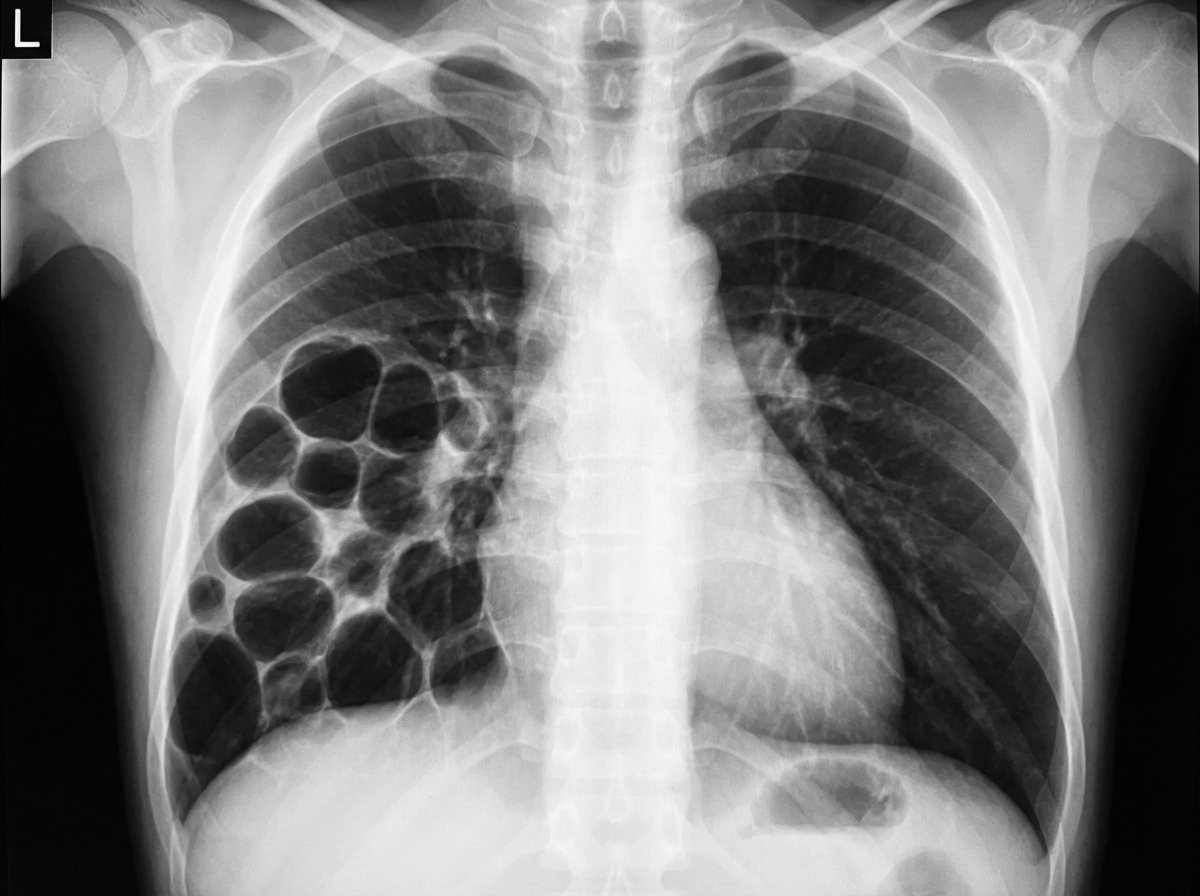
A 3-year-old child presents with respiratory distress and a history of recurrent respiratory infections. Based on the provided imaging, what is the most likely diagnosis?
Which one of the following life-threatening congenital anomalies in the newborn presents with polyhydramnios, aspiration pneumonia, excessive salivation and difficulty in passing a nasogastric tube?
Bronchogenic sequestration is seen in which lobe?
Which condition is characterized by a specific appearance on CT scans that resembles small centrilobular nodules with branching linear structures?
Congenital cyanotic heart disease with pulmonary oligemia is seen with –
Oesophageal atresia may occur as part of the VACTERL group of anomalies. What does "TE" refer to in this context?
A primary structural defect of an organ resulting from an intrinsically abnormal developmental process is termed as:
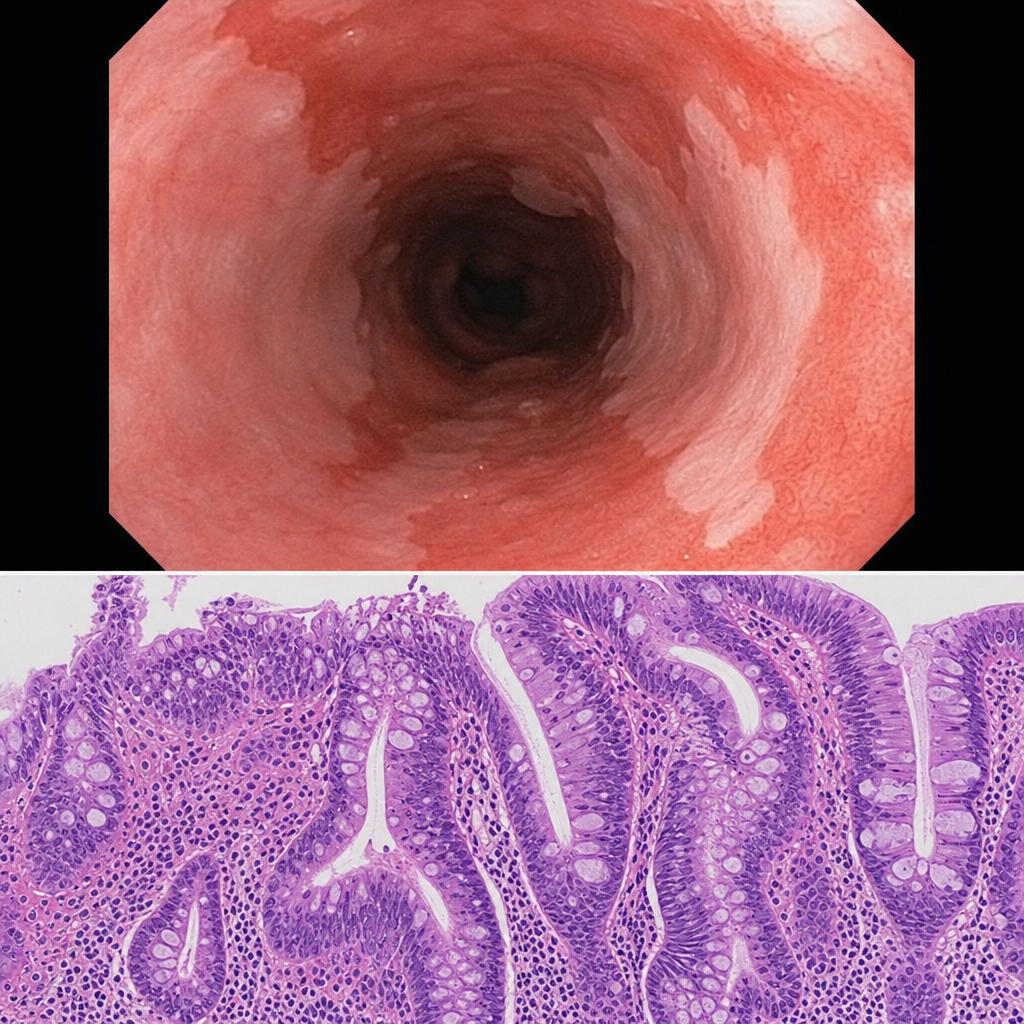
A 40-year-old patient presents with heart burn and increased salivation. UGI endoscopy was performed and biopsy was taken. What is the diagnosis? (AIIMS May 2017)
What occurs during the stage of Grey hepatization?
Want unlimited practice?
Get full access to all questions, explanations, and performance tracking.
Scan to download app