Apoptosis is inhibited by:
Which type of necrosis is most commonly associated with pyogenic infection and brain infarction?
The MYD88 L265P mutation is characteristically seen in which of the following hematological malignancies?
Which of the following mutations is seen in Cowden syndrome?
BRCA-1 gene is located on which chromosome?
Increase in the number of goblet cells in the non-respiratory terminal bronchiole is an example of?
During which phase of the cell cycle is DNA synthesis observed?
Which of the following is a DNA repair defect?
What is the earliest cellular change observed in cell death?
On which chromosome is the Her2/neu gene located?
Explanation: **Explanation:** **Apoptosis** (programmed cell death) is regulated by a delicate balance between pro-apoptotic and anti-apoptotic proteins [4]. 1. **Why Bcl-2 is correct:** **Bcl-2** is the prototypical **anti-apoptotic** protein [1]. It resides in the outer mitochondrial membrane and functions by stabilizing the membrane, preventing the leakage of Cytochrome C into the cytosol [1]. By inhibiting the formation of the "apoptosome," it prevents the activation of caspases, thereby inhibiting apoptosis [2]. Overexpression of Bcl-2 (commonly seen in Follicular Lymphoma due to t(14;18)) leads to cell survival despite DNA damage [3]. 2. **Why other options are incorrect:** * **p53:** Known as the "Guardian of the Genome," p53 **promotes** apoptosis [1]. When DNA damage is irreparable, p53 upregulates pro-apoptotic proteins like **BAX and BAK**, leading to cell death [1]. * **NMYC:** This is an oncogene (commonly amplified in Neuroblastoma). While it promotes cell proliferation, it does not directly inhibit the apoptotic machinery in the same way Bcl-2 does; in many contexts, MYC overactivity can actually sensitize cells to apoptosis unless countered by anti-apoptotic signals [1]. * **ras:** This is a signal transduction oncogene (GTPase). While it promotes cell survival and growth via the MAPK/ERK pathway, its primary role is **mitogenesis** rather than being a direct inhibitor of the apoptotic cascade. **High-Yield Clinical Pearls for NEET-PG:** * **Pro-apoptotic members:** BAX, BAK (form mitochondrial pores), and BH3-only proteins (Bad, Bid, Bim, PUMA) [2]. * **Anti-apoptotic members:** Bcl-2, Bcl-xL, and MCL-1 [1]. * **Executioner Caspases:** Caspase 3, 6, and 7. * **Intrinsic Pathway Trigger:** Withdrawal of growth factors or DNA damage [4]. * **Extrinsic Pathway Trigger:** Fas-FasL interaction or TNF-TNFR1 [1]. **References:** [1] Kumar V, Abbas AK, et al.. Robbins and Cotran Pathologic Basis of Disease. 9th ed. Neoplasia, p. 310. [2] Kumar V, Abbas AK, et al.. Robbins and Cotran Pathologic Basis of Disease. 9th ed. Cellular Responses to Stress and Toxic Insults: Adaptation, Injury, and Death, pp. 65-67. [3] Kumar V, Abbas AK, et al.. Robbins and Cotran Pathologic Basis of Disease. 9th ed. Neoplasia, pp. 310-311. [4] Kumar V, Abbas AK, et al.. Robbins and Cotran Pathologic Basis of Disease. 9th ed. Cellular Responses to Stress and Toxic Insults: Adaptation, Injury, and Death, pp. 64-65.
Explanation: **Explanation:** **Liquefaction necrosis** is the correct answer because it is characterized by the transformation of the tissue into a liquid, viscous mass. This occurs due to the digestion of dead cells by hydrolytic enzymes. 1. **Why it is correct:** * **Pyogenic Infections:** In bacterial or fungal infections, microbes stimulate the accumulation of inflammatory cells (neutrophils). These leukocytes release potent lysosomal enzymes that digest ("liquefy") the surrounding tissue, resulting in the formation of pus [2]. * **Brain Infarction:** Unlike other organs where ischemia causes coagulative necrosis, the brain undergoes liquefaction necrosis. This is because the brain has a high lipid content and lacks a strong supporting connective tissue framework, allowing autolytic enzymes to rapidly dissolve the parenchyma [1], [3]. 2. **Why other options are incorrect:** * **Coagulative necrosis:** The most common pattern of necrosis (seen in most solid organ infarcts like the heart or kidney). It preserves the basic structural outline of the tissue for several days because the injury denatures both structural proteins and enzymes. * **Caseous necrosis:** A "cheese-like" appearance characteristic of **Tuberculosis** (granulomatous inflammation) [4]. It is a combination of coagulative and liquefaction necrosis. * **Fat necrosis:** Specifically refers to focal areas of fat destruction, typically seen in **Acute Pancreatitis** (enzymatic) or breast trauma (non-enzymatic) [4]. **NEET-PG High-Yield Pearls:** * **Exception Rule:** Ischemia in all organs leads to Coagulative necrosis **EXCEPT** the Brain (Liquefaction) [3]. * **Wet Gangrene:** This is essentially coagulative necrosis with a superimposed liquefactive action of bacteria. * **Morphology:** In liquefaction necrosis, the tissue is eventually removed by phagocytes, leaving a fluid-filled cyst or cavity [1], [3]. **References:** [1] Kumar V, Abbas AK, et al.. Robbins and Cotran Pathologic Basis of Disease. 9th ed. The Central Nervous System, pp. 1268-1269. [2] Cross SS. Underwood's Pathology: A Clinical Approach. 6th ed. (Basic Pathology) introduces the student to key general principles of pathology, both as a medical science and as a clinical activity with a vital role in patient care. Part 2 (Disease Mechanisms) provides fundamental knowledge about the cellular and molecular processes involved in diseases, providing the rationale for their treatment. Part 3 (Systematic Pathology) deals in detail with specific diseases, with emphasis on the clinically important aspects., pp. 192-193. [3] Cross SS. Underwood's Pathology: A Clinical Approach. 6th ed. (Basic Pathology) introduces the student to key general principles of pathology, both as a medical science and as a clinical activity with a vital role in patient care. Part 2 (Disease Mechanisms) provides fundamental knowledge about the cellular and molecular processes involved in diseases, providing the rationale for their treatment. Part 3 (Systematic Pathology) deals in detail with specific diseases, with emphasis on the clinically important aspects., pp. 148-149. [4] Kumar V, Abbas AK, et al.. Robbins and Cotran Pathologic Basis of Disease. 9th ed. Cellular Responses to Stress and Toxic Insults: Adaptation, Injury, and Death, p. 55.
Explanation: ### Explanation **Correct Answer: B. Waldenstrom Macroglobulinemia** **Mechanism:** The **MYD88 L265P** mutation is a gain-of-function mutation found in over **90-95%** of patients with Waldenstrom Macroglobulinemia (WM). MYD88 is an adapter protein in the Toll-like receptor (TLR) and Interleukin-1 receptor signaling pathways. The L265P mutation (substitution of proline for leucine at position 265) leads to constitutive activation of the **NF-̀B pathway**, promoting the survival and proliferation of malignant lymphoplasmacytic cells. **Analysis of Incorrect Options:** * **A. Hairy Cell Leukemia:** The hallmark genetic driver here is the **BRAF V600E** mutation (seen in >95% of cases). * **C. Multiple Myeloma:** Characterized by complex cytogenetics, most commonly involving **IGH translocations** [e.g., t(11;14), t(4;14)] or 13q deletions, rather than MYD88 mutations. * **D. Acute Myeloid Leukemia (AML):** Associated with mutations in **FLT3, NPM1, or DNMT3A**, and various chromosomal translocations [e.g., t(8;21), t(15;17)]. **High-Yield Clinical Pearls for NEET-PG:** * **Waldenstrom Macroglobulinemia (WM):** Defined as Lymphoplasmacytic Lymphoma (LPL) with bone marrow involvement and an **IgM monoclonal gammopathy** [1]. * **Clinical Triad:** Hyperviscosity syndrome (visual disturbances, neurological symptoms), hepatosplenomegaly, and lymphadenopathy [1]. * **Diagnostic Clue:** Absence of lytic bone lesions (unlike Multiple Myeloma) and presence of **Dutcher bodies** (intranuclear inclusions of immunoglobulins). * **Therapeutic Target:** The presence of MYD88 mutation makes these patients highly responsive to **Ibrutinib** (a BTK inhibitor). **References:** [1] Kumar V, Abbas AK, et al.. Robbins and Cotran Pathologic Basis of Disease. 9th ed. Diseases of White Blood Cells, Lymph Nodes, Spleen, and Thymus, pp. 609-610.
Explanation: **Explanation:** **Cowden Syndrome** is an autosomal dominant disorder characterized by multiple hamartomas and an increased risk of various malignancies. It is caused by a germline mutation in the **PTEN (Phosphatase and Tensin homolog)** gene located on chromosome 10q23. **PTEN** is a critical tumor suppressor gene that encodes a lipid phosphatase. It acts as a negative regulator of the **PI3K/AKT/mTOR signaling pathway**. When PTEN is mutated or lost, the pathway becomes constitutively active, leading to uncontrolled cell proliferation and survival. Clinically, Cowden syndrome presents with trichilemmomas (skin tumors), oral papillomas, and a high risk of breast, thyroid (follicular), and endometrial carcinomas. **Analysis of Incorrect Options:** * **A. STK 11 mutation:** Associated with **Peutz-Jeghers Syndrome**, characterized by hamartomatous GI polyps and perioral hyperpigmentation. * **B. SMAD 4 mutation:** Associated with **Juvenile Polyposis Syndrome** (along with BMPR1A mutations), which predisposes to gastric and colonic adenocarcinomas. * **D. PTCH mutation:** Associated with **Gorlin Syndrome** (Nevoid Basal Cell Carcinoma Syndrome) [1][2], characterized by multiple basal cell carcinomas, odontogenic keratocysts, and bifid ribs [1][2]. **High-Yield Clinical Pearls for NEET-PG:** * **PTEN** is the most frequently mutated gene in **Endometrial Carcinoma** (Endometrioid type). * Cowden syndrome is part of the **PTEN Hamartoma Tumor Syndrome (PHTS)** spectrum, which also includes Bannayan-Riley-Ruvalcaba syndrome. * **Lhermitte-Duclos disease** (dysplastic gangliocytoma of the cerebellum) is a pathognomonic CNS feature of Cowden syndrome. **References:** [1] Kumar V, Abbas AK, et al.. Robbins and Cotran Pathologic Basis of Disease. 9th ed. Neoplasia, pp. 306-307. [2] Kumar V, Abbas AK, et al.. Robbins and Cotran Pathologic Basis of Disease. 9th ed. The Skin, pp. 1157-1158.
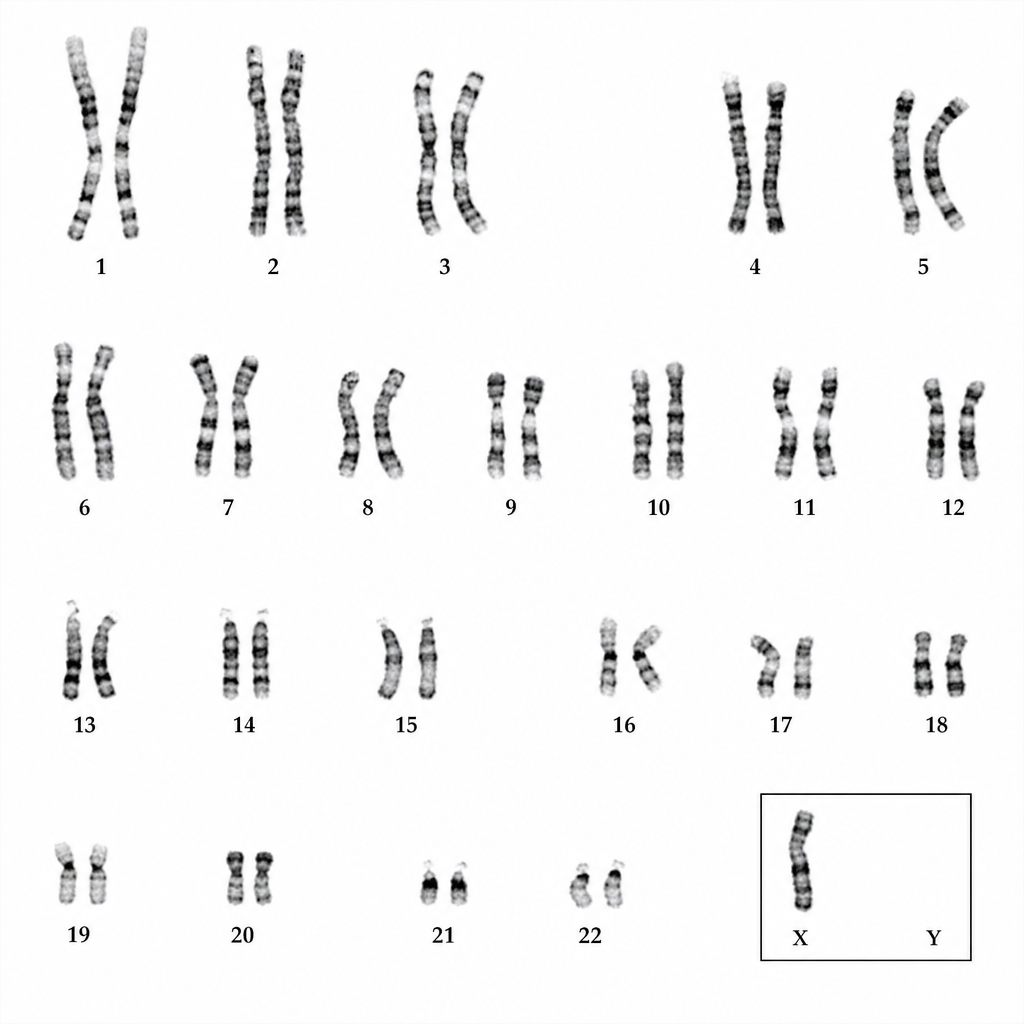
Explanation: **Explanation:** The **BRCA-1 (Breast Cancer 1)** gene is a critical tumor suppressor gene located on the **long arm (q) of Chromosome 17 (specifically 17q21)**. It encodes a protein involved in the repair of double-stranded DNA breaks via homologous recombination. Mutations in BRCA-1 significantly increase the lifetime risk of developing breast cancer (often triple-negative) and ovarian cancer (serous carcinoma). **Analysis of Options:** * **Chromosome 17 (Correct):** This is the locus for **BRCA-1**, as well as other high-yield genes like **TP53** (17p13.1) [2], **HER2/neu** (ERBB2) [1], and **NF1**. * **Chromosome 13:** This is the location of the **BRCA-2** gene (specifically 13q12.3) [3] and the **RB1** (Retinoblastoma) gene [2]. Confusing BRCA-1 (Ch 17) and BRCA-2 (Ch 13) is a common examiner trap. * **Chromosome 11:** This chromosome houses the **WT1** (Wilms tumor) gene and the **Cyclin D1 (PRAD1)** gene, often involved in Mantle Cell Lymphoma [t(11;14)]. * **Chromosome 22:** This is the location of the **NF2** (Merlin) gene and is part of the "Philadelphia chromosome" [t(9;22)] seen in CML. **High-Yield Clinical Pearls for NEET-PG:** * **Mnemonic:** "BRCA-**1** is on **1**7; BRCA-**2** is on **1**3." (Note that both are on odd-numbered chromosomes). * **Inheritance:** Autosomal Dominant with variable penetrance. * **Associated Malignancies:** BRCA-1 is more strongly associated with **ovarian cancer** and **early-onset breast cancer** compared to BRCA-2. BRCA-2 is more specifically associated with **male breast cancer**. * **Mechanism:** Both genes are involved in the **DNA Damage Response (DDR)** pathway. Cells deficient in these genes are highly sensitive to **PARP inhibitors** (e.g., Olaparib) due to synthetic lethality. **References:** [1] Kumar V, Abbas AK, et al.. Robbins and Cotran Pathologic Basis of Disease. 9th ed. The Breast, pp. 1059-1060. [2] Cross SS. Underwood's Pathology: A Clinical Approach. 6th ed. (Basic Pathology) introduces the student to key general principles of pathology, both as a medical science and as a clinical activity with a vital role in patient care. Part 2 (Disease Mechanisms) provides fundamental knowledge about the cellular and molecular processes involved in diseases, providing the rationale for their treatment. Part 3 (Systematic Pathology) deals in detail with specific diseases, with emphasis on the clinically important aspects., pp. 227-228. [3] Kumar V, Abbas AK, et al.. Robbins and Cotran Pathologic Basis of Disease. 9th ed. The Pancreas, pp. 898-899.
Explanation: ### Explanation **Correct Answer: C. Metaplasia** **Why Metaplasia is correct:** Metaplasia is a reversible change in which one differentiated cell type (epithelial or mesenchymal) is replaced by another differentiated cell type [2]. It is often an adaptive response to chronic irritation [2]. The **non-respiratory terminal bronchioles** are normally lined by simple ciliated columnar epithelium and Clara cells; they lack goblet cells. In response to chronic irritation (most commonly from **cigarette smoke** or air pollutants), the epithelium undergoes a protective change [1]. The appearance of mucus-secreting goblet cells in this location is a classic example of **Mucous Metaplasia** (also called Goblet Cell Metaplasia) [1]. This adaptation increases mucus production to protect the airway, though it may lead to small airway obstruction [3]. **Why the other options are incorrect:** * **A. Anaplasia:** Refers to a lack of differentiation and is a hallmark of malignancy. It involves a total loss of structural and functional differentiation. * **B. Dysplasia:** Characterized by disordered growth and maturation of an epithelium (loss of uniformity and architectural orientation) [1]. While it can precede cancer, it is not a simple replacement of one cell type with another. * **D. Hyperplasia:** Refers to an increase in the *number* of cells in an organ or tissue that already contains those cells [4]. Since goblet cells are not normally present in terminal bronchioles, their appearance is a change in cell type (metaplasia) rather than just an increase in existing cells. **NEET-PG High-Yield Pearls:** * **Most common epithelial metaplasia:** Squamous metaplasia (e.g., respiratory tract of smokers where columnar cells change to squamous) [3]. * **Barrett’s Esophagus:** A classic example of **Columnar Metaplasia** (Squamous to Columnar/Goblet cells) due to acid reflux. * **Mechanism:** Metaplasia does not result from a change in the phenotype of an already differentiated cell; instead, it is the result of **reprogramming of tissue-specific stem cells**. * **Vitamin A deficiency** can induce squamous metaplasia in the respiratory tract and ducts of glands. **References:** [1] Kumar V, Abbas AK, et al.. Robbins and Cotran Pathologic Basis of Disease. 9th ed. The Lung, p. 723. [2] Cross SS. Underwood's Pathology: A Clinical Approach. 6th ed. (Basic Pathology) introduces the student to key general principles of pathology, both as a medical science and as a clinical activity with a vital role in patient care. Part 2 (Disease Mechanisms) provides fundamental knowledge about the cellular and molecular processes involved in diseases, providing the rationale for their treatment. Part 3 (Systematic Pathology) deals in detail with specific diseases, with emphasis on the clinically important aspects., pp. 91-92. [3] Kumar V, Abbas AK, et al.. Robbins and Cotran Pathologic Basis of Disease. 9th ed. Cellular Responses to Stress and Toxic Insults: Adaptation, Injury, and Death, p. 49. [4] Kumar V, Abbas AK, et al.. Robbins and Cotran Pathologic Basis of Disease. 9th ed. Cellular Responses to Stress and Toxic Insults: Adaptation, Injury, and Death, pp. 46-47.
Explanation: **Explanation:** The cell cycle is a highly regulated sequence of events that leads to cell division [1]. It is divided into Interphase (G1, S, and G2 phases) and the M (Mitotic) phase [1]. **1. Why the Correct Answer is Right:** The **Synthetic phase (S phase)** is the specific period during which **DNA replication** occurs [4]. During this phase, the DNA content of the cell doubles (from 2n to 4n), ensuring that each of the two daughter cells receives a complete set of chromosomes. This is also the phase where histone proteins are synthesized to package the newly formed DNA. **2. Analysis of Incorrect Options:** * **Resting phase (G0):** This is a quiescent stage where cells have exited the cycle and are not actively preparing to divide (e.g., mature neurons or cardiac myocytes) [1]. No DNA synthesis occurs here. * **Mitotic phase (M phase):** This is the stage of actual nuclear division (prophase, metaphase, anaphase, telophase) and cytoplasmic division (cytokinesis). DNA is condensed into chromosomes and separated, but no new DNA is synthesized [1]. * **Premitotic phase (G2):** This occurs after the S phase and before mitosis. It is a period of rapid cell growth and protein synthesis to prepare the cell for division, but DNA replication is already complete by this stage [1]. **Clinical Pearls for NEET-PG:** * **Checkpoints:** The **G1-S checkpoint** (regulated by p53 and Rb protein) is the most critical "restriction point" where the cell decides whether to divide or enter G0 [1], [2]. * **Cyclins:** Cyclin A and CDK2 are the primary regulators of the S phase. * **Pharmacology Link:** Many chemotherapy drugs (Antimetabolites like Methotrexate and 5-Fluorouracil) are **S-phase specific**, as they interfere with DNA synthesis. * **Lab Marker:** **Ki-67** is a clinical marker used in pathology to measure the growth fraction of cells (it is expressed in all phases except G0) [3]. **References:** [1] Kumar V, Abbas AK, et al.. Robbins and Cotran Pathologic Basis of Disease. 9th ed. With Illustrations By, pp. 37-38. [2] Kumar V, Abbas AK, et al.. Robbins and Cotran Pathologic Basis of Disease. 9th ed. Neoplasia, pp. 302-303. [3] Kumar V, Abbas AK, et al.. Robbins and Cotran Pathologic Basis of Disease. 9th ed. The Female Genital Tract, pp. 1007-1008. [4] Kumar V, Abbas AK, et al.. Robbins and Cotran Pathologic Basis of Disease. 9th ed. Neoplasia, pp. 296-297.
Explanation: **Explanation:** The correct answer is **Xeroderma pigmentosum (XP)**. **1. Why Xeroderma Pigmentosum is correct:** XP is a classic example of an autosomal recessive disorder characterized by a defect in **Nucleotide Excision Repair (NER)** [1]. Under normal conditions, NER enzymes identify and excise pyrimidine dimers (specifically thymine dimers) caused by ultraviolet (UV) radiation [1]. In XP patients, this repair mechanism is non-functional, leading to the accumulation of mutations, extreme photosensitivity, and a 2000-fold increased risk of skin cancers (Basal Cell Carcinoma, Squamous Cell Carcinoma, and Melanoma) at a young age [1], [2]. **2. Why the other options are incorrect:** * **Retinoblastoma (RB):** This is caused by a mutation in the *RB1* gene (a tumor suppressor gene) on chromosome 13q14. It regulates the G1/S checkpoint of the cell cycle, not DNA repair. * **Neurofibromatosis (NF):** NF1 and NF2 are caused by mutations in tumor suppressor genes (*NF1*/Neurofibromin and *NF2*/Merlin, respectively) involved in downregulating RAS signaling and cell-to-cell contact inhibition. * **MEN-I (Multiple Endocrine Neoplasia Type 1):** This is caused by a mutation in the *MEN1* gene, which encodes the protein **Menin**. Menin acts as a tumor suppressor involved in transcriptional regulation and genome stability, but it is not classified primarily as a DNA repair defect. **3. High-Yield Clinical Pearls for NEET-PG:** * **Other DNA Repair Defects:** * **Mismatch Repair (MMR):** Lynch Syndrome (HNPCC). * **Homologous Recombination:** BRCA1/BRCA2 (Breast/Ovarian cancer), Bloom Syndrome, and Fanconi Anemia [1]. * **Double-strand break repair (Non-homologous end joining):** Ataxia-telangiectasia [1]. * **XP Hallmark:** "Children of the Night" – extreme sun sensitivity and early-onset skin malignancies [2]. **References:** [1] Kumar V, Abbas AK, et al.. Robbins and Cotran Pathologic Basis of Disease. 9th ed. Neoplasia, pp. 322-323. [2] Kumar V, Abbas AK, et al.. Robbins and Cotran Pathologic Basis of Disease. 9th ed. Neoplasia, pp. 332-333.
Explanation: **Explanation:** **Cell swelling** (also known as hydropic change or vacuolar degeneration) is the **earliest and most common** morphological manifestation of almost all forms of cell injury [1]. **Why it is the correct answer:** The fundamental mechanism behind cell swelling is the failure of energy-dependent membrane pumps. When a cell is injured (e.g., via hypoxia), ATP production decreases [2]. This leads to the failure of the **Na⁺/K⁺-ATPase pump**, causing an influx of sodium into the cell and an efflux of potassium. Water follows sodium into the cell to maintain osmotic equilibrium, resulting in cellular enlargement and the formation of small clear vacuoles within the cytoplasm [1]. **Why the other options are incorrect:** * **Karyolysis (A) and Karyorrhexis (D):** These are nuclear changes associated with **irreversible** cell injury (necrosis) [1]. Karyolysis refers to nuclear fading due to DNAse activity, while karyorrhexis refers to nuclear fragmentation. These occur much later in the cell death sequence. * **Loss of plasma membrane (B):** Damage to the plasma membrane is the critical "point of no return" that signifies a transition from reversible to **irreversible** injury [2]. While it occurs before nuclear changes, it is preceded by the initial reversible phase of cell swelling. **NEET-PG High-Yield Pearls:** * **Reversible Injury:** Characterized by cell swelling, fatty change, and plasma membrane blebbing [2]. * **Irreversible Injury (Cell Death):** Characterized by profound mitochondrial dysfunction, membrane rupture, and nuclear changes (Pyknosis → Karyorrhexis → Karyolysis). * **Microscopic appearance:** Under a light microscope, cell swelling is seen as "cloudy swelling" or hydropic degeneration [1]. **References:** [1] Kumar V, Abbas AK, et al.. Robbins and Cotran Pathologic Basis of Disease. 9th ed. Cellular Responses to Stress and Toxic Insults: Adaptation, Injury, and Death, pp. 51-53. [2] Kumar V, Abbas AK, et al.. Robbins and Cotran Pathologic Basis of Disease. 9th ed. Cellular Responses to Stress and Toxic Insults: Adaptation, Injury, and Death, pp. 49-50.
Explanation: **Explanation:** The **HER2/neu** gene (also known as **ERBB2**) is a proto-oncogene located on the **long arm of chromosome 17 (17q12)** [1]. It encodes a 185-kDa transmembrane glycoprotein with intrinsic tyrosine kinase activity, belonging to the Epidermal Growth Factor Receptor (EGFR) family. Amplification of this gene leads to overexpression of the HER2 protein, driving cell proliferation and survival, most notably in breast and gastric carcinomas. **Analysis of Options:** * **Option D (17):** Correct. Chromosome 17 is the locus for *HER2/neu* [1]. In pathology, the ratio of *HER2* signals to Chromosome 17 centromere (*CEP17*) signals via FISH is the gold standard for determining gene amplification [1]. * **Option A (13):** This chromosome houses the **RB1** (Retinoblastoma) tumor suppressor gene and the **BRCA2** gene. * **Option B (14):** This is the site of the **Immunoglobulin Heavy Chain (IgH)** locus, frequently involved in translocations in B-cell lymphomas (e.g., t(14;18) in Follicular Lymphoma). * **Option C (15):** This chromosome contains the **PML** gene, involved in the t(15;17) translocation characteristic of Acute Promyelocytic Leukemia (APML). **High-Yield Clinical Pearls for NEET-PG:** 1. **Breast Cancer:** *HER2* amplification occurs in ~15-20% of cases and signifies a more aggressive phenotype but serves as a target for **Trastuzumab** (Herceptin) [1], [2]. 2. **Testing:** Immunohistochemistry (IHC) is used for screening (Score 3+ is positive); **FISH** is the definitive "gold standard" for equivocal (2+) cases [1], [2]. 3. **Other Genes on Chromosome 17:** **TP53** (17p13.1), **BRCA1** (17q21), and **NF1** (17q11.2). A useful mnemonic: "Most 'heavyweight' cancer genes (TP53, BRCA1, HER2) are on 17." **References:** [1] Kumar V, Abbas AK, et al.. Robbins and Cotran Pathologic Basis of Disease. 9th ed. The Breast, pp. 1059-1066. [2] Cross SS. Underwood's Pathology: A Clinical Approach. 6th ed. (Basic Pathology) introduces the student to key general principles of pathology, both as a medical science and as a clinical activity with a vital role in patient care. Part 2 (Disease Mechanisms) provides fundamental knowledge about the cellular and molecular processes involved in diseases, providing the rationale for their treatment. Part 3 (Systematic Pathology) deals in detail with specific diseases, with emphasis on the clinically important aspects., pp. 258-259.
Principles of Molecular Pathology
Practice Questions
DNA and RNA Analysis Techniques
Practice Questions
Cytogenetics
Practice Questions
Polymerase Chain Reaction Applications
Practice Questions
Next-Generation Sequencing
Practice Questions
Molecular Diagnosis of Infectious Diseases
Practice Questions
Molecular Oncology
Practice Questions
Pharmacogenomics
Practice Questions
Genetic Counseling and Risk Assessment
Practice Questions
Molecular Diagnostics Quality Control
Practice Questions
Get full access to all questions, explanations, and performance tracking.
Start For Free