Which of the following is a labile cell?
Which of the following functions is performed by RNA interference (RNAi) in gene regulation?
Cystic fibrosis is inherited as?
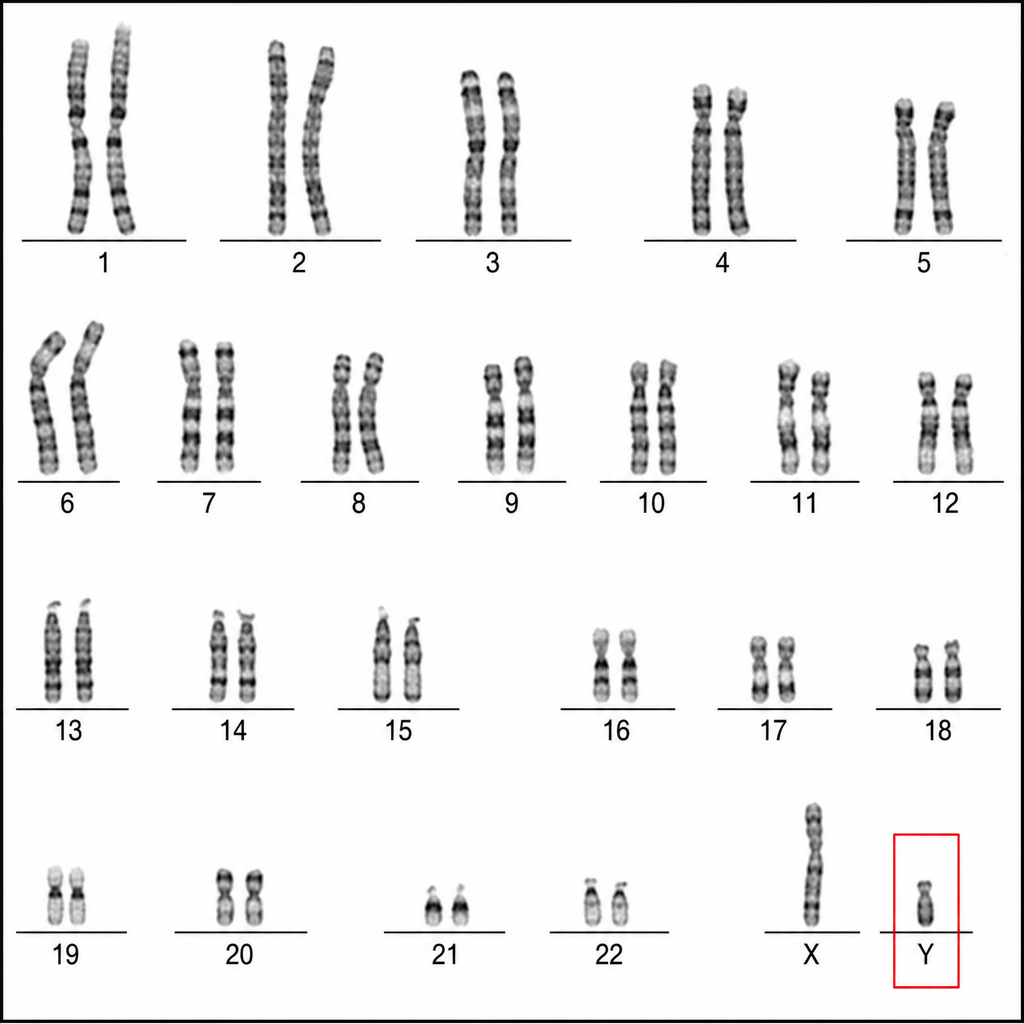
Which of the following types of karyotyping is performed under light microscopy?
Which of the following host tissue responses is NOT seen in acute infection?
A study of aging shows that senescent cells have accumulated damage from toxic byproducts of metabolism, with increased intracellular lipofuscin deposition. Prolonged ingestion of which of the following substances is most likely to counteract this aging mechanism?
Which test is used to differentiate between the chromosomal patterns of a normal cell and a cancer cell?
Which of the following is NOT a feature or common association of psammoma bodies?
The triple helix structure is a characteristic feature of which of the following molecules?
Which of the following is an apoptotic gene regulating programmed cell death type 2, also known as autophagy?
Explanation: ### Explanation The classification of cells based on their proliferative capacity (the **Lability/Cell Cycle status**) is a fundamental concept in pathology, crucial for understanding tissue repair and regeneration. **1. Why Surface Epithelium is Correct:** **Labile cells** (also known as continuously dividing cells) are cells that follow the cell cycle from one mitosis to the next [1]. They are constantly being lost and replaced by maturation from stem cells and by proliferation of mature cells. **Surface epithelia** (such as the skin, oral cavity, vagina, cervix, and the lining of the gastrointestinal and exocrine ducts) are classic examples because they must constantly regenerate to maintain a barrier against environmental stress [1]. **2. Analysis of Incorrect Options:** * **A. Cardiac cell:** These are **Permanent cells**. They have exited the cell cycle (G0 phase) and cannot undergo division in postnatal life. Injury to these cells results in scarring (fibrosis), not regeneration. * **B. Liver parenchymal cell:** These are **Stable (Quiescent) cells**. They normally have a low level of replication but can rapidly divide in response to stimuli (e.g., partial hepatectomy) [1]. They are considered to be in the G0 phase but can be recruited into G1. * **C. Vascular endothelial cells:** These are also **Stable cells**. Like liver cells and mesenchymal cells (fibroblasts, smooth muscle), they only proliferate in response to specific growth factors during wound healing or angiogenesis. **3. NEET-PG High-Yield Pearls:** * **Labile Cells:** Hematopoietic cells in bone marrow and most surface epithelia [1]. * **Stable Cells:** Parenchyma of most solid organs (Liver, Kidney, Pancreas), endothelial cells, fibroblasts, and smooth muscle cells [2]. * **Permanent Cells:** Neurons, Cardiac myocytes, and Skeletal muscle cells. * **Key Concept:** Regeneration can only occur in labile and stable tissues; permanent tissues heal only by **repair (scarring)** [1]. **References:** [1] Kumar V, Abbas AK, et al.. Robbins and Cotran Pathologic Basis of Disease. 9th ed. Inflammation and Repair, pp. 112-113. [2] Cross SS. Underwood's Pathology: A Clinical Approach. 6th ed. (Basic Pathology) introduces the student to key general principles of pathology, both as a medical science and as a clinical activity with a vital role in patient care. Part 2 (Disease Mechanisms) provides fundamental knowledge about the cellular and molecular processes involved in diseases, providing the rationale for their treatment. Part 3 (Systematic Pathology) deals in detail with specific diseases, with emphasis on the clinically important aspects., pp. 104-105.
Explanation: **Explanation:** **1. Why Option C is Correct:** RNA interference (RNAi) is a natural cellular mechanism used to regulate gene expression by **silencing** specific messenger RNA (mRNA) molecules [2]. It involves small interfering RNA (siRNA) or microRNA (miRNA) that bind to target mRNA sequences, leading to their degradation or inhibition of translation [1], [2]. Because the gene itself remains intact but its protein production is significantly reduced, this process is termed **"knockdown."** In medical research, RNAi is a vital tool for studying the functional loss of a gene without permanently altering the genome. **2. Why Other Options are Incorrect:** * **Option A (Knock-in):** This involves the targeted insertion of a specific gene sequence into the genome, typically using CRISPR/Cas9 or viral vectors. RNAi does not add genetic material. * **Option B (Knockout):** This refers to the complete and permanent elimination of a gene from the DNA (e.g., via homologous recombination). RNAi only suppresses the mRNA; it does not delete the DNA. * **Option D (Knock-up):** This refers to increasing gene expression (overexpression). RNAi is inherently an inhibitory/silencing process and cannot enhance expression. **3. NEET-PG High-Yield Pearls:** * **Mechanism:** RNAi is mediated by the **RISC (RNA-Induced Silencing Complex)** [2]. * **Dicer Enzyme:** This ribonuclease III enzyme cleaves long double-stranded RNA into shorter siRNA/miRNA fragments [2]. * **Clinical Application:** RNAi-based drugs (e.g., **Patisiran**) are used to treat hereditary transthyretin-mediated amyloidosis by "knocking down" the production of the abnormal protein. * **Nobel Prize:** Fire and Mello won the Nobel Prize in 2006 for the discovery of RNA interference. **References:** [1] Cross SS. Underwood's Pathology: A Clinical Approach. 6th ed. (Basic Pathology) introduces the student to key general principles of pathology, both as a medical science and as a clinical activity with a vital role in patient care. Part 2 (Disease Mechanisms) provides fundamental knowledge about the cellular and molecular processes involved in diseases, providing the rationale for their treatment. Part 3 (Systematic Pathology) deals in detail with specific diseases, with emphasis on the clinically important aspects., pp. 230-231. [2] Kumar V, Abbas AK, et al.. Robbins and Cotran Pathologic Basis of Disease. 9th ed. With Illustrations By, pp. 16-18.
Explanation: **Explanation:** **Cystic Fibrosis (CF)** is the most common lethal genetic disease in Caucasian populations [4]. It is inherited in an **Autosomal Recessive (AR)** pattern [1]. This means an individual must inherit two mutated copies of the *CFTR* (Cystic Fibrosis Transmembrane Conductance Regulator) gene—one from each parent—to manifest the disease [2]. Carriers (heterozygotes) are typically asymptomatic but have a 25% chance of passing the condition to their offspring if both parents are carriers [2]. **Why other options are incorrect:** * **Autosomal Dominant (AD):** AD disorders (e.g., Marfan syndrome, Huntington’s) usually involve structural proteins or receptors where a single mutated allele is sufficient to cause the phenotype [3]. CF involves a functional chloride channel; typically, 50% of functional protein in a carrier is enough to maintain health. * **X-linked Recessive (XR):** These disorders (e.g., Hemophilia, Duchenne Muscular Dystrophy) primarily affect males. CF affects males and females with equal frequency and severity, as the *CFTR* gene is located on **Chromosome 7q31.2**. * **X-linked Dominant (XD):** These are rare (e.g., Alport syndrome, Vitamin D resistant rickets) and show a vertical transmission pattern where affected fathers pass the trait to all daughters but no sons. **High-Yield Clinical Pearls for NEET-PG:** * **Gene Mutation:** The most common mutation is **ΔF508** (deletion of phenylalanine at position 508), leading to protein misfolding and degradation in the ER. * **Pathophysiology:** Defective chloride transport leads to abnormally thick, viscid secretions in the lungs, pancreas, and GI tract [4]. * **Diagnosis:** The gold standard is the **Sweat Chloride Test** (Pilocarpine Iontophoresis) showing chloride levels **>60 mmol/L**. * **Key Associations:** Recurrent *Pseudomonas* infections, meconium ileus in newborns, and **bilateral absence of vas deferens (CBAVD)** leading to male infertility. **References:** [1] Kumar V, Abbas AK, et al.. Robbins and Cotran Pathologic Basis of Disease. 9th ed. Genetic Disorders, pp. 150-151. [2] Cross SS. Underwood's Pathology: A Clinical Approach. 6th ed. (Basic Pathology) introduces the student to key general principles of pathology, both as a medical science and as a clinical activity with a vital role in patient care. Part 2 (Disease Mechanisms) provides fundamental knowledge about the cellular and molecular processes involved in diseases, providing the rationale for their treatment. Part 3 (Systematic Pathology) deals in detail with specific diseases, with emphasis on the clinically important aspects., pp. 53-54. [3] Kumar V, Abbas AK, et al.. Robbins and Cotran Pathologic Basis of Disease. 9th ed. Genetic Disorders, pp. 149-150. [4] Cross SS. Underwood's Pathology: A Clinical Approach. 6th ed. (Basic Pathology) introduces the student to key general principles of pathology, both as a medical science and as a clinical activity with a vital role in patient care. Part 2 (Disease Mechanisms) provides fundamental knowledge about the cellular and molecular processes involved in diseases, providing the rationale for their treatment. Part 3 (Systematic Pathology) deals in detail with specific diseases, with emphasis on the clinically important aspects., pp. 120-122.
Explanation: **Explanation:** Karyotyping is the process of pairing and ordering all the chromosomes of an organism [1]. The distinction between these techniques lies in the pretreatment of the chromosomes and the type of microscopy required to visualize the resulting bands. **Why G-banding is correct:** **G-banding (Giemsa banding)** is the most common technique used in clinical cytogenetics [1]. Chromosomes are first treated with **Trypsin** (to digest proteins) and then stained with **Giemsa stain**. This produces a series of light and dark bands that are easily visualized under a standard **light microscope**. Dark bands represent AT-rich, gene-poor, late-replicating regions. **Analysis of Incorrect Options:** * **Q-banding (Quinacrine):** This was the first banding method developed. It uses quinacrine mustard, a fluorescent stain, and requires a **Fluorescence Microscope** for visualization. It is not performed under light microscopy. * **R-banding (Reverse):** This produces the "reverse" pattern of G-banding (dark bands are GC-rich). While it can be viewed under light microscopy if stained with Giemsa after heat treatment, it is primarily used to study the ends of chromosomes (telomeres) and is less common than G-banding. * **C-banding (Constitutive Heterochromatin):** This specifically stains the centromeres and regions containing constitutive heterochromatin. While it uses Giemsa, it is a specialized technique used for specific structural studies rather than routine karyotyping. **High-Yield Clinical Pearls for NEET-PG:** * **Gold Standard:** G-banding remains the gold standard for detecting numerical and large structural chromosomal aberrations (e.g., Trisomy 21, Philadelphia chromosome). * **Resolution:** Standard G-banding identifies 400–500 bands per haploid set; high-resolution banding can identify up to 800 bands [1]. * **Mnemonic:** **G**-banding = **G**iemsa = **G**ood old light microscope. **Q**-banding = **Q**uinacrine = **Q**uick fluorescence. **References:** [1] Kumar V, Abbas AK, et al.. Robbins and Cotran Pathologic Basis of Disease. 9th ed. Genetic Disorders, pp. 167-168.
Explanation: **Explanation:** The inflammatory response is broadly categorized into **Acute** and **Chronic** inflammation based on the duration and the nature of the host tissue response [3]. **Why Granuloma formation is the correct answer:** Granuloma formation is a hallmark of **Chronic Granulomatous Inflammation** [1]. It is a specialized cellular attempt to contain an offending agent that is difficult to eradicate (e.g., *Mycobacterium tuberculosis*, fungi, or foreign bodies) [2]. It involves the collection of activated macrophages (epithelioid cells), lymphocytes, and multinucleated giant cells [1]. Because this process requires a Type IV hypersensitivity reaction and prolonged immune activation, it is **not** seen in acute infections. **Why the other options are incorrect:** * **Vasodilation (B):** This is one of the earliest vascular changes in acute inflammation, mediated by histamine and nitric oxide [4]. It leads to increased blood flow (rubor and calor). * **Exudation (A):** Acute inflammation is characterized by increased vascular permeability, allowing protein-rich fluid (exudate) and blood cells to move from the intravascular space into the interstitial tissue [1]. * **Margination (C):** This is a key step in leukocyte extravasation during acute inflammation. As blood flow slows (stasis), neutrophils move to the periphery of the vessel wall (marginate) before adhering and migrating into the tissue. **NEET-PG High-Yield Pearls:** * **Acute Inflammation Cell:** Neutrophil (Polymorphonuclear leukocyte). * **Chronic Inflammation Cell:** Macrophage/Monocyte. * **Cardinal Signs of Acute Inflammation:** Rubor (redness), Calor (heat), Tumor (swelling), Dolor (pain), and Functio Laesa (loss of function). * **Granuloma Components:** Epithelioid cells (activated macrophages) are the most characteristic feature [2]. Presence of central **caseous necrosis** strongly suggests Tuberculosis. **References:** [1] Kumar V, Abbas AK, et al.. Robbins and Cotran Pathologic Basis of Disease. 9th ed. Infectious Diseases, p. 360. [2] Cross SS. Underwood's Pathology: A Clinical Approach. 6th ed. (Basic Pathology) introduces the student to key general principles of pathology, both as a medical science and as a clinical activity with a vital role in patient care. Part 2 (Disease Mechanisms) provides fundamental knowledge about the cellular and molecular processes involved in diseases, providing the rationale for their treatment. Part 3 (Systematic Pathology) deals in detail with specific diseases, with emphasis on the clinically important aspects., pp. 198-200. [3] Kumar V, Abbas AK, et al.. Robbins and Cotran Pathologic Basis of Disease. 9th ed. Inflammation and Repair, pp. 109-110. [4] Kumar V, Abbas AK, et al.. Robbins and Cotran Pathologic Basis of Disease. 9th ed. Inflammation and Repair, pp. 83-84.
Explanation: **Explanation:** **1. Why Antioxidants is Correct:** The question describes the **Free Radical Theory of Aging**. During normal metabolism, mitochondria produce **Reactive Oxygen Species (ROS)** such as superoxide radicals and hydroxyl ions [1]. Over time, these toxic byproducts cause oxidative damage to proteins, lipids, and DNA [3]. **Lipofuscin**, often called the "wear-and-tear" pigment, is an insoluble brownish-yellow granular material that accumulates in aging cells (especially heart and liver) due to the lipid peroxidation of polyunsaturated lipids in subcellular membranes [1], [5]. **Antioxidants** (e.g., Vitamin E, Vitamin C, Glutathione, and Beta-carotene) counteract this mechanism by scavenging free radicals and neutralizing them before they can cause cellular damage and lipofuscin deposition [1], [2]. **2. Why Other Options are Incorrect:** * **Analgesics:** These are pain-relieving medications (e.g., NSAIDs, Opioids). While some NSAIDs have minor anti-inflammatory effects, they do not directly neutralize metabolic ROS or prevent lipofuscin accumulation. * **Antimicrobials:** These agents target bacteria, viruses, or fungi. They do not influence the intrinsic metabolic aging process of human cells. * **Antineoplastic agents:** These are chemotherapy drugs that often *increase* oxidative stress and cellular damage to kill cancer cells, which would theoretically accelerate rather than counteract aging mechanisms. **3. Clinical Pearls for NEET-PG:** * **Lipofuscin:** It is a marker of past free radical injury [5]. It is **not toxic** to the cell itself but is a tell-tale sign of aging. * **Key Antioxidant Enzymes:** Superoxide Dismutase (SOD), Catalase, and Glutathione Peroxidase are the body's primary enzymatic defenses against ROS [2]. * **Werner Syndrome:** A high-yield condition involving premature aging (progeria) caused by a defect in the DNA helicase enzyme [4]. * **Caloric Restriction:** Currently the most effective known method to reduce ROS production and increase lifespan in experimental models [4]. **References:** [1] Cross SS. Underwood's Pathology: A Clinical Approach. 6th ed. (Basic Pathology) introduces the student to key general principles of pathology, both as a medical science and as a clinical activity with a vital role in patient care. Part 2 (Disease Mechanisms) provides fundamental knowledge about the cellular and molecular processes involved in diseases, providing the rationale for their treatment. Part 3 (Systematic Pathology) deals in detail with specific diseases, with emphasis on the clinically important aspects., pp. 100-101. [2] Kumar V, Abbas AK, et al.. Robbins and Cotran Pathologic Basis of Disease. 9th ed. Cellular Responses to Stress and Toxic Insults: Adaptation, Injury, and Death, p. 59. [3] Kumar V, Abbas AK, et al.. Robbins and Cotran Pathologic Basis of Disease. 9th ed. With Illustrations By, pp. 26-27. [4] Kumar V, Abbas AK, et al.. Robbins and Cotran Pathologic Basis of Disease. 9th ed. Cellular Responses to Stress and Toxic Insults: Adaptation, Injury, and Death, pp. 77-78. [5] Kumar V, Abbas AK, et al.. Robbins and Cotran Pathologic Basis of Disease. 9th ed. Cellular Responses to Stress and Toxic Insults: Adaptation, Injury, and Death, p. 77.
Explanation: ### Explanation **Correct Answer: D. Comparative Genomic Hybridization (CGH)** **Why it is correct:** Comparative Genomic Hybridization (CGH) is specifically designed to detect **copy number variations (CNVs)** by comparing the DNA of a test sample (cancer cell) with a normal reference sample [1]. In this technique, DNA from both sources is labeled with different fluorescent dyes (e.g., green for cancer, red for normal) and hybridized to a normal metaphase spread or a microarray [1]. The ratio of the fluorescence intensities allows for the detection of chromosomal gains (amplifications) or losses (deletions) across the entire genome, effectively differentiating the chromosomal landscape of a malignant cell from a healthy one. **Why other options are incorrect:** * **A. FISH:** Uses fluorescent probes to detect the presence, absence, or location of *specific* DNA sequences [2]. It is highly targeted and cannot scan the entire genome for unknown differences like CGH [1]. * **B. PCR:** Primarily used for amplifying specific DNA sequences to detect mutations or quantify gene expression [3]. It does not provide a global view of chromosomal patterns. * **C. Karyotyping:** While it visualizes the entire set of chromosomes, it has low resolution (5–10 Mb). It can detect structural changes like translocations, but it cannot detect the subtle sub-microscopic gains or losses that CGH identifies [4]. **Clinical Pearls for NEET-PG:** * **Array-CGH (aCGH):** The modern version using microarrays; it is the "gold standard" for detecting microdeletions and microduplications [1]. * **Limitation of CGH:** It **cannot** detect **balanced chromosomal rearrangements** (e.g., reciprocal translocations or inversions) because there is no net change in the amount of DNA. * **FISH vs. CGH:** FISH is for "known" targets; CGH is for "unknown" genome-wide imbalances [1]. **References:** [1] Kumar V, Abbas AK, et al.. Robbins and Cotran Pathologic Basis of Disease. 9th ed. Genetic Disorders, pp. 186-187. [2] Cross SS. Underwood's Pathology: A Clinical Approach. 6th ed. (Basic Pathology) introduces the student to key general principles of pathology, both as a medical science and as a clinical activity with a vital role in patient care. Part 2 (Disease Mechanisms) provides fundamental knowledge about the cellular and molecular processes involved in diseases, providing the rationale for their treatment. Part 3 (Systematic Pathology) deals in detail with specific diseases, with emphasis on the clinically important aspects., pp. 256-257. [3] Kumar V, Abbas AK, et al.. Robbins and Cotran Pathologic Basis of Disease. 9th ed. Genetic Disorders, pp. 185-186. [4] Cross SS. Underwood's Pathology: A Clinical Approach. 6th ed. (Basic Pathology) introduces the student to key general principles of pathology, both as a medical science and as a clinical activity with a vital role in patient care. Part 2 (Disease Mechanisms) provides fundamental knowledge about the cellular and molecular processes involved in diseases, providing the rationale for their treatment. Part 3 (Systematic Pathology) deals in detail with specific diseases, with emphasis on the clinically important aspects., pp. 54-55.
Explanation: **Explanation:** **Psammoma bodies** are characteristic microscopic findings representing a form of **dystrophic calcification**. They appear as round, eosinophilic, concentric laminated (whorled) structures. **Why Option D is correct:** Psammoma bodies are not a typical or diagnostic feature of **Teratomas**. Teratomas are germ cell tumors composed of tissues derived from all three germ layers (ectoderm, mesoderm, and endoderm) [1]. While they may contain bone or teeth (macroscopic calcification), they do not characteristically form the microscopic, laminated psammoma bodies seen in specific epithelial or mesothelial tumors [2]. **Why other options are incorrect:** * **Option A (Meningioma):** Psammoma bodies are a hallmark of the "Psammomatous" subtype of meningioma. * **Option B (Concentric whorled appearance):** This describes the classic morphology of psammoma bodies, formed by the deposition of calcium salts in concentric layers around necrotic tumor cells. * **Option C (Papillary Thyroid Carcinoma):** Psammoma bodies are highly suggestive of this diagnosis, often found within the cores of the papillae. **High-Yield Clinical Pearls for NEET-PG:** To remember the common associations of Psammoma bodies, use the mnemonic **"PSaMMoma"**: * **P:** **P**apillary thyroid carcinoma, **P**apillary renal cell carcinoma, **P**rolactinoma (rarely). * **S:** **S**erous cystadenocarcinoma of the ovary, **S**omatostatinoma. * **M:** **M**esothelioma. * **M:** **M**eningioma. **Key Concept:** Psammoma bodies represent a single-cell necrosis pattern where calcium precipitates, creating a "sand-like" (Greek: *psammos*) appearance. They are a classic example of **dystrophic calcification** (occurring in necrotic tissue with normal serum calcium levels). **References:** [1] Kumar V, Abbas AK, et al.. Robbins and Cotran Pathologic Basis of Disease. 9th ed. The Female Genital Tract, pp. 1033-1034. [2] Cross SS. Underwood's Pathology: A Clinical Approach. 6th ed. Common Clinical Problems From Female Genital Tract Disease, pp. 480-481.
Explanation: ### Explanation **Correct Answer: B. Collagen** **Why it is correct:** Collagen is the most abundant protein in the human body and is characterized by a unique **triple helix** structure (also known as a tropocollagen unit). This structure consists of three polypeptide alpha-chains wound around each other. The stability of this helix is maintained by hydrogen bonds and a repetitive amino acid sequence, typically **Glycine-X-Y**, where X and Y are frequently Proline and Hydroxyproline. Glycine, being the smallest amino acid, is the only one that can fit into the tight central core of the triple helix. **Why the other options are incorrect:** * **A. Cystine:** This is a dimeric amino acid formed by the oxidation of two cysteine residues joined by a disulfide bond. It does not form a triple helix. * **C. Pectin:** This is a structural heteropolysaccharide found in the primary cell walls of terrestrial plants. It is a carbohydrate, not a protein, and lacks the triple helical arrangement. * **D. DNA:** Deoxyribonucleic acid typically exists as a **double helix** (Watson-Crick model), consisting of two complementary polynucleotide chains. **High-Yield Clinical Pearls for NEET-PG:** * **Vitamin C Deficiency (Scurvy):** Vitamin C is a required cofactor for the hydroxylation of proline and lysine residues. Lack of hydroxylation prevents stable triple helix formation, leading to defective collagen and capillary fragility. * **Osteogenesis Imperfecta:** Most commonly caused by mutations in Type I collagen genes, often involving the substitution of Glycine with bulkier amino acids, which disrupts the triple helix stability. * **Alport Syndrome:** Characterized by defects in **Type IV collagen**, which is unique because it forms a meshwork (basement membrane) rather than typical fibrils. * **Ehlers-Danlos Syndrome:** A group of disorders resulting from defects in the synthesis or structure of fibrillar collagen (most commonly Type III or Type V) [1]. Clinical features include fragile, hyperextensible skin and hypermobile joints [1]. **References:** [1] Kumar V, Abbas AK, et al.. Robbins and Cotran Pathologic Basis of Disease. 9th ed. Genetic Disorders, pp. 154-156.
Explanation: The correct answer is **BCL-2**. While BCL-2 is primarily known as an anti-apoptotic protein, it plays a critical role in cross-regulating **Autophagy (Programmed Cell Death Type 2)**. **Why BCL-2 is correct:** Autophagy is regulated by the **Beclin-1** complex. Under normal physiological conditions, BCL-2 binds to Beclin-1, sequestering it and inhibiting the initiation of autophagy. When a cell undergoes stress or starvation, BCL-2 dissociates from Beclin-1, allowing autophagy to proceed. Thus, BCL-2 acts as a molecular switch that inhibits both apoptosis and autophagy. **Analysis of Incorrect Options:** * **p53 (Option A):** Known as the "Guardian of the Genome," p53 primarily regulates the cell cycle and induces apoptosis (Type 1) via the intrinsic pathway when DNA damage is irreparable [1]. While it can influence autophagy, it is not the primary regulatory gene defined by its direct binding to the autophagy machinery like BCL-2. * **BAX (Option B):** BAX is a pro-apoptotic member of the BCL-2 family [3]. Its primary role is to form pores in the outer mitochondrial membrane (MOMP) to release Cytochrome C, leading to Type 1 programmed cell death (Apoptosis), not Type 2 [1],[2]. **NEET-PG High-Yield Pearls:** * **Programmed Cell Death (PCD) Types:** Type 1 = Apoptosis; Type 2 = Autophagy; Type 3 = Necrosis (specifically Necroptosis). * **Beclin-1:** The key protein required for autophagosome formation; it is often deleted in human cancers (e.g., breast, ovary). * **Atg genes:** A group of "Autophagy-related genes" essential for the formation of the autophagosome. * **Morphological Hallmark:** The presence of double-membrane **autophagic vacuoles** (autophagosomes) is the characteristic feature of Type 2 PCD. **References:** [1] Kumar V, Abbas AK, et al.. Robbins and Cotran Pathologic Basis of Disease. 9th ed. Neoplasia, p. 310. [2] Kumar V, Abbas AK, et al.. Robbins and Cotran Pathologic Basis of Disease. 9th ed. Cellular Responses to Stress and Toxic Insults: Adaptation, Injury, and Death, pp. 64-67. [3] Cross SS. Underwood's Pathology: A Clinical Approach. 6th ed. (Basic Pathology) introduces the student to key general principles of pathology, both as a medical science and as a clinical activity with a vital role in patient care. Part 2 (Disease Mechanisms) provides fundamental knowledge about the cellular and molecular processes involved in diseases, providing the rationale for their treatment. Part 3 (Systematic Pathology) deals in detail with specific diseases, with emphasis on the clinically important aspects., pp. 80-81.
Principles of Molecular Pathology
Practice Questions
DNA and RNA Analysis Techniques
Practice Questions
Cytogenetics
Practice Questions
Polymerase Chain Reaction Applications
Practice Questions
Next-Generation Sequencing
Practice Questions
Molecular Diagnosis of Infectious Diseases
Practice Questions
Molecular Oncology
Practice Questions
Pharmacogenomics
Practice Questions
Genetic Counseling and Risk Assessment
Practice Questions
Molecular Diagnostics Quality Control
Practice Questions
Get full access to all questions, explanations, and performance tracking.
Start For Free