A one-year-old boy presented with hepatosplenomegaly and delayed milestones. Liver biopsy and bone marrow biopsy revealed histiocytes with PAS-positive material. Electron microscopic examination of these histiocytes is most likely to reveal what?
DITRA syndrome is associated with a mutation in which of the following?
Which of the following is/are anti-apoptotic genes?
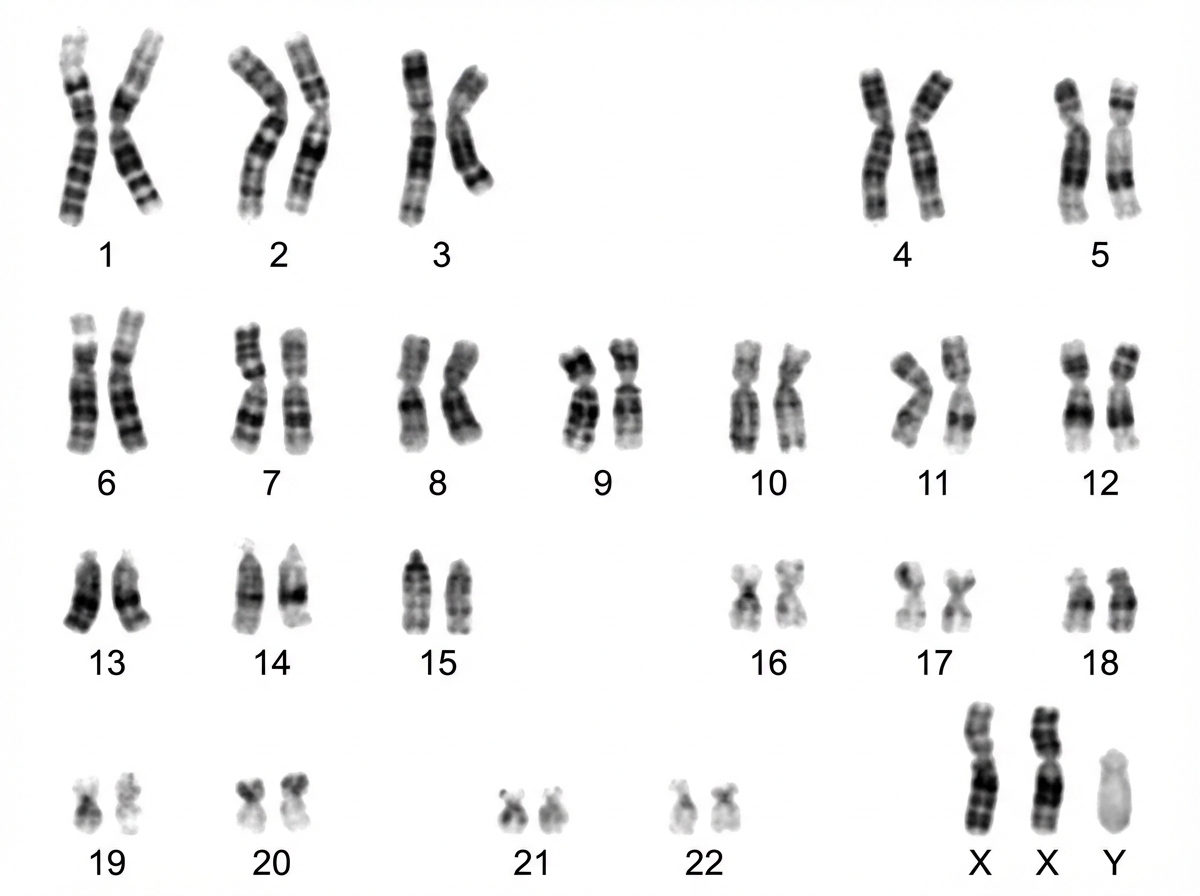
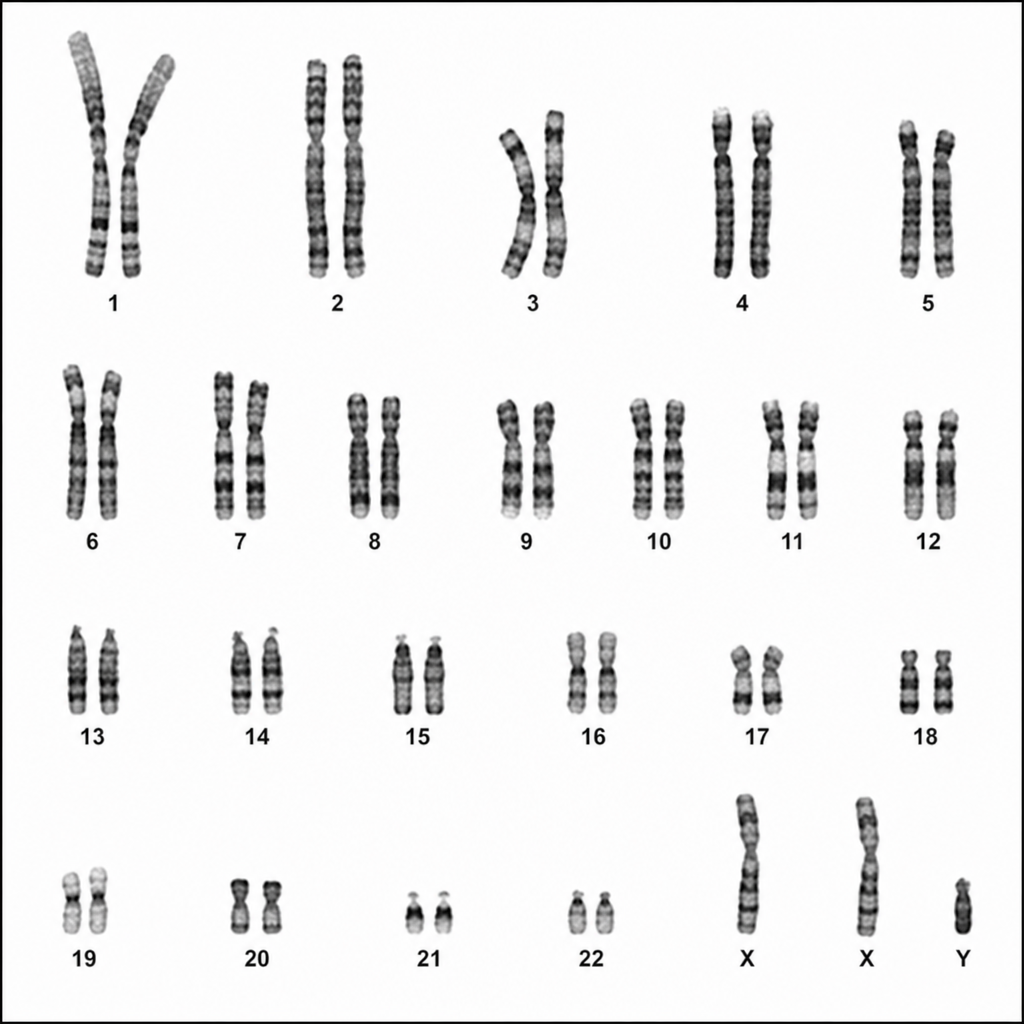
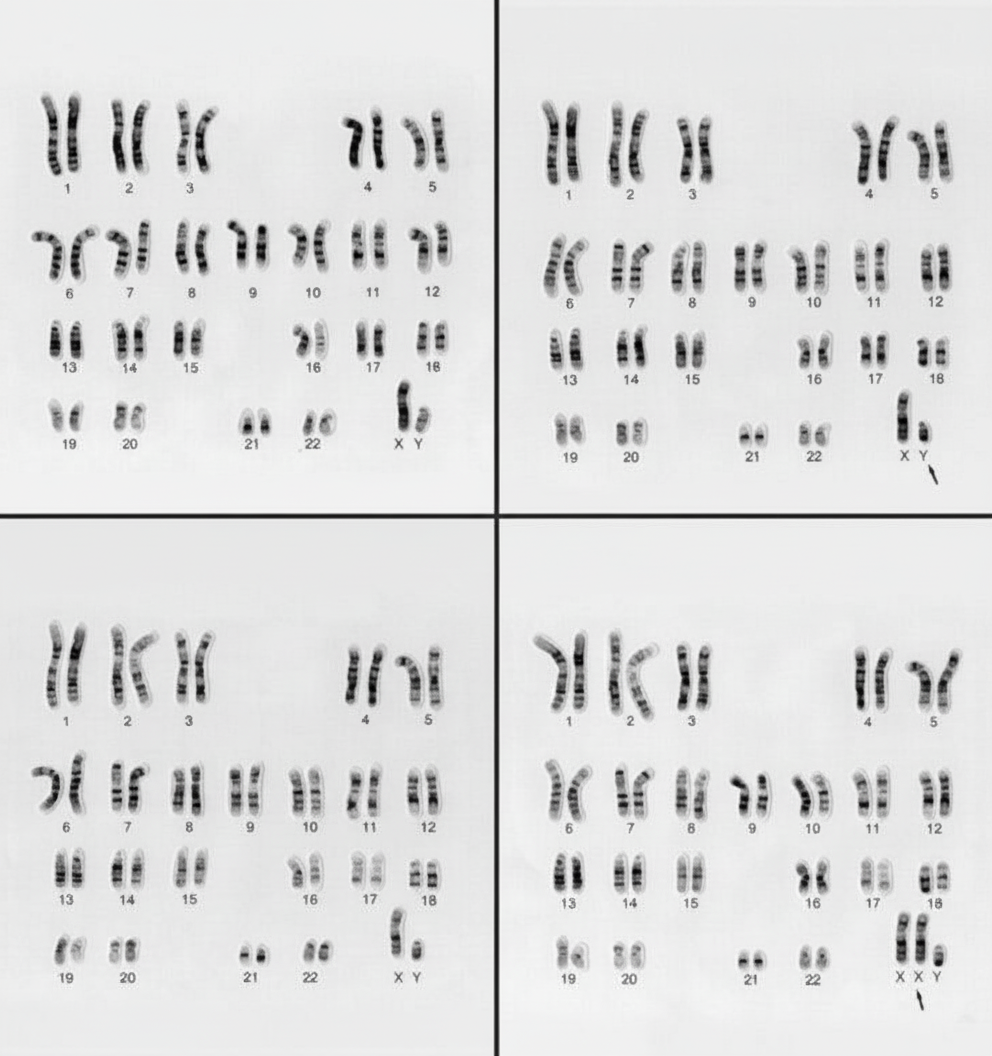
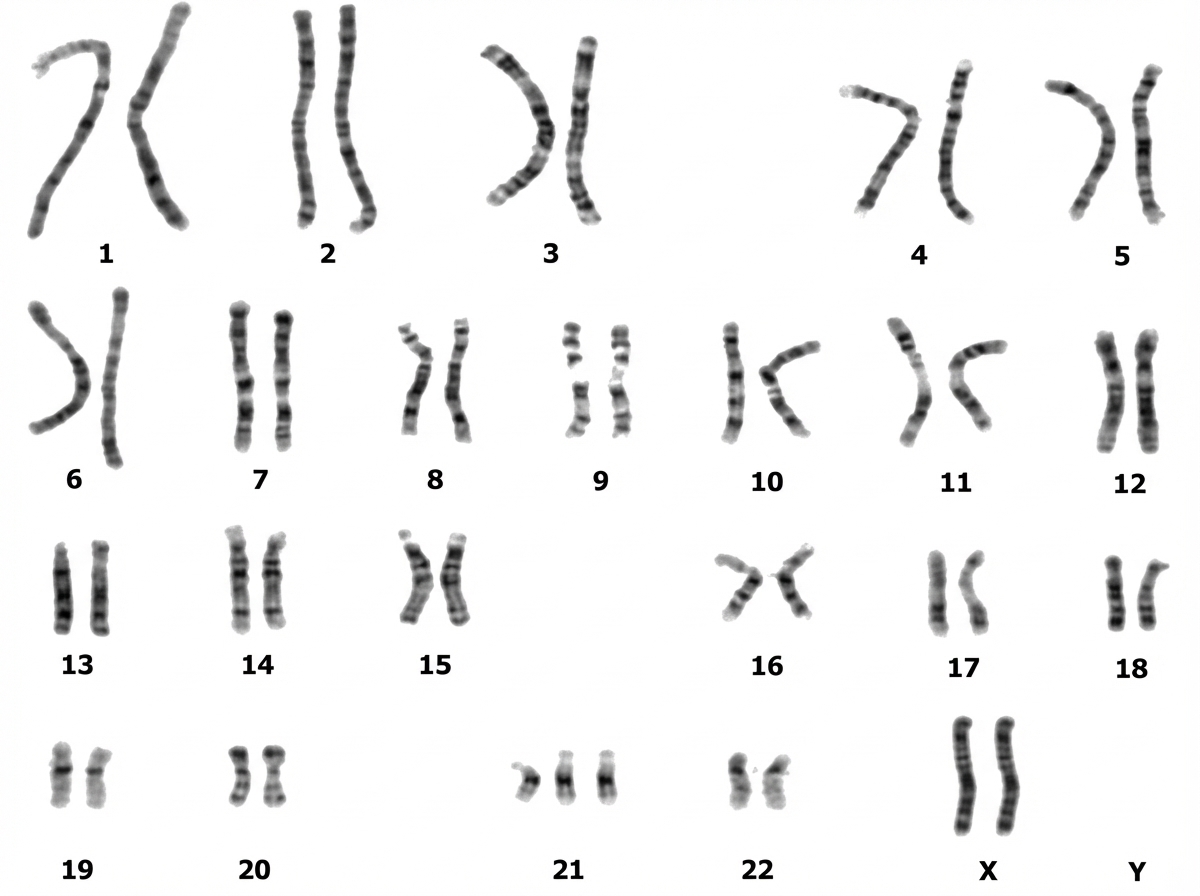
What is the karyotype for Turner syndrome?
All of the following are mediators of inflammation except?
Which genetic abnormality is associated with myotonic dystrophy?
Which among the following is the hallmark of acute inflammation?
What does linkage disequilibrium refer to?
What is true about fragile-X syndrome?
Inflammasome is formed in which type of cell death?
Explanation: ### Explanation The clinical presentation of hepatosplenomegaly, delayed milestones, and histiocytes containing PAS-positive material in a young child points toward **Langerhans Cell Histiocytosis (LCH)**. [1] **1. Why Option A is Correct:** The hallmark ultrastructural finding in LCH is the **Birbeck granule**. [1] These are unique, rod-shaped or "tennis racket-shaped" cytoplasmic organelles with a central linear striation. [1] They are pentalaminar structures formed by the invagination of the cell membrane and are associated with the protein **Langerin (CD207)**. [1] In LCH, the histiocytes (Langerhans cells) are PAS-positive due to the presence of complex carbohydrates/glycoconjugates. **2. Why the Other Options are Incorrect:** * **Option B (Myelin figures):** These are whorled phospholipid masses seen in states of cell injury or in certain lysosomal storage diseases (like Niemann-Pick), but they are not the diagnostic hallmark for LCH. * **Option C (Parallel arrays of tubular structures):** These are characteristic of **Gaucher disease** (specifically, glucocerebroside accumulations in lysosomes appearing as "crinkled paper" or fibrillar structures). [2] While Gaucher presents with hepatosplenomegaly, the EM finding is distinct from Birbeck granules. [2] * **Option D (Electron dense deposits in mitochondria):** These are typically seen in irreversible cell injury (flocculent densities) or specific mitochondrial myopathies, not in histiocytic disorders. ### NEET-PG High-Yield Pearls: * **Immunophenotype of LCH:** Positive for **S100, CD1a, and Langerin (CD207)**. [1] CD207 is the most specific marker. * **Clinical Spectrum:** Includes Letterer-Siwe disease (multisystem, <2 years old), Hand-Schüller-Christian triad (diabetes insipidus, exophthalmos, and bone lesions), and Eosinophilic Granuloma (solitary bone lesion). * **PAS Positivity:** While many storage diseases are PAS-positive, the combination of EM "tennis rackets" and histiocytic infiltration is pathognomonic for LCH. [1] **References:** [1] Kumar V, Abbas AK, et al.. Robbins and Cotran Pathologic Basis of Disease. 9th ed. Diseases of White Blood Cells, Lymph Nodes, Spleen, and Thymus, pp. 629-630. [2] Kumar V, Abbas AK, et al.. Robbins and Cotran Pathologic Basis of Disease. 9th ed. Genetic Disorders, pp. 162-163.
Explanation: **Explanation:** **DITRA Syndrome** (Deficiency of Interleukin-36-Receptor Antagonist) is a rare, life-threatening autoinflammatory disorder characterized by recurrent episodes of generalized pustular psoriasis, fever, and systemic inflammation. **1. Why IL-36 is correct:** The condition is caused by a loss-of-function mutation in the **IL36RN gene**, which encodes the **IL-36 receptor antagonist (IL-36Ra)**. Under normal physiological conditions, IL-36Ra inhibits the pro-inflammatory signaling of IL-36 cytokines (IL-36α, β, and γ). In DITRA, the absence of this antagonist leads to unchecked IL-36 signaling, resulting in the massive recruitment of neutrophils and the formation of sterile pustules [1]. **2. Why the other options are incorrect:** * **IL-46:** There is no well-characterized human cytokine named IL-46 relevant to autoinflammatory skin diseases. (Note: CD46 is a complement regulator, but unrelated to DITRA). * **IL-10:** This is a potent anti-inflammatory cytokine. Mutations in IL-10 or its receptor are associated with **Early-Onset Inflammatory Bowel Disease (IBD)** [2], not pustular psoriasis. * **IL-26:** While IL-26 is involved in host defense and Th17 responses, it is not the causative factor in DITRA syndrome. **High-Yield Clinical Pearls for NEET-PG:** * **Inheritance:** DITRA follows an **Autosomal Recessive** pattern. * **Clinical Presentation:** Sudden onset of high fever, malaise, and widespread "lakes of pus" (sterile pustules) on an erythematous base [1]. * **Treatment Target:** Since the pathology involves the IL-36 pathway, **Spesolimab** (an IL-36 receptor monoclonal antibody) is a specific FDA-approved treatment for generalized pustular psoriasis flares. * **Related Condition:** **CAMPS** (Cardiomyopathy and Myocytic Pustular Psoriasis) is another autoinflammatory skin condition, but it is associated with *AP1S3* mutations. **References:** [1] Cross SS. Underwood's Pathology: A Clinical Approach. 6th ed. Disorders Involving Inflammatory And Haemopoietic Cells, pp. 636-637. [2] Kumar V, Abbas AK, et al.. Robbins and Cotran Pathologic Basis of Disease. 9th ed. Diseases of the Immune System, pp. 223-224.
Explanation: **Explanation:** Apoptosis (programmed cell death) is tightly regulated by the **Bcl-2 family of proteins**, which act as a molecular switch for the intrinsic (mitochondrial) pathway [1]. These proteins are categorized into three functional groups based on their pro- or anti-apoptotic roles. **1. Why Bcl-2 is correct:** **Bcl-2** (along with **Bcl-xL** and **Mcl-1**) is a classic **anti-apoptotic** gene [1]. These proteins reside in the outer mitochondrial membrane and prevent the leakage of Cytochrome c into the cytosol by neutralizing pro-apoptotic proteins [3]. In many cancers, such as Follicular Lymphoma [t(14;18)], Bcl-2 is overexpressed, leading to cell immortality [2]. **2. Why other options are incorrect:** * **Bax and Bak (Options A & B):** These are **pro-apoptotic** "effector" proteins [3]. When activated by cellular stress, they undergo oligomerization to form pores in the outer mitochondrial membrane (MOMP - Mitochondrial Outer Membrane Permeabilization) [1]. This allows Cytochrome c to escape, activating the caspase cascade and leading to cell death [3]. **High-Yield NEET-PG Pearls:** * **The Pro-Apoptotic "Sensors":** These are the **BH3-only proteins** (e.g., **Bad, Bim, Bid, PUMA, NOXA**). They sense cell stress and activate Bax/Bak while inhibiting Bcl-2 [3]. * **The "Guardian of the Genome":** **p53** induces apoptosis by upregulating the transcription of Bax and PUMA [1]. * **Caspases:** The "initiator" caspase for the intrinsic pathway is **Caspase-9**, while the "executioner" caspases are **3 and 6** [3]. * **Mnemonic:** To remember pro-apoptotic effectors, think **"Bax and Bak puncture the Bag (mitochondria)."** **References:** [1] Kumar V, Abbas AK, et al.. Robbins and Cotran Pathologic Basis of Disease. 9th ed. Neoplasia, p. 310. [2] Kumar V, Abbas AK, et al.. Robbins and Cotran Pathologic Basis of Disease. 9th ed. Neoplasia, pp. 310-311. [3] Kumar V, Abbas AK, et al.. Robbins and Cotran Pathologic Basis of Disease. 9th ed. Cellular Responses to Stress and Toxic Insults: Adaptation, Injury, and Death, pp. 64-65.
Explanation: **Explanation:** **Turner Syndrome** is the most common sex chromosome abnormality in females, characterized by the complete or partial absence of one X chromosome [1]. 1. **Why 45, X0 is correct:** The standard karyotype for Turner syndrome is **45, X** (often written as 45, X0 to denote the missing chromosome) [2]. This occurs due to **nondisjunction** during meiosis, most commonly of paternal origin. The loss of the second X chromosome leads to accelerated loss of oocytes (streak ovaries) and short stature due to the loss of the *SHOX* gene [1]. 2. **Analysis of Incorrect Options:** * **Trisomy 21 (Option A):** This is the karyotype for **Down Syndrome** (47, XX/XY +21), the most common autosomal trisomy [2]. * **46, X0 (Option C):** This is a nomenclature error. A human karyotype must total 46 chromosomes if it is "normal," but the "0" indicates a missing chromosome, which would result in a total count of 45. * **47, XXX (Option D):** Known as **Triple X Syndrome** or "Superfemale" syndrome [2]. These individuals are phenotypically female and often asymptomatic, though they may have learning disabilities. **High-Yield Clinical Pearls for NEET-PG:** * **Most common cause of primary amenorrhea.** * **Clinical Features:** Short stature, webbed neck (cystic hygroma), widely spaced nipples (shield chest), and **streak ovaries** [1]. * **Cardiac Associations:** Bicuspid aortic valve (most common) and **Coarctation of the aorta** (pre-ductal). * **Renal Association:** Horseshoe kidney. * **Genetics:** 50% are 45,X; others are mosaics (e.g., 45,X/46,XX) or have structural abnormalities (isochromosome Xq) [2]. Mosaicism increases the risk of **Gonadoblastoma** if a Y chromosome fragment is present. **References:** [1] Kumar V, Abbas AK, et al.. Robbins and Cotran Pathologic Basis of Disease. 9th ed. Genetic Disorders, pp. 175-177. [2] Kumar V, Abbas AK, et al.. Robbins and Cotran Pathologic Basis of Disease. 9th ed. Genetic Disorders, pp. 168-169.
Explanation: **Explanation:** The core of this question lies in distinguishing between **mediators of inflammation** (which initiate, amplify, or regulate the inflammatory response) and **effector enzymes** (which carry out the actual destruction of pathogens) [2]. **Why Myeloperoxidase (MPO) is the correct answer:** Myeloperoxidase is a lysosomal enzyme found primarily in the azurophilic granules of neutrophils [1]. It is an **effector molecule** of the respiratory burst. MPO converts hydrogen peroxide ($H_2O_2$) and halide ions (like $Cl^-$) into **hypochlorous acid (HOCl)**, a potent bactericidal agent [1]. While it is essential for the killing phase of inflammation, it does not function as a signaling mediator that coordinates the inflammatory process [3]. **Analysis of Incorrect Options:** * **TNF-α and IL-1:** These are the "master cytokines" of acute inflammation [5]. They are produced mainly by activated macrophages and are responsible for inducing endothelial cell activation, leukocyte adhesion, and systemic acute-phase responses (like fever) [3]. * **Prostaglandins:** These are lipid mediators derived from arachidonic acid via the cyclooxygenase (COX) pathway [4]. They are key mediators of vasodilation, pain, and fever [3]. **High-Yield Clinical Pearls for NEET-PG:** * **MPO Deficiency:** The most common inherited defect of phagocytes; however, most patients are asymptomatic because other killing mechanisms remain intact. * **P-ANCA:** Antibodies against Myeloperoxidase are a hallmark of Microscopic Polyangiitis and Churg-Strauss Syndrome. * **Vasoactive Amines:** Histamine and Serotonin are the *first* mediators to be released during acute inflammation (pre-formed in mast cells) [2]. * **Nitric Oxide (NO):** Acts as a dual-purpose molecule—it causes vasodilation (mediator) but also acts as a free radical to kill microbes (effector). **References:** [1] Kumar V, Abbas AK, et al.. Robbins and Cotran Pathologic Basis of Disease. 9th ed. Inflammation and Repair, pp. 91-92. [2] Kumar V, Abbas AK, et al.. Robbins and Cotran Pathologic Basis of Disease. 9th ed. Inflammation and Repair, pp. 93-94. [3] Kumar V, Abbas AK, et al.. Robbins and Cotran Pathologic Basis of Disease. 9th ed. Inflammation and Repair, p. 101. [4] Kumar V, Abbas AK, et al.. Robbins and Cotran Pathologic Basis of Disease. 9th ed. Inflammation and Repair, p. 95. [5] Kumar V, Abbas AK, et al.. Robbins and Cotran Pathologic Basis of Disease. 9th ed. Inflammation and Repair, pp. 97-99.
Explanation: **Explanation:** **Myotonic Dystrophy (Type 1)** is the most common adult-onset muscular dystrophy. It is an **autosomal dominant** multisystem disorder caused by the expansion of a **CTG trinucleotide repeat** in the 3' untranslated region (UTR) of the **DMPK gene** (Dystrophia Myotonica Protein Kinase) located on chromosome 19q13.3 [1]. The pathogenesis involves "RNA toxicity," where the expanded CUG repeats in the mRNA sequester RNA-binding proteins (like MBNL1), leading to abnormal alternative splicing of various genes (e.g., chloride channel CLC-1), which results in the characteristic clinical feature of **myotonia** (delayed muscle relaxation) [1]. **Analysis of Incorrect Options:** * **B & C (Dystrophin 1 & 2):** Mutations or deletions in the *Dystrophin* gene (located on the X chromosome) lead to **Duchenne** and **Becker Muscular Dystrophies**. These are X-linked recessive disorders, not associated with trinucleotide repeats. * **D (CAG repeats):** CAG expansions are characteristic of **Huntington’s Disease** (Polyglutamine disease) and Spinocerebellar Ataxias. **High-Yield Clinical Pearls for NEET-PG:** * **Anticipation:** Myotonic dystrophy shows "anticipation," where the disease becomes more severe and has an earlier onset in successive generations due to further expansion of repeats during gametogenesis (especially maternal transmission) [2]. * **Clinical Features:** "Hatchet facies" (wasting of temporalis/masseter), frontal balding, cataracts, cardiac conduction defects, and testicular atrophy [1]. * **Diagnosis:** Percussion myotonia (e.g., slow relaxation of the thumb after tapping the thenar eminence) is a classic bedside sign [1]. **References:** [1] Cross SS. Underwood's Pathology: A Clinical Approach. 6th ed. Common Clinical Manifestations Of Central And Peripheral Nervous System Disease, pp. 732-733. [2] Kumar V, Abbas AK, et al.. Robbins and Cotran Pathologic Basis of Disease. 9th ed. Genetic Disorders, pp. 177-179.
Explanation: **Explanation:** Acute inflammation is a rapid response to injury or infection designed to deliver mediators of host defense to the site of damage. The **hallmark of acute inflammation** is the combination of **vasodilation and increased vascular permeability**, which together facilitate the formation of an inflammatory exudate [1]. 1. **Why Option C is Correct:** * **Vasodilation:** Induced by mediators like histamine and nitric oxide, it increases blood flow (causing redness and heat) [2]. * **Increased Permeability:** This is the most characteristic feature of acute inflammation [1]. It leads to the escape of protein-rich fluid (exudate) into the extravascular tissue, resulting in edema (swelling) [3]. This allows antibodies and clotting factors to reach the site of injury. 2. **Why Other Options are Incorrect:** * **A. Vasoconstriction:** This is a transient, neurogenic reflex lasting only seconds. It is not a hallmark but a fleeting precursor to the inflammatory process. * **B. Stasis:** While stasis (slowing of blood flow) occurs as a result of fluid loss and increased blood viscosity, it is a consequence of increased permeability, not the primary hallmark. * **D. Leukocyte Margination:** This is a crucial step in the cellular phase of inflammation where WBCs move to the periphery of the vessel. However, it is secondary to the hemodynamic changes (stasis) caused by increased permeability [5]. **High-Yield Clinical Pearls for NEET-PG:** * **Most common mechanism of increased permeability:** Endothelial cell contraction (immediate transient response), primarily mediated by histamine, bradykinin, and leukotrienes [3]. * **Triple Response of Lewis:** Includes flush (capillary dilation), flare (arteriolar dilation), and wheal (exudation/edema) [2]. * **Starling’s Hypothesis:** In inflammation, the increase in colloid osmotic pressure of the interstitial fluid (due to protein leakage) is the main driver of edema [4]. **References:** [1] Kumar V, Abbas AK, et al.. Robbins and Cotran Pathologic Basis of Disease. 9th ed. Inflammation and Repair, pp. 84-85. [2] Kumar V, Abbas AK, et al.. Robbins and Cotran Pathologic Basis of Disease. 9th ed. Inflammation and Repair, p. 101. [3] Cross SS. Underwood's Pathology: A Clinical Approach. 6th ed. (Basic Pathology)... Part 2 (Disease Mechanisms), pp. 187-188. [4] Cross SS. Underwood's Pathology: A Clinical Approach. 6th ed. (Basic Pathology)... Part 2 (Disease Mechanisms), pp. 186-187. [5] Cross SS. Underwood's Pathology: A Clinical Approach. 6th ed. (Basic Pathology)... Part 2 (Disease Mechanisms), pp. 188-189.
Explanation: ### Explanation **Concept Overview** Linkage Disequilibrium (LD) is a fundamental concept in population genetics and molecular pathology. It refers to the **non-random association** of alleles at different loci. In simpler terms, it occurs when specific alleles at two or more neighboring genes are inherited together more frequently than would be expected by chance [1]. **Why Option D is Correct** In the context of disease mapping, if a specific genetic marker is consistently found in individuals with a particular disease, that marker is said to be in "linkage disequilibrium" with the disease-causing mutation. This happens because the marker and the disease gene are physically located very close to each other on the same chromosome, preventing them from being separated by genetic recombination (crossover) during meiosis [1]. Thus, they are **co-inherited**. **Analysis of Incorrect Options** * **Option A:** Genes that are never co-inherited are either on different chromosomes or very far apart on the same chromosome, leading to independent assortment. * **Option B:** If a gene is not inherited with a disease-causing gene, it shows "linkage equilibrium" or independent assortment, meaning there is no statistical association between them. * **Option C:** Genetic mutations are permanent alterations in the DNA sequence; while LD helps *locate* mutations, LD itself is a statistical relationship between alleles, not the mutation itself. **NEET-PG High-Yield Pearls** * **Haplotype:** A group of alleles (in LD) that are inherited together from a single parent. * **Clinical Application:** LD is the basis for **Genome-Wide Association Studies (GWAS)**, used to identify genetic variations associated with complex diseases like Diabetes Mellitus and Schizophrenia. * **MHC/HLA Complex:** The Human Leukocyte Antigen (HLA) region on Chromosome 6 exhibits some of the highest levels of linkage disequilibrium in the human genome, which is why certain HLA types are strongly associated with specific autoimmune diseases (e.g., HLA-B27 and Ankylosing Spondylitis) [1]. **References:** [1] Cross SS. Underwood's Pathology: A Clinical Approach. 6th ed. (Basic Pathology) introduces the student to key general principles of pathology, both as a medical science and as a clinical activity with a vital role in patient care. Part 2 (Disease Mechanisms) provides fundamental knowledge about the cellular and molecular processes involved in diseases, providing the rationale for their treatment. Part 3 (Systematic Pathology) deals in detail with specific diseases, with emphasis on the clinically important aspects., pp. 49-56.
Explanation: Fragile X syndrome is the most common cause of inherited intellectual disability and the second most common genetic cause of mental retardation after Down syndrome. [1] **Explanation of the Correct Answer:** Fragile X syndrome is a classic example of a **Trinucleotide Repeat Disorder**. [2] It is caused by the expansion of a **CGG** repeat sequence in the 5' untranslated region of the **FMR1 gene** located on the long arm of the X chromosome (Xq27.3). [3] In normal individuals, there are about 6–54 repeats; however, in affected individuals, this expands to a "full mutation" of >200 repeats. [1] This expansion leads to hypermethylation of the promoter region, silencing the FMR1 gene and resulting in a deficiency of the Fragile X Mental Retardation Protein (FMRP), which is essential for normal brain development. [1] **Analysis of Incorrect Options:** * **B. Chromosome breaking:** While the name "Fragile X" comes from the appearance of a "broken" or constricted site on the X chromosome when cultured in folate-deficient medium, the chromosome does not actually break in vivo. The "fragility" is a cytogenetic artifact, not the underlying molecular mechanism. [3] * **C. Mitochondrial mutation:** Fragile X follows an X-linked dominant inheritance pattern with variable expressivity and incomplete penetrance (Sherman paradox), not mitochondrial (maternal) inheritance. * **D. Centrachrome absent:** This is a non-medical/distractor term with no relevance to the pathogenesis of the syndrome. **High-Yield Clinical Pearls for NEET-PG:** * **Clinical Triad:** Long face with a prominent jaw (macrognathia), large everted ears, and **macro-orchidism** (enlarged testes, post-pubertal). * **Anticipation:** The disease shows "genetic anticipation," where the severity increases and age of onset decreases in successive generations due to further expansion of repeats. * **Premutation (55-200 repeats):** Associated with Fragile X-associated Tremor/Ataxia Syndrome (FXTAS) and Premature Ovarian Failure. **References:** [1] Kumar V, Abbas AK, et al.. Robbins and Cotran Pathologic Basis of Disease. 9th ed. Genetic Disorders, pp. 179-181. [2] Kumar V, Abbas AK, et al.. Robbins and Cotran Pathologic Basis of Disease. 9th ed. Genetic Disorders, p. 177. [3] Kumar V, Abbas AK, et al.. Robbins and Cotran Pathologic Basis of Disease. 9th ed. Genetic Disorders, p. 179.
Explanation: **Explanation:** **Pyroptosis** is a specialized form of programmed cell death characterized by the activation of the **Inflammasome** [2]. The process begins when cytosolic receptors (like NLRP3) recognize PAMPs or DAMPs, leading to the formation of the inflammasome complex [1]. This complex activates **Caspase-1**, which performs two critical functions: it cleaves pro-IL-1̠ into its active inflammatory form and cleaves **Gasdermin D** [2]. The N-terminal fragments of Gasdermin D form pores in the plasma membrane, causing osmotic swelling, membrane rupture, and the release of inflammatory cytokines. **Analysis of Options:** * **Necrosis (A):** This is accidental, uncontrolled cell death resulting from severe injury. While it triggers inflammation due to membrane rupture, it does not involve the programmed assembly of an inflammasome. * **Apoptosis (B):** This is "silent" programmed cell death. It involves Caspases (3, 6, 7, 8, 9) but specifically avoids triggering an inflammasome or inflammation to prevent damage to surrounding tissues. * **Necroptosis (C):** A form of programmed necrosis that is **Caspase-independent** [2]. It relies on the RIPK1-RIPK3-MLKL pathway. While it mimics necrosis morphologically, it does not utilize the inflammasome machinery. **High-Yield Clinical Pearls for NEET-PG:** * **Key Enzyme:** Caspase-1 (Canonical) or Caspase-4/5/11 (Non-canonical) [2]. * **Key Protein:** Gasdermin D (the "pore-former"). * **Distinction:** Unlike apoptosis, pyroptosis is highly **pro-inflammatory**. * **Clinical Link:** Inflammasome overactivation is linked to gout (monosodium urate crystals) and Type 2 Diabetes [1]. **References:** [1] Kumar V, Abbas AK, et al.. Robbins and Cotran Pathologic Basis of Disease. 9th ed. Diseases of the Immune System, p. 196. [2] Kumar V, Abbas AK, et al.. Robbins and Cotran Pathologic Basis of Disease. 9th ed. Cellular Responses to Stress and Toxic Insults: Adaptation, Injury, and Death, p. 71.
Principles of Molecular Pathology
Practice Questions
DNA and RNA Analysis Techniques
Practice Questions
Cytogenetics
Practice Questions
Polymerase Chain Reaction Applications
Practice Questions
Next-Generation Sequencing
Practice Questions
Molecular Diagnosis of Infectious Diseases
Practice Questions
Molecular Oncology
Practice Questions
Pharmacogenomics
Practice Questions
Genetic Counseling and Risk Assessment
Practice Questions
Molecular Diagnostics Quality Control
Practice Questions
Get full access to all questions, explanations, and performance tracking.
Start For Free