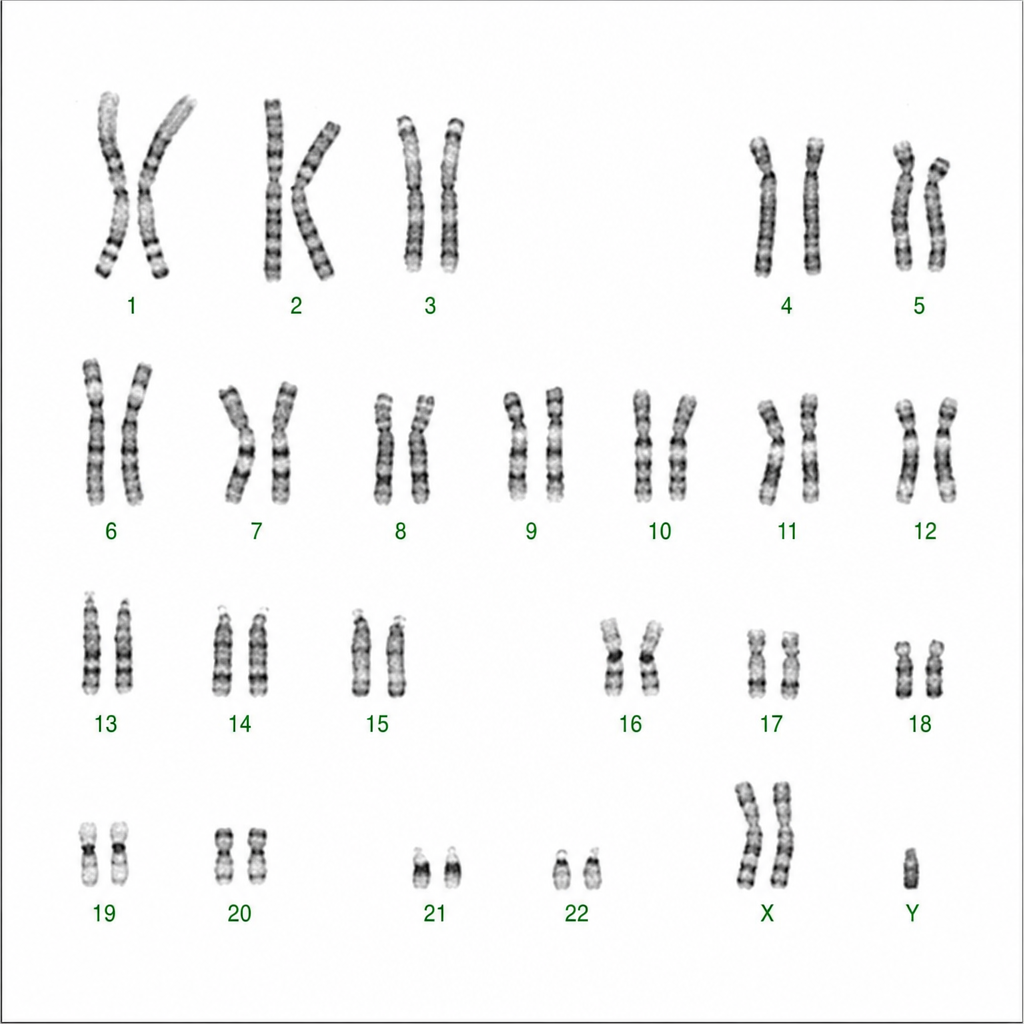
What is the approximate resolution of visualizing chromosomes through a light microscope?
A 45-year-old woman presents with a 2-month history of fatigue and recurrent fever. She also complains of tenderness below the right costal margin and dark urine. Physical examination reveals jaundice and mild hepatomegaly. The serum is positive for hepatitis B virus antigen. Which of the following best describes the mechanism of indirect virus-mediated hepatocyte cell death in this patient?
Phagolysosomal-enzymatic digestion occurs due to which of the following?
Karyotyping is done with all, except:
Division of a chromosome perpendicular to its normal axis of division leads to which of the following?
Amyloid that occurs in long-term hemodialysis is which type?
Which of the following tests is used to differentiate the chromosomes of normal and cancer cells?
Nonsense mutation is seen in which of the following conditions?
A CT scan of a 43-year-old woman with a parathyroid adenoma and hyperparathyroidism reveals extensive calcium deposits in the lungs and kidney parenchyma. These radiologic findings are best explained by which of the following mechanisms of disease?
Klinefelter syndrome is diagnosed by which method?
Explanation: ### Explanation **1. Understanding the Correct Answer (C: 5 Megabases)** In cytogenetics, the resolution of a technique refers to the smallest amount of genetic material that can be reliably detected. Standard **G-banding (Karyotyping)** involves viewing metaphase chromosomes under a light microscope [1]. The human genome consists of approximately 3 billion base pairs. A standard karyotype typically yields 400–550 bands per haploid set [1]. At this level of magnification, a single band represents roughly **5 to 10 megabases (Mb)** of DNA. Therefore, any deletion or duplication smaller than 5 Mb is generally invisible to the naked eye under a light microscope. **2. Analysis of Incorrect Options** * **A (5 Kb) & D (500 Kb):** These resolutions are far too fine for light microscopy. 5 Kb is the realm of **Sanger Sequencing** or high-resolution **NGS**. 500 Kb (0.5 Mb) is the typical resolution for **FISH (Fluorescence In Situ Hybridization)** or **Chromosomal Microarray (CMA)**. * **B (50 Mb):** This is too coarse. While very large chromosomal abnormalities (like whole-arm translocations) are 50 Mb or larger, the *limit* of resolution is much lower (5 Mb). **3. Clinical Pearls & High-Yield Facts for NEET-PG** * **Karyotyping (Light Microscopy):** Best for numerical errors (Aneuploidy like Trisomy 21) and large structural rearrangements (>5 Mb) [1]. * **Microdeletion Syndromes:** Conditions like DiGeorge Syndrome (22q11.2 deletion) often involve segments smaller than 5 Mb (typically 3 Mb) and are frequently **missed on standard karyotyping**, requiring FISH or Microarray for diagnosis. * **High-Resolution Banding:** By arresting cells in prophase or prometaphase (before maximum condensation), resolution can be improved to detect segments as small as **2–3 Mb** [1]. * **Hierarchy of Resolution:** Sequencing (1 bp) > Microarray (10–100 Kb) > FISH (100 Kb – 1 Mb) > Karyotyping (5–10 Mb). **References:** [1] Kumar V, Abbas AK, et al.. Robbins and Cotran Pathologic Basis of Disease. 9th ed. Genetic Disorders, pp. 167-168.
Explanation: **Explanation:** The clinical presentation of jaundice, hepatomegaly, and HBV positivity points toward **Viral Hepatitis**. The fundamental concept in HBV-induced liver injury is that the virus itself is **not directly cytopathic**. Instead, hepatocyte death is an **indirect, immune-mediated process** [1]. **1. Why the correct answer is right:** In Hepatitis B, viral antigens (specifically HBsAg and HBcAg) are expressed on the surface of infected hepatocytes. These antigens are presented via **MHC Class I molecules** to **CD8+ Cytotoxic T-lymphocytes (CTLs)**. The CTLs recognize these foreign viral proteins and induce apoptosis of the hepatocyte to eliminate the viral reservoir [1]. Therefore, the cell death is a result of the host’s immune response rather than direct viral replication. **2. Why the incorrect options are wrong:** * **Option A:** Accumulation of abnormal proteins (like alpha-1 antitrypsin deficiency) can cause cell injury, but it is not the primary mechanism of cell death in viral hepatitis. * **Option B:** Free radicals (ROS) contribute to inflammation and chronic damage, they are not the primary "indirect mechanism" of acute/subacute hepatocyte death in HBV. * **Option D:** Impairment of the Na+/K+ ATPase pump is a hallmark of **reversible cell injury** (cellular swelling) caused by hypoxia or ATP depletion, not the specific immunopathology of HBV. **High-Yield Pearls for NEET-PG:** * **HBV Mechanism:** Indirect injury via CD8+ T-cells (Type IV Hypersensitivity). * **Morphology:** Look for **Councilman bodies** (acidophilic/apoptotic bodies) which represent hepatocytes undergoing apoptosis [1]. * **Ground-glass hepatocytes:** Seen in chronic HBV due to the accumulation of HBsAg in the endoplasmic reticulum. * **Direct Cytopathic Viruses:** Unlike HBV, viruses like Poliovirus or HIV can cause direct cell lysis. **References:** [1] Cross SS. Underwood's Pathology: A Clinical Approach. 6th ed. Common Clinical Problems From Liver And Biliary System Disease, pp. 386-387.
Explanation: ### Explanation The process of microbial killing within phagocytes occurs via two main pathways: Oxygen-dependent and Oxygen-independent. **Why Myeloperoxidase (MPO) is Correct:** The **H₂O₂-MPO-Halide system** is the most potent bactericidal mechanism in neutrophils [1]. During the "respiratory burst," superoxide is converted to hydrogen peroxide ($H_2O_2$). **Myeloperoxidase (MPO)**, an enzyme present in the azurophilic granules of neutrophils, then converts $H_2O_2$ and a halide (usually chloride) into **hypochlorite ($HOCl^-$)** [1]. Hypochlorite is the active ingredient in household bleach and destroys microbes through lipid peroxidation and protein oxidation. **Analysis of Incorrect Options:** * **A. Protease:** While neutral proteases (like elastase and cathepsin G) contribute to the degradation of dead microbes within the phagolysosome (Oxygen-independent killing) [1], they are primarily involved in digesting the microbial backbone *after* the initial oxidative kill. They are less efficient than the MPO system. * **C. Oxidase:** NADPH oxidase is the enzyme responsible for the initial production of superoxide radicals ($O_2^{\bullet-}$). While it initiates the respiratory burst, the final enzymatic digestion and potent microbicidal action are specifically attributed to the MPO-mediated formation of hypochlorite [1]. * **D. All of the above:** While multiple enzymes are involved in the overall process, MPO is the definitive enzyme for the specific "enzymatic digestion" via the halide system in the phagolysosome. **High-Yield Clinical Pearls for NEET-PG:** * **MPO Deficiency:** Patients are usually asymptomatic, but may have increased susceptibility to *Candida albicans* infections. * **NBT Test (Nitroblue Tetrazolium):** Used to screen for **Chronic Granulomatous Disease (CGD)**, which is a deficiency in NADPH oxidase. In CGD, the NBT test remains colorless (negative) because the cells cannot produce superoxide. * **MPO Marker:** MPO is a specific histochemical marker used to differentiate **Acute Myeloid Leukemia (AML)** from Acute Lymphoblastic Leukemia (ALL). **References:** [1] Kumar V, Abbas AK, et al.. Robbins and Cotran Pathologic Basis of Disease. 9th ed. Inflammation and Repair, pp. 91-92.
Explanation: **Explanation:** The fundamental requirement for karyotyping is the availability of **actively dividing cells** (cells in metaphase) [1]. Since most cells in the body are in the $G_0$ (quiescent) phase, they must be capable of undergoing mitosis when stimulated by a mitogen (like Phytohemagglutinin) in a culture medium [2]. **Why Blood Monocytes are the Correct Answer:** Monocytes are terminally differentiated cells in the peripheral blood. Unlike lymphocytes, they do not readily transform or proliferate in standard culture media used for cytogenetic analysis. Therefore, they cannot be arrested in metaphase to visualize chromosomes, making them unsuitable for karyotyping. **Analysis of Other Options:** * **Blood Lymphocytes (Option A):** These are the most common source for postnatal karyotyping. Though they are mature, T-lymphocytes can be stimulated to divide using mitogens (Phytohemagglutinin), allowing for chromosomal analysis [2]. * **Amnion/Amniotic Fluid (Option C):** Used in prenatal diagnosis. These contain desquamated fetal cells (amniocytes) which are cultured to detect numerical or structural chromosomal aberrations (e.g., Down Syndrome) [2]. * **Fibroblasts (Option D):** Obtained via skin biopsy, these cells divide well in culture and are often used when mosaicism is suspected or when a permanent cell line is required [1]. **NEET-PG High-Yield Pearls:** 1. **Sample of Choice:** Peripheral blood (T-lymphocytes) is the gold standard for routine postnatal karyotyping. 2. **Cell Cycle Arrest:** Colchicine or Colcemid is added to the culture to inhibit the spindle apparatus, arresting cells in **Metaphase** [2]. 3. **Staining:** G-banding (Giemsa) is the most common technique used globally [1]. 4. **Tissues used:** Bone marrow (for hematological malignancies), Chorionic villi (CVS), and skin fibroblasts. **References:** [1] Kumar V, Abbas AK, et al.. Robbins and Cotran Pathologic Basis of Disease. 9th ed. Genetic Disorders, pp. 167-168. [2] Cross SS. Underwood's Pathology: A Clinical Approach. 6th ed. (Basic Pathology) introduces the student to key general principles of pathology, both as a medical science and as a clinical activity with a vital role in patient care. Part 2 (Disease Mechanisms) provides fundamental knowledge about the cellular and molecular processes involved in diseases, providing the rationale for their treatment. Part 3 (Systematic Pathology) deals in detail with specific diseases, with emphasis on the clinically important aspects., pp. 54-55.
Explanation: ### Explanation **Correct Option: B. Isochromosome** An **isochromosome** is a structural chromosomal abnormality formed when a chromosome divides **transversely (perpendicular)** to its longitudinal axis rather than the normal longitudinal (vertical) division. [1] * **Mechanism:** Instead of separating into two identical sister chromatids, the centromere splits horizontally. This results in one chromosome consisting of two short arms (p) and another consisting of two long arms (q). [1] * **Consequence:** The resulting cell has a loss of one arm's genetic material and a duplication of the other. The most common clinical example is **i(12p)** in germ cell tumors and **i(Xq)**, which is seen in approximately 15% of cases of **Turner Syndrome** (45,X/46,X,i(Xq)). [1] **Analysis of Incorrect Options:** * **A. Ring chromosome:** Formed when a chromosome sustains breaks at both ends (telomeres), followed by the fusion of the damaged "sticky" ends. This results in a circular structure and loss of distal genetic material. * **C & D. Acrocentric and Subtelocentric chromosomes:** These terms describe the **normal morphology** of chromosomes based on centromere position. * *Acrocentric:* Centromere is very near one end (e.g., chromosomes 13, 14, 15, 21, 22). * *Subtelocentric:* Centromere is located between the midpoint and the tip. These are not results of abnormal division. **High-Yield Clinical Pearls for NEET-PG:** * **Turner Syndrome:** The most common structural abnormality is the isochromosome of the long arm of X [i(Xq)]. [1] * **Robertsonian Translocation:** Occurs only in **acrocentric** chromosomes; it involves the fusion of two long arms and the loss of two short arms. * **Philadelphia Chromosome:** A reciprocal translocation t(9;22) seen in CML. **References:** [1] Kumar V, Abbas AK, et al.. Robbins and Cotran Pathologic Basis of Disease. 9th ed. Genetic Disorders, pp. 169-170.
Explanation: **Explanation:** **Correct Option: C (Amyloid Beta-2 microglobulin)** Dialysis-related amyloidosis (DRA) is a well-recognized complication of long-term hemodialysis. **Beta-2 microglobulin (Aβ2m)** is a component of the MHC Class I molecule found on all nucleated cells [1]. In healthy individuals, it is filtered by the kidneys. However, in patients with end-stage renal disease, standard dialysis membranes cannot efficiently filter this protein. This leads to high serum concentrations, causing the protein to misfold and deposit as amyloid fibrils, primarily in periarticular structures, bones, and joints [1]. **Analysis of Incorrect Options:** * **A. Amyloid light chain (AL):** Derived from immunoglobulin light chains (usually lambda). It is associated with **Plasma Cell Dyscrasias** (e.g., Multiple Myeloma) and is the most common form of systemic primary amyloidosis [2]. * **B. Amyloid associated protein (AA):** Derived from Serum Amyloid-Associated (SAA) protein, an acute-phase reactant [3]. It is seen in **Secondary Amyloidosis** resulting from chronic inflammatory conditions like Rheumatoid Arthritis, Bronchiectasis, or Osteomyelitis. * **D. Beta amyloid protein (Aβ):** Derived from Amyloid Precursor Protein (APP). It is found in the cerebral plaques of **Alzheimer’s disease** and in Down syndrome. **NEET-PG High-Yield Pearls:** * **Clinical Presentation of DRA:** Characterized by **Carpal Tunnel Syndrome** (often the first symptom), persistent joint effusions, and spondyloarthropathy. * **Staining:** Like all amyloids, Aβ2m shows **Apple-green birefringence** under polarized light after Congo Red staining [1]. * **Modern Dialysis:** The incidence of DRA has decreased with the use of high-flux membranes which filter larger molecules more effectively. **References:** [1] Kumar V, Abbas AK, et al.. Robbins and Cotran Pathologic Basis of Disease. 9th ed. Diseases of the Immune System, p. 266. [2] Kumar V, Abbas AK, et al.. Robbins and Cotran Pathologic Basis of Disease. 9th ed. Diseases of the Immune System, pp. 266-267. [3] Kumar V, Abbas AK, et al.. Robbins and Cotran Pathologic Basis of Disease. 9th ed. Diseases of the Immune System, pp. 267-268.
Explanation: ### Explanation **Comparative Genomic Hybridization (CGH)** is a molecular cytogenetic method used to detect copy number variations (gains or losses) in the genome [3]. In this technique, DNA from **test cells (cancer cells)** and **reference cells (normal cells)** are labeled with different fluorescent dyes (usually green and red) and hybridized to a normal metaphase spread or a microarray [2]. By comparing the ratio of the two colors, clinicians can identify chromosomal imbalances, such as amplifications or deletions, which are hallmarks of malignancy [2]. **Why other options are incorrect:** * **PCR (Polymerase Chain Reaction):** This technique is used to amplify specific DNA sequences. While it can detect mutations or presence of viral DNA, it does not provide a global comparison of whole chromosomes between two cell types [1]. * **Western Blotting:** This is used for the detection and analysis of specific **proteins**, not DNA or chromosomes. * **Southern Blotting:** This technique is used to detect specific **DNA sequences** within a sample [1]. While it can identify gene rearrangements, it is not a comparative tool for whole-genome chromosomal differentiation [3]. **High-Yield Clinical Pearls for NEET-PG:** * **CGH Limitation:** It cannot detect **balanced chromosomal abnormalities** (like reciprocal translocations or inversions) because there is no net change in the amount of DNA. * **Array-CGH:** A more advanced version that uses microarrays instead of metaphase spreads, offering much higher resolution to detect "micro-deletions" [3]. * **FISH (Fluorescence In Situ Hybridization):** Used for detecting specific known chromosomal translocations (e.g., BCR-ABL in CML) [4]. Unlike CGH, FISH requires a specific probe for a suspected target [3]. **References:** [1] Kumar V, Abbas AK, et al.. Robbins and Cotran Pathologic Basis of Disease. 9th ed. Genetic Disorders, pp. 185-186. [2] Kumar V, Abbas AK, et al.. Robbins and Cotran Pathologic Basis of Disease. 9th ed. Genetic Disorders, p. 187. [3] Kumar V, Abbas AK, et al.. Robbins and Cotran Pathologic Basis of Disease. 9th ed. Genetic Disorders, pp. 186-187. [4] Cross SS. Underwood's Pathology: A Clinical Approach. 6th ed. (Basic Pathology) introduces the student to key general principles of pathology, both as a medical science and as a clinical activity with a vital role in patient care. Part 2 (Disease Mechanisms) provides fundamental knowledge about the cellular and molecular processes involved in diseases, providing the rationale for their treatment. Part 3 (Systematic Pathology) deals in detail with specific diseases, with emphasis on the clinically important aspects., pp. 225-226.
Explanation: **Explanation:** **1. Why Thalassemia is the correct answer:** Thalassemia is a quantitative defect in hemoglobin synthesis characterized by reduced or absent production of alpha or beta-globin chains [1]. **$\beta^0$-Thalassemia** (total absence of $\beta$-globin synthesis) is frequently caused by **nonsense mutations** [1]. In this process, a single nucleotide substitution creates a premature stop codon (e.g., UAG, UAA, or UGA) within the mRNA sequence. This leads to premature termination of translation, resulting in truncated, non-functional proteins that are rapidly degraded [1]. Other common mutations in Thalassemia include splice-site mutations and promoter region mutations. **2. Why the other options are incorrect:** * **Sickle Cell Anemia:** This is the classic example of a **missense mutation**. A point mutation (GAG $\rightarrow$ GTG) leads to the substitution of Valine for Glutamic acid at the 6th position of the $\beta$-globin chain, creating a qualitative defect. * **AIHA (Autoimmune Hemolytic Anemia):** This is an acquired condition caused by antibodies (IgG or IgM) directed against red cell antigens, not a primary genetic mutation of the globin chains. * **Hemophilia:** While Hemophilia A can involve various mutations, the most characteristic genetic defect in severe Hemophilia A is an **inversion** (specifically Intron 22 inversion), though deletions and nonsense mutations can occur less frequently. **High-Yield Clinical Pearls for NEET-PG:** * **Point Mutation Types:** * *Silent:* No change in amino acid. * *Missense:* Different amino acid (e.g., Sickle Cell). * *Nonsense:* Premature Stop Codon (e.g., $\beta^0$-Thalassemia). * **Frameshift Mutation:** Insertion or deletion of nucleotides (not a multiple of 3), often seen in **Tay-Sachs disease** or certain types of Thalassemia. * **Trinucleotide Repeat Disorders:** Characterized by "Anticipation" (e.g., Fragile X, Huntington’s). **References:** [1] Kumar V, Abbas AK, et al.. Robbins and Cotran Pathologic Basis of Disease. 9th ed. Red Blood Cell and Bleeding Disorders, pp. 646-647.
Explanation: ### Explanation **Correct Answer: D. Metastatic calcification** **Mechanism:** Metastatic calcification occurs when calcium salts are deposited in **normal (viable) tissues** due to **hypercalcemia** [2]. In this patient, a parathyroid adenoma leads to primary hyperparathyroidism, causing elevated serum calcium levels [3]. When the calcium-phosphate product exceeds a certain threshold, calcium precipitates into tissues. It typically affects interstitial tissues of the **lungs, kidneys (nephrocalcinosis), gastric mucosa, and systemic arteries** [1]. These sites are prone because they lose acid (e.g., $CO_2$ in lungs, $HCl$ in stomach), creating an internal **alkaline environment** that favors calcium deposition [1]. **Analysis of Incorrect Options:** * **A. Arteriosclerosis:** While Monckeberg medial calcific sclerosis involves calcium, it is a localized vascular phenomenon, not a systemic result of hypercalcemia. * **B. Dystrophic calcification:** This occurs in **dead or dying (necrotic) tissues** despite **normal serum calcium levels** [2]. Examples include calcification in atherosclerotic plaques, old tuberculous lymph nodes, or damaged heart valves. * **C. Granulomatous inflammation:** While some granulomatous diseases (like Sarcoidosis) can cause hypercalcemia via Vitamin D activation, the *mechanism* of widespread deposition in normal organs described here is specifically metastatic calcification. **NEET-PG High-Yield Pearls:** * **Mnemonic for Metastatic Calcification sites:** "**L**ucky **G**uys **K**iss **A**ll **V**irtuous **S**pirits" (**L**ungs, **G**astric mucosa, **K**idneys, **A**rteries, **V**eins). * **Common Causes:** Hyperparathyroidism (most common), Bone resorption (multiple myeloma, bony metastasis), Vitamin D intoxication, and Renal failure (secondary hyperparathyroidism) [3]. * **Morphology:** On H&E stain, calcium appears as **basophilic (blue-purple)**, amorphous granular clumps. * **Stains:** **von Kossa** (black) and **Alizarin Red S** (orange-red) are used to identify calcium. **References:** [1] Kumar V, Abbas AK, et al.. Robbins and Cotran Pathologic Basis of Disease. 9th ed. Cellular Responses to Stress and Toxic Insults: Adaptation, Injury, and Death, pp. 76-77. [2] Cross SS. Underwood's Pathology: A Clinical Approach. 6th ed. (Basic Pathology) introduces the student to key general principles of pathology, both as a medical science and as a clinical activity with a vital role in patient care. Part 2 (Disease Mechanisms) provides fundamental knowledge about the cellular and molecular processes involved in diseases, providing the rationale for their treatment. Part 3 (Systematic Pathology) deals in detail with specific diseases, with emphasis on the clinically important aspects., pp. 134-135. [3] Cross SS. Underwood's Pathology: A Clinical Approach. 6th ed. (Basic Pathology) introduces the student to key general principles of pathology, both as a medical science and as a clinical activity with a vital role in patient care. Part 2 (Disease Mechanisms) provides fundamental knowledge about the cellular and molecular processes involved in diseases, providing the rationale for their treatment. Part 3 (Systematic Pathology) deals in detail with specific diseases, with emphasis on the clinically important aspects., pp. 127-128.
Explanation: **Explanation:** **Klinefelter Syndrome (47, XXY)** is a chromosomal disorder characterized by the presence of one or more extra X chromosomes in a male phenotype [3]. 1. **Why Karyotyping is Correct:** Karyotyping is the **gold standard** for diagnosing numerical and structural chromosomal abnormalities [1]. Since Klinefelter syndrome is defined by an aneuploidy (most commonly 47, XXY), visualizing the metaphase chromosomes under a microscope allows for the definitive identification of the extra X chromosome [2]. It can also detect mosaicism (e.g., 46,XY/47,XXY), which occurs in about 15% of cases. 2. **Why Other Options are Incorrect:** * **USG Abdomen:** While it may show small, atrophic testes or cryptorchidism, it cannot provide a definitive genetic diagnosis. * **Triple Test:** This is a maternal screening tool (AFP, hCG, and estriol) used during pregnancy to assess the risk of Down syndrome or neural tube defects, not for diagnosing Klinefelter syndrome postnatally. * **Echocardiography:** Used to detect structural heart defects (like Mitral Valve Prolapse, which can be associated with Klinefelter), but it is a supportive investigation, not a diagnostic one. **High-Yield Clinical Pearls for NEET-PG:** * **Clinical Features:** Tall stature, gynecomastia, small firm testes (testicular dysgenesis), and infertility (azoospermia). * **Hormonal Profile:** **Increased FSH and LH** (due to loss of feedback inhibition) and **decreased Testosterone**. * **Pathology:** Histology shows hyalinization and fibrosis of seminiferous tubules and **apparent** Leydig cell hyperplasia. * **Barr Body:** Positive (unlike normal males) due to the extra X chromosome. * **Risk:** Increased risk of Male Breast Cancer and Germ Cell Tumors (specifically extragonadal mediastinal tumors). **References:** [1] Kumar V, Abbas AK, et al.. Robbins and Cotran Pathologic Basis of Disease. 9th ed. Genetic Disorders, pp. 167-168. [2] Cross SS. Underwood's Pathology: A Clinical Approach. 6th ed. (Basic Pathology) introduces the student to key general principles of pathology, both as a medical science and as a clinical activity with a vital role in patient care. Part 2 (Disease Mechanisms) provides fundamental knowledge about the cellular and molecular processes involved in diseases, providing the rationale for their treatment. Part 3 (Systematic Pathology) deals in detail with specific diseases, with emphasis on the clinically important aspects., pp. 54-55. [3] Cross SS. Underwood's Pathology: A Clinical Approach. 6th ed. (Basic Pathology) introduces the student to key general principles of pathology, both as a medical science and as a clinical activity with a vital role in patient care. Part 2 (Disease Mechanisms) provides fundamental knowledge about the cellular and molecular processes involved in diseases, providing the rationale for their treatment. Part 3 (Systematic Pathology) deals in detail with specific diseases, with emphasis on the clinically important aspects., pp. 92-93.
Principles of Molecular Pathology
Practice Questions
DNA and RNA Analysis Techniques
Practice Questions
Cytogenetics
Practice Questions
Polymerase Chain Reaction Applications
Practice Questions
Next-Generation Sequencing
Practice Questions
Molecular Diagnosis of Infectious Diseases
Practice Questions
Molecular Oncology
Practice Questions
Pharmacogenomics
Practice Questions
Genetic Counseling and Risk Assessment
Practice Questions
Molecular Diagnostics Quality Control
Practice Questions
Get full access to all questions, explanations, and performance tracking.
Start For Free