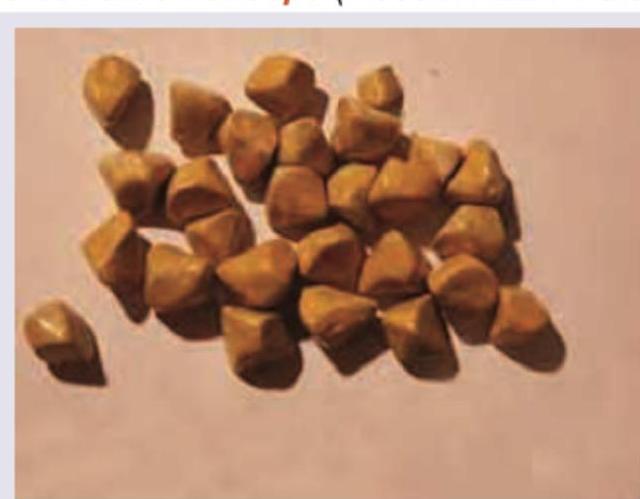
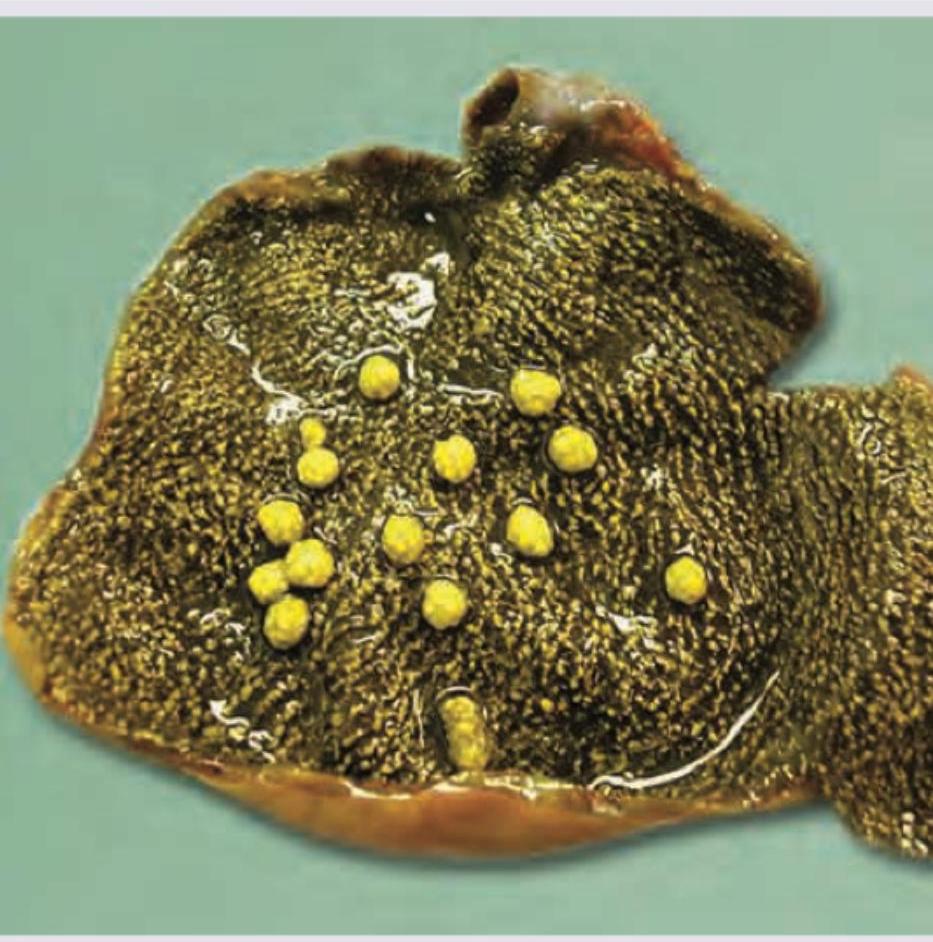
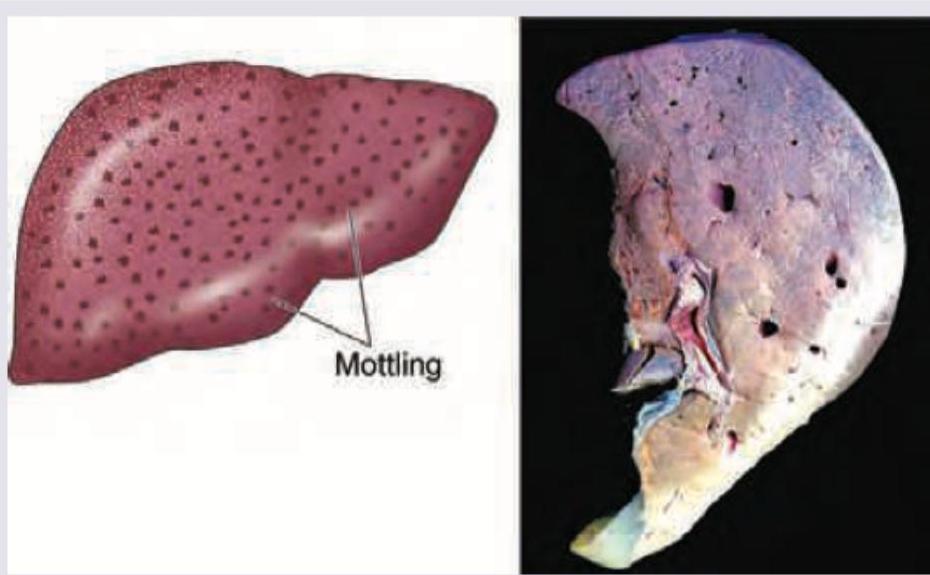
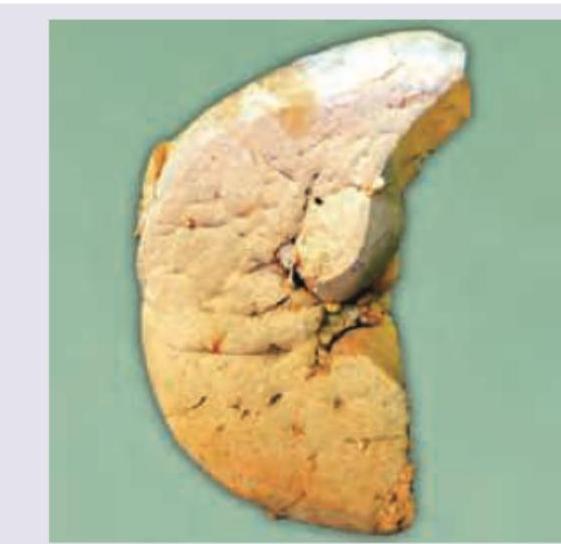
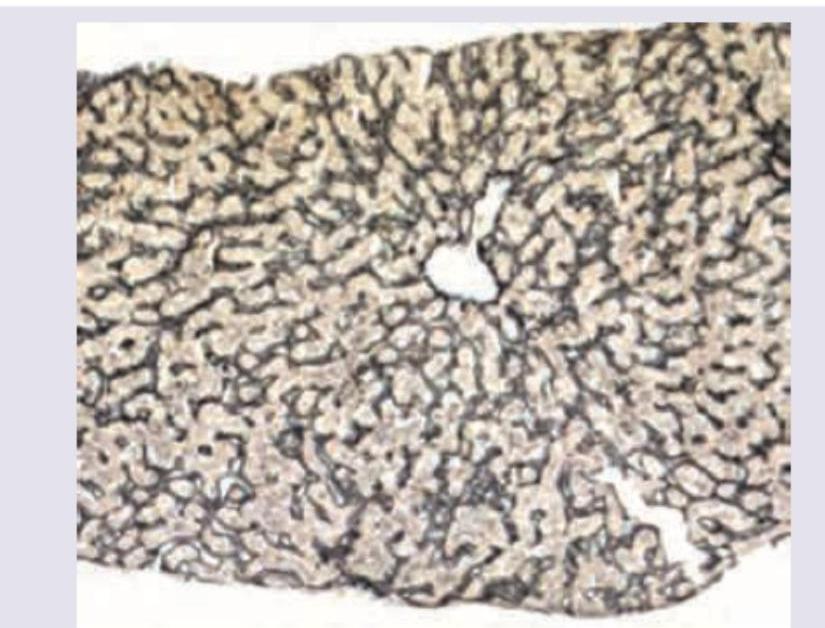
A 44-year-old patient presented with jaundice and had a needle prick injury 2 years back. Based on the provided histological features of a liver biopsy, classify the type of hepatitis.

Ballooning of hepatocytes is not associated with which of the following conditions?
Which clinical test is done to assess hepatic function related to bleeding disorders?
OVAL cells are seen in the stem cells of which organ?
A 42-year-old man experiences malaise and increasing icterus for 2 weeks. Physical examination shows jaundice, but there are no other significant findings. Serologic test results are positive for IgM anti-HAV and negative for anti-HCV, HBsAg, and IgM anti-HBc. Which of the following outcomes is most likely to occur in this man?
Bile infarct is related to which of the following conditions?
Ductopenia is a characteristic finding in which of the following conditions?
What is the most common paraneoplastic syndrome associated with hepatocellular carcinoma?
Mallory denk bodies are seen in all of the following conditions except?
Granulomatous hepatitis is not caused by which of the following?
Explanation: ***Hepatitis B virus induced hepatitis*** - **Needle prick injury** 2 years ago with chronic presentation strongly suggests **HBV transmission**, as it's commonly transmitted through blood exposure and can cause chronic infection. - Histological features likely show **ground-glass hepatocytes** with **sanded nuclei** (Councilman bodies), which are pathognomonic for chronic HBV infection. *Hepatitis C virus induced hepatitis* - While HCV can also be transmitted through **needle prick injuries**, histological features typically show **lymphoid follicles**, **portal inflammation**, and **bile duct damage**. - HCV often presents with **steatosis** and **fibrosis** rather than the ground-glass appearance characteristic of HBV. *Hepatitis A virus induced hepatitis* - HAV is transmitted through the **fecal-oral route**, not through needle prick injuries, making this unlikely given the exposure history. - HAV causes **acute hepatitis** that resolves completely within weeks to months, not chronic disease lasting 2 years. *Hepatitis E virus induced hepatitis* - HEV is also transmitted via **fecal-oral route** and is not associated with parenteral transmission like needle prick injuries. - HEV typically causes **acute, self-limiting hepatitis** and rarely progresses to chronic infection, except in immunocompromised patients.
Explanation: **Explanation:** **Ballooning degeneration** is a form of reversible cell injury characterized by marked swelling of hepatocytes [2]. It occurs due to the accumulation of intracellular fluid (hydropic change) resulting from the failure of ATP-dependent membrane pumps. **Why Chronic Viral Hepatitis is the correct answer:** In **Chronic Viral Hepatitis**, the hallmark histological feature is **Apoptosis** (programmed cell death), which manifests as **Councilman bodies** (shrunken, intensely eosinophilic, pyknotic hepatocytes) [2]. While ballooning is a feature of acute injury, chronic hepatitis is primarily characterized by portal inflammation, interface hepatitis (piecemeal necrosis), ground-glass hepatocytes (in HBV), and progressive fibrosis [5]. **Analysis of Incorrect Options:** * **Alcoholic Liver Disease (ALD):** Ballooning is a cardinal feature of alcoholic steatohepatitis [1]. It is often accompanied by **Mallory-Denk bodies** (cytokeratin aggregates) and neutrophilic infiltration [3], [4]. * **Non-alcoholic Steatohepatitis (NASH):** Similar to ALD, ballooning of hepatocytes is a mandatory histological requirement for the diagnosis of NASH (part of the NAFLD Activity Score) [1]. * **Acute Viral Hepatitis:** This condition is characterized by diffuse swelling of hepatocytes (ballooning degeneration), which gives the parenchyma a "cobblestone" appearance [2]. **NEET-PG High-Yield Pearls:** 1. **Ballooning Degeneration:** A hallmark of **Steatohepatitis** (Alcoholic/Non-alcoholic) [1] and **Acute Hepatitis** [2]. 2. **Councilman Bodies:** Acidophilic/Apoptotic bodies seen typically in **Viral Hepatitis** (Acute and Chronic) and Yellow Fever [2]. 3. **Ground Glass Hepatocytes:** Characteristic of **Chronic Hepatitis B** (due to HBsAg accumulation in the ER) [5]. 4. **Feathery Degeneration:** Hepatocyte swelling specifically due to **cholestasis** (bile acid accumulation), distinct from ballooning. **References:** [1] Cross SS. Underwood's Pathology: A Clinical Approach. 6th ed. Common Clinical Problems From Liver And Biliary System Disease, pp. 389-390. [2] Cross SS. Underwood's Pathology: A Clinical Approach. 6th ed. Common Clinical Problems From Liver And Biliary System Disease, pp. 386-387. [3] Kumar V, Abbas AK, et al.. Robbins and Cotran Pathologic Basis of Disease. 9th ed. Liver and Gallbladder, pp. 848-850. [4] Kumar V, Abbas AK, et al.. Robbins and Cotran Pathologic Basis of Disease. 9th ed. Liver and Gallbladder, p. 848. [5] Cross SS. Underwood's Pathology: A Clinical Approach. 6th ed. Common Clinical Problems From Liver And Biliary System Disease, pp. 388-389.
Explanation: **Explanation:** The liver plays a central role in hemostasis as it is the primary site for the synthesis of almost all coagulation factors [1] (except Factor VIII and von Willebrand factor). **Why PTT is the correct answer:** The **Prothrombin Time (PT)** and **Partial Thromboplastin Time (PTT)** are the most sensitive clinical indicators of hepatic synthetic function regarding coagulation [1]. In chronic liver disease or acute liver failure, the synthesis of clotting factors (I, II, V, VII, IX, X, XI, XII) is impaired, leading to a prolonged PTT and PT [2]. While PT is often considered more sensitive due to the short half-life of Factor VII, PTT is a standard clinical test used to assess the intrinsic and common pathways, both of which are heavily dependent on liver-produced factors. **Analysis of incorrect options:** * **A. CT, BT:** Clotting Time (CT) is an obsolete, insensitive test. Bleeding Time (BT) primarily assesses platelet function and vascular integrity, not the synthetic function of the liver. * **C. Factor 8:** Unlike other factors, **Factor VIII** is produced primarily by sinusoidal endothelial cells (not hepatocytes) and extrahepatic tissues. In liver failure, Factor VIII levels often remain normal or even increase, making it an unreliable marker for hepatic synthetic function. **High-Yield Clinical Pearls for NEET-PG:** * **PT/INR** is the best prognostic marker in acute liver failure because Factor VII has the shortest half-life (approx. 6 hours). * **Albumin vs. PT:** PT reflects *acute* changes in liver function, whereas Albumin reflects *chronic* changes (due to its 20-day half-life). * If PT/PTT does not correct with Vitamin K injection, it confirms parenchymal liver disease rather than obstructive jaundice/malabsorption [2]. **References:** [1] Cross SS. Underwood's Pathology: A Clinical Approach. 6th ed. Common Clinical Problems From Blood And Bone Marrow Disease, pp. 582-583. [2] Cross SS. Underwood's Pathology: A Clinical Approach. 6th ed. Common Clinical Problems From Blood And Bone Marrow Disease, pp. 624-625.
Explanation: **Explanation:** **Oval cells** are the facultative stem cells of the **Liver** [1]. In the normal liver, regeneration occurs primarily through the proliferation of mature hepatocytes [3]. However, when hepatocyte proliferation is inhibited or overwhelmed (e.g., in chronic liver injury or cirrhosis), oval cells are activated [2]. These cells are located in the **Canals of Hering** (the junction between the bile ductular system and hepatocytes) [4]. They are bipotential, meaning they can differentiate into both hepatocytes and biliary epithelial cells (cholangiocytes). **Analysis of Incorrect Options:** * **Skin:** The stem cells of the skin are primarily located in the **bulge region** of the hair follicle and the basal layer of the epidermis [1]. * **Cornea:** The stem cells for the corneal epithelium are located in the **limbus** (the junction between the cornea and the sclera), known as Limbal Stem Cells. * **Bone:** Bone contains **Mesenchymal Stem Cells** (in the marrow) and **Osteoprogenitor cells** (in the periosteum and endosteum) [1]. **High-Yield Clinical Pearls for NEET-PG:** * **Markers for Oval Cells:** They typically express markers of both hepatocytes (e.g., AFP) and biliary cells (e.g., Cytokeratin 7 and 19) and the stem cell marker **CD117 (c-kit)**. * **Location:** Always remember the **Canals of Hering**; this is a frequent follow-up question [4]. * **Regeneration:** Liver regeneration is a compensatory hyperplasia, not true "regrowth" of lost lobes, but oval cells provide a secondary backup system [5]. **References:** [1] Cross SS. Underwood's Pathology: A Clinical Approach. 6th ed. (Basic Pathology) introduces the student to key general principles of pathology, both as a medical science and as a clinical activity with a vital role in patient care. Part 2 (Disease Mechanisms) provides fundamental knowledge about the cellular and molecular processes involved in diseases, providing the rationale for their treatment. Part 3 (Systematic Pathology) deals in detail with specific diseases, with emphasis on the clinically important aspects., pp. 104-105. [2] Kumar V, Abbas AK, et al.. Robbins and Cotran Pathologic Basis of Disease. 9th ed. Liver and Gallbladder, pp. 833-834. [3] Cross SS. Underwood's Pathology: A Clinical Approach. 6th ed. (Basic Pathology) introduces the student to key general principles of pathology, both as a medical science and as a clinical activity with a vital role in patient care. Part 2 (Disease Mechanisms) provides fundamental knowledge about the cellular and molecular processes involved in diseases, providing the rationale for their treatment. Part 3 (Systematic Pathology) deals in detail with specific diseases, with emphasis on the clinically important aspects., pp. 108-109. [4] Cross SS. Underwood's Pathology: A Clinical Approach. 6th ed. Common Clinical Problems From Liver And Biliary System Disease, pp. 381-382. [5] Kumar V, Abbas AK, et al.. Robbins and Cotran Pathologic Basis of Disease. 9th ed. Inflammation and Repair, pp. 113-115.
Explanation: **Explanation:** The clinical presentation of jaundice and malaise, combined with positive **IgM anti-HAV** serology, confirms a diagnosis of **Acute Hepatitis A**. [1] **1. Why "Complete Recovery" is correct:** Hepatitis A Virus (HAV) is a non-enveloped RNA virus transmitted via the fecal-oral route. Unlike Hepatitis B or C, HAV **never causes chronic infection** [2]. In the vast majority of cases (over 99%), the disease is self-limiting. Patients typically experience a symptomatic phase followed by full clinical and histological recovery, developing lifelong immunity (IgG anti-HAV) [1]. **2. Why the other options are incorrect:** * **A & D (Chronic active hepatitis & Hepatocellular carcinoma):** These are complications of chronic viral hepatitis. Since HAV does not progress to a chronic state or a carrier state, it does not lead to cirrhosis or hepatocellular carcinoma [2]. These outcomes are typically associated with HBV, HCV, and HDV. * **C (Fulminant hepatitis):** While HAV can cause massive hepatic necrosis (fulminant failure), it occurs in less than 0.1% to 0.5% of cases [1]. Therefore, "complete recovery" is statistically the **most likely** outcome compared to fulminant failure. **NEET-PG High-Yield Pearls:** * **HAV Transmission:** Fecal-oral route; often associated with contaminated water or food (e.g., shellfish) [1]. * **Serology:** **IgM** indicates acute infection; **IgG** indicates past infection/immunity [1]. * **Morphology:** Characterized by "ballooning degeneration" and **Councilman bodies** (apoptotic hepatocytes) [3]. * **Rule of Thumb:** "Vowels (A and E) hit the bowel (fecal-oral) and never go chronic." * **Exception:** Hepatitis E (HEV) has a high mortality rate (up to 20%) specifically in **pregnant women** due to fulminant hepatic failure. **References:** [1] Cross SS. Underwood's Pathology: A Clinical Approach. 6th ed. Common Clinical Problems From Liver And Biliary System Disease, pp. 390-391. [2] Kumar V, Abbas AK, et al.. Robbins and Cotran Pathologic Basis of Disease. 9th ed. Liver and Gallbladder, p. 842. [3] Cross SS. Underwood's Pathology: A Clinical Approach. 6th ed. Common Clinical Problems From Liver And Biliary System Disease, pp. 386-387.
Explanation: **Explanation:** **Bile infarcts** are a characteristic histological feature of severe, prolonged **extrahepatic cholestasis** (Option C) [1]. When there is a mechanical obstruction of the large bile ducts (e.g., gallstones, strictures, or tumors), the resulting back-pressure causes bile to leak from the intrahepatic bile ducts into the surrounding liver parenchyma [1]. The detergent action of the accumulated bile acids causes focal necrosis of hepatocytes, creating pale, feathery areas of degeneration known as "bile infarcts." **Why other options are incorrect:** * **Hepatitis B (Option A):** This typically presents with "ground-glass hepatocytes" (due to HBsAg accumulation) and lobular inflammation, not bile-induced necrosis. * **Dubin-Johnson Syndrome (Option B):** This is a functional defect in bilirubin excretion (MRP2 mutation). While it causes a "black liver" due to pigment accumulation in lysosomes, it does not cause bile duct obstruction or infarcts. * **Intrahepatic Cholestasis (Option D):** While it involves bile stasis (e.g., PBC or PSC), bile infarcts are much more classically associated with the high-pressure mechanical obstruction seen in extrahepatic causes [1]. **High-Yield NEET-PG Pearls:** * **Feathery Degeneration:** The earliest histological sign of cholestasis where hepatocytes appear swollen with foamy cytoplasm. * **Bile Lakes:** Larger, extracellular accumulations of bile seen specifically in extrahepatic obstruction. * **Mallory-Denk Bodies:** Can sometimes be seen in chronic cholestasis, though they are more classic for Alcoholic Liver Disease. * **Key Distinction:** Extrahepatic obstruction requires surgical/endoscopic intervention, whereas intrahepatic cholestasis is usually managed medically [1]. **References:** [1] Kumar V, Abbas AK, et al.. Robbins and Cotran Pathologic Basis of Disease. 9th ed. Liver and Gallbladder, pp. 860-868.
Explanation: **Explanation:** **Ductopenia** refers to the progressive loss or paucity of intrahepatic bile ducts. It is defined histologically as a bile duct-to-portal tract ratio of less than 0.5 (normal is 0.9 to 1.0). **Why Alagille Syndrome is correct:** Alagille syndrome is an autosomal dominant multisystem disorder caused by mutations in the **JAG1** or **NOTCH2** genes. It is the classic example of **syndromic ductopenia**. The hallmark pathological finding is a severe deficiency of intrahepatic bile ducts, leading to chronic cholestasis. **Analysis of Incorrect Options:** * **Primary Biliary Cholangitis (PBC):** While PBC involves the destruction of small bile ducts (florid duct lesions), the term "ductopenia" is most characteristically associated with Alagille syndrome in pediatric pathology. PBC is an autoimmune destruction, whereas Alagille is a developmental paucity [1]. * **Caroli’s Disease:** This is characterized by **congenital cystic dilatation** of the intrahepatic bile ducts (a "ductal plate malformation"), which is the opposite of ductopenia. * **Extrahepatic Portal Venous Obstruction (EHPVO):** This is a vascular condition involving thrombosis of the portal vein. It leads to portal hypertension but does not primarily involve the loss of intrahepatic bile ducts. **High-Yield Clinical Pearls for NEET-PG:** * **Alagille Syndrome Pentad:** 1. Ductopenia (Cholestasis), 2. Butterfly vertebrae, 3. Posterior embryotoxon (eye), 4. Peripheral pulmonary artery stenosis, 5. Characteristic facies (broad forehead, deep-set eyes, pointed chin). * **Vanishing Bile Duct Syndrome (VBDS):** This is a broader term for acquired ductopenia seen in PBC, Graft-versus-Host Disease (GVHD), and chronic transplant rejection [1]. * **JAG1 Mutation:** Always associate this Notch signaling pathway defect with Alagille syndrome. **References:** [1] Kumar V, Abbas AK, et al.. Robbins and Cotran Pathologic Basis of Disease. 9th ed. Liver and Gallbladder, pp. 864-865.
Explanation: **Explanation:** Hepatocellular Carcinoma (HCC) is well-known for producing various paraneoplastic syndromes [1]. Among these, **Hypoglycemia** is the most common, occurring in approximately 5–27% of patients. **1. Why Hypoglycemia is correct:** Hypoglycemia in HCC occurs via two primary mechanisms: * **Type A (Pseudodiabetes):** Occurs in rapidly growing tumors where the metabolic demand of the tumor cells exceeds the liver's glucose production capacity. * **Type B:** Occurs due to the tumor’s secretion of **IGF-II (Insulin-like Growth Factor-II)** or "big" IGF-II, which has insulin-mimetic effects and stimulates glucose uptake by tissues. **2. Analysis of Incorrect Options:** * **Hypertension:** Not a recognized paraneoplastic syndrome of HCC. While HCC can be associated with portal hypertension due to cirrhosis or venous invasion, systemic hypertension is unrelated. * **Hypercalcemia:** Though it occurs in HCC (due to PTHrP secretion), it is significantly less common than hypoglycemia [1]. It is more classically associated with Squamous Cell Carcinoma of the lung or Renal Cell Carcinoma [1]. * **Erythrocytosis:** This occurs in about 3–10% of HCC cases due to the ectopic production of **Erythropoietin (EPO)** [1]. While a high-yield association, it is statistically less frequent than hypoglycemia. **Clinical Pearls for NEET-PG:** * **Most common paraneoplastic syndrome in HCC:** Hypoglycemia. * **Most common cause of HCC worldwide:** Hepatitis B Virus (HBV). * **Tumor Marker:** Alpha-fetoprotein (AFP) is the gold standard; however, it can be normal in up to 30% of cases. * **Aflatoxin B1 exposure** (from *Aspergillus flavus*) is a major risk factor, specifically causing a mutation in the **p53 gene (codon 249)**. **References:** [1] Kumar V, Abbas AK, et al.. Robbins and Cotran Pathologic Basis of Disease. 9th ed. Neoplasia, pp. 338-339.
Explanation: **Explanation:** Mallory-Denk bodies (MDBs) are eosinophilic, rope-like intracytoplasmic inclusions found within hepatocytes. They are composed of tangled intermediate filaments, specifically **Pre-keratin (Cytokeratin 8 and 18)**, cross-linked with ubiquitin and p62. **Why Hemochromatosis is the Correct Answer:** In **Hereditary Hemochromatosis**, the primary pathology is the excessive accumulation of iron (hemosiderin) within hepatocytes, which leads to micronodular cirrhosis and increased risk of hepatocellular carcinoma [1]. While iron causes oxidative damage and fibrosis, it does **not** typically induce the specific cytoskeletal derangement required to form Mallory-Denk bodies [1]. **Why the other options are incorrect:** * **Alcoholic Fatty Liver Disease (AFLD):** This is the classic association. MDBs are a hallmark of alcoholic hepatitis, often surrounded by neutrophils (satellitosis) [2]. * **Non-alcoholic Fatty Liver Disease (NAFLD/NASH):** MDBs are frequently seen in the "steatohepatitis" phase of NAFLD, representing cellular injury similar to alcoholic hepatitis [3]. * **Wilson’s Disease:** This disorder of copper metabolism often presents with MDBs during the acute or chronic hepatitis phases [1]. **High-Yield Clinical Pearls for NEET-PG:** * **Mnemonic for Mallory-Denk Bodies:** "**W**illiam **A**lcoholic **I**s **P**reparing **I**ndian **C**urry" (**W**ilson’s, **A**lcoholic hepatitis, **I**ndian Childhood Cirrhosis, **P**rimary Biliary Cholangitis, **I**leal bypass, **C**hronic cholestasis). * **Staining:** They are eosinophilic on H&E but can be highlighted using **Ubiquitin** or **p62** immunohistochemical stains. * **Composition:** Primarily Cytokeratin 8/18. * **Other associations:** Alpha-1 antitrypsin deficiency and Hepatocellular carcinoma (HCC). **References:** [1] Cross SS. Underwood's Pathology: A Clinical Approach. 6th ed. Common Clinical Problems From Liver And Biliary System Disease, pp. 388-389. [2] Cross SS. Underwood's Pathology: A Clinical Approach. 6th ed. Common Clinical Problems From Liver And Biliary System Disease, pp. 389-390. [3] Kumar V, Abbas AK, et al.. Robbins and Cotran Pathologic Basis of Disease. 9th ed. Liver and Gallbladder, pp. 852-854.
Explanation: **Explanation:** **Granulomatous hepatitis** is a clinicopathologic condition characterized by the presence of organized collections of macrophages (epithelioid cells) within the liver parenchyma [1], [3]. The correct answer is **Metastatic carcinoma**, as it typically presents with focal mass lesions, necrotic nodules, or diffuse infiltration, but does not induce a granulomatous inflammatory response. **Why the other options are incorrect:** * **Tuberculosis (C):** This is the most common cause of granulomatous hepatitis worldwide [1]. It typically presents with **caseating granulomas** containing Langhans giant cells [4]. * **Blastomycosis (A):** Fungal infections, including Blastomycosis, Histoplasmosis, and Coccidioidomycosis, are well-known triggers for granuloma formation as the immune system attempts to wall off the fungal spores [2]. * **Cat Scratch Disease (D):** Caused by *Bartonella henselae*, this condition can lead to **stellate (star-shaped) necrotizing granulomas** in the liver and spleen, especially in immunocompromised individuals. **NEET-PG High-Yield Pearls:** 1. **Most common cause of hepatic granulomas:** Sarcoidosis (non-caseating) and Tuberculosis (caseating) [1]. 2. **Drug-induced causes:** Allopurinol, Phenylbutazone, Sulfonamides, and Hydralazine are classic triggers [1]. 3. **Schistosomiasis:** A major cause of "pipestem fibrosis" and non-cirrhotic portal hypertension, often presenting with granulomas around parasite eggs. 4. **Q Fever:** Characterized by unique **"Doughnut granulomas"** (a central clear space with a fibrin ring). 5. **Idiopathic:** In about 10-25% of cases, no specific etiology is found despite extensive workup. **References:** [1] Cross SS. Underwood's Pathology: A Clinical Approach. 6th ed. Common Clinical Problems From Liver And Biliary System Disease, pp. 401-402. [2] Kumar V, Abbas AK, et al.. Robbins and Cotran Pathologic Basis of Disease. 9th ed. The Lung, p. 717. [3] Cross SS. Underwood's Pathology: A Clinical Approach. 6th ed. (Basic Pathology) introduces the student to key general principles of pathology, both as a medical science and as a clinical activity with a vital role in patient care. Part 2 (Disease Mechanisms) provides fundamental knowledge about the cellular and molecular processes involved in diseases, providing the rationale for their treatment. Part 3 (Systematic Pathology) deals in detail with specific diseases, with emphasis on the clinically important aspects., pp. 198-200. [4] Kumar V, Abbas AK, et al.. Robbins and Cotran Pathologic Basis of Disease. 9th ed. Infectious Diseases, p. 360.
Jaundice and Cholestasis
Practice Questions
Viral Hepatitis
Practice Questions
Alcoholic and Non-alcoholic Fatty Liver Disease
Practice Questions
Drug and Toxin Induced Liver Injury
Practice Questions
Cirrhosis and Its Complications
Practice Questions
Metabolic Liver Diseases
Practice Questions
Liver Tumors
Practice Questions
Gallbladder and Biliary Tract Diseases
Practice Questions
Congenital Liver Diseases
Practice Questions
Liver Transplantation Pathology
Practice Questions
Get full access to all questions, explanations, and performance tracking.
Start For Free