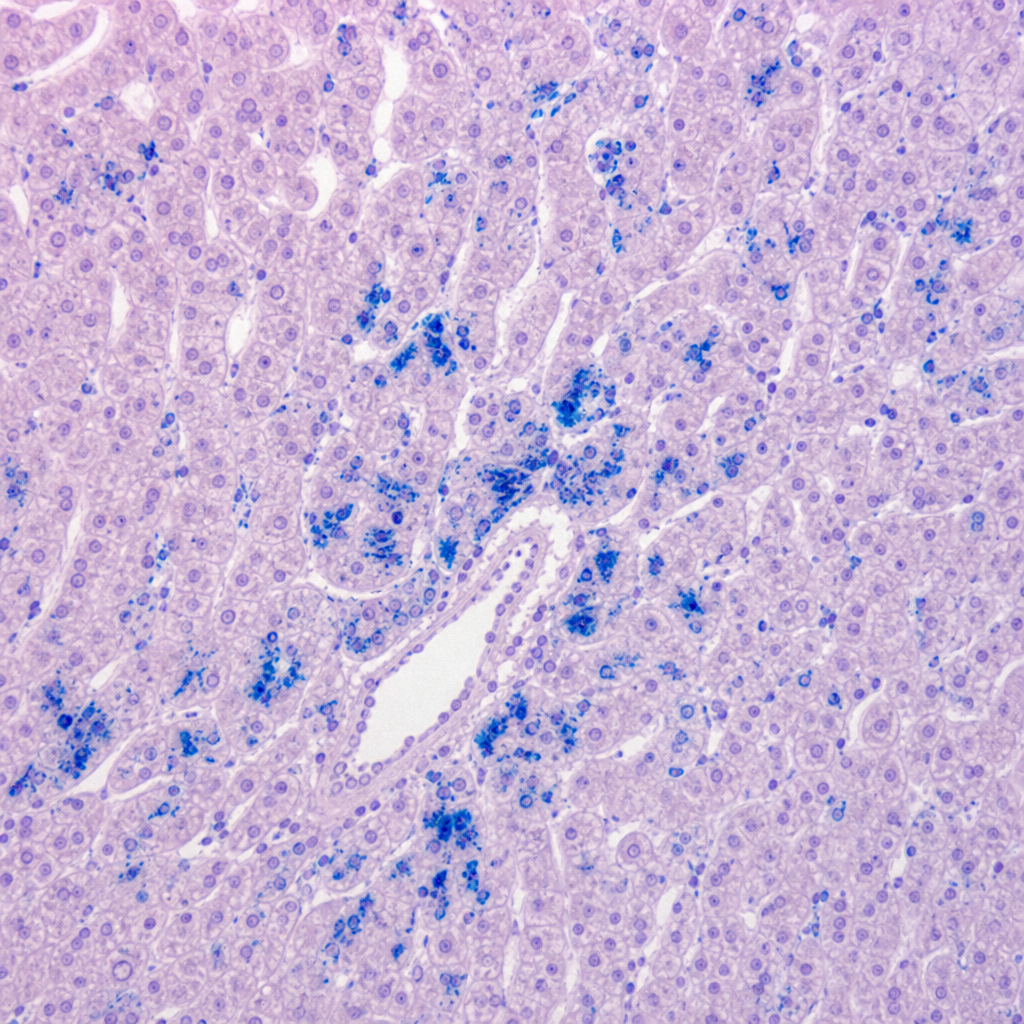
Ground glass cells of Hadziyannis are seen in which organ?
All of the following statements are true regarding hepatoblastoma, except:
Fatty liver is due to excessive accumulation of
Which of the following is not a predisposing factor for hepatocellular carcinoma?
Regarding the cause of fatty liver, which statement about its pathogenesis is true?
Which of the following most significantly increases the risk of Hepatocellular carcinoma?
Oval cells are bipotential progenitors of which of the following?
Which of the following is NOT true about hemangioendothelioma?
A 26-year-old woman presents with fever, malaise, signs of jaundice, clay-colored stool, and dark urine. A liver biopsy reveals liver cell drop-out along with focal inflammation and ballooning degeneration of hepatocytes. A few intensely eosinophilic oval bodies are found. What are these microscopic bodies called?
Which of the following is a true statement about fibrolamellar carcinoma?
Explanation: **Explanation:** **Ground glass cells of Hadziyannis** are a classic histopathological hallmark of **Chronic Hepatitis B Virus (HBV) infection** [1]. These are found exclusively in the **Liver**. 1. **Why Liver is Correct:** In chronic HBV infection, there is a massive overproduction and accumulation of **Hepatitis B surface antigen (HBsAg)** within the smooth endoplasmic reticulum (SER) of the hepatocytes [1]. On H&E staining, this results in a finely granular, homogeneous, eosinophilic ("ground glass") appearance of the cytoplasm, which displaces the nucleus to the periphery [1]. These cells can be specifically highlighted using special stains like **Orcein, Shikata, or Aldehyde Fuchsin.** 2. **Why Other Options are Incorrect:** * **Bone:** Pathology here typically involves "ground glass" appearance on **radiology** (e.g., Fibrous Dysplasia), not cellular histology of Hadziyannis. * **Thyroid:** Associated with "Orphan Annie eye" nuclei (Papillary Thyroid Carcinoma), which are cleared-out nuclei, not cytoplasmic ground glass changes. * **Prostate:** Common findings include corpora amylacea or specific architectural changes in adenocarcinoma, but not Hadziyannis cells. **High-Yield Clinical Pearls for NEET-PG:** * **Hadziyannis Cells = HBsAg** (Surface antigen) [1]. * **Sanded Nuclei = HBcAg** (Core antigen accumulation in the nucleus). * **Differential Diagnosis:** Ground glass hepatocytes can also be seen in **Type IV Glycogenosis** (Lafora body disease) and due to certain drugs (e.g., Cytochrome P450 inducers like Phenobarbital), but the term "Hadziyannis" specifically refers to HBV. * **Stains for HBsAg:** Orcein (most common), Victoria Blue, and Immunohistochemistry (IHC) [1]. **References:** [1] Kumar V, Abbas AK, et al.. Robbins and Cotran Pathologic Basis of Disease. 9th ed. Liver and Gallbladder, pp. 843-845.
Explanation: ### Explanation **Hepatoblastoma** is the most common primary liver malignancy in children, typically occurring before the age of 3 [1]. **Why Option C is the correct answer (The Exception):** The pathogenesis of hepatoblastoma is primarily driven by the **Wnt/β-catenin signaling pathway**, not the JAK-STAT pathway [1]. Approximately 70-90% of cases show mutations in the *CTNNB1* gene, leading to the nuclear accumulation of β-catenin, which promotes uncontrolled cell proliferation. **Analysis of other options:** * **Option A (Small round cell tumor):** Histologically, the **epithelial type** (fetal or embryonal cells) is most common [1]. However, the **undifferentiated (anaplastic) variant** presents as a "small round blue cell tumor," making it an important differential diagnosis for other pediatric malignancies like neuroblastoma or Wilms tumor [2]. * **Option B (Most common liver tumor):** This is a classic high-yield fact. Hepatoblastoma accounts for roughly 50% of all pediatric liver masses. * **Option D (Associated with Beckwith-Wiedemann syndrome):** Hepatoblastoma is strongly associated with genetic syndromes, most notably **Beckwith-Wiedemann syndrome** (overgrowth disorder) and **Familial Adenomatous Polyposis (FAP)**. **High-Yield Clinical Pearls for NEET-PG:** * **Tumor Marker:** Serum **Alpha-fetoprotein (AFP)** is markedly elevated in >90% of cases and is used for diagnosis and monitoring recurrence. * **Histology:** Look for "fetal" cells (small, uniform) and "embryonal" cells (smaller, darker, forming rosettes) [1]. Mesenchymal elements (osteoid or cartilage) may also be present (Mixed type) [1]. * **Prognosis:** The **fetal subtype** has a better prognosis, while the **small cell undifferentiated subtype** has the worst prognosis. **References:** [1] Kumar V, Abbas AK, et al.. Robbins and Cotran Pathologic Basis of Disease. 9th ed. Liver and Gallbladder, pp. 875-876. [2] Cross SS. Underwood's Pathology: A Clinical Approach. 6th ed. (Basic Pathology) introduces the student to key general principles of pathology, both as a medical science and as a clinical activity with a vital role in patient care. Part 2 (Disease Mechanisms) provides fundamental knowledge about the cellular and molecular processes involved in diseases, providing the rationale for their treatment. Part 3 (Systematic Pathology) deals in detail with specific diseases, with emphasis on the clinically important aspects., pp. 211-212.
Explanation: **Explanation:** **Fatty change (Steatosis)** is defined as the abnormal accumulation of **Triacylglycerols (Triglycerides)** within parenchymal cells [1]. While it is most commonly seen in the liver (the primary organ of fat metabolism), it can also occur in the heart, muscle, and kidneys. 1. **Why Triacylglycerols (TAGs) are correct:** The liver normally processes free fatty acids (FFAs) by esterifying them into triglycerides. These are then complexed with apoproteins to form Lipoproteins (VLDL) for secretion into the blood. Steatosis occurs when there is an imbalance between the synthesis and utilization of TAGs [1]. This can be due to increased entry of FFAs, increased synthesis of fatty acids, decreased oxidation, or impaired secretion of VLDL (as seen in protein malnutrition or alcohol abuse). 2. **Why other options are incorrect:** * **Phospholipids:** These are structural components of cell membranes. Their accumulation is typically seen in lysosomal storage diseases (e.g., Niemann-Pick disease), not standard fatty liver. * **Cholesterol:** While cholesterol can accumulate in the liver (e.g., in Niemann-Pick Type C), it typically manifests as "foamy macrophages" or xanthomas in other tissues. It is not the primary constituent of steatosis. * **Free Fatty Acids (FFAs):** FFAs are the *precursors* to triglycerides. They are chemically reactive and toxic to cells; therefore, the liver rapidly converts them into neutral TAGs for storage. **Clinical Pearls for NEET-PG:** * **Most common cause:** In developed nations, the most common causes are **Alcohol abuse** and **Non-alcoholic fatty liver disease (NAFLD)** associated with diabetes/obesity. * **Morphology:** Grossly, the liver appears enlarged, yellow, and greasy. Microscopically, **Sudan IV** or **Oil Red O** stains are used on frozen sections to confirm the presence of fat (as routine processing with alcohol/xylene dissolves fat, leaving clear vacuoles). * **Reversibility:** Fatty change is a **reversible** cell injury, provided the underlying stimulus (like alcohol) is removed [1]. **References:** [1] Kumar V, Abbas AK, et al.. Robbins and Cotran Pathologic Basis of Disease. 9th ed. Cellular Responses to Stress and Toxic Insults: Adaptation, Injury, and Death, p. 73.
Explanation: **Explanation:** Hepatocellular Carcinoma (HCC) is the most common primary malignancy of the liver, and its distribution is heavily influenced by specific environmental and biological risk factors [1]. **Why "Females" is the correct answer:** Epidemiologically, HCC shows a strong **male predominance** (ratio approximately 3:1) [2]. This is attributed to higher rates of smoking and alcohol consumption in men, as well as the protective effect of **estrogen** in females, which inhibits the production of IL-6 (a cytokine that promotes chronic inflammation and hepatocyte proliferation). Therefore, being female is considered a "protective" factor rather than a predisposing one. **Analysis of Incorrect Options:** * **Hepatitis B (HBV):** This is the most common cause of HCC worldwide. HBV is a DNA virus that can integrate into the host genome, causing genomic instability and activating oncogenes even in the absence of cirrhosis [1]. * **Hepatitis C (HCV):** A major risk factor in Western countries and Japan [2]. Unlike HBV, HCV is an RNA virus that causes HCC primarily through the pathway of chronic inflammation and cirrhosis. * **Aflatoxins:** Produced by *Aspergillus flavus* (found in moldy grains/peanuts), Aflatoxin B1 is a potent carcinogen [1]. It causes a specific **mutation in the p53 tumor suppressor gene** (codon 249 mutation), significantly increasing HCC risk, especially when synergistic with HBV [1]. **High-Yield Clinical Pearls for NEET-PG:** * **Most common site of metastasis:** Lungs (via hematogenous spread). * **Tumor Marker:** Alpha-fetoprotein (AFP) is used for screening and monitoring [3]. * **Fibrolamellar Variant:** A specific subtype of HCC that occurs in young adults (20-30s), has **no association with HBV/cirrhosis**, and carries a better prognosis. * **Microscopic Hallmark:** Presence of "bile" within the tumor cells or pseudo-acini. **References:** [1] Kumar V, Abbas AK, et al.. Robbins and Cotran Pathologic Basis of Disease. 9th ed. Liver and Gallbladder, pp. 876-877. [2] Cross SS. Underwood's Pathology: A Clinical Approach. 6th ed. Common Clinical Problems From Liver And Biliary System Disease, pp. 391-392. [3] Cross SS. Underwood's Pathology: A Clinical Approach. 6th ed. Common Clinical Problems From Liver And Biliary System Disease, pp. 399-400.
Explanation: **Explanation:** Fatty liver (Steatosis) refers to the abnormal accumulation of triglycerides within parenchymal cells [1]. The liver is the central organ for lipid metabolism, and any imbalance between the synthesis/input and utilization/export of lipids leads to steatosis [1]. **1. Why Option A is Correct:** The accumulation of triglycerides occurs when there is a disruption in the metabolic pathways. **Decreased beta-oxidation of fatty acids** (the process by which fatty acids are broken down to generate energy) leads to an excess pool of free fatty acids. These are then esterified into triglycerides, which accumulate in the hepatocytes. This is a classic mechanism in **Alcoholic Liver Disease**, where an increased NADH/NAD+ ratio inhibits beta-oxidation [2]. **2. Why the Other Options are Incorrect:** * **B. Decreased triglycerides:** This is the opposite of the pathology. Fatty liver is defined by an *increase* in intracellular triglycerides. * **C. Decreased fatty acid mobilization:** In conditions like starvation or diabetes, there is actually **increased** mobilization of fatty acids from adipose tissue to the liver, which contributes to fatty liver [2]. * **D. Increased catabolism of fatty acids:** Increased catabolism (breakdown) would reduce the lipid load in the liver, thereby preventing or reversing steatosis. **Clinical Pearls for NEET-PG:** * **Most common cause:** In developed nations, the most common causes are obesity, diabetes mellitus, and alcohol abuse [2]. * **Protein Malnutrition (Kwashiorkor):** Causes fatty liver due to **decreased synthesis of apolipoproteins**, which are essential for exporting triglycerides out of the liver as VLDL [1]. * **Morphology:** Grossly, the liver appears enlarged, yellow, and greasy. Microscopically, "clear" vacuoles are seen pushing the nucleus to the periphery (Signet ring appearance in macrovesicular steatosis) [2]. * **Special Stain:** **Sudan IV** or **Oil Red O** on frozen sections are used to confirm the presence of fat (as routine processing with alcohol/xylene dissolves lipids). **References:** [1] Kumar V, Abbas AK, et al.. Robbins and Cotran Pathologic Basis of Disease. 9th ed. Cellular Responses to Stress and Toxic Insults: Adaptation, Injury, and Death, p. 73. [2] Kumar V, Abbas AK, et al.. Robbins and Cotran Pathologic Basis of Disease. 9th ed. Liver and Gallbladder, pp. 848-852.
Explanation: ### Explanation **Hepatocellular Carcinoma (HCC)** is the most common primary malignancy of the liver, and its development is strongly linked to chronic viral infections that cause genomic instability and chronic inflammation [1]. **Why Hepatitis B Virus (HBV) is the correct answer:** HBV is a DNA virus that significantly increases the risk of HCC through two primary mechanisms: 1. **Direct Oncogenesis:** Unlike Hepatitis C, HBV can integrate its DNA into the host genome, causing insertional mutagenesis [3]. The **HBx protein** is a key virulence factor that disrupts cell cycle control and inhibits p53 (a tumor suppressor gene) [2]. 2. **Indirect Oncogenesis:** Chronic infection leads to repeated cycles of hepatocyte death and regeneration (cirrhosis), increasing the likelihood of spontaneous mutations [3]. Notably, HBV can cause HCC even in the **absence of cirrhosis** [1]. **Why the other options are incorrect:** * **Hepatitis A Virus (HAV):** This is an RNA virus transmitted via the fecal-oral route. It causes acute hepatitis only and **never** progresses to chronic liver disease or carrier states; thus, it has no association with HCC. * **Cytomegalovirus (MCV) & Epstein-Barr Virus (EBV):** While both are members of the Herpesvirus family that can cause systemic infections and mild reactive hepatitis (especially in infectious mononucleosis), they are not hepatotropic viruses and do not lead to chronic liver malignancy. EBV is associated with Burkitt lymphoma and Nasopharyngeal carcinoma, but not HCC. **High-Yield Clinical Pearls for NEET-PG:** * **Global Risk:** Worldwide, HBV is the most common cause of HCC. However, in Western nations, HCV and NAFLD (Nonalcoholic Fatty Liver Disease) are rising contributors [1]. * **Tumor Marker:** **Alpha-fetoprotein (AFP)** is the most commonly used surveillance marker for HCC. * **Aflatoxin B1:** Produced by *Aspergillus flavus*, this dietary toxin acts synergistically with HBV to increase HCC risk by causing a specific mutation in the **TP53 gene (codon 249)** [1]. **References:** [1] Kumar V, Abbas AK, et al.. Robbins and Cotran Pathologic Basis of Disease. 9th ed. Liver and Gallbladder, pp. 876-877. [2] Kumar V, Abbas AK, et al.. Robbins and Cotran Pathologic Basis of Disease. 9th ed. Liver and Gallbladder, pp. 838-840. [3] Kumar V, Abbas AK, et al.. Robbins and Cotran Pathologic Basis of Disease. 9th ed. Neoplasia, pp. 336-337.
Explanation: **Explanation:** **1. Why Liver is Correct:** Oval cells are the resident stem cells (progenitors) of the liver [3]. They are located within the **Canals of Hering** (the junction between the bile ductular system and hepatocytes) [4]. These cells are termed "bipotential" because they have the capacity to differentiate into two distinct lineages: * **Hepatocytes:** The functional cells of the liver parenchyma [2]. * **Cholangiocytes:** The epithelial cells lining the bile ducts. Under normal physiological conditions, liver regeneration occurs via simple hepatocyte mitosis. However, when hepatocyte proliferation is inhibited or exhausted (e.g., in chronic viral hepatitis or cirrhosis), oval cells are activated to repopulate the liver [1]. **2. Why Other Options are Incorrect:** * **Lung:** The primary progenitor cells in the lung are **Type II Pneumocytes** (which replace Type I cells) and **Clara cells** (in the bronchioles). * **Brain:** Neural stem cells are primarily found in the subventricular zone and the dentate gyrus of the hippocampus. * **Heart:** The heart has very limited regenerative capacity; any repair is typically mediated by cardiac fibroblasts leading to scarring, not by "oval cells." **3. High-Yield Clinical Pearls for NEET-PG:** * **Markers:** Oval cells typically express markers of both lineages, such as **CK19** (biliary) and **AFP/Albumin** (hepatocytic), along with stem cell markers like **CD117 (c-kit)** and **Sca-1**. * **Location:** Always remember the **Canals of Hering** as the specific anatomical niche [4]. * **Activation:** They are the "second line of defense" in liver regeneration, triggered only when the primary hepatocyte replication pathway is blocked [2]. **References:** [1] Kumar V, Abbas AK, et al.. Robbins and Cotran Pathologic Basis of Disease. 9th ed. Liver and Gallbladder, pp. 833-834. [2] Cross SS. Underwood's Pathology: A Clinical Approach. 6th ed. (Basic Pathology) introduces the student to key general principles of pathology, both as a medical science and as a clinical activity with a vital role in patient care. Part 2 (Disease Mechanisms) provides fundamental knowledge about the cellular and molecular processes involved in diseases, providing the rationale for their treatment. Part 3 (Systematic Pathology) deals in detail with specific diseases, with emphasis on the clinically important aspects., pp. 108-109. [3] Cross SS. Underwood's Pathology: A Clinical Approach. 6th ed. (Basic Pathology) introduces the student to key general principles of pathology, both as a medical science and as a clinical activity with a vital role in patient care. Part 2 (Disease Mechanisms) provides fundamental knowledge about the cellular and molecular processes involved in diseases, providing the rationale for their treatment. Part 3 (Systematic Pathology) deals in detail with specific diseases, with emphasis on the clinically important aspects., pp. 104-105. [4] Cross SS. Underwood's Pathology: A Clinical Approach. 6th ed. Common Clinical Problems From Liver And Biliary System Disease, pp. 381-382.
Explanation: **Explanation:** The question focuses on **Epithelioid Hemangioendothelioma (EHE)**, a rare vascular tumor of the liver. **1. Why Option A is the correct answer (False statement):** Hemangioendothelioma is classified as an **intermediate-grade (borderline) malignant tumor**. It falls between a benign hemangioma and a highly aggressive angiosarcoma. The adult variant is specifically known for its unpredictable clinical course and potential for metastasis (most commonly to lungs and bone). Therefore, labeling it as "benign" is pathologically incorrect. **2. Analysis of other options:** * **Option B (More common in females):** This is a true statement. EHE shows a distinct female predilection, typically occurring in the 30–50 age group. * **Option C (Multiple/Bilateral involvement):** This is true. Unlike many primary liver tumors, EHE is frequently multifocal at the time of diagnosis, involving both lobes of the liver in approximately 60-80% of cases. * **Option D (Indication for liver transplant):** This is true. Because the tumor is often multifocal and slow-growing, it is not always amenable to resection. Liver transplantation is a recognized and successful treatment modality for EHE, even in the presence of limited extrahepatic disease. **High-Yield Clinical Pearls for NEET-PG:** * **Histology:** Characterized by "epithelioid" endothelial cells with **intracytoplasmic vacuoles** (containing RBCs) and a dense **myxohyaline stroma**. * **Immunohistochemistry (IHC):** Positive for vascular markers like **CD31, CD34, and Factor VIII-related antigen.** [1] * **Radiology:** Often shows "capsular retraction" due to the dense fibrous nature of the tumor. * **Infantile Hemangioendothelioma:** Unlike the adult epithelioid variant, the infantile form is the most common benign liver tumor of childhood, often presenting with high-output heart failure. **References:** [1] Kumar V, Abbas AK, et al.. Robbins and Cotran Pathologic Basis of Disease. 9th ed. Diseases of Infancy and Childhood, pp. 527-528.
Explanation: **Explanation:** The clinical presentation of fever, jaundice, clay-colored stools, and dark urine in a young patient is highly suggestive of **Acute Viral Hepatitis**. **1. Why Councilman Bodies is correct:** In acute viral hepatitis, hepatocytes undergo two main types of cell death: * **Ballooning degeneration:** Swelling of hepatocytes (liquefactive necrosis). * **Apoptosis:** Individual hepatocytes shrink, become intensely eosinophilic (pyknotic), and lose their nuclei. These shrunken, acidophilic apoptotic debris are called **Councilman bodies** (also known as acidophilic bodies or apoptotic bodies) [1]. They are a hallmark of viral hepatitis (especially Yellow Fever and Hepatitis B/C). **2. Why other options are incorrect:** * **Mallory bodies:** These are "rope-like" eosinophilic intracytoplasmic inclusions made of damaged intermediate filaments (cytokeratin). They are characteristic of **Alcoholic Liver Disease** [2] (though also seen in Wilson’s disease and NASH), not acute viral apoptosis. * **Cowdry A bodies:** These are intranuclear inclusions (not cytoplasmic bodies) typically seen in **Herpes Simplex Virus (HSV)** or Varicella infections. * **Russell bodies:** These are eosinophilic inclusions of **immunoglobulins** found in the cytoplasm of plasma cells (seen in chronic inflammation or Multiple Myeloma). **Clinical Pearls for NEET-PG:** * **Councilman bodies = Apoptosis** (Viral Hepatitis) [1]. * **Mallory bodies = Cytokeratin filaments** (Alcoholic Hepatitis) [2]. * **Ground-glass hepatocytes:** Characteristic of Chronic Hepatitis B (due to HBsAg accumulation in the ER) [3]. * **Bridging Necrosis:** A sign of severe viral hepatitis connecting portal-to-portal or portal-to-central tracts, indicating a higher risk of progression to cirrhosis [1]. **References:** [1] Cross SS. Underwood's Pathology: A Clinical Approach. 6th ed. Common Clinical Problems From Liver And Biliary System Disease, pp. 386-387. [2] Cross SS. Underwood's Pathology: A Clinical Approach. 6th ed. Common Clinical Problems From Liver And Biliary System Disease, pp. 389-390. [3] Kumar V, Abbas AK, et al.. Robbins and Cotran Pathologic Basis of Disease. 9th ed. Liver and Gallbladder, pp. 844-845.
Explanation: **Fibrolamellar Carcinoma (FLC)** is a distinct variant of Hepatocellular Carcinoma (HCC) that differs significantly from conventional HCC in its epidemiology, clinical presentation, and prognosis. [1] ### **Explanation of Options** * **A. Common in young adults and children (Correct):** Unlike conventional HCC, which typically occurs in older adults with underlying liver disease, FLC characteristically affects **young adults (ages 20–40)** and children. There is no gender predilection (Male = Female). [1] * **B. More common in males (Incorrect):** Conventional HCC has a strong male predominance (3:1). FLC, however, affects males and females equally. [1] * **C. Related to OCP use (Incorrect):** FLC is **not** associated with oral contraceptive use (which is linked to Hepatic Adenoma), nor is it associated with HBV, HCV, or cirrhosis. It typically arises in a **non-cirrhotic liver**. [1] * **D. Associated with a poor prognosis (Incorrect):** FLC generally has a **better prognosis** than conventional HCC because it is often slow-growing and occurs in a healthy, non-cirrhotic liver, making surgical resection more successful. [1] ### **High-Yield Clinical Pearls for NEET-PG** * **Morphology:** Grossly, it presents as a single large hard mass with a **central stellate scar** (resembling Focal Nodular Hyperplasia). * **Histology:** Characterized by large, polygonal, **oncocytic cells** (rich in mitochondria) separated by parallel lamellae of dense **collagen bundles** (fibrolamellar pattern). * **Tumor Marker:** Serum **Alpha-fetoprotein (AFP) levels are usually normal**. [1] * **Molecular Hallmark:** A characteristic **DNAJB1-PRKACA gene fusion** is found in nearly all cases, which is a highly specific diagnostic marker. **References:** [1] Cross SS. Underwood's Pathology: A Clinical Approach. 6th ed. Common Clinical Problems From Liver And Biliary System Disease, pp. 399-400.
Jaundice and Cholestasis
Practice Questions
Viral Hepatitis
Practice Questions
Alcoholic and Non-alcoholic Fatty Liver Disease
Practice Questions
Drug and Toxin Induced Liver Injury
Practice Questions
Cirrhosis and Its Complications
Practice Questions
Metabolic Liver Diseases
Practice Questions
Liver Tumors
Practice Questions
Gallbladder and Biliary Tract Diseases
Practice Questions
Congenital Liver Diseases
Practice Questions
Liver Transplantation Pathology
Practice Questions
Get full access to all questions, explanations, and performance tracking.
Start For Free