Erythroblastosis fetalis is which type of hypersensitivity?
All of the following are true regarding Hyper IgE syndrome, except:
A patient with cirrhosis and liver failure is a candidate for stem cell transplantation. What is the preferred method?
The interaction of antigens with antibodies on the surface of a mast cell leads to degranulation and anaphylaxis. The mast cell granules produce anaphylaxis because they contain:
Which of the following interleukins is characteristically produced in a TH1 response?
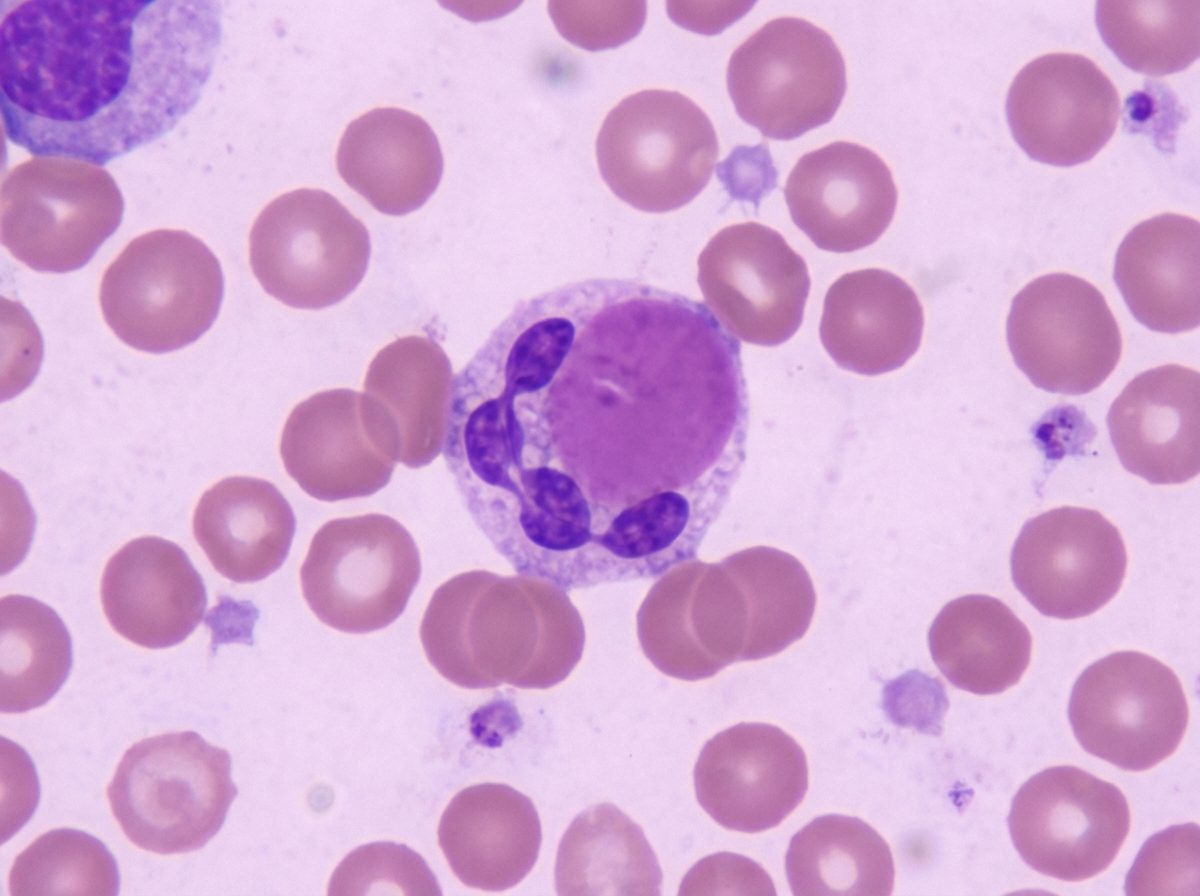
What type of cell is an L.E. cell?
What is a common consequence of hypogammaglobulinemia?
Allograft rejection is an example of which type of immune response?
All are true about severe combined immunodeficiency except?
A 63-year-old man presents with a 15-year history of chronic arthritis. Physical examination reveals ulnar deviation, bony ankylosis, and swan neck deformities of the fingers. Laboratory findings include 4.2 g of protein in a 24-hour urine collection, a serum creatinine of 3.1 mg/dL, and blood urea nitrogen of 30 mg/dL. The C-reactive protein level is markedly elevated. A rectal biopsy shows amorphous pink material deposited in the mucosa, which stains positive with Congo red on H&E staining. Which of the following proteins is the most likely precursor to this material in the mucosa?
Explanation: **Explanation:** **Erythroblastosis fetalis** (Hemolytic Disease of the Newborn) is a classic example of **Type II Hypersensitivity**, also known as **Antibody-Mediated Cytotoxicity**. [1] 1. **Why Type II is correct:** In this condition, maternal IgG antibodies (anti-Rh) cross the placenta and bind to specific antigens (RhD) on the surface of fetal red blood cells (RBCs). [2] This antigen-antibody binding leads to RBC destruction via two mechanisms: **opsonization** (leading to phagocytosis by splenic macrophages) and **complement-mediated lysis**. [1] Since the reaction involves antibodies (IgG or IgM) directed against antigens on a specific cell surface or tissue, it fits the definition of Type II hypersensitivity. [1] 2. **Why other options are incorrect:** * **Type I (Immediate):** Mediated by IgE and mast cell degranulation (e.g., Anaphylaxis, Asthma). [1] * **Type III (Immune-complex):** Caused by deposition of soluble antigen-antibody complexes in tissues (e.g., SLE, Post-streptococcal glomerulonephritis). * **Type IV (Delayed):** T-cell mediated, involving no antibodies (e.g., Mantoux test, Contact dermatitis). **High-Yield Clinical Pearls for NEET-PG:** * **Antibody type:** Only **IgG** crosses the placenta; IgM (found in ABO incompatibility) does not. [2] * **Direct Coombs Test:** Used to detect antibodies already bound to the fetal RBCs (positive in the neonate). * **Indirect Coombs Test:** Used to detect anti-Rh antibodies in the maternal serum. * **Prophylaxis:** Administering **Anti-D (RhIg)** to Rh-negative mothers at 28 weeks and within 72 hours of delivery prevents sensitization. * **Other Type II examples:** Myasthenia gravis, Graves' disease, Goodpasture syndrome, and Rheumatic fever. [1] **References:** [1] Kumar V, Abbas AK, et al.. Robbins and Cotran Pathologic Basis of Disease. 9th ed. Diseases of the Immune System, pp. 208-214. [2] Kumar V, Abbas AK, et al.. Robbins and Cotran Pathologic Basis of Disease. 9th ed. Diseases of Infancy and Childhood, pp. 469-470.
Explanation: **Explanation:** **Hyper IgE Syndrome (Job Syndrome)** is a rare primary immunodeficiency disorder characterized by the triad of high serum IgE, recurrent "cold" staphylococcal abscesses, and eczematous dermatitis. **1. Why Option D is the correct answer (The "Except"):** In Hyper IgE Syndrome, serum levels of **IgG, IgA, and IgM are typically normal**. The hallmark laboratory finding is a significantly **elevated serum IgE** (often >2000 IU/mL) and peripheral eosinophilia. The underlying defect is a mutation in the **STAT3 gene**, which leads to impaired Th17 cell differentiation. This results in a failure to recruit neutrophils to sites of infection, explaining why abscesses lack the typical signs of inflammation (warmth, redness), hence the term "cold abscesses." **2. Why other options are incorrect:** * **A. Autosomal dominant inheritance:** The most common form of Job Syndrome is inherited in an **Autosomal Dominant (AD)** pattern due to STAT3 mutations. (An Autosomal Recessive form involving DOCK8 also exists but is less common). * **B. Kyphoscoliosis:** Non-immunological features are classic in AD-Hyper IgE syndrome. These include **skeletal abnormalities** like kyphoscoliosis, osteopenia (leading to frequent fractures), and retained primary teeth. * **C. Recurrent cutaneous abscesses:** This is a core clinical feature. Patients suffer from recurrent skin infections, primarily caused by *Staphylococcus aureus* [1]. **Clinical Pearls for NEET-PG:** * **Mnemonic (FATED):** **F**acies (coarse), **A**bscesses (cold), **T**eeth (retained primary), **E**levated IgE, **D**ermatological (eczema). * **STAT3 Mutation:** Leads to decreased **IL-17**, which is crucial for neutrophil recruitment. * **Radiology:** Look for **pneumatoceles** (air-filled cysts in lungs) following recurrent staphylococcal or fungal pneumonias. **References:** [1] Cross SS. Underwood's Pathology: A Clinical Approach. 6th ed. (Basic Pathology) introduces the student to key general principles of pathology, both as a medical science and as a clinical activity with a vital role in patient care. Part 2 (Disease Mechanisms) provides fundamental knowledge about the cellular and molecular processes involved in diseases, providing the rationale for their treatment. Part 3 (Systematic Pathology) deals in detail with specific diseases, with emphasis on the clinically important aspects., pp. 165-166.
Explanation: ### Explanation **Correct Option: D (Autologous transplantation of hepatic progenitor cells)** The liver possesses a remarkable regenerative capacity. In cases of chronic liver injury or cirrhosis, where mature hepatocytes have a limited capacity to proliferate, **Hepatic Progenitor Cells (HPCs)**—also known as **Oval cells** in rodents—become the primary source of regeneration [1]. These cells are located in the **Canals of Hering** [3]. Autologous transplantation of these cells is the preferred experimental and therapeutic approach because it utilizes the patient’s own regenerative machinery, eliminating the risk of graft rejection and the need for lifelong immunosuppression. **Analysis of Incorrect Options:** * **Option A:** Allogeneic transplantation involves a donor, which carries a high risk of **Graft-versus-Host Disease (GVHD)** or organ rejection. While whole liver transplant is a standard treatment, "stem cell transplantation from a donor liver" is not the preferred stem cell modality. * **Option B:** While "transdifferentiation" (converting skin cells to hepatocytes) is a research interest, it is not a standard or preferred clinical method for liver regeneration compared to using native hepatic progenitors. * **Option C:** In cirrhosis, the existing hepatocytes are often senescent (exhausted) or damaged [2]. Transplanting these mature cells is less effective than transplanting progenitor cells, which have higher proliferative potential. **High-Yield Clinical Pearls for NEET-PG:** * **Niche of HPCs:** They reside in the **Canals of Hering** (the junction between the bile ductular system and hepatocytes). * **Marker for HPCs:** They often express markers like **CD133, EpCAM, and CK19**. * **Regeneration Types:** The liver regenerates via hepatocyte hypertrophy/hyperplasia in acute injury, but relies on **HPC activation** in chronic injury (cirrhosis) [1], [2]. * **Autologous vs. Allogeneic:** Autologous is always preferred in stem cell therapy to bypass the **MHC incompatibility** barrier. **References:** [1] Cross SS. Underwood's Pathology: A Clinical Approach. 6th ed. (Basic Pathology) introduces the student to key general principles of pathology, both as a medical science and as a clinical activity with a vital role in patient care. Part 2 (Disease Mechanisms) provides fundamental knowledge about the cellular and molecular processes involved in diseases, providing the rationale for their treatment. Part 3 (Systematic Pathology) deals in detail with specific diseases, with emphasis on the clinically important aspects., pp. 108-109. [2] Kumar V, Abbas AK, et al.. Robbins and Cotran Pathologic Basis of Disease. 9th ed. Liver and Gallbladder, pp. 833-834. [3] Cross SS. Underwood's Pathology: A Clinical Approach. 6th ed. (Basic Pathology) introduces the student to key general principles of pathology, both as a medical science and as a clinical activity with a vital role in patient care. Part 2 (Disease Mechanisms) provides fundamental knowledge about the cellular and molecular processes involved in diseases, providing the rationale for their treatment. Part 3 (Systematic Pathology) deals in detail with specific diseases, with emphasis on the clinically important aspects., pp. 104-105.
Explanation: ### Explanation **Concept Overview:** This question describes **Type I Hypersensitivity (Immediate)**. The mechanism involves the cross-linking of IgE antibodies bound to **FcεRI receptors** on mast cells by an allergen [1]. This triggers a signal transduction pathway leading to **degranulation**—the release of preformed and newly synthesized substances that mediate the clinical features of anaphylaxis [2]. **Why the Correct Answer is Right:** * **D. Vasoactive mediators:** Mast cell granules contain preformed mediators like **histamine** [2]. Histamine acts on H1 receptors to cause vasodilation, increased vascular permeability (leading to edema), and smooth muscle contraction (bronchospasm) [1]. These "vasoactive" effects are the hallmark of anaphylactic shock and localized allergic reactions. **Why the Other Options are Wrong:** * **A. Lysosomes:** While mast cells contain lysosomal enzymes, these are primarily involved in intracellular digestion and are not the primary drivers of the systemic vascular response seen in anaphylaxis. * **B. Proteolytic enzymes:** Mast cells do release proteases (like **tryptase** and chymase), which cause tissue damage and activate complement. However, they are not the direct cause of the immediate "anaphylactic" vascular collapse; vasoactive amines (histamine) are the primary culprits [1]. * **C. Lymphotoxins:** Also known as TNF-̢, these are cytokines produced by Th1 cells (Type IV hypersensitivity), not the primary contents of mast cell granules responsible for immediate anaphylaxis. **High-Yield Clinical Pearls for NEET-PG:** * **Serum Tryptase:** This is the most specific marker for mast cell degranulation and is used clinically to confirm a diagnosis of anaphylaxis post-event. * **Primary Mediators (Preformed):** Histamine, Heparin, and Proteases (Tryptase) [2]. * **Secondary Mediators (Newly Synthesized):** Leukotrienes (C4, D4, E4—the most potent bronchoconstrictors) and Prostaglandin D2 [2]. * **Eosinophils:** Recruited in the "late-phase response" of Type I hypersensitivity by Eosinophilic Chemotactic Factor (ECF-A) [3]. **References:** [1] Kumar V, Abbas AK, et al.. Robbins and Cotran Pathologic Basis of Disease. 9th ed. Diseases of the Immune System, pp. 210-212. [2] Kumar V, Abbas AK, et al.. Robbins and Cotran Pathologic Basis of Disease. 9th ed. Inflammation and Repair, pp. 93-94. [3] Kumar V, Abbas AK, et al.. Robbins and Cotran Pathologic Basis of Disease. 9th ed. Diseases of the Immune System, p. 210.
Explanation: ### Explanation The differentiation of Naive CD4+ T cells into specific subsets (TH1, TH2, TH17) is a fundamental concept in immunopathology [1]. **Correct Option: A (IL-2)** TH1 cells are primarily responsible for **cell-mediated immunity** and defense against intracellular pathogens [3]. The differentiation is driven by **IL-12** and **IFN-γ**. Once activated, TH1 cells characteristically produce: * **IL-2:** Acts as a T-cell growth factor, promoting the proliferation of T-cells (autocrine) and CD8+ cytotoxic T-cells [2]. * **IFN-γ:** Activates macrophages to kill phagocytosed microbes and stimulates B-cells to produce IgG (opsonizing antibodies) [1]. * **TNF-α:** Promotes local inflammation [3]. **Incorrect Options:** * **B (IL-4):** Produced by **TH2 cells**. It induces B-cell class switching to **IgE** and promotes TH2 differentiation. * **C (IL-5):** Produced by **TH2 cells**. It is the primary cytokine for **eosinophil** activation and recruitment, crucial in helminthic infections and Type I hypersensitivity. * **D (IL-10):** An **anti-inflammatory** cytokine produced by TH2 and Regulatory T-cells (Tregs). It inhibits TH1 responses and suppresses macrophage activation. --- ### High-Yield Clinical Pearls for NEET-PG * **Master Transcription Factors:** * TH1 → **T-bet** * TH2 → **GATA-3** * TH17 → **RORγt** * **Cytokine "Switch":** IL-12 (from Macrophages/DCs) triggers TH1; IL-4 triggers TH2. * **Leprosy Link:** Tuberculoid leprosy involves a strong **TH1** response (contained infection), while Lepromatous leprosy involves a dominant **TH2** response (disseminated infection). * **IL-2 Clinical Use:** Recombinant IL-2 (Aldesleukin) is used in the treatment of Metastatic Renal Cell Carcinoma and Melanoma. **References:** [1] Kumar V, Abbas AK, et al.. Robbins and Cotran Pathologic Basis of Disease. 9th ed. Diseases of the Immune System, p. 206. [2] Cross SS. Underwood's Pathology: A Clinical Approach. 6th ed. (Basic Pathology) introduces the student to key general principles of pathology, both as a medical science and as a clinical activity with a vital role in patient care. Part 2 (Disease Mechanisms) provides fundamental knowledge about the cellular and molecular processes involved in diseases, providing the rationale for their treatment. Part 3 (Systematic Pathology) deals in detail with specific diseases, with emphasis on the clinically important aspects., pp. 158-160. [3] Kumar V, Abbas AK, et al.. Robbins and Cotran Pathologic Basis of Disease. 9th ed. Infectious Diseases, p. 380.
Explanation: ### Explanation **Concept Overview:** An **L.E. (Lupus Erythematosus) cell** is a classic hematological finding historically associated with Systemic Lupus Erythematosus (SLE). It is formed when a phagocytic cell (typically a neutrophil) ingests the denatured nuclear material of another cell. **Why Neutrophil is Correct:** The formation of an L.E. cell requires three components: **Antinuclear Antibodies (ANA)**, **damaged nuclei** (hematoxylin bodies), and a **phagocytic cell**. In the laboratory setting (usually after trauma to a blood sample), IgG antibodies react against the nuclei of damaged leukocytes, creating a homogeneous, denatured mass called a "Hematoxylin body." A healthy, viable **neutrophil** then phagocytoses this mass. The resulting L.E. cell is characterized by a large, smooth, purple-pink inclusion body that displaces the neutrophil's own multi-lobed nucleus to the periphery. **Why Other Options are Incorrect:** * **Lymphocytes:** While lymphocytes are central to the pathogenesis of SLE (B-cell hyperactivity), they are not professional phagocytes and do not form L.E. cells. * **Basophils & Eosinophils:** Although these are granulocytes, they are rarely involved in the phagocytosis of nuclear material in this specific diagnostic context. The neutrophil is the primary "effector" cell in the L.E. cell test. **High-Yield Clinical Pearls for NEET-PG:** * **Historical Significance:** The L.E. cell test is now largely obsolete and has been replaced by more sensitive tests like **ANA (Indirect Immunofluorescence)**, which is the screening test of choice for SLE. * **Specificity:** While named after Lupus, L.E. cells can occasionally be seen in other autoimmune conditions like Rheumatoid Arthritis or Scleroderma. * **Hematoxylin Bodies:** These are the *in vivo* equivalent of the L.E. body and can be seen in tissue sections of patients with SLE. * **Tart Cell:** Do not confuse an L.E. cell with a "Tart cell" (a monocyte that has ingested a *whole* nucleus with visible chromatin structure, usually non-specific).
Explanation: **Explanation:** **Hypogammaglobulinemia** refers to a deficiency in serum immunoglobulin (antibody) levels, most commonly seen in conditions like Common Variable Immunodeficiency (CVID), X-linked Agammaglobulinemia (Bruton’s), or secondary to hematological malignancies [1]. 1. **Why Option A is correct:** Antibodies (especially IgG and IgA) are essential for opsonization and neutralizing pathogens at mucosal surfaces. A deficiency leads to an inability to clear pyogenic bacteria (e.g., *Streptococcus pneumoniae*, *Haemophilus influenzae*) [1]. This results in **recurrent sinopulmonary infections**, such as chronic sinusitis, otitis media, and pneumonia [2]. Over time, these recurrent infections can lead to permanent structural damage like bronchiectasis. 2. **Why the other options are incorrect:** * **B. Epistaxis:** This is typically related to platelet disorders, vascular abnormalities, or local trauma, not antibody deficiency. * **C. Contractures:** These are permanent shortenings of muscle or joint tissues, usually seen in chronic inflammatory arthritis (like RA) [3] or severe burns, but are not a direct consequence of hypogammaglobulinemia. * **D. Eczema:** While eczema is associated with **Wiskott-Aldrich Syndrome** [5] (which involves immunodeficiency), it is not a "common consequence" of isolated hypogammaglobulinemia itself. In fact, many hypogammaglobulinemia patients have reduced allergic responses due to low IgE. **High-Yield NEET-PG Pearls:** * **Bruton’s Agammaglobulinemia:** Look for a male infant with absent B-cells (CD19/20-) and low levels of all Ig classes [3]. * **Selective IgA Deficiency:** The most common primary immunodeficiency; patients are often asymptomatic but at risk for **anaphylaxis during blood transfusions** due to anti-IgA antibodies. * **CVID:** Presents later in life (2nd-3rd decade) with low IgG and increased risk of autoimmune diseases and lymphomas [4]. **References:** [1] Cross SS. Underwood's Pathology: A Clinical Approach. 6th ed. (Basic Pathology) introduces the student to key general principles of pathology, both as a medical science and as a clinical activity with a vital role in patient care. Part 2 (Disease Mechanisms) provides fundamental knowledge about the cellular and molecular processes involved in diseases, providing the rationale for their treatment. Part 3 (Systematic Pathology) deals in detail with specific diseases, with emphasis on the clinically important aspects., pp. 165-166. [2] Cross SS. Underwood's Pathology: A Clinical Approach. 6th ed. (Basic Pathology) introduces the student to key general principles of pathology, both as a medical science and as a clinical activity with a vital role in patient care. Part 2 (Disease Mechanisms) provides fundamental knowledge about the cellular and molecular processes involved in diseases, providing the rationale for their treatment. Part 3 (Systematic Pathology) deals in detail with specific diseases, with emphasis on the clinically important aspects., pp. 166-167. [3] Kumar V, Abbas AK, et al.. Robbins and Cotran Pathologic Basis of Disease. 9th ed. Diseases of the Immune System, pp. 248-249. [4] Kumar V, Abbas AK, et al.. Robbins and Cotran Pathologic Basis of Disease. 9th ed. Diseases of the Immune System, pp. 249-250. [5] Kumar V, Abbas AK, et al.. Robbins and Cotran Pathologic Basis of Disease. 9th ed. Diseases of the Immune System, pp. 250-251.
Explanation: **Explanation:** **Why Delayed-type Hypersensitivity (DTH) is correct:** Allograft rejection is primarily mediated by **Type IV (Cell-mediated) Hypersensitivity**. Specifically, the cellular component of rejection involves the activation of CD4+ T-cells (which release cytokines to recruit macrophages) and CD8+ cytotoxic T-cells (which directly kill graft cells). This mechanism is the hallmark of **Delayed-type Hypersensitivity (DTH)** [3]. In the context of the NEET-PG exam, when asked for the general "type" of immune response for rejection, Type IV/DTH is the standard classification. **Analysis of Incorrect Options:** * **Graft-versus-host disease (GVHD):** This occurs when immunocompetent T-cells in the *graft* attack the *host* tissues (common in bone marrow transplants). In allograft rejection, the host's immune system attacks the graft. * **Immediate hypersensitivity:** This refers to **Type I Hypersensitivity** (IgE-mediated), which is involved in allergic reactions and anaphylaxis, not transplant rejection [1]. * **Acute rejection:** While acute rejection is a *clinical category* of rejection, it is not a "type of immune response." Acute rejection involves both Type IV (cellular) and Type II (humoral) mechanisms [2]. DTH is the fundamental immunological process underlying the cellular aspect. **High-Yield Clinical Pearls for NEET-PG:** * **Hyperacute Rejection:** Occurs within minutes; mediated by **Pre-formed antibodies** (Type II Hypersensitivity); characterized by fibrinoid necrosis and thrombosis. * **Acute Rejection:** Occurs days to weeks; can be **Cellular** (Type IV - T-cells) or **Humoral** (Type II - C4d deposition). * **Chronic Rejection:** Occurs months to years; characterized by **intimal thickening and fibrosis** (vascular sclerosis). * **Direct Pathway:** Host T-cells recognize MHC on donor APCs (most important for acute rejection). * **Indirect Pathway:** Host T-cells recognize donor MHC processed by host APCs (important for chronic rejection). **References:** [1] Kumar V, Abbas AK, et al.. Robbins and Cotran Pathologic Basis of Disease. 9th ed. Diseases of the Immune System, pp. 216-218. [2] Cross SS. Underwood's Pathology: A Clinical Approach. 6th ed. (Basic Pathology) introduces the student to key general principles of pathology, both as a medical science and as a clinical activity with a vital role in patient care. Part 2 (Disease Mechanisms) provides fundamental knowledge about the cellular and molecular processes involved in diseases, providing the rationale for their treatment. Part 3 (Systematic Pathology) deals in detail with specific diseases, with emphasis on the clinically important aspects., pp. 180-181. [3] Cross SS. Underwood's Pathology: A Clinical Approach. 6th ed. (Basic Pathology) introduces the student to key general principles of pathology, both as a medical science and as a clinical activity with a vital role in patient care. Part 2 (Disease Mechanisms) provides fundamental knowledge about the cellular and molecular processes involved in diseases, providing the rationale for their treatment. Part 3 (Systematic Pathology) deals in detail with specific diseases, with emphasis on the clinically important aspects., pp. 174-175.
Explanation: **Explanation:** Severe Combined Immunodeficiency (SCID) is a pediatric emergency and one of the most severe forms of primary immunodeficiency. **Why Option C is the correct answer (The "Except"):** SCID is characterized by a profound lack of immune function. Without definitive treatment—primarily a **Hematopoietic Stem Cell Transplant (HSCT)**—affected children rarely survive beyond the first year of life [1]. They are highly susceptible to recurrent, life-threatening infections by bacteria, viruses, fungi, and opportunistic pathogens (like *Pneumocystis jirovecii* and *Candida*). Therefore, survival into adolescence without treatment is medically impossible. **Analysis of Other Options:** * **Option A:** SCID involves a defect in both humoral (B-cell) and cell-mediated (T-cell) immunity [2]. Even if B-cells are present in some subtypes, they are non-functional due to the lack of T-cell help [2]. * **Option B:** **Adenosine Deaminase (ADA) deficiency** is the second most common cause of SCID (autosomal recessive) [2]. Accumulation of adenosine and deoxy-ATP is toxic to rapidly dividing lymphocytes [2]. * **Option D:** SCID is genetically heterogeneous. The most common form is **X-linked SCID** (due to a mutation in the γ-chain of cytokine receptors, specifically IL-2RG) [2]. The remaining cases are mostly **Autosomal Recessive** (e.g., ADA deficiency or RAG1/RAG2 mutations) [2]. **High-Yield Clinical Pearls for NEET-PG:** * **Chest X-ray:** Characteristically shows an **absent thymic shadow** (thymic hypoplasia). * **Morphology:** Lymph nodes, tonsils, and Peyer’s patches are hypoplastic or absent. * **Commonest Cause:** X-linked SCID (mutation in IL-2 receptor gamma chain) [2]. * **Clinical Presentation:** Failure to thrive, chronic diarrhea, and persistent oral thrush in an infant. * **Contraindication:** Live vaccines (like BCG or OPV) can cause fatal systemic infection in these patients. **References:** [1] Cross SS. Underwood's Pathology: A Clinical Approach. 6th ed. (Basic Pathology) introduces the student to key general principles of pathology, both as a medical science and as a clinical activity with a vital role in patient care. Part 2 (Disease Mechanisms) provides fundamental knowledge about the cellular and molecular processes involved in diseases, providing the rationale for their treatment. Part 3 (Systematic Pathology) deals in detail with specific diseases, with emphasis on the clinically important aspects., pp. 167-168. [2] Kumar V, Abbas AK, et al.. Robbins and Cotran Pathologic Basis of Disease. 9th ed. Diseases of the Immune System, pp. 247-248.
Explanation: **Explanation:** The clinical presentation of chronic arthritis with ulnar deviation and swan neck deformity is diagnostic of **Rheumatoid Arthritis (RA)**. The development of nephrotic-range proteinuria (4.2 g/day) and renal failure in a patient with long-standing chronic inflammation suggests **Secondary (AA) Amyloidosis** [1]. The rectal biopsy confirms amyloid deposition (amorphous pink material, Congo red positive) [2]. **1. Why Acute-phase reactant is correct:** In chronic inflammatory states like RA, there is a sustained elevation of **Serum Amyloid A (SAA)**, which is an **acute-phase reactant** synthesized by the liver (induced by IL-1 and IL-6) [1]. SAA undergoes limited proteolysis to form **AA protein**, which deposits in organs like the kidneys, liver, and spleen, leading to Secondary Amyloidosis [1]. **2. Why other options are incorrect:** * **Beta2-Microglobulin:** This is the precursor for **Aβ2M amyloidosis**, typically seen in patients on long-term **hemodialysis** [3]. It usually presents with carpal tunnel syndrome and joint involvement. * **Gamma light chains:** These are precursors for **AL amyloidosis** (Primary Amyloidosis), associated with Plasma Cell Dyscrasias (e.g., Multiple Myeloma) [4]. * **Transthyretin (TTR):** Mutated TTR is the precursor in **Familial Amyloid Polyneuropathies**, while wild-type TTR is seen in **Senile Systemic Amyloidosis** (affecting the heart in elderly patients) [3]. **Clinical Pearls for NEET-PG:** * **Most common cause of AA Amyloidosis:** Historically Tuberculosis; currently Rheumatoid Arthritis [1]. * **Staining:** Congo red shows **Apple-green birefringence** under polarized light [2]. * **Kidney:** The most common and most serious organ involvement in systemic amyloidosis [1]. * **Diagnosis:** Abdominal fat pad aspiration or rectal biopsy are preferred screening sites. **References:** [1] Cross SS. Underwood's Pathology: A Clinical Approach. 6th ed. (Basic Pathology) introduces the student to key general principles of pathology, both as a medical science and as a clinical activity with a vital role in patient care. Part 2 (Disease Mechanisms) provides fundamental knowledge about the cellular and molecular processes involved in diseases, providing the rationale for their treatment. Part 3 (Systematic Pathology) deals in detail with specific diseases, with emphasis on the clinically important aspects., pp. 136-140. [2] Kumar V, Abbas AK, et al.. Robbins and Cotran Pathologic Basis of Disease. 9th ed. Diseases of the Immune System, pp. 268-269. [3] Kumar V, Abbas AK, et al.. Robbins and Cotran Pathologic Basis of Disease. 9th ed. Diseases of the Immune System, p. 266. [4] Kumar V, Abbas AK, et al.. Robbins and Cotran Pathologic Basis of Disease. 9th ed. Diseases of the Immune System, pp. 266-267.
Cells and Tissues of the Immune System
Practice Questions
Innate Immunity
Practice Questions
Adaptive Immunity
Practice Questions
Hypersensitivity Reactions
Practice Questions
Autoimmune Diseases
Practice Questions
Immunodeficiency Disorders
Practice Questions
Transplantation Immunopathology
Practice Questions
Immune Response to Infections
Practice Questions
Immunologic Laboratory Techniques
Practice Questions
Tumor Immunology
Practice Questions
Get full access to all questions, explanations, and performance tracking.
Start For Free