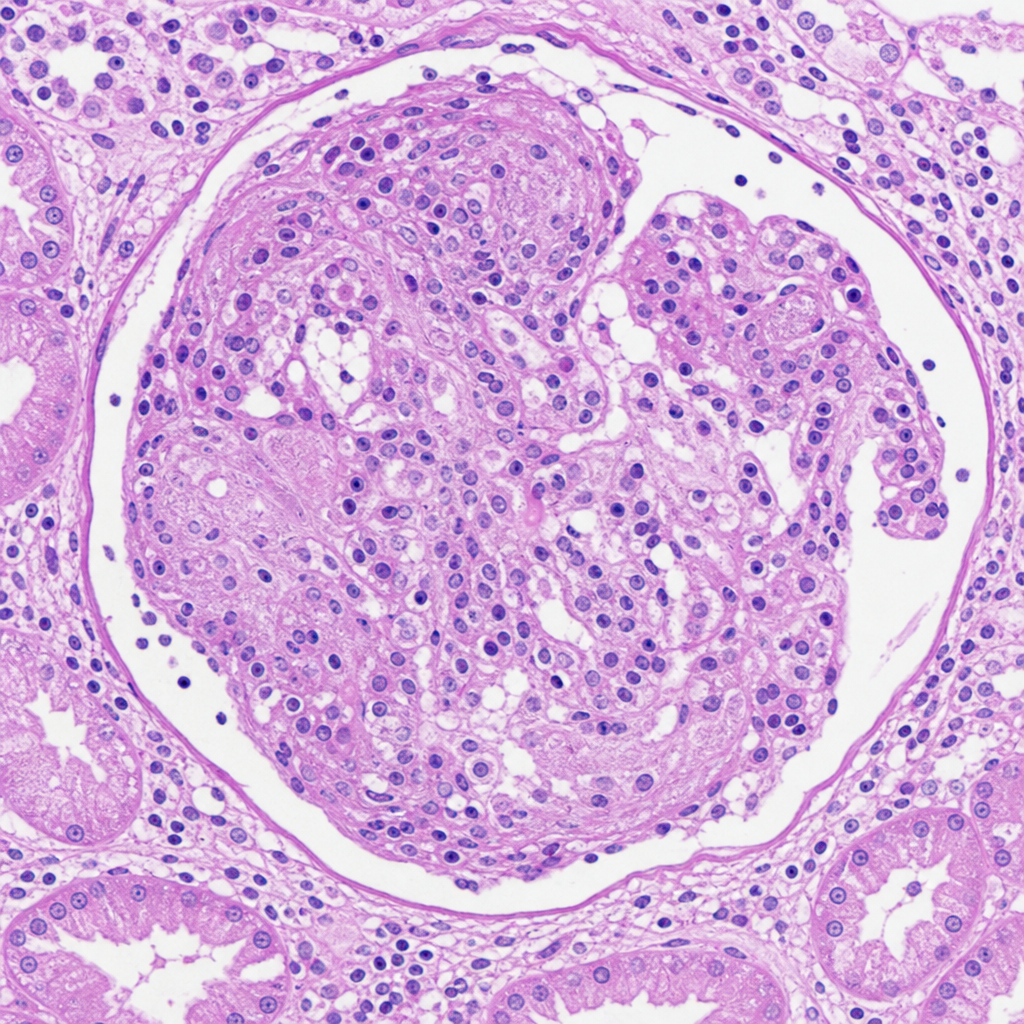
Which of the following is NOT a disorder of phagocytosis?
Biopsy of the parotid gland in Sjogren’s syndrome shows which of the following inflammatory cells?
Molecular mimicry is an explanation for which of the following?
Erythroblastosis fetalis is an example of which type of hypersensitivity reaction?
A patient on treatment with penicillin developed pallor, but without shortness of breath, urticaria, or wheezing. Investigations revealed antibodies against penicillin in his blood. What is the most likely type of hypersensitivity reaction that occurred in this patient?
Asthma is classified as which type of hypersensitivity reaction?
Goodpasture syndrome has antibodies against which component of the basement membrane?
All are true regarding Severe Combined Immunodeficiency (SCID) except:
MHC is important in the pathogenesis of which of the following conditions?
Which immunoglobulin is predominantly found in breast milk and other secretions?
Explanation: The correct answer is **Wiskott-Aldrich syndrome (WAS)** because it is primarily a **combined B-cell and T-cell immunodeficiency**, not a primary disorder of phagocytosis [1]. It is an X-linked recessive condition caused by a mutation in the *WASP* gene, which affects the actin cytoskeleton in hematopoietic cells [1]. This leads to the classic triad of **Thrombocytopenia** (with small platelets), **Eczema**, and **Recurrent infections**. **Analysis of other options (Disorders of Phagocytosis):** * **Job’s Syndrome (Hyper-IgE Syndrome):** A defect in JAK-STAT signaling (STAT3 mutation) leading to impaired neutrophil chemotaxis. It is characterized by "Cold" staphylococcal abscesses, retained primary teeth, and high IgE. * **Chediak-Higashi Syndrome:** A defect in vesicle fusion (LYST gene mutation) [2]. It results in impaired phagolysosome formation [2]. Key findings include giant cytoplasmic granules in neutrophils and partial albinism [2]. * **Myeloperoxidase (MPO) Deficiency:** The most common inherited defect of phagocytes. It involves a failure to produce Hypochlorous acid (HOCl), though most patients remain asymptomatic unless they have co-existing diabetes (predisposing to *Candida* infections). **NEET-PG High-Yield Pearls:** 1. **Phagocytosis Steps:** Remember the sequence: Chemotaxis → Opsonization → Ingestion → Killing (Oxidative burst). 2. **Nitroblue Tetrazolium (NBT) Test:** Used for Chronic Granulomatous Disease (CGD); it remains **negative** (colorless) in CGD due to NADPH oxidase deficiency. 3. **Wiskott-Aldrich Mnemonic:** **TIE** (Thrombocytopenia, Infections, Eczema). 4. **Small Platelets:** WAS is one of the few conditions where platelet size is decreased on a peripheral smear. **References:** [1] Kumar V, Abbas AK, et al.. Robbins and Cotran Pathologic Basis of Disease. 9th ed. Diseases of the Immune System, pp. 250-251. [2] Kumar V, Abbas AK, et al.. Robbins and Cotran Pathologic Basis of Disease. 9th ed. Diseases of the Immune System, pp. 245-246.
Explanation: **Explanation:** **Sjögren’s Syndrome (SS)** is a chronic autoimmune disorder characterized by the progressive destruction of exocrine glands, primarily the lacrimal and salivary glands [1]. **Why Lymphocytes are the Correct Answer:** The hallmark histopathological feature of Sjögren’s syndrome is **focal lymphocytic infiltration** of the glandular parenchyma [1],[3]. These infiltrates are predominantly composed of **CD4+ T-helper cells** and some B cells [1]. In the parotid gland, this intense lymphocytic infiltration leads to the formation of "epimyoepithelial islands" and the eventual destruction of the acini (atrophy), resulting in xerostomia (dry mouth) [3]. **Why Other Options are Incorrect:** * **A. Neutrophils:** These are markers of acute bacterial inflammation (e.g., acute sialadenitis). SS is a chronic autoimmune process, not an acute infection. * **B. Eosinophils:** These are typically associated with Type I hypersensitivity (allergic) reactions or parasitic infections, neither of which defines the pathology of SS. * **C. Basophils:** These are involved in systemic allergic responses and are rarely the dominant cell type in solid organ biopsies for autoimmune diseases. **High-Yield Clinical Pearls for NEET-PG:** * **Diagnostic Gold Standard:** A biopsy of the **minor salivary glands (lip biopsy)** is preferred over the parotid gland to confirm the diagnosis, looking for a "Focus Score" (≥1 focus of 50 lymphocytes per 4 $mm^2$). * **Serology:** Positive for **Anti-Ro (SS-A)** and **Anti-La (SS-B)** antibodies [1]. * **Malignancy Risk:** Patients with Sjögren’s syndrome have a **40-fold increased risk** of developing **B-cell Non-Hodgkin Lymphoma** (specifically MALToma) [2],[3]. * **Clinical Triad:** Dry eyes (keratoconjunctivitis sicca), dry mouth (xerostomia), and often an associated connective tissue disease (like Rheumatoid Arthritis). **References:** [1] Kumar V, Abbas AK, et al.. Robbins and Cotran Pathologic Basis of Disease. 9th ed. Diseases of the Immune System, pp. 234-235. [2] Kumar V, Abbas AK, et al.. Robbins and Cotran Pathologic Basis of Disease. 9th ed. Diseases of the Immune System, p. 236. [3] Kumar V, Abbas AK, et al.. Robbins and Cotran Pathologic Basis of Disease. 9th ed. Diseases of the Immune System, pp. 235-236.
Explanation: ### Explanation **Molecular Mimicry** is a key mechanism in the pathogenesis of **Autoimmune Disorders** [1]. It occurs when there is a structural similarity between the antigens of an infectious agent (bacteria or virus) and the host’s self-antigens. When the immune system mounts a response against the pathogen, the cross-reactive antibodies or T-cells mistakenly attack the host’s own tissues, leading to loss of self-tolerance and subsequent tissue damage [1]. **Why the other options are incorrect:** * **Immune Tolerance:** This is the state of unresponsiveness to an antigen. Molecular mimicry represents a *failure* of tolerance, specifically a breakdown in peripheral tolerance. * **Hypersensitivity:** While autoimmunity involves hypersensitivity reactions (Types II, III, or IV), "Hypersensitivity" is a broad category describing exaggerated immune responses to *exogenous* antigens (like pollen or drugs). Molecular mimicry specifically explains the *trigger* for attacking *endogenous* (self) antigens [1]. * **Immunosuppression:** This refers to a reduced activation or efficacy of the immune system (e.g., HIV or chemotherapy). Molecular mimicry involves an *overactive* and misdirected immune response. **High-Yield Clinical Pearls for NEET-PG:** * **Classic Example:** **Rheumatic Heart Disease.** Antibodies against the M-protein of *Streptococcus pyogenes* cross-react with cardiac myosin, leading to carditis. * **Guillain-Barré Syndrome (GBS):** Lipopolysaccharides of *Campylobacter jejuni* mimic gangliosides in peripheral nerves. * **Type 1 Diabetes:** Potential mimicry between Coxsackie B virus antigens and islet cell antigens (GAD65) [1]. * **Ankylosing Spondylitis:** Associated with *Klebsiella* species cross-reacting with HLA-B27. **References:** [1] Kumar V, Abbas AK, et al.. Robbins and Cotran Pathologic Basis of Disease. 9th ed. Diseases of the Immune System, pp. 219-226.
Explanation: **Explanation:** **Erythroblastosis Fetalis (Hemolytic Disease of the Newborn)** is a classic example of **Type II Hypersensitivity**, also known as **Cytotoxic Hypersensitivity**. **Why Type II is correct:** Type II reactions are mediated by **IgG or IgM antibodies** directed against antigens present on the surface of specific cells or tissues [2]. In Erythroblastosis Fetalis, maternal IgG antibodies (produced after prior sensitization) cross the placenta and bind to Rh antigens on the fetal Red Blood Cells (RBCs) [1]. This leads to RBC destruction via two mechanisms: 1. **Opsonization and Phagocytosis** by splenic macrophages [2]. 2. **Complement-mediated lysis** [2]. **Why other options are incorrect:** * **Type I (Immediate):** Mediated by **IgE** and mast cell degranulation (e.g., Anaphylaxis, Asthma) [3]. * **Type III (Immune-Complex):** Involves deposition of **antigen-antibody complexes** in tissues, leading to inflammation (e.g., SLE, Post-streptococcal glomerulonephritis). * **Type IV (Delayed):** Cell-mediated immunity involving **T-lymphocytes**, not antibodies (e.g., Mantoux test, Contact dermatitis). **High-Yield Clinical Pearls for NEET-PG:** * **Mechanism:** Antibody-dependent cellular cytotoxicity (ADCC) is a key component of Type II reactions. * **Prevention:** Administer **Anti-D (RhoGAM)** to Rh-negative mothers at 28 weeks and within 72 hours of delivery to prevent sensitization [1]. * **Diagnosis:** The **Direct Coombs Test** is used to detect antibodies already bound to the baby's RBCs, while the **Indirect Coombs Test** checks the mother's serum for anti-Rh antibodies. * **Other Type II Examples:** Myasthenia Gravis, Graves' Disease, Goodpasture Syndrome, and Rheumatic Fever [2]. **References:** [1] Kumar V, Abbas AK, et al.. Robbins and Cotran Pathologic Basis of Disease. 9th ed. Diseases of Infancy and Childhood, pp. 469-470. [2] Kumar V, Abbas AK, et al.. Robbins and Cotran Pathologic Basis of Disease. 9th ed. Diseases of the Immune System, p. 214. [3] Kumar V, Abbas AK, et al.. Robbins and Cotran Pathologic Basis of Disease. 9th ed. Diseases of the Immune System, pp. 212-213.
Explanation: ### Explanation **Why Type II Hypersensitivity is Correct:** This scenario describes **Drug-Induced Hemolytic Anemia**, a classic example of Type II (Antibody-mediated/Cytotoxic) hypersensitivity. In this mechanism, penicillin acts as a **hapten**; it binds to the surface of red blood cells (RBCs) [1]. The immune system then produces IgG or IgM antibodies against this drug-protein complex. These antibodies bind to the RBCs, leading to their destruction via the complement system or phagocytosis by splenic macrophages (opsonization) [2]. The clinical presentation of **pallor** without systemic anaphylactic symptoms (like wheezing or urticaria) points specifically to targeted cell destruction rather than a systemic allergic response [1]. **Why the Other Options are Incorrect:** * **Type I (Immediate):** Mediated by IgE and mast cell degranulation. It would typically present with urticaria, angioedema, wheezing, or anaphylaxis. The question specifically excludes these symptoms. * **Type III (Immune-Complex):** Involves the deposition of antigen-antibody complexes in tissues (e.g., Serum Sickness) [3]. It usually presents with fever, joint pain, and rashes, rather than isolated pallor/anemia. * **Type IV (Delayed):** T-cell mediated and does not involve antibodies. Examples include contact dermatitis or the Mantoux test. **High-Yield Clinical Pearls for NEET-PG:** * **Coombs Test:** The Direct Antiglobulin Test (DAT) is the gold standard for diagnosing Type II drug-induced hemolysis (detects IgG/complement on the RBC surface) [1]. * **Common Triggers:** Besides Penicillin, other drugs causing Type II reactions include **Quinidine** (thrombocytopenia) and **Methyldopa** (autoimmune hemolytic anemia) [1]. * **Mnemonic for Hypersensitivity (ACID):** * **A** - **A**naphylactic (Type I) * **C** - **C**ytotoxic (Type II) * **I** - **I**mmune Complex (Type III) * **D** - **D**elayed-type (Type IV) **References:** [1] Kumar V, Abbas AK, et al.. Robbins and Cotran Pathologic Basis of Disease. 9th ed. Red Blood Cell and Bleeding Disorders, pp. 651-652. [2] Kumar V, Abbas AK, et al.. Robbins and Cotran Pathologic Basis of Disease. 9th ed. Diseases of the Immune System, p. 214. [3] Kumar V, Abbas AK, et al.. Robbins and Cotran Pathologic Basis of Disease. 9th ed. Diseases of the Immune System, pp. 214-215.
Explanation: **Explanation:** **Type I Hypersensitivity (Immediate Hypersensitivity)** is the correct answer. Bronchial asthma (specifically atopic asthma) is mediated by an **IgE-dependent mechanism** [2]. Upon exposure to an allergen, Th2 cells stimulate B-cells to produce IgE, which binds to the surface of **mast cells** [3]. Subsequent exposure leads to antigen cross-linking of IgE, causing mast cell degranulation and the release of mediators like histamine, leukotrienes (C4, D4, E4), and prostaglandins [1]. This results in smooth muscle contraction (bronchospasm), mucosal edema, and mucus hypersecretion [5]. **Why other options are incorrect:** * **Type II (Antibody-mediated):** Involves IgG or IgM antibodies binding to fixed antigens on cell surfaces or tissues (e.g., Goodpasture syndrome, Myasthenia gravis) [2]. * **Type III (Immune complex-mediated):** Caused by the deposition of antigen-antibody complexes in tissues, leading to complement activation (e.g., SLE, Post-streptococcal glomerulonephritis) [2]. * **Type IV (Cell-mediated/Delayed):** Mediated by T-lymphocytes rather than antibodies. It typically takes 48–72 hours to manifest (e.g., Mantoux test, Contact dermatitis). **High-Yield Clinical Pearls for NEET-PG:** * **Key Cytokines:** Th2 cells produce **IL-4** (stimulates IgE switch), **IL-5** (activates eosinophils), and **IL-13** (stimulates mucus secretion) [3]. * **Curschmann Spirals & Charcot-Leyden Crystals:** Classic microscopic findings in the sputum of asthmatic patients. * **Late-phase reaction:** Occurs 2–24 hours after exposure, primarily driven by **eosinophils** recruited by IL-5 [4]. * **Drug-induced Asthma:** Aspirin-induced asthma is a non-immune variant involving the cyclooxygenase pathway, not Type I hypersensitivity. **References:** [1] Kumar V, Abbas AK, et al.. Robbins and Cotran Pathologic Basis of Disease. 9th ed. Diseases of the Immune System, pp. 210-211. [2] Kumar V, Abbas AK, et al.. Robbins and Cotran Pathologic Basis of Disease. 9th ed. Diseases of the Immune System, pp. 208-210. [3] Kumar V, Abbas AK, et al.. Robbins and Cotran Pathologic Basis of Disease. 9th ed. The Lung, pp. 688-689. [4] Kumar V, Abbas AK, et al.. Robbins and Cotran Pathologic Basis of Disease. 9th ed. Diseases of the Immune System, p. 210. [5] Kumar V, Abbas AK, et al.. Robbins and Cotran Pathologic Basis of Disease. 9th ed. Diseases of the Immune System, pp. 211-212.
Explanation: **Explanation:** **Goodpasture Syndrome** (Anti-GBM Disease) is a classic example of a **Type II Hypersensitivity reaction**. It is characterized by the formation of autoantibodies directed against the glomerular basement membrane (GBM) [1] and alveolar basement membrane. **Why Option C is correct:** The specific target antigen in Goodpasture syndrome is the non-collagenous domain (NC1) of the **alpha-3 chain of Type IV Collagen** [1]. Type IV collagen is the primary structural component of basement membranes. When these antibodies bind, they trigger a complement-mediated inflammatory response, leading to rapidly progressive glomerulonephritis (RPGN) and pulmonary hemorrhage. **Why the other options are incorrect:** * **Option A (Type I Collagen):** This is the most abundant collagen, found in bone, skin, and tendons. It is not a component of the basement membrane. * **Option B (Type IV alpha-3 chain):** While technically more specific than Option C, in the context of standard NEET-PG questions, "Collagen Type 4" is the standard categorical answer. If both were provided as distinct options, alpha-3 would be the most precise, but here Option C serves as the correct general classification. * **Option D (Type II Collagen):** This is primarily found in hyaline cartilage and vitreous humor. **High-Yield Clinical Pearls for NEET-PG:** * **Immunofluorescence (IF):** Shows a characteristic **linear** pattern of IgG deposits along the basement membrane [1][2] (unlike the granular pattern seen in post-streptococcal glomerulonephritis). * **Clinical Triad:** Glomerulonephritis, pulmonary hemorrhage (hemoptysis), and anti-GBM antibodies. * **HLA Association:** Strongly associated with **HLA-DRB1**. * **Morphology:** Light microscopy typically shows **crescentic glomerulonephritis**. **References:** [1] Cross SS. Underwood's Pathology: A Clinical Approach. 6th ed. Common Clinical Problems From Diseases Of The Urinary And Male Genital Tracts, pp. 526-527. [2] Kumar V, Abbas AK, et al.. Robbins and Cotran Pathologic Basis of Disease. 9th ed. The Kidney, pp. 911-913.
Explanation: **Explanation:** Severe Combined Immunodeficiency (SCID) is a group of rare disorders characterized by the profound deficiency of both T-cell and B-cell functions [2]. **Why Option B is the correct answer (The False Statement):** In the autosomal recessive form of SCID caused by **Adenosine Deaminase (ADA) deficiency**, the lack of the enzyme leads to the accumulation of **deoxyadenosine** and its derivatives, specifically **deoxy-ATP (dATP)** [2]. High levels of dATP are toxic to lymphocytes because they inhibit ribonucleotide reductase, thereby preventing DNA synthesis and leading to cell death [2]. The toxicity is **not** due to the accumulation of cyclic adenosine monophosphate (cAMP). **Analysis of other options:** * **Option A:** ADA deficiency is the second most common cause of SCID (approx. 20% of cases) and the most common autosomal recessive form [2]. * **Option C:** By definition, SCID involves a "combined" defect. Patients have profound lymphopenia, affecting both **cellular immunity** (T-cells) and **humoral immunity** (B-cells/antibodies) [3]. * **Option D:** **HSC (Bone Marrow) Transplantation** is the definitive treatment of choice [1]. Without it, SCID is usually fatal within the first year of life [1]. ADA deficiency is also notable for being the first disease treated with human gene therapy [1]. **NEET-PG High-Yield Pearls:** * **Most common cause:** X-linked SCID due to a mutation in the **$\gamma$c chain** of cytokine receptors (IL-2RG) [2]. * **Clinical presentation:** Recurrent severe infections (diarrhea, pneumonia, thrush), failure to thrive, and an **absent thymic shadow** on X-ray. * **Laboratory findings:** Very low absolute lymphocyte count and "bubble boy" pathology (hypoplastic thymus and peripheral lymphoid tissue). **References:** [1] Cross SS. Underwood's Pathology: A Clinical Approach. 6th ed. (Basic Pathology) introduces the student to key general principles of pathology, both as a medical science and as a clinical activity with a vital role in patient care. Part 2 (Disease Mechanisms) provides fundamental knowledge about the cellular and molecular processes involved in diseases, providing the rationale for their treatment. Part 3 (Systematic Pathology) deals in detail with specific diseases, with emphasis on the clinically important aspects., pp. 167-168. [2] Kumar V, Abbas AK, et al.. Robbins and Cotran Pathologic Basis of Disease. 9th ed. Diseases of the Immune System, pp. 247-248. [3] Kumar V, Abbas AK, et al.. Robbins and Cotran Pathologic Basis of Disease. 9th ed. Diseases of the Immune System, pp. 246-247.
Explanation: **Explanation:** **Major Histocompatibility Complex (MHC)**, known as Human Leukocyte Antigen (HLA) in humans, plays a pivotal role in the pathogenesis of **Auto-immune diseases** [1]. The fundamental function of MHC molecules is to present peptide antigens to T-cells. Autoimmunity occurs when there is a breakdown in self-tolerance, often linked to specific MHC alleles that efficiently present "self-antigens" to autoreactive T-cells or fail to eliminate them during thymic selection [3]. * **Why Option C is correct:** Many autoimmune diseases show a strong genetic association with specific HLA types [1]. For example, **HLA-B27** is strongly linked to Ankylosing Spondylitis, and **HLA-DR3/DR4** are associated with Type 1 Diabetes Mellitus and Rheumatoid Arthritis [2]. * **Why Options A & B are incorrect:** **Idiopathic diseases** have unknown causes, and while genetics may play a role, they are not defined by MHC interactions. **Iatrogenic diseases** are induced by medical treatment or diagnostic procedures (e.g., drug side effects), which are external factors independent of the MHC system. * **Why Option D is incorrect:** While the immune system uses MHC to detect **Tumours** (immunosurveillance), the *pathogenesis* (origin) of cancer is primarily driven by genetic mutations in proto-oncogenes and tumor suppressor genes, not the MHC system itself. **High-Yield Clinical Pearls for NEET-PG:** * **HLA-B27:** Ankylosing spondylitis, Reiter’s syndrome, Acute anterior uveitis [2]. * **HLA-DR4:** Rheumatoid arthritis. * **HLA-DQ2/DQ8:** Celiac disease. * **HLA-DR3:** SLE, Graves' disease, Type 1 Diabetes [2]. * **MHC Class I** (A, B, C) presents to **CD8+** T-cells; **MHC Class II** (DP, DQ, DR) presents to **CD4+** T-cells. **References:** [1] Cross SS. Underwood's Pathology: A Clinical Approach. 6th ed. (Basic Pathology) introduces the student to key general principles of pathology, both as a medical science and as a clinical activity with a vital role in patient care. Part 2 (Disease Mechanisms) provides fundamental knowledge about the cellular and molecular processes involved in diseases, providing the rationale for their treatment. Part 3 (Systematic Pathology) deals in detail with specific diseases, with emphasis on the clinically important aspects., pp. 177-178. [2] Cross SS. Underwood's Pathology: A Clinical Approach. 6th ed. (Basic Pathology) introduces the student to key general principles of pathology, both as a medical science and as a clinical activity with a vital role in patient care. Part 2 (Disease Mechanisms) provides fundamental knowledge about the cellular and molecular processes involved in diseases, providing the rationale for their treatment. Part 3 (Systematic Pathology) deals in detail with specific diseases, with emphasis on the clinically important aspects., pp. 49-50. [3] Kumar V, Abbas AK, et al.. Robbins and Cotran Pathologic Basis of Disease. 9th ed. Diseases of the Immune System, pp. 222-223.
Explanation: **Explanation:** **IgA (Immunoglobulin A)** is the correct answer because it is the primary antibody class found in **secretions** (mucosal immunity). In breast milk, specifically colostrum, secretory IgA provides critical passive immunity to the neonate, protecting the infant's gastrointestinal tract against pathogens. It exists as a monomer in the blood but as a **dimer** in secretions, held together by a **J-chain** and a **secretory component** that protects it from enzymatic degradation in harsh environments like the gut. **Why other options are incorrect:** * **IgG:** This is the most abundant immunoglobulin in the serum and the only one that **crosses the placenta** to provide fetal immunity. It is not the primary secretory antibody. * **IgE:** Primarily involved in **Type I hypersensitivity** reactions (allergies) and host defense against helminthic (parasitic) infections [1]. It is found in very low concentrations in serum [1]. * **IgD:** Found mainly on the surface of B-cells where it functions as an antigen receptor; its secreted role is minimal and not significant in mucosal secretions [1]. **High-Yield NEET-PG Pearls:** * **Selective IgA Deficiency:** The most common primary immunodeficiency; patients are often asymptomatic but may present with recurrent sinopulmonary or GI infections [2]. * **Milk Immunity:** While IgG crosses the placenta (prenatal), **IgA** is the star of breast milk (postnatal). * **Structure:** IgA is the only immunoglobulin that contains a "secretory component" derived from epithelial cells. * **Agglutination:** IgA is effective at neutralizing toxins and preventing bacterial attachment to mucosal surfaces (immune exclusion). **References:** [1] Cross SS. Underwood's Pathology: A Clinical Approach. 6th ed. (Basic Pathology) introduces the student to key general principles of pathology, both as a medical science and as a clinical activity with a vital role in patient care. Part 2 (Disease Mechanisms) provides fundamental knowledge about the cellular and molecular processes involved in diseases, providing the rationale for their treatment. Part 3 (Systematic Pathology) deals in detail with specific diseases, with emphasis on the clinically important aspects., pp. 155-156. [2] Kumar V, Abbas AK, et al.. Robbins and Cotran Pathologic Basis of Disease. 9th ed. Diseases of the Immune System, pp. 249-250.
Explanation: **Explanation:** **Anti-Ro (SS-A) antibodies** are autoantibodies directed against ribonucleoprotein complexes [3]. While they are frequently found in Sjögren’s syndrome and Systemic Lupus Erythematosus (SLE), they are the **pathognomonic marker for Neonatal Lupus**. [1] 1. **Why Neonatal Lupus is correct:** Neonatal lupus is caused by the transplacental passage of maternal IgG antibodies (specifically Anti-Ro/SS-A and Anti-La/SS-B). These antibodies can cause cutaneous lesions and, most critically, permanent **congenital heart block** by inducing inflammation and fibrosis in the fetal AV node. 2. **Why other options are incorrect:** * **SLE:** While Anti-Ro is present in 30-50% of SLE cases (especially in subacute cutaneous lupus), it is not the most specific or defining association among the choices provided [2]. * **Scleroderma:** This is primarily associated with **Anti-Scl-70** (diffuse) or **Anti-centromere** antibodies (limited/CREST) [1]. * **MCTD:** This condition is characterized by high titers of **Anti-U1 RNP** antibodies. **High-Yield Clinical Pearls for NEET-PG:** * **Anti-Ro (SS-A) and Anti-La (SS-B):** Most commonly associated with **Sjögren’s syndrome** (Ro is more common than La) [1]. * **Neonatal Lupus:** If a mother has Anti-Ro antibodies, there is a risk of the infant developing a third-degree heart block, which is irreversible. * **Subacute Cutaneous Lupus Erythematosus (SCLE):** Strongly associated with Anti-Ro (approx. 70-90% of cases). * **ANA-negative SLE:** Patients who are ANA-negative but have clinical SLE often test positive for Anti-Ro. **References:** [1] Kumar V, Abbas AK, et al.. Robbins and Cotran Pathologic Basis of Disease. 9th ed. Diseases of the Immune System, p. 236. [2] Kumar V, Abbas AK, et al.. Robbins and Cotran Pathologic Basis of Disease. 9th ed. Diseases of the Immune System, p. 226. [3] Kumar V, Abbas AK, et al.. Robbins and Cotran Pathologic Basis of Disease. 9th ed. Diseases of the Immune System, p. 228.
Explanation: ### Explanation The correct answer is **Nezelof Syndrome**. #### 1. Why Nezelof Syndrome is the correct answer: Nezelof Syndrome is a **T-cell immunodeficiency** characterized by thymic hypoplasia, leading to impaired cell-mediated immunity [1]. Unlike the other options, it is a primary cellular immunodeficiency disorder, not a defect in phagocytic function [1]. While B-cell function may be affected (variable antibody levels), the primary pathology lies in the lymphoid lineage rather than the myeloid/phagocytic lineage [1]. #### 2. Analysis of Incorrect Options (Phagocytic Disorders): * **Chronic Granulomatous Disease (CGD):** A defect in **NADPH oxidase**, preventing the respiratory burst. Phagocytes can ingest bacteria but cannot produce superoxide radicals to kill them (specifically catalase-positive organisms). * **Myeloperoxidase (MPO) Deficiency:** The most common inherited phagocytic defect. It involves a failure to convert $H_2O_2$ to $HOCl$ (hypochlorous acid). While most patients are asymptomatic, it represents a clear defect in the **microbicidal (killing) phase** of phagocytosis. * **Chediak-Higashi Syndrome:** A defect in the **LYST gene** (lysosomal trafficking regulator), leading to impaired phagosome-lysosome fusion [2]. It is characterized by giant cytoplasmic granules in neutrophils [2]. #### 3. High-Yield Clinical Pearls for NEET-PG: * **Screening Test for CGD:** Nitroblue Tetrazolium (NBT) dye reduction test (Negative/No blue color in CGD) or the more modern Dihydrorhodamine (DHR) flow cytometry. * **Chediak-Higashi Triad:** Partial albinism, recurrent pyogenic infections, and peripheral neuropathy [2]. * **MPO Deficiency:** Characterized by a positive NBT test (since NADPH oxidase is intact) but impaired killing of *Candida albicans*. * **Nezelof Syndrome vs. DiGeorge:** Both involve thymic hypoplasia, but Nezelof Syndrome lacks the characteristic facies and hypocalcemia (parathyroid defects) seen in DiGeorge. **References:** [1] Kumar V, Abbas AK, et al.. Robbins and Cotran Pathologic Basis of Disease. 9th ed. Diseases of the Immune System, pp. 247-248. [2] Kumar V, Abbas AK, et al.. Robbins and Cotran Pathologic Basis of Disease. 9th ed. Diseases of the Immune System, pp. 245-246.
Explanation: **Explanation:** Acute Graft-Versus-Host Disease (GVHD) occurs when immunocompetent T-cells from a donor graft (the "graft") recognize the recipient’s (the "host") HLA antigens as foreign, leading to an immune-mediated attack [1]. This typically occurs within the first 100 days following hematopoietic stem cell transplantation. **Why Adrenal is the Correct Answer:** Acute GVHD characteristically targets specific epithelial "barrier" organs. The **Adrenal gland is not a target organ** for acute GVHD. The pathophysiology involves a "cytokine storm" and direct T-cell cytotoxicity specifically directed at the skin, gastrointestinal tract, and liver. **Analysis of Other Options:** * **Skin (Option D):** This is the most common and usually the earliest organ affected [1]. It typically presents as a maculopapular rash, often starting on the palms, soles, and neck, which can progress to generalized erythroderma or toxic epidermal necrolysis-like lesions. * **Gut (Option C):** The gastrointestinal tract is a major target. Clinical manifestations include profuse watery diarrhea (often described as "greenish"), abdominal pain, and mucosal ulceration [1]. * **Liver (Option B):** Hepatic involvement is a hallmark of acute GVHD, manifesting as cholestatic jaundice due to the destruction of small bile ducts and rising levels of serum bilirubin and alkaline phosphatase [1]. **NEET-PG High-Yield Pearls:** * **Triad of Acute GVHD:** Dermatitis (Rash), Enteritis (Diarrhea), and Hepatitis (Jaundice). * **Chronic GVHD:** Occurs after 100 days; resembles systemic sclerosis (scleroderma-like skin) and can involve the lungs (bronchiolitis obliterans). * **Prerequisite:** The recipient must be immunocompromised to prevent them from rejecting the donor cells before the donor cells can attack the host. * **Prevention:** Depletion of donor T-cells before transfusion reduces the risk of GVHD but increases the risk of graft failure and recurrence of leukemia (loss of Graft-versus-Leukemia effect). **References:** [1] Cross SS. Underwood's Pathology: A Clinical Approach. 6th ed. (Basic Pathology) introduces the student to key general principles of pathology, both as a medical science and as a clinical activity with a vital role in patient care. Part 2 (Disease Mechanisms) provides fundamental knowledge about the cellular and molecular processes involved in diseases, providing the rationale for their treatment. Part 3 (Systematic Pathology) deals in detail with specific diseases, with emphasis on the clinically important aspects., pp. 182-183.
Explanation: **Explanation:** The correct answer is **B. Eosinophil**. **Why Eosinophils are correct:** Eosinophils are specialized granulocytes primarily responsible for combating multicellular parasites (helminths). When a parasite enters the body, it is coated with IgE antibodies (Type I hypersensitivity mechanism). Eosinophils bind to the Fc portion of these IgE antibodies via high-affinity receptors. Once activated, they undergo degranulation, releasing potent cytotoxic proteins such as **Major Basic Protein (MBP)**, Eosinophil Cationic Protein (ECP), and Eosinophil-derived neurotoxin. MBP is specifically toxic to the helminthic wall, leading to the destruction of the parasite. **Why other options are incorrect:** * **Neutrophils:** These are the "first responders" primarily involved in **acute bacterial infections** and sterile inflammation through phagocytosis and NETosis. * **Basophils:** These cells circulate in the blood and are involved in allergic responses and histamine release; while they participate in the Th2 response, they are not the primary effectors against parasites [1]. * **Lymphocytes:** This is a broad category. While B-cells produce the IgE needed and T-cells (Th2) orchestrate the response via IL-5, the "cell type primarily involved" in the direct effector action against the parasite is the eosinophil [1]. **High-Yield Clinical Pearls for NEET-PG:** * **IL-5 Connection:** Interleukin-5 is the most important cytokine for eosinophil recruitment, activation, and survival. * **Charcot-Leyden Crystals:** Found in sputum (asthma) or stool (parasitic infections), these are formed from the breakdown of eosinophil cell membranes (specifically Galectin-10). * **Eosinophilia:** Defined as an absolute eosinophil count >500/µL. Common causes include **NAACP**: **N**eoplasia, **A**sthma/Allergy, **A**ddison’s disease, **C**onnective tissue disorders, and **P**arasites. **References:** [1] Kumar V, Abbas AK, et al.. Robbins and Cotran Pathologic Basis of Disease. 9th ed. Diseases of the Immune System, p. 210.
Explanation: **Explanation:** The correct answer is **A**. Angioneurotic edema (angioedema) is characterized by **non-pitting edema**. Unlike the pitting edema seen in congestive heart failure or renal failure (which is caused by fluid accumulation in the interstitium), angioedema involves deep dermal, subcutaneous, or submucosal swelling caused by increased vascular permeability [2]. Because the fluid is often protein-rich or associated with significant tissue tension in deeper layers, it does not leave a persistent indentation upon pressure. **Evaluation of other options:** * **Option B:** Hereditary Angioedema (HAE) is a classic cause, resulting from a deficiency or dysfunction of **C1 esterase inhibitor**. This leads to the over-activation of the complement system and the kinin cascade, resulting in excessive **bradykinin** production [1]. * **Option C:** Physical stimuli, including extreme temperature exposure (cold or heat), trauma, or emotional stress, are well-documented triggers for acute episodes of angioedema in susceptible individuals. * **Option D:** **ACE inhibitors** are a common pharmacological cause of acquired angioedema. They prevent the breakdown of bradykinin (a potent vasodilator), leading to its accumulation and subsequent vascular leakage [1]. **Clinical Pearls for NEET-PG:** * **Key Mediator:** Bradykinin is the primary mediator in HAE and ACE-inhibitor-induced cases; Histamine is the mediator in allergic (Type I Hypersensitivity) cases [1]. * **Life-threatening complication:** Laryngeal edema is the most feared complication, leading to airway obstruction. * **Treatment Hint:** Epinephrine and antihistamines work for allergic types, but HAE requires C1-inhibitor concentrate or Bradykinin-receptor antagonists (e.g., Icatibant). **References:** [1] Kumar V, Abbas AK, et al.. Robbins and Cotran Pathologic Basis of Disease. 9th ed. Inflammation and Repair, pp. 100-101. [2] Kumar V, Abbas AK, et al.. Robbins and Cotran Pathologic Basis of Disease. 9th ed. The Skin, pp. 1164-1166.
Explanation: **Explanation:** **Hyperacute rejection** is a Type II hypersensitivity reaction characterized by its rapid onset, occurring within **minutes to a few hours** (typically up to 12–24 hours) after transplantation. It is mediated by **pre-formed antibodies** (IgG) in the recipient's serum against the donor's antigens (usually ABO blood group antigens or HLA Class I antigens). These antibodies bind to the graft endothelium, activating the complement system and leading to immediate thrombosis, fibrinoid necrosis, and graft failure [1]. **Analysis of Options:** * **Option A (12 hours):** This is the correct timeframe. Hyperacute rejection is immediate; if it occurs, it is usually evident before the patient leaves the operating table or within the first few hours post-surgery. * **Option B (2 weeks):** This timeframe is characteristic of **Acute Rejection**, which typically occurs within days to weeks (usually within the first 6 months) [1]. It is primarily T-cell mediated (Type IV hypersensitivity). * **Option C & D (1 month & 3 months):** These timeframes fall under the spectrum of Acute or **Chronic Rejection**. Chronic rejection occurs months to years after transplantation and involves slow, progressive fibrosis and vascular occlusion (e.g., Graft Arteriosclerosis). **High-Yield NEET-PG Pearls:** 1. **Mechanism:** Pre-formed antibodies → Complement activation → Thrombosis [1]. 2. **Gross Appearance:** The graft becomes cyanotic, mottled, and flaccid (often called a "blue kidney") [1]. 3. **Prevention:** It is prevented by **Cross-matching** (testing recipient serum against donor lymphocytes) and ABO typing. 4. **Treatment:** There is no effective treatment once it begins; the graft must be surgically removed [1]. **References:** [1] Kumar V, Abbas AK, et al.. Robbins and Cotran Pathologic Basis of Disease. 9th ed. Diseases of the Immune System, pp. 241-242.
Explanation: **Explanation:** **Inflammatory Myositis** (Polymyositis and Dermatomyositis) is characterized by proximal muscle weakness and elevated muscle enzymes. The diagnosis is supported by specific autoantibodies [1]. **Correct Option: A. Anti-Jo-1** The most common and high-yield "Myositis-Specific Antibody" (MSA) is **Anti-Jo-1**, which is directed against **histidyl-tRNA synthetase** [1]. It is found in approximately 20–30% of patients and is strongly associated with **Antisynthetase Syndrome**, characterized by interstitial lung disease (ILD), "mechanic’s hands," Raynaud's phenomenon, and fever [1]. **Incorrect Options:** * **B. Anti-Scl-70 (Anti-topoisomerase I):** Highly specific for **Diffuse Cutaneous Systemic Sclerosis** [2]. It is associated with a higher risk of pulmonary fibrosis [2]. * **C. Anti-Sm (Anti-Smith):** The most specific antibody for **Systemic Lupus Erythematosus (SLE)** [3]. It is directed against core proteins of small nuclear ribonucleoproteins (snRNPs). * **D. Anti-Ku:** While it can be seen in overlap syndromes involving myositis, it is more classically associated with the overlap of **Systemic Sclerosis and SLE**. **High-Yield Clinical Pearls for NEET-PG:** * **Anti-Mi-2:** Highly specific for **Dermatomyositis**; usually carries a good prognosis and classic skin findings (Gottron papules, Heliotrope rash). * **Anti-SRP (Signal Recognition Particle):** Associated with severe, necrotizing myopathy and poor response to therapy. * **Anti-MDA5:** Associated with clinically amyopathic dermatomyositis and rapidly progressive ILD. * **Screening:** Patients with Dermatomyositis have an increased risk of **visceral malignancies** (lung, ovary, GI tract); age-appropriate cancer screening is mandatory [1]. **References:** [1] Kumar V, Abbas AK, et al.. Robbins and Cotran Pathologic Basis of Disease. 9th ed. Peripheral Nerves and Skeletal Muscles, pp. 1240-1241. [2] Kumar V, Abbas AK, et al.. Robbins and Cotran Pathologic Basis of Disease. 9th ed. Diseases of the Immune System, pp. 238-239. [3] Kumar V, Abbas AK, et al.. Robbins and Cotran Pathologic Basis of Disease. 9th ed. Diseases of the Immune System, pp. 226-227.
Explanation: **Explanation:** The correct answer is **B cells**. This question tests the fundamental understanding of lymphocyte differentiation. Plasma cells are not "activated" by other cells in the traditional sense; rather, they are the **terminally differentiated end-stage** of B cell activation [1]. 1. **Why B cells are correct:** When a B cell encounters an antigen (often with T-cell help), it undergoes clonal expansion and differentiation [3]. A subset of these activated B cells transforms into **plasma cells**, which act as "antibody factories" [1], [2]. Therefore, plasma cells originate directly from B cells. 2. **Why T cells are incorrect:** While Helper T cells (CD4+) are crucial for B cell activation via cytokines (IL-4, IL-5) and CD40-CD40L interaction, they do not directly turn into plasma cells [3]. They facilitate the process, but the precursor cell is the B cell. 3. **Why Macrophages/Monocytes are incorrect:** These are part of the innate immune system and act as Antigen-Presenting Cells (APCs). They process antigens to present them to T cells, initiating the immune cascade, but they do not differentiate into the lymphoid lineage [1]. **High-Yield NEET-PG Pearls:** * **Morphology:** Plasma cells are characterized by an **eccentric nucleus**, "cartwheel" or **"clock-face" chromatin**, and a prominent perinuclear clear zone (Golgi apparatus). * **Russell Bodies:** Eosinophilic cytoplasmic inclusions of packed immunoglobulins found in plasma cells. * **Malignancy:** A neoplastic proliferation of plasma cells leads to **Multiple Myeloma**, characterized by the "M-spike" on electrophoresis. * **Surface Markers:** Unlike B cells, mature plasma cells often lose CD19 and CD20 but express **CD138** (Syndecan-1) and **CD38**. **References:** [1] Kumar V, Abbas AK, et al.. Robbins and Cotran Pathologic Basis of Disease. 9th ed. Diseases of the Immune System, pp. 206-208. [2] Cross SS. Underwood's Pathology: A Clinical Approach. 6th ed. Common Clinical Problems From Blood And Bone Marrow Disease, pp. 579-580. [3] Cross SS. Underwood's Pathology: A Clinical Approach. 6th ed. (Basic Pathology) introduces the student to key general principles of pathology, both as a medical science and as a clinical activity with a vital role in patient care. Part 2 (Disease Mechanisms) provides fundamental knowledge about the cellular and molecular processes involved in diseases, providing the rationale for their treatment. Part 3 (Systematic Pathology) deals in detail with specific diseases, with emphasis on the clinically important aspects., pp. 161-162.
Explanation: The patient presents with a history of recurrent sinopulmonary infections and bacterial meningitis, which, combined with a **selective IgG2 deficiency**, is highly suggestive of a primary humoral immunodeficiency. **1. Why IgA is the correct answer:** Selective IgG2 deficiency is frequently associated with **Selective IgA Deficiency**, the most common primary immunodeficiency [2]. Patients with IgA deficiency often develop **anti-IgA antibodies** (IgE type). When these individuals receive blood products (which contain trace amounts of IgA), these pre-formed antibodies trigger a Type I hypersensitivity reaction, leading to life-threatening **anaphylaxis** [1]. This is a classic board-exam association: recurrent infections + IgG subclass deficiency + anaphylaxis during transfusion = IgA deficiency. **2. Why the other options are incorrect:** * **C3 and C4 (Options A & B):** Complement deficiencies (especially C3) lead to recurrent infections with encapsulated bacteria (e.g., *S. pneumoniae*). However, they do not cause anaphylaxis upon blood transfusion. * **IgE (Option D):** IgE is typically elevated in conditions like Job Syndrome (Hyper-IgE syndrome). A deficiency of IgE is rare and does not cause transfusion-related anaphylaxis; rather, IgE is the *mediator* of the anaphylactic reaction in IgA-deficient patients. **Clinical Pearls for NEET-PG:** * **Selective IgA Deficiency:** Defined as serum IgA < 7 mg/dL with normal IgG and IgM. * **Clinical Triad:** Most are asymptomatic, but some present with **S**inopulmonary infections, **A**utoimmune diseases (Celiac, SLE), and **A**topy/Allergy. * **False Positive:** Can cause a false positive pregnancy test (due to heterophile antibodies). * **Management:** If transfusion is necessary, use **washed red blood cells** or blood from an IgA-deficient donor to prevent anaphylaxis. **References:** [1] Kumar V, Abbas AK, et al.. Robbins and Cotran Pathologic Basis of Disease. 9th ed. Red Blood Cell and Bleeding Disorders, pp. 673-674. [2] Kumar V, Abbas AK, et al.. Robbins and Cotran Pathologic Basis of Disease. 9th ed. Diseases of the Immune System, pp. 249-250.
Explanation: **Explanation:** **HLA-B51** is the strongest genetic risk factor associated with **Behcet’s Syndrome**, a multi-systemic inflammatory disorder characterized by the triad of recurrent oral ulcers, genital ulcers, and uveitis. While the exact pathogenesis is unknown, it is considered an autoinflammatory vasculitis where HLA-B51 plays a role in neutrophil hyper-reactivity. **Analysis of Options:** * **HLA-B27 (Option A):** This is the classic marker for **Seronegative Spondyloarthropathies**, including Ankylosing Spondylitis (strongest association), Reiter’s syndrome (Reactive arthritis), Psoriatic arthritis, and Enteropathic arthritis [1]. * **HLA-DR5 (Option B):** This marker is primarily associated with **Hashimoto’s thyroiditis** and sometimes Kaposi sarcoma. (Note: HLA-DR3 and DR4 are more commonly tested for autoimmune conditions like SLE and Rheumatoid Arthritis). * **HLA-Cw6 (Option D):** This is strongly linked to **Psoriasis vulgaris**, particularly early-onset (Type I) psoriasis. **High-Yield Clinical Pearls for NEET-PG:** * **Behcet’s Syndrome Triad:** Oral ulcers (most common), Genital ulcers (most specific), and Uveitis. * **Pathergy Test:** A unique diagnostic feature where a minor skin prick leads to the formation of a sterile pustule or papule within 48 hours. * **Geographic Distribution:** Highest prevalence is found along the **References:** [1] Cross SS. Underwood's Pathology: A Clinical Approach. 6th ed. (Basic Pathology) introduces the student to key general principles of pathology, both as a medical science and as a clinical activity with a vital role in patient care. Part 2 (Disease Mechanisms) provides fundamental knowledge about the cellular and molecular processes involved in diseases, providing the rationale for their treatment. Part 3 (Systematic Pathology) deals in detail with specific diseases, with emphasis on the clinically important aspects., pp. 49-50.
Explanation: **Explanation:** **Wegener’s Granulomatosis** (now known as Granulomatosis with Polyangiitis - GPA) is the correct answer because it is a classic **ANCA-associated vasculitis** [1]. It is specifically characterized by the presence of **c-ANCA** (cytoplasmic antineutrophil cytoplasmic antibodies), which target the enzyme **Proteinase-3 (PR3)** [1]. Pathologically, it presents as a triad of necrotizing granulomas in the respiratory tract, necrotizing vasculitis of small-to-medium vessels, and renal involvement (pauci-immune glomerulonephritis) [1]. **Analysis of Incorrect Options:** * **Henoch-Schönlein Purpura (HSP):** This is an **IgA-mediated** small vessel vasculitis. It is characterized by IgA immune complex deposition, not ANCA. It typically presents with the tetrad of palpable purpura, arthralgia, abdominal pain, and renal disease. * **Rheumatoid Arthritis:** This is primarily a chronic inflammatory autoimmune disorder characterized by **Rheumatoid Factor (IgM against IgG Fc)** and **Anti-CCP** antibodies. While systemic vasculitis can occur as a complication, it is not primarily an ANCA-associated condition. * **Goodpasture Syndrome:** This is caused by **Anti-GBM antibodies** (Type II hypersensitivity) directed against the alpha-3 chain of Type IV collagen in the glomerular and alveolar basement membranes. It is "pauci-immune" negative, unlike ANCA vasculitides [2]. **NEET-PG High-Yield Pearls:** * **c-ANCA (PR3-ANCA):** Highly specific for Granulomatosis with Polyangiitis (Wegener's) [1]. * **p-ANCA (MPO-ANCA):** Associated with Microscopic Polyangiitis (MPA) and Churg-Strauss Syndrome (Eosinophilic Granulomatosis with Polyangiitis). * **Pauci-immune:** This term refers to the lack of significant antibody or complement deposition on immunofluorescence, a hallmark of ANCA-associated glomerular damage [2]. **References:** [1] Kumar V, Abbas AK, et al.. Robbins and Cotran Pathologic Basis of Disease. 9th ed. Diseases of Infancy and Childhood, pp. 518-520. [2] Kumar V, Abbas AK, et al.. Robbins and Cotran Pathologic Basis of Disease. 9th ed. The Kidney, pp. 917-918.
Explanation: **Explanation:** The classification of transplant rejection is based on the timing and the underlying immunological mechanism. **Acute rejection** typically occurs within days to a few months (classically within the first **3 months**) post-transplantation [1]. **1. Why "3 months" is correct:** Acute rejection is primarily mediated by **T-cell-mediated immunity** (Type IV hypersensitivity) and/or **humoral immunity** (Type II hypersensitivity) [1]. It involves the activation of recipient T-cells against the donor’s HLA antigens [3]. While it can occur as early as one week, it most frequently manifests within the first 90 days. It is characterized histologically by interstitial mononuclear cell infiltrates and endothelitis [1]. **2. Analysis of Incorrect Options:** * **3 hours (Option A):** This timeframe describes **Hyperacute Rejection**. It occurs within minutes to hours due to pre-formed anti-donor antibodies (e.g., ABO incompatibility), leading to immediate thrombosis and graft necrosis [1]. * **3 days (Option B):** While acute rejection can *start* within days in a sensitized patient (Accelerated Acute Rejection), "3 months" is the standard window used to define the peak period for classic acute rejection episodes [1]. * **3 years (Option D):** This timeframe describes **Chronic Rejection**. It occurs months to years after transplant and is characterized by fibrosis, vascular thickening (arteriosclerosis), and organ atrophy. **High-Yield NEET-PG Pearls:** * **Hyperacute Rejection:** Type II Hypersensitivity; characterized by "Fibrinoid Necrosis" [1]. * **Acute Rejection:** Most common type; manageable with immunosuppressants (e.g., Corticosteroids) [2]. * **Chronic Rejection:** Dominant feature is **intimal fibrosis** and graft arteriosclerosis; generally irreversible. * **GVHD (Graft vs. Host Disease):** Occurs when donor T-cells attack recipient tissues (common in Bone Marrow Transplants). **References:** [1] Kumar V, Abbas AK, et al.. Robbins and Cotran Pathologic Basis of Disease. 9th ed. Diseases of the Immune System, pp. 241-242. [2] Kumar V, Abbas AK, et al.. Robbins and Cotran Pathologic Basis of Disease. 9th ed. Diseases of the Immune System, pp. 242-243. [3] Cross SS. Underwood's Pathology: A Clinical Approach. 6th ed. (Basic Pathology) introduces the student to key general principles of pathology, both as a medical science and as a clinical activity with a vital role in patient care. Part 2 (Disease Mechanisms) provides fundamental knowledge about the cellular and molecular processes involved in diseases, providing the rationale for their treatment. Part 3 (Systematic Pathology) deals in detail with specific diseases, with emphasis on the clinically important aspects., pp. 180-181.
Explanation: **Explanation:** **Myasthenia Gravis (MG)** is a classic example of a **Type II Hypersensitivity reaction** [1]. The pathogenesis involves the production of autoantibodies (predominantly IgG) directed against the postsynaptic **Nicotinic Acetylcholine Receptors (AChR)** at the neuromuscular junction (NMJ) [2]. 1. **Why Immunoglobulin is correct:** In MG, **IgG antibodies** bind to the AChR [2]. This leads to three primary mechanisms of dysfunction: * **Complement-mediated damage:** Activation of the classical complement pathway leads to the formation of the Membrane Attack Complex (MAC), causing focal destruction of the postsynaptic membrane. * **Receptor Internalization:** Cross-linking of receptors by antibodies leads to accelerated endocytosis and degradation. * **Direct Blockade:** Physical blocking of the binding site for acetylcholine [1]. Immunofluorescence studies of the NMJ in MG patients consistently show deposits of **IgG and Complement (C3, C9)**. 2. **Why other options are incorrect:** * **Acetylcholine (ACh):** This is the neurotransmitter itself. In MG, the amount of ACh released is normal, but it cannot bind effectively due to receptor loss. * **AChR Antigens:** These are the *targets* of the immune response, not the "deposits" that characterize the pathology. * **Acetylcholinesterase:** This is the enzyme that degrades ACh. While drugs (Pyridostigmine) inhibit this enzyme to treat MG, it is not a pathological deposit found at the NMJ. **High-Yield Clinical Pearls for NEET-PG:** * **Associated Pathology:** 75% of patients have **Thymic abnormalities** (65% Thymic Hyperplasia; 10% Thymoma). * **Antibody Profile:** 85% are AChR-Ab positive [2]. In seronegative cases, look for **MuSK (Muscle-Specific Kinase) antibodies**. * **Clinical Hallmark:** Fatigable muscle weakness (worse at the end of the day) and ptosis. * **Morphology:** On electron microscopy, there is **simplification of the postsynaptic folds** and a widened synaptic cleft. **References:** [1] Kumar V, Abbas AK, et al.. Robbins and Cotran Pathologic Basis of Disease. 9th ed. Diseases of the Immune System, pp. 213-214. [2] Kumar V, Abbas AK, et al.. Robbins and Cotran Pathologic Basis of Disease. 9th ed. Peripheral Nerves and Skeletal Muscles, pp. 1237-1238.
Explanation: **Wiskott-Aldrich Syndrome (WAS)** is an X-linked recessive immunodeficiency caused by a mutation in the **WASp gene**, which encodes a protein involved in actin cytoskeleton remodeling in hematopoietic cells [1]. This defect leads to impaired cell signaling and immunological synapse formation. ### **Explanation of the Correct Answer** * **Option C (Low levels of IgG):** In WAS, the serum levels of **IgG are typically normal**. The characteristic immunoglobulin profile shows **low IgM**, **elevated IgA**, and **elevated IgE** [1]. Because IgG levels are generally preserved, this option is the "except" and the correct answer. ### **Analysis of Incorrect Options** * **Option A (Thrombocytopenia):** This is a hallmark of WAS. Patients present with microthrombocytopenia (small, few platelets) due to both decreased production and increased splenic clearance. * **Option B (Recurrent infections):** Due to combined B-cell and T-cell dysfunction, patients are highly susceptible to encapsulated bacteria (e.g., *S. pneumoniae*), viruses, and *Pneumocystis jirovecii* [2]. * **Option D (Deficient cell-mediated immunity):** WASp is critical for T-cell migration and activation [1]. Over time, T-cell numbers and function decline, leading to progressive cellular immunodeficiency. ### **NEET-PG High-Yield Pearls** * **Classic Triad:** Thrombocytopenia (bleeding/petechiae), Eczema, and Recurrent infections (**"TIE"** mnemonic). * **Immunology Profile:** ↓ IgM, ↑ IgA, ↑ IgE, Normal IgG [1]. * **Platelet Morphology:** It is the only condition characterized by **small platelets** (low Mean Platelet Volume). * **Complications:** High risk of autoimmune hemolytic anemia and B-cell lymphomas [1]. * **Definitive Treatment:** Hematopoietic stem cell transplant [1]. **References:** [1] Kumar V, Abbas AK, et al.. Robbins and Cotran Pathologic Basis of Disease. 9th ed. Diseases of the Immune System, pp. 250-251. [2] Cross SS. Underwood's Pathology: A Clinical Approach. 6th ed. (Basic Pathology) introduces the student to key general principles of pathology, both as a medical science and as a clinical activity with a vital role in patient care. Part 2 (Disease Mechanisms) provides fundamental knowledge about the cellular and molecular processes involved in diseases, providing the rationale for their treatment. Part 3 (Systematic Pathology) deals in detail with specific diseases, with emphasis on the clinically important aspects., pp. 165-166.
Explanation: ### **Explanation** **1. Why Myasthenia Gravis (MG) is Correct:** Thymic hyperplasia (specifically **follicular hyperplasia**) is characterized by the presence of B-cell germinal centers within the thymic medulla [1]. This is a hallmark finding in **65–75% of patients with Myasthenia Gravis** [3]. * **Pathophysiology:** The thymus plays a central role in the pathogenesis of MG. It contains "myoid cells" (muscle-like cells) that express acetylcholine receptors (AChR) [1]. In hyperplasia, the thymus acts as a site of autosensitization, where B-cells produce pathogenic anti-AChR antibodies, leading to the classic neuromuscular junction defect [3]. **2. Analysis of Incorrect Options:** * **A. Thymoma:** While 10–15% of MG patients have a thymoma (a true neoplasm of thymic epithelial cells), thymoma and hyperplasia are distinct pathological entities [2]. Hyperplasia refers to lymphoid follicle formation, not a neoplastic growth. * **B. Thymic Lymphoma:** This is a malignancy of the lymphoid tissue (e.g., T-lymphoblastic lymphoma). It involves the clonal expansion of malignant cells rather than the reactive follicular hyperplasia seen in autoimmune conditions [2]. * **C. Scleroderma:** This is a systemic connective tissue disorder characterized by fibrosis. It is not classically associated with thymic hyperplasia. **3. High-Yield Clinical Pearls for NEET-PG:** * **Thymic Hyperplasia vs. Thymoma:** Hyperplasia is more common in **younger females**, whereas Thymoma is more common in **older adults (40–60 years)**. * **Treatment Link:** Thymectomy often leads to clinical improvement or remission in MG patients with thymic hyperplasia. * **Other Associations:** Besides MG, thymic hyperplasia can occasionally be seen in other autoimmune diseases like SLE, Graves' disease, and Rheumatoid Arthritis [4]. * **Microscopic Hallmark:** Look for **"Germinal Centers"** in the medulla to diagnose follicular hyperplasia [1][2]. **References:** [1] Kumar V, Abbas AK, et al.. Robbins and Cotran Pathologic Basis of Disease. 9th ed. Diseases of White Blood Cells, Lymph Nodes, Spleen, and Thymus, p. 634. [2] Cross SS. Underwood's Pathology: A Clinical Approach. 6th ed. Common Clinical Problems From Diseases Of The Urinary And Male Genital Tracts, pp. 571-572. [3] Kumar V, Abbas AK, et al.. Robbins and Cotran Pathologic Basis of Disease. 9th ed. Peripheral Nerves and Skeletal Muscles, pp. 1237-1238. [4] Kumar V, Abbas AK, et al.. Robbins and Cotran Pathologic Basis of Disease. 9th ed. The Endocrine System, pp. 1092-1093.
Explanation: **Explanation:** The Major Histocompatibility Complex (MHC) Class I molecules are fundamental components of the **adaptive immune system**, not the innate (first-line) defense mechanism. **Why Option D is the Correct Answer (The False Statement):** First-line defense mechanisms include physical barriers (skin, mucus), chemical barriers (gastric acid), and the innate immune system (neutrophils, macrophages, NK cells). MHC molecules are part of the **adaptive immune response**, specifically involved in antigen presentation to T-lymphocytes, which takes time to develop and is highly specific [4]. **Analysis of Other Options:** * **Option A (True):** MHC Class I molecules are present on **all nucleated cells** [1], which includes professional Antigen-Presenting Cells (APCs) like dendritic cells, macrophages, and B-cells [2]. * **Option B (True):** MHC Class I molecules present endogenous antigens (e.g., viral proteins synthesized within a cell) to **CD8+ Cytotoxic T cells** [3]. This triggers the destruction of the infected cell. * **Option C (True):** MHC Class I is expressed on virtually **all nucleated cells** and platelets [2]. Notably, they are **absent on mature Red Blood Cells (RBCs)** because RBCs lack a nucleus. **High-Yield Clinical Pearls for NEET-PG:** * **Structure:** MHC Class I consists of an **alpha (α) heavy chain** (encoded on Chromosome 6) and a **β2-microglobulin** light chain (encoded on Chromosome 15). * **Binding Site:** The peptide-binding cleft is formed by the **α1 and α2** domains [2]. * **MHC Restriction:** CD8+ T cells only recognize antigens when presented on MHC I ("Rule of 8": 8 × 1 = 8). * **Human Analogue:** In humans, MHC is referred to as **HLA (Human Leukocyte Antigen)**. HLA-A, B, and C correspond to MHC Class I [2]. **References:** [1] Kumar V, Abbas AK, et al.. Robbins and Cotran Pathologic Basis of Disease. 9th ed. Diseases of the Immune System, pp. 200-201. [2] Cross SS. Underwood's Pathology: A Clinical Approach. 6th ed. (Basic Pathology) introduces the student to key general principles of pathology, both as a medical science and as a clinical activity with a vital role in patient care. Part 2 (Disease Mechanisms) provides fundamental knowledge about the cellular and molecular processes involved in diseases, providing the rationale for their treatment. Part 3 (Systematic Pathology) deals in detail with specific diseases, with emphasis on the clinically important aspects., pp. 156-157. [3] Kumar V, Abbas AK, et al.. Robbins and Cotran Pathologic Basis of Disease. 9th ed. Diseases of the Immune System, p. 240. [4] Kumar V, Abbas AK, et al.. Robbins and Cotran Pathologic Basis of Disease. 9th ed. Diseases of the Immune System, pp. 207-208.
Explanation: **Explanation:** The correct answer is **D. Henoch-Schonlein purpura (HSP)**. **Why HSP is the correct answer:** Henoch-Schönlein Purpura (now termed IgA Vasculitis) is a **small-vessel vasculitis** characterized by the deposition of **IgA-dominant immune complexes** in vessel walls. It is a Type III hypersensitivity reaction. Unlike the other options, it is **not** associated with Anti-Neutrophil Cytoplasmic Antibodies (ANCA) [1]. Diagnosis is typically based on the clinical tetrad of palpable purpura, arthralgia, abdominal pain, and renal involvement (IgA nephropathy). **Why the other options are incorrect:** Options A, B, and C represent the **ANCA-associated vasculitides (AAV)**, which are characterized by "pauci-immune" inflammation (lack of significant antibody/complement deposition) [3]: * **Microscopic Polyangiitis (MPA):** Strongly associated with **p-ANCA** (anti-MPO) [3]. It involves small vessels and often causes necrotizing glomerulonephritis and pulmonary capillaritis. * **Churg-Strauss Syndrome (EGPA):** Associated with **p-ANCA** (in ~40-50% of cases). Key features include asthma, eosinophilia, and granulomatous inflammation. * **Wegener’s Granulomatosis (GPA):** Strongly associated with **c-ANCA** (anti-PR3) [2]. It is characterized by the triad of upper respiratory tract involvement, lower respiratory tract involvement, and renal disease. **NEET-PG High-Yield Pearls:** * **c-ANCA (Cytoplasmic):** Targets Proteinase-3 (**PR3**); most specific for Wegener’s (GPA) [2]. * **p-ANCA (Perinuclear):** Targets Myeloperoxidase (**MPO**); associated with MPA and Churg-Strauss [3]. * **Pauci-immune:** This term is a hallmark of ANCA-associated vasculitis on immunofluorescence (minimal Ig/complement staining), distinguishing it from HSP or SLE [3]. * **HSP** is the most common vasculitis in children and often follows an upper respiratory tract infection. **References:** [1] Kumar V, Abbas AK, et al.. Robbins and Cotran Pathologic Basis of Disease. 9th ed. Diseases of Infancy and Childhood, pp. 514-515. [2] Kumar V, Abbas AK, et al.. Robbins and Cotran Pathologic Basis of Disease. 9th ed. Diseases of Infancy and Childhood, pp. 519-520. [3] Kumar V, Abbas AK, et al.. Robbins and Cotran Pathologic Basis of Disease. 9th ed. Diseases of Infancy and Childhood, pp. 518-519.
Explanation: ### Explanation **Why Option C is the correct answer (The False Statement):** Bruton’s Agammaglobulinemia (X-linked Agammaglobulinemia) is caused by a mutation in the **BTK gene**, leading to a failure of B-cell maturation and a severe deficiency of all classes of immunoglobulins (antibodies) [1]. **Opsonization is significantly impaired** in these patients because IgG is the primary opsonin required for coating pathogens to facilitate phagocytosis [3]. Without adequate IgG, the cellular defense mechanism (phagocytosis) cannot function efficiently against encapsulated bacteria. **Analysis of Incorrect Options (True Statements):** * **Option A:** During the "respiratory burst," the enzyme **NADPH oxidase** (located in the phagosomal membrane) reduces molecular oxygen to **superoxide ions ($O_2^-$)**. This is the critical first step in generating reactive oxygen species (ROS). * **Option B:** **Chediak-Higashi syndrome** is an autosomal recessive disorder involving a defect in the **LYST gene** (lysosomal trafficking regulator). This results in impaired microtubule-dependent fusion of phagosomes with lysosomes, leading to the formation of pathognomonic **giant granules** [2]. * **Option D:** **Myeloperoxidase (MPO)**, found in neutrophil azurophilic granules, converts hydrogen peroxide ($H_2O_2$) and chloride ions into **hypochlorous acid (HOCl)**. HOCl (the active ingredient in bleach) is the most potent bactericidal system in neutrophils. **High-Yield Clinical Pearls for NEET-PG:** * **Chronic Granulomatous Disease (CGD):** Caused by a deficiency in **NADPH oxidase**. Diagnosis is made via the **Nitroblue Tetrazolium (NBT) test** (remains colorless/negative) or Dihydrorhodamine (DHR) flow cytometry. * **MPO Deficiency:** Most patients are asymptomatic because they can still kill bacteria via the $O_2$-independent pathway, though they are predisposed to *Candida* infections. * **Opsonins:** The two most important opsonins are **IgG** and **C3b** [3]. **References:** [1] Kumar V, Abbas AK, et al.. Robbins and Cotran Pathologic Basis of Disease. 9th ed. Diseases of the Immune System, pp. 248-249. [2] Kumar V, Abbas AK, et al.. Robbins and Cotran Pathologic Basis of Disease. 9th ed. Diseases of the Immune System, pp. 245-246. [3] Kumar V, Abbas AK, et al.. Robbins and Cotran Pathologic Basis of Disease. 9th ed. Inflammation and Repair, pp. 89-91.
Explanation: **Explanation:** C-reactive protein (CRP) is a classic **Acute Phase Reactant (APR)** synthesized by the liver in response to pro-inflammatory cytokines, primarily **Interleukin-6 (IL-6)** [1][2]. **Why Option C is the correct (False) statement:** The gene encoding C-reactive protein (*CRP* gene) is located on **Chromosome 1**, not Chromosome 14. This is a high-yield genetic fact often tested in pathology. Chromosome 14 is notable for housing the genes for the Immunoglobulin Heavy chain (IgH) and Alpha-1 Antitrypsin. **Analysis of other options:** * **Option A (True):** CRP was originally discovered in the serum of patients with pneumonia; it reacts with the **C-polysaccharide** of the cell wall of *Streptococcus pneumoniae*, hence the name "C-reactive" protein. * **Option B (True):** It is a "positive" acute phase substance. Its levels rise rapidly (within 6–12 hours) and significantly (up to 1000-fold) during acute inflammation, tissue injury, or infection [2]. * **Option D (True):** Since surgery involves significant tissue trauma, it triggers a systemic inflammatory response, leading to a predictable rise in CRP levels post-operatively. **High-Yield Clinical Pearls for NEET-PG:** * **Function:** CRP acts as an **opsonin**, binding to phosphocholine on microbes and damaged cells to facilitate phagocytosis and activate the classical complement pathway (C1q) [1]. * **Half-life:** It has a constant half-life of about **19 hours**, making its serum concentration solely dependent on the rate of production (reflecting the severity of inflammation). * **hs-CRP:** High-sensitivity CRP is used as a biomarker for **cardiovascular risk stratification**, reflecting low-grade chronic inflammation in atherosclerosis [1]. * **ESR vs. CRP:** CRP is a more sensitive and faster indicator of acute inflammation than the Erythrocyte Sedimentation Rate (ESR). **References:** [1] Kumar V, Abbas AK, et al.. Robbins and Cotran Pathologic Basis of Disease. 9th ed. Diseases of Infancy and Childhood, pp. 501-502. [2] Kumar V, Abbas AK, et al.. Robbins and Cotran Pathologic Basis of Disease. 9th ed. Inflammation and Repair, p. 111.
Explanation: ### Explanation **Hyperacute rejection** is a Type II hypersensitivity reaction that occurs within minutes to hours after transplantation. [1] **1. Why the Correct Answer is Right:** The primary mechanism is the presence of **preformed antibodies** (IgG or IgM) in the recipient's serum that are specific for antigens on the donor vascular endothelium (usually ABO blood group antigens or HLA Class I). [2] * **Mechanism:** Once the graft is vascularized, these antibodies bind to the donor endothelium, activating the **classical complement pathway**. [1] * **Consequence:** This leads to endothelial injury, fibrin-platelet thrombi formation, and neutrophilic infiltration. [3] The result is widespread **thrombotic microangiopathy**, leading to graft ischemia, infarction, and a "cyanotic" non-functional kidney (no urine production). [1] **2. Why the Other Options are Incorrect:** * **A & B (Cytotoxic and Helper T cells):** These are the primary mediators of **Acute Cellular Rejection**. [3] This typically occurs days to weeks after transplant (not immediately) because it requires time for the recipient's T cells to be sensitized to the donor's alloantigens. [4] * **C (Mononuclear phagocytes):** While macrophages play a role in chronic rejection and late-stage acute rejection through cytokine release and tissue remodeling, they are not the primary initiators of the rapid, fulminant vascular destruction seen in hyperacute rejection. **3. NEET-PG High-Yield Pearls:** * **Clinical Presentation:** Occurs "on the operating table"; the graft turns blue/mottled and fails to produce urine. [1] * **Morphology:** Fibrinoid necrosis of arterial walls and thrombotic occlusion of capillaries. [3] * **Prevention:** Mandatory **Cross-matching** (testing recipient serum against donor lymphocytes) has made hyperacute rejection rare in modern practice. * **Timeline Recap:** * **Hyperacute:** Minutes/Hours (Preformed Antibodies). * **Acute:** Days/Weeks (T-cells or Antibodies). * **Chronic:** Months/Years (Intimal thickening/fibrosis). **References:** [1] Kumar V, Abbas AK, et al.. Robbins and Cotran Pathologic Basis of Disease. 9th ed. Diseases of the Immune System, pp. 241-242. [2] Kumar V, Abbas AK, et al.. Robbins and Cotran Pathologic Basis of Disease. 9th ed. Diseases of the Immune System, pp. 213-214. [3] Kumar V, Abbas AK, et al.. Robbins and Cotran Pathologic Basis of Disease. 9th ed. Diseases of the Immune System, p. 242. [4] Kumar V, Abbas AK, et al.. Robbins and Cotran Pathologic Basis of Disease. 9th ed. Diseases of the Immune System, pp. 240-241.
Explanation: ### Explanation **Correct Option: D (Type 4 Hypersensitivity)** **Mechanism:** Type 4 hypersensitivity is also known as **Delayed-Type Hypersensitivity (DTH)** [1], [2]. Unlike Types 1, 2, and 3, it is **cell-mediated** rather than antibody-mediated. The process is primarily driven by **CD4+ T-helper 1 (TH1) cells** [2]. Upon exposure to an antigen, TH1 cells secrete cytokines, most notably **Interferon-gamma (IFN-̳)** [1], [5]. IFN-̳ is the potent activator of macrophages, leading to tissue injury, granuloma formation, and inflammation [5]. Another subset, TH17 cells, also contributes by recruiting neutrophils [2]. **Why other options are incorrect:** * **Type 1 (Immediate):** Mediated by **IgE antibodies** and **TH2 cells** (which secrete IL-4 and IL-5). It involves mast cell degranulation and histamine release (e.g., Anaphylaxis, Asthma). * **Type 2 (Antibody-mediated):** Mediated by **IgG or IgM** antibodies directed against target antigens on specific cell surfaces or tissues (e.g., Myasthenia Gravis, Rheumatic Fever). * **Type 3 (Immune-complex):** Mediated by the deposition of **antigen-antibody complexes** in tissues, leading to complement activation and neutrophil recruitment (e.g., SLE, Post-streptococcal glomerulonephritis). **High-Yield NEET-PG Pearls:** 1. **Mnemonic for Hypersensitivity (ACID):** **A**naphylactic (Type 1), **C**ytotoxic (Type 2), **I**mmune-Complex (Type 3), **D**elayed (Type 4). 2. **Classic Examples of Type 4:** Mantoux (Tuberculin) test [4], Contact dermatitis (Poison ivy/Nickel) [3], and Granulomatous diseases (Tuberculosis, Sarcoidosis). 3. **Key Cytokine:** IFN-̳ is the hallmark cytokine of the TH1 response and is essential for macrophage activation [5]. 4. **Time Frame:** Type 4 reactions typically peak at **48–72 hours** post-exposure [1], [4]. **References:** [1] Cross SS. Underwood's Pathology: A Clinical Approach. 6th ed. (Basic Pathology) introduces the student to key general principles of pathology, both as a medical science and as a clinical activity with a vital role in patient care. Part 2 (Disease Mechanisms) provides fundamental knowledge about the cellular and molecular processes involved in diseases, providing the rationale for their treatment. Part 3 (Systematic Pathology) deals in detail with specific diseases, with emphasis on the clinically important aspects., pp. 173-174. [2] Kumar V, Abbas AK, et al.. Robbins and Cotran Pathologic Basis of Disease. 9th ed. Diseases of the Immune System, pp. 216-218. [3] Cross SS. Underwood's Pathology: A Clinical Approach. 6th ed. (Basic Pathology) introduces the student to key general principles of pathology, both as a medical science and as a clinical activity with a vital role in patient care. Part 2 (Disease Mechanisms) provides fundamental knowledge about the cellular and molecular processes involved in diseases, providing the rationale for their treatment. Part 3 (Systematic Pathology) deals in detail with specific diseases, with emphasis on the clinically important aspects., pp. 174-175. [4] Kumar V, Abbas AK, et al.. Robbins and Cotran Pathologic Basis of Disease. 9th ed. Diseases of the Immune System, p. 218. [5] Kumar V, Abbas AK, et al.. Robbins and Cotran Pathologic Basis of Disease. 9th ed. Diseases of the Immune System, p. 206.
Explanation: **Explanation:** The correct answer is **Follicular Dendritic Cell (FDC)**. **1. Why Follicular Dendritic Cells are correct:** In the early and chronic phases of HIV infection, the germinal centers of regional lymph nodes serve as major reservoirs for the virus. FDCs are specialized APCs located in the germinal centers. Unlike typical dendritic cells, FDCs possess high-affinity **Fc receptors** (for IgG) and **Complement receptors** (C3b/C3d). They trap HIV virions that have been opsonized by antibodies or complement. These trapped virions remain on the FDC surface for long periods without being internalized, acting as a "viral warehouse" [1]. As naive CD4+ T cells migrate through the lymph node to interact with B cells, they come into contact with these surface-bound virions, leading to persistent infection and progressive CD4+ depletion. **2. Why other options are incorrect:** * **B Lymphocytes:** While B cells reside in germinal centers and are involved in the immune response, they do not act as the primary reservoir for trapping extracellular HIV via Fc receptors in this manner. * **CD8+ Cytotoxic Lymphocytes:** These cells are responsible for killing virus-infected cells [1]. They do not possess the specific Fc-receptor mechanism required to capture and "store" HIV virions for presentation to CD4+ cells. * **Natural Killer (NK) Cells:** Although NK cells have Fc receptors (CD16) used for Antibody-Dependent Cellular Cytotoxicity (ADCC), they do not reside in the germinal center follicles to trap and transmit HIV to CD4+ cells. **Clinical Pearls for NEET-PG:** * **Initial Capture:** HIV is first captured in the mucosa by **Langerhans cells** (using the lectin receptor *Langerin*). * **The Reservoir:** During the "clinical latency" phase, the virus is not truly latent; it is actively replicating within the **lymph node follicles**, trapped by FDCs [2]. * **Coreceptors:** HIV uses **gp120** to bind to CD4. It requires co-receptors: **CCR5** (Macrophage-tropic, early infection) or **CXCR4** (T-cell-tropic, late infection). **References:** [1] Cross SS. Underwood's Pathology: A Clinical Approach. 6th ed. Common Clinical Problems From Diseases Of The Urinary And Male Genital Tracts, pp. 555-556. [2] Kumar V, Abbas AK, et al.. Robbins and Cotran Pathologic Basis of Disease. 9th ed. Diseases of the Immune System, pp. 258-259.
Explanation: **Explanation:** The core concept tested here is the distinction between **Humoral (B-cell) Immunity** and **Cell-mediated (T-cell) Immunity**. **Why B is the Correct Answer:** *Pneumocystis jirovecii* (formerly *P. carinii*) is an opportunistic fungus. Defense against *Pneumocystis* depends primarily on **T-cell mediated immunity** (specifically CD4+ T-cells). Therefore, *Pneumocystis* pneumonia (PCP) is a hallmark of T-cell deficiencies (e.g., HIV/AIDS, SCID, or DiGeorge Syndrome), not isolated humoral immunodeficiency [1]. **Analysis of Incorrect Options:** * **A. Giardiasis:** Secretory IgA is essential for neutralizing parasites in the gut. Patients with humoral deficiencies, particularly **Selective IgA Deficiency** or **Common Variable Immunodeficiency (CVID)**, are highly susceptible to chronic *Giardia lamblia* infections. * **C. Recurrent Sinusitis:** B-cell defects lead to a lack of opsonizing antibodies (IgG). This results in recurrent sinopulmonary infections caused by **encapsulated bacteria** (e.g., *Streptococcus pneumoniae*, *Haemophilus influenzae*) [2]. * **D. Recurrent Subcutaneous Abscesses:** Recurrent skin and soft tissue infections by pyogenic bacteria (like *Staphylococcus aureus*) are common in patients with hypogammaglobulinemia due to impaired opsonization and phagocytosis [2]. **High-Yield Clinical Pearls for NEET-PG:** * **B-cell defects:** Present after 6 months of age (once maternal IgG wanes) with recurrent pyogenic sinopulmonary infections and Giardiasis [2]. * **T-cell defects:** Present early (infancy) with viral, fungal (*Candida*, *Pneumocystis*), and intracellular bacterial infections [1]. * **Bruton’s Agammaglobulinemia:** X-linked; characterized by absent B-cells and low levels of all immunoglobulin classes [1]. * **Selective IgA Deficiency:** The most common primary immunodeficiency; often presents with airway/GI infections or anaphylaxis during blood transfusions. **References:** [1] Kumar V, Abbas AK, et al.. Robbins and Cotran Pathologic Basis of Disease. 9th ed. Diseases of the Immune System, pp. 248-249. [2] Cross SS. Underwood's Pathology: A Clinical Approach. 6th ed. (Basic Pathology) introduces the student to key general principles of pathology, both as a medical science and as a clinical activity with a vital role in patient care. Part 2 (Disease Mechanisms) provides fundamental knowledge about the cellular and molecular processes involved in diseases, providing the rationale for their treatment. Part 3 (Systematic Pathology) deals in detail with specific diseases, with emphasis on the clinically important aspects., pp. 165-166.
Explanation: **Explanation:** **Hemolytic Disease of the Newborn (HDN)**, specifically Rh incompatibility, is a classic example of **Type II Hypersensitivity** (Antibody-mediated cytotoxicity) [1], [2]. **Why Type II is correct:** Type II hypersensitivity involves **IgG or IgM antibodies** directed against antigens present on the surface of specific cells or tissues [2]. In HDN, maternal IgG antibodies (produced after prior sensitization) cross the placenta and bind to Rh antigens on the fetal Red Blood Cells (RBCs) [1]. This leads to RBC destruction via two mechanisms: 1. **Opsonization:** Macrophages in the fetal spleen recognize the antibody-coated RBCs and phagocytose them [3]. 2. **Complement Activation:** Though less common in Rh incompatibility, it can lead to direct cell lysis [3]. **Why other options are incorrect:** * **Type III Hypersensitivity:** Involves the deposition of **soluble antigen-antibody (immune) complexes** in tissues (e.g., SLE, Post-streptococcal glomerulonephritis) [2]. HDN involves cell-surface antigens, not soluble ones. * **Arthus Reaction:** This is a localized form of Type III hypersensitivity characterized by tissue necrosis following the injection of an antigen into a previously sensitized individual. * **Type IV Hypersensitivity:** This is **cell-mediated** (T-cells), not antibody-mediated [2]. Examples include the Mantoux test, contact dermatitis, and graft rejection. **High-Yield Clinical Pearls for NEET-PG:** * **Mnemonic for Hypersensitivity:** **ACID** (Type I: **A**naphylactic/Atopic; Type II: **C**ytotoxic; Type III: **I**mmune Complex; Type IV: **D**elayed). * **Direct Coombs Test:** Used to detect antibodies already bound to the surface of fetal RBCs (diagnostic for HDN). * **Indirect Coombs Test:** Used to detect unbound antibodies in the maternal serum. * **Prophylaxis:** Administration of **Anti-D (RhoGAM)** at 28 weeks and within 72 hours of delivery prevents maternal sensitization [1]. **References:** [1] Kumar V, Abbas AK, et al.. Robbins and Cotran Pathologic Basis of Disease. 9th ed. Diseases of Infancy and Childhood, pp. 469-470. [2] Kumar V, Abbas AK, et al.. Robbins and Cotran Pathologic Basis of Disease. 9th ed. Diseases of the Immune System, pp. 208-210. [3] Kumar V, Abbas AK, et al.. Robbins and Cotran Pathologic Basis of Disease. 9th ed. Diseases of the Immune System, p. 214.
Explanation: **Explanation:** The clinical presentation of skin rash, diarrhea, and elevated liver enzymes (the "classic triad") following an allogeneic bone marrow transplant (BMT) is diagnostic of **Graft-versus-Host Disease (GVHD)** [1]. **1. Why Donor Lymphocytes is Correct:** GVHD occurs when immunologically competent cells (specifically **Donor T-lymphocytes**) are transplanted into a recipient who is immunocompromised [2]. These donor T-cells recognize the recipient's HLA antigens as foreign and mount an immune attack. * **Acute GVHD** typically occurs within 100 days of BMT [1]. * The primary targets are the **skin** (rash/dermatitis), **GIT** (diarrhea/mucositis), and **liver** (jaundice/elevated enzymes) [1]. * Histologically, the presence of **apoptotic keratinocytes** (Civatte bodies) in the basal layer of the epidermis is a hallmark of T-cell mediated cytotoxicity [1], [2]. **2. Why Incorrect Options are Wrong:** * **Donor Plasma Cells:** These produce antibodies. GVHD is primarily a Type IV (cell-mediated) hypersensitivity reaction driven by T-cells, not a humoral response. * **Fixed Tissue Macrophages:** While they may act as antigen-presenting cells, they are not the primary effectors of the systemic damage seen in GVHD. * **Recipient Lymphocytes:** In a BMT patient, the recipient’s immune system is usually ablated by chemotherapy or radiation. If recipient lymphocytes were active against the donor tissue, it would result in **Graft Rejection**, not GVHD. **Clinical Pearls for NEET-PG:** * **Prerequisites for GVHD (Billingham’s Criteria):** 1. Graft must contain immunocompetent cells. 2. Recipient must be HLA-incompatible. 3. Recipient must be immunocompromised. * **Common Scenarios:** Allogeneic BMT and non-irradiated blood transfusions in immunocompromised patients. * **Chronic GVHD:** Occurs after 100 days; resembles systemic sclerosis (fibrosis) or autoimmune disorders. **References:** [1] Cross SS. Underwood's Pathology: A Clinical Approach. 6th ed. (Basic Pathology) introduces the student to key general principles of pathology, both as a medical science and as a clinical activity with a vital role in patient care. Part 2 (Disease Mechanisms) provides fundamental knowledge about the cellular and molecular processes involved in diseases, providing the rationale for their treatment. Part 3 (Systematic Pathology) deals in detail with specific diseases, with emphasis on the clinically important aspects., pp. 182-183. [2] Cross SS. Underwood's Pathology: A Clinical Approach. 6th ed. Disorders Involving Inflammatory And Haemopoietic Cells, pp. 654-655.
Explanation: **Explanation:** **1. Why IgG is Correct:** Immune Thrombocytopenic Purpura (ITP) is a Type II hypersensitivity reaction characterized by the production of autoantibodies against platelet surface glycoproteins, most commonly **GPIIb/IIIa** or **GPIb/IX**. These antibodies are predominantly of the **IgG** class. Once coated with IgG, platelets are recognized by the Fc̲̲ receptors on splenic macrophages, leading to their premature sequestration and destruction in the spleen [1]. IgG is the only antibody class capable of crossing the placenta, which explains why newborns of mothers with ITP may suffer from transient neonatal thrombocytopenia. **2. Why Other Options are Incorrect:** * **IgM:** While IgM is the first antibody produced in a primary immune response and is involved in cold agglutinin disease, it is not the primary mediator in ITP. * **IgE:** This isotype is associated with Type I hypersensitivity (allergies, asthma) and parasitic infections, not autoimmune platelet destruction. * **IgD:** Found primarily on the surface of B-cells as an antigen receptor; it has no known role in the pathogenesis of ITP. **3. NEET-PG High-Yield Pearls:** * **Site of Destruction:** The **Spleen** is the major site of both antibody production and platelet destruction in ITP [2]. Splenectomy is often effective because it removes both the source of antibodies and the site of clearance [1]. * **Bone Marrow:** Shows **increased megakaryocytes** (compensatory hyperplasia) to counter peripheral destruction [1] [2]. * **Clinical Presentation:** Characterized by mucocutaneous bleeding (petechiae, purpura, epistaxis) with a **normal** PT/aPTT and **low** platelet count [1] [2]. * **Treatment:** First-line therapy includes Corticosteroids or IVIG (which blocks the Fc receptors on macrophages) [1]. **References:** [1] Kumar V, Abbas AK, et al.. Robbins and Cotran Pathologic Basis of Disease. 9th ed. Red Blood Cell and Bleeding Disorders, pp. 665-667. [2] Cross SS. Underwood's Pathology: A Clinical Approach. 6th ed. Common Clinical Problems From Blood And Bone Marrow Disease, pp. 619-621.
Explanation: ### Explanation **Antiphospholipid Syndrome (APS)** is an autoimmune hypercoagulable state characterized by the presence of antiphospholipid antibodies (aPL). Despite the name, these antibodies are primarily directed against **plasma proteins** that have an affinity for anionic phospholipids, rather than the phospholipids alone. **Why Erythrocyte Membrane is the Correct Answer:** Antiphospholipid antibodies do not target the erythrocyte membrane. Antibodies directed against the erythrocyte membrane are typically seen in **Autoimmune Hemolytic Anemia (AIHA)** (e.g., anti-Rh or anti-I antibodies) [2]. While APS can coexist with other autoimmune conditions like SLE, the erythrocyte membrane itself is not a diagnostic antigen for aPL [2]. **Analysis of Incorrect Options:** * **Phospholipid:** Although the name suggests otherwise, "pure" phospholipids are rarely the sole target. However, in laboratory assays (like the VDRL/RPR for syphilis), **cardiolipin** (a phospholipid) is used as the antigen, making it a classic target in the context of "false-positive" syphilis tests [1]. * **Beta 2 Glycoprotein I ($\beta_2$-GPI):** This is the **most important** and most common protein cofactor targeted by aPL. It is a plasma protein that binds to anionic surfaces; its binding to phospholipids exposes the epitopes that these antibodies recognize. * **Prothrombin:** This is another significant protein cofactor. Antibodies against prothrombin (anti-phosphatidylserine-prothrombin complex) are frequently found in APS patients and contribute to the prothrombotic state. **High-Yield Clinical Pearls for NEET-PG:** * **The Paradox:** In vitro, aPL interferes with phospholipids to **prolong PTT** (hence the name "Lupus Anticoagulant"), but in vivo, it causes **thrombosis** (arterial and venous) [1]. * **Diagnostic Triad:** Look for the "3 Ps": **P**regnancy loss (recurrent), **P**rolonged PTT, and **P**ro-thrombotic state. * **False Positive VDRL:** A classic board-style presentation is a patient with SLE symptoms and a positive VDRL but negative TPHA/FTA-ABS [1]. **References:** [1] Kumar V, Abbas AK, et al.. Robbins and Cotran Pathologic Basis of Disease. 9th ed. Hemodynamic Disorders, Thromboembolic Disease, and Shock, pp. 134-135. [2] Cross SS. Underwood's Pathology: A Clinical Approach. 6th ed. Common Clinical Problems From Blood And Bone Marrow Disease, pp. 602-603.
Explanation: ### Explanation **Why Option C is the Correct Answer (The False Statement):** In **Bruton’s Agammaglobulinemia** (X-linked agammaglobulinemia), there is a mutation in the *BTK* gene, leading to a failure of B-cell maturation and a severe deficiency of all classes of immunoglobulins (IgG, IgA, IgM) [4]. **Opsonization is significantly impaired** because IgG is the primary opsonin required for coating bacteria to enhance phagocytosis [2]. Without IgG, patients suffer from recurrent pyogenic infections by encapsulated bacteria (e.g., *S. pneumoniae*, *H. influenzae*) [3]. **Analysis of Other Options:** * **Option A (True):** **NADPH oxidase** (the enzyme deficient in Chronic Granulomatous Disease) is responsible for the "respiratory burst." It converts molecular oxygen into **superoxide ions** ($O_2^-$), the first step in generating reactive oxygen species (ROS). * **Option B (True):** **Chediak-Higashi syndrome** is an autosomal recessive disorder caused by a defect in the *LYST* gene (lysosomal trafficking regulator). This leads to impaired microtubule-dependent **phagolysosome formation**, characterized by giant lysosomal granules in neutrophils [1]. * **Option D (True):** **Myeloperoxidase (MPO)**, found in azurophilic granules, uses hydrogen peroxide and halide ions (like $Cl^-$) to produce **hypochlorous acid (HOCl)**. HOCl (bleach) is the most potent bactericidal agent in the phagocyte's arsenal. **High-Yield Clinical Pearls for NEET-PG:** * **Nitroblue Tetrazolium (NBT) Test:** Used for Chronic Granulomatous Disease (CGD). In CGD, the test is negative (no blue color) because NADPH oxidase is absent. * **Chediak-Higashi Hallmark:** Look for **giant granules** in neutrophils and **partial albinism** in clinical vignettes [1]. * **MPO Deficiency:** Most patients are asymptomatic, but they may have a predisposition to *Candida* infections. * **Opsonins:** The two most important opsonins in the body are **IgG** and **C3b** [2]. **References:** [1] Kumar V, Abbas AK, et al.. Robbins and Cotran Pathologic Basis of Disease. 9th ed. Diseases of the Immune System, pp. 245-246. [2] Kumar V, Abbas AK, et al.. Robbins and Cotran Pathologic Basis of Disease. 9th ed. Inflammation and Repair, pp. 89-91. [3] Cross SS. Underwood's Pathology: A Clinical Approach. 6th ed. (Basic Pathology) introduces the student to key general principles of pathology, both as a medical science and as a clinical activity with a vital role in patient care. Part 2 (Disease Mechanisms) provides fundamental knowledge about the cellular and molecular processes involved in diseases, providing the rationale for their treatment. Part 3 (Systematic Pathology) deals in detail with specific diseases, with emphasis on the clinically important aspects., pp. 165-166. [4] Cross SS. Underwood's Pathology: A Clinical Approach. 6th ed. (Basic Pathology) introduces the student to key general principles of pathology, both as a medical science and as a clinical activity with a vital role in patient care. Part 2 (Disease Mechanisms) provides fundamental knowledge about the cellular and molecular processes involved in diseases, providing the rationale for their treatment. Part 3 (Systematic Pathology) deals in detail with specific diseases, with emphasis on the clinically important aspects., pp. 166-167.
Explanation: **Explanation:** **ANCA (Antineutrophil Cytoplasmic Antibodies)** are autoantibodies directed against enzymes found within the primary granules of neutrophils and lysosomes of monocytes. They are detected via indirect immunofluorescence, which reveals two distinct patterns [1]: 1. **c-ANCA (Cytoplasmic pattern):** The fluorescence is distributed throughout the cytoplasm. The primary target antigen is **Proteinase 3 (PR3)**, a neutral serine protease. This is highly specific (approx. 95%) for **Granulomatosis with Polyangiitis (GPA)**, formerly known as Wegener’s Granulomatosis [1]. **Analysis of Incorrect Options:** * **B. Myeloperoxidase (MPO):** This is the target antigen for **p-ANCA** (Perinuclear pattern). p-ANCA is typically associated with Microscopic Polyangiitis (MPA), Eosinophilic Granulomatosis with Polyangiitis (Churg-Strauss Syndrome), and Primary Sclerosing Cholangitis. * **C. Cytoplasmic antinuclear antibody:** This is a misnomer. Antinuclear antibodies (ANA) target antigens within the nucleus, not the cytoplasm, and are markers for systemic autoimmune diseases like SLE. * **D. Anti-centromere antibody:** This is a specific type of ANA associated with **Limited Systemic Sclerosis (CREST syndrome)**. **High-Yield Clinical Pearls for NEET-PG:** * **GPA Triad:** Necrotizing granulomas of the respiratory tract, necrotizing vasculitis, and renal disease (crescentic glomerulonephritis) [1]. * **Monitoring:** ANCA titers often correlate with disease activity; a rise in titers may predict a relapse [1]. * **Drug-induced ANCA:** Certain drugs like Propylthiouracil and Hydralazine can induce p-ANCA positivity. **References:** [1] Kumar V, Abbas AK, et al.. Robbins and Cotran Pathologic Basis of Disease. 9th ed. The Kidney, pp. 917-918.
Explanation: **Explanation:** Flow cytometry is a vital diagnostic tool in hematopathology used to identify specific cell lineages based on **Cluster of Differentiation (CD)** markers. **Correct Option: D (CD 19)** CD 19 is considered the most reliable and ubiquitous marker for the **B-cell lineage** [2]. It is expressed early in B-cell development (pro-B stage) and persists through all stages of maturation until it is lost during terminal differentiation into plasma cells [2]. Along with **CD 20** and **CD 22**, it is used to identify B-cell lymphomas and leukemias (e.g., B-ALL, CLL) [3]. **Analysis of Incorrect Options:** * **CD 2:** This is a pan-T cell marker and a receptor for sheep red blood cells (associated with the E-rosette test). It is also expressed on Natural Killer (NK) cells. * **CD 3:** This is the most specific marker for **T-cells** [2]. It is physically associated with the T-cell receptor (TCR) complex and is essential for T-cell activation [1]. * **CD 7:** This is one of the earliest markers expressed in T-cell ontogeny. It is often used to identify T-cell acute lymphoblastic leukemia (T-ALL). **High-Yield Clinical Pearls for NEET-PG:** * **Pan-B cell markers:** CD 19, CD 20, CD 22. * **Pan-T cell markers:** CD 2, CD 3, CD 5, CD 7. * **Plasma cell markers:** CD 138 (Syndecan-1) and CD 38. Note that plasma cells are typically **CD 19 negative** [2]. * **NK cell markers:** CD 16 and CD 56. * **Hairy Cell Leukemia:** Characterized by CD 11c, CD 25, and CD 103 [2]. * **Reed-Sternberg Cells (HL):** Classically CD 15+ and CD 30+. **References:** [1] Kumar V, Abbas AK, et al.. Robbins and Cotran Pathologic Basis of Disease. 9th ed. Diseases of the Immune System, pp. 199-200. [2] Kumar V, Abbas AK, et al.. Robbins and Cotran Pathologic Basis of Disease. 9th ed. Diseases of White Blood Cells, Lymph Nodes, Spleen, and Thymus, p. 598. [3] Kumar V, Abbas AK, et al.. Robbins and Cotran Pathologic Basis of Disease. 9th ed. Diseases of White Blood Cells, Lymph Nodes, Spleen, and Thymus, p. 602.
Explanation: **Explanation:** The fundamental defect in amyloidosis is the **misfolding of proteins**, which transforms normally soluble proteins into insoluble, pathological fibrils [1]. **Why Secondary Structure is Correct:** Amyloidosis is characterized by a transition in the protein's **secondary structure**. Normal proteins (often in $\alpha$-helical or random coil configurations) undergo conformational changes to form **cross-$\beta$-pleated sheets** [1]. In this arrangement, polypeptide chains are folded into sheets that stack perpendicularly to the fibril axis. This specific $\beta$-sheet configuration is highly stable, resistant to proteolysis, and creates the characteristic insolubility that leads to tissue deposition and organ dysfunction [1]. **Why Other Options are Incorrect:** * **Primary Structure:** This refers to the linear sequence of amino acids. While mutations in the primary sequence (e.g., in Transthyretin) can predispose a protein to misfold, the insolubility itself arises only after the folding pattern changes. * **Tertiary & Quaternary Structures:** These refer to the overall 3D folding of a single polypeptide and the arrangement of multiple subunits, respectively. While these levels are altered during the process, the **defining pathognomonic change** that confers the unique physical properties of amyloid (like Congo Red binding) is specifically the $\beta$-pleated secondary structure [1]. **High-Yield Clinical Pearls for NEET-PG:** * **Congo Red Stain:** Amyloid shows **apple-green birefringence** under polarized light due to the $\beta$-pleated sheet structure [1], [2]. * **Morphology:** On H&E, amyloid appears as an extracellular, amorphous, eosinophilic hyaline material. * **Common Types:** **AL** (Light chains, associated with Multiple Myeloma) and **AA** (Serum Amyloid Associated, seen in chronic inflammation like TB or Rheumatoid Arthritis) [1], [2]. * **Diagnosis:** Abdominal fat pad biopsy or rectal biopsy are common screening sites. **References:** [1] Kumar V, Abbas AK, et al.. Robbins and Cotran Pathologic Basis of Disease. 9th ed. Diseases of the Immune System, pp. 264-269. [2] Cross SS. Underwood's Pathology: A Clinical Approach. 6th ed. Common Clinical Problems From Diseases Of The Urinary And Male Genital Tracts, pp. 533-534.
Explanation: ### Explanation The inflammatory response is tightly regulated by a balance between pro-inflammatory and anti-inflammatory cytokines. **Why IL-10 is the correct answer:** **IL-10** is a potent **anti-inflammatory cytokine**. Its primary function is to limit and terminate the inflammatory response to prevent host tissue damage [1]. It achieves this by inhibiting the synthesis of pro-inflammatory cytokines (like IL-1, IL-6, and TNF-α) by macrophages and dendritic cells. It also downregulates the expression of MHC Class II and co-stimulatory molecules, thereby suppressing T-cell activation. **Analysis of incorrect options:** * **IL-8:** A major **chemokine** (CXC chemokine) that acts as a potent chemoattractant and activator for **neutrophils** [1]. It is a classic pro-inflammatory mediator. * **IL-11:** A pleiotropic cytokine that belongs to the IL-6 family. While it has some protective mucosal effects, it is generally categorized as pro-inflammatory in the context of chronic inflammation and fibrosis. * **TNF-alpha:** The "master regulator" of inflammation [1]. It induces endothelial activation, leukocyte recruitment, and the systemic acute-phase response (fever). **NEET-PG High-Yield Pearls:** * **Anti-inflammatory Cytokines:** Remember the mnemonic **"TGF-β and IL-10"**—these are the two most important molecules that "turn off" the immune response. * **Pro-inflammatory Cytokines:** The "Big Three" for acute inflammation are **IL-1, IL-6, and TNF-α** [1]. * **IL-8** is specifically associated with **neutrophil chemotaxis** (High-yield for "Steps of Inflammation" questions) [1]. * **IL-12** is the key cytokine for **Th1 differentiation**, while **IL-4** drives **Th2 differentiation** [1]. **References:** [1] Kumar V, Abbas AK, et al.. Robbins and Cotran Pathologic Basis of Disease. 9th ed. Inflammation and Repair, pp. 93-106.
Explanation: **Explanation:** The Human Immunodeficiency Virus (HIV) was first isolated and identified in **1983** by a team led by **Luc Montagnier** at the Pasteur Institute in France. They initially named the virus Lymphadenopathy-Associated Virus (LAV). Simultaneously, in 1984, Robert Gallo’s team in the USA identified the same virus, calling it HTLV-III. The international committee later standardized the name to HIV in 1986. **Analysis of Options:** * **1983 (Correct):** This marks the definitive discovery of the retrovirus as the causative agent of AIDS, just two years after the first clinical cases were reported. * **1979:** While retrospective studies suggest HIV was circulating in certain populations, the virus had not yet been identified, and the clinical syndrome of AIDS was not yet recognized. * **1969:** This year is often cited in "Patient Zero" theories regarding the early spread of the virus to the Americas, but no medical discovery of the virus occurred during this decade. * **1990:** By this time, HIV had already become a global pandemic, and the first antiretroviral drug, Zidovudine (AZT), had already been approved (1987). **High-Yield Clinical Pearls for NEET-PG:** * **Family:** Retroviridae; **Genus:** Lentivirus [1]. * **First Clinical Report:** June 1981 (CDC report on Pneumocystis pneumonia in MSM). * **Target Cells:** CD4+ T-lymphocytes, macrophages, and dendritic cells [1]. * **Screening Test:** ELISA (High sensitivity) [2]. * **Confirmatory Test:** Western Blot (detects antibodies to p24, gp41, and gp120/160). *Note: Newer algorithms prefer 4th Gen p24 antigen/antibody immunoassays.* [2] * **Monitoring:** Viral load (RT-PCR) is the best predictor of disease progression. **References:** [1] Kumar V, Abbas AK, et al.. Robbins and Cotran Pathologic Basis of Disease. 9th ed. Diseases of the Immune System, pp. 251-255. [2] Underwood's Pathology: A Clinical Approach. 6th ed. (Basic Pathology) introduces the student to key general principles of pathology, both as a medical science and as a clinical activity with a vital role in patient care. Part 2 (Disease Mechanisms) provides fundamental knowledge about the cellular and molecular processes involved in diseases, providing the rationale for their treatment. Part 3 (Systematic Pathology) deals in detail with specific diseases, with emphasis on the clinically important aspects., pp. 169-170.
Explanation: ### Explanation **1. Why Option B is the Correct Answer (The "Not True" Statement):** Natural Killer (NK) cells are unique because they function via **MHC-unrestricted killing**. Unlike Cytotoxic T-cells (CD8+), which require the presentation of antigens on MHC Class I molecules to recognize a target, NK cells are actually **inhibited** by the presence of self-MHC Class I molecules [1]. This is known as the "Missing Self" hypothesis: NK cells possess inhibitory receptors (KIRs) that recognize MHC-I on healthy cells and prevent their destruction [1]. When a virus or tumor downregulates MHC-I expression to evade T-cells, the NK cell loses this inhibitory signal and kills the target. **2. Analysis of Other Options:** * **Option A:** NK cells are a vital component of **immunosurveillance** [2]. They recognize and eliminate stressed, transformed, or malignant cells that have altered surface markers. * **Option C:** They are considered the **first line of defense** against viral infections [2]. They act rapidly (within hours) to control viral replication before the adaptive immune system (T and B cells) is fully primed. * **Option D:** NK cells are part of the **innate immune system** [1]. Unlike the adaptive system, they do not require prior exposure (sensitization) or clonal expansion to function; they are "born to kill." **3. NEET-PG High-Yield Clinical Pearls:** * **Origin:** Derived from Common Lymphoid Progenitors (CLP) but lack TCR and CD3. * **Markers:** Characteristically express **CD16** (Fc\u03b3RIII, used for Antibody-Dependent Cellular Cytotoxicity - ADCC) and **CD56** (NCAM). * **Effector Mechanism:** They induce apoptosis via **Perforins and Granzymes** or the Fas/FasL pathway. * **Cytokine Production:** They are a major source of **IFN-\u03b3**, which activates macrophages [1]. **References:** [1] Kumar V, Abbas AK, et al.. Robbins and Cotran Pathologic Basis of Disease. 9th ed. Diseases of the Immune System, pp. 200-201. [2] Cross SS. Underwood's Pathology: A Clinical Approach. 6th ed. (Basic Pathology) introduces the student to key general principles of pathology, both as a medical science and as a clinical activity with a vital role in patient care. Part 2 (Disease Mechanisms) provides fundamental knowledge about the cellular and molecular processes involved in diseases, providing the rationale for their treatment. Part 3 (Systematic Pathology) deals in detail with specific diseases, with emphasis on the clinically important aspects., pp. 164-165.
Explanation: **Explanation:** **Henoch-Schönlein Purpura (HSP)**, also known as **IgA Vasculitis**, is a systemic small-vessel vasculitis characterized by the deposition of immune complexes containing **IgA1** [1]. 1. **Why IgA is Correct:** The hallmark of HSP is the deposition of IgA-dominant immune complexes in the walls of small vessels (capillaries, venules, and arterioles). This triggers an inflammatory response (leukocytoclastic vasculitis). The disease often follows an upper respiratory tract infection, which stimulates mucosal IgA production. On immunofluorescence, these deposits are found in the skin (dermal capillaries), kidneys (mesangium), and GI tract. 2. **Why Other Options are Incorrect:** * **IgG & IgM:** While these may occasionally be found as secondary components in the immune complexes, they are not the primary diagnostic or pathogenic drivers of HSP. IgG is more characteristic of conditions like SLE or Polyarteritis Nodosa. * **IgE:** This immunoglobulin is associated with Type I hypersensitivity (allergic) reactions and parasitic infections, not the Type III hypersensitivity (immune-complex mediated) mechanism seen in HSP [2]. **High-Yield Clinical Pearls for NEET-PG:** * **Classic Tetrad:** Palpable purpura (usually on buttocks/legs), Arthralgia, Abdominal pain (may lead to intussusception), and Renal involvement (HSP Nephritis). * **Renal Pathology:** HSP Nephritis is histologically indistinguishable from **IgA Nephropathy (Berger’s Disease)**; the primary difference is that HSP is a systemic multi-organ disease [1]. * **Diagnosis:** Primarily clinical; skin biopsy shows **leukocytoclastic vasculitis** with IgA deposits on immunofluorescence. * **Demographics:** It is the most common vasculitis in children. **References:** [1] Cross SS. Underwood's Pathology: A Clinical Approach. 6th ed. Common Clinical Problems From Diseases Of The Urinary And Male Genital Tracts, pp. 535-536. [2] Kumar V, Abbas AK, et al.. Robbins and Cotran Pathologic Basis of Disease. 9th ed. Diseases of the Immune System, pp. 214-215.
Explanation: **Explanation:** **CD8 (Cluster of Differentiation 8)** is a transmembrane glycoprotein that serves as a co-receptor for the **T-cell receptor (TCR)** [3]. It is specifically expressed on **Cytotoxic T-cells** [1]. These cells recognize antigens presented by **MHC Class I** molecules (the "Rule of 8": 8 x 1 = 8) [2]. Upon activation, CD8+ T-cells induce apoptosis in virally infected or tumor cells via perforins and granzymes. **Analysis of Options:** * **A. T-cell (Correct):** CD8 is the hallmark marker for cytotoxic T-lymphocytes [3]. While CD3 is the pan-T-cell marker, CD4 and CD8 define the two major functional subsets of T-cells. * **B. B-cell:** B-cells are characterized by markers such as **CD19, CD20, and CD21**. They do not express CD8. * **C. NK-cell:** While some NK cells can express CD8, their primary diagnostic markers are **CD16** (Fc̲̲̲̲̳̲̲̲̲̲̲̲̲̲̲̲̲̲̲̲̲̲̲̲̲̲̲̲̲̲̲̲̲̲̲̲̲̲̲̲̲̲̲̲̲̲̲̲̲̲̲̲̲̲̲̲̲̲̲̲̲̲̲̲̲̲̲̲̲̲̲̲̲̲̲̲̲̲̲̲̲̲̲̲̲̲̲̲̲̲̲̲̲̲̲̲̲̲̣̣̣̣̣̣̣̣̣̣̣̣̣̣̣̣̣̣̣̣̣̣̣̣̣̣̣̣̣̣̣̣̣̣̣̣̣̣̣̣̣̣̣̣̣̣̣̣̣̣̣̣̣̣̣̣̣̣̣̣̣̣̣̣̣̣̣̣̣̣̣̣̣̣̣̣̣̣̣̣̣̣̣̣̣̣̣̣̣̣̣̣̣̄̑RIII) and **CD56** (NCAM). In the context of standard medical examinations, CD8 is classically associated with T-cells. * **D. Macrophage:** Macrophages are identified by markers like **CD14, CD68, and CD11b**. They act as professional antigen-presenting cells (APCs) rather than cytotoxic effectors. **High-Yield Clinical Pearls for NEET-PG:** * **Pan-T-cell marker:** CD3. * **Helper T-cells:** CD4+ (binds to MHC Class II). * **Mantle Cell Lymphoma:** Characterized by CD5+ B-cells. * **Hairy Cell Leukemia:** Characterized by CD103, CD11c, and CD25. * **Flow Cytometry:** The gold standard technique used to identify these CD markers for diagnosing leukemias and lymphomas. **References:** [1] Kumar V, Abbas AK, et al.. Robbins and Cotran Pathologic Basis of Disease. 9th ed. Diseases of the Immune System, p. 240. [2] Kumar V, Abbas AK, et al.. Robbins and Cotran Pathologic Basis of Disease. 9th ed. Neoplasia, pp. 318-319. [3] Kumar V, Abbas AK, et al.. Robbins and Cotran Pathologic Basis of Disease. 9th ed. Diseases of the Immune System, pp. 198-199.
Explanation: **Explanation:** Wiskott-Aldrich Syndrome (WAS) is a rare immunodeficiency characterized by the triad of **thrombocytopenia, eczema, and recurrent infections** [1]. **Why Option A is the correct answer (The Exception):** Wiskott-Aldrich Syndrome is an **X-linked recessive** disorder [1], not autosomal recessive. It is caused by a mutation in the *WAS* gene located on the short arm of the X chromosome (Xp11.23) [1]. This gene encodes the Wiskott-Aldrich Syndrome Protein (WASP), which is essential for actin cytoskeleton remodeling in hematopoietic cells. **Analysis of other options:** * **Option B (Low IgM):** Patients typically show a characteristic "inverted" immunoglobulin pattern: **Low IgM**, normal to high IgG, and **elevated IgA and IgE** levels [1]. * **Option C (Thrombocytopenia):** This is a hallmark feature. Patients present with micro-thrombocytopenia (small platelets) and are at high risk for mucosal bleeding and intracranial hemorrhage. * **Option D (Eczema):** Severe atopic dermatitis (eczema) is a classic component of the clinical triad, usually appearing in early infancy. **High-Yield Clinical Pearls for NEET-PG:** * **Mnemonic (TIE):** **T**hrombocytopenia, **I**mmunodeficiency, **E**czema. * **Cellular Defect:** Impaired formation of the **immunological synapse** and defective migration of white blood cells [1]. * **Complications:** Increased risk for **B-cell lymphomas** [1] and autoimmune hemolytic anemia. * **Treatment:** Hematopoietic stem cell transplant (HSCT) is the definitive treatment [1]. * **Laboratory finding:** Small-sized platelets on peripheral smear (unique to WAS). **References:** [1] Kumar V, Abbas AK, et al.. Robbins and Cotran Pathologic Basis of Disease. 9th ed. Diseases of the Immune System, pp. 250-251.
Explanation: **Explanation:** **Goodpasture Syndrome** is a classic example of a **Type II Hypersensitivity reaction**. It is characterized by the formation of autoantibodies against the glomerular basement membrane (GBM) and the alveolar basement membrane [2]. **Why Type IV is correct:** The specific target of these autoantibodies is the **non-collagenous domain (NC1)** of the **alpha-3 chain of Type IV collagen** [1]. Type IV collagen is the primary structural component of basement membranes [1]. When antibodies bind to these chains in the kidneys and lungs, it triggers a complement-mediated inflammatory response, leading to **Rapidly Progressive Glomerulonephritis (RPGN)** and pulmonary hemorrhage [2]. **Why other options are incorrect:** * **Type I Collagen:** This is the most abundant collagen, found in bone, skin, and tendons. It is not the target in Goodpasture syndrome (associated with Osteogenesis Imperfecta). * **Type II Collagen:** Primarily found in hyaline cartilage and vitreous humor (associated with Achondrogenesis). * **Type III Collagen:** Known as "reticulin," it is found in extensible tissues like blood vessels and fetal skin (associated with Vascular Ehlers-Danlos Syndrome). **High-Yield Clinical Pearls for NEET-PG:** * **Immunofluorescence (IF) Pattern:** Shows a characteristic **linear** deposition of IgG and C3 along the glomerular capillaries (unlike the "granular" pattern seen in immune-complex diseases) [1], [3]. * **Clinical Triad:** Hemoptysis (lung involvement), Hematuria (kidney involvement), and anemia [2]. * **HLA Association:** Strongly associated with **HLA-DRB1*1501** and **HLA-DR4** [2]. * **Treatment:** Plasmapheresis (to remove circulating antibodies) combined with corticosteroids and cyclophosphamide [2]. **References:** [1] Cross SS. Underwood's Pathology: A Clinical Approach. 6th ed. Common Clinical Problems From Diseases Of The Urinary And Male Genital Tracts, pp. 526-527. [2] Cross SS. Underwood's Pathology: A Clinical Approach. 6th ed. Common Clinical Problems From Diseases Of The Urinary And Male Genital Tracts, pp. 537-538. [3] Kumar V, Abbas AK, et al.. Robbins and Cotran Pathologic Basis of Disease. 9th ed. The Kidney, p. 909.
Explanation: **Explanation:** **Leukocyte Adhesion Deficiency Type 1 (LAD-1)** is an autosomal recessive disorder characterized by a defect in the process of leukocyte migration. 1. **Why Option C is Correct:** LAD-1 is caused by a mutation in the **ITGB2 gene**, which is located on **Chromosome 21 (21q22.3)**. This gene encodes the **CD18** protein, which is the common $\beta_2$-integrin subunit. CD18 normally pairs with various $\alpha$-subunits (CD11a, CD11b, CD11c) to form functional integrins (like LFA-1 and Mac-1) on the surface of leukocytes. Without CD18, leukocytes cannot adhere firmly to the vascular endothelium, preventing them from migrating into tissues to fight infection. 2. **Why Other Options are Incorrect:** * **Option A (Chr 1):** While many genes are on Chromosome 1, it is not the locus for the ITGB2 gene. * **Option B (Chr 5):** Chromosome 5 is associated with conditions like Cri-du-chat syndrome or Familial Adenomatous Polyposis (APC gene), not LAD-1. * **Option D (Chr X):** LAD-1 is autosomal recessive, not X-linked. However, Chronic Granulomatous Disease (CGD) is frequently X-linked. **High-Yield Clinical Pearls for NEET-PG:** * **Classic Triad:** Delayed separation of the umbilical cord (>30 days), recurrent bacterial infections (skin/mucosa), and **absent pus formation** at infection sites. * **Laboratory Finding:** Marked **neutrophilia** (leukocytosis) even during health, because neutrophils cannot exit the bloodstream into the tissues. * **LAD Type 2:** Defect in **Sialyl-Lewis X** (ligand for selectins) due to a mutation in the GDP-fucose transporter (Chromosome 11). * **Diagnosis:** Flow cytometry showing decreased expression of **CD11/CD18** on leukocytes.
Explanation: ### Explanation The correct answer is **B**, as it is a **false** statement. In **Bruton’s Agammaglobulinemia (X-linked Agammaglobulinemia)**, there is a mutation in the BTK gene leading to a failure of B-cell maturation and a severe deficiency of all immunoglobulin classes [2]. Since IgG is a primary **opsonin**, its absence leads to **impaired opsonization**, making patients highly susceptible to pyogenic encapsulated bacteria (e.g., *S. pneumoniae*, *H. influenzae*) [1]. **Analysis of other options:** * **Option A (True):** Chediak-Higashi syndrome is characterized by a defect in the **LYST gene**, which regulates intracellular trafficking [3]. This results in the failure of phagosomes to fuse with lysosomes, leading to impaired bactericidal activity and the presence of giant granules in neutrophils. * **Option C (True):** Myeloperoxidase (MPO), present in azurophilic granules, converts hydrogen peroxide ($H_2O_2$) and chloride ions ($Cl^-$) into **hypochlorous acid ($HOCl^-$)**, which is the most potent bactericidal system in neutrophils. * **Option D (True):** The "Respiratory Burst" is initiated by **NADPH oxidase**, which reduces molecular oxygen to **superoxide anions ($O_2^•-$)**. This is the first step in the oxygen-dependent killing pathway. **High-Yield Clinical Pearls for NEET-PG:** * **Chronic Granulomatous Disease (CGD):** Caused by a deficiency in **NADPH oxidase**. Diagnosis is made via the **Nitroblue Tetrazolium (NBT) test** (negative/colorless) or Dihydrorhodamine (DHR) flow cytometry. * **Opsonins:** The two most important opsonins are **IgG** and **C3b** [1]. * **MPO Deficiency:** Most common inherited defect of phagocytes, but surprisingly, most patients are asymptomatic except for a predisposition to *Candida* infections. **References:** [1] Kumar V, Abbas AK, et al.. Robbins and Cotran Pathologic Basis of Disease. 9th ed. Inflammation and Repair, pp. 89-91. [2] Kumar V, Abbas AK, et al.. Robbins and Cotran Pathologic Basis of Disease. 9th ed. Diseases of the Immune System, pp. 248-249. [3] Kumar V, Abbas AK, et al.. Robbins and Cotran Pathologic Basis of Disease. 9th ed. Diseases of the Immune System, pp. 245-246.
Explanation: **Explanation:** The clinical presentation of autoimmune hemolytic anemia (AIHA) is a classic example of **Type II Hypersensitivity (Antibody-mediated cytotoxicity)** [1]. **1. Why Complement Proteins are correct:** In AIHA, IgG or IgM antibodies bind to antigens on the surface of red blood cells (RBCs). This antigen-antibody complex triggers the **Classical Complement Pathway** [2]. * **Intravascular Hemolysis:** Activation of the complement cascade leads to the formation of the **Membrane Attack Complex (MAC, C5b-9)**, which creates pores in the RBC membrane, causing direct osmotic lysis [2]. * **Extravascular Hemolysis:** RBCs coated with **C3b** (an opsonin) are recognized by CR1 receptors on splenic macrophages, leading to phagocytosis or the formation of spherocytes [1], [3]. **2. Why the other options are incorrect:** * **Arachidonic acid metabolites (Prostaglandins/Leukotrienes):** These are primarily involved in vasodilation, pain, and chemotaxis during acute inflammation, not direct cell lysis. * **Coagulation proteins:** While the coagulation cascade is linked to inflammation (e.g., in DIC), it is responsible for fibrin clot formation, not the immunological destruction of RBCs. * **Kallikrein and kinins:** These mediators (like Bradykinin) increase vascular permeability and cause pain; they do not play a role in antibody-mediated cytotoxic destruction. **High-Yield Clinical Pearls for NEET-PG:** * **Direct Coombs Test:** The gold standard for diagnosing AIHA; it detects antibodies or complement (C3d) already bound to the patient's RBCs [3]. * **Warm AIHA:** Mediated by **IgG** (optimal at 37°C); usually results in extravascular hemolysis (spherocytes) [3]. * **Cold AIHA:** Mediated by **IgM** (optimal at <30°C); IgM is a potent activator of the **Classical Complement Pathway**, often leading to C3b-mediated destruction [3]. **References:** [1] Kumar V, Abbas AK, et al.. Robbins and Cotran Pathologic Basis of Disease. 9th ed. Diseases of the Immune System, p. 214. [2] Kumar V, Abbas AK, et al.. Robbins and Cotran Pathologic Basis of Disease. 9th ed. Inflammation and Repair, pp. 99-100. [3] Kumar V, Abbas AK, et al.. Robbins and Cotran Pathologic Basis of Disease. 9th ed. Red Blood Cell and Bleeding Disorders, pp. 651-652.
Explanation: **Explanation:** The question describes **Leukocyte Adhesion Deficiency Type 1 (LAD-1)**, an autosomal recessive disorder caused by a defect in the **CD18 subunit** of $\beta_2$-integrins (LFA-1/MAC-1). **1. Why Option A is Correct:** Under normal physiological conditions, the separation of the umbilical cord requires the infiltration of neutrophils to the site to digest the attachment through the release of enzymes. In LAD-1, neutrophils cannot adhere to the vascular endothelium (due to lack of integrins) and therefore cannot migrate into the tissues (**impaired diapedesis**) [1]. This lack of inflammatory cell infiltration leads to the classic clinical hallmark: **delayed separation of the umbilical cord** (usually >3 weeks) [2]. **2. Why the other options are incorrect:** * **B. Normal chemotaxis:** Chemotaxis is the movement of cells toward a chemical stimulus [1]. In LAD, while the "signal" is present, the cells cannot physically move out of the blood vessels to reach the site, resulting in **impaired chemotaxis** and absent pus formation. * **C. Complement opsonization:** This is a function of the complement system (C3b). While LAD involves a defect in the iC3b receptor (MAC-1), the process of opsonization itself is not "lacking"; rather, the *response* to it is defective. * **D. Neutropenia:** Patients with LAD actually exhibit **persistent leukocytosis/neutrophilia**, especially during infections. Because neutrophils cannot adhere to the endothelium or enter tissues, they remain trapped in the circulating pool, leading to high WBC counts. **High-Yield Clinical Pearls for NEET-PG:** * **Triad of LAD-1:** Delayed umbilical cord separation, recurrent bacterial infections (skin/mucosa), and **absent pus formation** [2]. * **LAD Type 2:** Defect in **Sialyl-Lewis X** (impaired rolling). Clinically presents with growth retardation and Bombay blood phenotype. * **Key Marker:** Flow cytometry showing **decreased CD11b/CD18** is the gold standard for diagnosis. **References:** [1] Kumar V, Abbas AK, et al.. Robbins and Cotran Pathologic Basis of Disease. 9th ed. Migration in the tissues toward a chemotactic stimulus, pp. 86-87. [2] Kumar V, Abbas AK, et al.. Robbins and Cotran Pathologic Basis of Disease. 9th ed. Inflammation and Repair, pp. 87-89.
Explanation: **Explanation:** **DiGeorge Syndrome (DGS)** is a primary immunodeficiency caused by the abnormal development of the **third and fourth pharyngeal pouches** during embryogenesis [2]. 1. **Why Option A is Correct:** The failure of these pouches to develop leads to **congenital thymic aplasia** (or hypoplasia) [1]. Since the thymus is the site of T-cell maturation, its absence results in a profound deficiency of T-lymphocytes, leading to impaired cell-mediated immunity. 2. **Why Other Options are Incorrect:** * **Option B:** Complement deficiencies (e.g., C2, C3, or C1 esterase inhibitor deficiency) involve the innate immune system, not thymic development. * **Option C:** Inborn errors of metabolism (e.g., Gaucher’s or Hurler’s syndrome) involve enzyme defects, whereas DGS is a structural developmental defect. * **Option D:** While DGS is associated with a **22q11.2 deletion** [3], the question asks for the *pathological cause* of the syndrome's manifestations. "Congenital thymic aplasia" is the specific anatomical defect that defines the immunodeficiency in DGS. **High-Yield Clinical Pearls for NEET-PG:** * **CATCH-22 Mnemonic:** **C**ardiac defects (Truncus arteriosus, Tetralogy of Fallot), **A**bnormal facies, **T**hymic aplasia, **C**left palate, **H**ypocalcemia (due to parathyroid hypoplasia/aplasia) [2]. * **Genetics:** Microdeletion of chromosome **22q11.2** (detected via FISH) [3]. * **Immunology:** Low T-cell count, but normal B-cell count (though antibody production may be impaired due to lack of T-cell help). * **Morphology:** Absence of thymic shadow on chest X-ray in a neonate. **References:** [1] Kumar V, Abbas AK, et al.. Robbins and Cotran Pathologic Basis of Disease. 9th ed. The Endocrine System, pp. 1107-1108. [2] Cross SS. Underwood's Pathology: A Clinical Approach. 6th ed. (Basic Pathology) introduces the student to key general principles of pathology, both as a medical science and as a clinical activity with a vital role in patient care. Part 2 (Disease Mechanisms) provides fundamental knowledge about the cellular and molecular processes involved in diseases, providing the rationale for their treatment. Part 3 (Systematic Pathology) deals in detail with specific diseases, with emphasis on the clinically important aspects., pp. 167-168. [3] Kumar V, Abbas AK, et al.. Robbins and Cotran Pathologic Basis of Disease. 9th ed. Genetic Disorders, p. 173.
Explanation: **Explanation:** **Type II Hypersensitivity (Antibody-Mediated)** occurs when IgG or IgM antibodies bind to specific antigens on the surface of cells or extracellular matrix, leading to cell destruction, inflammation, or cellular dysfunction. **Why Option A is Correct:** **Pernicious Anemia** is a classic example of Type II hypersensitivity [1]. It involves autoantibodies directed against **gastric parietal cells** or **Intrinsic Factor (IF)** [2]. These antibodies lead to the destruction of parietal cells and the neutralization of IF, preventing Vitamin B12 absorption. This fits the Type II mechanism where antibodies target specific tissue-bound antigens. **Why Other Options are Incorrect:** * **B. Serum Sickness:** This is a systemic **Type III hypersensitivity** reaction. It occurs when soluble antigens (e.g., foreign proteins) form circulating immune complexes that deposit in blood vessels, leading to vasculitis and arthritis. * **C. Arthus Phenomenon:** This is a localized **Type III hypersensitivity** reaction. It occurs when an antigen is injected into the skin of a previously sensitized individual, causing local immune complex formation and necrotizing vasculitis. * **D. Pathergy Phenomenon:** This refers to an exaggerated skin injury response (pustule formation) following a minor trauma (like a needle prick). It is a clinical sign characteristic of **Behçet’s disease** and is not classified under the standard Coombs and Gell hypersensitivity types. **High-Yield Clinical Pearls for NEET-PG:** * **Type II Subtypes:** Remember that Type II can be **cytotoxic** (e.g., Autoimmune Hemolytic Anemia, Goodpasture syndrome) or **non-cytotoxic/stimulatory** (e.g., Graves’ disease, Myasthenia Gravis). * **Pernicious Anemia Triad:** Megaloblastic anemia, Atrophic gastritis (Type A) [2], and Neurological symptoms (Subacute combined degeneration of the spinal cord). * **Mnemonic for Hypersensitivity:** **ACID** (Type I: **A**topy/Anaphylaxis; Type II: **C**ytotoxic; Type III: **I**mmune Complex; Type IV: **D**elayed). **References:** [1] Kumar V, Abbas AK, et al.. Robbins and Cotran Pathologic Basis of Disease. 9th ed. Red Blood Cell and Bleeding Disorders, pp. 655-656. [2] Kumar V, Abbas AK, et al.. Robbins and Cotran Pathologic Basis of Disease. 9th ed. The Gastrointestinal Tract, pp. 771-772.
Explanation: ### **Explanation** The primary defect in **Myeloperoxidase (MPO) deficiency** is the inability of neutrophils to convert hydrogen peroxide ($H_2O_2$) and halides (like $Cl^-$) into **hypochlorous acid (HOCl)**, a potent hydroxyhalide radical [1]. #### **1. Why Option C is Correct** Phagocytosis triggers an "oxidative burst" where NADPH oxidase converts oxygen into superoxide ($O_2^{ullet-}$), which then dismutates into $H_2O_2$. In normal neutrophils, the enzyme **Myeloperoxidase** (found in azurophilic granules) uses $H_2O_2$ and chloride to create **HOCl (bleach)** [1]. HOCl is the most effective bactericidal agent in the phagolysosome. Without MPO, HOCl cannot be produced, leading to a decreased ability to kill microbes, particularly *Candida albicans*. #### **2. Why Other Options are Incorrect** * **Option A:** Degranulation (the fusion of granules with the phagosome) is structurally intact; the defect is purely enzymatic within the granule. * **Option B:** Prostaglandin synthesis involves the cyclooxygenase (COX) pathway and is unrelated to the microbicidal activity of the MPO-halide system. * **Option D:** Oxygen consumption (the respiratory burst) is actually **normal or even increased** in MPO deficiency because the upstream enzyme, NADPH oxidase, is functioning correctly. #### **3. High-Yield Clinical Pearls for NEET-PG** * **Most Common:** MPO deficiency is the most common primary phagocyte deficiency (inherited as Autosomal Recessive). * **Clinical Presentation:** Most patients are **asymptomatic**. The most characteristic clinical manifestation is recurrent **disseminated Candidiasis**, especially in diabetic patients. * **Diagnostic Test:** Flow cytometry or histochemical staining for MPO (Nitroblue Tetrazolium/NBT test is **normal**, unlike in CGD). * **Contrast with CGD:** In Chronic Granulomatous Disease (CGD), the defect is in **NADPH oxidase**, meaning *no* superoxide or $H_2O_2$ is produced, leading to a negative NBT test and infections with catalase-positive organisms. **References:** [1] Kumar V, Abbas AK, et al.. Robbins and Cotran Pathologic Basis of Disease. 9th ed. Inflammation and Repair, pp. 91-92.
Explanation: **Explanation:** **Correct Answer: D (Type IV Hypersensitivity)** Granulomatous inflammation is a classic manifestation of **Type IV (Delayed-type) Hypersensitivity** [1], [3]. This cell-mediated immune response occurs when an antigen is persistent and cannot be easily eliminated (e.g., *M. tuberculosis*, silica, or sarcoidosis) [4]. The underlying mechanism involves **CD4+ T-lymphocytes (Th1 cells)** which recognize the antigen and secrete cytokines, primarily **Interferon-gamma (IFN-γ)** [2]. IFN-γ activates macrophages, transforming them into **epithelioid cells**, which may fuse to form **multinucleated giant cells** (e.g., Langhans giant cells) [2]. This organized collection of epithelioid macrophages surrounded by a rim of lymphocytes is the hallmark of a granuloma [2], [4]. **Why other options are incorrect:** * **Type I (Immediate):** Mediated by IgE and mast cell degranulation (e.g., Anaphylaxis, Asthma). * **Type II (Antibody-mediated):** Involves IgG/IgM antibodies directed against antigens on specific cell surfaces or tissues (e.g., Myasthenia gravis, Rheumatic fever). * **Type III (Immune-complex):** Caused by the deposition of antigen-antibody complexes in tissues, leading to complement activation (e.g., SLE, Post-streptococcal glomerulonephritis). **High-Yield NEET-PG Pearls:** * **Key Cytokine:** IFN-γ is the most important cytokine in granuloma formation [2]. * **TNF-α:** Essential for maintaining the structural integrity of a granuloma (Anti-TNF drugs can cause granuloma breakdown and reactivation of TB). * **Caseating vs. Non-caseating:** TB typically shows central caseous necrosis, while Sarcoidosis and Crohn’s disease present with non-caseating granulomas [4]. * **Schistosoma:** One of the few parasites that causes granulomatous inflammation. **References:** [1] Cross SS. Underwood's Pathology: A Clinical Approach. 6th ed. (Basic Pathology) introduces the student to key general principles of pathology, both as a medical science and as a clinical activity with a vital role in patient care. Part 2 (Disease Mechanisms) provides fundamental knowledge about the cellular and molecular processes involved in diseases, providing the rationale for their treatment. Part 3 (Systematic Pathology) deals in detail with specific diseases, with emphasis on the clinically important aspects., pp. 173-174. [2] Kumar V, Abbas AK, et al.. Robbins and Cotran Pathologic Basis of Disease. 9th ed. Inflammation and Repair, p. 109. [3] Kumar V, Abbas AK, et al.. Robbins and Cotran Pathologic Basis of Disease. 9th ed. Diseases of the Immune System, pp. 216-218. [4] Cross SS. Underwood's Pathology: A Clinical Approach. 6th ed. (Basic Pathology) introduces the student to key general principles of pathology, both as a medical science and as a clinical activity with a vital role in patient care. Part 2 (Disease Mechanisms) provides fundamental knowledge about the cellular and molecular processes involved in diseases, providing the rationale for their treatment. Part 3 (Systematic Pathology) deals in detail with specific diseases, with emphasis on the clinically important aspects., pp. 198-200.
Explanation: ### Explanation The correct answer is **Type 2 Hypersensitivity**. **Why Type 2 is the correct answer:** Type 2 hypersensitivity (Antibody-mediated/Cytotoxic) involves antibodies (IgG or IgM) binding to antigens on **fixed cell surfaces or specific tissues**, leading to cell lysis or dysfunction [1]. Because the reaction is directed against specific tissue-bound antigens (e.g., RBCs in hemolytic anemia or acetylcholine receptors in Myasthenia Gravis), it cannot be elicited by a localized intradermal injection of a soluble antigen. Therefore, skin tests are not used for its diagnosis. **Analysis of Incorrect Options:** * **Type 1 (Immediate):** Detected by the **Skin Prick Test** or Intradermal Test [2]. It involves IgE-mediated mast cell degranulation, causing an immediate "wheal and flare" reaction (within 15–30 minutes) [2]. * **Type 3 (Immune Complex-mediated):** Detected by the **Arthus Reaction** [2]. When an antigen is injected into the skin of an individual with circulating IgG antibodies, immune complexes form in local blood vessel walls, causing edema and necrosis (peaks at 4–10 hours) [2]. * **Type 4 (Delayed-type):** Detected by the **Mantoux Test** (Tuberculin test) or Patch Test [2]. It is mediated by T-cells and takes 48–72 hours to manifest as induration [2]. **High-Yield NEET-PG Pearls:** * **Mnemonic for Hypersensitivity (ACID):** **A**naphylactic (Type 1), **C**ytotoxic (Type 2), **I**mmune-Complex (Type 3), **D**elayed (Type 4). * **Type 2 Examples:** Goodpasture syndrome, Pemphigus vulgaris, Rheumatic fever. * **Type 3 Examples:** SLE, Post-streptococcal glomerulonephritis (PSGN), Serum sickness [2]. * **Type 4 Examples:** Contact dermatitis, Sarcoidosis, Lepromin test. **References:** [1] Kumar V, Abbas AK, et al.. Robbins and Cotran Pathologic Basis of Disease. 9th ed. Diseases of the Immune System, pp. 208-210. [2] Cross SS. Underwood's Pathology: A Clinical Approach. 6th ed. (Basic Pathology) introduces the student to key general principles of pathology, both as a medical science and as a clinical activity with a vital role in patient care. Part 2 (Disease Mechanisms) provides fundamental knowledge about the cellular and molecular processes involved in diseases, providing the rationale for their treatment. Part 3 (Systematic Pathology) deals in detail with specific diseases, with emphasis on the clinically important aspects., pp. 171-175.
Explanation: ### Explanation The clinical presentation describes a classic case of **Selective IgA Deficiency** manifesting as an **anaphylactic transfusion reaction** [1]. **1. Why Option D is Correct:** Selective IgA deficiency is the most common primary immunodeficiency. Patients often present with recurrent sinopulmonary infections (sinusitis, bronchitis) and chronic diarrhea (due to Giardia) because IgA is the primary protector of mucosal surfaces. The hallmark of this condition is the presence of **anti-IgA antibodies** (usually IgG type) in the patient's serum [1]. When these patients receive blood products containing even trace amounts of IgA, a Type I hypersensitivity reaction occurs, leading to urticaria, airway obstruction (stridor), and vascular collapse (hypotension) [1]. **2. Why Other Options are Incorrect:** * **Wiskott-Aldrich Syndrome:** Characterized by the triad of eczema, thrombocytopenia (small platelets), and recurrent infections [2]. It is an X-linked recessive disorder involving the WASP gene [2]. * **Ataxia Telangiectasia:** Presents with cerebellar ataxia, oculocutaneous telangiectasias, and increased sensitivity to ionizing radiation [2]. While IgA levels can be low, the multisystem features (neurological/vascular) are absent here. * **DiGeorge Syndrome:** A T-cell deficiency due to thymic hypoplasia (22q11 deletion). It presents with hypocalcemic tetany, congenital heart defects, and abnormal facies, rather than isolated anaphylaxis to blood. **3. NEET-PG High-Yield Pearls:** * **Diagnosis:** Serum IgA levels < 7 mg/dL with normal IgG and IgM levels. * **Management:** If transfusion is necessary, use **washed red blood cells** (to remove donor plasma/IgA) or blood from an IgA-deficient donor. * **Association:** High incidence of autoimmune diseases (SLE, Rheumatoid Arthritis) and false-positive pregnancy tests (due to heterophile antibodies). * **Contraindication:** Never give intravenous immunoglobulin (IVIG) to these patients, as it contains IgA and can trigger anaphylaxis. **References:** [1] Kumar V, Abbas AK, et al.. Robbins and Cotran Pathologic Basis of Disease. 9th ed. Red Blood Cell and Bleeding Disorders, pp. 673-674. [2] Kumar V, Abbas AK, et al.. Robbins and Cotran Pathologic Basis of Disease. 9th ed. Diseases of the Immune System, pp. 250-251.
Explanation: ### Explanation **Correct Answer: A. Rheumatoid Arthritis** The presence of plasma cells is a hallmark of **chronic inflammation** [3]. Rheumatoid Arthritis (RA) is a chronic systemic autoimmune disorder characterized by persistent synovial inflammation [1]. In RA, the synovial membrane becomes infiltrated by a "mononuclear infiltrate" consisting of T-lymphocytes, B-lymphocytes, and **plasma cells** [1], [2]. These plasma cells are crucial as they locally produce autoantibodies, such as Rheumatoid Factor (RF) and Anti-Citrullinated Protein Antibodies (ACPA), which contribute to joint destruction [1]. **Why the other options are incorrect:** * **B. Acute Appendicitis:** This is a classic example of **acute inflammation**. The predominant cell type here is the **neutrophil** (polymorphonuclear leukocyte), which responds to bacterial infection and tissue necrosis. * **C. Bronchitis:** While chronic bronchitis involves inflammation, the question typically refers to general acute inflammatory responses unless specified. Even in chronic bronchitis, the cellular infiltrate is mixed, but RA is the classic "high-yield" association for dense plasma cell infiltration in pathology exams. * **D. Bristles of burnt skin:** Thermal injury (burns) primarily results in acute coagulative necrosis and an immediate acute inflammatory response (neutrophils and edema) rather than a plasma cell-rich chronic infiltrate. **High-Yield Clinical Pearls for NEET-PG:** * **Plasma Cell Morphology:** Look for "Cartwheel" or "Clock-face" nuclei and a prominent perinuclear halo (Golgi apparatus). * **Russell Bodies:** Rounded, eosinophilic cytoplasmic inclusions representing accumulated Immunoglobulins within plasma cells. * **Dutcher Bodies:** Similar inclusions found within the nucleus (common in Waldenström macroglobulinemia). * **Other conditions with increased plasma cells:** Multiple Myeloma (malignant proliferation), Syphilis (plasma cell-rich infiltrate is a diagnostic clue), and Rhinoscleroma (Mikulicz cells and plasma cells). **References:** [1] Kumar V, Abbas AK, et al.. Robbins and Cotran Pathologic Basis of Disease. 9th ed. Bones, Joints, and Soft Tissue Tumors, pp. 1212-1214. [2] Cross SS. Underwood's Pathology: A Clinical Approach. 6th ed. Common Clinical Problems From Osteoarticular And Connective Tissue Disease, pp. 677-678. [3] Kumar V, Abbas AK, et al.. Robbins and Cotran Pathologic Basis of Disease. 9th ed. Inflammation and Repair, pp. 107-109.
Explanation: **Explanation:** The correct answer is **SLE (Systemic Lupus Erythematosus)**. **Why SLE is the correct answer:** Early complement components (**C1q, C1r, C1s, C4, and C2**) play a critical role in the clearance of immune complexes and apoptotic debris [1]. In deficiencies of these components, immune complexes are not efficiently solubilized or cleared by the reticuloendothelial system. These persisting complexes deposit in tissues [3], triggering an inflammatory response and a loss of self-tolerance, which leads to the development of **SLE** [2]. Notably, **C1q deficiency** has the strongest association, with >90% of affected individuals developing a lupus-like syndrome. **Why other options are incorrect:** * **Hereditary Angioneurotic Edema:** Caused by a deficiency of **C1 esterase inhibitor**, leading to excessive production of bradykinin. It is not a deficiency of the complement proteins themselves. * **Atypical HUS:** Primarily associated with mutations or deficiencies in **Complement Factor H**, Factor I, or Membrane Cofactor Protein (MCP), which are regulatory proteins of the alternative pathway. * **PNH (Paroxysmal Nocturnal Hemoglobinuria):** An acquired clonal disorder caused by a PIGA gene mutation, leading to a deficiency of GPI-anchored proteins like **CD55 (DAF)** and **CD59 (MIRL)** on RBC membranes, making them susceptible to complement-mediated lysis. **High-Yield Clinical Pearls for NEET-PG:** * **Most common complement deficiency:** C2 deficiency (often asymptomatic or presents with SLE/infections). * **Strongest association with SLE:** C1q deficiency. * **Late complement component deficiency (C5-C9):** Associated with recurrent **Neisseria** infections (failure to form the Membrane Attack Complex). * **C3 deficiency:** Leads to severe, recurrent pyogenic infections and Type II Membranoproliferative Glomerulonephritis (MPGN). **References:** [1] Kumar V, Abbas AK, et al.. Robbins and Cotran Pathologic Basis of Disease. 9th ed. Diseases of the Immune System, p. 226. [2] Kumar V, Abbas AK, et al.. Robbins and Cotran Pathologic Basis of Disease. 9th ed. Diseases of the Immune System, p. 228. [3] Kumar V, Abbas AK, et al.. Robbins and Cotran Pathologic Basis of Disease. 9th ed. Diseases of the Immune System, pp. 214-215.
Explanation: ### Explanation **Correct Answer: C. Lymphocytes** The clinical presentation of dry mouth (xerostomia), rheumatoid arthritis (a common associated connective tissue disease), and the presence of **anti-SS-A (Ro)** and **anti-SS-B (La)** antibodies confirms a diagnosis of **Sjögren Syndrome** [1]. In Sjögren Syndrome, the primary pathogenic mechanism is a **Type IV hypersensitivity reaction** (cell-mediated immunity). The earliest histological hallmark is the **periductal lymphocytic infiltration** of the exocrine glands (salivary and lacrimal) [1]. These infiltrates consist primarily of CD4+ T-helper cells and some B cells. As the disease progresses, these lymphocytes form lymphoid follicles with germinal centers, eventually leading to the destruction of the glandular acini and fibrosis [1]. **Analysis of Incorrect Options:** * **A. Endothelial cells:** While angiogenesis may occur in chronic inflammation, endothelial proliferation is not the primary or earliest diagnostic feature of this autoimmune process. * **B. Basophils:** These are involved in Type I hypersensitivity and systemic anaphylaxis; they play no significant role in the pathogenesis of Sjögren Syndrome. * **D. Eosinophils:** These are typically associated with parasitic infections or allergic responses (Type I hypersensitivity) and are not a characteristic finding in the lymphocytic sialadenitis of Sjögren’s. **Clinical Pearls for NEET-PG:** * **Diagnostic Gold Standard:** Lip biopsy (minor salivary gland biopsy) showing focus scores of lymphocytes (≥50 lymphocytes per 4 $mm^2$). * **Antibody Specificity:** Anti-SS-B is more specific for Sjögren Syndrome than Anti-SS-A. * **Malignancy Risk:** Patients have a **40-fold increased risk** of developing **B-cell MALT Lymphoma** (Marginal Zone Lymphoma) due to chronic B-cell stimulation [1]. * **Schirmer Test:** Used clinically to quantify decreased lacrimal gland secretion (keratoconjunctivitis sicca). **References:** [1] Kumar V, Abbas AK, et al.. Robbins and Cotran Pathologic Basis of Disease. 9th ed. Diseases of the Immune System, pp. 234-236.
Explanation: **Explanation:** **Rheumatoid Arthritis (RA)** is primarily characterized by a **Type 3 Hypersensitivity** reaction [1]. The hallmark of RA is the production of **Rheumatoid Factor (RF)**, which is an autoantibody (usually IgM) directed against the Fc portion of the patient's own IgG. These antibodies bind to circulating IgG to form **immune complexes** [1]. These complexes deposit in the synovial membranes of joints, activating the complement system and recruiting neutrophils, leading to chronic inflammation and tissue destruction [1]. **Analysis of Options:** * **Type 1 (Incorrect):** This is IgE-mediated hypersensitivity involving mast cell degranulation (e.g., Anaphylaxis, Asthma, Atopy). * **Type 2 (Incorrect):** This involves antibodies (IgG/IgM) binding directly to fixed antigens on cell surfaces or tissues (e.g., Myasthenia Gravis, Goodpasture syndrome). While some RA-associated antibodies (like anti-CCP) exist, the systemic and joint manifestations are classically driven by immune complex deposition (Type 3). * **Type 3 (Correct):** Mediated by soluble **antigen-antibody (immune) complexes** that deposit in tissues, causing complement activation and vasculitis [1]. * **India Ink (Incorrect):** This is a laboratory negative stain used to identify *Cryptococcus neoformans*; it is not a type of hypersensitivity. **High-Yield Clinical Pearls for NEET-PG:** * **Most Specific Marker for RA:** Anti-Cyclic Citrullinated Peptide (anti-CCP) antibodies. * **Most Sensitive/Screening Marker:** Rheumatoid Factor (RF). * **Joint Involvement:** Classically involves small joints of hands (PIP, MCP) and feet, sparing the DIP joints. * **Extra-articular manifestations:** Rheumatoid nodules, Caplan syndrome (RA + Pneumoconiosis), and Felty syndrome (RA + Splenomegaly + Neutropenia). **References:** [1] Kumar V, Abbas AK, et al.. Robbins and Cotran Pathologic Basis of Disease. 9th ed. Diseases of the Immune System, pp. 214-216.
Explanation: **Explanation:** **1. Why Medullary Thyroid Carcinoma (MTC) is correct:** Medullary thyroid carcinoma arises from the **Parafollicular C-cells** [3], which are neuroendocrine cells responsible for secreting **Calcitonin**. In MTC, there is an overproduction of calcitonin. This excess hormone undergoes conformational changes and polymerizes into insoluble fibrils, which deposit within the tumor stroma as **amyloid** [2]. On histopathology, this is seen as extracellular eosinophilic material that shows **Apple-green birefringence** under polarized light when stained with **Congo Red**. **2. Why other options are incorrect:** * **Papillary Carcinoma:** This is the most common thyroid cancer. It is characterized by nuclear features (Orphan Annie eyes, grooves, pseudoinclusions) and **Psammoma bodies** (laminated calcifications), not amyloid. * **Follicular Carcinoma:** This tumor is derived from follicular cells and is characterized by capsular or vascular invasion [2]. It does not secrete calcitonin and therefore lacks amyloid deposits. * **Anaplastic Carcinoma:** This is a highly aggressive, undifferentiated tumor seen in the elderly. It presents with rapid growth and pleomorphic cells [2] but does not have a specific association with amyloid. **3. High-Yield Clinical Pearls for NEET-PG:** * **Genetic Association:** MTC is associated with **RET proto-oncogene** mutations (MEN 2A and 2B syndromes) [1]. * **Staining:** Calcitonin immunostaining is the gold standard for diagnosis. * **Tumor Marker:** Serum calcitonin levels are used for both diagnosis and monitoring postoperative recurrence [1]. * **Amyloid Type:** The specific type of amyloid in MTC is classified as **A-Cal** (procalcitonin-derived). **References:** [1] Kumar V, Abbas AK, et al.. Robbins and Cotran Pathologic Basis of Disease. 9th ed. The Endocrine System, pp. 1102-1103. [2] Cross SS. Underwood's Pathology: A Clinical Approach. 6th ed. Common Clinical Problems From Liver And Biliary System Disease, pp. 430-431. [3] Cross SS. Underwood's Pathology: A Clinical Approach. 6th ed. Common Clinical Problems From Liver And Biliary System Disease, pp. 424-426.
Explanation: ### Explanation **Correct Option: B. Helper T lymphocytes** The clinical presentation describes **Oral and Esophageal Candidiasis** (thrush) in a patient with AIDS [1]. The fundamental defect in HIV/AIDS is the infection and subsequent depletion of **CD4+ Helper T lymphocytes** [3]. * **Mechanism:** HIV uses the CD4 molecule as a primary receptor to enter cells. Helper T cells are the "conductors" of the immune system; they secrete cytokines (like IFN-γ and IL-2) that activate macrophages and cytotoxic T cells. * **Mucocutaneous Defense:** Protection against mucosal fungal infections like *Candida* relies heavily on **Th17 cells** (a subset of Helper T cells). When CD4+ counts drop (typically below 200 cells/mm³ [3]), the body loses its ability to prevent the overgrowth of commensal fungi, leading to invasive mucosal disease [2]. **Incorrect Options:** * **A. B lymphocytes:** While B cell function is indirectly impaired due to lack of T-cell help, B cells primarily handle extracellular bacterial infections through antibody production [4]. They are not the primary defense against *Candida*. * **C. Killer T lymphocytes (CD8+):** These cells are essential for killing virally infected cells and tumor cells. While they remain active longer than CD4 cells in HIV, their loss is not the *primary* cause of the initial opportunistic infections. * **D. Monocytes/macrophages:** HIV can infect these cells (acting as reservoirs), but their depletion is not the hallmark of AIDS. Neutrophils, rather than macrophages, are the primary cells that prevent *systemic* (disseminated) candidiasis. **NEET-PG High-Yield Pearls:** * **CD4 Count <200:** Threshold for defining AIDS and the typical point where esophageal candidiasis appears [3]. * **Th1 vs Th17:** Th1 cells (via IFN-γ) are crucial for intracellular pathogens (e.g., *M. tuberculosis*), while Th17 cells are crucial for fungal/extracellular bacterial defense at mucosal surfaces. * **Esophageal Candidiasis:** It is considered an **AIDS-defining illness**, unlike simple oral thrush [3]. **References:** [1] Kumar V, Abbas AK, et al.. Robbins and Cotran Pathologic Basis of Disease. 9th ed. Infectious Diseases, pp. 394-395. [2] Kumar V, Abbas AK, et al.. Robbins and Cotran Pathologic Basis of Disease. 9th ed. The Lung, pp. 736-737. [3] Kumar V, Abbas AK, et al.. Robbins and Cotran Pathologic Basis of Disease. 9th ed. Diseases of the Immune System, pp. 259-260. [4] Kumar V, Abbas AK, et al.. Robbins and Cotran Pathologic Basis of Disease. 9th ed. Diseases of the Immune System, p. 258.
Explanation: ### Explanation **Correct Option: B. Mast cell** The clinical presentation of pruritus, urticaria, and wheezing within minutes of an allergen exposure (bee sting) is a classic example of **Type I Hypersensitivity (Immediate)**. This reaction is mediated by **IgE antibodies** that are pre-bound to the high-affinity FcεRI receptors on the surface of **mast cells** and basophils [1]. Upon re-exposure, the allergen crosses-links these IgE molecules, triggering mast cell degranulation [3]. This releases primary mediators like **histamine**, which causes vasodilation (urticaria) and smooth muscle contraction (wheezing/bronchospasm) [4]. **Analysis of Incorrect Options:** * **A. Eosinophil:** While eosinophils are characteristic of the **late-phase response** of Type I hypersensitivity (recruited by IL-5 and eotaxin), they are not the primary initiators of the immediate reaction [2]. * **C. Megakaryocyte:** These are large bone marrow cells responsible for the production of platelets; they have no direct role in the pathophysiology of acute allergic reactions. * **D. Neutrophil:** These are the hallmark of acute inflammation and Type III hypersensitivity (Arthus reaction). They are not the primary effectors in IgE-mediated allergic responses. **NEET-PG High-Yield Pearls:** * **Sequence of Type I Hypersensitivity:** Sensitization (IgE production) → Re-exposure → Cross-linking of IgE → Mast cell degranulation [3]. * **Preformed Mediators:** Histamine, Proteases (Tryptase - used as a clinical marker for anaphylaxis), and ECF (Eosinophil Chemotactic Factor). * **Newly Synthesized Mediators:** Leukotrienes (C4, D4, E4) are the most potent bronchoconstrictors (1000x more potent than histamine) [4]. * **Th2 Cells:** These are the T-helper cells responsible for secreting **IL-4** (stimulates IgE switch) and **IL-5** (activates eosinophils) [2]. **References:** [1] Kumar V, Abbas AK, et al.. Robbins and Cotran Pathologic Basis of Disease. 9th ed. Diseases of the Immune System, pp. 208-210. [2] Kumar V, Abbas AK, et al.. Robbins and Cotran Pathologic Basis of Disease. 9th ed. The Lung, pp. 688-689. [3] Kumar V, Abbas AK, et al.. Robbins and Cotran Pathologic Basis of Disease. 9th ed. Diseases of the Immune System, pp. 210-211. [4] Kumar V, Abbas AK, et al.. Robbins and Cotran Pathologic Basis of Disease. 9th ed. Diseases of the Immune System, pp. 211-212.
Explanation: **Explanation:** DiGeorge Syndrome (22q11.2 deletion syndrome) is a developmental defect involving the **3rd and 4th pharyngeal pouches** [2]. The core of this condition is the failure of these pouches to differentiate into the thymus and parathyroid glands [1]. **Why Hypercalcemia is the correct answer:** In DiGeorge syndrome, there is **aplasia or hypoplasia of the parathyroid glands** [1]. This leads to a deficiency of Parathyroid Hormone (PTH), resulting in **hypocalcemia** (low calcium levels), not hypercalcemia [2]. Hypocalcemia often presents in the neonatal period as tetany or seizures [1]. **Analysis of incorrect options:** * **Immunodeficiency:** Due to **thymic aplasia**, there is a lack of T-cell maturation. This leads to profound T-cell deficiency and increased susceptibility to viral, fungal, and protozoal infections. * **Heart defects:** Congenital heart disease is common, particularly **conotruncal anomalies** such as Tetralogy of Fallot, interrupted aortic arch, and persistent truncus arteriosus [2]. * **Cleft palate:** Craniofacial abnormalities, including cleft palate and bifid uvula, are classic features due to the abnormal development of the pharyngeal arches. **NEET-PG High-Yield Pearls:** * **Mnemonic: CATCH-22** * **C**ardiac defects * **A**bnormal facies (low-set ears, hypertelorism) * **T**hymic hypoplasia (T-cell deficiency) * **C**left palate * **H**ypocalcemia (secondary to hypoparathyroidism) * **22**q11.2 microdeletion * **Diagnosis:** Confirmed via **FISH** (Fluorescence In Situ Hybridization) [3]. * **Chest X-ray:** Characteristically shows an **absent thymic shadow**. **References:** [1] Kumar V, Abbas AK, et al.. Robbins and Cotran Pathologic Basis of Disease. 9th ed. The Endocrine System, pp. 1107-1108. [2] Cross SS. Underwood's Pathology: A Clinical Approach. 6th ed. (Basic Pathology) introduces the student to key general principles of pathology, both as a medical science and as a clinical activity with a vital role in patient care. Part 2 (Disease Mechanisms) provides fundamental knowledge about the cellular and molecular processes involved in diseases, providing the rationale for their treatment. Part 3 (Systematic Pathology) deals in detail with specific diseases, with emphasis on the clinically important aspects., pp. 167-168. [3] Kumar V, Abbas AK, et al.. Robbins and Cotran Pathologic Basis of Disease. 9th ed. Genetic Disorders, p. 173.
Explanation: **Explanation:** Sjogren’s Syndrome is a chronic autoimmune disorder characterized by lymphocytic infiltration of exocrine glands, primarily the lacrimal and salivary glands [1]. **Why Option D is the Correct Answer:** In Sjogren’s syndrome, the hallmark histopathological finding in the salivary glands is a **dense lymphocytic infiltration** (primarily CD4+ T cells and some B cells) [1]. In advanced cases, these lymphocytes organize into **follicles with germinal centers**. Therefore, the glands are **lymphocyte-rich**, not lymphocyte-deficient. The presence of these germinal centers is also a risk factor for the subsequent development of B-cell lymphomas (MALToma) [1]. **Analysis of Incorrect Options:** * **A. Keratoconjunctivitis sicca:** This is a classic clinical and pathological feature resulting from the destruction of lacrimal glands, leading to drying of the corneal epithelium, inflammation, and erosion [2]. * **B. & C. Renal Involvement:** While less common than glandular symptoms, the kidney is a frequent extraglandular site. The most common renal manifestation is **Tubulointerstitial Nephritis**, leading to **Renal Tubular Acidosis (RTA Type I)** or functional defects. Though rare, **Glomerular lesions** (such as membranous nephropathy or MPGN) can occur, especially in secondary Sjogren’s associated with SLE or Cryoglobulinemia. **High-Yield Clinical Pearls for NEET-PG:** * **Serology:** Positive for **Anti-Ro (SS-A)** and **Anti-La (SS-B)** antibodies [1]. * **Diagnostic Test:** Lip biopsy (minor salivary gland biopsy) showing an aggregate of $\ge$ 50 lymphocytes (Focus Score $\ge$ 1). * **Schirmer’s Test:** Used to quantify decreased lacrimation ($<$ 5mm in 5 mins). * **Malignancy Risk:** 40-fold increased risk of **Non-Hodgkin Lymphoma** (specifically B-cell MALT lymphoma) [1]. **References:** [1] Kumar V, Abbas AK, et al.. Robbins and Cotran Pathologic Basis of Disease. 9th ed. Diseases of the Immune System, pp. 234-236. [2] Kumar V, Abbas AK, et al.. Robbins and Cotran Pathologic Basis of Disease. 9th ed. Diseases of the Immune System, p. 236.
Explanation: **Explanation:** **Wegener’s Granulomatosis** (now known as Granulomatosis with Polyangiitis - GPA) is the correct answer because it is characteristically associated with **c-ANCA** (cytoplasmic Antineutrophil Cytoplasmic Antibody) [1]. The target antigen for c-ANCA is **Proteinase-3 (PR3)** [1]. GPA is defined by a triad of necrotizing granulomas of the respiratory tract, necrotizing vasculitis of small-to-medium vessels, and renal involvement (crescentic glomerulonephritis) [1]. **Analysis of Incorrect Options:** * **Microscopic Polyangiitis (MPA):** This condition is primarily associated with **p-ANCA** (perinuclear ANCA), where the target antigen is **Myeloperoxidase (MPO)**. Unlike GPA, it lacks granulomatous inflammation [2]. * **Churg-Strauss Syndrome (Eosinophilic Granulomatosis with Polyangiitis):** This is also associated with **p-ANCA** (in about 50% of cases). It is clinically distinguished by bronchial asthma, peripheral eosinophilia, and tissue infiltrates. * **Kawasaki Disease:** This is a large-to-medium vessel vasculitis (mucocutaneous lymph node syndrome) seen in children. It is **not associated with ANCA** [3]; diagnosis is clinical (fever, conjunctivitis, strawberry tongue, and coronary artery aneurysms). **High-Yield Clinical Pearls for NEET-PG:** 1. **c-ANCA (PR3-ANCA):** Highly specific for **Wegener’s Granulomatosis** (GPA) [1]. 2. **p-ANCA (MPO-ANCA):** Associated with **Microscopic Polyangiitis**, **Churg-Strauss**, and **Primary Sclerosing Cholangitis (PSC)**. 3. **Rule of thumb:** If the disease name has "Granulomatosis" without "Eosinophilic," think c-ANCA. If it involves "Microscopic" or "Eosinophilic," think p-ANCA. 4. ANCA titers are useful for monitoring **disease activity** and treatment response in these vasculitides [1]. **References:** [1] Kumar V, Abbas AK, et al.. Robbins and Cotran Pathologic Basis of Disease. 9th ed. Diseases of Infancy and Childhood, pp. 519-520. [2] Kumar V, Abbas AK, et al.. Robbins and Cotran Pathologic Basis of Disease. 9th ed. Diseases of Infancy and Childhood, pp. 518-519. [3] Kumar V, Abbas AK, et al.. Robbins and Cotran Pathologic Basis of Disease. 9th ed. Diseases of Infancy and Childhood, pp. 515-516.
Explanation: **Explanation:** **Hyperacute rejection** is a type of transplant rejection that occurs almost immediately (within minutes to hours) after the graft is vascularized [1]. **Why Option C is Correct:** The underlying mechanism is a **Type II Hypersensitivity reaction** mediated by **pre-formed antibodies** (anti-HLA or anti-ABO) in the recipient’s serum. When the donor organ is anastomosed, these antibodies immediately bind to the vascular endothelium of the graft. This triggers the complement cascade, leading to endothelial injury, platelet aggregation, and widespread **fibrinoid necrosis and thrombosis** of the graft capillaries and arterioles [1]. This results in rapid ischemic necrosis, making the kidney appear cyanotic and mottled [1]. **Analysis of Incorrect Options:** * **Option A:** Hyperacute rejection occurs within **minutes to hours**. Rejection occurring within "a few days" is typically **Acute Rejection** (cellular or antibody-mediated) [1]. * **Option B:** It is mediated by **B-cells/Antibodies**, not T-cells. T-cell mediated rejection is the hallmark of Acute Cellular Rejection [2]. * **Option C:** **Eosinophilic infiltration** is a characteristic feature of **Drug-induced Acute Interstitial Nephritis**, not hyperacute rejection. **High-Yield Clinical Pearls for NEET-PG:** * **Gross Appearance:** The kidney becomes soft, flaccid, and "blue" (cyanotic) [1]. * **Prevention:** It is prevented by **Cross-matching** (testing recipient serum against donor lymphocytes) before surgery. * **Treatment:** There is no effective treatment; the graft must be **surgically removed** immediately [1]. * **Key Histology:** Neutrophilic infiltration in peritubular capillaries followed by widespread microvascular thrombosis [1]. **References:** [1] Kumar V, Abbas AK, et al.. Robbins and Cotran Pathologic Basis of Disease. 9th ed. Diseases of the Immune System, pp. 241-242. [2] Kumar V, Abbas AK, et al.. Robbins and Cotran Pathologic Basis of Disease. 9th ed. Diseases of the Immune System, p. 242.
Explanation: **Explanation:** **Type IV (Delayed-type) Hypersensitivity** is a T-cell mediated immune response that occurs 48–72 hours after exposure to an antigen [1]. In the context of *Mycobacterium tuberculosis*, the body mounts a cell-mediated immune response involving Th1 cells and macrophages [1]. **Why Phlyctenular is correct:** **Phlyctenular keratoconjunctivitis** is a classic example of a localized Type IV hypersensitivity reaction to endogenous microbial proteins, most commonly the **tuberculoprotein** (from *M. tuberculosis*). It manifests as a small, greyish-white nodule (phlycten) on the cornea or conjunctiva, representing a lymphocytic infiltration rather than a direct infection of the eye. **Analysis of Incorrect Options:** * **A. Iridocyclitis:** While TB can cause uveitis, it is typically due to direct infection or a complex immune response, but it is not the "classic" manifestation of Type IV hypersensitivity specifically linked to the tuberculoprotein in the same way phlyctenules are. * **B. Polyarteritis Nodosa (PAN):** This is a systemic necrotizing vasculitis associated with **Type III hypersensitivity** (immune complex deposition), frequently linked to Hepatitis B virus, not TB [3]. * **D. Giant Cell Arteritis (GCA):** This is a granulomatous inflammation of large arteries. While it involves T-cells, it is an idiopathic autoimmune condition of the elderly and is not a hypersensitivity reaction to TB antigens. **High-Yield NEET-PG Pearls:** * **Mantoux Test:** The quintessential clinical test for Type IV hypersensitivity using PPD (Purified Protein Derivative) [1]. * **Granuloma Formation:** The hallmark of TB pathology, driven by Type IV hypersensitivity (Interferon-gamma and TNF-alpha) [2]. * **Other Type IV examples:** Contact dermatitis (poison ivy, nickel), Erythema multiforme, and the Lepromin test. * **Phlyctenule causes:** TB is the most common cause in developing countries; *Staphylococcus aureus* is the most common cause in developed countries. **References:** [1] Kumar V, Abbas AK, et al.. Robbins and Cotran Pathologic Basis of Disease. 9th ed. Diseases of the Immune System, pp. 216-218. [2] Kumar V, Abbas AK, et al.. Robbins and Cotran Pathologic Basis of Disease. 9th ed. Inflammation and Repair, p. 109. [3] Cross SS. Underwood's Pathology: A Clinical Approach. 6th ed. (Basic Pathology) introduces the student to key general principles of pathology, both as a medical science and as a clinical activity with a vital role in patient care. Part 2 (Disease Mechanisms) provides fundamental knowledge about the cellular and molecular processes involved in diseases, providing the rationale for their treatment. Part 3 (Systematic Pathology) deals in detail with specific diseases, with emphasis on the clinically important aspects., pp. 172-173.
Explanation: **Explanation:** **Kawasaki Disease (Correct Answer):** Kawasaki disease is an acute, febrile, self-limiting systemic necrotizing vasculitis of unknown etiology, primarily affecting small to medium-sized vessels (especially coronary arteries) in children [1]. The pathogenesis involves a delayed-type hypersensitivity response or an oligoclonal B-cell response. A hallmark finding is the presence of **Anti-Endothelial Cell Antibodies (AECA)**, which target vascular endothelial cells, leading to inflammation and potential aneurysm formation [1]. **Analysis of Incorrect Options:** * **Giant Cell Arteritis:** This is a granulomatous large-vessel vasculitis [1]. Its pathogenesis is primarily T-cell mediated (Th1 and Th17 pathways) and strongly associated with HLA-DR4, rather than specific anti-endothelial antibodies. * **Systemic Lupus Erythematosus (SLE):** While SLE involves various autoantibodies (ANA, Anti-dsDNA, Anti-Smith), it is characterized by Type III hypersensitivity (immune complex deposition) [2]. While AECA can occasionally be found in SLE, they are not the defining or diagnostic serological marker as they are in the context of Kawasaki disease vasculitis. * **Microscopic Polyangiitis:** This is a small-vessel vasculitis characterized by the presence of **p-ANCA** (anti-myeloperoxidase antibodies). It is a "pauci-immune" vasculitis, meaning there is little to no antibody/complement deposition in the vessel walls [3]. **High-Yield Clinical Pearls for NEET-PG:** * **Kawasaki Disease Mnemonic (CRASH and Burn):** **C**onjunctivitis, **R**ash (polymorphous), **A**denopathy (cervical), **S**trawberry tongue, **H**ands/Feet (edema/desquamation), and **Burn** (high fever >5 days). * **Complication:** It is the leading cause of acquired heart disease in children (Coronary artery aneurysms). * **Treatment:** IVIG and high-dose Aspirin (one of the few pediatric indications for Aspirin). **References:** [1] Kumar V, Abbas AK, et al.. Robbins and Cotran Pathologic Basis of Disease. 9th ed. Diseases of Infancy and Childhood, pp. 515-516. [2] Kumar V, Abbas AK, et al.. Robbins and Cotran Pathologic Basis of Disease. 9th ed. Diseases of Infancy and Childhood, pp. 514-515. [3] Kumar V, Abbas AK, et al.. Robbins and Cotran Pathologic Basis of Disease. 9th ed. Diseases of Infancy and Childhood, pp. 518-519.
Explanation: **Explanation:** **Wegener's Granulomatosis** (now known as Granulomatosis with Polyangiitis or GPA) is the correct answer because it is strongly associated with **c-ANCA** (cytoplasmic Antineutrophil Cytoplasmic Antibody) [2]. The target antigen for c-ANCA is **Proteinase-3 (PR3)** [2]. GPA is characterized by a triad of necrotizing granulomas of the respiratory tract, necrotizing vasculitis of small-to-medium vessels, and renal involvement (crescentic glomerulonephritis) [1], [2]. **Analysis of Incorrect Options:** * **Polyarteritis Nodosa (PAN):** This is a systemic vasculitis of medium-sized muscular arteries. Crucially, PAN is **ANCA-negative** and is frequently associated with Hepatitis B infection. * **Rapidly Progressive Glomerulonephritis (RPGN):** While GPA can cause Type III (Pauci-immune) RPGN, the term RPGN itself is a clinical syndrome with multiple etiologies [1]. Type I (Anti-GBM) and Type II (Immune complex) are not associated with ANCA. * **Henoch-Schönlein Purpura (HSP):** This is an **IgA-mediated** small vessel vasculitis typically seen in children. It is characterized by IgA immune complex deposition, not ANCA. **High-Yield Clinical Pearls for NEET-PG:** * **c-ANCA (PR3-ANCA):** Highly specific for Granulomatosis with Polyangiitis (GPA) [2]. * **p-ANCA (MPO-ANCA):** Associated with Microscopic Polyangiitis (MPA), Churg-Strauss Syndrome (EGPA), and Primary Sclerosing Cholangitis (PSC). * **GPA Triad:** "C" for **C**-ANCA, **C**ircular (Granulomas), and **C**rescentic GN. * **Treatment:** The standard induction therapy for GPA involves Cyclophosphamide and Corticosteroids [2]. **References:** [1] Kumar V, Abbas AK, et al.. Robbins and Cotran Pathologic Basis of Disease. 9th ed. The Kidney, pp. 917-918. [2] Kumar V, Abbas AK, et al.. Robbins and Cotran Pathologic Basis of Disease. 9th ed. Diseases of Infancy and Childhood, pp. 519-520.
Explanation: ### Explanation **Correct Option: B. Antibody-mediated cellular cytotoxicity (ADCC)** The clinical presentation of fever, myalgia, muscle tenderness, and **peripheral eosinophilia**, combined with the biopsy finding of *Trichinella spiralis* larvae, confirms a diagnosis of **Trichinosis**. Helminthic parasites are too large to be phagocytosed by macrophages or neutrophils. The primary immune defense against such multicellular parasites is **ADCC**. In this mechanism: 1. The host produces **IgE antibodies** against the parasite. 2. IgE coats the larvae (opsonization) [1]. 3. **Eosinophils** bind to the Fc portion of the IgE via their surface receptors (FcεRI) [1]. 4. This triggers eosinophil degranulation, releasing **Major Basic Protein (MBP)** and eosinophil cationic protein, which are directly toxic to the larvae, leading to their destruction. --- ### Why Other Options are Incorrect: * **A. Abscess formation with neutrophils:** Neutrophils are the hallmark of acute bacterial infections and pyogenic inflammation. They are ineffective against large tissue-invasive helminths. * **C. Complement-mediated cellular lysis:** While the classical pathway can be activated, the thick cuticle of most helminths is resistant to the Membrane Attack Complex (MAC). ADCC is the more specific and effective mechanism for larval destruction [1]. * **D. Formation of Langhans giant cells:** These are characteristic of **Granulomatous inflammation** (Type IV Hypersensitivity), typically seen in tuberculosis or sarcoidosis. While a granulomatous reaction may eventually surround dead larvae, it is not the primary mechanism for the initial destruction of the parasite. --- ### NEET-PG High-Yield Pearls: * **Eosinophils & Parasites:** Whenever you see "Eosinophilia" + "Parasite" in a question, think **Type I Hypersensitivity** (IgE) and **ADCC** [1]. * **Major Basic Protein (MBP):** This is the specific "weapon" within eosinophil granules responsible for killing helminths. * **Trichinella spiralis:** Classically presents with the triad of **periorbital edema, myositis, and eosinophilia**. Larvae typically encyst in "nurse cells" within striated muscle (diaphragm, masseter, gastrocnemius). **References:** [1] Kumar V, Abbas AK, et al.. Robbins and Cotran Pathologic Basis of Disease. 9th ed. Diseases of the Immune System, pp. 210-211.
Explanation: **Explanation:** Cryoglobulinemic vasculitis is a small-vessel vasculitis caused by the deposition of immune complexes that precipitate at cold temperatures. The pathogenesis is centered on **Type II and Type III cryoglobulins**, which are characterized by the interaction between **IgM and IgG**. [1] 1. **Why IgM and IgG is correct:** In the most common forms (Mixed Cryoglobulinemia), **IgM** acts as a monoclonal or polyclonal rheumatoid factor (RF). This IgM antibody specifically binds to the Fc portion of circulating **IgG** antibodies. These IgM-IgG complexes activate the classical complement pathway, leading to systemic inflammation and vasculitis, particularly in the skin, joints, and kidneys. [1], [2] 2. **Why other options are wrong:** * **IgA and IgG:** This combination is characteristic of IgA nephropathy or Henoch-Schönlein Purpura (IgA vasculitis), not cryoglobulinemia. [1] * **IgA and IgE:** IgE is primarily involved in Type I hypersensitivity (atopy/anaphylaxis) and parasitic infections; it does not form cryoprecipitates. * **IgE and IgM:** There is no recognized clinical vasculitis syndrome defined by this specific combination. **NEET-PG High-Yield Pearls:** * **Association:** Over 90% of mixed cryoglobulinemia cases are associated with **Hepatitis C Virus (HCV)** infection. * **Clinical Triad (Meltzer’s Triad):** Palpable purpura, arthralgia, and generalized weakness. * **Complement Levels:** Characteristically shows **low C4** levels due to constant activation of the classical pathway. [3] * **Classification:** Type I (Monoclonal IgG or IgM) is usually associated with hematologic malignancies (Multiple Myeloma/Waldenström’s); Types II and III (Mixed) involve the IgM-IgG complex. [1] **References:** [1] Kumar V, Abbas AK, et al.. Robbins and Cotran Pathologic Basis of Disease. 9th ed. Diseases of Infancy and Childhood, pp. 520-521. [2] Kumar V, Abbas AK, et al.. Robbins and Cotran Pathologic Basis of Disease. 9th ed. Diseases of the Immune System, pp. 214-215. [3] Cross SS. Underwood's Pathology: A Clinical Approach. 6th ed. Common Clinical Problems From Cardiovascular Disease, pp. 278-279.
Explanation: ### Explanation **Correct Option: A. Preformed antibodies** **Mechanism:** Hyperacute rejection occurs within **minutes to hours** after transplantation [1]. It is a **Type II Hypersensitivity reaction** mediated by **preformed humoral antibodies** (IgG or IgM) present in the recipient's circulation. These antibodies are directed against antigens on the donor vascular endothelium (usually **ABO blood group antigens** or **HLA Class I antigens**). Once the graft is vascularized, these antibodies bind to the endothelium, activating the **complement system**. This leads to: 1. Endothelial injury and denudation [1]. 2. Platelet activation and fibrin deposition [3]. 3. **Thrombosis and ischemic necrosis** of the graft (classically described as a "cyanotic, mottled, and flaccid" organ) [1]. --- ### Why other options are incorrect: * **B. Cytotoxic T-lymphocyte (CTL) mediated injury:** This is the hallmark of **Acute Cellular Rejection** (Type IV Hypersensitivity). It typically occurs days to weeks after transplant, where CD8+ T-cells directly destroy graft parenchyma [2]. * **C. Circulating macrophage mediated injury:** While macrophages participate in delayed-type hypersensitivity and chronic rejection, they are not the primary initiators of hyperacute rejection. * **D. Endothelitis caused by donor antibodies:** Endothelitis (inflammation of the endothelium) is a feature of **Acute Cellular Rejection** [3]. Furthermore, rejection is caused by **recipient** antibodies attacking donor tissue, not donor antibodies. --- ### High-Yield Clinical Pearls for NEET-PG: * **Prevention:** Hyperacute rejection is now rare due to mandatory **cross-matching** (testing recipient serum against donor lymphocytes) before surgery. * **Morphology:** Look for **fibrinoid necrosis** of arterial walls and neutrophilic infiltration in capillaries (microthrombi) [1]. * **Timeframe:** * **Hyperacute:** Minutes to hours (Preformed antibodies). * **Acute:** Days to months (T-cells or newly formed antibodies). * **Chronic:** Months to years (Intimal thickening/fibrosis; "Graft vascular sclerosis"). **References:** [1] Kumar V, Abbas AK, et al.. Robbins and Cotran Pathologic Basis of Disease. 9th ed. Diseases of the Immune System, pp. 241-242. [2] Kumar V, Abbas AK, et al.. Robbins and Cotran Pathologic Basis of Disease. 9th ed. Diseases of the Immune System, p. 240. [3] Kumar V, Abbas AK, et al.. Robbins and Cotran Pathologic Basis of Disease. 9th ed. Diseases of the Immune System, p. 242.
Explanation: **Explanation:** The correct answer is **Acute humoral rejection (B)**. **Why it is correct:** Acute humoral rejection (also known as Antibody-Mediated Rejection or AMR) is primarily mediated by pre-formed or de novo **donor-specific antibodies (DSAs)** directed against the graft’s HLA antigens [1]. These antibodies cause damage via complement activation (classical pathway) and recruitment of inflammatory cells, leading to necrotizing vasculitis and fibrinoid necrosis [1]. Standard immunosuppressive drugs (like Cyclosporine, Tacrolimus, or Mycophenolate) are designed to inhibit **T-cell activation and proliferation**. Since AMR is driven by B-cell products (antibodies) and complement, these standard drugs are significantly less effective. Management usually requires specialized interventions like plasmapheresis, IVIG, or Rituximab. **Why the other options are incorrect:** * **Acute cellular rejection (A):** This is the most common type of rejection and is mediated by T-cells (CD8+ and CD4+). Because standard immunosuppressants specifically target T-cell signaling (e.g., IL-2 inhibition), this type of rejection usually responds very well to corticosteroids and calcineurin inhibitors [1]. * **Chronic rejection (C):** While chronic rejection is difficult to treat because it involves irreversible fibrosis and intimal thickening (arteriosclerosis), it is a slow process. The question asks where drugs are "less effective" in an acute context; AMR is notoriously resistant to standard prophylactic regimens compared to cellular rejection. **High-Yield Clinical Pearls for NEET-PG:** * **C4d Deposition:** This is the "hallmark" biopsy finding for Acute Humoral Rejection (indicates complement activation). * **Hyperacute Rejection:** Occurs within minutes due to pre-formed ABO or HLA antibodies; it is irreversible and requires immediate graft removal [1]. * **Chronic Rejection:** In lung transplants, it manifests as *Bronchiolitis obliterans*; in kidney transplants, as *Chronic Allograft Nephropathy*. **References:** [1] Kumar V, Abbas AK, et al.. Robbins and Cotran Pathologic Basis of Disease. 9th ed. Diseases of the Immune System, p. 242.
Explanation: **Explanation:** The clinical presentation of a **butterfly rash** (malar rash) in a young female is a classic hallmark of **Systemic Lupus Erythematosus (SLE)** [1], [2]. **Why Anti-dsDNA is the correct choice:** While the Anti-Nuclear Antibody (ANA) is the best *screening* test due to its high sensitivity, **Anti-dsDNA** is highly *specific* for SLE [5]. In the context of the provided options, Anti-dsDNA is the most definitive marker for confirming the diagnosis. Furthermore, its titers correlate with **disease activity** and the presence of **lupus nephritis**, making it clinically indispensable for both diagnosis and monitoring. **Analysis of Incorrect Options:** * **Anti-Ro (SS-A) Antibody:** Associated with Sjögren’s syndrome and Neonatal Lupus (congenital heart block). While present in some SLE patients (especially those with subacute cutaneous lupus), it is not as specific as Anti-dsDNA. * **Anti-Centromere Antibody:** This is the marker for **Limited Scleroderma (CREST Syndrome)**. It is not typically associated with the malar rash of SLE. * **Anti-mitochondrial Antibody (AMA):** This is the hallmark of **Primary Biliary Cholangitis (PBC)** and has no diagnostic value in immunodermatological or connective tissue disorders like SLE. **High-Yield Clinical Pearls for NEET-PG:** * **Most Sensitive Test for SLE:** ANA (Indirect Immunofluorescence is the gold standard) [3]. * **Most Specific Tests for SLE:** Anti-Smith (Sm) and Anti-dsDNA. * **Drug-Induced Lupus:** Anti-Histone antibodies are the characteristic marker. * **Mnemonic for SLE (MD SOAP HAIR):** Malar rash [1], Discoid rash [4], Serositis, Oral ulcers, Arthritis, Photosensitivity, Hematologic, ANA, Immunologic (dsDNA/Sm), Renal. **References:** [1] Cross SS. Underwood's Pathology: A Clinical Approach. 6th ed. Common Clinical Problems From Osteoarticular And Connective Tissue Disease, pp. 685-686. [2] Kumar v, Abbas AK, et al.. Robbins and Cotran Pathologic Basis of Disease. 9th ed. Diseases of the Immune System, p. 226. [3] Kumar v, Abbas AK, et al.. Robbins and Cotran Pathologic Basis of Disease. 9th ed. Diseases of the Immune System, pp. 226-227. [4] Kumar v, Abbas AK, et al.. Robbins and Cotran Pathologic Basis of Disease. 9th ed. Diseases of the Immune System, pp. 233-234. [5] Cross SS. Underwood's Pathology: A Clinical Approach. 6th ed. Disorders Involving Inflammatory And Haemopoietic Cells, pp. 639-640.
Explanation: **Explanation:** Graft-versus-Host Disease (GVHD) occurs when immunologically competent cells from a donor are transplanted into a recipient who is immunocompromised [1]. The fundamental mechanism involves **Donor T cells** (specifically CD4+ and CD8+ T cells) recognizing the recipient's (host) HLA antigens as foreign, leading to an immune-mediated attack on host tissues. **Why the correct answer is right:** * **Donor T cells:** For GVHD to occur, the graft must contain live T cells. These cells recognize the host's Major Histocompatibility Complex (MHC) molecules. Once activated, they proliferate and generate a cytokine storm (IFN-γ, IL-2, TNF-α), causing direct cytotoxicity and inflammatory damage to target organs like the skin, liver, and GI tract [1]. **Why the incorrect options are wrong:** * **Donor B cells:** While B cells produce antibodies, they are not the primary mediators of the cellular rejection seen in GVHD. * **Host T/B cells:** In GVHD, the host's immune system is typically suppressed (e.g., via chemotherapy or radiation). If the host’s T cells were functional and attacked the graft, the condition would be termed **Graft Rejection**, not GVHD. **High-Yield Clinical Pearls for NEET-PG:** * **Billingham’s Criteria for GVHD:** 1. The graft must contain immunologically competent cells. 2. The recipient must possess antigens foreign to the donor. 3. The recipient must be unable to mount an effective immune response to destroy the graft. * **Common Sites:** Skin (rash/dermatitis), Liver (jaundice/cholestasis), and Gut (bloody diarrhea) [1]. * **Acute vs. Chronic:** Acute GVHD occurs within 100 days; Chronic occurs after 100 days and often mimics autoimmune diseases like Scleroderma. * **Prevention:** Depletion of T cells from the donor graft significantly reduces the risk of GVHD. **References:** [1] Cross SS. Underwood's Pathology: A Clinical Approach. 6th ed. (Basic Pathology) introduces the student to key general principles of pathology, both as a medical science and as a clinical activity with a vital role in patient care. Part 2 (Disease Mechanisms) provides fundamental knowledge about the cellular and molecular processes involved in diseases, providing the rationale for their treatment. Part 3 (Systematic Pathology) deals in detail with specific diseases, with emphasis on the clinically important aspects., pp. 182-183.
Explanation: **Explanation:** The correct answer is **C. Fc region**. **1. Why the Fc region is correct:** The immunoglobulin molecule consists of two functional components: the **Fab region** (Fragment antigen-binding) and the **Fc region** (Fragment crystallizable). The Fc region, composed of the constant domains of the heavy chains ($C_H2$, $C_H3$, and in the case of IgE, $C_H4$), determines the biological activity of the antibody [1]. In Type I Hypersensitivity reactions, the Fc portion of IgE binds with high affinity to specific receptors called **Fc̵RI** located on the surface of mast cells and basophils [2]. This "sensitizes" the cells; subsequent exposure to an allergen causes cross-linking of these bound IgE molecules, leading to degranulation. **2. Why other options are incorrect:** * **A. Light chain:** The light chain (Kappa or Lambda) contributes to the formation of the antigen-binding site (Fab) but does not mediate cell surface binding. * **B. Immunoglobulin fold:** This is a structural motif (a sandwich of beta-sheets) common to all antibody domains. It provides structural integrity but is not a specific binding site for cell receptors. * **D. Complement binding site:** While the Fc region of IgG and IgM can bind complement (C1q), **IgE does not fix complement** via the classical pathway. **High-Yield Clinical Pearls for NEET-PG:** * **IgE Structure:** Unlike IgG, IgE has an extra constant domain (**$C_H4$**) instead of a hinge region. * **Receptor Affinity:** **Fc̵RI** is the high-affinity receptor (mast cells/basophils), while **Fc̵RII (CD23)** is the low-affinity receptor (B-cells/macrophages) [2]. * **Prausnitz-K1stner (PK) reaction:** A classic experiment demonstrating that the "reaginic" factor (IgE) in serum is responsible for immediate hypersensitivity. * **Omalizumab:** A monoclonal antibody used in severe asthma that works by specifically binding to the Fc region of free IgE, preventing it from attaching to mast cells. **References:** [1] Cross SS. Underwood's Pathology: A Clinical Approach. 6th ed. (Basic Pathology) introduces the student to key general principles of pathology, both as a medical science and as a clinical activity with a vital role in patient care. Part 2 (Disease Mechanisms) provides fundamental knowledge about the cellular and molecular processes involved in diseases, providing the rationale for their treatment. Part 3 (Systematic Pathology) deals in detail with specific diseases, with emphasis on the clinically important aspects., pp. 155-156. [2] Kumar V, Abbas AK, et al.. Robbins and Cotran Pathologic Basis of Disease. 9th ed. Diseases of the Immune System, pp. 210-211.
Explanation: **Explanation:** **Antibody-dependent cell-mediated cytotoxicity (ADCC)** is a mechanism of cell-mediated immune defense where an effector cell of the immune system actively lyses a target cell, whose membrane-surface antigens have been bound by specific antibodies (usually **IgG**). 1. **Why Option D is correct:** The process is triggered when the **Fc receptor (FcR)** on the surface of an effector cell binds to the **Fc portion** of an antibody attached to a target cell. While **Natural Killer (NK) cells** are the most well-known mediators of ADCC (via CD16/FcγRIII), they are not the only ones. **Macrophages, neutrophils, and eosinophils** also possess Fc receptors and can execute ADCC [1]. For instance, eosinophils use ADCC to kill helminths (mediated by IgE), while macrophages and neutrophils use it to destroy tumor cells or opsonized pathogens. 2. **Why other options are incorrect:** * **Options A & B:** These are incomplete. While NK cells are the primary mediators of ADCC against tumor and virus-infected cells, selecting "NK cells only" ignores the significant role of the myeloid lineage (neutrophils and macrophages) in this process [1]. 3. **High-Yield NEET-PG Pearls:** * **Antibody involved:** Primarily **IgG** (specifically IgG1 and IgG3). **IgE** is involved in ADCC against parasites (mediated by eosinophils). * **Key Receptor:** **CD16** (Fc\u03b3RIII) is the characteristic marker on NK cells responsible for ADCC. * **Mechanism:** Unlike CTLs (CD8+ T cells), ADCC does not require MHC restriction. It relies on the recognition of the antibody's Fc region. * **Clinical Relevance:** Many therapeutic monoclonal antibodies (e.g., **Trastuzumab** for breast cancer, **Rituximab** for B-cell lymphoma) work partly by inducing ADCC. **References:** [1] Cross SS. Underwood's Pathology: A Clinical Approach. 6th ed. (Basic Pathology) introduces the student to key general principles of pathology, both as a medical science and as a clinical activity with a vital role in patient care. Part 2 (Disease Mechanisms) provides fundamental knowledge about the cellular and molecular processes involved in diseases, providing the rationale for their treatment. Part 3 (Systematic Pathology) deals in detail with specific diseases, with emphasis on the clinically important aspects., pp. 164-165.
Explanation: ### Explanation **Correct Answer: D. ABO incompatibility** The clinical presentation of sudden **hypotension, tachycardia, and hematuria** (signifying hemoglobinuria) immediately following the start of a blood transfusion is a classic manifestation of an **Acute Hemolytic Transfusion Reaction (AHTR)**, most commonly caused by ABO incompatibility [1]. * **Mechanism:** This is a **Type II Hypersensitivity reaction**. Pre-formed host IgM antibodies (isohemagglutinins) attack the donor RBC antigens, leading to complement activation and **intravascular hemolysis** [1]. Intravascular hemolysis is manifested by anemia, hemoglobinemia, and hemoglobinuria [2]. * **Clinical Correlation:** In an anesthetized patient (in the OT), typical symptoms like chills or back pain are masked. The earliest signs are often **unexplained hypotension** and **oozing from puncture sites** (due to triggered DIC). **Why other options are incorrect:** * **A. Anesthetic drug hypersensitivity:** While it causes hypotension and tachycardia (Anaphylaxis), it does not explain **hematuria** (hemoglobinuria), which is a hallmark of red cell lysis. * **B. Disseminated Intravascular Coagulation (DIC):** While DIC can occur *as a complication* of ABO incompatibility [1], it is a secondary process rather than the primary "cause" of the immediate reaction. * **C. Graft-versus-Host Disease (GVHD):** Transfusion-associated GVHD is a delayed complication (occurring 1–2 weeks post-transfusion) caused by donor T-lymphocytes attacking an immunocompromised host. **High-Yield Clinical Pearls for NEET-PG:** * **Most common cause of AHTR:** Clerical/Administrative error (mislabeling) [1]. * **Direct Coombs Test:** Will be **positive** in AHTR. * **Immediate Management:** Stop the transfusion immediately, maintain IV access with normal saline, and support blood pressure. * **Delayed Hemolytic Reaction:** Usually due to **Kidd (Jk) system** antibodies; occurs 3–10 days post-transfusion. **References:** [1] Kumar V, Abbas AK, et al.. Robbins and Cotran Pathologic Basis of Disease. 9th ed. Red Blood Cell and Bleeding Disorders, pp. 673-674. [2] Kumar V, Abbas AK, et al.. Robbins and Cotran Pathologic Basis of Disease. 9th ed. Red Blood Cell and Bleeding Disorders, pp. 639-640.
Explanation: ### Explanation **Ankylosing Spondylitis (AS)** is the correct answer because it has the strongest known association with the **HLA-B27** allele among all Seronegative Spondyloarthropathies [1], [3]. Approximately **90–95%** of patients with AS are HLA-B27 positive [1]. The allele is thought to play a role in disease pathogenesis through molecular mimicry or the "misfolding protein response," leading to chronic inflammation of the sacroiliac joints and spine. **Analysis of Incorrect Options:** * **Enteropathic Arthritis:** Associated with Inflammatory Bowel Disease (IBD). While HLA-B27 is present in about 50–70% of cases with axial involvement (spondylitis), the overall association is much lower than in AS. * **Reactive Arthritis (Reiter’s Syndrome):** This condition follows certain GI or GU infections. It has a strong association with HLA-B27, but it is typically around **70–80%**, not exceeding 90% [2]. * **Rheumatoid Arthritis:** This is an autoimmune disease primarily associated with **HLA-DR4** (specifically the "shared epitope"), not HLA-B27. **High-Yield Clinical Pearls for NEET-PG:** * **Mnemonic for HLA-B27:** Remember **"PAIR"** (Psoriatic arthritis, Ankylosing spondylitis, IBD-associated arthritis, Reactive arthritis) [3]. * **Ankylosing Spondylitis:** Look for "Bamboo spine" on X-ray and the "Schober’s test" for restricted lumbar motion. * **HLA-B27 Prevalence:** While 90% of AS patients are HLA-B27 positive, only about 2–5% of all HLA-B27 positive individuals actually develop AS. * **Other HLA Associations:** * HLA-DR3/DR4: Type 1 Diabetes Mellitus. * HLA-DQ2/DQ8: Celiac Disease. * HLA-B51: Behcet’s Disease. **References:** [1] Cross SS. Underwood's Pathology: A Clinical Approach. 6th ed. (Basic Pathology) introduces the student to key general principles of pathology, both as a medical science and as a clinical activity with a vital role in patient care. Part 2 (Disease Mechanisms) provides fundamental knowledge about the cellular and molecular processes involved in diseases, providing the rationale for their treatment. Part 3 (Systematic Pathology) deals in detail with specific diseases, with emphasis on the clinically important aspects., pp. 49-50. [2] Cross SS. Underwood's Pathology: A Clinical Approach. 6th ed. Common Clinical Problems From Osteoarticular And Connective Tissue Disease, pp. 680-681. [3] Kumar V, Abbas AK, et al.. Robbins and Cotran Pathologic Basis of Disease. 9th ed. Bones, Joints, and Soft Tissue Tumors, pp. 1214-1215.
Explanation: **Explanation:** **Extranodal Marginal Zone Lymphoma (MALToma)** typically arises in the setting of chronic inflammation or autoimmune stimulation [1]. In the thymus, MALToma is rare but is characteristically associated with **Sjogren’s syndrome**. 1. **Why Sjogren’s Syndrome is correct:** Sjogren’s syndrome is a systemic autoimmune disease characterized by lymphocytic infiltration of exocrine glands. Patients with Sjogren’s have a **44-fold increased risk** of developing B-cell lymphomas, most commonly MALTomas [1]. While these usually occur in the parotid glands, they can also manifest in the thymus due to the chronic autoimmune-mediated follicular hyperplasia that provides a substrate for malignant transformation of marginal zone B-cells. 2. **Why other options are incorrect:** * **HIV:** While HIV is associated with various aggressive B-cell lymphomas (like DLBCL or Burkitt lymphoma), it is not specifically linked to thymic MALToma. * **SLE:** Although SLE is an autoimmune condition, it is more commonly associated with generalized lymphadenopathy rather than organ-specific MALTomas of the thymus [3]. * **Crohn’s Disease:** This is associated with an increased risk of intestinal lymphomas (specifically Enteropathy-associated T-cell lymphoma), not thymic MALToma. **High-Yield NEET-PG Pearls:** * **MALToma Associations:** * **Stomach:** *H. pylori* (Most common site; often regresses with antibiotics) [2]. * **Salivary Glands/Thymus:** Sjogren’s syndrome. * **Thyroid:** Hashimoto’s thyroiditis. * **Orbit:** *Chlamydia psittaci*. * **Cytogenetics:** The most common translocation in MALToma is **t(11;18)(q21;q21)**, involving the *API2-MALT1* fusion gene. * **Immunophenotype:** CD20+, CD19+, **CD5-**, and **CD10-**. **References:** [1] Kumar V, Abbas AK, et al.. Robbins and Cotran Pathologic Basis of Disease. 9th ed. Diseases of the Immune System, pp. 235-236. [2] Cross SS. Underwood's Pathology: A Clinical Approach. 6th ed. Common Clinical Problems From Alimentary System Disease, pp. 356-357. [3] Cross SS. Underwood's Pathology: A Clinical Approach. 6th ed. Common Clinical Problems From Diseases Of The Urinary And Male Genital Tracts, pp. 554-555.
Explanation: **Explanation:** The correct answer is **Helper T-cells**. **1. Why Helper T-cells are correct:** Naïve CD4+ T cells, also known as **T-helper (Th) cells**, differentiate into distinct subsets based on the cytokine environment they encounter during antigen presentation [1]. **TH1 cells** are a specific lineage of CD4+ Helper T-cells. Their differentiation is primarily driven by **IL-12** and **IFN-γ**. Once formed, TH1 cells secrete IFN-γ to activate macrophages, making them essential for controlling intracellular pathogens (like *M. tuberculosis*) [1], [2]. **2. Why other options are incorrect:** * **Memory T cells:** These are long-lived cells formed after an infection has subsided. While a TH1 cell can become a memory cell, memory cells are a *state* of differentiation, not the source that "produces" the TH1 lineage. * **Cytotoxic T cells (CD8+):** These cells are responsible for direct lysis of virally infected or tumor cells. They do not differentiate into TH1, TH2, or TH17 subsets; those classifications are specific to the CD4+ Helper lineage. * **Suppressor T cells:** Now commonly referred to as **Regulatory T cells (Tregs)**, these cells (CD4+ CD25+ FoxP3+) function to dampen the immune response and prevent autoimmunity, rather than producing inflammatory TH1 cells. **High-Yield Clinical Pearls for NEET-PG:** * **Transcription Factor:** The key master regulator for TH1 differentiation is **T-bet**. * **Cytokine Profile:** TH1 cells produce **IFN-γ, IL-2, and TNF-β** [2]. * **Hypersensitivity:** TH1 cells are the primary mediators of **Type IV (Delayed-Type) Hypersensitivity** reactions (e.g., Mantoux test) [2], [3]. * **Opposing Subset:** TH2 cells (driven by GATA-3) produce IL-4, IL-5, and IL-13, focusing on helminthic infections and allergic responses. **References:** [1] Kumar V, Abbas AK, et al.. Robbins and Cotran Pathologic Basis of Disease. 9th ed. Diseases of the Immune System, p. 206. [2] Cross SS. Underwood's Pathology: A Clinical Approach. 6th ed. (Basic Pathology) introduces the student to key general principles of pathology, both as a medical science and as a clinical activity with a vital role in patient care. Part 2 (Disease Mechanisms) provides fundamental knowledge about the cellular and molecular processes involved in diseases, providing the rationale for their treatment. Part 3 (Systematic Pathology) deals in detail with specific diseases, with emphasis on the clinically important aspects., pp. 173-174. [3] Kumar V, Abbas AK, et al.. Robbins and Cotran Pathologic Basis of Disease. 9th ed. Diseases of the Immune System, pp. 216-218.
Explanation: **Explanation:** The correct answer is **CD1**. While MHC Class I and II molecules are specialized for presenting peptide antigens [1], [2], the **CD1 family** of glycoproteins is structurally related to MHC Class I but has a unique hydrophobic binding pocket designed to present **lipid and glycolipid antigens** (such as mycolic acid from *Mycobacterium tuberculosis*) to T cells (specifically NKT cells). **Analysis of Options:** * **CD4 (Option A):** This is a co-receptor found on Helper T cells. It recognizes and binds to the invariant region of **MHC Class II** molecules during the presentation of exogenous peptide antigens [2], [3]. * **CD8 (Option B):** This is a co-receptor found on Cytotoxic T cells. It recognizes and binds to **MHC Class I** molecules during the presentation of endogenous (cytosolic) peptide antigens [3]. * **CD16 (Option D):** Also known as **FcγRIII**, this is a low-affinity receptor for the Fc portion of IgG. It is a characteristic marker for **Natural Killer (NK) cells** and is involved in Antibody-Dependent Cellular Cytotoxicity (ADCC). **High-Yield Clinical Pearls for NEET-PG:** * **CD1a, b, and c** are primarily expressed on professional antigen-presenting cells, especially **Langerhans cells** (CD1a is a specific marker used in the diagnosis of Langerhans Cell Histiocytosis) [4]. * **CD1d** is the isoform responsible for presenting lipids to **Natural Killer T (NKT) cells**. * Unlike MHC molecules, CD1 molecules are **non-polymorphic**, meaning they do not vary significantly between individuals. **References:** [1] Cross SS. Underwood's Pathology: A Clinical Approach. 6th ed. (Basic Pathology) introduces the student to key general principles of pathology, both as a medical science and as a clinical activity with a vital role in patient care. Part 2 (Disease Mechanisms) provides fundamental knowledge about the cellular and molecular processes involved in diseases, providing the rationale for their treatment. Part 3 (Systematic Pathology) deals in detail with specific diseases, with emphasis on the clinically important aspects., pp. 156-157. [2] Kumar V, Abbas AK, et al.. Robbins and Cotran Pathologic Basis of Disease. 9th ed. Diseases of the Immune System, pp. 202-203. [3] Kumar V, Abbas AK, et al.. Robbins and Cotran Pathologic Basis of Disease. 9th ed. Diseases of the Immune System, p. 240. [4] Cross SS. Underwood's Pathology: A Clinical Approach. 6th ed. (Basic Pathology) introduces the student to key general principles of pathology, both as a medical science and as a clinical activity with a vital role in patient care. Part 2 (Disease Mechanisms) provides fundamental knowledge about the cellular and molecular processes involved in diseases, providing the rationale for their treatment. Part 3 (Systematic Pathology) deals in detail with specific diseases, with emphasis on the clinically important aspects., pp. 174-175.
Explanation: The question refers to **X-linked Agammaglobulinemia (Bruton’s Disease)**, a primary immunodeficiency caused by a mutation in the **BTK (Bruton Tyrosine Kinase) gene**. This defect prevents pre-B cells from maturing into B cells, leading to a profound deficiency of antibodies and B-lymphocytes [1]. **Why Option D is the Correct Answer (The False Statement):** In Agammaglobulinemia, the primary pathology involves the **white pulp** of the spleen, specifically the lymphoid follicles where B cells reside. The **red pulp**, which is primarily involved in filtering old red blood cells and storing platelets, remains **morphologically normal**. Therefore, the statement that there is "decreased red pulp" is incorrect. **Analysis of Other Options:** * **Option A (Loss of germinal center):** Germinal centers are the sites of B-cell proliferation and differentiation. Since B cells are absent, germinal centers do not form in lymph nodes, tonsils, or Peyer’s patches [1]. * **Option B & C (Normal cortical/paracortical lymphocytes):** Agammaglobulinemia is a **pure B-cell defect**. T-cell mediated immunity remains intact. Therefore, T-cell dependent areas, such as the **paracortex** of lymph nodes and the **periarteriolar lymphoid sheaths (PALS)** in the spleen, show normal lymphocyte populations [1]. **High-Yield Clinical Pearls for NEET-PG:** * **Genetics:** X-linked recessive; mutation in the *BTK* gene (Chromosome Xq21.3). * **Clinical Presentation:** Recurrent pyogenic infections (e.g., *S. pneumoniae, H. influenzae*) starting after 6 months of age (once maternal IgG wanes) [2]. * **Diagnosis:** Absent/low B cells (CD19+, CD20+) on flow cytometry; low levels of all immunoglobulin classes (IgG, IgA, IgM) [1]. * **Key Histology:** Absent plasma cells and germinal centers throughout the body [1]. **References:** [1] Kumar V, Abbas AK, et al.. Robbins and Cotran Pathologic Basis of Disease. 9th ed. Diseases of the Immune System, pp. 248-249. [2] Cross SS. Underwood's Pathology: A Clinical Approach. 6th ed. (Basic Pathology) introduces the student to key general principles of pathology, both as a medical science and as a clinical activity with a vital role in patient care. Part 2 (Disease Mechanisms) provides fundamental knowledge about the cellular and molecular processes involved in diseases, providing the rationale for their treatment. Part 3 (Systematic Pathology) deals in detail with specific diseases, with emphasis on the clinically important aspects., pp. 165-167.
Explanation: The **Nitroblue Tetrazolium (NBT) test** is a classic diagnostic tool used to evaluate the metabolic activity of **phagocytes** (specifically neutrophils and macrophages). [1] ### 1. Why Phagocytes is Correct The test assesses the **Respiratory Burst** (Oxidative Burst) mechanism. When phagocytes ingest pathogens, the enzyme **NADPH oxidase** reduces molecular oxygen into superoxide radicals. [2] * **Mechanism:** In the NBT test, the colorless NBT dye is added to a sample of the patient's neutrophils. If NADPH oxidase is functional, it reduces the NBT into **Formazan**, which precipitates as a **deep blue/black** insoluble pigment inside the cell. * **Clinical Significance:** A negative NBT test (cells remain colorless) is diagnostic of **Chronic Granulomatous Disease (CGD)**, an X-linked or autosomal recessive disorder characterized by a deficiency in NADPH oxidase. ### 2. Why Other Options are Incorrect * **B. Complement:** Complement function is typically assessed using the **CH50 assay** (for the classical pathway) or AH50 (for the alternative pathway). [1] * **C. T cells:** T-cell function is evaluated via delayed-type hypersensitivity (DTH) skin tests, flow cytometry (CD3/CD4/CD8 counts), or mitogen stimulation assays. * **D. B cells:** B-cell function is assessed by measuring serum immunoglobulin levels (IgG, IgA, IgM) or flow cytometry for CD19/CD20 markers. ### 3. High-Yield Clinical Pearls for NEET-PG * **Gold Standard:** While the NBT test is high-yield for exams, the **Dihydrorhodamine (DHR) flow cytometry test** is now the preferred "gold standard" for diagnosing CGD due to higher sensitivity. * **Catalase-Positive Organisms:** Patients with defective phagocyte function (CGD) are uniquely susceptible to infections by catalase-positive organisms (e.g., *Staphylococcus aureus*, *Aspergillus*, *Serratia marcescens*) because these bacteria neutralize their own hydrogen peroxide, leaving the neutrophil with no oxidative tools to kill them. * **Mnemonic:** "NBT for Neutrophils" (Phagocytes). **References:** [1] Cross SS. Underwood's Pathology: A Clinical Approach. 6th ed. (Basic Pathology) introduces the student to key general principles of pathology, both as a medical science and as a clinical activity with a vital role in patient care. Part 2 (Disease Mechanisms) provides fundamental knowledge about the cellular and molecular processes involved in diseases, providing the rationale for their treatment. Part 3 (Systematic Pathology) deals in detail with specific diseases, with emphasis on the clinically important aspects., pp. 163-164. [2] Kumar V, Abbas AK, et al.. Robbins and Cotran Pathologic Basis of Disease. 9th ed. Inflammation and Repair, pp. 89-91.
Explanation: **Explanation:** **Type 1 Hypersensitivity (Immediate Hypersensitivity)** is an IgE-mediated immune response [2]. Upon initial exposure to an allergen, B-cells undergo class switching to produce **IgE**, which binds to high-affinity receptors (FcεRI) on the surface of **mast cells and basophils** (sensitization) [2,3]. Upon re-exposure, the allergen cross-links these IgE molecules, triggering degranulation and the release of vasoactive amines like histamine [1]. This leads to clinical manifestations such as anaphylaxis, asthma, and urticaria [4]. **Analysis of Options:** * **IgA (Option A):** Primarily found in mucosal secretions (tears, saliva, colostrum). It provides local immunity but is not the mediator of Type 1 reactions. * **IgD (Option C):** Found on the surface of B-cells; it acts as an antigen receptor for B-cell activation but has no known role in hypersensitivity. * **IgG (Option D):** The most abundant circulating antibody. It is the primary mediator in **Type 2** (cytotoxic) and **Type 3** (immune-complex) hypersensitivity reactions, but not Type 1 [3]. **High-Yield Clinical Pearls for NEET-PG:** * **The "Atopic Triad":** Asthma, Allergic Rhinitis, and Atopic Dermatitis are all Type 1 reactions [4]. * **Cytokine Profile:** Th2 cells drive Type 1 reactions by secreting **IL-4** (stimulates IgE production) and **IL-5** (activates eosinophils) [1]. * **Prausnitz-Küstner (PK) Reaction:** A classic historical test used to demonstrate the serum-transferable nature of IgE. * **Casoni’s Test:** An immediate hypersensitivity skin test used for Hydatid disease. **References:** [1] Kumar V, Abbas AK, et al.. Robbins and Cotran Pathologic Basis of Disease. 9th ed. The Lung, pp. 688-689. [2] Kumar V, Abbas AK, et al.. Robbins and Cotran Pathologic Basis of Disease. 9th ed. Diseases of the Immune System, pp. 210-211. [3] Kumar V, Abbas AK, et al.. Robbins and Cotran Pathologic Basis of Disease. 9th ed. Diseases of the Immune System, pp. 208-210. [4] Cross SS. Underwood's Pathology: A Clinical Approach. 6th ed. (Basic Pathology) introduces the student to key general principles of pathology, both as a medical science and as a clinical activity with a vital role in patient care. Part 2 (Disease Mechanisms) provides fundamental knowledge about the cellular and molecular processes involved in diseases, providing the rationale for their treatment. Part 3 (Systematic Pathology) deals in detail with specific diseases, with emphasis on the clinically important aspects., pp. 171-172.
Explanation: ### Explanation **Correct Option: D. NADPH oxidase** The clinical presentation of recurrent bacterial infections and a defective oxidative burst is characteristic of **Chronic Granulomatous Disease (CGD)**. * **Mechanism:** Phagocytes (neutrophils and macrophages) utilize the **NADPH oxidase enzyme complex** to convert molecular oxygen into superoxide radicals ($O_2^-$). This is the initial and rate-limiting step of the "respiratory burst" required to kill phagocytosed microbes. * **Genetics:** CGD is most commonly inherited as an **X-linked recessive** trait (mutation in the *gp91phox* subunit). Without a functional NADPH oxidase, neutrophils cannot generate reactive oxygen species (ROS), leading to persistent intracellular infections and the formation of granulomas. **Incorrect Options:** * **A. Catalase:** This is an enzyme found in certain bacteria (e.g., *S. aureus*). Catalase-positive organisms neutralize the small amount of $H_2O_2$ produced by the host, making CGD patients particularly susceptible to these specific pathogens. * **B. Cytochrome P450:** This is a family of enzymes primarily involved in drug metabolism in the liver and steroidogenesis, not the phagocytic respiratory burst. * **C. Myeloperoxidase (MPO):** MPO converts $H_2O_2$ to HOCl (bleach). While MPO deficiency is common, it is usually asymptomatic or presents with mild fungal infections (Candidiasis). Crucially, the **oxidative burst remains intact** in MPO deficiency because the initial production of superoxide by NADPH oxidase is unaffected. **High-Yield Clinical Pearls for NEET-PG:** * **Gold Standard Diagnosis:** The **Dihydrorhodamine (DHR) 123 flow cytometry test** (preferred over the older Nitroblue Tetrazolium/NBT slide test). * **Common Pathogens:** Patients are prone to **Catalase-positive** organisms: *Staphylococcus aureus, Burkholderia cepacia, Serratia marcescens, Nocardia,* and *Aspergillus*. * **Pathology:** Look for granulomas in the skin, GI tract, or lungs due to the inability to clear ingested bacteria.
Explanation: **Explanation:** In organ transplantation, the **HLA-D (specifically HLA-DR)** locus is considered the most critical for determining histocompatibility and predicting graft survival. **Why HLA-D is the Correct Answer:** The HLA-D region (MHC Class II) is primarily responsible for initiating the immune response [1]. It is expressed on antigen-presenting cells and is recognized by CD4+ T-helper cells [2]. Since CD4+ cells are the "master switches" of the immune system, incompatibility at the HLA-D locus leads to potent T-cell proliferation (Mixed Lymphocyte Reaction) and rapid graft rejection. Among all loci, **HLA-DR** matching has the strongest correlation with long-term graft survival, especially in renal transplants. **Why Other Options are Incorrect:** * **HLA-A and HLA-B (MHC Class I):** While these are important and routinely typed, they are generally considered secondary to HLA-DR. Incompatibility here leads to CD8+ cytotoxic T-cell mediated damage, but the initial "trigger" usually stems from Class II (HLA-D) recognition [1]. * **HLA-C (MHC Class I):** This locus shows the least polymorphism among Class I antigens and plays a minor role in transplant rejection compared to A, B, and DR. **NEET-PG High-Yield Pearls:** * **MHC Location:** All HLA genes are located on the **Short arm of Chromosome 6 (6p)** [2]. * **Order of Importance:** For clinical transplantation, the priority of matching is usually: **HLA-DR > HLA-B > HLA-A**. * **Haplotype:** HLA genes are codominantly expressed and inherited as a "haplotype" (one set from each parent). * **Ankylosing Spondylitis:** Strongly associated with **HLA-B27**. * **Celiac Disease:** Associated with **HLA-DQ2/DQ8**. **References:** [1] Kumar V, Abbas AK, et al.. Robbins and Cotran Pathologic Basis of Disease. 9th ed. Diseases of the Immune System, pp. 239-241. [2] Cross SS. Underwood's Pathology: A Clinical Approach. 6th ed. (Basic Pathology) introduces the student to key general principles of pathology, both as a medical science and as a clinical activity with a vital role in patient care. Part 2 (Disease Mechanisms) provides fundamental knowledge about the cellular and molecular processes involved in diseases, providing the rationale for their treatment. Part 3 (Systematic Pathology) deals in detail with specific diseases, with emphasis on the clinically important aspects., pp. 156-157.
Explanation: Antinuclear antibodies (ANA) are a group of autoantibodies directed against various components of the cell nucleus (DNA, RNA, histones, and nucleoproteins). While ANA is the hallmark screening test for **Systemic Lupus Erythematosus (SLE)**, it is not specific to it [1]. ANA can be positive in a wide range of systemic autoimmune rheumatic diseases (SARDs), chronic infections, and even in a small percentage of healthy individuals [2]. * **Systemic Lupus Erythematosus (SLE):** ANA is the best initial screening test for SLE due to its extremely high sensitivity (95–99%) [1]. A negative ANA test virtually rules out SLE. * **Rheumatoid Arthritis (RA):** Although Rheumatoid Factor (RF) and Anti-CCP are more specific, approximately 30–50% of RA patients test positive for ANA [2]. * **Sjögren’s Syndrome:** ANA is positive in approximately 70–80% of patients, often associated with specific antibodies like Anti-Ro (SS-A) and Anti-La (SS-B) [2]. Since ANA is prevalent in all three conditions, **"All of the above"** is the correct choice. **High-Yield Clinical Pearls for NEET-PG:** * **Gold Standard for ANA Detection:** Indirect Immunofluorescence (IIF) on HEp-2 cells. * **Specific vs. Sensitive:** ANA is highly **sensitive** for SLE, but **Anti-dsDNA** and **Anti-Smith (Sm)** are highly **specific** [1]. * **Drug-Induced Lupus:** Characterized by **Anti-histone antibodies** (ANA is almost always positive). * **Mixed Connective Tissue Disease (MCTD):** Characterized by high titers of **Anti-U1 RNP** antibodies. * **Scleroderma (Systemic Sclerosis):** **Anti-Scl-70** (Diffuse) and **Anti-centromere** (Limited/CREST) [2]. **References:** [1] Kumar V, Abbas AK, et al.. Robbins and Cotran Pathologic Basis of Disease. 9th ed. Diseases of the Immune System, pp. 226-227. [2] Kumar V, Abbas AK, et al.. Robbins and Cotran Pathologic Basis of Disease. 9th ed. Diseases of the Immune System, p. 228.
Explanation: **Explanation:** In the realm of autoimmune pathology, there is a well-documented **female preponderance** (often attributed to the role of estrogens, X-chromosome inactivation, and cytokine profiles) [2]. However, **Type 1 Diabetes Mellitus (T1DM)** stands out as a notable exception to this rule [1]. **1. Why Type 1 Diabetes is the Correct Answer:** Unlike most autoimmune conditions, Type 1 Diabetes does not show a strong female bias [2]. In fact, in populations of European descent, there is a **slight male preponderance** (ratio approx. 1.5:1), while in other ethnicities, the sex ratio is roughly equal (1:1). The underlying reason is not fully understood but is thought to involve different environmental triggers and the lack of protective hormonal influences in males during puberty. **2. Analysis of Incorrect Options:** * **Idiopathic Thrombocytopenic Purpura (ITP):** Shows a clear female-to-male ratio of approximately **3:1**, especially in the reproductive age group. * **Multiple Sclerosis (MS):** A classic example of female predominance in neuro-immunology, with a ratio of roughly **2:1 to 3:1**. * **Scleroderma (Systemic Sclerosis):** Exhibits one of the highest female predilections among autoimmune diseases, with a ratio as high as **7:1 to 10:1**. **Clinical Pearls for NEET-PG:** * **Highest Female Predilection:** SLE (Systemic Lupus Erytheladematosus) has a female-to-male ratio of **9:1**. * **Male Predominant Autoimmune/Rheumatologic Conditions:** Remember the mnemonic **"ABG"** — **A**nkylosing Spondylitis, **B**ehet’s Disease (in certain regions), and **G**oodpasture Syndrome [2]. * **Age Factor:** The female bias in autoimmunity is most pronounced during the reproductive years (puberty to menopause) [2]. **References:** [1] Kumar V, Abbas AK, et al.. Robbins and Cotran Pathologic Basis of Disease. 9th ed. The Endocrine System, p. 1113. [2] Cross SS. Underwood's Pathology: A Clinical Approach. 6th ed. (Basic Pathology) introduces the student to key general principles of pathology, both as a medical science and as a clinical activity with a vital role in patient care. Part 2 (Disease Mechanisms) provides fundamental knowledge about the cellular and molecular processes involved in diseases, providing the rationale for their treatment. Part 3 (Systematic Pathology) deals in detail with specific diseases, with emphasis on the clinically important aspects., pp. 175-176.
Explanation: **DiGeorge Syndrome** (also known as 22q11.2 deletion syndrome) is the correct answer [1]. This condition results from a developmental failure of the **3rd and 4th pharyngeal pouches** during embryogenesis [2]. ### Why DiGeorge Syndrome is Correct: The 3rd and 4th pouches are responsible for forming the thymus, parathyroid glands, and parts of the heart/great vessels. The classic triad includes: 1. **Thymic Aplasia/Hypoplasia:** Leads to T-cell deficiency and recurrent viral/fungal infections. 2. **Hypocalcemia:** Due to absent parathyroid glands (hypoparathyroidism), often presenting as tetany in neonates [1]. 3. **Conotruncal Heart Defects:** Such as Tetralogy of Fallot or Interrupted Aortic Arch [2]. 4. **Facial Dysmorphism:** Low-set ears, cleft palate, and bifid uvula (CATCH-22 mnemonic) [2]. ### Why Other Options are Incorrect: * **Autoimmune Polyglandular Syndrome (APS):** A group of disorders characterized by autoimmune destruction of endocrine glands (e.g., Addison’s disease, Type 1 DM). It is an acquired autoimmune process, not a developmental pouch defect. * **Pendred Syndrome:** An autosomal recessive disorder characterized by sensorineural hearing loss and goiter (thyroid dysfunction). It does not involve the thymus or parathyroids. * **Lesch-Nyhan Syndrome:** An X-linked recessive disorder caused by **HGPRT deficiency**, leading to hyperuricemia, gout, and self-mutilating behavior. ### High-Yield Clinical Pearls for NEET-PG: * **Mnemonic (CATCH-22):** **C**ardiac defects, **A**bnormal facies, **T**hymic hypoplasia, **C**left palate, **H**ypocalcemia, **22**q11 deletion [2]. * **Immunology:** Patients have low T-cell counts but normal B-cell counts (though antibody production may be impaired due to lack of T-cell help). * **Diagnosis:** Confirmed via **FISH** (Fluorescence In Situ Hybridization) for the 22q11.2 microdeletion [3]. * **Radiology:** Look for the **absence of a thymic shadow** on a neonatal chest X-ray. **References:** [1] Kumar V, Abbas AK, et al.. Robbins and Cotran Pathologic Basis of Disease. 9th ed. The Endocrine System, pp. 1107-1108. [2] Cross SS. Underwood's Pathology: A Clinical Approach. 6th ed. (Basic Pathology) introduces the student to key general principles of pathology, both as a medical science and as a clinical activity with a vital role in patient care. Part 2 (Disease Mechanisms) provides fundamental knowledge about the cellular and molecular processes involved in diseases, providing the rationale for their treatment. Part 3 (Systematic Pathology) deals in detail with specific diseases, with emphasis on the clinically important aspects., pp. 167-168. [3] Kumar V, Abbas AK, et al.. Robbins and Cotran Pathologic Basis of Disease. 9th ed. Genetic Disorders, p. 173.
Explanation: ### **Explanation** The clinical presentation of recurrent infections (both pyogenic and opportunistic like *Pneumocystis jiroveci*), combined with the classic triad of **low IgG, low IgA, and markedly elevated IgM**, is diagnostic of **Hyper-IgM Syndrome (HIGM)**. **1. Why Option B is Correct:** The most common form (Type 1 HIGM) is X-linked and caused by a mutation in the **CD40 Ligand (CD40L/CD154)** on T-cells. * **Mechanism:** B-cells require a "second signal" via the interaction between CD40 (on B-cells) and CD40L (on activated T-cells) to undergo **heavy-chain class switching** [1]. * **Result:** Without this interaction, B-cells can only produce IgM, leading to a deficiency of IgG, IgA, and IgE. * **Opportunistic Infections:** CD40L is also essential for T-cell-mediated activation of macrophages. Its absence explains the susceptibility to *Pneumocystis jiroveci*. **2. Why Other Options are Incorrect:** * **A. Adenosine Deaminase (ADA) Deficiency:** Causes **SCID** [3]. This would present with profound lymphopenia (both T and B cells) and very low levels of *all* immunoglobulin classes, including IgM. * **C. Deletion of 22q11 (DiGeorge Syndrome):** Characterized by thymic hypoplasia leading to T-cell deficiency, hypocalcemia, and cardiac defects [3]. It does not typically present with isolated hyper-IgM. * **D. HIV Infection:** While it causes opportunistic infections, it typically presents with a decrease in CD4+ counts and polyclonal **hypergammaglobulinemia** (elevated IgG), not a selective elevation of IgM with absent IgA. **3. NEET-PG High-Yield Pearls:** * **Inheritance:** Most common form is **X-linked Recessive** (affects males). * **Clinical Clue:** Look for a male child with *Pneumocystis* pneumonia and "Normal to High" IgM. * **Hematologic finding:** Patients often have **cyclic neutropenia** (explaining the low WBC count in this case). * **Lymphoid tissue:** Characterized by a lack of **germinal centers** in lymph nodes [2]. **References:** [1] Kumar V, Abbas AK, et al.. Robbins and Cotran Pathologic Basis of Disease. 9th ed. Diseases of the Immune System, pp. 249-250. [2] Kumar V, Abbas AK, et al.. Robbins and Cotran Pathologic Basis of Disease. 9th ed. Diseases of the Immune System, pp. 248-249. [3] Cross SS. Underwood's Pathology: A Clinical Approach. 6th ed. (Basic Pathology) introduces the student to key general principles of pathology, both as a medical science and as a clinical activity with a vital role in patient care. Part 2 (Disease Mechanisms) provides fundamental knowledge about the cellular and molecular processes involved in diseases, providing the rationale for their treatment. Part 3 (Systematic Pathology) deals in detail with specific diseases, with emphasis on the clinically important aspects., pp. 167-168.
Explanation: **Explanation:** **Henoch-Schönlein Purpura (HSP)**, now commonly referred to as **IgA Vasculitis**, is a small-vessel systemic vasculitis characterized by the deposition of immune complexes. **Why IgA is the Correct Answer:** The hallmark of HSP is the deposition of **IgA1-dominant immune complexes** within the walls of small vessels (capillaries, venules, and arterioles) [1]. This occurs due to abnormally glycosylated IgA1 molecules that trigger an immune response, leading to leukocytoclastic vasculitis [1]. These deposits are primarily found in the skin, joints, gastrointestinal tract, and renal mesangium [2]. **Why Other Options are Incorrect:** * **IgG:** While IgG can be found in various hypersensitivity reactions (like SLE), it is not the primary or defining immunoglobulin in HSP. * **IgM:** IgM is typically associated with Waldenström macroglobulinemia or the early phase of primary immune responses, but it does not play a central role in the pathogenesis of HSP. * **IgE:** IgE is involved in Type I hypersensitivity (allergic) reactions and parasitic infections, not in the immune-complex-mediated vasculitis seen in HSP. **High-Yield Clinical Pearls for NEET-PG:** * **Classic Tetrad:** Palpable purpura (usually on buttocks/legs), Arthralgia, Abdominal pain (colic/intussusception), and Renal disease. * **Renal Pathology:** HSP is considered the systemic counterpart of **IgA Nephropathy (Berger’s Disease)**; both show identical mesangial IgA deposits on immunofluorescence [1], [2]. * **Trigger:** Often follows an **Upper Respiratory Tract Infection (URTI)**. * **Diagnosis:** Skin biopsy shows **Leukocytoclastic vasculitis** with IgA and C3 deposition. **References:** [1] Cross SS. Underwood's Pathology: A Clinical Approach. 6th ed. Common Clinical Problems From Diseases Of The Urinary And Male Genital Tracts, pp. 535-536. [2] Kumar V, Abbas AK, et al.. Robbins and Cotran Pathologic Basis of Disease. 9th ed. The Kidney, p. 911.
Explanation: **Explanation:** **1. Why Option B is Correct:** Necrotizing arteritis with **fibrinoid necrosis** is the hallmark of **Type III Hypersensitivity (Antigen-Antibody Complex Mediated)** [1]. In this mechanism, circulating immune complexes deposit in the walls of blood vessels [1]. These complexes activate the **classical complement pathway**, leading to the generation of C5a (chemotactic for neutrophils). Neutrophils release lysosomal enzymes and reactive oxygen species that damage the vessel wall. Plasma proteins, including fibrin, leak into the damaged wall, creating a bright pink, amorphous appearance under H&E stain known as "fibrinoid necrosis." **2. Why Other Options are Incorrect:** * **Option A (Immediate Hypersensitivity):** Type I reactions are mediated by IgE and mast cell degranulation (e.g., anaphylaxis, asthma) [4]. They do not cause vascular necrosis. * **Option C (Cell-mediated Immunity):** Type IV reactions involve T-lymphocytes and macrophages. They typically lead to **granuloma formation** (e.g., TB) or contact dermatitis, not acute necrotizing arteritis. * **Option D (Cytotoxic Mediated):** Type II reactions involve antibodies (IgG/IgM) binding to fixed antigens on cell surfaces or tissues (e.g., Goodpasture syndrome) [4]. While they cause inflammation, they are not the classic cause of systemic necrotizing vasculitis. **3. NEET-PG High-Yield Pearls:** * **Classic Examples:** Polyarteritis Nodosa (PAN), Systemic Lupus Erythematosus (SLE), and Arthus Reaction [3]. * **Microscopic Appearance:** The vessel wall shows a "smudgy" eosinophilic (pink) appearance due to fibrin deposition [5]. * **Complement:** Type III reactions are associated with **low serum complement levels** (C3, C4) because they are consumed during the inflammatory process. * **Arthus Reaction:** A localized form of Type III hypersensitivity characterized by tissue necrosis following antigen injection in a previously sensitized individual [2]. **References:** [1] Kumar V, Abbas AK, et al.. Robbins and Cotran Pathologic Basis of Disease. 9th ed. Diseases of the Immune System, pp. 214-215. [2] Cross SS. Underwood's Pathology: A Clinical Approach. 6th ed. (Basic Pathology) introduces the student to key general principles of pathology, both as a medical science and as a clinical activity with a vital role in patient care. Part 2 (Disease Mechanisms) provides fundamental knowledge about the cellular and molecular processes involved in diseases, providing the rationale for their treatment. Part 3 (Systematic Pathology) deals in detail with specific diseases, with emphasis on the clinically important aspects., pp. 172-173. [3] Kumar V, Abbas AK, et al.. Robbins and Cotran Pathologic Basis of Disease. 9th ed. Diseases of the Immune System, pp. 215-216. [4] Kumar V, Abbas AK, et al.. Robbins and Cotran Pathologic Basis of Disease. 9th ed. Diseases of the Immune System, pp. 208-210. [5] Kumar V, Abbas AK, et al.. Robbins and Cotran Pathologic Basis of Disease. 9th ed. Diseases of Infancy and Childhood, pp. 514-515.
Explanation: The **Lupus Band Test (LBT)** is a diagnostic direct immunofluorescence (DIF) technique used to detect the deposition of immunoglobulins (IgG, IgM) and complement components (C3) at the **dermo-epidermal junction (DEJ)**. [2] ### **Why Systemic Lupus Erythematosus (SLE) is Correct** In SLE, immune complexes circulate and deposit in various tissues. In the skin, these deposits appear as a characteristic **continuous granular band** of fluorescence along the DEJ. [4] * **Positive LBT in involved skin:** Seen in both Discoid Lupus (DLE) and SLE. [4] * **Positive LBT in uninvolved (normal) skin:** Highly specific for **Systemic Lupus Erythematosus (SLE)**. [4] This helps differentiate systemic involvement from localized cutaneous lupus. ### **Why Other Options are Incorrect** * **A. Rheumatoid Arthritis:** This is primarily a joint-focused inflammatory disease. While skin nodules occur, they do not show a linear/granular band of immune deposits at the DEJ. * **C. Scleroderma:** Characterized by excessive collagen deposition and fibrosis. Diagnosis relies on clinical features and specific antibodies (Anti-Scl70, Anti-centromere), not the Band Test. [1] * **D. Polyarteritis Nodosa:** A systemic necrotizing vasculitis affecting medium and small-sized arteries. Diagnosis is made via biopsy showing transmural inflammation or angiography, not DEJ immunofluorescence. ### **High-Yield Clinical Pearls for NEET-PG** * **Diagnostic Significance:** A positive Band Test on **sun-protected, uninvolved skin** is a strong indicator of SLE and often correlates with renal involvement. [3] * **Most common Ig:** **IgM** is the most frequently detected immunoglobulin in the Lupus Band Test. [4] * **False Positives:** Can occur in sun-exposed skin of healthy individuals or other bullous diseases, which is why testing "normal" skin is crucial for SLE diagnosis. * **Staining Pattern:** Granular (not linear, which is seen in Goodpasture syndrome or Bullous Pemphigoid). [2] **References:** [1] Kumar V, Abbas AK, et al.. Robbins and Cotran Pathologic Basis of Disease. 9th ed. Diseases of the Immune System, pp. 226-227. [2] Cross SS. Underwood's Pathology: A Clinical Approach. 6th ed. Common Clinical Problems From Diseases Of The Urinary And Male Genital Tracts, pp. 526-527. [3] Cross SS. Underwood's Pathology: A Clinical Approach. 6th ed. Disorders Involving Inflammatory And Haemopoietic Cells, pp. 639-640. [4] Kumar V, Abbas AK, et al.. Robbins and Cotran Pathologic Basis of Disease. 9th ed. Diseases of the Immune System, pp. 233-234.
Explanation: **Explanation:** **Chediak-Higashi Syndrome (CHS)** is a rare autosomal recessive disorder characterized by a defect in intracellular trafficking [1]. The primary molecular defect lies in the **LYST gene** (Lysosomal Trafficking Regulator), which governs the fusion of vesicles. 1. **Why Option A is Correct:** The mutation leads to disordered **microtubule-mediated vesicle fusion**. This results in the formation of **giant azurophilic granules** in neutrophils because lysosomes fuse uncontrollably [1]. These giant granules are non-functional; they cannot fuse with phagosomes to form phagolysosomes, leading to impaired bacterial killing (immunodeficiency) [1]. 2. **Why Other Options are Incorrect:** * **B & C (T-cells and B-cells):** While CHS affects the function of Cytotoxic T-cells and Natural Killer (NK) cells (due to defective secretion of lytic granules), the *primary defect* is not a deficiency of the cells themselves, but rather the lysosomal trafficking within them. * **D (Complement):** Complement deficiencies (like C3 or C5-C9) involve defects in opsonization or the Membrane Attack Complex, which is unrelated to the intracellular vesicle fusion defect seen in CHS. **High-Yield Clinical Pearls for NEET-PG:** * **Morphology:** Look for **Giant Granules** in neutrophils on a peripheral blood smear [1]. * **Clinical Tetrad:** 1. **Partial Albinism** (melanocytes cannot transfer pigment granules to keratinocytes) [1]. 2. **Recurrent Pyogenic Infections** (Staph and Strep). 3. **Peripheral Neuropathy** [1]. 4. **Bleeding tendencies** (defective dense granules in platelets) [1]. * **Accelerated Phase:** Many patients develop a "hemophagocytic lymphohistiocytosis" (HLH)-like syndrome characterized by hepatosplenomegaly and pancytopenia. **References:** [1] Kumar V, Abbas AK, et al.. Robbins and Cotran Pathologic Basis of Disease. 9th ed. Diseases of the Immune System, pp. 245-246.
Explanation: ### **Explanation** **Severe Combined Immunodeficiency (SCID)** is a pediatric emergency characterized by a profound defect in both **T-cell and B-cell immunity** [1]. #### **Why "Graft-versus-host disease (GVHD)" is Correct:** In SCID, the patient’s immune system is virtually non-existent (specifically lacking functional T-cells). If the patient receives a blood transfusion containing viable donor lymphocytes, or if maternal T-cells cross the placenta during pregnancy, the patient’s body cannot reject these foreign cells. Consequently, the **donor T-cells** recognize the host (the SCID infant) as foreign and mount an immune attack against the host's tissues. This results in **Graft-versus-host disease (GVHD)**, which typically presents with rash, diarrhea, and liver dysfunction. #### **Why Other Options are Incorrect:** * **A. Autoimmune diseases:** These require a functioning, albeit dysregulated, immune system to attack self-antigens. In SCID, the immune machinery is too deficient to mount such responses. * **B. Granuloma formation:** Granulomas are a product of **Type IV Hypersensitivity**, requiring functional **T-helper (Th1) cells** and macrophages. Since SCID patients lack functional T-cells, they cannot form organized granulomas. * **D. Graft rejection:** Rejection of a graft (Host-versus-Graft) requires the host’s T-cells to attack the donor tissue. Because SCID patients are severely T-cell deficient, they are **incapable of rejecting grafts**, which is precisely why they are susceptible to GVHD. --- ### **High-Yield Clinical Pearls for NEET-PG:** * **Most Common Cause:** X-linked SCID (mutation in the **IL-2 receptor gamma chain**) [1]. * **Autosomal Recessive Cause:** **ADA (Adenosine Deaminase) deficiency**, leading to the accumulation of toxic metabolites in lymphocytes [1]. * **Radiology/Pathology:** Look for a **"missing thymic shadow"** on X-ray and **thymic hypoplasia** (vestigial thymus) on biopsy. * **Management:** SCID is a "medical emergency"; the definitive treatment is **Hematopoietic Stem Cell Transplant (HSCT)**. All blood products must be **irradiated** to prevent GVHD. **References:** [1] Kumar V, Abbas AK, et al.. Robbins and Cotran Pathologic Basis of Disease. 9th ed. Diseases of the Immune System, pp. 247-248.
Explanation: **Anti-fibrillarin antibodies** (also known as **anti-U3 RNP**) are highly specific markers for **Systemic Sclerosis (SSc)**, particularly the **diffuse cutaneous subtype**. Fibrillarin is a major component of the nucleolus involved in pre-rRNA processing. On indirect immunofluorescence, these antibodies typically produce a **clumpy nucleolar pattern**. Clinically, anti-fibrillarin antibodies are associated with younger age of onset, frequent internal organ involvement (especially pulmonary hypertension and skeletal muscle involvement), and a generally poorer prognosis [1]. **Analysis of Incorrect Options:** * **A. Rheumatoid Arthritis:** Characterized by **Anti-CCP** (most specific) and Rheumatoid Factor (RF). It does not involve nucleolar antigens like fibrillarin [1]. * **B. Systemic Lupus Erythematosus (SLE):** Associated with **Anti-dsDNA** (specific/prognostic) and **Anti-Smith** (most specific). While ANA is positive, the patterns are usually homogeneous or speckled, not clumpy nucleolar [1]. * **C. Mixed Connective Tissue Disease (MCTD):** Defined by high titers of **Anti-U1 RNP** antibodies [1]. While it shares features of SSc, anti-fibrillarin is not a diagnostic marker for MCTD. **High-Yield Clinical Pearls for NEET-PG:** * **Anti-Scl-70 (Anti-topoisomerase I):** Specific for Diffuse Systemic Sclerosis; associated with pulmonary fibrosis [1]. * **Anti-Centromere:** Specific for **Limited** Systemic Sclerosis (**CREST syndrome**); associated with digital ischemia and pulmonary hypertension [1]. * **Anti-RNA Polymerase III:** Associated with diffuse skin involvement and increased risk of **Scleroderma Renal Crisis**. * **Nucleolar ANA Pattern:** Always think of Systemic Sclerosis (Anti-fibrillarin, Anti-Th/To, or Anti-PM-Scl). **References:** [1] Kumar V, Abbas AK, et al.. Robbins and Cotran Pathologic Basis of Disease. 9th ed. Diseases of the Immune System, pp. 236-239.
Explanation: ### Explanation **Correct Answer: A. Marrow is highly immunogenic and easily rejected by the non-immunosuppressed host.** Bone marrow is considered one of the most immunologically active tissues. It contains a high density of **antigen-presenting cells (APCs)**, such as dendritic cells and macrophages, along with mature T-lymphocytes. These cells express high levels of **MHC (HLA) antigens**. In a non-immunosuppressed host, the recipient’s immune system rapidly recognizes these foreign HLA markers, leading to vigorous graft rejection [1]. Therefore, "conditioning" the recipient with high-dose chemotherapy or total body irradiation is mandatory to suppress the host's immune system and create space for the new cells. **Analysis of Incorrect Options:** * **Option B & C:** These are incorrect because Hematopoietic Stem Cell Transplantation (HSCT) is the **definitive treatment** for severe aplastic anemia and various primary immunodeficiency diseases (e.g., SCID, Wiskott-Aldrich syndrome). It replaces the defective or absent stem cell lines with healthy ones. * **Option D:** While high-dose chemotherapy followed by autologous stem cell rescue was once researched for advanced breast cancer, large clinical trials have shown **no significant survival benefit** over standard therapy. It is not a standard or successful therapy for Stage IV breast cancer. **High-Yield Clinical Pearls for NEET-PG:** * **Graft-versus-Host Disease (GVHD):** Unique to marrow/stem cell transplants; here, the *graft's* T-cells attack the *host's* tissues (skin, liver, GI tract) [2]. * **HLA Matching:** The most critical factor for success is matching at the **HLA-A, B, and DR** loci [1]. * **Source of Stem Cells:** Can be Bone Marrow, Peripheral Blood (after mobilization with G-CSF), or Umbilical Cord Blood. **References:** [1] Kumar V, Abbas AK, et al.. Robbins and Cotran Pathologic Basis of Disease. 9th ed. Diseases of the Immune System, pp. 239-241. [2] Cross SS. Underwood's Pathology: A Clinical Approach. 6th ed. (Basic Pathology) introduces the student to key general principles of pathology, both as a medical science and as a clinical activity with a vital role in patient care. Part 2 (Disease Mechanisms) provides fundamental knowledge about the cellular and molecular processes involved in diseases, providing the rationale for their treatment. Part 3 (Systematic Pathology) deals in detail with specific diseases, with emphasis on the clinically important aspects., pp. 182-183.
Explanation: ### Explanation **Concept: Type I Hypersensitivity (Anaphylaxis)** The clinical presentation—rapid onset (within 5 minutes) of respiratory distress (laryngeal edema), stridor, and urticaria following an allergen exposure (bee sting)—is a classic description of **Anaphylaxis** [1]. This is a life-threatening **Type I Hypersensitivity reaction** mediated by IgE antibodies bound to mast cells and basophils, leading to the systemic release of histamine, leukotrienes, and prostaglandins [1]. **Why Epinephrine is the Correct Choice:** Epinephrine is the first-line treatment for anaphylaxis because of its rapid-acting sympathomimetic effects: * **α-1 agonist:** Causes vasoconstriction, which reduces laryngeal edema and increases peripheral vascular resistance (treating hypotension). * **β-2 agonist:** Causes bronchodilation, relieving the respiratory distress and stridor. * **Mast Cell Stabilization:** It inhibits the further release of inflammatory mediators. **Why Other Options are Incorrect:** * **Cyclosporine (A):** An immunosuppressant that inhibits calcineurin and T-cell activation. It is used for transplant rejection and chronic autoimmune conditions; it has no role in acute emergency management. * **Glucocorticoids (C):** While used in anaphylaxis, they have a **slow onset of action** (hours). They are used to prevent "biphasic reactions" (late-phase responses) but cannot treat acute airway obstruction or shock [1]. * **Methotrexate (D):** A folate antagonist used for chemotherapy and chronic inflammatory diseases (e.g., Rheumatoid Arthritis). It is irrelevant in an acute allergic emergency. **NEET-PG High-Yield Pearls:** * **Mechanism:** Type I Hypersensitivity involves **IgE cross-linking** on mast cells [1]. * **Drug of Choice:** Epinephrine (Adrenaline) is given **Intramuscularly (IM)** in the anterolateral thigh (1:1000 concentration). * **Pathology:** Look for **Curschmann spirals** or **Charcot-Leyden crystals** in sputum if the reaction involves the lower airways (asthma) [2]. * **Biomarker:** Serum **Tryptase** levels are elevated shortly after an anaphylactic event and can be used for retrospective diagnosis. **References:** [1] Kumar V, Abbas AK, et al.. Robbins and Cotran Pathologic Basis of Disease. 9th ed. Diseases of the Immune System, pp. 210-213. [2] Kumar V, Abbas AK, et al.. Robbins and Cotran Pathologic Basis of Disease. 9th ed. The Lung, pp. 688-689.
Explanation: **Explanation:** **Hyperacute rejection** is a Type II hypersensitivity reaction that occurs within minutes to hours after transplantation. 1. **Why Option A is Correct:** The primary mechanism is the presence of **preformed antibodies** (humoral immunity) in the recipient's circulation. These antibodies are directed against antigens on the donor vascular endothelium (usually ABO blood group antigens or HLA Class I antigens). Once the graft is vascularized, these antibodies bind to the endothelium, activating the **complement system**. This leads to endothelial injury, fibrin-platelet thrombi formation, and neutrophilic infiltration, resulting in rapid ischemic necrosis of the graft (classically described as a "cyanotic, mottled, and flaccid" organ) [1]. 2. **Why Other Options are Incorrect:** * **Option B:** Cytotoxic T-lymphocyte (CD8+) mediated injury is the hallmark of **Acute Cellular Rejection**, which typically occurs days to weeks after transplant [1]. * **Option C:** Macrophages play a role in chronic inflammation and delayed-type hypersensitivity, but they are not the primary mediators of hyperacute rejection. * **Option D:** While endothelial injury occurs, "Endothelitis" (lymphocytes under the endothelium) is a characteristic histological feature of **Acute Cellular Rejection**, not hyperacute [1]. **High-Yield Clinical Pearls for NEET-PG:** * **Prevention:** Hyperacute rejection is now rare due to mandatory **pre-transplant cross-matching** (testing recipient serum against donor lymphocytes). * **Risk Factors:** Previous blood transfusions, multiple pregnancies, or prior organ transplants (all of which sensitize the recipient). * **Histology:** Look for widespread **microvascular thrombosis** and fibrinoid necrosis of arterial walls [1]. * **Timeline Summary:** * **Hyperacute:** Minutes/Hours (Preformed Antibodies). * **Acute:** Days/Weeks (T-cells or Antibodies) [1]. * **Chronic:** Months/Years (Fibrosis and Intimal thickening/Arteriosclerosis). **References:** [1] Kumar V, Abbas AK, et al.. Robbins and Cotran Pathologic Basis of Disease. 9th ed. Diseases of the Immune System, pp. 241-242.
Explanation: ### Explanation The patient presents with the classic triad of **Goodpasture Syndrome**: hemoptysis (pulmonary hemorrhage), hematuria (rapidly progressive glomerulonephritis), and acute renal failure (elevated creatinine) [1]. **1. Why the Correct Answer is Right:** The definitive diagnostic finding in this case is the **linear immunofluorescence** for IgG and C3 [1]. This pattern is pathognomonic for **Type II Hypersensitivity**, where autoantibodies are directed against the **α3 chain of Type IV collagen** found in the glomerular and alveolar basement membranes [1]. Therefore, **Anti-basement membrane (Anti-GBM) antibodies** are highly specific for this condition. **2. Why the Other Options are Wrong:** * **Anticardiolipin antibody:** Associated with Antiphospholipid Syndrome (APS), characterized by arterial/venous thrombosis and pregnancy loss, not linear glomerular deposits. * **Anti-double-stranded DNA (dsDNA) antibody:** Highly specific for Systemic Lupus Erythematosus (SLE). While SLE can cause nephritis, it typically shows a "lumpy-bumpy" (granular) immunofluorescence pattern due to immune complex deposition (Type III Hypersensitivity) [1]. * **Anti-histone antibody:** Primarily associated with Drug-Induced Lupus. **3. NEET-PG High-Yield Pearls:** * **Immunofluorescence Pattern:** Linear = Goodpasture Syndrome (Anti-GBM); Granular = Post-streptococcal GN or SLE; Pauci-immune = ANCA-associated vasculitis (Wegener’s) [1]. * **Morphology:** On light microscopy, Goodpasture Syndrome often presents as **Crescentic Glomerulonephritis** (RPGN Type I) [1]. * **Treatment:** Urgent plasmapheresis is required to remove the circulating anti-GBM antibodies, combined with corticosteroids and cyclophosphamide [1]. **References:** [1] Cross SS. Underwood's Pathology: A Clinical Approach. 6th ed. Common Clinical Problems From Diseases Of The Urinary And Male Genital Tracts, pp. 526-538.
Explanation: The Human Leukocyte Antigen (HLA) system is the human version of the Major Histocompatibility Complex (MHC). **MHC Class I** antigens (HLA-A, B, and C) are expressed on the surface of almost all **nucleated cells** in the body, as well as on platelets. **Why Red Blood Cells (RBCs) are the correct answer:** Mature erythrocytes (RBCs) lack a nucleus and most organelles [1]. Consequently, they **do not express HLA antigens** on their surface. Instead, RBCs express their own specific blood group antigens (ABO and Rh systems). This lack of HLA expression is clinically significant as it prevents HLA-mediated graft-versus-host reactions during simple packed red cell transfusions. **Analysis of Incorrect Options:** * **Monocytes (A) and Neutrophils (C):** As nucleated white blood cells, both are rich in MHC Class I antigens. Monocytes, being professional antigen-presenting cells (APCs), also express **MHC Class II** (HLA-DR, DP, DQ). * **Thrombocytes (B):** Although platelets (thrombocytes) are anucleated fragments of megakaryocytes, they **do express MHC Class I** antigens. This is a high-yield distinction; HLA antibodies can lead to "platelet refractoriness" in multi-transfused patients. **High-Yield Clinical Pearls for NEET-PG:** * **MHC Class I:** Found on all nucleated cells + Platelets (except RBCs). * **MHC Class II:** Found only on Antigen Presenting Cells (Macrophages, B-cells, Dendritic cells) and activated T-cells. * **Exceptions:** Neurons, corneal endothelium, and placental trophoblasts also show very low or absent HLA expression, contributing to their "immune-privileged" status. * **Gene Locus:** HLA genes are located on the **Short arm of Chromosome 6**. **References:** [1] Cross SS. Underwood's Pathology: A Clinical Approach. 6th ed. Common Clinical Problems From Blood And Bone Marrow Disease, pp. 577-586.
Explanation: **Explanation:** In the context of general pathology and immunology, **IgG** is the most common antibody pattern/isotype found in the human body, accounting for approximately **75–80%** of the total serum immunoglobulin pool. **Why IgG is the Correct Answer:** * **Abundance:** It is the most prevalent antibody in the secondary immune response and the only class that crosses the placenta, providing passive immunity to the fetus [1]. * **Half-life:** It has the longest half-life (approx. 23 days), contributing to its high serum concentration. * **Distribution:** It is equally distributed between intravascular and extravascular compartments, making it the dominant antibody seen in most systemic immune reactions and chronic inflammatory patterns. **Why Other Options are Incorrect:** * **IgA:** This is the second most common serum antibody (10–15%) but is the **most abundant in secretions** (tears, saliva, colostrum, and GI tract). * **IgM:** Accounts for about 5–10% of serum antibodies [1]. It is the first antibody produced in a primary immune response and exists as a pentamer [1]. * **IgE:** Found in trace amounts in the serum. It is primarily involved in Type I hypersensitivity reactions and parasitic infections [2]. **High-Yield Clinical Pearls for NEET-PG:** * **Most abundant overall:** IgG. * **Most abundant in secretions:** IgA. * **Largest antibody (Molecular weight):** IgM (Pentamer) [1]. * **Crosses Placenta:** IgG (specifically IgG1, IgG3, and IgG4) [1]. * **Fixes Complement (Classical Pathway):** IgM (most efficient) and IgG [3]. * **Heat Labile Antibody:** IgE (Reaginic antibody). **References:** [1] Cross SS. Underwood's Pathology: A Clinical Approach. 6th ed. (Basic Pathology) introduces the student to key general principles of pathology, both as a medical science and as a clinical activity with a vital role in patient care. Part 2 (Disease Mechanisms) provides fundamental knowledge about the cellular and molecular processes involved in diseases, providing the rationale for their treatment. Part 3 (Systematic Pathology) deals in detail with specific diseases, with emphasis on the clinically important aspects., pp. 154-155, 165-166. [2] Cross SS. Underwood's Pathology: A Clinical Approach. 6th ed. (Basic Pathology) introduces the student to key general principles of pathology, both as a medical science and as a clinical activity with a vital role in patient care. Part 2 (Disease Mechanisms) provides fundamental knowledge about the cellular and molecular processes involved in diseases, providing the rationale for their treatment. Part 3 (Systematic Pathology) deals in detail with specific diseases, with emphasis on the clinically important aspects., pp. 171-172. [3] Kumar V, Abbas AK, et al.. Robbins and Cotran Pathologic Basis of Disease. 9th ed. Diseases of the Immune System, pp. 208-210.
Explanation: **Explanation:** The **Nitro-blue Tetrazolium (NBT) test** is a classic screening tool used to evaluate the phagocytic function of polymorphonuclear leukocytes (neutrophils). **1. Why Option B is Correct:** **Chronic Granulomatous Disease (CGD)** is caused by a genetic defect in the **NADPH oxidase enzyme** complex. This enzyme is responsible for the "respiratory burst," which produces reactive oxygen species (like superoxide radicals) to kill ingested bacteria. * **The Mechanism:** In the NBT test, colorless NBT dye is added to neutrophils. In healthy cells, NADPH oxidase converts the dye into deep blue-purple **formazan crystals**. * **The Result:** In CGD patients, the lack of NADPH oxidase means the dye remains **colorless/yellow** (Negative NBT test). **2. Why Other Options are Incorrect:** * **A. Chronic Glomerulonephritis:** This is an inflammatory/autoimmune kidney condition diagnosed via urinalysis, renal function tests, and biopsy, not neutrophil function tests. * **C. Acute Granulomatous Disease:** This is a distractor term. CGD is a chronic, hereditary immunodeficiency. * **D. Chediak-Higashi Syndrome:** This is a defect in **lysosomal trafficking (LYST gene)**, characterized by giant cytoplasmic granules [1]. While it affects killing, the primary screening is peripheral blood smear morphology, not the NBT test [1]. **High-Yield Clinical Pearls for NEET-PG:** * **Inheritance:** Most common form of CGD is **X-linked recessive**. * **Organisms:** Patients are susceptible to **Catalase-positive organisms** (e.g., *S. aureus, Aspergillus, Nocardia, Serratia*) because these bacteria neutralize their own H2O2, leaving the deficient neutrophil with no oxidative tools. * **Modern Gold Standard:** The **Dihydrorhodamine (DHR) flow cytometry test** is now preferred over NBT due to higher sensitivity and quantitative results. **References:** [1] Kumar V, Abbas AK, et al.. Robbins and Cotran Pathologic Basis of Disease. 9th ed. Diseases of the Immune System, pp. 245-246.
Explanation: **Explanation:** **Contact dermatitis** is a classic example of **Type IV (Delayed-type) Hypersensitivity** [1]. This reaction is cell-mediated rather than antibody-mediated. It occurs when a small molecule (hapten), such as nickel or poison ivy, binds to skin proteins [2]. These are processed by Langerhans cells and presented to **CD4+ T-cells (Th1 cells)** [2]. Upon re-exposure, these sensitized T-cells release cytokines (IFN-̳), which activate macrophages and cause keratinocyte damage, leading to the characteristic itchy, vesicular rash [4]. The reaction is "delayed" because it typically takes 24–72 hours to manifest [3]. **Why other options are incorrect:** * **Type I (Immediate):** Mediated by **IgE antibodies** and mast cell degranulation (e.g., Anaphylaxis, Asthma, Urticaria). It occurs within minutes [5]. * **Type II (Cytotoxic):** Mediated by **IgG or IgM** antibodies binding to fixed cell-surface antigens (e.g., Myasthenia gravis, Rheumatic fever, Goodpasture syndrome) [5]. * **Type III (Immune-complex):** Caused by the deposition of **antigen-antibody complexes** in tissues, leading to complement activation (e.g., SLE, Post-streptococcal glomerulonephritis, Arthus reaction) [4]. **Clinical Pearls for NEET-PG:** * **Key Cells:** Type IV hypersensitivity involves **T-lymphocytes** (CD4+ and CD8+), not antibodies [4]. * **Patch Test:** This is the gold standard diagnostic tool for identifying the allergen in contact dermatitis [2]. * **Other Type IV Examples:** Mantoux test (Tuberculin reaction), Graft rejection (acute/chronic), and Granuloma formation (Tuberculosis, Sarcoidosis) [2]. * **Mnemonic:** Remember **ACID** (Type I: **A**naphylactic; Type II: **C**ytotoxic; Type III: **I**mmune-complex; Type IV: **D**elayed). **References:** [1] Kumar V, Abbas AK, et al.. Robbins and Cotran Pathologic Basis of Disease. 9th ed. The Skin, p. 1166. [2] Cross SS. Underwood's Pathology: A Clinical Approach. 6th ed. (Basic Pathology) introduces the student to key general principles of pathology, both as a medical science and as a clinical activity with a vital role in patient care. Part 2 (Disease Mechanisms) provides fundamental knowledge about the cellular and molecular processes involved in diseases, providing the rationale for their treatment. Part 3 (Systematic Pathology) deals in detail with specific diseases, with emphasis on the clinically important aspects., pp. 174-175. [3] Kumar V, Abbas AK, et al.. Robbins and Cotran Pathologic Basis of Disease. 9th ed. Diseases of the Immune System, pp. 216-218. [4] Cross SS. Underwood's Pathology: A Clinical Approach. 6th ed. (Basic Pathology) introduces the student to key general principles of pathology, both as a medical science and as a clinical activity with a vital role in patient care. Part 2 (Disease Mechanisms) provides fundamental knowledge about the cellular and molecular processes involved in diseases, providing the rationale for their treatment. Part 3 (Systematic Pathology) deals in detail with specific diseases, with emphasis on the clinically important aspects., pp. 173-174. [5] Kumar V, Abbas AK, et al.. Robbins and Cotran Pathologic Basis of Disease. 9th ed. Diseases of the Immune System, pp. 208-210.
Explanation: **Explanation:** The differentiation of Naive T-helper cells (Th0) into specific subsets is a cornerstone of the adaptive immune response. **Th1 cells** are primarily responsible for cell-mediated immunity and the activation of macrophages to destroy intracellular pathogens [1]. **1. Why IL-2 is correct:** Th1 cells are characterized by the secretion of **IL-2**, **IFN-γ (Interferon-gamma)**, and **TNF-β** [3]. * **IL-2** acts as a potent T-cell growth factor, promoting the proliferation of T-cells (autocrine and paracrine) and the differentiation of CD8+ cytotoxic T-cells [4]. * The differentiation of Th1 cells is driven by the transcription factor **T-bet** in response to IL-12 and IFN-γ [1]. **2. Why the other options are incorrect:** * **IL-4 (Option B):** This is the signature cytokine of **Th2 cells** [2]. It promotes B-cell differentiation into plasma cells and induces class switching to **IgE** [2]. * **IL-10 (Option C):** This is an **anti-inflammatory cytokine** produced by Th2 cells and Regulatory T-cells (Tregs). It inhibits Th1 responses by downregulating MHC Class II and IL-12 expression by macrophages. * **IL-13 (Option D):** Produced by **Th2 cells**, it works alongside IL-4 to promote IgE production and mucus secretion in the gut and airways, playing a key role in allergic responses and helminth infections. **High-Yield Clinical Pearls for NEET-PG:** * **Th1 vs. Th2 Balance:** Th1 responses are essential for intracellular organisms (e.g., *Mycobacterium tuberculosis*), while Th2 responses are for extracellular parasites and allergies [1]. * **Leprosy Link:** Tuberculoid leprosy is associated with a strong **Th1 response** (contained infection), whereas Lepromatous leprosy is associated with a **Th2 response** (disseminated infection). * **Transcription Factors:** Th1 = **T-bet**; Th2 = **GATA-3**; Th17 = **RORγt** [1]. **References:** [1] Kumar V, Abbas AK, et al.. Robbins and Cotran Pathologic Basis of Disease. 9th ed. Diseases of the Immune System, p. 206. [2] Cross SS. Underwood's Pathology: A Clinical Approach. 6th ed. (Basic Pathology) introduces the student to key general principles of pathology, both as a medical science and as a clinical activity with a vital role in patient care. Part 2 (Disease Mechanisms) provides fundamental knowledge about the cellular and molecular processes involved in diseases, providing the rationale for their treatment. Part 3 (Systematic Pathology) deals in detail with specific diseases, with emphasis on the clinically important aspects., pp. 161-162. [3] Cross SS. Underwood's Pathology: A Clinical Approach. 6th ed. (Basic Pathology) introduces the student to key general principles of pathology, both as a medical science and as a clinical activity with a vital role in patient care. Part 2 (Disease Mechanisms) provides fundamental knowledge about the cellular and molecular processes involved in diseases, providing the rationale for their treatment. Part 3 (Systematic Pathology) deals in detail with specific diseases, with emphasis on the clinically important aspects., pp. 158-160. [4] Kumar V, Abbas AK, et al.. Robbins and Cotran Pathologic Basis of Disease. 9th ed. Diseases of the Immune System, pp. 216-218.
Explanation: **Explanation:** In the context of immunopathology, peripheral blood lymphocytes are categorized based on their surface markers and lineage. **Null cells** are a population of lymphocytes that lack the characteristic surface markers of either T-cells (CD3) or B-cells (surface Immunoglobulins). The majority of these null cells are **Natural Killer (NK) cells**, which are identified by markers such as CD16 and CD56. In a healthy individual, the distribution of peripheral lymphocytes is approximately: * **T-cells:** 60–70% [1] * **B-cells:** 10–20% [1] * **Null cells (NK cells):** 10–15% [1] **Analysis of Options:** * **Option C (10-15%):** This is the correct physiological range for null cells in the peripheral blood. * **Option A (0-1%):** This value is too low; it might represent rare progenitor cells but does not account for the significant NK cell population. * **Option B (5-10%):** While closer, this underestimates the standard clinical range (10-15%) cited in major pathology textbooks like Robbins. * **Option D (15-20%):** This range overlaps more closely with the B-cell population rather than null cells. **High-Yield Clinical Pearls for NEET-PG:** * **NK Cell Function:** Unlike T and B cells, NK cells are part of the **innate immune system** and do not require prior sensitization. * **MHC Restriction:** NK cells are **not MHC-restricted**. They kill cells that show "missing self" (downregulation of MHC Class I), a common tactic used by viruses and tumors. * **Markers:** For MCQ purposes, remember **CD16** (FcγRIII) and **CD56** as the definitive markers for NK cells. * **Large Granular Lymphocytes (LGLs):** Morphologically, null cells often appear as LGLs in peripheral smears. **References:** [1] Cross SS. Underwood's Pathology: A Clinical Approach. 6th ed. Common Clinical Problems From Blood And Bone Marrow Disease, pp. 579-580.
Explanation: **Explanation:** **Type 2 hypersensitivity reaction** is the correct answer because it involves **antibody-mediated cytotoxicity** [2]. In Rh incompatibility (Hemolytic Disease of the Newborn), maternal IgG antibodies are formed against the Rh (D) antigen present on the surface of fetal Red Blood Cells (RBCs) [3]. These antibodies cross the placenta, bind to the fetal RBCs, and lead to their destruction via opsonization and phagocytosis in the fetal spleen or through complement-mediated lysis [1], [2]. **Analysis of Incorrect Options:** * **Type 1 (Immediate):** Mediated by IgE antibodies and mast cell degranulation (e.g., Anaphylaxis, Asthma). Rh incompatibility does not involve IgE. * **Type 3 (Immune-complex):** Caused by the deposition of antigen-antibody complexes in tissues, leading to complement activation (e.g., SLE, Post-streptococcal glomerulonephritis). * **Type 4 (Delayed):** A cell-mediated response involving T-lymphocytes and macrophages, not antibodies (e.g., Mantoux test, Contact dermatitis). **High-Yield Clinical Pearls for NEET-PG:** * **Mechanism:** Type 2 reactions are "tissue-specific." Antigens are fixed on the cell surface (RBCs in this case) [2]. * **Coombs Test:** The **Indirect Coombs Test** is used to detect Rh antibodies in the maternal serum, while the **Direct Coombs Test** detects antibodies already bound to the neonate's RBCs. * **Prophylaxis:** Administering **Anti-D (RhoGAM)** to an Rh-negative mother at 28 weeks and within 72 hours of delivery prevents primary sensitization by clearing fetal RBCs from maternal circulation [1]. * **Other Type 2 Examples:** Myasthenia Gravis, Goodpasture Syndrome, Graves' Disease, and Autoimmune Hemolytic Anemia (AIHA) [2]. **References:** [1] Kumar V, Abbas AK, et al.. Robbins and Cotran Pathologic Basis of Disease. 9th ed. Diseases of Infancy and Childhood, pp. 469-470. [2] Kumar V, Abbas AK, et al.. Robbins and Cotran Pathologic Basis of Disease. 9th ed. Diseases of the Immune System, p. 214. [3] Cross SS. Underwood's Pathology: A Clinical Approach. 6th ed. Common Clinical Problems From Blood And Bone Marrow Disease, pp. 627-628.
Explanation: The **Human Leukocyte Antigen (HLA)** system is the human version of the **Major Histocompatibility Complex (MHC)**. These genes encode surface glycoproteins that are essential for the immune system to distinguish "self" from "non-self," making them the primary determinants of graft rejection in organ transplantation [1]. 1. **Why Option A is correct:** The HLA gene complex is located on the **short arm (p arm)** of **Chromosome 6** (specifically at 6p21.3) [2]. This region contains over 200 genes, including those for HLA Class I (A, B, C), Class II (DP, DQ, DR), and Class III (complement components like C2, C4, and TNF). 2. **Why Options B, C, and D are incorrect:** * **Long arm of chromosome 6:** While chromosome 6 contains the HLA complex, it is strictly localized to the short arm, not the long (q) arm. * **Chromosome 3:** This chromosome is not associated with the HLA complex. However, it is clinically significant in pathology for the **VHL (Von Hippel-Lindau) gene**, located on 3p. **High-Yield Clinical Pearls for NEET-PG:** * **MHC Class I (A, B, C):** Present on all nucleated cells and platelets (not on mature RBCs). They present endogenous antigens to **CD8+ T cells** [2]. * **MHC Class II (DP, DQ, DR):** Present only on **Antigen-Presenting Cells (APCs)** like macrophages, B-cells, and dendritic cells [2]. They present exogenous antigens to **CD4+ T cells**. * **Beta-2 Microglobulin:** While the heavy chains of HLA are on Chromosome 6, the $\beta$2-microglobulin component of Class I molecules is encoded on **Chromosome 15**. * **Haplotype:** HLA genes are codominantly expressed and inherited as a "haplotype" (one set from each parent). **References:** [1] Kumar V, Abbas AK, et al.. Robbins and Cotran Pathologic Basis of Disease. 9th ed. Diseases of the Immune System, pp. 239-241. [2] Cross SS. Underwood's Pathology: A Clinical Approach. 6th ed. (Basic Pathology) introduces the student to key general principles of pathology, both as a medical science and as a clinical activity with a vital role in patient care. Part 2 (Disease Mechanisms) provides fundamental knowledge about the cellular and molecular processes involved in diseases, providing the rationale for their treatment. Part 3 (Systematic Pathology) deals in detail with specific diseases, with emphasis on the clinically important aspects., pp. 156-157.
Explanation: Graft-versus-Host Disease (GVHD) occurs when immunologically competent cells (or their precursors) are transplanted into an immunologically compromised recipient, and the transplanted cells recognize the recipient's antigens as foreign. [2] The primary mediators of acute GVHD are donor T lymphocytes (specifically CD4+ and CD8+ T cells). [2] When these donor T cells are infused via the graft (e.g., bone marrow or peripheral blood stem cells), they recognize the host’s Major Histocompatibility Complex (MHC) antigens as foreign. [1] This triggers a cascade where donor T cells proliferate and differentiate into effector cells that directly attack host tissues (cytotoxicity) and release inflammatory cytokines (cytokine storm), leading to tissue damage. [1] * **B lymphocytes:** While B cells are involved in chronic GVHD (through autoantibody production), they are not the primary initiators of the acute cellular attack. * **Macrophages:** These act as antigen-presenting cells (APCs) or downstream effectors that cause tissue damage, but they do not initiate the specific immune recognition required for GVHD. * **NK cells:** While they play a role in the innate immune response and "Graft-versus-Leukemia" effect [2], they are not the primary drivers of acute GVHD. * **Billingham’s Criteria:** For GVHD to occur, the graft must contain immunocompetent cells, the recipient must be HLA-incompatible, and the recipient must be immunosuppressed. * **Organs Targeted:** Acute GVHD (occurring within 100 days) primarily affects the Skin (maculopapular rash), Liver (jaundice/cholestasis), and GIT (bloody diarrhea). [3] * **Prevention:** Depletion of donor T cells before transfusion can prevent GVHD but may increase the risk of graft failure or leukemia recurrence. [2] **References:** [1] Kumar V, Abbas AK, et al.. Robbins and Cotran Pathologic Basis of Disease. 9th ed. Diseases of the Immune System, pp. 240-241. [2] Kumar V, Abbas AK, et al.. Robbins and Cotran Pathologic Basis of Disease. 9th ed. Diseases of the Immune System, pp. 244-245. [3] Cross SS. Underwood's Pathology: A Clinical Approach. 6th ed. (Basic Pathology) introduces the student to key general principles of pathology, both as a medical science and as a clinical activity with a vital role in patient care. Part 2 (Disease Mechanisms) provides fundamental knowledge about the cellular and molecular processes involved in diseases, providing the rationale for their treatment. Part 3 (Systematic Pathology) deals in detail with specific diseases, with emphasis on the clinically important aspects., pp. 182-183.
Explanation: **Explanation:** The hallmark of Human Immunodeficiency Virus (HIV) infection and its progression to AIDS is the progressive depletion of **CD4+ T-helper cells** [1]. **1. Why CD4 is correct:** The HIV virus specifically targets cells expressing the CD4 molecule on their surface. The viral envelope glycoprotein **gp120** binds to the **CD4 receptor**, along with co-receptors (CCR5 or CXCR4), to enter the cell. Once inside, the virus replicates, leading to cell death via cytolysis, apoptosis, or pyroptosis. A decline in the absolute CD4 count (typically below **200 cells/mm³**) is the defining laboratory criterion for AIDS, leading to profound immunosuppression and opportunistic infections [1]. **2. Why other options are incorrect:** * **CD3:** This is a pan-T-cell marker found on all T-lymphocytes (both CD4 and CD8). While the total CD3 count may drop as CD4 cells disappear, it is not the specific hallmark used to monitor disease progression. * **CD8:** These are cytotoxic T-cells. In early HIV infection, CD8 counts often *increase* as the body attempts to fight the virus. The **CD4:CD8 ratio**, which is normally 2:1, becomes **inverted** (<1:1) in AIDS [2]. * **CD20:** This is a marker for B-lymphocytes. HIV does not primarily infect or deplete B-cells, although it causes B-cell dysregulation and hypergammaglobulinemia. **Clinical Pearls for NEET-PG:** * **Normal CD4:CD8 ratio:** ~2:1. In AIDS, it is **inverted** [2]. * **CCR5 Mutation:** Individuals with a homozygous **CCR5-Δ32 mutation** are resistant to HIV infection. * **Indicator of Prognosis:** CD4 count is the best indicator of **immune status**, while Viral Load (HIV RNA) is the best predictor of **disease progression** [1]. **References:** [1] Kumar V, Abbas AK, et al.. Robbins and Cotran Pathologic Basis of Disease. 9th ed. Diseases of the Immune System, pp. 256-260. [2] Cross SS. Underwood's Pathology: A Clinical Approach. 6th ed. Common Clinical Problems From Diseases Of The Urinary And Male Genital Tracts, pp. 555-556.
Explanation: **Explanation:** **CD45**, also known as the **Leukocyte Common Antigen (LCA)**, is a transmembrane protein tyrosine phosphatase essential for T and B cell receptor signaling. It is expressed on the surface of **all hematopoietic cells** (except mature erythrocytes and platelets), making it the definitive **pan-leukocyte marker**. In histopathology, immunohistochemistry (IHC) for CD45 is the primary tool used to differentiate undifferentiated malignant tumors of lymphoid origin (lymphomas) from carcinomas or sarcomas. **Analysis of Incorrect Options:** * **CD19:** This is a specific marker for **B-lymphocytes** [1]. It is expressed from the early stages of B-cell development until the plasma cell stage, making it a pan-B cell marker, not a pan-leukocyte marker [1]. * **CD3:** This is the definitive marker for **T-lymphocytes** [1]. It is part of the T-cell receptor (TCR) complex and is used to identify cells of T-lineage [1]. * **CD45 RO:** This is a specific isoform of CD45. While CD45 is the broad marker, the "RO" isoform is specifically expressed on **memory T-cells** and a subset of B-cells/monocytes. It is not universal to all leukocytes. **High-Yield Clinical Pearls for NEET-PG:** * **CD45 (LCA):** If a biopsy is "LCA positive," the diagnosis is almost certainly a **Lymphoma**. * **CD34:** Marker for hematopoietic **stem cells** (used in leukemia diagnosis). * **CD15 & CD30:** Classic markers for **Reed-Sternberg cells** in Hodgkin Lymphoma (except the lymphocyte-predominant type). * **CD68:** Marker for **Macrophages/Monocytes**. **References:** [1] Kumar V, Abbas AK, et al.. Robbins and Cotran Pathologic Basis of Disease. 9th ed. Diseases of White Blood Cells, Lymph Nodes, Spleen, and Thymus, p. 598.
Explanation: **Explanation:** **Goodpasture’s Syndrome** (Anti-GBM Disease) is a classic example of a **Type II Hypersensitivity reaction**. It is characterized by the formation of autoantibodies against the **alpha-3 chain of Type IV collagen** [3]. 1. **Why Kidney and Lungs?** Type IV collagen is a major structural component of basement membranes. The specific target antigen (NC1 domain of the $\alpha$3 chain) is highly expressed in the **Glomerular Basement Membrane (GBM)** of the kidneys and the **Alveolar Basement Membrane** of the lungs [1]. The binding of these antibodies triggers the complement cascade, leading to: * **Kidneys:** Rapidly Progressive Glomerulonephritis (RPGN) with "crescent" formation [2]. * **Lungs:** Alveolar hemorrhage, presenting as hemoptysis [1], [2]. 2. **Why other options are incorrect:** * **Intestine, Heart, and Liver:** While these organs contain basement membranes, they do not express the specific $\alpha$3(IV) collagen isoform targeted in Goodpasture’s syndrome. Therefore, they are not primary sites of immune-mediated damage in this condition. **High-Yield Clinical Pearls for NEET-PG:** * **Immunofluorescence (IF):** Shows a characteristic **Linear IgG deposition** along the basement membranes (unlike the "lumpy-bumpy" granular pattern seen in Post-Streptococcal Glomerulonephritis) [3], [4]. * **Demographics:** Typically affects young adult males [2]. * **Clinical Triad:** Diffuse alveolar hemorrhage (hemoptysis), glomerulonephritis (hematuria/renal failure), and anti-GBM antibodies [2]. * **HLA Association:** Strongly associated with **HLA-DR2** [2]. * **Treatment:** Plasmapheresis (to remove circulating antibodies) and immunosuppressants [2]. **References:** [1] Cross SS. Underwood's Pathology: A Clinical Approach. 6th ed. Common Clinical Problems From Respiratory Tract Disease, pp. 322-323. [2] Cross SS. Underwood's Pathology: A Clinical Approach. 6th ed. Common Clinical Problems From Diseases Of The Urinary And Male Genital Tracts, pp. 537-538. [3] Cross SS. Underwood's Pathology: A Clinical Approach. 6th ed. Common Clinical Problems From Diseases Of The Urinary And Male Genital Tracts, pp. 526-527. [4] Kumar V, Abbas AK, et al.. Robbins and Cotran Pathologic Basis of Disease. 9th ed. The Kidney, p. 909.
Explanation: ### Explanation **Systemic Lupus Erythematosus (SLE)** is the classic prototype of **Type III Hypersensitivity** (Immune Complex-mediated) [1]. **1. Why Type III is Correct:** The pathogenesis of SLE involves the formation of **antigen-antibody complexes** (primarily IgG/IgM against nuclear antigens like dsDNA) [1, 2]. These small, soluble complexes circulate in the blood and deposit in various tissues, such as the renal glomeruli, joints, and small blood vessels [1]. Once deposited, they activate the **classical complement pathway** (C3, C4), leading to the recruitment of neutrophils, release of lysosomal enzymes, and subsequent tissue damage (vasculitis, glomerulonephritis, and arthritis) [1]. **2. Why Other Options are Incorrect:** * **Type I (Immediate):** Mediated by IgE and mast cell degranulation (e.g., Anaphylaxis, Asthma). SLE does not involve IgE-mediated triggers. * **Type II (Antibody-mediated):** While SLE can have Type II components (e.g., autoantibodies causing hemolytic anemia or thrombocytopenia), the **systemic manifestations** and primary disease process are defined by Type III [2]. * **Type IV (Delayed):** Mediated by T-cells, not antibodies (e.g., Mantoux test, Contact dermatitis). **3. NEET-PG High-Yield Pearls:** * **Hallmark Finding:** Low serum complement levels (C3, C4) during flares due to consumption [2]. * **Most Specific Antibody:** Anti-dsDNA and Anti-Smith (Anti-Sm). * **Most Sensitive Antibody:** ANA (best screening test) [1]. * **Lupus Nephritis:** The most common cause of death in SLE; characterized by "wire-loop" lesions on light microscopy (Type IV LN). * **Libman-Sacks Endocarditis:** Non-bacterial verrucous vegetations on both sides of the heart valves. **References:** [1] Kumar V, Abbas AK, et al.. Robbins and Cotran Pathologic Basis of Disease. 9th ed. Diseases of the Immune System, p. 226. [2] Kumar V, Abbas AK, et al.. Robbins and Cotran Pathologic Basis of Disease. 9th ed. Diseases of the Immune System, p. 230.
Explanation: **Explanation:** **Sago spleen** is a classic morphological manifestation of **Amyloidosis** involving the spleen [1]. The term is derived from the resemblance of the splenic surface to "sago" (tapioca-like) grains [3]. 1. **Why Amyloidosis is correct:** In amyloidosis, the pattern of splenic involvement depends on the anatomical site of protein deposition: * **Sago Spleen:** Amyloid is deposited primarily in the **splenic follicles (white pulp)**. On gross examination, these appear as translucent, pale, 1–2 mm granules against a normal background. * **Lardaceous Spleen:** Amyloid is deposited in the **splenic sinuses and red pulp**, leading to large, map-like deposits and significant splenomegaly with a firm, waxy consistency [3]. 2. **Why other options are incorrect:** * **Infarction:** Splenic infarcts typically present as wedge-shaped, pale areas (anemic infarcts) due to the occlusion of the splenic artery or its branches. * **Chronic Venous Congestion (CVC):** Seen in portal hypertension, this leads to a "Congestive Splenomegaly" or **"Siderotic Spleen"** characterized by Gamna-Gandy bodies (fibrosiderotic nodules). * **Tuberculosis:** Splenic TB usually presents as "Miliary Tuberculosis," showing multiple small, yellowish-white, firm granulomas, or as large cold abscesses. **High-Yield Pearls for NEET-PG:** * **Staining:** Amyloid shows **Apple-green birefringence** under polarized light when stained with **Congo Red** [2]. * **Sago Spleen = White Pulp** involvement. * **Lardaceous Spleen = Red Pulp** involvement. * The most common protein in systemic amyloidosis involving the spleen is usually AL (Primary) or AA (Secondary) amyloid [1]. **References:** [1] Kumar V, Abbas AK, et al.. Robbins and Cotran Pathologic Basis of Disease. 9th ed. Diseases of the Immune System, pp. 264-266. [2] Kumar V, Abbas AK, et al.. Robbins and Cotran Pathologic Basis of Disease. 9th ed. Diseases of the Immune System, pp. 268-269. [3] Cross SS. Underwood's Pathology: A Clinical Approach. 6th ed. (Basic Pathology) introduces the student to key general principles of pathology, both as a medical science and as a clinical activity with a vital role in patient care. Part 2 (Disease Mechanisms) provides fundamental knowledge about the cellular and molecular processes involved in diseases, providing the rationale for their treatment. Part 3 (Systematic Pathology) deals in detail with specific diseases, with emphasis on the clinically important aspects., pp. 135-136.
Explanation: **Explanation:** **Natural Killer (NK) cells** are a subset of innate lymphoid cells that play a critical role in the rejection of tumors and virally infected cells [2], [3]. They are morphologically identified as large granular lymphocytes. * **Correct Answer (B) CD 56:** This is the classic marker used to identify NK cells in clinical practice and flow cytometry. CD 56 (also known as Neural Cell Adhesion Molecule or NCAM) is expressed by all NK cells. Another highly specific marker often associated with NK cells is **CD 16** (an Fc receptor for IgG), which mediates antibody-dependent cellular cytotoxicity (ADCC). **Analysis of Incorrect Options:** * **A. CD 34:** This is a marker for **hematopoietic stem cells** and vascular endothelium. It is used to identify precursor cells in the bone marrow and is a key marker in diagnosing Acute Myeloid Leukemia (AML). * **C. CD 1:** This family of markers (specifically CD1a) is characteristic of **Langerhans cells** and cortical thymocytes [1]. It is a high-yield marker for diagnosing Langerhans Cell Histiocytosis (LCH). * **D. CD 45:** Known as the **Leukocyte Common Antigen (LCA)**, this is expressed on all white blood cells (leukocytes). While NK cells are CD45 positive, it is not a specific marker for them as it is also found on B cells, T cells, and granulocytes. **High-Yield NEET-PG Pearls:** * **NK Cell Definition:** They are defined immunophenotypically as **CD3 negative** and **CD56/CD16 positive**. * **Mechanism:** NK cells kill target cells that show "missing self" (downregulation of MHC Class I molecules) [2]. * **Granules:** They contain **Perforins** (create pores) and **Granzymes** (induce apoptosis). * **Cytokine:** **IL-15** is essential for the development and maturation of NK cells [2]. **References:** [1] Kumar V, Abbas AK, et al.. Robbins and Cotran Pathologic Basis of Disease. 9th ed. Diseases of White Blood Cells, Lymph Nodes, Spleen, and Thymus, p. 598. [2] Kumar V, Abbas AK, et al.. Robbins and Cotran Pathologic Basis of Disease. 9th ed. Diseases of the Immune System, pp. 200-201. [3] Cross SS. Underwood's Pathology: A Clinical Approach. 6th ed. (Basic Pathology) introduces the student to key general principles of pathology, both as a medical science and as a clinical activity with a vital role in patient care. Part 2 (Disease Mechanisms) provides fundamental knowledge about the cellular and molecular processes involved in diseases, providing the rationale for their treatment. Part 3 (Systematic Pathology) deals in detail with specific diseases, with emphasis on the clinically important aspects., pp. 164-165.
Explanation: **Explanation:** Graft-versus-Host Disease (GvHD) occurs when immunocompetent donor T-cells recognize the recipient's HLA antigens as foreign and mount an immune attack [1], [2]. This typically occurs in the setting of Allogeneic Hematopoietic Stem Cell Transplantation [1]. **Why Lung is the Correct Answer:** While the lung can occasionally be involved in chronic GvHD (presenting as Bronchiolitis Obliterans), it is **not** considered a "typical" or primary target organ in the classic presentation of GvHD. The diagnosis of GvHD is clinically centered on the "triad" of the skin, GI tract, and liver [1]. **Analysis of Incorrect Options:** * **Skin (Option A):** The most common and often earliest site of involvement. It typically presents as a maculopapular rash, often starting on the palms, soles, and neck, which can progress to generalized erythroderma or toxic epidermal necrolysis-like lesions [1]. * **Gastrointestinal Tract (Option B):** A major target characterized by mucosal ulceration. Clinical features include profuse watery or bloody diarrhea, abdominal pain, and ileus [1]. * **Liver (Option C):** Involvement is characterized by damage to the bile duct epithelium. This manifests clinically as cholestatic jaundice with elevated alkaline phosphatase and bilirubin levels [1]. **High-Yield Clinical Pearls for NEET-PG:** * **Acute GvHD:** Occurs within **100 days** of transplant; primarily affects skin, GI tract, and liver [1]. * **Chronic GvHD:** Occurs after 100 days; resembles systemic sclerosis (autoimmune-like features) and may involve the lungs (Bronchiolitis Obliterans) and exocrine glands (Sicca syndrome). * **Pathogenesis:** Requires three conditions (Billingham’s Criteria): The graft must contain immunologically competent cells, the recipient must be immunosuppressed, and the recipient must possess antigens foreign to the donor [2]. **References:** [1] Cross SS. Underwood's Pathology: A Clinical Approach. 6th ed. (Basic Pathology) introduces the student to key general principles of pathology, both as a medical science and as a clinical activity with a vital role in patient care. Part 2 (Disease Mechanisms) provides fundamental knowledge about the cellular and molecular processes involved in diseases, providing the rationale for their treatment. Part 3 (Systematic Pathology) deals in detail with specific diseases, with emphasis on the clinically important aspects., pp. 182-183. [2] Kumar V, Abbas AK, et al.. Robbins and Cotran Pathologic Basis of Disease. 9th ed. Diseases of the Immune System, pp. 239-241.
Explanation: ### Explanation **Correct Answer: D. Type IV Hypersensitivity** **Mechanism of Granuloma Formation:** Granuloma formation is a classic example of **Type IV (Delayed-type) Hypersensitivity**, specifically the **cell-mediated** subtype [1]. It occurs when an antigen is persistent and cannot be easily degraded by macrophages [3]. 1. **Sensitization:** CD4+ T-cells (Th1) recognize the antigen presented by macrophages [1]. 2. **Activation:** Th1 cells secrete cytokines, primarily **Interferon-gamma (IFN-̳)** [1], [2]. 3. **Transformation:** IFN-̳ activates macrophages, transforming them into **Epithelioid cells** [2]. These cells can fuse to form **Multinucleated Giant Cells** (e.g., Langhans giant cells) [2]. 4. **Sequestration:** A rim of lymphocytes and fibroblasts surrounds these cells, forming a granuloma to wall off the offending agent [2]. **Why Other Options are Incorrect:** * **Type I (Immediate):** Mediated by **IgE** and mast cell degranulation (e.g., Anaphylaxis, Asthma). It involves eosinophils, not granulomas. * **Type II (Antibody-mediated):** Involves **IgG/IgM** binding to cell surface antigens leading to complement activation or ADCC (e.g., Myasthenia gravis, Rheumatic fever). * **Type III (Immune-complex):** Caused by deposition of **antigen-antibody complexes** in tissues, leading to vasculitis and fibrinoid necrosis (e.g., SLE, Arthus reaction). **High-Yield Clinical Pearls for NEET-PG:** * **Hallmark Cytokine:** IFN-̳ is the most critical cytokine for granuloma formation [2]. * **TNF-̑:** Essential for maintaining the structural integrity of a granuloma (Anti-TNF drugs can cause breakdown of old TB granulomas). * **Caseating vs. Non-caseating:** Tuberculosis shows central caseous necrosis; Sarcoidosis and Berylliosis typically show non-caseating granulomas [3]. * **Schistosomiasis:** A unique example where a granuloma forms around helminth eggs (Th2 mediated) [4]. **References:** [1] Cross SS. Underwood's Pathology: A Clinical Approach. 6th ed. (Basic Pathology) introduces the student to key general principles of pathology, both as a medical science and as a clinical activity with a vital role in patient care. Part 2 (Disease Mechanisms) provides fundamental knowledge about the cellular and molecular processes involved in diseases, providing the rationale for their treatment. Part 3 (Systematic Pathology) deals in detail with specific diseases, with emphasis on the clinically important aspects., pp. 173-174. [2] Kumar V, Abbas AK, et al.. Robbins and Cotran Pathologic Basis of Disease. 9th ed. Inflammation and Repair, p. 109. [3] Cross SS. Underwood's Pathology: A Clinical Approach. 6th ed. (Basic Pathology) introduces the student to key general principles of pathology, both as a medical science and as a clinical activity with a vital role in patient care. Part 2 (Disease Mechanisms) provides fundamental knowledge about the cellular and molecular processes involved in diseases, providing the rationale for their treatment. Part 3 (Systematic Pathology) deals in detail with specific diseases, with emphasis on the clinically important aspects., pp. 198-200. [4] Kumar V, Abbas AK, et al.. Robbins and Cotran Pathologic Basis of Disease. 9th ed. Diseases of the Immune System, pp. 218-219.
Explanation: ### Explanation **Correct Option: C (TH2)** Chronic allergic asthma is a classic example of a **Type I Hypersensitivity reaction** [2]. The pathogenesis is driven by the activation of **T-Helper 2 (TH2) cells** [1], [3]. Upon exposure to an allergen, TH2 cells secrete a specific profile of cytokines: * **IL-4 & IL-13:** Stimulate B-cells to undergo class switching to produce **IgE** [1]. * **IL-5:** Activates and recruits **eosinophils**, which are the hallmark effector cells of chronic asthmatic inflammation [1]. * **IL-13:** Stimulates mucus secretion from bronchial submucosal glands [1]. **Analysis of Incorrect Options:** * **A. TH17:** These cells produce IL-17 and are primarily involved in the recruitment of neutrophils. While they play a role in "non-atopic" or severe steroid-resistant asthma, they are not the primary drivers of classic allergic asthma. * **B. TH1:** These cells produce Interferon-gamma (IFN-̲̲̲̲̲̲̲̲̲̲̲̲̲̲ ̲̲̲̲̲̲̲̲̲̲̲̲̲̲̲̲̲̲̲̲̲̲̲̲̲̲̲̲̲̲̲̲̲ij) and are involved in Type IV (delayed-type) hypersensitivity and defense against intracellular pathogens. They generally antagonize the TH2 response. * **D. TH4:** This is not a standard functional subset of T-helper cells. (Note: CD4 refers to the surface marker for all T-helper cells, but the functional subsets are TH1, TH2, TH17, and Treg). **NEET-PG High-Yield Pearls:** * **The "Hygiene Hypothesis":** Suggests that decreased early childhood exposure to infections leads to a TH2-biased immune system, increasing asthma risk. * **Curschmann Spirals & Charcot-Leyden Crystals:** Key microscopic findings in asthmatic sputum. The latter are derived from eosinophil proteins (Galectin-10). * **Airway Remodeling:** Chronic TH2 inflammation leads to subepithelial fibrosis (thickening of the basement membrane) and hypertrophy of bronchial smooth muscle. **References:** [1] Kumar V, Abbas AK, et al.. Robbins and Cotran Pathologic Basis of Disease. 9th ed. The Lung, pp. 688-689. [2] Kumar V, Abbas AK, et al.. Robbins and Cotran Pathologic Basis of Disease. 9th ed. Diseases of the Immune System, pp. 210-211. [3] Kumar V, Abbas AK, et al.. Robbins and Cotran Pathologic Basis of Disease. 9th ed. Diseases of the Immune System, p. 210.
Explanation: **Explanation:** **Epitope spreading** is a phenomenon where the immune response, initially directed against a single primary epitope, expands to include other non-identical epitopes on the same protein or different proteins within the same tissue. 1. **Why Option C is Correct:** In autoimmune diseases, chronic tissue damage caused by the initial immune attack leads to the release and modification of "hidden" or intracellular self-antigens. These newly exposed antigens are processed and presented to T-cells, triggering a secondary immune response. This "spreading" of the target antigens explains why autoimmune diseases are often **progressive, persistent, and characterized by clinical flares**, as the immune system continuously finds new targets within the host tissue. 2. **Why Other Options are Incorrect:** * **Option A:** Malignant spread (metastasis) involves mechanisms like epithelial-mesenchymal transition (EMT) and lymphatic/hematogenous dissemination, not epitope spreading. * **Option B:** HIV dissemination involves viral replication in CD4+ T-cells and spread through the lymphoid system; while HIV undergoes "antigenic drift," epitope spreading is specifically a term for autoimmune evolution. * **Option C:** Apoptosis is programmed cell death involving caspases and BCL-2 family proteins; it does not describe the expansion of an immune response. **High-Yield Clinical Pearls for NEET-PG:** * **Classic Example:** In **Systemic Lupus Erythematosus (SLE)**, the immune response may start against one component of the nucleosome but eventually "spreads" to target various other nuclear antigens (dsDNA, Histones, Smith antigen) [1]. * **Pemphigus Vulgaris:** Epitope spreading is seen where the response shifts from one part of the Desmoglein molecule to another, correlating with disease severity. * **Significance:** It is a major hurdle in developing specific immunotherapies, as the "moving target" nature of the disease makes it harder to induce tolerance. **References:** [1] Kumar V, Abbas AK, et al.. Robbins and Cotran Pathologic Basis of Disease. 9th ed. Diseases of the Immune System, pp. 227-228.
Explanation: **Explanation:** **Hereditary Angioneurotic Edema (HANE)** is an autosomal dominant disorder characterized by recurrent episodes of non-pitting edema affecting the skin, gastrointestinal tract (causing abdominal pain), and larynx (potentially life-threatening). **Why C1 Inhibitor is the correct answer:** C1 inhibitor (C1-INH) is a serine protease inhibitor that normally regulates the classical complement pathway by inhibiting **C1 esterase**. More importantly, it also inhibits **Kallikrein** and **Factor XII** of the kinin system. In its absence, there is uncontrolled activation of the kallikrein-kinin cascade, leading to excessive production of **Bradykinin**. Bradykinin increases vascular permeability [1], which is the primary driver of the angioedema seen in these patients. **Analysis of Incorrect Options:** * **B. S protein (Vitronectin):** This is a regulatory protein that inhibits the Membrane Attack Complex (MAC) by preventing C5b-7 from inserting into cell membranes. Its deficiency does not cause angioedema. * **C. C3b inactivator (Factor I):** Deficiency of Factor I leads to continuous consumption of C3, resulting in low C3 levels and increased susceptibility to pyogenic bacterial infections, not angioedema. * **D. C2 kinins:** While C2 kinin was historically thought to be the mediator of HANE, modern research has confirmed that **Bradykinin** is the principal mediator of the swelling [1]. **High-Yield Clinical Pearls for NEET-PG:** * **Diagnosis:** Screen with **C4 levels** (always low during attacks). Confirm with C1-INH quantitative or functional assays. * **Key Mediator:** Bradykinin (NOT histamine; hence, HANE does not respond to antihistamines or steroids) [1]. * **Treatment:** Acute attacks are treated with **C1-INH concentrate** or **Icatibant** (Bradykinin B2 receptor antagonist). Prophylaxis often involves **Danazol** (androgens increase hepatic synthesis of C1-INH). * **ACE Inhibitors:** These are strictly contraindicated in HANE patients as they prevent bradykinin breakdown, worsening the condition. **References:** [1] Kumar V, Abbas AK, et al.. Robbins and Cotran Pathologic Basis of Disease. 9th ed. Inflammation and Repair, pp. 100-101.
Explanation: The **Sydney revision of the Sapporo criteria** (2006) defines the classification for Antiphospholipid Antibody Syndrome (APS). To be diagnosed with APS, a patient must meet at least **one clinical criterion** and **one laboratory criterion** [1]. ### Why Livedo Reticularis is the Correct Answer **Livedo reticularis** is a common dermatological manifestation of APS (a reticulated, purplish skin discoloration). However, it is considered a **non-criteria manifestation**. While clinically suggestive, it is not specific enough to be included in the formal Sydney/Sapporo diagnostic criteria. ### Explanation of Incorrect Options (Criteria included in the classification): * **Vascular Thrombosis (Option A):** This is a primary clinical criterion. It includes one or more clinical episodes of arterial, venous, or small-vessel thrombosis in any tissue or organ, confirmed by imaging or histopathology [1]. * **Pregnancy Morbidity (Option C):** This clinical criterion includes: * **3 or more** unexplained consecutive spontaneous abortions before the 10th week. * 1 or more unexplained deaths of a morphologically normal fetus at or after the 10th week [1]. * 1 or more premature births before the 34th week due to eclampsia, severe pre-eclampsia, or placental insufficiency. * **Lupus Anticoagulant (Option D):** This is one of the three laboratory criteria [1]. The others are **Anti-cardiolipin antibodies** (IgG/IgM) and **Anti-β2-glycoprotein I antibodies** (IgG/IgM), present on two or more occasions at least 12 weeks apart. ### High-Yield Clinical Pearls for NEET-PG: * **The "Paradox":** In APS, the Lupus Anticoagulant causes a **prolonged aPTT** *in vitro* (acting as an anticoagulant), but it causes **thrombosis** *in vivo* (acting as a procoagulant) [2]. * **False Positive VDRL:** Patients with APS often show a false positive test for Syphilis because the VDRL antigen contains cardiolipin [2]. * **Catastrophic APS (Asherson’s Syndrome):** A rare, life-threatening form involving multi-organ failure due to small vessel occlusion. **References:** [1] Cross SS. Underwood's Pathology: A Clinical Approach. 6th ed. Common Clinical Problems From Blood And Bone Marrow Disease, pp. 626-627. [2] Kumar V, Abbas AK, et al.. Robbins and Cotran Pathologic Basis of Disease. 9th ed. Hemodynamic Disorders, Thromboembolic Disease, and Shock, pp. 134-135.
Explanation: **Explanation:** **Hyperacute rejection** occurs within minutes to hours after transplantation. The underlying mechanism is a **Type II Hypersensitivity reaction** mediated by **preformed antibodies** (humoral immunity) present in the recipient's circulation. These antibodies (usually IgG or IgM) are directed against donor HLA antigens or ABO blood group antigens. Upon reperfusion of the graft, these antibodies bind to the vascular endothelium, triggering the complement cascade, leading to thrombosis, fibrinoid necrosis, and rapid graft failure [1]. **Analysis of Options:** * **A. Preformed antibodies (Correct):** These are the primary mediators. They arise from previous sensitizing events such as blood transfusions, prior transplants, or pregnancies. * **B. T-lymphocytes:** These are the primary mediators of **Acute Rejection** (Type IV Hypersensitivity) [1]. While T-cells play a role in chronic rejection, they are not involved in the immediate hyperacute phase [2]. * **C. Macrophages:** These act as effector cells in chronic rejection and delayed-type hypersensitivity but do not initiate hyperacute rejection. * **D. B-lymphocytes:** While B-cells produce antibodies, the *preformed* antibodies already present in the serum cause the immediate reaction, not the de novo activation of B-cells post-transplant. **High-Yield Clinical Pearls for NEET-PG:** * **Morphology:** Grossly, the kidney becomes cyanotic, mottled, and flaccid (**"Blue Kidney"**). Histologically, look for **neutrophilic infiltration** and widespread microvascular thrombosis [1]. * **Prevention:** Hyperacute rejection is now rare due to mandatory **Cross-matching** (testing recipient serum against donor lymphocytes) before surgery. * **Acute Rejection:** Occurs within days to weeks; characterized by interstitial mononuclear cell infiltrates (T-cell mediated) or vasculitis (Antibody-mediated) [2]. **References:** [1] Kumar V, Abbas AK, et al.. Robbins and Cotran Pathologic Basis of Disease. 9th ed. Diseases of the Immune System, pp. 241-242. [2] Kumar V, Abbas AK, et al.. Robbins and Cotran Pathologic Basis of Disease. 9th ed. Diseases of the Immune System, p. 242.
Explanation: **Explanation:** The hallmark of HIV pathogenesis is the profound depletion of **CD4+ T-lymphocytes** (Helper T-cells) [1]. HIV uses the CD4 molecule as its primary receptor, entering these cells via the gp120 envelope glycoprotein. Since CD4+ T-cells are the "master orchestrators" of the immune system, their destruction leads to a severe **defect in cell-mediated immunity (CMI)** [1]. This deficiency makes the patient highly susceptible to opportunistic infections (e.g., *Pneumocystis jirovecii*, Toxoplasmosis) and specific malignancies (e.g., Kaposi Sarcoma) [1]. **Analysis of Incorrect Options:** * **A. Agammaglobulinemia:** HIV actually causes **polyclonal hypergammaglobulinemia** due to non-specific B-cell activation [2]. However, these antibodies are dysfunctional and ineffective [2][4]. * **C. Defect in complement system:** HIV does not primarily target the complement cascade. While secondary deficiencies can occur in advanced AIDS, it is not the primary mechanism of immunodeficiency. * **D. Defect in natural killer (NK) cells:** While NK cell function may be impaired in late-stage HIV, the primary and defining pathology is the loss of CD4+ T-cells and the resulting CMI defect. **High-Yield Clinical Pearls for NEET-PG:** * **Receptor Dynamics:** HIV requires both the **CD4 receptor** and a co-receptor (**CCR5** on macrophages/T-cells in early infection; **CXCR4** on T-cells in late infection) [1]. * **Inversion of Ratio:** A classic laboratory finding in HIV is the **inversion of the CD4:CD8 ratio** (Normal is ~2:1; in HIV it becomes <1:1). * **Diagnostic Marker:** The **p24 antigen** is the earliest detectable serological marker (window period), while **CD4 count** is the best indicator of disease progression and the risk of opportunistic infections [3]. **References:** [1] Kumar V, Abbas AK, et al.. Robbins and Cotran Pathologic Basis of Disease. 9th ed. Diseases of the Immune System, pp. 256-257. [2] Kumar V, Abbas AK, et al.. Robbins and Cotran Pathologic Basis of Disease. 9th ed. Diseases of the Immune System, pp. 257-258. [3] Kumar V, Abbas AK, et al.. Robbins and Cotran Pathologic Basis of Disease. 9th ed. Diseases of the Immune System, pp. 259-260. [4] Kumar V, Abbas AK, et al.. Robbins and Cotran Pathologic Basis of Disease. 9th ed. Diseases of the Immune System, p. 258.
Explanation: The complement system is a vital component of innate immunity, consisting of plasma proteins that enhance the ability of antibodies and phagocytic cells to clear pathogens. **C5a** is a potent inflammatory mediator produced during the cleavage of C5 by C5-convertase [1]. **1. Why C5a is a Chemotactic Agent (Correct):** C5a is the most powerful **chemotactic factor** of the complement system [1]. It acts as a chemical attractant that recruits neutrophils, monocytes, eosinophils, and basophils to the site of inflammation [1]. Additionally, it activates the lipoxygenase pathway of arachidonic acid metabolism in these cells, further amplifying the inflammatory response. **2. Analysis of Incorrect Options:** * **A. Opsonin:** This refers primarily to **C3b** (and its derivative iC3b) [3]. Opsonins "coat" microbes to make them more recognizable for phagocytosis by neutrophils and macrophages [4]. * **B. Membrane Attack Complex (MAC):** The MAC is composed of **C5b-C9** [2]. While C5a is a byproduct of C5 cleavage, it is a soluble anaphylatoxin and does not form part of the physical pore-forming complex [2]. * **C. Vasodilator:** While C5a causes vasodilation indirectly (by triggering histamine release from mast cells), it is primarily classified as an **Anaphylatoxin** (along with C3a and C4a) and a chemotactic agent [2]. **High-Yield Clinical Pearls for NEET-PG:** * **Potency Hierarchy:** C5a is significantly more potent than C3a in inducing inflammation. * **Anaphylatoxins:** C3a, C4a, and C5a cause mast cell degranulation, leading to increased vascular permeability and smooth muscle contraction [1], [2]. * **C5a and Neutrophils:** C5a also increases the avidity of **integrins** on the surface of leukocytes, promoting firm adhesion to endothelium during the cellular phase of inflammation. **References:** [1] Cross SS. Underwood's Pathology: A Clinical Approach. 6th ed. (Basic Pathology) introduces the student to key general principles of pathology, both as a medical science and as a clinical activity with a vital role in patient care. Part 2 (Disease Mechanisms) provides fundamental knowledge about the cellular and molecular processes involved in diseases, providing the rationale for their treatment. Part 3 (Systematic Pathology) deals in detail with specific diseases, with emphasis on the clinically important aspects., pp. 163-164. [2] Kumar V, Abbas AK, et al.. Robbins and Cotran Pathologic Basis of Disease. 9th ed. Inflammation and Repair, pp. 99-100. [3] Cross SS. Underwood's Pathology: A Clinical Approach. 6th ed. (Basic Pathology) introduces the student to key general principles of pathology, both as a medical science and as a clinical activity with a vital role in patient care. Part 2 (Disease Mechanisms) provides fundamental knowledge about the cellular and molecular processes involved in diseases, providing the rationale for their treatment. Part 3 (Systematic Pathology) deals in detail with specific diseases, with emphasis on the clinically important aspects., pp. 162-163. [4] Cross SS. Underwood's Pathology: A Clinical Approach. 6th ed. (Basic Pathology) introduces the student to key general principles of pathology, both as a medical science and as a clinical activity with a vital role in patient care. Part 2 (Disease Mechanisms) provides fundamental knowledge about the cellular and molecular processes involved in diseases, providing the rationale for their treatment. Part 3 (Systematic Pathology) deals in detail with specific diseases, with emphasis on the clinically important aspects., pp. 190-191.
Explanation: ### Explanation The clinical presentation of generalized edema, tachycardia, flushing, and sweating immediately following a bee sting is characteristic of **Anaphylaxis**, which is a classic example of **Type I Hypersensitivity** [1]. **Why Option B is Correct:** Type I hypersensitivity is an **IgE-mediated reaction**. Upon re-exposure to an allergen (bee venom), specific IgE antibodies already bound to the surface of **mast cells and basophils** cause cross-linking of FcεRI receptors [1]. This triggers immediate degranulation and the release of vasoactive amines like **histamine**. These mediators cause systemic vasodilation (flushing, hypotension), increased vascular permeability (edema), and compensatory tachycardia [1]. **Why Other Options are Incorrect:** * **Option A (T cell mediated):** This refers to **Type IV Hypersensitivity** (Delayed-type). It involves sensitized T lymphocytes and typically takes 48–72 hours to manifest (e.g., Contact dermatitis, Mantoux test). It does not cause immediate systemic anaphylaxis [1]. * **Option C (IgG mediated):** While IgG is involved in Type II (cytotoxic) and Type III (immune-complex) reactions, it is not the primary trigger for acute allergic anaphylaxis [1]. * **Option D (IgA mediated):** IgA is primarily involved in mucosal immunity. While IgA-deficient patients can develop anaphylaxis when receiving blood products (due to anti-IgA antibodies), the reaction itself is still mediated by IgE. **NEET-PG High-Yield Pearls:** * **Key Cells:** Mast cells (tissue) and Basophils (blood) [1]. * **Preformed Mediators:** Histamine, Proteases (Tryptase). *Note: Serum Tryptase levels are used to confirm a diagnosis of anaphylaxis post-event.* * **Newly Synthesized Mediators:** Leukotrienes (C4, D4, E4) – these are 1000x more potent than histamine in causing bronchospasm [1]. * **Treatment of Choice:** Intramuscular Epinephrine (1:1000). **References:** [1] Kumar V, Abbas AK, et al.. Robbins and Cotran Pathologic Basis of Disease. 9th ed. Diseases of the Immune System, pp. 208-213.
Explanation: **Explanation:** **Hyperacute rejection** is a Type II hypersensitivity reaction mediated by **preformed antibodies** (IgG) in the recipient’s serum against the donor’s antigens (typically ABO blood group or HLA antigens). 1. **Why 12 hours is correct:** Hyperacute rejection occurs almost immediately—ranging from **minutes to a few hours** after the graft is vascularized [1]. Because the antibodies are already present, they immediately bind to the vascular endothelium of the graft, triggering the complement cascade, thrombosis, and fibrinoid necrosis [1]. In the context of the options provided, **12 hours** is the most accurate timeframe representing this immediate post-surgical window. 2. **Why the other options are incorrect:** * **2 weeks:** This timeframe is characteristic of **Acute Rejection**. Acute rejection is T-cell mediated (Type IV) or antibody-mediated (Type II) and typically occurs within days to a few weeks (usually <6 months) as the recipient's immune system takes time to recognize and respond to the new antigens [1]. * **1 month & 3 months:** These periods fall under the spectrum of **Acute Rejection** or the beginning of **Chronic Rejection**. Chronic rejection occurs over months to years and is characterized by intimal thickening and fibrosis (arteriosclerosis). **High-Yield NEET-PG Pearls:** * **Mechanism:** Preformed antibodies → Complement activation → Endothelial damage → **Thrombosis and Fibrinoid Necrosis** [1]. * **Gross Appearance:** The kidney rapidly becomes cyanotic, mottled, and flaccid (often described as a "blue kidney") [1]. * **Prevention:** Mandatory **Cross-matching** (mixing recipient serum with donor lymphocytes) before transplantation has made hyperacute rejection rare in modern clinical practice. **References:** [1] Kumar V, Abbas AK, et al.. Robbins and Cotran Pathologic Basis of Disease. 9th ed. Diseases of the Immune System, pp. 241-242.
Explanation: **Explanation:** **Type I Hypersensitivity (Immediate Hypersensitivity)** is an IgE-mediated immune response occurring within minutes of exposure to an antigen in a previously sensitized individual [1]. **Why Mast Cells are the Correct Answer:** Mast cells are the primary effector cells in Type I reactions [2]. Upon first exposure to an allergen, IgE antibodies are produced and bind to high-affinity **FcεRI receptors** on the surface of mast cells (sensitization) [1]. Upon re-exposure, the allergen cross-links these IgE molecules, triggering **degranulation** [1]. This releases potent preformed mediators like **histamine** and newly synthesized mediators like leukotrienes and prostaglandins, which cause vasodilation, edema, and bronchospasm [1]. **Why Other Options are Incorrect:** * **A. Macrophages:** These are primarily involved in Type IV (delayed-type) hypersensitivity as antigen-presenting cells and effector cells (forming granulomas). * **C. Neutrophils:** These are the hallmark of acute inflammation and are prominent in Type III hypersensitivity (Arthus reaction), where they are recruited by immune complexes to cause tissue damage. * **D. Lymphocytes:** While Th2-lymphocytes are necessary to induce the class switching to IgE, they are the "orchestrators" rather than the immediate effector cells that define the clinical manifestation of Type I reactions [1]. **High-Yield Clinical Pearls for NEET-PG:** * **Key Cytokines:** IL-4 (stimulates IgE production) and IL-5 (activates eosinophils) are crucial [1]. * **Late-Phase Reaction:** While mast cells initiate the response, **eosinophils** are the most important cells in the late-phase reaction (2–24 hours later) [1]. * **Biochemical Marker:** Serum **tryptase** levels are used clinically to confirm mast cell degranulation following anaphylaxis. **References:** [1] Kumar V, Abbas AK, et al.. Robbins and Cotran Pathologic Basis of Disease. 9th ed. Diseases of the Immune System, pp. 208-212. [2] Cross SS. Underwood's Pathology: A Clinical Approach. 6th ed. (Basic Pathology) introduces the student to key general principles of pathology, both as a medical science and as a clinical activity with a vital role in patient care. Part 2 (Disease Mechanisms) provides fundamental knowledge about the cellular and molecular processes involved in diseases, providing the rationale for their treatment. Part 3 (Systematic Pathology) deals in detail with specific diseases, with emphasis on the clinically important aspects., pp. 171-172.
Explanation: Explanation: Lymphoid organs are classified into two categories based on their functional role in lymphocyte development: 1. Primary (Central) Lymphoid Organs: These are the sites where lymphocytes are produced and undergo antigen-independent maturation [1]. * Bone Marrow: Site of B-cell maturation and origin of all hematopoietic cells [1]. * Thymus: Site of T-cell maturation and selection [1], [2]. Since the Thymus (Option C) is a primary lymphoid organ, it is the correct "except" answer. 2. Secondary (Peripheral) Lymphoid Organs: These are the sites where mature lymphocytes are stationed to encounter antigens and undergo antigen-dependent activation and proliferation [1]. * Lymph Nodes (Option A): Filter lymph and trap local tissue antigens [1]. * Spleen (Option B): Filters blood-borne antigens [1]. * MALT/Subepithelial collections (Option D): Includes Tonsils, Peyer’s patches, and Appendix. These protect mucosal surfaces [1]. Why other options are incorrect: Options A, B, and D are all secondary lymphoid organs because they provide the microenvironment for the initiation of the adaptive immune response. High-Yield Clinical Pearls for NEET-PG: * Hassall’s Corpuscles: Epithelial cell whorls found specifically in the Thymic medulla; their presence is a key histological marker [2]. * DiGeorge Syndrome: Results from the failure of the 3rd and 4th pharyngeal pouches to develop, leading to Thymic hypoplasia and T-cell deficiency. * B-cell vs. T-cell Zones: In secondary lymphoid organs, B-cells reside in follicles (germinal centers), while T-cells reside in the paracortex (lymph nodes) or PALS (periarteriolar lymphoid sheaths in the spleen). **References:** [1] Cross SS. Underwood's Pathology: A Clinical Approach. 6th ed. (Basic Pathology) introduces the student to key general principles of pathology, both as a medical science and as a clinical activity with a vital role in patient care. Part 2 (Disease Mechanisms) provides fundamental knowledge about the cellular and molecular processes involved in diseases, providing the rationale for their treatment. Part 3 (Systematic Pathology) deals in detail with specific diseases, with emphasis on the clinically important aspects., pp. 158-160. [2] Kumar V, Abbas AK, et al.. Robbins and Cotran Pathologic Basis of Disease. 9th ed. Diseases of White Blood Cells, Lymph Nodes, Spleen, and Thymus, p. 634.
Explanation: **Explanation:** Severe Combined Immunodeficiency (SCID) is a group of genetic disorders characterized by the failure of both B-cell and T-cell maturation. The question refers to the **Adenosine Deaminase (ADA) deficiency** variant, which accounts for about 50% of autosomal recessive SCID cases. **Why Option B is the correct (False) statement:** The toxicity in ADA deficiency is **not** due to the accumulation of cAMP. In the absence of the ADA enzyme, there is an accumulation of **deoxyadenosine** and its metabolites, specifically **deoxy-ATP (dATP)**. High levels of dATP are toxic to immature lymphocytes because they inhibit **ribonucleotide reductase**, the enzyme required for DNA synthesis. This leads to a failure of lymphocyte proliferation and widespread apoptosis. **Analysis of other options:** * **Option A:** ADA deficiency is indeed the second most common cause of SCID (after X-linked SCID). * **Option C:** Since the defect occurs at the level of common lymphoid progenitors or early lymphocyte maturation, both **Cellular (T-cell)** and **Humoral (B-cell)** immunity are severely impaired, leading to recurrent infections. * **Option D:** **Hematopoietic Stem Cell Transplantation (HSCT)** is the definitive treatment [1]. Other options include Gene Therapy (ADA was the first disease treated with gene therapy) and Enzyme Replacement Therapy (PEG-ADA) [1]. **NEET-PG High-Yield Pearls:** * **Most common cause of SCID:** X-linked (mutation in the γ-chain of cytokine receptors, e.g., IL-7). * **Radiological sign:** Absence of thymic shadow on chest X-ray. * **Clinical presentation:** Failure to thrive, chronic diarrhea, and opportunistic infections (e.g., *Pneumocystis jirovecii*, *Candida*). * **Pathology:** Hypoplastic thymus lacking Hassall’s corpuscles. **References:** [1] Cross SS. Underwood's Pathology: A Clinical Approach. 6th ed. (Basic Pathology) introduces the student to key general principles of pathology, both as a medical science and as a clinical activity with a vital role in patient care. Part 2 (Disease Mechanisms) provides fundamental knowledge about the cellular and molecular processes involved in diseases, providing the rationale for their treatment. Part 3 (Systematic Pathology) deals in detail with specific diseases, with emphasis on the clinically important aspects., pp. 167-168.
Explanation: **Explanation:** **DiGeorge Syndrome (Correct Answer):** DiGeorge syndrome is a T-cell immunodeficiency caused by the **maldevelopment of the 3rd and 4th pharyngeal pouches** [1]. This results in **thymic hypoplasia or aplasia**, leading to a deficiency in mature T-cells and impaired cell-mediated immunity [1]. It is typically associated with a **22q11.2 deletion** [1], [2]. The classic clinical triad includes: 1. **Thymic hypoplasia** (T-cell deficiency/infections). 2. **Parathyroid hypoplasia** (Hypocalcemia and tetany) [1]. 3. **Congenital heart defects** (e.g., Tetralogy of Fallot, Truncus arteriosus) [1]. **Analysis of Incorrect Options:** * **Wiskott-Aldrich Syndrome:** An X-linked recessive disorder characterized by the triad of **thrombocytopenia (small platelets), eczema, and recurrent infections** [3]. It involves a defect in the WASP protein affecting the actin cytoskeleton, not primary thymic development [3]. * **IgA Deficiency:** The most common primary immunodeficiency [5]. It is characterized by a failure of B-cells to differentiate into IgA-secreting plasma cells. Thymic structure remains normal. * **Agammaglobulinemia (Bruton’s):** An X-linked defect in **Bruton Tyrosine Kinase (BTK)**, leading to a failure of pre-B cells to differentiate into mature B-cells [4]. While B-cell areas in lymph nodes are depleted, the thymus develops normally [4]. **High-Yield Clinical Pearls for NEET-PG:** * **CATCH-22 Mnemonic:** **C**ardiac defects, **A**bnormal facies, **T**hymic hypoplasia, **C**left palate, **H**ypocalcemia, **22**q11 deletion [1]. * **Chest X-ray:** Look for the **absence of a thymic shadow** in a neonate (also seen in SCID). * **Nezelof Syndrome:** Often described as "DiGeorge without the cardiac/parathyroid defects"—it features thymic dysplasia but normal calcium levels. **References:** [1] Cross SS. Underwood's Pathology: A Clinical Approach. 6th ed. (Basic Pathology) introduces the student to key general principles of pathology, both as a medical science and as a clinical activity with a vital role in patient care. Part 2 (Disease Mechanisms) provides fundamental knowledge about the cellular and molecular processes involved in diseases, providing the rationale for their treatment. Part 3 (Systematic Pathology) deals in detail with specific diseases, with emphasis on the clinically important aspects., pp. 167-168. [2] Kumar V, Abbas AK, et al.. Robbins and Cotran Pathologic Basis of Disease. 9th ed. Genetic Disorders, p. 173. [3] Kumar V, Abbas AK, et al.. Robbins and Cotran Pathologic Basis of Disease. 9th ed. Diseases of the Immune System, pp. 250-251. [4] Kumar V, Abbas AK, et al.. Robbins and Cotran Pathologic Basis of Disease. 9th ed. Diseases of the Immune System, pp. 248-249. [5] Kumar V, Abbas AK, et al.. Robbins and Cotran Pathologic Basis of Disease. 9th ed. Diseases of the Immune System, pp. 249-250.
Explanation: **Explanation:** **Myasthenia Gravis (MG)** is a classic example of **Type II Hypersensitivity** (Antibody-mediated) [1]. In MG, the body produces autoantibodies (IgG) specifically directed against the **post-synaptic Nicotinic Acetylcholine Receptors (AChR)** at the neuromuscular junction [2]. These antibodies act via three mechanisms: blocking the receptor, increasing receptor internalization (downregulation), and activating the complement system to cause focal lysis of the post-synaptic membrane [3]. This results in impaired neuromuscular transmission, leading to muscle weakness and fatigability. **Why other options are incorrect:** * **Type I (Immediate):** Mediated by IgE and mast cell degranulation (e.g., Anaphylaxis, Asthma). * **Type III (Immune-complex):** Caused by the deposition of antigen-antibody complexes in tissues (e.g., SLE, Post-streptococcal glomerulonephritis) [4]. * **Type IV (Delayed-type):** Cell-mediated immunity involving T-lymphocytes, not antibodies (e.g., Mantoux test, Contact dermatitis). **High-Yield Clinical Pearls for NEET-PG:** * **Subtype:** MG is specifically a **Type II-b (Stimulatory/Inhibitory)** hypersensitivity because the antibody interferes with cell function without necessarily causing cell death [1]. * **Associated Pathology:** 75% of MG patients have **Thymic abnormalities** (65% Thymic Hyperplasia, 10% Thymoma). * **Antibody Variants:** While anti-AChR is most common, some patients are positive for **anti-MuSK** (Muscle-Specific Kinase) antibodies [2]. * **Clinical Sign:** Ptosis and diplopia are often the earliest symptoms; weakness worsens with repetitive use (fatigability). **References:** [1] Kumar V, Abbas AK, et al.. Robbins and Cotran Pathologic Basis of Disease. 9th ed. Diseases of the Immune System, pp. 213-214. [2] Kumar V, Abbas AK, et al.. Robbins and Cotran Pathologic Basis of Disease. 9th ed. Peripheral Nerves and Skeletal Muscles, pp. 1237-1238. [3] Kumar V, Abbas AK, et al.. Robbins and Cotran Pathologic Basis of Disease. 9th ed. Diseases of the Immune System, p. 214. [4] Kumar V, Abbas AK, et al.. Robbins and Cotran Pathologic Basis of Disease. 9th ed. Diseases of the Immune System, pp. 214-215.
Explanation: **Explanation:** **Serum Sickness** is the classic clinical prototype of a **Type III Hypersensitivity Reaction** (Immune-complex mediated) [1]. It occurs when an excess of antigen leads to the formation of small, soluble antigen-antibody complexes that circulate in the blood and deposit in various tissues, such as blood vessels, joints, and kidneys [2]. 1. **Why Option D is Correct:** The **Arthus reaction** is a localized area of tissue necrosis resulting from acute immune complex vasculitis. While the standard Arthus reaction is typically localized (e.g., skin), **Serum Sickness** is essentially a **Systemic Arthus reaction** [2]. In both cases, the underlying mechanism is the same: immune complex deposition, activation of the complement system (C5a, C3a), and subsequent neutrophilic infiltration leading to tissue damage. 2. **Why Other Options are Incorrect:** * **Option A & B:** Anaphylactic shock and Angioneurotic edema are examples of **Type I Hypersensitivity** (Immediate), mediated by IgE and mast cell degranulation. * **Option C:** Cell-mediated immunity refers to **Type IV Hypersensitivity**, which involves T-lymphocytes and macrophages (e.g., Mantoux test, contact dermatitis), not circulating immune complexes. **NEET-PG High-Yield Pearls:** * **Triad of Serum Sickness:** Fever, Rash (urticaria), and Arthralgia [2]. * **Morphology:** The characteristic vascular lesion is **Fibrinoid Necrosis**. * **Complement levels:** During the active phase, serum complement levels (C3, C4) are **decreased** due to consumption. * **Timeline:** Typically occurs 1–2 weeks after exposure to a foreign protein (e.g., anti-thymocyte globulin or certain antibiotics like penicillin) [3]. **References:** [1] Kumar V, Abbas AK, et al.. Robbins and Cotran Pathologic Basis of Disease. 9th ed. Diseases of the Immune System, pp. 214-215. [2] Cross SS. Underwood's Pathology: A Clinical Approach. 6th ed. (Basic Pathology) introduces the student to key general principles of pathology, both as a medical science and as a clinical activity with a vital role in patient care. Part 2 (Disease Mechanisms) provides fundamental knowledge about the cellular and molecular processes involved in diseases, providing the rationale for their treatment. Part 3 (Systematic Pathology) deals in detail with specific diseases, with emphasis on the clinically important aspects., pp. 172-173. [3] Kumar V, Abbas AK, et al.. Robbins and Cotran Pathologic Basis of Disease. 9th ed. Diseases of the Immune System, pp. 215-216.
Explanation: **Explanation:** Graft-Versus-Host Disease (GVHD) occurs when immunologically competent donor T-cells (the graft) recognize the recipient’s (the host) HLA antigens as foreign and initiate an immune attack. This typically occurs in the setting of hematopoietic stem cell transplantation [1]. **Why Lung is the Correct Answer:** While GVHD can involve multiple systems, the **classic triad** of organs affected in acute GVHD includes the **Skin, Liver, and Gastrointestinal (GI) tract** [1]. The lung is generally **not** considered a primary target organ for acute GVHD. While chronic GVHD can lead to pulmonary complications like *Bronchiolitis Obliterans*, it is not part of the characteristic clinical presentation used to diagnose or grade standard GVHD. **Why the other options are incorrect:** * **Skin (Option A):** The most common and often earliest manifestation. It typically presents as a maculopapular rash, often starting on the palms, soles, and neck, which can progress to generalized erythroderma [1]. * **Liver (Option D):** Manifests as deranged liver function tests, specifically cholestatic jaundice (elevated bilirubin and alkaline phosphatase) due to bile duct damage [1]. * **GI Tract (Option C):** Presents with profuse, watery, or bloody diarrhea, abdominal pain, and mucosal ulceration [1]. **High-Yield Clinical Pearls for NEET-PG:** * **Prerequisites (Billingham’s Criteria):** 1. Graft must contain immunocompetent cells. 2. Host must be immunocompromised. 3. Host must possess antigens foreign to the donor. * **Acute vs. Chronic:** Acute GVHD occurs within **100 days** of transplant; Chronic GVHD occurs after 100 days and resembles autoimmune disorders (e.g., Scleroderma-like skin changes). * **Prevention:** Depletion of donor T-cells before transfusion reduces GVHD risk but increases the risk of graft failure and recurrence of leukemia (loss of Graft-Versus-Leukemia effect) [2]. **References:** [1] Cross SS. Underwood's Pathology: A Clinical Approach. 6th ed. (Basic Pathology) introduces the student to key general principles of pathology, both as a medical science and as a clinical activity with a vital role in patient care. Part 2 (Disease Mechanisms) provides fundamental knowledge about the cellular and molecular processes involved in diseases, providing the rationale for their treatment. Part 3 (Systematic Pathology) deals in detail with specific diseases, with emphasis on the clinically important aspects., pp. 182-183. [2] Kumar V, Abbas AK, et al.. Robbins and Cotran Pathologic Basis of Disease. 9th ed. Diseases of the Immune System, pp. 244-245.
Explanation: **Hyper IgE Syndrome (Job Syndrome)** is a rare primary immunodeficiency characterized by the triad of elevated IgE, recurrent "cold" staphylococcal abscesses, and skeletal/dental abnormalities. ### **Explanation of Options** * **Why D is the Correct Answer (The False Statement):** In Hyper IgE Syndrome, while serum **IgE is significantly elevated** (often >2000 IU/mL), the levels of other immunoglobulins like **IgG, IgA, and IgM are typically normal**. The defect is not a generalized failure of antibody production but rather a signaling defect (most commonly **STAT3 mutation**) that leads to impaired Th17 cell differentiation and dysregulated cytokine responses. * **Option A (Inheritance):** Most cases (Job Syndrome) are inherited as an **Autosomal Dominant** trait due to mutations in the *STAT3* gene. It exhibits variable expressivity, meaning the severity of symptoms differs among affected individuals. * **Option B (Coarse Facies):** This is a classic clinical marker. Patients often present with a prominent forehead, deep-set eyes, a broad nasal bridge, and thickened skin. * **Option C (Abscesses):** Patients suffer from recurrent **"cold" staphylococcal abscesses** [1]. They are termed "cold" because they lack the typical signs of inflammation (redness, warmth) due to impaired neutrophil recruitment. Recurrent pneumonia often leads to the formation of **pneumatoceles** (air-filled cysts). ### **High-Yield Clinical Pearls for NEET-PG** * **Genetic Defect:** Most common is **STAT3 mutation** (AD); a rarer AR form involves *DOCK8* mutation. * **The "F's" of Job Syndrome:** **F**acies (coarse), **F**aggot (retained primary teeth), **F**ractures (osteoporosis/minimal trauma), **F**iles of IgE (high IgE), and **F**runcles (cold abscesses) [1]. * **Th17 Deficiency:** The STAT3 mutation leads to a failure of Th17 cell development, resulting in a lack of **IL-17**, which is crucial for recruiting neutrophils to fungal and bacterial infections. * **Dental Sign:** Failure of deciduous (baby) teeth to exfoliate is a pathognomonic finding. **References:** [1] Cross SS. Underwood's Pathology: A Clinical Approach. 6th ed. (Basic Pathology) introduces the student to key general principles of pathology, both as a medical science and as a clinical activity with a vital role in patient care. Part 2 (Disease Mechanisms) provides fundamental knowledge about the cellular and molecular processes involved in diseases, providing the rationale for their treatment. Part 3 (Systematic Pathology) deals in detail with specific diseases, with emphasis on the clinically important aspects., pp. 165-166.
Explanation: ### **Explanation** The correct answer is **CD19 (Option B)**. **1. Understanding the Concept** The lymph node is divided into specific functional zones: * **Cortex (Follicles):** Primarily contains **B-lymphocytes**. * **Paracortex:** Primarily contains **T-lymphocytes**. * **Medulla:** Contains cords (B-cells/plasma cells) and sinuses. In this clinical scenario, the 6-year-old boy has a **depletion of the paracortical area**, which signifies a **T-cell deficiency** (e.g., DiGeorge Syndrome). When T-cells are absent or markedly decreased, the body often compensates, or the underlying defect spares the B-cell lineage [1]. Therefore, the peripheral blood will show normal or even elevated levels of **B-cells**. **CD19** is a definitive marker for B-lymphocytes [2]. **2. Analysis of Incorrect Options** * **CD3 (Option C):** This is a pan-T-cell marker. Since the paracortex (T-cell zone) is depleted, CD3+ cells will be significantly decreased [1]. * **CD4 (Option A):** This marker represents T-helper cells. As a subset of T-cells, these would be decreased in a patient with paracortical atrophy [3]. * **CD2 (Option D):** This is an adhesion molecule found on all T-cells and Natural Killer (NK) cells. It would be decreased alongside the general T-cell population [1]. **3. NEET-PG High-Yield Pearls** * **DiGeorge Syndrome:** Classic cause of paracortical depletion due to thymic hypoplasia (3rd/4th pharyngeal pouch defect). * **Agammaglobulinemia (Bruton’s):** Shows the opposite pattern—absent germinal centers/follicles (B-cell zone) but a **preserved paracortex** [2]. * **T-cell Markers:** CD1, CD2, CD3, CD4, CD5, CD7, CD8. * **B-cell Markers:** CD19, CD20, CD21 (receptor for EBV), CD22. * **Paracortex Expansion:** Seen during cellular immune responses, such as viral infections (e.g., Infectious Mononucleosis). **References:** [1] Kumar V, Abbas AK, et al.. Robbins and Cotran Pathologic Basis of Disease. 9th ed. Diseases of the Immune System, pp. 246-248. [2] Kumar V, Abbas AK, et al.. Robbins and Cotran Pathologic Basis of Disease. 9th ed. Diseases of the Immune System, pp. 248-249. [3] Cross SS. Underwood's Pathology: A Clinical Approach. 6th ed. Common Clinical Problems From Diseases Of The Urinary And Male Genital Tracts, pp. 555-556.
Explanation: **Explanation:** **Type III hypersensitivity** is characterized by the formation of **immune complexes** (antigen-antibody complexes) [1]. These complexes circulate in the blood and deposit in various tissues, such as blood vessel walls, synovial joints, and glomerular basements [2]. Once deposited, they trigger the **classical complement pathway**, leading to the recruitment of neutrophils and the release of lysosomal enzymes, which cause tissue damage and inflammation (vasculitis) [3]. **Analysis of Incorrect Options:** * **Type I (Immediate):** Mediated by **IgE antibodies** binding to mast cells. Upon re-exposure, the allergen causes mast cell degranulation and release of histamine (e.g., Anaphylaxis, Asthma). * **Type II (Antibody-mediated):** Caused by antibodies (IgG/IgM) binding directly to **antigens on specific cell surfaces** or tissues, leading to cell lysis or phagocytosis (e.g., Myasthenia gravis, Rheumatic fever). * **Type IV (Delayed-type):** This is **cell-mediated**, involving T-lymphocytes (CD4+ or CD8+) rather than antibodies [4]. It typically takes 48–72 hours to manifest (e.g., Mantoux test, Contact dermatitis) [4]. **NEET-PG High-Yield Pearls:** * **Classic Examples of Type III:** Systemic Lupus Erythematosus (SLE), Post-streptococcal glomerulonephritis (PSGN), Serum Sickness, and Arthus Reaction [2, 3]. * **Key Mediator:** Complement components **C3a and C5a** (anaphylatoxins) are crucial for neutrophil recruitment in Type III reactions [3]. * **Mnemonic (ACID):** * **A** - **A**naphylactic (Type I) * **C** - **C**ytotoxic (Type II) * **I** - **I**mmune Complex (Type III) * **D** - **D**elayed (Type IV) **References:** [1] Kumar V, Abbas AK, et al.. Robbins and Cotran Pathologic Basis of Disease. 9th ed. Diseases of the Immune System, pp. 214-215. [2] Kumar V, Abbas AK, et al.. Robbins and Cotran Pathologic Basis of Disease. 9th ed. Diseases of the Immune System, pp. 215-216. [3] Cross SS. Underwood's Pathology: A Clinical Approach. 6th ed. (Basic Pathology) introduces the student to key general principles of pathology, both as a medical science and as a clinical activity with a vital role in patient care. Part 2 (Disease Mechanisms) provides fundamental knowledge about the cellular and molecular processes involved in diseases, providing the rationale for their treatment. Part 3 (Systematic Pathology) deals in detail with specific diseases, with emphasis on the clinically important aspects., pp. 172-173. [4] Cross SS. Underwood's Pathology: A Clinical Approach. 6th ed. (Basic Pathology) introduces the student to key general principles of pathology, both as a medical science and as a clinical activity with a vital role in patient care. Part 2 (Disease Mechanisms) provides fundamental knowledge about the cellular and molecular processes involved in diseases, providing the rationale for their treatment. Part 3 (Systematic Pathology) deals in detail with specific diseases, with emphasis on the clinically important aspects., pp. 173-174.
Explanation: **Graves’ Disease and Type 2 Hypersensitivity** The correct answer is **Type 2 hypersensitivity**. This reaction is mediated by antibodies directed against specific cell surface receptors [1]. In Graves' disease, B-cells produce autoantibodies known as **Long-Acting Thyroid Stimulator (LATS)** or Thyroid Stimulating Immunoglobulins (TSI). These antibodies bind to the **TSH receptors** on thyroid follicular cells [2]. Unlike typical Type 2 reactions that cause cell destruction, these antibodies mimic the action of TSH, leading to continuous stimulation of adenylate cyclase and overproduction of thyroid hormones (T3 and T4). This specific subtype is often referred to as **Type 2 V (Quinary)** or "Stimulatory Hypersensitivity." **Analysis of Incorrect Options:** * **Type 1 (Immediate):** Mediated by IgE antibodies and mast cell degranulation (e.g., Anaphylaxis, Asthma) [3]. * **Type 3 (Immune Complex):** Caused by the deposition of antigen-antibody complexes in tissues, leading to complement activation (e.g., SLE, Post-streptococcal glomerulonephritis). * **Type 4 (Delayed):** Cell-mediated immunity involving T-lymphocytes and macrophages, not antibodies (e.g., Mantoux test, Contact dermatitis). **High-Yield Clinical Pearls for NEET-PG:** * **Mechanism:** Antibody-mediated cellular dysfunction (Stimulatory) [1]. * **Contrast with Myasthenia Gravis:** Both are Type 2 hypersensitivity, but while Graves' involves *stimulation* of a receptor, Myasthenia Gravis involves *blocking/destruction* of the Acetylcholine receptor [2]. * **Triad of Graves':** Hyperthyroidism, Exophthalmos (due to retro-orbital inflammation), and Pretibial Myxedema. * **LATS** is specifically an IgG antibody that can cross the placenta, potentially causing neonatal thyrotoxicosis. **References:** [1] Kumar V, Abbas AK, et al.. Robbins and Cotran Pathologic Basis of Disease. 9th ed. Diseases of the Immune System, pp. 213-214. [2] Kumar V, Abbas AK, et al.. Robbins and Cotran Pathologic Basis of Disease. 9th ed. Diseases of the Immune System, p. 214. [3] Kumar V, Abbas AK, et al.. Robbins and Cotran Pathologic Basis of Disease. 9th ed. Diseases of the Immune System, pp. 208-210.
Explanation: ### Explanation **Correct Answer: B. Dendritic cells** Dendritic cells (DCs), specifically **Follicular Dendritic Cells (FDCs)** in lymph nodes and **Langerhans cells** in mucosal surfaces, play a critical role in the early pathogenesis of HIV [1]. Dendritic cells are located under epithelia at common sites of entry for microbes and are ideally located to present antigens to T cells [2]. The underlying mechanism involves a lectin-like receptor on the dendritic cell surface called **DC-SIGN**. When HIV enters the body through mucosal surfaces, dendritic cells capture the virus. Instead of being efficiently degraded, the virus is internalized into endosomes or remains attached to the cell surface. These DCs then migrate to regional lymph nodes, where they "present" the live virus to **CD4+ T lymphocytes**. This process, often called **"trans-infection,"** is instrumental in establishing the initial reservoir of infection in lymphoid tissues [1]. **Why the other options are incorrect:** * **A. Neutrophils:** These are the first responders to bacterial and fungal infections. While they are part of the innate immune response, they do not possess the specific receptors (like CD4 or DC-SIGN) required to capture and transmit HIV to T cells. * **C. CD8+ cells:** Also known as Cytotoxic T Lymphocytes (CTLs), these cells are responsible for killing HIV-infected cells [1]. They do not transmit the virus; rather, their decline in the later stages of AIDS contributes to immune failure. * **D. NK cells:** Natural Killer cells provide innate immunity against virally infected cells and tumors by inducing apoptosis. They are not involved in the transport or transmission of HIV. **High-Yield Clinical Pearls for NEET-PG:** * **Primary Receptor:** CD4 molecule (found on T cells, macrophages, and DCs) [4]. * **Co-receptors:** **CCR5** (found on macrophages/T cells; important for initial infection/M-tropic strains) and **CXCR4** (found on T cells; important for late-stage/T-tropic strains) [3]. * **Homozygous mutation of CCR5 (Δ32)** provides resistance to HIV infection [3]. * **Major Reservoir:** Macrophages and Follicular Dendritic Cells serve as the primary reservoirs of HIV in the late stages of the disease. **References:** [1] Kumar V, Abbas AK, et al.. Robbins and Cotran Pathologic Basis of Disease. 9th ed. Diseases of the Immune System, pp. 258-259. [2] Kumar V, Abbas AK, et al.. Robbins and Cotran Pathologic Basis of Disease. 9th ed. Diseases of the Immune System, p. 200. [3] Cross SS. Underwood's Pathology: A Clinical Approach. 6th ed. (Basic Pathology) introduces the student to key general principles of pathology, both as a medical science and as a clinical activity with a vital role in patient care. Part 2 (Disease Mechanisms) provides fundamental knowledge about the cellular and molecular processes involved in diseases, providing the rationale for their treatment. Part 3 (Systematic Pathology) deals in detail with specific diseases, with emphasis on the clinically important aspects., pp. 170-171. [4] Kumar V, Abbas AK, et al.. Robbins and Cotran Pathologic Basis of Disease. 9th ed. Diseases of the Immune System, pp. 253-254.
Explanation: **Explanation:** The correct answer is **B. Th2 phenotype**. [1] **Underlying Medical Concept:** Bronchial asthma is a classic example of a **Type I Hypersensitivity reaction**. [1], [2] In genetically susceptible individuals, the immune response to inhaled allergens is dominated by **T-helper 2 (Th2) cells** rather than Th1 cells. [1] These Th2 cells secrete a specific profile of cytokines that drive the pathogenesis of asthma: * **IL-4 & IL-13:** Stimulate B-cells to undergo class-switching to produce **IgE**. [1] * **IL-5:** Activates and recruits **eosinophils**, the hallmark effector cells of asthmatic inflammation. [1] * **IL-13:** Promotes mucus hypersecretion and airway hyper-responsiveness. [1] **Analysis of Incorrect Options:** * **A. Th1 phenotype:** Th1 cells primarily produce IFN-γ and are involved in Type IV (delayed-type) hypersensitivity and defense against intracellular pathogens (e.g., Tuberculosis). They typically suppress Th2 responses; thus, a Th1 skew would actually be protective against asthma (the "Hygiene Hypothesis"). * **C. Th3 phenotype:** These are a subset of regulatory T-cells (Tregs) that produce TGF-β and are involved in mucosal tolerance. They function to dampen immune responses rather than drive allergic inflammation. * **D. Th0 phenotype:** These are naive T-helper cells that have not yet differentiated into specific effector subtypes (Th1, Th2, or Th17). **NEET-PG High-Yield Pearls:** * **Curschmann Spirals:** Whorls of shed epithelium found in the sputum of asthmatics. * **Charcot-Leyden Crystals:** Eosinophil-derived proteins (Galectin-10) seen in asthma. * **The Hygiene Hypothesis:** Suggests that decreased exposure to childhood infections leads to a Th2 skew, increasing the prevalence of atopy and asthma. * **Drug Target:** **Omalizumab** is a monoclonal antibody that binds to IgE, preventing its binding to mast cells. **References:** [1] Kumar V, Abbas AK, et al.. Robbins and Cotran Pathologic Basis of Disease. 9th ed. The Lung, pp. 688-689. [2] Kumar V, Abbas AK, et al.. Robbins and Cotran Pathologic Basis of Disease. 9th ed. Diseases of the Immune System, pp. 208-212.
Explanation: **Explanation:** **Natural Killer (NK) cells** are the correct answer because they are the primary effector cells of the innate immune system [3] responsible for **immunosurveillance** [2]. Unlike T-cells, they do not require prior sensitization. They identify and kill virus-infected cells and tumor cells through two main mechanisms [1]: 1. **Missing Self Hypothesis:** They detect the downregulation of MHC Class I molecules (a common strategy used by viruses and tumors to evade Cytotoxic T-cells) [1]. 2. **Antibody-Dependent Cellular Cytotoxicity (ADCC):** They bind to IgG-coated target cells via their CD16 receptors. **Why other options are incorrect:** * **Neutrophils:** These are the first responders in **acute inflammation** and are primarily involved in phagocytosis and killing of **extracellular bacteria** and fungi [3]. * **Basophils:** These are granulocytes involved in **Type I hypersensitivity** reactions and defense against helminthic parasites; they are not primary anti-tumor effectors. * **Langerhans cells:** These are specialized **dendritic cells** (antigen-presenting cells) found in the epidermis [4]. Their role is to capture antigens and migrate to lymph nodes to activate T-cells, rather than direct killing of infected or cancerous cells [4]. **High-Yield Clinical Pearls for NEET-PG:** * **Markers:** NK cells are identified by the presence of **CD56** and **CD16**, and the absence of CD3. * **Morphology:** On a peripheral smear, they appear as **Large Granular Lymphocytes (LGLs)**. * **Cytokines:** Their activity is significantly enhanced by **IL-2 and IL-12** [1]. * **Chediak-Higashi Syndrome:** A classic board-favorite condition where NK cell function is impaired, leading to increased susceptibility to infections and tumors. **References:** [1] Kumar V, Abbas AK, et al.. Robbins and Cotran Pathologic Basis of Disease. 9th ed. Diseases of the Immune System, pp. 200-201. [2] Cross SS. Underwood's Pathology: A Clinical Approach. 6th ed. (Basic Pathology) introduces the student to key general principles of pathology, both as a medical science and as a clinical activity with a vital role in patient care. Part 2 (Disease Mechanisms) provides fundamental knowledge about the cellular and molecular processes involved in diseases, providing the rationale for their treatment. Part 3 (Systematic Pathology) deals in detail with specific diseases, with emphasis on the clinically important aspects., pp. 164-165. [3] Kumar V, Abbas AK, et al.. Robbins and Cotran Pathologic Basis of Disease. 9th ed. Diseases of the Immune System, pp. 194-196. [4] Kumar V, Abbas AK, et al.. Robbins and Cotran Pathologic Basis of Disease. 9th ed. Diseases of the Immune System, p. 200.
Explanation: **Explanation:** The **Nude mouse** is a laboratory strain characterized by a genetic mutation in the **FOXN1 gene**. This mutation leads to two primary phenotypic features: the absence of hair (hence "nude") and **thymic aplasia** (failure of the thymus to develop). 1. **Why T cells is correct:** The thymus is the primary site for T-cell maturation [2]. Due to the lack of a functional thymus, nude mice cannot produce mature, functional **T lymphocytes**. Since T cells (specifically CD8+ Cytotoxic T cells) are the primary mediators of **Type IV hypersensitivity** and graft rejection (both allografts and xenografts) [1], [5], their absence allows these mice to accept foreign tissue transplants without rejection. 2. **Why other options are incorrect:** * **B cells:** Nude mice have a functional bone marrow and can produce B cells. However, their antibody response to T-dependent antigens is impaired due to the lack of T-helper cells [3]. * **NK cells:** These mice possess normal or even elevated levels of Natural Killer (NK) cells, which provide a baseline innate defense against tumors and viruses. * **LAK cells:** Lymphokine-activated killer cells are derived from NK cells in the presence of IL-2. Since the cellular machinery for NK cells is intact, LAK cells can be induced. **High-Yield Pearls for NEET-PG:** * **DiGeorge Syndrome:** The human clinical equivalent of the nude mouse condition, characterized by the failure of the 3rd and 4th pharyngeal pouches to develop, leading to thymic hypoplasia and T-cell deficiency [3]. * **SCID Mice:** Unlike nude mice, SCID (Severe Combined Immunodeficiency) mice lack **both T and B cells** due to a defect in V(D)J recombination [4]. * **Xenograft:** A transplant between different species (e.g., pig to human) [1]. Nude mice are frequently used in oncology research to grow human tumor "xenografts." **References:** [1] Kumar V, Abbas AK, et al.. Robbins and Cotran Pathologic Basis of Disease. 9th ed. Diseases of the Immune System, pp. 239-240. [2] Kumar V, Abbas AK, et al.. Robbins and Cotran Pathologic Basis of Disease. 9th ed. Diseases of White Blood Cells, Lymph Nodes, Spleen, and Thymus, p. 634. [3] Kumar V, Abbas AK, et al.. Robbins and Cotran Pathologic Basis of Disease. 9th ed. Diseases of the Immune System, pp. 246-247. [4] Kumar V, Abbas AK, et al.. Robbins and Cotran Pathologic Basis of Disease. 9th ed. Diseases of the Immune System, pp. 247-248. [5] Kumar V, Abbas AK, et al.. Robbins and Cotran Pathologic Basis of Disease. 9th ed. Diseases of the Immune System, pp. 240-241.
Explanation: Ataxia-Telangiectasia (AT) is a complex multisystem syndrome [1]. It is caused by a mutation in the **ATM (Ataxia-Telangiectasia Mutated) gene** on chromosome 11q22. This gene is responsible for detecting double-stranded DNA breaks and initiating repair. **Why Option B is the correct answer (The False Statement):** In Ataxia-Telangiectasia, the characteristic humoral immune deficiency involves a **selective deficiency of IgA, IgE, and IgG subclasses**, rather than IgM. In fact, IgM levels are typically **normal or even elevated** (hyper-IgM) because the defect lies in the DNA repair mechanism required for "class-switch recombination," preventing the transition from IgM to other isotypes. **Analysis of Incorrect Options (True Statements):** * **A. Autosomal Recessive:** AT follows an autosomal recessive inheritance pattern [1, 2]. * **C. Lymphoreticular Malignancy:** Due to defective DNA repair and genomic instability, patients have a 100-fold increased risk of cancers, particularly **Non-Hodgkin Lymphoma, Leukemia**, and gastric carcinomas [1]. * **D. Progressive Cerebellar Ataxia:** This is the hallmark neurological feature, usually manifesting in early childhood (toddler age) due to the degeneration of Purkinje cells in the cerebellum [1, 2]. **High-Yield Clinical Pearls for NEET-PG:** * **Oculocutaneous Telangiectasia:** Dilated capillaries appearing in the conjunctiva and skin (usually by age 3–6) [1]. * **Biomarker:** Characteristically **elevated Alpha-Fetoprotein (AFP)** levels are found in >95% of patients (highly specific for diagnosis). * **Radiosensitivity:** Patients are hypersensitive to ionizing radiation; X-rays/CTs should be used judiciously. * **Infections:** Recurrent sinopulmonary infections are common due to combined B-cell and T-cell defects [1]. **References:** [1] Kumar V, Abbas AK, et al.. Robbins and Cotran Pathologic Basis of Disease. 9th ed. Diseases of the Immune System, pp. 250-251. [2] Kumar V, Abbas AK, et al.. Robbins and Cotran Pathologic Basis of Disease. 9th ed. The Central Nervous System, pp. 1300-1301.
Explanation: **Explanation:** Graft-versus-host disease (GVHD) occurs when immunologically competent donor T-cells (the graft) recognize the recipient’s (the host) HLA antigens as foreign and mount an immune attack [1]. This typically occurs in the setting of hematopoietic stem cell transplantation. **Why Kidney is the Correct Answer:** The kidney is **not** a primary target organ for GVHD. While the kidney can be affected by drug toxicity (e.g., Cyclosporine), infections, or thrombotic microangiopathy post-transplant, it lacks the specific microenvironment and cytokine signaling (like the "cytokine storm" involving TNF-α and IL-1) that directs donor T-cells to the skin, gut, and liver. **Why the other options are incorrect:** * **Skin (Option D):** The most common and often earliest organ involved. It presents as a maculopapular rash, often starting on the palms, soles, and neck, which can progress to toxic epidermal necrolysis in severe cases [1]. * **Liver (Option B):** Involved in both acute and chronic GVHD. It typically manifests as cholestatic jaundice due to the destruction of small bile ducts (vanishing bile duct syndrome) and elevated alkaline phosphatase [1]. * **Small Intestine (Option C):** A major target in acute GVHD. Patients present with profuse, watery, or bloody diarrhea, abdominal pain, and mucosal ulceration due to crypt cell necrosis [1]. **High-Yield NEET-PG Pearls:** 1. **Prerequisites for GVHD (Billingham’s Criteria):** The graft must contain immunologically competent cells, the recipient must be immunocompromised, and the recipient must express antigens foreign to the donor. 2. **Acute vs. Chronic:** Acute GVHD occurs within **100 days** (triad of skin, liver, and GIT involvement). Chronic GVHD occurs after 100 days and mimics autoimmune diseases like Scleroderma or Sjögren’s syndrome. 3. **Pathological Hallmark:** The presence of **"Satellite cell necrosis"** (lymphocytes adjacent to apoptotic keratinocytes) in skin biopsies [1]. **References:** [1] Cross SS. Underwood's Pathology: A Clinical Approach. 6th ed. (Basic Pathology) introduces the student to key general principles of pathology, both as a medical science and as a clinical activity with a vital role in patient care. Part 2 (Disease Mechanisms) provides fundamental knowledge about the cellular and molecular processes involved in diseases, providing the rationale for their treatment. Part 3 (Systematic Pathology) deals in detail with specific diseases, with emphasis on the clinically important aspects., pp. 182-183.
Explanation: **Explanation:** The correct answer is **Antigen-antibody complex mediated (Type III Hypersensitivity)** [1]. **Mechanism of Action:** Necrotizing arteritis with fibrinoid necrosis is the hallmark of **Type III Hypersensitivity** [1]. In this mechanism, circulating antigen-antibody (immune) complexes deposit in the vascular walls [1]. These complexes activate the **classical complement pathway**, leading to the release of C3a and C5a (anaphylatoxins). These recruit neutrophils, which release lysosomal enzymes and reactive oxygen species, causing extensive damage to the vessel wall [2]. The leakage of plasma proteins (including fibrin) into the damaged wall, combined with local tissue destruction, creates the eosinophilic, smudge-like appearance known as **fibrinoid necrosis**. [1] **Analysis of Incorrect Options:** * **A. Immediate hypersensitivity (Type I):** Mediated by IgE and mast cell degranulation (e.g., anaphylaxis, asthma). It does not cause necrotizing vasculitis. * **B. Cell-mediated immunity (Type IV):** Involves T-lymphocytes and macrophages. While it can cause granulomatous inflammation (e.g., TB), it is not the primary driver of acute fibrinoid necrosis in arteries. * **D. Cytotoxic cell-mediated (Type II):** Involves antibodies binding directly to cell surface antigens (e.g., Goodpasture syndrome). While some Type II reactions affect vessels, the classic "necrotizing arteritis" seen in systemic vasculitides is Type III. **NEET-PG High-Yield Pearls:** * **Classic Example:** **Polyarteritis Nodosa (PAN)** is the quintessential example of necrotizing arteritis with fibrinoid necrosis (often associated with Hepatitis B) [1]. * **Arthus Reaction:** A localized form of Type III hypersensitivity characterized by tissue necrosis due to acute immune complex vasculitis [2]. * **Fibrinoid Necrosis:** Also seen in Malignant Hypertension, Aschoff bodies (Rheumatic Heart Disease), and Preeclampsia (placental vessels). **References:** [1] Kumar V, Abbas AK, et al.. Robbins and Cotran Pathologic Basis of Disease. 9th ed. Diseases of the Immune System, pp. 214-216. [2] Cross SS. Underwood's Pathology: A Clinical Approach. 6th ed. (Basic Pathology) introduces the student to key general principles of pathology, both as a medical science and as a clinical activity with a vital role in patient care. Part 2 (Disease Mechanisms) provides fundamental knowledge about the cellular and molecular processes involved in diseases, providing the rationale for their treatment. Part 3 (Systematic Pathology) deals in detail with specific diseases, with emphasis on the clinically important aspects., pp. 172-173.
Explanation: ### Explanation **Correct Option: A (24 hours)** Hyperacute rejection is a type of **Type II Hypersensitivity reaction** mediated by **preformed antibodies** (humoral immunity) in the recipient's circulation. These antibodies (usually anti-ABO or anti-HLA) bind to the vascular endothelium of the graft immediately upon reperfusion. This triggers the complement cascade, leading to thrombosis, fibrinoid necrosis, and ischemic infarction [1]. Clinically, it occurs within **minutes to hours** (typically <24 hours) after transplantation, often while the patient is still on the operating table. **Incorrect Options:** * **B (1 week):** This timeframe is characteristic of **Acute Rejection**. Acute rejection is primarily T-cell mediated (Type IV hypersensitivity) or antibody-mediated (Type II) and typically occurs within days to weeks (usually after the first week) [1]. * **C & D (1 Month / 1 year):** These timeframes are associated with **Chronic Rejection**. Chronic rejection occurs months to years post-transplant and is characterized by intimal thickening, fibrosis, and graft arteriosclerosis. **High-Yield Clinical Pearls for NEET-PG:** * **Morphology:** Grossly, the kidney becomes cyanotic, mottled, and flaccid ("Blue Kidney") [1]. Microscopically, look for **neutrophilic infiltration** in capillaries and widespread microthrombi [1]. * **Prevention:** Hyperacute rejection is prevented by **Cross-matching** (testing recipient serum against donor lymphocytes) and ABO blood grouping. * **Treatment:** There is no effective treatment once it starts; the graft must be removed immediately [1]. * **Key Mediator:** Preformed IgG antibodies against donor HLA or IgM against ABO antigens. **References:** [1] Kumar V, Abbas AK, et al.. Robbins and Cotran Pathologic Basis of Disease. 9th ed. Diseases of the Immune System, pp. 241-242.
Explanation: **Severe Combined Immunodeficiency (SCID)** is a group of rare, fatal genetic disorders characterized by the profound deficiency of both **humoral (B-cell)** and **cell-mediated (T-cell)** immunity [1]. **Why Option C is Correct:** The "combined" in SCID refers to the failure of both B and T lymphocyte systems. The defect typically occurs at the level of the **common lymphoid progenitor** or during the early maturation stages of **Pre-B and Pre-T cells** [1]. Because T-cells are essential for orchestrating the immune response (including B-cell activation), their absence or dysfunction leads to a total collapse of the adaptive immune system [1]. Common genetic causes include **X-linked SCID** (mutation in the IL-2 receptor gamma chain) and **Adenosine Deaminase (ADA) deficiency**, both of which halt the development of these early lineages [1]. **Why Other Options are Incorrect:** * **Option A & B:** While both lineages are affected, selecting only one is incomplete. SCID is defined by the dual defect; a pure B-cell defect leads to Agammaglobulinemia (e.g., Bruton’s), while a pure T-cell defect is seen in conditions like DiGeorge Syndrome. * **Option D:** While NK cells are often absent in certain types of SCID (like X-linked or ADA deficiency), the hallmark of the disease is the combined B and T cell deficit [1]. NK cell deficiency alone does not define SCID. **High-Yield Clinical Pearls for NEET-PG:** * **Most Common Cause:** X-linked SCID (IL-2RG mutation). * **Autosomal Recessive Cause:** ADA deficiency (leads to accumulation of toxic metabolites in lymphoid precursors) [1]. * **Clinical Presentation:** "Failure to thrive," chronic diarrhea, and recurrent opportunistic infections (e.g., *Pneumocystis jirovecii*, *Candida*). * **Radiology:** Characteristically shows an **absent thymic shadow**. * **Treatment:** Hematopoietic stem cell transplant is the definitive treatment. **References:** [1] Kumar V, Abbas AK, et al.. Robbins and Cotran Pathologic Basis of Disease. 9th ed. Diseases of the Immune System, pp. 246-248.
Explanation: ### Explanation **Correct Answer: A. Systemic Lupus Erythematosus (SLE)** **Mechanism of Type 3 Hypersensitivity:** Type 3 hypersensitivity is mediated by **immune complexes** (antigen-antibody aggregates) [2]. In SLE, autoantibodies (like anti-dsDNA) bind to soluble antigens in the circulation [1]. These complexes deposit in various tissues—most notably the renal glomeruli, joints, and blood vessels—where they activate the **classical complement pathway** [5]. This leads to the recruitment of neutrophils, release of lysosomal enzymes, and subsequent tissue damage (vasculitis, glomerulonephritis, and arthritis) [2][3]. **Analysis of Incorrect Options:** * **B. Diabetes Mellitus Type I:** This is primarily a **Type 4 (Cell-mediated)** hypersensitivity reaction. It involves T-cell-mediated destruction of insulin-producing beta cells in the pancreatic islets. * **C. Goodpasture Syndrome:** This is a classic example of **Type 2 (Antibody-mediated)** hypersensitivity. Antibodies (anti-GBM) are directed against fixed antigens in the glomerular and alveolar basement membranes, showing a characteristic **linear** immunofluorescence pattern. * **D. Multiple Sclerosis:** This is a **Type 4 (Cell-mediated)** hypersensitivity reaction where myelin-reactive T-cells (Th1 and Th17) cause demyelination in the central nervous system. **NEET-PG High-Yield Pearls:** * **Mnemonic for Type 3:** **S-A-R-P** (SLE, Arthus reaction, Rheumatoid arthritis, Post-streptococcal glomerulonephritis/Serum sickness) [2][5]. * **Complement levels:** In active Type 3 reactions like SLE, serum complement levels (**C3 and C4**) are typically **decreased** due to high consumption [4]. * **Immunofluorescence:** Unlike the linear pattern in Type 2, Type 3 reactions show a **granular ("lumpy-bumpy")** pattern due to random complex deposition [4]. **References:** [1] Kumar V, Abbas AK, et al.. Robbins and Cotran Pathologic Basis of Disease. 9th ed. Diseases of the Immune System, p. 226. [2] Kumar V, Abbas AK, et al.. Robbins and Cotran Pathologic Basis of Disease. 9th ed. Diseases of the Immune System, pp. 215-216. [3] Kumar V, Abbas AK, et al.. Robbins and Cotran Pathologic Basis of Disease. 9th ed. The Kidney, pp. 910-911. [4] Kumar V, Abbas AK, et al.. Robbins and Cotran Pathologic Basis of Disease. 9th ed. Diseases of the Immune System, p. 230. [5] Cross SS. Underwood's Pathology: A Clinical Approach. 6th ed. (Basic Pathology) introduces the student to key general principles of pathology, both as a medical science and as a clinical activity with a vital role in patient care. Part 2 (Disease Mechanisms) provides fundamental knowledge about the cellular and molecular processes involved in diseases, providing the rationale for their treatment. Part 3 (Systematic Pathology) deals in detail with specific diseases, with emphasis on the clinically important aspects., pp. 172-173.
Explanation: **Explanation:** The presence of antibodies against **double-stranded DNA (dsDNA)** is highly specific and virtually diagnostic for **Systemic Lupus Erythematosus (SLE)** [1]. While Antinuclear Antibodies (ANA) are the best screening test due to high sensitivity, anti-dsDNA and anti-Smith (anti-Sm) antibodies are the "confirmatory" markers due to their high specificity [1]. The mention of **smooth muscle antigens** in this context refers to the "lupus hepatitis" or the overlap between SLE and autoimmune hepatitis, where anti-smooth muscle antibodies (ASMA) can occasionally be seen [2], though anti-dsDNA remains the pathognomonic marker for SLE in this question's context. **Analysis of Incorrect Options:** * **Systemic Sclerosis (Scleroderma):** Characterized by **anti-Scl-70** (anti-topoisomerase I) in diffuse disease and **anti-centromere antibodies** in limited disease (CREST syndrome) [1]. * **Sjogren’s Disease:** Primarily associated with **anti-Ro (SS-A)** and **anti-La (SS-B)** antibodies. Patients present with keratoconjunctivitis sicca and xerostomia. * **Wegener’s Granulomatosis (GPA):** A small-vessel vasculitis characterized by **c-ANCA** (anti-proteinase 3) positivity, not anti-dsDNA. **NEET-PG High-Yield Pearls:** * **Most Sensitive Test for SLE:** ANA (Indirect Immunofluorescence is the gold standard) [1]. * **Most Specific Tests for SLE:** Anti-dsDNA and Anti-Smith [1]. * **Drug-Induced Lupus:** Characterized by **anti-histone antibodies**; anti-dsDNA is typically absent. * **Disease Activity Marker:** Anti-dsDNA titers correlate with disease activity and the development of **Lupus Nephritis**. * **Neonatal Lupus:** Associated with maternal anti-Ro/SSA antibodies; carries a risk of congenital heart block. **References:** [1] Kumar V, Abbas AK, et al.. Robbins and Cotran Pathologic Basis of Disease. 9th ed. Diseases of the Immune System, pp. 226-228. [2] Kumar V, Abbas AK, et al.. Robbins and Cotran Pathologic Basis of Disease. 9th ed. Liver and Gallbladder, pp. 845-846.
Explanation: **Explanation:** **1. Why cANCA is correct:** Wegener’s Granulomatosis (now known as **Granulomatosis with Polyangiitis - GPA**) is strongly associated with **cANCA** (cytoplasmic Antineutrophil Cytoplasmic Antibody). In this pattern, immunofluorescence shows diffuse granular staining in the cytoplasm of neutrophils [2]. The primary target antigen for cANCA is **Proteinase-3 (PR3)**. This marker is highly specific (approx. 95%) for GPA, especially when the disease is active [2]. **2. Why other options are incorrect:** * **pANCA (perinuclear ANCA):** This pattern shows staining around the nucleus. Its primary target is **Myeloperoxidase (MPO)**. pANCA is typically associated with **Microscopic Polyangiitis (MPA)**, **Churg-Strauss Syndrome** (Eosinophilic Granulomatosis with Polyangiitis), and Primary Sclerosing Cholangitis [1]. * **Both:** While a small percentage of GPA patients may show pANCA, cANCA is the classic and diagnostic hallmark. * **None:** Incorrect, as ANCA testing is a cornerstone for diagnosing small-vessel vasculitis [1]. **3. NEET-PG High-Yield Pearls:** * **The "C" Rule:** Remember **c**ANCA for **C**-shaped distribution (GPA involves the respiratory tract and kidneys in a "C" distribution on the body map). * **Triad of GPA:** 1. Necrotizing granulomas of the upper/lower respiratory tract; 2. Necrotizing vasculitis; 3. Focal necrotizing glomerulonephritis (often crescentic) [2]. * **Target Antigen:** PR3-ANCA = GPA; MPO-ANCA = MPA/Churg-Strauss [2]. * **Monitoring:** ANCA titers often correlate with disease activity; a rise in titers may predict a relapse [2]. **References:** [1] Kumar V, Abbas AK, et al.. Robbins and Cotran Pathologic Basis of Disease. 9th ed. The Kidney, pp. 917-918. [2] Kumar V, Abbas AK, et al.. Robbins and Cotran Pathologic Basis of Disease. 9th ed. Diseases of Infancy and Childhood, pp. 519-520.
Explanation: **Explanation:** The question tests the distinction between **preformed (primary)** and **newly synthesized (secondary)** mediators released during Type I Hypersensitivity (Anaphylaxis). **Why TNF is the Correct Answer:** Tumor Necrosis Factor (TNF) is classified as a **secondary mediator** (specifically a cytokine) [1]. While mast cells do store some preformed TNF, the bulk of TNF involved in systemic inflammatory responses is synthesized and secreted *de novo* after mast cell activation. It plays a major role in the late-phase reaction by promoting leukocyte recruitment, rather than the immediate vascular changes seen in acute anaphylaxis [1]. **Analysis of Incorrect Options:** * **Histamine (Option A):** The most important **primary mediator**. It is preformed and stored in mast cell granules [3]. Upon degranulation, it causes immediate vasodilation, increased vascular permeability, and bronchial smooth muscle contraction [2]. * **Serotonin (Option B):** A **primary mediator** stored in the granules of mast cells (especially in rodents) and platelets [3]. It acts as a potent vasoconstrictor and increases vascular permeability [2]. * **Prostaglandins (Option C):** While often categorized as **References:** [1] Kumar V, Abbas AK, et al.. Robbins and Cotran Pathologic Basis of Disease. 9th ed. Diseases of the Immune System, pp. 211-212. [2] Kumar V, Abbas AK, et al.. Robbins and Cotran Pathologic Basis of Disease. 9th ed. Inflammation and Repair, p. 101. [3] Kumar V, Abbas AK, et al.. Robbins and Cotran Pathologic Basis of Disease. 9th ed. Inflammation and Repair, pp. 93-94.
Explanation: **Explanation:** The core of this question lies in distinguishing between the types of hypersensitivity reactions and their primary mediators. **Why Arthus Reaction is Correct:** The **Arthus reaction** is a localized **Type III Hypersensitivity** reaction [1]. It involves the formation of immune complexes (IgG-antigen) that deposit in vessel walls, leading to complement activation (C5a), neutrophil recruitment, and fibrinoid necrosis (vasculitis) [2]. Unlike Type I reactions, the primary damage is mediated by **complement and lysosomal enzymes** from neutrophils, not histamine [1]. **Why Other Options are Incorrect:** * **A, B, and C (Urticaria, Asthma, Anaphylaxis):** These are all classic examples of **Type I Hypersensitivity** (Immediate type) [3]. These reactions are IgE-mediated, where allergen cross-linking on mast cells leads to degranulation. **Histamine** is the primary pre-formed mediator released, causing vasodilation, increased vascular permeability, and bronchoconstriction [3]. While other mediators (leukotrienes, prostaglandins) are involved, histamine plays a central, major role in their pathogenesis. **High-Yield Clinical Pearls for NEET-PG:** * **Type I (Immediate):** IgE-mediated; Mast cells/Basophils; Mediator = **Histamine** [3]. * **Type II (Cytotoxic):** IgG/IgM-mediated; Antibody-dependent cellular cytotoxicity (ADCC) or complement-mediated lysis (e.g., Goodpasture syndrome) [3]. * **Type III (Immune Complex):** IgG-Antigen complexes; Mediator = **Complement (C5a) & Neutrophils**. Examples: Arthus reaction, SLE, Serum Sickness [2]. * **Type IV (Delayed):** T-cell mediated; No antibodies involved. Example: Mantoux test, Contact dermatitis [4]. * **Arthus Reaction Hallmark:** Localized tissue necrosis due to **acute immune complex vasculitis** [2]. **References:** [1] Cross SS. Underwood's Pathology: A Clinical Approach. 6th ed. (Basic Pathology) introduces the student to key general principles of pathology, both as a medical science and as a clinical activity with a vital role in patient care. Part 2 (Disease Mechanisms) provides fundamental knowledge about the cellular and molecular processes involved in diseases, providing the rationale for their treatment. Part 3 (Systematic Pathology) deals in detail with specific diseases, with emphasis on the clinically important aspects., pp. 172-173. [2] Kumar V, Abbas AK, et al.. Robbins and Cotran Pathologic Basis of Disease. 9th ed. Diseases of the Immune System, pp. 215-216. [3] Kumar V, Abbas AK, et al.. Robbins and Cotran Pathologic Basis of Disease. 9th ed. Diseases of the Immune System, pp. 208-210. [4] Cross SS. Underwood's Pathology: A Clinical Approach. 6th ed. (Basic Pathology) introduces the student to key general principles of pathology, both as a medical science and as a clinical activity with a vital role in patient care. Part 2 (Disease Mechanisms) provides fundamental knowledge about the cellular and molecular processes involved in diseases, providing the rationale for their treatment. Part 3 (Systematic Pathology) deals in detail with specific diseases, with emphasis on the clinically important aspects., pp. 173-174.
Explanation: ### Explanation **Correct Answer: C. Helper T-cells** **Mechanism:** Granuloma formation is a classic example of **Type IV (Delayed-type) Hypersensitivity** [3]. The process is driven by **CD4+ Helper T-cells** (specifically the Th1 subset) [2]. 1. When an antigen (like *M. tuberculosis*) is persistent, macrophages present it to CD4+ T-cells. 2. These T-cells secrete **Interferon-gamma (IFN-̱)**, which is the critical cytokine for activating macrophages [1]. 3. Activated macrophages transform into **Epithelioid cells** (enlarged cells with abundant pink cytoplasm resembling epithelium) [1]. 4. These epithelioid cells, surrounded by a collar of lymphocytes, constitute the "Epithelioid Granuloma" [4]. **Why other options are incorrect:** * **A. Neutrophils:** These are the hallmark of acute inflammation and abscess formation, not chronic granulomatous inflammation. * **B. Cytotoxic T-cells (CD8+):** While they play a role in killing virally infected cells and tumor cells, they are not the primary orchestrators of granuloma formation. * **D. NK cells:** These are part of the innate immune system and provide early defense against viruses and tumors; they do not mediate the organized structure of a granuloma. **High-Yield Pearls for NEET-PG:** * **Key Cytokines:** TNF-̱ (maintains granuloma integrity) and IFN-̱ (activates macrophages). * **Epithelioid Cell:** The defining feature of a granuloma; it is a modified macrophage with secretory rather than phagocytic activity [1]. * **Langhans Giant Cell:** Formed by the fusion of activated macrophages; nuclei are arranged in a "horseshoe" pattern at the periphery [1]. * **Non-caseating vs. Caseating:** Sarcoidosis and Crohn's disease typically show non-caseating granulomas, while Tuberculosis shows central caseous necrosis [4]. **References:** [1] Kumar V, Abbas AK, et al.. Robbins and Cotran Pathologic Basis of Disease. 9th ed. Inflammation and Repair, p. 109. [2] Cross SS. Underwood's Pathology: A Clinical Approach. 6th ed. (Basic Pathology) introduces the student to key general principles of pathology, both as a medical science and as a clinical activity with a vital role in patient care. Part 2 (Disease Mechanisms) provides fundamental knowledge about the cellular and molecular processes involved in diseases, providing the rationale for their treatment. Part 3 (Systematic Pathology) deals in detail with specific diseases, with emphasis on the clinically important aspects., pp. 173-174. [3] Kumar V, Abbas AK, et al.. Robbins and Cotran Pathologic Basis of Disease. 9th ed. Diseases of the Immune System, pp. 216-218. [4] Cross SS. Underwood's Pathology: A Clinical Approach. 6th ed. (Basic Pathology) introduces the student to key general principles of pathology, both as a medical science and as a clinical activity with a vital role in patient care. Part 2 (Disease Mechanisms) provides fundamental knowledge about the cellular and molecular processes involved in diseases, providing the rationale for their treatment. Part 3 (Systematic Pathology) deals in detail with specific diseases, with emphasis on the clinically important aspects., pp. 198-200.
Explanation: **Explanation:** Macrophages can be activated via two distinct pathways: the **Classical (M1)** pathway and the **Alternative (M2)** pathway [1]. **1. Why IL-1 is correct:** Classically activated macrophages (M1) are induced by microbial products (like LPS) and IFN-γ [1]. Once activated, M1 macrophages function as "pro-inflammatory" cells. They secrete potent inflammatory cytokines, primarily **IL-1, IL-12, IL-23, and TNF** [1]. These cytokines serve to recruit more leukocytes and initiate the acute inflammatory response. M1 cells also produce reactive oxygen species (ROS) and nitric oxide (NO) to facilitate microbicidal activity [1]. **2. Why the other options are incorrect:** * **IL-2:** This is a T-cell growth factor primarily secreted by **Th1 cells**, not macrophages. It stimulates the proliferation of T-lymphocytes and NK cells. * **IL-4:** This is the hallmark cytokine of the **Th2 response**. It actually inhibits M1 activation and instead promotes **Alternative (M2) macrophage activation**, which is involved in tissue repair and anti-inflammatory responses [1]. * **IL-3:** This is a hematopoietic growth factor secreted by activated T-cells that stimulates the production of cells in the bone marrow. **High-Yield Clinical Pearls for NEET-PG:** * **M1 (Classical):** Induced by IFN-γ; Pro-inflammatory; Secretes **IL-1, IL-12, TNF**; Involved in inflammation and tissue destruction [1]. * **M2 (Alternative):** Induced by **IL-4, IL-13**; Anti-inflammatory; Secretes **IL-10, TGF-β**; Involved in tissue repair, fibrosis, and wound healing [1]. * **Memory Aid:** **M1** = "Murder" (Microbicidal/Inflammation); **M2** = "Mend" (Repair/Healing). **References:** [1] Kumar V, Abbas AK, et al.. Robbins and Cotran Pathologic Basis of Disease. 9th ed. Inflammation and Repair, pp. 104-107.
Explanation: **Explanation:** **Immune Thrombocytopenic Purpura (ITP)** is a classic example of a **Type 2 Hypersensitivity reaction** [2]. In this condition, the body produces autoantibodies (usually IgG) directed against specific self-antigens on the platelet surface, most commonly the **GP IIb/IIIa** or **GP Ib/IX** complexes [2]. These antibody-coated (opsonized) platelets are then recognized by the Fc receptors on splenic macrophages, leading to their premature destruction and subsequent thrombocytopenia [1]. **Why other options are incorrect:** * **Type 1 (Immediate):** Mediated by IgE antibodies and mast cell degranulation (e.g., Anaphylaxis, Asthma). ITP does not involve IgE or immediate allergen triggers. * **Type 3 (Immune-complex mediated):** Caused by the deposition of soluble antigen-antibody complexes in tissues (e.g., SLE, Post-streptococcal glomerulonephritis). In ITP, the antibody binds to an antigen fixed on a cell surface, not a soluble complex. * **Type 4 (Delayed-type):** Cell-mediated immunity involving T-lymphocytes and macrophages (e.g., Mantoux test, Contact dermatitis). ITP is primarily antibody-driven. **High-Yield Clinical Pearls for NEET-PG:** * **Mechanism:** Antibody-mediated opsonization and phagocytosis (Cytotoxic Type 2) [2]. * **Site of Destruction:** The **Spleen** is the primary site of platelet sequestration; hence, splenectomy can be a treatment for refractory cases [4]. * **Bone Marrow:** Characterized by an **increased number of Megakaryocytes** (compensatory response to peripheral destruction) [3], [4]. * **Clinical Presentation:** Petechiae, ecchymosis, and mucosal bleeding with a normal coagulation profile (PT/aPTT) but prolonged bleeding time [4]. **References:** [1] Kumar V, Abbas AK, et al.. Robbins and Cotran Pathologic Basis of Disease. 9th ed. Red Blood Cell and Bleeding Disorders, pp. 665-666. [2] Kumar V, Abbas AK, et al.. Robbins and Cotran Pathologic Basis of Disease. 9th ed. Diseases of the Immune System, p. 214. [3] Cross SS. Underwood's Pathology: A Clinical Approach. 6th ed. Common Clinical Problems From Blood And Bone Marrow Disease, pp. 620-621. [4] Kumar V, Abbas AK, et al.. Robbins and Cotran Pathologic Basis of Disease. 9th ed. Red Blood Cell and Bleeding Disorders, pp. 666-667.
Explanation: **Explanation:** Graft-versus-Host Disease (GVHD) occurs when immunologically competent cells (or their precursors) are transplanted into immunologically compromised recipients, and the transferred cells recognize the recipient's HLA antigens as foreign, leading to a systemic attack [1]. **Why "All of the Above" is correct:** * **Option A (Associated with solid organ transplantation):** While most commonly associated with **Hematopoietic Stem Cell Transplant (HSCT)**, GVHD can occur in solid organ transplants rich in lymphoid tissue, such as the **liver** or small bowel, and even following non-irradiated blood transfusions [4]. * **Option B (Graft must contain immunocompetent T-cells):** This is a fundamental requirement (Billingham’s Criteria). The donor T-cells (CD4+ and CD8+) must be functional to recognize and mount an immune response against the host tissues [1]. * **Option C (Seen in immunosuppressed persons):** For GVHD to develop, the host must be unable to reject the graft. This occurs in patients who are immunocompromised due to chemotherapy, irradiation, or primary immunodeficiency [3]. **High-Yield Clinical Pearls for NEET-PG:** 1. **Billingham’s Criteria:** (1) Graft must have immunocompetent cells, (2) Host must possess antigens lacking in the donor, (3) Host must be unable to mount an effective immune response against the graft. 2. **Acute GVHD (within 100 days):** Characterized by the "Triad" of **Dermatitis** (maculopapular rash), **Enteritis** (diarrhea), and **Hepatitis** (jaundice/elevated bilirubin) [1]. 3. **Chronic GVHD (after 100 days):** Mimics autoimmune disorders like **Systemic Sclerosis** (skin fibrosis) or Sjögren’s syndrome [2]. 4. **Graft-versus-Leukemia (GVL) effect:** In HSCT, a mild degree of GVHD is often beneficial as the donor T-cells also attack residual leukemic cells in the recipient [3]. **References:** [1] Cross SS. Underwood's Pathology: A Clinical Approach. 6th ed. (Basic Pathology) introduces the student to key general principles of pathology, both as a medical science and as a clinical activity with a vital role in patient care. Part 2 (Disease Mechanisms) provides fundamental knowledge about the cellular and molecular processes involved in diseases, providing the rationale for their treatment. Part 3 (Systematic Pathology) deals in detail with specific diseases, with emphasis on the clinically important aspects., pp. 182-183. [2] Cross SS. Underwood's Pathology: A Clinical Approach. 6th ed. Disorders Involving Inflammatory And Haemopoietic Cells, pp. 654-655. [3] Kumar V, Abbas AK, et al.. Robbins and Cotran Pathologic Basis of Disease. 9th ed. Diseases of the Immune System, pp. 244-245. [4] Cross SS. Underwood's Pathology: A Clinical Approach. 6th ed. (Basic Pathology) introduces the student to key general principles of pathology, both as a medical science and as a clinical activity with a vital role in patient care. Part 2 (Disease Mechanisms) provides fundamental knowledge about the cellular and molecular processes involved in diseases, providing the rationale for their treatment. Part 3 (Systematic Pathology) deals in detail with specific diseases, with emphasis on the clinically important aspects., pp. 181-182.
Explanation: **Explanation:** **Pinch purpura** (also known as post-procedural or traumatic purpura) is a classic dermatological manifestation of **Primary Systemic Amyloidosis (AL type)** [1]. **Why it occurs:** In AL amyloidosis, light chain amyloid fibrils deposit within the walls of small blood vessels (capillaries and arterioles) [1]. This infiltration leads to increased **vascular fragility** [2]. Even minor trauma, such as rubbing or pinching the skin (especially in periorbital areas), causes the weakened vessels to rupture, resulting in characteristic ecchymoses or purpura. This is often referred to as the "Raccoon eye" sign when seen around the orbits. **Analysis of Incorrect Options:** * **Vitamin C deficiency (Scurvy):** Characterized by perifollicular hemorrhages, corkscrew hairs, and bleeding gums due to defective collagen synthesis, not amyloid deposition. * **Purpura fulminans:** An acute, often fatal thrombotic disorder associated with Protein C or S deficiency or severe sepsis (e.g., Meningococcemia), presenting with large areas of skin necrosis and DIC. * **Kawasaki disease:** A medium-vessel vasculitis in children characterized by "CRASH and Burn" symptoms (Conjunctivitis, Rash, Adenopathy, Strawberry tongue, Hand/foot edema, and high Fever). **High-Yield Clinical Pearls for NEET-PG:** * **Macroglossia + Nephrotic Syndrome + Pinch Purpura** = Classic triad for Primary Amyloidosis [3]. * **Diagnosis:** Congo Red stain showing **apple-green birefringence** under polarized light [1]. * **Factor X Deficiency:** Amyloid fibrils can adsorb Factor X, leading to an acquired bleeding diathesis in these patients. **References:** [1] Kumar V, Abbas AK, et al.. Robbins and Cotran Pathologic Basis of Disease. 9th ed. Diseases of the Immune System, pp. 264-269. [2] Kumar V, Abbas AK, et al.. Robbins and Cotran Pathologic Basis of Disease. 9th ed. The Heart, pp. 580-581. [3] Cross SS. Underwood's Pathology: A Clinical Approach. 6th ed. Common Clinical Problems From Blood And Bone Marrow Disease, pp. 618-619.
Explanation: **Explanation:** Type IV hypersensitivity is unique because it is the only hypersensitivity reaction that is **cell-mediated** rather than antibody-mediated. It is primarily driven by **Active T cells** [1] (specifically CD4+ Th1, Th17, and CD8+ T cells) [2]. Upon exposure to an antigen, sensitized T cells release cytokines (like IFN-γ and IL-2) [1] that activate macrophages or directly induce cytotoxicity. Because this process requires the recruitment and activation of cells, the clinical manifestation is typically delayed (occurring 48–72 hours after exposure) [2], leading to its common name: **Delayed-Type Hypersensitivity (DTH).** **Analysis of Incorrect Options:** * **B cells (A) & Plasma cells (D):** These are involved in humoral immunity. They produce antibodies (IgE, IgG, IgM) which mediate Type I, II, and III hypersensitivity reactions. Type IV does not involve antibodies. * **NK cells (C):** While NK cells are part of the innate immune system and can kill virally infected or tumor cells, they are not the primary mediators of the specific, memory-driven response seen in Type IV hypersensitivity. **High-Yield Clinical Pearls for NEET-PG:** * **Classic Examples:** Mantoux (Tuberculin) test [3], Contact Dermatitis (e.g., Poison Ivy, Nickel allergy) [3], Graft rejection (Acute/Chronic) [4], and Granuloma formation (Sarcoidosis, TB). * **Key Cytokine:** **IFN-γ** is the most important cytokine for macrophage activation in DTH [1]. * **Histology:** Look for "perivascular cuffing" by lymphocytes and macrophages. * **Memory Tip:** Use the mnemonic **"ACID"** for Hypersensitivity types: **A**naphylactic (I), **C**ytotoxic (II), **I**mmune-Complex (III), and **D**elayed/Cell-mediated (IV). **References:** [1] Cross SS. Underwood's Pathology: A Clinical Approach. 6th ed. (Basic Pathology) introduces the student to key general principles of pathology, both as a medical science and as a clinical activity with a vital role in patient care. Part 2 (Disease Mechanisms) provides fundamental knowledge about the cellular and molecular processes involved in diseases, providing the rationale for their treatment. Part 3 (Systematic Pathology) deals in detail with specific diseases, with emphasis on the clinically important aspects., pp. 173-174. [2] Kumar V, Abbas AK, et al.. Robbins and Cotran Pathologic Basis of Disease. 9th ed. Diseases of the Immune System, pp. 216-218. [3] Kumar V, Abbas AK, et al.. Robbins and Cotran Pathologic Basis of Disease. 9th ed. Diseases of the Immune System, pp. 218-219. [4] Cross SS. Underwood's Pathology: A Clinical Approach. 6th ed. (Basic Pathology) introduces the student to key general principles of pathology, both as a medical science and as a clinical activity with a vital role in patient care. Part 2 (Disease Mechanisms) provides fundamental knowledge about the cellular and molecular processes involved in diseases, providing the rationale for their treatment. Part 3 (Systematic Pathology) deals in detail with specific diseases, with emphasis on the clinically important aspects., pp. 174-175.
Explanation: **Explanation:** The diagnosis of systemic vasculitis often relies on the detection of **Antineutrophil Cytoplasmic Antibodies (ANCA)** via immunofluorescence [1]. **1. Why Proteinase 3 (PR3) is correct:** ANCA patterns are defined by their staining characteristics. **C-ANCA (Cytoplasmic ANCA)** shows a diffuse granular staining pattern throughout the cytoplasm of neutrophils. This pattern is specifically associated with antibodies directed against **Proteinase 3 (PR3)**, a serine protease found in the primary granules of neutrophils. It is a highly specific marker for **Granulomatosis with Polyangiitis (GPA)**, formerly known as Wegener’s Granulomatosis [1]. **2. Analysis of Incorrect Options:** * **B. Myeloperoxidase (MPO):** Antibodies against MPO result in a **P-ANCA (Perinuclear)** pattern [1]. This is typically seen in Microscopic Polyangiitis (MPA), Churg-Strauss Syndrome (EGPA), and Primary Sclerosing Cholangitis. * **C. Cytoplasmic antinuclear antibody:** This is a misnomer. While ANCA stands for Antineutrophil Cytoplasmic Antibody, "antinuclear" refers to ANA, which targets antigens within the cell nucleus (common in SLE). * **D. Anti-centromere antibody:** This is a specific ANA pattern associated with **CREST syndrome** (Limited Systemic Sclerosis), not vasculitis. **High-Yield Clinical Pearls for NEET-PG:** * **C-ANCA / PR3-ANCA:** Best marker for **Granulomatosis with Polyangiitis (GPA)** [1]. Antibody titers often correlate with disease activity. * **P-ANCA / MPO-ANCA:** Associated with the "P" diseases: **P**ause-immune crescentic glomerulonephritis, **P**olyangiitis (Microscopic), and Churg-Strauss [1]. * **Triad of GPA:** Necrotizing granulomas of the respiratory tract, necrotizing vasculitis, and focal necrotizing glomerulonephritis. **References:** [1] Kumar V, Abbas AK, et al.. Robbins and Cotran Pathologic Basis of Disease. 9th ed. The Kidney, pp. 917-918.
Explanation: **Explanation:** **Type 3 Hypersensitivity** is an **Immune-Complex Mediated** reaction [1], [4]. It occurs when antigen-antibody complexes (usually IgG or IgM) are formed in the circulation and deposited in various tissues (e.g., kidneys, joints, blood vessels) [4]. This deposition triggers the classical complement pathway, leading to neutrophil recruitment and subsequent tissue damage [3]. * **Systemic Lupus Erythematosus (SLE)** is the classic example of Type 3 hypersensitivity [1]. In SLE, autoantibodies are directed against nuclear antigens (like dsDNA). These circulating immune complexes deposit in the glomeruli (causing glomerulonephritis) and small blood vessels (causing vasculitis) [1], [2]. **Analysis of Incorrect Options:** * **A. Asthma:** This is a **Type 1 (Immediate)** hypersensitivity reaction. It is mediated by IgE antibodies binding to mast cells, leading to the release of histamine and leukotrienes upon allergen exposure. * **B. Contact Dermatitis:** This is a **Type 4 (Delayed-type)** hypersensitivity reaction. It is T-cell mediated (CD4+ and CD8+ cells) and typically occurs 48–72 hours after exposure to antigens like nickel or poison ivy. * **D. Autoimmune Hemolytic Anemia (AIHA):** This is a **Type 2 (Antibody-mediated)** hypersensitivity reaction. Antibodies (IgG/IgM) bind directly to antigens on the surface of red blood cells, leading to their destruction via opsonization or complement-mediated lysis. **High-Yield Clinical Pearls for NEET-PG:** * **Mnemonic for Hypersensitivity (ACID):** **A**naphylactic (Type 1), **C**ytotoxic (Type 2), **I**mmune-Complex (Type 3), **D**elayed-type (Type 4). * **Other Type 3 Examples:** Post-streptococcal glomerulonephritis (PSGN), Serum Sickness, Arthus Reaction, and Rheumatoid Arthritis [1], [3]. * **Key Mediator:** Complement fragment **C5a** is crucial in Type 3 reactions for attracting neutrophils that cause tissue injury [3]. **References:** [1] Kumar V, Abbas AK, et al.. Robbins and Cotran Pathologic Basis of Disease. 9th ed. Diseases of the Immune System, pp. 215-216. [2] Kumar V, Abbas AK, et al.. Robbins and Cotran Pathologic Basis of Disease. 9th ed. Diseases of Infancy and Childhood, pp. 514-515. [3] Cross SS. Underwood's Pathology: A Clinical Approach. 6th ed. (Basic Pathology) introduces the student to key general principles of pathology, both as a medical science and as a clinical activity with a vital role in patient care. Part 2 (Disease Mechanisms) provides fundamental knowledge about the cellular and molecular processes involved in diseases, providing the rationale for their treatment. Part 3 (Systematic Pathology) deals in detail with specific diseases, with emphasis on the clinically important aspects., pp. 172-173. [4] Kumar V, Abbas AK, et al.. Robbins and Cotran Pathologic Basis of Disease. 9th ed. Diseases of the Immune System, pp. 214-215.
Explanation: **Explanation:** Graves' disease is a classic example of **Type II Hypersensitivity**, specifically a subtype known as **Type II Antibody-mediated Cellular Dysfunction** [1]. Unlike typical Type II reactions that lead to cell lysis or inflammation, the antibodies in Graves' disease (Thyroid Stimulating Immunoglobulins - TSI) bind to the TSH receptors on thyroid follicular cells [3]. Instead of destroying the cell, these autoantibodies mimic the action of TSH, leading to the overproduction of thyroid hormones (hyperthyroidism) [1]. **Why other options are incorrect:** * **Type I (Immediate):** Mediated by IgE antibodies and mast cell degranulation (e.g., Anaphylaxis, Asthma, Urticaria) [2]. * **Type III (Immune Complex):** Caused by the deposition of antigen-antibody complexes in tissues, leading to complement activation (e.g., SLE, Post-streptococcal Glomerulonephritis). * **Type IV (Delayed):** T-cell mediated response involving sensitized Th1 or CD8+ cells, not antibodies (e.g., Mantoux test, Contact dermatitis, Type 1 Diabetes). **High-Yield Clinical Pearls for NEET-PG:** * **Mechanism:** Antibody-mediated stimulation (TSI) [1]. * **Triad of Graves:** Hyperthyroidism, Exophthalmos (due to T-cell infiltration and GAG accumulation), and Pretibial Myxedema [4]. * **Other Type II Examples:** Myasthenia Gravis (Antibody-mediated blockade), Rheumatic Fever, Goodpasture Syndrome, and Erythroblastosis Fetalis. * **Key Distinction:** While Myasthenia Gravis involves antibodies *blocking* a receptor, Graves involves antibodies *stimulating* a receptor. Both are Type II non-cytotoxic reactions [1]. **References:** [1] Kumar V, Abbas AK, et al.. Robbins and Cotran Pathologic Basis of Disease. 9th ed. Diseases of the Immune System, pp. 213-214. [2] Kumar V, Abbas AK, et al.. Robbins and Cotran Pathologic Basis of Disease. 9th ed. Diseases of the Immune System, pp. 208-210. [3] Kumar V, Abbas AK, et al.. Robbins and Cotran Pathologic Basis of Disease. 9th ed. Diseases of the Immune System, p. 214. [4] Kumar V, Abbas AK, et al.. Robbins and Cotran Pathologic Basis of Disease. 9th ed. The Endocrine System, pp. 1092-1093.
Explanation: ### Explanation The clinical presentation describes a classic case of **Severe Combined Immunodeficiency (SCID)** [4]. The child has suffered from a broad spectrum of infections (bacterial, viral, fungal, and protozoal) starting in infancy, indicating a profound defect in both humoral (B-cell) and cell-mediated (T-cell) immunity [3]. **1. Why Adenosine Deaminase (ADA) Deficiency is Correct:** ADA deficiency is the second most common cause of SCID (autosomal recessive). ADA is essential for the breakdown of adenosine; its deficiency leads to the accumulation of toxic metabolites (deoxyadenosine and dATP) within lymphocytes. These metabolites are lymphotoxic, leading to a **profound decrease in both T-cells and B-cells**. This matches the laboratory findings: * **Lymphopenia:** Only 2% lymphocytes (Normal: ~20-40%). * **Pan-hypogammaglobulinemia:** Very low IgG, IgM, and IgA. * **Morphology:** Hypoplastic thymus (T-cell defect) and absent germinal centers/Peyer’s patches (B-cell defect). **2. Why Other Options are Incorrect:** * **Abnormal CD40 Ligand:** Causes **Hyper-IgM Syndrome**. While it leads to pyogenic infections, it typically presents with normal or elevated IgM and normal T-cell counts. * **BTK Gene Mutation:** Causes **X-linked Agammaglobulinemia (Bruton’s)**. This is a pure B-cell defect [2]. T-cell immunity and the thymus remain normal [1]; therefore, patients do not typically succumb to opportunistic infections like *Aspergillus* or *Isospora*. * **Chromosome 22q11 Deletion:** Causes **DiGeorge Syndrome**. While it presents with a hypoplastic thymus and T-cell deficiency, B-cell numbers and immunoglobulin levels are often near normal [4]. It is also associated with hypocalcemia and congenital heart defects, which are absent here [4]. **Clinical Pearls for NEET-PG:** * **SCID Inheritance:** Most common is **X-linked** (IL-2RG mutation); second most common is **ADA deficiency** (Autosomal Recessive). * **Diagnosis:** Low TRECs (T-cell receptor excision circles) on newborn screening. * **Management:** SCID is a pediatric emergency; definitive treatment is **Hematopoietic Stem Cell Transplant (HSCT)** [4]. ADA deficiency can also be treated with gene therapy or enzyme replacement. **References:** [1] Kumar V, Abbas AK, et al.. Robbins and Cotran Pathologic Basis of Disease. 9th ed. Diseases of the Immune System, pp. 248-249. [2] Cross SS. Underwood's Pathology: A Clinical Approach. 6th ed. (Basic Pathology) introduces the student to key general principles of pathology, both as a medical science and as a clinical activity with a vital role in patient care. Part 2 (Disease Mechanisms) provides fundamental knowledge about the cellular and molecular processes involved in diseases, providing the rationale for their treatment. Part 3 (Systematic Pathology) deals in detail with specific diseases, with emphasis on the clinically important aspects., pp. 166-167. [3] Kumar V, Abbas AK, et al.. Robbins and Cotran Pathologic Basis of Disease. 9th ed. Diseases of the Immune System, pp. 246-247. [4] Cross SS. Underwood's Pathology: A Clinical Approach. 6th ed. (Basic Pathology) introduces the student to key general principles of pathology, both as a medical science and as a clinical activity with a vital role in patient care. Part 2 (Disease Mechanisms) provides fundamental knowledge about the cellular and molecular processes involved in diseases, providing the rationale for their treatment. Part 3 (Systematic Pathology) deals in detail with specific diseases, with emphasis on the clinically important aspects., pp. 167-168.
Explanation: **Explanation:** The interaction between T-lymphocytes and Antigen-Presenting Cells (APCs) is governed by the principle of **MHC Restriction**. **Why HLA Class II is correct:** HLA Class II molecules (HLA-DR, DQ, DP) are primarily expressed on professional APCs (macrophages, B-cells, and dendritic cells) [2]. The **CD4 molecule** acts as a co-receptor that specifically binds to the invariant portion of the **HLA Class II** molecule [1]. This interaction is essential for the activation of Helper T-cells, which then orchestrate the immune response against exogenous antigens [3]. **Why other options are incorrect:** * **HLA Class I:** These molecules (HLA-A, B, C) are expressed on all nucleated cells and platelets [2]. They associate with **CD8+ Cytotoxic T-cells** [1]. A helpful mnemonic for NEET-PG is the **"Rule of 8"**: (Class I × CD8 = 8) and (Class II × CD4 = 8). * **HLA Class III:** These genes encode for components of the complement system (C2, C4), cytokines (TNF-́́́́́́́́́́́́́́́́́́́́́́́́́́́́́́́́́́́́́́̑́́́́́́́́́́́́́́́́́́́́́́́́́́́́́́́́́́́́́́́́́́́́́́́́́̑́́́́́́́́́́́́́́́́́́́́́́́́́́́́́́́́́́́́́́́́́́́́́́́́́̑́́́́́́́́́́́́́́́́́́́́́́́́́́́́́́́́́́́́́́́́́́́́́́́́́̑́́́́́́́́́́́́́́́́́́́́́́́́́́́́́́́́́́́́́́́́́́́́́́́́́̑́́́́́́́́́́́́́́́́́́́́́́́́́́́́́́́́́́́́́́́́́́́́́́́́́̑́́́́́́́́́́́́́́́́́́́́́́́́́́́́́́́́́́́́́́́́́́́́́́́́́̑́́́́́́́́́́́́́́́́́́́́́́́́́́́́́́́́́́́́́́́́́́́́́́́́́̑́́́́́́́́́́́́́́́́́́́́́́́́́́́́́́́́́́́́́́́́́́́́́́́́́̑́́́́́́́́́́́́́́́́́́́́́́́́́́́́́́́́́́́́́́́́́́́́́́́́́̑́́́́́́́́́́́́́́́́́́́́́́́́́́́́́́́́́́́́́́́́́́́́́́́́́̑́́́́́́́́́́́́́́́́́́́́́́́́́́́́́́́́́́́́́́́́́́́́́́́́́̑́́́́́́́́́́́́́́́́́́́́́́́́́́́́́́́́́́́́́́́́́́́́́́́́́̑́́́́́́́́́́́́́́́́́́́́́́́́́́́́́́́́́́́́́́́́́́́́́́́́́̑́́́́́́́́́́́́́́́́́́́́́́́́́́́́́́́́́́́́́́́́́́́́́́́́́̑́́́́́́́́́́́́́́́́́́́́́́́́́́́́́́́́́́́́́́́́́́́́́́́́́̑́́́́́́́́́́́́́́́́́́́́́́́́́́́́́́́́́́́́́́́́́́́́́́́́́̑́́́́́́́́́́́́́́́́́́́́́́́́́́́́́́́́́́́́́́́́́́́́́́́́́̑́́́́́́́́́́́́́́́́́́́́́́́́́́́́́́́́́́́́́́́́́́́́́́́́́̑́́́́́́́́́́́́́́́́́́́́́́́́́́́́́́́́́́́́́́́́́́́́́́́́́̑́́́́́́́́́́́́́́́́́́́́́́́́́́́́́́́́́́́́́́́́́́́́́́́́́̑́́́́́́́́́́́́́́́́́́́́́́́́́́́́́́́́́́́́́́́́́́́́́́́́́̑́́́́́́́́́́́́́́́́́́́́́́́́́́́́́́́́́́́́́́́́́́́́́́́́́̑́́́́́́́́́́́́́́́́́́́́́́́́́́́́́́́́́́́́́́́́́́́́́́́́́̑́́́́́́́́́́́́́́́́́́́́́́́́́́́́́́́́́́́́́́́́́́́́́́́́́̑́́́́́́́́́́́́́́́́́́́́́́́́́́́́́́́́́́́́́́́́́́́́́́́́́̑́́́́́́́́́́́́́́́́́́́́́́́́́́́́́́́́́́́́́́́́́́́́́́́́́̑́́́́́́́́́́́́́́́́́́́́́́́́́́́́́́́́́́́́́́́́́́́́́́́́́̑́́́́́́́́́́́́́́́́́́́́́́́́́́́́́́́́́́́́́́́́́́́́́́́́́̑́́́́́́́́́́́́́́́́́́́́́́́́́́́́́́́́́́́́́́́́́́́́́́́́́̑́́́́́́́́́́́́́́́́́́́́́́́́́́́́́́́́́́́́́́́́́́́́́́́́́̑́́́́́́́́́́́́́́́́́́́́́́́́́́́́́́́́́́́́́́́́́́́́́́́́́̑́́́́́́́́́́́́́́́́́́́́́́́́́́́́́́́́́́́́́́́́́́́́́́́́́̑́́́́́́́́́́́́́́́́́́́́́́́́́́́́́́́́́́́́́́́́́́́́́́́́́̑́́́́́́́́́́́́́́́́́́́́́́́́́́́́́́́́́́́́́́́́́́́́́́́́́̑́́́́́́́́́́́́́́́́́́́́́́́́́́́́́́́́́́́́́́́́́́́́́́́́́̑́́́́́́́́́́́́́́́́́́́́́́́́́́́́́́́́́́́́́́́́́́́́́́́́́̑́́́́́́́́́́́́́́́́́́́́́́́́́́́́́́́́́́́́́́́́́́́́́́́́́̑́́́́́́́́́́́́́́́́́́́́́́́́́́́́́́́́́́́́́́́́́́́́́́́́́̑́́́́́́́́́́́́́́́́́́́́́́́́́́́́́́́́́́́́́́́́́́́́́́́́́̑́́́́́́́́́́́́́́́́́́́́́́́́́́́́́́́́́́́́́́́́́́́́́́́́́̑́́́́́́́́́́́́́́́́́́́́́́́́́́́́́́́́́́́́́́́́́́́́́́́́́̑́́́́́́́́́́́́́́́́́́́́́́́́́́́́́́́́́́́́́́́́́́́́́́́́́̑́́́́́́́́́́́́́́́́́́́́́́́́́́́́́́́́́́́́́́́́́́́́́́́́́̑́́́́́́́́́́́́́́́́́́́́́́́́́́́́́́́́́́́́́́́́́́́́́́́́́̑́́́́́́́́́́́́́́́́́́́́́́́́́́́́́́́́́́́́́́́́́́́́́́́́́̑́́́́́́́́́́́́́́́́́́́́́́́́́́́́́́́́́́́́́́́́́́́́́́́́́̑́́́́́́́́́́́́́́́́́́́́́́́́́́́́́́́́́́́́́́́́́́́́́́́́́̑́́́́́́́́́́́́́́́́́́́́́́́́́́́́́́́́́́́́́́́́́́́́́́́́́̑́́́́́́́́́́́́́́́́́́́́́́́́́́́́́́́́́́́́́́́́́́́́́́́́́̑́́́́́́́́́́́́́́́́́́́́́́́́́́́́́́́́́́́́́́́́́́́́́́́́́̑́́́́́́́́́́́́́́́́́́́́́́́́́́́́́́́́́́́́́́́́́́́́́́́́́̑́́́́́́́́́́́́́́́́́́́́́́́́́́́́́́́́́́́́́́́́́́́́́́́́́̑́́́́́́́́́́́́́́́́́́́́́́́́́́́́́́́́́́́́́́́́́́́́́́́́́̑́́́́́́́́́́́́́́́́́́́́́́́́́́́́́́́́́́́́́́́́́́́́́́́́́̑́́́́́́́́́́́́́́́́́́́́́́́́́́́́́́́́́́́́́́́́́́́́́́́́́̑́́́́́́́́́́́́́́́́́́́́́́́́́́́́́́́́́́́́́́́́́́́́́́́́́̑́́́́́́́́́́́́́́́́́́́́́́́́́́́́́́́́́́́́́́́́́́́́́́́̂-alpha, TNF-̂-beta), and heat shock proteins. They do not interact with CD4 or CD8 T-cell receptors. * **All of them:** Incorrect, as the binding is highly specific to ensure the correct immune pathway is triggered. **High-Yield Clinical Pearls for NEET-PG:** * **Structure:** HLA Class I has one heavy chain and a **̂̂-microglobulin**; HLA Class II consists of two heavy chains (́-alpha and ̂-beta) [2]. * **Endosomal Pathway:** HLA Class II molecules process **exogenous** antigens (e.g., bacteria), whereas Class I molecules process **endogenous** antigens (e.g., viruses, tumor proteins) [3]. * **Key Association:** HLA-B27 is strongly linked to Seronegative Spondyloarthropathies (e.g., Ankylosing Spondylitis). **References:** [1] Kumar V, Abbas AK, et al.. Robbins and Cotran Pathologic Basis of Disease. 9th ed. Diseases of the Immune System, p. 240. [2] Cross SS. Underwood's Pathology: A Clinical Approach. 6th ed. (Basic Pathology) introduces the student to key general principles of pathology, both as a medical science and as a clinical activity with a vital role in patient care. Part 2 (Disease Mechanisms) provides fundamental knowledge about the cellular and molecular processes involved in diseases, providing the rationale for their treatment. Part 3 (Systematic Pathology) deals in detail with specific diseases, with emphasis on the clinically important aspects., pp. 156-157. [3] Kumar V, Abbas AK, et al.. Robbins and Cotran Pathologic Basis of Disease. 9th ed. Diseases of the Immune System, pp. 203-204.
Explanation: **Explanation:** **Lymphocyte Phenotyping** (using Flow Cytometry) is the gold standard for diagnosing primary immunodeficiency disorders [2]. It identifies specific cell surface markers (CD markers) to quantify T cells (CD3+), B cells (CD19/20+), and Natural Killer cells (CD16/56+). **Why SCID is the correct answer:** Severe Combined Immunodeficiency (SCID) is characterized by a profound defect in both humoral and cellular immunity [3]. Phenotyping is essential to classify SCID based on which cell lines are absent (e.g., T-B+NK- or T-B-NK+). Since SCID involves a fundamental lack of lymphocyte subsets, phenotyping is the definitive diagnostic step to assess the immune repertoire [3]. **Analysis of Incorrect Options:** * **Agammaglobulinemia:** While phenotyping shows absent B cells (CD19+), the primary screening test is measuring serum immunoglobulin levels (IgG, IgA, IgM), which will be significantly low [4]. * **Sepsis:** This is a clinical diagnosis based on systemic inflammatory response to infection. While a CBC might show leukocytosis or lymphopenia, lymphocyte phenotyping is not a standard diagnostic tool for acute sepsis. * **Acute Leukemia:** Diagnosis primarily relies on bone marrow aspiration, biopsy, and cytogenetics. While flow cytometry is used for "immunophenotyping" to identify the lineage of blasts, the term "lymphocyte phenotype test" in a general pathology context specifically refers to evaluating immune deficiency states [1]. **NEET-PG High-Yield Pearls:** * **Most common SCID:** X-linked SCID (Mutation in the γ-chain of IL-2 receptor) [3]. * **Most common enzyme deficiency in SCID:** Adenosine Deaminase (ADA) deficiency (Autosomal Recessive) [3]. * **TRECs (T-cell Receptor Excision Circles):** Used in newborn screening for SCID; low levels indicate a lack of T-cell neogenesis. * **Flow Cytometry Markers:** CD3 (Total T cells), CD4 (Helper), CD8 (Cytotoxic), CD19/20 (B cells), CD16/56 (NK cells). **References:** [1] Kumar V, Abbas AK, et al.. Robbins and Cotran Pathologic Basis of Disease. 9th ed. Diseases of White Blood Cells, Lymph Nodes, Spleen, and Thymus, pp. 596-598. [2] Kumar V, Abbas AK, et al.. Robbins and Cotran Pathologic Basis of Disease. 9th ed. Diseases of the Immune System, pp. 246-247. [3] Kumar V, Abbas AK, et al.. Robbins and Cotran Pathologic Basis of Disease. 9th ed. Diseases of the Immune System, pp. 247-248. [4] Kumar V, Abbas AK, et al.. Robbins and Cotran Pathologic Basis of Disease. 9th ed. Diseases of the Immune System, pp. 248-249.
Explanation: **Explanation:** **Graft-versus-host disease (GVHD)** occurs when immunologically competent donor T-cells (the graft) recognize the recipient’s (the host) HLA antigens as foreign and mount an immune attack. This typically occurs in the setting of hematopoietic stem cell transplantation or solid organ transplants rich in lymphoid tissue. **Why Kidney is the correct answer:** The kidney is **not** a primary target organ for GVHD. While the kidney can be affected by drug toxicity (e.g., Cyclosporine) or transplant rejection (Host-vs-Graft), it does not possess the specific epithelial microenvironment or cytokine milieu that triggers the donor T-cell mediated destruction characteristic of GVHD [1]. **Why other options are incorrect:** GVHD primarily targets epithelial surfaces. The "classic triad" of organs involved includes: * **Skin (Option D):** Usually the first organ involved, presenting as a maculopapular rash (acute) or scleroderma-like changes (chronic). * **Liver (Option B):** Presents with cholestatic jaundice due to the destruction of small bile ducts and elevated alkaline phosphatase. * **Gastrointestinal Tract (Option C):** The **stomach** and intestines are frequently involved, leading to mucosal ulcerations, profuse watery diarrhea, and abdominal pain. **High-Yield Clinical Pearls for NEET-PG:** * **Prerequisites (Billingham’s Criteria):** 1. Graft must contain immunocompetent cells; 2. Host must be immunocompromised; 3. Host must express antigens foreign to the donor. * **Acute vs. Chronic:** Acute GVHD occurs within 100 days; Chronic GVHD occurs after 100 days and mimics autoimmune diseases (e.g., Sjogren’s syndrome, Scleroderma). * **Target Cells:** The primary effector cells are **Donor CD4+ and CD8+ T-cells**. * **Graft-versus-Leukemia (GVL) effect:** A beneficial aspect of GVHD where donor cells also attack residual leukemic cells in the recipient. **References:** [1] Kumar V, Abbas AK, et al.. Robbins and Cotran Pathologic Basis of Disease. 9th ed. Diseases of the Immune System, pp. 239-242.
Explanation: **Explanation:** **Hypersensitivity Pneumonitis (HP)**, also known as extrinsic allergic alveolitis, is an immunologic lung disease caused by an exaggerated immune response to inhaled organic antigens (e.g., Farmer’s lung, Bird fancier’s lung) [1], [2]. **Why Type IV is the Correct Answer:** Classically, the chronic and subacute phases of HP are driven by **Type IV (Delayed-type) hypersensitivity** [1]. This involves T-cell mediated responses (CD4+ and CD8+ lymphocytes) leading to cytokine release, macrophage activation, and the hallmark pathological finding: **non-caseating granulomas** in the interstitium [1]. While Type III reactions occur in the acute phase, the definitive diagnostic and pathological description for exams is Type IV. **Why Other Options are Incorrect:** * **Type I:** This is IgE-mediated (e.g., Asthma). HP does not involve IgE or eosinophilia. * **Type II:** This involves cytotoxic antibodies against fixed tissue antigens (e.g., Goodpasture syndrome). HP involves inhaled environmental antigens, not self-antigens. * **Type III:** While immune complexes (Type III) are present in the acute phase of HP (causing neutrophilic infiltration), the **classical** description and the formation of granulomas are attributed to Type IV [1]. **NEET-PG High-Yield Pearls:** * **Histology Triad:** Interstitial pneumonitis, non-caseating granulomas, and peribronchiolar fibrosis [1]. * **Common Examples:** Farmer’s Lung (Actinomycetes in moldy hay), Bagassosis (moldy sugar cane), Silo filler's disease (nitrogen dioxide) [2]. * **Key Difference:** Unlike Sarcoidosis, HP granulomas are usually "loose" or ill-defined and located near bronchioles. * **PFT:** Shows a **Restrictive pattern** with decreased DLCO. **References:** [1] Kumar V, Abbas AK, et al.. Robbins and Cotran Pathologic Basis of Disease. 9th ed. The Lung, pp. 701-702. [2] Cross SS. Underwood's Pathology: A Clinical Approach. 6th ed. Common Clinical Problems From Respiratory Tract Disease, pp. 332-333.
Explanation: **Explanation:** The question asks for the **incorrect** statement regarding acute graft rejection. **1. Why Option C is the Correct Answer (The False Statement):** Preformed antibodies against the graft are the hallmark of **Hyperacute Rejection**, not acute rejection [1]. These antibodies (usually anti-ABO or anti-HLA) are present in the recipient's serum before transplantation, leading to immediate thrombosis and graft necrosis within minutes to hours [2]. In contrast, **Acute Rejection** is primarily a cell-mediated process occurring days to weeks after transplantation [1]. **2. Analysis of Other Options:** * **Option A (True):** Acute cellular rejection involves **Direct Pathway** activation where recipient CD8+ T-cells recognize donor MHC molecules and directly cause graft cell lysis (cytotoxicity) [4]. * **Option B (True):** Acute rejection is indeed the **principal cause of early graft failure** (typically occurring within the first few months), though it can also occur later if immunosuppression is reduced [1]. * **Option D (True):** CD4+ T-cells play a vital role by secreting cytokines (Delayed-Type Hypersensitivity), which recruit macrophages and promote inflammation, leading to graft tissue damage [3]. **3. High-Yield Clinical Pearls for NEET-PG:** * **Hyperacute Rejection:** Mediated by preformed antibodies; characterized by **fibrinoid necrosis** and "white graft" appearance [2]. * **Acute Rejection:** Primarily **T-cell mediated**. Histology shows **interstitial mononuclear cell infiltrates** and endothelitis (intimal inflammation) [1]. * **Chronic Rejection:** Occurs months to years later; characterized by **intimal thickening (arteriosclerosis)** and interstitial fibrosis. * **Graft-vs-Host Disease (GVHD):** Occurs when donor T-cells attack the recipient's tissues (common in bone marrow transplants); classic triad: Rash, Jaundice, and Diarrhea. **References:** [1] Kumar V, Abbas AK, et al.. Robbins and Cotran Pathologic Basis of Disease. 9th ed. Diseases of the Immune System, p. 242. [2] Kumar V, Abbas AK, et al.. Robbins and Cotran Pathologic Basis of Disease. 9th ed. Diseases of the Immune System, pp. 241-242. [3] Cross SS. Underwood's Pathology: A Clinical Approach. 6th ed. (Basic Pathology) introduces the student to key general principles of pathology, both as a medical science and as a clinical activity with a vital role in patient care. Part 2 (Disease Mechanisms) provides fundamental knowledge about the cellular and molecular processes involved in diseases, providing the rationale for their treatment. Part 3 (Systematic Pathology) deals in detail with specific diseases, with emphasis on the clinically important aspects., pp. 180-181. [4] Kumar V, Abbas AK, et al.. Robbins and Cotran Pathologic Basis of Disease. 9th ed. Diseases of the Immune System, p. 240.
Explanation: **Explanation:** **Behcet’s Disease (Correct Answer):** Behcet’s disease is a chronic, multisystem inflammatory disorder characterized by a triad of oral ulcers, genital ulcers, and uveitis. The pathogenesis involves a profound dysregulation of the innate and adaptive immune systems. **Interleukin-6 (IL-6)** plays a pivotal role as a pro-inflammatory cytokine that drives the Th17 response and neutrophilic hyperactivity seen in this condition. Studies have consistently shown that IL-6 levels are **persistently elevated** in patients with Behcet’s disease, correlating with disease activity and the development of systemic manifestations like vasculitis and neuro-Behcet’s. **Why other options are incorrect:** * **Kawasaki Disease:** While IL-6 is elevated during the *acute* phase of this pediatric vasculitis, it typically normalizes once the febrile episode resolves or treatment (IVIG) is initiated [1]. It is not characterized by "persistent" elevation in a chronic sense. * **Viral Encephalitis:** This is an acute inflammatory process. Cytokine surges (including IL-6) occur rapidly but are transient, subsiding as the viral replication is controlled or the acute phase passes [2]. * **HIV Encephalitis:** While chronic inflammation exists in HIV, the cytokine profile is more complex, often involving TNF-alpha and IL-1. IL-6 may be elevated, but it is not the hallmark "persistent" biomarker specifically associated with the pathogenesis of HIV encephalitis in the same way it is for Behcet's. **High-Yield Clinical Pearls for NEET-PG:** * **Behcet’s Hallmark:** Look for the **Pathergy Test** (skin hyperreactivity to a minor needle prick) in clinical vignettes. * **HLA Association:** Strongly associated with **HLA-B51**. * **IL-6 Blockade:** Due to the persistent elevation of IL-6, **Tocilizumab** (an IL-6 receptor antagonist) is an emerging therapeutic option for refractory Behcet’s cases. * **Vessel Involvement:** Unlike many other vasculitides, Behcet’s can involve vessels of **all sizes** (small, medium, and large) on both the arterial and venous sides. **References:** [1] Kumar V, Abbas AK, et al.. Robbins and Cotran Pathologic Basis of Disease. 9th ed. Diseases of Infancy and Childhood, pp. 515-516. [2] Kumar V, Abbas AK, et al.. Robbins and Cotran Pathologic Basis of Disease. 9th ed. Inflammation and Repair, pp. 97-100.
Explanation: **Explanation:** Sjögren syndrome is a chronic autoimmune disorder characterized by lymphocytic infiltration of exocrine glands, primarily the lacrimal and salivary glands. The diagnosis relies heavily on the presence of specific autoantibodies directed against **ribonucleoproteins (RNPs)** [1]. **1. Why the Correct Answer is Right:** The correct answer is **Anti-Ribonucleoprotein**. In Sjögren syndrome, the two hallmark antibodies are **SS-A (Ro)** and **SS-B (La)** [1]. Both of these are directed against small ribonucleoprotein particles. While they are not 100% specific (as they can appear in SLE), they are the most common and diagnostically significant antibodies for this condition. SS-A is found in 70-95% of cases, and SS-B is found in 60-90%. **2. Analysis of Incorrect Options:** * **A. Anti-DNA topoisomerase (Anti-Scl-70):** This is highly specific for **Diffuse Cutaneous Systemic Sclerosis**. * **B. Anti-Centromere:** This is the classic marker for **Limited Cutaneous Systemic Sclerosis (CREST syndrome)**. * **C. Anti-RNA polymerase III:** This is associated with **Diffuse Systemic Sclerosis** and indicates an increased risk for scleroderma renal crisis. **3. NEET-PG High-Yield Pearls:** * **Schirmer Test:** Used to quantify decreased lacrimation (objective evidence of keratoconjunctivitis sicca). * **Lip Biopsy:** The gold standard for diagnosis; it shows minor salivary gland involvement with focal lymphocytic aggregates (focus score). * **Malignancy Risk:** Patients with Sjögren syndrome have a **40-fold increased risk** of developing **B-cell MALT Lymphoma** (often presenting as persistent parotid swelling). * **Neonatal Lupus:** Pregnant women with Anti-Ro (SS-A) antibodies are at risk of having infants with congenital heart block. **References:** [1] Kumar V, Abbas AK, et al.. Robbins and Cotran Pathologic Basis of Disease. 9th ed. Diseases of the Immune System, pp. 234-235.
Explanation: This question tests your knowledge of **Adhesion Molecules**, which are critical for leukocyte trafficking and the inflammatory response. In the NEET-PG exam, matching Cluster of Differentiation (CD) markers to their common names is a high-yield topic. ### **Explanation of the Correct Answer** **Option D (PECAM - CD64) is the WRONG combination.** * **PECAM-1** (Platelet Endothelial Cell Adhesion Molecule-1) is actually **CD31**. It is expressed on leukocytes and endothelial cells and is primarily responsible for **diapedesis** (transmigration of leukocytes through the endothelial junction) [1]. * **CD64** is the marker for **FcγRI**, the high-affinity receptor for IgG found on macrophages, monocytes, and neutrophils. ### **Analysis of Other Options** * **A. VCAM - CD106:** Correct. Vascular Cell Adhesion Molecule-1 (VCAM-1) is CD106. It binds to VLA-4 integrins on leukocytes and is involved in firm adhesion. * **B. ICAM - CD102:** Correct. Intercellular Adhesion Molecule-2 (ICAM-2) is CD102. It is constitutively expressed on endothelial cells. * **C. ICAM-1 - CD54:** Correct. ICAM-1 is CD54. It is upregulated by cytokines (TNF, IL-1) and is the ligand for LFA-1 (CD11a/CD18) during firm adhesion. ### **High-Yield Clinical Pearls for NEET-PG** * **Selectins (Rolling):** L-Selectin (CD62L), E-Selectin (CD62E), P-Selectin (CD62P). * **Integrins (Adhesion):** LFA-1 (CD11a/CD18) and MAC-1 (CD11b/CD18). * **LAD Type 1:** Caused by a deficiency in **CD18** (integrin β2 chain), leading to impaired firm adhesion and recurrent infections without pus formation [1]. * **LAD Type 2:** Caused by a deficiency in **Sialyl-Lewis X** (ligand for selectins), leading to impaired rolling. **References:** [1] Kumar V, Abbas AK, et al.. Robbins and Cotran Pathologic Basis of Disease. 9th ed. Inflammation and Repair, pp. 87-89.
Explanation: **Explanation:** **Hematoxylin bodies** (also known as **LE bodies**) are a pathognomonic histological feature of **Systemic Lupus Erythematosus (SLE)** [1][2]. They represent the tissue equivalent of the "LE cell" seen in blood. **Why SLE is the correct answer:** The underlying mechanism involves **Type II Hypersensitivity**. In SLE, Antinuclear Antibodies (ANAs) target the nuclei of damaged cells [1]. When these antibodies react with exposed chromatin, the nucleus loses its normal structure and transforms into a homogeneous, smudgy, purple-blue mass when stained with hematoxylin. These extracellular masses are the Hematoxylin bodies. If a neutrophil phagocytoses this material, it becomes an **LE cell**. These bodies are most commonly found in the heart (Libman-Sacks endocarditis), kidneys, and lymph nodes. **Why other options are incorrect:** * **Polyarteritis Nodosa (PAN):** Characterized by **fibrinoid necrosis** of medium-sized arteries. It does not involve the specific ANA-chromatin interaction required to form hematoxylin bodies. * **Rheumatoid Arthritis:** Characterized by **Rheumatoid nodules** (central fibrinoid necrosis surrounded by palisading macrophages) and synovial hyperplasia, but not hematoxylin bodies. * **Wegener’s Granulomatosis (GPA):** Defined by a triad of necrotizing granulomas of the respiratory tract, necrotizing vasculitis, and crescentic glomerulonephritis. It is associated with **c-ANCA**, not LE bodies. **High-Yield Clinical Pearls for NEET-PG:** * **LE Cell:** A neutrophil that has ingested a hematoxylin body. While classic for SLE, it is now rarely used for diagnosis due to low sensitivity compared to ANA titers. * **Libman-Sacks Endocarditis:** Non-bacterial verrucous vegetations on *both* sides of the heart valves in SLE; hematoxylin bodies are often found within these vegetations. * **Wire-loop lesions:** Seen in Lupus Nephritis (Class IV) due to subendothelial immune complex deposits. **References:** [1] Kumar V, Abbas AK, et al.. Robbins and Cotran Pathologic Basis of Disease. 9th ed. Diseases of the Immune System, p. 226. [2] Cross SS. Underwood's Pathology: A Clinical Approach. 6th ed. Disorders Involving Inflammatory And Haemopoietic Cells, pp. 639-640.
Explanation: **Explanation:** **Wegener’s Granulomatosis** (now known as Granulomatosis with Polyangiitis or GPA) is a small-vessel vasculitis characterized by a triad of necrotizing granulomas of the respiratory tract, necrotizing vasculitis, and focal necrotizing glomerulonephritis [1]. **1. Why Proteinase 3 (PR3) is correct:** The hallmark of GPA is the presence of **c-ANCA** (cytoplasmic Antineutrophil Cytoplasmic Antibodies). These antibodies produce a diffuse granular cytoplasmic staining pattern on immunofluorescence. The primary target antigen for c-ANCA is **Proteinase 3 (PR3)**, a neutral serine protease found within the azurophilic granules of neutrophils. The interaction between PR3 and these autoantibodies leads to neutrophil activation, degranulation, and subsequent endothelial damage. **2. Why other options are incorrect:** * **Proteinase 1, 2, and 4:** These are not recognized as major targets for ANCA in the context of systemic vasculitis. While various proteases exist within neutrophils, they do not have the clinical diagnostic significance associated with PR3. * *Note on MPO:* While not listed, **Myeloperoxidase (MPO)** is the target for **p-ANCA** (perinuclear), which is typically associated with Microscopic Polyangiitis (MPA) and Churg-Strauss Syndrome [1]. **High-Yield Clinical Pearls for NEET-PG:** * **c-ANCA (PR3-ANCA):** Highly specific (~95%) for Wegener’s Granulomatosis [1]. * **Classic Triad:** Upper respiratory tract (sinusitis/saddle nose), Lower respiratory tract (hemoptysis/cavitation), and Kidneys (RPGN). * **Biopsy Findings:** Look for "geographic necrosis" and "crescentic glomerulonephritis" (pauci-immune) [1]. * **Treatment:** Cyclophosphamide and Corticosteroids are the traditional mainstays. **References:** [1] Kumar V, Abbas AK, et al.. Robbins and Cotran Pathologic Basis of Disease. 9th ed. The Kidney, pp. 917-918.
Explanation: **Explanation:** The correct answer is **Interferon-gamma (IFN-̳)**. This cytokine is the primary mediator of **Type IV Hypersensitivity** and granuloma formation [2, 3]. In the presence of a persistent antigen, CD4+ T-cells (specifically Th1 cells) secrete IFN-̳ [1]. This cytokine is the most potent activator of macrophages (Classical Activation/M1 pathway). Under its influence, macrophages undergo morphological changes—increasing their cytoplasm and organelles—to become **epithelioid cells** [1]. Further fusion of these cells leads to the formation of **multinucleated giant cells** (e.g., Langhans giant cells), which are the hallmarks of granulomatous inflammation [1]. **Analysis of Incorrect Options:** * **IL-2:** Primarily functions as a T-cell growth factor [3]. It stimulates the proliferation and clonal expansion of T-lymphocytes but does not directly transform macrophages into epithelioid cells. * **IL-17:** Produced by Th17 cells, it is mainly responsible for the recruitment of **neutrophils** to sites of inflammation and is involved in the pathogenesis of autoimmune diseases like psoriasis [3]. * **TNF-alpha:** While TNF-α is crucial for **maintaining** the structural integrity of a granuloma (sequestration), it is not the primary inducer of macrophage differentiation into epithelioid cells. **High-Yield NEET-PG Pearls:** * **Granuloma Composition:** A collection of epithelioid histiocytes surrounded by a rim of lymphocytes and fibroblasts [1]. * **Key Cytokine Trio:** **IL-12** (induces Th1 differentiation) → **IFN-̳** (activates macrophages) → **TNF-α** (maintains granuloma). * **Clinical Correlation:** Anti-TNF therapy (e.g., Infliximab) can cause the breakdown of existing granulomas, leading to the reactivation of latent Tuberculosis. **References:** [1] Kumar V, Abbas AK, et al.. Robbins and Cotran Pathologic Basis of Disease. 9th ed. Inflammation and Repair, p. 109. [2] Cross SS. Underwood's Pathology: A Clinical Approach. 6th ed. (Basic Pathology) introduces the student to key general principles of pathology, both as a medical science and as a clinical activity with a vital role in patient care. Part 2 (Disease Mechanisms) provides fundamental knowledge about the cellular and molecular processes involved in diseases, providing the rationale for their treatment. Part 3 (Systematic Pathology) deals in detail with specific diseases, with emphasis on the clinically important aspects., pp. 173-174. [3] Kumar V, Abbas AK, et al.. Robbins and Cotran Pathologic Basis of Disease. 9th ed. Diseases of the Immune System, pp. 216-218.
Explanation: **Explanation:** **Transfusion-Related Acute Lung Injury (TRALI)** is a life-threatening complication of blood transfusion characterized by acute respiratory distress and non-cardiogenic pulmonary edema. **1. Why Option C is Correct:** The most widely accepted mechanism for TRALI is the **"Two-Hit Hypothesis."** The "second hit" is typically the infusion of **high-titre anti-HLA (Human Leukocyte Antigen)** or anti-neutrophil antibodies present in the **donor's plasma**. These antibodies react against the recipient’s white blood cells (neutrophils) that have already been "primed" (the first hit) by an underlying clinical condition like sepsis or trauma. This interaction causes neutrophils to sequester in the pulmonary microvasculature, releasing reactive oxygen species and enzymes that damage the alveolar-capillary membrane, leading to fluid leakage into the lungs. **2. Why the Other Options are Incorrect:** * **Option A:** TRALI is mediated by antibodies in the **donor** plasma attacking the recipient's cells, not the other way around. * **Option B:** Low titres are generally insufficient to trigger the massive inflammatory cascade required for TRALI; high-titre antibodies are the classic culprit. * **Option D:** HPA-1a antibodies are associated with **Neonatal Alloimmune Thrombocytopenia (NAIT)** or **Post-Transfusion Purpura (PTP)**, not TRALI. **Clinical Pearls for NEET-PG:** * **Most common cause of transfusion-related fatalities** reported to the FDA. * **Risk Factors:** Multiparous women are the most common donors of implicated plasma (due to sensitization during pregnancy). * **Clinical Presentation:** Sudden onset (within 6 hours of transfusion) of dyspnea, hypoxia, and bilateral infiltrates on CXR, often with **hypotension** (unlike TACO, which presents with hypertension). * **Management:** Immediate cessation of transfusion and aggressive respiratory support. Diuretics are generally avoided as the patient is often hypovolemic.
Explanation: **Explanation:** Acute Graft-versus-Host Disease (GVHD) occurs when immunocompetent donor T-cells recognize the recipient's HLA antigens as foreign and mount an immune attack [1]. This typically occurs within 100 days of a hematopoietic stem cell transplant. **Why Brain is the Correct Answer:** The **Brain (Option A)** is not a primary target in acute GVHD. The central nervous system is considered an "immune-privileged" site, protected by the blood-brain barrier, and lacks the specific epithelial targets typically attacked by donor T-cells in the acute phase. **Why the other options are incorrect:** Acute GVHD classically targets three main organ systems characterized by high cell turnover or specific cytokine environments: * **Skin (Option B):** The most common and usually the first organ involved. It presents as a maculopapular rash, often starting on the palms, soles, and neck, which can progress to generalized erythroderma or toxic epidermal necrolysis-like lesions [1]. * **Liver (Option C):** Involvement manifests as cholestatic jaundice due to damage to the small bile ducts, leading to elevated bilirubin and alkaline phosphatase [1]. * **Small & Large Intestines (Option D):** The GI tract is a major target. Damage to the mucosal epithelium results in profuse, watery, or bloody diarrhea, abdominal pain, and ileus [1]. **High-Yield Clinical Pearls for NEET-PG:** * **Pathogenesis:** Donor CD4+ and CD8+ T-cells are the primary effectors. * **Histology:** Look for **"Satellite cell necrosis"** (lymphocytes adjacent to apoptotic keratinocytes) in skin biopsies [1]. * **Chronic GVHD:** Occurs after 100 days and mimics autoimmune diseases like Systemic Sclerosis (Scleroderma) or Sjögren’s syndrome. * **Prophylaxis:** Methotrexate and Cyclosporine are commonly used to inhibit T-cell activation. **References:** [1] Cross SS. Underwood's Pathology: A Clinical Approach. 6th ed. (Basic Pathology) introduces the student to key general principles of pathology, both as a medical science and as a clinical activity with a vital role in patient care. Part 2 (Disease Mechanisms) provides fundamental knowledge about the cellular and molecular processes involved in diseases, providing the rationale for their treatment. Part 3 (Systematic Pathology) deals in detail with specific diseases, with emphasis on the clinically important aspects., pp. 182-183.
Explanation: The clinical presentation of a patient with AIDS presenting with oral thrush (candidiasis) and esophageal ulcers is highly suggestive of advanced immunosuppression. The question focuses on the replication cycle of the **Human Immunodeficiency Virus (HIV)**, a retrovirus. **1. Why Reverse Transcriptase is Correct:** HIV is an RNA virus. Upon entering the host cell (CD4+ T cell), its single-stranded RNA genome must be converted into double-stranded DNA (dsDNA) to be integrated into the host genome [1]. This process is catalyzed by the enzyme **Reverse Transcriptase (RNA-dependent DNA polymerase)**. This enzyme lacks proofreading capabilities, leading to the high mutation rate characteristic of HIV. **2. Why the Other Options are Incorrect:** * **DNA Polymerase (Pol-1 & Pol-2):** These are host cell enzymes involved in eukaryotic DNA replication and repair. They synthesize DNA from a DNA template, not from the viral RNA template. * **Integrase:** This viral enzyme is responsible for inserting (integrating) the newly synthesized viral dsDNA into the host cell's nuclear DNA [1]. It acts *after* reverse transcriptase has completed its job. **Clinical Pearls for NEET-PG:** * **HIV Genes:** * *gag:* Codes for structural proteins (p24 capsid). * *pol:* Codes for enzymes (**Reverse Transcriptase, Integrase, Protease**). * *env:* Codes for envelope glycoproteins (gp120 for attachment, gp41 for fusion). * **Diagnostic Marker:** p24 antigen is the earliest detectable protein in the blood during the window period. * **Opportunistic Infection:** Esophageal candidiasis is an **AIDS-defining illness**, typically occurring when the CD4 count falls below 100 cells/mm³. **References:** [1] Kumar V, Abbas AK, et al.. Robbins and Cotran Pathologic Basis of Disease. 9th ed. Diseases of the Immune System, pp. 255-256.
Explanation: **Explanation:** The correct answer is **Congenital Adrenal Hyperplasia (CAH)**. The association between HLA (Human Leukocyte Antigen) alleles and specific diseases is a high-yield topic in immunopathology. **HLA-B47** is specifically linked to 21-hydroxylase deficiency, the most common cause of Congenital Adrenal Hyperplasia [1]. This association occurs because the gene encoding the 21-hydroxylase enzyme (*CYP21A2*) is located within the Major Histocompatibility Complex (MHC) locus on Chromosome 6, leading to strong linkage disequilibrium between the HLA-B47 allele and the defective enzyme gene. **Analysis of Incorrect Options:** * **A. Myasthenia gravis:** This autoimmune neuromuscular disorder is most commonly associated with **HLA-DR3** and **HLA-B8**. * **B. Behcet’s disease:** This systemic vasculitis has a very strong and classic association with **HLA-B51**. * **C. Abacavir hypersensitivity:** A critical pharmacogenetic association exists between the antiretroviral drug abacavir and **HLA-B*57:01**. Testing for this allele is mandatory before starting the drug to prevent life-threatening hypersensitivity reactions. **High-Yield Clinical Pearls for NEET-PG:** * **HLA-B27:** Associated with Seronegative Spondyloarthropathies (Ankylosing spondylitis, Reiter’s syndrome, Psoriatic arthritis, Enteropathic arthritis). * **HLA-DR3/DR4:** Associated with Type 1 Diabetes Mellitus. * **HLA-DQ2/DQ8:** Associated with Celiac disease. * **HLA-DR2:** Associated with Multiple Sclerosis and Goodpasture syndrome. * **HLA-DR4:** Associated with Rheumatoid Arthritis. **References:** [1] Kumar V, Abbas AK, et al.. Robbins and Cotran Pathologic Basis of Disease. 9th ed. The Endocrine System, pp. 1130-1133.
Explanation: **Explanation:** **Sjögren’s Syndrome** is a chronic autoimmune disorder characterized by immune-mediated destruction of the exocrine glands, primarily the lacrimal and salivary glands [1]. **Why Lymphocytes are the correct answer:** The hallmark histopathological feature of Sjögren’s syndrome is **focal lymphocytic infiltration** of the glandular parenchyma [1]. These infiltrates are predominantly composed of **CD4+ T-helper cells** and some B cells [1]. In the parotid or minor salivary glands, these lymphocytes replace the normal acini, eventually leading to the formation of **epimyoepithelial islands**. This chronic inflammatory process results in glandular atrophy and fibrosis, manifesting clinically as xerostomia (dry mouth) and keratoconjunctivitis sicca (dry eyes) [1]. **Why other options are incorrect:** * **Neutrophils:** These are markers of acute bacterial inflammation or abscess formation [3]. Sjögren’s is a chronic autoimmune process, not an acute infection. * **Eosinophils:** These are typically associated with Type I hypersensitivity (allergic) reactions, parasitic infections, or specific conditions like Kimura disease [3]. * **Basophils:** These are rarely seen in tissue biopsies and are generally involved in systemic allergic responses or myeloproliferative disorders. **High-Yield Clinical Pearls for NEET-PG:** * **Diagnostic Gold Standard:** Lip biopsy (minor salivary gland biopsy) showing $\ge$ 1 focus of 50+ lymphocytes per 4 $mm^2$. * **Serology:** Positive for **Anti-Ro (SS-A)** and **Anti-La (SS-B)** antibodies [1]. * **Increased Risk:** Patients have a 40-fold increased risk of developing **B-cell Non-Hodgkin Lymphoma** (specifically MALT lymphoma) [2]. * **Schirmer’s Test:** Used to quantify decreased tear production. **References:** [1] Kumar V, Abbas AK, et al.. Robbins and Cotran Pathologic Basis of Disease. 9th ed. Diseases of the Immune System, pp. 234-235. [2] Kumar V, Abbas AK, et al.. Robbins and Cotran Pathologic Basis of Disease. 9th ed. Diseases of the Immune System, p. 236. [3] Cross SS. Underwood's Pathology: A Clinical Approach. 6th ed. (Basic Pathology) introduces the student to key general principles of pathology, both as a medical science and as a clinical activity with a vital role in patient care. Part 2 (Disease Mechanisms) provides fundamental knowledge about the cellular and molecular processes involved in diseases, providing the rationale for their treatment. Part 3 (Systematic Pathology) deals in detail with specific diseases, with emphasis on the clinically important aspects., pp. 195-196.
Explanation: The Major Histocompatibility Complex (MHC) is a cluster of genes located on the **short arm of Chromosome 6**. While MHC I and II are primarily involved in antigen presentation, MHC III is a diverse region coding for various immune-related proteins. ### **Explanation of the Correct Answer** **Option A (TNF-alpha)** is correct. The MHC Class III region does not encode cell-surface molecules for antigen presentation [1]. Instead, it codes for several soluble proteins involved in the inflammatory response and the complement system. Key products include: * **Cytokines:** Tumor Necrosis Factor (TNF-α) and Lymphotoxin (TNF-β). * **Complement components:** C2, C4 (C4A and C4B), and Factor B. * **Heat Shock Proteins:** HSP70. ### **Explanation of Incorrect Options** * **Option B (IL-1):** Interleukin-1 is a pro-inflammatory cytokine primarily produced by macrophages. It is encoded by genes on **Chromosome 2**, not within the MHC locus. * **Options C and D (HLA A and HLA B):** These are **MHC Class I** molecules. MHC Class I includes HLA-A, HLA-B, and HLA-C, which are expressed on all nucleated cells and present endogenous antigens to CD8+ T-cells [1]. ### **High-Yield Clinical Pearls for NEET-PG** * **MHC Location:** Short arm of Chromosome 6 (6p) [1]. * **MHC Class I:** HLA-A, B, C (presents to CD8+ T cells). * **MHC Class II:** HLA-DP, DQ, DR (presents to CD4+ T cells). * **MHC Class III:** Unique because it **does not** code for HLA molecules or participate in antigen presentation. * **Rule of 8:** MHC I × CD8 = 8; MHC II × CD4 = 8. This helps remember which T-cell interacts with which MHC class. **References:** [1] Cross SS. Underwood's Pathology: A Clinical Approach. 6th ed. (Basic Pathology) introduces the student to key general principles of pathology, both as a medical science and as a clinical activity with a vital role in patient care. Part 2 (Disease Mechanisms) provides fundamental knowledge about the cellular and molecular processes involved in diseases, providing the rationale for their treatment. Part 3 (Systematic Pathology) deals in detail with specific diseases, with emphasis on the clinically important aspects., pp. 156-157.
Explanation: The Major Histocompatibility Complex (MHC) is a large genetic locus on **chromosome 6p** in humans. While MHC Class I and II are primarily involved in antigen presentation, the **MHC Class III** region is unique because its gene products do not present antigens but instead play critical roles in the innate immune response and inflammation. ### Explanation of the Correct Answer **B. Tumor necrosis factor (TNF):** The MHC Class III region encodes several non-HLA proteins, most notably cytokines like **TNF-α** and **Lymphotoxin (TNF-β)**. These proteins are potent mediators of inflammation and immune regulation [1]. ### Explanation of Incorrect Options * **A. Complement component C3:** While MHC Class III encodes several complement components (**C2, C4A, C4B, and Factor B**), it does **not** encode C3. C3 is encoded by a gene on chromosome 19. The functions of the complement system are mediated by breakdown products of C3 [1]. * **C. Interleukin 2:** IL-2 is a cytokine primarily produced by T-cells and is encoded by a gene on chromosome 4. * **D. Beta 2 microglobulin:** This is the invariant light chain of the MHC Class I molecule. Crucially, while the heavy chain of MHC Class I is encoded on chromosome 6, $\beta_2$-microglobulin is encoded on **chromosome 15**. ### High-Yield Clinical Pearls for NEET-PG * **MHC Class III Products:** Remember the mnemonic **"C2, C4, Factor B, and TNF."** It also includes Heat Shock Proteins (HSP). * **MHC Class I vs. II:** Class I (HLA-A, B, C) is found on all nucleated cells; Class II (HLA-DP, DQ, DR) is found only on Antigen Presenting Cells (APCs). * **Linkage Disequilibrium:** MHC Class III genes are often inherited together with specific Class I and II alleles, which is significant in autoimmune disease associations (e.g., SLE and C4 deficiency). **References:** [1] Kumar V, Abbas AK, et al.. Robbins and Cotran Pathologic Basis of Disease. 9th ed. Inflammation and Repair, pp. 97-99.
Explanation: ### Explanation Hypersensitivity reactions are classified by the **Gell and Coombs system** based on the immune mechanism involved [2]. **Why Option A is Correct:** **Type 1 (Immediate) Hypersensitivity** is uniquely characterized by the production of **IgE antibodies** in response to specific antigens (allergens) [1], [3]. These IgE molecules bind to high-affinity Fc̅́RI receptors on **mast cells and basophils** [1]. Upon re-exposure, the allergen crosses-links the IgE, triggering degranulation and the release of vasoactive amines like histamine. **Why the Other Options are Incorrect:** * **Option B & C:** Complement activation and opsonization are hallmarks of **Type 2 (Antibody-mediated)** and **Type 3 (Immune complex-mediated)** reactions [2], [4]. In Type 2, IgG or IgM binds to cell surface antigens, leading to cell lysis via the Classical Complement pathway or phagocytosis via opsonization [2], [4]. * **Option D:** This is factually reversed. Type 2 reactions are mediated by **IgG or IgM**, not IgE [2]. **NEET-PG High-Yield Pearls:** * **Mnemonic (ACID):** **A**naphylactic (Type 1), **C**ytotoxic (Type 2), **I**mmune-Complex (Type 3), **D**elayed-type (Type 4). * **Biphasic Response:** Type 1 has an **Immediate phase** (minutes; histamine-driven) and a **Late-phase** (2–24 hours; eosinophil-driven via IL-5). * **Key Cytokines:** Th2 cells drive Type 1 reactions by secreting **IL-4** (stimulates IgE isotype switching) and **IL-5** (activates eosinophils) [1]. * **Examples:** Type 1 includes Anaphylaxis, Asthma, and Urticaria; Type 2 includes Myasthenia Gravis, Rheumatic Fever, and Erythroblastosis Fetalis [3], [4]. **References:** [1] Kumar V, Abbas AK, et al.. Robbins and Cotran Pathologic Basis of Disease. 9th ed. Diseases of the Immune System, pp. 210-211. [2] Kumar V, Abbas AK, et al.. Robbins and Cotran Pathologic Basis of Disease. 9th ed. Diseases of the Immune System, pp. 208-210. [3] Cross SS. Underwood's Pathology: A Clinical Approach. 6th ed. (Basic Pathology) introduces the student to key general principles of pathology, both as a medical science and as a clinical activity with a vital role in patient care. Part 2 (Disease Mechanisms) provides fundamental knowledge about the cellular and molecular processes involved in diseases, providing the rationale for their treatment. Part 3 (Systematic Pathology) deals in detail with specific diseases, with emphasis on the clinically important aspects., pp. 171-172. [4] Kumar V, Abbas AK, et al.. Robbins and Cotran Pathologic Basis of Disease. 9th ed. Diseases of the Immune System, p. 214.
Explanation: The association between Human Leukocyte Antigens (HLA) and specific diseases is a high-yield topic for NEET-PG. HLA-DR4 is a Class II MHC molecule strongly associated with **Rheumatoid Arthritis (RA)**. **1. Why Rheumatoid Arthritis is correct:** The "Shared Epitope" hypothesis explains that specific alleles of HLA-DRB1 (most notably **HLA-DR4** and DR1) contain a conserved sequence of amino acids [1]. This sequence facilitates the presentation of arthritogenic self-antigens (like citrullinated peptides) to T-cells, triggering the autoimmune inflammatory cascade characteristic of RA [1]. Patients with HLA-DR4 often exhibit more aggressive disease and higher titers of Rheumatoid Factor. **2. Why other options are incorrect:** * **Sarcoidosis:** While some HLA associations exist (like HLA-DRB1*03), there is no definitive link to HLA-DR4. Its pathogenesis is primarily related to non-caseating granulomatous inflammation of unknown etiology. * **Sero-negative Gouty Arthritis:** Gout is a metabolic/crystal-induced arthropathy (monosodium urate crystals) and is not primarily an HLA-linked autoimmune disease. * **Psoriasis:** This is classically associated with **HLA-Cw6**. When it progresses to Psoriatic Arthritis (a seronegative spondyloarthropathy), it is strongly linked to **HLA-B27** [2]. **Clinical Pearls for NEET-PG:** * **HLA-B27:** Associated with "PAIR" (Psoriatic arthritis, Ankylosing spondylitis, Inflammatory bowel disease, and Reactive arthritis) [2]. * **HLA-DR3:** Associated with SLE, Type 1 Diabetes Mellitus, and Graves' disease. * **HLA-DQ2/DQ8:** Associated with Celiac disease. * **Mnemonic for RA:** "Four (DR4) walls in a Rheum (Rheumatoid)." **References:** [1] Kumar V, Abbas AK, et al.. Robbins and Cotran Pathologic Basis of Disease. 9th ed. Bones, Joints, and Soft Tissue Tumors, pp. 1212-1214. [2] Kumar V, Abbas AK, et al.. Robbins and Cotran Pathologic Basis of Disease. 9th ed. Bones, Joints, and Soft Tissue Tumors, pp. 1214-1215.
Explanation: ### Explanation **Type II Hypersensitivity** is defined as **Antibody-Mediated Cytotoxicity** [4]. It occurs when IgG or IgM antibodies bind to antigens present on the surface of specific cells or tissues, leading to cell destruction via the complement system, opsonization (phagocytosis), or ADCC (Antibody-Dependent Cellular Cytotoxicity) [4]. **Why Option A is Correct:** **Blood transfusion reactions** (specifically acute hemolytic reactions) occur when recipient antibodies (e.g., anti-A or anti-B) bind to antigens on the donor’s red blood cells [1]. This triggers the complement cascade, leading to immediate intravascular hemolysis. This is a classic example of Type II hypersensitivity. **Analysis of Incorrect Options:** * **Option B (Autoimmune Hemolytic Anemia):** While this is *also* a Type II hypersensitivity reaction, in the context of this specific question format, Blood Transfusion Reaction is the most frequently cited "textbook" example for initial identification. *(Note: If this were a "Multiple Select" or "All except" question, B would also be considered mechanistically Type II).* [2] * **Option C (Allergic Rhinitis):** This is a **Type I (Immediate) Hypersensitivity** reaction mediated by IgE antibodies and mast cell degranulation. * **Option D (Post-streptococcal Glomerulonephritis):** This is a **Type III (Immune-Complex) Hypersensitivity** reaction, where antigen-antibody complexes circulate and deposit in the glomerular basement membrane. **High-Yield Clinical Pearls for NEET-PG:** * **Mnemonic for Type II:** Remember the **3 "C"s**: **C**omplement-mediated lysis, **C**ell cytotoxicity (ADCC), and **C**ell dysfunction (e.g., Myasthenia Gravis/Graves' Disease) [3]. * **Direct Coombs Test:** Used to detect Type II reactions involving RBCs (like HDN or AIHA) [2]. * **Other Type II Examples:** Goodpasture syndrome, Pemphigus vulgaris, and Rheumatic fever. **References:** [1] Cross SS. Underwood's Pathology: A Clinical Approach. 6th ed. Common Clinical Problems From Blood And Bone Marrow Disease, pp. 627-628. [2] Kumar V, Abbas AK, et al.. Robbins and Cotran Pathologic Basis of Disease. 9th ed. Red Blood Cell and Bleeding Disorders, pp. 651-652. [3] Kumar V, Abbas AK, et al.. Robbins and Cotran Pathologic Basis of Disease. 9th ed. Diseases of the Immune System, pp. 213-214. [4] Kumar V, Abbas AK, et al.. Robbins and Cotran Pathologic Basis of Disease. 9th ed. Diseases of the Immune System, p. 214.
Explanation: **Explanation:** **Hyperacute rejection** is the correct answer because it occurs within minutes to hours of transplantation due to **pre-formed antibodies** in the recipient's serum. In the case of ABO incompatibility, the recipient possesses naturally occurring IgM antibodies (isohemagglutinins) against the donor's A or B antigens present on the vascular endothelium of the graft. This triggers a **Type II Hypersensitivity reaction**, leading to complement activation, endothelial damage, extensive thrombosis, and fibrinoid necrosis [1], resulting in the graft turning "cyanotic and mottled" [1] on the operating table. **Why other options are incorrect:** * **Acute Rejection:** This occurs days to weeks after transplant [1]. It is primarily mediated by T-cells (Type IV Hypersensitivity) or newly formed antibodies (Type II). It is not caused by pre-existing ABO antibodies. * **Chronic Rejection:** This occurs months to years post-transplant. It involves slow, progressive fibrosis and intimal thickening of graft vessels (accelerated atherosclerosis), driven by chronic cytokine release and low-grade inflammation. **High-Yield Clinical Pearls for NEET-PG:** * **Mechanism:** Hyperacute rejection is characterized by **thrombotic microangiopathy** [1]. * **Prevention:** It is prevented by **cross-matching** (testing recipient serum against donor lymphocytes) and ABO blood grouping [2]. * **HLA Antigens:** While ABO is a major trigger, pre-formed antibodies against HLA antigens (from previous transfusions or pregnancies) can also cause hyperacute rejection. * **Morphology:** Look for "Fibrinoid necrosis" and "Neutrophilic infiltration" in the graft vasculature in exam vignettes [1]. **References:** [1] Kumar V, Abbas AK, et al.. Robbins and Cotran Pathologic Basis of Disease. 9th ed. Diseases of the Immune System, pp. 241-242. [2] Cross SS. Underwood's Pathology: A Clinical Approach. 6th ed. (Basic Pathology) introduces the student to key general principles of pathology, both as a medical science and as a clinical activity with a vital role in patient care. Part 2 (Disease Mechanisms) provides fundamental knowledge about the cellular and molecular processes involved in diseases, providing the rationale for their treatment. Part 3 (Systematic Pathology) deals in detail with specific diseases, with emphasis on the clinically important aspects., pp. 179-180.
Explanation: **Explanation:** **Correct Answer: B. Hereditary angioedema** The clinical presentation and biochemical finding point directly to **Hereditary Angioedema (HAE)**. * **Mechanism:** C1 inhibitor (C1-INH) is a serine protease inhibitor that regulates the classical complement pathway by inhibiting C1r and C1s. More importantly, it also inhibits **Kallikrein** and **Factor XII**. * **Pathophysiology:** A deficiency in C1-INH leads to the unregulated activation of the kinin system, resulting in excessive production of **Bradykinin**. Bradykinin is a potent vasodilator that increases vascular permeability, leading to episodic, non-pitting edema of the skin and mucosal surfaces (larynx and GI tract). * **Clinical Correlation:** Recurrent episodes of wheezing or shortness of breath in these patients are often due to life-threatening **laryngeal edema**. **Why other options are incorrect:** * **A. Chronic Granulomatous Disease:** A defect in NADPH oxidase leading to the inability of phagocytes to generate superoxide radicals. It presents with recurrent infections by catalase-positive organisms. * **C. Myeloperoxidase (MPO) Deficiency:** A defect in the H2O2-MPO-halide system. Most patients are asymptomatic, though some may have recurrent *Candida* infections. * **D. Wiskott-Aldrich Syndrome:** An X-linked recessive triad of Thrombocytopenia (small platelets), Eczema, and Immunodeficiency (T and B cell dysfunction). **High-Yield Pearls for NEET-PG:** 1. **Diagnosis:** Low levels of **C4** are a consistent screening finding (even between attacks) because C1-INH cannot stop the spontaneous activation of C1, which consumes C4. 2. **Management:** Acute attacks are treated with C1-INH concentrate or **Icatibant** (Bradykinin B2 receptor antagonist). 3. **Contraindication:** **ACE inhibitors** are contraindicated in these patients as they prevent the breakdown of bradykinin, potentially triggering an attack.
Explanation: **Explanation:** The correct answer is **Wegener’s granulomatosis** (now known as Granulomatosis with Polyangiitis - GPA). **Understanding the Concept:** ANCA (Antineutrophil Cytoplasmic Antibodies) are autoantibodies directed against enzymes in the granules of neutrophils [1]. There are two primary patterns: 1. **c-ANCA (Cytoplasmic):** Shows a diffuse granular cytoplasmic staining. The target antigen is **Proteinase-3 (PR3)** [2]. This is highly specific (approx. 90-95%) for **Wegener’s granulomatosis**. 2. **p-ANCA (Perinuclear):** Shows staining around the nucleus. The target antigen is **Myeloperoxidase (MPO)**. This is typically associated with Microscopic Polyangiitis and Churg-Strauss syndrome [1]. *Note: While the question asks for p-ANCA, in the context of standard NEET-PG patterns, Wegener’s is the classic association for ANCA-associated vasculitides, though it specifically correlates with c-ANCA.* **Analysis of Options:** * **Polyarteritis nodosa (PAN):** This is a medium-vessel vasculitis. A key diagnostic feature is that it is **ANCA-negative** and strongly associated with Hepatitis B [1]. * **Henoch-Schönlein purpura (HSP):** This is an IgA-mediated small-vessel vasculitis. Diagnosis is based on clinical presentation (tetrad of purpura, arthritis, abdominal pain, and renal hematuria) and IgA deposition, not ANCA. * **Churg-Strauss syndrome (EGPA):** While this is associated with **p-ANCA** (MPO-ANCA) in about 40-50% of cases, Wegener’s remains the most "high-yield" ANCA association in pathology exams. **NEET-PG High-Yield Pearls:** * **Wegener’s Triad:** Upper respiratory tract involvement (sinusitis/saddle nose), Lower respiratory tract (hemoptysis), and Renal involvement (RPGN) [2]. * **c-ANCA = PR3-ANCA** (Mnemonic: **C**-PR3) [2]. * **p-ANCA = MPO-ANCA** (Mnemonic: **P**-MPO). * **Microscopic Polyangiitis (MPA):** The most common cause of p-ANCA positivity [1]. **References:** [1] Kumar V, Abbas AK, et al.. Robbins and Cotran Pathologic Basis of Disease. 9th ed. Diseases of Infancy and Childhood, pp. 518-519. [2] Kumar V, Abbas AK, et al.. Robbins and Cotran Pathologic Basis of Disease. 9th ed. Diseases of Infancy and Childhood, pp. 519-520.
Explanation: ### Explanation **Correct Answer: B. IgE mediated reaction** The clinical presentation described—generalized edema, flushing, tachycardia, and fever following a bee sting—is a classic manifestation of **Anaphylaxis**, which is a **Type I Hypersensitivity Reaction** [1]. * **Mechanism:** Upon initial exposure to an allergen (bee venom), the body produces specific **IgE antibodies** that bind to the surface of mast cells and basophils [2]. Upon re-exposure, the allergen cross-links these IgE molecules, triggering immediate degranulation. * **Mediators:** This releases potent vasoactive amines like **histamine**, leukotrienes, and prostaglandins, leading to systemic vasodilation (flushing, tachycardia), increased vascular permeability (edema), and bronchoconstriction [3]. **Why other options are incorrect:** * **Option A (T cell mediated):** This refers to **Type IV Hypersensitivity** (Delayed-type). It involves sensitized T-lymphocytes and typically takes 48–72 hours to manifest (e.g., Mantoux test or contact dermatitis), rather than the immediate systemic response seen here [1]. * **Option C (IgG mediated):** IgG is primarily involved in **Type II** (cytotoxic) and **Type III** (immune-complex) reactions [1]. While IgG can sometimes trigger anaphylaxis in rare experimental models, IgE is the definitive mediator for classic bee-sting anaphylaxis. * **Option D (IgA mediated):** IgA is the primary antibody of mucosal immunity. It is not the primary mediator of systemic hypersensitivity reactions. **NEET-PG High-Yield Pearls:** * **Type I Hypersensitivity** is also known as "Immediate" or "Allergic" hypersensitivity. * **Key Cells:** Mast cells (tissue) and Basophils (blood) [2]. * **Biochemical Marker:** Serum **Tryptase** levels are elevated shortly after an anaphylactic event and are used for retrospective diagnosis. * **Treatment of Choice:** Intramuscular **Epinephrine (1:1000)** is the first-line treatment for systemic anaphylaxis. **References:** [1] Kumar V, Abbas AK, et al.. Robbins and Cotran Pathologic Basis of Disease. 9th ed. Diseases of the Immune System, pp. 208-210. [2] Kumar V, Abbas AK, et al.. Robbins and Cotran Pathologic Basis of Disease. 9th ed. Diseases of the Immune System, pp. 210-211. [3] Kumar V, Abbas AK, et al.. Robbins and Cotran Pathologic Basis of Disease. 9th ed. Diseases of the Immune System, pp. 211-212.
Explanation: ### Explanation **Common Variable Immunodeficiency (CVID)**, or common variable hypogammaglobulinemia, is a primary immunodeficiency characterized by low levels of serum immunoglobulins (IgG, IgA, and often IgM) and a failure to produce specific antibodies following vaccination or infection [1]. **Why Option C is Correct:** The hallmark of CVID is a failure of B cells to differentiate into antibody-secreting plasma cells [1]. Antibodies (specifically IgG) are essential for the **classical pathway of complement activation**. IgG acts as an opsonin by coating pathogens, allowing C1q to bind and initiate the complement cascade, which leads to the deposition of C3b. Without adequate antibodies, **opsonization and subsequent phagocytosis are severely impaired**, making patients highly susceptible to pyogenic infections (e.g., *S. pneumoniae*, *H. influenzae*). **Why Other Options are Incorrect:** * **Options A & B:** In CVID, the **number of peripheral B cells is typically normal** (or only slightly decreased) [1]. The defect is functional—B cells are present but fail to mature into plasma cells. This distinguishes CVID from X-linked Agammaglobulinemia (Bruton’s), where B cells are characteristically absent. * **Option D:** While autoimmune cytopenias (like hemolytic anemia or thrombocytopenia) can occur in CVID, **neutropenia** is not a primary or defining feature of the disease. **High-Yield Clinical Pearls for NEET-PG:** * **Age of Onset:** Unlike other primary immunodeficiencies, CVID usually presents in the **2nd or 3rd decade** of life (late teens/adulthood). * **Associated Risks:** High risk of **autoimmune diseases** (RA, SLE) and **malignancies** (especially B-cell lymphomas and gastric carcinoma) [1]. * **Morphology:** Lymph nodes may show **hyperplastic B-cell follicles** (unlike Bruton’s, where follicles are absent) because B cells are present but dysfunctional. * **Treatment:** Intravenous Immunoglobulin (IVIG) replacement. **References:** [1] Kumar V, Abbas AK, et al.. Robbins and Cotran Pathologic Basis of Disease. 9th ed. Diseases of the Immune System, pp. 249-250.
Explanation: ### Explanation **Correct Answer: A. Antigen presentation** The primary role of macrophages in the humoral immune response is acting as **Professional Antigen-Presenting Cells (APCs)**. Macrophages ingest exogenous antigens via phagocytosis, process them into smaller peptides, and display them on their cell surface bound to **MHC Class II molecules** [1]. These complexes are then presented to **CD4+ T-helper cells**. This interaction is the critical first step in the "helper" pathway that eventually leads to B cell stimulation and antibody production [1]. **Why other options are incorrect:** * **B. B cell production:** B cells are produced and undergo primary maturation in the **bone marrow** [1]. Macrophages do not generate lymphocytes; they only interact with mature ones. * **C. Class switching:** This process (e.g., switching from IgM to IgG) occurs within the **germinal centers of lymph nodes** [1]. It is mediated by B cells themselves in response to specific cytokines (like IL-4 or IFN-̳) secreted by **Follicular Helper T cells (Tfh)** and the CD40-CD40L interaction [1]. * **D. B cell activation:** While macrophages facilitate the process, *direct* B cell activation typically requires the binding of an antigen to the **B-cell receptor (BCR)** and subsequent signals from activated T-helper cells [2]. **High-Yield Clinical Pearls for NEET-PG:** * **Professional APCs:** Include Dendritic cells (most potent), Macrophages, and B cells [1]. * **MHC Restriction:** CD4+ T cells recognize antigens only when presented on **MHC Class II**, while CD8+ T cells recognize **MHC Class I** [1]. * **Cytokine Link:** During presentation, macrophages secrete **IL-1**, which acts as a co-stimulatory signal for T-cell activation. * **Markers:** Macrophages can be identified by markers like **CD14, CD68, and CD11b**. **References:** [1] Kumar V, Abbas AK, et al.. Robbins and Cotran Pathologic Basis of Disease. 9th ed. Diseases of the Immune System, pp. 206-208. [2] Cross SS. Underwood's Pathology: A Clinical Approach. 6th ed. (Basic Pathology) introduces the student to key general principles of pathology, both as a medical science and as a clinical activity with a vital role in patient care. Part 2 (Disease Mechanisms) provides fundamental knowledge about the cellular and molecular processes involved in diseases, providing the rationale for their treatment. Part 3 (Systematic Pathology) deals in detail with specific diseases, with emphasis on the clinically important aspects., pp. 161-162.
Explanation: **Bruton’s Agammaglobulinemia** (also known as X-linked Agammaglobulinemia or XLA) is a primary immunodeficiency caused by a mutation in the **BTK gene**, which encodes **Bruton Tyrosine Kinase**. This enzyme is essential for the maturation of pre-B cells into mature B cells [1], [2]. Without functional BTK, B-cell development is arrested in the bone marrow, leading to a near-total absence of mature B cells in the peripheral blood and lymphoid tissues [1]. * **Why A is correct:** Since the primary defect lies in the failure of B-cell maturation, there are no plasma cells to produce antibodies [1]. This results in a profound deficiency of **all** classes of immunoglobulins (pan-hypogammaglobulinemia) [1]. * **Why B, C, and D are incorrect:** While patients with Bruton’s do have deficiencies in IgA, IgM, and IgG, these are **consequences** of the underlying B-cell defect. Options B, C, and D refer to isolated deficiencies, whereas Bruton’s is a systemic failure of the entire B-cell lineage. **High-Yield Clinical Pearls for NEET-PG:** * **Inheritance:** X-linked Recessive (typically affects male infants) [2]. * **Clinical Presentation:** Recurrent pyogenic bacterial infections (e.g., *S. pneumoniae*, *H. influenzae*) starting after 6 months of age (once maternal IgG wanes) [2]. * **Diagnosis:** Absent or markedly decreased B cells (CD19+, CD20+) on flow cytometry; absent germinal centers in lymph nodes and small/absent tonsils [1]. * **Treatment:** Intravenous Immunoglobulin (IVIG) replacement; live vaccines are contraindicated. **References:** [1] Kumar V, Abbas AK, et al.. Robbins and Cotran Pathologic Basis of Disease. 9th ed. Diseases of the Immune System, pp. 248-249. [2] Cross SS. Underwood's Pathology: A Clinical Approach. 6th ed. (Basic Pathology) introduces the student to key general principles of pathology, both as a medical science and as a clinical activity with a vital role in patient care. Part 2 (Disease Mechanisms) provides fundamental knowledge about the cellular and molecular processes involved in diseases, providing the rationale for their treatment. Part 3 (Systematic Pathology) deals in detail with specific diseases, with emphasis on the clinically important aspects., pp. 166-167.
Explanation: **Explanation:** Myasthenia Gravis (MG) is an autoimmune neuromuscular disorder caused by antibodies against the post-synaptic acetylcholine receptors (AChR). The thymus plays a central role in the pathogenesis of MG, as it is the site where T-cell tolerance is lost [2]. **1. Why Thymic Hyperplasia is Correct:** Approximately **65-75%** of patients with Myasthenia Gravis exhibit **Thymic Follicular Hyperplasia** (presence of germinal centers in the thymic medulla) [1]. This is the most common thymic abnormality associated with MG. These germinal centers contain B-cells that produce the pathogenic AChR antibodies. **2. Analysis of Incorrect Options:** * **Thymoma (Option A):** While there is a strong association, only about **10-15%** of MG patients have a thymoma [1]. Conversely, about 30% of patients with a thymoma develop MG. While high-yield, it is statistically less common than hyperplasia. * **Thymic Carcinoma (Option B):** This is a rare, aggressive malignancy of the thymus [1]. Unlike thymomas, thymic carcinomas are rarely associated with paraneoplastic autoimmune syndromes like MG. * **Lymphoma (Option C):** While Hodgkin lymphoma can occur in the mediastinum, it is not a classic association with the pathogenesis of Myasthenia Gravis [1]. **Clinical Pearls for NEET-PG:** * **Most common thymic lesion in MG:** Thymic Hyperplasia (65-75%). * **Age Distribution:** Hyperplasia is more common in younger females; Thymoma is more common in older patients (40-60 years). * **Antibody Profile:** 85% of patients are AChR-antibody positive. In seronegative cases, look for **MuSK (Muscle-Specific Kinase) antibodies**. * **Edrophonium (Tensilon) Test:** Historically used for diagnosis (shows rapid, transient improvement in muscle strength). * **Treatment:** Acetylcholinesterase inhibitors (Pyridostigmine), immunosuppressants, and **Thymectomy** (which often provides clinical improvement even in the absence of a thymoma). **References:** [1] Cross SS. Underwood's Pathology: A Clinical Approach. 6th ed. Common Clinical Problems From Diseases Of The Urinary And Male Genital Tracts, pp. 571-574. [2] Kumar V, Abbas AK, et al.. Robbins and Cotran Pathologic Basis of Disease. 9th ed. Diseases of White Blood Cells, Lymph Nodes, Spleen, and Thymus, p. 634.
Explanation: **Explanation:** **Chediak-Higashi Syndrome (CHS)** is an autosomal recessive disorder caused by a mutation in the **LYST gene** (Lysosomal Trafficking Regulator). This mutation leads to a defect in **microtubule-dependent phagosome-lysosome fusion** [1]. 1. **Why Option A is Correct:** The defect in the LYST protein prevents the proper trafficking and fusion of lysosomes with phagosomes [1]. This results in the formation of **giant lysosomal granules** in various cells (neutrophils, melanocytes, and platelets) because the organelles cannot be properly distributed or fused, leading to impaired intracellular killing of bacteria [1]. 2. **Why Other Options are Incorrect:** * **B & C (T-cells and B-cells):** CHS is primarily a defect of phagocytes (innate immunity) and natural killer (NK) cells. While it causes severe immunodeficiency, it is not a primary T-cell (e.g., DiGeorge) or B-cell (e.g., Bruton’s) deficiency. * **D (Complement):** Complement deficiencies (like C3 or C5-C9 defects) involve opsonization or membrane attack complex issues, not intracellular trafficking. **High-Yield Clinical Pearls for NEET-PG:** * **Morphology:** Pathognomonic **giant granules** in neutrophils on peripheral smear [1]. * **Clinical Triad:** 1. **Partial Albinism** (melanocytes cannot transfer pigment granules to keratinocytes) [1]. 2. **Recurrent Pyogenic Infections** (Staph and Strep due to impaired chemotaxis/killing) [1]. 3. **Neurological symptoms** (peripheral neuropathy) [1]. * **Associated Feature:** Mild bleeding tendency due to defective dense granules in platelets [1]. * **Complication:** Risk of "Accelerated Phase" (Hemophagocytic Lymphohistiocytosis - HLH). **References:** [1] Kumar V, Abbas AK, et al.. Robbins and Cotran Pathologic Basis of Disease. 9th ed. Diseases of the Immune System, pp. 245-246.
Explanation: **Explanation:** **Graft-versus-Host Disease (GVHD)** occurs when immunologically competent donor T-cells (the graft) recognize the recipient’s (the host) HLA antigens as foreign and mount an immune attack [1]. **Why Option C is the Correct Answer:** Preformed antibodies are the hallmark of **Hyperacute Rejection** [2], not GVHD. In GVHD, the primary mediators are **donor T-lymphocytes** (specifically CD4+ and CD8+ T-cells) that react against host tissues [1]. GVHD is a cell-mediated (Type IV) hypersensitivity reaction, whereas preformed antibodies involve a Type II hypersensitivity mechanism. **Analysis of Incorrect Options:** * **Option A:** Acute GVHD is classically defined as occurring **within 100 days** of transplantation [1]. Beyond 100 days, it is classified as Chronic GVHD, which mimics autoimmune disorders like systemic sclerosis. * **Option B:** The **skin** is indeed the most common and often the first organ involved, typically presenting as a maculopapular rash (often starting on the palms, soles, and neck) [1]. * **Option D:** The gastrointestinal tract and liver are primary targets [1]. In the liver, the destruction of small bile ducts leads to **cholestatic jaundice** and elevated alkaline phosphatase. **High-Yield Clinical Pearls for NEET-PG:** * **Prerequisites for GVHD (Billingham’s Criteria):** 1. Graft must contain immunocompetent cells. 2. Host must be immunocompromised. 3. Host must express antigens foreign to the donor. * **Common Settings:** Most common in Allogeneic Bone Marrow/Stem Cell Transplants; can also occur in solid organ transplants rich in lymphoid tissue (e.g., Liver) or non-irradiated blood transfusions in immunocompromised patients. * **Target Organs:** Skin (Rash), Liver (Jaundice), and GI tract (Bloody diarrhea) [1]. **References:** [1] Cross SS. Underwood's Pathology: A Clinical Approach. 6th ed. (Basic Pathology) introduces the student to key general principles of pathology, both as a medical science and as a clinical activity with a vital role in patient care. Part 2 (Disease Mechanisms) provides fundamental knowledge about the cellular and molecular processes involved in diseases, providing the rationale for their treatment. Part 3 (Systematic Pathology) deals in detail with specific diseases, with emphasis on the clinically important aspects., pp. 182-183. [2] Kumar V, Abbas AK, et al.. Robbins and Cotran Pathologic Basis of Disease. 9th ed. Diseases of the Immune System, p. 242.
Explanation: **Explanation:** **Type I Hypersensitivity (Immediate)** is primarily mediated by **IgE antibodies** and **Mast cells** [1]. Upon first exposure to an allergen, IgE is produced and binds to high-affinity FcεRI receptors on the surface of mast cells (sensitization) [3]. Upon re-exposure, the allergen cross-links the IgE, triggering mast cell **degranulation** [2]. This releases primary mediators like **histamine** (causing vasodilation and increased permeability) and secondary mediators like leukotrienes and prostaglandins, leading to the clinical manifestations of allergy or anaphylaxis [4]. **Analysis of Incorrect Options:** * **Option B (Antibody-mediated/Type II):** Involves IgG or IgM antibodies binding to antigens on specific cell surfaces or tissues (e.g., Autoimmune Hemolytic Anemia, Myasthenia Gravis), leading to complement activation or ADCC, not mast cell degranulation [1]. * **Option C (Cell-mediated/Type IV):** This is a delayed-type reaction mediated by **T-lymphocytes** (CD4+ and CD8+) and macrophages, not antibodies or mast cells (e.g., Mantoux test, Contact dermatitis). * **Option D (Immune complex-mediated/Type III):** Caused by the deposition of antigen-antibody (IgG/IgM) complexes in tissues, leading to complement recruitment and neutrophil-mediated damage (e.g., SLE, Post-streptococcal glomerulonephritis). **High-Yield Clinical Pearls for NEET-PG:** * **Mast Cell Markers:** CD117 (c-kit) and Tryptase (used clinically to diagnose systemic mastocytosis or confirm anaphylaxis). * **Eosinophils:** Recruited in the "Late Phase" of Type I reactions by Eosinophilic Chemotactic Factor (ECF-A) released by mast cells [4]. * **Preformed Mediators:** Histamine, Heparin, and Serine Proteases (Tryptase). * **Newly Synthesized Mediators:** Leukotrienes (C4, D4, E4)—which are 1000x more potent than histamine in causing bronchospasm [4]. **References:** [1] Kumar V, Abbas AK, et al.. Robbins and Cotran Pathologic Basis of Disease. 9th ed. Diseases of the Immune System, pp. 208-210. [2] Kumar V, Abbas AK, et al.. Robbins and Cotran Pathologic Basis of Disease. 9th ed. The Lung, pp. 688-689. [3] Kumar V, Abbas AK, et al.. Robbins and Cotran Pathologic Basis of Disease. 9th ed. Diseases of the Immune System, pp. 210-211. [4] Kumar V, Abbas AK, et al.. Robbins and Cotran Pathologic Basis of Disease. 9th ed. Diseases of the Immune System, pp. 211-212.
Explanation: The correct answer is **Mixed T- and B-cell deficiency/dysfunction (Option B)**. ### **Explanation** Mixed immune deficiencies, such as **Severe Combined Immunodeficiency (SCID)** and **Wiskott-Aldrich Syndrome**, involve defects in both humoral (B-cell) and cell-mediated (T-cell) immunity [1]. Because T-cells are essential for B-cell activation and isotype switching, a primary T-cell defect often results in secondary B-cell dysfunction [1], [2]. Patients typically present early in life with a broad susceptibility to bacterial, viral, fungal, and protozoal infections, along with failure to thrive. ### **Analysis of Incorrect Options** * **A. B-cell deficiency:** These primarily manifest after 6 months of age (once maternal IgG wanes). They result in recurrent infections with **encapsulated bacteria** (e.g., *S. pneumoniae*, *H. influenzae*) but usually maintain normal defense against viruses and fungi [3]. * **C. T-lymphocyte deficiency:** These present with infections by **intracellular pathogens**, opportunistic fungi (e.g., *Candida*, *Pneumocystis jirovecii*), and viruses. While severe, pure T-cell defects are rarer than combined defects in clinical scenarios [2]. * **D. Neutropenia:** This leads to skin abscesses, mouth ulcers, and life-threatening infections with **Staphylococci** or Gram-negative bacteria (e.g., *Pseudomonas*), rather than a global failure of the adaptive immune system. ### **NEET-PG High-Yield Pearls** * **SCID (Most Severe):** Most common form is **X-linked** (IL-2 receptor gamma chain mutation). The autosomal recessive form is often due to **Adenosine Deaminase (ADA) deficiency** [2]. * **Wiskott-Aldrich Syndrome Triad:** Thrombocytopenia (small platelets), Eczema, and Recurrent infections (T and B cell defect) [4]. * **Ataxia-Telangiectasia:** Defect in the **ATM gene** (DNA repair), leading to cerebellar ataxia, telangiectasia, and IgA deficiency [4]. * **DiGeorge Syndrome:** CATCH-22; specifically involves thymic hypoplasia leading to T-cell deficiency [5]. **References:** [1] Kumar V, Abbas AK, et al.. Robbins and Cotran Pathologic Basis of Disease. 9th ed. Diseases of the Immune System, pp. 246-247. [2] Kumar V, Abbas AK, et al.. Robbins and Cotran Pathologic Basis of Disease. 9th ed. Diseases of the Immune System, pp. 247-248. [3] Kumar V, Abbas AK, et al.. Robbins and Cotran Pathologic Basis of Disease. 9th ed. Diseases of the Immune System, pp. 248-249. [4] Kumar V, Abbas AK, et al.. Robbins and Cotran Pathologic Basis of Disease. 9th ed. Diseases of the Immune System, pp. 250-251. [5] Cross SS. Underwood's Pathology: A Clinical Approach. 6th ed. (Basic Pathology) introduces the student to key general principles of pathology, both as a medical science and as a clinical activity with a vital role in patient care. Part 2 (Disease Mechanisms) provides fundamental knowledge about the cellular and molecular processes involved in diseases, providing the rationale for their treatment. Part 3 (Systematic Pathology) deals in detail with specific diseases, with emphasis on the clinically important aspects., pp. 167-168.
Explanation: **Explanation:** Antiphospholipid Antibody Syndrome (APS) is an autoimmune prothrombotic state characterized by the presence of antiphospholipid antibodies (e.g., Lupus anticoagulant, Anti-cardiolipin, and Anti-β2-glycoprotein I) [1]. **Why "Bleeding disorder" is the correct answer:** Despite the paradoxical name "Lupus Anticoagulant" and the fact that these antibodies prolong the Activated Partial Thromboplastin Time (aPTT) *in vitro*, APS is clinically a **thrombotic disorder**, not a bleeding disorder [1], [2]. The antibodies interfere with phospholipids in the laboratory assay, mimicking a deficiency of clotting factors, but in the human body, they induce a hypercoagulable state by activating platelets and endothelial cells [1]. **Analysis of incorrect options:** * **B. Recurrent fetal loss:** This is a hallmark clinical criterion for APS [2]. It occurs due to placental infarction, spiral artery thrombosis, and inflammation-mediated placental dysfunction [2]. * **C. Thrombotic disorder:** APS is defined by both arterial and venous thrombosis [2]. Common manifestations include Deep Vein Thrombosis (DVT), stroke, and pulmonary embolism [2]. * **D. Coagulation disorder:** APS is classified as an acquired coagulation disorder (specifically a thrombophilia) because it involves an abnormality in the regulation of the coagulation cascade. **High-Yield Clinical Pearls for NEET-PG:** * **The Paradox:** Prolonged aPTT *in vitro* + Thrombosis *in vivo* [1]. * **Mixing Study:** In APS, the prolonged aPTT does **not** correct when mixed with normal plasma (indicating the presence of an inhibitor/antibody). * **VDRL False Positivity:** Patients often show a false-positive test for Syphilis because the reagin antibodies cross-react with the cardiolipin used in the VDRL antigen [1]. * **Catastrophic APS (Asherson’s Syndrome):** A rare, life-threatening form involving multi-organ failure due to small vessel occlusion. **References:** [1] Kumar V, Abbas AK, et al.. Robbins and Cotran Pathologic Basis of Disease. 9th ed. Hemodynamic Disorders, Thromboembolic Disease, and Shock, pp. 134-135. [2] Cross SS. Underwood's Pathology: A Clinical Approach. 6th ed. Common Clinical Problems From Blood And Bone Marrow Disease, pp. 626-627.
Explanation: **Explanation:** The correct answer is **C. IgG and IgA**. **Underlying Medical Concept:** The immune response to *Mycobacterium tuberculosis* is primarily cell-mediated, involving T-helper 1 (Th1) cells. However, T-cell dependent antigens also trigger a humoral response. When T-cells recognize tubercular antigens, they release cytokines (like IL-4 and IFN-̳) that induce **B-cell class switching** [1]. In the context of tuberculosis, this results in the production of **IgG** (the primary systemic antibody) and **IgA** (the primary mucosal antibody) [2]. Since *M. tuberculosis* enters via the respiratory tract, secretory IgA plays a crucial role in mucosal defense, while serum IgG reflects the systemic immune activation. **Analysis of Options:** * **Option A (IgM):** IgM is the first antibody produced in a primary immune response [3]. However, it is T-cell independent. T-cell dependent responses specifically lead to class switching away from IgM toward more specialized isotypes [1]. * **Option B (IgG only):** While IgG is a major component of the response, it is incomplete. The mucosal nature of the infection necessitates the production of IgA. * **Option D (IgG, IgM, IgA, IgE):** While IgE is a product of T-cell dependent class switching (Th2 mediated), it is typically associated with Type I hypersensitivity and helminthic infections, not the Type IV delayed-type hypersensitivity characteristic of tuberculosis. **NEET-PG High-Yield Pearls:** * **Gold Standard Diagnosis:** While antibodies (IgG/IgA) are produced, they are not used for routine diagnosis due to low sensitivity. Sputum microscopy (AFB) and NAAT (CBNAAT/GeneXpert) remain the standards. * **Cytokine Profile:** The protective immunity in TB is driven by **IFN-̳**, which activates macrophages to kill the intracellular bacilli. * **Ghon Complex:** Consists of a parenchymal lung lesion (Ghon focus) plus involved regional lymph nodes. **References:** [1] Cross SS. Underwood's Pathology: A Clinical Approach. 6th ed. (Basic Pathology) introduces the student to key general principles of pathology, both as a medical science and as a clinical activity with a vital role in patient care. Part 2 (Disease Mechanisms) provides fundamental knowledge about the cellular and molecular processes involved in diseases, providing the rationale for their treatment. Part 3 (Systematic Pathology) deals in detail with specific diseases, with emphasis on the clinically important aspects., pp. 161-162. [2] Kumar V, Abbas AK, et al.. Robbins and Cotran Pathologic Basis of Disease. 9th ed. Diseases of the Immune System, pp. 206-207. [3] Cross SS. Underwood's Pathology: A Clinical Approach. 6th ed. (Basic Pathology) introduces the student to key general principles of pathology, both as a medical science and as a clinical activity with a vital role in patient care. Part 2 (Disease Mechanisms) provides fundamental knowledge about the cellular and molecular processes involved in diseases, providing the rationale for their treatment. Part 3 (Systematic Pathology) deals in detail with specific diseases, with emphasis on the clinically important aspects., pp. 154-155.
Explanation: ### Explanation **Why Option C is the correct (False) statement:** Type III hypersensitivity reactions are mediated by **immune complexes** (antigen-antibody complexes) that deposit in tissues, leading to complement activation [2]. The primary effector cells responsible for the subsequent tissue damage are **neutrophils**, not macrophages [3]. Neutrophils release lysosomal enzymes and reactive oxygen species that cause vasculitis and tissue necrosis. While macrophages are involved in Type IV (delayed-type) hypersensitivity, they do not play a primary role in the acute inflammatory phase of Type III reactions. **Analysis of Incorrect Options:** * **Option A (True):** Macrophages are the primary host cells for *Mycobacterium tuberculosis*. These bacteria can survive and replicate within the phagosomes of "unactivated" macrophages by preventing phagosome-lysosome fusion. * **Option B (True):** Macrophages originate from hematopoietic stem cells in the bone marrow [1]. They circulate in the peripheral blood as **monocytes** before migrating into various tissues to differentiate into specific tissue macrophages (e.g., Kupffer cells, Microglia). * **Option D (True):** Activated macrophages are the chief sources of pro-inflammatory cytokines, specifically **TNF-α, IL-1, and IL-6**, which mediate systemic effects like fever and the acute-phase response [1]. **NEET-PG High-Yield Pearls:** * **M1 vs. M2:** Macrophages have two activation pathways: **M1 (Classically activated)** via IFN-γ (pro-inflammatory/microbicidal) and **M2 (Alternatively activated)** via IL-4/IL-13 (anti-inflammatory/tissue repair) [1]. * **Life Span:** Unlike neutrophils (which live for days), macrophages can survive for months in tissues. * **Granuloma Formation:** The hallmark of chronic granulomatous inflammation is the **Epithelioid cell**, which is a modified activated macrophage. **References:** [1] Kumar V, Abbas AK, et al.. Robbins and Cotran Pathologic Basis of Disease. 9th ed. Inflammation and Repair, pp. 105-107. [2] Kumar V, Abbas AK, et al.. Robbins and Cotran Pathologic Basis of Disease. 9th ed. Diseases of the Immune System, pp. 214-215. [3] Cross SS. Underwood's Pathology: A Clinical Approach. 6th ed. (Basic Pathology) introduces the student to key general principles of pathology, both as a medical science and as a clinical activity with a vital role in patient care. Part 2 (Disease Mechanisms) provides fundamental knowledge about the cellular and molecular processes involved in diseases, providing the rationale for their treatment. Part 3 (Systematic Pathology) deals in detail with specific diseases, with emphasis on the clinically important aspects., pp. 65-66.
Explanation: **Explanation:** **MALT (Mucosa-Associated Lymphoid Tissue)** refers to the organized collection of lymphoid tissue found in the submucosal layers of the gastrointestinal, respiratory, and urogenital tracts. **Why Ileum is the Correct Answer:** The **Ileum** is the site of the highest concentration of MALT in the small intestine, specifically in the form of **Peyer’s Patches** [1]. These are macroscopic aggregates of lymphoid follicles located primarily in the antimesenteric border of the distal ileum [1]. They play a critical role in immune surveillance by sampling intestinal antigens via specialized **M-cells (Microfold cells)** [1]. **Analysis of Incorrect Options:** * **Duodenum & Jejunum:** While lymphoid follicles are scattered throughout the entire gastrointestinal tract, their density increases distally [1]. The duodenum and jejunum contain significantly fewer organized lymphoid aggregates compared to the ileum. * **Stomach:** Under normal physiological conditions, the stomach contains virtually **no MALT** [1]. The presence of MALT in the stomach is considered pathological and is typically an acquired response to chronic inflammation, most commonly due to ***H. pylori* infection**, which can eventually progress to MALToma (marginal zone B-cell lymphoma) [1]. **High-Yield Clinical Pearls for NEET-PG:** * **M-Cells:** These cells lack microvilli and a thick glycocoalyx; they are the entry point for pathogens like *Salmonella* and *Shigella* [1]. * **Homing:** Lymphocytes activated in the MALT express **α4β7 integrin**, which directs them back to the mucosal surfaces. * **MALToma:** The most common site for extranodal lymphoma is the stomach (acquired MALT), and it is strongly associated with the **t(11;18)** translocation [1]. * **IgA Production:** MALT is the primary site for the generation of plasma cells that secrete **Secretory IgA**, the dominant mucosal antibody. **References:** [1] Cross SS. Underwood's Pathology: A Clinical Approach. 6th ed. Common Clinical Problems From Alimentary System Disease, pp. 356-359.
Explanation: **Explanation:** **c-ANCA (Cytoplasmic Antineutrophil Cytoplasmic Antibody)** is a specific diagnostic marker primarily directed against the enzyme **Proteinase-3 (PR3)** found in the granules of neutrophils [1]. 1. **Why Wegener’s Granulomatosis is correct:** Wegener’s Granulomatosis (now known as **Granulomatosis with Polyangiitis - GPA**) shows a very high correlation with c-ANCA/anti-PR3 [1]. It is characterized by a triad of necrotizing granulomas of the respiratory tract, necrotizing vasculitis of small-to-medium vessels, and renal involvement (focal necrotizing glomerulonephritis) [1],[4]. c-ANCA levels are highly sensitive (>90%) during the active phase of the disease and are used to monitor disease activity [1],[2]. 2. **Why other options are incorrect:** * **Microscopic Polyangiitis (MPA) & Churg-Strauss Syndrome (EGPA):** These are primarily associated with **p-ANCA** (Perinuclear ANCA), which targets the enzyme **Myeloperoxidase (MPO)**. While MPA lacks granulomas, Churg-Strauss is distinguished by eosinophilia and asthma [3]. * **Goodpasture Syndrome:** This is caused by **anti-GBM antibodies** (Type II Hypersensitivity) targeting the alpha-3 chain of Type IV collagen in the lungs and kidneys [3]. It is not an ANCA-associated vasculitis. **High-Yield Clinical Pearls for NEET-PG:** * **c-ANCA = Anti-PR3** (Pattern: Diffuse cytoplasmic staining). * **p-ANCA = Anti-MPO** (Pattern: Perinuclear staining). * **GPA Triad:** "C" shape distribution (Nasopharynx, Lungs, Kidneys) + **c**-ANCA. * **Pauci-immune Glomerulonephritis:** A hallmark of ANCA-associated vasculitides (GPA, MPA, EGPA), meaning there is little to no antibody deposition on immunofluorescence [2],[4]. **References:** [1] Kumar V, Abbas AK, et al.. Robbins and Cotran Pathologic Basis of Disease. 9th ed. Diseases of Infancy and Childhood, pp. 519-520. [2] Kumar V, Abbas AK, et al.. Robbins and Cotran Pathologic Basis of Disease. 9th ed. The Kidney, pp. 917-918. [3] Cross SS. Underwood's Pathology: A Clinical Approach. 6th ed. Common Clinical Problems From Respiratory Tract Disease, pp. 322-323. [4] Cross SS. Underwood's Pathology: A Clinical Approach. 6th ed. Common Clinical Problems From Diseases Of The Urinary And Male Genital Tracts, pp. 536-537.
Explanation: **Explanation:** Graft-Versus-Host Disease (GVHD) occurs when immunologically competent donor T-cells (the graft) recognize the recipient’s (the host) HLA antigens as foreign and mount an immune attack [1]. This typically occurs in the setting of hematopoietic stem cell transplantation. **Why Lung is the Correct Answer:** While the lung can be involved in chronic GVHD (presenting as bronchiolitis obliterans), it is **not** considered a primary or "classic" target organ in the acute phase of the disease. The diagnostic triad for acute GVHD specifically involves the skin, liver, and GI tract [1]. Therefore, among the options provided, the lung is the least typically affected organ. **Analysis of Incorrect Options:** * **Skin (A):** The most common and usually the first organ affected. It typically presents as a maculopapular rash, often starting on the palms, soles, and neck, which can progress to generalized erythroderma [1] or toxic epidermal necrolysis. * **Gastrointestinal Tract (B):** Involvement leads to mucosal ulceration, causing profuse watery or bloody diarrhea [1], abdominal pain, and ileus. * **Liver (C):** Manifests as cholestatic jaundice due to the destruction of small bile ducts, leading to hepatosplenomegaly [1], elevated bilirubin and alkaline phosphatase levels. **High-Yield Clinical Pearls for NEET-PG:** * **Acute GVHD:** Occurs within **100 days** of transplant; primarily affects skin, GI tract, and liver [1]. * **Chronic GVHD:** Occurs after **100 days**; resembles systemic sclerosis (scleroderma-like skin changes) and can involve the lungs (bronchiolitis obliterans) and lacrimal glands (sicca syndrome). * **Prerequisite:** The recipient must be immunocompromised, and the graft must contain live T-lymphocytes. * **Prevention:** Depletion of donor T-cells before transfusion reduces GVHD risk but increases the risk of graft failure and recurrence of leukemia (loss of Graft-Versus-Leukemia effect). **References:** [1] Cross SS. Underwood's Pathology: A Clinical Approach. 6th ed. (Basic Pathology) introduces the student to key general principles of pathology, both as a medical science and as a clinical activity with a vital role in patient care. Part 2 (Disease Mechanisms) provides fundamental knowledge about the cellular and molecular processes involved in diseases, providing the rationale for their treatment. Part 3 (Systematic Pathology) deals in detail with specific diseases, with emphasis on the clinically important aspects., pp. 182-183.
Explanation: **Explanation:** **Erythroblastosis fetalis** (Hemolytic Disease of the Newborn) is a classic example of **Type II Hypersensitivity**, also known as **Antibody-Mediated Cytotoxicity**. [1] 1. **Why Type II is correct:** In this condition, maternal IgG antibodies (anti-Rh) cross the placenta and bind to specific antigens (RhD) on the surface of fetal red blood cells (RBCs). [2] This antigen-antibody binding leads to RBC destruction via two mechanisms: **opsonization** (leading to phagocytosis by splenic macrophages) and **complement-mediated lysis**. [1] Since the reaction involves antibodies (IgG or IgM) directed against antigens on a specific cell surface or tissue, it fits the definition of Type II hypersensitivity. [1] 2. **Why other options are incorrect:** * **Type I (Immediate):** Mediated by IgE and mast cell degranulation (e.g., Anaphylaxis, Asthma). [1] * **Type III (Immune-complex):** Caused by deposition of soluble antigen-antibody complexes in tissues (e.g., SLE, Post-streptococcal glomerulonephritis). * **Type IV (Delayed):** T-cell mediated, involving no antibodies (e.g., Mantoux test, Contact dermatitis). **High-Yield Clinical Pearls for NEET-PG:** * **Antibody type:** Only **IgG** crosses the placenta; IgM (found in ABO incompatibility) does not. [2] * **Direct Coombs Test:** Used to detect antibodies already bound to the fetal RBCs (positive in the neonate). * **Indirect Coombs Test:** Used to detect anti-Rh antibodies in the maternal serum. * **Prophylaxis:** Administering **Anti-D (RhIg)** to Rh-negative mothers at 28 weeks and within 72 hours of delivery prevents sensitization. * **Other Type II examples:** Myasthenia gravis, Graves' disease, Goodpasture syndrome, and Rheumatic fever. [1] **References:** [1] Kumar V, Abbas AK, et al.. Robbins and Cotran Pathologic Basis of Disease. 9th ed. Diseases of the Immune System, pp. 208-214. [2] Kumar V, Abbas AK, et al.. Robbins and Cotran Pathologic Basis of Disease. 9th ed. Diseases of Infancy and Childhood, pp. 469-470.
Explanation: **Explanation:** **Hyper IgE Syndrome (Job Syndrome)** is a rare primary immunodeficiency disorder characterized by the triad of high serum IgE, recurrent "cold" staphylococcal abscesses, and eczematous dermatitis. **1. Why Option D is the correct answer (The "Except"):** In Hyper IgE Syndrome, serum levels of **IgG, IgA, and IgM are typically normal**. The hallmark laboratory finding is a significantly **elevated serum IgE** (often >2000 IU/mL) and peripheral eosinophilia. The underlying defect is a mutation in the **STAT3 gene**, which leads to impaired Th17 cell differentiation. This results in a failure to recruit neutrophils to sites of infection, explaining why abscesses lack the typical signs of inflammation (warmth, redness), hence the term "cold abscesses." **2. Why other options are incorrect:** * **A. Autosomal dominant inheritance:** The most common form of Job Syndrome is inherited in an **Autosomal Dominant (AD)** pattern due to STAT3 mutations. (An Autosomal Recessive form involving DOCK8 also exists but is less common). * **B. Kyphoscoliosis:** Non-immunological features are classic in AD-Hyper IgE syndrome. These include **skeletal abnormalities** like kyphoscoliosis, osteopenia (leading to frequent fractures), and retained primary teeth. * **C. Recurrent cutaneous abscesses:** This is a core clinical feature. Patients suffer from recurrent skin infections, primarily caused by *Staphylococcus aureus* [1]. **Clinical Pearls for NEET-PG:** * **Mnemonic (FATED):** **F**acies (coarse), **A**bscesses (cold), **T**eeth (retained primary), **E**levated IgE, **D**ermatological (eczema). * **STAT3 Mutation:** Leads to decreased **IL-17**, which is crucial for neutrophil recruitment. * **Radiology:** Look for **pneumatoceles** (air-filled cysts in lungs) following recurrent staphylococcal or fungal pneumonias. **References:** [1] Cross SS. Underwood's Pathology: A Clinical Approach. 6th ed. (Basic Pathology) introduces the student to key general principles of pathology, both as a medical science and as a clinical activity with a vital role in patient care. Part 2 (Disease Mechanisms) provides fundamental knowledge about the cellular and molecular processes involved in diseases, providing the rationale for their treatment. Part 3 (Systematic Pathology) deals in detail with specific diseases, with emphasis on the clinically important aspects., pp. 165-166.
Explanation: ### Explanation **Correct Option: D (Autologous transplantation of hepatic progenitor cells)** The liver possesses a remarkable regenerative capacity. In cases of chronic liver injury or cirrhosis, where mature hepatocytes have a limited capacity to proliferate, **Hepatic Progenitor Cells (HPCs)**—also known as **Oval cells** in rodents—become the primary source of regeneration [1]. These cells are located in the **Canals of Hering** [3]. Autologous transplantation of these cells is the preferred experimental and therapeutic approach because it utilizes the patient’s own regenerative machinery, eliminating the risk of graft rejection and the need for lifelong immunosuppression. **Analysis of Incorrect Options:** * **Option A:** Allogeneic transplantation involves a donor, which carries a high risk of **Graft-versus-Host Disease (GVHD)** or organ rejection. While whole liver transplant is a standard treatment, "stem cell transplantation from a donor liver" is not the preferred stem cell modality. * **Option B:** While "transdifferentiation" (converting skin cells to hepatocytes) is a research interest, it is not a standard or preferred clinical method for liver regeneration compared to using native hepatic progenitors. * **Option C:** In cirrhosis, the existing hepatocytes are often senescent (exhausted) or damaged [2]. Transplanting these mature cells is less effective than transplanting progenitor cells, which have higher proliferative potential. **High-Yield Clinical Pearls for NEET-PG:** * **Niche of HPCs:** They reside in the **Canals of Hering** (the junction between the bile ductular system and hepatocytes). * **Marker for HPCs:** They often express markers like **CD133, EpCAM, and CK19**. * **Regeneration Types:** The liver regenerates via hepatocyte hypertrophy/hyperplasia in acute injury, but relies on **HPC activation** in chronic injury (cirrhosis) [1], [2]. * **Autologous vs. Allogeneic:** Autologous is always preferred in stem cell therapy to bypass the **MHC incompatibility** barrier. **References:** [1] Cross SS. Underwood's Pathology: A Clinical Approach. 6th ed. (Basic Pathology) introduces the student to key general principles of pathology, both as a medical science and as a clinical activity with a vital role in patient care. Part 2 (Disease Mechanisms) provides fundamental knowledge about the cellular and molecular processes involved in diseases, providing the rationale for their treatment. Part 3 (Systematic Pathology) deals in detail with specific diseases, with emphasis on the clinically important aspects., pp. 108-109. [2] Kumar V, Abbas AK, et al.. Robbins and Cotran Pathologic Basis of Disease. 9th ed. Liver and Gallbladder, pp. 833-834. [3] Cross SS. Underwood's Pathology: A Clinical Approach. 6th ed. (Basic Pathology) introduces the student to key general principles of pathology, both as a medical science and as a clinical activity with a vital role in patient care. Part 2 (Disease Mechanisms) provides fundamental knowledge about the cellular and molecular processes involved in diseases, providing the rationale for their treatment. Part 3 (Systematic Pathology) deals in detail with specific diseases, with emphasis on the clinically important aspects., pp. 104-105.
Explanation: ### Explanation **Concept Overview:** This question describes **Type I Hypersensitivity (Immediate)**. The mechanism involves the cross-linking of IgE antibodies bound to **FcεRI receptors** on mast cells by an allergen [1]. This triggers a signal transduction pathway leading to **degranulation**—the release of preformed and newly synthesized substances that mediate the clinical features of anaphylaxis [2]. **Why the Correct Answer is Right:** * **D. Vasoactive mediators:** Mast cell granules contain preformed mediators like **histamine** [2]. Histamine acts on H1 receptors to cause vasodilation, increased vascular permeability (leading to edema), and smooth muscle contraction (bronchospasm) [1]. These "vasoactive" effects are the hallmark of anaphylactic shock and localized allergic reactions. **Why the Other Options are Wrong:** * **A. Lysosomes:** While mast cells contain lysosomal enzymes, these are primarily involved in intracellular digestion and are not the primary drivers of the systemic vascular response seen in anaphylaxis. * **B. Proteolytic enzymes:** Mast cells do release proteases (like **tryptase** and chymase), which cause tissue damage and activate complement. However, they are not the direct cause of the immediate "anaphylactic" vascular collapse; vasoactive amines (histamine) are the primary culprits [1]. * **C. Lymphotoxins:** Also known as TNF-̢, these are cytokines produced by Th1 cells (Type IV hypersensitivity), not the primary contents of mast cell granules responsible for immediate anaphylaxis. **High-Yield Clinical Pearls for NEET-PG:** * **Serum Tryptase:** This is the most specific marker for mast cell degranulation and is used clinically to confirm a diagnosis of anaphylaxis post-event. * **Primary Mediators (Preformed):** Histamine, Heparin, and Proteases (Tryptase) [2]. * **Secondary Mediators (Newly Synthesized):** Leukotrienes (C4, D4, E4—the most potent bronchoconstrictors) and Prostaglandin D2 [2]. * **Eosinophils:** Recruited in the "late-phase response" of Type I hypersensitivity by Eosinophilic Chemotactic Factor (ECF-A) [3]. **References:** [1] Kumar V, Abbas AK, et al.. Robbins and Cotran Pathologic Basis of Disease. 9th ed. Diseases of the Immune System, pp. 210-212. [2] Kumar V, Abbas AK, et al.. Robbins and Cotran Pathologic Basis of Disease. 9th ed. Inflammation and Repair, pp. 93-94. [3] Kumar V, Abbas AK, et al.. Robbins and Cotran Pathologic Basis of Disease. 9th ed. Diseases of the Immune System, p. 210.
Explanation: ### Explanation The differentiation of Naive CD4+ T cells into specific subsets (TH1, TH2, TH17) is a fundamental concept in immunopathology [1]. **Correct Option: A (IL-2)** TH1 cells are primarily responsible for **cell-mediated immunity** and defense against intracellular pathogens [3]. The differentiation is driven by **IL-12** and **IFN-γ**. Once activated, TH1 cells characteristically produce: * **IL-2:** Acts as a T-cell growth factor, promoting the proliferation of T-cells (autocrine) and CD8+ cytotoxic T-cells [2]. * **IFN-γ:** Activates macrophages to kill phagocytosed microbes and stimulates B-cells to produce IgG (opsonizing antibodies) [1]. * **TNF-α:** Promotes local inflammation [3]. **Incorrect Options:** * **B (IL-4):** Produced by **TH2 cells**. It induces B-cell class switching to **IgE** and promotes TH2 differentiation. * **C (IL-5):** Produced by **TH2 cells**. It is the primary cytokine for **eosinophil** activation and recruitment, crucial in helminthic infections and Type I hypersensitivity. * **D (IL-10):** An **anti-inflammatory** cytokine produced by TH2 and Regulatory T-cells (Tregs). It inhibits TH1 responses and suppresses macrophage activation. --- ### High-Yield Clinical Pearls for NEET-PG * **Master Transcription Factors:** * TH1 → **T-bet** * TH2 → **GATA-3** * TH17 → **RORγt** * **Cytokine "Switch":** IL-12 (from Macrophages/DCs) triggers TH1; IL-4 triggers TH2. * **Leprosy Link:** Tuberculoid leprosy involves a strong **TH1** response (contained infection), while Lepromatous leprosy involves a dominant **TH2** response (disseminated infection). * **IL-2 Clinical Use:** Recombinant IL-2 (Aldesleukin) is used in the treatment of Metastatic Renal Cell Carcinoma and Melanoma. **References:** [1] Kumar V, Abbas AK, et al.. Robbins and Cotran Pathologic Basis of Disease. 9th ed. Diseases of the Immune System, p. 206. [2] Cross SS. Underwood's Pathology: A Clinical Approach. 6th ed. (Basic Pathology) introduces the student to key general principles of pathology, both as a medical science and as a clinical activity with a vital role in patient care. Part 2 (Disease Mechanisms) provides fundamental knowledge about the cellular and molecular processes involved in diseases, providing the rationale for their treatment. Part 3 (Systematic Pathology) deals in detail with specific diseases, with emphasis on the clinically important aspects., pp. 158-160. [3] Kumar V, Abbas AK, et al.. Robbins and Cotran Pathologic Basis of Disease. 9th ed. Infectious Diseases, p. 380.
Explanation: ### Explanation **Concept Overview:** An **L.E. (Lupus Erythematosus) cell** is a classic hematological finding historically associated with Systemic Lupus Erythematosus (SLE). It is formed when a phagocytic cell (typically a neutrophil) ingests the denatured nuclear material of another cell. **Why Neutrophil is Correct:** The formation of an L.E. cell requires three components: **Antinuclear Antibodies (ANA)**, **damaged nuclei** (hematoxylin bodies), and a **phagocytic cell**. In the laboratory setting (usually after trauma to a blood sample), IgG antibodies react against the nuclei of damaged leukocytes, creating a homogeneous, denatured mass called a "Hematoxylin body." A healthy, viable **neutrophil** then phagocytoses this mass. The resulting L.E. cell is characterized by a large, smooth, purple-pink inclusion body that displaces the neutrophil's own multi-lobed nucleus to the periphery. **Why Other Options are Incorrect:** * **Lymphocytes:** While lymphocytes are central to the pathogenesis of SLE (B-cell hyperactivity), they are not professional phagocytes and do not form L.E. cells. * **Basophils & Eosinophils:** Although these are granulocytes, they are rarely involved in the phagocytosis of nuclear material in this specific diagnostic context. The neutrophil is the primary "effector" cell in the L.E. cell test. **High-Yield Clinical Pearls for NEET-PG:** * **Historical Significance:** The L.E. cell test is now largely obsolete and has been replaced by more sensitive tests like **ANA (Indirect Immunofluorescence)**, which is the screening test of choice for SLE. * **Specificity:** While named after Lupus, L.E. cells can occasionally be seen in other autoimmune conditions like Rheumatoid Arthritis or Scleroderma. * **Hematoxylin Bodies:** These are the *in vivo* equivalent of the L.E. body and can be seen in tissue sections of patients with SLE. * **Tart Cell:** Do not confuse an L.E. cell with a "Tart cell" (a monocyte that has ingested a *whole* nucleus with visible chromatin structure, usually non-specific).
Explanation: **Explanation:** **Henoch-Schönlein Purpura (HSP)**, now commonly referred to as **IgA Vasculitis**, is a small-vessel systemic vasculitis characterized by the deposition of IgA-dominant immune complexes [2]. **Why Thrombocytopenia is the correct answer:** The hallmark of HSP is **non-thrombocytopenic purpura**. Unlike conditions like ITP or TTP where bruising occurs due to low platelet counts, the purpura in HSP is caused by **leukocytoclastic vasculitis** (inflammation of the vessel walls leading to RBC extravasation) [1]. In HSP, the platelet count and coagulation profile are typically **normal**. Finding a low platelet count should prompt a clinician to look for an alternative diagnosis. **Why the other options are incorrect:** * **Glomerulonephritis:** Renal involvement occurs in about 40–50% of cases. It is histologically identical to IgA Nephropathy (Berger’s disease), presenting with hematuria and proteinuria. * **Arthralgia:** Migratory arthralgia or arthritis (usually involving knees and ankles) is seen in approximately 75% of patients. * **Abdominal pain:** Gastrointestinal involvement is common due to bowel wall edema and hemorrhage, often presenting as colicky pain and, in some cases, intussusception. **High-Yield Clinical Pearls for NEET-PG:** * **Classic Tetrad:** Palpable purpura (buttocks/lower limbs), Arthralgia, Abdominal pain, and Renal disease. * **Pathogenesis:** Type III Hypersensitivity reaction; IgA1 immune complex deposition [2]. * **Diagnosis:** Primarily clinical; skin biopsy shows **Leukocytoclastic vasculitis** with IgA and C3 deposits on immunofluorescence [1]. * **Most common trigger:** Upper respiratory tract infection (URTI). * **Most common complication in kids:** Intussusception (usually ileo-ileal). **References:** [1] Cross SS. Underwood's Pathology: A Clinical Approach. 6th ed. Common Clinical Problems From Cardiovascular Disease, pp. 279-280. [2] Cross SS. Underwood's Pathology: A Clinical Approach. 6th ed. Common Clinical Problems From Cardiovascular Disease, pp. 278-279.
Explanation: **Explanation:** **Hypogammaglobulinemia** refers to a deficiency in serum immunoglobulin (antibody) levels, most commonly seen in conditions like Common Variable Immunodeficiency (CVID), X-linked Agammaglobulinemia (Bruton’s), or secondary to hematological malignancies [1]. 1. **Why Option A is correct:** Antibodies (especially IgG and IgA) are essential for opsonization and neutralizing pathogens at mucosal surfaces. A deficiency leads to an inability to clear pyogenic bacteria (e.g., *Streptococcus pneumoniae*, *Haemophilus influenzae*) [1]. This results in **recurrent sinopulmonary infections**, such as chronic sinusitis, otitis media, and pneumonia [2]. Over time, these recurrent infections can lead to permanent structural damage like bronchiectasis. 2. **Why the other options are incorrect:** * **B. Epistaxis:** This is typically related to platelet disorders, vascular abnormalities, or local trauma, not antibody deficiency. * **C. Contractures:** These are permanent shortenings of muscle or joint tissues, usually seen in chronic inflammatory arthritis (like RA) [3] or severe burns, but are not a direct consequence of hypogammaglobulinemia. * **D. Eczema:** While eczema is associated with **Wiskott-Aldrich Syndrome** [5] (which involves immunodeficiency), it is not a "common consequence" of isolated hypogammaglobulinemia itself. In fact, many hypogammaglobulinemia patients have reduced allergic responses due to low IgE. **High-Yield NEET-PG Pearls:** * **Bruton’s Agammaglobulinemia:** Look for a male infant with absent B-cells (CD19/20-) and low levels of all Ig classes [3]. * **Selective IgA Deficiency:** The most common primary immunodeficiency; patients are often asymptomatic but at risk for **anaphylaxis during blood transfusions** due to anti-IgA antibodies. * **CVID:** Presents later in life (2nd-3rd decade) with low IgG and increased risk of autoimmune diseases and lymphomas [4]. **References:** [1] Cross SS. Underwood's Pathology: A Clinical Approach. 6th ed. (Basic Pathology) introduces the student to key general principles of pathology, both as a medical science and as a clinical activity with a vital role in patient care. Part 2 (Disease Mechanisms) provides fundamental knowledge about the cellular and molecular processes involved in diseases, providing the rationale for their treatment. Part 3 (Systematic Pathology) deals in detail with specific diseases, with emphasis on the clinically important aspects., pp. 165-166. [2] Cross SS. Underwood's Pathology: A Clinical Approach. 6th ed. (Basic Pathology) introduces the student to key general principles of pathology, both as a medical science and as a clinical activity with a vital role in patient care. Part 2 (Disease Mechanisms) provides fundamental knowledge about the cellular and molecular processes involved in diseases, providing the rationale for their treatment. Part 3 (Systematic Pathology) deals in detail with specific diseases, with emphasis on the clinically important aspects., pp. 166-167. [3] Kumar V, Abbas AK, et al.. Robbins and Cotran Pathologic Basis of Disease. 9th ed. Diseases of the Immune System, pp. 248-249. [4] Kumar V, Abbas AK, et al.. Robbins and Cotran Pathologic Basis of Disease. 9th ed. Diseases of the Immune System, pp. 249-250. [5] Kumar V, Abbas AK, et al.. Robbins and Cotran Pathologic Basis of Disease. 9th ed. Diseases of the Immune System, pp. 250-251.
Explanation: **Explanation:** **Why Delayed-type Hypersensitivity (DTH) is correct:** Allograft rejection is primarily mediated by **Type IV (Cell-mediated) Hypersensitivity**. Specifically, the cellular component of rejection involves the activation of CD4+ T-cells (which release cytokines to recruit macrophages) and CD8+ cytotoxic T-cells (which directly kill graft cells). This mechanism is the hallmark of **Delayed-type Hypersensitivity (DTH)** [3]. In the context of the NEET-PG exam, when asked for the general "type" of immune response for rejection, Type IV/DTH is the standard classification. **Analysis of Incorrect Options:** * **Graft-versus-host disease (GVHD):** This occurs when immunocompetent T-cells in the *graft* attack the *host* tissues (common in bone marrow transplants). In allograft rejection, the host's immune system attacks the graft. * **Immediate hypersensitivity:** This refers to **Type I Hypersensitivity** (IgE-mediated), which is involved in allergic reactions and anaphylaxis, not transplant rejection [1]. * **Acute rejection:** While acute rejection is a *clinical category* of rejection, it is not a "type of immune response." Acute rejection involves both Type IV (cellular) and Type II (humoral) mechanisms [2]. DTH is the fundamental immunological process underlying the cellular aspect. **High-Yield Clinical Pearls for NEET-PG:** * **Hyperacute Rejection:** Occurs within minutes; mediated by **Pre-formed antibodies** (Type II Hypersensitivity); characterized by fibrinoid necrosis and thrombosis. * **Acute Rejection:** Occurs days to weeks; can be **Cellular** (Type IV - T-cells) or **Humoral** (Type II - C4d deposition). * **Chronic Rejection:** Occurs months to years; characterized by **intimal thickening and fibrosis** (vascular sclerosis). * **Direct Pathway:** Host T-cells recognize MHC on donor APCs (most important for acute rejection). * **Indirect Pathway:** Host T-cells recognize donor MHC processed by host APCs (important for chronic rejection). **References:** [1] Kumar V, Abbas AK, et al.. Robbins and Cotran Pathologic Basis of Disease. 9th ed. Diseases of the Immune System, pp. 216-218. [2] Cross SS. Underwood's Pathology: A Clinical Approach. 6th ed. (Basic Pathology) introduces the student to key general principles of pathology, both as a medical science and as a clinical activity with a vital role in patient care. Part 2 (Disease Mechanisms) provides fundamental knowledge about the cellular and molecular processes involved in diseases, providing the rationale for their treatment. Part 3 (Systematic Pathology) deals in detail with specific diseases, with emphasis on the clinically important aspects., pp. 180-181. [3] Cross SS. Underwood's Pathology: A Clinical Approach. 6th ed. (Basic Pathology) introduces the student to key general principles of pathology, both as a medical science and as a clinical activity with a vital role in patient care. Part 2 (Disease Mechanisms) provides fundamental knowledge about the cellular and molecular processes involved in diseases, providing the rationale for their treatment. Part 3 (Systematic Pathology) deals in detail with specific diseases, with emphasis on the clinically important aspects., pp. 174-175.
Explanation: **Explanation:** Severe Combined Immunodeficiency (SCID) is a pediatric emergency and one of the most severe forms of primary immunodeficiency. **Why Option C is the correct answer (The "Except"):** SCID is characterized by a profound lack of immune function. Without definitive treatment—primarily a **Hematopoietic Stem Cell Transplant (HSCT)**—affected children rarely survive beyond the first year of life [1]. They are highly susceptible to recurrent, life-threatening infections by bacteria, viruses, fungi, and opportunistic pathogens (like *Pneumocystis jirovecii* and *Candida*). Therefore, survival into adolescence without treatment is medically impossible. **Analysis of Other Options:** * **Option A:** SCID involves a defect in both humoral (B-cell) and cell-mediated (T-cell) immunity [2]. Even if B-cells are present in some subtypes, they are non-functional due to the lack of T-cell help [2]. * **Option B:** **Adenosine Deaminase (ADA) deficiency** is the second most common cause of SCID (autosomal recessive) [2]. Accumulation of adenosine and deoxy-ATP is toxic to rapidly dividing lymphocytes [2]. * **Option D:** SCID is genetically heterogeneous. The most common form is **X-linked SCID** (due to a mutation in the γ-chain of cytokine receptors, specifically IL-2RG) [2]. The remaining cases are mostly **Autosomal Recessive** (e.g., ADA deficiency or RAG1/RAG2 mutations) [2]. **High-Yield Clinical Pearls for NEET-PG:** * **Chest X-ray:** Characteristically shows an **absent thymic shadow** (thymic hypoplasia). * **Morphology:** Lymph nodes, tonsils, and Peyer’s patches are hypoplastic or absent. * **Commonest Cause:** X-linked SCID (mutation in IL-2 receptor gamma chain) [2]. * **Clinical Presentation:** Failure to thrive, chronic diarrhea, and persistent oral thrush in an infant. * **Contraindication:** Live vaccines (like BCG or OPV) can cause fatal systemic infection in these patients. **References:** [1] Cross SS. Underwood's Pathology: A Clinical Approach. 6th ed. (Basic Pathology) introduces the student to key general principles of pathology, both as a medical science and as a clinical activity with a vital role in patient care. Part 2 (Disease Mechanisms) provides fundamental knowledge about the cellular and molecular processes involved in diseases, providing the rationale for their treatment. Part 3 (Systematic Pathology) deals in detail with specific diseases, with emphasis on the clinically important aspects., pp. 167-168. [2] Kumar V, Abbas AK, et al.. Robbins and Cotran Pathologic Basis of Disease. 9th ed. Diseases of the Immune System, pp. 247-248.
Explanation: **Explanation:** The clinical presentation of chronic arthritis with ulnar deviation and swan neck deformity is diagnostic of **Rheumatoid Arthritis (RA)**. The development of nephrotic-range proteinuria (4.2 g/day) and renal failure in a patient with long-standing chronic inflammation suggests **Secondary (AA) Amyloidosis** [1]. The rectal biopsy confirms amyloid deposition (amorphous pink material, Congo red positive) [2]. **1. Why Acute-phase reactant is correct:** In chronic inflammatory states like RA, there is a sustained elevation of **Serum Amyloid A (SAA)**, which is an **acute-phase reactant** synthesized by the liver (induced by IL-1 and IL-6) [1]. SAA undergoes limited proteolysis to form **AA protein**, which deposits in organs like the kidneys, liver, and spleen, leading to Secondary Amyloidosis [1]. **2. Why other options are incorrect:** * **Beta2-Microglobulin:** This is the precursor for **Aβ2M amyloidosis**, typically seen in patients on long-term **hemodialysis** [3]. It usually presents with carpal tunnel syndrome and joint involvement. * **Gamma light chains:** These are precursors for **AL amyloidosis** (Primary Amyloidosis), associated with Plasma Cell Dyscrasias (e.g., Multiple Myeloma) [4]. * **Transthyretin (TTR):** Mutated TTR is the precursor in **Familial Amyloid Polyneuropathies**, while wild-type TTR is seen in **Senile Systemic Amyloidosis** (affecting the heart in elderly patients) [3]. **Clinical Pearls for NEET-PG:** * **Most common cause of AA Amyloidosis:** Historically Tuberculosis; currently Rheumatoid Arthritis [1]. * **Staining:** Congo red shows **Apple-green birefringence** under polarized light [2]. * **Kidney:** The most common and most serious organ involvement in systemic amyloidosis [1]. * **Diagnosis:** Abdominal fat pad aspiration or rectal biopsy are preferred screening sites. **References:** [1] Cross SS. Underwood's Pathology: A Clinical Approach. 6th ed. (Basic Pathology) introduces the student to key general principles of pathology, both as a medical science and as a clinical activity with a vital role in patient care. Part 2 (Disease Mechanisms) provides fundamental knowledge about the cellular and molecular processes involved in diseases, providing the rationale for their treatment. Part 3 (Systematic Pathology) deals in detail with specific diseases, with emphasis on the clinically important aspects., pp. 136-140. [2] Kumar V, Abbas AK, et al.. Robbins and Cotran Pathologic Basis of Disease. 9th ed. Diseases of the Immune System, pp. 268-269. [3] Kumar V, Abbas AK, et al.. Robbins and Cotran Pathologic Basis of Disease. 9th ed. Diseases of the Immune System, p. 266. [4] Kumar V, Abbas AK, et al.. Robbins and Cotran Pathologic Basis of Disease. 9th ed. Diseases of the Immune System, pp. 266-267.
Explanation: **Explanation:** **Why Type II Hypersensitivity is Correct:** Immune Thrombocytopenic Purpura (ITP) is a classic example of **Type II (Antibody-mediated) Hypersensitivity** [1]. In this condition, the body produces autoantibodies (usually IgG) directed against specific self-antigens on the platelet surface, most commonly the **Glycoprotein IIb/IIIa (GP IIb/IIIa)** or **GP Ib/IX** complex. Once coated with these antibodies (opsonization), the platelets are recognized by the Fc receptors on splenic macrophages and prematurely destroyed in the spleen, leading to thrombocytopenia [2]. **Why Other Options are Incorrect:** * **Type I (Immediate):** Mediated by IgE and mast cell degranulation (e.g., Anaphylaxis, Asthma). ITP does not involve IgE or allergen triggers. * **Type III (Immune-complex):** Caused by the deposition of soluble antigen-antibody complexes in tissues (e.g., SLE, Post-streptococcal glomerulonephritis). In ITP, the antibody binds to a fixed antigen on a cell surface, not a soluble one. * **Type IV (Delayed):** Cell-mediated immunity involving T-lymphocytes (e.g., Mantoux test, Contact dermatitis). ITP is primarily an antibody-driven process. **High-Yield Clinical Pearls for NEET-PG:** * **Mechanism of Destruction:** Extravascular hemolysis/destruction occurring primarily in the **Spleen** [3]. * **Bone Marrow Finding:** Characterized by an **increased number of Megakaryocytes** (compensatory response to peripheral destruction) [3]. * **Clinical Presentation:** Petechiae, purpura, and mucosal bleeding (epistaxis, menorrhagia) with a normal coagulation profile (PT/aPTT) but prolonged bleeding time [2], [3]. * **Treatment Tip:** Splenectomy is effective because it removes both the site of antibody production and the site of platelet destruction [3]. **References:** [1] Kumar V, Abbas AK, et al.. Robbins and Cotran Pathologic Basis of Disease. 9th ed. Diseases of the Immune System, p. 214. [2] Kumar V, Abbas AK, et al.. Robbins and Cotran Pathologic Basis of Disease. 9th ed. Red Blood Cell and Bleeding Disorders, pp. 651-652. [3] Kumar V, Abbas AK, et al.. Robbins and Cotran Pathologic Basis of Disease. 9th ed. Red Blood Cell and Bleeding Disorders, pp. 666-667.
Explanation: **Explanation:** **Chronic Granulomatous Disease (CGD)** is a primary immunodeficiency disorder caused by a genetic defect in the **NADPH oxidase enzyme complex**. This enzyme is responsible for the "respiratory burst" in phagocytes, which produces reactive oxygen species (ROS) like superoxide radicals to kill ingested microorganisms. 1. **Why Neutrophils are correct:** Neutrophils (and macrophages) are the primary professional phagocytes. In CGD, these cells can ingest bacteria but cannot produce the superoxide required to kill them [1]. This leads to the formation of persistent granulomas [2] as the body attempts to wall off the surviving intracellular pathogens. 2. **Why other options are incorrect:** * **Lymphocytes (B and T cells):** These are involved in adaptive immunity (antibody production and cell-mediated killing). CGD is a defect of the innate immune system's phagocytic function, not adaptive recognition. * **Plasma cells:** These are differentiated B cells that produce antibodies. Humoral immunity is typically intact in CGD patients. * **Killer T cells (CD8+):** These cells destroy virally infected or tumor cells via perforins and granzymes, a pathway independent of the NADPH oxidase system. **High-Yield Clinical Pearls for NEET-PG:** * **Inheritance:** Most commonly **X-linked recessive** (defect in the *gp91phox* subunit). * **Pathogens:** Patients are highly susceptible to **Catalase-positive organisms** (e.g., *Staphylococcus aureus*, *Aspergillus*, *Nocardia*, *Serratia marcescens*). These organisms neutralize their own H2O2, leaving the defective neutrophil with no oxidative means to kill them. * **Diagnosis:** The gold standard is the **Dihydrorhodamine (DHR) 123 flow cytometry test** (more sensitive). The classic test is the **Nitroblue Tetrazolium (NBT) dye test**, which remains colorless (negative) in CGD patients. **References:** [1] Kumar V, Abbas AK, et al.. Robbins and Cotran Pathologic Basis of Disease. 9th ed. Inflammation and Repair, pp. 89-91. [2] Cross SS. Underwood's Pathology: A Clinical Approach. 6th ed. (Basic Pathology) introduces the student to key general principles of pathology, both as a medical science and as a clinical activity with a vital role in patient care. Part 2 (Disease Mechanisms) provides fundamental knowledge about the cellular and molecular processes involved in diseases, providing the rationale for their treatment. Part 3 (Systematic Pathology) deals in detail with specific diseases, with emphasis on the clinically important aspects., pp. 195-196.
Explanation: ### Explanation The expression of **MHC Class II molecules** is the hallmark of **Professional Antigen-Presenting Cells (APCs)**. These molecules are essential for presenting exogenous antigens to CD4+ T-helper cells. **Why Follicular cells of the thyroid is the correct answer:** Under normal physiological conditions, **thyroid follicular cells** are non-professional APCs and **do not express MHC Class II** [1]. They only express MHC Class I (found on all nucleated cells) [1]. However, in autoimmune states like **Hashimoto’s thyroiditis** or Graves' disease, these cells can be induced to express MHC II by cytokines like Interferon-gamma (IFN-̳), but they are not constitutive expressors [1]. **Analysis of Incorrect Options:** * **Microglia of the brain:** These are the resident macrophages of the Central Nervous System (CNS). As part of the mononuclear phagocyte system, they constitutively express MHC II to initiate immune responses within the brain. * **Langerhans cells of the skin:** These are specialized dendritic cells located in the stratum spinosum of the epidermis [2]. They are highly efficient professional APCs that capture cutaneous antigens and migrate to lymph nodes [2]. * **Dendritic cells (DCs) of lymphoid tissues:** DCs are considered the **most potent professional APCs** [1]. They constitutively express high levels of MHC II and co-stimulatory molecules (B7-1, B7-2) required for naive T-cell activation. **High-Yield Clinical Pearls for NEET-PG:** * **Professional APCs include:** Dendritic cells (most potent), Macrophages, and B-cells [1]. * **MHC Class II** is encoded by the **HLA-D region** (DP, DQ, DR) on Chromosome 6. * **Invariant chain (Ii):** A protein that binds to the MHC II groove in the ER to prevent premature binding of self-peptides. * **Non-professional APCs:** Include vascular endothelial cells and fibroblasts, which express MHC II only when stimulated by IFN-̳. **References:** [1] Cross SS. Underwood's Pathology: A Clinical Approach. 6th ed. (Basic Pathology) introduces the student to key general principles of pathology, both as a medical science and as a clinical activity with a vital role in patient care. Part 2 (Disease Mechanisms) provides fundamental knowledge about the cellular and molecular processes involved in diseases, providing the rationale for their treatment. Part 3 (Systematic Pathology) deals in detail with specific diseases, with emphasis on the clinically important aspects., pp. 156-157. [2] Cross SS. Underwood's Pathology: A Clinical Approach. 6th ed. (Basic Pathology) introduces the student to key general principles of pathology, both as a medical science and as a clinical activity with a vital role in patient care. Part 2 (Disease Mechanisms) provides fundamental knowledge about the cellular and molecular processes involved in diseases, providing the rationale for their treatment. Part 3 (Systematic Pathology) deals in detail with specific diseases, with emphasis on the clinically important aspects., pp. 174-175.
Explanation: **Explanation:** **Correct Answer: B. Chronic Granulomatous Disease (CGD)** Chronic Granulomatous Disease is caused by a genetic deficiency in the **NADPH oxidase enzyme complex** (most commonly the gp91phox subunit, which is X-linked). This enzyme is responsible for the "respiratory burst," converting molecular oxygen into superoxide radicals ($O_2^-$). Without NADPH oxidase, phagocytes cannot generate reactive oxygen species (ROS) like H₂O₂ and HOCl (hypochlorite) to kill ingested microbes. Consequently, macrophages wall off the surviving bacteria, leading to the formation of **granulomas** throughout the body. **Analysis of Incorrect Options:** * **A. Chédiak-Higashi syndrome:** This is a defect in **lysosomal trafficking (LYST gene)**, leading to impaired fusion of phagosomes with lysosomes [1]. It is characterized by giant cytoplasmic granules in neutrophils [1]. * **C. Leukocyte Adhesion Defect (LAD) Type 1:** Caused by a deficiency of **CD18 (β2 integrins)**. It results in the inability of leukocytes to adhere to the endothelium and migrate into tissues. * **D. Leukocyte Adhesion Defect (LAD) Type 2:** Caused by a deficiency of **Sialyl-Lewis X**, leading to a defect in the "rolling" phase of leukocyte recruitment. **High-Yield Clinical Pearls for NEET-PG:** * **Catalase-positive organisms:** Patients with CGD are specifically susceptible to organisms like *Staphylococcus aureus*, *Aspergillus*, *Serratia marcescens*, and *Nocardia*. These bacteria neutralize their own H₂O₂, leaving the host cell with no ROS for killing. * **Diagnostic Test:** The gold standard is the **Dihydrorhodamine (DHR) 123 flow cytometry test** (shows decreased fluorescence). The older **Nitroblue Tetrazolium (NBT) dye test** remains a classic exam favorite (CGD cells fail to turn blue). * **Inheritance:** Most common is **X-linked recessive**, though autosomal recessive forms exist. **References:** [1] Kumar V, Abbas AK, et al.. Robbins and Cotran Pathologic Basis of Disease. 9th ed. Diseases of the Immune System, pp. 245-246.
Explanation: **Explanation:** **Correct Option: D (Type 4 Hypersensitivity)** Stevens-Johnson Syndrome (SJS) and its more severe variant, Toxic Epidermal Necrolysis (TEN), are classic examples of **Type 4 (Delayed-type) Hypersensitivity reactions**, specifically **Type IVc** [1]. The reaction is mediated by **cytotoxic T-cells (CD8+)** and Natural Killer (NK) cells. Upon exposure to a trigger (usually drugs like sulfonamides, anticonvulsants, or NSAIDs), these T-cells release cytotoxic molecules such as **Granulysin**, Perforin, and Granzyme B. This leads to widespread apoptosis of keratinocytes, resulting in the characteristic epidermal detachment and mucosal erosions. **Why other options are incorrect:** * **Type 1 (Immediate):** Mediated by IgE and mast cell degranulation (e.g., Anaphylaxis, Urticaria) [2]. SJS does not involve immediate IgE-mediated responses. * **Type 2 (Antibody-mediated):** Involves IgG/IgM antibodies directed against cell surface antigens (e.g., Pemphigus Vulgaris, Goodpasture syndrome) [2]. SJS is T-cell mediated, not antibody-mediated. * **Type 3 (Immune-complex):** Caused by deposition of antigen-antibody complexes (e.g., SLE, Serum Sickness). While some drug reactions are Type 3, SJS specifically involves direct cellular cytotoxicity. **High-Yield Clinical Pearls for NEET-PG:** * **The "Rule of 10":** SJS involves <10% body surface area (BSA) skin detachment; SJS/TEN overlap is 10–30%; TEN is >30%. * **Key Mediator:** **Granulysin** is the most specific marker for keratinocyte death in SJS/TEN. * **Genetic Association:** HLA-B*1502 (associated with Carbamazepine use in Asians) and HLA-B*5801 (Allopurinol). * **Nikolsky Sign:** Positive (the top layer of skin slips away from the lower layers when rubbed). **References:** [1] Cross SS. Underwood's Pathology: A Clinical Approach. 6th ed. (Basic Pathology) introduces the student to key general principles of pathology, both as a medical science and as a clinical activity with a vital role in patient care. Part 2 (Disease Mechanisms) provides fundamental knowledge about the cellular and molecular processes involved in diseases, providing the rationale for their treatment. Part 3 (Systematic Pathology) deals in detail with specific diseases, with emphasis on the clinically important aspects., pp. 173-174. [2] Kumar V, Abbas AK, et al.. Robbins and Cotran Pathologic Basis of Disease. 9th ed. Diseases of the Immune System, pp. 208-210.
Explanation: **Explanation:** In immunopathology, transplants are classified based on the genetic relationship between the donor and the recipient. **1. Why the Correct Answer is Right:** An **Autologous transplant (Autograft)** refers to a graft where the donor and the recipient are the **same individual**. Since the tissue is genetically identical to the host, there is no immune response, and the risk of graft rejection is zero. * *Clinical Examples:* Skin grafting for burns, bone marrow harvesting before high-dose chemotherapy, and using the saphenous vein for coronary artery bypass grafting (CABG). **2. Analysis of Incorrect Options:** * **Option A & C (Isograft/Syngeneic graft):** These refer to grafts between individuals of the **same genetic constitution**, which occurs only in **monozygotic (identical) twins** [1]. While rejection is also absent here, the term "autologous" specifically implies self-to-self. * **Option D (Xenograft):** This refers to a graft between members of **different species** (e.g., a porcine/pig heart valve transplanted into a human) [1]. These are subject to vigorous hyperacute or acute rejection. * **Allograft (not listed):** This is the most common type, referring to a graft between genetically different members of the **same species** [1] (e.g., kidney transplant from a non-twin sibling or deceased donor). **NEET-PG High-Yield Pearls:** * **Order of Rejection Risk:** Xenograft > Allograft > Isograft = Autograft. * **MHC/HLA:** Rejection in allografts is primarily mediated by T-cell recognition of non-self **MHC (Major Histocompatibility Complex)** molecules [1]. * **Graft vs. Host Disease (GVHD):** This occurs most commonly in allogeneic bone marrow transplants where the donor's T-cells attack the recipient's tissues. It **cannot** occur in autologous transplants. **References:** [1] Kumar V, Abbas AK, et al.. Robbins and Cotran Pathologic Basis of Disease. 9th ed. Diseases of the Immune System, pp. 239-240.
Explanation: **Explanation:** **Type I Hypersensitivity (Immediate Hypersensitivity)** is the correct answer [1]. Anaphylactic shock is the most severe, systemic form of this reaction [4]. It occurs when an allergen (e.g., penicillin, bee sting, peanuts) cross-links **IgE antibodies** already bound to the surface of **mast cells and basophils** in a previously sensitized individual [2]. This triggers immediate degranulation and the release of vasoactive amines like **histamine**, leading to systemic vasodilation, increased vascular permeability, and bronchoconstriction [3]. **Why other options are incorrect:** * **Type II (Antibody-mediated):** Involves IgG or IgM antibodies directed against antigens on specific cell surfaces or tissues (e.g., Autoimmune Hemolytic Anemia, Myasthenia Gravis) [1]. * **Type III (Immune complex-mediated):** Caused by the deposition of antigen-antibody complexes in tissues, leading to complement activation and inflammation (e.g., SLE, Post-streptococcal Glomerulonephritis, Arthus reaction). * **Type IV (Delayed-type):** A T-cell mediated response (not antibody-mediated) that takes 24–72 hours to develop (e.g., Mantoux test, Contact dermatitis). **High-Yield Clinical Pearls for NEET-PG:** * **Key Mediator:** Histamine is the primary mediator; however, **Leukotrienes (C4, D4, E4)** are the most potent bronchoconstrictors [3]. * **Drug of Choice:** Epinephrine (Adrenaline) 1:1000 IM is the immediate treatment for anaphylaxis. * **Biomarker:** Serum **Tryptase** levels are measured to confirm a diagnosis of anaphylaxis post-event. * **Mnemonic (ACID):** **A**naphylactic (I), **C**ytotoxic (II), **I**mmune-Complex (III), **D**elayed (IV). **References:** [1] Kumar V, Abbas AK, et al.. Robbins and Cotran Pathologic Basis of Disease. 9th ed. Diseases of the Immune System, pp. 208-210. [2] Kumar V, Abbas AK, et al.. Robbins and Cotran Pathologic Basis of Disease. 9th ed. Diseases of the Immune System, pp. 210-211. [3] Kumar V, Abbas AK, et al.. Robbins and Cotran Pathologic Basis of Disease. 9th ed. Diseases of the Immune System, pp. 211-212. [4] Kumar V, Abbas AK, et al.. Robbins and Cotran Pathologic Basis of Disease. 9th ed. Diseases of the Immune System, pp. 212-213.
Explanation: **Explanation:** **Myasthenia Gravis (MG)** is a classic example of a **Type II Hypersensitivity reaction** [1]. The pathophysiology involves the production of autoantibodies that target the **postsynaptic nicotinic acetylcholine receptors (AChR)** at the neuromuscular junction (NMJ) [1], [2]. These antibodies cause receptor degradation, blockade of the binding site, and complement-mediated damage to the postsynaptic membrane, leading to muscle weakness and fatigability [1]. **Analysis of Options:** * **Option B (Correct):** The primary target in ~85% of MG patients is the **ACh receptor** [2]. In seronegative cases, antibodies against **MuSK** (Muscle-Specific Kinase) or **LRP4** are often found. * **Option A:** Antibodies are directed against the *receptor*, not the neurotransmitter (Acetylcholine) itself [1]. * **Option C:** This describes the site of pathology for **Lambert-Eaton Myasthenic Syndrome (LEMS)**, where antibodies target **P/Q-type voltage-gated calcium channels**, preventing the release of acetylcholine vesicles. * **Option D:** Actin and myosin are intracellular contractile proteins. While anti-striated muscle antibodies (anti-titin) can be seen in MG (especially with thymoma), they are not the primary diagnostic autoantibody. **High-Yield Clinical Pearls for NEET-PG:** * **Thymic Association:** 65-70% of patients have **thymic hyperplasia**, and 10-15% have a **thymoma**. * **Clinical Hallmark:** Fluctuating muscle weakness that worsens with activity and improves with rest (Diurnal variation) [1], [2]. * **Diagnosis:** **Edrophonium (Tensilon) test** (rapid improvement) or repetitive nerve stimulation (decremental response). * **Treatment:** Acetylcholinesterase inhibitors (Pyridostigmine) are the first-line symptomatic treatment. **References:** [1] Kumar V, Abbas AK, et al.. Robbins and Cotran Pathologic Basis of Disease. 9th ed. Diseases of the Immune System, pp. 213-214. [2] Kumar V, Abbas AK, et al.. Robbins and Cotran Pathologic Basis of Disease. 9th ed. Peripheral Nerves and Skeletal Muscles, pp. 1237-1238.
Explanation: **Explanation:** Lupus Anticoagulant (LA) is a type of antiphospholipid antibody (aPL) found in patients with Systemic Lupus Erythematosus (SLE) or Antiphospholipid Syndrome (APS). Despite its name, it is a **pro-thrombotic** agent *in vivo* [1]. **1. Why "None of the above" is correct:** All the listed options (A, B, and C) are recognized clinical or laboratory manifestations of Lupus Anticoagulant. Therefore, none of them can be excluded. **2. Analysis of Options:** * **Recurrent Abortion (Option A):** LA causes thrombosis in the placental vessels, leading to placental insufficiency, fetal loss, and recurrent spontaneous abortions [1]. This is a hallmark of Antiphospholipid Syndrome. * **False Positive VDRL (Option B):** The VDRL/RPR tests for syphilis use cardiolipin as an antigen. Since LA is an antiphospholipid antibody, it cross-reacts with the test reagent, leading to a biological false-positive result for syphilis [2]. * **Increased Prothrombin Time (Option C):** This is the "laboratory paradox." Although LA causes clotting in the body, it interferes with phospholipid-dependent coagulation tests *in vitro*. While it most classically prolongs the **Activated Partial Thromboplastin Time (aPTT)**, it can also prolong the **Prothrombin Time (PT)** and the Dilute Russell Viper Venom Time (dRVVT) by interfering with the assembly of coagulation factor complexes on the phospholipid surface [1]. **Clinical Pearls for NEET-PG:** * **The Paradox:** LA causes **thrombosis** (in vivo) but **prolonged clotting times** (in vitro) [1]. * **Mixing Study:** If aPTT is prolonged due to LA, it will **not correct** upon mixing with normal plasma (unlike factor deficiencies). * **Most Specific Test:** The **dRVVT** is considered the most specific screening test for Lupus Anticoagulant. * **Diagnostic Criteria:** Diagnosis of APS requires one clinical criteria (thrombosis or pregnancy loss) and one laboratory criteria (LA, anti-cardiolipin, or anti-β2-glycoprotein I antibodies) positive on two occasions 12 weeks apart [1]. **References:** [1] Cross SS. Underwood's Pathology: A Clinical Approach. 6th ed. Common Clinical Problems From Blood And Bone Marrow Disease, pp. 626-627. [2] Kumar V, Abbas AK, et al.. Robbins and Cotran Pathologic Basis of Disease. 9th ed. Hemodynamic Disorders, Thromboembolic Disease, and Shock, pp. 134-135.
Explanation: ### Explanation The clinical presentation of an 8-year-old boy with periorbital edema, hematuria, and a recent history of "strep throat" (2 weeks prior) is classic for **Post-Streptococcal Glomerulonephritis (PSGN)** [1]. **1. Why the Correct Answer is Right:** PSGN is a **Type III Hypersensitivity reaction**. It is caused by the **deposition of circulating immune complexes** (antigen-antibody complexes) within the glomerular basement membrane [1]. These complexes (specifically involving streptococcal antigens like SpeB) activate the classical complement pathway, leading to neutrophil recruitment and glomerular inflammation. The characteristic electron microscopy finding of **subepithelial "humps"** represents these large immune deposits sitting between the epithelial cells (podocytes) and the basement membrane [1]. **2. Why the Incorrect Options are Wrong:** * **Option A:** Antineutrophil cytoplasmic autoantibodies (ANCA) are associated with Pauci-immune glomerulonephritis (e.g., Granulomatosis with polyangiitis), which typically lacks significant immune deposits. * **Option C:** Directly cytotoxic antibodies (Type II Hypersensitivity) are seen in **Goodpasture Syndrome**, where antibodies target the glomerular basement membrane directly, showing a linear (not granular) pattern on immunofluorescence [1]. * **Option D:** IgE-mediated degranulation (Type I Hypersensitivity) is involved in allergic reactions and asthma, not the pathogenesis of post-infectious glomerulonephritis. **3. NEET-PG High-Yield Pearls:** * **Latent Period:** Typically 1–3 weeks after pharyngitis or 3–6 weeks after pyoderma (impetigo) [1]. * **Light Microscopy:** Diffuse hypercellularity (due to leukocyte infiltration and mesangial proliferation) [1]. * **Immunofluorescence:** "Starry sky" or "lumpy-bumpy" appearance due to granular IgG and C3 deposits [1]. * **Serology:** Low C3 levels (due to consumption) and elevated ASO (Anti-Streptolysin O) or Anti-DNase B titers. * **Prognosis:** Excellent in children; most recover spontaneously with conservative management. **References:** [1] Kumar V, Abbas AK, et al.. Robbins and Cotran Pathologic Basis of Disease. 9th ed. The Kidney, pp. 914-915.
Explanation: **Explanation:** **1. Why C1 esterase inhibitor is correct:** Hereditary Angioedema (HAE) is an autosomal dominant disorder caused by a deficiency or dysfunction of the **C1 esterase inhibitor (C1-INH)**. * **Mechanism:** C1-INH is a serine protease inhibitor that normally regulates the classical complement pathway and the kinin system. It inhibits **Kallikrein** and **Factor XIIa**. * When C1-INH is deficient, there is uncontrolled activation of the kinin cascade, leading to excessive production of **Bradykinin** [1]. * Bradykinin increases vascular permeability, resulting in the characteristic non-pitting mucosal and subcutaneous edema (angioedema) without urticaria or pruritus [1]. **2. Why other options are incorrect:** * **Angiotensin-converting enzyme (ACE):** While ACE inhibitors (drugs) are a common *cause* of acquired angioedema (by preventing bradykinin breakdown), the enzyme deficiency itself is not the cause. * **Histamine:** Histamine is involved in allergic (Type I hypersensitivity) angioedema, which is usually accompanied by hives/urticaria. However, the classic "deficiency" associated with hereditary angioedema specifically involves C1-INH. * **Angiotensin 1:** This is a precursor in the RAAS pathway and has no direct role in the pathogenesis of angioedema. **3. NEET-PG High-Yield Pearls:** * **Diagnosis:** Screen with **C4 levels** (always low during attacks). Definitive diagnosis is made by measuring C1-INH levels/function. * **Clinical Presentation:** Recurrent episodes of swelling (face, larynx, GI tract). Laryngeal edema is life-threatening. * **Treatment:** Acute attacks are treated with **C1-INH concentrate**, **Ecallantide** (kallikrein inhibitor), or **Icatibant** (bradykinin B2 receptor antagonist). * **Key Distinction:** Hereditary angioedema is characterized by the **absence of urticaria and itching**, distinguishing it from IgE-mediated allergic reactions. **References:** [1] Kumar V, Abbas AK, et al.. Robbins and Cotran Pathologic Basis of Disease. 9th ed. Inflammation and Repair, pp. 100-101.
Explanation: ### **Explanation** DiGeorge Syndrome (DGS) is a primary immunodeficiency disorder resulting from the **maldevelopment of the 3rd and 4th pharyngeal pouches**. This leads to a classic triad of thymic hypoplasia, parathyroid hypoplasia, and congenital heart disease [1]. **Why Option D is the Correct Answer:** In DiGeorge Syndrome, the failure of the 3rd and 4th pharyngeal pouches leads to **parathyroid gland hypoplasia** [2]. This results in a deficiency of Parathyroid Hormone (PTH), leading to **hypocalcemia** (low calcium levels), not hypercalcemia. Hypocalcemia often presents in the neonatal period as tetany or seizures [2]. **Analysis of Incorrect Options:** * **Option A:** DGS is most commonly caused by a **microdeletion at chromosome 22q11.2** [1]. This is a high-yield genetic association often tested via FISH (Fluorescence In Situ Hybridization) [3]. * **Option B:** Facial dysmorphism is a hallmark of the 22q11 deletion syndrome spectrum (CATCH-22) [1]. This includes midline defects like **cleft palate** and a bifid uvula. * **Option C:** **Congenital heart defects**, particularly conotruncal anomalies (e.g., Tetralogy of Fallot, Persistent Truncus Arteriosus, and interrupted aortic arch), are frequently associated with this syndrome [1]. --- ### **Clinical Pearls for NEET-PG** * **Mnemonic: CATCH-22** * **C** – Cardiac defects * **A** – Abnormal facies * **T** – Thymic hypoplasia * **C** – Cleft palate * **H** – **Hypocalcemia** * **22** – Chromosome 22q11 deletion * **Immunology:** Patients have a deficiency in cell-mediated immunity (T-cells) but usually have normal B-cell counts and immunoglobulin levels. * **Radiology:** Look for the **absence of a thymic shadow** on a neonatal chest X-ray. **References:** [1] Cross SS. Underwood's Pathology: A Clinical Approach. 6th ed. (Basic Pathology) introduces the student to key general principles of pathology, both as a medical science and as a clinical activity with a vital role in patient care. Part 2 (Disease Mechanisms) provides fundamental knowledge about the cellular and molecular processes involved in diseases, providing the rationale for their treatment. Part 3 (Systematic Pathology) deals in detail with specific diseases, with emphasis on the clinically important aspects., pp. 167-168. [2] Kumar V, Abbas AK, et al.. Robbins and Cotran Pathologic Basis of Disease. 9th ed. The Endocrine System, pp. 1107-1108. [3] Kumar V, Abbas AK, et al.. Robbins and Cotran Pathologic Basis of Disease. 9th ed. Genetic Disorders, p. 173.
Explanation: **Explanation:** **Henoch-Schönlein Purpura (HSP)**, also known as **IgA Vasculitis**, is a small-vessel vasculitis characterized by the deposition of immune complexes containing **IgA1** in the vessel walls. 1. **Why IgA is Correct:** The pathogenesis involves an abnormal immune response (often following an upper respiratory tract infection) leading to the production of galactose-deficient IgA1. These molecules form immune complexes that deposit in the mesangium of the kidneys and the walls of small dermal and intestinal capillaries, triggering an inflammatory response (Leukocytoclastic vasculitis) [1]. 2. **Why other options are incorrect:** * **IgG & IgM:** While these antibodies are involved in many Type II and Type III hypersensitivity reactions (like SLE or Polyarteritis Nodosa), they are not the primary diagnostic markers for HSP. * **IgD:** This antibody is primarily found on the surface of B-cells and is rarely involved in the pathogenesis of systemic vasculitides. **High-Yield Clinical Pearls for NEET-PG:** * **Classic Tetrad:** 1. Palpable purpura (usually on buttocks/lower limbs), 2. Arthralgia, 3. Abdominal pain (due to intussusception or hemorrhage), and 4. Renal disease (HSP Nephritis). * **Histopathology:** Shows **Leukocytoclastic vasculitis** with prominent IgA and C3 deposition on Immunofluorescence (IF). * **Renal Association:** HSP Nephritis is histologically indistinguishable from **IgA Nephropathy (Berger’s disease)**; the primary difference is that HSP is a systemic multisystem disease [1]. * **Epidemiology:** It is the most common vasculitis in children. **References:** [1] Cross SS. Underwood's Pathology: A Clinical Approach. 6th ed. Common Clinical Problems From Diseases Of The Urinary And Male Genital Tracts, pp. 535-536.
Explanation: **Explanation:** The correct answer is **Immunoglobulin A (IgA)**. IgA is the predominant antibody found in mucosal secretions, including the gastrointestinal, respiratory, and genitourinary tracts. In the intestines, it exists primarily as **Secretory IgA (sIgA)**, a dimer held together by a **J-chain** and protected from enzymatic degradation by a **secretory component**. Its primary role is "immune exclusion"—preventing the attachment of pathogens (bacteria and viruses) to the mucosal epithelium, thereby neutralizing them before they can invade the systemic circulation. **Analysis of Incorrect Options:** * **Immunoglobulin M (IgM):** This is the first antibody produced in a primary immune response [1]. While it can be secreted across mucosa (also using a J-chain), it is primarily a pentameric intravascular antibody and not the chief mucosal defender [1]. * **Immunoglobulin G (IgG):** This is the most abundant antibody in the serum and provides long-term immunity and opsonization [2]. It crosses the placenta but does not have a specialized transport mechanism for mucosal surfaces. * **Immunoglobulin E (IgE):** This antibody is primarily involved in Type I hypersensitivity reactions (allergy) and defense against helminthic (parasitic) infections by activating mast cells and eosinophils. **NEET-PG High-Yield Pearls:** * **Selective IgA Deficiency:** The most common primary immunodeficiency; patients often present with recurrent sinopulmonary and GI infections (e.g., *Giardia lamblia*) [3]. * **Breast Milk:** IgA is the most abundant immunoglobulin in colostrum, providing passive mucosal immunity to the neonate. * **Peyer’s Patches:** These are the lymphoid tissues in the ileum where B-cells undergo class-switching to become IgA-producing plasma cells. **References:** [1] Cross SS. Underwood's Pathology: A Clinical Approach. 6th ed. (Basic Pathology) introduces the student to key general principles of pathology, both as a medical science and as a clinical activity with a vital role in patient care. Part 2 (Disease Mechanisms) provides fundamental knowledge about the cellular and molecular processes involved in diseases, providing the rationale for their treatment. Part 3 (Systematic Pathology) deals in detail with specific diseases, with emphasis on the clinically important aspects., pp. 154-155. [2] Cross SS. Underwood's Pathology: A Clinical Approach. 6th ed. (Basic Pathology) introduces the student to key general principles of pathology, both as a medical science and as a clinical activity with a vital role in patient care. Part 2 (Disease Mechanisms) provides fundamental knowledge about the cellular and molecular processes involved in diseases, providing the rationale for their treatment. Part 3 (Systematic Pathology) deals in detail with specific diseases, with emphasis on the clinically important aspects., pp. 164-165. [3] Kumar V, Abbas AK, et al.. Robbins and Cotran Pathologic Basis of Disease. 9th ed. Diseases of the Immune System, pp. 249-250.
Explanation: ### **Explanation** **Diagnosis: Polymyositis (PM)** The patient presents with progressive proximal muscle weakness (difficulty climbing stairs), dysphagia, elevated Creatine Kinase (CK), and **Anti-Jo-1 antibodies**. The absence of a rash (no heliotrope or Gottron papules) distinguishes this as Polymyositis rather than Dermatomyositis [1]. **1. Why Myocarditis is Correct:** Polymyositis is a systemic autoimmune disorder where CD8+ T-cells infiltrate the endomysium [2]. While it primarily affects skeletal muscle, the inflammatory process can involve the **cardiac muscle (myocarditis)**. This patient’s presentation of chest pain, rales, and pitting edema (signs of congestive heart failure) strongly suggests cardiac involvement. Myocarditis or conduction disturbances are significant causes of morbidity in PM/DM patients. **2. Why Incorrect Options are Wrong:** * **A. Bony ankylosis:** This is a hallmark of Ankylosing Spondylitis or severe Rheumatoid Arthritis, not inflammatory myopathies. * **C. Pericarditis:** While possible in systemic lupus erythematosus (SLE), it is much less common than myocarditis in Polymyositis. * **D. Sclerodactyly:** This is a feature of Systemic Sclerosis (Scleroderma) or CREST syndrome, characterized by skin thickening and tightening [3]. **3. NEET-PG High-Yield Pearls:** * **Anti-Jo-1 (Histidyl-tRNA synthetase):** Most common antibody in PM; strongly associated with **Interstitial Lung Disease (ILD)**, Raynaud’s phenomenon, and "Mechanic's hands" [1]. * **Anti-Mi-2:** Highly specific for Dermatomyositis (good prognosis). * **Anti-SRP:** Associated with severe, necrotizing myopathy and poor prognosis. * **Biopsy Findings:** PM shows **endomysial** inflammation (CD8+ T-cells); DM shows **perimysial/perivascular** inflammation (CD4+ T-cells) and perifascicular atrophy [2]. * **Malignancy:** Both PM and DM (especially DM) carry an increased risk of visceral malignancies (lung, ovary, GI). **References:** [1] Kumar V, Abbas AK, et al.. Robbins and Cotran Pathologic Basis of Disease. 9th ed. Peripheral Nerves and Skeletal Muscles, pp. 1240-1241. [2] Kumar V, Abbas AK, et al.. Robbins and Cotran Pathologic Basis of Disease. 9th ed. Peripheral Nerves and Skeletal Muscles, pp. 1241-1242. [3] Cross SS. Underwood's Pathology: A Clinical Approach. 6th ed. Common Clinical Problems From Osteoarticular And Connective Tissue Disease, pp. 689-690.
Explanation: The core concept tested here is the classification of primary immunodeficiencies based on their molecular pathogenesis. **Chediak-Higashi Syndrome (Correct Answer):** This is a **lysosomal trafficking defect**, not a DNA repair disorder. It is caused by a mutation in the **LYST (CHS1) gene**, which regulates intracellular protein trafficking [1]. This leads to the formation of giant peroxidase-positive inclusions in neutrophils and defective degranulation. It is characterized by the triad of partial oculocutaneous albinism, recurrent pyogenic infections, and progressive neurologic defects [1]. **Why other options are incorrect:** * **Ataxia Telangiectasia:** Caused by a mutation in the **ATM gene** (11q22), which is responsible for sensing DNA double-strand breaks [2]. It is a classic DNA repair defect. * **Bloom Syndrome:** Caused by a mutation in the **BLM gene** (encoding RecQ helicase), leading to genomic instability and a high frequency of sister chromatid exchanges. * **Seckel Syndrome:** A rare "primordial dwarfism" disorder caused by mutations in genes like **ATR**, which are critical for the cellular response to DNA replication stress. **High-Yield Clinical Pearls for NEET-PG:** * **Chediak-Higashi:** Look for **"Giant Granules"** in neutrophils on a peripheral smear [1]. * **DNA Repair Defects:** Often present with a predisposition to **malignancy** (especially lymphomas and leukemias) and **radiosensitivity** [2]. * **Wiskott-Aldrich Syndrome:** Another high-yield immunodeficiency; remember the triad: **T**hrombocytopenia (small platelets), **E**czema, and **R**ecurrent infections (**WATER**) [2]. * **Nijmegen Breakage Syndrome:** Another DNA repair defect often grouped with Ataxia Telangiectasia. **References:** [1] Kumar V, Abbas AK, et al.. Robbins and Cotran Pathologic Basis of Disease. 9th ed. Diseases of the Immune System, pp. 245-246. [2] Kumar V, Abbas AK, et al.. Robbins and Cotran Pathologic Basis of Disease. 9th ed. Diseases of the Immune System, pp. 250-251.
Explanation: **Explanation:** **Henoch-Schönlein Purpura (HSP)**, now commonly referred to as **IgA Vasculitis**, is a small-vessel systemic vasculitis characterized by the deposition of IgA-dominant immune complexes. **Why Thrombocytopenia is the correct answer:** The hallmark of HSP is **non-thrombocytopenic purpura**. Unlike conditions like ITP or TTP where bruising occurs due to low platelet counts [2], the purpura in HSP is caused by **leukocytoclastic vasculitis** (inflammation of the blood vessel walls) [1]. Therefore, the platelet count in HSP is typically **normal or even elevated** (as an acute-phase reactant). Finding a low platelet count should prompt a clinician to look for an alternative diagnosis. **Analysis of Incorrect Options:** * **Glomerulonephritis:** Renal involvement occurs in about 40-50% of cases. It is histologically identical to IgA Nephropathy (Berger’s disease), presenting with hematuria and proteinuria. * **Arthralgia:** Migratory arthralgia or arthritis, typically affecting the large joints of the lower extremities (knees and ankles), is seen in approximately 75% of patients. * **Abdominal Pain:** Gastrointestinal involvement is common due to bowel wall edema and hemorrhage, often presenting as colicky pain, vomiting, or even intussusception (the most common GI complication). **High-Yield Clinical Pearls for NEET-PG:** * **Classic Tetrad:** Palpable purpura (without thrombocytopenia), arthritis/arthralgia, abdominal pain, and renal disease. * **Demographics:** Most common vasculitis in children; often follows an **Upper Respiratory Tract Infection (URTI)**. * **Pathology:** Immunofluorescence shows **mesangial IgA deposits** in the kidneys. * **Diagnosis:** Primarily clinical; skin biopsy shows leukocytoclastic vasculitis with IgA deposition [1]. **References:** [1] Cross SS. Underwood's Pathology: A Clinical Approach. 6th ed. Common Clinical Problems From Cardiovascular Disease, pp. 279-280. [2] Kumar V, Abbas AK, et al.. Robbins and Cotran Pathologic Basis of Disease. 9th ed. The Kidney, pp. 947-948.
Explanation: **Explanation:** **1. Why Myasthenia Gravis (MG) is correct:** Thymoma is a tumor derived from thymic epithelial cells. The thymus plays a critical role in T-cell maturation and self-tolerance. In patients with thymoma, there is a failure in the negative selection of T-cells, leading to the escape of autoreactive T-cells. These T-cells provide "help" to B-cells to produce antibodies against the **Acetylcholine Receptors (AChR)** at the neuromuscular junction [1]. * **High-yield correlation:** Approximately **10-15%** of patients with Myasthenia Gravis have a thymoma, while nearly **30-50%** of patients with a thymoma will develop Myasthenia Gravis. **2. Why other options are incorrect:** * **B. Hypergammaglobulinemia:** Thymoma is actually associated with **Hypogammaglobulinemia** (specifically **Good Syndrome**), characterized by thymoma, low B-cell counts, and hypogammaglobulinemia, leading to increased susceptibility to infections. * **C. Systemic Lupus Erythematosus (SLE):** While thymoma is associated with various autoimmune phenomena, SLE is not the primary or most characteristic association compared to MG. * **D. Multiple Sclerosis:** This is a demyelinating CNS disorder with no established clinical or pathological link to thymic tumors. **Clinical Pearls for NEET-PG:** * **Good Syndrome:** The triad of Thymoma + Hypogammaglobulinemia + Recurrent infections. * **Pure Red Cell Aplasia (PRCA):** Another classic paraneoplastic association of thymoma (seen in ~5% of cases). * **Morphology:** Look for "Hassall’s corpuscles" (though these are often absent in neoplastic tissue) [3] and a mixture of neoplastic epithelial cells and non-neoplastic lymphocytes [2]. * **Imaging:** A CT chest is the gold standard for identifying an anterior mediastinal mass in a patient presenting with muscle weakness. **References:** [1] Kumar V, Abbas AK, et al.. Robbins and Cotran Pathologic Basis of Disease. 9th ed. Peripheral Nerves and Skeletal Muscles, pp. 1237-1238. [2] Kumar V, Abbas AK, et al.. Robbins and Cotran Pathologic Basis of Disease. 9th ed. Diseases of White Blood Cells, Lymph Nodes, Spleen, and Thymus, p. 634. [3] Kumar V, Abbas AK, et al.. Robbins and Cotran Pathologic Basis of Disease. 9th ed. Diseases of White Blood Cells, Lymph Nodes, Spleen, and Thymus, pp. 634-635.
Explanation: **Explanation:** **Wegener’s Granulomatosis** (now commonly referred to as Granulomatosis with Polyangiitis or GPA) is a small-vessel vasculitis characterized by a triad of necrotizing granulomas of the respiratory tract, necrotizing vasculitis, and focal necrotizing glomerulonephritis [2]. **1. Why Proteinase 3 (PR3) is correct:** The hallmark of GPA is the presence of **c-ANCA** (cytoplasmic Anti-Neutrophil Cytoplasmic Antibodies). These antibodies show a diffuse granular cytoplasmic staining pattern on immunofluorescence. The primary target antigen for c-ANCA is **Proteinase 3 (PR3)**, a neutral serine protease found within the azurophilic granules of neutrophils [2]. The interaction between PR3-ANCA and neutrophils leads to excessive neutrophil activation, degranulation, and subsequent endothelial damage. **2. Why other options are incorrect:** * **Proteinase 1, 2, and 4:** These are not recognized as significant target antigens in the pathogenesis of ANCA-associated vasculitides. In medical pathology, the two clinically relevant antigens are **PR3** (associated with c-ANCA/GPA) and **Myeloperoxidase (MPO)** (associated with p-ANCA/Microscopic Polyangiitis and Churg-Strauss Syndrome). **High-Yield Clinical Pearls for NEET-PG:** * **c-ANCA (PR3-ANCA):** Highly specific for Wegener’s Granulomatosis (GPA) [2]. * **p-ANCA (MPO-ANCA):** Associated with Microscopic Polyangiitis (MPA) and Eosinophilic Granulomatosis with Polyangiitis (Churg-Strauss). * **Classic Triad of GPA:** Upper respiratory tract (sinusitis/saddle nose), Lower respiratory tract (hemoptysis/cavitation), and Kidneys (RPGN/Crescentic GN) [2]. * **Biopsy finding:** "Geographic necrosis" and poorly formed granulomas. Note that GPA is "Pauci-immune," meaning there is little to no antibody/complement deposition on immunofluorescence of the kidney [1]. **References:** [1] Kumar V, Abbas AK, et al.. Robbins and Cotran Pathologic Basis of Disease. 9th ed. The Kidney, pp. 917-918. [2] Kumar V, Abbas AK, et al.. Robbins and Cotran Pathologic Basis of Disease. 9th ed. Diseases of Infancy and Childhood, pp. 519-520.
Explanation: **Explanation:** **Severe Combined Immunodeficiency (SCID)** is a group of rare disorders characterized by the profound deficiency of both T-cell and B-cell functions. The most common autosomal recessive form of SCID (accounting for ~50% of AR cases) is caused by a deficiency in the enzyme **Adenosine Deaminase (ADA)** [1]. * **Mechanism:** ADA is essential for the purine salvage pathway. Its deficiency leads to the accumulation of toxic metabolites (deoxyadenosine and dATP) within lymphocytes. These metabolites are lymphotoxic, inhibiting DNA synthesis and leading to the apoptosis of precursors for both T and B cells. **Analysis of Incorrect Options:** * **A. Common Variable Immunodeficiency (CVID):** Characterized by hypogammaglobulinemia and impaired antibody responses despite normal or near-normal B-cell counts. The defect is in B-cell differentiation, not ADA. * **B. Chronic Granulomatous Disease (CGD):** A defect in phagocytic function due to a mutation in the **NADPH oxidase** enzyme complex, leading to an inability to generate superoxide radicals (negative Nitroblue Tetrazolium test). * **C. Nezelof Syndrome:** An older term for a type of combined immunodeficiency where T-cell function is absent but B-cells are present (though dysfunctional). It is not specifically linked to ADA deficiency. **High-Yield Clinical Pearls for NEET-PG:** * **Inheritance:** SCID is most commonly **X-linked** (mutation in the γ-chain of cytokine receptors, like IL-2RG). ADA deficiency is the second most common cause and is **Autosomal Recessive**. * **Radiology:** Look for the **absence of a thymic shadow** on a chest X-ray in an infant with recurrent infections. * **Treatment:** ADA deficiency was the first disease for which **Gene Therapy** was successfully attempted [1]. * **Clinical Presentation:** "Failure to thrive," chronic diarrhea, and recurrent opportunistic infections (e.g., *Pneumocystis jirovecii*, *Candida*). **References:** [1] Cross SS. Underwood's Pathology: A Clinical Approach. 6th ed. (Basic Pathology) introduces the student to key general principles of pathology, both as a medical science and as a clinical activity with a vital role in patient care. Part 2 (Disease Mechanisms) provides fundamental knowledge about the cellular and molecular processes involved in diseases, providing the rationale for their treatment. Part 3 (Systematic Pathology) deals in detail with specific diseases, with emphasis on the clinically important aspects., pp. 167-168.
Explanation: **Explanation:** **Acute Graft-versus-Host Disease (GVHD)** occurs when immunologically competent cells (the graft) are transplanted into an immunodeficient recipient (the host), and the graft cells recognize the host's tissues as foreign [1]. **Why T lymphocytes are the correct answer:** The pathogenesis of GVHD is driven by **donor T lymphocytes** (both CD4+ and CD8+) [2]. When these mature T cells are infused with the graft (commonly bone marrow or hematopoietic stem cells), they recognize the recipient's HLA antigens as foreign [2]. CD4+ cells release cytokines (cytokine storm), while CD8+ T cells directly cause cytotoxicity against host tissues. The primary targets are the **skin** (rash/dermatitis), **liver** (jaundice/bile duct destruction), and **gastrointestinal tract** (diarrhea/mucosal ulceration) [1]. **Why other options are incorrect:** * **B lymphocytes:** While B cells are involved in chronic GVHD (producing autoantibodies), they are not the primary initiators of the acute cellular attack. * **Macrophages:** These act as effector cells and antigen-presenting cells (APCs) that amplify the inflammatory response, but they do not initiate the specific immune recognition characteristic of GVHD. * **NK cells:** While they play a role in the innate immune response and "Graft-versus-Leukemia" effect, they are not the primary mediators of GVHD [2]. **High-Yield NEET-PG Pearls:** * **Prerequisites for GVHD (Billingham’s Criteria):** 1. Graft must contain immunocompetent cells; 2. Host must be immunocompromised; 3. Host must possess antigens foreign to the donor. * **Timeline:** Acute GVHD typically occurs within **100 days** of transplantation. * **Prophylaxis:** Depletion of donor T cells before transfusion can prevent GVHD, but it increases the risk of graft failure and recurrence of leukemia [2]. **References:** [1] Cross SS. Underwood's Pathology: A Clinical Approach. 6th ed. (Basic Pathology) introduces the student to key general principles of pathology, both as a medical science and as a clinical activity with a vital role in patient care. Part 2 (Disease Mechanisms) provides fundamental knowledge about the cellular and molecular processes involved in diseases, providing the rationale for their treatment. Part 3 (Systematic Pathology) deals in detail with specific diseases, with emphasis on the clinically important aspects., pp. 182-183. [2] Kumar V, Abbas AK, et al.. Robbins and Cotran Pathologic Basis of Disease. 9th ed. Diseases of the Immune System, pp. 244-245.
Explanation: ### Explanation The correct answer is **C. Eye lens**. This question tests the concept of **Immunological Privilege** and **Sequestered Antigens**. **1. Why the Eye Lens is Correct:** During embryonic development, the immune system undergoes "tolerance induction," where T and B cells are taught to recognize "self" antigens [1]. However, certain tissues are anatomically isolated from the blood and lymphatic systems by physical barriers (e.g., the blood-brain barrier or the lens capsule). These are known as **sequestered antigens**. The **eye lens** proteins are sequestered from birth. Because the immune system has never "seen" these proteins, it does not recognize them as "self." If the lens capsule is ruptured due to trauma or surgery, these proteins leak into the systemic circulation. The immune system perceives them as foreign, triggering an inflammatory autoimmune response known as **Phacoantigenic Endophthalmitis**. **2. Why Other Options are Incorrect:** * **Kidney (A) and Liver (B):** These are highly vascular organs. Their antigens are constantly exposed to circulating lymphocytes during development and throughout life [1]. Therefore, the immune system recognizes them as "self," and they do not trigger an immediate antigenic reaction in a healthy individual. * **Platelets (D):** These are normal components of the blood. The immune system is fully tolerant of platelet surface antigens (unless a specific pathology like ITP occurs). **3. High-Yield Clinical Pearls for NEET-PG:** * **Examples of Sequestered Antigens:** Eye lens, Spermatozoa (testis), and Myelin Basic Protein (CNS) [2]. * **Sympathetic Ophthalmia:** A classic exam scenario where trauma to one eye (the exciting eye) leads to the release of sequestered antigens, causing an autoimmune attack on the *other* healthy eye (the sympathizing eye). * **Mechanism:** This represents a failure of **peripheral tolerance** due to the sudden release of antigens that were previously hidden from the immune system [1]. **References:** [1] Cross SS. Underwood's Pathology: A Clinical Approach. 6th ed. (Basic Pathology) introduces the student to key general principles of pathology, both as a medical science and as a clinical activity with a vital role in patient care. Part 2 (Disease Mechanisms) provides fundamental knowledge about the cellular and molecular processes involved in diseases, providing the rationale for their treatment. Part 3 (Systematic Pathology) deals in detail with specific diseases, with emphasis on the clinically important aspects., pp. 175-177. [2] Kumar V, Abbas AK, et al.. Robbins and Cotran Pathologic Basis of Disease. 9th ed. Diseases of the Immune System, pp. 219-220.
Explanation: **Explanation:** **Hematoxylin bodies** (also known as **Gross bodies**) are the only pathognomonic histological feature of **Systemic Lupus Erythematosus (SLE)**. 1. **Why SLE is correct:** The underlying mechanism involves **Type II and Type III hypersensitivity**. In SLE, antinuclear antibodies (ANAs) attack the nuclei of damaged cells [1]. This interaction causes the chromatin to denature, forming a homogenous, smudgy, purplish-blue mass known as a Hematoxylin body [2]. These bodies are essentially the tissue equivalent of the **LE cell** found in blood or bone marrow (which is a neutrophil that has ingested a hematoxylin body) [2]. They are most commonly found in the heart (Libman-Sacks endocarditis), kidneys, and lymph nodes. 2. **Why other options are incorrect:** * **Polyarteritis Nodosa (PAN):** Characterized by **fibrinoid necrosis** of medium-sized arteries. It does not involve the specific ANA-induced nuclear denaturation seen in SLE. * **DIC:** A consumptive coagulopathy characterized by widespread **microthrombi** (fibrin clots) in small vessels, not nuclear degradation products. * **Wegener’s Granulomatosis (GPA):** Defined by a triad of necrotizing granulomas, vasculitis, and glomerulonephritis. The hallmark is **c-ANCA** positivity, not hematoxylin bodies. **High-Yield Clinical Pearls for NEET-PG:** * **LE Cell:** A neutrophil that has engulfed a denatured nucleus [2]. While classic, it is now rarely used for diagnosis (replaced by ANA titers). * **Wire-loop lesions:** Seen in Lupus Nephritis (Class IV) due to subendothelial immune complex deposits [3]. * **Libman-Sacks Endocarditis:** Characterized by small, sterile vegetations on *both* sides of the heart valves. * **Onion-skin lesions:** Concentric splenic arterial fibrosis seen in SLE. **References:** [1] Kumar V, Abbas AK, et al.. Robbins and Cotran Pathologic Basis of Disease. 9th ed. Diseases of the Immune System, p. 226. [2] Kumar V, Abbas AK, et al.. Robbins and Cotran Pathologic Basis of Disease. 9th ed. Diseases of the Immune System, p. 230. [3] Kumar V, Abbas AK, et al.. Robbins and Cotran Pathologic Basis of Disease. 9th ed. Diseases of the Immune System, p. 232.
Explanation: **Explanation:** **Wiskott-Aldrich Syndrome (WAS)** is an X-linked recessive primary immunodeficiency characterized by the triad of **thrombocytopenia (with small platelets), eczema, and recurrent infections.** 1. **Why Option C is Correct:** The primary defect lies in a mutation of the **WASP gene** located on the short arm of the X chromosome (Xp11.23) [1]. This gene encodes the **Wiskott-Aldrich Syndrome Protein (WASP)**, which is expressed in hematopoietic cells. WASP is a key regulator of the **actin cytoskeleton**. Defective WASP leads to impaired assembly of actin filaments, which are essential for cell signaling, migration, and the formation of the "immunological synapse" between T cells and antigen-presenting cells [1]. 2. **Why Other Options are Incorrect:** * **Options A & B:** WAS is not primarily a B-cell or T-cell defect in isolation; it is a **combined immunodeficiency**. While both cell types are affected, the root cause is the cytoskeletal protein defect, not a primary failure of lymphocyte maturation (like in XLA or DiGeorge syndrome). * **Option D:** While the actin defect can affect the movement of phagocytes, the hallmark of the disease is the failure of lymphocyte activation and platelet production, rather than a primary defect in the phagocytic machinery (like Chronic Granulomatous Disease). **High-Yield Clinical Pearls for NEET-PG:** * **Inheritance:** X-linked Recessive (mostly affects males). * **Platelet Morphology:** Unique finding of **microthrombocytopenia** (small platelets with low counts). This is a classic "buzzword" for WAS. * **Laboratory Findings:** Characteristically shows **Low IgM**, Normal/High IgG, and **Elevated IgA and IgE** [1]. * **Mnemonic (WATER):** **W**iskott-**A**ldrich, **T**hrombocytopenia, **E**czema, **R**ecurrent infections. * **Complications:** Increased risk of B-cell lymphomas and autoimmune hemolytic anemia [1]. **References:** [1] Kumar V, Abbas AK, et al.. Robbins and Cotran Pathologic Basis of Disease. 9th ed. Diseases of the Immune System, pp. 250-251.
Explanation: ### Explanation **Correct Option: D. High Endothelial Venules (HEVs)** The patient is presenting with acute tonsillitis and reactive lymphadenopathy. The primary site for the entry of circulating (blood-borne) lymphocytes into the lymph node parenchyma is the **High Endothelial Venule (HEV)** [1]. HEVs are specialized post-capillary venous swellings found in the **paracortex** of lymph nodes [2] (and other secondary lymphoid organs like Peyer’s patches, but not the spleen). They are lined by plump, cuboidal endothelial cells rather than the typical flat endothelium. These cells express specific adhesion molecules called **addressins** (e.g., PNAd) that bind to L-selectin on naive T and B cells, facilitating their "homing" and extravasation from the blood into the lymphoid tissue [1]. **Analysis of Incorrect Options:** * **A. Afferent lymphatic vessel:** These vessels carry lymph and **antigen-presenting cells** (like dendritic cells) from the peripheral tissues into the subcapsular sinus of the lymph node, not blood-borne lymphocytes [1]. * **B. Efferent lymphatic vessel:** This is the exit route for lymphocytes to return to the systemic circulation via the thoracic duct [1]. It is not the site of entry for blood-borne cells. * **C. Hassall corpuscles:** These are concentric epithelial structures found in the **thymus medulla**, not in lymph nodes. They are involved in T-cell maturation, not lymphocyte trafficking during an infection. **High-Yield Clinical Pearls for NEET-PG:** * **Location:** HEVs are located in the **paracortex** (the T-cell zone) [2]. * **Morphology:** Cuboidal/Plump endothelium (unique for venules). * **Molecular Mechanism:** L-selectin (on lymphocyte) + CD34/GlyCAM-1 (on HEV) = Rolling. LFA-1 (on lymphocyte) + ICAM-1 (on HEV) = Firm Adhesion/Diapedesis. * **Exception:** The **Spleen** does not have HEVs; lymphocytes enter the spleen through the marginal zone sinuses. **References:** [1] Cross SS. Underwood's Pathology: A Clinical Approach. 6th ed. (Basic Pathology) introduces the student to key general principles of pathology, both as a medical science and as a clinical activity with a vital role in patient care. Part 2 (Disease Mechanisms) provides fundamental knowledge about the cellular and molecular processes involved in diseases, providing the rationale for their treatment. Part 3 (Systematic Pathology) deals in detail with specific diseases, with emphasis on the clinically important aspects., pp. 160-161. [2] Cross SS. Underwood's Pathology: A Clinical Approach. 6th ed. Common Clinical Problems From Diseases Of The Urinary And Male Genital Tracts, pp. 553-554.
Explanation: **Explanation:** Severe Combined Immunodeficiency (SCID) is a heterogeneous group of genetic disorders characterized by the **failure of both humoral (B-cell) and cell-mediated (T-cell) immunity** [1]. The fundamental defect in SCID occurs at the level of the **common lymphoid progenitor** or the early differentiation stages of **Pre-B and Pre-T cells** [1]. Because these precursor cells fail to mature, the patient lacks functional peripheral T-lymphocytes and B-lymphocytes. The most common molecular causes include: 1. **X-linked SCID:** Mutation in the γ-chain of cytokine receptors (IL-2, IL-4, IL-7, etc.), halting T-cell and NK-cell maturation [1]. 2. **Autosomal Recessive SCID:** Most commonly due to **Adenosine Deaminase (ADA) deficiency**, which leads to the accumulation of metabolites toxic to both immature B and T-cell precursors [1]. **Analysis of Options:** * **Option A & B:** While both are affected, selecting only one is incomplete. SCID, by definition, involves a "combined" deficit. A defect isolated to Pre-B cells would result in Agammaglobulinemia (e.g., Bruton’s), while an isolated T-cell defect (e.g., DiGeorge Syndrome) is not classified as SCID. * **Option D:** NK cell precursors are often affected in X-linked SCID, but the clinical hallmark of the disease is the combined loss of adaptive immunity (B and T cells) [1]. **High-Yield Clinical Pearls for NEET-PG:** * **Morphology:** The thymus is **hypoplastic/dysplastic** (fetal appearance) and lymph nodes lack germinal centers. * **Clinical Presentation:** Recurrent "opportunistic" infections (Candidiasis, *Pneumocystis jirovecii*, CMV) and failure to thrive within the first few months of life. * **Treatment:** SCID is a pediatric emergency; the definitive treatment is **Hematopoietic Stem Cell Transplantation (HSCT)**. * **Radiology:** Absence of a thymic shadow on a chest X-ray is a classic finding. **References:** [1] Kumar V, Abbas AK, et al.. Robbins and Cotran Pathologic Basis of Disease. 9th ed. Diseases of the Immune System, pp. 246-249.
Explanation: **Explanation:** **DiGeorge Syndrome (22q11.2 Deletion Syndrome)** results from a failure in the development of the **3rd and 4th pharyngeal pouches** [2]. This leads to a classic triad of thymic hypoplasia, parathyroid hypoplasia, and congenital heart defects (CATCH-22) [1]. 1. **Why Tetny is Correct:** The failure of the 3rd and 4th pharyngeal pouches leads to **parathyroid hypoplasia**. This causes a deficiency in Parathyroid Hormone (PTH), resulting in **hypocalcemia**. Low serum calcium levels increase neuromuscular excitability, manifesting clinically as **tetany**, seizures, or positive Chvostek/Trousseau signs [1]. 2. **Why Incorrect Options are Wrong:** * **Eczema:** This is a hallmark of **Wiskott-Aldrich Syndrome** (triad: eczema, thrombocytopenia, and recurrent infections), not DiGeorge syndrome. * **Total absence of T cells:** While there is T-cell deficiency due to thymic hypoplasia, it is rarely a "total" absence. Most patients have "Partial DiGeorge Syndrome" with some residual T-cell function [2]. Total absence is more characteristic of Severe Combined Immunodeficiency (SCID) [2]. * **Absent B and T cells:** This describes **SCID** (e.g., ADA deficiency or IL-2RG mutation). In DiGeorge, B-cell numbers are typically normal, though their function (antibody production) may be impaired due to a lack of T-cell help. **High-Yield Clinical Pearls for NEET-PG:** * **Mnemonic CATCH-22:** **C**ardiac defects (Truncus arteriosus/TOF), **A**bnormal facies, **T**hymic hypoplasia, **C**left palate, **H**ypocalcemia/Hypoparathyroidism, due to **22**q11 deletion [2]. * **Radiology:** Look for the **"Absent Thymic Shadow"** on a pediatric chest X-ray. * **Immunology:** Patients are susceptible to viral, fungal, and protozoal infections due to T-cell deficiency. **References:** [1] Kumar V, Abbas AK, et al.. Robbins and Cotran Pathologic Basis of Disease. 9th ed. The Endocrine System, pp. 1107-1108. [2] Cross SS. Underwood's Pathology: A Clinical Approach. 6th ed. (Basic Pathology) introduces the student to key general principles of pathology, both as a medical science and as a clinical activity with a vital role in patient care. Part 2 (Disease Mechanisms) provides fundamental knowledge about the cellular and molecular processes involved in diseases, providing the rationale for their treatment. Part 3 (Systematic Pathology) deals in detail with specific diseases, with emphasis on the clinically important aspects., pp. 167-168.
Explanation: **Explanation:** **Myasthenia Gravis (MG)** is an autoimmune neuromuscular disorder characterized by muscle weakness and fatigability caused by autoantibodies against the **postsynaptic acetylcholine receptors (AChR)** at the neuromuscular junction [1], [2]. **Why Thymoma is the Correct Answer:** The thymus plays a central role in the pathogenesis of MG. Approximately **75% of MG patients** have thymic abnormalities. Of these, 65% show **thymic follicular hyperplasia** (germinal centers in the medulla), and **10-15% have a Thymoma** (a tumor of the thymic epithelial cells). The thymus is believed to be the site where self-tolerance is lost, leading to the production of AChR antibodies. **Analysis of Incorrect Options:** * **A. Hypergammaglobulinemia:** While MG is antibody-mediated, it does not typically present with a generalized increase in all gamma globulins (unlike conditions like Multiple Myeloma or Sarcoidosis). * **C. Squamous cell carcinoma:** This is not classically associated with MG. However, **Small Cell Carcinoma of the lung** is strongly associated with **Lambert-Eaton Myasthenic Syndrome (LEMS)**, which is the primary differential diagnosis for MG [3]. * **D. Hepatic adenoma:** This is a benign liver tumor associated with oral contraceptive use and has no clinical link to MG. **High-Yield Clinical Pearls for NEET-PG:** * **Pathogenesis:** Type II Hypersensitivity reaction [1]. * **Clinical Feature:** Ptosis and diplopia (extraocular muscle involvement) are often the earliest signs [3]. Weakness worsens with activity and improves with rest. * **Diagnosis:** Edrophonium (Tensilon) test (historically), Ice pack test, and repetitive nerve stimulation (shows **decremental response**). * **Management:** Acetylcholinesterase inhibitors (Pyridostigmine) and **Thymectomy** (often curative or leads to remission even in the absence of a tumor). **References:** [1] Kumar V, Abbas AK, et al.. Robbins and Cotran Pathologic Basis of Disease. 9th ed. Diseases of the Immune System, pp. 213-214. [2] Kumar V, Abbas AK, et al.. Robbins and Cotran Pathologic Basis of Disease. 9th ed. Peripheral Nerves and Skeletal Muscles, pp. 1237-1238. [3] Cross SS. Underwood's Pathology: A Clinical Approach. 6th ed. Common Clinical Manifestations Of Central And Peripheral Nervous System Disease, pp. 733-734.
Explanation: **Explanation:** **Correct Answer: C. Gout** A **tophus** (plural: tophi) is the pathognomonic hallmark of chronic tophaceous gout [1]. It represents a large, clinical aggregate of **monosodium urate (MSU) crystals** surrounded by an intense inflammatory response [2]. Under microscopy, a tophus consists of a central core of needle-shaped crystals (showing strong negative birefringence under polarized light) surrounded by a granulomatous reaction involving macrophages, lymphocytes, and foreign-body giant cells [2]. Common sites include the olecranon bursa, Achilles tendon, and the helix of the ear. **Why other options are incorrect:** * **Multiple Myeloma:** Characterized by "punched-out" lytic bone lesions and the presence of Bence-Jones proteins. It does not form tophi. * **Cystinosis:** A lysosomal storage disorder characterized by the accumulation of cystine crystals in various organs (kidneys, eyes). These are distinct from urate tophi. * **Eale’s Disease:** An idiopathic peripheral retinal vasculitis. While it involves inflammation, it is an ophthalmological condition unrelated to crystal deposition or tophus formation. **High-Yield Clinical Pearls for NEET-PG:** * **Crystal Morphology:** MSU crystals are **needle-shaped** and **strongly negatively birefringent** (yellow when parallel to the slow axis of the compensator) [1]. * **Pseudogout:** Caused by Calcium Pyrophosphate Deposition (CPPD); crystals are **rhomboid-shaped** and **weakly positively birefringent**. * **Radiology:** Tophi appear as "punched-out" erosions with overhanging edges (Martel’s sign) on X-rays [2]. * **Gold Standard Diagnosis:** Identification of MSU crystals in synovial fluid using polarized light microscopy. **References:** [1] Kumar V, Abbas AK, et al.. Robbins and Cotran Pathologic Basis of Disease. 9th ed. Bones, Joints, and Soft Tissue Tumors, p. 1218. [2] Kumar V, Abbas AK, et al.. Robbins and Cotran Pathologic Basis of Disease. 9th ed. Bones, Joints, and Soft Tissue Tumors, pp. 1218-1220.
Explanation: **Explanation:** The molecular weight of an immunoglobulin is determined by its basic structure (monomer vs. polymer) and the weight of its heavy chains. **Why IgM is the correct answer:** IgM is the largest antibody in the human body [1]. While it can exist as a monomer on the surface of B cells, it primarily circulates in the plasma as a **pentamer** (five units joined by a J-chain). Due to this pentameric structure, it has a molecular weight of approximately **900,000 to 970,000 Daltons** [1]. This "macroglobulin" status prevents it from crossing the placenta but makes it highly efficient at agglutination and complement activation [1]. **Why the other options are incorrect:** * **IgG (Option A):** The most abundant antibody, but it exists only as a monomer. Its molecular weight is ~150,000 Da. * **IgA (Option B):** Exists as a monomer in serum (~160,000 Da) and a dimer in secretions (~385,000 Da). Even in its dimeric form, it is significantly smaller than IgM. * **IgD (Option C):** Exists only as a monomer with a molecular weight of ~180,000 Da. **High-Yield NEET-PG Pearls:** 1. **Valency:** IgM has a theoretical valency of 10 (10 antigen-binding sites), though steric hindrance usually limits it to 5 [1]. 2. **First Responder:** IgM is the first antibody produced in a primary immune response [1]. 3. **Intravascular Distribution:** Due to its high molecular weight, IgM is largely confined to the intravascular compartment (80% is found within blood vessels). 4. **Sedimentation Coefficient:** IgM is often referred to as **19S** antibody, whereas IgG is **7S**. **References:** [1] Cross SS. Underwood's Pathology: A Clinical Approach. 6th ed. (Basic Pathology) introduces the student to key general principles of pathology, both as a medical science and as a clinical activity with a vital role in patient care. Part 2 (Disease Mechanisms) provides fundamental knowledge about the cellular and molecular processes involved in diseases, providing the rationale for their treatment. Part 3 (Systematic Pathology) deals in detail with specific diseases, with emphasis on the clinically important aspects., pp. 154-155.
Explanation: ### Explanation The correct answer is **Allograft**. In immunopathology, transplantations are classified based on the genetic relationship between the donor and the recipient. This classification is crucial for understanding the risk of graft rejection and the necessity of immunosuppression. **1. Why Allograft is Correct:** An **Allograft** (also called a homograft) is a transplant between two genetically different individuals of the **same species** (e.g., human to human) [1]. Because the donor and recipient have different Major Histocompatibility Complex (MHC/HLA) molecules, the recipient’s immune system recognizes the graft as "non-self," leading to a potential immune response (rejection). This is the most common type of clinical transplant (e.g., kidney or liver transplant from a deceased or living donor) [1]. **2. Analysis of Incorrect Options:** * **Xenograft:** A graft between members of **different species** (e.g., a pig heart valve transplanted into a human) [1]. These carry the highest risk of hyperacute rejection. * **Autograft:** A graft taken from one part of an individual's body and transplanted to another part of the **same individual** (e.g., skin graft for burns or CABG using the saphenous vein). There is no risk of rejection. * **Isograft (Syngeneic graft):** A graft between **genetically identical** individuals (e.g., monozygotic/identical twins) [1]. Like autografts, these do not trigger an immune rejection. **High-Yield Clinical Pearls for NEET-PG:** * **HLA Matching:** The most important loci for matching in allografts are **HLA-A, HLA-B, and HLA-DR**. * **Direct Pathway:** Recipient T-cells recognize donor MHC molecules on donor APCs (responsible for acute rejection). * **Indirect Pathway:** Recipient T-cells recognize processed peptides of donor MHC presented by recipient APCs (responsible for chronic rejection). * **Hyperacute Rejection:** Occurs within minutes due to **pre-formed antibodies** (Type II Hypersensitivity) [1]. **References:** [1] Kumar V, Abbas AK, et al.. Robbins and Cotran Pathologic Basis of Disease. 9th ed. Diseases of the Immune System, pp. 239-244.
Explanation: **Explanation:** The clinical presentation of episodic, non-pitting edema of the face, larynx, and gastrointestinal tract (causing abdominal pain) triggered by stress or trauma is classic for **Hereditary Angioedema (HAE)**. **Why C1 Esterase Inhibitor is correct:** HAE is caused by an autosomal dominant deficiency or dysfunction of the **C1 esterase inhibitor (C1-INH)**. C1-INH normally regulates the classical complement pathway and the kinin system. Its deficiency leads to the uncontrolled activation of C1 and the kallikrein-kinin cascade. This results in excessive production of **Bradykinin**, a potent vasodilator that increases vascular permeability [1], leading to the characteristic angioedema. **Why other options are incorrect:** * **Complement C3/C5:** Deficiency of these late-pathway components typically presents with increased susceptibility to pyogenic bacterial infections (C3) or disseminated Neisserial infections (C5-C9). They do not cause angioedema. * **Properdin:** This is a positive regulator of the alternative pathway. Its deficiency is X-linked and predisposes individuals to severe meningococcal disease. **High-Yield NEET-PG Pearls:** * **Diagnosis:** Screening shows **low C4 levels** (even between attacks) because C1-INH cannot stop C1 from consuming C4. C1 levels remain normal. * **Management:** Acute attacks are treated with C1-INH concentrate or **Icatibant** (Bradykinin B2 receptor antagonist). * **Contraindication:** **ACE inhibitors** are strictly contraindicated in these patients as they prevent bradykinin breakdown, potentially triggering a fatal laryngeal edema. **References:** [1] Kumar V, Abbas AK, et al.. Robbins and Cotran Pathologic Basis of Disease. 9th ed. Inflammation and Repair, pp. 100-101.
Explanation: ### Explanation **Systemic Lupus Erythematosus (SLE)** is primarily classified as a **Type III Hypersensitivity reaction** [1]. **1. Why Type III is Correct:** The hallmark of SLE is the production of **autoantibodies** (e.g., Anti-dsDNA) that bind to self-antigens, forming **circulating immune complexes** [1], [2]. These complexes deposit in various tissues, particularly the renal glomeruli, joints, and small blood vessels [1]. This deposition triggers the **classical complement pathway** (C3, C4 consumption), leading to neutrophil recruitment, inflammation, and subsequent tissue damage (e.g., Lupus Nephritis) [1]. **2. Why other options are incorrect:** * **Type I (Immediate):** Mediated by IgE and mast cell degranulation (e.g., Anaphylaxis, Asthma). SLE does not involve this pathway. * **Type II (Antibody-mediated):** While SLE has Type II components (e.g., autoantibodies directly causing **Autoimmune Hemolytic Anemia** or Thrombocytopenia) [1], the *systemic* manifestations and the disease's core classification are defined by Type III immune complex deposition. * **Type IV (Delayed-type):** Mediated by T-cells (e.g., TB skin test, Contact dermatitis). SLE is primarily an antibody/B-cell driven pathology. **3. High-Yield Clinical Pearls for NEET-PG:** * **Best Screening Test:** ANA (High sensitivity, low specificity) [2]. * **Most Specific Tests:** Anti-dsDNA (correlates with disease activity/nephritis) and Anti-Smith (Sm) antibodies. * **Drug-Induced Lupus:** Associated with **Anti-Histone antibodies** (Common drugs: Hydralazine, Procainamide, Isoniazid). * **Complement Levels:** Characterized by **low C3 and C4** during active flares due to consumption in Type III reactions [1]. * **Libman-Sacks Endocarditis:** Small, sterile, verrucous vegetations on both sides of heart valves. **References:** [1] Kumar V, Abbas AK, et al.. Robbins and Cotran Pathologic Basis of Disease. 9th ed. Diseases of the Immune System, pp. 214-216, 230. [2] Kumar V, Abbas AK, et al.. Robbins and Cotran Pathologic Basis of Disease. 9th ed. Diseases of the Immune System, p. 226.
Explanation: ### Explanation The correct answer is **D. All of the above**. In immunopathology, cytokines are classified based on their functional role in the inflammatory response. While pro-inflammatory cytokines (like TNF-α, IL-1, and IL-6) drive the immune response, **anti-inflammatory cytokines** serve to limit the intensity of inflammation and promote tissue repair. #### Why the options are correct: * **IL-10:** Often referred to as the "prototypical anti-inflammatory cytokine," it is produced by macrophages and Th2 cells. It inhibits the synthesis of pro-inflammatory cytokines (TNF, IL-12) and downregulates the expression of MHC Class II and co-stimulatory molecules on macrophages, effectively "turning off" the immune response. * **TGF-β (Transforming Growth Factor-beta):** This is a potent immunosuppressive agent. It inhibits the proliferation of T cells and the activation of macrophages. Crucially, it also promotes the synthesis of collagen, shifting the body from an inflammatory phase to a **healing/fibrotic phase**. * **IL-4:** While primarily known for inducing Th2 differentiation and B-cell class switching to IgE, IL-4 also antagonizes the effects of IFN-γ. It promotes the **Alternative Activation of Macrophages (M2 pathway)**, which is involved in tissue repair rather than microbicidal activity [1]. #### NEET-PG High-Yield Pearls: * **M1 vs. M2 Macrophages:** Pro-inflammatory cytokines (IFN-γ) activate the **M1 pathway** (classical), while anti-inflammatory cytokines (IL-4, IL-13) activate the **M2 pathway** (alternative) [1]. * **IL-10 & Cancer:** Some tumors secrete IL-10 to evade the immune system by inhibiting T-cell-mediated anti-tumor responses. * **TGF-β Dual Role:** While anti-inflammatory, chronic overproduction of TGF-β is the primary driver of **organ fibrosis** (e.g., Liver Cirrhosis, Pulmonary Fibrosis). * **IL-1 Receptor Antagonist (IL-1ra):** Another high-yield anti-inflammatory molecule that competitively inhibits IL-1. **References:** [1] Kumar V, Abbas AK, et al.. Robbins and Cotran Pathologic Basis of Disease. 9th ed. Inflammation and Repair, pp. 105-106.
Explanation: **Explanation:** **ANCA (Antineutrophil Cytoplasmic Antibodies)** are autoantibodies directed against enzymes found within the primary granules of neutrophils and lysosomes of monocytes [1]. They are classified based on their immunofluorescence staining patterns: 1. **Why Proteinase 3 (PR3) is correct:** **C-ANCA (Cytoplasmic ANCA)** shows a diffuse granular staining pattern throughout the cytoplasm. The primary target antigen for c-ANCA is **Proteinase 3 (PR3)**. This is highly specific (approx. 95%) for **Granulomatosis with Polyangiitis (GPA)**, formerly known as Wegener’s Granulomatosis. 2. **Why other options are incorrect:** * **Myeloperoxidase (MPO):** This is the target antigen for **p-ANCA (Perinuclear ANCA)**. It is typically associated with Microscopic Polyangiitis (MPA), Churg-Strauss Syndrome (EGPA), and Pauci-immune Crescentic Glomerulonephritis [2]. * **Cytoplasmic Antinuclear Antibody:** This is a misnomer. Antinuclear antibodies (ANA) target antigens within the nucleus, not the cytoplasm, and are markers for systemic autoimmune diseases like SLE [3]. * **Anti-centromere Antibody:** This is a specific marker for **Limited Cutaneous Systemic Sclerosis (CREST Syndrome)**. **High-Yield Clinical Pearls for NEET-PG:** * **GPA (Wegener’s) Triad:** Necrotizing granulomas of the respiratory tract, necrotizing vasculitis, and focal necrotizing glomerulonephritis. * **Monitoring:** C-ANCA titers correlate with disease activity; a rise in titers often precedes a clinical relapse [2]. * **P-ANCA False Positives:** Can occur in Ulcerative Colitis and Primary Sclerosing Cholangitis (atypical p-ANCA). * **Drug-induced ANCA:** Certain drugs like Propylthiouracil and Hydralazine can induce p-ANCA positivity. **References:** [1] Kumar V, Abbas AK, et al.. Robbins and Cotran Pathologic Basis of Disease. 9th ed. Diseases of Infancy and Childhood, pp. 514-515. [2] Kumar V, Abbas AK, et al.. Robbins and Cotran Pathologic Basis of Disease. 9th ed. The Kidney, pp. 917-918. [3] Kumar V, Abbas AK, et al.. Robbins and Cotran Pathologic Basis of Disease. 9th ed. Diseases of the Immune System, pp. 226-227.
Explanation: **Explanation:** The correct answer is **CD 3**. **Why CD 3 is the Pan-T cell marker:** CD3 is a protein complex composed of four distinct chains (gamma, delta, and two epsilon chains) that associate with the **T-cell receptor (TCR)** [1]. It is essential for signal transduction following antigen recognition [1]. Because CD3 is expressed on the surface of all mature T lymphocytes (both Helper T-cells and Cytotoxic T-cells), it is considered the definitive **pan-T lymphocyte marker** used in flow cytometry and immunohistochemistry [2]. **Analysis of Incorrect Options:** * **CD 2:** While CD2 is found on T-cells and Natural Killer (NK) cells, it is primarily involved in adhesion (binding to LFA-3). It is not as specific a lineage marker as CD3. * **CD 19:** This is a **pan-B lymphocyte marker** [2]. It is expressed on B-cells from the earliest stages of development until just before terminal differentiation into plasma cells [2]. * **CD 25:** This is the alpha chain of the **IL-2 receptor**. It is an activation marker expressed on activated T-cells and B-cells, and is constitutively expressed on **Regulatory T-cells (Tregs)**. **High-Yield Clinical Pearls for NEET-PG:** * **Pan-B markers:** CD19, CD20 (Target of Rituximab), and CD22 [2]. * **NK cell markers:** CD16 (Fc̲RIII) and CD56. * **Hematopoietic Stem Cell marker:** CD34. * **Reed-Sternberg Cells (Hodgkin Lymphoma):** Characteristically CD15+ and CD30+. * **T-cell Subset markers:** CD4 (Helper T-cells/MHC II) and CD8 (Cytotoxic T-cells/MHC I) [2]. **References:** [1] Kumar V, Abbas AK, et al.. Robbins and Cotran Pathologic Basis of Disease. 9th ed. Diseases of the Immune System, pp. 198-199. [2] Kumar V, Abbas AK, et al.. Robbins and Cotran Pathologic Basis of Disease. 9th ed. Diseases of White Blood Cells, Lymph Nodes, Spleen, and Thymus, p. 598.
Explanation: **Explanation:** Thymomas are epithelial neoplasms of the thymus that are uniquely associated with a wide spectrum of **paraneoplastic autoimmune syndromes**. This association occurs because the neoplastic thymus fails to properly "educate" T-cells (defective negative selection), leading to the escape of self-reactive T-lymphocytes into the systemic circulation. **Why Crohn’s Disease is the Correct Answer:** While thymomas are linked to various autoimmune conditions, **Crohn’s disease** is notably **not** associated with thymoma. In contrast, **Ulcerative Colitis (Option C)** has a documented, albeit rare, association with thymic tumors. This distinction is a classic "except" style question in pathology exams. **Analysis of Incorrect Options:** * **Polymyositis (Option A):** Inflammatory myopathies (including polymyositis and dermatomyositis) are well-recognized paraneoplastic manifestations of thymoma, second only to Myasthenia Gravis in frequency among muscle-related associations. * **Sjogren’s Syndrome (Option B):** Various connective tissue and rheumatologic diseases, including Sjogren’s syndrome, Systemic Lupus Erythematosus (SLE), and Rheumatoid Arthritis, are associated with thymic epithelial tumors. * **Ulcerative Colitis (Option C):** Inflammatory Bowel Disease, specifically Ulcerative Colitis, is a recognized paraneoplastic association of thymoma, unlike Crohn's disease. **NEET-PG High-Yield Pearls:** 1. **Most Common Association:** **Myasthenia Gravis** (seen in ~30-45% of thymoma patients). 2. **Pure Red Cell Aplasia (PRCA):** A highly specific association; ~50% of PRCA patients have an underlying thymoma. 3. **Hypogammaglobulinemia:** Known as **Good Syndrome** (Thymoma + Hypogammaglobulinemia). 4. **Other Associations:** Graves' disease, Pernicious anemia, and Alopecia areata.
Explanation: **Explanation:** The clinical presentation of neonatal tetany (spastic contractions due to hypocalcemia) combined with the absence of the thymus and parathyroid glands is the classic triad of **DiGeorge Syndrome** [1]. **1. Why DiGeorge Syndrome is correct:** This condition results from a developmental failure of the **3rd and 4th pharyngeal pouches** due to a microdeletion on chromosome **22q11.2** [2]. * **Parathyroid aplasia** leads to a lack of PTH, causing profound hypocalcemia and tetany [1]. * **Thymic aplasia** leads to T-cell deficiency, increasing susceptibility to viral, fungal, and protozoal infections [2]. * **CATCH-22 Mnemonic:** **C**ardiac defects (Truncus arteriosus/TOF), **A**bnormal facies, **T**hymic hypoplasia, **C**left palate, **H**ypocalcemia [2]. **2. Why other options are incorrect:** * **Adenosine deaminase (ADA) deficiency:** This is a cause of Severe Combined Immunodeficiency (SCID). It affects both B and T cells but does not cause hypocalcemia or anatomical aplasia of the parathyroid [2]. * **Common variable immunodeficiency (CVID):** This typically presents later in life (2nd–3rd decade) with hypogammaglobulinemia and recurrent pyogenic infections; it does not involve thymic or parathyroid aplasia. * **Transient hypogammaglobulinemia of infancy:** A temporary delay in the infant's own IgG production (usually normalizing by age 3). It presents with recurrent respiratory infections, not neonatal tetany. **NEET-PG High-Yield Pearls:** * **Diagnosis:** Confirmed via **FISH** (Fluorescence In Situ Hybridization) for the 22q11 deletion [3]. * **Immunology:** Patients have a paracortical (T-cell zone) depletion in lymph nodes. * **Radiology:** Look for the "absent thymic shadow" on a newborn chest X-ray. **References:** [1] Kumar V, Abbas AK, et al.. Robbins and Cotran Pathologic Basis of Disease. 9th ed. The Endocrine System, pp. 1107-1108. [2] Cross SS. Underwood's Pathology: A Clinical Approach. 6th ed. (Basic Pathology) introduces the student to key general principles of pathology, both as a medical science and as a clinical activity with a vital role in patient care. Part 2 (Disease Mechanisms) provides fundamental knowledge about the cellular and molecular processes involved in diseases, providing the rationale for their treatment. Part 3 (Systematic Pathology) deals in detail with specific diseases, with emphasis on the clinically important aspects., pp. 167-168. [3] Kumar V, Abbas AK, et al.. Robbins and Cotran Pathologic Basis of Disease. 9th ed. Genetic Disorders, p. 173.
Explanation: **Explanation:** The correct answer is **A. Hemorrhagic disease of the newborn**. **1. Why Hemorrhagic disease of the newborn is NOT Type II Hypersensitivity:** Hemorrhagic disease of the newborn (now commonly called Vitamin K Deficiency Bleeding) is a **coagulation disorder**, not an immunological reaction. It occurs due to a deficiency of Vitamin K-dependent clotting factors (II, VII, IX, and X) because of poor placental transfer and a sterile neonatal gut. *Note:* Do not confuse this with **Hemolytic** Disease of the Newborn (Rh incompatibility), which *is* a classic Type II hypersensitivity reaction involving IgG antibodies against fetal RBCs [2]. **2. Analysis of Incorrect Options (Type II Hypersensitivity Examples):** Type II hypersensitivity involves antibody-mediated (IgG/IgM) destruction or dysfunction of cells [4]. * **Graves’ Disease:** Antibodies (TSI) bind to TSH receptors, simulating thyroid hormone production (Type II non-cytotoxic/stimulatory subtype) [1]. * **Autoimmune Hemolytic Anemia:** Antibodies are directed against self-antigens on Red Blood Cells, leading to their destruction via the complement system or splenic macrophages. * **Acute Rheumatic Fever:** Antibodies produced against Streptococcal M-protein cross-react with myocardial self-antigens (molecular mimicry), causing tissue damage. **3. NEET-PG High-Yield Pearls:** * **Type II Mechanism:** "Cytotoxic" – involves Opsonization, Complement activation, or Antibody-Dependent Cellular Cytotoxicity (ADCC) [3]. * **Mnemonic for Type II:** **"My Blood Group Is A+":** **M**yasthenia gravis, **B**lood transfusion reactions, **G**oodpasture syndrome, **I**nsulin-resistant diabetes (Type B), **S**pecific cell destruction (ITP/AIHA), **A**cute Rheumatic Fever, **P**emphigus vulgaris. * **Distinction:** Graves' and Myasthenia Gravis are specifically "Type II non-cytotoxic" because they alter cell function without necessarily killing the cell [1]. **References:** [1] Kumar V, Abbas AK, et al.. Robbins and Cotran Pathologic Basis of Disease. 9th ed. Diseases of the Immune System, pp. 213-214. [2] Cross SS. Underwood's Pathology: A Clinical Approach. 6th ed. Common Clinical Problems From Blood And Bone Marrow Disease, pp. 627-628. [3] Kumar V, Abbas AK, et al.. Robbins and Cotran Pathologic Basis of Disease. 9th ed. Diseases of the Immune System, p. 214. [4] Kumar V, Abbas AK, et al.. Robbins and Cotran Pathologic Basis of Disease. 9th ed. Diseases of the Immune System, pp. 208-210.
Explanation: **Explanation:** Gluten-sensitive enteropathy (Celiac Disease) is a chronic autoimmune-mediated enteropathy triggered by the ingestion of gluten in genetically predisposed individuals. The pathogenesis involves the deamidation of gliadin peptides by the enzyme tissue transglutaminase (tTG). These negatively charged peptides are then presented by **MHC Class II molecules** to CD4+ T-cells [2]. **Why DQ2 and DQ8 are correct:** The specific HLA alleles **DQ2** (found in ~95% of patients) and **DQ8** have a unique molecular structure that allows them to bind deamidated gliadin peptides with high affinity [1]. This binding is the critical step in initiating the inflammatory cascade that leads to villous atrophy. The absence of these markers has a high negative predictive value (nearly 100%), meaning if a patient lacks both DQ2 and DQ8, Celiac disease is highly unlikely. **Analysis of Incorrect Options:** * **DR3 and DQ1:** While HLA-DR3 is often in linkage disequilibrium with DQ2, DQ1 is not specifically associated with Celiac disease. * **DR4:** This is primarily associated with **Rheumatoid Arthritis** and Type 1 Diabetes Mellitus. * **B27:** This is a Class I HLA marker strongly associated with **Seronegative Spondyloarthropathies** (e.g., Ankylosing Spondylitis, Reiter’s syndrome). **High-Yield Clinical Pearls for NEET-PG:** * **Gold Standard Diagnosis:** Small intestinal biopsy showing villous atrophy, crypt hyperplasia, and increased intraepithelial lymphocytes (Marsh Criteria) [2]. * **Serology:** Anti-tissue transglutaminase (tTG) IgA is the screening test of choice. Anti-endomysial antibody (EMA) is highly specific [1]. * **Associated Conditions:** Dermatitis herpetiformis (intense pruritic vesicles), Type 1 Diabetes, and selective IgA deficiency [2]. * **Complication:** Increased risk of Enteropathy-Associated T-cell Lymphoma (EATL). **References:** [1] Cross SS. Underwood's Pathology: A Clinical Approach. 6th ed. Common Clinical Problems From Alimentary System Disease, pp. 360-361. [2] Kumar V, Abbas AK, et al.. Robbins and Cotran Pathologic Basis of Disease. 9th ed. The Gastrointestinal Tract, pp. 789-790.
Explanation: The **Nitroblue Tetrazolium (NBT) test** is a classic diagnostic tool used to assess the **oxidative burst** capacity of phagocytes (neutrophils and macrophages). Phagocytosis involves the ingestion of pathogens, followed by their destruction via reactive oxygen species (ROS) [1]. This process is mediated by the **NADPH oxidase enzyme complex**. In a normal cell, NADPH oxidase reduces the yellow NBT dye into insoluble, dark blue **formazan crystals**. A positive NBT test (blue color) indicates intact phagocytic killing power. A negative NBT test (no color change) indicates a defect in the oxidative burst, most characteristically seen in **Chronic Granulomatous Disease (CGD)**. Complement defects are typically screened using the **CH50 assay** (for classical pathway) or **AH50** (for alternative pathway). T-cell function is evaluated via delayed-type hypersensitivity (DTH) skin tests, flow cytometry (CD3/CD4/CD8 counts), or mitogen stimulation assays. B-cell function is assessed by measuring serum immunoglobulin levels (IgG, IgA, IgM) or quantifying CD19/CD20+ cells via flow cytometry. **References:** [1] Kumar V, Abbas AK, et al.. Robbins and Cotran Pathologic Basis of Disease. 9th ed. Inflammation and Repair, pp. 89-92.
Explanation: ### Explanation The question asks to identify the condition associated with **Cold Agglutinins** rather than **Hot (Warm) Agglutinins**. #### 1. The Core Concept: Warm vs. Cold Autoimmune Hemolytic Anemia (AIHA) Autoimmune hemolytic anemia is classified based on the thermal amplitude of the autoantibodies involved: * **Warm Agglutinins (Hot):** These are typically **IgG** antibodies that react optimally at body temperature (**37°C**) [1]. They cause extravascular hemolysis in the spleen [1]. * **Cold Agglutinins:** These are typically **IgM** antibodies that react optimally at low temperatures (**0–4°C**). They cause hemolysis by fixing complement. #### 2. Why "Mycoplasma infection" is the Correct Answer **Mycoplasma pneumoniae** infection is a classic cause of **Cold Agglutinin Disease**. The bacteria express antigens that mimic the **I-antigen** on human red blood cells, leading to the production of cross-reactive IgM antibodies. Therefore, it is NOT associated with Hot (Warm) agglutinins. #### 3. Analysis of Incorrect Options (Causes of Warm/Hot Agglutinins) * **Systemic Lupus Erythematosus (SLE):** This is the most common secondary cause of Warm AIHA (IgG-mediated) [1]. * **Methyl dopa:** A classic drug-induced cause of Warm AIHA [1]. It alters the Rh antigen on RBCs, making them appear foreign to the immune system. * **Rheumatoid arthritis:** Along with other autoimmune connective tissue disorders, RA is frequently associated with Warm (Hot) agglutinins [1]. #### 4. NEET-PG High-Yield Pearls * **Warm AIHA (IgG):** "Warm Weather is Great" (Warm = IgG). Associated with SLE, CLL, and drugs (̑-methyldopa, Penicillin). * **Cold AIHA (IgM):** "Cold Ice Cream" (Cold = IgM). Associated with **Mycoplasma pneumoniae** (anti-I) and **Infectious Mononucleosis/EBV** (anti-i). * **Direct Coombs Test:** Used to diagnose both; it detects antibodies or complement already bound to the patient's RBCs. **References:** [1] Cross SS. Underwood's Pathology: A Clinical Approach. 6th ed. Common Clinical Problems From Blood And Bone Marrow Disease, pp. 602-603.
Explanation: Autoimmune diseases are broadly classified into two categories: **Organ-specific** (affecting a single organ or cell type) and **Systemic/Non-organ-specific** (affecting multiple organs and tissues throughout the body) [3]. **Why Goodpasture’s Syndrome is the Correct Answer:** Goodpasture’s syndrome is a classic example of an organ-specific autoimmune disease. It is caused by the formation of **anti-GBM antibodies** directed against the non-collagenous domain of the **α3 chain of Type IV collagen**. This specific antigen is localized primarily in the **glomerular basement membrane (GBM)** of the kidneys and the **alveolar basement membrane** of the lungs [1]. Consequently, the clinical manifestations are restricted to these two sites (Glomerulonephritis and Pulmonary hemorrhage). **Analysis of Incorrect Options:** * **A. Systemic Lupus Erythematosus (SLE):** A prototypical systemic autoimmune disease. It involves a wide array of autoantibodies (like anti-dsDNA) that form immune complexes, causing damage to the skin, joints, kidneys, heart, and serosal membranes [3]. * **B. Rheumatoid Arthritis (RA):** While primarily affecting joints, RA is a systemic inflammatory disorder that can involve the lungs (interstitial fibrosis), skin (nodules), and blood vessels (vasculitis). * **C. Polyarteritis Nodosa (PAN):** A systemic necrotizing vasculitis that affects small and medium-sized muscular arteries throughout the body, leading to multi-organ dysfunction (sparing the lungs). **NEET-PG High-Yield Pearls:** * **Type of Hypersensitivity:** Goodpasture’s syndrome is a **Type II Hypersensitivity** reaction. * **Immunofluorescence (IF):** Characterized by a **Linear** pattern of IgG deposition along the basement membrane (unlike the "lumpy-bumpy" granular pattern seen in Type III reactions like SLE) [1]. * **Other Organ-Specific Examples:** Hashimoto’s thyroiditis, Type 1 Diabetes Mellitus, Myasthenia Gravis, and Graves' disease [2], [3]. **References:** [1] Kumar V, Abbas AK, et al.. Robbins and Cotran Pathologic Basis of Disease. 9th ed. The Kidney, p. 909. [2] Kumar V, Abbas AK, et al.. Robbins and Cotran Pathologic Basis of Disease. 9th ed. Diseases of the Immune System, pp. 213-214. [3] Kumar V, Abbas AK, et al.. Robbins and Cotran Pathologic Basis of Disease. 9th ed. Diseases of the Immune System, pp. 219-220.
Explanation: The primary target of the Human Immunodeficiency Virus (HIV) is cells expressing the **CD4 receptor** and specific co-receptors (**CCR5** or **CXCR4**) [1]. ### **Why Neutrophils is the Correct Answer** **Neutrophils** do not express CD4 receptors or the necessary chemokine co-receptors on their surface. Therefore, they cannot be directly infected by HIV. While HIV infection leads to quantitative (neutropenia) and qualitative defects in neutrophils due to bone marrow suppression and cytokine imbalances, the virus does not utilize them for entry or replication. ### **Explanation of Incorrect Options** * **Lymphocytes:** Specifically, **CD4+ T-helper cells** are the primary targets [2]. HIV binds to the CD4 molecule via its **gp120** envelope protein, leading to the progressive depletion of these cells, which is the hallmark of AIDS [2]. * **Macrophages:** These cells express CD4 and the **CCR5** co-receptor (M-tropic strains) [2][3]. Macrophages are resistant to the cytopathic effects of HIV; they act as **reservoirs** for the virus and are responsible for transporting it to the Central Nervous System (CNS) [3]. * **Dendritic Cells:** Follicular dendritic cells in lymph nodes and mucosal Langerhans cells trap HIV [3]. They play a critical role in the initial capture of the virus and its presentation/transmission to T-cells in lymphoid tissues. ### **High-Yield NEET-PG Pearls** * **Primary Receptor:** CD4 molecule. * **Co-receptors:** **CCR5** (important for early/mucosal infection; "M-tropic") and **CXCR4** (important for late-stage infection; "T-mropic") [1][2]. * **Genetic Resistance:** Individuals with a homozygous **CCR5-Δ32 mutation** are resistant to HIV infection. * **First cells infected:** Usually intraepithelial dendritic cells or mucosal macrophages. * **Major Reservoir:** Macrophages and Latent Memory T-cells. **References:** [1] Cross SS. Underwood's Pathology: A Clinical Approach. 6th ed. (Basic Pathology) introduces the student to key general principles of pathology, both as a medical science and as a clinical activity with a vital role in patient care. Part 2 (Disease Mechanisms) provides fundamental knowledge about the cellular and molecular processes involved in diseases, providing the rationale for their treatment. Part 3 (Systematic Pathology) deals in detail with specific diseases, with emphasis on the clinically important aspects., pp. 170-171. [2] Kumar V, Abbas AK, et al.. Robbins and Cotran Pathologic Basis of Disease. 9th ed. Diseases of the Immune System, pp. 254-255. [3] Kumar V, Abbas AK, et al.. Robbins and Cotran Pathologic Basis of Disease. 9th ed. Diseases of the Immune System, pp. 255-258.
Explanation: **Explanation:** **Hyperacute rejection** occurs within minutes to hours after transplantation [1]. It is a classic example of a **Type II Hypersensitivity Reaction** (Antibody-mediated) [2]. * **Mechanism:** It is mediated by **pre-formed cytotoxic antibodies** (IgG or IgM) in the recipient's serum that recognize antigens on the donor vascular endothelium. These antigens are typically ABO blood group antigens or HLA Class I molecules. * **Pathophysiology:** Once the graft is perfused, these antibodies bind to the endothelium, activating the **complement system** and the coagulation cascade [1]. This leads to diffuse thrombosis, fibrinoid necrosis of vessel walls, and ischemic necrosis of the graft (appearing cyanotic and mottled) [1]. **Why other options are incorrect:** * **Type I (Immediate):** Mediated by IgE and mast cell degranulation (e.g., Anaphylaxis) [2]. It plays no role in graft rejection. * **Type III (Immune-complex):** Involves deposition of antigen-antibody complexes in tissues (e.g., SLE, Serum Sickness) [2]. While some chronic rejection features involve complexes, hyperacute rejection is direct antibody binding. * **Type IV (Cell-mediated):** Mediated by T-cells. This is the primary mechanism for **Acute Rejection** (Type IVa/IVb), not hyperacute [1]. **High-Yield Clinical Pearls for NEET-PG:** * **Morphology:** Characterized by "Arthus-like" reaction in vessels and neutrophilic infiltration [1]. * **Prevention:** Can be prevented by **Cross-matching** (testing recipient serum against donor lymphocytes). * **Key Association:** Often seen in multiparous women or patients with previous blood transfusions (due to prior sensitization). * **Treatment:** There is no effective treatment once it starts; the graft must be removed immediately [1]. **References:** [1] Kumar V, Abbas AK, et al.. Robbins and Cotran Pathologic Basis of Disease. 9th ed. Diseases of the Immune System, pp. 241-242. [2] Kumar V, Abbas AK, et al.. Robbins and Cotran Pathologic Basis of Disease. 9th ed. Diseases of the Immune System, pp. 208-210.
Explanation: **Explanation:** The correct answer is **Sarcoidosis**. This condition is a classic example of a **Type IV (Delayed-type) Hypersensitivity reaction** [1]. The pathogenesis involves an exaggerated cellular immune response to an unknown antigen, leading to the formation of **non-caseating granulomas** [2]. This process is driven by **CD4+ T-helper cells (Th1)**, which secrete cytokines like IL-2 and Interferon-gamma (IFN-γ) to activate macrophages and recruit more T-cells [3]. **Analysis of Incorrect Options:** * **Asthma:** This is primarily a **Type I Hypersensitivity** reaction. It is mediated by IgE antibodies and mast cell degranulation in response to allergens, though Th2 cells play a role in the chronic phase. * **Myasthenia Gravis:** This is a **Type II Hypersensitivity** reaction. It is caused by autoantibodies (B-cell mediated) directed against acetylcholine receptors at the neuromuscular junction. * **Systemic Lupus Erythematosus (SLE):** This is the prototype for **Type III Hypersensitivity**. It involves the formation of immune complexes (antigen-antibody) that deposit in tissues, causing systemic inflammation. **NEET-PG High-Yield Pearls:** * **Sarcoidosis Marker:** Elevated **Serum ACE (Angiotensin-Converting Enzyme)** levels and hypercalcemia (due to 1-alpha hydroxylase activity in macrophages). * **Kveim-Siltzbach Test:** Historically used for diagnosis (skin reaction to sarcoid tissue injection). * **Radiology:** Bilateral hilar lymphadenopathy and interstitial infiltrates. * **Pathology:** Look for **Schaumann bodies** (laminated calcium-protein concretions) and **Asteroid bodies** (stellate inclusions) within giant cells. **References:** [1] Cross SS. Underwood's Pathology: A Clinical Approach. 6th ed. (Basic Pathology) introduces the student to key general principles of pathology, both as a medical science and as a clinical activity with a vital role in patient care. Part 2 (Disease Mechanisms) provides fundamental knowledge about the cellular and molecular processes involved in diseases, providing the rationale for their treatment. Part 3 (Systematic Pathology) deals in detail with specific diseases, with emphasis on the clinically important aspects., pp. 173-174. [2] Cross SS. Underwood's Pathology: A Clinical Approach. 6th ed. (Basic Pathology) introduces the student to key general principles of pathology, both as a medical science and as a clinical activity with a vital role in patient care. Part 2 (Disease Mechanisms) provides fundamental knowledge about the cellular and molecular processes involved in diseases, providing the rationale for their treatment. Part 3 (Systematic Pathology) deals in detail with specific diseases, with emphasis on the clinically important aspects., pp. 198-200. [3] Kumar V, Abbas AK, et al.. Robbins and Cotran Pathologic Basis of Disease. 9th ed. Inflammation and Repair, p. 109.
Explanation: **Explanation:** Graft-versus-Host Disease (GvHD) occurs when immunocompetent T-cells from a donor graft recognize the recipient’s (host) HLA antigens as foreign and initiate an immune attack [1]. This is most common in allogeneic bone marrow or hematopoietic stem cell transplants. **Why Option D is Correct:** In GvHD, the liver is a primary target organ. The immune-mediated attack specifically targets the **epithelium of the bile ducts**. This leads to: 1. **Bile duct damage:** Direct destruction of small bile ducts by donor T-lymphocytes. 2. **Intrahepatic cholestasis:** As a result of ductal damage and inflammation, bile flow is obstructed within the liver, leading to clinical jaundice and elevated alkaline phosphatase levels. Since both statements B and C are classic pathological features of hepatic GvHD, none of the provided statements are untrue. **Analysis of Other Options:** * **Bile duct damage:** This is a hallmark of chronic GvHD. Histology typically shows lymphocytic infiltration of the portal tracts and destruction of the biliary epithelium. * **Intrahepatic cholestasis:** This is the functional consequence of the biliary damage. It is one of the clinical criteria used to grade the severity of GvHD. **High-Yield Clinical Pearls for NEET-PG:** * **Prerequisites (Billingham’s Criteria):** 1. Graft must contain immunologically competent cells. 2. Host must possess antigens foreign to the donor. 3. Host must be immunocompromised (cannot reject the graft). * **Target Organs:** Skin (maculopapular rash/dermatitis), Liver (cholestasis/jaundice), and GI tract (bloody diarrhea) [1]. * **Acute vs. Chronic:** Acute GvHD occurs within 100 days; Chronic GvHD occurs after 100 days and often mimics autoimmune diseases like Scleroderma or Sjögren’s syndrome. * **Graft-versus-Leukemia effect:** In leukemia patients, a mild GvHD is often beneficial as donor cells also attack residual cancer cells. **References:** [1] Cross SS. Underwood's Pathology: A Clinical Approach. 6th ed. (Basic Pathology) introduces the student to key general principles of pathology, both as a medical science and as a clinical activity with a vital role in patient care. Part 2 (Disease Mechanisms) provides fundamental knowledge about the cellular and molecular processes involved in diseases, providing the rationale for their treatment. Part 3 (Systematic Pathology) deals in detail with specific diseases, with emphasis on the clinically important aspects., pp. 182-183.
Explanation: The **Arthus reaction** is a classic example of **Type III Hypersensitivity**, specifically categorized as a **localized immune complex reaction**. [1], [2] It occurs when an antigen is injected into the skin of an individual who already has high levels of circulating IgG antibodies. These antibodies diffuse into the tissues and form localized antigen-antibody complexes that precipitate in the walls of small blood vessels, leading to vasculitis, localized edema, and tissue necrosis. [1], [3] **Why the correct answer is right:** * **Option A:** The Arthus reaction is defined by the *local* formation of immune complexes at the site of antigen entry (e.g., skin). [1], [2] Unlike systemic Type III reactions (like Serum Sickness), the pathology is confined to the injection site, making "localized immune complex reaction" the most precise description. [3] **Why the incorrect options are wrong:** * **Option B:** While it involves antigens and antibodies, this is too generic. All hypersensitivity types (except Type IV) are antigen-antibody reactions. * **Option C:** Although the Arthus reaction *activates* the complement system (C5a, C3a), the primary initiating event is the formation of immune complexes. [1] "Complement-mediated" is a mechanism within the reaction, not the classification of the reaction itself. * **Option D:** This term usually refers to Type II Hypersensitivity, where antibodies bind to antigens on specific cell surfaces or tissues (e.g., Autoimmune Hemolytic Anemia), rather than forming complexes with soluble antigens. **High-Yield Clinical Pearls for NEET-PG:** * **Time Frame:** Occurs within 4–12 hours (Intermediate). * **Key Mediator:** Neutrophils (recruited by C5a) are the primary cells causing tissue damage. [1] * **Histology:** Characterized by **Fibrinoid Necrosis** of the vessel walls. * **Clinical Example:** A "booster" vaccination (like Tetanus) in a person with high pre-existing titers can trigger a painful, localized Arthus reaction. **References:** [1] Cross SS. Underwood's Pathology: A Clinical Approach. 6th ed. (Basic Pathology) introduces the student to key general principles of pathology, both as a medical science and as a clinical activity with a vital role in patient care. Part 2 (Disease Mechanisms) provides fundamental knowledge about the cellular and molecular processes involved in diseases, providing the rationale for their treatment. Part 3 (Systematic Pathology) deals in detail with specific diseases, with emphasis on the clinically important aspects., pp. 172-174. [2] Kumar V, Abbas AK, et al.. Robbins and Cotran Pathologic Basis of Disease. 9th ed. Diseases of the Immune System, pp. 214-215. [3] Kumar V, Abbas AK, et al.. Robbins and Cotran Pathologic Basis of Disease. 9th ed. Diseases of the Immune System, pp. 215-216.
Explanation: ### Explanation **Correct Answer: C. Liver** In the Indirect Immunofluorescence (IIF) method for detecting Antinuclear Antibodies (ANA), the substrate must provide a rich source of nuclei. Historically, **rodent (rat or mouse) liver or kidney sections** were the standard substrates used in clinical laboratories. The **rat liver** is preferred because its hepatocytes have large, prominent nuclei with a relatively uniform distribution of autoantigens [1]. When a patient's serum containing ANAs is applied to the liver section, the antibodies bind to these nuclei, which are then visualized using fluorescein-conjugated anti-human globulin. While modern laboratories have largely shifted to **HEp-2 cells** (human epithelial cell line) due to their higher sensitivity and ability to show mitotic figures, rat liver remains a classic, high-yield answer for traditional substrate questions [1]. **Analysis of Incorrect Options:** * **A. Kidney:** While rat kidney sections can be used (often in a composite block with liver and stomach), the liver is the primary and most common choice for ANA specifically due to the high density of hepatocyte nuclei [1]. * **B. Brain:** Brain tissue is not used for routine ANA screening as it lacks the necessary cellular density and contains specialized antigens (like Ma2 or NMDA) more relevant to paraneoplastic or autoimmune encephalitis panels. * **D. Stomach:** Rat stomach sections are primarily used to detect **Anti-Smooth Muscle Antibodies (ASMA)**, which are characteristic of Autoimmune Hepatitis (Type 1), rather than general ANA [2]. **NEET-PG High-Yield Pearls:** * **Gold Standard:** IIF on **HEp-2 cells** is currently the "Gold Standard" for ANA screening because HEp-2 cells are larger, have more prominent nucleoli, and express more antigens (like Ro/SSA) than rodent tissues [1]. * **Screening Dilution:** ANA is typically considered positive at a titer of **1:160** or higher in symptomatic patients [1]. * **Pattern Association:** Remember the associations: **Rim/Peripheral pattern** = Anti-dsDNA (Specific for SLE); **Centromere pattern** = Limited Scleroderma (CREST syndrome) [1]. **References:** [1] Kumar V, Abbas AK, et al.. Robbins and Cotran Pathologic Basis of Disease. 9th ed. Diseases of the Immune System, pp. 226-228. [2] Kumar V, Abbas AK, et al.. Robbins and Cotran Pathologic Basis of Disease. 9th ed. Liver and Gallbladder, pp. 845-846.
Explanation: **Explanation:** Severe Combined Immunodeficiency (SCID) is a heterogeneous group of genetic disorders characterized by the failure of both **humoral (B-cell)** and **cell-mediated (T-cell)** immunity [1]. Because the defects occur at the level of the common lymphoid progenitor or early lymphocyte development, multiple genetic mutations can lead to this phenotype. * **Adenosine Deaminase (ADA) Deficiency:** This is the second most common cause of SCID (and the most common autosomal recessive form). ADA deficiency leads to the accumulation of toxic metabolites (deoxyadenosine and dATP) which are particularly lethal to developing T and B lymphocytes [1]. * **JAK3 Mutation:** Janus Kinase 3 (JAK3) is a signaling molecule downstream of the common gamma chain ($\gamma$c) receptor. A mutation here mimics X-linked SCID, preventing cytokine signaling (IL-2, IL-4, IL-7, etc.) required for lymphocyte maturation. * **RAG 1/2 Mutations:** Recombinase-activating genes are essential for **V(D)J recombination**. Without RAG, lymphocytes cannot rearrange their antigen receptor genes, leading to a total absence of mature T and B cells. Since all three mechanisms result in the clinical syndrome of SCID, **"Any of the above"** is the correct choice. **High-Yield Clinical Pearls for NEET-PG:** * **Most Common Type:** X-linked SCID (due to mutation in the **IL-2 receptor common gamma chain**). * **Morphology:** Characterized by a **hypoplastic/vestigial thymus** (lacking Hassall’s corpuscles) and depleted lymphoid tissue in lymph nodes and spleen. * **Clinical Presentation:** Recurrent severe infections (fungal, viral, bacterial), chronic diarrhea, and failure to thrive in infancy [2]. * **Treatment:** Hematopoietic stem cell transplant (HSCT) is the treatment of choice; ADA deficiency is also a candidate for gene therapy [2]. **References:** [1] Kumar V, Abbas AK, et al.. Robbins and Cotran Pathologic Basis of Disease. 9th ed. Diseases of the Immune System, pp. 246-248. [2] Cross SS. Underwood's Pathology: A Clinical Approach. 6th ed. (Basic Pathology) introduces the student to key general principles of pathology, both as a medical science and as a clinical activity with a vital role in patient care. Part 2 (Disease Mechanisms) provides fundamental knowledge about the cellular and molecular processes involved in diseases, providing the rationale for their treatment. Part 3 (Systematic Pathology) deals in detail with specific diseases, with emphasis on the clinically important aspects., pp. 167-168.
Explanation: **Severe Combined Immunodeficiency (SCID)** is a group of rare disorders characterized by the profound deficiency of both T-cell and B-cell functions [1]. **Adenosine Deaminase (ADA) deficiency** is the second most common cause of SCID (autosomal recessive inheritance), accounting for approximately 15% of cases. * **Pathophysiology:** ADA is an enzyme responsible for the breakdown of adenosine and deoxyadenosine. In its absence, **deoxyadenosine triphosphate (dATP)** accumulates within lymphocytes. High levels of dATP are toxic; they inhibit ribonucleotide reductase, thereby stalling DNA synthesis and leading to lymphocyte apoptosis. This results in a near-total lack of cell-mediated and humoral immunity. **Analysis of Incorrect Options:** * **Common Variable Immunodeficiency (CVID):** Characterized by low serum levels of IgG, IgA, and IgM due to B-cell differentiation defects, not ADA deficiency. * **Chronic Granulomatous Disease (CGD):** A defect in phagocyte function (NADPH oxidase deficiency) leading to an inability to kill catalase-positive organisms. * **Nezelof Syndrome:** An older term for a type of combined immunodeficiency where T-cell defect is prominent but B-cells may be present; however, it is not specifically defined by ADA deficiency. **High-Yield Clinical Pearls for NEET-PG:** * **Most common cause of SCID:** X-linked SCID (mutation in the **IL-2 receptor gamma chain**). * **Radiology:** A classic sign of SCID is the **absence of a thymic shadow** on a chest X-ray. * **Treatment:** ADA deficiency was the first disease treated with **gene therapy** [2]. Other treatments include bone marrow transplant and enzyme replacement therapy (PEG-ADA). * **Clinical Presentation:** Recurrent severe infections (fungal, viral, bacterial), failure to thrive, and chronic diarrhea in infancy. **References:** [1] Kumar V, Abbas AK, et al.. Robbins and Cotran Pathologic Basis of Disease. 9th ed. Diseases of the Immune System, pp. 246-247. [2] Cross SS. Underwood's Pathology: A Clinical Approach. 6th ed. (Basic Pathology) introduces the student to key general principles of pathology, both as a medical science and as a clinical activity with a vital role in patient care. Part 2 (Disease Mechanisms) provides fundamental knowledge about the cellular and molecular processes involved in diseases, providing the rationale for their treatment. Part 3 (Systematic Pathology) deals in detail with specific diseases, with emphasis on the clinically important aspects., pp. 167-168.
Explanation: ### Explanation **Correct Answer: D. Delayed type hypersensitivity** The **Patch Test** is the gold standard diagnostic tool for **Allergic Contact Dermatitis**, which is a classic example of **Type IV (Delayed-type) Hypersensitivity** [1]. * **Mechanism:** This reaction is cell-mediated, not antibody-mediated [3]. It involves **T-lymphocytes** (specifically Th1 and CD8+ cells) [1]. Upon exposure to an allergen (hapten), sensitized T-cells release cytokines that recruit macrophages, leading to inflammation [1]. * **Timing:** The reaction is "delayed" because it takes **48 to 72 hours** for T-cell recruitment and cytokine production to manifest as a visible skin reaction (erythema/vesicles) [2], [3]. --- ### Why other options are incorrect: * **Option A (Immediate Hypersensitivity/Type I):** Mediated by **IgE antibodies** and mast cell degranulation (e.g., Anaphylaxis, Urticaria) [4], [5]. The **Skin Prick Test**, not the patch test, is used to diagnose Type I reactions [5]. * **Option B (Antibody-mediated/Type II):** Involves **IgG or IgM** antibodies binding to antigens on cell surfaces (e.g., Autoimmune hemolytic anemia, Pemphigus vulgaris) [4]. * **Option C (Immune complex-mediated/Type III):** Caused by the deposition of **antigen-antibody complexes** in tissues (e.g., SLE, Arthus reaction, Serum sickness) [4]. --- ### NEET-PG High-Yield Pearls: * **Type IV Hypersensitivity Examples:** Mantoux test (Tuberculin), Contact Dermatitis (Nickel, Poison Ivy), Graft rejection (Cellular), and Granuloma formation (Sarcoidosis, TB) [1]. * **Patch Test vs. Skin Prick Test:** * **Patch Test:** Read at 48–96 hours (Type IV) [1]. * **Skin Prick Test:** Read at 15–20 minutes (Type I) [5]. * **Key Cells:** The **Langerhans cell** is the primary antigen-presenting cell in the skin involved in the sensitization phase of the patch test [1]. **References:** [1] Cross SS. Underwood's Pathology: A Clinical Approach. 6th ed. (Basic Pathology) introduces the student to key general principles of pathology, both as a medical science and as a clinical activity with a vital role in patient care. Part 2 (Disease Mechanisms) provides fundamental knowledge about the cellular and molecular processes involved in diseases, providing the rationale for their treatment. Part 3 (Systematic Pathology) deals in detail with specific diseases, with emphasis on the clinically important aspects., pp. 174-175. [2] Kumar V, Abbas AK, et al.. Robbins and Cotran Pathologic Basis of Disease. 9th ed. Diseases of the Immune System, pp. 216-218. [3] Cross SS. Underwood's Pathology: A Clinical Approach. 6th ed. (Basic Pathology) introduces the student to key general principles of pathology, both as a medical science and as a clinical activity with a vital role in patient care. Part 2 (Disease Mechanisms) provides fundamental knowledge about the cellular and molecular processes involved in diseases, providing the rationale for their treatment. Part 3 (Systematic Pathology) deals in detail with specific diseases, with emphasis on the clinically important aspects., pp. 173-174. [4] Kumar V, Abbas AK, et al.. Robbins and Cotran Pathologic Basis of Disease. 9th ed. Diseases of the Immune System, pp. 208-210. [5] Cross SS. Underwood's Pathology: A Clinical Approach. 6th ed. (Basic Pathology) introduces the student to key general principles of pathology, both as a medical science and as a clinical activity with a vital role in patient care. Part 2 (Disease Mechanisms) provides fundamental knowledge about the cellular and molecular processes involved in diseases, providing the rationale for their treatment. Part 3 (Systematic Pathology) deals in detail with specific diseases, with emphasis on the clinically important aspects., pp. 171-172.
Explanation: **Explanation:** The correct answer is **Mast cell**. **1. Why Mast cells are correct:** Mast cells (and basophils) express high-affinity receptors for the Fc portion of IgE, known as **FcεRI** [1]. When an allergen binds to the IgE already attached to these receptors, it causes "cross-linking," leading to immediate degranulation [2]. This releases mediators like histamine, proteases, and chemotactic factors, which are central to **Type I Hypersensitivity** reactions (e.g., anaphylaxis, asthma). **2. Why the other options are incorrect:** * **NK cells:** These cells primarily express **CD16** (FcγRIII), a receptor for **IgG**, which mediates Antibody-Dependent Cellular Cytotoxicity (ADCC). They do not typically express IgE receptors. * **B cells:** While B cells produce IgE after class-switching (stimulated by IL-4), they do not primarily function via IgE surface receptors [2]. They express BCRs (IgM/IgD) and low-affinity IgG receptors (FcγRIIB) for feedback inhibition. * **T cells:** T cells recognize antigens presented by MHC molecules via the T-cell receptor (TCR) [2]. They do not express Fc receptors for antibody binding. **3. High-Yield Clinical Pearls for NEET-PG:** * **FcεRI vs. FcεRII:** Mast cells and Basophils have **high-affinity** receptors (FcεRI) [1]. B cells and macrophages express **low-affinity** receptors (FcεRII or CD23). * **Location:** Mast cells are found in connective tissue (skin, mucosal surfaces), while basophils are the circulating counterparts in the blood [1]. * **Eosinophils:** These also play a role in IgE-mediated immunity (especially against helminths) but are characterized by MBP (Major Basic Protein) release [3]. * **Omalizumab:** A monoclonal antibody used in severe asthma that works by binding to circulating IgE, preventing it from attaching to the FcεRI on mast cells. **References:** [1] Kumar V, Abbas AK, et al.. Robbins and Cotran Pathologic Basis of Disease. 9th ed. Diseases of the Immune System, pp. 210-211. [2] Cross SS. Underwood's Pathology: A Clinical Approach. 6th ed. (Basic Pathology) introduces the student to key general principles of pathology, both as a medical science and as a clinical activity with a vital role in patient care. Part 2 (Disease Mechanisms) provides fundamental knowledge about the cellular and molecular processes involved in diseases, providing the rationale for their treatment. Part 3 (Systematic Pathology) deals in detail with specific diseases, with emphasis on the clinically important aspects., pp. 155-156. [3] Kumar V, Abbas AK, et al.. Robbins and Cotran Pathologic Basis of Disease. 9th ed. The Lung, pp. 688-689.
Explanation: Intravascular hemolysis occurs when red blood cells (RBCs) are destroyed directly within the blood vessels. This process is primarily mediated by **IgG** (and sometimes IgM) [3]. **Why IgG is correct:** In the context of immune-mediated hemolysis, IgG antibodies (specifically IgG1 and IgG3) are potent activators of the classical complement pathway [4]. When IgG binds to RBC surface antigens, it triggers the complement cascade up to the formation of the **Membrane Attack Complex (MAC: C5b-C9)** [4]. The MAC creates pores in the RBC membrane, leading to osmotic lysis directly within the circulation (intravascular hemolysis) [4]. This is typically seen in conditions like Acute Hemolytic Transfusion Reactions or severe Autoimmune Hemolytic Anemia (AIHA). **Why other options are incorrect:** * **IgA:** Primarily involved in mucosal immunity (secretory IgA). It does not fix complement via the classical pathway and is not a primary mediator of hemolysis. * **IgD:** Found on the surface of B-cells; its systemic effector functions are minimal and it plays no role in RBC destruction. * **IgE:** Mediates Type I hypersensitivity reactions (allergies and helminth infections) by binding to mast cells and basophils. It does not cause hemolysis. **NEET-PG High-Yield Pearls:** * **Warm AIHA:** Mediated by **IgG**; usually results in **extravascular hemolysis** (splenic sequestration), but can cause intravascular hemolysis if complement activation is robust [1]. * **Cold AIHA:** Mediated by **IgM**; often leads to intravascular hemolysis via C3b opsonization and MAC formation [2]. * **Direct Coombs Test:** The gold standard for diagnosing immune-mediated hemolysis; it detects IgG or C3b bound to the surface of RBCs [1], [3]. * **Key finding:** Intravascular hemolysis is characterized by low haptoglobin, hemoglobinuria, and hemosiderinuria [4]. **References:** [1] Cross SS. Underwood's Pathology: A Clinical Approach. 6th ed. Common Clinical Problems From Blood And Bone Marrow Disease, pp. 602-603. [2] Cross SS. Underwood's Pathology: A Clinical Approach. 6th ed. (Basic Pathology) introduces the student to key general principles of pathology, both as a medical science and as a clinical activity with a vital role in patient care. Part 2 (Disease Mechanisms) provides fundamental knowledge about the cellular and molecular processes involved in diseases, providing the rationale for their treatment. Part 3 (Systematic Pathology) deals in detail with specific diseases, with emphasis on the clinically important aspects., pp. 154-155. [3] Kumar V, Abbas AK, et al.. Robbins and Cotran Pathologic Basis of Disease. 9th ed. Red Blood Cell and Bleeding Disorders, pp. 651-652. [4] Kumar V, Abbas AK, et al.. Robbins and Cotran Pathologic Basis of Disease. 9th ed. Red Blood Cell and Bleeding Disorders, pp. 650-651.
Explanation: **Explanation:** **Amyloidosis** is a clinical disorder characterized by the extracellular deposition of abnormal, insoluble fibrils known as **amyloid** [1]. The fundamental pathogenesis lies in **protein misfolding**. Normally, proteins are folded into specific three-dimensional shapes; however, in amyloidosis, proteins undergo structural changes (often due to mutations or excessive production) that cause them to adopt a **cross-̠-pleated sheet** configuration [3]. These misfolded proteins aggregate, become resistant to proteolysis, and deposit in tissues, leading to organ dysfunction [2]. **Analysis of Options:** * **A (RNA misfolding):** RNA is involved in protein synthesis (translation), but the pathological hallmark of amyloidosis is the final protein product's structural failure, not the RNA itself. * **B (DNA repair defect):** These defects (e.g., Xeroderma Pigmentosum) lead to genomic instability and cancer, not the deposition of fibrillar proteins. * **C (Mitochondrial defect):** These typically result in metabolic or energy-failure diseases (e.g., MELAS) rather than extracellular protein aggregation. **High-Yield Clinical Pearls for NEET-PG:** * **Staining:** Amyloid shows **Apple-green birefringence** under polarized light when stained with **Congo Red** [3]. * **Morphology:** On H&E stain, it appears as an extracellular, amorphous, eosinophilic (pink) hyaline material [2]. * **Common Types:** * **AL (Amyloid Light Chain):** Associated with Multiple Myeloma (Plasma cell dyscrasias) [4]. * **AA (Amyloid Associated):** Associated with chronic inflammation (e.g., RA, Tuberculosis). * **Transthyretin (TTR):** Seen in Senile Systemic Amyloidosis and Familial Amyloid Polyneuropathies. * **Diagnosis:** Abdominal fat pad biopsy or rectal biopsy are common screening procedures. **References:** [1] Kumar V, Abbas AK, et al.. Robbins and Cotran Pathologic Basis of Disease. 9th ed. Diseases of the Immune System, pp. 264-266. [2] Cross SS. Underwood's Pathology: A Clinical Approach. 6th ed. Common Clinical Problems From Diseases Of The Urinary And Male Genital Tracts, pp. 533-534. [3] Kumar V, Abbas AK, et al.. Robbins and Cotran Pathologic Basis of Disease. 9th ed. Diseases of the Immune System, pp. 268-269. [4] Kumar V, Abbas AK, et al.. Robbins and Cotran Pathologic Basis of Disease. 9th ed. Diseases of the Immune System, pp. 266-267.
Explanation: **Explanation:** The question describes the process of **Central Tolerance**, specifically the mechanism of **Negative Selection** in the thymus [1]. **1. Why AIRE is correct:** The **AIRE (Autoimmune Regulator)** gene is a transcription factor expressed in the medullary thymic epithelial cells (mTECs). Its primary role is to stimulate the expression of "peripheral tissue-specific antigens" (like insulin or thyroglobulin) within the thymus [1]. This allows developing T-cells to be "tested" against self-antigens. T-cells that bind with high affinity to these self-antigens undergo apoptosis (clonal deletion) [1]. This prevents the release of autoreactive T-cells into the circulation. **2. Why the other options are incorrect:** * **NOTCH1:** This gene is crucial for the **commitment** of hematopoietic stem cells to the T-cell lineage rather than the B-cell lineage. It is involved in early T-cell development, not self-antigen presentation. * **RB gene:** The Retinoblastoma gene is a classic **tumor suppressor gene** that regulates the G1/S checkpoint of the cell cycle. Mutations are associated with Retinoblastoma and Osteosarcoma. * **CPK gene:** Creatine Phosphokinase is an **enzyme** involved in energy metabolism in muscle and brain tissues; it has no role in immune tolerance. **High-Yield Clinical Pearls for NEET-PG:** * **APS-1 (Autoimmune Polyglandular Syndrome Type 1):** Caused by mutations in the **AIRE gene**. It is characterized by the triad of: 1. Chronic Mucocutaneous Candidiasis 2. Hypoparathyroidism 3. Adrenal Insufficiency (Addison’s Disease) * **Central Tolerance** occurs in the Thymus (T-cells) and Bone Marrow (B-cells) [1]. * **Peripheral Tolerance** mechanisms include Anergy, Suppression by T-regs, and Activation-Induced Cell Death (Fas-FasL pathway). **References:** [1] Kumar V, Abbas AK, et al.. Robbins and Cotran Pathologic Basis of Disease. 9th ed. Diseases of the Immune System, pp. 220-221.
Explanation: **Explanation:** **Why Type-II Hypersensitivity is Correct:** Type-II hypersensitivity is **antibody-mediated cytotoxicity**. It occurs when IgG or IgM antibodies bind to specific antigens located on the **surface of cells** or extracellular matrix [1]. In ABO incompatibility (e.g., a mismatched blood transfusion), pre-existing IgM antibodies (isohemagglutinins) in the recipient's plasma bind to A or B antigens on the donor's red blood cells (RBCs). This triggers the **classical complement pathway**, leading to the formation of the Membrane Attack Complex (MAC) and subsequent **intravascular hemolysis**. **Analysis of Incorrect Options:** * **Type-I (Immediate):** Mediated by **IgE** antibodies and mast cell degranulation (e.g., Anaphylaxis, Asthma, Urticaria) [2]. ABO reactions do not involve IgE. * **Type-III (Immune-complex):** Caused by deposition of **soluble** antigen-antibody complexes in tissues (e.g., SLE, Post-streptococcal glomerulonephritis) [3]. In ABO reactions, the antigen is fixed on the cell surface, not soluble. * **Type-IV (Delayed):** Mediated by **T-cells** (CD4+ or CD8+), not antibodies (e.g., Mantoux test, Contact dermatitis). ABO reactions are rapid and antibody-driven. **High-Yield Clinical Pearls for NEET-PG:** * **Mnemonic for Type-II:** Remember **"Cyto-toxic"** (Cell-targeted). * **Other Examples of Type-II:** Rh incompatibility (Erythroblastosis fetalis), Goodpasture syndrome, Myasthenia gravis, Graves' disease, and Autoimmune Hemolytic Anemia (AIHA). * **Key Mechanism:** Complement-mediated lysis, Opsonization (phagocytosis), or Antibody-dependent cellular cytotoxicity (ADCC) [1]. * **Direct Coombs Test:** Used to detect antibodies or complement proteins already bound to the surface of RBCs in Type-II reactions. **References:** [1] Kumar V, Abbas AK, et al.. Robbins and Cotran Pathologic Basis of Disease. 9th ed. Diseases of the Immune System, pp. 208-210. [2] Cross SS. Underwood's Pathology: A Clinical Approach. 6th ed. (Basic Pathology) introduces the student to key general principles of pathology, both as a medical science and as a clinical activity with a vital role in patient care. Part 2 (Disease Mechanisms) provides fundamental knowledge about the cellular and molecular processes involved in diseases, providing the rationale for their treatment. Part 3 (Systematic Pathology) deals in detail with specific diseases, with emphasis on the clinically important aspects., pp. 171-172. [3] Kumar V, Abbas AK, et al.. Robbins and Cotran Pathologic Basis of Disease. 9th ed. Diseases of the Immune System, pp. 214-215.
Explanation: **Explanation:** **Immune privilege** is a physiological adaptation that allows certain tissues to tolerate the introduction of antigens without eliciting an inflammatory immune response. This mechanism protects vital organs from damage caused by the body's own immune system. **Why Option A is Correct:** The **seminiferous tubules** (testis) are a classic example of an immune privilege site [1]. This is maintained by the **Blood-Testis Barrier (BTB)**, formed by tight junctions between **Sertoli cells**. This barrier sequesters developing germ cells (which express neo-antigens during meiosis) from the systemic circulation. Additionally, the local microenvironment produces immunosuppressive cytokines (like TGF-β) and expresses Fas-ligand to induce apoptosis in infiltrating T-cells. **Analysis of Incorrect Options:** * **B. Optic nerve:** While the **anterior chamber of the eye** and the **cornea** are immune-privileged [1], the optic nerve itself is part of the CNS but is not considered a primary "privileged site" in the same context as the intraocular compartments. * **C. Area postrema:** This is one of the **Circumventricular Organs (CVOs)**. Unlike most of the brain, it lacks a blood-brain barrier (BBB) to allow for the sensing of toxins in the blood, making it more exposed to the immune system, not less. * **D. Spinal canal:** While the CNS has some degree of privilege due to the BBB, the "canal" is a space containing CSF. The privilege is attributed to the **Brain Parenchyma**, not the canal itself. **High-Yield Clinical Pearls for NEET-PG:** * **Key Immune Privilege Sites:** Eye (Anterior chamber), Testis, Brain, Placenta/Fetus, and Hair Follicles [1]. * **Clinical Correlation:** Trauma to one eye can release sequestered antigens, leading to an autoimmune attack on the uninjured eye, a condition known as **Sympathetic Ophthalmia**. * **Mechanism:** Privilege is maintained by physical barriers, low expression of MHC Class I molecules, and increased expression of inhibitory molecules (FasL, PD-L1). **References:** [1] Kumar V, Abbas AK, et al.. Robbins and Cotran Pathologic Basis of Disease. 9th ed. Infectious Diseases, pp. 385-386.
Explanation: ### Explanation **Correct Option: A. Preformed antibodies** **Hyperacute rejection** is a Type II hypersensitivity reaction that occurs within minutes to hours after transplantation. It is mediated by **preformed circulating antibodies** in the recipient's blood that are specific for antigens on the graft endothelium. These antibodies (usually anti-ABO or anti-HLA) bind immediately to the donor vascular endothelium, triggering the complement cascade, leading to thrombosis, fibrinoid necrosis, and ischemic necrosis of the graft [1]. **Analysis of Incorrect Options:** * **B. Cytotoxic T-lymphocyte (CTL) mediated injury:** This is the hallmark of **Acute Cellular Rejection**. It typically occurs days to weeks after transplantation and involves CD8+ T-cells attacking the graft parenchyma [1]. * **C. Circulating macrophage mediated injury:** While macrophages play a role in chronic inflammation and delayed-type hypersensitivity, they are not the primary mediators of hyperacute rejection. * **D. Endothelialitis caused by donor antibodies:** Endothelialitis (inflammation of the vessel wall) is a feature of **Acute Antibody-Mediated Rejection** [1]. In hyperacute rejection, the antibodies are from the **recipient**, not the donor. **High-Yield Clinical Pearls for NEET-PG:** * **Gross Appearance:** The graft rapidly becomes cyanotic, mottled, and flaccid (often described as a "blue kidney") [1]. * **Prevention:** This type of rejection is now rare due to mandatory **cross-matching** (testing recipient serum against donor lymphocytes) and ABO blood grouping before surgery. * **Key Histopathology:** Widespread microvascular thrombosis and **neutrophilic infiltration** within the peritubular capillaries [1]. * **Timeline Summary:** * **Hyperacute:** Minutes/Hours (Preformed antibodies). * **Acute:** Days/Weeks (T-cells or Antibodies). * **Chronic:** Months/Years (Vascular intimal thickening and fibrosis). **References:** [1] Kumar V, Abbas AK, et al.. Robbins and Cotran Pathologic Basis of Disease. 9th ed. Diseases of the Immune System, pp. 241-242.
Explanation: The clinical presentation of fever, neck stiffness, and Gram-negative diplococci (*Neisseria meningitidis*) in a patient with a history of recurrent sepsis strongly suggests a deficiency in the **Membrane Attack Complex (MAC)**. [1] **1. Why Option A is Correct:** The complement components **C5, C6, C7, C8, and C9** assemble to form the Membrane Attack Complex (MAC). The MAC is essential for the lysis of thin-walled bacteria, specifically the *Neisseria* species (*N. meningitidis* and *N. gonorrhoeae*). Patients with deficiencies in these terminal components are unable to eliminate these pathogens effectively, leading to a significantly increased risk (up to 10,000-fold) of recurrent disseminated neisserial infections. **2. Why Other Options are Incorrect:** * **B. Post-splenectomy status:** While the spleen is vital for clearing encapsulated organisms (e.g., *S. pneumoniae*, *H. influenzae*), the specific recurrence of *Neisseria* in the absence of other infections more classically points to complement defects. * **C. Drug-induced agranulocytosis:** This leads to a generalized susceptibility to various bacterial and fungal infections due to a lack of neutrophils, not specifically *Neisseria*. * **D. Interleukin-12 receptor deficit:** This impairs Th1 responses and IFN-γ production, leading to increased susceptibility to **mycobacterial** (atypical and BCG) and salmonella infections. **High-Yield Clinical Pearls for NEET-PG:** * **C1, C2, C4 deficiency:** Associated with Immune Complex diseases like **Systemic Lupus Erythematosus (SLE)**. * **C3 deficiency:** Most severe; leads to recurrent infections with **all types of pyogenic bacteria** and Type III hypersensitivity. * **C1 Esterase Inhibitor deficiency:** Causes **Hereditary Angioedema** (characterized by low C4 levels). * **DAF (CD55) deficiency:** Leads to **Paroxysmal Nocturnal Hemoglobinuria (PNH)**. **References:** [1] Kumar V, Abbas AK, et al.. Robbins and Cotran Pathologic Basis of Disease. 9th ed. The Central Nervous System, pp. 1274-1275.
Explanation: **Explanation:** The **Antineutrophil Cytoplasmic Antibody (ANCA)** test is a crucial diagnostic marker for small-vessel vasculitides. Based on immunofluorescence patterns, ANCAs are divided into two main types [2]: 1. **C-ANCA (Cytoplasmic pattern):** This shows a diffuse granular staining of the neutrophil cytoplasm. The primary target antigen is **Proteinase 3 (PR3)**, a neutral serine protease found in the azurophilic granules of neutrophils. 2. **P-ANCA (Perinuclear pattern):** This shows staining around the nucleus. The primary target antigen is **Myeloperoxidase (MPO)**. **Analysis of Options:** * **Option A (Correct):** C-ANCA is highly specific (approx. 90%) for **Granulomatosis with Polyangiitis (GPA)**, formerly known as Wegener’s Granulomatosis. The antibodies are directed against **Proteinase 3**. * **Option B (Incorrect):** Myeloperoxidase (MPO) is the target antigen for **P-ANCA**, which is associated with Microscopic Polyangiitis (MPA), Churg-Strauss Syndrome (EGPA), and Primary Sclerosing Cholangitis. * **Option C (Incorrect):** "Cytoplasmic antinuclear antibody" is a misnomer. ANCA stands for Antineutrophil Cytoplasmic Antibody [3]; it is distinct from ANA (Antinuclear Antibody). * **Option D (Incorrect):** Anti-centromere antibodies are characteristic of **CREST syndrome** (Limited Systemic Sclerosis), not vasculitis. **High-Yield Clinical Pearls for NEET-PG:** * **C-ANCA/PR3:** Most specific for **Granulomatosis with Polyangiitis (GPA)** [1]. Remember the "C" for "C-shape" of the respiratory tract (Upper/Lower) and "C" for C-ANCA. * **P-ANCA/MPO:** Associated with **Microscopic Polyangiitis** and **Churg-Strauss Syndrome**. * **Monitoring:** C-ANCA titers often correlate with disease activity in GPA; a rising titer may predict a relapse. * **Drug-induced Lupus:** Often associated with anti-histone antibodies, whereas P-ANCA can sometimes be seen in drug-induced vasculitis (e.g., Hydralazine, Propylthiouracil). **References:** [1] Kumar V, Abbas AK, et al.. Robbins and Cotran Pathologic Basis of Disease. 9th ed. Diseases of Infancy and Childhood, pp. 513-514. [2] Kumar V, Abbas AK, et al.. Robbins and Cotran Pathologic Basis of Disease. 9th ed. The Kidney, pp. 917-918. [3] Cross SS. Underwood's Pathology: A Clinical Approach. 6th ed. Common Clinical Problems From Cardiovascular Disease, pp. 278-279.
Explanation: **Explanation:** **Necrotizing arteritis with fibrinoid necrosis** is the hallmark pathological feature of **Type III Hypersensitivity (Immune Complex-Mediated).** [1] **Why Option C is Correct:** In Type III hypersensitivity, circulating **antigen-antibody complexes** deposit in the walls of blood vessels. [1] These complexes activate the **complement system** (classical pathway), leading to the release of C3a and C5a (anaphylatoxins). [3] This recruits neutrophils, which release lysosomal enzymes and reactive oxygen species, causing damage to the vessel wall. [4] The leakage of plasma proteins (including fibrin) into the damaged vessel wall, combined with necrotic debris, creates a smudgy, eosinophilic appearance under the microscope known as **fibrinoid necrosis**. [5] **Why Other Options are Incorrect:** * **Option A (Immediate Hypersensitivity):** Mediated by IgE and mast cell degranulation (e.g., Anaphylaxis, Asthma). It does not typically cause necrotizing vasculitis. * **Option B & D (Cell-mediated/Cytotoxic):** These represent **Type IV Hypersensitivity**, mediated by T-cells (CD4+ or CD8+). While they cause granulomatous inflammation (e.g., TB, Sarcoidosis), they are not the primary mechanism for acute necrotizing arteritis with fibrinoid necrosis. **High-Yield Clinical Pearls for NEET-PG:** * **Classic Examples:** Polyarteritis Nodosa (PAN), Systemic Lupus Erythematosus (SLE), and Arthus reaction. [2] * **Microscopic Appearance:** Fibrinoid necrosis appears as a **bright pink (eosinophilic)**, circumferential ring within the vessel wall. * **Key Mediator:** Complement activation (C5a) and subsequent **neutrophilic** infiltration are crucial for the development of the lesion. [4] * **Exception:** In ANCA-associated vasculitis (like GPA), fibrinoid necrosis occurs but is often "pauci-immune" (minimal antibody deposition). [4] **References:** [1] Kumar V, Abbas AK, et al.. Robbins and Cotran Pathologic Basis of Disease. 9th ed. Diseases of the Immune System, pp. 214-215. [2] Kumar V, Abbas AK, et al.. Robbins and Cotran Pathologic Basis of Disease. 9th ed. Diseases of the Immune System, pp. 215-216. [3] Cross SS. Underwood's Pathology: A Clinical Approach. 6th ed. (Basic Pathology) introduces the student to key general principles of pathology, both as a medical science and as a clinical activity with a vital role in patient care. Part 2 (Disease Mechanisms) provides fundamental knowledge about the cellular and molecular processes involved in diseases, providing the rationale for their treatment. Part 3 (Systematic Pathology) deals in detail with specific diseases, with emphasis on the clinically important aspects., pp. 172-173. [4] Cross SS. Underwood's Pathology: A Clinical Approach. 6th ed. Common Clinical Problems From Cardiovascular Disease, pp. 278-279. [5] Kumar V, Abbas AK, et al.. Robbins and Cotran Pathologic Basis of Disease. 9th ed. Diseases of Infancy and Childhood, pp. 514-515.
Explanation: **Explanation:** The correct answer is **D** because there are only **two** principal classifications of ANCA based on immunofluorescence patterns: **cANCA** (cytoplasmic) and **pANCA** (perinuclear). While a third pattern, xANCA (atypical), is sometimes described in inflammatory bowel disease, it is not considered a "principal" classification in the context of systemic vasculitis. **Analysis of Options:** * **Option A (Incorrect):** This is a true statement. **Proteinase-3 (PR3)** is the major antigen for cANCA. It is located in the azurophilic granules of neutrophils. cANCA is highly specific (approx. 90%) for **Granulomatosis with Polyangiitis (Wegener's)**. * **Option B (Incorrect):** This is a true statement. **Myeloperoxidase (MPO)** is the primary target for pANCA [1]. It is associated with Microscopic Polyangiitis (MPA), Churg-Strauss Syndrome (EGPA), and Pauci-immune Crescentic Glomerulonephritis [1]. * **Option C (Incorrect):** This is a true statement. Unlike cANCA, which is highly specific for vasculitis, **pANCA** can be found in non-vasculitic conditions such as Primary Sclerosing Cholangitis (PSC), Ulcerative Colitis, and Rheumatoid Arthritis. **High-Yield Clinical Pearls for NEET-PG:** * **cANCA/PR3-ANCA:** Associated with Granulomatosis with Polyangiitis (GPA). * **pANCA/MPO-ANCA:** Associated with Microscopic Polyangiitis (MPA) and Eosinophilic Granulomatosis with Polyangiitis (EGPA) [1]. * **Diagnostic Gold Standard:** The current recommendation is to use **ELISA** to confirm the specific antigen (PR3 or MPO) after an initial screening with **Indirect Immunofluorescence (IIF)**. * **Monitoring:** ANCA titers often correlate with disease activity; a rise in titers may predict a relapse. **References:** [1] Kumar V, Abbas AK, et al.. Robbins and Cotran Pathologic Basis of Disease. 9th ed. The Kidney, pp. 917-918.
Explanation: **Explanation:** The success of a **Bone Marrow Transplant (BMT)** or Hematopoietic Stem Cell Transplant (HSCT) depends primarily on the degree of **HLA (Human Leukocyte Antigen) matching** between the donor and the recipient [1]. **Why HLA Matching is the Correct Answer:** HLA molecules (MHC Class I and II) are the primary determinants of "self" vs. "non-self." [3] In BMT, unlike solid organ transplants, the donor's immune system is being transferred into the recipient. If HLA antigens are not closely matched, two major complications occur: 1. **Graft Rejection:** The recipient’s residual immune system attacks the donor cells [1]. 2. **Graft-versus-Host Disease (GVHD):** The donor’s T-cells recognize the recipient’s tissues as foreign and attack them [2]. High-resolution HLA matching (specifically at HLA-A, B, C, and DRB1 loci) is the gold standard to optimize uptake and minimize GVHD. **Analysis of Incorrect Options:** * **Blood Grouping (ABO):** While essential for blood transfusions, ABO incompatibility is **not** a contraindication for BMT. Since the recipient’s hematopoiesis will eventually be replaced by the donor's, BMT can be performed across ABO barriers with appropriate processing. * **Culture for Infection:** While screening for infections (like HIV, Hepatitis, or CMV) is a standard pre-transplant safety protocol, it does not "optimize graft uptake" or biological compatibility [2]. **High-Yield Clinical Pearls for NEET-PG:** * **Best Donor:** An HLA-identical sibling is the preferred donor (25% chance of a match among siblings). * **GVHD Target Organs:** Skin (rash), Liver (jaundice), and GI tract (diarrhea) [2]. * **Graft-versus-Leukemia (GVL) effect:** A beneficial side effect where donor T-cells eliminate residual cancer cells in the recipient. * **Hyperacute Rejection:** Rare in BMT compared to solid organs (like Kidney) because BMT is not primarily dependent on pre-formed antibodies against vascular endothelium. **References:** [1] Kumar V, Abbas AK, et al.. Robbins and Cotran Pathologic Basis of Disease. 9th ed. Diseases of the Immune System, pp. 239-240. [2] Cross SS. Underwood's Pathology: A Clinical Approach. 6th ed. (Basic Pathology) introduces the student to key general principles of pathology, both as a medical science and as a clinical activity with a vital role in patient care. Part 2 (Disease Mechanisms) provides fundamental knowledge about the cellular and molecular processes involved in diseases, providing the rationale for their treatment. Part 3 (Systematic Pathology) deals in detail with specific diseases, with emphasis on the clinically important aspects., pp. 182-183. [3] Kumar V, Abbas AK, et al.. Robbins and Cotran Pathologic Basis of Disease. 9th ed. Diseases of the Immune System, pp. 240-241.
Explanation: **Explanation:** **Mechanism of Acute Rheumatic Fever (ARF):** The development of Acute Rheumatic Fever is a classic example of **Molecular Mimicry** (Type II Hypersensitivity) [1]. Following an infection with Group A Beta-Hemolytic Streptococci (GABHS), the body produces antibodies against the streptococcal **M-protein** [1], [2]. Due to structural similarities, these antibodies cross-react with self-antigens in human tissues [3]. Specifically, they target cardiac myosin, sarcolemmal membrane proteins, and valvular glycoproteins [1]. This "cross-reactivity with an exogenous antigen" leads to the characteristic inflammatory lesions (Aschoff bodies) in the heart, joints, and CNS [1]. **Analysis of Incorrect Options:** * **Innocent Bystander Effect:** This refers to damage to healthy cells during an immune response against a nearby pathogen or drug-bound cell (common in certain drug-induced anemias). In ARF, the damage is due to direct antibody binding to self-antigens, not proximity to a pathogen. * **Toxin Secretion:** While Streptococci produce toxins (like Streptolysin O), these cause acute symptoms of pharyngitis or Scarlet Fever, not the delayed multi-organ inflammatory response seen in ARF. * **Pyrogenic Cytokines:** These (IL-1, TNF-α) are responsible for the systemic symptom of fever, but they are mediators of the inflammatory response rather than the primary initiating mechanism of the disease. **High-Yield Pearls for NEET-PG:** * **Jones Criteria:** Used for diagnosis (Major: Joint, Carditis, Nodules, Erythema marginatum, Sydenham chorea). * **Aschoff Bodies:** Pathognomonic microscopic finding; contain **Anitschkow cells** ("caterpillar cells" with wavy chromatin) [1]. * **Valve Involvement:** Mitral valve is most commonly affected (Mitral Stenosis is the most common chronic sequela). * **Latency:** ARF typically occurs 2–3 weeks after streptococcal pharyngitis (never after skin infections like impetigo). **References:** [1] Kumar V, Abbas AK, et al.. Robbins and Cotran Pathologic Basis of Disease. 9th ed. The Heart, p. 566. [2] Kumar V, Abbas AK, et al.. Robbins and Cotran Pathologic Basis of Disease. 9th ed. Infectious Diseases, pp. 372-374. [3] Cross SS. Underwood's Pathology: A Clinical Approach. 6th ed. (Basic Pathology) introduces the student to key general principles of pathology, both as a medical science and as a clinical activity with a vital role in patient care. Part 2 (Disease Mechanisms) provides fundamental knowledge about the cellular and molecular processes involved in diseases, providing the rationale for their treatment. Part 3 (Systematic Pathology) deals in detail with specific diseases, with emphasis on the clinically important aspects., pp. 65-66.
Explanation: **Explanation:** **Myasthenia Gravis (MG)** is an autoimmune disorder characterized by antibodies against the postsynaptic nicotinic acetylcholine receptors (AChR) at the neuromuscular junction [2]. The correct answer is **HLA-B8**, which is strongly associated with early-onset MG (typically in females under age 40) and is often linked with thymic hyperplasia [1]. * **HLA-B8:** This allele is part of the classic autoimmune haplotype (A1-B8-DR3). Patients with HLA-B8 are predisposed to various autoimmune conditions, including Myasthenia Gravis, Graves' disease, and Celiac disease [1]. * **HLA-B27 (Option A):** This is the most high-yield HLA association in NEET-PG, linked to **Seronegative Spondyloarthropathies** (mnemonic **PAIR**: Psoriatic arthritis, Ankylosing spondylitis, Inflammatory bowel disease-associated arthritis, and Reactive arthritis) [1]. * **HLA-B51 (Option B):** This is specifically associated with **Behçet’s disease**, a systemic vasculitis characterized by recurrent oral and genital ulcers. * **HLA-B47 (Option C):** This allele is associated with **21-hydroxylase deficiency**, the most common cause of Congenital Adrenal Hyperplasia (CAH). **High-Yield Clinical Pearls for NEET-PG:** 1. **Thymic Pathology:** 65-70% of MG patients have thymic hyperplasia (associated with HLA-B8), while 10-15% have a thymoma (usually older patients, no specific HLA association). 2. **Other HLA-DR3 Associations:** While B8 is the Class I association, **HLA-DR3** is the Class II association for MG [1]. 3. **Lambert-Eaton Syndrome:** Often confused with MG, this is a pre-synaptic disorder associated with Small Cell Carcinoma of the Lung and is **not** typically linked to HLA-B8. **References:** [1] Cross SS. Underwood's Pathology: A Clinical Approach. 6th ed. (Basic Pathology) introduces the student to key general principles of pathology, both as a medical science and as a clinical activity with a vital role in patient care. Part 2 (Disease Mechanisms) provides fundamental knowledge about the cellular and molecular processes involved in diseases, providing the rationale for their treatment. Part 3 (Systematic Pathology) deals in detail with specific diseases, with emphasis on the clinically important aspects., pp. 49-50. [2] Kumar V, Abbas AK, et al.. Robbins and Cotran Pathologic Basis of Disease. 9th ed. Peripheral Nerves and Skeletal Muscles, pp. 1237-1238.
Explanation: ### Explanation **Correct Answer: D. Immune complex deposits** The finding described is the **Lupus Band Test (LBT)**. In Systemic Lupus Erythematosus (SLE), the fundamental pathogenesis involves a **Type III Hypersensitivity reaction** [1]. This involves the formation of antigen-antibody (immune) complexes in the circulation, which subsequently deposit in various tissues, including the dermoepidermal junction (DEJ) of the skin [2]. When a skin biopsy is studied using direct immunofluorescence (DIF) with labeled antiserum (like anti-IgG or anti-C3), these complexes appear as **granular, irregular deposits** of immunoglobulin and complement along the basement membrane zone [1]. In SLE, this "band" is typically seen in both sun-exposed and non-exposed skin, whereas in Discoid Lupus (DLE), it is restricted to the skin lesions. **Why other options are incorrect:** * **A. Anti-nuclear antibody (ANA):** While ANA is the hallmark screening test for SLE, it is detected in the **serum** via indirect immunofluorescence or ELISA, not as irregular particles at the DEJ on a skin biopsy [1]. * **B. Anti-collagen antibody:** These are not characteristic of SLE. SLE involves antibodies against nuclear components (DNA, histones, etc.), not structural collagen. * **C. Anti-epithelial antibody:** These are typically seen in blistering diseases like **Pemphigus Vulgaris** (targeting desmogleins), where the staining pattern is "fishnet-like" or "lace-like" around individual keratinocytes, rather than a band at the DEJ. **High-Yield Clinical Pearls for NEET-PG:** * **Lupus Band Test:** Positive in ~90% of SLE patients (involved and uninvolved skin). * **Hypersensitivity:** SLE is primarily Type III, but the associated hemolytic anemia/thrombocytopenia is Type II. * **Most Specific Antibody:** Anti-dsDNA and Anti-Smith (Sm) antibodies. * **Most Sensitive Antibody:** ANA (best screening test). * **Complement Levels:** C3 and C4 levels are typically **decreased** during active flares due to consumption by immune complex deposition [1]. **References:** [1] Kumar V, Abbas AK, et al.. Robbins and Cotran Pathologic Basis of Disease. 9th ed. Diseases of the Immune System, pp. 226-230. [2] Kumar V, Abbas AK, et al.. Robbins and Cotran Pathologic Basis of Disease. 9th ed. Diseases of the Immune System, pp. 214-215.
Explanation: ### Explanation **Correct Answer: C. Between 5 to 30 days of transplantation** **Mechanism:** Acute cellular rejection (ACR) is a **Type IV hypersensitivity reaction** (cell-mediated immunity). It is primarily driven by host T-lymphocytes (CD8+ cytotoxic and CD4+ helper T-cells) that recognize the donor’s HLA antigens as foreign [2]. This process requires time for the activation and proliferation of T-cells and their subsequent infiltration into the graft. While it can occur anytime, it typically manifests within the first few weeks (5–30 days) post-transplant, especially if immunosuppression is inadequate [1]. **Analysis of Incorrect Options:** * **Option A & B (Minutes to 48 hours):** This timeframe characterizes **Hyperacute Rejection**. It is a Type II hypersensitivity reaction caused by pre-formed anti-donor antibodies (e.g., ABO incompatibility). It leads to immediate thrombosis and graft necrosis [1]. * **Option D (Beyond 30 days):** While acute rejection can occur late if immunosuppression is tapered, the period beyond 3 months to years is typically associated with **Chronic Rejection**. This involves Type II and IV reactions leading to intimal fibrosis (arteriosclerosis) and organ atrophy. **High-Yield NEET-PG Pearls:** * **Hallmark Histology:** Look for **interstitial mononuclear cell infiltrates** (lymphocytes) and **endothelitis** (inflammation of graft vessels) [2]. * **Treatment:** Unlike hyperacute rejection (which requires immediate removal), acute cellular rejection is often **reversible** with high-dose corticosteroids or anti-thymocyte globulin (ATG). * **Acute Antibody-Mediated Rejection (AMR):** Distinguished from cellular rejection by the presence of **C4d deposition** in graft capillaries. **References:** [1] Kumar V, Abbas AK, et al.. Robbins and Cotran Pathologic Basis of Disease. 9th ed. Diseases of the Immune System, pp. 241-242. [2] Kumar V, Abbas AK, et al.. Robbins and Cotran Pathologic Basis of Disease. 9th ed. Diseases of the Immune System, p. 242.
Explanation: **Explanation:** **Antiphospholipid Syndrome (APS)** is an autoimmune prothrombotic state characterized by recurrent arterial or venous thrombosis and pregnancy complications (recurrent miscarriages) [1]. 1. **Why Option A is Correct:** **Anticardiolipin (aCL) antibody** is one of the three major laboratory criteria for diagnosing APS. It is an autoantibody directed against cardiolipin, a phospholipid found in mitochondrial membranes [1]. In clinical practice, it is the most commonly detected antibody in these patients. It can also cause a **false-positive VDRL/RPR test** for syphilis because the reagent used in syphilis testing contains cardiolipin [2]. 2. **Analysis of Incorrect Options:** * **Option B (Anti-β2GPI):** While Anti-β2 glycoprotein I is a highly specific diagnostic marker for APS and is included in the revised Sapporo criteria, **Anticardiolipin** is historically and clinically the most "commonly" cited and tested antibody in the context of general medical examinations. * **Option C (ANA):** Anti-Nuclear Antibody is a screening marker for Systemic Lupus Erythematosus (SLE). While APS can occur secondary to SLE, ANA is not specific to APS [2]. * **Option D (Anti-Sm):** Anti-Smith antibodies are the most specific marker for SLE but have no direct role in the pathogenesis or diagnosis of APS. **High-Yield Clinical Pearls for NEET-PG:** * **Diagnostic Triad (Laboratory):** 1. Lupus Anticoagulant (LA), 2. Anti-cardiolipin (IgG/IgM), 3. Anti-̢2-Glycoprotein I. * **Paradox:** Lupus Anticoagulant causes a **prolonged aPTT** *in vitro* (acting as an anticoagulant) but causes **thrombosis** *in vivo* (acting as a procoagulant) [2]. * **Clinical Hallmark:** Recurrent fetal loss (usually after 10 weeks) and DVT/Stroke [1]. * **Treatment:** Long-term anticoagulation (Warfarin); however, in pregnancy, **Low Molecular Weight Heparin (LMWH)** and Aspirin are used as Warfarin is teratogenic. **References:** [1] Cross SS. Underwood's Pathology: A Clinical Approach. 6th ed. Common Clinical Problems From Blood And Bone Marrow Disease, pp. 626-627. [2] Kumar V, Abbas AK, et al.. Robbins and Cotran Pathologic Basis of Disease. 9th ed. Hemodynamic Disorders, Thromboembolic Disease, and Shock, pp. 134-135.
Explanation: **Explanation:** The question tests your ability to distinguish between different types of hypersensitivity reactions. The correct answer is **Contact Dermatitis** because it is a **Type IV (Delayed-type) Hypersensitivity** reaction [1], whereas the other options are examples of **Type III (Immune Complex-mediated) Hypersensitivity** [3]. **1. Why Contact Dermatitis is the correct answer:** Contact dermatitis (e.g., reaction to poison ivy or nickel) is mediated by **T-lymphocytes** (CD4+ and CD8+ cells), not antibodies or immune complexes [1]. Upon re-exposure to an antigen, sensitized T-cells release cytokines that recruit macrophages, leading to tissue injury. This process typically takes 48–72 hours to manifest [2]. **2. Why the other options are incorrect (Type III Hypersensitivity):** Type III reactions involve the formation of **antigen-antibody (IgG/IgM) complexes** that deposit in tissues, activate the complement system, and cause neutrophil-mediated inflammation [4]. * **Systemic Lupus Erythematosus (SLE):** A classic systemic Type III reaction where DNA-anti-DNA complexes deposit in various organs (kidneys, joints, skin) [3]. * **Arthus Reaction:** A localized Type III reaction [5]. It occurs when an antigen is injected into the skin of an individual with pre-existing antibodies, leading to localized tissue necrosis and vasculitis [3]. * **Post-streptococcal Glomerulonephritis (PSGN):** Occurs when streptococcal antigen-antibody complexes deposit in the glomerular basement membrane, leading to "lumpy-bumpy" deposits on immunofluorescence [3]. **High-Yield Clinical Pearls for NEET-PG:** * **Mnemonic for Hypersensitivity:** **ACID** (Type **A**naphlyactic, **C**ytotoxic, **I**mmune-complex, **D**elayed). * **Serum Sickness** is the systemic prototype of Type III, while **Arthus Reaction** is the localized prototype [5]. * **Granuloma formation** (e.g., in TB or Sarcoidosis) is also a form of Type IV hypersensitivity. * **Key mediator in Type III:** Complement fragment **C5a** (chemotactic for neutrophils). **References:** [1] Cross SS. Underwood's Pathology: A Clinical Approach. 6th ed. (Basic Pathology) introduces the student to key general principles of pathology, both as a medical science and as a clinical activity with a vital role in patient care. Part 2 (Disease Mechanisms) provides fundamental knowledge about the cellular and molecular processes involved in diseases, providing the rationale for their treatment. Part 3 (Systematic Pathology) deals in detail with specific diseases, with emphasis on the clinically important aspects., pp. 174-175. [2] Cross SS. Underwood's Pathology: A Clinical Approach. 6th ed. (Basic Pathology) introduces the student to key general principles of pathology, both as a medical science and as a clinical activity with a vital role in patient care. Part 2 (Disease Mechanisms) provides fundamental knowledge about the cellular and molecular processes involved in diseases, providing the rationale for their treatment. Part 3 (Systematic Pathology) deals in detail with specific diseases, with emphasis on the clinically important aspects., pp. 173-174. [3] Kumar V, Abbas AK, et al.. Robbins and Cotran Pathologic Basis of Disease. 9th ed. Diseases of the Immune System, pp. 215-216. [4] Kumar V, Abbas AK, et al.. Robbins and Cotran Pathologic Basis of Disease. 9th ed. Diseases of the Immune System, pp. 214-215. [5] Cross SS. Underwood's Pathology: A Clinical Approach. 6th ed. (Basic Pathology) introduces the student to key general principles of pathology, both as a medical science and as a clinical activity with a vital role in patient care. Part 2 (Disease Mechanisms) provides fundamental knowledge about the cellular and molecular processes involved in diseases, providing the rationale for their treatment. Part 3 (Systematic Pathology) deals in detail with specific diseases, with emphasis on the clinically important aspects., pp. 172-173.
Explanation: ### Explanation **Diagnosis and Hypersensitivity Type:** The clinical presentation of hemoptysis (pulmonary hemorrhage) and hematuria (glomerulonephritis) associated with anti-basement membrane antibodies describes **Goodpasture Syndrome** [5]. This is a classic example of **Type II Hypersensitivity (Antibody-mediated)**, where IgG or IgM antibodies bind to fixed antigens on cell surfaces or extracellular matrix (Type IV Collagen in this case), leading to complement activation and tissue damage [3]. **Why Myasthenia Gravis (MG) is Correct:** MG is also a **Type II Hypersensitivity** reaction [1]. In MG, antibodies are directed against the acetylcholine receptors at the neuromuscular junction [2]. Like Goodpasture syndrome, the pathology is mediated by specific antibodies targeting fixed self-antigens. Plasmapheresis is an effective treatment for both conditions because it physically removes these pathogenic circulating antibodies [5]. **Analysis of Incorrect Options:** * **A. Systemic Lupus Erythematosus (SLE):** Primarily a **Type III Hypersensitivity** (Immune-complex mediated). Damage is caused by the deposition of circulating antigen-antibody complexes in various tissues. * **B. Seasonal Allergies:** A **Type I Hypersensitivity** (Immediate/IgE-mediated). It involves IgE binding to mast cells and the subsequent release of histamine. * **D. Poison Ivy Rash:** A **Type IV Hypersensitivity** (Delayed-type/Cell-mediated). It is mediated by T-lymphocytes rather than antibodies. **Clinical Pearls for NEET-PG:** * **Goodpasture Syndrome:** Characterized by "Linear" immunofluorescence on renal biopsy (due to uniform antibody binding along the GBM) [4]. * **Type II Subtypes:** Remember that Type II can be **cytotoxic** (e.g., Rheumatic fever, Goodpasture) or **non-cytotoxic/cell-dysfunction** (e.g., Myasthenia Gravis, Graves' disease) [3]. * **Plasmapheresis:** High-yield "clue" in questions; it indicates the disease is primarily driven by circulating factors (antibodies or immune complexes) [5]. **References:** [1] Kumar V, Abbas AK, et al.. Robbins and Cotran Pathologic Basis of Disease. 9th ed. Diseases of the Immune System, pp. 213-214. [2] Kumar V, Abbas AK, et al.. Robbins and Cotran Pathologic Basis of Disease. 9th ed. Peripheral Nerves and Skeletal Muscles, pp. 1237-1238. [3] Kumar V, Abbas AK, et al.. Robbins and Cotran Pathologic Basis of Disease. 9th ed. Diseases of the Immune System, p. 214. [4] Kumar V, Abbas AK, et al.. Robbins and Cotran Pathologic Basis of Disease. 9th ed. The Kidney, p. 909. [5] Cross SS. Underwood's Pathology: A Clinical Approach. 6th ed. Common Clinical Problems From Diseases Of The Urinary And Male Genital Tracts, pp. 537-538.
Explanation: ### Explanation **MHC Class I molecules** are specialized surface proteins found on almost all nucleated cells. Their primary role is to present **endogenous antigens** (intracellularly derived proteins) to **CD8+ Cytotoxic T cells** [1]. #### Why Option A is Correct: Endogenous antigens include viral proteins synthesized within an infected cell, proteins from intracellular bacteria, or mutated proteins in tumor cells [1]. These proteins are degraded by the **proteasome** into peptides, transported into the Endoplasmic Reticulum (ER) via **TAP (Transporter associated with Antigen Processing)**, and loaded onto MHC Class I molecules for surface expression [1]. This signals the immune system to destroy the compromised cell. #### Why Other Options are Incorrect: * **Option B:** **Exogenous antigens** (extracellular pathogens) are presented by **MHC Class II** molecules. These are found only on professional Antigen-Presenting Cells (APCs) like dendritic cells, macrophages, and B cells, which present to **CD4+ Helper T cells** [1]. * **Option C:** Self-antigens *are* presented to T cells, but primarily during T-cell maturation in the thymus to ensure **central tolerance**. If self-antigens are presented in the periphery, it usually leads to anergy or autoimmunity, not a lack of presentation. * **Option D:** B cells recognize native, unprocessed antigens directly via their B-cell receptors (BCR), not via MHC presentation. MHC molecules specifically interact with T-cell receptors (TCR). --- ### High-Yield Clinical Pearls for NEET-PG: * **Rule of 8:** MHC I × CD8 = 8; MHC II × CD4 = 8. * **Structure:** MHC I consists of a **heavy chain (α1, α2, α3)** and a **β2-microglobulin** (encoded on Chromosome 15). * **Loci:** MHC I is encoded by **HLA-A, HLA-B, and HLA-C** genes on Chromosome 6. * **Cross-presentation:** A unique process where dendritic cells can present exogenous antigens on MHC I to activate CD8+ T cells (essential for anti-tumor immunity). **References:** [1] Kumar V, Abbas AK, et al.. Robbins and Cotran Pathologic Basis of Disease. 9th ed. Neoplasia, pp. 318-319.
Explanation: **Explanation:** **Nude mice** (athymic mice) are a laboratory strain characterized by a genetic mutation in the **FOXN1 gene**. This mutation results in two primary phenotypes: the absence of hair (hence "nude") and the **congenital absence of the thymus**. 1. **Why Option B is Correct:** Because these mice lack a functional thymus, they cannot produce mature T-lymphocytes [1]. This profound cell-mediated immunodeficiency prevents them from rejecting foreign tissues. Consequently, **xenografts** (transplants from different species, such as human tumor cells) can be sustained for weeks or months. This makes them invaluable in oncology research for studying tumor growth and drug responses *in vivo*. 2. **Why Other Options are Incorrect:** * **Option A:** While the absence of the thymus is a *feature* of nude mice, it is the **functional consequence** (the ability to sustain xenografts) that makes them specifically useful for the "genetics and oncology research" context implied in the question. (Note: In many exams, if both are present, the functional utility is often the preferred answer). * **Option C:** Nude mice are **not** the same as SCID (Severe Combined Immunodeficiency) mice. Nude mice lack T-cells but have functional B-cells and NK cells [2]. SCID mice lack both T and B-cell function due to a defect in V(D)J recombination. * **Option D:** They cannot generate mature T-lymphocytes because T-cell maturation is dependent on the thymic epithelium, which is absent [1]. **High-Yield Facts for NEET-PG:** * **Mutation:** FOXN1 gene (Forkhead box N1) on Chromosome 11. * **Immunology:** Lack Cell-Mediated Immunity (CMI) but have normal/elevated NK cell activity. * **Clinical Correlation:** The human equivalent of the nude mouse condition is **DiGeorge Syndrome** (22q11.2 deletion), characterized by thymic hypoplasia and T-cell deficiency [2]. **References:** [1] Kumar V, Abbas AK, et al.. Robbins and Cotran Pathologic Basis of Disease. 9th ed. Diseases of White Blood Cells, Lymph Nodes, Spleen, and Thymus, p. 634. [2] Kumar V, Abbas AK, et al.. Robbins and Cotran Pathologic Basis of Disease. 9th ed. Diseases of the Immune System, pp. 246-247.
Explanation: **Explanation:** **Systemic Lupus Erythematosus (SLE)** is the correct answer. The **LE cell (Lupus Erythematosus cell)** is a classic hematological finding in SLE [4]. It is a neutrophil or macrophage that has ingested the denatured nucleus of another injured cell [4]. This occurs when Antinuclear Antibodies (ANA) coat the nucleus of a damaged cell, transforming it into a homogeneous, amorphous mass called an **LE body** (or hematoxylin body) [4]. Phagocytes then engulf this mass, creating the characteristic LE cell. While highly specific for SLE in the past, it is now largely of historical interest and has been replaced by more sensitive tests like ANA and anti-dsDNA [2][3]. **Analysis of Incorrect Options:** * **Lupus Vulgaris:** This is a chronic, progressive form of **cutaneous tuberculosis** caused by *Mycobacterium tuberculosis*. It is characterized by "apple-jelly" nodules on diascopy, not LE cells. * **Hereditary Nonpolyposis Colorectal Cancer (HNPCC/Lynch Syndrome):** This is an autosomal dominant condition caused by mutations in **mismatch repair (MMR) genes** (e.g., MSH2, MLH1), leading to microsatellite instability. * **Medullary Carcinoma of the Thyroid:** This is a neuroendocrine tumor derived from parafollicular C-cells. It is characterized by **amyloid stroma** (calcitonin-derived) and is associated with MEN 2A and 2B syndromes. **High-Yield Pearls for NEET-PG:** * **Hematoxylin Bodies:** These are the *in vivo* equivalent of LE bodies, seen in tissues (e.g., heart valves in Libman-Sacks endocarditis) [4]. * **Most Sensitive Test for SLE:** ANA (Indirect Immunofluorescence) [1]. * **Most Specific Tests for SLE:** Anti-dsDNA and Anti-Smith (Anti-Sm) antibodies [3]. * **Drug-Induced Lupus:** Associated with **Anti-Histone antibodies**; LE cells may also be present here, but the clinical context differs [3]. **References:** [1] Kumar V, Abbas AK, et al.. Robbins and Cotran Pathologic Basis of Disease. 9th ed. Diseases of the Immune System, pp. 226-227. [2] Kumar V, Abbas AK, et al.. Robbins and Cotran Pathologic Basis of Disease. 9th ed. Diseases of the Immune System, p. 226. [3] Kumar V, Abbas AK, et al.. Robbins and Cotran Pathologic Basis of Disease. 9th ed. Diseases of the Immune System, p. 228. [4] Kumar V, Abbas AK, et al.. Robbins and Cotran Pathologic Basis of Disease. 9th ed. Diseases of the Immune System, p. 230.
Explanation: ### Explanation **Cytokines** are low-molecular-weight soluble proteins that act as chemical messengers, mediating and regulating immunity, inflammation, and hematopoiesis. **Why Option A is Correct:** Cytokines are a broad category of signaling molecules. They include **interleukins (IL)**, interferons (IFN), tumor necrosis factors (TNF), chemokines, and colony-stimulating factors (CSF) [1]. Interleukins are the largest group, primarily responsible for communication between leukocytes [1]. **Why Incorrect Options are Wrong:** * **Option B:** Cytokines are produced during **normal physiological states** (e.g., wound healing, cell growth) and various pathological conditions (e.g., chronic inflammation, malignancy, autoimmune diseases), not just in sepsis [3]. * **Option C:** They are **glycoproteins**, not simple proteins. Their carbohydrate moieties often influence their stability and half-life. * **Option D:** Cytokines exhibit **pleiotropy** (one cytokine acts on multiple cell types) and **redundancy** (multiple cytokines exert the same effect) [4]. Their actions are often non-specific and overlapping rather than highly specific. **High-Yield NEET-PG Pearls:** 1. **Autocrine, Paracrine, and Endocrine:** Cytokines can act on the cell that secreted them, nearby cells, or distant cells (though systemic/endocrine action is usually seen only in severe inflammation). 2. **Cytokine Storm:** An overproduction of pro-inflammatory cytokines (IL-1, IL-6, TNF-α) seen in conditions like COVID-19 and Septic Shock [2]. 3. **Key Pro-inflammatory Triad:** IL-1, IL-6, and TNF-α are the primary mediators of the acute phase response (fever and CRP elevation) [2]. 4. **IL-8:** The major chemotactic factor for neutrophils ("Neutrophils arrive at 8"). **References:** [1] Cross SS. Underwood's Pathology: A Clinical Approach. 6th ed. (Basic Pathology) introduces the student to key general principles of pathology, both as a medical science and as a clinical activity with a vital role in patient care. Part 2 (Disease Mechanisms) provides fundamental knowledge about the cellular and molecular processes involved in diseases, providing the rationale for their treatment. Part 3 (Systematic Pathology) deals in detail with specific diseases, with emphasis on the clinically important aspects., pp. 153-154. [2] Kumar V, Abbas AK, et al.. Robbins and Cotran Pathologic Basis of Disease. 9th ed. Inflammation and Repair, p. 111. [3] Kumar V, Abbas AK, et al.. Robbins and Cotran Pathologic Basis of Disease. 9th ed. Inflammation and Repair, pp. 97-99. [4] Kumar V, Abbas AK, et al.. Robbins and Cotran Pathologic Basis of Disease. 9th ed. Inflammation and Repair, pp. 93-94.
Explanation: ### Explanation **Cytokines** are low-molecular-weight, soluble proteins that act as chemical messengers in the immune system. The statement **"Do not mediate specific reactions" is FALSE** because cytokines are characterized by their high degree of specificity and potency. They exert their effects by binding to specific high-affinity receptors on target cells, triggering precise intracellular signaling pathways. #### Why the other options are TRUE: * **Mediators of inflammation (Option A):** Cytokines like TNF, IL-1, and IL-6 are the primary drivers of the acute inflammatory response, systemic effects (fever), and the recruitment of leukocytes to injury sites [1]. * **Produced by macrophages (Option B):** While many cells produce cytokines, activated macrophages are a major source (along with T-lymphocytes, dendritic cells, and endothelial cells) [1]. Macrophages specifically secrete "monokines" like IL-12 and TNF-α. * **Are soluble proteins (Option C):** Cytokines are secreted, soluble polypeptides that act in an autocrine, paracrine, or endocrine fashion to regulate immune responses [1]. #### High-Yield NEET-PG Clinical Pearls: 1. **Pleiotropy:** One cytokine can act on multiple cell types (e.g., IL-4 acts on B-cells, T-cells, and mast cells). 2. **Redundancy:** Multiple cytokines can carry out the same function (e.g., IL-1 and TNF both induce fever) [1]. 3. **Cytokine Storm:** An uncontrolled release of pro-inflammatory cytokines (IL-1, IL-6, TNF-α), classically seen in severe COVID-19 or Sepsis. 4. **Key Association:** **IL-8** is the major chemotactic factor for **neutrophils**. **References:** [1] Kumar V, Abbas AK, et al.. Robbins and Cotran Pathologic Basis of Disease. 9th ed. Inflammation and Repair, pp. 93-99.
Explanation: **Explanation:** **Henoch-Schönlein Purpura (HSP)**, also known as IgA Vasculitis, is a small-vessel vasculitis characterized by the deposition of immune complexes. **Why Option B is Correct:** The hallmark of HSP is the systemic deposition of **IgA1-dominant immune complexes** [1] in the walls of small vessels (capillaries, venules, and arterioles). These complexes trigger the **Alternative Complement Pathway**, which leads to the deposition of **C3**. Unlike many other systemic vasculitides, the classical pathway is not typically involved, meaning early components like C1q and C4 are usually absent. **Why Other Options are Incorrect:** * **Options A & D (IgG):** While IgG can sometimes be found in trace amounts, it is not the primary diagnostic immunoglobulin. IgG-dominant deposition is more characteristic of conditions like Hypersensitivity Vasculitis or SLE [2]. * **Options C & D (C1):** C1 is a marker of the Classical Complement Pathway (usually triggered by IgG or IgM). In HSP, the alternative pathway is the primary driver, making C3 the characteristic complement component found on immunofluorescence, not C1. **High-Yield Clinical Pearls for NEET-PG:** * **Classic Tetrad:** 1. Palpable purpura (usually on buttocks/legs), 2. Arthralgia, 3. Abdominal pain (colic/intussusception), and 4. Renal disease. * **Renal Pathology:** HSP is considered the systemic version of **IgA Nephropathy (Berger’s Disease)**; both show identical findings on renal biopsy (mesangial IgA deposits) [1]. * **Trigger:** Often follows an Upper Respiratory Tract Infection (URTI). * **Diagnosis:** Confirmed via skin biopsy showing **Leukocytoclastic vasculitis** with IgA and C3 deposits on Immunofluorescence (IF). **References:** [1] Cross SS. Underwood's Pathology: A Clinical Approach. 6th ed. Common Clinical Problems From Diseases Of The Urinary And Male Genital Tracts, pp. 535-536. [2] Cross SS. Underwood's Pathology: A Clinical Approach. 6th ed. Common Clinical Problems From Diseases Of The Urinary And Male Genital Tracts, pp. 526-527.
Explanation: ### Explanation **Correct Option: C. Involved in Type III hypersensitivity** **Why it is the correct (false) statement:** Type III hypersensitivity is mediated by **immune complexes** (antigen-antibody complexes) that deposit in tissues, leading to the activation of the **complement system** [3]. The primary effector cells responsible for the resulting tissue damage are **neutrophils**, which are attracted by complement fragments like C5a [1][5]. While macrophages are versatile, they are the hallmark effector cells of **Type IV (Delayed-type) hypersensitivity**, not Type III [1][4]. **Analysis of Incorrect Options:** * **A. Derived from monocytes:** This is true. Monocytes circulate in the blood for about a day before migrating into tissues, where they differentiate into specific macrophages (e.g., Kupffer cells in the liver, Alveolar macrophages in the lungs) [2]. * **B. Harbor Mycobacteria:** This is true. *Mycobacterium tuberculosis* is an intracellular pathogen that inhibits phagosome-lysosome fusion, allowing it to survive and replicate within the phagosomes of "unactivated" macrophages [4]. * **D. Produce TNF and interleukins:** This is true. Activated macrophages are the primary source of pro-inflammatory cytokines, including **TNF-α, IL-1, IL-12**, which orchestrate the systemic inflammatory response [2]. **High-Yield Clinical Pearls for NEET-PG:** * **M1 vs. M2:** Classically activated macrophages (M1) are pro-inflammatory (induced by IFN-γ); Alternatively activated macrophages (M2) are involved in tissue repair and fibrosis (induced by IL-4, IL-13) [2]. * **Granuloma Formation:** Macrophages transform into **Epithelioid cells** under the influence of IFN-γ (secreted by Th1 cells) to form granulomas. * **Life Span:** Unlike neutrophils (short-lived), macrophages can survive for months in tissues and are capable of cell division. **References:** [1] Cross SS. Underwood's Pathology: A Clinical Approach. 6th ed. (Basic Pathology) introduces the student to key general principles of pathology, both as a medical science and as a clinical activity with a vital role in patient care. Part 2 (Disease Mechanisms) provides fundamental knowledge about the cellular and molecular processes involved in diseases, providing the rationale for their treatment. Part 3 (Systematic Pathology) deals in detail with specific diseases, with emphasis on the clinically important aspects., pp. 173-174. [2] Kumar V, Abbas AK, et al.. Robbins and Cotran Pathologic Basis of Disease. 9th ed. Inflammation and Repair, pp. 105-106. [3] Kumar V, Abbas AK, et al.. Robbins and Cotran Pathologic Basis of Disease. 9th ed. Diseases of the Immune System, pp. 214-215. [4] Kumar V, Abbas AK, et al.. Robbins and Cotran Pathologic Basis of Disease. 9th ed. Diseases of the Immune System, p. 218. [5] Cross SS. Underwood's Pathology: A Clinical Approach. 6th ed. (Basic Pathology) introduces the student to key general principles of pathology, both as a medical science and as a clinical activity with a vital role in patient care. Part 2 (Disease Mechanisms) provides fundamental knowledge about the cellular and molecular processes involved in diseases, providing the rationale for their treatment. Part 3 (Systematic Pathology) deals in detail with specific diseases, with emphasis on the clinically important aspects., pp. 163-164.
Explanation: ### Explanation **Correct Option: B (Type II Hypersensitivity)** **Why it is correct:** Type II hypersensitivity is **antibody-mediated cytotoxicity** [3]. In drug-induced autoimmune hemolytic anemia (AIHA), the drug (Penicillin) acts as a **hapten**. It binds to the surface of Red Blood Cells (RBCs), creating a new antigenic complex [1]. The body produces IgG or IgM antibodies against this complex [1]. These antibodies then lead to RBC destruction via two mechanisms: 1. **Opsonization:** Macrophages in the spleen recognize the Fc portion of the antibody and phagocytose the RBC [1][2]. 2. **Complement Activation:** Leading to membrane attack complex (MAC) formation and hemolysis [1][3]. **Why other options are incorrect:** * **Type I (Immediate):** Mediated by IgE and mast cell degranulation [4]. While penicillin often causes Type I reactions (Anaphylaxis), the specific clinical finding here is **hemolysis (AIHA)**, which is a hallmark of Type II [4]. * **Type III (Immune Complex):** Involves the deposition of antigen-antibody complexes in tissues (e.g., Serum Sickness, SLE) [5]. It does not typically present as direct RBC destruction. * **Type IV (Delayed):** T-cell mediated (e.g., Contact dermatitis, TB test). It does not involve antibodies or acute hemolysis. **NEET-PG High-Yield Pearls:** * **Mnemonic for Type II:** "Cy-to-toxic" (Antibody vs. Cell surface). * **Other Type II Examples:** Myasthenia Gravis, Graves' Disease, Goodpasture Syndrome, Rheumatic Fever, and Erythroblastosis Fetalis [3]. * **Penicillin Paradox:** Penicillin is a classic "trigger" for multiple hypersensitivities: Type I (Anaphylaxis), Type II (AIHA), Type III (Serum Sickness), and Type IV (Interstitial Nephritis). Always look for the **end-organ damage** mentioned in the stem to differentiate. **References:** [1] Kumar V, Abbas AK, et al.. Robbins and Cotran Pathologic Basis of Disease. 9th ed. Red Blood Cell and Bleeding Disorders, pp. 651-652. [2] Cross SS. Underwood's Pathology: A Clinical Approach. 6th ed. Common Clinical Problems From Blood And Bone Marrow Disease, pp. 602-603. [3] Kumar V, Abbas AK, et al.. Robbins and Cotran Pathologic Basis of Disease. 9th ed. Diseases of the Immune System, p. 214. [4] Kumar V, Abbas AK, et al.. Robbins and Cotran Pathologic Basis of Disease. 9th ed. Diseases of the Immune System, pp. 212-213. [5] Cross SS. Underwood's Pathology: A Clinical Approach. 6th ed. (Basic Pathology) introduces the student to key general principles of pathology, both as a medical science and as a clinical activity with a vital role in patient care. Part 2 (Disease Mechanisms) provides fundamental knowledge about the cellular and molecular processes involved in diseases, providing the rationale for their treatment. Part 3 (Systematic Pathology) deals in detail with specific diseases, with emphasis on the clinically important aspects., pp. 172-173.
Explanation: ### Explanation **Correct Answer: C. Human leukocyte antigen (HLA)** The genetic locus responsible for transplant antigens in humans is the **Major Histocompatibility Complex (MHC)**, which in humans is specifically called the **Human Leukocyte Antigen (HLA)** system [1]. These are specialized surface glycoproteins located on **Chromosome 6**. Their primary physiological role is to present processed antigens to T-cells; however, in the context of transplantation, they act as the primary targets for the recipient's immune system [1], [2]. Matching HLA alleles (especially HLA-A, HLA-B, and HLA-DR) between donor and recipient is critical to minimize the risk of graft rejection [1]. **Analysis of Incorrect Options:** * **A & D (Rh and ABO):** While ABO compatibility is the first step in matching (to prevent hyperacute rejection), these are **blood group antigens** found primarily on erythrocytes [2]. They are not the genetic "transplant antigens" (MHC) that define tissue histocompatibility. * **B (IgA and IgM):** These are classes of immunoglobulins (antibodies) involved in humoral immunity. They are proteins secreted by B-cells, not genetic loci or cell-surface antigens that determine transplant compatibility. **High-Yield Clinical Pearls for NEET-PG:** * **Inheritance:** HLA genes are inherited as a **haplotype** (one set from each parent) in a codominant manner. * **MHC Class I (HLA-A, B, C):** Present on all nucleated cells; recognized by **CD8+ T-cells** [1]. * **MHC Class II (HLA-DR, DP, DQ):** Present only on Antigen Presenting Cells (APCs); recognized by **CD4+ T-cells** [1]. * **Strongest Association:** For renal transplants, matching **HLA-DR** is considered the most significant factor for long-term graft survival. **References:** [1] Kumar V, Abbas AK, et al.. Robbins and Cotran Pathologic Basis of Disease. 9th ed. Diseases of the Immune System, pp. 239-241. [2] Cross SS. Underwood's Pathology: A Clinical Approach. 6th ed. (Basic Pathology) introduces the student to key general principles of pathology, both as a medical science and as a clinical activity with a vital role in patient care. Part 2 (Disease Mechanisms) provides fundamental knowledge about the cellular and molecular processes involved in diseases, providing the rationale for their treatment. Part 3 (Systematic Pathology) deals in detail with specific diseases, with emphasis on the clinically important aspects., pp. 179-180.
Explanation: ### Explanation The correct answer is **C. Diabetic nephropathy**. **1. Why Diabetic Nephropathy is the Correct Answer:** Diabetic nephropathy is a **metabolic and microvascular complication** of chronic hyperglycemia, not an immune-mediated disease [1]. The pathogenesis involves non-enzymatic glycosylation of proteins (forming Advanced Glycation End-products or AGEs) and hemodynamic changes (hyperfiltration). This leads to basement membrane thickening and mesangial expansion (Kimmelstiel-Wilson nodules) [1]. While inflammation plays a minor role in progression, the primary trigger is metabolic, not an antigen-antibody reaction. **2. Why the Other Options are Incorrect:** * **Post-streptococcal glomerulonephritis (PSGN):** This is a classic **Type III hypersensitivity** reaction. It occurs due to the deposition of immune complexes (antigen-antibody) in the glomeruli following an infection with Group A Beta-hemolytic Streptococci [1]. * **Membranoproliferative glomerulonephritis (MPGN):** This condition is driven by immune complex deposition (Type I) or dysregulation of the **alternative complement pathway** (Type II/Dense Deposit Disease), both of which are core components of the immune system [1]. * **IgA Nephropathy (Berger’s Disease):** This is the most common primary glomerulonephritis worldwide and is caused by the deposition of **abnormally glycosylated IgA1** immune complexes in the glomerular mesangium [1]. **3. Clinical Pearls for NEET-PG:** * **Kimmelstiel-Wilson (KW) nodules:** Pathognomonic for Diabetic Nephropathy (nodular glomerulosclerosis). * **Lumpy-Bumpy Pattern:** Seen on Immunofluorescence (IF) in PSGN due to IgG and C3 deposits [1]. * **Tram-track appearance:** Seen in MPGN due to mesangial cell interposition splitting the basement membrane [1]. * **Rule of Thumb:** Most "Glomerulonephritides" are immune-mediated, whereas "Nephropathies" like Diabetic or Hypertensive nephropathy are usually metabolic or vascular. **References:** [1] Kumar V, Abbas AK, et al.. Robbins and Cotran Pathologic Basis of Disease. 9th ed. The Kidney, pp. 907-928.
Explanation: **Explanation:** **Hereditary Angioedema (HAE)** is the correct diagnosis. It is an autosomal dominant disorder caused by a deficiency or dysfunction of **C1 inhibitor (C1-INH)**. * **Mechanism:** C1-INH is a serine protease inhibitor that normally regulates the classical complement pathway by inhibiting C1. Crucially, it also inhibits the **kinin system** (specifically kallikrein and factor XII). * **Pathophysiology:** Without C1-INH, there is uncontrolled activation of the kinin system, leading to excessive production of **bradykinin**. Bradykinin increases vascular permeability, resulting in episodic, non-pitting edema of the skin, gastrointestinal tract (abdominal pain), and larynx (causing life-threatening airway obstruction/wheezing). **Why other options are incorrect:** * **Chronic Granulomatous Disease (A):** Caused by a defect in **NADPH oxidase**, leading to impaired respiratory burst and recurrent infections with catalase-positive organisms. * **Myeloperoxidase Deficiency (C):** A defect in the MPO-H2O2 system; patients are usually asymptomatic but may have increased susceptibility to *Candida* infections. * **Selective IgA Deficiency (D):** The most common primary immunodeficiency; characterized by recurrent sinopulmonary infections and risk of anaphylaxis during blood transfusions. **NEET-PG High-Yield Pearls:** * **Biochemical Marker:** Low levels of **C4** are a classic screening finding (due to continuous consumption by unregulated C1). * **Clinical Trigger:** Attacks are often precipitated by trauma, dental procedures, or stress. * **Treatment:** Acute attacks are treated with C1-INH concentrate or **Icatibant** (bradykinin B2 receptor antagonist). **Danazol** (androgen) is used for prophylaxis as it increases hepatic synthesis of C1-INH. * **Key Contraindication:** ACE inhibitors are contraindicated as they prevent bradykinin breakdown, worsening the edema.
Explanation: **Explanation:** **NETosis** is a unique form of programmed cell death characterized by the formation of **Neutrophil Extracellular Traps (NETs)**. These are extracellular fibrillar networks that concentrate anti-microbial substances at sites of infection to trap and kill microbes. **Why Option B is the Correct Answer (The False Statement):** In NETosis, the hallmark nuclear change is **chromatin decondensation** (not condensation). This process is mediated by the enzyme **PAD4 (Peptidylarginine deiminase 4)**, which converts arginine residues to citrulline on histones. This leads to the loss of positive charge on histones, causing the tightly packed chromatin to unravel and expand before being released into the extracellular space. **Analysis of Other Options:** * **Option A (Causes death of neutrophils):** This is true. Unlike phagocytosis, NETosis typically results in the loss of the neutrophil's nuclear envelope and cell membrane integrity, leading to cell death (suicidal NETosis). * **Option C (Detected in blood in sepsis):** This is true. NETs are produced in response to systemic inflammatory triggers like bacteria and cytokines. Elevated levels of circulating NET components (like cell-free DNA) are markers of severity in sepsis. * **Option D (Role in SLE):** This is true. NETs are a major source of **self-antigens** (DNA and histones) [1]. In Systemic Lupus Erythematosus (SLE), defective clearance of NETs leads to the formation of anti-nuclear antibodies (ANAs), driving the autoimmune response [1]. **NEET-PG High-Yield Pearls:** * **Key Enzyme:** PAD4 (essential for histone citrullination and chromatin decondensation). * **Components of NETs:** DNA scaffold + Histones + Granule proteins (e.g., Myeloperoxidase, Elastase). * **Reactive Oxygen Species (ROS):** Production of ROS by NADPH oxidase is a critical trigger for classical NETosis. * **Clinical Link:** NETs are implicated in both **autoimmunity** (SLE) and **thrombosis** (providing a scaffold for platelet aggregation) [1]. **References:** [1] Kumar V, Abbas AK, et al.. Robbins and Cotran Pathologic Basis of Disease. 9th ed. Inflammation and Repair, pp. 92-93.
Explanation: ### Explanation **Mechanism of Acute Rheumatic Fever (ARF)** The correct answer is **A. Cross-reactivity with host antigen**. This occurs via a mechanism known as **Molecular Mimicry** (Type II Hypersensitivity) [1]. Following an infection with Group A Beta-Hemolytic Streptococci (GABHS), the body produces antibodies against the streptococcal **M-protein** [2]. Because the M-protein shares structural homology with human host tissues, these antibodies cross-react with: * **Myocardium:** (Sarcolemmal proteins/Myosin) leading to carditis [1]. * **Joints:** Leading to migratory polyarthritis. * **Brain:** (Basal ganglia) leading to Sydenham’s chorea. **Analysis of Incorrect Options:** * **B. Innocent bystander effect:** This refers to damage to healthy cells during an immune response against a nearby pathogen (often seen in Type III hypersensitivity or certain drug-induced anemias). It is not the primary driver of ARF. * **C. Due to toxin secretion:** While Streptococci produce toxins (like Streptolysin O), ARF is a **post-streptococcal non-suppurative sequela**. The damage is mediated by the immune system, not direct bacterial toxicity [2]. * **D. Release of pyrogenic cytokines:** While cytokines cause the fever associated with ARF, they are a result of the inflammatory process, not the initiating mechanism of tissue damage [1]. **High-Yield Clinical Pearls for NEET-PG:** * **Aschoff Bodies:** Pathognomonic histological feature (granuloma with central fibrinoid necrosis) [1]. * **Anitschkow Cells:** "Caterpillar cells" (activated macrophages) found within Aschoff bodies [1]. * **Jones Criteria:** Used for diagnosis (Major: Joint, Carditis, Nodules, Erythema marginatum, Sydenham chorea). * **Valvular Involvement:** Mitral valve is most commonly affected (Mitral Regurgitation in acute phase; Mitral Stenosis in chronic phase). **References:** [1] Kumar V, Abbas AK, et al.. Robbins and Cotran Pathologic Basis of Disease. 9th ed. The Heart, p. 566. [2] Kumar V, Abbas AK, et al.. Robbins and Cotran Pathologic Basis of Disease. 9th ed. Infectious Diseases, pp. 372-374.
Explanation: ### Explanation This question tests the understanding of mast cell physiology and pharmacology. While **Disodium cromoglycate (DSCG)** is traditionally taught as a "mast cell stabilizer," recent clinical evidence and pharmacological studies have shown that its efficacy in humans is limited and it does not consistently inhibit mast cell degranulation in the same way it does in animal models. However, in the context of this specific question, it is often marked as the "except" because its clinical utility has been largely superseded by more effective drugs, or because the statement is considered a simplified pharmacological generalization that lacks absolute clinical accuracy compared to the definitive physiological truths in the other options. **Analysis of Options:** * **Option A (True):** Mast cell granules contain **heparin** (a sulfated proteoglycan) which acts as an anticoagulant and provides the matrix for storing preformed mediators like histamine [3]. * **Option B (True):** In Type I hypersensitivity reactions like **bronchial asthma**, there is a marked recruitment and hyperplasia of mast cells in the bronchial mucosa and submucosa [2]. * **Option D (True):** Mast cells express high-affinity receptors (**FcεRI**) for the Fc portion of IgE [1]. Cross-linking of these receptors by an antigen triggers immediate degranulation [1]. **Why Option C is the "Except":** While DSCG was historically classified as a mast cell stabilizer, its mechanism is complex and often fails to inhibit degranulation in human lung mast cells effectively. In modern competitive exams, if the other three options are fundamental physiological facts, the pharmacological efficacy of Cromoglycate is often the point of contention. ### High-Yield Clinical Pearls for NEET-PG: * **Staining:** Mast cells exhibit **metachromasia** (change color) when stained with **Toluidine blue** or **Methylene blue** due to the high content of acidic heparin. * **Markers:** The most specific marker for mast cell activation is **Serum Tryptase**. * **C-kit (CD117):** Mast cells express the CD117 receptor; mutations here are associated with **Systemic Mastocytosis**. * **Mediators:** Preformed (Histamine, Heparin) vs. Newly synthesized (Leukotrienes C4/D4, Prostaglandin D2) [3]. **References:** [1] Kumar V, Abbas AK, et al.. Robbins and Cotran Pathologic Basis of Disease. 9th ed. Diseases of the Immune System, pp. 210-211. [2] Kumar V, Abbas AK, et al.. Robbins and Cotran Pathologic Basis of Disease. 9th ed. The Lung, pp. 688-689. [3] Kumar V, Abbas AK, et al.. Robbins and Cotran Pathologic Basis of Disease. 9th ed. Diseases of the Immune System, pp. 211-212.
Explanation: ### Explanation **DiGeorge Syndrome (22q11.2 Deletion Syndrome)** is a primary immunodeficiency resulting from the failure of the **3rd and 4th pharyngeal pouches** to develop [1], [3]. #### Why the Correct Answer is Right: * **Thymic Aplasia:** The thymus originates from the 3rd and 4th pharyngeal pouches. Its absence or hypoplasia leads to a profound deficiency of T-lymphocytes (T-cell deficiency), while B-cell immunity remains relatively intact [3]. This results in recurrent viral, fungal, and protozoal infections [2]. #### Why the Other Options are Wrong: * **A. Thyroid Aplasia:** While the thyroid gland is located in the neck, it develops from the thyroid diverticulum (floor of the pharynx), not the 3rd/4th pouches. However, the **parathyroid glands** (also from these pouches) are absent in DiGeorge syndrome, leading to hypocalcemic tetany [1]. * **C. Lymph Node Aplasia:** Lymph nodes are present, though the **paracortical areas** (T-cell zones) will be depleted due to the lack of mature T-cells. * **D. Bone Marrow Aplasia:** Bone marrow function is normal in DiGeorge syndrome. B-cell production and myeloid lineages are unaffected. #### High-Yield Clinical Pearls for NEET-PG: * **CATCH-22 Mnemonic:** * **C**ardiac defects (Interrupted aortic arch, Truncus arteriosus, Tetralogy of Fallot) [3]. * **A**bnormal facies (Low-set ears, cleft palate) [3]. * **T**hymic aplasia (T-cell deficiency). * **C**left palate. * **H**ypocalcemia (due to parathyroid hypoplasia) [1], [3]. * **22**q11.2 microdeletion [3]. * **Diagnosis:** Confirmed via **FISH** (Fluorescence In Situ Hybridization). * **Radiology:** Look for the **"Absent Thymic Shadow"** on a pediatric chest X-ray. **References:** [1] Kumar V, Abbas AK, et al.. Robbins and Cotran Pathologic Basis of Disease. 9th ed. The Endocrine System, pp. 1107-1108. [2] Kumar V, Abbas AK, et al.. Robbins and Cotran Pathologic Basis of Disease. 9th ed. Diseases of the Immune System, pp. 248-249. [3] Cross SS. Underwood's Pathology: A Clinical Approach. 6th ed. (Basic Pathology) introduces the student to key general principles of pathology, both as a medical science and as a clinical activity with a vital role in patient care. Part 2 (Disease Mechanisms) provides fundamental knowledge about the cellular and molecular processes involved in diseases, providing the rationale for their treatment. Part 3 (Systematic Pathology) deals in detail with specific diseases, with emphasis on the clinically important aspects., pp. 167-168.
Explanation: **Explanation:** **Macrophage Activation Syndrome (MAS)** is a life-threatening complication of systemic inflammatory conditions (most commonly Systemic Juvenile Idiopathic Arthritis). It is considered a form of secondary **Hemophagocytic Lymphohistiocytosis (HLH)** [2]. **Why Hypoferritinemia is the correct answer:** The hallmark of MAS is an extreme "cytokine storm" (specifically IL-1, IL-6, and TNF-α). This massive inflammation triggers the liver to produce acute-phase reactants [1]. **Hyperferritinemia** (extremely high ferritin levels, often >10,000 ng/mL) is a cardinal diagnostic feature of MAS. Therefore, **Hypoferritinemia** (low ferritin) is incorrect and is the "except" choice. **Analysis of other options:** * **Hemophagocytosis (A):** Activated macrophages inappropriately phagocytose erythrocytes, leukocytes, and platelets in the bone marrow and reticuloendothelial organs [2]. * **Hypofibrinogenemia (B):** Severe inflammation and macrophage activity lead to the consumption of fibrinogen and high levels of plasminogen activators, resulting in low fibrinogen levels and potential DIC [1]. * **Hypertriglyceridemia (C):** (Note: "Hyperglycidemia" is often used interchangeably with metabolic disturbances in this context, but typically refers to elevated lipids). TNF-α inhibits lipoprotein lipase, leading to significantly elevated triglycerides. **NEET-PG High-Yield Pearls:** 1. **Diagnostic Criteria:** Look for the triad of high fever, hepatosplenomegaly, and cytopenias [2], [3]. 2. **Key Lab Markers:** High Ferritin (most sensitive), High Triglycerides, Low Fibrinogen, and elevated AST/ALT. 3. **Pathogenesis:** Defective function of Natural Killer (NK) cells and cytotoxic T-cells leads to uncontrolled macrophage proliferation [2]. 4. **Treatment:** High-dose corticosteroids and Cyclosporine; IL-1 inhibitors (Anakinra) are increasingly used. **References:** [1] Kumar V, Abbas AK, et al.. Robbins and Cotran Pathologic Basis of Disease. 9th ed. Inflammation and Repair, pp. 110-111. [2] Kumar V, Abbas AK, et al.. Robbins and Cotran Pathologic Basis of Disease. 9th ed. Diseases of White Blood Cells, Lymph Nodes, Spleen, and Thymus, pp. 593-594. [3] Kumar V, Abbas AK, et al.. Robbins and Cotran Pathologic Basis of Disease. 9th ed. Diseases of White Blood Cells, Lymph Nodes, Spleen, and Thymus, pp. 631-632.
Explanation: The patient presents with advanced HIV infection, evidenced by a high viral load and an AIDS-defining illness (**Kaposi sarcoma**, caused by HHV-8) [1]. The hallmark of HIV pathogenesis is the progressive depletion of **CD4+ T-lymphocytes** [2]. **Why CD4+ lymphocyte is correct:** HIV specifically targets cells expressing the CD4 molecule and chemokine coreceptors (CCR5 or CXCR4). The virus infects CD4+ T-cells, leading to their destruction via direct viral cytolysis, syncytia formation, and apoptosis [1]. In the lymph nodes, HIV replicates extensively within the follicular dendritic cell network, leading to the eventual collapse of the node architecture and profound depletion of the CD4+ T-cell population [2]. This depletion is the primary cause of the profound immunodeficiency seen in AIDS [1]. **Why the other options are incorrect:** * **CD8+ lymphocyte:** These are cytotoxic T-cells. While their function may eventually become exhausted, their numbers often initially increase or remain relatively stable compared to the dramatic loss of CD4+ cells [2]. * **CD19+ lymphocyte:** These are B-cells. While HIV causes B-cell dysregulation (leading to hypergammaglobulinemia), they are not the primary target of the virus and are not the "most depleted" cell type. * **Macrophage:** Macrophages express CD4 and act as reservoirs for HIV. They are resistant to the cytopathic effects of the virus; therefore, they are infected but not significantly depleted [2]. **High-Yield Clinical Pearls for NEET-PG:** * **Normal CD4+ count:** 500–1500 cells/mm³. * **AIDS Diagnosis:** CD4+ count **<200 cells/mm³** or the presence of an AIDS-defining illness (e.g., Kaposi Sarcoma, PCP pneumonia, Esophageal Candidiasis) [3]. * **Coreceptors:** **CCR5** is essential for early (macrophage-tropic) infection; **CXCR4** is associated with late-stage (T-cell-tropic) progression [1]. * **Kaposi Sarcoma:** Associated with **HHV-8**; histologically characterized by spindle cells and slit-like vascular spaces [4]. **References:** [1] Kumar V, Abbas AK, et al.. Robbins and Cotran Pathologic Basis of Disease. 9th ed. Diseases of the Immune System, pp. 256-257. [2] Kumar V, Abbas AK, et al.. Robbins and Cotran Pathologic Basis of Disease. 9th ed. Diseases of the Immune System, pp. 258-259. [3] Kumar V, Abbas AK, et al.. Robbins and Cotran Pathologic Basis of Disease. 9th ed. Diseases of the Immune System, pp. 259-260. [4] Kumar V, Abbas AK, et al.. Robbins and Cotran Pathologic Basis of Disease. 9th ed. Diseases of the Immune System, pp. 262-263.
Explanation: ### Explanation **Correct Option: B. 22q11.2 deletion syndrome** The clinical presentation of recurrent viral, fungal, and parasitic infections in a young child suggests a **T-cell deficiency** [3]. The absence of thymic cortical lymphocytes indicates **thymic hypoplasia or aplasia**. This is the hallmark of **DiGeorge Syndrome**, which is caused by a microdeletion at **chromosome 22q11.2** [1], [2]. This deletion leads to the maldevelopment of the **3rd and 4th pharyngeal pouches**, which are embryological precursors to the thymus and parathyroid glands [1]. Without a functional thymus, T-cells cannot mature, leading to profound cell-mediated immunodeficiency. **Analysis of Incorrect Options:** * **A. Trisomy 21 (Down Syndrome):** While associated with increased infections and leukemia, it does not typically present with primary thymic aplasia. * **C. Philadelphia chromosome (t(9;22)):** This translocation creates the *BCR-ABL* fusion gene, characteristic of Chronic Myeloid Leukemia (CML) and some cases of ALL, not primary immunodeficiency. * **D. Philadelphia chromosome variant (t(15;17)):** This is actually the translocation for **Acute Promyelocytic Leukemia (APL - M3)**, involving the *PML-RARA* gene. --- ### High-Yield Clinical Pearls for NEET-PG: * **CATCH-22 Mnemonic for DiGeorge Syndrome:** * **C**ardiac defects (Interrupted aortic arch, Truncus arteriosus, Tetralogy of Fallot). * **A**bnormal facies (Low-set ears, cleft palate). * **T**hymic aplasia (T-cell deficiency → recurrent infections). * **C**left palate. * **H**ypocalcemia (due to parathyroid hypoplasia → tetany) [1]. * **Diagnosis:** Gold standard is **FISH** (Fluorescence In Situ Hybridization) to detect the 22q11.2 microdeletion [2]. * **Radiology:** Look for the "absence of thymic shadow" on a pediatric chest X-ray. **References:** [1] Cross SS. Underwood's Pathology: A Clinical Approach. 6th ed. (Basic Pathology) introduces the student to key general principles of pathology, both as a medical science and as a clinical activity with a vital role in patient care. Part 2 (Disease Mechanisms) provides fundamental knowledge about the cellular and molecular processes involved in diseases, providing the rationale for their treatment. Part 3 (Systematic Pathology) deals in detail with specific diseases, with emphasis on the clinically important aspects., pp. 167-168. [2] Kumar V, Abbas AK, et al.. Robbins and Cotran Pathologic Basis of Disease. 9th ed. Genetic Disorders, p. 173. [3] Kumar V, Abbas AK, et al.. Robbins and Cotran Pathologic Basis of Disease. 9th ed. Diseases of the Immune System, pp. 248-249.
Explanation: Explanation: 1. Why the Correct Answer is Right: Necrotizing arteritis with fibrinoid necrosis is the hallmark of Type III Hypersensitivity (Immune Complex-Mediated) [1]. In this process, circulating antigen-antibody complexes deposit in the vascular walls. These complexes activate the classical complement pathway, leading to the recruitment of neutrophils [2]. Neutrophils release lysosomal enzymes and reactive oxygen species that damage the vessel wall. The leakage of plasma proteins (like fibrin) into the damaged wall, combined with necrotic debris, creates a bright pink, amorphous appearance under H&E staining known as fibrinoid necrosis [4]. 2. Why Incorrect Options are Wrong: * Option A (Immediate Hypersensitivity): Type I hypersensitivity is mediated by IgE and mast cell degranulation (e.g., anaphylaxis, asthma). It does not typically cause vascular wall necrosis. * Option B & D (Cell-mediated/Cytotoxic): Type IV hypersensitivity involves T-lymphocytes and macrophages. While it can cause granulomatous inflammation (as seen in Giant Cell Arteritis), it is not the primary mechanism behind acute necrotizing vasculitis with fibrinoid necrosis [3]. 3. Clinical Pearls for NEET-PG: * Classic Examples: Polyarteritis Nodosa (PAN), Systemic Lupus Erythematosus (SLE), and Henoch-Schönlein Purpura (HSP) [3]. * Morphology: On H&E stain, fibrinoid necrosis appears as a smudgy, eosinophilic (pink) area in the tunica media [4]. * Arthus Reaction: A localized form of Type III hypersensitivity that specifically demonstrates necrotizing vasculitis [2]. * Key Mediator: C5a (chemotactic factor) is crucial for recruiting the neutrophils that cause the actual tissue damage [2]. **References:** [1] Kumar V, Abbas AK, et al.. Robbins and Cotran Pathologic Basis of Disease. 9th ed. Diseases of the Immune System, pp. 214-215. [2] Cross SS. Underwood's Pathology: A Clinical Approach. 6th ed. (Basic Pathology) introduces the student to key general principles of pathology, both as a medical science and as a clinical activity with a vital role in patient care. Part 2 (Disease Mechanisms) provides fundamental knowledge about the cellular and molecular processes involved in diseases, providing the rationale for their treatment. Part 3 (Systematic Pathology) deals in detail with specific diseases, with emphasis on the clinically important aspects., pp. 172-173. [3] Kumar V, Abbas AK, et al.. Robbins and Cotran Pathologic Basis of Disease. 9th ed. Diseases of Infancy and Childhood, pp. 514-515. [4] Kumar V, Abbas AK, et al.. Robbins and Cotran Pathologic Basis of Disease. 9th ed. Diseases of Infancy and Childhood, pp. 518-519.
Explanation: ### Explanation B-cell activation typically requires two distinct signals to prevent accidental immune responses against self-antigens. This process is central to the **humoral immune response** [1]. **1. Why the Correct Answer is Right:** * **Signal 1:** Occurs when the B-cell receptor (surface IgM/IgD) binds to its specific **antigen** [2]. * **Signal 2 (The Second Signal):** For T-cell dependent antigens, the B-cell internalizes the antigen and presents it via **MHC Class II** to a **Helper T-cell (CD4+)**. The interaction between **CD40** on the B-cell and **CD40L (CD154)** on the T-cell provides the essential "second signal." This triggers B-cell proliferation, isotype switching, and affinity maturation [1]. **2. Analysis of Incorrect Options:** * **A. Epstein-Barr Virus (EBV):** EBV is a polyclonal B-cell activator that binds to the **CD21** receptor. While it can drive B-cell proliferation, it bypasses the physiological "second signal" mechanism and is associated with oncogenesis (e.g., Burkitt Lymphoma). * **B. Endotoxin (LPS):** This is a classic **T-independent antigen**. At high concentrations, it can activate B-cells without T-cell help, but it does not provide the physiological "second signal" required for memory cell formation or class switching [2]. * **D. Plasma Cells:** These are the terminally differentiated end-products of B-cell activation. They secrete antibodies but do not provide activation signals to naive B-cells. **3. NEET-PG High-Yield Pearls:** * **CD40-CD40L Interaction:** Deficiency in this interaction leads to **Hyper-IgM Syndrome** (failure of isotype switching). * **T-Independent Antigens:** Polysaccharides (like pneumococcal capsule) do not require T-cell help but produce a weaker response (mostly IgM, no memory) [2]. * **B-cell Markers:** CD19, CD20, and CD21 (CR2—the receptor for EBV). **References:** [1] Kumar V, Abbas AK, et al.. Robbins and Cotran Pathologic Basis of Disease. 9th ed. Diseases of the Immune System, pp. 206-207. [2] Cross SS. Underwood's Pathology: A Clinical Approach. 6th ed. (Basic Pathology) introduces the student to key general principles of pathology, both as a medical science and as a clinical activity with a vital role in patient care. Part 2 (Disease Mechanisms) provides fundamental knowledge about the cellular and molecular processes involved in diseases, providing the rationale for their treatment. Part 3 (Systematic Pathology) deals in detail with specific diseases, with emphasis on the clinically important aspects., pp. 161-162.
Explanation: The clinical presentation and serology (HBsAg+, HBeAg+, IgG anti-HBcAg) indicate **Chronic Active Hepatitis B**. In viral hepatitis, the liver injury is not caused by the virus itself (HBV is not cytopathic) but by the host’s immune response against infected hepatocytes [1]. **1. Why Class I HLA is correct:** Cytotoxic T Lymphocytes (CTLs), which are **CD8+ T cells**, are the primary effectors of cell-mediated immunity against viral infections. For a CTL to recognize and kill a virally infected cell, the viral antigens must be processed and presented on the cell surface in association with **Class I HLA molecules (HLA-A, B, or C)**. This "MHC restriction" ensures that CD8+ cells specifically target intracellular pathogens. The TCR (T-cell receptor) on the CD8+ cell binds the HLA I-antigen complex, leading to hepatocyte apoptosis via perforins and granzymes. **2. Why incorrect options are wrong:** * **CD4:** This is a surface marker for Helper T cells, which recognize antigens presented by Class II HLA molecules. They coordinate the immune response but do not directly provide the "target" for cytotoxicity. * **CD8:** This is the marker on the effector T cell (the "attacker"), not the glycoprotein on the target hepatocyte. * **Class II HLA molecules:** These are primarily expressed on professional antigen-presenting cells (APCs) like macrophages and B cells, not on hepatocytes. They present exogenous antigens to CD4+ Helper T cells. **Clinical Pearls for NEET-PG:** * **MHC Restriction:** CD8+ = MHC I; CD4+ = MHC II (Rule of 8: 8\u00D71=8; 4\u00D72=8). * **HBV Pathogenesis:** The "ground-glass" appearance of hepatocytes in chronic HBV is due to the accumulation of HBsAg in the endoplasmic reticulum [1]. * **HBeAg:** Its presence signifies high viral replication and high infectivity [1]. **References:** [1] Kumar V, Abbas AK, et al.. Robbins and Cotran Pathologic Basis of Disease. 9th ed. Liver and Gallbladder, pp. 838-845.
Explanation: **Explanation:** The ability of antibodies to cross the placenta is a crucial mechanism of passive immunity, protecting the fetus and neonate. This transport is mediated by the **neonatal Fc receptor (FcRn)** located on placental syncytiotrophoblasts, which specifically binds the Fc portion of the **IgG** molecule [2]. **1. Why IgG1 is correct:** Among the four subclasses of IgG (IgG1, IgG2, IgG3, and IgG4), **IgG1** is the most efficiently transported across the placenta. While all IgG subclasses cross the placenta to some extent, the efficiency follows the order: **IgG1 > IgG3 > IgG4 > IgG2**. IgG1 is the most abundant subclass and plays a vital role in opsonization and neutralizing toxins. **2. Why the other options are incorrect:** * **IgG4:** While it does cross the placenta, its transport efficiency is lower than that of IgG1. In the context of a single best answer for placental transfer, IgG1 is the superior choice. * **IgA:** This is the primary secretory antibody found in colostrum and breast milk. It does **not** cross the placenta; instead, it provides mucosal immunity to the infant post-delivery via breastfeeding. * **IgD:** This antibody is primarily found on the surface of B-lymphocytes and does not cross the placental barrier. **High-Yield Clinical Pearls for NEET-PG:** * **IgG** is the *only* immunoglobulin class that crosses the placenta (providing "Natural Passive Immunity") [2]. * **IgM** cannot cross the placenta due to its large pentameric size [1], [3]. Therefore, the presence of IgM in a neonate’s blood indicates an **in utero infection** (e.g., TORCH infections), as it represents the fetus's own immune response. * **Rh Incompatibility:** The pathogenesis of Erythroblastosis Fetalis involves maternal **IgG** antibodies (specifically anti-D) crossing the placenta to attack fetal RBCs [1], [3]. **References:** [1] Kumar V, Abbas AK, et al.. Robbins and Cotran Pathologic Basis of Disease. 9th ed. Diseases of Infancy and Childhood, pp. 469-470. [2] Cross SS. Underwood's Pathology: A Clinical Approach. 6th ed. (Basic Pathology) introduces the student to key general principles of pathology, both as a medical science and as a clinical activity with a vital role in patient care. Part 2 (Disease Mechanisms) provides fundamental knowledge about the cellular and molecular processes involved in diseases, providing the rationale for their treatment. Part 3 (Systematic Pathology) deals in detail with specific diseases, with emphasis on the clinically important aspects., pp. 165-167. [3] Cross SS. Underwood's Pathology: A Clinical Approach. 6th ed. Common Clinical Problems From Blood And Bone Marrow Disease, pp. 627-628.
Explanation: ### **Explanation** **Correct Answer: B. Helper T cells** **Mechanism of Action:** The Human Immunodeficiency Virus (HIV) primarily targets cells expressing the **CD4 molecule** on their surface. The viral envelope glycoprotein **gp120** binds with high affinity to the CD4 receptor [2]. While macrophages and dendritic cells also express CD4, the **CD4+ Helper T cells** are the primary targets for viral replication and subsequent destruction [1]. This leads to a progressive decline in the CD4+ T-cell count, resulting in profound immunosuppression (AIDS) [1]. **Analysis of Incorrect Options:** * **A. B-cells:** HIV does not directly infect B-cells as they lack the CD4 receptor. However, B-cell function is indirectly impaired because they require "help" from Helper T cells for effective antibody production and class switching. * **C. Suppressor T-cells & D. Cytotoxic T-cells:** Both of these are **CD8+ T-cells**. HIV does not infect these cells because they do not express the CD4 receptor. In early HIV infection, the number of CD8+ cells may actually increase as the body attempts to control the viral load, leading to an **inverted CD4:CD8 ratio** (normal is ~2:1). **High-Yield Clinical Pearls for NEET-PG:** * **Co-receptors:** Binding requires co-receptors: **CCR5** (found on macrophages/T-cells, important in early infection) and **CXCR4** (found on T-cells, important in late infection) [2]. * **Genetic Resistance:** Individuals with a homozygous **CCR5-Δ32 mutation** are resistant to HIV infection. * **Diagnosis:** The hallmark of progression to AIDS is a **CD4+ T-cell count < 200 cells/mm³**. * **Viral Entry:** **gp120** is for attachment; **gp41** is for fusion and entry [2]. **References:** [1] Kumar V, Abbas AK, et al.. Robbins and Cotran Pathologic Basis of Disease. 9th ed. Diseases of the Immune System, pp. 253-259. [2] Cross SS. Underwood's Pathology: A Clinical Approach. 6th ed. (Basic Pathology) introduces the student to key general principles of pathology, both as a medical science and as a clinical activity with a vital role in patient care. Part 2 (Disease Mechanisms) provides fundamental knowledge about the cellular and molecular processes involved in diseases, providing the rationale for their treatment. Part 3 (Systematic Pathology) deals in detail with specific diseases, with emphasis on the clinically important aspects., pp. 170-171.
Explanation: ### Explanation The inflammatory response is tightly regulated by a balance between **pro-inflammatory** and **anti-inflammatory** cytokines [1]. **Why IL-10 is the correct answer:** **IL-10** is a potent **anti-inflammatory cytokine**. Its primary role is to terminate the inflammatory response and prevent tissue damage caused by overactive immunity. It achieves this by: * Inhibiting the synthesis of pro-inflammatory cytokines (like IL-1, IL-6, and TNF). * Downregulating the expression of MHC Class II and co-stimulatory molecules on macrophages and dendritic cells. * Inhibiting the "oxidative burst" in macrophages. **Why the other options are incorrect:** * **IL-1:** A classic pro-inflammatory cytokine produced by macrophages [1]. It induces fever (endogenous pyrogen), activates vascular endothelium, and stimulates the production of acute-phase reactants. * **IL-6:** A major mediator of the acute-phase response [1]. It stimulates the liver to produce C-reactive protein (CRP) and promotes the differentiation of B-cells into plasma cells. * **TNF-Alpha:** The "master regulator" of inflammation [1]. It promotes leukocyte adhesion, activates neutrophils, and in high concentrations, can lead to septic shock and cachexia. **High-Yield Clinical Pearls for NEET-PG:** * **Anti-inflammatory Cytokines:** Remember the mnemonic **"TGF-̢ and IL-10"**—these are the two primary "brakes" of the immune system. * **Pyrogenic Cytokines:** IL-1, IL-6, and TNF-̡ are the primary cytokines responsible for inducing fever [1]. * **IL-8:** Specifically functions as a potent **chemotactic factor** for neutrophils ("Clean up on aisle 8") [1]. * **IL-12:** Essential for the differentiation of T-cells into **Th1 cells**, linking innate and adaptive immunity. **References:** [1] Kumar V, Abbas AK, et al.. Robbins and Cotran Pathologic Basis of Disease. 9th ed. Inflammation and Repair, pp. 93-99.
Explanation: ### Explanation The core of this question lies in the biochemical classification of inflammatory mediators. While all options listed are involved in the inflammatory process, the question specifically asks for a **cytokine** [1]. **Why PAF is the Correct Answer:** **Platelet-Activating Factor (PAF)** is a potent phospholipid-derived mediator (a lipid mediator), not a cytokine [1]. It is synthesized by the action of phospholipase A2 on membrane phospholipids. While PAF is highly pro-inflammatory—causing platelet aggregation, vasodilation, and bronchoconstriction—it belongs to the same category as prostaglandins and leukotrienes, rather than the polypeptide category of cytokines [1]. **Analysis of Incorrect Options:** * **IL-1 (Interleukin-1):** A classic "master" pro-inflammatory cytokine produced mainly by macrophages [1]. It induces fever (endogenous pyrogen) and stimulates the expression of adhesion molecules on endothelial cells [1]. * **IL-8 (CXCL8):** A major pro-inflammatory chemokine [1]. Its primary role is the recruitment and activation of **neutrophils** at the site of inflammation [1]. * **IL-11:** A pleiotropic cytokine of the IL-6 family. While it has some anti-inflammatory properties in specific contexts, it is traditionally classified as a pro-inflammatory cytokine involved in the acute phase response and megakaryocyte maturation. **High-Yield Clinical Pearls for NEET-PG:** * **Major Pro-inflammatory Cytokines:** TNF-α, IL-1, IL-6, and Chemokines (like IL-8) [1]. * **Major Anti-inflammatory Cytokines:** **IL-10** and **TGF-β** (Frequently tested). * **Acute Phase Response:** Primarily driven by IL-6 (the chief stimulator of CRP production in the liver). * **PAF Source:** Derived from the cell membranes of neutrophils, monocytes, and endothelium via the remodeling pathway. **References:** [1] Kumar V, Abbas AK, et al.. Robbins and Cotran Pathologic Basis of Disease. 9th ed. Inflammation and Repair, pp. 93-101.
Explanation: **Wegener’s Granulomatosis** (now officially known as **Granulomatosis with Polyangiitis or GPA**) is a small-vessel vasculitis characterized by a triad of necrotizing granulomas of the respiratory tract, necrotizing vasculitis, and focal necrotizing glomerulonephritis [1]. 1. **Why cANCA is correct:** The hallmark laboratory finding in GPA is the presence of **cANCA (cytoplasmic Antineutrophil Cytoplasmic Antibody)** [1]. On immunofluorescence, cANCA shows a diffuse granular cytoplasmic staining pattern. The primary target antigen for cANCA is **Proteinase-3 (PR3)**, a constituent of neutrophil primary granules. It is highly specific (approx. 95%) for GPA, especially when the disease is active. 2. **Why other options are incorrect:** * **pANCA (perinuclear ANCA):** This pattern shows staining around the nucleus and targets the enzyme **Myeloperoxidase (MPO)**. While pANCA is associated with other vasculitides like **Microscopic Polyangiitis (MPA)** and **Churg-Strauss Syndrome (EGPA)**, it is not the primary marker for GPA [1]. * **Both/None:** These are incorrect because the association between cANCA and GPA is distinct and diagnostic in the context of clinical symptoms. **High-Yield Clinical Pearls for NEET-PG:** * **Target Antigen:** cANCA = Anti-PR3; pANCA = Anti-MPO. * **Clinical Triad of GPA:** Upper Respiratory Tract (sinusitis/saddle nose deformity), Lower Respiratory Tract (hemoptysis/cavitation), and Kidneys (RPGN). * **Biopsy Gold Standard:** Shows "geographic necrosis" and poorly formed granulomas. * **Monitoring:** ANCA titers often correlate with disease activity; a rise in titers may predict a relapse. **References:** [1] Kumar V, Abbas AK, et al.. Robbins and Cotran Pathologic Basis of Disease. 9th ed. The Kidney, pp. 917-918.
Explanation: **Explanation:** **1. Why Rheumatoid Arthritis (RA) is correct:** Secondary amyloidosis (also known as **AA Amyloidosis**) occurs as a complication of chronic inflammatory conditions, chronic infections, or certain malignancies [1]. In RA, persistent inflammation leads to the sustained release of **Interleukin-1 (IL-1) and Interleukin-6 (IL-6)**. These cytokines stimulate hepatocytes to produce **Serum Amyloid-Associated (SAA) protein**, an acute-phase reactant [3]. Prolonged elevation of SAA leads to its limited proteolysis, forming AA amyloid fibrils that deposit in organs like the kidneys, liver, and spleen [1]. **2. Why the other options are incorrect:** * **Multiple Myeloma & Plasmacytosis:** These are associated with **Primary Amyloidosis (AL Amyloidosis)**. In these plasma cell dyscrasias, there is an overproduction of monoclonal immunoglobulin light chains (usually Lambda). These light chains undergo proteolysis to form AL amyloid fibrils [1]. While they are "secondary" to a disease process, in medical classification, they are strictly categorized as Primary (AL) Amyloidosis. **3. NEET-PG High-Yield Pearls:** * **Staining:** Amyloid shows **Apple-green birefringence** under polarized light when stained with **Congo Red**. * **Most Common Cause:** Globally, RA is the most common cause of AA amyloidosis [1],[2]. In developing countries, chronic infections like Tuberculosis and Bronchiectasis remain significant causes [1]. * **Organ Involvement:** The **Kidney** is the most common and earliest organ involved in AA amyloidosis, often presenting as nephrotic syndrome [1]. * **Precursor Protein:** Remember the mnemonic: **AA** = **A**ssociated with **A**cute phase reactant (SAA); **AL** = **L**ight chains [1]. **References:** [1] Cross SS. Underwood's Pathology: A Clinical Approach. 6th ed. (Basic Pathology) introduces the student to key general principles of pathology, both as a medical science and as a clinical activity with a vital role in patient care. Part 2 (Disease Mechanisms) provides fundamental knowledge about the cellular and molecular processes involved in diseases, providing the rationale for their treatment. Part 3 (Systematic Pathology) deals in detail with specific diseases, with emphasis on the clinically important aspects., pp. 136-140. [2] Cross SS. Underwood's Pathology: A Clinical Approach. 6th ed. Common Clinical Problems From Osteoarticular And Connective Tissue Disease, pp. 678-679. [3] Kumar V, Abbas AK, et al.. Robbins and Cotran Pathologic Basis of Disease. 9th ed. Diseases of the Immune System, pp. 267-268.
Explanation: **Explanation:** Graft-versus-Host Disease (GVHD) is a unique immunological phenomenon where the **grafted tissue (donor) attacks the recipient (host)**. For GVHD to occur, three classic criteria (Billingham’s criteria) must be met: the graft must contain immunologically competent cells, the recipient must possess antigens foreign to the donor, and the recipient must be immunologically compromised. * **Why Option D is Correct:** The fundamental requirement for GVHD is that the **donor cells must be immunocompetent** (specifically T-lymphocytes). These donor T-cells recognize the host's HLA antigens as foreign and initiate an immune response against the recipient's tissues. * **Why Option A is Incorrect:** GVHD occurs when the **host is immunocompromised** (not immunocompetent). If the host were immunocompetent, their own immune system would reject the graft (Host-versus-Graft) before the graft could mount an attack. * **Why Option B is Incorrect:** The **skin** is the most common organ involved in GVHD (presenting as a maculopapular rash) [1]. Other primary targets include the **liver** (jaundice/bile duct destruction) and the **gastrointestinal tract** (bloody diarrhea) [1]. * **Why Option C is Incorrect:** GVHD is most common in **Hematopoietic Stem Cell Transplants (HSCT)** or bone marrow transplants [1]. It is rare in solid organ transplants like the kidney because these organs contain fewer lymphoid cells. **High-Yield Clinical Pearls for NEET-PG:** * **Acute GVHD:** Occurs within 100 days; characterized by epithelial cell death in the skin, GI tract, and liver [1]. * **Chronic GVHD:** Occurs after 100 days; mimics autoimmune diseases like Scleroderma or Sjögren’s syndrome. * **Graft-versus-Leukemia (GVL) effect:** In leukemia patients, a mild degree of GVHD is often beneficial as the donor cells also attack residual leukemic cells. **References:** [1] Cross SS. Underwood's Pathology: A Clinical Approach. 6th ed. (Basic Pathology) introduces the student to key general principles of pathology, both as a medical science and as a clinical activity with a vital role in patient care. Part 2 (Disease Mechanisms) provides fundamental knowledge about the cellular and molecular processes involved in diseases, providing the rationale for their treatment. Part 3 (Systematic Pathology) deals in detail with specific diseases, with emphasis on the clinically important aspects., pp. 182-183.
Explanation: **Explanation:** Ataxia-telangiectasia (AT) is a complex multisystem disorder characterized by genomic instability [2]. The question asks for the statement that is **not true**. 1. **Why the marked answer is "correct" (The False Statement):** While the question indicates Option B as the answer, there appears to be a technical discrepancy in the prompt's labeling. **Ataxia-telangiectasia DOES follow an autosomal recessive mode of inheritance [1].** If the goal is to identify the *false* statement, **Option D** is the most accurate choice for being "not true." While AT patients have a significantly increased risk of malignancies (up to 40%), these are predominantly **lymphoid malignancies** (Leukemias and Lymphomas) [2]. While some epithelial tumors occur, the association with **adenocarcinomas** is not a classic or defining feature compared to the overwhelming predisposition to hematologic cancers. 2. **Analysis of other options:** * **Option A (True):** The defect lies in the **ATM gene** (Ataxia-Telangiectasia Mutated) located on **chromosome 11q22-23**. This gene encodes a protein kinase that senses DNA double-strand breaks and activates p53. * **Option B (True):** It is a classic **autosomal recessive** genomic instability syndrome [1], [2]. * **Option C (True):** It features a **combined immunodeficiency** [2]. There is a defect in both humoral (low IgA, IgE, and IgG2) and cellular (T-cell lymphopenia and thymic hypoplasia) immunity. **Clinical Pearls for NEET-PG:** * **Clinical Triad:** Progressive cerebellar ataxia, oculocutaneous telangiectasia, and recurrent sinopulmonary infections [2]. * **Key Lab Marker:** Characteristically **elevated Alpha-Fetoprotein (AFP)** levels in children over 8 months old. * **Radiosensitivity:** Patients are hypersensitive to **ionizing radiation** (X-rays/CT scans) because they cannot repair double-strand DNA breaks. * **Morphology:** Look for "Amphicytosis" (enlarged, distorted nuclei in non-neoplastic tissues). **References:** [1] Kumar V, Abbas AK, et al.. Robbins and Cotran Pathologic Basis of Disease. 9th ed. The Central Nervous System, pp. 1300-1301. [2] Kumar V, Abbas AK, et al.. Robbins and Cotran Pathologic Basis of Disease. 9th ed. Diseases of the Immune System, pp. 250-251.
Explanation: ### Explanation The clinical presentation of generalized edema, tachycardia, flushing, and sweating following a bee sting is a classic description of **Anaphylaxis** [1], which is a systemic **Type I Hypersensitivity Reaction** [2]. **Why the correct answer is right:** Type I hypersensitivity is an **IgE-mediated reaction**. Upon re-exposure to an allergen (bee venom), the allergen cross-links specific IgE antibodies already bound to the surface of **mast cells and basophils** [2] via high-affinity Fc̵̅RI receptors. This triggers immediate degranulation and the release of vasoactive amines (primarily **histamine**), leukotrienes, and prostaglandins [2]. These mediators cause systemic vasodilation (flushing, hypotension), increased vascular permeability (edema), and compensatory tachycardia [1]. **Why the incorrect options are wrong:** * **Option A (T cell mediated):** This refers to **Type IV Hypersensitivity**. These are delayed-type reactions (e.g., Mantoux test, contact dermatitis) occurring 48–72 hours after exposure, not the immediate systemic response seen here. * **Option C (IgG mediated):** IgG is primarily involved in **Type II** (cytotoxic) and **Type III** (immune complex) reactions [2]. While some rare non-IgE anaphylactic pathways exist, the classic bee sting reaction is IgE-driven. * **Option D (IgA mediated):** IgA is the primary antibody of mucosal immunity. It is not the primary mediator of systemic hypersensitivity; however, patients with **selective IgA deficiency** are at high risk for IgE-mediated anaphylaxis when receiving blood transfusions containing IgA. **High-Yield Clinical Pearls for NEET-PG:** * **Key Cells:** Mast cells (tissue) and Basophils (circulation) [2]. * **Biomarker:** Serum **Tryptase** levels are elevated shortly after the event and are used to confirm a diagnosis of anaphylaxis. * **Treatment of Choice:** Intramuscular **Epinephrine (1:1000)**. * **Sequence of Sensitization:** Initial exposure leads to Th2 cell activation → IL-4 secretion → B-cell class switching to IgE → IgE binds to mast cells (Sensitization) [2]. Subsequent exposure leads to degranulation. **References:** [1] Kumar V, Abbas AK, et al.. Robbins and Cotran Pathologic Basis of Disease. 9th ed. Diseases of the Immune System, pp. 212-213. [2] Kumar V, Abbas AK, et al.. Robbins and Cotran Pathologic Basis of Disease. 9th ed. Diseases of the Immune System, pp. 208-210.
Explanation: ### Explanation **Correct Option: D (Type IV Hypersensitivity)** Granulomatous inflammation is a classic manifestation of **Type IV (Delayed-type) Hypersensitivity** [1]. In sarcoidosis, the process is driven by an exaggerated T-cell mediated immune response to an unknown antigen [2]. **The Mechanism:** 1. **Antigen Presentation:** Antigen-presenting cells (APCs) process the trigger and present it to CD4+ T-cells [4]. 2. **Cytokine Cascade:** APCs secrete **IL-12**, which differentiates T-cells into **Th1 cells** [4]. 3. **Macrophage Activation:** Th1 cells secrete **Interferon-gamma (IFN-γ)**, which activates macrophages, transforming them into **epithelioid histiocytes** [3]. 4. **Granuloma Formation:** These epithelioid cells fuse to form **multinucleated giant cells** (Langhans or foreign-body type), surrounded by a rim of lymphocytes and fibroblasts [3]. In sarcoidosis, these granulomas are characteristically **non-caseating** (lacking central necrosis) [2]. --- ### Why Other Options are Incorrect: * **Type I (Immediate):** Mediated by **IgE** and mast cell degranulation (e.g., Anaphylaxis, Asthma). * **Type II (Antibody-mediated):** Involves **IgG/IgM** binding to fixed cell-surface antigens, leading to complement activation or ADCC (e.g., Goodpasture syndrome, Rheumatic fever). * **Type III (Immune-complex):** Caused by deposition of **antigen-antibody complexes** in tissues (e.g., SLE, Post-streptococcal glomerulonephritis). --- ### NEET-PG High-Yield Pearls: * **Sarcoidosis Hallmark:** Non-caseating granulomas with **Schaumann bodies** (laminated calcium-protein inclusions) and **Asteroid bodies** (stellate inclusions within giant cells) [2]. * **Key Cytokines:** IL-2, IL-12, IFN-γ, and TNF-α are elevated in the microenvironment [1], [4]. * **Kveim-Siltzbach Test:** Historically used for diagnosis (Type IV skin reaction), though now largely replaced by biopsy and imaging. * **Other Type IV Examples:** TB (caseating), Leprosy, Contact Dermatitis, and Mantoux test [5]. **References:** [1] Cross SS. Underwood's Pathology: A Clinical Approach. 6th ed. (Basic Pathology) introduces the student to key general principles of pathology, both as a medical science and as a clinical activity with a vital role in patient care. Part 2 (Disease Mechanisms) provides fundamental knowledge about the cellular and molecular processes involved in diseases, providing the rationale for their treatment. Part 3 (Systematic Pathology) deals in detail with specific diseases, with emphasis on the clinically important aspects., pp. 173-174. [2] Cross SS. Underwood's Pathology: A Clinical Approach. 6th ed. (Basic Pathology) introduces the student to key general principles of pathology, both as a medical science and as a clinical activity with a vital role in patient care. Part 2 (Disease Mechanisms) provides fundamental knowledge about the cellular and molecular processes involved in diseases, providing the rationale for their treatment. Part 3 (Systematic Pathology) deals in detail with specific diseases, with emphasis on the clinically important aspects., pp. 198-200. [3] Kumar V, Abbas AK, et al.. Robbins and Cotran Pathologic Basis of Disease. 9th ed. Inflammation and Repair, p. 109. [4] Kumar V, Abbas AK, et al.. Robbins and Cotran Pathologic Basis of Disease. 9th ed. Diseases of the Immune System, pp. 216-218. [5] Cross SS. Underwood's Pathology: A Clinical Approach. 6th ed. (Basic Pathology) introduces the student to key general principles of pathology, both as a medical science and as a clinical activity with a vital role in patient care. Part 2 (Disease Mechanisms) provides fundamental knowledge about the cellular and molecular processes involved in diseases, providing the rationale for their treatment. Part 3 (Systematic Pathology) deals in detail with specific diseases, with emphasis on the clinically important aspects., pp. 174-175.
Explanation: **Explanation:** The correct answer is **Plasma cells**. These are the terminal differentiation stage of B-lymphocytes and are the actual "antibody factories" of the immune system [1]. **1. Why Plasma cells are correct:** While B-cells are the precursors, they must undergo activation and differentiation into plasma cells to secrete immunoglobulins (antibodies) into the circulation [2]. Plasma cells are characterized by an eccentric nucleus with a "cartwheel" or "clock-face" chromatin pattern and a prominent Golgi apparatus (seen as a perinuclear halo), which is essential for large-scale protein (antibody) synthesis. **2. Why other options are incorrect:** * **T-cells:** These are responsible for **Cell-Mediated Immunity (CMI)** [1]. They do not produce antibodies. CD4+ T-cells (Helper) coordinate the immune response, while CD8+ T-cells (Cytotoxic) directly kill virally infected or tumor cells [2]. * **B-cells:** Although B-cells have surface antibodies (BCRs) to recognize antigens, they do not secrete **circulating** antibodies in significant quantities until they differentiate into plasma cells [1]. * **Macrophages:** These are professional phagocytes and antigen-presenting cells (APCs). They process antigens and present them to T-cells via MHC molecules but do not produce antibodies [1]. **Clinical Pearls for NEET-PG:** * **Russell Bodies:** Eosinophilic cytoplasmic inclusions of condensed immunoglobulins found in plasma cells. * **Mott Cells:** A plasma cell filled with multiple Russell bodies (resembling a bunch of grapes). * **Multiple Myeloma:** A plasma cell dyscrasia characterized by the malignant proliferation of a single clone of plasma cells, leading to a monoclonal (M) spike on electrophoresis. * **Primary Lymphoid Organs:** Bone marrow and Thymus. * **Secondary Lymphoid Organs:** Spleen, Lymph nodes, MALT (where B-cells meet antigens and become plasma cells). **References:** [1] Kumar V, Abbas AK, et al.. Robbins and Cotran Pathologic Basis of Disease. 9th ed. Diseases of the Immune System, pp. 206-208. [2] Cross SS. Underwood's Pathology: A Clinical Approach. 6th ed. Common Clinical Problems From Blood And Bone Marrow Disease, pp. 579-580.
Explanation: The clinical presentation of recurrent laryngeal edema (stridor), colicky abdominal pain, and a positive family history without associated urticaria is classic for **Hereditary Angioedema (HAE)**. **1. Why C1 Inhibitor is Correct:** HAE is an autosomal dominant disorder caused by a deficiency or dysfunction of **C1 inhibitor (C1-INH)**. C1-INH is a serine protease inhibitor that normally regulates the classical complement pathway and the kinin system. In its absence, there is uncontrolled activation of the kallikrein-kinin cascade, leading to excessive production of **bradykinin**. Bradykinin increases vascular permeability, resulting in episodic, non-pitting edema of the skin, larynx (causing life-threatening airway obstruction), and gastrointestinal tract (causing colicky pain) [1]. The absence of urticaria (hives) is a key diagnostic feature that distinguishes HAE from IgE-mediated allergic reactions. **2. Why Other Options are Incorrect:** * **A. $\beta$2-Microglobulin:** This is a component of MHC Class I molecules. Its accumulation is associated with dialysis-related amyloidosis, not acute angioedema. * **C. C3:** C3 deficiency leads to increased susceptibility to pyogenic bacterial infections and Type III hypersensitivity-like symptoms, but does not cause isolated angioedema. * **D. 5-Hydroxytryptamine (Serotonin):** While involved in inflammation and carcinoid syndrome, it is not the mediator responsible for the hereditary episodes described. **Clinical Pearls for NEET-PG:** * **Diagnostic Marker:** The best screening test for HAE is a **low C4 level** (even between attacks), as C1-INH deficiency leads to continuous consumption of C4. * **Trigger:** Attacks can be triggered by trauma, dental procedures, or stress. * **Treatment:** Acute attacks are treated with C1-INH concentrate or **Icatibant** (bradykinin B2 receptor antagonist). Prophylaxis often involves androgens (e.g., Danazol) which increase hepatic synthesis of C1-INH. * **ACE Inhibitors:** These are contraindicated in these patients as they prevent bradykinin breakdown, worsening the edema. **References:** [1] Kumar V, Abbas AK, et al.. Robbins and Cotran Pathologic Basis of Disease. 9th ed. Inflammation and Repair, pp. 100-101.
Explanation: ### Explanation **Diagnosis: X-linked Agammaglobulinemia (Bruton Disease)** The clinical presentation is classic for **X-linked Agammaglobulinemia (XLA)**. The key features include: 1. **Age of Onset:** Symptoms begin after 6 months of age, coinciding with the waning of maternal IgG [2]. 2. **Infection Profile:** Recurrent sinopulmonary infections (otitis media, pneumonia) caused by **encapsulated pyogenic bacteria** (*H. influenzae, S. pneumoniae, S. aureus*) because antibodies are required for their opsonization and clearance [2]. 3. **Gastrointestinal Involvement:** Recurrent *Giardia lamblia* infections occur due to a lack of secretory IgA. 4. **Inheritance:** The family history (affected brother, unaffected sisters/parents) strongly suggests an **X-linked recessive** pattern [2]. **Pathophysiology:** XLA is caused by a mutation in the **Bruton Tyrosine Kinase (BTK) gene**, which is essential for B-cell maturation. Without BTK, pre-B cells cannot differentiate into mature B cells, leading to a profound deficiency of all immunoglobulin classes (Agammaglobulinemia) and absent B cells in peripheral blood [1]. --- ### Why the other options are incorrect: * **Absence of IgA:** While IgA is absent in XLA, "Isolated IgA deficiency" typically presents with milder respiratory infections or is asymptomatic; it would not explain the severe, life-threatening systemic infections or the death of a sibling. * **Decreased complement C3:** C3 deficiency leads to infections with encapsulated bacteria but does not typically cause *Giardia* infections or show an X-linked inheritance pattern. * **High titer of HIV-1 RNA:** While HIV causes secondary immunodeficiency, the family history and the specific onset at 6 months (post-maternal antibody decay) point toward a primary genetic B-cell defect. --- ### NEET-PG High-Yield Pearls: * **Flow Cytometry:** Will show **absent/markedly decreased CD19+ and CD20+ B cells** [1]. * **Lymphoid Tissue:** Characterized by **underdeveloped/absent germinal centers** in lymph nodes, Peyer's patches, and tiny/absent tonsils [1]. * **T-cell Function:** Remains **normal** (delayed hypersensitivity and viral defense are intact, except for enteroviruses like Polio/Echovirus) [1]. * **Treatment:** Intravenous Immunoglobulin (IVIG) replacement. **References:** [1] Kumar V, Abbas AK, et al.. Robbins and Cotran Pathologic Basis of Disease. 9th ed. Diseases of the Immune System, pp. 248-249. [2] Cross SS. Underwood's Pathology: A Clinical Approach. 6th ed. (Basic Pathology) introduces the student to key general principles of pathology, both as a medical science and as a clinical activity with a vital role in patient care. Part 2 (Disease Mechanisms) provides fundamental knowledge about the cellular and molecular processes involved in diseases, providing the rationale for their treatment. Part 3 (Systematic Pathology) deals in detail with specific diseases, with emphasis on the clinically important aspects., pp. 165-167.
Explanation: The clinical presentation of seasonal eye itching and a runny nose in a 35-year-old man is classic for **Allergic Rhinoconjunctivitis**. This condition is mediated by a **Type I Hypersensitivity reaction** [1]. **1. Why Hypersensitivity is correct:** Type I (Immediate) Hypersensitivity occurs when an allergen (e.g., pollen) cross-links **IgE antibodies** bound to the surface of **mast cells** in the conjunctiva and nasal mucosa [1], [3]. This triggers degranulation and the release of vasoactive amines like **histamine**. Histamine causes vasodilation, increased vascular permeability, and sensory nerve stimulation, leading to the hallmark symptoms of itching, redness, and watery discharge [1]. **2. Why other options are incorrect:** * **Autoimmunity:** This involves an immune response against "self-antigens" (e.g., SLE or Rheumatoid Arthritis). Seasonal symptoms triggered by external environmental factors are characteristic of allergy, not autoimmunity [3]. * **Bacterial Infection:** While bacteria cause conjunctivitis, it typically presents with purulent (thick, yellow/green) discharge and crusting of eyelids, rather than seasonal itching and clear rhinorrhea. * **Chemical Toxicity:** This results from direct tissue damage by irritants (e.g., smoke, acids). It is usually an acute, non-recurrent event related to specific exposure, not a seasonal pattern. **High-Yield NEET-PG Pearls:** * **Key Cells:** Mast cells and Basophils (early phase); Eosinophils (late phase) [1], [2]. * **Key Cytokines:** IL-4 (stimulates IgE production) and IL-5 (activates eosinophils) [2]. * **Diagnostic Clue:** Presence of **Horner-Trantas dots** (gelatinous clumps of eosinophils) is seen in more severe forms like Vernal Keratoconjunctivitis (VKC). * **Treatment:** Mast cell stabilizers (Cromolyn) and H1-receptor antagonists. **References:** [1] Kumar V, Abbas AK, et al.. Robbins and Cotran Pathologic Basis of Disease. 9th ed. Diseases of the Immune System, pp. 208-210. [2] Kumar V, Abbas AK, et al.. Robbins and Cotran Pathologic Basis of Disease. 9th ed. Diseases of the Immune System, p. 210. [3] Cross SS. Underwood's Pathology: A Clinical Approach. 6th ed. (Basic Pathology) introduces the student to key general principles of pathology, both as a medical science and as a clinical activity with a vital role in patient care. Part 2 (Disease Mechanisms) provides fundamental knowledge about the cellular and molecular processes involved in diseases, providing the rationale for their treatment. Part 3 (Systematic Pathology) deals in detail with specific diseases, with emphasis on the clinically important aspects., pp. 171-172.
Explanation: **Explanation:** **Interleukin-7 (IL-7)** is the primary cytokine responsible for the survival, proliferation, and differentiation of lymphoid progenitor cells. It is produced by stromal cells in the bone marrow and thymus. It functions as a critical **T-cell growth factor**, particularly during early thymic development [1]. Without IL-7 signaling, T-cell lymphopoiesis fails, leading to Severe Combined Immunodeficiency (SCID) [1]. **Analysis of Incorrect Options:** * **IL-3 (Multi-CSF):** Acts as a growth factor for hematopoietic stem cells and promotes the proliferation of all myeloid lineages (granulocytes, monocytes, and megakaryocytes). It is not specific to T-cells. * **IL-11:** Primarily functions as a growth factor for **megakaryocytes**. It stimulates platelet production and is used clinically (as Oprelvekin) to treat chemotherapy-induced thrombocytopenia. * **IL-5:** Known as the **Eosinophil differentiation factor**. It promotes the growth, activation, and chemotaxis of eosinophils and stimulates B-cell growth and IgA production. **High-Yield NEET-PG Pearls:** * **IL-2 vs. IL-7:** While IL-7 is the growth factor for *developing* T-cells (lymphopoiesis), **IL-2** is the major growth factor for *mature* T-cells (proliferation after antigen stimulation) [2]. * **Clinical Correlation:** Mutations in the **IL-7 receptor (IL-7R)** are a known cause of autosomal recessive T-cell negative SCID (T-B+NK+) [1]. * **Memory Trick:** IL-**7** is for **S**even (**S**tem cells of lymphoid lineage). IL-**5** is for **E**osinophils (5 looks like an 'S' for EosinophilS). **References:** [1] Kumar V, Abbas AK, et al.. Robbins and Cotran Pathologic Basis of Disease. 9th ed. Diseases of the Immune System, pp. 247-248. [2] Cross SS. Underwood's Pathology: A Clinical Approach. 6th ed. (Basic Pathology) introduces the student to key general principles of pathology, both as a medical science and as a clinical activity with a vital role in patient care. Part 2 (Disease Mechanisms) provides fundamental knowledge about the cellular and molecular processes involved in diseases, providing the rationale for their treatment. Part 3 (Systematic Pathology) deals in detail with specific diseases, with emphasis on the clinically important aspects., pp. 158-160.
Explanation: **Explanation:** Hereditary Angioneurotic Edema (HAE) is a rare but life-threatening genetic disorder characterized by recurrent episodes of non-pitting edema affecting the skin, gastrointestinal tract, and upper airway. **1. Why Option A is the correct (False) statement:** Hereditary angioneurotic edema is inherited in an **Autosomal Dominant** pattern, not recessive [1]. It involves a mutation in the *SERPING1* gene, which encodes the C1 inhibitor protein. A single defective allele is sufficient to cause the clinical syndrome. **2. Analysis of other options:** * **Option B:** It is indeed caused by a **deficiency of C1 esterase inhibitor (C1-INH)**. C1-INH normally inhibits C1 protease, kallikrein, and Factor XIIa. Its absence leads to uncontrolled activation of these pathways. * **Option C:** While **Bradykinin** is the primary mediator of edema in HAE [2], **C2 kinin** (released during the classical complement pathway activation) also plays a significant role in increasing vascular permeability. * **Option D:** The definitive treatment for acute attacks is **C1 inhibitor concentrate**. Other treatments include fresh frozen plasma (FFP) if concentrate is unavailable, and long-term prophylaxis with attenuated androgens (e.g., Danazol). **High-Yield Clinical Pearls for NEET-PG:** * **The "Low C4" Rule:** In HAE, **C4 levels are persistently low** even between attacks, making it the best screening test. C1q levels are typically normal (unlike in acquired angioedema). * **Clinical Presentation:** Patients present with episodic swelling without urticaria (hives) or pruritus (itching). This distinguishes it from allergic angioedema. * **Contraindication:** ACE inhibitors are contraindicated in these patients as they prevent the breakdown of bradykinin, potentially triggering a fatal attack [2]. **References:** [1] Kumar V, Abbas AK, et al.. Robbins and Cotran Pathologic Basis of Disease. 9th ed. Genetic Disorders, pp. 149-150. [2] Kumar V, Abbas AK, et al.. Robbins and Cotran Pathologic Basis of Disease. 9th ed. Inflammation and Repair, pp. 100-101.
Explanation: **Explanation:** **Hyperacute rejection** is a Type II hypersensitivity reaction mediated by **pre-formed antibodies** (humoral immunity) in the recipient's blood against the donor's antigens (usually ABO blood group or HLA antigens). 1. **Why 12 hours is correct:** Because the antibodies are already present at the time of transplantation, the reaction begins the moment the donor organ is anastomosed to the recipient's circulation. It typically occurs within **minutes to a few hours** (up to 24 hours). Grossly, the organ becomes cyanotic, mottled, and flaccid [1]. Microscopically, it is characterized by widespread arteritis, fibrinoid necrosis, and thrombotic occlusion of capillaries [1]. 2. **Why other options are incorrect:** * **2 weeks (Option B):** This timeframe is characteristic of **Acute Rejection**. Acute cellular rejection (Type IV hypersensitivity) typically occurs within days to weeks (usually the first 6 months) and is mediated by T-cells [1]. * **1 month & 3 months (Options C & D):** These fall within the window of Acute Rejection or the beginning of **Chronic Rejection**. Chronic rejection occurs months to years after transplant and is characterized by intimal thickening and fibrosis (e.g., "Vanishing Bile Duct Syndrome" in liver or "Accelerated Graft Arteriosclerosis" in heart). **NEET-PG High-Yield Pearls:** * **Mechanism:** Pre-formed antibodies → Complement activation → Endothelial damage → Thrombosis [1]. * **Prevention:** Mandatory **Cross-matching** (mixing recipient serum with donor lymphocytes) before surgery. * **Key Pathology:** Neutrophilic infiltration of arterioles and widespread microvascular thrombosis [1]. * **Treatment:** There is no effective treatment; the graft must be removed immediately [1]. **References:** [1] Kumar V, Abbas AK, et al.. Robbins and Cotran Pathologic Basis of Disease. 9th ed. Diseases of the Immune System, pp. 241-242.
Explanation: **Explanation:** **Correct Option: C (CD56)** Natural Killer (NK) cells are a subset of innate lymphoid cells that play a crucial role in the rejection of tumors and virally infected cells [3]. The most characteristic surface markers used to identify NK cells in clinical pathology are **CD56** (Neural Cell Adhesion Molecule - NCAM) and **CD16** (FcγRIII). * **CD56** is the primary marker used for identification. * **CD16** mediates antibody-dependent cellular cytotoxicity (ADCC). NK cells are unique because they lack the T-cell receptor (TCR) and do not require prior sensitization [3]. **Incorrect Options:** * **CD3 (Option A):** This is the pan-T-cell marker. It is part of the T-cell receptor (TCR) complex [2]. NK cells are characteristically **CD3-negative**, which helps distinguish them from NKT cells. * **CD4 (Option B):** This is a marker for Helper T-cells (MHC II restricted) [2]. It is also found on monocytes and macrophages. * **CD19 (Option D):** This is a pan-B-cell marker involved in B-cell activation and signal transduction. **High-Yield Clinical Pearls for NEET-PG:** 1. **Morphology:** On a peripheral smear, NK cells appear as **Large Granular Lymphocytes (LGLs)**. 2. **Cytotoxicity:** They kill target cells via **Perforins** (create holes in the membrane) and **Granzymes** (induce apoptosis). 3. **Regulation:** NK cell activity is regulated by **KIR (Killer Cell Immunoglobulin-like Receptors)** which recognize MHC Class I molecules [1]. A "missing self" (downregulation of MHC I by tumors/viruses) triggers NK cell activation [1]. 4. **Cytokine Activation:** Their function is significantly enhanced by **IL-2 and IL-12** [1]. **References:** [1] Kumar V, Abbas AK, et al.. Robbins and Cotran Pathologic Basis of Disease. 9th ed. Diseases of the Immune System, pp. 200-201. [2] Kumar V, Abbas AK, et al.. Robbins and Cotran Pathologic Basis of Disease. 9th ed. Diseases of the Immune System, pp. 198-199. [3] Kumar V, Abbas AK, et al.. Robbins and Cotran Pathologic Basis of Disease. 9th ed. Diseases of the Immune System, pp. 207-208.
Explanation: **Explanation:** **CD3** is considered the definitive **pan-T lymphocyte marker** because it is physically associated with the T-cell receptor (TCR) [1]. It is required for the cell-surface expression of the TCR and is involved in the signal transduction pathway following antigen recognition [1]. It is expressed on all mature T-cells (both Helper T-cells and Cytotoxic T-cells) and is the most reliable marker used in immunohistochemistry to identify T-cell lineages [2]. **Analysis of Incorrect Options:** * **CD2:** While CD2 is an early marker found on T-cells and Natural Killer (NK) cells, it is primarily an adhesion molecule (LFA-2) that binds to LFA-3. It is not as specific for the T-cell lineage as CD3. * **CD19:** This is a classic **pan-B lymphocyte marker** [2]. It is expressed on B-cells from the earliest stages of B-cell development until the plasma cell stage [2]. * **CD25:** This is the alpha chain of the **IL-2 receptor**. It is not a pan-marker; rather, it is a marker of **activated T-cells** and is constitutively expressed on **Regulatory T-cells (Tregs)**. **High-Yield Clinical Pearls for NEET-PG:** * **Pan-B markers:** CD19, CD20 (Target of Rituximab), and CD22 [2]. * **NK cell markers:** CD16 (FcγRIII) and CD56. * **Hassall’s Corpuscles:** Found in the thymus; they are characteristic of T-cell maturation sites. * **Flow Cytometry:** The gold standard technique for identifying these clusters of differentiation (CD) markers in leukemias and lymphomas. **References:** [1] Kumar V, Abbas AK, et al.. Robbins and Cotran Pathologic Basis of Disease. 9th ed. Diseases of the Immune System, pp. 198-199. [2] Kumar V, Abbas AK, et al.. Robbins and Cotran Pathologic Basis of Disease. 9th ed. Diseases of White Blood Cells, Lymph Nodes, Spleen, and Thymus, p. 598.
Explanation: ### Explanation **Correct Answer: A. Preformed antibodies** **Mechanism of Hyperacute Rejection:** Hyperacute rejection is a **Type II Hypersensitivity reaction**. It occurs within minutes to hours after transplantation. It is mediated by **preformed anti-donor antibodies** (humoral immunity) already present in the recipient's circulation [1]. These antibodies (usually IgG or IgM) bind to antigens on the donor vascular endothelium (such as ABO blood group antigens or HLA Class I molecules). This binding triggers the complement cascade, leading to endothelial injury, fibrin-platelet thrombi formation, and rapid ischemic necrosis of the graft [1]. **Why other options are incorrect:** * **B. T-lymphocytes:** These are primarily responsible for **Acute Cellular Rejection** (Type IV Hypersensitivity) [1]. This typically occurs days to weeks after transplantation, not within minutes. * **C. Macrophages:** While macrophages participate in the inflammatory infiltrate of acute and chronic rejection, they are not the primary initiators of the hyperacute response. * **D. B-lymphocytes:** While B-cells eventually produce antibodies, the hyperacute phase depends on antibodies that are **already present** (preformed) due to prior sensitization (e.g., previous blood transfusions, pregnancies, or failed transplants). **High-Yield Clinical Pearls for NEET-PG:** * **Morphology:** Grossly, the organ becomes cyanotic, mottled, and flaccid (**"Blue Kidney"**) [1]. Histologically, it shows widespread microvascular thrombosis and neutrophilic infiltration. * **Prevention:** It is prevented by **Cross-matching** (testing recipient serum against donor lymphocytes) and ABO blood group matching. * **Treatment:** There is no effective treatment once it starts; the graft must be removed immediately [1]. * **Timeline Summary:** * **Hyperacute:** Minutes to hours (Preformed Antibodies). * **Acute:** Days to weeks (T-cells/Humoral). * **Chronic:** Months to years (Intimal fibrosis/Arteriosclerosis). **References:** [1] Kumar V, Abbas AK, et al.. Robbins and Cotran Pathologic Basis of Disease. 9th ed. Diseases of the Immune System, pp. 241-242.
Explanation: **Explanation:** **1. Why HLA Class I is correct:** Cell-mediated immunity against tumor cells primarily involves **CD8+ Cytotoxic T Lymphocytes (CTLs)** [1]. These T cells are specialized to recognize and kill "altered-self" cells, such as those infected by viruses or transformed into tumors. For a CTL to recognize a tumor cell, the tumor-associated antigen must be processed and presented on the cell surface in association with **HLA Class I molecules** (HLA-A, B, or C) [1]. This interaction triggers the release of perforins and granzymes, leading to apoptosis of the tumor cell. **2. Why other options are incorrect:** * **HLA Class II:** These molecules (HLA-DR, DP, DQ) are primarily expressed on **Antigen-Presenting Cells (APCs)** like dendritic cells and macrophages. They present exogenous antigens to **CD4+ Helper T cells** [1]. While CD4+ cells coordinate the immune response, they do not directly mediate the lysis of tumor cells. * **HLA Class III:** These genes encode components of the complement system (C2, C4) and certain cytokines (TNF-α). They are not involved in antigen presentation or direct T-cell recognition. **Clinical Pearls for NEET-PG:** * **Rule of 8:** Remember that MHC I × CD8 = 8 and MHC II × CD4 = 8. * **Tumor Evasion:** One common mechanism by which tumors escape immune surveillance is the **downregulation of HLA Class I expression**, making them "invisible" to CD8+ T cells. * **NK Cells:** If a tumor cell loses HLA Class I expression, it becomes a target for **Natural Killer (NK) cells**, which provide a backup defense mechanism (the "missing self" hypothesis). **References:** [1] Kumar V, Abbas AK, et al.. Robbins and Cotran Pathologic Basis of Disease. 9th ed. Neoplasia, pp. 318-319.
Explanation: **Churg-Strauss Syndrome (Eosinophilic Granulomatosis with Polyangiitis - EGPA)** is a small-vessel necrotizing vasculitis classically characterized by a triad of asthma, eosinophilia, and extravascular granulomas [1]. ### **Explanation of the Correct Answer** **Option D is the correct answer (the false statement)** because the granulomas in Churg-Strauss syndrome are typically **extravascular** (located in the connective tissue or parenchyma), not intravascular [1]. While the vasculitis affects the vessel walls, the hallmark necrotizing granulomas often form outside the vessels, frequently containing a central core of eosinophilic debris (Charcot-Leyden crystals). ### **Analysis of Incorrect Options** * **Option A:** **Asthma** is the most common initial presentation (prodromal phase) and is present in over 95% of patients [1]. It often precedes the vasculitic phase by years. * **Option B:** **Peripheral eosinophilia** (usually >10% of total WBC count or >1500/µL) is a cardinal diagnostic criterion and reflects the underlying Type I and Type IV hypersensitivity components. * **Option C:** It is a **systemic vasculitis**. While it primarily affects the lungs and skin, it frequently involves the heart (major cause of mortality), gastrointestinal tract, and peripheral nerves (mononeuritis multiplex). ### **NEET-PG High-Yield Pearls** * **ANCA Association:** P-ANCA (anti-MPO) is positive in approximately 40–50% of cases (especially those with renal involvement). * **Key Triad:** Asthma + Peripheral Eosinophilia + Extravascular Granulomas [1]. * **Organ Involvement:** Unlike Wegener’s (GPA), Churg-Strauss rarely involves the upper respiratory tract (sinuses) with the same severity and is strongly linked to **cardiac involvement** (eosinophilic myocarditis). * **Distinction:** Wegener’s = C-ANCA; Churg-Strauss = P-ANCA + Eosinophilia + Asthma. **References:** [1] Cross SS. Underwood's Pathology: A Clinical Approach. 6th ed. Common Clinical Problems From Respiratory Tract Disease, pp. 322-323.
Explanation: ### Explanation **1. Why Systemic Lupus Erythematosus (SLE) is Correct:** The **L.E. (Lupus Erythematosus) cell** is a classic laboratory finding historically used to diagnose SLE [1]. It is a neutrophil or macrophage that has ingested the denatured nuclear material of another cell. * **Mechanism:** In SLE, Antinuclear Antibodies (ANA) target the chromatin of damaged cells [1]. This results in the formation of a **hematoxylin body** (a homogenous, purple-blue mass of denatured DNA-histone complex). * **Phagocytosis:** Opsonization by IgG and complement allows a healthy polymorphonuclear leukocyte (neutrophil) to engulf this mass, creating the characteristic L.E. cell. **2. Why the Other Options are Incorrect:** * **A & B (Rheumatic Heart Disease & Infective Endocarditis):** These are inflammatory/infectious conditions. While they involve immune activation, they do not typically involve the specific anti-nucleoprotein antibodies required to produce the L.E. cell phenomenon. * **C (Ischemic Heart Disease):** This is primarily a vascular/mechanical pathology (atherosclerosis/thrombosis) and does not have an autoimmune basis involving ANA. **3. NEET-PG High-Yield Pearls:** * **In Vitro Phenomenon:** The L.E. cell is an *in vitro* phenomenon; it is rarely seen in fresh peripheral blood or skin biopsies. It requires mechanical trauma to cells during blood processing to expose the nuclei. * **Diagnostic Utility:** Though classic, the L.E. cell test is now **obsolete** in clinical practice. It has been replaced by more sensitive and specific tests like **ANA (Indirect Immunofluorescence)** and **Anti-dsDNA** [1]. * **Hematoxylin Bodies:** These are the *in vivo* equivalent of the L.E. phenomenon, often found in heart valves (Libman-Sacks endocarditis) or kidneys of SLE patients. * **Tart Cell:** Do not confuse L.E. cells with "Tart cells" (a monocyte that has ingested a cell nucleus with visible chromatin structure, usually non-specific). **References:** [1] Kumar V, Abbas AK, et al.. Robbins and Cotran Pathologic Basis of Disease. 9th ed. Diseases of the Immune System, p. 226.
Explanation: **Explanation:** **Acute Hemolytic Transfusion Reaction (AHTR)** is a medical emergency typically caused by **ABO incompatibility** [2]. 1. **Why Option A is correct:** AHTR is a classic example of **Type II Hypersensitivity**. When incompatible blood is transfused, pre-existing host IgM antibodies (isohemagglutinins) bind to donor red cell antigens. This triggers the **classical complement pathway**, leading to the formation of the Membrane Attack Complex (MAC) [2]. This results in rapid **intravascular hemolysis**, releasing free hemoglobin into the plasma [1]. 2. **Why other options are incorrect:** * **Option B:** AHTR is a **Type II hypersensitivity** (antibody-mediated cytotoxicity), not Type III (immune-complex mediated). * **Option C:** These reactions are **highly life-threatening**. They can rapidly progress to disseminated intravascular coagulation (DIC), shock, and multi-organ failure [2]. * **Option D:** Renal blood flow is **severely compromised**. Free hemoglobin is nephrotoxic and can cause **Acute Tubular Necrosis (ATN)** [1]. Furthermore, systemic hypotension and DIC-induced microthrombi lead to acute renal failure. **High-Yield Clinical Pearls for NEET-PG:** * **Most common cause:** Clerical/Administrative error (wrong blood to wrong patient) [2]. * **Triad of symptoms:** Fever/Chills, Flank pain (due to renal ischemia), and Hemoglobinuria [1]. * **Lab Findings:** Positive Direct Antiglobulin Test (DAT/Coombs), decreased haptoglobin, and increased indirect bilirubin [1]. * **Management:** Immediate cessation of transfusion and aggressive IV fluid resuscitation to maintain urine output. **References:** [1] Kumar V, Abbas AK, et al.. Robbins and Cotran Pathologic Basis of Disease. 9th ed. Red Blood Cell and Bleeding Disorders, pp. 639-640. [2] Kumar V, Abbas AK, et al.. Robbins and Cotran Pathologic Basis of Disease. 9th ed. Red Blood Cell and Bleeding Disorders, pp. 673-674.
Explanation: **Explanation:** **Hyperacute rejection** is a Type II hypersensitivity reaction that occurs within minutes to hours after transplantation. 1. **Why Option B is correct:** The reaction is mediated by **preformed antibodies** (IgG) in the recipient's circulation that are specific for antigens on the donor vascular endothelium [1]. These antibodies typically target **ABO blood group antigens** or **HLA molecules** (sensitization from previous transplants, blood transfusions, or pregnancies). Once the graft is vascularized, these antibodies bind to the endothelium, activating the **complement system** and the coagulation cascade [1]. This leads to thrombotic occlusion of the graft vasculature, causing ischemic necrosis (the graft turns "cyanotic" or "mottled" on the operating table) [1]. 2. **Why other options are incorrect:** * **Option B:** Cytotoxic T-lymphocyte (CD8+) mediated injury is the hallmark of **Acute Cellular Rejection**, which typically occurs days to weeks after transplant [1]. * **Option C:** Macrophages are involved in chronic inflammation and delayed-type hypersensitivity but are not the primary mediators of hyperacute rejection. * **Option D:** Endothelitis (inflammation of the endothelium) is a characteristic histological finding in **Acute Antibody-Mediated Rejection**, but it is caused by *recipient* antibodies against donor antigens, not donor antibodies [1]. **High-Yield Pearls for NEET-PG:** * **Histology:** Characterized by widespread microvascular thrombosis, fibrinoid necrosis of vessel walls, and neutrophilic infiltration [1]. * **Prevention:** It is prevented by **Cross-matching** (mixing recipient serum with donor lymphocytes) and ABO typing. * **Treatment:** There is no effective treatment; the graft must be removed immediately [1]. * **Timeline:** Minutes to hours (Immediate). **References:** [1] Kumar V, Abbas AK, et al.. Robbins and Cotran Pathologic Basis of Disease. 9th ed. Diseases of the Immune System, pp. 241-242.
Explanation: **Explanation:** **Graft-versus-Host Disease (GVHD)**, specifically Transfusion-Associated GVHD (TA-GVHD), occurs when viable donor T-lymphocytes engraft and mount an immune attack against the recipient’s tissues [1]. This is particularly fatal in immunocompromised patients or when there is a partial HLA match between donor and recipient. **Why Irradiation is the Correct Answer:** Gamma irradiation (usually 25-30 Gy) is the **gold standard** for preventing TA-GVHD. It works by inducing DNA cross-linking in donor lymphocytes, which inhibits their ability to proliferate (mitotic arrest) without damaging the functional integrity of red cells, platelets, or granulocytes. Since the pathogenesis of GVHD depends on the proliferation of donor T-cells, stopping their division effectively prevents the reaction. **Analysis of Incorrect Options:** * **Leukoreduction/Leukofiltration:** While this process removes the majority of WBCs to prevent febrile non-hemolytic transfusion reactions (FNHTR) and CMV transmission, it does **not** remove enough lymphocytes to prevent GVHD. A residual amount of viable T-cells can still trigger a reaction. * **Immunosuppression:** While used to *treat* GVHD once it occurs, it is not the primary method for *reducing the risk* in blood products prior to transfusion [1]. * **Buffy coat removal:** This reduces the number of leukocytes but is far less efficient than leukofiltration and insufficient to prevent GVHD. **High-Yield Clinical Pearls for NEET-PG:** * **Indications for Irradiation:** Bone marrow transplant recipients, Hodgkin lymphoma, neonates (exchange transfusion), and directed donations from first-degree relatives. * **Shelf-life:** Irradiated RBCs have a reduced shelf-life (maximum 28 days) due to increased potassium leakage from the cells. * **TA-GVHD vs. Transplant GVHD:** TA-GVHD is nearly always fatal (90%+ mortality) because it involves an attack on the recipient's bone marrow, leading to pancytopenia. **References:** [1] Cross SS. Underwood's Pathology: A Clinical Approach. 6th ed. (Basic Pathology) introduces the student to key general principles of pathology, both as a medical science and as a clinical activity with a vital role in patient care. Part 2 (Disease Mechanisms) provides fundamental knowledge about the cellular and molecular processes involved in diseases, providing the rationale for their treatment. Part 3 (Systematic Pathology) deals in detail with specific diseases, with emphasis on the clinically important aspects., pp. 182-183.
Explanation: **NK (Natural Killer) cells** are the correct answer because they serve as the body's **first line of defense** against both virally infected cells and tumor cells [1], [2]. Unlike T cells, NK cells are part of the **innate immune system** [3]. They do not require prior sensitization or MHC-restricted antigen presentation to function. They operate via the "missing self" hypothesis: they identify and kill cells that have downregulated MHC Class I molecules—a common strategy used by viruses and tumors to evade detection by cytotoxic T lymphocytes (CTLs) [1]. **Analysis of Incorrect Options:** * **T cells (Option B):** These are part of the adaptive immune system. While CD8+ T cells are highly effective at killing tumors and viruses, they require time for activation, clonal expansion, and MHC-restricted antigen presentation. Thus, they represent a secondary, specific response rather than the "first line." * **Histiocytes (Option C):** This is a general term for tissue-resident macrophages or dendritic cells. While they act as antigen-presenting cells (APCs), they are not the primary effectors for direct tumor lysis. * **Macrophages (Option D):** While they participate in the innate response and can phagocytose debris or secrete TNF-̑, they are primarily scavengers and regulators. They are not as specialized or rapid as NK cells in the direct lysis of tumor and viral targets. **High-Yield Clinical Pearls for NEET-PG:** * **Markers:** NK cells are identified by **CD16** (Fc̑RIII, which mediates Antibody-Dependent Cellular Cytotoxicity - ADCC) and **CD56** (NCAM). * **Mechanism:** They use **perforins** and **granzymes** to induce apoptosis. * **Cytokine Activation:** Their activity is significantly enhanced by **IL-2, IL-12, and IFN-̑/̒** [1]. * **Clinical Correlation:** Deficiency in NK cell function is associated with an increased incidence of lymphomas and recurrent viral infections (especially Herpesviridae). **References:** [1] Kumar V, Abbas AK, et al.. Robbins and Cotran Pathologic Basis of Disease. 9th ed. Diseases of the Immune System, pp. 200-201, 207-208, 194-196. [2] Cross SS. Underwood's Pathology: A Clinical Approach. 6th ed. (Basic Pathology) introduces the student to key general principles of pathology, both as a medical science and as a clinical activity with a vital role in patient care. Part 2 (Disease Mechanisms) provides fundamental knowledge about the cellular and molecular processes involved in diseases, providing the rationale for their treatment. Part 3 (Systematic Pathology) deals in detail with specific diseases, with emphasis on the clinically important aspects., pp. 164-165. [3] Kumar V, Abbas AK, et al.. Robbins and Cotran Pathologic Basis of Disease. 9th ed. Diseases of the Immune System, pp. 194-196.
Explanation: **Explanation:** **Hereditary Angioneurotic Edema (HAE)** is the correct answer because it is caused by an inherited deficiency (Type I) or dysfunction (Type II) of the **C1 inhibitor (C1-INH)**. C1-INH is a serine protease inhibitor that normally regulates the classical complement pathway by inhibiting C1r and C1s. Crucially, it also inhibits **kallikrein** and **Factor XII** in the kinin system. Its deficiency leads to the uncontrolled activation of the kallikrein-kinin cascade, resulting in excessive production of **bradykinin**. Bradykinin increases vascular permeability, leading to episodes of non-pitting edema in the skin, larynx, and gastrointestinal tract [1]. **Analysis of Incorrect Options:** * **Systemic Lupus Erythematosus (SLE):** While SLE is associated with complement deficiencies, it is specifically linked to early components of the classical pathway (**C1q, C4, or C2**) [2]. These deficiencies impair the clearance of immune complexes. * **Severe recurrent pyogenic infection:** This is typically seen in **C3 deficiency**, as C3 is central to opsonization and the convergence of all complement pathways [3]. Deficiencies in MAC components (C5-C9) lead to *Neisseria* infections. * **Collagen vascular disease:** This is a broad category (including SLE and Rheumatoid Arthritis). While complement consumption occurs during active disease, C1-INH deficiency is not the primary cause. **High-Yield Clinical Pearls for NEET-PG:** * **Biochemical Marker:** The screening test of choice for HAE is a **low C4 level**, even during asymptomatic periods. * **Clinical Contraindication:** Patients with C1-INH deficiency should avoid **ACE inhibitors**, as they prevent bradykinin breakdown and can precipitate life-threatening angioedema [1]. * **Treatment:** Acute attacks are managed with C1-INH concentrate or **Icatibant** (bradykinin B2 receptor antagonist). **References:** [1] Kumar V, Abbas AK, et al.. Robbins and Cotran Pathologic Basis of Disease. 9th ed. Inflammation and Repair, pp. 100-101. [2] Kumar V, Abbas AK, et al.. Robbins and Cotran Pathologic Basis of Disease. 9th ed. The Kidney, pp. 925-926. [3] Cross SS. Underwood's Pathology: A Clinical Approach. 6th ed. Common Clinical Problems From Diseases Of The Urinary And Male Genital Tracts, pp. 534-535.
Explanation: ### Explanation **Correct Option: D. DiGeorge Syndrome** DiGeorge syndrome (22q11.2 deletion syndrome) results from the failure of the **3rd and 4th pharyngeal pouches** to develop [1]. This leads to a classic triad (CATCH-22): 1. **Thymic Aplasia:** Results in T-cell deficiency and recurrent viral/fungal infections. 2. **Parathyroid Aplasia:** Leads to hypocalcemia, which presents as **tetany or spastic contractions** (as seen in this neonate) [3]. 3. **Congenital Heart Defects:** Specifically conotruncal anomalies (e.g., Tetralogy of Fallot, Truncus Arteriosus) [1]. **Analysis of Incorrect Options:** * **A. Transient hypogammaglobulinemia of infancy:** Characterized by a delay in the baby's own IgG production (usually around 6 months). It involves B-cells, not the thymus or parathyroid glands. * **B. Adenosine deaminase (ADA) deficiency:** This is a cause of **Severe Combined Immunodeficiency (SCID)**. It affects both B and T-cells due to toxic metabolite accumulation but does not cause hypocalcemia or anatomical aplasia of the parathyroid. * **C. Common variable immunodeficiency (CVID):** A defect in B-cell differentiation into plasma cells, leading to low antibody levels. It typically presents in the 2nd or 3rd decade of life, not the neonatal period. **NEET-PG High-Yield Pearls:** * **Mnemonic CATCH-22:** **C**ardiac defects, **A**bnormal facies, **T**hymic hypoplasia, **C**left palate, **H**ypocalcemia, **22**q11 deletion [1]. * **Immunology:** Patients have a deficient T-cell mediated response; on X-ray, look for the **absence of a thymic shadow**. * **Diagnosis:** Confirmed by **FISH** (Fluorescence In Situ Hybridization) for the 22q11.2 microdeletion [2]. * **Paracortex:** In lymph nodes, the paracortical area (T-cell zone) will be depleted in these patients. **References:** [1] Cross SS. Underwood's Pathology: A Clinical Approach. 6th ed. (Basic Pathology) introduces the student to key general principles of pathology, both as a medical science and as a clinical activity with a vital role in patient care. Part 2 (Disease Mechanisms) provides fundamental knowledge about the cellular and molecular processes involved in diseases, providing the rationale for their treatment. Part 3 (Systematic Pathology) deals in detail with specific diseases, with emphasis on the clinically important aspects., pp. 167-168. [2] Kumar V, Abbas AK, et al.. Robbins and Cotran Pathologic Basis of Disease. 9th ed. Genetic Disorders, p. 173. [3] Kumar V, Abbas AK, et al.. Robbins and Cotran Pathologic Basis of Disease. 9th ed. The Endocrine System, pp. 1107-1108.
Explanation: **Explanation:** The correct answer is **AA amyloidosis**. This question tests your knowledge of the **Potassium Permanganate (KMnO₄) Sensitivity Test**, a classic histochemical method used to differentiate between types of amyloid proteins. **Underlying Concept:** Amyloid proteins are characterized by their β-pleated sheet structure, which binds Congo-red dye and produces characteristic apple-green birefringence under polarized light [1]. However, the **AA (Amyloid Associated)** protein—seen in secondary amyloidosis—is unique because its affinity for Congo-red is sensitive to oxidation [2]. When tissue sections containing AA amyloid are pretreated with potassium permanganate, the ̢-pleated structure is disrupted, causing the protein to lose its ability to bind Congo-red. Consequently, the **apple-green birefringence is abolished (Permanganate Sensitive).** **Analysis of Options:** * **A. AA amyloidosis (Correct):** Derived from Serum Amyloid A (SAA), an acute-phase reactant [2]. It is "Permanganate Sensitive." * **B. AL amyloidosis (Incorrect):** Derived from immunoglobulin light chains (seen in Multiple Myeloma) [3]. AL amyloid is **"Permanganate Resistant,"** meaning it retains its birefringence even after treatment. * **C. Primary amyloidosis (Incorrect):** This is clinically synonymous with AL amyloidosis; therefore, it is permanganate resistant. * **D. Hereditary amyloidosis (Incorrect):** Most forms (e.g., Transthyretin/ATTR) are also permanganate resistant [1]. **NEET-PG High-Yield Pearls:** * **AA Amyloidosis:** Associated with chronic inflammatory conditions (Rheumatoid Arthritis, Bronchiectasis, Osteomyelitis) and Familial Mediterranean Fever (FMF) [2]. * **Stains for Amyloid:** Congo-red (Gold standard), Thioflavin T/S (Fluorescent), and Methyl Violet/Crystal Violet (Metachromatic) [1]. * **Most common site for biopsy:** Abdominal fat pad aspiration or rectal biopsy (due to high sensitivity and ease). * **Most common organ involved:** Kidney (presents as Nephrotic Syndrome) [3]. **References:** [1] Kumar V, Abbas AK, et al.. Robbins and Cotran Pathologic Basis of Disease. 9th ed. Diseases of the Immune System, pp. 264-269. [2] Kumar V, Abbas AK, et al.. Robbins and Cotran Pathologic Basis of Disease. 9th ed. Diseases of the Immune System, pp. 267-268. [3] Cross SS. Underwood's Pathology: A Clinical Approach. 6th ed. Common Clinical Problems From Diseases Of The Urinary And Male Genital Tracts, pp. 533-534.
Explanation: **Explanation:** Type II hypersensitivity, also known as **cytotoxic hypersensitivity**, is primarily mediated by **IgG or IgM antibodies** directed against antigens present on the surface of specific cells or tissues [1]. **Why Option B is correct:** In Type II reactions, antibodies bind to fixed cell-surface antigens. This binding triggers cell destruction through three main mechanisms: complement-mediated lysis, antibody-dependent cellular cytotoxicity (ADCC), or cellular dysfunction (e.g., Myasthenia Gravis) [1]. Since the core mechanism involves the direct interaction of antibodies with cellular antigens, it is classified as **antigen-antibody mediated**. **Why other options are incorrect:** * **Option A (Immune complex mediated):** This describes **Type III hypersensitivity**, where soluble antigen-antibody complexes circulate and deposit in tissues (like blood vessels or glomeruli), causing systemic inflammation [2]. * **Option C (Arthus phenomenon):** This is a localized form of **Type III hypersensitivity** characterized by tissue necrosis following the deposition of immune complexes in vessel walls [2]. * **Option D (Granulomatous reaction):** This is a feature of **Type IV (Delayed-type) hypersensitivity**, which is cell-mediated (T-cells and macrophages) rather than antibody-mediated. **High-Yield NEET-PG Pearls:** * **Mnemonic for Types:** **A-C-I-D** (Type I: **A**naphylactic; Type II: **C**ytotoxic; Type III: **I**mmune-complex; Type IV: **D**elayed). * **Classic Examples of Type II:** Erythroblastosis fetalis, Goodpasture syndrome, Pemphigus vulgaris, Rheumatic fever, and Graves' disease [1]. * **Key Difference:** Type II involves **fixed** antigens; Type III involves **soluble** antigens [2]. **References:** [1] Kumar V, Abbas AK, et al.. Robbins and Cotran Pathologic Basis of Disease. 9th ed. Diseases of the Immune System, pp. 208-214. [2] Kumar V, Abbas AK, et al.. Robbins and Cotran Pathologic Basis of Disease. 9th ed. Diseases of the Immune System, pp. 214-215.
Explanation: **Wegener's Granulomatosis** (now known as Granulomatosis with Polyangiitis - GPA) is the correct answer because it is strongly associated with **c-ANCA** (cytoplasmic Antineutrophil Cytoplasmic Antibody) [2]. The primary target antigen for c-ANCA is **Proteinase-3 (PR3)** [2]. GPA is characterized by a triad of necrotizing granulomas of the respiratory tract, necrotizing vasculitis of small-to-medium vessels, and renal involvement (crescentic glomerulonephritis) [2]. **Analysis of Incorrect Options:** * **Polyarteritis Nodosa (PAN):** This is a systemic vasculitis of medium-sized muscular arteries. Crucially, PAN is **ANCA-negative** and is frequently associated with Hepatitis B surface antigen (HBsAg). * **Rapidly Progressive Glomerulonephritis (RPGN):** While Pauci-immune RPGN (Type III) is associated with ANCA, RPGN is a clinical syndrome, not a specific disease [1]. GPA is a *cause* of RPGN, but c-ANCA is specifically diagnostic for the underlying GPA pathology. * **Henoch-Schonlein Purpura (HSP):** This is an **IgA-mediated** small vessel vasculitis typically seen in children. It is characterized by IgA immune complex deposition, not ANCA. **High-Yield Clinical Pearls for NEET-PG:** * **c-ANCA (PR3-ANCA):** Specific for Granulomatosis with Polyangiitis (GPA) [2]. * **p-ANCA (MPO-ANCA):** Associated with Microscopic Polyangiitis (MPA) and Churg-Strauss Syndrome (Eosinophilic Granulomatosis with Polyangiitis). * **Rule of "C":** Wegener’s involves **C**-ANCA, presents with **C**-shaped distribution (Upper respiratory, Lower respiratory, and Kidney), and is treated with **C**yclophosphamide. * **Biopsy Gold Standard:** For GPA, a lung biopsy showing necrotizing granulomatous vasculitis is most definitive. **References:** [1] Kumar V, Abbas AK, et al.. Robbins and Cotran Pathologic Basis of Disease. 9th ed. The Kidney, pp. 917-918. [2] Kumar V, Abbas AK, et al.. Robbins and Cotran Pathologic Basis of Disease. 9th ed. Diseases of Infancy and Childhood, pp. 519-520.
Explanation: ### Explanation **Correct Answer: B. Type II Hypersensitivity** **Mechanism:** Autoimmune Hemolytic Anemia (AIHA) is a classic example of **Type II Hypersensitivity (Antibody-mediated cytotoxicity)** [2]. In this condition, the body produces autoantibodies (IgG or IgM) directed against specific antigens located on the surface of its own Red Blood Cells (RBCs) [1]. * **Warm AIHA:** IgG antibodies coat RBCs, leading to their destruction primarily by splenic macrophages (extravascular hemolysis) via Fc-receptor interaction [4]. * **Cold AIHA:** IgM antibodies bind to RBCs and activate the classical complement pathway, leading to C3b opsonization or MAC-mediated lysis [3]. **Why other options are incorrect:** * **Type I (Immediate):** Mediated by IgE and mast cell degranulation (e.g., Anaphylaxis, Asthma) [2]. It does not involve direct cell lysis by autoantibodies. * **Type III (Immune-complex):** Caused by the deposition of soluble antigen-antibody complexes in tissues (e.g., SLE, Post-streptococcal glomerulonephritis) [2]. In AIHA, the antigen is a fixed cell-surface component, not a soluble one. * **Type IV (Delayed-type):** Mediated by T-cells (CD4+ or CD8+), not antibodies (e.g., Mantoux test, Contact dermatitis). **High-Yield Clinical Pearls for NEET-PG:** * **Diagnostic Test:** The **Direct Coombs Test (Direct Antiglobulin Test)** is the gold standard for diagnosing AIHA; it detects antibodies or complement already bound to the patient's RBCs [3]. * **Morphology:** The hallmark finding on a peripheral blood smear in Warm AIHA is the presence of **Spherocytes** [4]. * **Associations:** Warm AIHA is often associated with **SLE and CLL**, while Cold AIHA is linked to ***Mycoplasma pneumoniae* and Infectious Mononucleosis** [4]. **References:** [1] Kumar V, Abbas AK, et al.. Robbins and Cotran Pathologic Basis of Disease. 9th ed. Diseases of the Immune System, p. 214. [2] Kumar V, Abbas AK, et al.. Robbins and Cotran Pathologic Basis of Disease. 9th ed. Diseases of the Immune System, pp. 208-210. [3] Kumar V, Abbas AK, et al.. Robbins and Cotran Pathologic Basis of Disease. 9th ed. Red Blood Cell and Bleeding Disorders, pp. 651-652. [4] Cross SS. Underwood's Pathology: A Clinical Approach. 6th ed. Common Clinical Problems From Blood And Bone Marrow Disease, pp. 602-603.
Explanation: **Explanation:** **Erythroblastosis fetalis** (Hemolytic Disease of the Newborn) is a classic example of **Type 2 Hypersensitivity**, which is characterized by **antibody-mediated cytotoxicity** [1]. In this condition, maternal IgG antibodies (usually anti-D) cross the placenta and bind to specific antigens on the surface of fetal red blood cells (RBCs) [2]. This leads to RBC destruction via two mechanisms: 1. **Complement-mediated lysis.** 2. **Opsonization** and subsequent phagocytosis by splenic macrophages (Extravascular hemolysis) [1]. **Why other options are incorrect:** * **Type 1 (Immediate):** Mediated by IgE antibodies and mast cell degranulation (e.g., Anaphylaxis, Asthma) [1]. * **Type 3 (Immune-complex mediated):** Caused by deposition of antigen-antibody complexes in tissues, leading to complement activation (e.g., SLE, Post-streptococcal glomerulonephritis) [1]. * **Type 4 (Delayed-type):** Cell-mediated immunity involving T-lymphocytes and macrophages, not antibodies (e.g., Mantoux test, Contact dermatitis) [1]. **High-Yield Clinical Pearls for NEET-PG:** * **Mechanism:** Type 2 hypersensitivity involves **IgG or IgM** binding to "fixed" antigens on cell surfaces or tissue components [1]. * **Coombs Test:** The **Direct Coombs Test** is used to detect these antibodies already bound to fetal RBCs, while the **Indirect Coombs Test** checks for maternal sensitization [3]. * **Prophylaxis:** Administering **Anti-D (Rhophylac/RhoGAM) [2]** to an Rh-negative mother at 28 weeks and within 72 hours of delivery prevents primary sensitization. * **Other Type 2 Examples:** Myasthenia gravis, Graves' disease, Goodpasture syndrome, and Rheumatic fever [1]. **References:** [1] Kumar V, Abbas AK, et al.. Robbins and Cotran Pathologic Basis of Disease. 9th ed. Diseases of the Immune System, pp. 208-210. [2] Kumar V, Abbas AK, et al.. Robbins and Cotran Pathologic Basis of Disease. 9th ed. Diseases of Infancy and Childhood, pp. 469-470. [3] Cross SS. Underwood's Pathology: A Clinical Approach. 6th ed. Common Clinical Problems From Blood And Bone Marrow Disease, pp. 603-604.
Explanation: **Explanation:** **Graves’ Disease** is a classic example of **Type II Hypersensitivity (Antibody-mediated)** [1]. Specifically, it is a sub-type often referred to as "Type V" or "Stimulatory Hypersensitivity." In this condition, B cells produce autoantibodies (Thyroid Stimulating Immunoglobulins - TSI) that bind to the **TSH receptor** on thyroid follicular cells [1]. Instead of causing cell destruction, these antibodies mimic the action of TSH, leading to the overproduction of thyroid hormones (Hyperthyroidism) [1]. **Analysis of Options:** * **Type II (Correct):** Involves antibodies (IgG or IgM) directed against antigens on specific cell surfaces or tissues [1]. In Graves, the "antigen" is the TSH receptor. * **Type I:** This is an **IgE-mediated** immediate hypersensitivity (e.g., Anaphylaxis, Asthma) [1]. It involves mast cell degranulation and is not the mechanism in Graves. * **Type III:** This involves the deposition of **Ag-Ab (Immune) complexes** in tissues, leading to complement activation (e.g., SLE, Post-streptococcal Glomerulonephritis). * **Type IV:** This is **Cell-mediated (Delayed)** hypersensitivity involving T-lymphocytes, not antibodies (e.g., Mantoux test, Contact dermatitis). **High-Yield Clinical Pearls for NEET-PG:** * **Triad of Graves:** Hyperthyroidism, Exophthalmos (due to retro-orbital inflammation), and Pretibial Myxedema. * **Antibody Marker:** TSI (Thyroid Stimulating Immunoglobulin) is the most specific [1]. * **Morphology:** Diffuse hypertrophy and hyperplasia of follicles with **scalloping** of colloid edges. * **Other Type II Examples:** Myasthenia Gravis (blocking antibodies), Goodpasture syndrome, and Hemolytic disease of the newborn [1]. **References:** [1] Kumar V, Abbas AK, et al.. Robbins and Cotran Pathologic Basis of Disease. 9th ed. Diseases of the Immune System, pp. 208-214.
Explanation: ### Explanation **1. Why the Correct Answer is Right:** Toll-like receptors (TLRs) are a class of **Pattern Recognition Receptors (PRRs)** located on cell membranes and endosomes [1]. They recognize **Pathogen-Associated Molecular Patterns (PAMPs)**, such as Lipopolysaccharide (LPS) or viral RNA, triggering pro-inflammatory responses [1]. When a TLR binds to its ligand, it triggers a signaling cascade (most commonly via the adapter protein **MyD88**). This leads to the activation of the transcription factor **Nuclear Factor-kappa B (NF-κB)**. NF-κB then translocates to the nucleus to stimulate the transcription of genes encoding **pro-inflammatory cytokines** (like TNF, IL-1, and IL-6) and co-stimulatory molecules. This process is the cornerstone of the innate immune response and the bridge to adaptive immunity [2]. **2. Why the Other Options are Incorrect:** * **Options A & B (Perforin/Granzyme & FADD):** These are mechanisms of **apoptosis** (programmed cell death). Perforins and granzymes are used by Cytotoxic T-cells and NK cells to kill infected cells directly. FADD (Fas-Associated Death Domain) is involved in the extrinsic pathway of apoptosis. TLRs are primarily involved in *activation* and *inflammation*, not direct induction of apoptosis. * **Option D (Cyclin):** Cyclins are proteins that regulate the **cell cycle** (mitosis). They are not involved in the immediate signaling pathway of innate immune recognition. **3. High-Yield Clinical Pearls for NEET-PG:** * **TLR-4:** Specifically recognizes **LPS** (Endotoxin) from Gram-negative bacteria. * **TLR-3:** Recognizes **double-stranded RNA** (viral). * **TLR-5:** Recognizes **Flagellin**. * **TLR-9:** Recognizes unmethylated **CpG DNA**. * **Location:** TLRs 1, 2, 4, 5, and 6 are on the **plasma membrane**; TLRs 3, 7, 8, and 9 are on **endosomal membranes**. * **IRFs:** Besides NF-κB, TLR signaling can activate **Interferon Regulatory Factors (IRFs)**, which stimulate the production of Type I Interferons (Antiviral response). **References:** [1] Kumar V, Abbas AK, et al.. Robbins and Cotran Pathologic Basis of Disease. 9th ed. Hemodynamic Disorders, Thromboembolic Disease, and Shock, p. 142. [2] Kumar V, Abbas AK, et al.. Robbins and Cotran Pathologic Basis of Disease. 9th ed. Diseases of the Immune System, pp. 196-198.
Explanation: **Explanation:** **Selective IgA Immunodeficiency** is the most common primary immunodeficiency disorder, occurring in approximately 1 in 600 individuals of European descent. It is characterized by serum IgA levels less than 7 mg/dL with normal levels of IgG and IgM. The underlying defect is a failure of B cells to differentiate into IgA-secreting plasma cells [1]. Most patients are asymptomatic, but some present with recurrent sinopulmonary infections or diarrhea (due to lack of mucosal immunity). **Analysis of Options:** * **Common Variable Immunodeficiency (CVID):** While it is the most common *clinically significant* (symptomatic) primary antibody deficiency requiring medical intervention, its overall prevalence is much lower than Selective IgA deficiency [1]. * **Wiskott-Aldrich Syndrome:** This is a rare X-linked recessive disorder characterized by the triad of thrombocytopenia (small platelets), eczema, and recurrent infections [2]. * **AIDS:** This is an **acquired** (secondary) immunodeficiency caused by HIV. The question specifically asks for a **primary** (congenital/genetic) immunodeficiency. **High-Yield Clinical Pearls for NEET-PG:** * **Anaphylaxis Risk:** Patients with Selective IgA deficiency are at high risk for severe anaphylactic reactions when receiving blood transfusions containing IgA, as they develop anti-IgA antibodies. * **Associations:** It is frequently associated with autoimmune diseases (SLE, Rheumatoid Arthritis) and Celiac disease. * **False Positive:** It can cause a false-positive result in pregnancy tests due to heterophile antibodies. * **Diagnosis:** Diagnosis is usually made after the age of 4 to exclude transient physiological delays in immunoglobulin production [3]. **References:** [1] Kumar V, Abbas AK, et al.. Robbins and Cotran Pathologic Basis of Disease. 9th ed. Diseases of the Immune System, pp. 249-250. [2] Kumar V, Abbas AK, et al.. Robbins and Cotran Pathologic Basis of Disease. 9th ed. Diseases of the Immune System, pp. 250-251. [3] Cross SS. Underwood's Pathology: A Clinical Approach. 6th ed. (Basic Pathology) introduces the student to key general principles of pathology, both as a medical science and as a clinical activity with a vital role in patient care. Part 2 (Disease Mechanisms) provides fundamental knowledge about the cellular and molecular processes involved in diseases, providing the rationale for their treatment. Part 3 (Systematic Pathology) deals in detail with specific diseases, with emphasis on the clinically important aspects., pp. 166-167.
Explanation: ### Explanation **Correct Answer: D. Type IV Hypersensitivity** **Mechanism:** Granuloma formation is a classic manifestation of **Type IV (Delayed-type) Hypersensitivity** [1]. It is a cell-mediated immune response involving **T-lymphocytes** (specifically Th1 cells) and **macrophages** [2]. When an antigen is poorly degradable, Th1 cells secrete cytokines like **IFN-γ**, which activate macrophages [2]. These activated macrophages transform into **epithelioid cells**, which fuse to form **multinucleated giant cells** (e.g., Langhans giant cells) [2]. This organized collection of epithelioid cells surrounded by a rim of lymphocytes is the hallmark of a granuloma [3]. **Why other options are incorrect:** * **Type I (Immediate):** Mediated by **IgE** and mast cell degranulation. It presents as anaphylaxis, asthma, or urticaria, characterized by edema and eosinophils, not granulomas. * **Type II (Antibody-mediated):** Involves **IgG or IgM** binding to fixed cell-surface antigens (e.g., Autoimmune Hemolytic Anemia). It leads to cell lysis or phagocytosis. * **Type III (Immune-complex):** Caused by the deposition of **antigen-antibody complexes** in tissues (e.g., SLE, Post-streptococcal glomerulonephritis), leading to complement activation and neutrophil recruitment. **NEET-PG High-Yield Pearls:** * **Key Cytokine:** **IFN-γ** is the most important cytokine for macrophage activation in granulomas. **TNF-α** is essential for maintaining the structural integrity of the granuloma. * **Common Examples:** Tuberculosis (caseating), Sarcoidosis (non-caseating), Leprosy, and Cat-scratch disease [3]. * **Type IV Subtypes:** Granuloma formation specifically falls under **Type IVa** (Th1-mediated) hypersensitivity. * **Time Frame:** Type IV reactions typically take **48–72 hours** to manifest (hence "delayed") [1]. **References:** [1] Cross SS. Underwood's Pathology: A Clinical Approach. 6th ed. (Basic Pathology) introduces the student to key general principles of pathology, both as a medical science and as a clinical activity with a vital role in patient care. Part 2 (Disease Mechanisms) provides fundamental knowledge about the cellular and molecular processes involved in diseases, providing the rationale for their treatment. Part 3 (Systematic Pathology) deals in detail with specific diseases, with emphasis on the clinically important aspects., pp. 173-174. [2] Kumar V, Abbas AK, et al.. Robbins and Cotran Pathologic Basis of Disease. 9th ed. Inflammation and Repair, p. 109. [3] Cross SS. Underwood's Pathology: A Clinical Approach. 6th ed. (Basic Pathology) introduces the student to key general principles of pathology, both as a medical science and as a clinical activity with a vital role in patient care. Part 2 (Disease Mechanisms) provides fundamental knowledge about the cellular and molecular processes involved in diseases, providing the rationale for their treatment. Part 3 (Systematic Pathology) deals in detail with specific diseases, with emphasis on the clinically important aspects., pp. 198-200.
Explanation: **Explanation:** **Hereditary Angioneurotic Edema (HANE)** is an autosomal dominant disorder caused by a deficiency or functional defect of the **C1 esterase inhibitor (C1-INH)**. **Why C1 esterase inhibitor is correct:** C1-INH is a crucial regulatory protein that inhibits the classical complement pathway by inactivating C1r and C1s. More importantly, it also inhibits the **Kallikrein-Kinin system**. In its absence, there is uncontrolled activation of kallikrein, leading to excessive production of **Bradykinin**. Bradykinin is a potent vasodilator that increases vascular permeability [1], resulting in the characteristic episodes of non-pitting edema in the skin, larynx (causing life-threatening airway obstruction), and gastrointestinal tract. **Why other options are incorrect:** * **C1 deficiency:** Rare; typically associated with an increased risk of systemic lupus erythematosus (SLE) and recurrent pyogenic infections, not angioedema. * **C2 and C4 deficiency:** These are the most common complement deficiencies [1]. While HANE leads to *secondary* low levels of C2 and C4 (because they are consumed by the overactive C1), the primary defect is the inhibitor, not the components themselves. * **C9 deficiency:** This affects the formation of the Membrane Attack Complex (MAC) [1]. It primarily predisposes individuals to recurrent *Neisseria* infections. **High-Yield Clinical Pearls for NEET-PG:** * **Biochemical Marker:** Low **C4 levels** are the most consistent screening finding, even between attacks. * **Clinical Feature:** Characterized by recurrent edema **without urticaria** (hives) or pruritus (distinguishes it from allergic angioedema). * **Treatment:** Acute attacks are treated with C1-INH concentrate or **Icatibant** (Bradykinin B2 receptor antagonist). Prophylaxis often involves **Danazol** (androgens increase hepatic synthesis of C1-INH). * **ACE Inhibitors:** These are contraindicated in HANE patients as they prevent bradykinin breakdown, worsening the condition. **References:** [1] Kumar V, Abbas AK, et al.. Robbins and Cotran Pathologic Basis of Disease. 9th ed. Inflammation and Repair, pp. 99-101.
Explanation: **Explanation:** The correct answer is **Humoral immunity deficiency (Option A)**. **Understanding the Concept:** The enzyme **5'-nucleotidase** (specifically ecto-5'-nucleotidase or CD73) is a marker for mature B-lymphocytes. It plays a crucial role in the final stages of B-cell maturation and the production of antibodies. A deficiency in this enzyme leads to a failure in the maturation of B-cells into plasma cells, resulting in **hypogammaglobulinemia**. This primarily affects the humoral (antibody-mediated) immune response [1]. It is frequently observed in patients with Common Variable Immunodeficiency (CVID) and X-linked agammaglobulinemia (Bruton’s) [1]. **Analysis of Incorrect Options:** * **Option B (Acquired immunity deficiency):** While humoral immunity is a component of acquired immunity, "acquired immunity deficiency" is too broad and non-specific. Nucleotidase deficiency specifically targets the B-cell lineage. * **Option C (SCID):** Severe Combined Immunodeficiency is typically associated with **Adenosine Deaminase (ADA) deficiency** or Purine Nucleoside Phosphorylase (PNP) deficiency. While these are also enzymes in the purine pathway, their deficiency affects both T and B cells severely, whereas 5'-nucleotidase deficiency is more restricted to B-cell dysfunction. * **Option D (Cell-mediated immunity deficiency):** This refers to T-cell dysfunction. Nucleotidase deficiency primarily impacts B-cell maturation; T-cell function usually remains relatively intact. **NEET-PG High-Yield Pearls:** * **ADA Deficiency:** Most common cause of Autosomal Recessive SCID (affects T, B, and NK cells). * **PNP Deficiency:** Primarily affects T-cells (Cell-mediated immunity). * **5'-Nucleotidase:** Marker for mature B-cells; deficiency = Humoral/B-cell defect. * **Clinical Correlation:** Low levels of 5'-nucleotidase are a classic laboratory finding in **Common Variable Immunodeficiency (CVID)** [1]. **References:** [1] Kumar V, Abbas AK, et al.. Robbins and Cotran Pathologic Basis of Disease. 9th ed. Diseases of the Immune System, pp. 249-250.
Explanation: ### Explanation **Mechanism of Acute Rheumatic Fever (ARF)** Acute Rheumatic Fever is a classic example of a **Type II Hypersensitivity reaction** mediated by **molecular mimicry**. Following a Group A Streptococcal (GAS) pharyngitis, the body produces antibodies against the streptococcal **M-protein** [1]. Due to structural similarities, these antibodies cross-react with endogenous self-antigens in the heart (sarcolemmal membrane/myosin), joints, and brain [2]. This "cross-reactivity with endogenous antigens" leads to immune-mediated tissue destruction. **Analysis of Options:** * **Option A (Correct):** Molecular mimicry between the M-protein of *S. pyogenes* and cardiac myosin/laminin triggers an autoimmune attack on the heart valves and myocardium [1]. * **Option B (Incorrect):** The "innocent bystander effect" usually refers to Type II or III reactions where healthy cells are damaged during an immune response against a foreign pathogen or drug (e.g., drug-induced hemolysis), but it is not the primary mechanism of ARF. * **Option C (Incorrect):** While Streptococci secrete toxins (like Streptolysin O), these cause direct cellular damage or systemic symptoms (e.g., Scarlet Fever), not the delayed autoimmune sequelae seen in ARF. * **Option D (Incorrect):** Pyrogenic cytokines (IL-1, TNF) cause fever but do not explain the specific organ damage (carditis, chorea) characteristic of ARF. **High-Yield Clinical Pearls for NEET-PG:** * **Pathognomonic Finding:** **Aschoff bodies** (granulomatous inflammation) containing **Anitschkow cells** ("caterpillar cells" with condensed chromatin) [1]. * **Jones Criteria:** Used for diagnosis (Major: Joint, Carditis, Nodules, Erythema marginatum, Sydenham chorea). * **Key Association:** ARF follows **pharyngeal** infection only, whereas Post-Streptococcal Glomerulonephritis (PSGN) can follow either skin or pharyngeal infections. * **Valvular Involvement:** Mitral valve is most commonly affected (Mitral Stenosis is the most common chronic sequela). **References:** [1] Kumar V, Abbas AK, et al.. Robbins and Cotran Pathologic Basis of Disease. 9th ed. The Heart, p. 566. [2] Kumar V, Abbas AK, et al.. Robbins and Cotran Pathologic Basis of Disease. 9th ed. Infectious Diseases, pp. 372-374.
Explanation: **Explanation:** The classification of transplant rejection is based on the timing and the underlying immunological mechanism. **Acute rejection** typically occurs within the first few days to **less than 6 months** post-transplantation [1]. 1. **Why Option C is correct:** Acute rejection is primarily a T-cell mediated process (Type IV hypersensitivity) involving CD8+ cytotoxic T cells and CD4+ helper T cells reacting against donor HLA antigens [1], [2]. It can also involve a humoral component (Type II hypersensitivity) with antibodies against donor endothelium [1]. While it can occur as early as 7–10 days, it is most commonly seen within the first 6 months. It is usually reversible with increased immunosuppression (e.g., corticosteroids) [2]. 2. **Analysis of Incorrect Options:** * **Option A (A few hours):** This describes **Hyperacute Rejection**. It occurs within minutes to hours due to pre-formed anti-donor antibodies (Type II hypersensitivity) leading to thrombosis and fibrinoid necrosis [1]. * **Option B (Less than 1 month):** While acute rejection can occur within a month, the standard clinical definition for the "acute" window extends up to 6 months. * **Option D (6-12 months):** Rejection occurring after 6 months is generally classified as **Chronic Rejection**. This involves slow, progressive fibrosis, intimal thickening of blood vessels (arteriosclerosis), and organ atrophy. **High-Yield Clinical Pearls for NEET-PG:** * **Hyperacute Rejection:** Mediated by pre-formed antibodies (e.g., ABO incompatibility). Characterized by "White Graft" reaction [1]. * **Acute Cellular Rejection:** Histology shows mononuclear (lymphocytic) infiltrate and tubulitis (in kidneys) or endotheliitis [1]. * **Chronic Rejection:** Dominant mechanism is humoral and cytokine-mediated, leading to graft vascular sclerosis and interstitial fibrosis. * **Graft-versus-Host Disease (GVHD):** Occurs when donor T-cells attack host tissues; common in bone marrow transplants. Key targets: Skin, Liver, and GI tract. **References:** [1] Kumar V, Abbas AK, et al.. Robbins and Cotran Pathologic Basis of Disease. 9th ed. Diseases of the Immune System, pp. 241-242. [2] Cross SS. Underwood's Pathology: A Clinical Approach. 6th ed. (Basic Pathology) introduces the student to key general principles of pathology, both as a medical science and as a clinical activity with a vital role in patient care. Part 2 (Disease Mechanisms) provides fundamental knowledge about the cellular and molecular processes involved in diseases, providing the rationale for their treatment. Part 3 (Systematic Pathology) deals in detail with specific diseases, with emphasis on the clinically important aspects., pp. 180-181.
Explanation: **Explanation:** **Type 2 Hypersensitivity** is defined as **Antibody-Mediated Cytotoxicity**. In this reaction, IgG or IgM antibodies are directed against antigens present on the surface of specific cells or tissues. This leads to cell destruction via three mechanisms: Opsonization/Phagocytosis, Complement-mediated lysis, or Antibody-Dependent Cellular Cytotoxicity (ADCC) [1]. * **Why Option B is Correct:** In **Autoimmune Hemolytic Anemia (AIHA)**, antibodies (IgG in warm AIHA; IgM in cold AIHA) bind to antigens on the Red Blood Cell (RBC) membrane [2]. These "tagged" RBCs are then destroyed by splenic macrophages or complement lysis, making it a classic example of Type 2 hypersensitivity. **Analysis of Incorrect Options:** * **Option A (Chronic Kidney Rejection):** This is primarily a **Type 4 (Delayed-type)** hypersensitivity reaction involving T-cell mediated cytokine release and chronic inflammation leading to fibrosis. (Note: Hyperacute rejection is Type 2). * **Option C (Arthus Reaction):** This is a localized **Type 3** hypersensitivity reaction. It involves the formation of immune complexes (Antigen-Antibody) that deposit in vessel walls, causing focal vasculitis and tissue necrosis. * **Option D (Mitsuda Reaction):** This is a skin test used in Leprosy that represents a **Type 4** hypersensitivity reaction (Granulomatous inflammation). **High-Yield Clinical Pearls for NEET-PG:** * **Mnemonic for Hypersensitivity (ACID):** **A**naphylactic (Type 1), **C**ytotoxic (Type 2), **I**mmune-Complex (Type 3), **D**elayed-type (Type 4). * **Other Type 2 Examples:** Myasthenia Gravis, Graves’ Disease [1], Goodpasture Syndrome, and Rheumatic Fever. * **Key Distinction:** If the antigen is **soluble/circulating**, it is Type 3; if the antigen is **fixed on a cell surface**, it is Type 2. **References:** [1] Kumar V, Abbas AK, et al.. Robbins and Cotran Pathologic Basis of Disease. 9th ed. Diseases of the Immune System, pp. 213-214. [2] Kumar V, Abbas AK, et al.. Robbins and Cotran Pathologic Basis of Disease. 9th ed. Red Blood Cell and Bleeding Disorders, pp. 651-652.
Explanation: **Explanation:** The correct answer is **Interferon-gamma (IFN-gamma)**. This question tests the understanding of granulomatous inflammation and the Type IV hypersensitivity reaction [1]. **Why IFN-gamma is correct:** In the formation of a granuloma, CD4+ T-cells (specifically Th1 cells) recognize an antigen and secrete **IFN-gamma** [2]. This cytokine is the most potent activator of macrophages (Classical activation/M1 pathway) [1]. Under the influence of IFN-gamma, macrophages undergo structural changes: they increase their cytoplasm and organelles to become **epithelioid cells** (which have secretory rather than phagocytic functions) or fuse to form **multinucleated giant cells** (e.g., Langhans giant cells) [1]. **Why other options are incorrect:** * **IL-2:** Primarily acts as a T-cell growth factor, stimulating the proliferation of T-lymphocytes [2]. * **IL-17:** Produced by Th17 cells; its primary role is the recruitment of neutrophils to sites of inflammation. * **TNF-alpha:** While TNF-alpha is crucial for *maintaining* the structural integrity of a granuloma (preventing its breakdown), it is not the primary cytokine responsible for the initial transformation of macrophages into epithelioid cells. **NEET-PG High-Yield Pearls:** * **Granuloma Definition:** A focal collection of modified macrophages (epithelioid cells) surrounded by a rim of lymphocytes [1]. * **Key Cytokines:** **IL-12** (induces Th1 differentiation) → **IFN-gamma** (activates macrophages) → **TNF-alpha** (maintains granuloma). * **Clinical Correlation:** Anti-TNF drugs (e.g., Infliximab) can cause the breakdown of old granulomas, leading to the reactivation of latent Tuberculosis. * **Epithelioid cells** are the hallmark of granulomatous inflammation; they resemble epithelial cells due to their abundant pink cytoplasm and indistinct cell borders [1]. **References:** [1] Kumar V, Abbas AK, et al.. Robbins and Cotran Pathologic Basis of Disease. 9th ed. Inflammation and Repair, p. 109. [2] Cross SS. Underwood's Pathology: A Clinical Approach. 6th ed. (Basic Pathology) introduces the student to key general principles of pathology, both as a medical science and as a clinical activity with a vital role in patient care. Part 2 (Disease Mechanisms) provides fundamental knowledge about the cellular and molecular processes involved in diseases, providing the rationale for their treatment. Part 3 (Systematic Pathology) deals in detail with specific diseases, with emphasis on the clinically important aspects., pp. 173-174.
Explanation: **Explanation:** The balance between pro-inflammatory and anti-inflammatory cytokines is crucial for immune homeostasis. **TGF-beta (Transforming Growth Factor-beta)** is a potent **anti-inflammatory** cytokine. It functions by inhibiting the proliferation and activation of lymphocytes (T-cells and B-cells) and suppressing the production of pro-inflammatory cytokines [1]. Additionally, it plays a vital role in tissue repair and fibrosis by stimulating collagen synthesis [1]. Along with **IL-10**, TGF-beta is considered a primary mediator of immune tolerance and resolution of inflammation. **Analysis of Incorrect Options:** * **Interleukin 6 (IL-6):** A classic **pro-inflammatory** cytokine. It is a major inducer of the "acute phase response" in the liver (CRP production) and is involved in fever and the transition from innate to adaptive immunity [1]. * **GM-CSF (Granulocyte-Macrophage Colony-Stimulating Factor):** A growth factor that stimulates the bone marrow to produce granulocytes and monocytes [1]. It acts as a **pro-inflammatory** mediator by enhancing the survival and activation of mature macrophages and neutrophils. * **TNF-Alpha (Tumor Necrosis Factor-alpha):** A "master" **pro-inflammatory** cytokine produced primarily by macrophages. It mediates septic shock, induces endothelial activation, and recruits leukocytes to sites of infection [1]. **High-Yield Clinical Pearls for NEET-PG:** * **The "Anti-inflammatory Duo":** Always remember **IL-10 and TGF-beta** as the primary anti-inflammatory cytokines. * **TGF-beta Dual Role:** While anti-inflammatory, it is the most important cytokine for **fibrosis** (stimulates fibroblasts) [1]. * **IL-1 and TNF-alpha:** These are the primary mediators of acute inflammation [1]. * **IL-8:** The most potent chemotactic factor for **neutrophils**. **References:** [1] Kumar V, Abbas AK, et al.. Robbins and Cotran Pathologic Basis of Disease. 9th ed. Inflammation and Repair, pp. 111-116.
Explanation: **Explanation:** **Henoch-Schönlein Purpura (HSP)**, now commonly referred to as **IgA Vasculitis**, is a small-vessel vasculitis characterized by the deposition of immune complexes containing **IgA1**. [1] 1. **Why IgA is Correct:** The pathogenesis involves an abnormal immune response (often following an upper respiratory tract infection) leading to the production of galactose-deficient IgA1. [1] These molecules form immune complexes that deposit in the walls of small vessels (capillaries, venules, and arterioles). This triggers the complement system via the **alternative pathway**, leading to inflammation and the classic clinical tetrad of palpable purpura, arthralgia, abdominal pain, and renal involvement (IgA nephropathy). [1] 2. **Why Other Options are Incorrect:** * **IgM:** While IgM is involved in Type II and III hypersensitivity (like in Systemic Lupus Erythematosus or Cryoglobulinemia), it is not the primary driver of HSP. [2] * **IgG:** IgG is the most abundant circulating antibody and is central to many autoimmune vasculitides (like ANCA-associated vasculitis), but HSP is specifically defined by IgA dominance on immunofluorescence. * **IgD:** This antibody is primarily found on the surface of B-cells and has no established role in the pathogenesis of systemic vasculitis. **High-Yield Clinical Pearls for NEET-PG:** * **Classic Tetrad:** Palpable purpura (buttocks and lower extremities), Arthritis/Arthralgia, Abdominal pain (colicky), and Renal disease. * **Histopathology:** Shows **Leukocytoclastic vasculitis** with IgA and C3 deposition on immunofluorescence. [1] * **Renal Biopsy:** Findings are indistinguishable from **IgA Nephropathy (Berger’s Disease)**. [1] * **Epidemiology:** It is the most common vasculitis in children. * **Complication:** Intussusception (usually ileo-ileal) is a known gastrointestinal complication. **References:** [1] Cross SS. Underwood's Pathology: A Clinical Approach. 6th ed. Common Clinical Problems From Diseases Of The Urinary And Male Genital Tracts, pp. 535-536. [2] Kumar V, Abbas AK, et al.. Robbins and Cotran Pathologic Basis of Disease. 9th ed. Diseases of the Immune System, pp. 214-215.
Explanation: **Explanation:** The correct answer is **CD45RO**. **1. Why CD45RO is correct:** CD45 (also known as Leukocyte Common Antigen) is a transmembrane protein tyrosine phosphatase essential for T-cell activation. It exists in several isoforms due to alternative splicing of exons 4, 5, and 6 (A, B, and C). * **CD45RO** is the shortest isoform (lacking exons A, B, and C). It is specifically expressed on **Memory T cells** [1] and activated effector T cells. Its structure allows for more efficient interaction with the T-cell receptor (TCR) complex, facilitating a rapid secondary immune response upon re-exposure to an antigen. **2. Why the other options are incorrect:** * **CD45RA:** This isoform contains the 'A' exon. It is the classic marker for **Naive T cells** (T cells that have not yet encountered their specific antigen) [1]. * **CD45RB and CD45RC:** These isoforms are typically expressed on naive B cells, subsets of T cells, and other myeloid cells. They are not specific markers used to differentiate memory T cells in a clinical or examination context. **3. NEET-PG High-Yield Pearls:** * **The Switch:** When a Naive T cell (CD45RA+) encounters an antigen, it undergoes activation and "switches" its expression to the memory phenotype (**CD45RO+**). * **CD4 vs. CD8:** Both Helper (CD4+) and Cytotoxic (CD8+) T cells can be subdivided into Naive and Memory subsets using these markers. * **Clinical Correlation:** In certain immunodeficiencies or lymphomas, the ratio of CD45RA to CD45RO can be diagnostically significant. * **Mnemonic:** "R**O**" for **O**ld (Memory) cells; "R**A**" for **A**mateur (Naive) cells. **References:** [1] Kumar V, Abbas AK, et al.. Robbins and Cotran Pathologic Basis of Disease. 9th ed. Diseases of the Immune System, p. 198.
Explanation: ### Explanation **Correct Option: A (ABO antigens)** Hyperacute rejection occurs within minutes to hours of transplantation [1]. It is mediated by **pre-formed circulating antibodies** (Type II Hypersensitivity) in the recipient's blood that react against antigens on the donor vascular endothelium. The primary targets for these pre-formed antibodies are **ABO blood group antigens** and **HLA Class I antigens** [3]. Once these antibodies bind, they activate the complement system, leading to endothelial injury, fibrin-platelet thrombi, and rapid ischemic necrosis of the graft [1], [2]. **Analysis of Incorrect Options:** * **B (Bacterial antigens):** While infections can occur post-transplant due to immunosuppression, they do not mediate the immunological rejection of the graft itself. * **C (Glomerular basement membrane antigens):** Antibodies against GBM are characteristic of **Goodpasture Syndrome**. While this can cause renal failure in the native kidney, it is not the mechanism behind hyperacute allograft rejection. * **D (β2-Microglobulin):** This is a component of MHC Class I molecules and is also associated with dialysis-related amyloidosis in long-term ESRD patients. It is not the target of pre-formed antibodies in hyperacute rejection. **High-Yield Clinical Pearls for NEET-PG:** * **Timing:** Hyperacute (minutes/hours), Accelerated (days), Acute (days/weeks), Chronic (months/years). * **Morphology:** Grossly, the kidney becomes cyanotic, mottled, and flaccid ("Blue kidney") [1]. Histologically, look for **neutrophilic infiltration** of arterioles and widespread **microvascular thrombosis** [2]. * **Prevention:** Hyperacute rejection is prevented by **cross-matching** (testing recipient serum against donor lymphocytes) and ABO typing [3]. * **Treatment:** Unlike acute rejection, hyperacute rejection is generally irreversible and requires immediate removal of the graft [1]. (Note: The question mentions immunosuppression improved function, which clinically suggests an acute component, but the "immediate/hyperacute" label points strictly to pre-formed antibody targets). **References:** [1] Kumar V, Abbas AK, et al.. Robbins and Cotran Pathologic Basis of Disease. 9th ed. Diseases of the Immune System, pp. 241-242. [2] Kumar V, Abbas AK, et al.. Robbins and Cotran Pathologic Basis of Disease. 9th ed. Diseases of the Immune System, p. 242. [3] Cross SS. Underwood's Pathology: A Clinical Approach. 6th ed. (Basic Pathology) introduces the student to key general principles of pathology, both as a medical science and as a clinical activity with a vital role in patient care. Part 2 (Disease Mechanisms) provides fundamental knowledge about the cellular and molecular processes involved in diseases, providing the rationale for their treatment. Part 3 (Systematic Pathology) deals in detail with specific diseases, with emphasis on the clinically important aspects., pp. 179-180.
Explanation: **Explanation:** The correct answer is **Myeloperoxidase (MPO) deficiency**. **1. Why Myeloperoxidase Deficiency is Correct:** MPO is a lysosomal enzyme found in neutrophil granules that converts hydrogen peroxide ($H_2O_2$) and chloride ions into **hypochlorous acid (HOCl)**—the most potent bactericidal agent in the respiratory burst. In MPO deficiency, neutrophils can still produce superoxide and $H_2O_2$, but cannot produce HOCl. While most patients are asymptomatic because other killing mechanisms (like nitric oxide) compensate, the most characteristic clinical manifestation is **recurrent disseminated Candidiasis**, as HOCl is essential for effective fungal killing. **2. Why Other Options are Incorrect:** * **A. Chronic Granulomatous Disease (CGD):** Caused by a defect in **NADPH oxidase**, leading to an inability to produce any reactive oxygen species ($O_2^-$). Patients are highly susceptible to **Catalase-positive organisms** (e.g., *S. aureus, Aspergillus, Nocardia, Serratia*), but MPO deficiency is more specifically linked to *Candida* in exam vignettes. * **B. Chediak-Higashi Syndrome:** A defect in **LYST gene** (vesicle trafficking), resulting in giant lysosomal granules [2]. It presents with partial albinism, peripheral neuropathy, and recurrent pyogenic infections, but not specifically isolated *Candida* susceptibility [2]. * **C. Lazy Leukocyte Syndrome:** Characterized by defective **neutrophil chemotaxis** and abnormal inflammatory response. It involves a defect in the actin cytoskeleton, leading to neutropenia and recurrent infections, but is not the classic association for *Candida*. **High-Yield Clinical Pearls for NEET-PG:** * **MPO Deficiency:** Most common inherited defect of phagocytes; Nitroblue Tetrazolium (NBT) test is **Normal** (positive). * **CGD:** NBT test is **Abnormal** (negative/colorless) because no superoxide is produced. * **DHR (Dihydrorhodamine) Flow Cytometry:** Now the gold standard for diagnosing CGD. Note: Candida infections are also commonly seen in patients with immunosuppression such as AIDS and diabetes [1]. **References:** [1] Kumar V, Abbas AK, et al.. Robbins and Cotran Pathologic Basis of Disease. 9th ed. Infectious Diseases, pp. 394-395. [2] Kumar V, Abbas AK, et al.. Robbins and Cotran Pathologic Basis of Disease. 9th ed. Diseases of the Immune System, pp. 245-246.
Explanation: **Explanation:** Graft-Versus-Host Disease (GVHD) occurs when immunocompetent T-cells from a donor graft recognize the recipient’s (host) HLA antigens as foreign and initiate an immune attack [1]. This typically occurs in the setting of hematopoietic stem cell transplantation or solid organ transplants rich in lymphoid tissue. **Why Lung is the Correct Answer:** While GVHD is a systemic multisystem disorder, it characteristically targets specific "barrier" organs and the biliary system. The **Lung** is generally **not** considered a primary target organ in the classic triad of GVHD. While pulmonary complications (like bronchiolitis obliterans) can occur in chronic GVHD, the lung is not part of the diagnostic triad used to grade the severity of acute GVHD. **Analysis of Incorrect Options:** * **Skin (A):** This is the most common and usually the first organ affected [1]. It presents as a pruritic maculopapular rash, often starting on the palms, soles, and neck, which can progress to generalized erythroderma or toxic epidermal necrolysis. * **Gastrointestinal Tract (B):** The donor T-cells attack the intestinal mucosa, leading to profuse watery or bloody diarrhea, abdominal pain, and malabsorption [1]. * **Liver (C):** GVHD targets the small bile ducts, leading to cholestasis [1]. Clinical signs include jaundice and elevated alkaline phosphatase and bilirubin levels. **High-Yield Clinical Pearls for NEET-PG:** * **The Classic Triad:** Acute GVHD (occurring within 100 days) primarily affects the **Skin, Liver, and GIT** [1]. * **Prerequisites (Billingham’s Criteria):** 1. Graft must contain immunologically competent cells. 2. Recipient must possess antigens lacking in the donor. 3. Recipient must be immunosuppressed (cannot reject the graft). * **Mechanism:** Type IV Hypersensitivity reaction (Cell-mediated). * **Prevention:** Depletion of donor T-cells before transfusion/transplant can reduce GVHD risk but may increase the risk of graft failure or leukemia recurrence (loss of Graft-versus-leukemia effect). **References:** [1] Cross SS. Underwood's Pathology: A Clinical Approach. 6th ed. (Basic Pathology) introduces the student to key general principles of pathology, both as a medical science and as a clinical activity with a vital role in patient care. Part 2 (Disease Mechanisms) provides fundamental knowledge about the cellular and molecular processes involved in diseases, providing the rationale for their treatment. Part 3 (Systematic Pathology) deals in detail with specific diseases, with emphasis on the clinically important aspects., pp. 182-183.
Explanation: **Explanation:** In a healthy individual, the normal **CD4:CD8 ratio is approximately 2:1** [1]. This ratio represents the balance between T-helper cells (CD4+), which orchestrate the immune response, and T-cytotoxic cells (CD8+), which directly kill infected or malignant cells. In peripheral blood, CD4+ T cells typically make up about 60–70% of the T-cell population, while CD8+ T cells account for about 30%. **Analysis of Options:** * **Option B (2:1):** This is the physiological baseline [1]. Maintaining this ratio is crucial for effective immune surveillance without excessive immunosuppression or autoimmunity. * **Option A (3:1):** While some healthy individuals may have a slightly higher ratio, 2:1 is the standard clinical benchmark used in pathology and immunology. * **Options C & D (1:2 and 1:3):** These represent an **inverted ratio**. A ratio of less than 1:1 is clinically significant and pathological, indicating either a depletion of CD4 cells or an expansion of CD8 cells [1]. **Clinical Pearls for NEET-PG:** 1. **HIV/AIDS:** The hallmark of HIV progression is the progressive destruction of CD4+ T cells, leading to an **inverted CD4:CD8 ratio** (often <0.5) [1]. Monitoring this ratio is vital for staging the disease. 2. **Other Causes of Inversion:** Apart from HIV, an inverted ratio can be seen in viral infections (EBV, CMV), aging, chronic inflammation, and certain primary immunodeficiencies. 3. **Sarcoidosis:** A high-yield contrast is that in Sarcoidosis, the CD4:CD8 ratio in **Bronchoalveolar Lavage (BAL) fluid** is typically significantly **increased (>3.5:1)**, aiding in diagnosis. **References:** [1] Cross SS. Underwood's Pathology: A Clinical Approach. 6th ed. Common Clinical Problems From Diseases Of The Urinary And Male Genital Tracts, pp. 555-556.
Explanation: ### Explanation **Correct Answer: B. IgE mediated reaction** The clinical presentation described—generalized edema, flushing, tachycardia, and sweating following a bee sting—is a classic manifestation of **Anaphylaxis**, which is a **Type I Hypersensitivity Reaction** [1]. **Mechanism:** Upon the first exposure to an allergen (bee venom), the body produces specific **IgE antibodies** that bind to the surface of mast cells and basophils (sensitization) [1]. Upon re-exposure, the allergen cross-links these IgE antibodies, triggering immediate degranulation [1]. This releases potent inflammatory mediators like **histamine**, leukotrienes, and prostaglandins, leading to systemic vasodilation (flushing, tachycardia), increased vascular permeability (edema), and smooth muscle contraction [1]. **Why other options are incorrect:** * **A. T cell mediated cytotoxicity:** This refers to **Type IV Hypersensitivity** [1]. It is a delayed-type reaction (occurring 48–72 hours later) and does not involve antibodies. Examples include the Mantoux test or contact dermatitis. * **C. IgG mediated reaction:** IgG is primarily involved in **Type II** (cytotoxic) and **Type III** (immune-complex) hypersensitivity [1]. While IgG can sometimes trigger anaphylaxis in rare experimental models, the classic clinical bee sting reaction is IgE-driven. * **D. IgA mediated hypersensitivity:** IgA is the primary antibody of mucosal immunity. It is not the mediator of systemic anaphylactic reactions. However, patients with selective IgA deficiency are at risk of anaphylaxis if they receive blood products containing IgA. **NEET-PG High-Yield Pearls:** * **Type I Hypersensitivity** is "Immediate." Key cells: Mast cells and Basophils [1]. * **Drug of choice for Anaphylaxis:** Epinephrine (Adrenaline) 1:1000 IM. * **Biomarker:** Serum **Tryptase** levels are elevated shortly after the episode and are used to confirm a diagnosis of anaphylaxis. * **Late-phase reaction:** Occurs 2–24 hours later due to the influx of eosinophils and Th2 cells [1]. **References:** [1] Kumar V, Abbas AK, et al.. Robbins and Cotran Pathologic Basis of Disease. 9th ed. Diseases of the Immune System, pp. 208-213.
Explanation: **Explanation:** **Type II Hypersensitivity** (Antibody-mediated cytotoxicity) occurs when IgG or IgM antibodies bind to antigens on specific cell surfaces or tissues [2]. This leads to cell destruction via complement activation, opsonization (phagocytosis), or Antibody-Dependent Cellular Cytotoxicity (ADCC) [2]. **Why Autoimmune Hemolytic Anemia (AIHA) is the correct answer:** AIHA is the classic prototype of Type II hypersensitivity. In this condition, antibodies are directed against antigens on the surface of the patient's own Red Blood Cells (RBCs) [1]. These antibody-coated RBCs are then destroyed by macrophages in the spleen or through complement-mediated lysis [1]. [3] **Analysis of Incorrect Options:** * **A. Arthus Reaction:** This is the prototype for **Type III** hypersensitivity (localized). It involves the deposition of immune complexes in vessel walls, leading to vasculitis. * **B. Systemic Lupus Erythematosus (SLE):** This is a systemic **Type III** hypersensitivity reaction characterized by circulating antigen-antibody complexes that deposit in various organs (kidneys, joints). * **C. Contact Dermatitis:** This is a **Type IV** (Delayed-type) hypersensitivity reaction mediated by T-cells (CD4+ and CD8+), not antibodies. **High-Yield NEET-PG Pearls:** * **Mnemonic for Type II:** "Cytotoxic" (C for Cell-bound). * **Other Examples:** Goodpasture syndrome, Myasthenia Gravis, Graves' disease, Rheumatic fever, and Erythroblastosis Fetalis [2]. * **Key Distinction:** Type II involves antigens fixed on **cells/tissues**, whereas Type III involves **soluble** antigens forming circulating complexes [2]. * **Direct Coombs Test:** Used to detect the Type II antibodies bound to RBCs in AIHA [3]. **References:** [1] Cross SS. Underwood's Pathology: A Clinical Approach. 6th ed. Common Clinical Problems From Blood And Bone Marrow Disease, pp. 602-603. [2] Kumar V, Abbas AK, et al.. Robbins and Cotran Pathologic Basis of Disease. 9th ed. Diseases of the Immune System, pp. 213-214. [3] Kumar V, Abbas AK, et al.. Robbins and Cotran Pathologic Basis of Disease. 9th ed. Red Blood Cell and Bleeding Disorders, pp. 651-652.
Explanation: The effectiveness of immunosuppressive therapy depends on the underlying mechanism of the immune response. **Why Acute Humoral Rejection is the correct answer:** Acute humoral rejection (also known as **Antibody-Mediated Rejection or AMR**) is mediated by pre-formed or newly synthesized antibodies against donor HLA antigens [1]. These antibodies cause damage via the complement cascade (classical pathway) and antibody-dependent cellular cytotoxicity (ADCC), leading to necrotizing vasculitis and fibrinoid necrosis [2]. Standard immunosuppressive drugs (like Cyclosporine, Tacrolimus, or Mycophenolate) primarily target **T-cell activation and proliferation** [3]. Since AMR is driven by B-cell products (antibodies) already in circulation, these drugs are significantly less effective. Management instead requires plasmapheresis, IVIG, or Rituximab. **Analysis of Incorrect Options:** * **Acute Cellular Rejection:** This is primarily mediated by T-cells (CD8+ cytotoxic and CD4+ Th1 cells) [2]. Because most conventional immunosuppressants are designed to inhibit T-cell signaling (calcineurin inhibitors) or IL-2 production, this type of rejection usually responds very well to steroid pulses or adjustments in maintenance therapy [3]. * **Chronic Rejection:** While chronic rejection is difficult to treat because it involves irreversible fibrosis and intimal thickening (arteriosclerosis), the question asks where drugs are *less effective* in an acute/active context. Chronic rejection is a slow, progressive failure rather than a failure of drug mechanism against an active immune surge. **High-Yield Clinical Pearls for NEET-PG:** * **Hyperacute Rejection:** Occurs within minutes; mediated by pre-formed antibodies; Type II Hypersensitivity [2]. * **Acute Humoral Rejection Hallmark:** Look for **C4d deposition** in peritubular capillaries on immunofluorescence. * **Chronic Rejection Hallmark:** Characterized by **"Graft Arteriosclerosis"** (intimal fibrosis) and organ atrophy. * **Acute Cellular Rejection Hallmark:** Characterized by mononuclear (lymphocytic) infiltrate and **tubulitis** in renal grafts [2]. **References:** [1] Kumar V, Abbas AK, et al.. Robbins and Cotran Pathologic Basis of Disease. 9th ed. Diseases of the Immune System, pp. 213-214. [2] Kumar V, Abbas AK, et al.. Robbins and Cotran Pathologic Basis of Disease. 9th ed. Diseases of the Immune System, p. 242. [3] Cross SS. Underwood's Pathology: A Clinical Approach. 6th ed. (Basic Pathology) introduces the student to key general principles of pathology, both as a medical science and as a clinical activity with a vital role in patient care. Part 2 (Disease Mechanisms) provides fundamental knowledge about the cellular and molecular processes involved in diseases, providing the rationale for their treatment. Part 3 (Systematic Pathology) deals in detail with specific diseases, with emphasis on the clinically important aspects., pp. 180-181.
Explanation: **Explanation:** The diagnosis of Systemic Lupus Erythematosus (SLE) relies on a combination of clinical features and serological markers [3]. While **Antinuclear Antibody (ANA)** is the best *screening* test due to its high sensitivity (95-98%) [1], **Anti-dsDNA antibodies** are considered the best overall marker for diagnosis and management [4]. **Why Anti-dsDNA is the correct answer:** 1. **High Specificity:** It is highly specific for SLE (nearly 100%). 2. **Disease Activity:** Unlike other markers, its titers fluctuate with disease activity [2]. High titers often correlate with **Lupus Nephritis**. 3. **Prognostic Value:** It is used to monitor flares and response to treatment. **Analysis of Incorrect Options:** * **Anti-Sm (Smith) antibodies:** These are the *most specific* markers for SLE [2]. However, they are only present in 20-30% of patients and do not correlate with disease activity, making Anti-dsDNA a better clinical marker for overall management. * **Anti-Histone antibodies:** These are the hallmark of **Drug-Induced Lupus** (e.g., caused by Hydralazine, Procainamide, or Isoniazid) [2]. They are usually absent in idiopathic SLE. * **Anti-Ro (SS-A) antibodies:** These are associated with **Sjögren’s syndrome**, Neonatal Lupus (congenital heart block), and Subacute Cutaneous Lupus [2]. **NEET-PG High-Yield Pearls:** * **Best Screening Test:** ANA (High sensitivity, low specificity) [1]. * **Most Specific Marker:** Anti-Sm antibody [2]. * **Marker for Lupus Nephritis:** Anti-dsDNA. * **Marker for Drug-Induced Lupus:** Anti-Histone [2]. * **Marker for Neonatal Lupus:** Anti-Ro (SS-A) [2]. * **Antiphospholipid Syndrome (APS):** Look for Anti-cardiolipin antibodies or Lupus Anticoagulant (associated with recurrent abortions and thrombosis) [2]. **References:** [1] Kumar V, Abbas AK, et al.. Robbins and Cotran Pathologic Basis of Disease. 9th ed. Diseases of the Immune System, pp. 226-227. [2] Kumar V, Abbas AK, et al.. Robbins and Cotran Pathologic Basis of Disease. 9th ed. Diseases of the Immune System, p. 228. [3] Kumar V, Abbas AK, et al.. Robbins and Cotran Pathologic Basis of Disease. 9th ed. Diseases of the Immune System, p. 226. [4] Cross SS. Underwood's Pathology: A Clinical Approach. 6th ed. Disorders Involving Inflammatory And Haemopoietic Cells, pp. 639-640.
Explanation: ### Explanation **1. Why "Antigen Stimulation" is Correct:** The histological findings described—**follicular hyperplasia** (increased follicles in the cortical layer), **lymphocytic proliferation**, and **plasmacytosis** (increased plasma cells)—are classic features of a **reactive lymphadenitis** [1]. When an infected wound introduces foreign antigens, the regional lymph nodes mount an immune response [4]. * **B-cell response:** Antigens stimulate B-lymphocytes in the follicles to proliferate and differentiate into **plasma cells** (found in the medullary cords) [2], which produce antibodies [3]. * **T-cell response:** Lymphocytes in the paracortical areas proliferate to handle the cellular immune response. * **Macrophage activity:** Increased macrophages (sinus histiocytosis) occur to phagocytose debris and present antigens [5]. This "reactive" state is the direct result of **antigenic stimulation**. **2. Why Other Options are Incorrect:** * **B & D (Acquired/Innate Insufficiency):** Immunodeficiency states (like DiGeorge syndrome or AIDS) would show the opposite: lymphoid depletion, hypocellularity, and absent follicles or germinal centers. * **C (Tumour Transformation):** While lymphoma causes lymphadenopathy, it typically presents with a **loss of normal architecture** (effacement of sinuses and follicles) and a monomorphic cell population [4], rather than the organized increase of multiple cell types (macrophages, lymphocytes, and plasma cells) seen here. **3. NEET-PG High-Yield Pearls:** * **Follicular Hyperplasia:** Indicates a **B-cell** response (e.g., Rheumatoid arthritis, early HIV, toxoplasmosis) [4]. * **Paracortical Hyperplasia:** Indicates a **T-cell** response (e.g., Viral infections, post-vaccination). * **Sinus Histiocytosis:** Characterized by prominent macrophages in the lymphatic sinusoids; often seen in nodes draining **malignant tumors**. * **Plasma cells** in the lymph node are the hallmark of the humoral immune response transition [2]. **References:** [1] Kumar V, Abbas AK, et al.. Robbins and Cotran Pathologic Basis of Disease. 9th ed. Diseases of White Blood Cells, Lymph Nodes, Spleen, and Thymus, pp. 592-593. [2] Cross SS. Underwood's Pathology: A Clinical Approach. 6th ed. Common Clinical Problems From Diseases Of The Urinary And Male Genital Tracts, pp. 551-552. [3] Kumar V, Abbas AK, et al.. Robbins and Cotran Pathologic Basis of Disease. 9th ed. Diseases of the Immune System, pp. 206-207. [4] Cross SS. Underwood's Pathology: A Clinical Approach. 6th ed. Common Clinical Problems From Diseases Of The Urinary And Male Genital Tracts, pp. 549-551. [5] Kumar V, Abbas AK, et al.. Robbins and Cotran Pathologic Basis of Disease. 9th ed. Inflammation and Repair, pp. 85-86.
Explanation: ### Explanation **Correct Option: A (NK cell)** Natural Killer (NK) cells are the classic example of **Large Granular Lymphocytes (LGLs)**. Morphologically, they are larger than resting B or T cells and possess a characteristic abundant pale cytoplasm containing distinct azurophilic (proteolytic) granules. These granules contain **perforins and granzymes**, which are essential for the NK cell's primary function: inducing apoptosis in virally infected or tumor cells without prior sensitization (Innate Immunity) [1]. **Incorrect Options:** * **B & C (B and T-lymphocytes):** Most circulating B and T cells are **small lymphocytes**. They have a high nuclear-to-cytoplasmic (N:C) ratio, a thin rim of agranular cytoplasm, and dense chromatin. While some activated T-cells (CD8+ cytotoxic T-cells) can appear as LGLs, NK cells are the definitive answer for this classification in standard pathology. * **D (Macrophage):** Macrophages are derived from monocytes and are part of the myeloid lineage, not the lymphoid lineage. They are much larger than lymphocytes and possess a kidney-shaped nucleus with vacuolated cytoplasm, rather than the specific "large granular lymphocyte" morphology. **High-Yield Clinical Pearls for NEET-PG:** * **Surface Markers:** NK cells are identified by the presence of **CD56** and **CD16** (Fc̲RIII) and the **absence of CD3**. * **Mechanism:** They utilize **KIRs (Killer Cell Immunoglobulin-like Receptors)** to detect the absence of MHC Class I molecules on target cells ("Missing Self" hypothesis) [1]. * **LGL Leukemia:** A rare lymphoproliferative disorder characterized by a persistent increase in large granular lymphocytes, often associated with rheumatoid arthritis and neutropenia (Felty’s syndrome). **References:** [1] Kumar V, Abbas AK, et al.. Robbins and Cotran Pathologic Basis of Disease. 9th ed. Diseases of the Immune System, pp. 200-201.
Explanation: **Explanation:** **Correct Answer: B. Sarcoidosis** The primary mechanism behind hypercalcemia in sarcoidosis [1] is the **extra-renal synthesis of 1,25-dihydroxyvitamin D (Calcitriol)**. In this condition, activated epithelioid macrophages within the non-caseating granulomas [2] express the enzyme **1-alpha-hydroxylase**. This enzyme converts 25-hydroxyvitamin D into its active form, 1,25-dihydroxyvitamin D, independent of Parathyroid Hormone (PTH) regulation. Elevated calcitriol levels lead to increased intestinal calcium absorption and increased bone resorption, resulting in hypercalcemia and hypercuria. **Analysis of Incorrect Options:** * **A. Tuberculosis:** While TB is a granulomatous disease and can occasionally cause hypercalcemia via a similar mechanism, it is far less characteristic than in Sarcoidosis. * **C. Berylliosis:** This is an occupational lung disease causing non-caseating granulomas similar to sarcoidosis [2]. While hypercalcemia can occur, it is significantly rarer and not the defining biochemical feature for exam purposes. * **D. Systemic Lupus Erythematosus (SLE):** SLE is an autoimmune connective tissue disorder characterized by immune complex deposition (Type III Hypersensitivity), not granuloma formation. It is typically associated with renal failure or cytopenias, not hypercalcemia. **NEET-PG High-Yield Pearls:** * **Biochemical Profile:** In Sarcoidosis, you will see **↑ Calcium, ↑ Vitamin D, and ↓ PTH** (due to negative feedback). * **ACE Levels:** Elevated Angiotensin-Converting Enzyme (ACE) is a common marker produced by granulomas. * **Kveim-Siltzbach Test:** Historically used for diagnosis (though now largely replaced by biopsy showing non-caseating granulomas). * **Asteroid & Schaumann Bodies:** Characteristic microscopic findings within the giant cells of sarcoid granulomas [2]. **References:** [1] Cross SS. Underwood's Pathology: A Clinical Approach. 6th ed. Common Clinical Problems From Osteoarticular And Connective Tissue Disease, pp. 667-668. [2] Cross SS. Underwood's Pathology: A Clinical Approach. 6th ed. (Basic Pathology) introduces the student to key general principles of pathology, both as a medical science and as a clinical activity with a vital role in patient care. Part 2 (Disease Mechanisms) provides fundamental knowledge about the cellular and molecular processes involved in diseases, providing the rationale for their treatment. Part 3 (Systematic Pathology) deals in detail with specific diseases, with emphasis on the clinically important aspects., pp. 198-200.
Explanation: **Explanation:** Graft-Versus-Host Disease (GVHD) occurs when immunocompetent T-cells from a donor graft recognize the recipient’s (host) HLA antigens as foreign and initiate an immune attack [1]. This typically occurs in the setting of hematopoietic stem cell transplantation or solid organ transplants rich in lymphoid tissue. **Why Lung is the Correct Answer:** While GVHD is a systemic process, it has a distinct predilection for specific "target organs." The **Lung** is generally **not** considered a primary target in the classic presentation of acute GVHD. While chronic GVHD can lead to pulmonary issues like *Bronchiolitis Obliterans*, it is not part of the classic triad of organs affected in the standard GVH reaction. **Why other options are incorrect:** The classic triad of organs affected in GVHD includes: * **Skin (Option A):** Usually the first organ affected [1]. It presents as a pruritic or painful maculopapular rash, often starting on the palms, soles, and neck, which can progress to generalized erythroderma. * **Gastrointestinal Tract (Option B):** Involvement leads to mucosal ulceration, causing profuse watery or bloody diarrhea, abdominal pain, and paralytic ileus [1]. * **Liver (Option C):** Manifests as deranged liver function tests, specifically conjugated hyperbilirubinemia and elevated alkaline phosphatase due to bile duct epithelial damage [1]. **NEET-PG High-Yield Pearls:** * **Prerequisites for GVHD (Billingsham’s Criteria):** 1. Graft must contain immunologically competent cells. 2. Recipient must possess antigens lacking in the donor. 3. Recipient must be immunosuppressed (cannot reject the graft). * **Acute vs. Chronic:** Acute GVHD occurs within 100 days; Chronic occurs after 100 days. * **Graft-versus-Leukemia (GVL) effect:** A beneficial aspect of GVHD where donor T-cells also attack residual leukemia cells in the recipient. **References:** [1] Cross SS. Underwood's Pathology: A Clinical Approach. 6th ed. (Basic Pathology) introduces the student to key general principles of pathology, both as a medical science and as a clinical activity with a vital role in patient care. Part 2 (Disease Mechanisms) provides fundamental knowledge about the cellular and molecular processes involved in diseases, providing the rationale for their treatment. Part 3 (Systematic Pathology) deals in detail with specific diseases, with emphasis on the clinically important aspects., pp. 182-183.
Explanation: **Explanation:** DiGeorge Syndrome (22q11.2 deletion syndrome) is a classic T-cell immunodeficiency resulting from the **maldevelopment of the 3rd and 4th pharyngeal pouches** [3]. **Why Option D is the correct answer:** DiGeorge syndrome is primarily a **T-cell defect** due to thymic hypoplasia or aplasia [1][3]. While B-cell numbers are usually normal, there may be a secondary impairment in antibody production because B-cells require "T-cell help" to function optimally [2]. However, the primary, hallmark defect is cellular (T-cell) immunity, making "B cell defect" the least characteristic feature among the choices. **Analysis of other options:** * **Option A:** This is the core embryological pathogenesis. The 3rd and 4th pouches fail to differentiate into the thymus and parathyroid glands [3]. * **Option B:** While the thyroid gland itself develops from the thyroid diverticulum (not the 3rd/4th pouches), the **C-cells (parafollicular cells)** of the thyroid are derived from the 4th pouch (ultimobranchial body). In clinical practice and exams, "absent thyroid" is often used loosely in this context to refer to the associated midline defects or C-cell absence, though the thymus and parathyroids are the primary targets. * **Option C:** Absence of parathyroid glands leads to **hypocalcemic tetany**, a classic presenting sign in neonates with this syndrome [1]. **High-Yield Clinical Pearls (CATCH-22):** * **C**ardiac defects (Interrupted aortic arch, Truncus arteriosus, Tetralogy of Fallot) [3]. * **A**bnormal facies (Low set ears, cleft palate) [3]. * **T**hymic hypoplasia (T-cell deficiency → recurrent viral/fungal infections) [1]. * **C**left palate. * **H**ypocalcemia (due to parathyroid aplasia) [3]. * **22**q11.2 deletion (detected via **FISH**) [1]. **References:** [1] Kumar V, Abbas AK, et al.. Robbins and Cotran Pathologic Basis of Disease. 9th ed. The Endocrine System, pp. 1107-1108. [2] Kumar V, Abbas AK, et al.. Robbins and Cotran Pathologic Basis of Disease. 9th ed. Diseases of the Immune System, pp. 246-247. [3] Cross SS. Underwood's Pathology: A Clinical Approach. 6th ed. (Basic Pathology) introduces the student to key general principles of pathology, both as a medical science and as a clinical activity with a vital role in patient care. Part 2 (Disease Mechanisms) provides fundamental knowledge about the cellular and molecular processes involved in diseases, providing the rationale for their treatment. Part 3 (Systematic Pathology) deals in detail with specific diseases, with emphasis on the clinically important aspects., pp. 167-168.
Explanation: **Explanation:** The correct answer is **D. All of the above**, as all three conditions are characterized by an immune-mediated attack on self-antigens, leading to chronic inflammation and tissue destruction. 1. **Sjogren’s Syndrome:** This is a systemic autoimmune disorder primarily affecting the exocrine glands (lacrimal and salivary) [1]. It is characterized by lymphocytic infiltration (B and T cells), leading to the classic "sicca complex" (dry eyes and dry mouth) [1]. It is often associated with antibodies like **Anti-Ro (SS-A)** and **Anti-La (SS-B)** [1]. 2. **Mikulicz’s Disease:** Historically confused with Sjogren’s, it is now recognized as a part of **IgG4-related disease (IgG4-RD)**. It involves the autoimmune-mediated symmetrical enlargement of lacrimal, parotid, and submandibular glands. Unlike Sjogren’s, it shows elevated serum IgG4 levels and responds well to steroids. 3. **Rheumatoid Arthritis (RA):** A classic systemic autoimmune disease primarily targeting the synovium of joints [2]. It involves Type III and Type IV hypersensitivity reactions, driven by **Rheumatoid Factor (RF)** and **Anti-CCP antibodies**. **Clinical Pearls for NEET-PG:** * **Sjogren’s Syndrome:** Carries a 40-fold increased risk of developing **B-cell Non-Hodgkin Lymphoma** (MALToma) [1]. * **Mikulicz’s Syndrome vs. Disease:** "Syndrome" refers to glandular enlargement due to other causes (Sarcoidosis, Leukemia), while "Disease" is the specific IgG4-related autoimmune entity. * **Schirmer’s Test:** Used to quantify tear production in Sjogren’s syndrome (positive if <5mm in 5 minutes). * **Lip Biopsy:** The gold standard for diagnosing Sjogren’s, showing focal lymphocytic sialadenitis [1]. **References:** [1] Kumar V, Abbas AK, et al.. Robbins and Cotran Pathologic Basis of Disease. 9th ed. Diseases of the Immune System, pp. 234-236. [2] Cross SS. Underwood's Pathology: A Clinical Approach. 6th ed. Common Clinical Problems From Osteoarticular And Connective Tissue Disease, pp. 676-679.
Explanation: ### Explanation **Graft-versus-Host Disease (GVHD)** occurs when immunologically competent cells (or their precursors) are transplanted into recipients who are immunologically compromised [1]. **Why Option A is Correct:** The fundamental mechanism of GVHD involves **immunocompetent T cells** (specifically CD4+ and CD8+ T cells) present in the **donor (graft) tissue**. These donor T cells recognize the recipient’s (host) HLA antigens as foreign. Once activated, they proliferate and mount an immune attack against the host's tissues, primarily targeting the skin, liver, and gastrointestinal tract [1], [2]. **Analysis of Incorrect Options:** * **Option B & D:** GVHD is defined by the graft attacking the host. If the **host’s** immune cells (T or B cells) were the primary effectors, the process would be termed **Graft Rejection** (Host-versus-Graft), where the recipient's immune system attacks the transplanted organ [3]. * **Option C:** While B cells are involved in the chronic phase of GVHD through autoantibody production, the primary mediators and the "initiators" required for the disease to occur are **T cells**. Without donor T cells, GVHD does not develop [2]. **High-Yield Clinical Pearls for NEET-PG:** * **Billingham’s Criteria:** For GVHD to occur, three conditions must be met: (1) The graft must contain immunocompetent cells, (2) The recipient must be HLA-incompatible, and (3) The recipient must be immunocompromised (unable to reject the graft). * **Common Scenarios:** Most frequently seen in **Allogeneic Bone Marrow/Stem Cell Transplantation**, but can also occur in solid organ transplants rich in lymphoid tissue (e.g., liver) or non-irradiated blood transfusions [1]. * **Acute vs. Chronic:** Acute GVHD occurs within 100 days (presents with rash, jaundice, and diarrhea); Chronic GVHD occurs after 100 days (resembles systemic sclerosis or lichen planus) [1]. * **Graft-versus-Leukemia Effect:** In leukemia patients, a mild degree of GVHD is often beneficial as the donor T cells also attack residual leukemic cells [2]. **References:** [1] Cross SS. Underwood's Pathology: A Clinical Approach. 6th ed. (Basic Pathology) introduces the student to key general principles of pathology, both as a medical science and as a clinical activity with a vital role in patient care. Part 2 (Disease Mechanisms) provides fundamental knowledge about the cellular and molecular processes involved in diseases, providing the rationale for their treatment. Part 3 (Systematic Pathology) deals in detail with specific diseases, with emphasis on the clinically important aspects., pp. 182-183. [2] Kumar V, Abbas AK, et al.. Robbins and Cotran Pathologic Basis of Disease. 9th ed. Diseases of the Immune System, pp. 244-245. [3] Kumar V, Abbas AK, et al.. Robbins and Cotran Pathologic Basis of Disease. 9th ed. Diseases of the Immune System, pp. 239-240.
Explanation: **Explanation:** The correct answer is **Systemic Lupus Erythematosus (SLE)**. **1. Why SLE is correct:** The "onion skin" appearance of the spleen is a classic histopathological hallmark of SLE [1]. It refers to **concentric periarterial fibrosis** around the penicilliary arteries (small splenic arteries). This occurs due to the deposition of immune complexes and subsequent fibroblastic proliferation, creating layers that resemble the skin of an onion [1]. While not pathognomonic, it is highly characteristic of SLE and can occur even in the absence of clinical splenomegaly [1], [2]. **2. Why other options are incorrect:** * **Sjogren's syndrome:** Primarily involves lymphocytic infiltration of exocrine glands (lacrimal and salivary) [3]. While it shares autoimmune features with SLE, it does not typically manifest with concentric splenic fibrosis. * **Thrombotic Thrombocytopenic Purpura (TTP):** Characterized by microthrombi in small vessels (microangiopathy). While it affects the spleen, the pathology involves hyaline thrombi, not concentric fibrosis. * **Henoch-Schonlein Purpura (HSP):** An IgA-mediated small-vessel vasculitis. It typically presents with a triad of palpable purpura, arthralgia, and abdominal pain, but does not involve the "onion skin" splenic lesion. **3. NEET-PG High-Yield Pearls:** * **Libman-Sacks Endocarditis:** Another classic SLE pathology involving small, sterile, non-bacterial vegetations on *both* sides of the heart valves (most commonly mitral). * **Wire-loop lesions:** Seen in the kidney (Lupus Nephritis Class IV) due to subendothelial immune complex deposits [5]. * **Hematoxylin Bodies (LE bodies):** Denatured nuclei of damaged cells found in various tissues in SLE [4]. * **Differential Diagnosis:** "Onion skinning" of the **bone** is seen in **Ewing’s Sarcoma**, while "onion skinning" of the **bile ducts** is seen in **Primary Sclerosing Cholangitis**. Do not confuse these with the "onion skin spleen" of SLE. **References:** [1] Kumar V, Abbas AK, et al.. Robbins and Cotran Pathologic Basis of Disease. 9th ed. Diseases of the Immune System, p. 226. [2] Cross SS. Underwood's Pathology: A Clinical Approach. 6th ed. Disorders Involving Inflammatory And Haemopoietic Cells, pp. 639-640. [3] Kumar V, Abbas AK, et al.. Robbins and Cotran Pathologic Basis of Disease. 9th ed. Diseases of the Immune System, p. 236. [4] Kumar V, Abbas AK, et al.. Robbins and Cotran Pathologic Basis of Disease. 9th ed. Diseases of the Immune System, p. 230. [5] Kumar V, Abbas AK, et al.. Robbins and Cotran Pathologic Basis of Disease. 9th ed. Diseases of the Immune System, p. 232.
Explanation: **Explanation:** **Correct Answer: C. Antigen-antibody complex-mediated hypersensitivity (Type III)** The hallmark of **Type III Hypersensitivity** is the formation of immune complexes (antigen-antibody) that deposit in vessel walls [1]. This triggers the classical complement pathway, leading to the recruitment of neutrophils [3]. These neutrophils release lysosomal enzymes and reactive oxygen species, causing extensive damage to the vessel wall. The resulting leakage of plasma proteins (including fibrin) into the damaged wall creates a bright pink, amorphous appearance under the microscope known as **fibrinoid necrosis** [5]. This is the pathological signature of necrotizing vasculitis seen in conditions like Polyarteritis Nodosa (PAN) and Systemic Lupus Erythematosus (SLE) [2]. **Why other options are incorrect:** * **A. Immediate hypersensitivity (Type I):** Mediated by IgE and mast cell degranulation. It presents with edema, mucus secretion, and smooth muscle spasms (e.g., Anaphylaxis, Asthma), not vascular necrosis. * **B. Cell-mediated immunity (Type IV):** Mediated by T-lymphocytes. It typically forms **granulomas** (e.g., Tuberculosis) rather than acute necrotizing arteritis. * **D. Cytotoxic hypersensitivity (Type II):** Involves antibodies (IgG/IgM) binding directly to fixed cell-surface antigens, leading to cell lysis or phagocytosis (e.g., Autoimmune Hemolytic Anemia). **High-Yield Clinical Pearls for NEET-PG:** * **Fibrinoid Necrosis** is also seen in Malignant Hypertension and Aschoff nodules of Rheumatic Heart Disease. * **Arthus Reaction** is a localized example of Type III hypersensitivity [4]. * **Serum Sickness** is a systemic example of Type III hypersensitivity [4]. * **Complement levels (C3, C4)** are typically **decreased** in Type III reactions due to active consumption during the inflammatory process [3]. **References:** [1] Kumar V, Abbas AK, et al.. Robbins and Cotran Pathologic Basis of Disease. 9th ed. Diseases of the Immune System, pp. 214-215. [2] Kumar V, Abbas AK, et al.. Robbins and Cotran Pathologic Basis of Disease. 9th ed. Diseases of the Immune System, pp. 215-216. [3] Cross SS. Underwood's Pathology: A Clinical Approach. 6th ed. Common Clinical Problems From Cardiovascular Disease, pp. 278-279. [4] Cross SS. Underwood's Pathology: A Clinical Approach. 6th ed. (Basic Pathology) introduces the student to key general principles of pathology, both as a medical science and as a clinical activity with a vital role in patient care. Part 2 (Disease Mechanisms) provides fundamental knowledge about the cellular and molecular processes involved in diseases, providing the rationale for their treatment. Part 3 (Systematic Pathology) deals in detail with specific diseases, with emphasis on the clinically important aspects., pp. 172-173. [5] Kumar V, Abbas AK, et al.. Robbins and Cotran Pathologic Basis of Disease. 9th ed. Diseases of Infancy and Childhood, pp. 518-519.
Explanation: ### Explanation **Correct Answer: B. Chronic Granulomatous Disease (CGD)** **Mechanism:** The primary defect in **Chronic Granulomatous Disease (CGD)** is a deficiency in the **NADPH oxidase enzyme complex** (specifically the *gp91phox* subunit in the X-linked form). This enzyme is responsible for the "respiratory burst," which converts molecular oxygen into superoxide radicals ($O_2^-$). These radicals are essential for the production of reactive oxygen species (ROS) like hydrogen peroxide ($H_2O_2$) and hypochlorous acid ($HOCl$) within phagolysosomes. Without NADPH oxidase, phagocytes (neutrophils and macrophages) can ingest bacteria but cannot kill them, leading to persistent infections and the formation of **granulomas**. **Analysis of Incorrect Options:** * **A. Chediak-Higashi Syndrome:** This is a defect in **vesicle trafficking (LYST gene)**. It results in the failure of phagosome-lysosome fusion and is characterized by giant cytoplasmic granules in neutrophils [1]. * **C. Leukocyte Adhesion Defect (LAD) Type 1:** Caused by a deficiency of **CD18 (integrin $\beta$2 chain)**. It leads to impaired firm adhesion of leukocytes to the endothelium, resulting in delayed umbilical cord separation and absent pus formation. * **D. Leukocyte Adhesion Defect (LAD) Type 2:** Caused by a defect in **Sialyl-Lewis X**, leading to impaired "rolling" of leukocytes due to lack of selectin binding. **NEET-PG High-Yield Pearls:** * **Inheritance:** Most common form is **X-linked recessive** (gp91phox mutation). * **Organisms:** Patients are highly susceptible to **Catalase-positive organisms** (e.g., *Staphylococcus aureus, Aspergillus, Nocardia, Serratia*) because these organisms neutralize their own $H_2O_2$, leaving the phagocyte with no ROS to use for killing. * **Diagnostic Test:** The gold standard is the **Dihydrorhodamine (DHR) flow cytometry test** (replaces the older Nitroblue Tetrazolium/NBT slide test). * **Clinical Sign:** Recurrent skin infections, abscesses, and granulomatous inflammation of the GI/GU tract. **References:** [1] Kumar V, Abbas AK, et al.. Robbins and Cotran Pathologic Basis of Disease. 9th ed. Diseases of the Immune System, pp. 245-246.
Explanation: ### Explanation **Ataxia-Telangiectasia (AT)** is an autosomal recessive multisystem disorder caused by a mutation in the **ATM (Ataxia-Telangiectasia Mutated) gene** on chromosome 11 [1]. This gene is responsible for repairing double-stranded DNA breaks. #### Why IgA is the Correct Answer: The hallmark of AT is a combined immunodeficiency affecting both humoral and cellular immunity. The most characteristic laboratory finding is a **selective deficiency of IgA**, which occurs in approximately 70% of patients [1]. This occurs because the defective DNA repair mechanism impairs **class-switch recombination**, the process required to switch from IgM to other isotypes like IgA or IgE. #### Analysis of Incorrect Options: * **IgG:** While some subclasses of IgG (like IgG2) may be decreased, total IgG is usually normal or only mildly reduced compared to the profound absence of IgA. * **IgM:** IgM levels are typically **normal or elevated**. Since IgM is the first antibody produced and does not require class-switching, it remains unaffected by the ATM mutation. * **IgD:** IgD deficiency is not a clinical feature of AT and does not carry diagnostic significance for this condition. #### High-Yield Clinical Pearls for NEET-PG: * **Clinical Triad:** 1. Progressive cerebellar **ataxia** (early childhood), 2. Oculocutaneous **telangiectasia** (conjunctival "bloodshot" eyes), 3. Recurrent sinopulmonary infections [1]. * **Diagnostic Marker:** Elevated **Alpha-fetoprotein (AFP)** levels after age 2 are highly suggestive of AT. * **Malignancy Risk:** Patients have a 100x higher risk of developing lymphomas and leukemias due to genomic instability [1]. * **Radiosensitivity:** Patients are hypersensitive to **ionizing radiation** (X-rays/CT scans), which causes catastrophic DNA damage. **References:** [1] Kumar V, Abbas AK, et al.. Robbins and Cotran Pathologic Basis of Disease. 9th ed. Diseases of the Immune System, pp. 250-251.
Explanation: This question tests your knowledge of **Leukocyte Adhesion Deficiency (LAD) Type 1**, an autosomal recessive disorder characterized by a defect in the **CD18 subunit of β2-integrins** (LFA-1, Mac-1). [1] ### Why the Correct Answer is Right **Delayed separation of the umbilical cord** (typically >30 days) is the classic clinical hallmark of LAD-1. Under normal physiological conditions, the umbilical cord undergoes necrosis, which triggers an inflammatory response. Neutrophils must adhere to the vascular endothelium and emigrate into the tissue to digest the cord stump. In LAD, the lack of adhesion molecules (integrins) prevents neutrophils from exiting the bloodstream [1], [2]. Consequently, the cord does not undergo the necessary enzymatic degradation, leading to delayed separation. ### Why the Other Options are Wrong * **B. Normal leukocyte chemotaxis:** This is incorrect because chemotaxis is severely **impaired**. Since leukocytes cannot adhere to or crawl along the endothelium (diapedesis), they cannot reach the site of injury or infection despite the presence of chemoattractants [3]. * **C. Complement opsonization:** This is incorrect. While the defect involves the Mac-1 receptor (CR3), which binds iC3b, the primary pathology in LAD is a failure of **adhesion and migration**, not a generalized failure of the complement system itself. * **D. Neutropenia:** This is incorrect. Patients with LAD actually present with **marked peripheral leukocytosis/neutrophilia**, especially during infections. Because neutrophils cannot leave the circulation to enter tissues, they remain trapped in the blood vessels. ### High-Yield Clinical Pearls for NEET-PG * **Triad of LAD-1:** Delayed umbilical cord separation, recurrent bacterial infections (skin/mucosa) without pus formation, and persistent neutrophilia. * **The "Cold" Abscess:** Infections in LAD are characterized by a **lack of pus** (absent neutrophils at the site of infection). * **Molecular Defect:** LAD-1 is a defect in **Integrins** (CD18) [2]; LAD-2 is a defect in **Selectin ligands** (Sialyl-Lewis X). **References:** [1] Kumar V, Abbas AK, et al.. Robbins and Cotran Pathologic Basis of Disease. 9th ed. Inflammation and Repair, pp. 87-89. [2] Kumar V, Abbas AK, et al.. Robbins and Cotran Pathologic Basis of Disease. 9th ed. Inflammation and Repair, p. 87. [3] Kumar V, Abbas AK, et al.. Robbins and Cotran Pathologic Basis of Disease. 9th ed. Migration in the tissues toward a chemotactic stimulus, pp. 86-87.
Explanation: ### Explanation **Clinical Diagnosis: Systemic Lupus Erythematosus (SLE)** The patient presents with classic features of SLE: photosensitivity, a malar rash, a high-titer ANA with a ""rim"" (peripheral) pattern, and positive anti-dsDNA antibodies. The peripheral pattern of ANA is highly specific for antibodies against double-stranded DNA, which is a hallmark of SLE. **Why Monocytosis is the Correct Answer:** In the context of SLE, hematologic abnormalities are common and are included in the ACR diagnostic criteria. While **lymphopenia** (low lymphocyte count) is the most characteristic white blood cell finding in SLE, the question asks what a differential count would likely show among the provided options. * **Monocytosis** is frequently observed in patients with active SLE. This occurs because monocytes/macrophages are recruited to clear the increased load of apoptotic debris and immune complexes characteristic of the disease. Chronic inflammatory states often trigger a compensatory increase in monocytes. **Analysis of Incorrect Options:** * **A. Basophilia:** Typically associated with myeloproliferative neoplasms (e.g., CML) or immediate hypersensitivity reactions, not SLE. * **B. Eosinophilia:** Seen in allergic conditions, parasitic infections, or Churg-Strauss syndrome [1]. It is not a feature of SLE. * **D. Neutrophilia:** SLE usually presents with **neutropenia** (due to Type II hypersensitivity peripheral destruction) rather than neutrophilia. Neutrophilia in an SLE patient usually suggests a secondary bacterial infection or corticosteroid therapy [1]. **NEET-PG High-Yield Pearls:** * **ANA Patterns:** The **Rim (Peripheral) pattern** is highly specific for anti-dsDNA (SLE). The **Homogeneous pattern** is associated with anti-histone antibodies (Drug-induced Lupus). * **Hematology of SLE:** Look for ""Cytopenias""—specifically **Anemia of Chronic Disease**, **Thrombocytopenia**, and **Lymphopenia**. * **Most Specific Tests:** Anti-dsDNA and Anti-Smith (Anti-Sm) antibodies. Anti-dsDNA levels also correlate with disease activity and lupus nephritis. **References:** [1] Cross SS. Underwood's Pathology: A Clinical Approach. 6th ed. Common Clinical Problems From Blood And Bone Marrow Disease, pp. 580-581.
Explanation: **Explanation:** **Serum sickness** is a classic example of **Type III Hypersensitivity** [1], which is mediated by the formation of **immune complexes** (antigen-antibody complexes) [3]. When a large amount of foreign antigen (e.g., horse serum, certain drugs like penicillin) enters the bloodstream, the body produces antibodies (IgG or IgM). These antibodies bind to the circulating antigens, forming complexes that deposit in various tissues, particularly small blood vessels, joints, and kidneys [1], [2]. This deposition activates the **complement system**, leading to neutrophil recruitment and subsequent tissue damage (vasculitis, arthritis, and glomerulonephritis) [3]. **Analysis of Options:** * **Type I (Immediate):** Mediated by **IgE** antibodies and mast cell degranulation (e.g., Anaphylaxis, Asthma). Serum sickness involves IgG/IgM and complement, not IgE. * **Type II (Antibody-mediated):** Involves antibodies directed against antigens on **specific cell surfaces** or tissues (e.g., Autoimmune hemolytic anemia, Myasthenia gravis). Serum sickness involves *circulating* complexes, not fixed tissue antigens. * **Type IV (Delayed-type):** Mediated by **T-cells**, not antibodies (e.g., Mantoux test, Contact dermatitis). Serum sickness is an antibody-mediated process. **High-Yield NEET-PG Pearls:** * **Arthus Reaction:** The localized form of Type III hypersensitivity (e.g., post-vaccination swelling). Serum sickness is the **systemic** form [1]. * **Clinical Triad:** Fever, rash (urticaria), and arthralgia occurring 7–14 days after exposure [3]. * **Morphology:** Characterized by **Fibrinoid necrosis** of the vessel walls. * **Complement levels:** Typically **decreased** (C3, C4) due to consumption during the reaction. **References:** [1] Kumar V, Abbas AK, et al.. Robbins and Cotran Pathologic Basis of Disease. 9th ed. Diseases of the Immune System, pp. 214-215. [2] Kumar V, Abbas AK, et al.. Robbins and Cotran Pathologic Basis of Disease. 9th ed. Diseases of the Immune System, pp. 215-216. [3] Cross SS. Underwood's Pathology: A Clinical Approach. 6th ed. (Basic Pathology) introduces the student to key general principles of pathology, both as a medical science and as a clinical activity with a vital role in patient care. Part 2 (Disease Mechanisms) provides fundamental knowledge about the cellular and molecular processes involved in diseases, providing the rationale for their treatment. Part 3 (Systematic Pathology) deals in detail with specific diseases, with emphasis on the clinically important aspects., pp. 172-173.
Explanation: ### Explanation The complement system consists of three pathways (Classical, Alternative, and Lectin) that converge at the formation of **C3 convertase**. However, the **Terminal Pathway** (also known as the Membrane Attack Complex or MAC pathway) begins only after the cleavage of C5 [1]. **Why C5 is Correct:** The terminal pathway starts when **C5 convertase** cleaves **C5** into C5a and C5b [3]. C5b then serves as the anchor for the assembly of the remaining components: **C6, C7, C8, and C9** [1]. Together, these form the MAC (C5b-9), which creates pores in the target cell membrane, leading to osmotic lysis [1]. Therefore, C5 is the first component of the final common terminal pathway. **Analysis of Incorrect Options:** * **A. C4:** This is a component of the **Classical** and **Lectin** pathways [3]. It is involved in forming the C3 convertase (C4b2a) and is not part of the terminal sequence. * **B. C3:** This is the most abundant complement protein and the point where all pathways converge to initiate the amplification loop [1]. While essential, it precedes the terminal pathway [3]. * **D. Factor B:** This is a unique component of the **Alternative pathway**, required for the formation of the alternative C3 convertase (C3bBb). **High-Yield Clinical Pearls for NEET-PG:** * **C3 deficiency:** Most common complement deficiency; leads to recurrent pyogenic infections. * **C5-C9 deficiency:** Specifically predisposes individuals to recurrent **Neisseria** infections (meningitis and gonorrhea) because Neisseria species are highly sensitive to MAC-mediated lysis. * **Paroxysmal Nocturnal Hemoglobinuria (PNH):** Caused by a deficiency of DAF (CD55) and MIRL (CD59), which normally protect host cells from the terminal MAC complex [2]. * **Eculizumab:** A monoclonal antibody that targets **C5**, preventing the formation of the terminal pathway; used in treating PNH and atypical HUS. **References:** [1] Kumar V, Abbas AK, et al.. Robbins and Cotran Pathologic Basis of Disease. 9th ed. Inflammation and Repair, pp. 99-100. [2] Cross SS. Underwood's Pathology: A Clinical Approach. 6th ed. (Basic Pathology) introduces the student to key general principles of pathology, both as a medical science and as a clinical activity with a vital role in patient care. Part 2 (Disease Mechanisms) provides fundamental knowledge about the cellular and molecular processes involved in diseases, providing the rationale for their treatment. Part 3 (Systematic Pathology) deals in detail with specific diseases, with emphasis on the clinically important aspects., pp. 163-164. [3] Cross SS. Underwood's Pathology: A Clinical Approach. 6th ed. (Basic Pathology) introduces the student to key general principles of pathology, both as a medical science and as a clinical activity with a vital role in patient care. Part 2 (Disease Mechanisms) provides fundamental knowledge about the cellular and molecular processes involved in diseases, providing the rationale for their treatment. Part 3 (Systematic Pathology) deals in detail with specific diseases, with emphasis on the clinically important aspects., pp. 162-163.
Explanation: **Explanation:** **Antihistone antibodies** are the hallmark serological marker for **Drug-induced Lupus Erythematosus (DILE)**. In this condition, certain drugs (most commonly Hydralazine, Procainamide, and Isoniazid) alter the structure of chromatin, leading to the formation of antibodies against histone proteins. These antibodies are present in over **95% of DILE cases**, making them highly sensitive for the diagnosis. Unlike systemic lupus erythematosus (SLE), DILE rarely involves the kidneys or central nervous system and typically resolves upon discontinuation of the offending drug. **Analysis of Incorrect Options:** * **A. CREST Syndrome:** Characterized by **Anti-centromere antibodies** [1]. It is a localized form of systemic sclerosis (Calcinosis, Raynaud’s, Esophageal dysmotility, Sclerodactyly, Telangiectasia). * **B. Polyarteritis Nodosa (PAN):** A systemic necrotizing vasculitis of medium-sized arteries. It is classically **ANCA-negative** and strongly associated with Hepatitis B infection. * **D. Intestinal Lymphoma:** Associated with Celiac disease (Enteropathy-associated T-cell lymphoma) or chronic infections (IPSID), but not with antihistone antibodies. **High-Yield Clinical Pearls for NEET-PG:** 1. **Drug-Induced Lupus:** Most common drugs are **H**ydralazine, **I**soniazid, **P**rocainamide (**HIP**). 2. **SLE vs. DILE:** While antihistone antibodies are seen in both, the absence of **Anti-dsDNA** and **Anti-Sm** antibodies strongly favors a diagnosis of DILE. 3. **Screening Test:** ANA (Antinuclear Antibody) is positive in both SLE and DILE, usually showing a **homogeneous/diffuse** pattern [1]. 4. **Diffuse Systemic Sclerosis:** Associated with **Anti-Scl-70** (Anti-topoisomerase I) antibodies. **References:** [1] Kumar V, Abbas AK, et al.. Robbins and Cotran Pathologic Basis of Disease. 9th ed. Diseases of the Immune System, p. 228.
Explanation: **Explanation:** **Type IV Hypersensitivity (Delayed-type Hypersensitivity)** is a cell-mediated immune response involving T-lymphocytes (CD4+ and CD8+) rather than antibodies [1]. **Why Option B is Correct:** A **Granulomatous reaction** is the classic example of Type IV hypersensitivity. It occurs when the immune system cannot eliminate a persistent antigen (e.g., *M. tuberculosis*). CD4+ T-cells (Th1) release cytokines like **IFN-gamma**, which activate macrophages, transforming them into epithelioid cells and multinucleated giant cells, eventually forming a granuloma [3]. This process typically takes 48–72 hours or longer to develop [4]. **Why the other options are incorrect:** * **Option A (Serum Sickness):** This is a systemic **Type III hypersensitivity** reaction caused by the deposition of circulating antigen-antibody (immune) complexes in tissues, leading to complement activation [1]. * **Option D (Arthus Reaction):** This is a localized **Type III hypersensitivity** reaction. It involves the formation of immune complexes at the site of antigen injection in a previously sensitized individual, leading to necrotizing vasculitis [1]. * **Option C (Shwartzman Reaction):** This is **not** a hypersensitivity reaction. It is a phenomenon of severe tissue necrosis and DIC (Disseminated Intravascular Coagulation) following two sequential exposures to bacterial endotoxins (LPS). **NEET-PG High-Yield Pearls:** * **Type IV Subtypes:** Remember that Contact Dermatitis and the Mantoux (Tuberculin) test are also prime examples of Type IV [2], [5]. * **Key Cytokine:** IFN-gamma is the most important cytokine for macrophage activation in granulomas [3]. * **Mnemonic for Hypersensitivity (ACID):** * **A**naphylactic (Type I) * **C**ytotoxic (Type II) * **I**mmune-Complex (Type III) * **D**elayed-type (Type IV) **References:** [1] Cross SS. Underwood's Pathology: A Clinical Approach. 6th ed. (Basic Pathology) introduces the student to key general principles of pathology, both as a medical science and as a clinical activity with a vital role in patient care. Part 2 (Disease Mechanisms) provides fundamental knowledge about the cellular and molecular processes involved in diseases, providing the rationale for their treatment. Part 3 (Systematic Pathology) deals in detail with specific diseases, with emphasis on the clinically important aspects., pp. 173-174. [2] Cross SS. Underwood's Pathology: A Clinical Approach. 6th ed. (Basic Pathology) introduces the student to key general principles of pathology, both as a medical science and as a clinical activity with a vital role in patient care. Part 2 (Disease Mechanisms) provides fundamental knowledge about the cellular and molecular processes involved in diseases, providing the rationale for their treatment. Part 3 (Systematic Pathology) deals in detail with specific diseases, with emphasis on the clinically important aspects., pp. 174-175. [3] Kumar V, Abbas AK, et al.. Robbins and Cotran Pathologic Basis of Disease. 9th ed. Inflammation and Repair, p. 109. [4] Kumar V, Abbas AK, et al.. Robbins and Cotran Pathologic Basis of Disease. 9th ed. Diseases of the Immune System, pp. 216-218. [5] Kumar V, Abbas AK, et al.. Robbins and Cotran Pathologic Basis of Disease. 9th ed. Diseases of the Immune System, pp. 218-219.
Explanation: **Explanation:** **Chediak-Higashi Syndrome (CHS)** is an autosomal recessive disorder caused by a mutation in the **LYST (Lysosomal Trafficking Regulator) gene**. This mutation leads to a defect in protein trafficking, resulting in the failure of phagosomes to fuse with lysosomes [1]. 1. **Why Option A is Correct:** The hallmark of CHS is the formation of **giant lysosomal granules** in neutrophils and other cells [1]. Because of the LYST gene mutation, lysosomes cannot properly fuse with phagosomes to form **phagolysosomes** [1]. This prevents the effective digestion of engulfed bacteria, leading to recurrent pyogenic infections. 2. **Why Incorrect Options are Wrong:** * **Option B:** Macrophage production is generally normal; the defect lies in their intracellular function. * **Option C:** Leukocyte adhesion defects (LAD) are caused by deficiencies in integrins (CD18) or ligands, preventing leukocytes from migrating out of blood vessels. * **Option D:** While microbicidal activity is ultimately impaired, this is a broad term. Specifically, CHS is a defect of **degranulation/fusion**, whereas Chronic Granulomatous Disease (CGD) is the classic example of a primary defect in microbicidal activity (NADPH oxidase deficiency) [1]. **High-Yield Clinical Pearls for NEET-PG:** * **Peripheral Smear:** Pathognomonic **giant azurophilic granules** in neutrophils [1]. * **Clinical Tetrad:** 1. Recurrent pyogenic infections (Staph and Strep) [1]. 2. **Partial Oculocutaneous Albinism** (melanocytes cannot distribute melanin) [1]. 3. Progressive Neuropathy [1]. 4. Bleeding tendencies (due to defective dense granules in platelets) [1]. * **Associated Finding:** Neutropenia and Natural Killer (NK) cell deficiency [1]. **References:** [1] Kumar V, Abbas AK, et al.. Robbins and Cotran Pathologic Basis of Disease. 9th ed. Diseases of the Immune System, pp. 245-246.
Explanation: **Explanation:** **Chediak-Higashi Syndrome (CHS)** is an autosomal recessive disorder caused by a mutation in the **LYST (Lysosomal Trafficking Regulator) gene**. This mutation leads to a defect in protein trafficking, resulting in the failure of phagosomes to fuse with lysosomes [1]. 1. **Why Option A is Correct:** The hallmark of CHS is the formation of **giant lysosomal granules** in neutrophils and other cells [1]. Because of the LYST gene mutation, lysosomes cannot properly fuse with phagosomes to form **phagolysosomes**. This impairs the intracellular killing of ingested bacteria, leading to recurrent pyogenic infections [1]. 2. **Why Incorrect Options are Wrong:** * **Option B:** Macrophage production is generally normal; the defect lies in the functional maturation of their organelles. * **Option C:** Leukocyte adhesion defects (LAD) are distinct disorders (e.g., LAD-1 due to CD18 deficiency) where neutrophils cannot migrate from the blood into tissues. * **Option D:** While microbicidal activity is ultimately reduced, this is a *consequence* of the primary defect in phagolysosome formation [1]. "Defects in microbicidal activity" is more classically associated with **Chronic Granulomatous Disease (CGD)**, where the NADPH oxidase system is defective. **High-Yield Clinical Pearls for NEET-PG:** * **Morphology:** Look for **Giant Azurophilic granules** in the cytoplasm of neutrophils on a peripheral smear [1]. * **Clinical Tetrad:** 1. **Partial Oculocutaneous Albinism** (due to abnormal melanocyte melanosomes) [1]. 2. **Recurrent Pyogenic Infections** (Staph and Strep) [1]. 3. **Progressive Neuropathy** [1]. 4. **Bleeding Tendencies** (due to dense body defects in platelets) [1]. * **Associated Finding:** Neutropenia and Natural Killer (NK) cell deficiency [1]. **References:** [1] Kumar V, Abbas AK, et al.. Robbins and Cotran Pathologic Basis of Disease. 9th ed. Diseases of the Immune System, pp. 245-246.
Explanation: ### Explanation **Diagnosis: Systemic Sclerosis (Scleroderma)** The clinical presentation of skin thickening, "stone facies" (loss of facial expression due to tightening), and difficulty in swallowing (esophageal dysmotility) is classic for Systemic Sclerosis [1]. The "small red lesions" refer to telangiectasia [2]. **Why Scl-70 is the Correct Answer:** Systemic Sclerosis is divided into two main types: **Diffuse** and **Limited**. * **Anti-Scl-70 (Anti-DNA Topoisomerase I)** is the hallmark antibody for the **Diffuse Cutaneous Systemic Sclerosis** subtype [1]. * It is highly specific and is associated with a higher risk of significant internal organ involvement, particularly **Interstitial Lung Disease (ILD)** and rapid skin progression [1]. **Analysis of Incorrect Options:** * **A & C (C-ANCA and P-ANCA):** These are markers for small-vessel vasculitides. C-ANCA (anti-PR3) is specific for Granulomatosis with Polyangiitis (Wegener's), while P-ANCA (anti-MPO) is associated with Microscopic Polyangiitis and Churg-Strauss syndrome. * **B (Double-stranded DNA):** Anti-dsDNA is highly specific for **Systemic Lupus Erythematosus (SLE)** and correlates with disease activity and lupus nephritis. **NEET-PG High-Yield Pearls:** * **Limited Scleroderma (CREST Syndrome):** Characterized by Calcinosis, Raynaud’s, Esophageal dysmotility, Sclerodactyly, and Telangiectasia [2]. The specific marker is **Anti-Centromere Antibody** [1]. * **Most Common Initial Symptom:** Raynaud’s phenomenon is often the first sign of Systemic Sclerosis [1]. * **Gastrointestinal:** The lower 2/3rd of the esophagus undergoes fibrosis, leading to "rubber-hose" esophagus and dysphagia [1]. * **Renal Crisis:** A dreaded complication of the diffuse type, managed with ACE inhibitors. **References:** [1] Kumar V, Abbas AK, et al.. Robbins and Cotran Pathologic Basis of Disease. 9th ed. Diseases of the Immune System, pp. 236-239. [2] Cross SS. Underwood's Pathology: A Clinical Approach. 6th ed. Common Clinical Problems From Osteoarticular And Connective Tissue Disease, pp. 689-690.
Explanation: **Explanation:** **MHC Restriction** is the process where T cells can only recognize an antigen when it is presented on a specific **Major Histocompatibility Complex (MHC)** molecule. CD8+ T cells are restricted to MHC Class I, while CD4+ T cells are restricted to MHC Class II. **Why "Autoimmune Disorder" is the correct answer:** Autoimmune disorders are characterized by a **failure of self-tolerance** [1]. While MHC alleles (like HLA-B27 or DR4) often predispose an individual to these diseases [2], the pathogenesis involves the immune system attacking self-antigens. In many autoimmune contexts, the damage is mediated by autoantibodies (B-cell mediated) or non-specific inflammatory cytokines where strict MHC restriction is not the defining mechanism of the clinical manifestation, unlike the direct T-cell/Antigen/MHC synapse required for the other options [3]. **Analysis of Incorrect Options:** * **Antiviral Cytotoxic T cells (A):** These are CD8+ cells that *must* recognize viral peptides presented on MHC Class I molecules to kill infected cells. This is a classic example of MHC restriction. * **Antibacterial Helper/Cytotoxic cells (B):** Helper T cells (CD4+) recognize bacterial peptides on MHC Class II (presented by APCs), and Cytotoxic T cells (CD8+) recognize intracellular bacteria on MHC Class I. Both require MHC restriction to function. * **Allograft Rejection (C):** Rejection is driven by the recognition of "nonself" MHC molecules on the donor organ. Whether via the Direct pathway (recognizing donor MHC) or Indirect pathway (donor peptides on recipient MHC), the process is entirely dependent on MHC interaction. **High-Yield Clinical Pearls for NEET-PG:** * **MHC Class I:** Found on all nucleated cells; presents endogenous antigens to **CD8+** T cells. * **MHC Class II:** Found only on Professional APCs (Dendritic cells, Macrophages, B cells); presents exogenous antigens to **CD4+** T cells. * **Rule of 8:** $1 \times 8 = 8$ (MHC I $\times$ CD8) and $2 \times 4 = 8$ (MHC II $\times$ CD4). * **HLA Linkage:** Remember HLA-B27 (Ankylosing Spondylitis) and HLA-DR4 (Rheumatoid Arthritis) as high-yield associations [2]. **References:** [1] Cross SS. Underwood's Pathology: A Clinical Approach. 6th ed. (Basic Pathology) introduces the student to key general principles of pathology, both as a medical science and as a clinical activity with a vital role in patient care. Part 2 (Disease Mechanisms) provides fundamental knowledge about the cellular and molecular processes involved in diseases, providing the rationale for their treatment. Part 3 (Systematic Pathology) deals in detail with specific diseases, with emphasis on the clinically important aspects., pp. 175-176. [2] Cross SS. Underwood's Pathology: A Clinical Approach. 6th ed. (Basic Pathology) introduces the student to key general principles of pathology, both as a medical science and as a clinical activity with a vital role in patient care. Part 2 (Disease Mechanisms) provides fundamental knowledge about the cellular and molecular processes involved in diseases, providing the rationale for their treatment. Part 3 (Systematic Pathology) deals in detail with specific diseases, with emphasis on the clinically important aspects., pp. 177-178. [3] Kumar V, Abbas AK, et al.. Robbins and Cotran Pathologic Basis of Disease. 9th ed. Diseases of the Immune System, pp. 219-220.
Explanation: ### Explanation **1. Why the Correct Answer is Right:** The clinical presentation—**thickening of the skin**, **"stone facies"** (loss of facial expression due to skin tightening) [2], and **difficulty swallowing** (esophageal dysmotility)—is classic for **Systemic Sclerosis (Scleroderma)** [1,3]. The "small red lesions" refer to telangiectasias [3]. In the **Diffuse Cutaneous Systemic Sclerosis** subtype, the most specific and high-yield autoantibody is **Anti-Scl-70**, which targets **DNA Topoisomerase I** [1]. This antibody is associated with a higher risk of rapid skin involvement and interstitial lung disease (ILD) [1]. **2. Why the Other Options are Incorrect:** * **A & C (C-ANCA & P-ANCA):** These are markers for **Vasculitides**. C-ANCA (anti-PR3) is highly specific for Granulomatosis with Polyangiitis (Wegener’s), while P-ANCA (anti-MPO) is associated with Microscopic Polyangiitis and Churg-Strauss syndrome. * **B (dsDNA):** This is highly specific for **Systemic Lupus Erythematosus (SLE)** and is often used to monitor disease activity and renal involvement. **3. NEET-PG High-Yield Pearls:** * **Systemic Sclerosis Subtypes:** * **Diffuse:** Anti-Scl-70 (Anti-topoisomerase I). High risk of pulmonary fibrosis [1]. * **Limited (CREST Syndrome):** Anti-Centromere antibody [1]. Better prognosis, but risk of Pulmonary Arterial Hypertension (PAH) [1,3]. * **Pathogenesis:** Characterized by excessive fibrosis due to fibroblast activation and vascular damage (obliterative endarteritis) [1,4]. * **Gastrointestinal:** The esophagus is the most common internal organ involved (lower 2/3rd), leading to "rubber hose" esophagus and dysphagia [3,5]. * **Renal:** "Scleroderma Renal Crisis" is a life-threatening complication treated with ACE inhibitors. **References:** [1] Kumar V, Abbas AK, et al.. Robbins and Cotran Pathologic Basis of Disease. 9th ed. Diseases of the Immune System, pp. 238-239. [2] Cross SS. Underwood's Pathology: A Clinical Approach. 6th ed. Common Clinical Problems From Osteoarticular And Connective Tissue Disease, pp. 686-687. [3] Cross SS. Underwood's Pathology: A Clinical Approach. 6th ed. Common Clinical Problems From Osteoarticular And Connective Tissue Disease, pp. 689-690. [4] Kumar V, Abbas AK, et al.. Robbins and Cotran Pathologic Basis of Disease. 9th ed. Diseases of the Immune System, pp. 236-237. [5] Kumar V, Abbas AK, et al.. Robbins and Cotran Pathologic Basis of Disease. 9th ed. Diseases of the Immune System, p. 238.
Explanation: A. IgE-mediated reaction - This is a **Type I hypersensitivity reaction** (anaphylaxis) [2], characterized by the rapid release of potent mediators (like **histamine** and leukotrienes) from mast cells and basophils upon re-exposure to an allergen (bee venom) [1][3][4]. - The clinical presentation of rapid onset **shock**, **respiratory failure**, and **vascular collapse** minutes after exposure is the classic, life-threatening manifestation of systemic anaphylaxis [5]. *B. IgG-mediated reaction* - IgG is the primary mediator in **Type II (cytotoxic)** and **Type III (immune complex)** hypersensitivity reactions, which are typically delayed (hours to days) and not immediate [2]. - Type II reactions involve antibody binding directly to cell surface antigens (e.g., hemolytic anemia), while Type III involves tissue damage from soluble immune complexes (e.g., serum sickness) [2]. *C. IgA-mediated hypersensitivity* - IgA is predominantly found in mucosal secretions and protects mucosal barriers; it is not the main antibody responsible for classic Type I systemic anaphylaxis. - While IgA can be implicated in various disorders (such as **celiac disease**), it does not mediate the massive, immediate systemic degranulation seen in bee sting-induced shock. *D. T cell-mediated response* - This refers to **Type IV hypersensitivity**, which is a **delayed reaction** mediated by sensitized T lymphocytes and macrophages (e.g., contact dermatitis, tuberculin test). - Type IV reactions typically take 24–72 hours to manifest and lack the rapid, humoral-driven vasodilation and bronchospasm characteristic of Type I anaphylaxis. **References:** [1] Kumar V, Abbas AK, et al.. Robbins and Cotran Pathologic Basis of Disease. 9th ed. The Lung, pp. 688-689. [2] Kumar V, Abbas AK, et al.. Robbins and Cotran Pathologic Basis of Disease. 9th ed. Diseases of the Immune System, pp. 208-210. [3] Kumar V, Abbas AK, et al.. Robbins and Cotran Pathologic Basis of Disease. 9th ed. Diseases of the Immune System, pp. 210-211. [4] Kumar V, Abbas AK, et al.. Robbins and Cotran Pathologic Basis of Disease. 9th ed. Diseases of the Immune System, pp. 211-212. [5] Kumar V, Abbas AK, et al.. Robbins and Cotran Pathologic Basis of Disease. 9th ed. Diseases of the Immune System, pp. 212-213.
Explanation: ***Type II***- Acute hemolytic transfusion reactions, the most dangerous type, occur when pre-formed recipient antibodies (usually **IgM** against donor ABO antigens) bind to antigens on the surface of transfused red blood cells, leading to their destruction. [1] - This antibody binding activates the **complement cascade** and/or causes **opsonization** and phagocytosis, characteristic features of Type II hypersensitivity (antibody-mediated cytotoxic reaction). [1], [2] *Type I*- Type I hypersensitivity is **IgE-mediated**, responsible for immediate allergic reactions such as anaphylaxis or urticaria, often due to plasma proteins in the donor blood product. [4] - It involves mast cell and basophil degranulation upon antigen binding, leading to the rapid release of mediators like **histamine**.*Type III*- Type III hypersensitivity involves the formation and deposition of circulating **antigen-antibody immune complexes** in tissues, which then activate complement and cause inflammation (e.g., serum sickness). [3] - While some non-hemolytic transfusion reactions may involve immune complexes, the primary mechanism of cell destruction in acute hemolytic reactions is not due to complex deposition.*Type IV*- Type IV hypersensitivity is a **delayed-type reaction** mediated by **T lymphocytes** and macrophages, taking 24-72 hours or more to manifest. - This mechanism is involved in conditions like graft-versus-host disease (GVHD) and contact dermatitis, but it is not the cause of immediate or acute immunologic transfusion reactions involving red cell destruction. **References:** [1] Kumar V, Abbas AK, et al.. Robbins and Cotran Pathologic Basis of Disease. 9th ed. Diseases of the Immune System, pp. 208-210. [2] Kumar V, Abbas AK, et al.. Robbins and Cotran Pathologic Basis of Disease. 9th ed. Diseases of the Immune System, p. 214. [3] Cross SS. Underwood's Pathology: A Clinical Approach. 6th ed. (Basic Pathology) introduces the student to key general principles of pathology, both as a medical science and as a clinical activity with a vital role in patient care. Part 2 (Disease Mechanisms) provides fundamental knowledge about the cellular and molecular processes involved in diseases, providing the rationale for their treatment. Part 3 (Systematic Pathology) deals in detail with specific diseases, with emphasis on the clinically important aspects., pp. 172-173. [4] Kumar V, Abbas AK, et al.. Robbins and Cotran Pathologic Basis of Disease. 9th ed. Diseases of the Immune System, pp. 212-213.
Explanation: ***Correct: Graft-versus-host disease (GVHD)*** - GVHD occurs when **immunocompetent donor T lymphocytes** from the graft recognize recipient tissues as foreign and mount an immune attack [1] - Key scenario: **Immunocompromised recipient** receiving tissue from another person (even if donor is immunocompromised, donor T cells in the graft can still be functional) - The recipient's compromised immune system **cannot eliminate donor lymphocytes**, allowing them to engraft and attack host tissues [1] - **Contractures** are characteristic of chronic GVHD affecting skin and connective tissue - **Systemic symptoms** (fever, diarrhea, hepatitis) reflect multi-organ involvement typical of GVHD - Timeline of **weeks** fits both acute (2-100 days) and chronic (>100 days) GVHD *Incorrect: Delayed wound healing* - Would present as local wound complications, not systemic symptoms - Does not explain contractures or multi-organ involvement - Typically occurs within days, not weeks *Incorrect: Rejection due to recipient T8 cells* - This describes **host-versus-graft** (rejection), not graft-versus-host - Patient is **immunocompromised**, so recipient T cells are impaired and unlikely to mount effective rejection - Would cause graft loss, not systemic symptoms in the recipient *Incorrect: Graft failure* - Non-specific term that doesn't explain the clinical presentation - Would present as loss of graft function/wound dehiscence, not systemic symptoms - Does not account for contractures or multi-organ disease **References:** [1] Kumar V, Abbas AK, et al.. Robbins and Cotran Pathologic Basis of Disease. 9th ed. Diseases of the Immune System, pp. 244-245.
Explanation: ***Post-synaptic ACh Receptor*** - Myasthenia gravis is an autoimmune disorder where **IgG autoantibodies** are produced against the nicotinic **acetylcholine receptors (AChR)** on the post-synaptic muscle membrane [1], [2]. - These antibodies block acetylcholine from binding and also cause **complement-mediated destruction** and accelerated degradation of the receptors, leading to fatigable muscle weakness [1]. *Presynaptic ACh receptor* - Presynaptic acetylcholine receptors are involved in modulating the release of acetylcholine, but they are not the primary target of autoantibodies in Myasthenia Gravis. - Conditions targeting presynaptic components, like **Lambert-Eaton Myasthenic Syndrome**, involve a different pathophysiology. *Voltage-gated calcium channels at NMJ* - Autoantibodies against presynaptic **P/Q-type voltage-gated calcium channels (VGCCs)** are the hallmark of **Lambert-Eaton Myasthenic Syndrome (LEMS)**, not Myasthenia Gravis. - The blockade of these channels impairs the presynaptic release of acetylcholine, leading to a distinct clinical picture of weakness that often improves with activity. *Acetylcholinesterase* - **Acetylcholinesterase** is the enzyme that breaks down acetylcholine in the synaptic cleft; it is not the target of autoantibodies in this disease [3]. - **Acetylcholinesterase inhibitors**, such as pyridostigmine, are a primary treatment for Myasthenia Gravis because they increase the availability of acetylcholine at the neuromuscular junction [3]. **References:** [1] Kumar V, Abbas AK, et al.. Robbins and Cotran Pathologic Basis of Disease. 9th ed. Diseases of the Immune System, pp. 213-214. [2] Kumar V, Abbas AK, et al.. Robbins and Cotran Pathologic Basis of Disease. 9th ed. Peripheral Nerves and Skeletal Muscles, pp. 1237-1238. [3] Kumar V, Abbas AK, et al.. Robbins and Cotran Pathologic Basis of Disease. 9th ed. Peripheral Nerves and Skeletal Muscles, pp. 1238-1239.
Explanation: ***Autoimmunity*** - **Rheumatoid arthritis (RA)** is fundamentally a chronic, systemic **autoimmune disease** where the immune system attacks the synovium and joint structures [1].- The pathogenesis involves the loss of **self-tolerance**, leading to the production of autoantibodies (like **RF** and **Anti-CCP**) and T-cell mediated chronic inflammation [2]. *IgE mediated*- **IgE mediated** reactions define Type I (Immediate) Hypersensitivity, which is the mechanism behind allergic reactions like **anaphylaxis** and asthma.- RA is primarily driven by Type III (immune complex) and Type IV (T-cell mediated) hypersensitivity mechanisms, not IgE-mediated mast cell degranulation.*Defective cellular and humoral immunity*- RA is characterized by an **overactive and misdirected** immune response against self-antigens, not a broad deficiency in the immune system.- Conditions resulting from defective immunity are classified as **immunodeficiency syndromes**, typically leading to recurrent, severe opportunistic infections.*Chronic microbial infections*- While certain infections may act as an environmental trigger in genetically susceptible individuals (**molecular mimicry**), the persistence of RA is due to established **autoimmunity**, not ongoing microbial proliferation.- Diseases caused by chronic microbial infections, such as **tuberculosis** or **leprosy**, resolve upon successful eradication of the pathogen, unlike RA which requires continuous immunosuppression. **References:** [1] Cross SS. Underwood's Pathology: A Clinical Approach. 6th ed. (Basic Pathology) introduces the student to key general principles of pathology, both as a medical science and as a clinical activity with a vital role in patient care. Part 2 (Disease Mechanisms) provides fundamental knowledge about the cellular and molecular processes involved in diseases, providing the rationale for their treatment. Part 3 (Systematic Pathology) deals in detail with specific diseases, with emphasis on the clinically important aspects., pp. 175-176. [2] Kumar V, Abbas AK, et al.. Robbins and Cotran Pathologic Basis of Disease. 9th ed. Bones, Joints, and Soft Tissue Tumors, p. 1212.
Explanation: The condition of Severe Combined Immunodeficiency (SCID) is characterized by a profound failure of adaptive immunity due to defects in the creation or function of both T-lymphocytes and B-lymphocytes [1]. Transplant rejection is a primarily cell-mediated process dependent on functional T-cells; since SCID recipients lack these critical immune cells, they cannot recognize or attack the donor graft, thus rejection does not occur [1]. Bare lymphocyte syndrome (BLS) is characterized by defective expression of MHC class I or MHC class II molecules, leading to severe immunodeficiency but typically not the complete and absolute absence of T-cell function like SCID. While severely immunocompromised, the mechanisms required for adaptive immunity are present, albeit impaired, and rejection risk is complex, making SCID the more definitive answer. Chronic granulomatous disease (CGD) involves an inherited deficiency of NADPH oxidase in phagocytes, impairing their ability to kill internalized microbes using oxidative burst [2]. CGD affects the innate immune system; the adaptive immune system (T-cells responsible for recognizing the graft) remains fully functional, meaning rejection will occur. DiGeorge syndrome causes variable degrees of T-cell deficiency due to the hypoplasia or aplasia of the thymus resulting from impaired development of the third and fourth pharyngeal pouches [2]. Though T-cell function is impaired, many patients retain residual or partial T-cell immunity, meaning a delayed or mild form of transplant rejection can still occur [2]. **References:** [1] Kumar V, Abbas AK, et al.. Robbins and Cotran Pathologic Basis of Disease. 9th ed. Diseases of the Immune System, pp. 246-248. [2] Cross SS. Underwood's Pathology: A Clinical Approach. 6th ed. (Basic Pathology) introduces the student to key general principles of pathology, both as a medical science and as a clinical activity with a vital role in patient care. Part 2 (Disease Mechanisms) provides fundamental knowledge about the cellular and molecular processes involved in diseases, providing the rationale for their treatment. Part 3 (Systematic Pathology) deals in detail with specific diseases, with emphasis on the clinically important aspects., pp. 167-168.
Explanation: **Bare lymphocyte syndrome (Correct)** - **Bare Lymphocyte Syndrome** (BLS) is characterized by a failure to express **MHC Class I (Type I)** or **MHC Class II (Type II)** molecules on the cell surface, crucial for antigen presentation. - The absence of functional MHC in the recipient means their cells cannot effectively present the donor's HLA antigens, minimizing host immune rejection (host-versus-graft rejection) and allowing for the successful use of **HLA-mismatched transplants**. *Wiskott-Aldrich syndrome (Incorrect)* - This X-linked immunodeficiency involves the **WASp gene** and affects the cytoskeleton of hematopoietic cells, leading to defects in **T-cell function** and a high risk of autoimmune disease. - Since the patient's capacity for MHC presentation is generally intact, standard severe **Graft-versus-Host Disease (GvHD)** is a major risk following mismatched transplant, necessitating stringent HLA matching. *Job's syndrome (Incorrect)* - Job's syndrome (Hyper-IgE syndrome) is typically caused by mutations in **STAT3**, impairing signal transduction necessary for Th17 cell differentiation and resulting in defective neutrophil chemotaxis. - This syndrome does not eliminate the ability of the recipient's cells to express and utilize MHC molecules; therefore, an **HLA-matched donor** is required to prevent transplant rejection and GvHD. *Chediak-Higashi syndrome (Incorrect)* - Caused by a mutation in the **LYST gene**, leading to defective lysosomal trafficking, which primarily affects phagocytes and pigment cells. - Although it is an immunodeficiency, the fundamental mechanisms for T-cell recognition of foreign alloantigens (such as mismatched HLA) are functional, making a severe **HLA mismatch** highly problematic and usually fatal.
Explanation: ***Lymphocytic infiltration and destruction of salivary and lacrimal glands*** - Sjögren's syndrome (suggested by dry eyes, dry mouth, and **anti-Ro/SSA** & **anti-La/SSB** positivity) is pathologically defined by intense focal **lymphocytic infiltration** (primarily CD4+ T cells) within the affected exocrine glands [1]. - This chronic autoimmune damage, also known as focal glandular adenitis, leads to atrophy and functional abolition of the **salivary** and **lacrimal glands**, causing sicca symptoms [2]. *Destruction of exocrine glands by neutrophils* - **Neutrophils** are primarily involved in acute inflammation or bacterial infections; they are not the hallmark destructive cell type in this **chronic autoimmune disease**. - The characteristic lesion in Sjögren's syndrome involves extensive infiltration by **lymphocytes**, not neutrophils [1]. *IgE-mediated hypersensitivity reaction* - This type of reaction (Type I) involves mast cell degranulation and is responsible for **allergic responses** and anaphylaxis, which is clinically and pathologically distinct from Sjögren's syndrome. - Sjögren's syndrome involves **Type IV (cell-mediated)** and **Type III (immune complex)** pathology, evidenced by T-cell infiltration and autoantibodies [1]. *Deposition of amyloid in salivary glands* - **Amyloidosis** causing salivary gland enlargement is a rare cause of xerostomia and is characterized by misfolded protein deposition, not by profound **lymphocytic infiltration**. - The presence of specific autoantibodies (**anti-Ro/SSA, anti-La/SSB**) confirms a diagnosis of Sjögren's syndrome, making amyloidosis highly unlikely [1]. **References:** [1] Kumar V, Abbas AK, et al.. Robbins and Cotran Pathologic Basis of Disease. 9th ed. Diseases of the Immune System, pp. 234-236. [2] Kumar V, Abbas AK, et al.. Robbins and Cotran Pathologic Basis of Disease. 9th ed. Head and Neck, pp. 749-750.
Explanation: IgE - The symptoms of **facial swelling, itching, and hypotension** following a bee sting are characteristic of an immediate hypersensitivity reaction, specifically **anaphylaxis**, which is predominantly mediated by **IgE antibodies** [1]. - **IgE** binds to mast cells and basophils, and upon re-exposure to the allergen (bee venom), triggers the release of potent inflammatory mediators like **histamine**, causing vasodilation, increased vascular permeability, and smooth muscle contraction [1], . *IgG* - **IgG** antibodies are primarily involved in secondary immune responses, conferring long-term immunity, and neutralizing toxins and viruses [1]. - While IgG can be involved in some hypersensitivity reactions (Type II and Type III), it is not the primary immunoglobulin responsible for the acute, systemic symptoms of **anaphylaxis** from a bee sting [1]. *IgA* - **IgA** is the main immunoglobulin found in mucosal secretions, such as those in the gastrointestinal, respiratory, and genitourinary tracts, providing mucosal immunity. - It does not play a significant role in immediate hypersensitivity reactions or the systemic symptoms described in this scenario. *IgM* - **IgM** is the first antibody produced during a primary immune response and is important for activating the complement system and agglutinating antigens [1]. - It is not directly implicated in the pathogenesis of **Type I hypersensitivity reactions** like the anaphylactic response to a bee sting. **References:** [1] Kumar V, Abbas AK, et al.. Robbins and Cotran Pathologic Basis of Disease. 9th ed. Diseases of the Immune System, pp. 208-213.
Explanation: ***Macrophage*** - **Macrophages** are the **principal effector cells** in type IV hypersensitivity reactions, responsible for the characteristic tissue damage and inflammation [1]. - They are activated by **IFN-γ and other cytokines** released by sensitized CD4+ Th1 cells upon antigen re-exposure [2]. - Activated macrophages release **inflammatory mediators, lysosomal enzymes, and reactive oxygen species** that cause tissue damage [3]. - They are central to **granuloma formation** (e.g., tuberculosis, sarcoidosis) and the classic tuberculin skin test reaction [1]. *Neutrophil* - **Neutrophils** are the hallmark of acute inflammation and type III hypersensitivity (immune complex reactions). - While neutrophils can be recruited in some type IV reactions (subtype IVd), they are **not the defining effector cells** of classic delayed-type hypersensitivity [1]. *Dendritic cell* - **Dendritic cells** function as **antigen-presenting cells (APCs)** in the sensitization/afferent phase [1]. - They capture and present antigens to naive T cells but do **not serve as effector cells** causing tissue damage in the efferent phase. *Cytotoxic T cell* - **CD8+ cytotoxic T cells** are involved in a specific subtype of type IV hypersensitivity (type IVc) where they directly kill antigen-bearing target cells. - However, in **classic delayed-type hypersensitivity** (type IVa, e.g., tuberculin reaction, contact dermatitis), **macrophages are the predominant effector cells** mediating tissue damage through inflammatory mediators rather than direct cytotoxicity [1]. **Note:** Type IV hypersensitivity is T cell-mediated, with CD4+ Th1 cells initiating the response, but macrophages execute the effector function as the primary tissue-damaging cells. **References:** [1] Kumar V, Abbas AK, et al.. Robbins and Cotran Pathologic Basis of Disease. 9th ed. Diseases of the Immune System, pp. 216-218. [2] Kumar V, Abbas AK, et al.. Robbins and Cotran Pathologic Basis of Disease. 9th ed. Inflammation and Repair, p. 109. [3] Kumar V, Abbas AK, et al.. Robbins and Cotran Pathologic Basis of Disease. 9th ed. Inflammation and Repair, pp. 105-106.
Explanation: ***IL-1β*** - **IL-1β** is the most crucial cytokine mediating inflammatory response and tissue damage specifically in **gonococcal arthritis** - Neisseria gonorrhoeae infection triggers potent **IL-1β production** through complement activation and bacterial lipooligosaccharide (LOS) [1] - IL-1β drives the production of **matrix metalloproteinases (MMPs)** and other degradative enzymes, leading to **cartilage and bone destruction** - It amplifies the inflammatory cascade by inducing other pro-inflammatory cytokines and chemokines [1] - Experimental models show that **IL-1β blockade significantly reduces joint damage** in gonococcal infections *IL-8* - **IL-8** (CXCL8) is a critical **neutrophil chemokine** that causes the characteristic massive neutrophil infiltration in gonococcal arthritis [1] - While essential for leukocyte recruitment and the purulent synovial fluid seen in this condition, it is primarily a **chemotactic mediator** rather than the main driver of tissue destruction [1] *IL-6* - **IL-6** is a pro-inflammatory cytokine involved in the **acute phase response** and systemic inflammatory features [1] - It contributes to fever, synovitis, and B-cell responses during infection - However, its role in directly mediating joint tissue damage in gonococcal arthritis is **secondary** to IL-1β *TNF-α* - **TNF-α** is a potent pro-inflammatory cytokine important in many forms of arthritis, particularly **rheumatoid arthritis** and chronic inflammatory conditions [1] - While it does contribute to inflammation in septic arthritis, in **gonococcal arthritis specifically**, the cytokine profile is **dominated by IL-1β and IL-8** - The pathophysiology of gonococcal infection differs from other bacterial arthritides where TNF-α may play a more central role **References:** [1] Kumar V, Abbas AK, et al.. Robbins and Cotran Pathologic Basis of Disease. 9th ed. Inflammation and Repair, pp. 97-99.
Explanation: ***< 6 months*** - **Acute graft rejection** typically occurs within the first few **weeks to months** after transplantation due to a T-cell mediated immune response against the donor organ [1]. - While it can manifest at any time, the majority of cases occur within the **first 6 months** post-transplant, making this the most appropriate time frame [1]. *Few minutes* - Rejection presenting within minutes of transplantation is characteristic of **hyperacute rejection**, which is caused by pre-existing **donor-specific antibodies** [1]. - This rapid form of rejection is mediated by **complement activation** and leads to immediate graft failure [1]. *6-12 months* - Rejection occurring in this timeframe might still be acute, but the peak incidence is generally earlier. - Rejection presenting after 6 months is often categorized as **late acute rejection** or may start to transition towards signs of chronic rejection, which occurs over a longer period. *Few hours* - Rejection within a few hours could be a very early form of **acute rejection** or a delayed presentation of **hyperacute rejection** [1]. - However, the classic presentation of acute rejection is more prolonged than a few hours, usually developing over days to weeks. **References:** [1] Kumar V, Abbas AK, et al.. Robbins and Cotran Pathologic Basis of Disease. 9th ed. Diseases of the Immune System, pp. 241-242.
Explanation: ***IgM*** - **Rheumatoid factor (RF)** is typically an **IgM autoantibody** directed against the Fc region of IgG. - While other isotypes of RF (IgG, IgA) exist, **IgM RF** is the most common form detected in serological tests for **rheumatoid arthritis**. *IgD* - **IgD** antibodies are found in small amounts in the serum and are primarily located on the surface of **B lymphocytes**, where they function as antigen receptors. - They are not associated with autoantibodies like **rheumatoid factor**. *IgE* - **IgE** antibodies are primarily involved in **allergic reactions** and defense against parasites [1]. - High levels of IgE are characteristic of **atopic diseases** such as asthma and allergic rhinitis, not autoimmune conditions like rheumatoid arthritis [1]. *IgG* - While IgG is the most abundant immunoglobulin in serum and plays a crucial role in immune defense, **rheumatoid factor** itself is usually an **IgM or IgA antibody** that targets the Fc portion of IgG. - Therefore, IgG is the *target* of RF often, but **not the isotype of RF itself** in the most common clinical assay. **References:** [1] Cross SS. Underwood's Pathology: A Clinical Approach. 6th ed. (Basic Pathology) introduces the student to key general principles of pathology, both as a medical science and as a clinical activity with a vital role in patient care. Part 2 (Disease Mechanisms) provides fundamental knowledge about the cellular and molecular processes involved in diseases, providing the rationale for their treatment. Part 3 (Systematic Pathology) deals in detail with specific diseases, with emphasis on the clinically important aspects., pp. 171-172.
Explanation: ***Autoantibodies directed against the postsynaptic acetylcholine receptor causing neuromuscular transmission failure*** - The classic presentation of **myasthenia gravis** includes fluctuating weakness that worsens with activity and improves with rest, affecting muscles like those used for **chewing (bulbar weakness)** and **eye movement (diplopia)** [1]. - The underlying pathology is the production of **autoantibodies** that block, alter, or destroy the **nicotinic acetylcholine receptors** at the **postsynaptic membrane** of the neuromuscular junction, leading to impaired signal transmission [1], [2]. *Destruction of anterior horn cells by virus* - This description is characteristic of diseases affecting the **lower motor neurons**, such as **polio** or **spinal muscular atrophy** [3]. - These conditions typically cause **permanent weakness** and **muscle atrophy**, rather than fluctuating weakness that improves with rest, and do not present with diplopia as a primary symptom [3]. *Demyelinating disease* - **Demyelinating diseases**, like **multiple sclerosis**, involve the destruction of the **myelin sheath** around nerves, leading to impaired nerve conduction [4]. - While they can cause weakness and diplopia, the weakness is typically not characterized by the hallmark **fatigability** that improves with rest seen in the patient's presentation [4]. *Progressive muscular atrophy caused by spinal degeneration* - This describes conditions where there is gradual loss of motor neurons, leading to **muscle wasting** and **weakness** [3]. - Unlike the described patient, these diseases typically cause **progressive, constant weakness** and atrophy, without the characteristic diurnal variation and improvement with rest. **References:** [1] Kumar V, Abbas AK, et al.. Robbins and Cotran Pathologic Basis of Disease. 9th ed. Peripheral Nerves and Skeletal Muscles, pp. 1237-1238. [2] Kumar V, Abbas AK, et al.. Robbins and Cotran Pathologic Basis of Disease. 9th ed. Diseases of the Immune System, pp. 213-214. [3] Cross SS. Underwood's Pathology: A Clinical Approach. 6th ed. Common Clinical Manifestations Of Central And Peripheral Nervous System Disease, pp. 730-731. [4] Cross SS. Underwood's Pathology: A Clinical Approach. 6th ed. Common Clinical Manifestations Of Central And Peripheral Nervous System Disease, pp. 713-714.
Explanation: ***HLA-DR4*** - **HLA-DR4** is the **most strongly associated HLA allele** with **rheumatoid arthritis**, particularly in individuals with severe forms of the disease [1]. - Its presence is linked to an increased risk of developing the condition and influences the disease's severity and specific clinical manifestations. *HLA-B27* - **HLA-B27** is primarily associated with the **seronegative spondyloarthropathies**, such as **ankylosing spondylitis**, **reactive arthritis**, and **psoriatic arthritis** [2]. - It is not directly linked to rheumatoid arthritis, which is a different class of autoimmune inflammatory arthritis. *HLA-B8* - **HLA-B8** is associated with various other autoimmune conditions including **celiac disease**, **myasthenia gravis**, and **Hereditary Hemochromatosis** [2]. - It does not have a primary association with rheumatoid arthritis. *HLA-CW6* - **HLA-CW6** is significantly associated with **psoriasis** and **psoriatic arthritis**. - It is not considered a genetic risk factor for rheumatoid arthritis. **References:** [1] Kumar V, Abbas AK, et al.. Robbins and Cotran Pathologic Basis of Disease. 9th ed. Bones, Joints, and Soft Tissue Tumors, pp. 1212-1214. [2] Cross SS. Underwood's Pathology: A Clinical Approach. 6th ed. (Basic Pathology) introduces the student to key general principles of pathology, both as a medical science and as a clinical activity with a vital role in patient care. Part 2 (Disease Mechanisms) provides fundamental knowledge about the cellular and molecular processes involved in diseases, providing the rationale for their treatment. Part 3 (Systematic Pathology) deals in detail with specific diseases, with emphasis on the clinically important aspects., pp. 49-50.
Explanation: ***HLA-DR4*** - **HLA-DR4** is the **MHC Class II allele** most strongly associated with an increased risk and severity of **rheumatoid arthritis**, particularly in populations of European descent [2]. - This association is particularly relevant for the development of antibodies against **citrullinated proteins (ACPAs)**, a hallmark of more aggressive disease [1]. *HLA CW6* - **HLA CW6** is strongly associated with **psoriasis** and **psoriatic arthritis**, not rheumatoid arthritis. - It plays a role in the immune system's response in these conditions, distinct from the autoimmune mechanisms of rheumatoid arthritis. *HLAB8* - **HLA-B8** is associated with several autoimmune diseases, including **celiac disease**, **myasthenia gravis**, and Sjögren's syndrome, but not primarily with rheumatoid arthritis. - It reflects a broader predisposition to autoimmunity rather than a specific link to RA. *HLAB27* - **HLA-B27** is highly associated with **seronegative spondyloarthropathies**, such as **ankylosing spondylitis** and **reactive arthritis** [3]. - Its presence indicates a strong genetic predisposition for these conditions, which differ clinically and immunologically from rheumatoid arthritis [3]. **References:** [1] Kumar V, Abbas AK, et al.. Robbins and Cotran Pathologic Basis of Disease. 9th ed. Bones, Joints, and Soft Tissue Tumors, p. 1212. [2] Kumar V, Abbas AK, et al.. Robbins and Cotran Pathologic Basis of Disease. 9th ed. Bones, Joints, and Soft Tissue Tumors, pp. 1212-1214. [3] Kumar V, Abbas AK, et al.. Robbins and Cotran Pathologic Basis of Disease. 9th ed. Bones, Joints, and Soft Tissue Tumors, pp. 1214-1215.
Explanation: ***Type II*** - Myasthenia gravis is an **autoimmune disease** where antibodies are directed against the **nicotinic acetylcholine receptors** at the neuromuscular junction [1], [2]. - This **antibody-mediated cytotoxicity** and receptor blockade leading to muscle weakness is characteristic of a **Type II hypersensitivity reaction** [1]. *Type IV* - Type IV hypersensitivity is a **delayed-type hypersensitivity**, mediated by **T-cells** rather than antibodies. - Examples include **contact dermatitis** and the tuberculin skin test, which do not involve autoantibodies against receptors. *Type III* - Type III hypersensitivity involves the formation of **immune complexes** (antigen-antibody complexes) that deposit in tissues and cause inflammation. - Conditions like **serum sickness** and **lupus nephritis** are examples, differing from receptor-specific antibody attacks. *Type I* - Type I hypersensitivity is an **immediate hypersensitivity** mediated by **IgE antibodies** binding to mast cells and basophils, leading to histamine release. - This type is responsible for **allergic reactions** like anaphylaxis and asthma, which is distinct from autoimmune receptor blockade. **References:** [1] Kumar V, Abbas AK, et al.. Robbins and Cotran Pathologic Basis of Disease. 9th ed. Diseases of the Immune System, pp. 213-214. [2] Kumar V, Abbas AK, et al.. Robbins and Cotran Pathologic Basis of Disease. 9th ed. Peripheral Nerves and Skeletal Muscles, pp. 1237-1238.
Explanation: ***Chromosome 6*** - The HLA complex, an essential part of the **major histocompatibility complex (MHC)**, is located on the **short arm of chromosome 6**. - This region encodes proteins crucial for the immune system's ability to **distinguish self from non-self**, including class I, II, and III MHC molecules [1]. *Chromosome 22* - Chromosome 22 is known for containing genes associated with various conditions but is **not the location of the MHC complex** or HLA genes. - For example, the **BCR gene** involved in the Philadelphia chromosome translocation in chronic myeloid leukemia is found here. *Chromosome 9* - Chromosome 9 harbors genes linked to conditions like **Friedreich's ataxia** and **tuberous sclerosis**, but not the HLA locus. - It also contains genes related to **blood group determination** (ABO system), but not immune recognition via HLA [2]. *Chromosome 18* - Chromosome 18 is associated with several genetic disorders, such as **Edwards syndrome** (trisomy 18), but it is **not where the MHC genes are located**. - Its genes are primarily involved in development and cellular function rather than direct immune surveillance through HLA. **References:** [1] Cross SS. Underwood's Pathology: A Clinical Approach. 6th ed. (Basic Pathology) introduces the student to key general principles of pathology, both as a medical science and as a clinical activity with a vital role in patient care. Part 2 (Disease Mechanisms) provides fundamental knowledge about the cellular and molecular processes involved in diseases, providing the rationale for their treatment. Part 3 (Systematic Pathology) deals in detail with specific diseases, with emphasis on the clinically important aspects., pp. 49-50, 175-176. [2] Cross SS. Underwood's Pathology: A Clinical Approach. 6th ed. (Basic Pathology) introduces the student to key general principles of pathology, both as a medical science and as a clinical activity with a vital role in patient care. Part 2 (Disease Mechanisms) provides fundamental knowledge about the cellular and molecular processes involved in diseases, providing the rationale for their treatment. Part 3 (Systematic Pathology) deals in detail with specific diseases, with emphasis on the clinically important aspects., pp. 49-50.
Explanation: ***IgG*** - **Rheumatoid factor (RF)** is typically an **IgM antibody** that targets the **Fc portion of human IgG**. - This binding leads to the formation of **immune complexes**, which contribute to the inflammation and joint damage seen in **rheumatoid arthritis (RA)** [1]. *IgA* - While IgA can be involved in some autoimmune processes, it is **not the primary target** of rheumatoid factor. - Elevated IgA levels can be seen in various conditions, but **IgA is not the antigen** that RF binds to. *IgM* - **IgM is the class of antibody** that the rheumatoid factor itself usually belongs to (i.e., RF is often an IgM antibody). - However, RF is **not directed against IgM**; it is directed against another immunoglobulin class. *IgD* - **IgD** has a less defined role in the systemic immune response compared to other immunoglobulin classes. - It is **not the target** of rheumatoid factor and is not commonly implicated in the pathogenesis of rheumatoid arthritis in this manner. **References:** [1] Kumar V, Abbas AK, et al.. Robbins and Cotran Pathologic Basis of Disease. 9th ed. Bones, Joints, and Soft Tissue Tumors, p. 1212.
Explanation: ***Hyperacute rejection begins in the operating room with reperfusion of the transplanted organ*** - **Hyperacute rejection** is a rapidly-occurring immune response that starts almost immediately after the transplanted organ is re-vascularized, often while the patient is still in the operating room [1]. - This type of rejection is mediated by **pre-formed antibodies** (e.g., ABO blood group antibodies or anti-HLA antibodies) in the recipient's circulation that bind to antigens on the donor organ's endothelium, leading to massive thrombosis and organ destruction [1]. *Most immunosuppressive medications are used to prevent chronic rejection* - While immunosuppressants play a role in mitigating **chronic rejection**, their primary and most effective targets are **acute rejection episodes** and the initial prevention of organ rejection [2]. - **Chronic rejection** is often a more complex process involving both immune and non-immune factors, and current immunosuppressive regimens are less effective at completely preventing or reversing it compared to acute rejection. *The major cause of graft failure is acute rejection* - In the long term, **chronic rejection** (or chronic allograft dysfunction) is the leading cause of late graft loss, rather than acute rejection. - With advancements in immunosuppression, **acute rejection rates** have significantly decreased, making chronic issues and non-immune factors more prominent in overall graft failure. *Liver transplants are especially susceptible to hyperacute rejection* - **Liver transplants** are notably more tolerant to ABO and HLA mismatches compared to other solid organ transplants (like kidney or heart). - This relative immunotolerance means that **hyperacute rejection** is far less common in liver transplantation. **References:** [1] Kumar V, Abbas AK, et al.. Robbins and Cotran Pathologic Basis of Disease. 9th ed. Diseases of the Immune System, pp. 241-242. [2] Cross SS. Underwood's Pathology: A Clinical Approach. 6th ed. (Basic Pathology) introduces the student to key general principles of pathology, both as a medical science and as a clinical activity with a vital role in patient care. Part 2 (Disease Mechanisms) provides fundamental knowledge about the cellular and molecular processes involved in diseases, providing the rationale for their treatment. Part 3 (Systematic Pathology) deals in detail with specific diseases, with emphasis on the clinically important aspects., pp. 180-181.
Explanation: ***IgM*** - **Rheumatoid factor (RF)** is primarily an **IgM antibody** that targets the Fc portion of human IgG. While other isotypes (IgA, IgG) can also act as RF, the classic laboratory test predominantly detects **IgM-RF**. [2] *IgG* - Although IgG is the target of rheumatoid factor, the rheumatoid factor itself is **not typically an IgG antibody**. [1] - IgG rheumatoid factors do exist but are **less common** than IgM rheumatoid factors and generally not the primary antigen detected in standard RF assays. *IgD* - **IgD antibodies** are found in very small amounts in the serum and their primary role is largely unknown, though they are involved in B cell activation. - IgD is **not a common isotype** for rheumatoid factor and plays a negligible role in its pathogenesis or detection. *IgA* - **IgA rheumatoid factors** can be present in some patients with rheumatoid arthritis, and their presence may correlate with more severe disease. - However, **IgA-RF is less prevalent** than IgM-RF and is not the main type of antibody measured in standard RF tests. **References:** [1] Kumar V, Abbas AK, et al.. Robbins and Cotran Pathologic Basis of Disease. 9th ed. Bones, Joints, and Soft Tissue Tumors, p. 1212. [2] Cross SS. Underwood's Pathology: A Clinical Approach. 6th ed. (Basic Pathology) introduces the student to key general principles of pathology, both as a medical science and as a clinical activity with a vital role in patient care. Part 2 (Disease Mechanisms) provides fundamental knowledge about the cellular and molecular processes involved in diseases, providing the rationale for their treatment. Part 3 (Systematic Pathology) deals in detail with specific diseases, with emphasis on the clinically important aspects., pp. 154-155.
Explanation: ***Passive agglutination for rheumatoid arthritis*** - The **Rose-Waaler test** detects **rheumatoid factor (RF)**, a type of autoantibody, using **sheep red blood cells** coated with rabbit IgG. - It is a **passive agglutination** method, meaning that the antigen (rabbit IgG) is adsorbed onto an inert particle (sheep red blood cells). *Active agglutination for rheumatoid arthritis* - This description is incorrect because the Rose-Waaler test uses **antigen-coated particles** (passive), rather than directly agglutinating the rheumatoid factor for detection (active). - **Active agglutination** (e.g., direct bacterial agglutination) involves antibodies directly binding to and clumping antigens that are naturally present on or within cells. *Active agglutination for rheumatic fever* - Rheumatic fever is diagnosed based on **clinical criteria** (Jones criteria) and evidence of recent **Streptococcus pyogenes infection**, not directly by an agglutination test for rheumatic fever itself. - The **Rose-Waaler test** is specifically for **rheumatoid factor**, associated with rheumatoid arthritis, not rheumatic fever [1]. *Passive agglutination for rheumatic fever* - Although it's a **passive agglutination** test, the **Rose-Waaler test** is designed to detect **rheumatoid factor** (RF) in serum, which is a hallmark of **rheumatoid arthritis** [1]. - Rheumatic fever diagnosis involves tests like **ASO titer** or anti-DNase B, which are also antibody detection tests but against streptococcal antigens, not rheumatoid factor, and may not be classified as passive agglutination in the same manner. **References:** [1] Kumar V, Abbas AK, et al.. Robbins and Cotran Pathologic Basis of Disease. 9th ed. Bones, Joints, and Soft Tissue Tumors, pp. 1212-1214.
Explanation: ***Higher incidence among males*** - Autoimmune diseases (Ads) generally have a **higher incidence among females** than males, challenging the statement that they are more common in males [1]. - For example, conditions like **Systemic Lupus Erythematosus (SLE)** and **Rheumatoid Arthritis (RA)** show a pronounced female predominance [1]. *T cells recognize self-antigen* - This statement is true; in autoimmune diseases, **autoreactive T cells** fail to undergo proper selection and differentiation, leading them to recognize and attack **self-antigens** [2]. - This recognition often mediates tissue damage, as seen in **Type 1 Diabetes** where T cells target pancreatic beta cells [2]. *Polyclonal B cell activation* - This is also true; autoimmune diseases often involve **polyclonal B cell activation**, leading to the production of various **autoantibodies** that target self-components. - This broad activation contributes to the diverse clinical manifestations and systemic nature of many autoimmune conditions like **Systemic Lupus Erythematosus**. *Hashimoto's thyroiditis is an example* - This statement is true; **Hashimoto's thyroiditis** is a classic example of an **organ-specific autoimmune disease** where autoantibodies and autoreactive T-cells attack thyroid gland components [3]. - It results in **hypothyroidism** due to chronic inflammation and gradual destruction of thyroid follicles [3]. **References:** [1] Cross SS. Underwood's Pathology: A Clinical Approach. 6th ed. (Basic Pathology) introduces the student to key general principles of pathology, both as a medical science and as a clinical activity with a vital role in patient care. Part 2 (Disease Mechanisms) provides fundamental knowledge about the cellular and molecular processes involved in diseases, providing the rationale for their treatment. Part 3 (Systematic Pathology) deals in detail with specific diseases, with emphasis on the clinically important aspects., pp. 175-178. [2] Cross SS. Underwood's Pathology: A Clinical Approach. 6th ed. (Basic Pathology) introduces the student to key general principles of pathology, both as a medical science and as a clinical activity with a vital role in patient care. Part 2 (Disease Mechanisms) provides fundamental knowledge about the cellular and molecular processes involved in diseases, providing the rationale for their treatment. Part 3 (Systematic Pathology) deals in detail with specific diseases, with emphasis on the clinically important aspects., pp. 176-177. [3] Kumar V, Abbas AK, et al.. Robbins and Cotran Pathologic Basis of Disease. 9th ed. The Endocrine System, pp. 1089-1090.
Explanation: ***CD4+ helper cells*** - **CD4+ helper T cells** are the most prominently involved cells in the pathogenesis of rheumatoid arthritis, orchestrating the chronic inflammatory cascade through production of **pro-inflammatory cytokines** (TNF-α, IL-17, IFN-γ) [4, 5]. - These cells activate **B cells** (leading to autoantibody production including RF and anti-CCP), **macrophages**, and **synovial fibroblasts**, resulting in sustained inflammation and joint destruction [1]. - The **synovial membrane** in RA shows prominent T-cell infiltration, and the disease responds to **T-cell targeted therapies**, confirming their central pathogenic role [2]. *Macrophages* - While **macrophages** are numerically abundant in the rheumatoid synovium and contribute significantly to inflammation by producing **TNF-α, IL-1, and IL-6**, their activation is largely **dependent on T-cell signals** [1]. - They act as effector cells downstream of T-cell activation rather than being the primary drivers of the disease process. *Lymphocyte* - This is a **broad category** encompassing both T cells and B cells, making it less specific than identifying the particular subset (CD4+ T cells) most critical to RA pathogenesis [3]. - While technically correct that lymphocytes are involved, the more precise answer identifies the specific T-cell subset. *Dendritic cells* - **Dendritic cells** serve as **antigen-presenting cells** that initiate the immune response by presenting self-antigens to T cells in RA [4, 5]. - However, they function primarily in the **initiation phase** rather than being prominently involved throughout the sustained chronic inflammatory process that characterizes established RA. **References:** [1] Kumar V, Abbas AK, et al.. Robbins and Cotran Pathologic Basis of Disease. 9th ed. Bones, Joints, and Soft Tissue Tumors, p. 1212. [2] Cross SS. Underwood's Pathology: A Clinical Approach. 6th ed. Common Clinical Problems From Osteoarticular And Connective Tissue Disease, pp. 677-678. [3] Kumar V, Abbas AK, et al.. Robbins and Cotran Pathologic Basis of Disease. 9th ed. Diseases of the Immune System, pp. 223-224. [4] Kumar V, Abbas AK, et al.. Robbins and Cotran Pathologic Basis of Disease. 9th ed. Bones, Joints, and Soft Tissue Tumors, pp. 1212-1214. [5] Kumar V, Abbas AK, et al.. Robbins and Cotran Pathologic Basis of Disease. 9th ed. Diseases of the Immune System, pp. 216-218.
Explanation: ***Minutes to hours*** - **Hyperacute rejection** is a rapidly occurring complication post-transplant, characterized by its onset within minutes to hours after **organ reperfusion** [1]. - This type of rejection is mediated by pre-formed **recipient antibodies** that recognize donor antigens, leading to immediate graft damage [1]. *12 hours* - While plausible, 12 hours is a bit too broad as **hyperacute rejection** primarily begins much sooner, typically within the first few hours [1]. - This timeframe might overlap with the initial stages of **acute cellular rejection**, which typically occurs days to weeks later [1]. *24 hours* - **Hyperacute rejection** is almost always observed and causes graft failure well before the 24-hour mark, if it is going to happen. - Rejection occurring within this extended period is more indicative of **accelerated acute rejection** rather than true hyperacute rejection. *6 hours* - While hyperacute rejection certainly can occur within 6 hours, "minutes to hours" better captures the immediate onset, often within seconds or minutes [1]. - Some cases of **hyperacute rejection** can be so rapid that the 6-hour mark would be considered a late presentation. **References:** [1] Kumar V, Abbas AK, et al.. Robbins and Cotran Pathologic Basis of Disease. 9th ed. Diseases of the Immune System, pp. 241-242.
Explanation: ***Macrophages*** - **Macrophages** are crucial in rheumatoid arthritis synovium due to their role in producing **pro-inflammatory cytokines** like TNF-̑, IL-1, and IL-6, which drive joint destruction [1], [2]. - They also contribute to the **pannus formation** and degrade cartilage and bone through the release of proteases [1]. *Dendritic cells* - While present in the synovium, **dendritic cells primarily function as antigen-presenting cells**, initiating T-cell responses. - Their direct contribution to tissue damage and chronic inflammation is less prominent than that of macrophages. *CD4+ Helper cells* - **CD4+ T helper cells** orchestrate the immune response by activating B cells and macrophages, but they are not the primary effector cells causing direct tissue damage [3]. - They secrete cytokines that promote inflammation but do not directly participate in tissue degradation. *Neutrophils* - **Neutrophils are abundant in the synovial fluid** during acute flares, contributing to inflammation and breakdown of cartilage through the release of enzymes. - However, their role in the chronic, sustained synovial inflammation and tissue destruction characteristic of RA is less significant compared to macrophages. **References:** [1] Cross SS. Underwood's Pathology: A Clinical Approach. 6th ed. Common Clinical Problems From Osteoarticular And Connective Tissue Disease, pp. 677-678. [2] Kumar V, Abbas AK, et al.. Robbins and Cotran Pathologic Basis of Disease. 9th ed. Inflammation and Repair, pp. 105-106. [3] Kumar V, Abbas AK, et al.. Robbins and Cotran Pathologic Basis of Disease. 9th ed. Bones, Joints, and Soft Tissue Tumors, p. 1212.
Explanation: ***BTK*** - **Bruton's tyrosine kinase (BTK)** is associated with **X-linked agammaglobulinemia (XLA)**, a primary immunodeficiency characterized by the absence of mature B cells and significantly reduced antibody production. While it causes severe immune deficiency, it is not a direct cause of **SCID**. - XLA results in recurrent bacterial infections due to an inability to produce antibodies, rather than the severe combined T and B cell dysfunction seen in SCID. *ZAP70* - **ZAP70** deficiency is a cause of **SCID**. It leads to impaired T-cell receptor signaling, resulting in profound functional T-cell lymphopenia. - Patients with ZAP70 deficiency have normal numbers of CD4 T cells but very low or absent CD8 T cells, and their T cells are functionally impaired, leading to severe immunodeficiency. *IL2RG* - The **IL2RG** gene encodes the common gamma chain (γc), a crucial component of several **interleukin receptors (IL-2, IL-4, IL-7, IL-9, IL-15, IL-21)**. [1] - Mutations in IL2RG cause **X-linked SCID (X-SCID)**, the most common form of SCID, leading to a block in T-cell and NK-cell development due to defective cytokine signaling. [1] *JAK3* - **Janus kinase 3 (JAK3)** is a tyrosine kinase that associates with the **common gamma chain (γc)** and is essential for cytokine signaling downstream of the γc-containing receptors. [1] - **JAK3 deficiency** results in an **autosomal recessive form of SCID**, clinically indistinguishable from X-SCID, with impaired T-cell and NK-cell development due to defective cytokine signaling. [1] **References:** [1] Kumar V, Abbas AK, et al.. Robbins and Cotran Pathologic Basis of Disease. 9th ed. Diseases of the Immune System, pp. 247-248.
Explanation: ***Type III*** - Serum sickness is a classic example of a **Type III hypersensitivity reaction**, characterized by the formation of **immune complexes** [1], [2]. - These immune complexes deposit in various tissues (e.g., blood vessels, joints, kidneys), leading to inflammation and tissue damage [3]. *Type II* - **Type II hypersensitivity** involves antibodies (IgG or IgM) binding directly to antigens on the surface of cells or in the extracellular matrix, leading to cell lysis or dysfunction. - Examples include **hemolytic transfusion reactions** or autoimmune hemolytic anemia, which are distinct from serum sickness. *Type IV* - **Type IV hypersensitivity** is a **delayed-type hypersensitivity (DTH)** reaction mediated by T cells rather than antibodies. - It typically manifests 24-72 hours after antigen exposure and is seen in conditions like **contact dermatitis** or tuberculosis skin tests. *Type I* - **Type I hypersensitivity** is an immediate reaction mediated by **IgE antibodies** binding to mast cells and basophils, leading to the release of inflammatory mediators upon re-exposure to an allergen. - Examples include **anaphylaxis** or allergic rhinitis, which have a rapid onset and different underlying mechanisms compared to serum sickness. **References:** [1] Kumar V, Abbas AK, et al.. Robbins and Cotran Pathologic Basis of Disease. 9th ed. Diseases of the Immune System, pp. 214-215. [2] Cross SS. Underwood's Pathology: A Clinical Approach. 6th ed. (Basic Pathology) introduces the student to key general principles of pathology, both as a medical science and as a clinical activity with a vital role in patient care. Part 2 (Disease Mechanisms) provides fundamental knowledge about the cellular and molecular processes involved in diseases, providing the rationale for their treatment. Part 3 (Systematic Pathology) deals in detail with specific diseases, with emphasis on the clinically important aspects., pp. 172-173. [3] Kumar V, Abbas AK, et al.. Robbins and Cotran Pathologic Basis of Disease. 9th ed. Diseases of the Immune System, pp. 215-216.
Explanation: ***Type IV*** - Allergic contact dermatitis is a classic example of a **Type IV hypersensitivity reaction**, also known as **delayed-type hypersensitivity** [2]. - It is mediated by **T-cells** that recognize antigens presented on antigen-presenting cells, leading to inflammation typically 24-72 hours after exposure [1], [4]. *Type I* - **Type I hypersensitivity** is an immediate reaction mediated by **IgE antibodies** binding to mast cells and basophils, leading to histamine release [3]. - Examples include **anaphylaxis** and **allergic rhinitis**, which manifest rapidly after exposure, unlike allergic contact dermatitis. *Type II* - **Type II hypersensitivity** involves **IgG or IgM antibodies** targeting antigens on cell surfaces, leading to cell destruction or dysfunction [3]. - Examples include **hemolytic anemia** or **Goodpasture's syndrome**, which are distinct from contact dermatitis. *Type III* - **Type III hypersensitivity** involves the formation and deposition of **immune complexes** (antigen-antibody complexes) in tissues, leading to inflammation and tissue damage [3]. - Examples include **serum sickness** and **lupus nephritis**, which present differently from skin contact reactions. **References:** [1] Cross SS. Underwood's Pathology: A Clinical Approach. 6th ed. (Basic Pathology) introduces the student to key general principles of pathology, both as a medical science and as a clinical activity with a vital role in patient care. Part 2 (Disease Mechanisms) provides fundamental knowledge about the cellular and molecular processes involved in diseases, providing the rationale for their treatment. Part 3 (Systematic Pathology) deals in detail with specific diseases, with emphasis on the clinically important aspects., pp. 173-174. [2] Cross SS. Underwood's Pathology: A Clinical Approach. 6th ed. (Basic Pathology) introduces the student to key general principles of pathology, both as a medical science and as a clinical activity with a vital role in patient care. Part 2 (Disease Mechanisms) provides fundamental knowledge about the cellular and molecular processes involved in diseases, providing the rationale for their treatment. Part 3 (Systematic Pathology) deals in detail with specific diseases, with emphasis on the clinically important aspects., pp. 174-175. [3] Kumar V, Abbas AK, et al.. Robbins and Cotran Pathologic Basis of Disease. 9th ed. Diseases of the Immune System, pp. 208-210. [4] Kumar V, Abbas AK, et al.. Robbins and Cotran Pathologic Basis of Disease. 9th ed. Diseases of the Immune System, p. 218.
Explanation: ***Type I*** - Allergic reactions to **penicillin** are primarily mediated by **IgE antibodies** binding to mast cells and basophils [1]. - This binding triggers the release of **histamine** and other inflammatory mediators, leading to symptoms like urticaria, angioedema, and anaphylaxis [2]. *Type II* - This type involves **IgG** or **IgM antibodies** binding to antigens on the surface of host cells, leading to **cell lysis** through complement activation or antibody-dependent cellular cytotoxicity [1]. - While penicillin can rarely cause drug-induced hemolytic anemia (a Type II reaction), the classic allergic reaction is not primarily Type II. *Type III* - Type III hypersensitivity involves the formation of **immune complexes** (antigen-antibody complexes) that deposit in tissues, activating complement and causing inflammation [1]. - This is seen in conditions like **serum sickness** or **Arthus reactions**, which are less common with penicillin allergies and involve different mechanisms. *Type IV* - This is a **delayed-type hypersensitivity reaction** mediated by **T lymphocytes** rather than antibodies, typically occurring 24-72 hours after exposure. - Examples include contact dermatitis (e.g., to poison ivy) or the tuberculin skin test, which are distinct from the immediate IgE-mediated response to penicillin. **References:** [1] Kumar V, Abbas AK, et al.. Robbins and Cotran Pathologic Basis of Disease. 9th ed. Diseases of the Immune System, pp. 208-210. [2] Kumar V, Abbas AK, et al.. Robbins and Cotran Pathologic Basis of Disease. 9th ed. Diseases of the Immune System, pp. 211-212.
Explanation: Type IV hypersensitivity - This is a **delayed-type hypersensitivity** reaction, primarily mediated by **T-cells** and macrophages, which is characteristic of acute graft rejection occurring days to weeks post-transplantation [3]. - **Cytotoxic T lymphocytes (CTLs)** directly recognize and kill foreign graft cells, while helper T cells activate macrophages, leading to inflammation and tissue damage in the transplanted organ [2], [4]. Type I hypersensitivity - This is an **immediate hypersensitivity** reaction mediated by **IgE antibodies** and mast cells, typically causing allergic reactions like asthma or anaphylaxis. - It does not play a significant role in typical graft rejection, which is a cell-mediated response to foreign antigens. Type II hypersensitivity - This involves **antibody-mediated cytotoxicity** where antibodies target self-antigens on cell surfaces or extracellular matrix, leading to cell lysis. - While Type II hypersensitivity can contribute to **hyperacute rejection** (occurring minutes to hours post-transplant due to pre-formed antibodies), it is not the primary mechanism for graft rejection occurring days to weeks later [3]. Type III hypersensitivity - This reaction involves the formation of **immune complexes** (antigen-antibody complexes) that deposit in tissues, leading to inflammation and tissue damage [1]. - While immune complexes can contribute to some forms of chronic rejection, they are not the primary mechanism responsible for **acute graft rejection** that occurs days to weeks after transplantation. **References:** [1] Cross SS. Underwood's Pathology: A Clinical Approach. 6th ed. (Basic Pathology) introduces the student to key general principles of pathology, both as a medical science and as a clinical activity with a vital role in patient care. Part 2 (Disease Mechanisms) provides fundamental knowledge about the cellular and molecular processes involved in diseases, providing the rationale for their treatment. Part 3 (Systematic Pathology) deals in detail with specific diseases, with emphasis on the clinically important aspects., pp. 173-174. [2] Cross SS. Underwood's Pathology: A Clinical Approach. 6th ed. (Basic Pathology) introduces the student to key general principles of pathology, both as a medical science and as a clinical activity with a vital role in patient care. Part 2 (Disease Mechanisms) provides fundamental knowledge about the cellular and molecular processes involved in diseases, providing the rationale for their treatment. Part 3 (Systematic Pathology) deals in detail with specific diseases, with emphasis on the clinically important aspects., pp. 180-181. [3] Kumar V, Abbas AK, et al.. Robbins and Cotran Pathologic Basis of Disease. 9th ed. Diseases of the Immune System, p. 242. [4] Kumar V, Abbas AK, et al.. Robbins and Cotran Pathologic Basis of Disease. 9th ed. Diseases of the Immune System, p. 240.
Explanation: ***Type IV*** - The histological findings of **lymphocytic infiltration** and **basal cell vacuolization** are classic for a **delayed-type hypersensitivity reaction**, which is mediated by T-cells [1, 5]. - This type of reaction is characteristic of **contact dermatitis**, often triggered by cosmetic products, presenting hours to days after exposure [1, 3]. *Type I* - This involves **IgE antibodies** binding to mast cells, leading to immediate release of histamine and other mediators [3]. - Clinically, it would manifest as **urticaria**, **angioedema**, or **anaphylaxis**, and histologically as edema and eosinophil infiltration, not lymphocytic infiltrate and vacuolization [3, 4]. *Type II* - Involves **IgG** or **IgM antibodies** targeting antigens on cell surfaces, leading to cell destruction, dysfunction, or inflammation [3]. - Examples include **hemolytic anemias** or **Goodpasture syndrome**, and it is not associated with skin rashes from cosmetic products in this manner. *Type III* - Characterized by the formation of **immune complexes** (antigen-antibody) that deposit in tissues, leading to inflammation and tissue damage [3]. - This would typically present as **serum sickness**, **vasculitis**, or **arthus reaction**, and the histological features would include neutrophil infiltration and vasculitis, different from the findings described [3]. **References:** [1] Cross SS. Underwood's Pathology: A Clinical Approach. 6th ed. (Basic Pathology) introduces the student to key general principles of pathology, both as a medical science and as a clinical activity with a vital role in patient care. Part 2 (Disease Mechanisms) provides fundamental knowledge about the cellular and molecular processes involved in diseases, providing the rationale for their treatment. Part 3 (Systematic Pathology) deals in detail with specific diseases, with emphasis on the clinically important aspects., pp. 173-175. [2] Kumar V, Abbas AK, et al.. Robbins and Cotran Pathologic Basis of Disease. 9th ed. The Skin, p. 1166. [3] Kumar V, Abbas AK, et al.. Robbins and Cotran Pathologic Basis of Disease. 9th ed. Diseases of the Immune System, pp. 208-210. [4] Kumar V, Abbas AK, et al.. Robbins and Cotran Pathologic Basis of Disease. 9th ed. Diseases of the Immune System, p. 218.
Explanation: ***Superoxide anion*** - **Chronic granulomatous disease (CGD)** is characterized by a defect in **NADPH oxidase**, the enzyme responsible for generating the **superoxide anion (O₂⁻)** from oxygen during the respiratory burst [1]. - The inability to produce superoxide is the **primary enzymatic defect** and represents the initial step that fails in the microbial killing pathway [2]. - This defect impairs the formation of all subsequent **reactive oxygen species (ROS)** that are crucial for microbial killing within phagocytes. *Hydrogen peroxide* - **Hydrogen peroxide (H₂O₂)** is generated from the superoxide anion by **superoxide dismutase (SOD)** [1]. - While patients with CGD also cannot effectively produce hydrogen peroxide (since it requires superoxide as a substrate), the **primary enzymatic defect** is at the level of superoxide generation. - Hydrogen peroxide represents a downstream consequence of the superoxide deficiency. *Nitric oxide* - **Nitric oxide (NO)** is produced by **nitric oxide synthase (NOS)** in macrophages via conversion of arginine to citrulline [2]. - This pathway is **independent** of NADPH oxidase and remains **intact in CGD**. - NO production is generally *not* impaired in CGD patients. *Hypochlorous acid* - **Hypochlorous acid (HOCl)** is produced by **myeloperoxidase (MPO)** from hydrogen peroxide and chloride ions [2]. - Like hydrogen peroxide, its production is impaired in CGD as a downstream consequence of the inability to generate the initial superoxide anion. - The **direct enzymatic defect** in CGD is at the NADPH oxidase level, making superoxide the primary substance that cannot be produced. **References:** [1] Kumar V, Abbas AK, et al.. Robbins and Cotran Pathologic Basis of Disease. 9th ed. Cellular Responses to Stress and Toxic Insults: Adaptation, Injury, and Death, p. 59. [2] Kumar V, Abbas AK, et al.. Robbins and Cotran Pathologic Basis of Disease. 9th ed. Inflammation and Repair, p. 91.
Explanation: ***Sarcoidosis*** - Sarcoidosis is characterized by the formation of **non-caseating granulomas**, primarily driven by **T-cell accumulation** and activation [1]. - The immune response involves **Th1 lymphocytes** releasing cytokines like **IFN-γ** and **TNF-α**, which promote granuloma formation. *Allergic Rhinitis* - This is a **Type I hypersensitivity reaction** mediated primarily by **IgE antibodies** and **mast cell degranulation**. - While T-cells play a role in orchestrating the IgE response, the immediate symptoms are due to **histamine release**, not direct T-cell cytotoxicity or granuloma formation. *Graves' Disease* - Graves' disease is an **autoimmune disorder** primarily mediated by **autoantibodies** (specifically **thyroid-stimulating immunoglobulins**) that bind to and activate the **TSH receptor**. - Although T-cells are involved in breaking tolerance and supporting B-cell activation, the direct tissue damage and functional changes are antibody-driven. *Systemic Lupus Erythematosus (SLE)* - SLE is a classic **autoimmune disease** characterized by the production of numerous **autoantibodies** (e.g., antinuclear antibodies, anti-dsDNA antibodies) that form **immune complexes**. - These immune complexes deposit in various tissues, leading to inflammation and damage, making it primarily a **Type III hypersensitivity** reaction, heavily B-cell and antibody-mediated. **References:** [1] Cross SS. Underwood's Pathology: A Clinical Approach. 6th ed. (Basic Pathology) introduces the student to key general principles of pathology, both as a medical science and as a clinical activity with a vital role in patient care. Part 2 (Disease Mechanisms) provides fundamental knowledge about the cellular and molecular processes involved in diseases, providing the rationale for their treatment. Part 3 (Systematic Pathology) deals in detail with specific diseases, with emphasis on the clinically important aspects., pp. 198-200.
Explanation: ***Type -2 hypersensitivity*** [1][2] - This type of hypersensitivity involves **IgG or IgM antibodies** binding to antigens on cell surfaces, activating the **complement system**, and mediating cell lysis [1][2]. - It is associated with conditions like **hemolytic anemia** and **Goodpasture syndrome** due to complement activation [1]. *None* - This option suggests there is no complement-mediated hypersensitivity, which contradicts established immunological classifications [2]. - Complement activation is specifically linked to **Type-2 hypersensitivity reactions**, making this option incorrect [1][2]. *Type -4 hypersensitivity* - This is a **T-cell mediated** hypersensitivity, not involving antibodies or complement, making it inappropriate for the question regarding complement-mediated reactions [2]. - Characteristic conditions include **granulomatous diseases** and **contact dermatitis**, distinguishing it from Type-2 hypersensitivity. *Type -1 hypersensitivity* - Type-1 hypersensitivity is primarily **IgE mediated**, involving mast cells and histamine release, without direct involvement of the complement system [2]. - Conditions like **asthma** and **allergic rhinitis** are examples, further separating it from complement-mediated mechanisms [2]. **References:** [1] Kumar V, Abbas AK, et al.. Robbins and Cotran Pathologic Basis of Disease. 9th ed. Diseases of the Immune System, p. 214. [2] Kumar V, Abbas AK, et al.. Robbins and Cotran Pathologic Basis of Disease. 9th ed. Diseases of the Immune System, pp. 208-210.
Explanation: ***DR 4*** - The **HLA-DR4** allele is strongly associated with increased susceptibility to **type 1 diabetes mellitus** [1]. - It plays a crucial role in the **immune response**, promoting autoimmunity against pancreatic beta cells. *B 7* - HLA-B7 is not specifically linked to **type 1 diabetes**, but is more associated with other **autoimmune diseases** like **ankylosing spondylitis**. - It does not show the same level of genetic correlation with **insulin-dependent diabetes** as DR4 does. *DQ 4* - HLA-DQ4 is not the primary marker for **type 1 diabetes**; instead, HLA-DQ2 and DQ8 are more relevant in conditions like **celiac disease**. - Its presence does not have a significant relationship with the autoimmune destruction of **beta cells** in diabetes. *DQ 3* - HLA-DQ3 is less frequently associated with **type 1 diabetes** compared to HLA-DR4 [1]. - It is more involved with other **autoimmune conditions** and does not reflect the same risk for developing diabetes mellitus. **References:** [1] Kumar V, Abbas AK, et al.. Robbins and Cotran Pathologic Basis of Disease. 9th ed. The Endocrine System, p. 1113.
Explanation: ***Defective H2O2 production*** - Chronic granulomatous disease (CGD) is a primary immunodeficiency characterized by the inability of phagocytes (neutrophils, macrophages) to produce **reactive oxygen species**, specifically **superoxide** and its derivatives like H2O2. - This defect is primarily due to mutations in genes encoding components of the **NADPH oxidase enzyme complex**, which is crucial for the **oxidative burst** leading to H2O2 and other antimicrobial agents. *Defective phagocytosis* - Defective phagocytosis refers to an impairment in the engulfment of pathogens, which is not the primary defect in CGD. - In CGD, phagocytes can engulf pathogens, but they cannot effectively kill them intracellularly due to the lack of an **oxidative burst**. *Job's disease* - Job's disease, also known as **hyper-IgE syndrome**, is characterized by high IgE levels, recurrent skin and pulmonary infections, and distinctive facial features. - It is caused by genetic defects in the **STAT3 pathway**, which affects immune cell differentiation and function, and does not involve a primary defect in H2O2 production. *Myeloperoxidase deficiency* - Myeloperoxidase (MPO) deficiency is a condition where neutrophils lack the enzyme **myeloperoxidase**, which contributes to the formation of hypochlorous acid (HOCl) from H2O2 and chloride ions. - While MPO is involved in microbial killing, its deficiency is generally less severe than CGD, as other mechanisms (like H2O2 itself) can still kill pathogens; CGD has a more profound defect in the initial production of ROS.
Explanation: ***Detection of immune components bound to red blood cells (RBCs).*** - The **Direct Coombs' test** (also known as the direct antiglobulin test or DAT) is used to detect antibodies or complement proteins already bound directly to the surface of **red blood cells (RBCs)** in a patient's body. - This test is crucial for diagnosing autoimmune hemolytic anemia, hemolytic disease of the newborn, and drug-induced hemolysis. *Detection of immune components in the serum.* - This describes the **Indirect Coombs' test** (or indirect antiglobulin test), which detects unbound antibodies circulating in the serum, not those already attached to RBCs. - The indirect Coombs test is typically used for cross-matching blood prior to transfusion or for prenatal screening for atypical antibodies. *Detection of cell surface antigens on red blood cells (RBCs).* - While antigens are present on RBCs, the Direct Coombs' test specifically looks for *bound immune components* (antibodies/complement) on these antigens, not the antigens themselves. - Blood typing tests are used to determine specific cell surface antigens (e.g., ABO, Rh). *Detection of antigens circulating in the serum.* - The Direct Coombs' test focuses on immune components bound to cells, not free-floating antigens in the serum. - Detecting circulating antigens would involve different immunodiagnostic techniques, such as ELISA for specific viral or bacterial antigens.
Explanation: ***Immunocompetent T cell donor*** - **Graft-versus-host disease (GVHD)** primarily involves **donor T cells** recognizing the recipient's tissues as foreign. - These donor T cells then mount an immune response against the **host's antigens**, leading to tissue damage. *Immunocompetent B cell recipient* - **B cells** are mostly responsible for **humoral immunity** (antibody production), which is not the primary mechanism of GVHD. - While recipient B cells can contribute to immune responses, they are not the main effector cells in initiating and perpetuating GVHD. *Immunocompetent NK cell recipient* - **Natural killer (NK) cells** are part of the innate immune system and can kill target cells without prior sensitization. - However, recipient NK cells are typically suppressed in the transplant setting and do not mediate GVHD; rather, **donor NK cells** can sometimes have a protective role. *Immunocompetent T cell recipient* - The recipient's immune system, including **recipient T cells**, is usually **immunosuppressed** or ablated before transplantation to prevent graft rejection. - If the recipient's T cells were immunocompetent, they would likely reject the graft, leading to **graft rejection (host-versus-graft reaction)**, which is the opposite of GVHD.
Explanation: ***Local type I hypersensitivity*** - Atopy refers to a **predisposition** to develop allergic reactions, primarily mediated by **IgE** in response to environmental allergens [1]. - Local type I hypersensitivity includes conditions like **asthma**, **hay fever**, and **eczema**, which are characterized by localized allergic responses [1,2]. *Systemic type II hypersensitivity* - Involves **IgG or IgM antibodies** targeting cell surface antigens, leading to systemic reactions like **hemolytic anemia** or **autoimmune diseases** [2]. - This type does not relate to **immediate hypersensitivity responses** seen in atopic conditions. *Systemic type I hypersensitivity* - Characterized by an **immediate systemic reaction**, such as **anaphylaxis**, which is different from localized allergic responses [2]. - Atopy is primarily associated with local reactions, not systemic hypersensitivity reactions. *Local type II hypersensitivity* - Involves **antibody-mediated damage** to tissues and is associated with conditions like **Graves' disease** and **myasthenia gravis** [2]. - It does not include the localized allergic phenomena typical of atopy, which is mediated by **IgE** [1]. **References:** [1] Cross SS. Underwood's Pathology: A Clinical Approach. 6th ed. (Basic Pathology) introduces the student to key general principles of pathology, both as a medical science and as a clinical activity with a vital role in patient care. Part 2 (Disease Mechanisms) provides fundamental knowledge about the cellular and molecular processes involved in diseases, providing the rationale for their treatment. Part 3 (Systematic Pathology) deals in detail with specific diseases, with emphasis on the clinically important aspects., pp. 171-172. [2] Kumar V, Abbas AK, et al.. Robbins and Cotran Pathologic Basis of Disease. 9th ed. Diseases of the Immune System, pp. 208-210.
Explanation: ***ELISA*** - **Enzyme-linked immunosorbent assay (ELISA)** is a widely used laboratory test to detect and quantify antigens (like HBsAg) or antibodies in a sample. - It involves an enzyme-linked antibody that reacts with a substrate to produce a detectable signal, making it highly sensitive and specific for **HBsAg detection**. *Immunochromatography assays* - These are typically **rapid diagnostic tests (RDTs)** that provide quick qualitative results, often used for point-of-care testing. - While they can detect HBsAg, they generally have lower sensitivity and specificity compared to ELISA. *Chemiluminescence* - This is a detection method used in some immunoassays where a chemical reaction emits light, often providing higher sensitivity than colorimetric detection. - While it can be incorporated into HBsAg testing platforms, it is a *detection principle* rather than the primary assay principle like ELISA itself. *Immunofluorescence* - This technique uses **fluorescently labeled antibodies** to visualize antigens in cells or tissues under a fluorescence microscope [1]. - It is used for localization and identification of antigens, but not typically the primary method for routine quantitative HBsAg serology [1]. **References:** [1] Cross SS. Underwood's Pathology: A Clinical Approach. 6th ed. (Basic Pathology) introduces the student to key general principles of pathology, both as a medical science and as a clinical activity with a vital role in patient care. Part 2 (Disease Mechanisms) provides fundamental knowledge about the cellular and molecular processes involved in diseases, providing the rationale for their treatment. Part 3 (Systematic Pathology) deals in detail with specific diseases, with emphasis on the clinically important aspects., pp. 259-260.
Explanation: ***Passive hemagglutination test*** - The **Rose Waaler test** is a historical **rheumatoid factor (RF)** detection method based on **passive hemagglutination**. - It uses sheep red blood cells coated with a subagglutinating dose of rabbit anti-sheep red blood cell antibody to detect RF in patient serum. *Complement fixation test* - This assay detects the presence of **antibody** or **antigen** by observing whether **complement** is consumed in an antigen-antibody reaction. - The Rose Waaler test does not involve the measurement of complement consumption. *Precipitation in gel* - This technique, such as **immunodiffusion**, involves the formation of a visible **precipitate** when soluble antigens and antibodies diffuse through a gel matrix and meet at optimal concentrations. - The Rose Waaler test relies on agglutination of red blood cells, not precipitation in gel. *Ring precipitation* - A **ring precipitation test** involves layering an antigen solution over an antibody solution, creating an antigen-antibody complex visible as a **precipitate ring** at the interface of the two solutions. - This method is distinct from the Rose Waaler test which uses red blood cell agglutination.
Explanation: ***HLA identity similarity seen in 1:100 people*** - The **HLA (Human Leukocyte Antigen)** system is crucial for compatibility in organ transplantation; the likelihood of finding a suitable match is low [1]. - **HLA matching** significantly impacts transplant success and rejection rates, making this statement incorrect in context to what is true for transplanted kidneys [1]. *CMI is responsible for rejection* - While **cell-mediated immunity (CMI)** plays a role in rejection, it is not the only factor; humoral mechanisms also contribute significantly [1]. - This statement oversimplifies the rejection process, which can involve various **immune responses** [1]. *Previous blood transfusion* - **Previous blood transfusions** can lead to sensitization against donor antigens but do not universally apply to all transplant scenarios. - The relevance of prior transfusions varies based on patient history and the specific organ transplanted, making this statement too general. *Humoral antibody responsible for rejection* - **Humoral rejection** involves antibodies but is not exclusively responsible for all types of rejection, as T-cell mediated (CMI) responses also play a role [1]. - It is not accurate to state that humoral antibodies are the sole factor in transplant rejection [1]. **References:** [1] Kumar V, Abbas AK, et al.. Robbins and Cotran Pathologic Basis of Disease. 9th ed. Diseases of the Immune System, pp. 239-243.
Explanation: ***10*** - The **number of criteria for HLA matching** in organ transplantation is typically 10, consisting of 6 class I and 4 class II antigens. - Proper HLA matching is critical for minimizing the risk of **graft rejection** and ensuring **recipient compatibility** [1]. *16* - While there are various HLA antigens, a total of **16** criteria is not a standard number used for matching purposes. - This number may include other factors but does not represent the core criteria for **HLA matching**. *4* - HLA matching involves more than **4 criteria**, inadequate for reliable transplantation outcomes. - This number does not encompass the essential **class I and class II antigens** that are necessary for effective matching. *22* - A total of **22 criteria** exceeds the conventional standard for HLA matching, which is not practical or necessary. - This figure may relate to overall HLA typing but is not applicable for the matching process itself. **References:** [1] Cross SS. Underwood's Pathology: A Clinical Approach. 6th ed. (Basic Pathology) introduces the student to key general principles of pathology, both as a medical science and as a clinical activity with a vital role in patient care. Part 2 (Disease Mechanisms) provides fundamental knowledge about the cellular and molecular processes involved in diseases, providing the rationale for their treatment. Part 3 (Systematic Pathology) deals in detail with specific diseases, with emphasis on the clinically important aspects., pp. 179-180.
Explanation: ***Acute*** - **Acute rejection** is the most common type of graft rejection, occurring in **10-40% of transplant recipients**. [1] - It typically occurs **days to weeks to months** after transplantation (most commonly within the first 6 months). [1] - Mediated primarily by **T-lymphocytes** (cellular rejection) or **antibodies** (antibody-mediated rejection) reacting against donor antigens. [1] - Usually **responsive to immunosuppressive therapy** when detected early. *Hyperacute* - **Hyperacute rejection** is rare (occurs in <1% of cases) due to routine **pre-transplant cross-matching**. - Occurs within **minutes to hours** after transplantation due to **pre-existing circulating antibodies** against donor antigens. [1] - Results in immediate thrombosis and graft necrosis, requiring **immediate graft removal**. [1] *Chronic* - **Chronic rejection** (chronic allograft dysfunction) develops **months to years** after transplantation. - It is the **most common cause of late graft failure**, but not the most common type of rejection episode. - Characterized by **gradual, progressive loss of graft function** with vascular and fibrotic changes. - **Largely irreversible** and poorly responsive to treatment. *Acute on chronic* - This is **not a primary category** of graft rejection but represents an **acute rejection episode superimposed** on a graft already undergoing chronic changes. - Reflects exacerbation in a chronically rejecting graft. **References:** [1] Kumar V, Abbas AK, et al.. Robbins and Cotran Pathologic Basis of Disease. 9th ed. Diseases of the Immune System, pp. 239-242.
Explanation: ***Can lead to leukocytoclastic vasculitis*** - Serum sickness is characterized by the formation of **immune complexes**, which can trigger **leukocytoclastic vasculitis** affecting the blood vessels [1][2]. - Symptoms can include **rash, fever, and arthralgia**, typically occurring 1-3 weeks after exposure to the offending antigen [2]. *Can occur due to homologous antigen* - Serum sickness is usually a reaction to **heterologous** antigens, such as those from animal serum, not **homologous** ones. - Homologous antigens do not typically elicit the immune response seen in serum sickness; hence, this statement is incorrect. *Type 2 hypersensitivity* - Serum sickness is classified as a **Type III hypersensitivity** reaction due to the immune complex formation, not Type II [1]. - Type II is characterized by antibody-mediated destruction of **target cells**, which does not apply here. *Hypercomplementemia* - Serum sickness is associated with **hypocomplementemia** due to complement consumption from immune complex formation, not hypercomplementemia. - This can lead to **decreased complement levels** during the response, making this statement incorrect. **References:** [1] Kumar V, Abbas AK, et al.. Robbins and Cotran Pathologic Basis of Disease. 9th ed. Diseases of the Immune System, pp. 214-216. [2] Cross SS. Underwood's Pathology: A Clinical Approach. 6th ed. (Basic Pathology) introduces the student to key general principles of pathology, both as a medical science and as a clinical activity with a vital role in patient care. Part 2 (Disease Mechanisms) provides fundamental knowledge about the cellular and molecular processes involved in diseases, providing the rationale for their treatment. Part 3 (Systematic Pathology) deals in detail with specific diseases, with emphasis on the clinically important aspects., pp. 172-173.
Explanation: ***Type -3 hypersensitivity*** - Post-streptococcal glomerulonephritis (PSGN) is caused by **immune complex deposition**, a hallmark of type III hypersensitivity reactions [1][2][3]. - It involves the formation of **antigen-antibody complexes** following a streptococcal infection, leading to inflammation in the kidneys [1][2]. *Type -1 hypersensitivity* - Characterized by **IgE-mediated** reactions, such as allergies and anaphylaxis, which do not apply to PSGN. - It typically involves **mast cells** and histamine release, notably absent in PSGN cases. *Type -4 hypersensitivity* - Involves **T-cell mediated** responses and is related to delayed-type reactions, not applicable to PSGN. - Common examples include **contact dermatitis** and graft-versus-host disease, differing fundamentally from PSGN's mechanism. *Type -2 hypersensitivity* - Characterized by **antibody-mediated cytotoxicity**, such as in hemolytic anemia, unrelated to immune complexes in PSGN. - Typically involves direct damage to cells, contrasting with the immune complex mechanism observed in PSGN [2]. **References:** [1] Kumar V, Abbas AK, et al.. Robbins and Cotran Pathologic Basis of Disease. 9th ed. Diseases of the Immune System, pp. 214-215. [2] Kumar V, Abbas AK, et al.. Robbins and Cotran Pathologic Basis of Disease. 9th ed. The Kidney, pp. 910-915. [3] Kumar V, Abbas AK, et al.. Robbins and Cotran Pathologic Basis of Disease. 9th ed. Diseases of the Immune System, pp. 215-216.
Explanation: ***IgM*** - Naturally occurring **ABO isoantibodies** are predominantly of the **IgM class**. - These **pentameric antibodies** are highly effective at causing **agglutination** of incompatible red blood cells, which is crucial in transfusion reactions [1]. *IgG* - While IgG antibodies can be formed against ABO antigens (e.g., in hemolytic disease of the newborn), the **naturally occurring isoantibodies** are primarily IgM. - IgG antibodies are **monomeric** and can cross the **placenta**, which is a key difference from the primary IgM ABO antibodies. *IgD* - **IgD** antibodies are primarily found on the surface of **B cells** and play a role in B cell activation. - They are **not a primary mediator** of ABO isoantibody response or red blood cell agglutination. *IgA* - **IgA** antibodies are predominantly found in **mucosal secretions** and play a role in mucosal immunity. - While some IgA may be present, it is **not the predominant class** for naturally occurring ABO isoantibodies involved in transfusion reactions. **References:** [1] Cross SS. Underwood's Pathology: A Clinical Approach. 6th ed. (Basic Pathology) introduces the student to key general principles of pathology, both as a medical science and as a clinical activity with a vital role in patient care. Part 2 (Disease Mechanisms) provides fundamental knowledge about the cellular and molecular processes involved in diseases, providing the rationale for their treatment. Part 3 (Systematic Pathology) deals in detail with specific diseases, with emphasis on the clinically important aspects., pp. 154-155.
Explanation: ***Short arm of chr-6*** - The **Human Leukocyte Antigen (HLA)** complex, crucial for immune recognition, is located on the **short arm of chromosome 6**. [1] - This region, specifically 6p21.3, contains highly polymorphic genes encoding MHC (Major Histocompatibility Complex) proteins. [2] *Long arm of chr-6* - The **long arm of chromosome 6** contains many genes, but the primary HLA complex is not located here. - Genes on the long arm are involved in various cellular functions, but not central to immune recognition via HLA. *Short arm of chr-3* - Genes on **chromosome 3**, including its short arm, are not associated with the primary HLA complex. - Chromosome 3 is known for genes related to conditions such as von Hippel-Lindau disease. *Long arm of chr-3* - The **long arm of chromosome 3** is not the location for the HLA complex. - This region contains genes involved in diverse cellular processes and disease associations, but not immune recognition via HLA molecules. **References:** [1] Cross SS. Underwood's Pathology: A Clinical Approach. 6th ed. (Basic Pathology) introduces the student to key general principles of pathology, both as a medical science and as a clinical activity with a vital role in patient care. Part 2 (Disease Mechanisms) provides fundamental knowledge about the cellular and molecular processes involved in diseases, providing the rationale for their treatment. Part 3 (Systematic Pathology) deals in detail with specific diseases, with emphasis on the clinically important aspects., pp. 55-56. [2] Kumar V, Abbas AK, et al.. Robbins and Cotran Pathologic Basis of Disease. 9th ed. Diseases of the Immune System, pp. 239-240.
Explanation: ***Low serum immunoglobulin levels*** - **Common variable hypogammaglobulinemia (CVID)** is characterized by significantly **low levels of IgG, IgA, and/or IgM** due to impaired B cell differentiation into plasma cells. - This deficiency in antibodies is the hallmark of the disorder, explaining the increased susceptibility to infections. *Decreased B cell count* - While CVID involves impaired B cell function, the **B cell counts** in the peripheral blood are typically **normal** or sometimes even elevated [1]. - The problem lies in their inability to differentiate and produce adequate antibodies, not in their numerical presence [1]. *Increased B cell count* - An increased B cell count is not a characteristic finding in CVID; peripheral B cell numbers are usually normal [1]. - If B cell counts are significantly increased, other conditions such as certain **lymphoproliferative disorders** should be considered. *Neutropenia* - **Neutropenia** (low neutrophil count) is not a primary diagnostic feature of CVID, although it can occur in some patients with autoimmune complications. - The defining laboratory finding is the **deficiency of immunoglobulins**, leading to recurrent infections. **References:** [1] Kumar V, Abbas AK, et al.. Robbins and Cotran Pathologic Basis of Disease. 9th ed. Diseases of the Immune System, pp. 249-250.
Explanation: ***Yellow-green*** - Fluorescein isothiocyanate (FITC) is a common fluorochrome used in **fluorescence microscopy** and flow cytometry. - Upon excitation by blue light (typically around 495 nm), FITC emits light in the **yellow-green spectrum**, specifically around 521 nm. - This is the **spectroscopically accurate** description of FITC's emission peak. *Orange-red* - **Orange-red emission** is characteristic of fluorochromes like **phycoerythrin (PE)** or **Texas Red**, not FITC. - These fluorochromes have different **excitation and emission maxima** compared to FITC. *Apple-green* - While FITC fluorescence is sometimes clinically described as **"apple-green"** (especially in immunofluorescence), this is a **subjective visual description** rather than a precise spectral term. - The more **spectroscopically accurate** description is **yellow-green**, which reflects FITC's specific emission peak at 521 nm. - "Apple-green" typically suggests a purer green without the yellow component. *Golden-brown* - **Golden-brown** is not a typical emission color for fluorochromes like FITC. - This color is generally associated with **pigments** or stained tissues (e.g., lipofuscin, hemosiderin), not fluorescent probes.
Explanation: ***Antibody-mediated complement fixation*** - Intravascular hemolysis occurs when type B blood is transfused with type A blood, triggering **IgM antibodies** to activate **complement**, leading to the destruction of transfused red blood cells [1][2]. - This mechanism is rapid and results in **hemolytic transfusion reactions**, which are life-threatening and present shortly after the transfusion [1]. *Antibody-dependent cellular cytotoxicity* - This process primarily involves **IgG antibodies** targeting cells for destruction by **NK cells** or macrophages, rather than complement activation. - It usually leads to **extravascular hemolysis** rather than intravascular hemolysis caused by complement. *Delayed-type hypersensitivity* - This immune response is mediated by **T cells** and typically occurs days to weeks after exposure, not immediately as seen in transfusion reactions. - It does not directly lead to **hemolysis** but rather to tissue damage due to cellular immunity. *Immune complex disease* - Characterized by **formation of immune complexes** leading to inflammation and sometimes tissue damage, but not specifically linked to immediate hemolytic reactions. - This mechanism is more relevant in conditions like **serum sickness**, rather than the direct hemolysis observed in this transfusion scenario. **References:** [1] Kumar V, Abbas AK, et al.. Robbins and Cotran Pathologic Basis of Disease. 9th ed. Red Blood Cell and Bleeding Disorders, pp. 673-674. [2] Cross SS. Underwood's Pathology: A Clinical Approach. 6th ed. Common Clinical Problems From Blood And Bone Marrow Disease, pp. 627-628.
Explanation: ***Casoni's test*** - Casoni's test is a **diagnostic skin test** for **hydatid disease** (echinococcosis), involving intradermal injection of **hydatid cyst fluid antigen**. - A positive reaction produces an **immediate wheal and flare response** (within 15-30 minutes), which is a classic manifestation of **Type I hypersensitivity** mediated by **IgE antibodies** and **mast cell degranulation** [1], [2]. - Among the given options, Casoni's test is the correct answer because it **demonstrates/elicits** a Type I hypersensitivity reaction as part of its diagnostic mechanism. *Arthus reaction* - The Arthus reaction is a localized **Type III hypersensitivity** reaction caused by pre-formed IgG antibodies forming **immune complexes** with antigens injected intracutaneously. - It results in **vasculitis**, **edema**, **necrosis**, and **erythema** at the injection site, typically appearing **3-8 hours** after antigen exposure (delayed, not immediate). *Graves' disease* - Graves' disease is an **autoimmune disorder** causing **hyperthyroidism**, due to **stimulatory autoantibodies** (TSI - thyroid-stimulating immunoglobulins) against the **TSH receptor** [1]. - It is classified as a **Type II hypersensitivity** reaction, where antibodies bind to cell surface receptors leading to abnormal cell stimulation rather than destruction [1]. *Pernicious anemia* - Pernicious anemia is a **Type II hypersensitivity** reaction where autoantibodies target **intrinsic factor** or **gastric parietal cells**, leading to **vitamin B12 malabsorption** and subsequent megaloblastic anemia. - This antibody-mediated destruction or interference with normal cell function is characteristic of Type II hypersensitivity. **References:** [1] Kumar V, Abbas AK, et al.. Robbins and Cotran Pathologic Basis of Disease. 9th ed. Diseases of the Immune System, pp. 208-213. [2] Cross SS. Underwood's Pathology: A Clinical Approach. 6th ed. (Basic Pathology) introduces the student to key general principles of pathology, both as a medical science and as a clinical activity with a vital role in patient care. Part 2 (Disease Mechanisms) provides fundamental knowledge about the cellular and molecular processes involved in diseases, providing the rationale for their treatment. Part 3 (Systematic Pathology) deals in detail with specific diseases, with emphasis on the clinically important aspects., pp. 171-172.
Explanation: ***Chediak-Higashi syndrome*** - This condition is characterized by **defective phagolysosome formation** due to mutations in the LYST gene, leading to impaired killing of pathogens [1]. - Clinical features include **partial oculocutaneous albinism** and **neurological deficits**, along with recurrent infections [1]. *Chronic granulomatous disease* - It primarily involves a defect in the **NADPH oxidase enzyme**, leading to ineffective respiratory burst and inability to kill certain bacteria. - Patients experience recurrent infections from **catalase-positive organisms**, not primarily due to phagolysosome defects. *Ataxia telangiectasia* - This is an inherited disorder affecting DNA repair mechanisms and results in **neurological issues** and **immunodeficiency** but not specifically phagolysosome dysfunction. - Common features include **ataxia**, **telangiectasias**, and an increased risk of malignancies, rather than recurrent infections from phagocyte defects. *Fanconi Anemia* - This condition is associated with **bone marrow failure** and increased susceptibility to cancer, particularly **acute myeloid leukemia**, rather than phagolysosomal dysfunction. - Clinically, it presents with **hypoplastic anemia**, **short stature**, and **skeletal anomalies**, not recurrent infections due to impaired phagolysosome function. **References:** [1] Kumar V, Abbas AK, et al.. Robbins and Cotran Pathologic Basis of Disease. 9th ed. Diseases of the Immune System, pp. 245-246.
Explanation: ***Hyperacute rejection is uncommon*** - Hyperacute rejection occurs within minutes of transplantation and is mostly associated with **pre-existing antibodies** against donor antigens, making it relatively rare with proper donor-recipient matching [1]. - Improvements in **cross-matching** techniques have led to a decrease in its incidence, reinforcing that it is not commonly encountered in modern transplants. *Acute rejection is readily reversible with appropriate treatment* - Acute rejection can be effectively treated but is not universally **reversible**, depending on the timing and severity of the rejection episode [1]. - It typically requires **immunosuppressive therapy** [2], which may not always fully restore graft function. *Chronic rejection invariably leads to loss of the graft* - Chronic rejection is a slower process that may not always lead to **immediate loss**, as some grafts can survive with reduced function for extended periods. - It's a progressive process often associated with **gradual dysfunction** rather than acute failure. *Liver is more resistant to Hyperacute rejection due to its dual blood supply.* - While the liver's dual blood supply can afford some protection, this characteristic does not completely **prevent** hyperacute rejection. - Other factors, such as the presence of **specific antibodies**, play a more significant role in hyperacute reactions than just blood supply. **References:** [1] Kumar V, Abbas AK, et al.. Robbins and Cotran Pathologic Basis of Disease. 9th ed. Diseases of the Immune System, pp. 241-243. [2] Cross SS. Underwood's Pathology: A Clinical Approach. 6th ed. (Basic Pathology) introduces the student to key general principles of pathology, both as a medical science and as a clinical activity with a vital role in patient care. Part 2 (Disease Mechanisms) provides fundamental knowledge about the cellular and molecular processes involved in diseases, providing the rationale for their treatment. Part 3 (Systematic Pathology) deals in detail with specific diseases, with emphasis on the clinically important aspects., pp. 180-181.
Explanation: ***All of the above.*** - Sjogren's syndrome involves different histologic alterations, making this correct as it encompasses all possible histological changes associated with the condition. - The alterations include **lymphocytic infiltration**, **gland atrophy**, and **ductal proliferation**, which collectively characterize the glandular changes in this autoimmune disorder [1]. *Intense lymphocytic infiltration of the gland replacing the acinar structures, but preserving the lobular.* - While there is indeed **lymphocytic infiltration** [1], it does not fully describe the atrophy and other changes typical of Sjogren's syndrome. - It inaccurately suggests that **lobular structures remain intact**, which may not always be the case as acinar structures are often affected. *Atrophy of the glands sequential to the lymphocytic infiltration.* - Although gland atrophy can occur, this option fails to include the significant **lymphocytic infiltration** [1], which is crucial to the histological diagnosis. - The primary finding in Sjogren's is more about the immune cell infiltration rather than merely gland atrophy following it. *Proliferation of the ductal epithelium and myoepithelium.* - This option misrepresents the typical findings in Sjogren's syndrome, as while ductal changes can occur, **proliferation** is not a hallmark feature. - It overlooks the **lymphocytic infiltration and acinar damage** [1] that are more characteristic of the disease process. **References:** [1] Kumar V, Abbas AK, et al.. Robbins and Cotran Pathologic Basis of Disease. 9th ed. Diseases of the Immune System, pp. 235-236.
Explanation: ***Autoimmune hemolytic anemia*** - This condition is a **Type II hypersensitivity reaction**, mediated by **IgG or IgM antibodies** targeting antigens on red blood cells, leading to their destruction [2]. - Type I hypersensitivity involves **IgE-mediated mast cell degranulation**, which is not the primary mechanism in autoimmune hemolytic anemia [2], [3]. *Anaphylaxis* - **Anaphylaxis** is a severe, systemic **Type I hypersensitivity** reaction, triggered by the release of histamine and other mediators from mast cells and basophils [5]. - It is an IgE-mediated response to allergens, leading to widespread physiological changes like **bronchoconstriction** and **vasodilation** [1]. *Extrinsic asthma* - **Extrinsic asthma** is a classic example of **Type I hypersensitivity**, where exposure to specific allergens (e.g., pollen, dust mites) triggers an IgE-mediated response [1], [4]. - This leads to **bronchospasm** and airway inflammation following mast cell degranulation in the airways [5]. *Hay fever* - Also known as **allergic rhinitis**, **hay fever** is an IgE-mediated **Type I hypersensitivity** reaction to airborne allergens like pollen [1], [4]. - It manifests as nasal congestion, sneezing, and watery eyes due to **mast cell activation** in the nasal passages. **References:** [1] Cross SS. Underwood's Pathology: A Clinical Approach. 6th ed. (Basic Pathology) introduces the student to key general principles of pathology, both as a medical science and as a clinical activity with a vital role in patient care. Part 2 (Disease Mechanisms) provides fundamental knowledge about the cellular and molecular processes involved in diseases, providing the rationale for their treatment. Part 3 (Systematic Pathology) deals in detail with specific diseases, with emphasis on the clinically important aspects., pp. 171-172. [2] Kumar V, Abbas AK, et al.. Robbins and Cotran Pathologic Basis of Disease. 9th ed. Diseases of the Immune System, pp. 208-210. [3] Kumar V, Abbas AK, et al.. Robbins and Cotran Pathologic Basis of Disease. 9th ed. Diseases of the Immune System, pp. 210-211. [4] Kumar V, Abbas AK, et al.. Robbins and Cotran Pathologic Basis of Disease. 9th ed. Diseases of the Immune System, p. 210. [5] Kumar V, Abbas AK, et al.. Robbins and Cotran Pathologic Basis of Disease. 9th ed. Diseases of the Immune System, pp. 211-212.
Explanation: ***IgA*** - **Henoch-Schönlein purpura (HSP)** is an **IgA-mediated vasculitis**, meaning that **IgA immune complex deposition** is central to its pathology. - These IgA deposits are found in the walls of small blood vessels in affected organs, including the skin, gut, joints, and kidneys, leading to the characteristic symptoms. *IgM* - While IgM antibodies are involved in the **initial immune response** and can be found in some autoimmune conditions, they are **not the primary immunoglobulin** associated with HSP pathogenesis. - Conditions like **Waldenström macroglobulinemia** or some autoimmune hemolytic anemias are more typically linked to IgM involvement. *IgG* - IgG antibodies are the **most abundant immunoglobulins** in the body and are involved in many immune responses and autoimmune diseases, such as **systemic lupus erythematosus** or **rheumatoid arthritis**. - However, IgG is **not the defining immunoglobulin** for HSP. *IgE* - IgE antibodies are primarily associated with **allergic reactions** and **parasitic infections**. - Conditions like **asthma**, **anaphylaxis**, or **atopic dermatitis** involve IgE, not vasculitis like HSP.
Explanation: ***Nitroblue tetrazolium (NBT) test*** - The **NBT test** is the **specific diagnostic test** for **chronic granulomatous disease (CGD)** as it directly assesses the defective pathophysiology. - CGD results from defective **NADPH oxidase**, preventing phagocytes from producing a **respiratory burst** needed to kill intracellular pathogens. - In the NBT test, normal phagocytes reduce the yellow NBT dye to blue **formazan** via superoxide production. In CGD, this reaction **fails**, confirming the diagnosis. - This functional assay directly demonstrates the **oxidative burst defect** characteristic of CGD. *E rosette - forming assay* - This assay identifies **T lymphocytes** by their ability to bind sheep red blood cells. - It evaluates **cellular immunity** and T cell numbers, not phagocyte function. - CGD is a **phagocytic disorder**, not a T cell deficiency, making this test irrelevant for diagnosis. *Cell-mediated cytolysis* - This test measures the killing ability of **cytotoxic T lymphocytes (CTLs)** and **NK cells** against target cells. - It assesses **adaptive and innate cellular immunity** but does not evaluate the **phagocytic oxidative burst** that is defective in CGD. *Determination of CD4: CD8 ratio* - This ratio evaluates the balance between **helper (CD4+)** and **cytotoxic (CD8+)** T cell subsets. - It is useful for diagnosing **HIV infection, autoimmune diseases**, and monitoring immunosuppression. - It does not assess **phagocyte function** and is not relevant to the diagnosis of CGD.
Explanation: ***Hyperacute rejection*** - This occurs immediately after transplant due to **preformed antibodies** reacting against donor antigens, leading to rapid allograft failure [1]. - It is typically associated with **complement activation** and often results in thrombosis of the graft vessels [1]. *Acute rejection* - Primarily mediated by **T cells** rather than preformed antibodies, occurring days to months after transplantation [2]. - Involves a **cellular immune response**, unlike hyperacute rejection which is antibody-mediated [2]. *Acute humoral rejection* - Also involves antibodies but develops **days to weeks** post-transplant rather than immediately like hyperacute rejection. - This type is characterized by a **specific antibody response** and complement activation, but is not due to preformed antibodies. *Chronic rejection* - A long-term process that develops over months to years due to **persistent immune-mediated injury** to the graft, leading to gradual loss of function. - Involves mechanisms such as **tissue fibrosis and vascular changes**, differing from the immediate action of preformed antibodies in hyperacute rejection. **References:** [1] Kumar V, Abbas AK, et al.. Robbins and Cotran Pathologic Basis of Disease. 9th ed. Diseases of the Immune System, pp. 241-242. [2] Kumar V, Abbas AK, et al.. Robbins and Cotran Pathologic Basis of Disease. 9th ed. Diseases of the Immune System, p. 242.
Explanation: ***Correct: HLA DR4*** - **HLA-DR4** is the **most strongly associated HLA type with rheumatoid arthritis** globally and is found in a majority of affected individuals. - This association is primarily with the **"shared epitope" alleles within the HLA-DRB1 locus** (particularly HLA-DRB1*04), contributing to genetic susceptibility and disease severity. - The shared epitope hypothesis explains how specific amino acid sequences in the HLA-DR beta chain increase RA risk. *Incorrect: HLA DR8* - While other HLA-DR types may show minor associations in certain populations or with specific disease manifestations, **DR8 is not the primary or most common association** for rheumatoid arthritis. - Its association, if any, is **significantly weaker** compared to HLA-DR4. *Incorrect: HLA DQ1* - **HLA-DQ1** (also known as HLA-DQB1*05 and DQB1*06) is a class II MHC molecule, but it is **not the primary HLA type associated with rheumatoid arthritis**. - While HLA-DQ genes can contribute to autoimmune disease susceptibility, **HLA-DRB1 alleles, particularly DR4**, have a stronger and more consistent link to RA. *Incorrect: HLA B27* - **HLA-B27** is a well-known genetic marker, but it is **classically associated with seronegative spondyloarthropathies** like ankylosing spondylitis, psoriatic arthritis, and reactive arthritis—**not rheumatoid arthritis**. - Its presence is a strong indicator for conditions characterized by **axial skeletal involvement and enthesitis**, differentiating them from RA, which primarily affects peripheral joints symmetrically.
Explanation: ***Immune complex mediated hypersensitivity*** - Hypersensitivity pneumonitis is indeed primarily characterized by **immune complex-mediated inflammation** in response to inhaled antigens [1][2]. - This condition often leads to a **Type III hypersensitivity reaction**, where immune complexes form and trigger inflammation in the lung tissues [1][2]. *Cell mediated hypersensitivity* - While cell-mediated mechanisms are important in many immune responses, hypersensitivity pneumonitis mainly involves **immune complex formation** [2]. - This type predominantly reflects a **Type III hypersensitivity** rather than the typical **Type IV** attributed to cell-mediated reactions [3], though T-cell mediated reactions may also contribute [2]. *Allergic reaction* - Allergic reactions generally refer to **IgE-mediated hypersensitivity**, which typically involves immediate responses and mast cell activation [3]. - Hypersensitivity pneumonitis is not an **immediate hypersensitivity** but rather a delayed immune response to **chronic antigen exposure** [2]. *Type II hypersensitivity* - Type II hypersensitivity is mediated by **IgG or IgM antibodies** targeting specific cells or tissues, causing cell destruction [3]. - This is **not applicable** to hypersensitivity pneumonitis, which involves **immune complexes** accumulating in response to environmental antigens [1][2]. **References:** [1] Kumar V, Abbas AK, et al.. Robbins and Cotran Pathologic Basis of Disease. 9th ed. Diseases of the Immune System, pp. 214-215. [2] Kumar V, Abbas AK, et al.. Robbins and Cotran Pathologic Basis of Disease. 9th ed. The Lung, pp. 701-702. [3] Kumar V, Abbas AK, et al.. Robbins and Cotran Pathologic Basis of Disease. 9th ed. Diseases of the Immune System, pp. 208-210.
Explanation: ***Type I hypersensitivity reaction*** - Allergic rhinitis is a classic example of a **Type I hypersensitivity reaction**, mediated primarily by **IgE antibodies** [1]. - Exposure to allergens triggers mast cell degranulation, releasing **histamine** and other mediators that cause symptoms like sneezing, rhinorrhea, and nasal congestion [2]. *Type II* - **Type II hypersensitivity reactions** involve **IgG or IgM antibodies** targeting antigens on cell surfaces or extracellular matrix, leading to cell lysis or dysfunction [4]. - Examples include **hemolytic anemia** and **Goodpasture syndrome**, which are distinct from allergic rhinitis. *Type III* - **Type III hypersensitivity reactions** involve the formation of **immune complexes** (antigen-antibody complexes) that deposit in tissues, leading to inflammation [4]. - Conditions like **serum sickness** and **lupus nephritis** are examples, not allergic rhinitis. *Type IV* - **Type IV hypersensitivity reactions** are **delayed-type hypersensitivity** reactions mediated by **T lymphocytes**, not antibodies. - Examples include **contact dermatitis** and the **tuberculin skin test**, which manifest much later after antigen exposure [3]. **References:** [1] Kumar V, Abbas AK, et al.. Robbins and Cotran Pathologic Basis of Disease. 9th ed. Diseases of the Immune System, p. 210. [2] Kumar V, Abbas AK, et al.. Robbins and Cotran Pathologic Basis of Disease. 9th ed. Diseases of the Immune System, pp. 211-212. [3] Cross SS. Underwood's Pathology: A Clinical Approach. 6th ed. (Basic Pathology) introduces the student to key general principles of pathology, both as a medical science and as a clinical activity with a vital role in patient care. Part 2 (Disease Mechanisms) provides fundamental knowledge about the cellular and molecular processes involved in diseases, providing the rationale for their treatment. Part 3 (Systematic Pathology) deals in detail with specific diseases, with emphasis on the clinically important aspects., pp. 171-172. [4] Kumar V, Abbas AK, et al.. Robbins and Cotran Pathologic Basis of Disease. 9th ed. Diseases of the Immune System, pp. 208-210.
Explanation: ***Mast cells*** - Mast cells are the primary cells responsible for the secretion of **histamine** during anaphylaxis, leading to rapid allergic responses [2][4]. - They are located in **tissues** and are involved in **immediate hypersensitivity reactions** by releasing various mediators upon activation [1][2]. *Basophils* - While basophils do contain **histamine**, they play a lesser role in acute anaphylaxis as compared to mast cells [1]. - Basophils are more associated with chronic allergic reactions rather than the **immediate release** observed in anaphylaxis [1]. *Macrophages* - Macrophages are primarily involved in **phagocytosis** and immune response but do not secrete significant amounts of histamine. - They release cytokines and other mediators but are not key players in **histamine-dependent** anaphylactic reactions. *B-cells* - B-cells are crucial for the production of **antibodies** but do not secrete histamine at all. - They are involved in **adaptive immunity** and do not play a direct role in **anaphylaxis** mechanisms [3]. **References:** [1] Kumar V, Abbas AK, et al.. Robbins and Cotran Pathologic Basis of Disease. 9th ed. Diseases of the Immune System, pp. 210-211. [2] Kumar V, Abbas AK, et al.. Robbins and Cotran Pathologic Basis of Disease. 9th ed. Diseases of the Immune System, pp. 211-212. [3] Kumar V, Abbas AK, et al.. Robbins and Cotran Pathologic Basis of Disease. 9th ed. Diseases of the Immune System, pp. 212-213. [4] Kumar V, Abbas AK, et al.. Robbins and Cotran Pathologic Basis of Disease. 9th ed. Inflammation and Repair, pp. 93-94.
Explanation: ***Type II*** - Hyperacute rejection is primarily mediated by **antibody-mediated mechanisms**, indicative of Type II hypersensitivity [2]. - It involves pre-existing **IgG antibodies** that react against donor renal graft antigen, leading to rapid graft destruction [1]. *Type I* - Type I hypersensitivity is associated with **allergic reactions** involving **IgE antibodies**, not relevant to transplant rejection [2]. - Typically involves conditions like **anaphylaxis** or **asthma**, which are unrelated to hyperacute rejection scenarios. *Type IV* - Type IV hypersensitivity is cell-mediated and typically manifests as **delayed-type hypersensitivity**, not acute rejection. - It involves **T cells** and does not play a role in the immediate immune response seen in hyperacute rejection. *Type III* - Type III hypersensitivity involves the formation of immune complexes, leading to conditions like **serum sickness**, not hyperacute rejection. - This type of reaction is usually more relevant in **chronic inflammatory conditions** rather than immediate transplant rejections. **References:** [1] Kumar V, Abbas AK, et al.. Robbins and Cotran Pathologic Basis of Disease. 9th ed. Diseases of the Immune System, pp. 241-242. [2] Kumar V, Abbas AK, et al.. Robbins and Cotran Pathologic Basis of Disease. 9th ed. Diseases of the Immune System, pp. 208-210.
Explanation: ***Lymphocytes*** - Delayed hypersensitivity reactions (Type IV hypersensitivity) are **primarily mediated by T cells** (a type of lymphocyte), specifically CD4+ Th1 cells [1], [2]. - Upon re-exposure to an antigen, sensitized T cells recognize the antigen and release **cytokines** (IFN-γ, TNF-α, IL-2) that activate macrophages and recruit other immune cells, leading to tissue damage [1], [4]. - This is the **defining characteristic** of Type IV hypersensitivity, distinguishing it from antibody-mediated reactions [1], [3]. *Neutrophils* - These are the primary cells involved in **acute inflammation** and phagocytosis of bacteria, characteristic of Type III hypersensitivity and bacterial infections. - While neutrophils may be present at sites of delayed hypersensitivity, they are not the primary mediators of this reaction [2]. *Eosinophils* - Eosinophils are primarily associated with **Type I hypersensitivity** (IgE-mediated allergic reactions) and parasitic infections. - They release toxic granule proteins and inflammatory mediators but are not characteristic of Type IV reactions [1]. *Monocytes* - Monocytes differentiate into **macrophages**, which serve as important effector cells in delayed hypersensitivity after being activated by T cell-derived cytokines [4]. - However, macrophages act as **secondary effectors** responding to T cell signals; the T lymphocytes are the primary mediators that initiate and define the delayed hypersensitivity response [1], [2]. **References:** [1] Cross SS. Underwood's Pathology: A Clinical Approach. 6th ed. (Basic Pathology) introduces the student to key general principles of pathology, both as a medical science and as a clinical activity with a vital role in patient care. Part 2 (Disease Mechanisms) provides fundamental knowledge about the cellular and molecular processes involved in diseases, providing the rationale for their treatment. Part 3 (Systematic Pathology) deals in detail with specific diseases, with emphasis on the clinically important aspects., pp. 173-174. [2] Kumar V, Abbas AK, et al.. Robbins and Cotran Pathologic Basis of Disease. 9th ed. Diseases of the Immune System, pp. 216-218. [3] Cross SS. Underwood's Pathology: A Clinical Approach. 6th ed. (Basic Pathology) introduces the student to key general principles of pathology, both as a medical science and as a clinical activity with a vital role in patient care. Part 2 (Disease Mechanisms) provides fundamental knowledge about the cellular and molecular processes involved in diseases, providing the rationale for their treatment. Part 3 (Systematic Pathology) deals in detail with specific diseases, with emphasis on the clinically important aspects., pp. 174-175. [4] Kumar V, Abbas AK, et al.. Robbins and Cotran Pathologic Basis of Disease. 9th ed. Diseases of the Immune System, p. 206.
Explanation: ***Type-III*** - Immune complex hypersensitivity reactions involve the formation of **antigen-antibody complexes** that deposit in tissues, leading to inflammation [1]. - This type includes conditions like **systemic lupus erythematosus** and **serum sickness**, characterized by tissue damage due to these complexes [2][3]. *Type-II* - Type-II hypersensitivity is mediated by **IgG or IgM antibodies** that target cell surface antigens, leading to cytotoxic effects. - Examples include **hemolytic anemia** and **Graves' disease**, which do not involve immune complex deposition. *Type-IV* - Type-IV hypersensitivity is a **delayed-type** reaction mediated by **T cells**, not antibodies, responsible for conditions like **contact dermatitis** [4]. - It does not involve the formation of immune complexes, unlike Type-III reactions [1]. *Type-I* - Type-I hypersensitivity is an **immediate allergic reaction** mediated by **IgE antibodies**, resulting in conditions like **asthma** and **anaphylaxis**. - This type is characterized by activation of **mast cells** and **basophils**, distinct from immune complex mechanisms. **References:** [1] Kumar V, Abbas AK, et al.. Robbins and Cotran Pathologic Basis of Disease. 9th ed. Diseases of the Immune System, pp. 214-215. [2] Kumar V, Abbas AK, et al.. Robbins and Cotran Pathologic Basis of Disease. 9th ed. Diseases of the Immune System, pp. 215-216. [3] Cross SS. Underwood's Pathology: A Clinical Approach. 6th ed. (Basic Pathology) introduces the student to key general principles of pathology, both as a medical science and as a clinical activity with a vital role in patient care. Part 2 (Disease Mechanisms) provides fundamental knowledge about the cellular and molecular processes involved in diseases, providing the rationale for their treatment. Part 3 (Systematic Pathology) deals in detail with specific diseases, with emphasis on the clinically important aspects., pp. 172-173. [4] Cross SS. Underwood's Pathology: A Clinical Approach. 6th ed. (Basic Pathology) introduces the student to key general principles of pathology, both as a medical science and as a clinical activity with a vital role in patient care. Part 2 (Disease Mechanisms) provides fundamental knowledge about the cellular and molecular processes involved in diseases, providing the rationale for their treatment. Part 3 (Systematic Pathology) deals in detail with specific diseases, with emphasis on the clinically important aspects., pp. 173-174.
Explanation: ***Delayed hypersensitivity*** - Allograft rejection primarily involves **T-cell mediated mechanisms** [1][3][5], characteristic of delayed hypersensitivity reactions [1][2]. - This type of reaction occurs days to weeks after exposure, leading to lymphocyte infiltration and tissue damage [1][4]. *Immediate hypersensitivity* - This type is mediated by **IgE antibodies** and occurs rapidly (within minutes) upon exposure to the allergen. - It is exemplified by **anaphylaxis**, which is not related to the T-cell-mediated rejection seen in allografts. *Swartzmans reaction* - This is a form of **opsonization and hypersensitivity** that results in systemic reactions due to previously sensitized antigen. - Unlike allograft rejection, it is not specifically related to transplant rejection mechanisms. *GVHD* - Graft-versus-host disease (GVHD) is a complication where the **graft attacks the host's tissues** as seen in hematopoietic stem cell transplants. - While related to immune responses, it is not the same as allograft rejection, which refers to the host's rejection of the graft. **References:** [1] Cross SS. Underwood's Pathology: A Clinical Approach. 6th ed. (Basic Pathology) introduces the student to key general principles of pathology, both as a medical science and as a clinical activity with a vital role in patient care. Part 2 (Disease Mechanisms) provides fundamental knowledge about the cellular and molecular processes involved in diseases, providing the rationale for their treatment. Part 3 (Systematic Pathology) deals in detail with specific diseases, with emphasis on the clinically important aspects., pp. 173-174. [2] Kumar V, Abbas AK, et al.. Robbins and Cotran Pathologic Basis of Disease. 9th ed. Diseases of the Immune System, pp. 216-218. [3] Kumar V, Abbas AK, et al.. Robbins and Cotran Pathologic Basis of Disease. 9th ed. Diseases of the Immune System, p. 240. [4] Kumar V, Abbas AK, et al.. Robbins and Cotran Pathologic Basis of Disease. 9th ed. Diseases of the Immune System, p. 242. [5] Kumar V, Abbas AK, et al.. Robbins and Cotran Pathologic Basis of Disease. 9th ed. Diseases of the Immune System, pp. 240-241.
Explanation: ***MHC - molecule*** - The **Major Histocompatibility Complex (MHC)** molecules are critical in presenting **antigens** to T-cells, which initiates the graft rejection process [1]. - MHC molecules play a central role in the **immune response** by determining the compatibility of tissue transplanted between individuals [1]. *HLA - Antigen* - HLA is a part of the **MHC** and represents a group of genes, but it is not the most crucial factor for initiating graft rejection on its own. - HLA typing is significant for compatibility [2], but the overall process of rejection is driven by **MHC** interactions with T-cells [1]. *DHA* - **DHA** does not relate to graft rejection as it is an **omega-3 fatty acid** rather than an immune antigen. - It has no direct involvement in **immune response** or tissue compatibility processes. *Polysaccharide* - Polysaccharides are primarily components of **cell walls** in bacteria and fungi, and are not involved in the rejection of grafts. - They do not activate **T-cells** or engage in the typical mechanisms of **graft rejection** mediated by MHC. **References:** [1] Kumar V, Abbas AK, et al.. Robbins and Cotran Pathologic Basis of Disease. 9th ed. Diseases of the Immune System, pp. 239-241. [2] Cross SS. Underwood's Pathology: A Clinical Approach. 6th ed. (Basic Pathology) introduces the student to key general principles of pathology, both as a medical science and as a clinical activity with a vital role in patient care. Part 2 (Disease Mechanisms) provides fundamental knowledge about the cellular and molecular processes involved in diseases, providing the rationale for their treatment. Part 3 (Systematic Pathology) deals in detail with specific diseases, with emphasis on the clinically important aspects., pp. 179-180.
Explanation: ***IgE mediated reaction*** - **Generalized edema and sweating** are classic symptoms associated with an IgE mediated hypersensitivity reaction, commonly seen in allergic responses [1][2]. - Often results in **anaphylaxis** or allergic urticaria, which can cause systemic reactions leading to edema [4]. *IgA mediated hypersensitivity reaction* - Primarily involved in **mucosal immunity**; does not typically cause **generalized edema** or sweating. - Conditions like **Celiac disease** may present with gastrointestinal symptoms, not systemic edema. *IgG mediated reaction* - IgG hypersensitivity typically occurs in **delayed-type hypersensitivity** or autoimmune disorders, rather than causing acute systemic symptoms like edema [2]. - Often associated with chronic conditions and would not present with **sweating** as a primary feature. *T cell mediated cytotoxicity* - Involves **CD8+ T cells** targeting and destroying infected or dysfunctional cells; not characterized by **systemic edema** or sweating [3]. - More related to **cell-mediated immunity**, particularly in viral infections or graft rejection, rather than immediate hypersensitivity [3]. **References:** [1] Kumar V, Abbas AK, et al.. Robbins and Cotran Pathologic Basis of Disease. 9th ed. Diseases of the Immune System, pp. 211-212. [2] Kumar V, Abbas AK, et al.. Robbins and Cotran Pathologic Basis of Disease. 9th ed. Diseases of the Immune System, pp. 208-210. [3] Kumar V, Abbas AK, et al.. Robbins and Cotran Pathologic Basis of Disease. 9th ed. Diseases of the Immune System, pp. 216-218. [4] Kumar V, Abbas AK, et al.. Robbins and Cotran Pathologic Basis of Disease. 9th ed. Diseases of the Immune System, pp. 212-213.
Explanation: ***Type 1 and Type 3*** - **Allergic fungal sinusitis (AFS)** is primarily characterized by **IgE-mediated hypersensitivity (Type I)** against fungal antigens, manifesting as immediate allergic responses [1]. - **Immune complex formation and deposition (Type III hypersensitivity)** also plays a significant role, contributing to chronic inflammation and tissue damage in the sinuses [2]. - These are considered the **predominant mechanisms** in AFS pathogenesis for clinical and examination purposes. *Type 1 and Type 2* - While **Type I hypersensitivity** (IgE-mediated) is a key component of AFS, **Type II hypersensitivity** (cytotoxic, antibody-dependent) is not involved [1]. - Type II reactions involve antibodies binding to cell surface antigens causing direct cell destruction, which is not a mechanism in AFS [1]. *Type 2 and Type 3* - **Type II hypersensitivity** is not a mechanism in AFS, as the disease does not involve antibody-mediated cellular cytotoxicity [1]. - Although **Type III hypersensitivity** is involved, the absence of Type I (the primary mechanism) makes this option incorrect [2]. *Type 4 and Type 1* - **Type I hypersensitivity** is the primary mechanism in AFS [1]. **Type IV hypersensitivity** (delayed-type, T-cell mediated) may play a contributory role in chronic inflammation. - However, the **classic teaching emphasizes Types I and III** as the predominant hypersensitivity reactions in AFS, with Type I (IgE-mediated) and Type III (immune complex) being the primary drivers of the clinical presentation and pathology [2]. **References:** [1] Kumar V, Abbas AK, et al.. Robbins and Cotran Pathologic Basis of Disease. 9th ed. Diseases of the Immune System, pp. 208-211. [2] Kumar V, Abbas AK, et al.. Robbins and Cotran Pathologic Basis of Disease. 9th ed. Diseases of the Immune System, pp. 214-215.
Explanation: ***cd*** - Farmer's lung is primarily a **Type III hypersensitivity** reaction [1], which involves the formation of **immune complexes** from inhaled organic antigens, leading to inflammation. - The exposure to moldy hay or organic dust results in **alveolitis**, which characterizes this condition [2]. *ac* - Type I hypersensitivity is **IgE-mediated**, typically causing **immediate allergic reactions**, such as asthma or anaphylaxis. - It does not manifest as chronic lung conditions like Farmer's lung, which has different immunological mechanisms. *ab* - Type II hypersensitivity involves **IgG or IgM antibodies** targeting specific cell surface antigens, leading to cell destruction or dysfunction. - Conditions like hemolytic anemia or autoimmune disorders are examples but are unrelated to Farmer's lung. *bd* - Type IV hypersensitivity is a **cell-mediated response** involving T cells, commonly seen in infections or contact dermatitis. - While it plays a role in certain lung conditions [2], it does not correlate with the immune complex involvement seen in Farmer's lung. **References:** [1] Kumar V, Abbas AK, et al.. Robbins and Cotran Pathologic Basis of Disease. 9th ed. Diseases of the Immune System, pp. 214-215. [2] Kumar V, Abbas AK, et al.. Robbins and Cotran Pathologic Basis of Disease. 9th ed. The Lung, pp. 701-702.
Explanation: ***T-cells*** - In rheumatoid arthritis, **T-cells** play a crucial role in the **pathogenesis**, contributing to inflammation and joint destruction [1]. - Activated **CD4+ T-cells** are particularly prominent, facilitating the inflammatory processes in the synovium [1]. *NK-cells* - While **Natural Killer (NK) cells** are involved in innate immunity, they are not the predominant infiltrating cells in rheumatoid arthritis. - The condition is primarily driven by **adaptive immune responses**, especially involving T-cells and antibodies. *B cells* - **B cells** contribute to the disease by producing antibodies, but they are not the primary cell type infiltrated [1]. - In rheumatoid arthritis, their role is more about antibody-mediated damage rather than being the dominant infiltrating cells. *Both B & T Cells* - Although both T and B cells are present in rheumatoid arthritis, **T-cells** are the specifically significant infiltrating cells associated with the inflammation. - The focus on **T-cells** highlights the specific adaptive immune response that characterizes this disease [1]. **References:** [1] Kumar V, Abbas AK, et al.. Robbins and Cotran Pathologic Basis of Disease. 9th ed. Bones, Joints, and Soft Tissue Tumors, pp. 1212-1214.
Explanation: ***Disorder of phagocytosis*** - Job's syndrome (Hyper-IgE syndrome) is primarily classified as a **disorder of phagocytosis** due to defective **neutrophil chemotaxis** - The hallmark feature is **impaired neutrophil migration** to sites of infection, leading to recurrent **staphylococcal skin abscesses** and **pneumonias with pneumatocele formation** - Caused by **STAT3 mutations** (autosomal dominant form), which affect multiple immune pathways but clinically manifest predominantly as phagocyte dysfunction - Classic triad: **elevated IgE** (>2000 IU/mL), **recurrent skin and lung infections**, and **characteristic facies** *Cellular immunodeficiency* - While STAT3 mutations do affect T-cell function (particularly Th17 differentiation), the **primary clinical manifestation** is phagocyte dysfunction - Pure cellular immunodeficiencies like **DiGeorge syndrome** present with viral and fungal infections, which are not the predominant feature in Job's syndrome - The classification is based on the **dominant clinical defect**, which in Job's syndrome is impaired neutrophil chemotaxis *humoral immunodeficiency* - Despite markedly elevated IgE levels, patients have relatively preserved **antibody production** against most pathogens - Humoral deficiencies like **X-linked agammaglobulinemia** present with low immunoglobulin levels and recurrent encapsulated bacterial infections - The elevated IgE in Job's syndrome is a consequence of dysregulated cytokine signaling, not a primary antibody production defect *Disorder of complement* - Complement disorders result from defects in the **complement cascade proteins** (C1-C9) - These typically present with recurrent **Neisseria infections** or autoimmune phenomena like SLE - Job's syndrome does not involve complement pathway defects and presents with characteristic staphylococcal infections
Explanation: ***IgG*** - **Warm antibody autoimmune hemolytic anemia (wAIHA)** is predominantly mediated by **IgG antibodies** [1]. - These IgG antibodies bind optimally at **37°C (body temperature)**, leading to extravascular hemolysis (primarily in the spleen) [1]. *IgM* - **IgM antibodies** are primarily involved in **cold agglutinin disease**, a type of cold autoimmune hemolytic anemia. - They bind optimally at **lower temperatures (below 37°C)** and often cause intravascular hemolysis. *IgE* - **IgE antibodies** are primarily associated with **allergic reactions** and **parasitic infections**. - They do not play a significant role in the pathophysiology of autoimmune hemolytic anemias. *IgA* - While **IgA antibodies** can occasionally be found in some cases of AIHA, they are generally considered a **minor contributor** and not the primary antibody class in wAIHA. - Their presence often signifies a **mixed-type AIHA** rather than pure warm AIHA. **References:** [1] Cross SS. Underwood's Pathology: A Clinical Approach. 6th ed. Common Clinical Problems From Blood And Bone Marrow Disease, pp. 602-603.
Explanation: ***C2, C4 and C3 decreased*** - Activation of the **classical complement pathway** consumes upstream components C2 and C4, leading to their depletion [2]. - The activation also consumes C3 as all complement pathways converge at C3, thus its levels will also be decreased [1]. *C2 and C4 normal, C3 is decreased* - This pattern is more indicative of **alternate pathway activation** or a C3 deficiency, where classical pathway components (C2, C4) are not primarily involved [3]. - In classical pathway activation, C2 and C4 would be depressed due to their role early in the cascade. *C3 normal and C2, C4 decreased* - While C2 and C4 being decreased is consistent with **classical pathway activation**, the C3 component would also be decreased as it is consumed by the **C3 convertase** [1]. - A normal C3 level would imply either very early or ineffective classical pathway activation, which is unlikely given significant C2 and C4 consumption. *C2, C4, C3 all are elevated* - Elevated levels of complement components typically occur during the **acute phase response** in inflammatory conditions, but this indicates increased production, not consumption due to activation. - Active consumption in an immune inflammatory condition would lead to **decreased serum levels** of these components, not increased levels. **References:** [1] Kumar V, Abbas AK, et al.. Robbins and Cotran Pathologic Basis of Disease. 9th ed. Inflammation and Repair, pp. 99-100. [2] Cross SS. Underwood's Pathology: A Clinical Approach. 6th ed. (Basic Pathology) introduces the student to key general principles of pathology, both as a medical science and as a clinical activity with a vital role in patient care. Part 2 (Disease Mechanisms) provides fundamental knowledge about the cellular and molecular processes involved in diseases, providing the rationale for their treatment. Part 3 (Systematic Pathology) deals in detail with specific diseases, with emphasis on the clinically important aspects., pp. 162-163. [3] Cross SS. Underwood's Pathology: A Clinical Approach. 6th ed. Common Clinical Problems From Diseases Of The Urinary And Male Genital Tracts, pp. 534-535.
Explanation: ***Type II Hypersensitivity*** - Myasthenia gravis is primarily mediated by **autoantibodies against acetylcholine receptors** [1], characteristic of **Type II hypersensitivity** reactions [3]. - This leads to a reduction in **neuromuscular transmission**, causing muscle weakness and fatigue [1][2]. *Type III Hypersensitivity* - Involves the formation of **immune complexes** that can deposit in tissues, leading to conditions like **lupus** or **glomerulonephritis**. - Myasthenia gravis does not exhibit significant **immune complex** pathology. *Type IV Hypersensitivity* - This is a **delayed-type hypersensitivity reaction**, typically involved in conditions like **tuberculosis** and **contact dermatitis**. - Myasthenia gravis is not primarily mediated by **T-cell** activation which typifies Type IV hypersensitivity. *Type I Hypersensitivity* - Also known as **immediate hypersensitivity** [3], it typically involves **IgE** and reactions like **asthma** and **anaphylaxis**. - Myasthenia gravis does not result from **IgE-mediated** immune responses. **References:** [1] Kumar V, Abbas AK, et al.. Robbins and Cotran Pathologic Basis of Disease. 9th ed. Diseases of the Immune System, pp. 213-214. [2] Kumar V, Abbas AK, et al.. Robbins and Cotran Pathologic Basis of Disease. 9th ed. Peripheral Nerves and Skeletal Muscles, pp. 1237-1238. [3] Kumar V, Abbas AK, et al.. Robbins and Cotran Pathologic Basis of Disease. 9th ed. Diseases of the Immune System, pp. 208-210.
Explanation: ***B7 and CD28*** - B7 is crucial for providing a **costimulatory signal** to T cells via interaction with CD28, promoting **T cell activation** and peripheral tolerance [1][2]. - This interaction is essential in preventing autoimmune responses by ensuring T cells require both antigen and costimulatory signals for full activation [1][3]. *B7 and CD3* - CD3 is a part of the T cell receptor (TCR) complex, primarily involved in **T cell activation**, not specifically in peripheral tolerance. - The interaction of B7 with **CD3** does not provide the costimulatory signal necessary for peripheral tolerance [3]. *CD34 and CD51* - CD34 is primarily involved in **hematopoietic stem cell trafficking** and does not play a role in T cell tolerance mechanisms. - CD51 is associated with **integrins** and plays a role in adhesion rather than in peripheral tolerance induction. *CD40 and CD40L* - While CD40-CD40L interactions are important for **B cell activation** and other immune responses, they are not directly involved in the inductive mechanisms of **peripheral tolerance** in T cells. - They primarily mediate costimulatory signals in **adaptive immunity**, not specifically for tolerance purposes. **References:** [1] Kumar V, Abbas AK, et al.. Robbins and Cotran Pathologic Basis of Disease. 9th ed. Diseases of the Immune System, pp. 204-206. [2] Cross SS. Underwood's Pathology: A Clinical Approach. 6th ed. (Basic Pathology) introduces the student to key general principles of pathology, both as a medical science and as a clinical activity with a vital role in patient care. Part 2 (Disease Mechanisms) provides fundamental knowledge about the cellular and molecular processes involved in diseases, providing the rationale for their treatment. Part 3 (Systematic Pathology) deals in detail with specific diseases, with emphasis on the clinically important aspects., pp. 157-158. [3] Cross SS. Underwood's Pathology: A Clinical Approach. 6th ed. (Basic Pathology) introduces the student to key general principles of pathology, both as a medical science and as a clinical activity with a vital role in patient care. Part 2 (Disease Mechanisms) provides fundamental knowledge about the cellular and molecular processes involved in diseases, providing the rationale for their treatment. Part 3 (Systematic Pathology) deals in detail with specific diseases, with emphasis on the clinically important aspects., pp. 176-177.
Explanation: ***Production of reactive oxygen species*** - Chronic Granulomatous Disease (CGD) is characterized by a defect in the **NADPH oxidase system**, which is crucial for generating a **respiratory burst**. - This respiratory burst is essential for producing **reactive oxygen species (ROS)** like superoxide radicals, which are vital for killing phagocytosed bacteria and fungi [1]. *Migration to infection sites* - The ability of phagocytes to **migrate to infection sites (chemotaxis)** is generally intact in CGD patients. - Defects in migration are more typically associated with conditions like **Leukocyte Adhesion Deficiency**. *Phagocytosis of pathogens* - Phagocytes in CGD can **engulf pathogens (phagocytosis)** normally [1]. - The defect lies in the **intracellular killing** mechanism *after* phagocytosis, not in the uptake itself [1]. *Presentation of antigens to lymphocytes* - Antigen presentation is a function primarily of **antigen-presenting cells (APCs)** like dendritic cells and macrophages, which is generally unaffected in CGD. - This process is crucial for initiating an **adaptive immune response**, a separate function from the innate pathogen killing defect in CGD. **References:** [1] Kumar V, Abbas AK, et al.. Robbins and Cotran Pathologic Basis of Disease. 9th ed. Inflammation and Repair, p. 91.
Cells and Tissues of the Immune System
Practice Questions
Innate Immunity
Practice Questions
Adaptive Immunity
Practice Questions
Hypersensitivity Reactions
Practice Questions
Autoimmune Diseases
Practice Questions
Immunodeficiency Disorders
Practice Questions
Transplantation Immunopathology
Practice Questions
Immune Response to Infections
Practice Questions
Immunologic Laboratory Techniques
Practice Questions
Tumor Immunology
Practice Questions
Get full access to all questions, explanations, and performance tracking.
Start For Free