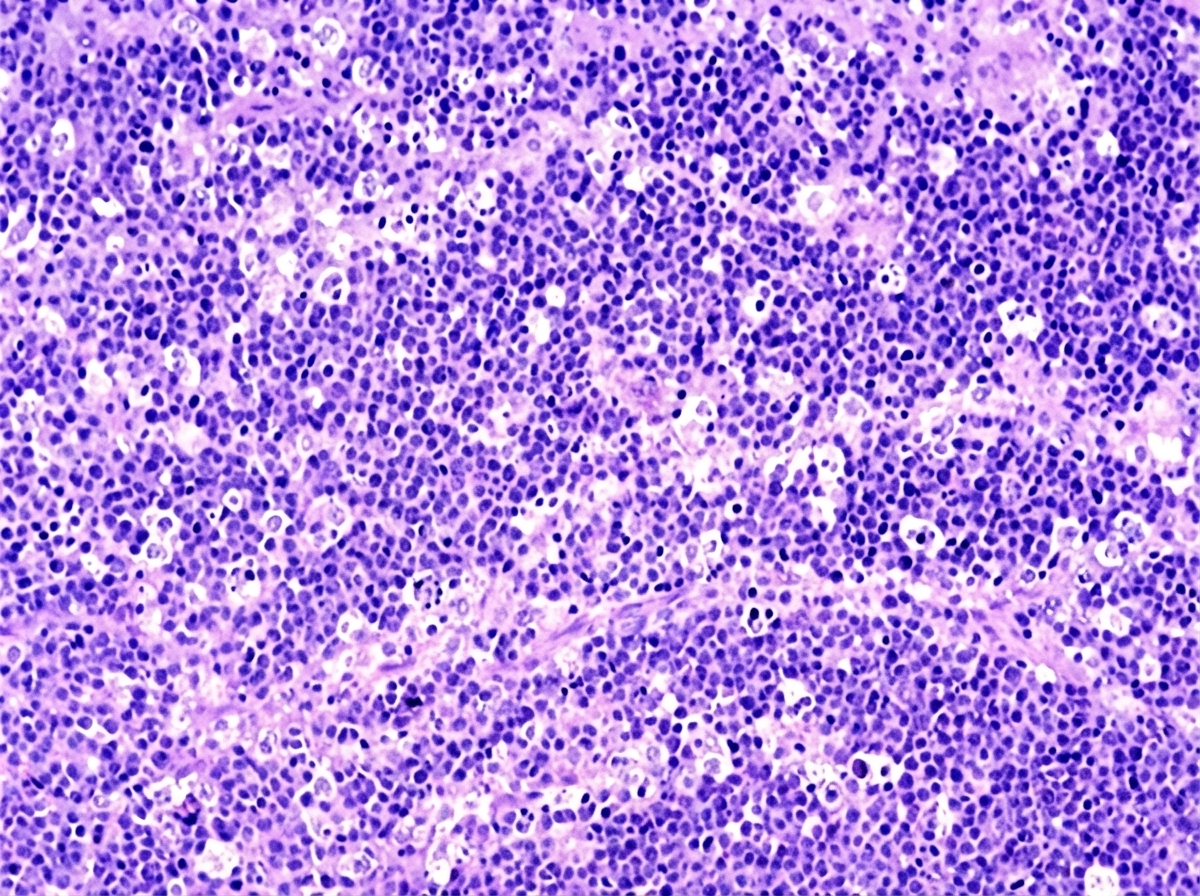
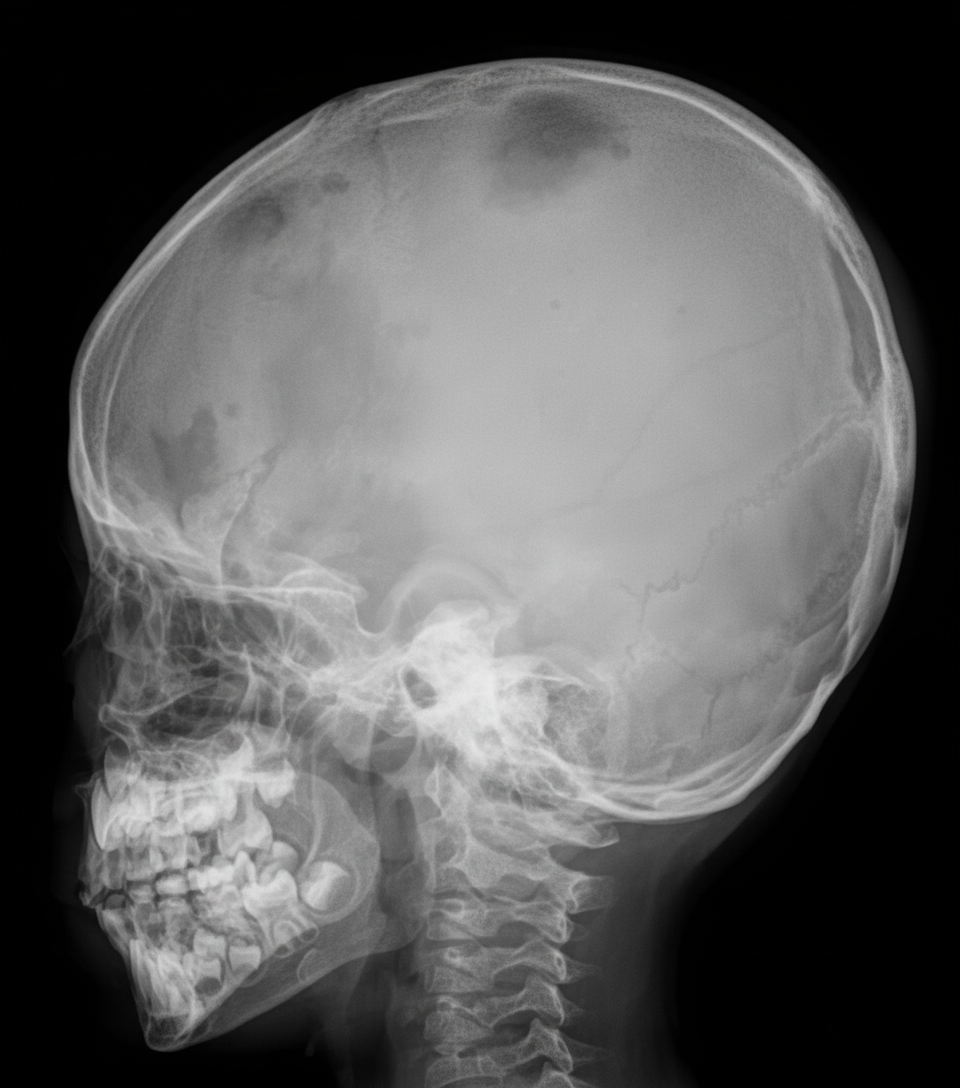
Which of the following is NOT true of Hodgkin's lymphoma?
Which CD marker is expressed by human stem cells?
Neoplastic cells in Franklin disease express which of the following markers?
Paroxysmal nocturnal hemoglobinuria is due to what type of defect?
In alloimmune thrombocytopenia, against which Human Platelet Antigen (HPA) is the antibody typically found?
What is the most common cause of myelophthisic anemia?
Non-specific esterase is present in which of the following conditions?
Fibrin degradation products help in the detection of which condition?
Flame cells are seen in which condition?
A 55-year-old man newly diagnosed with leukemia undergoes genetic studies that reveal a t(9;22) translocation (the Philadelphia chromosome). Which of the following would a complete blood count most likely show?
Explanation: **Explanation:** The correct answer is **D. Osteolytic metastasis**. In Hodgkin’s Lymphoma (HL), bone involvement is relatively uncommon compared to other malignancies. When it does occur, it typically presents as **osteoblastic (sclerotic) lesions**, famously known as the **"Ivory Vertebra"** sign on X-ray. Osteolytic lesions are more characteristic of Multiple Myeloma or certain Non-Hodgkin Lymphomas (NHL). **Analysis of other options:** * **A. Bimodal age pattern:** This is a classic feature of HL. The first peak occurs in young adults (15–35 years), and the second peak occurs in the elderly (>50 years) [1]. * **B. Less common in females:** HL shows a distinct male preponderance (M:F ratio approx. 1.5:1), except for the **Nodular Sclerosis** subtype, which is more common in females [3]. * **C. Contiguous spread:** Unlike NHL, which spreads hematogenously and unpredictably, HL typically spreads in an orderly, predictable fashion to **anatomically contiguous** lymph node chains (e.g., from cervical to mediastinal nodes) [1], [2]. **High-Yield NEET-PG Pearls:** * **Reed-Sternberg (RS) Cells:** The hallmark of HL [1]. They are CD15+ and CD30+ (except for the Nodular Lymphocyte Predominant type, which is CD20+ and CD45+). * **Most Common Subtype:** Nodular Sclerosis (also has the best prognosis in many series) [3]. * **Best Prognosis:** Lymphocyte Rich. * **Worst Prognosis:** Lymphocyte Depleted (associated with HIV/EBV). * **EBV Association:** Most strongly linked with the Mixed Cellularity subtype [4]. **References:** [1] Kumar V, Abbas AK, et al.. Robbins and Cotran Pathologic Basis of Disease. 9th ed. Diseases of White Blood Cells, Lymph Nodes, Spleen, and Thymus, pp. 614-616. [2] Cross SS. Underwood's Pathology: A Clinical Approach. 6th ed. Common Clinical Problems From Diseases Of The Urinary And Male Genital Tracts, pp. 557-558. [3] Cross SS. Underwood's Pathology: A Clinical Approach. 6th ed. Common Clinical Problems From Diseases Of The Urinary And Male Genital Tracts, pp. 558-559. [4] Kumar V, Abbas AK, et al.. Robbins and Cotran Pathologic Basis of Disease. 9th ed. Diseases of White Blood Cells, Lymph Nodes, Spleen, and Thymus, pp. 616-618.
Explanation: **Explanation:** **CD34** is the hallmark surface marker for **Hematopoietic Stem Cells (HSCs)** and progenitor cells [1]. It is a transmembrane phosphoglycoprotein that mediates cell adhesion to the bone marrow extracellular matrix. As these stem cells differentiate into mature lineages, the expression of CD34 is lost; therefore, it is used clinically to identify, quantify, and isolate stem cells for peripheral blood stem cell transplantation [2]. **Analysis of Incorrect Options:** * **CD14:** This is a specific marker for the **monocyte/macrophage** lineage. It acts as a co-receptor for bacterial lipopolysaccharide (LPS). * **CD8:** This is a marker for **Cytotoxic T-cells** and a subset of Natural Killer (NK) cells. It interacts with MHC Class I molecules. * **CD10:** Also known as **CALLA** (Common Acute Lymphoblastic Leukemia Antigen), it is expressed on pre-B cells and germinal center B-cells. It is a key diagnostic marker for Childhood B-ALL and Follicular Lymphoma. **High-Yield Clinical Pearls for NEET-PG:** * **Stem Cell Harvest:** In clinical practice, a minimum dose of **$2 \times 10^6$ CD34+ cells/kg** is required for successful engraftment in a transplant recipient. * **Flow Cytometry:** CD34 is essential for diagnosing **Acute Myeloid Leukemia (AML)**, as it helps distinguish blasts from mature cells. * **Other Stem Cell Markers:** While CD34 is the most common, **CD133** is another marker used to identify primitive hematopoietic and neural stem cells. * **Negative Markers:** True HSCs are typically **CD34+** but **Lin-** (lineage negative) and **CD38-**. **References:** [1] Kumar V, Abbas AK, et al.. Robbins and Cotran Pathologic Basis of Disease. 9th ed. The Heart, pp. 588-589. [2] Cross SS. Underwood's Pathology: A Clinical Approach. 6th ed. Common Clinical Problems From Blood And Bone Marrow Disease, pp. 584-586.
Explanation: ### Explanation **Franklin Disease**, also known as **Gamma Heavy Chain Disease ($\gamma$-HCD)**, is a rare B-cell lymphoproliferative disorder characterized by the production of truncated monoclonal gamma heavy chains that lack associated light chains. **Why CD79a is correct:** The neoplastic cells in Franklin Disease are typically a mixture of lymphocytes, plasma cells, and plasmacytoid lymphocytes (lymphoplasmacytic infiltrate). Since these are cells of **B-cell lineage**, they consistently express pan-B-cell markers. **CD79a** is a highly reliable pan-B-cell marker expressed throughout B-cell differentiation, from the pre-B stage to plasma cells. Other markers often positive in this condition include CD19, CD20, and CD138. **Analysis of Incorrect Options:** * **CD5:** This is a T-cell marker also expressed in specific B-cell malignancies like Chronic Lymphocytic Leukemia (CLL) and Mantle Cell Lymphoma. It is typically **negative** in Franklin Disease. * **CD10:** Known as CALLA, this is a marker for germinal center B-cells (e.g., Follicular Lymphoma, Burkitt Lymphoma). It is usually **negative** in heavy chain diseases. * **CD55:** This is a complement regulatory protein (Decay-Accelerating Factor). While present on many cells, its clinical significance is primarily linked to **Paroxysmal Nocturnal Hemoglobinuria (PNH)**, where it is deficient. It is not a diagnostic marker for Franklin Disease. **High-Yield Clinical Pearls for NEET-PG:** * **Definition:** Franklin disease is the $\gamma$-heavy chain subtype of Heavy Chain Diseases (HCD). * **Clinical Presentation:** Often presents with lymphadenopathy, splenomegaly, and involvement of **Waldeyer’s ring** (leading to palatal edema). * **Diagnosis:** Serum protein electrophoresis shows a broad band (not always a sharp M-spike) in the beta or gamma region; diagnosis is confirmed by **immunofixation** showing gamma heavy chains without light chains. * **Key Association:** Unlike Multiple Myeloma, **Bence-Jones proteinuria is absent** because no light chains are produced.
Explanation: **Explanation:** **Paroxysmal Nocturnal Hemoglobinuria (PNH)** is a unique hematological disorder characterized by an **acquired intracorpuscular defect** [2]. 1. **Why Option A is correct:** PNH is caused by an acquired somatic mutation in the **PIGA (Phosphatidylinositol Glycan class A) gene** within a hematopoietic stem cell [2]. This mutation leads to a deficiency of **GPI (Glycosylphosphatidylinositol) anchors**, which are necessary to attach protective proteins like **CD55 (DAF)** and **CD59 (MIRL)** to the red cell membrane. Without these proteins, RBCs become hypersensitive to complement-mediated lysis, leading to intravascular hemolysis [1]. 2. **Why other options are incorrect:** * **Option B:** Although it is a red cell defect, PNH is **not inherited** (congenital); it is acquired during an individual's lifetime [2]. * **Option C:** PNH is not autoimmune; hemolysis is caused by an innate complement system defect, not by autoantibodies (Coombs test is negative). * **Option D:** Lead poisoning causes acquired sideroblastic anemia and inhibits enzymes like ALA dehydratase, but it does not involve GPI-anchor defects. **High-Yield Clinical Pearls for NEET-PG:** * **Triad:** Hemolytic anemia, Pancytopenia, and Venous thrombosis (often in unusual sites like the Budd-Chiari syndrome) [1]. * **Gold Standard Diagnosis:** **Flow Cytometry** (shows absence of CD55 and CD59) [1]. * **Ham’s Test & Sucrose Lysis Test:** Historical tests (now largely replaced by flow cytometry). * **Treatment:** **Eculizumab** (a monoclonal antibody against Complement C5). * **Association:** PNH often arises in the setting of **Aplastic Anemia**. **References:** [1] Kumar V, Abbas AK, et al.. Robbins and Cotran Pathologic Basis of Disease. 9th ed. Red Blood Cell and Bleeding Disorders, pp. 650-651. [2] Cross SS. Underwood's Pathology: A Clinical Approach. 6th ed. Common Clinical Problems From Blood And Bone Marrow Disease, pp. 601-602.
Explanation: **Fetal and Neonatal Alloimmune Thrombocytopenia (FNAIT)** is the platelet equivalent of Hemolytic Disease of the Newborn (Rh incompatibility). It occurs when a mother lacks a specific platelet antigen that the fetus has inherited from the father. The mother develops IgG antibodies against these fetal antigens, which cross the placenta and cause fetal platelet destruction. **Why HPA-1a is the correct answer:** The most common and clinically significant target in Caucasians (accounting for approximately **80-90% of cases**) is the **HPA-1a** antigen (also known as $Zw^a$ or $Pl^{A1}$). This antigen is located on **Glycoprotein IIIa** (part of the GPIIb/IIIa complex). Typically, an HPA-1a negative mother (genotype 1b/1b) becomes sensitized to the HPA-1a antigen on fetal platelets. **Analysis of Incorrect Options:** * **HPA-1b:** This is the allelic variant of HPA-1a. While antibodies against 1b can occur, they are significantly rarer than 1a. * **HPA-2a and 2b:** These antigens are located on **Glycoprotein Ib**. While they can occasionally be involved in alloimmunization, they are far less frequent causes of FNAIT compared to the HPA-1 system. (Note: In certain Asian populations, HPA-4 antibodies are more prevalent than in Western populations, but HPA-1a remains the classic "textbook" answer for exams). **High-Yield Clinical Pearls for NEET-PG:** * **Target:** HPA-1a is located on **GPIIIa**. * **Difference from Rh Disease:** Unlike Rh incompatibility, FNAIT can occur during the **first pregnancy** (in ~50% of cases). * **Clinical Presentation:** Severe thrombocytopenia and a high risk of **intracranial hemorrhage (ICH)** in the fetus or neonate [1]. * **Treatment:** IVIG (Intravenous Immunoglobulin) administered to the mother during pregnancy or transfusion of HPA-matched (HPA-1a negative) platelets to the neonate. **References:** [1] Kumar V, Abbas AK, et al.. Robbins and Cotran Pathologic Basis of Disease. 9th ed. Red Blood Cell and Bleeding Disorders, pp. 665-667.
Explanation: **Explanation:** **Myelophthisic anemia** (or myelophthisis) refers to bone marrow failure resulting from the infiltration and replacement of normal hematopoietic tissue by non-hematopoietic cells or abnormal tissue. **Why Option D is Correct:** The most common cause of myelophthisic anemia is **metastatic solid tumors** (secondaries). Carcinomas originating from the **breast, lung, prostate, and stomach** are the most frequent culprits. These malignant cells physically crowd out the marrow and induce fibrosis, disrupting the marrow-blood barrier [1]. This leads to the classic **leukoerythroblastic blood picture**, characterized by the presence of immature red cells (nucleated RBCs) and immature white cells (metamyelocytes/myelocytes) in the peripheral smear [1][2], along with **teardrop-shaped RBCs (dacrocytes)** [2]. **Analysis of Incorrect Options:** * **A, B, and C (Multiple Myeloma, NHL, and Leukemia):** While these hematological malignancies involve the bone marrow and can cause anemia through marrow replacement, they are statistically less common causes of a true "myelophthisic" clinical presentation compared to the high incidence of metastatic solid tumors. In these conditions, anemia is often multifactorial (e.g., cytokine-mediated or due to direct marrow involvement), whereas "myelophthisis" specifically emphasizes the "wasting away" of marrow by space-occupying lesions. **NEET-PG High-Yield Pearls:** * **Classic Peripheral Smear:** Leukoerythroblastic picture + Dacrocytes (Teardrop cells) [2]. * **Most Common Primary Source:** Breast cancer is frequently cited as the most common primary tumor leading to myelophthisis. * **Non-Neoplastic Causes:** Granulomatous diseases (e.g., Sarcoidosis, Tuberculosis) and Myelofibrosis can also cause a myelophthisic pattern [1][3]. * **Diagnostic Gold Standard:** Bone marrow biopsy (often shows a "dry tap" on aspiration due to underlying fibrosis). **References:** [1] Kumar V, Abbas AK, et al.. Robbins and Cotran Pathologic Basis of Disease. 9th ed. The Heart, pp. 589-590. [2] Kumar V, Abbas AK, et al.. Robbins and Cotran Pathologic Basis of Disease. 9th ed. Diseases of White Blood Cells, Lymph Nodes, Spleen, and Thymus, pp. 628-629. [3] Cross SS. Underwood's Pathology: A Clinical Approach. 6th ed. Common Clinical Problems From Blood And Bone Marrow Disease, pp. 615-616.
Explanation: **Explanation:** The correct answer is **Acute Myeloid Leukemia (AML)**, specifically the monocytic subtypes (AML-M4 and M5) [1]. **1. Why the Correct Answer is Right:** Non-specific esterase (NSE), such as alpha-naphthyl acetate esterase, is a cytochemical stain used to identify cells of **monocytic lineage** [1]. In the FAB classification of AML, **AML-M4 (Acute Myelomonocytic Leukemia)** and **AML-M5 (Acute Monocytic Leukemia)** show strong positivity for NSE [1]. The enzyme helps differentiate these monocytic blasts from myeloblasts (which are typically NSE negative but Myeloperoxidase positive). A key diagnostic feature is that NSE activity in monocytes is **inhibited by Sodium Fluoride (NaF)**. **2. Why Incorrect Options are Wrong:** * **Megakaryocytic leukemia (AML-M7):** These cells are typically negative for NSE but may show positivity for Acid Phosphatase or specific markers like Platelet Peroxidase (PPO) and CD41/CD61. * **Lymphocytic leukemia (ALL):** Lymphoblasts are characteristically NSE negative. They are typically identified by Periodic Acid-Schiff (PAS) positivity in a "block-like" pattern and TdT expression. * **Erythroleukemia (AML-M6):** Erythroblasts are generally NSE negative but show strong, globular PAS positivity. **3. High-Yield Clinical Pearls for NEET-PG:** * **MPO (Myeloperoxidase):** Most sensitive stain for myeloid differentiation (Positive in M1, M2, M3, M4). * **Sudan Black B (SBB):** Stains phospholipids; mimics MPO but can be used on older smears. * **NSE (Non-specific Esterase):** Marker for **Monocytes** (M4, M5) [1]. * **Specific Esterase (Chloroacetate Esterase):** Marker for **Granulocytes** (Neutrophils). * **PAS (Periodic Acid-Schiff):** Positive in ALL (block-like) and AML-M6 (diffuse/globular). **References:** [1] Kumar V, Abbas AK, et al.. Robbins and Cotran Pathologic Basis of Disease. 9th ed. Diseases of White Blood Cells, Lymph Nodes, Spleen, and Thymus, pp. 620-622.
Explanation: ### Explanation **Correct Answer: B. Disseminated Intravascular Coagulation (DIC)** **Mechanism:** Disseminated Intravascular Coagulation (DIC) is characterized by systemic activation of the coagulation cascade, leading to widespread microthrombi formation. This massive consumption of clotting factors is followed by **secondary fibrinolysis**. Plasmin cleaves both fibrinogen and cross-linked fibrin, resulting in the release of **Fibrin Degradation Products (FDPs)** and **D-dimers** into the circulation [1]. Therefore, elevated FDPs are a hallmark laboratory finding used to diagnose DIC [2]. **Why other options are incorrect:** * **Hemophilia (A):** This is a qualitative or quantitative deficiency of clotting factors (Factor VIII or IX). It affects the intrinsic pathway of coagulation, not the fibrinolytic system. * **Thrombocytopenic Purpura (C):** Conditions like ITP or TTP involve low platelet counts or microangiopathic hemolysis [2]. While TTP involves thrombi, the primary diagnostic markers are schistocytes and ADAMTS13 levels, not FDPs. * **Thrombasthenia (D):** Glanzmann Thrombasthenia is a qualitative platelet disorder (deficiency of GpIIb/IIIa). It affects platelet aggregation, not the formation or breakdown of fibrin. **High-Yield Clinical Pearls for NEET-PG:** * **D-Dimer vs. FDP:** While FDPs indicate the breakdown of both fibrinogen and fibrin, **D-dimers** are specific for the breakdown of *cross-linked* fibrin, making them a more specific marker for active clot lysis [3]. * **DIC Lab Profile:** Look for prolonged PT/aPTT, decreased fibrinogen, thrombocytopenia, and the presence of **Schistocytes** (fragmented RBCs) on peripheral smear [2]. * **Common Triggers:** Sepsis (most common), Obstetric complications (Abruptio placentae), and Malignancy (APML - M3 subtype). **References:** [1] Cross SS. Underwood's Pathology: A Clinical Approach. 6th ed. (Basic Pathology) introduces the student to key general principles of pathology, both as a medical science and as a clinical activity with a vital role in patient care. Part 2 (Disease Mechanisms) provides fundamental knowledge about the cellular and molecular processes involved in diseases, providing the rationale for their treatment. Part 3 (Systematic Pathology) deals in detail with specific diseases, with emphasis on the clinically important aspects., pp. 151-152. [2] Cross SS. Underwood's Pathology: A Clinical Approach. 6th ed. Common Clinical Problems From Blood And Bone Marrow Disease, pp. 625-626. [3] Kumar V, Abbas AK, et al.. Robbins and Cotran Pathologic Basis of Disease. 9th ed. Hemodynamic Disorders, Thromboembolic Disease, and Shock, pp. 130-132.
Explanation: **Explanation:** **Flame cells** are a characteristic morphological variant of plasma cells found in the bone marrow of patients with **Multiple Myeloma**, particularly those associated with **IgA** paraproteinemia. 1. **Why Multiple Myeloma is correct:** Flame cells are plasma cells that exhibit a striking, fiery red-to-pink cytoplasm. This appearance is due to the extensive accumulation of glycoprotein (specifically IgA) within the cisternae of the endoplasmic reticulum [3]. The "flaming" effect is most prominent at the periphery of the cell. While not pathognomonic, their presence is a classic high-yield association with IgA Myeloma [2]. 2. **Why other options are incorrect:** * **Malignant melanoma:** Characterized by atypical melanocytes containing melanin pigment (brown-black) and prominent "cherry-red" nucleoli, but not flame cells. * **Nodular colloid goiter:** Features enlarged follicles filled with eosinophilic colloid and flattened follicular epithelium; it lacks plasma cell abnormalities. * **Hashimoto thyroiditis:** While this condition features an infiltrate of plasma cells and lymphocytes, the hallmark cells are **Hürthle cells** (Askanazy cells)—large epithelial cells with granular, eosinophilic cytoplasm due to abundant mitochondria. **High-Yield Clinical Pearls for NEET-PG:** * **Mott Cells / Grape Cells:** Plasma cells with multiple rounded, proteinaceous cytoplasmic inclusions (Russell bodies). * **Russell Bodies:** Cytoplasmic inclusions of immunoglobulins. * **Dutcher Bodies:** Periodic Acid-Schiff (PAS) positive intranuclear inclusions of immunoglobulins (commonly seen in Waldenström Macroglobulinemia) [1]. * **CRAB Criteria for Myeloma:** **C**alcium elevation, **R**enal insufficiency, **A**nemia, and **B**one lesions. **References:** [1] Kumar V, Abbas AK, et al.. Robbins and Cotran Pathologic Basis of Disease. 9th ed. Diseases of White Blood Cells, Lymph Nodes, Spleen, and Thymus, pp. 606-607. [2] Cross SS. Underwood's Pathology: A Clinical Approach. 6th ed. Common Clinical Problems From Blood And Bone Marrow Disease, pp. 616-617. [3] Cross SS. Underwood's Pathology: A Clinical Approach. 6th ed. Common Clinical Problems From Blood And Bone Marrow Disease, pp. 618-619.
Explanation: **Explanation:** The presence of the **t(9;22) translocation**, known as the **Philadelphia chromosome (Ph+)**, is the hallmark of **Chronic Myeloid Leukemia (CML)** [1]. This translocation results in the *BCR-ABL1* fusion gene, which encodes a constitutively active tyrosine kinase [4]. This leads to the uncontrolled proliferation of the myeloid lineage, specifically the mature and maturing granulocytes. 1. **Why Option B is Correct:** In the chronic phase of CML (the most common presentation), the hallmark is a massive leukocytosis with a "left shift." This is characterized by an **increased neutrophil count** along with a full spectrum of myeloid cells (myelocytes, metamyelocytes, and band forms). A characteristic finding is the "myelocyte bulge" [3] and a significant increase in **basophils** and **eosinophils**. Platelets are also usually increased, sometimes markedly [2]. 2. **Why Options C and D are Incorrect:** Numerous blasts (>20%) are indicative of **Acute Leukemia** (ALL or AML). While t(9;22) can be seen in B-ALL (Option C) or CML in blast crisis (Option D), the most common and classic association for a "newly diagnosed" patient with this translocation is the chronic phase of CML, where blasts are typically <5-10%. 3. **Why Option A is Incorrect:** CML involves the myeloid line, not the lymphoid line. An increased lymphocyte count is characteristic of Chronic Lymphocytic Leukemia (CLL). **High-Yield Clinical Pearls for NEET-PG:** * **Leukocyte Alkaline Phosphatase (LAP) Score:** Characteristically **decreased** in CML (helps differentiate it from a Leukemoid Reaction, where LAP is high). * **Cytogenetics:** t(9;22) involves the *ABL* gene on chromosome 9 and the *BCR* gene on chromosome 22. * **Treatment:** Imatinib (a Tyrosine Kinase Inhibitor) is the first-line therapy [3]. * **Classic Sign:** Splenomegaly is the most common physical finding in CML [2], [3]. **References:** [1] Cross SS. Underwood's Pathology: A Clinical Approach. 6th ed. (Basic Pathology) introduces the student to key general principles of pathology, both as a medical science and as a clinical activity with a vital role in patient care. Part 2 (Disease Mechanisms) provides fundamental knowledge about the cellular and molecular processes involved in diseases, providing the rationale for their treatment. Part 3 (Systematic Pathology) deals in detail with specific diseases, with emphasis on the clinically important aspects., pp. 225-226. [2] Kumar V, Abbas AK, et al.. Robbins and Cotran Pathologic Basis of Disease. 9th ed. Diseases of White Blood Cells, Lymph Nodes, Spleen, and Thymus, pp. 625-626. [3] Cross SS. Underwood's Pathology: A Clinical Approach. 6th ed. Common Clinical Problems From Blood And Bone Marrow Disease, pp. 611-612. [4] Kumar V, Abbas AK, et al.. Robbins and Cotran Pathologic Basis of Disease. 9th ed. Diseases of White Blood Cells, Lymph Nodes, Spleen, and Thymus, p. 624.
Anemias: Classification and Approach
Practice Questions
Hemolytic Anemias
Practice Questions
Myeloproliferative Neoplasms
Practice Questions
Myelodysplastic Syndromes
Practice Questions
Acute Leukemias
Practice Questions
Chronic Leukemias
Practice Questions
Lymphomas and Lymphoid Neoplasms
Practice Questions
Plasma Cell Disorders
Practice Questions
Bleeding Disorders
Practice Questions
Thrombotic Disorders
Practice Questions
Get full access to all questions, explanations, and performance tracking.
Start For Free