At what temperature is blood stored?
Which of the following is NOT a feature of β thalassemia major?
All of the following are typically seen in Thalassemia major except:
Which of the following is NOT an autosomal recessive coagulopathy?
A 59-year-old male presents with multiple neck swellings, fever, and weight loss for 6 months. He has a history of hypertension managed with medication. General examination reveals painless lymphadenopathy in the neck, and blood investigations show anemia. Lymph node biopsy reveals cells with a delicate multilobed, 'popped corn' nucleus. Which variant of lymphoma is this?
What is the most severe form of hereditary spherocytosis caused by the mutation of?
A patient with hemophilia A has a bleeding disorder due to which of the following reasons?
An infant presents with mild anemia, jaundice, and splenomegaly. A complete blood count with differential reveals spherocytosis, and the reticulocyte count is elevated. The parents state that several relatives have also suffered from a similar illness. The infant's condition is most likely caused by a defect in which of the following?
The quantity of globin chain synthesis is reduced in which of the following conditions?
The most suitable test to assess iron stores is?
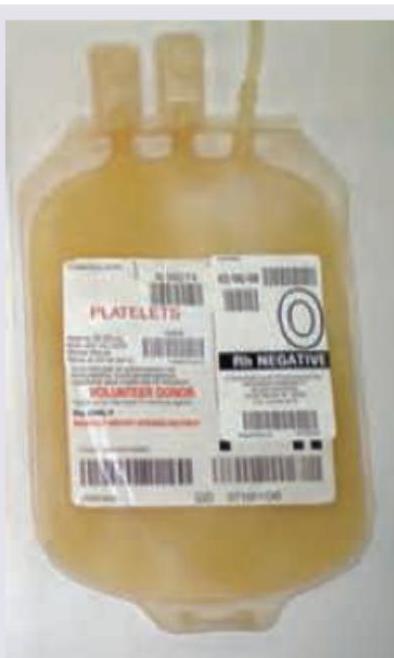
Explanation: **Explanation:** The standard storage temperature for **Whole Blood** and **Packed Red Blood Cells (PRBCs)** is **2°C to 6°C**, with **4°C** being the ideal target temperature. **Why 4°C is the Correct Answer:** 1. **Metabolic Rate:** Lowering the temperature to 4°C significantly reduces the glycolytic rate of erythrocytes. This preserves ATP and 2,3-DPG levels, ensuring the cells remain viability and capable of oxygen transport upon transfusion. [1] 2. **Bacterial Inhibition:** This temperature range is critical to inhibit the growth of most contaminating bacteria (cryophilic organisms like *Yersinia enterocolitica* are a rare exception). 3. **Prevention of Hemolysis:** Storing blood above 0°C prevents the formation of ice crystals, which would otherwise rupture the red cell membranes, leading to immediate hemolysis. **Analysis of Incorrect Options:** * **A. -4°C:** Freezing blood without specialized cryoprotectants (like glycerol) causes intracellular ice formation and irreversible cell lysis. * **C & D. 6°C and 8°C:** While 6°C is the upper legal limit for storage, 4°C is the clinical standard. Temperatures reaching 8°C or higher significantly increase the risk of bacterial proliferation and accelerate the "storage lesion" (metabolic degradation of RBCs). **High-Yield Clinical Pearls for NEET-PG:** * **Shelf Life:** Blood stored in **CPDA-1** (Citrate Phosphate Dextrose Adenine) has a shelf life of **35 days**, while additive solutions like **SAGM** extend it to **42 days**. * **Platelet Storage:** Unlike RBCs, platelets must be stored at **20°C to 24°C** (room temperature) with continuous agitation to maintain function. * **Fresh Frozen Plasma (FFP):** Stored at **-18°C or colder** for up to one year. * **The "Storage Lesion":** During storage at 4°C, there is a decrease in pH, 2,3-DPG, and Sodium, and a significant **increase in extracellular Potassium** (important in neonatal or massive transfusions). [1] **References:** [1] Cross SS. Underwood's Pathology: A Clinical Approach. 6th ed. Common Clinical Problems From Blood And Bone Marrow Disease, pp. 627-628.
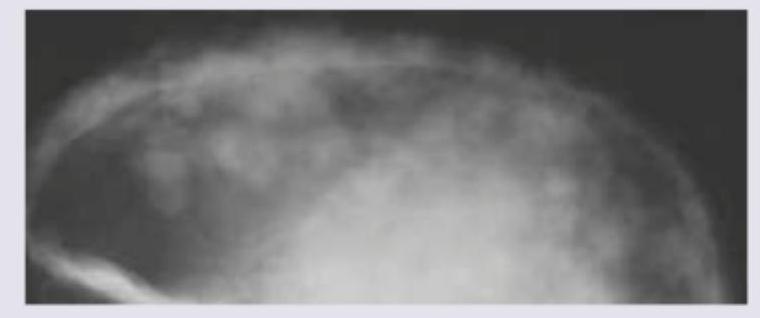
Explanation: In **$eta$-thalassemia major**, there is a total or near-total absence of $eta$-globin chain synthesis, leading to an excess of unpaired $\alpha$-chains [1]. These $\alpha$-chains precipitate, causing ineffective erythropoiesis and extravascular hemolysis [1]. ### Why "Increased Osmotic Fragility" is the Correct Answer: In $\beta$-thalassemia major, the red blood cells are **hypochromic and microcytic** with a high surface-area-to-volume ratio (often manifesting as **target cells**). Because these cells are "empty" or flattened, they can withstand significantly more fluid influx before bursting compared to normal RBCs. Therefore, $\beta$-thalassemia major is characterized by **decreased osmotic fragility**. *Note: Increased osmotic fragility is a hallmark of Hereditary Spherocytosis.* ### Explanation of Incorrect Options: * **Bone marrow hyperplasia (A):** Severe anemia triggers massive erythropoietin release, leading to compensatory erythroid hyperplasia [2]. The marrow expands into the cortical bone. * **Hair–on–end appearance (B):** This is a classic radiological finding on a skull X-ray caused by the extreme expansion of the marrow space (widening of the diploic space) and reactive new bone formation [2]. * **Splenomegaly (C):** This occurs due to chronic extravascular hemolysis (sequestration of damaged RBCs) and extramedullary hematopoiesis [2]. ### High-Yield Clinical Pearls for NEET-PG: * **Peripheral Smear:** Microcytic hypochromic anemia, target cells, and nucleated RBCs (normoblasts). * **Hb Electrophoresis:** Absence or marked decrease in HbA ($ \alpha_2\beta_2$), with compensatory increases in **HbF** ($ \alpha_2\gamma_2$) and **HbA2** ($ \alpha_2\delta_2$) [1]. * **Complication:** Secondary hemochromatosis (iron overload) due to repeated transfusions is a major cause of mortality (cardiac failure) [2]. * **Mentzer Index:** (MCV/RBC count) < 13 suggests Thalassemia; > 13 suggests Iron Deficiency Anemia. **References:** [1] Kumar V, Abbas AK, et al.. Robbins and Cotran Pathologic Basis of Disease. 9th ed. Red Blood Cell and Bleeding Disorders, p. 648. [2] Kumar V, Abbas AK, et al.. Robbins and Cotran Pathologic Basis of Disease. 9th ed. Red Blood Cell and Bleeding Disorders, pp. 648-649.
Explanation: **Explanation:** **1. Why Macrocytic Anemia is the Correct Answer:** Thalassemia major is a quantitative defect in globin chain synthesis (specifically $̢̢̢̢̢̢̢̢̢̢̢̢̢̢̢̢̢̢̢̢̢̢̢̢̢̢̢̢̢̢̢̢̢̢̢̢̢̢̢̢̢̢̢̢̢̢̢̢̢̢̢̢̢̢̢̢̢̢̢̢̢̢̢̢̢̢̢̢̢̢̢̢̢̢̢̢̢̢̢̢̢̢̢̢̢̢̢̢̢̢̢̢̢̢̢̢̢̢̢̢̢̢̢̢̢̢̢̢̢̢̢̢̢̢̢̢̢̢̢̢̢̢̢̢̢̢̢̢̢̢̢̢̢̢̢̢̢̢̢̢̢̢̢̢̢̢̢̢̢̢̢̢̢̢̢̢̢̢̢̢̢̢̢̢̢̢̢̢̢̢̢̢̢̢̢̢̢̢̢̢̢̢̢̢̢̢̢̢̢̢̢̢̢̢̢̢̢̢̢̢̢̢̢̢̢̢̢̢̢̢̢̢̢̢̢̢̢̢̢̢̢̢̢̢̢̢̢̢̢̢̢̢̢̢̢̢̢̢̢̢̢̢̢̢̢̢̢̢̢̢̢̢̢̢̢̢̢̢̢̢̢̢̢̢̢̢̢̢̢̢̢̢̢̢̢̢̢̢̢̢̢̢̢̢̢̢̢̢̢̢̢̢̢̢̢̢̢̢̢̢̢̢̢̢̢̢̢̢̢̢̢̢̢̢̢̢̢̢̢̢̢̢̢̢̢̢̢̢̢̢̢̢̢̢̢̢̢̢̢̢̢̢̢̢̢̢̢̢̢̢̢̢̢̢̢̢̢̢̢̢̢̢̢̢̢̢̢̢̢̢̢̢̢̢̢̢̢̢̢̢̢̢̢̢̢̢̢̢̢̢̢̢̢̢̢̢̢̢̢̢̢̢̢̢̢̢̢̢̢̢̢̢̢̢̢̢̢̢̢̢̢̢̢̢̢̢̢̢̢̢̢̢̢̢̢̢̢̢̢̢̢̢̢̢̢̢̢̢̢̢̢̢̢̢̢̢̢̢̢̢̢̢̢̢̢̢̢̢̢̢̢̢̢̢̢̢̢̢̢̢̢̢̢̢̢̢̢̢̢̢̢̢̢̢̢̢̢̢̢̢̢̢̢̢̢̢̢̢̢̢̢̢̢̢̢̢̢̢̢̢̢̢̢̢̢̢̢̢̢̢̢̢̢̢̢̢̢̢̢̢̢̢̢̢̢̢̢̢̢̢̢̢̢̢̢̢̢̢̢̢̢̢̢̢̢̢̢̢̢̢̢̢̢̢̢̢̢̢̢̢̢̢̢̢̢̢̢̢̢̢̢̢̢̢̢̢̢̢̢̢̢̢̢̢̢̢̢̢̢̢̢̢̢̢̢̢̢̢̢̢̢̢̢̢̢̢̢̢̢̢̢̢̢̢̢̢̢̢̢̢̢̢̢̢̢̢̢̢̢̢̢̢̢̢̢̢̢̢̢̢̢̢̢̢̢̢̢̢̢̢̢̢̢̢̢̢̢̢̢̢̢̢̢̢̢̢̢̢̢̢̢̢̢̢̢̢̢̢̢̢̢̢̢̢̢̢̢̢̢̢̢̢̢̢̢̢̢̢̢̢̢̢̢̢̢̢̢̢̢̢̢̢̢̢̢̢̢̢̢̢̢̢̢̢̢̢̢̢̢̢̢̢̢̢̢̢̢̢̢̢̢̢̢̢̢̢̢̢̢̢̢̢̢̢̢̢̢̢̢̢̢̢̢̢̢̢̢̢̢̢̢̢̢̢̢̢̢̢̢̢̢̢̢̢̢̢̢̢̢̢̢̢̢̢̢̢̢̢̢̢̢̢̢̢̢̢̢̢̢̢̢̢̢̢̢̢̢̢̢̢̢̢̢̢̢̢̢̢̢̢̢̢̢̢̢̢̢̢̢̢̢̢̢̢̢̢̢̢̢̢̢̢̢̢̢̢̢̢̢̢̢̢̢̢̢̢̢̢̢̢̢̢̢̢̢̢̢̢̢̢̢̢̢̢̢̢̢̢̢̢̢̢̢̢̢̢̢̢̢̢̢̢̢̢̢̢̢̢̢̢̢̢̢̢̢̢̢̢̢̢̢̢̢̢̢̢̢̢̢̢̢̢̢̢̢̢̢̢̢̢̢̢̢̢̢̢̢̢̢̢̢̢̢̢̢̢̢̢̢̢̢̢̢̢̢̢̢̢̢̢̢̢̢̢̢̢̢̢̢̢̢̢̢̢̢̢̢̢̢̢̢̢̢̢̢̢̢̢̢̢̢̢̢̢̢̢̢̢̢̢̢̢̢̢̢̢̢̢̢̢̢̢̢̢̢̢̢̢̢̢̢̢̢̢̢̢̢̢̢̢̢̢̢̢̢̢̢̢̢̢̢̢̢̢̢̢̢̢̢̢̢̢̢̢̢̢̢̢̢̢̢̢̢̢̢̢̢̢̢̢̢̢̢̢̢̢̢̢̢̢̢̢̢̢̢̢̢̢̢̢̢̢̢̢̢̢̢̢̢̢̢̢̢̢̢̢̢̢̢̢̢̢̢̢̢̢̢̢̢̢̢̢̢̢̢̢̢̢̢̢̢̢̢̢̢̢̢̢̢̢̢̢̢̢̢̢̢̢̢̢̢̢̢̢̢̢̢̢̢̢̢̢̢̢̢̢̢̢̢̢̢̢̢̢̢̢̢̢̢̢̢̢̢̢̢̢̢̢̢̢̢̢̢̢̢̢̢̢̢̢̢̢̢̢̢̢̢̢̢̢̢̢̢̢̢̢̢̢̢̢̢̢̢̢̢̢̢̢̢̢̢̢̢̢̢̢̢̢̢̢̢̢̢̢̢̢̢̢̢̢̢̢̢̢̢̢̢̢̢̢̢̢̢̢̢̢̢̢̢̢̢̢̢̢̢̢̢̢̢̢̢̢̢̢̢̢̢̢̢̢̢̢̢̢̢̢̢̢̢̢̢̢̢̢̢̢̢̢̢̢̢̢̢̢̢̢̢̢̢̢̢̢̢̢̢̢̢̢̢̢̢̢̢̢̢̢̢̢̢̢̢̢̢̢̢̢̢̢̢̢̢̢̢̢̢̢̢̢̢̢̢̢̢̢̢̢̢̢̢̢̢̢̢̢̢̢̢̢̢̢̢̢̢̢̢̢̢̢̢̢̢̢̢̢̢̢̢̢̢̢̢̢̢̢̢̢̢̢̢̢̢̢̢̢̢̢̢̢̢̢̢̢̢̢̢̢̢̢̢̢̢̢̢̢̢̢̢̢̢̢̢̢̢̢̢̢̢̢̢̢̢̢̢̢̢̢̢̢̢̢̢̢̢̢̢̢̢̢̢̢̢̢̢̢̢̢̢̢̢̢̢̢̢̢̢̢̢̢̢̢̢̢̢̢̢̢̢̢̢̢̢̢̢̢̢̢̢̢̢̢̢̢̢̢̢̢̢̢̢̢̢̢̢̢̢̢̢̢̢̢̢̢̢̢̢̢̢̢̢̢̢̢̢̢̢̢̢̢̢̢̢̢̢̢̢̢̢̢̢̢̢̢̢̢̢̢̢̢̢̢̢̢̢̢̢̢̢̢̢̢̢̢̢̢̢̢̢̢̢̢̢̢̢̢̢̢̢̢̢̢̢̢̢̢̢̢̢̢̢̢̢̢̢̢̢̢̢̢̢̢̢̢̢̢̢̢̢̢̢̢̢̢̢̢̢̢̢̢̢̢̢̢̢̢̢̢̢̢̢̢̢̢̢̢̢̢̢̢̢̢̢̢̢̢̢̢̢̢̢̢̢̢̢̢̢̢̢̢̢̢̢̢̢̢̢̢̢̢̢̢̢̢̢̢̢̢̢̢̢̢̢̢̢̢̢̢̢̢̢̢̢̢̢̢̢̢̢̢̢̢̢̢̢̢̢̢̢̢̢̢̢̢̢̢̢̢̢̢̢̢̢̢̢̢̢̢̢̢̢̢̢̢̢̢̢̢̢̢̢̢̢̢̢̢̢̢̢̢̢̢̢̢̢̢̢̢̢̢̢̢̢̢̢̢̢̢̢̢̢̢̢̢̢̢̢̢̢̢̢̢̢̢̢̢̢̢̢̢̢̢̢̢̢̢̢̢̢̢̢̢̢̢̢̢̢̢̢̢̢̢̢̢̢̢̢̢̢̢̢̢̢̢̢̢̢̢̢̢̢̢̢̢̢̢̢̢̢̢̢̢̢̢̢̢̢̢̢̢̢̢̢̢̢̢̢̢̢̢̢̢̢̢̢̢̢̢̢̢̢̢̢̢̢̢̢̢̢̢̢̢̢̢̢̢̢̢̢̢̢̢̢̢̢̢̢̢̢̢̢̢̢̢̢̢̢̢̢̢̢̢̢̢̢̢̢̢̢̢̢̢̢̢̢̢̢̢̢̢̢̢̢̢̢̢̢̢̢̢̢̢̢̢̢̢̢̢̢̢̢̢̢̢̢̢̢̢̢̢̢̢̢̢̢̢̢̢̢̢̢̢̢̢̢̢̢̢̢̢̢̢̢̢̢̢̢̢̢̢̢̢̢̢̢̢̢̢̢̢̢̢̢̢̢̢̢̢̢̢̢̢̢̢̢̢̢̢̢̢̢̢̢̢̢̢̢̢̢̢̢̢̢̢̢̢̢̢̢̢̢̢̢̢̢̢̢̢̢̢̢̢̢̢̢̢̢̢̢̢̢̢̢̢̢̢̢̢̢̢̢̢̢̢̢̢̢̢̢̢̢̢̢̢̢̢̢̢̢̢̢̢̢̢̢̢̢̢̢̢̢̢̢̢̢̢̢̢̢̢̢̢̢̢̢̢̢̢̢̢̢̢̢̢̢̢̢̢̢̢̢̢̢̢̢̢̢̢̢̢̢̢̢̢̢̢̢̢̢̢̢̢̢̢̢̢̢̢̢̢̢̢̢̢̢̢̢̢̢̢̢̢̢̢̢̢̢̢̢̢̢̢̢̢̢̢̢̢̢̢̢̢̢̢̢̢̢̢̢̢̢̢̢̢̢̢̢̢̢̢̢̢̢̢̢̢̢̢̢̢̢̢̢̢̢̢̢̢̢̢̢̢̢̢̢̢̢̢̢̢̢̢̢̢̢̢̢̢̢̢̢̢̢̢̢̢̢̢̢̢̢̢̢̢̢̢̢̢̢̢̢̢̢̢̢̢̢̢̢̢̢̢̢̢̢̢̢̢̢̢̢̢̢̢̢̢̢̢̢̢̢̢̢̢̢̢̢̢̢̢̢̢̢̢̢̢̢̢̢̢̢̢̢̢̢̢̢̢̢̢̢̢̢̢̢̢̢̢̢̢̢̢̢̢̢̢̢̢̢̢̢̢̢̢̢̢̢̢̢̢̢̢̢̢̢̢̢̢̢̢̢̢̢̢̢̢̢̢̢̢̢̢̢̢̢̢̢̢̢̢̢̢̢̢̢̢̢̢̢̢̢̢̢̢̢̢̢̢̢̢̢̢̢̢̢̢̢̢̢̢̢̢̢̢̢̢̢̢̢̢̢̢̢̢̢̢̢̢̢̢̢̢̢̢̢̢̢̢̢̢̢̢̢̢̢̢̢̢̢̢̢̢̢̢̢̢̢̢̢̢̢̢̢̢̢̢̢̢̢̢̢̢̢̢̢̢̢̢̢̢̢̢̢̢̢̢̢̢̢̢̢̢̢̢̢̢̢̢̢̢̢̢̢̢̢̢̢̢̢̢̢̢̢̢̢̢̢̢̢̢̢̢̢̢̢̢̢̢̢̢̢̢̢̢̢̢̢̢̢̢̢̢̢̢̢̢̢̢̢̢̢̢̢̢̢̢̢̢̢̢̢̢̢̢̢̢̢̢̢̢̢̢̢̢̢̢̢̢̢̢̢̢̢̢̢̢̢̢̢̢̢̢̢̢̢̢̢̢̢̢̢̢̢̢̢̢̢̢̢̢̢̢̢̢̢̢̢̢̢̢̢̢̢̢̢̢̢̢̢̢̢̢̢̢̢̢̢̢̢̢̢̢̢̢̢̢̢̢̢̢̢̢̢̢̢̢̢̢̢̢̢̢̢̢̢̢̢̢̢̢̢̢̢̢̢̢̢̢̢̢̢̢̢̢̢̢̢̢̢̢̢̢̢̢̢̢̢̢̢̢̢̢̢̢̢̢̢̢̢̢̢̢̢̢̢̢̢̢̢̢̢̢̢̢̢̢̢̢̢̢̢̢̢̢̢̢̢̢̢̢̢̢̢̢̢̢̢̢̢̢̢̢̢̢̢̢̢̢̢̢̢̢̢̢̢̢̢̢̢̢̢̢̢̢̢̢̢̢̢̢̢̢̢̢̢̢̢̢̢̢̢̢̢̢̢̢̢̢̢̢̢̢̢̢̢̢̢̢̢̢̢̢̢̢̢̢̢̢̢̢̢̢̢̢̢̢̢̢̢̢̢̢̢̢̢̢̢̢̢̢̢̢̢̢̢̢̢̢̢̢̢̢̢̢̢̢̢̢̢̢̢̢̢̢̢̢̢̢̢̢̢̢̢̢̢̢̢̢̢̢̢̢̢̢̢̢̢̢̢̢̢̢̢̢̢̢̢̢̢̢̢̢̢̢̢̢̢̢̢̢̢̢̢̢̢̢̢̢̢̢̢̢̢̢̢̢̢̢̢̢̢̢̢̢̢̢̢̢̢̢̢̢̢̢̢̢̢̢̢̢̢̢̢̢̢̢̢̢̢̢̢̢̢̢̢̢̢̢̢̢̢̢̢̢̢̢̢̢̢̢̢̢̢̢̢̢̢̢̢̢̢̢̢̢̢̢̢̢̢̢̢̢̢̢̢̢̢̢̢̢̢̢̢̢̢̢̢̢̢̢̢̢̢̢̢̢̢̢̢̢̢̢̢̢̢̢̢̢̢̢̢̢̢̢̢̢̢̢̢̢̢̢̢̢̢̢̢̢̢̢̢̢̢̢̢̢̢̢̢̢̢̢̢̢̢̢̢̢̢̢̢̢̢̢̢̢̢̢̢̢̢̢̢̢̢̢̢̢̢̢̢̢̢̢̢̢̢̢̢̢̢̢̢̢̢̢̢̢̢̢̢̢̢̢̢̢̢̢̢̢̢̢̢̢̢̢̢̢̢̢̢̢̢̢̢̢̢̢̢̢̢̢̢̢̢̢̢̢̢̢̢̢̢̢̢̢̢̢̢̢̢̢̢̢̢̢̢̢̢̢̢̢̢̢̢̢̢̢̢̢̢̢̢̢̢̢̢̢̢̢̢̢̢̢̢̢̢̢̢̢̢̢̢̢̢̢̢̢̢̢̢̢̢̢̢̢̢̢̢̢̢̢̢̢̢̢̢̢̢̢̢̢̢̢̢̢̢̢̢̢̢̢̢̢̢̢̢̢̢̢̢̢̢̢̢̢̢̢̢̢̢̢̢̢̢̢̢̢̢̢̢̢̢̢̢̢̢̢̢̢̢̢̢̢̢̢̢̢̢̢̢̢̢̢̢̢̢̢̢̢̢̢̢̢̢̢̢̢̢̢̢̢̢̢̢̢̢̢̢̢̢̢̢̢̢̢̢̢̢̢̢̢̢̢̢̢̢̢̢̢̢̢̢̢̢̢̢̢̢̢̢̢̢̢̢̢̢̢̢̢̢̢̢̢̢̢̢̢̢̢̢̢̢̢̢̢̢̢̢̢̢̢̢̢̢̢̢̢̢̢̢̢̢̢̢̢̢̢̢̢̢̢̢̢̢̢̢̢̢̢̢̢̢̢̢̢̢̢̢̢̢̢̢̢̢̢̢̢̢̢̢̢̢̢̢̢̢̢̢̢̢̢̢̢̢̢̢̢̢̢̢̢̢̢̢̢̢̢̢̢̢̢̢̢̢̢̢̢̢̢̢̢̢̢̢̢̢̢̢̢̢̢̢̢̢̢̢̢̢̢̢̢̢̢̢̢̢̢̢̢̢̢̢̢̢̢̢̢̢̢̢̢̢̢̢̢̢̢̢̢̢̢̢̢̢̢̢̢̢̢̢̢̢̢̢̢̢̢̢̢̢̢̢̢̢̢̢̢̢̢̢̢̢̢̢̢̢̢̢̢̢̢̢̢̢̢̢̢̢̢̢̢̢̢̢̢̢̢̢̢̢̢̢̢̢̢̢̢̢̢̢̢̢̢̢̢̢̢̢̢̢̢̢̢̢̢̢̢̢̢̢̢̢̢̢̢̢̢̢̢̢̢̢̢̢̢̢̢̢̢̢̢̢̢̢̢̢̢̢̢̢̢̢̢̢̢̢̢̢̢̢̢̢̢̢̢̢̢̢̢̢̢̢̢̢̢̢̢̢̢̢̢̢̢̢̢̢̢̢̢̢̢̢̢̢̢̢̢̢̢̢̢̢̢̢̢̢̢̢̢̢̢̢̢̢̢̢̢̢̢̢̢̢̢̢̢̢̢̢̢̢̢̢̢̢̢̢̢̢̢̢̢̢̢̢̢̢̢̢̢̢̢̢̢̢̢̢̢̢̢̢̢̢̢̢̢̢̢̢̢̢̢̢̢̢̢̢̢̢̢̢̢̢̢̢̢̢̢̢̢̢̢̢̢̢̢̢̢̢̢̢̢̢̢̢̢̢̢̢̢̢̢̢̢̢̢̢̢̢̢̢̢̢̢̢̢̢̢̢̢̢̢̢̢̢̢̢̢̢̢̢̢̢̢̢̢̢̢̢̢̢̢̢̢̢̢̢̢̢̢̢̢̢̢̢̢̢̢̢̢̢̢̢̢̢̢̢̢̢̢̢̢̢̢̢̢̢̢̢̢̢̢̢̢̢̢̢̢̢̢̢̢̢̢̢̢̢̢̢̢̢̢̢̢̢̢̢̢̢̢̢̢̢̢̢̢̢̢̢̢̢̢̢̢̢̢̢̢̢̢̢̢̢̢̢̢̢̢̢̢̢̢̢̢̢̢̢̢̢̢̢̢̢̢̢̢̢̢̢̢̢̢̢̢̢̢̢̢̢̢̢̢̢̢̢̢̢̢̢̢̢̢̢̢̢̢̢̢̢̢̢̢̢̢̢̢̢̢̢̢̢̢̢̢̢̢̢̢̢̢̢̢̢̢̢̢̢̢̢̢̢̢̢̢̢̢̢̢̢̢̢̢̢̢̢̢̢̢̢̢̢̢̢̢̢̢̢̢̢̢̢̢̢̢̢̢̢̢̢̢̢̢̢̢̢̢̢̢̢̢̢̢̢̢̢̢̢̢̢̢̢̢̢̢̢̢̢̢̢̢̢̢̢̢̢̢̢̢̢̢̢̢̢̢̢̢̢̢̢̢̢̢̢̢̢̢̢̢̢̢̢̢̢̢̢̢̢̢̢̢̢̢̢̢̢̢̢̢̢̢̢̢̢̢̢̢̢̢̢̢̢̢̢̢̢̢̢̢̢̢̢̢̢̢̢̢̢̢̢̢̢̢̢̢̢̢̢̢̢̢̢̢̢̢̢̢̢̢̢̢̢̢̢̢̢̢̢̢̢̢̢̢̢̢̢̢̢̢̢̢̢̢̢̢̢̢̢̢̢̢̢̢̢̢̢̢̢̢̢̢̢̢̢̢̢̢̢̢̢̢̢̢̢̢̢̢̢̢̢̢̢̢̢̢̢̢̢̢̢̢̢̢̢̢̢̢̢̢̢̢̢̢̢̢̢̢̢̢̢̢̢̢̢̢̢̢̢̢̢̢̢̢̢̢̢̢̢̢̢̢̢̢̢̢̢̢̢̢̢̢̢̢̢̢̢̢̢̢̢̢̢̢̢̢̢̢̢̢̢̢̢̢̢̢̢̢̢̢̢̢̢̢̢̢̢̢̢̢̢̢̢̢̢̢̢̢̢̢̢̢̢̢̢̢̢̢̢̢̢̢̢̢̢̢̢̢̢̢̢̢̢̢̢̢̢̢̢̢̢̢̢̢̢̢̢̢̢̢̢̢̢̢̢̢̢̢̢̢̢̢̢̢̢̢̢̢̢̢̢̢̢̢̢̢̢̢̢̢̢̢̢̢̢̢̢̢̢̢̢̢̢̢̢̢̢̢̢̢̢̢̢̢̢̢̢̢̢̢̢̢̢̢̢̢̢̢̢̢̢̢̢̢̢̢̢̢̢̢̢̢̢̢̢̢̢̢̢̢̢̢̢̢̢̢̢̢̢̢̢̢̢̢̢̢̢̢̢̢̢̢̢̢̢̢̢̢̢̢̢̢̢̢̢̢̢̢̢̢̢̢̢̢̢̢̢̢̢̢̢̢̢̢̢̢̢̢̢̢̢̢̢̢̢̢̢̢̢̢̢̢̢̢̢̢̢̢̢̢̢̢̢̢̢̢̢̢̢̢̢̢̢̢̢̢̢̢̢̢̢̢̢̢̢̢̢̢̢̢̢̢̢̢̢̢̢̢̢̢̢̢̢̢̢̢̢̢̢̢̢̢̢̢̢̢̢̢̢̢̢̢̢̢̢̢̢̢̢̢̢̢̢̢̢̢̢̢̢̢̢̢̢̢̢̢̢̢̢̢̢̢̢̢̢̢̢̢̢̢̢̢̢̢̢̢̢̢̢̢̢̢̢̢̢̢̢̢̢̢̢̢̢̢̢̢̢̢̢̢̢̢̢̢̢̢̢̢̢̢̢̢̢̢̢̢̢̢̢̢̢̢̢̢̢̢̢̢̢̢̢̢̢̢̢̢̢̢̢̢̢̢̢̢̢̢̢̢̢̢̢̢̢̢̢̢̢̢̢̢̢̢̢̢̢̢̢̢̢̢̢̢̢̢̢̢̢̢̢̢̢̢̢̢̢̢̢̢̢̢̢̢̢̢̢̢̢̢̢̢̢̢̢̢̢̢̢̢̢̢̢̢̢̢̢̢̢̢̢̢̢̢̢̢̢̢̢̢̢̢̢̢̢̢̢̢̢̢̢̢̢̢̢̢̢̢̢̢̢̢̢̢̢̢̢̢̢̢̢̢̢̢̢̢̢̢̢̢̢̢̢̢̢̢̢̢̢̢̢̢̢̢̢̢̢̢̢̢̢̢̢̢̢̢̢̢̢̢̢̢̢̢̢̢̢̢̢̢̢̢̢̢̢̢̢̢̢̢̢̢̢̢̢̢̢̢̢̢̢̢̢̢̢̢̢̢̢̢̢̢̢̢̢̢̢̢̢̢̢̢̢̢̢̢̢̢̢̢̢̢̢̢̢̢̢̢̢̢̢̢̢̢̢̢̢̢̢̢̢̢̢̢̢̢̢̢̢̢̢̢̢̢̢̢̢̢̢̢̢̢̢̢̢̢̢̢̢̢̢̢̢̢̢̢̢̢̢̢̢̢̢̢̢̢̢̢̢̢̢̢̢̢̢̢̢̢̢̢̢̢̢̢̢̢̢̢̢̢̢̢̢̢̢̢̢̢̢̢̢̢̢̢̢̢̢̢̢̢̢̢̢̢̢̢̢̢̢̢̢̢̢̢̢̢̢̢̢̢̢̢̢̢̢̢̢̢̢̢̢̢̢̢̢̢̢̢̢̢̢̢̢̢̢̢̢̢̢̢̢̢̢̢̢̢̢̢̢̢̢̢̢̢̢̢̢̢̢̢̢̢̢̢̢̢̢̢̢̢̢̢̢̢̢̢̢̢̢̢̢̢̢̢̢̢̢̢̢̢̢̢̢̢̢̢̢̢̢̢̢̢̢̢̢̢̢̢̢̢̢̢̢̢̢̢̢̢̢̢̢̢̢̢̢̢̢̢̢̢̢̢̢̢̢̢̢̢̢̢̢̢̢̢̢̢̢̢̢̢̢̢̢̢̢̢̢̢̢̢̢̢̢̢̢̢̢̢̢̢̢̢̢̢̢̢̢̢̢̢̢̢̢̢̢̢̢̢̢̢̢̢̢̢̢̢̢̢̢̢̢̢̢̢̢̢̢̢̢̢̢̢̢̢̢̢̢̢̢̢̢̢̢̢̢̢̢̢̢̢̢̢̢̢̢̢̢̢̢̢̢̢̢̢̢̢̢̢̢̢̢̢̢̢̢̢̢̢̢̢̢̢̢̢̢̢̢̢̢̢̢̢̢̢̢̢̢̢̢̢̢̢̢̢̢̢̢̢̢̢̢̢̢̢̢̢̢̢̢̢̢̢̢̢̢̢̢̢̢̢̢̢̢̢̢̢̢̢̢̢̢̢̢̢̢̢̢̢̢̢̢̢̢̢̢̢̢̢̢̢̢̢̢̢̢̢̢̢̢̢̢̢̢̢̢̢̢̢̢̢̢̢̢̢̢̢̢̢̢̢̢̢̢̢̢̢̢̢̢̢̢̢̢̢̢̢̢̢̢̢̢̢̢̢̢̢̢̢̢̢̢̢̢̢̢̢̢̢̢̢̢̢̢̢̢̢̢̢̢̢̢̢̢̢̢̢̢̢̢̢̢̢̢̢̢̢̢̢̢̢̢̢̢̢̢̢̢̢̢̢̢̢̢̢̢̢̢̢̢̢̢̢̢̢̢̢̢̢̢̢̢̢̢̢̢̢̢̢̢̢̢̢̢̢̢̢̢̢̢̢̢̢̢̢̢̢̢̢̢̢̢̢̢̢̢̢̢̢̢̢̢̢̢̢̢̢̢̢̢̢̢̢̢̢̢̢̢̢̢̢̢̢̢̢̢̢̢̢̢̢̢̢̢̢̢̢̢̢̢̢̢̢̢̢̢̢̢̢̢̢̢̢̢̢̢̢̢̢̢̢̢ **2. Analysis of Incorrect Options:** * **Ineffective Erythropoiesis:** This is the hallmark of Thalassemia major [2]. The imbalance of globin chains (excess $̢̢̢̢̢̢̢̢̢̢̢̢̢̢̢̢̢̢̢̢̢̢̢̢̢̢̢̢̢̢̢̢̢̢̢̢̢̢̢̢̢̢̢̢̢̢̢̢̢̢̢̢̢̢̢̢̢̢̢̢̢̢̢̢̢̢̢̢̢̢̢̢̢̢̢̢̢̢̢̢̢̢̢̢̢̢̢̢̢̢̢̢̢̢̢̢̢̢̢̢̢̢̢̢̢̢̢̢̢̢̢̢̢̢̢̢̢̢̢̢̢̢̢̢̢̢̢̢̢̢̢̢̢̢̢̢̢̢̢̢̢̢̢̢̢̢̢̢̢̢̢̢̢̢̢̢̢̢̢̢̢̢̢̢̢̢̢̢̢̢̢̢̢̢̢̢̢̢̢̢̢̢̢̢̢̢̢̢̢̢̢̢̢̢̢̢̢̢̢̢̢̢̢̢̢̢̢̢̢̢̢̢̢̢̢̢̢̢̢̢̢̢̢̢̢̢̢̢̢̢̢̢̢̢̢̢̢̢̢̢̢̢̢̢̢̢̢̢̢̢̢̢̢̢̢̢̢̢̢̢̢̢̢̢̢̢̢̢̢̢̢̢̢̢̢̢̢̢̢̢̢̢̢̢̢̢̢̢̢̢̢̢̢̢̢̢̢̢̢̢̢̢̢̢̢̢̢̢̢̢̢̢̢̢̢̢̢̢̢̢̢̢̢̢̢̢̢̢̢̢̢̢̢̢̢̢̢̢̢̢̢̢̢̢̢̢̢̢̢̢̢̢̢̢̢̢̢̢̢̢̢̢̢̢̢̢̢̢̢̢̢̢̢̢̢̢̢̢̢̢̢̢̢̢̢̢̢̢̢̢̢̢̢̢̢̢̢̢̢̢̢̢̢̢̢̢̢̢̢̢̢̢̢̢̢̢̢̢̢̢̢̢̢̢̢̢̢̢̢̢̢̢̢̢̢̢̢̢̢̢̢̢̢̢̢̢̢̢̢̢̢̢̢̢̢̢̢̢̢̢̢̢̢̢̢̢̢̢̢̢̢̢̢̢̢̢̢̢̢̢̢̢̢̢̢̢̢̢̢̢̢̢̢̢̢̢̢̢̢̢̢̢̢̢̢̢̢̢̢̢̢̢̢̢̢̢̢̢̢̢̢̢̢̢̢̢̢̢̢̢̢̢̢̢̢̢̢̢̢̢̢̢̢̢̢̢̢̢̢̢̢̢̢̢̢̢̢̢̢̢̢̢̢̢̢̢̢̢̢̢̢̢̢̢̢̢̢̢̢̢̢̢̢̢̢̢̢̢̢̢̢̢̢̢̢̢̢̢̢̢̢̢̢̢̢̢̢̢̢̢̢̢̢̢̢̢̢̢̢̢̢̢̢̢̢̢̢̢̢̢̢̢̢̢̢̢̢̢̢̢̢̢̢̢̢̢̢̢̢̢̢̢̢̢̢̢̢̢̢̢̢̢̢̢̢̢̢̢̢̢̢̢̢̢̢̢̢̢̢̢̢̢̢̢̢̢̢̢̢̢̢̢̢̢̢̢̢̢̢̢̢̢̢̢̢̢̢̢̢̢̢̢̢̢̢̢̢̢̢̢̢̢̢̢̢̢̢̢̢̢̢̢̢̢̢̢̢̢̢̢̢̢̢̢̢̢̢̢̢̢̢̢̢̢̢̢̢̢̢̢̢̢̢̢̢̢̢̢̢̢̢̢̢̢̢̢̢̢̢̢̢̢̢̢̢̢̢̢̢̢̢̢̢̢̢̢̢̢̢̢̢̢̢̢̢̢̢̢̢̢̢̢̢̢̢̢̢̢̢̢̢̢̢̢̢̢̢̢̢̢̢̢̢̢̢̢̢̢̢̢̢̢̢̢̢̢̢̢̢̢̢̢̢̢̢̢̢̢̢̢̢̢̢̢̢̢̢̢̢̢̢̢̢̢̢̢̢̢̢̢̢̢̢̢̢̢̢̢̢̢̢̢̢̢̢̢̢̢̢̢̢̢̢̢̢̢̢̢̢̢̢̢̢̢̢̢̢̢̢̢̢̢̢̢̢̢̢̢̢̢̢̢̢̢̢̢̢̢̢̢̢̢̢̢̢̢̢̢̢̢̢̢̢̢̢̢̢̢̢̢̢̢̢̢̢̢̢̢̢̢̢̢̢̢̢̢̢̢̢̢̢̢̢̢̢̢̢̢̢̢̢̢̢̢̢̢̢̢̢̢̢̢̢̢̢̢̢̢̢̢̢̢̢̢̢̢̢̢̢̢̢̢̢̢̢̢̢̢̢̢̢̢̢̢̢̢̢̢̢̢̢̢̢̢̢̢̢̢̢̢̢̢̢̢̢̢̢̢̢̢̢̢̢̢̢̢̢̢̢̢̢̢̢̢̢̢̢̢̢̢̢̢̢̢̢̢̢̢̢̢̢̢̢̢̢̢̢̢̢̢̢̢̢̢̢̢̢̢̢̢̢̢̢̢̢̢̢̢̢̢̢̢̢̢̢̢̢̢̢̢̢̢̢̢̢̢̢̢̢̢̢̢̢̢̢̢̢̢̢̢̢̢̢̢̢̢̢̢̢̢̢̢̢̢̢̢̢̢̢̢̢̢̢̢̢̢̢̢̢̢̢̢̢̢̢̢̢̢̢̢̢̢̢̢̢̢̢̢̢̢̢̢̢̢̢̢̢̢̢̢̢̢̢̢̢̢̢̢̢̢̢̢̢̢̢̢̢̢̢̢̢̢̢̢̢̢̢̢̢̢̢̢̢̢̢̢̢̢̢̢̢̢̢̢̢̢̢̢̢̢̢̢̢̢̢̢̢̢̢̢̢̢̢̢̢̢̢̢̢̢̢̢̢̢̢̢̢̢̢̢̢̢̢̢̢̢̢̢̢̢̢̢̢̢̢̢̢̢̢̢̢̢̢̢̢̢̢̢̢̢̢̢̢̢̢̢̢̢̢̢̢̢̢̢̢̢̢̢̢̢̢̢̢̢̢̢̢̢̢̢̢̢̢̢̢̢̢̢̢̢̢̢̢̢̢̢̢̢̢̢̢̢̢̢̢̢̢̢̢̢̢̢̢̢̢̢̢̢̢̢̢̢̢̢̢̢̢̢̢̢̢̢̢̢̢̢̢̢̢̢̢̢̢̢̢̢̢̢̢̢̢̢̢̢̢̢̢̢̢̢̢̢̢̢̢̢̢̢̢̢̢̢̢̢̢̢̢̢̢̢̢̢̢̢̢̢̢̢̢̢̢̢̢̢̢̢̢̢̢̢̢̢̢̢̢̢̢̢̢̢̢̢̢̢̢̢̢̢̢̢̢̢̢̢̢̢̢̢̢̢̢̢̢̢̢̢̢̢̢̢̢̢̢̢̢̢̢̢̢̢̢̢̢̢̢̢̢̢̢̢̢̢̢̢̢̢̢̢̢̢̢̢̢̢̢̢̢̢̢̢̢̢̢̢̢̢̢̢̢̢̢̢̢̢̢̢̢̢̢̢̢̢̢̢̢̢̢̢̢̢̢̢̢̢̢̢̢̢̢̢̢̢̢̢̢̢̢̢̢̢̢̢̢̢̢̢̢̢̢̢̢̢̢̢̢̢̢̢̢̢̢̢̢̢̢̢̢̢̢̢̢̢̢̢̢̢̢̢̢̢̢̢̢̢̢̢̢̢̢̢̢̢̢̢̢̢̢̢̢̢̢̢̢̢̢̢̢̢̢̢̢̢̢̢̢̢̢̢̢̢̢̢̢̢̢̢̢̢̢̢̢̢̢̢̢̢̢̢̢̢̢̢̢̢̢̢̢̢̢̢̢̢̢̢̢̢̢̢̢̢̢̢̢̢̢̢̢̢̢̢̢̢̢̢̢̢̢̢̢̢̢̢̢̢̢̢̢̢̢̢̢̢̢̢̢̢̢̢̢̢̢̢̢̢̢̢̢̢̢̢̢̢̢̢̢̢̢̢̢̢̢̢̢̢̢̢̢̢̢̢̢̢̢̢̢̢̢̢̢̢̢̢̢̢̢̢̢̢̢̢̢̢̢̢̢̢̢̢̢̢̢̢̢̢̢̢̢̢̢̢̢̢̢̢̢̢̢̢̢̢̢̢̢̢̢̢̢̢̢̢̢̢̢̢̢̢̢̢̢̢̢̢̢̢̢̢̢̢̢̢̢̢̢̢̢̢̢̢̢̢̢̢̢̢̢̢̢̢̢̢̢̢̢̢̢̢̢̢̢̢̢̢̢̢̢̢̢̢̢̢̢̢̢̢̢̢̢̢̢̢̢̢̢̢̢̢̢̢̢̢̢̢̢̢̢̢̢̢̢̢̢̢̢̢̢̢̢̢̢̢̢̢̢̢̢̢̢̢̢̢̢̢̢̢̢̢̢̢̢̢̢̢̢̢̢̢̢̢̢̢̢̢̢̢̢̢̢̢̢̢̢̢̢̢̢̢̢̢̢̢̢̢̢̢̢̢̢̢̢̢̢̢̢̢̢̢̢̢̢̢̢̢̢̢̢̢̢̢̢̢̢̢̢̢̢̢̢̢̢̢̢̢̢̢̢̢̢̢̢̢̢̢̢̢̢̢̢̢̢̢̢̢̢̢̢̢̢̢̢̢̢̢̢̢̢̢̢̢̢̢̢̢̢̢̢̢̢̢̢̢̢̢̢̢̢̢̢̢̢̢̢̢̢̢̢̢̢̢̢̢̢̢̢̢̢̢̢̢̢̢̢̢̢̢̢̢̢̢̢̢̢̢̢̢̢̢̢̢̢̢̢̢̢̢̢̢̢̢̢̢̢̢̢̢̢̢̢̢̢̢̢̢̢̢̢̢̢̢̢̢̢̢̢̢̢̢̢̢̢̢̢̢̢̢̢̢̢̢̢̢̢̢̢̢̢̢̢̢̢̢̢̢̢̢̢̢̢̢̢̢̢̢̢̢̢̢̢̢̢̢̢̢̢̢̢̢̢̢̢̢̢̢̢̢̢̢̢̢̢̢̢̢̢̢̢̢̢̢̢̢̢̢̢̢̢̢̢̢̢̢̢̢̢̢̢̢̢̢̢̢̢̢̢̢̢̢̢̢̢̢̢̢̢̢̢̢̢̢̢̢̢̢̢̢̢̢̢̢̢̢̢̢̢̢̢̢̢̢̢̢̢̢̢̢̢̢̢̢̢̢̢̢̢̢̢̢̢̢̢̢̢̢̢̢̢̢̢̢̢̢̢̢̢̢̢̢̢̢̢̢̢̢̢̢̢̢̢̢̢̢̢̢̢̢̢̢̢̢̢̢̢̢̢̢̢̢̢̢̢̢̢̢̢̢̢̢̢̢̢̢̢̢̢̢̢̢̢̢̢̢̢̢̢̢̢̢̢̢̢̢̢̢̢̢̢̢̢̢̢̢̢̢̢̢̢̢̢̢̢̢̢̢̢̢̢̢̢̢̢̢̢̢̢̢̢̢̢̢̢̢̢̢̢̢̢̢̢̢̢̢̢̢̢̢̢̢̢̢̢̢̢̢̢̢̢̢̢̢̢̢̢̢̢̢̢̢̢̢̢̢̢̢̢̢̢̢̢̢̢̢̢̢̢̢̢̢̢̢̢̢̢̢̢̢̢̢̢̢̢̢̢̢̢̢̢̢̢̢̢̢̢̢̢̢̢̢̢̢̢̢̢̢̢̢̢̢̢̢̢̢̢̢̢̢̢̢̢̢̢̢̢̢̢̢̢̢̢̢̢̢̢̢̢̢̢̢̢̢̢̢̢̢̢̢̢̢̢̢̢̢̢̢̢̢̢̢̢̢̢̢̢̢̢̢̢̢̢̢̢̢̢̢̢̢̢̢̢̢̢̢̢̢̢̢̢̢̢̢̢̢̢̢̢̢̢̢̢̢̢̢̢̢̢̢̢̢̢̢̢̢̢̢̢̢̢̢̢̢̢̢̢̢̢̢̢̢̢̢̢̢̢̢̢̢̢̢̢̢̢̢̢̢̢̢̢̢̢̢̢̢̢̢̢̢̢̢̢̢̢̢̢̢̢̢̢̢̢̢̢̢̢̢̢̢̢̢̢̢̢̢̢̢̢̢̢̢̢̢̢̢̢̢̢̢̢̢̢̢̢̢̢̢̢̢̢̢̢̢̢̢̢̢̢̢̢̢̢̢̢̢̢̢̢̢̢̢̢̢̢̢̢̢̢̢̢̢̢̢̢̢̢̢̢̢̢̢̢̢̢̢̢̢̢̢̢̢̢̢̢̢̢̢̢̢̢̢̢̢̢̢̢̢̢̢̢̢̢̢̢̢̢̢̢̢̢̢̢̢̢̢̢̢̢̢̢̢̢̢̢̢̢̢̢̢̢̢̢̢̢̢̢̢̢̢̢̢̢̢̢̢̢̢̢̢̢̢̢̢̢̢̢̢̢̢̢̢̢̢̢̢̢̢̢̢̢̢̢̢̢̢̢̢̢̢̢̢̢̢̢̢̢̢̢̢̢̢̢̢̢̢̢̢̢̢̢̢̢̢̢̢̢̢̢̢̢̢̢̢̢̢̢̢̢̢̢̢‑chains) leads to the formation of toxic precipitates that damage the erythroblast membrane, causing them to die within the bone marrow before maturation. * **Transfusion Dependency:** Due to severe anemia and ineffective erythropoiesis, patients with Thalassemia major (also known as Cooley’s anemia) require regular blood transfusions to maintain life and suppress massive bone marrow expansion [3]. * **Splenomegaly and Hepatomegaly:** These occur due to two reasons: **Extramedullary hematopoiesis** (the body attempting to produce RBCs outside the marrow) and **sequestration/destruction** of damaged RBCs by the reticuloendothelial system [1]. **NEET-PG High-Yield Pearls:** * **Mentzer Index:** (MCV/RBC count) < 13 suggests Thalassemia; > 13 suggests Iron Deficiency Anemia. * **Peripheral Smear:** Look for **Target cells**, Leptocytes, and Nucleated RBCs (NRBCs). * **Skeletal Changes:** "Crew-cut" or "Hair-on-end" appearance on skull X-ray due to marrow expansion [1]. * **Complication:** The primary cause of death in treated Thalassemia major is **Iron Overload (Siderosis)** leading to restrictive cardiomyopathy [1]. **References:** [1] Kumar V, Abbas AK, et al.. Robbins and Cotran Pathologic Basis of Disease. 9th ed. Red Blood Cell and Bleeding Disorders, pp. 648-649. [2] Kumar V, Abbas AK, et al.. Robbins and Cotran Pathologic Basis of Disease. 9th ed. Red Blood Cell and Bleeding Disorders, p. 648. [3] Kumar V, Abbas AK, et al.. Robbins and Cotran Pathologic Basis of Disease. 9th ed. Red Blood Cell and Bleeding Disorders, p. 650.
Explanation: ### Explanation The correct answer is **Von Willebrand disease (vWD)** because it is primarily inherited in an **Autosomal Dominant (AD)** fashion. #### 1. Why Von Willebrand Disease is the Correct Answer vWD is the most common inherited bleeding disorder. **Type 1** (quantitative deficiency) and **Type 2** (qualitative defect) account for the vast majority of cases and are inherited as **Autosomal Dominant** traits. While the rare Type 3 vWD is autosomal recessive, the disease as a whole is classically categorized as AD in medical examinations. #### 2. Analysis of Incorrect Options (Autosomal Recessive Disorders) * **A. Bernard-Soulier Syndrome (BSS):** An **Autosomal Recessive (AR)** disorder [1] characterized by a deficiency of **GP Ib-IX-V** receptor [1], [2]. It presents with giant platelets and failure of platelet aggregation with Ristocetin. * **B. Glanzmann Thrombasthenia (GT):** An **AR** disorder caused by a deficiency of **GP IIb/IIIa** [1]. It results in the failure of platelets to aggregate with any agent (ADP, Collagen, Epinephrine) except Ristocetin [1]. * **C. Afibrinogenemia:** A rare **AR** quantitative deficiency of fibrinogen (Factor I). Unlike the others, this affects the common pathway of coagulation, leading to prolonged PT, APTT, and Thrombin Time (TT). #### 3. NEET-PG High-Yield Pearls * **Inheritance Rule of Thumb:** Most coagulation factor deficiencies (Factors II, V, VII, X, XI, XIII) and platelet membrane defects (BSS, GT) are **Autosomal Recessive** [1]. * **The Exceptions (High Yield):** * **Hemophilia A and B:** X-linked Recessive. * **Von Willebrand Disease:** Autosomal Dominant (Types 1 and 2). * **Osler-Weber-Rendu Syndrome:** Autosomal Dominant. * **Diagnostic Tip:** In vWD, the **Bleeding Time (BT)** is prolonged and **APTT** may be prolonged (due to low Factor VIII levels), but the platelet count is usually normal. **References:** [1] Kumar V, Abbas AK, et al.. Robbins and Cotran Pathologic Basis of Disease. 9th ed. Red Blood Cell and Bleeding Disorders, pp. 668-669. [2] Kumar V, Abbas AK, et al.. Robbins and Cotran Pathologic Basis of Disease. 9th ed. Red Blood Cell and Bleeding Disorders, pp. 669-670.
Explanation: **Explanation:** The clinical presentation of chronic painless lymphadenopathy, fever, and weight loss (B-symptoms) in an elderly male suggests a Lymphoma [4]. The diagnostic hallmark in this case is the presence of **"Popcorn cells"** (L&H cells—Lymphocytic and Histiocytic variants) seen on lymph node biopsy [1], [2]. **1. Why "Lymphocyte Predominant" is correct:** The description of a delicate, multilobed nucleus resembling a kernel of popped corn is characteristic of **Nodular Lymphocyte Predominant Hodgkin Lymphoma (NLPHL)** [1]. Unlike Classical Hodgkin Lymphoma (cHL), these cells are CD20+ and CD45+, but **CD15- and CD30-**. They are typically found within large nodules of small B-lymphocytes [1]. **2. Why other options are incorrect:** * **Nodular Sclerosis:** The most common variant of cHL, characterized by **Lacunar cells** and broad bands of collagen fibrosis dividing the lymphoid tissue into nodules [2], [3]. * **Lymphocyte Rich:** A variant of cHL that shows classic Reed-Sternberg (RS) cells (CD15+, CD30+) against a background of abundant lymphocytes [5]. It lacks the "popcorn" morphology. * **Lymphocyte Depletion:** The rarest and most aggressive form of cHL, characterized by numerous pleomorphic RS cells and a paucity of background lymphocytes [5]. It is often associated with HIV/immunodeficiency. **Clinical Pearls for NEET-PG:** * **Popcorn Cells (L&H cells):** Pathognomonic for NLPHL [1], [2]. * **Immunophenotype of NLPHL:** CD20+, CD45+, BCL6+ (Negative for CD15, CD30). * **Classic RS Cells:** Described as "Owl's eye" appearance; positive for **CD15 and CD30** [5]. * **Epidemiology:** NLPHL often presents in males <35 or >50 years and usually involves peripheral nodes (axillary/cervical) with a generally indolent course [1]. **References:** [1] Kumar V, Abbas AK, et al.. Robbins and Cotran Pathologic Basis of Disease. 9th ed. Diseases of White Blood Cells, Lymph Nodes, Spleen, and Thymus, p. 618. [2] Kumar V, Abbas AK, et al.. Robbins and Cotran Pathologic Basis of Disease. 9th ed. Diseases of White Blood Cells, Lymph Nodes, Spleen, and Thymus, p. 616. [3] Cross SS. Underwood's Pathology: A Clinical Approach. 6th ed. Common Clinical Problems From Diseases Of The Urinary And Male Genital Tracts, pp. 558-559. [4] Cross SS. Underwood's Pathology: A Clinical Approach. 6th ed. Common Clinical Problems From Diseases Of The Urinary And Male Genital Tracts, pp. 557-558. [5] Cross SS. Underwood's Pathology: A Clinical Approach. 6th ed. Common Clinical Problems From Diseases Of The Urinary And Male Genital Tracts, pp. 559-560.
Explanation: **Explanation:** Hereditary Spherocytosis (HS) is caused by defects in the red blood cell (RBC) membrane proteins that link the lipid bilayer to the underlying cytoskeleton [1]. This leads to membrane instability, loss of surface area, and the formation of spherical, rigid cells that are sequestered in the spleen [1]. **1. Why Alpha Spectrin is Correct:** While **Ankyrin** mutations are the *most common* cause of HS overall, mutations in **Alpha-spectrin (SPTA1)** are associated with the **most severe clinical forms** (recessive inheritance). Because alpha-spectrin is produced in functional excess, a defect must be homozygous or compound heterozygous to manifest, resulting in a profound deficiency of the spectrin skeleton and severe life-threatening hemolysis. **2. Analysis of Incorrect Options:** * **Ankyrin (Option A):** The most common mutation (approx. 50-60% of cases) [1]. It typically presents with mild to moderate autosomal dominant disease, not the most severe form. * **Beta-spectrin (Option B):** A common cause of autosomal dominant HS; usually results in mild to moderate clinical phenotypes [1]. * **Band 3 (Option D):** The second most common mutation. It is often associated with "mushroom-shaped" RBCs and a mild-to-moderate clinical course [1]. **3. NEET-PG High-Yield Pearls:** * **Most Common Mutation:** Ankyrin. * **Most Severe Mutation:** Alpha-spectrin. * **Gold Standard Test:** Eosin-5-maleimide (EMA) binding test via flow cytometry. * **Classic Screening Test:** Osmotic Fragility Test (increased fragility). * **Peripheral Smear:** Spherocytes (lack central pallor) and polychromasia (reticulocytosis). * **Complications:** Pigment gallstones (calcium bilirubinate) and Aplastic Crisis (associated with Parvovirus B19). * **Treatment of Choice:** Splenectomy (indicated in severe cases to prevent hemolysis). **References:** [1] Kumar V, Abbas AK, et al.. Robbins and Cotran Pathologic Basis of Disease. 9th ed. Red Blood Cell and Bleeding Disorders, pp. 640-641.
Explanation: **Explanation:** **Hemophilia A** is an X-linked recessive bleeding disorder caused by a deficiency of **Coagulation Factor VIII** [1]. **Why the correct answer is right:** In the coagulation cascade, Factor VIII acts as a critical **non-enzymatic cofactor (accelerator)** for Factor IXa [2]. Together with calcium and phospholipids, they form the **"Intrinsic Tenase Complex."** This complex is responsible for the proteolytic activation of **Factor X to Factor Xa** [2]. Without Factor VIII, the rate of Factor X activation is severely diminished, leading to a failure in the "thrombin burst" required for stable fibrin clot formation. **Analysis of incorrect options:** * **Option A:** Platelet aggregation is a function of primary hemostasis (involving GpIIb/IIIa and fibrinogen). Hemophilia is a disorder of secondary hemostasis; platelet count and function are typically normal. * **Option C:** Antithrombin III is a natural anticoagulant that inhibits thrombin and Factor Xa. Its neutralization would lead to a prothrombotic state, not a bleeding disorder. * **Option D:** Thromboxane A2 is released by activated platelets to promote vasoconstriction and further platelet aggregation. It is not directly related to the Factor VIII deficiency seen in Hemophilia. **High-Yield Clinical Pearls for NEET-PG:** * **Inheritance:** X-linked recessive (affects males; females are carriers) [1]. * **Lab Findings:** Prolonged **aPTT** (intrinsic pathway), but **Normal PT** and **Normal Bleeding Time**. * **Clinical Presentation:** Characterized by deep tissue bleeding, most commonly **hemarthrosis** (bleeding into joints, leading to joint destruction). * **Treatment:** Recombinant Factor VIII replacement or Emicizumab (a bispecific antibody mimicking Factor VIII function). **References:** [1] Kumar V, Abbas AK, et al.. Robbins and Cotran Pathologic Basis of Disease. 9th ed. Red Blood Cell and Bleeding Disorders, pp. 670-671. [2] Kumar V, Abbas AK, et al.. Robbins and Cotran Pathologic Basis of Disease. 9th ed. Hemodynamic Disorders, Thromboembolic Disease, and Shock, pp. 128-130.
Explanation: ### Explanation The clinical presentation of anemia, jaundice, splenomegaly, and a positive family history, combined with the presence of **spherocytes** on a peripheral smear, is classic for **Hereditary Spherocytosis (HS)** [1], [2]. **Why Spectrin is Correct:** HS is an autosomal dominant disorder caused by defects in the red blood cell (RBC) membrane skeleton. The most common molecular defects involve **Ankyrin** (most common overall), **Spectrin** (α or β), Band 3, or Protein 4.2 [1]. These proteins anchor the lipid bilayer to the cytoskeleton. A deficiency leads to a loss of membrane surface area, forcing the cell to assume the smallest possible volume for its contents—a sphere [1], [2]. These rigid spherocytes are trapped and destroyed by splenic macrophages (extravascular hemolysis), leading to splenomegaly and jaundice [1]. **Why Other Options are Incorrect:** * **Clathrin:** A protein involved in the formation of coated vesicles for intracellular trafficking and endocytosis; it has no role in RBC structural integrity. * **Connexon:** These are structural subunits of gap junctions that allow communication between adjacent cells; they are not found in mature RBCs. * **Dynein:** A motor protein associated with microtubules, responsible for ciliary movement and axonal transport. Defects in dynein lead to Kartagener syndrome. **NEET-PG High-Yield Pearls:** * **Gold Standard Test:** Eosin-5-maleimide (EMA) binding test (Flow cytometry). * **Screening Test:** Osmotic Fragility Test (increased fragility) [2]. * **Lab Findings:** Increased MCHC (pathognomonic), increased reticulocyte count, and negative Direct Coombs test (to rule out autoimmune hemolytic anemia). * **Complication:** Pigmented gallstones (calcium bilirubinate) and aplastic crisis (associated with Parvovirus B19) [2]. **References:** [1] Kumar V, Abbas AK, et al.. Robbins and Cotran Pathologic Basis of Disease. 9th ed. Red Blood Cell and Bleeding Disorders, pp. 640-641. [2] Cross SS. Underwood's Pathology: A Clinical Approach. 6th ed. Common Clinical Problems From Blood And Bone Marrow Disease, pp. 597-598.
Explanation: The fundamental distinction in hemoglobinopathies lies between **quantitative** and **qualitative** defects. [2] **1. Why Thalassemia is Correct:** Thalassemia is defined as a **quantitative defect** in hemoglobin synthesis. [1] It occurs due to mutations (deletions or point mutations) that lead to a **reduced rate of synthesis** or the total absence of one or more globin chains ($\alpha$ or $\beta$). [1], [4] This imbalance results in deficient hemoglobin production (hypochromia) and the precipitation of excess unaffected chains, leading to hemolysis and ineffective erythropoiesis. [1] **2. Why the Other Options are Incorrect:** * **Hemoglobin S (HbS) and Hemoglobin C (HbC):** These are **qualitative defects** (Hemoglobinopathies). [2] The quantity of globin chains produced is normal, but the **structure** is abnormal due to a single amino acid substitution in the $\beta$-globin chain (Valine for Glutamic acid in HbS; Lysine for Glutamic acid in HbC). * **Hemoglobin F (HbF):** This is fetal hemoglobin ($\alpha_2\gamma_2$). It is a normal physiological variant of hemoglobin. While its persistence into adulthood can occur in certain conditions (like Hereditary Persistence of Fetal Hemoglobin or as a compensatory mechanism in Thalassemia), it represents a type of hemoglobin rather than a primary defect in synthesis quantity. [3] **High-Yield Clinical Pearls for NEET-PG:** * **Quantitative Defect:** Thalassemia (Think: "Less of a normal chain"). [1] * **Qualitative Defect:** HbS, HbC, HbE (Think: "Normal amount of an abnormal chain"). [2] * **Mnemonic:** **S**tructural = **S**ickle cell; **T**ally (Quantity) = **T**halassemia. * **Screening Test:** NESTROFT is used for Thalassemia mass screening; **HPLC** (High-Performance Liquid Chromatography) is the gold standard for diagnosis. **References:** [1] Kumar V, Abbas AK, et al.. Robbins and Cotran Pathologic Basis of Disease. 9th ed. Red Blood Cell and Bleeding Disorders, pp. 646-647. [2] Cross SS. Underwood's Pathology: A Clinical Approach. 6th ed. Common Clinical Problems From Blood And Bone Marrow Disease, pp. 587-588. [3] Cross SS. Underwood's Pathology: A Clinical Approach. 6th ed. Common Clinical Problems From Blood And Bone Marrow Disease, pp. 600-601. [4] Kumar V, Abbas AK, et al.. Robbins and Cotran Pathologic Basis of Disease. 9th ed. Red Blood Cell and Bleeding Disorders, pp. 649-650.
Explanation: **Explanation:** The assessment of iron status is a high-yield topic in Hematopathology. To determine the most suitable test, one must distinguish between "circulating iron" and "stored iron." **Why Serum Ferritin is the Correct Answer:** Ferritin is the primary intracellular storage protein for iron [1]. A small, proportional amount of ferritin circulates in the plasma, making **Serum Ferritin the most sensitive and specific non-invasive indicator of total body iron stores.** In Iron Deficiency Anemia (IDA), serum ferritin is the **first parameter to decrease**, often falling below 15 ng/mL before any changes occur in hemoglobin levels or red cell morphology. **Analysis of Incorrect Options:** * **Serum Iron:** This measures the amount of ferric iron ($Fe^{3+}$) bound to transferrin in the blood [1]. It reflects iron currently in transport rather than stores and is subject to significant daily fluctuations. * **Total Iron-Binding Capacity (TIBC):** This measures the blood's capacity to bind iron with transferrin. While TIBC increases in IDA, it is an indirect measure and can be affected by liver function and protein status. * **Transferrin Saturation:** Calculated as (Serum Iron/TIBC) × 100. It indicates how much of the transport protein is actually carrying iron [1]. It is a marker of iron supply to the bone marrow, not a measure of total stores. **NEET-PG High-Yield Pearls:** 1. **Gold Standard:** The absolute gold standard for assessing iron stores is **Prussian Blue staining of Bone Marrow aspirate** (detecting hemosiderin) [1], but Serum Ferritin is the "most suitable" and preferred clinical test due to its non-invasive nature. 2. **The "Acute Phase" Caveat:** Ferritin is an **acute-phase reactant**. It can be falsely elevated in inflammation, malignancy, or liver disease, even if iron stores are low. 3. **Sequence of Depletion:** Iron Stores (Ferritin ↓) → Serum Iron ↓ & TIBC ↑ → Erythropoiesis (Hb ↓). **References:** [1] Kumar V, Abbas AK, et al.. Robbins and Cotran Pathologic Basis of Disease. 9th ed. Red Blood Cell and Bleeding Disorders, pp. 657-658.
Anemias: Classification and Approach
Practice Questions
Hemolytic Anemias
Practice Questions
Myeloproliferative Neoplasms
Practice Questions
Myelodysplastic Syndromes
Practice Questions
Acute Leukemias
Practice Questions
Chronic Leukemias
Practice Questions
Lymphomas and Lymphoid Neoplasms
Practice Questions
Plasma Cell Disorders
Practice Questions
Bleeding Disorders
Practice Questions
Thrombotic Disorders
Practice Questions
Get full access to all questions, explanations, and performance tracking.
Start For Free