Which of the following is characteristic of Pelger-Huet anomaly?
Which of the following is a poor prognostic factor in Acute Myeloid Leukemia (AML)?
What is the earliest change observed in iron deficiency anemia?
Presence of >10% plasma cells with no lytic lesion and M protein in serum is seen in?
Gum hypertrophy is seen in which of the following conditions?
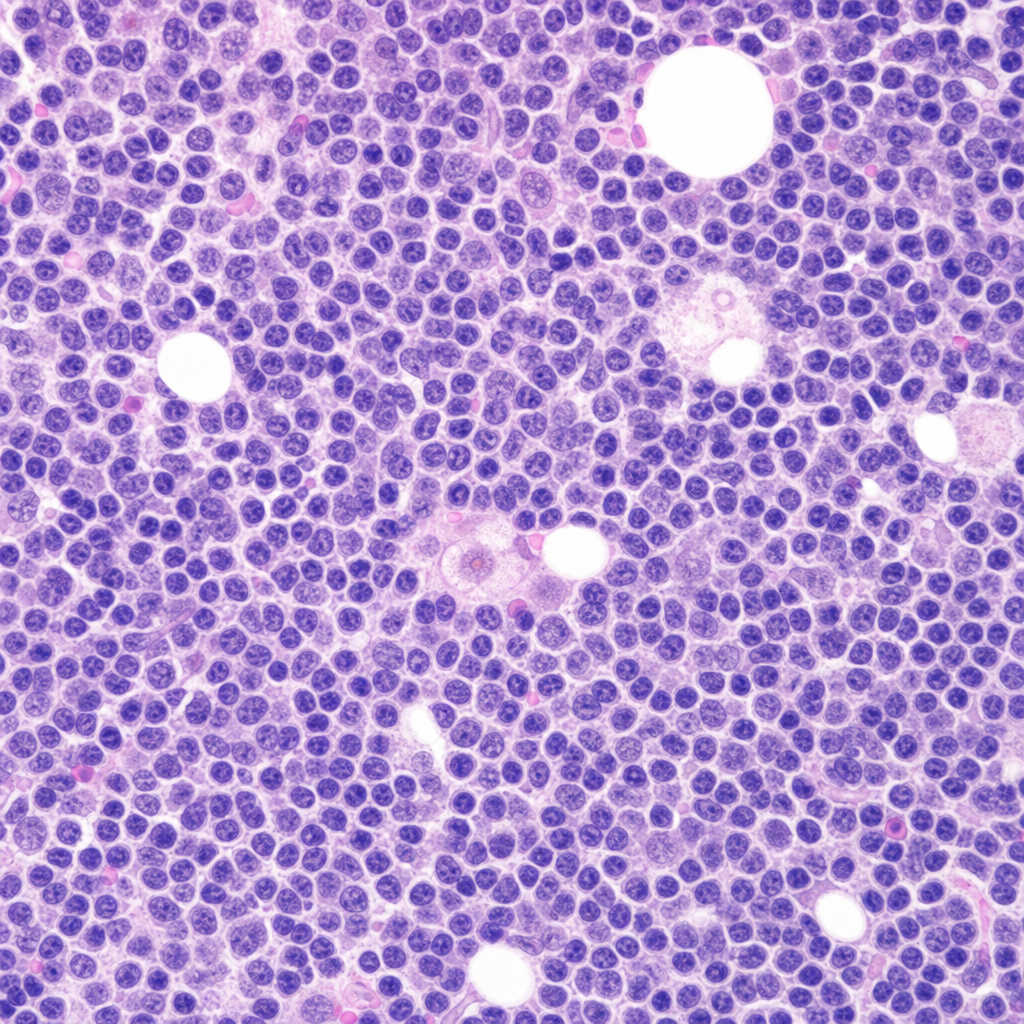
P.N.H is associated with all of the following conditions, except?
The HAM test is used to assess for which of the following?
Increased osmotic fragility is characteristic of:
Which of the following are the histological features of classical Hodgkin's disease?
Which of the following hematological malignancies resembles ALL L3?
Explanation: **Explanation:** **Pelger-Huet Anomaly (PHA)** is an autosomal dominant inherited condition characterized by a failure of normal nuclear segmentation in neutrophils. Despite the abnormal morphology, the cells function normally. 1. **Why Option A is correct:** The hallmark of PHA is the presence of **bilobed neutrophils** (often described as "pince-nez" or spectacle-like) or non-segmented (round/oval) nuclei. This occurs due to a mutation in the **Lamin B Receptor (LBR) gene**, which is essential for maintaining the nuclear envelope's integrity and shape during maturation. 2. **Why the other options are incorrect:** * **Option B & C:** PHA specifically affects the granulocytic lineage (primarily neutrophils). It does not typically involve the indentation of lymphocytic nuclei or the loss of segmentation in monocytes. * **Option D:** Hypersegmentation (5 or more lobes) is the opposite of PHA [1]. It is characteristic of **Megaloblastic Anemia** (Vitamin B12 or Folate deficiency) [1]. **High-Yield Clinical Pearls for NEET-PG:** * **Pseudo-Pelger-Huet Anomaly:** This is an *acquired* form seen in **Myelodysplastic Syndromes (MDS)** [2], Acute Myeloid Leukemia (AML), or certain drugs (e.g., Tacrolimus). It is a crucial marker for clonal myeloid disorders [2]. * **Morphology:** Look for coarse, clumped chromatin (pachychromatic) in the bilobed nucleus. * **Differentiation:** In the inherited form, nearly 100% of neutrophils are affected; in the acquired form, only a fraction of cells show the change. **References:** [1] Kumar V, Abbas AK, et al.. Robbins and Cotran Pathologic Basis of Disease. 9th ed. Red Blood Cell and Bleeding Disorders, p. 654. [2] Cross SS. Underwood's Pathology: A Clinical Approach. 6th ed. Common Clinical Problems From Blood And Bone Marrow Disease, pp. 613-614.
Explanation: **Explanation:** The prognosis of Acute Myeloid Leukemia (AML) is primarily determined by the underlying genetic mutations and the clinical history of the patient [1]. **Why Option A is correct:** AML arising from a **preceding Myelodysplastic Syndrome (MDS)** or other chronic myeloproliferative neoplasms is termed "Secondary AML." [1] These cases are associated with a **poor prognosis** because they often harbor complex karyotypes, multi-drug resistance (MDR1) gene expression, and mutations in splicing factors (e.g., SF3B1, SRSF2) [4]. They are generally less responsive to standard induction chemotherapy compared to *de novo* AML. **Why the other options are incorrect:** * **Inversion 16 (Inv 16):** This is a **favorable prognostic factor** [2]. It is associated with AML-M4eo (eosinophilic variant) and typically shows a high rate of complete remission and better overall survival [2]. * **Auer Rods:** These are clumps of azurophilic granules found in the cytoplasm of myeloblasts [3]. Their presence is a hallmark of myeloid differentiation and is generally considered a **good prognostic sign** (or at least excludes the poorly differentiated M0 subtype) [2]. * **Myelomonocytic leukemia (M4):** While the FAB classification (M0-M7) is less used for prognosis today than cytogenetics, M4 is considered an **intermediate prognosis** subtype, unless associated with Inv 16, which makes it favorable [2]. **High-Yield Clinical Pearls for NEET-PG:** * **Favorable Prognosis:** t(8;21), t(15;17), inv(16), and NPM1 mutation (without FLT3-ITD) [2]. * **Poor Prognosis:** Age >60, secondary AML (post-MDS/chemo), FLT3-ITD mutation, TP53 mutation, and Monosomy 5 or 7 [4]. * **Auer Rods** are most commonly seen in **AML-M3 (APML)**, where they may appear in bundles called "Faggot cells" [3]. **References:** [1] Cross SS. Underwood's Pathology: A Clinical Approach. 6th ed. Common Clinical Problems From Blood And Bone Marrow Disease, pp. 607-608. [2] Kumar V, Abbas AK, et al.. Robbins and Cotran Pathologic Basis of Disease. 9th ed. Diseases of White Blood Cells, Lymph Nodes, Spleen, and Thymus, p. 620. [3] Kumar V, Abbas AK, et al.. Robbins and Cotran Pathologic Basis of Disease. 9th ed. Diseases of White Blood Cells, Lymph Nodes, Spleen, and Thymus, pp. 621-622. [4] Kumar V, Abbas AK, et al.. Robbins and Cotran Pathologic Basis of Disease. 9th ed. Diseases of White Blood Cells, Lymph Nodes, Spleen, and Thymus, pp. 622-624.
Explanation: ### Explanation Iron deficiency anemia (IDA) develops in a sequential manner as iron stores are progressively depleted. Understanding this sequence is crucial for NEET-PG. **1. Why "Decreased Serum Ferritin" is correct:** The earliest stage of iron deficiency is the **depletion of iron stores** (Stage 1). Ferritin is the primary storage form of iron in the body [1]. As the body faces a negative iron balance, it mobilizes these stores first to maintain serum iron levels and erythropoiesis [1]. Therefore, a **fall in serum ferritin** is the very first biochemical sign of iron deficiency, occurring even before any clinical symptoms or changes in red cell morphology appear [1]. **2. Why the other options are incorrect:** * **A. Decreased serum iron:** This occurs in Stage 2 (Iron-deficient erythropoiesis) [1]. Serum iron only drops after the storage iron (ferritin) has been significantly exhausted. * **C. Decreased TIBC:** This is factually incorrect for IDA. Total Iron Binding Capacity (TIBC) actually **increases** as the liver produces more transferrin to capture any available iron [1]. * **D. Decreased hemoglobin:** This occurs in the final stage (Stage 3: Iron deficiency anemia). Anemia is a late manifestation; the body prioritizes hemoglobin synthesis until iron levels are critically low [1]. **Clinical Pearls for NEET-PG:** * **Gold Standard:** Bone marrow aspiration (Prussian blue staining for hemosiderin) is the most reliable method to assess iron stores, but **Serum Ferritin** is the best non-invasive screening test. * **The "Rule of 3":** In IDA, the sequence of depletion is: **Stores (Ferritin) → Serum Iron → Hemoglobin.** * **Red Cell Distribution Width (RDW):** This is the first peripheral blood parameter to increase in IDA, reflecting anisocytosis before microcytosis (low MCV) develops. * **Mentzer Index:** (MCV/RBC count) < 13 suggests Thalassemia trait, while > 13 suggests IDA. **References:** [1] Kumar V, Abbas AK, et al.. Robbins and Cotran Pathologic Basis of Disease. 9th ed. Red Blood Cell and Bleeding Disorders, pp. 657-662.
Explanation: This question tests your ability to differentiate between the spectrum of plasma cell dyscrasias based on the **IMWG (International Myeloma Working Group) criteria**. ### **Explanation of the Correct Answer** **Smoldering Multiple Myeloma (SMM)** is an intermediate clinical stage between MGUS and symptomatic Multiple Myeloma. The diagnostic criteria for SMM are: 1. **Serum M-protein** $\geq$ 3 g/dL (or urinary M-protein $\geq$ 500 mg/24h) **OR** [1] 2. **Bone marrow clonal plasma cells** between **10% and 60%**. [1] 3. **Absence of CRAB features** (Calcium elevation, Renal insufficiency, Anemia, or Bone lytic lesions) and absence of myeloma-defining biomarkers. [1] Since the question specifies **>10% plasma cells** and **no lytic lesions**, SMM is the most accurate diagnosis. ### **Why Other Options are Incorrect** * **Multiple Myeloma (MM):** Requires the presence of **CRAB features** (like lytic lesions) or specific biomarkers (e.g., $\geq$ 60% plasma cells). [2] The absence of lytic lesions in this scenario points away from symptomatic MM. [2] * **Monoclonal Gammopathy of Undetermined Significance (MGUS):** Defined by serum M-protein **< 3 d/dL** and bone marrow plasma cells **< 10%**. The ">10%" threshold in the question excludes MGUS. * **Non-secretory Myeloma:** A variant of MM where plasma cells do not secrete detectable M-protein in serum or urine. [1] The question explicitly mentions the presence of M-protein. ### **High-Yield Clinical Pearls for NEET-PG** * **CRAB Criteria:** **C**alcium (>11 mg/dL), **R**enal (Cr >2 mg/dL), **A**nemia (Hb <10 g/dL), **B**one lesions (1 or more on imaging). [2] * **SLiM Criteria (Myeloma Defining Events):** **S**ixty percent (BM plasma cells $\geq$ 60%), **Li**ght chain ratio ($\geq$ 100), **M**RI (>1 focal marrow lesion). Presence of any one of these upgrades SMM to MM. * **Most common cause of death in MM:** Infection (due to hypogammaglobulinemia). [2] **References:** [1] Kumar V, Abbas AK, et al.. Robbins and Cotran Pathologic Basis of Disease. 9th ed. Diseases of White Blood Cells, Lymph Nodes, Spleen, and Thymus, pp. 608-609. [2] Kumar V, Abbas AK, et al.. Robbins and Cotran Pathologic Basis of Disease. 9th ed. Diseases of White Blood Cells, Lymph Nodes, Spleen, and Thymus, pp. 607-608.
Explanation: **Explanation:** **Gum hypertrophy** (gingival hyperplasia) in the context of leukemia is a classic clinical sign caused by the **leukemic infiltration** of malignant cells into the gingival tissues. **1. Why Myelomonocytic Leukemia is correct:** According to the FAB (French-American-British) classification, **Acute Myelomonocytic Leukemia (AML-M4)** and **Acute Monocytic Leukemia (AML-M5)** are the subtypes most characteristically associated with extramedullary involvement [1]. Monoblasts and monocytes have a high propensity to migrate into tissues, leading to clinical findings such as **gum hypertrophy**, skin infiltration (leukemia cutis), and lymphadenopathy [1]. **2. Analysis of Incorrect Options:** * **A. Myelogenous leukemia (AML-M1, M2, M3):** While these involve myeloid precursors, they typically remain confined to the bone marrow and blood [1]. They rarely cause tissue infiltration like gum hypertrophy. * **C. Lymphocytic leukemia (ALL/CLL):** While these can cause lymphadenopathy and splenomegaly, they are not classically associated with gingival hyperplasia. **3. NEET-PG High-Yield Pearls:** * **Mnemonic:** Remember **"M4 and M5 make the gums swell."** * **Specific Marker:** Monocytic lineages (M4/M5) are identified by **Non-Specific Esterase (NSE)** positivity, which is inhibited by sodium fluoride. * **DIC Association:** While M4/M5 cause gum hypertrophy, **AML-M3 (Acute Promyelocytic Leukemia)** is most strongly associated with **DIC** (Disseminated Intravascular Coagulation) due to the release of procoagulants from Auer rods [1]. * **Other causes of Gum Hypertrophy:** For differential diagnosis, remember the "3 Ps": **P**henytoin, **P**henobarbitone (less common), and Calcium Channel Blockers (like **P**ifedipine/Nifedipine), plus Cyclosporine. **References:** [1] Kumar V, Abbas AK, et al.. Robbins and Cotran Pathologic Basis of Disease. 9th ed. Diseases of White Blood Cells, Lymph Nodes, Spleen, and Thymus, pp. 621-622.
Explanation: **Explanation:** Paroxysmal Nocturnal Hemoglobinuria (PNH) is an acquired clonal hematopoietic stem cell disorder caused by a somatic mutation in the **PIGA gene**, leading to a deficiency of GPI-anchored proteins (CD55 and CD59) on the cell surface [1], [2]. This renders blood cells susceptible to complement-mediated lysis [1], [2]. **Why Option B is the Correct Answer (The "Except"):** The **Leukocyte Alkaline Phosphatase (LAP) score** (also known as the NAP score) is a measure of the enzyme activity within mature neutrophils. In PNH, the LAP enzyme is deficient because it is a **GPI-anchored protein**. Therefore, PNH is characteristically associated with a **decreased or low LAP score**, not an increased one. **Analysis of Incorrect Options:** * **A. Aplastic Anemia:** There is a strong clinical link between PNH and bone marrow failure syndromes [3], [4]. PNH can evolve from or into Aplastic Anemia (AA/PNH syndrome) [4]. * **C. Venous Thrombosis:** This is the leading cause of death in PNH [1]. It occurs due to the release of procoagulant substances from lysed RBCs and lack of CD59 on platelets, leading to their activation. Common sites include hepatic (Budd-Chiari), mesenteric, and cerebral veins. * **D. Iron Deficiency Anemia:** Chronic intravascular hemolysis leads to persistent **hemosiderinuria** (loss of iron in urine), which eventually depletes body iron stores [1]. **NEET-PG High-Yield Pearls:** * **Gold Standard Test:** Flow cytometry (shows absence of CD55/CD59) [1]. * **Classic Triad:** Hemolytic anemia, pancytopenia, and venous thrombosis. * **Treatment of Choice:** Eculizumab (Monoclonal antibody against C5). * **Screening Tests (Historical):** Ham’s test (Acidified serum test) and Sucrose lysis test (both now replaced by flow cytometry). **References:** [1] Kumar V, Abbas AK, et al.. Robbins and Cotran Pathologic Basis of Disease. 9th ed. Red Blood Cell and Bleeding Disorders, pp. 650-651. [2] Cross SS. Underwood's Pathology: A Clinical Approach. 6th ed. Common Clinical Problems From Blood And Bone Marrow Disease, pp. 601-602. [3] Kumar V, Abbas AK, et al.. Robbins and Cotran Pathologic Basis of Disease. 9th ed. Red Blood Cell and Bleeding Disorders, p. 662. [4] Cross SS. Underwood's Pathology: A Clinical Approach. 6th ed. Common Clinical Problems From Blood And Bone Marrow Disease, pp. 595-596.
Explanation: **Explanation:** The **HAM test** (Acidified Serum Lysis Test) is a classic diagnostic test for **Paroxysmal Nocturnal Hemoglobinuria (PNH)**. **1. Why the Correct Answer is Right:** PNH is an acquired clonal hematopoietic stem cell disorder caused by a mutation in the **PIGA gene** [2]. This mutation leads to a deficiency of **Glycosylphosphatidylinositol (GPI) anchor proteins**. These anchors are essential for attaching complement-regulatory proteins, specifically **CD55** (Decay Accelerating Factor) and **CD59** (Membrane Inhibitor of Reactive Lysis), to the red cell membrane. Without these anchors, RBCs are hypersensitive to complement-mediated lysis [1]. In the HAM test, patient cells are placed in acidified serum (pH 6.2); the acid activates the alternative complement pathway, causing the lysis of GPI-deficient cells [1]. **2. Why Incorrect Options are Wrong:** * **B. Complement defect:** PNH is not a defect *of* the complement system itself, but rather a defect in the *protection against* complement. * **C. Spectrin defect:** This is the hallmark of **Hereditary Spherocytosis**, where a defect in the cytoskeleton (spectrin/ankyrin) leads to spherical, fragile RBCs. * **D. Mannose-binding protein deficiency:** This is an innate immune system defect associated with increased susceptibility to infections, not hemolytic anemia. **3. NEET-PG High-Yield Pearls:** * **Gold Standard Diagnosis:** While the HAM test is historically significant, **Flow Cytometry** is now the gold standard (detecting absence of CD55/CD59 on RBCs and WBCs) [1]. * **FLAER Assay:** A highly sensitive flow cytometry test using Fluorescent Aerolysin to detect the GPI anchor itself. * **Clinical Triad:** Hemolytic anemia, pancytopenia, and venous thrombosis (e.g., Budd-Chiari syndrome) [1]. * **Sucrose Lysis Test:** Another screening test for PNH; it uses low ionic strength to promote complement binding. **References:** [1] Kumar V, Abbas AK, et al.. Robbins and Cotran Pathologic Basis of Disease. 9th ed. Red Blood Cell and Bleeding Disorders, pp. 650-651. [2] Cross SS. Underwood's Pathology: A Clinical Approach. 6th ed. Common Clinical Problems From Blood And Bone Marrow Disease, pp. 601-602.
Explanation: **Hereditary Spherocytosis (HS)** is the correct answer because it is characterized by a defect in red blood cell (RBC) membrane proteins (most commonly **Ankyrin**, followed by Spectrin) [3]. These defects lead to a loss of membrane surface area, forcing the RBC to assume a **spherical shape**. Spherocytes have the lowest surface-area-to-volume ratio, making them unable to expand when placed in hypotonic solutions. Consequently, they rupture at higher saline concentrations than normal cells, demonstrating **increased osmotic fragility** [1]. **Why the other options are incorrect:** * **Sickle Cell Anemia & Thalassemia:** These are characterized by **decreased osmotic fragility** [4]. In Thalassemia, there is a relative excess of membrane compared to hemoglobin (hypochromia), creating "Target Cells." These cells can withstand more fluid influx before bursting. * **Iron Deficiency Anemia:** Similar to Thalassemia, the cells are microcytic and hypochromic. The increased surface-area-to-volume ratio makes them more resistant to osmotic lysis (decreased fragility). **NEET-PG High-Yield Pearls:** * **Confirmatory Test for HS:** The **Eosin-5-maleimide (EMA) binding test** (Flow cytometry) is now the gold standard, replacing the traditional Osmotic Fragility Test. * **Incubated Osmotic Fragility:** Sensitivity of the test increases if the blood is incubated at 37°C for 24 hours. * **MCHC:** HS is one of the few conditions where the **Mean Corpuscular Hemoglobin Concentration (MCHC) is increased** (>36 g/dL). * **Coombs Test:** Always negative in HS (helps differentiate it from Autoimmune Hemolytic Anemia, which also shows spherocytes) [2]. **References:** [1] Cross SS. Underwood's Pathology: A Clinical Approach. 6th ed. Common Clinical Problems From Blood And Bone Marrow Disease, pp. 597-598. [2] Cross SS. Underwood's Pathology: A Clinical Approach. 6th ed. Common Clinical Problems From Blood And Bone Marrow Disease, pp. 602-603. [3] Kumar V, Abbas AK, et al.. Robbins and Cotran Pathologic Basis of Disease. 9th ed. Red Blood Cell and Bleeding Disorders, pp. 640-641. [4] Kumar V, Abbas AK, et al.. Robbins and Cotran Pathologic Basis of Disease. 9th ed. Red Blood Cell and Bleeding Disorders, p. 638.
Explanation: ### Explanation **1. Why Option C is Correct:** Classical Hodgkin Lymphoma (cHL) is unique among malignancies because the **neoplastic cells (Reed-Sternberg cells)** typically constitute only a tiny fraction (**1–5%**) of the total tumor mass [1]. The bulk of the tumor consists of a rich, reactive **non-neoplastic inflammatory background** composed of lymphocytes, plasma cells, eosinophils, histiocytes, and neutrophils [1]. This "milieu" is recruited by cytokines (like IL-5 and IL-13) secreted by the RS cells. Therefore, the presence of both cell types is a hallmark histological feature. **2. Why Other Options are Incorrect:** * **Option A:** While "Mixed Cellularity" is a specific *subtype* of cHL, it is not a universal histological feature of all classical types (e.g., Nodular Sclerosis or Lymphocyte Rich) [1]. Option C is a more fundamental description of the disease's overall architecture. * **Option B:** In cHL, neoplastic cells are significantly **fewer** than non-neoplastic cells [1]. A high ratio of neoplastic cells is more characteristic of Non-Hodgkin Lymphomas (NHL). * **Option C:** While **CD15** and **CD30** are classic markers for RS cells in cHL, **CD34** is a marker for hematopoietic stem cells and vascular endothelium; it is not expressed in Hodgkin’s disease. **3. High-Yield Clinical Pearls for NEET-PG:** * **Immunophenotype of RS cells:** CD15+, CD30+, CD45 (LCA) negative, and CD20 negative (usually). * **The "Owl’s Eye" Appearance:** Classic RS cell is large, binucleated with prominent eosinophilic nucleoli [1]. * **Nodular Sclerosis:** The most common subtype; characterized by "Lacunar cells" and collagen bands [1]. * **EBV Association:** Most strongly associated with the Mixed Cellularity subtype [1]. * **Popcorn Cells (L&H cells):** Seen in Nodular Lymphocyte Predominant Hodgkin Lymphoma (NLPHL), which is CD20+ and CD45+, unlike classical HL [1]. **References:** [1] Kumar V, Abbas AK, et al.. Robbins and Cotran Pathologic Basis of Disease. 9th ed. Diseases of White Blood Cells, Lymph Nodes, Spleen, and Thymus, pp. 614-618.
Explanation: **Explanation:** The FAB (French-American-British) classification categorizes Acute Lymphoblastic Leukemia (ALL) into three types: L1, L2, and L3. **ALL-L3** is specifically known as the **Burkitt-type leukemia** [1]. **Why Burkitt's Lymphoma is correct:** ALL-L3 and Burkitt’s lymphoma are essentially different clinical manifestations of the same biological entity [1]. They share identical morphological features: large, uniform cells with deep basophilic cytoplasm and prominent **intracytoplasmic vacuoles** (which contain lipids). Genetically, both are characterized by the **t(8;14)** translocation, leading to the overexpression of the **c-MYC** oncogene. In modern WHO classification, ALL-L3 is no longer a separate category but is classified under "Burkitt Leukemia/Lymphoma." **Why other options are incorrect:** * **Mantle Cell Lymphoma (A):** Characterized by t(11;14) and Cyclin D1 overexpression. Morphologically, it consists of small to medium-sized lymphocytes with irregular nuclei, not the vacuolated blasts seen in L3. * **MDS (B):** Myelodysplastic Syndromes involve cytopenias and dysplastic changes in myeloid lineages; they do not resemble the lymphoid morphology of ALL-L3. * **AML (D):** Acute Myeloid Leukemia is characterized by Auer rods and positive myeloperoxidase (MPO) staining, whereas ALL-L3 is MPO negative and shows B-cell markers (CD19, CD20, CD22). **High-Yield NEET-PG Pearls:** * **Morphology:** "Starry sky" appearance (seen in lymph node biopsies) [1]. * **Cytogenetics:** t(8;14) is most common; others include t(2;8) and t(8;22). * **Staining:** The cytoplasmic vacuoles in ALL-L3/Burkitt’s are **Oil Red O positive**. * **Immunophenotype:** They express surface IgM and are mature B-cell neoplasms (unlike L1 and L2, which are usually pre-B cell) [2]. **References:** [1] Kumar V, Abbas AK, et al.. Robbins and Cotran Pathologic Basis of Disease. 9th ed. Diseases of White Blood Cells, Lymph Nodes, Spleen, and Thymus, p. 606. [2] Kumar V, Abbas AK, et al.. Robbins and Cotran Pathologic Basis of Disease. 9th ed. Diseases of White Blood Cells, Lymph Nodes, Spleen, and Thymus, pp. 599-600.
Anemias: Classification and Approach
Practice Questions
Hemolytic Anemias
Practice Questions
Myeloproliferative Neoplasms
Practice Questions
Myelodysplastic Syndromes
Practice Questions
Acute Leukemias
Practice Questions
Chronic Leukemias
Practice Questions
Lymphomas and Lymphoid Neoplasms
Practice Questions
Plasma Cell Disorders
Practice Questions
Bleeding Disorders
Practice Questions
Thrombotic Disorders
Practice Questions
Get full access to all questions, explanations, and performance tracking.
Start For Free