Localized idiopathic fibrosis is seen in all of the following conditions except?
Compound odontoma is characterized by which of the following?
What is the primary application of microarray technology?
NARP syndrome is best described as which of the following?
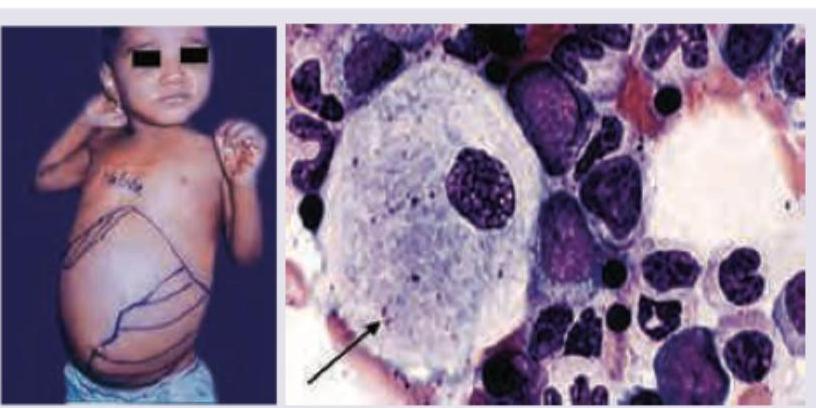
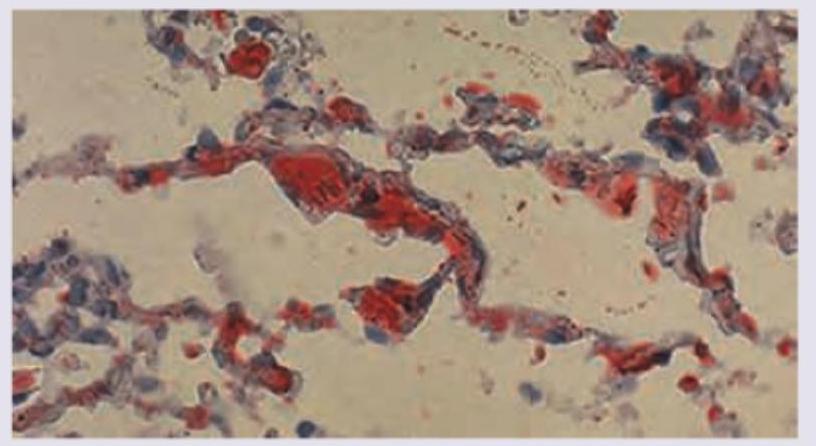
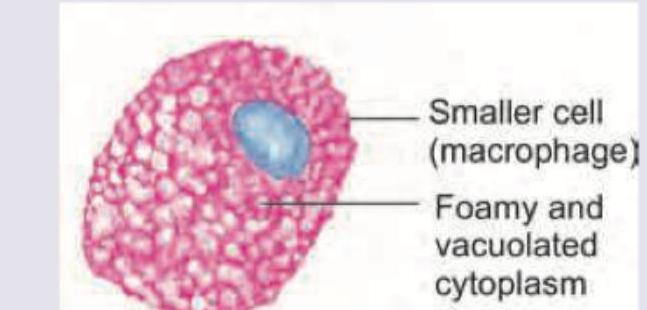
A one-year-old boy presented with hepatosplenomegaly and delayed milestones. The liver biopsy and bone marrow biopsy revealed the presence of histiocytes with PAS-positive cytoplasm. Electron microscopic examination of these histiocytes is most likely to reveal which of the following?
Which of the following is not a malignant tumor?
Askin's tumour is:
N-MYC amplification is associated with which tumor?
In bone biopsy, decalcification and fixation are done simultaneously by which agent?
Prussian blue reaction is used to demonstrate which of the following substances?
Explanation: **Explanation:** The question tests the concept of **Idiopathic Localized Fibrosis** (also known as Multifocal Fibrosclerosis), a group of rare disorders characterized by fibro-inflammatory proliferation in various organs without a clear inciting cause. **Why Hypertrophic Scar is the correct answer:** A **Hypertrophic scar** is not idiopathic. It is a known complication of wound healing, typically occurring after trauma or surgery. It is characterized by excessive collagen deposition (mainly Type III) that remains within the boundaries of the original wound. Unlike idiopathic fibrosis, the trigger (injury) is well-defined. **Analysis of Incorrect Options:** * **Riedel’s Struma:** A form of thyroiditis where the thyroid parenchyma is replaced by dense fibrous tissue that extends into adjacent neck structures [1]. It is a classic example of idiopathic localized fibrosis and is often associated with IgG4-related disease [1]. * **Sclerosing Cholangitis:** Primary Sclerosing Cholangitis (PSC) involves idiopathic fibrosis and stricturing of the bile ducts. It is frequently associated with other fibrotic conditions like retroperitoneal fibrosis [1]. * **Panniculitis:** Specifically, **Mesenteric Panniculitis** (or Sclerosing Mesenteritis) is an idiopathic fibrotic process affecting the adipose tissue of the mesentery. **NEET-PG High-Yield Pearls:** 1. **Multifocal Fibrosclerosis** includes a spectrum of diseases: Retroperitoneal fibrosis (Ormond’s disease), Mediastinal fibrosis, Riedel’s thyroiditis, Sclerosing cholangitis, and Pseudotumor of the orbit [1]. 2. Many of these conditions are now classified under **IgG4-Related Disease (IgG4-RD)** [1]. 3. **Key Histology of IgG4-RD:** Storiform fibrosis, obliterative phlebitis, and dense lymphoplasmacytic infiltrate rich in IgG4+ plasma cells [1]. 4. **Treatment:** Systemic corticosteroids are the first-line therapy for most idiopathic fibrotic conditions. **References:** [1] Kumar V, Abbas AK, et al.. Robbins and Cotran Pathologic Basis of Disease. 9th ed. The Endocrine System, pp. 1091-1092.
Explanation: **Explanation:** Odontomas are the most common odontogenic tumors, categorized as hamartomas rather than true neoplasms [1]. They are composed of enamel, dentin, cementum, and pulp tissue. **1. Why Option B is Correct:** **Compound Odontomas** are characterized by a high degree of morphodifferentiation. They consist of multiple small, **tooth-like structures (denticles)** contained within a fibrous capsule. These are most frequently located in the **anterior maxilla**, particularly associated with the permanent maxillary lateral incisors and canines. Radiographically, they appear as a cluster of small radiopaque structures resembling miniature teeth. **2. Why Other Options are Incorrect:** * **Option A & C:** These descriptions refer to **Complex Odontomas**. Unlike the compound type, complex odontomas show poor morphodifferentiation. They consist of a **haphazardly arranged, irregular mass** of calcified dental tissues that bears **no resemblance to a tooth**. These are more commonly found in the **posterior mandible** (molar region). * **Option D:** Since the characteristics of compound and complex odontomas are distinct and mutually exclusive in their morphological presentation, "All of the above" is incorrect. **High-Yield NEET-PG Pearls:** * **Most common site:** Compound = Anterior Maxilla; Complex = Posterior Mandible. * **Clinical Presentation:** Usually asymptomatic; often discovered when they prevent the eruption of a permanent tooth. * **Radiographic Appearance:** Compound = "Bag of teeth"; Complex = "Sunburst" or "Irregular radiopaque mass." * **Treatment:** Simple surgical excision; recurrence is rare. **References:** [1] Kumar V, Abbas AK, et al.. Robbins and Cotran Pathologic Basis of Disease. 9th ed. Head and Neck, pp. 741-742.
Explanation: **Explanation:** **Microarray technology** (specifically DNA microarrays) is a high-throughput technique used to monitor the **expression levels of thousands of genes simultaneously**. It works on the principle of **nucleic acid hybridization**, where a glass slide (chip) is printed with thousands of microscopic spots, each containing a specific DNA probe [1]. When labeled cDNA from a sample is applied, it binds to its complementary probe, allowing researchers to visualize which genes are "switched on" or "off" in a single experiment. **Analysis of Options:** * **Option A (Correct):** The hallmark of microarray is its ability to provide a "snapshot" of the **transcriptome**, allowing for the parallel analysis of multiple genes rather than studying them one by one (like Northern Blotting) [1]. * **Option B:** While microarrays can assist in sub-classifying tumors, they are primarily a research and discovery tool rather than a routine bedside diagnostic test for specific diseases. * **Option C:** Analyzing the entire genome (the actual sequence of DNA) is the domain of **Whole Genome Sequencing (WGS)**. Microarrays typically focus on gene expression (mRNA) or specific SNPs [1]. * **Option D:** Blood grouping is determined via serological agglutination tests or simple PCR, not complex microarray chips. **Clinical Pearls for NEET-PG:** * **OncoType DX:** A clinical application of microarray technology used to predict the likelihood of breast cancer recurrence. * **Comparative Genomic Hybridization (CGH):** A type of microarray used to detect copy number variations (deletions or amplifications) in the genome, often used in prenatal diagnostics and oncology [1]. * **Key Difference:** Remember that **Southern Blot** is for DNA, **Northern Blot** for RNA, and **Microarray** is for large-scale, simultaneous RNA expression analysis [1]. **References:** [1] Kumar V, Abbas AK, et al.. Robbins and Cotran Pathologic Basis of Disease. 9th ed. Genetic Disorders, pp. 185-187.
Explanation: **Explanation:** **NARP syndrome** (Neurogenic muscle weakness, Ataxia, and Retinitis Pigmentosa) is a classic example of a **mitochondrial disorder**. It is caused by a point mutation in the **MT-ATP6 gene**, which encodes a subunit of the ATP synthase (Complex V) in the mitochondrial oxidative phosphorylation chain. Because this gene is located in the mitochondrial DNA (mtDNA), the condition follows a **maternal inheritance** [1] pattern and exhibits **heteroplasmy** [1] (the presence of both mutant and wild-type mtDNA within a single cell), which accounts for its clinical variability. **Why the other options are incorrect:** * **A & B (Lipid and Glycogen Storage Disorders):** These are metabolic disorders typically caused by deficiencies in specific enzymes (often autosomal recessive) that lead to the accumulation of fats (e.g., Gaucher disease) [3] or glycogen (e.g., Von Gierke disease) [4] in tissues. NARP is a defect in energy production, not substrate storage. * **D (Lysosomal Storage Disorder):** These involve defects in lysosomal enzymes leading to the accumulation of undigested macromolecules (e.g., Tay-Sachs, Pompe disease) [3]. While NARP involves cellular dysfunction, it originates in the mitochondria, not the lysosomes. **High-Yield Clinical Pearls for NEET-PG:** * **Leigh Syndrome Connection:** NARP and Leigh syndrome (Subacute Necrotizing Encephalomyelopathy) are part of a clinical spectrum [2]. If the percentage of mutant mtDNA is high (>90%), the patient typically presents with the more severe Leigh syndrome. * **Clinical Triad:** Remember the acronym: **N**eurogenic weakness, **A**taxia, **R**etinitis **P**igmentosa. * **Maternal Inheritance:** Like all mtDNA disorders, it is passed from mother to all children, but only daughters can pass it to the next generation [1]. **References:** [1] Kumar V, Abbas AK, et al.. Robbins and Cotran Pathologic Basis of Disease. 9th ed. Genetic Disorders, p. 181. [2] Kumar V, Abbas AK, et al.. Robbins and Cotran Pathologic Basis of Disease. 9th ed. Peripheral Nerves and Skeletal Muscles, pp. 1247-1248. [3] Kumar V, Abbas AK, et al.. Robbins and Cotran Pathologic Basis of Disease. 9th ed. Genetic Disorders, p. 159. [4] Kumar V, Abbas AK, et al.. Robbins and Cotran Pathologic Basis of Disease. 9th ed. Genetic Disorders, p. 165.
Explanation: **Explanation:** The clinical presentation of hepatosplenomegaly and delayed milestones in a one-year-old child suggests a **Lysosomal Storage Disorder (LSD)**. Specifically, the presence of **PAS-positive histiocytes** in the liver and bone marrow is a classic histological hallmark of **Gaucher Disease**, the most common LSD [1]. 1. **Why Option C is Correct:** In Gaucher Disease, there is a deficiency of the enzyme **glucocerebrosidase**, leading to the accumulation of glucocerebroside within the lysosomes of macrophages (Gaucher cells). On electron microscopy (EM), these accumulated lipids arrange themselves into **parallel tubular aggregates** (often described as "wrinkled tissue paper" appearance on light microscopy) [1]. 2. **Why Other Options are Incorrect:** * **Option A (Birbeck granules):** These are "tennis-racket" shaped structures seen on EM in **Langerhans Cell Histiocytosis (LCH)** [2]. While LCH can cause organomegaly, it does not typically present with the metabolic features of LSDs. * **Option B (Myelin figures):** These are whorled phospholipid masses seen in various types of cell injury or in **Niemann-Pick Disease** (Zebra bodies). While Niemann-Pick also presents with hepatosplenomegaly, the PAS-positive "wrinkled" histiocyte is more specific for Gaucher. * **Option D (Electron-dense deposits in mitochondria):** These are typically seen in irreversible cell injury (flocculent densities) or specific mitochondrial myopathies, not primary lysosomal storage diseases. **High-Yield Clinical Pearls for NEET-PG:** * **Gaucher Cell:** Macrophage with "wrinkled tissue paper" or "crumpled silk" cytoplasm [1]. * **Staining:** Gaucher cells are strongly **PAS positive**. * **Enzyme Deficiency:** Glucocerebrosidase (Acid ̧-glucosidase). * **Most Common Type:** Type I (Non-neuronopathic) is the most common, but Type II/III involve CNS symptoms (delayed milestones) [1]. * **Biochemical Marker:** Elevated serum **Chitotriosidase** levels are used for monitoring. **References:** [1] Kumar V, Abbas AK, et al.. Robbins and Cotran Pathologic Basis of Disease. 9th ed. Genetic Disorders, pp. 162-163. [2] Kumar V, Abbas AK, et al.. Robbins and Cotran Pathologic Basis of Disease. 9th ed. Diseases of White Blood Cells, Lymph Nodes, Spleen, and Thymus, p. 630.
Explanation: **Explanation:** The correct answer is **Fibromatosis**. In pathology, the suffix "-oma" usually denotes a benign tumor, but several exceptions exist [2]. Fibromatosis belongs to a category of **fibroblastic-myofibroblastic tumors** that are considered **locally aggressive but non-metastasizing** [1]. 1. **Why Fibromatosis is the correct answer:** Fibromatosis (e.g., Desmoid tumor) is characterized by infiltrative growth and a high rate of local recurrence [1]. However, it lacks the cytological features of malignancy and, crucially, **does not metastasize**. Therefore, it is classified as a "borderline" or "intermediate" lesion rather than a true malignant tumor. 2. **Analysis of Incorrect Options:** * **Chloroma (Granulocytic Sarcoma):** This is a solid collection of leukemic cells (myeloblasts) occurring outside the bone marrow. It is a manifestation of **Acute Myeloid Leukemia (AML)** and is inherently malignant. * **Askin’s Tumor:** This is a malignant small round blue cell tumor of the chest wall. It belongs to the **Ewing Sarcoma family of tumors (ESFT)** and is highly aggressive. * **Liposarcoma:** The suffix "-sarcoma" explicitly denotes a malignant tumor of mesenchymal origin (adipose tissue) [2]. **NEET-PG High-Yield Pearls:** * **Pseudo-benign names (Malignant):** Melanoma, Lymphoma, Mesothelioma, Seminoma, Hepatoma, and Chloroma [3]. * **Desmoid Tumors (Deep Fibromatosis):** Often associated with **Gardner Syndrome** (mutation in the *APC* or *CTNNB1* gene). * **Askin's Tumor:** Look for **t(11;22)** translocation, similar to Ewing Sarcoma. * **Chloroma:** Named for its greenish color due to the presence of the enzyme **Myeloperoxidase (MPO)**. **References:** [1] Kumar V, Abbas AK, et al.. Robbins and Cotran Pathologic Basis of Disease. 9th ed. Bones, Joints, and Soft Tissue Tumors, p. 1222. [2] Cross SS. Underwood's Pathology: A Clinical Approach. 6th ed. (Basic Pathology) introduces the student to key general principles of pathology, both as a medical science and as a clinical activity with a vital role in patient care. Part 2 (Disease Mechanisms) provides fundamental knowledge about the cellular and molecular processes involved in diseases, providing the rationale for their treatment. Part 3 (Systematic Pathology) deals in detail with specific diseases, with emphasis on the clinically important aspects., pp. 208-209. [3] Cross SS. Underwood's Pathology: A Clinical Approach. 6th ed. (Basic Pathology) introduces the student to key general principles of pathology, both as a medical science and as a clinical activity with a vital role in patient care. Part 2 (Disease Mechanisms) provides fundamental knowledge about the cellular and molecular processes involved in diseases, providing the rationale for their treatment. Part 3 (Systematic Pathology) deals in detail with specific diseases, with emphasis on the clinically important aspects., pp. 204-206.
Explanation: **Explanation:** **Askin’s tumor** is a specific clinical variant of the **Ewing Sarcoma Family of Tumors (ESFT)**. It is a highly malignant **Primitive Neuroectodermal Tumor (PNET)** that specifically arises from the soft tissues of the **chest wall**, often involving the ribs [1]. 1. **Why Option A is correct:** Pathologically, Askin’s tumor is identical to Ewing sarcoma [1]. It is characterized by small, round, blue cells and is associated with the characteristic chromosomal translocation **t(11;22)(q24;q12)**, which results in the *EWS-FLI1* fusion gene. It typically affects children and young adults, presenting as a rapidly enlarging chest wall mass. 2. **Why other options are incorrect:** * **Option B:** Merkel cell carcinoma is a rare, aggressive neuroendocrine carcinoma of the skin, not related to the chest wall PNET family. * **Option C:** While Askin's tumor is a primary malignancy of the chest wall, it is not a **References:** [1] Kumar V, Abbas AK, et al.. Robbins and Cotran Pathologic Basis of Disease. 9th ed. Diseases of Infancy and Childhood, pp. 483-484.
Explanation: **Explanation:** **N-MYC amplification** is a classic molecular hallmark of **Neuroblastoma**, the most common extracranial solid tumor of childhood [1]. In pathology, gene amplification refers to the presence of multiple copies of a proto-oncogene, which leads to protein overexpression. In Neuroblastoma, N-MYC amplification (located on chromosome 2) is a critical **prognostic marker**; its presence signifies aggressive tumor behavior, rapid progression, and a poor clinical outcome, regardless of the tumor stage [1]. **Analysis of Incorrect Options:** * **Burkitt Lymphoma:** This is associated with the **c-MYC** oncogene, typically due to a **t(8;14)** translocation involving the IgH locus, not N-MYC amplification [2]. * **Squamous Cell Carcinoma (Lung):** This is more commonly associated with **L-MYC** amplification or mutations/amplifications in the EGFR and FGFR1 pathways. * **Astrocytoma:** High-grade gliomas (like Glioblastoma) are frequently associated with **EGFR** amplification and PTEN mutations rather than N-MYC. **High-Yield Clinical Pearls for NEET-PG:** * **MYC Family:** Remember the mnemonic "**N** is for **N**euroblastoma, **L** is for **L**ung cancer, and **C** is for **C**ommon (Burkitt/General)." * **Cytogenetics:** On a karyotype, N-MYC amplification manifests as **Double Minute chromosomes (dms)** or **Homogeneously Staining Regions (HSRs)**. * **Neuroblastoma Markers:** Look for **HVA/VMA** in urine [1] and **Homer-Wright rosettes** on histology [1]. * **Staging:** N-MYC status is the most important genetic factor used in the risk stratification of these patients [1]. **References:** [1] Kumar V, Abbas AK, et al.. Robbins and Cotran Pathologic Basis of Disease. 9th ed. Diseases of Infancy and Childhood, pp. 483-487. [2] Kumar V, Abbas AK, et al.. Robbins and Cotran Pathologic Basis of Disease. 9th ed. Neoplasia, pp. 324-325.
Explanation: ### Explanation In histopathology, bone and other calcified tissues require **decalcification** (removal of calcium ions) [3] to allow for sectioning with a microtome [1]. Simultaneously, **fixation** is required to preserve cellular morphology [1]. **Why Option B is Correct:** **Formic acid and formalin** (specifically, a mixture of 10% formalin and 5% formic acid) is a classic combination used for simultaneous fixation and decalcification. * **Formalin** acts as the fixative by cross-linking proteins. * **Formic acid** is a "weak" organic acid that gently removes calcium. This combination is preferred because it is relatively fast, preserves nuclear detail better than strong mineral acids, and allows for subsequent IHC (immunohistochemistry) staining [1]. **Analysis of Incorrect Options:** * **Option A (Nitric acid and formalin):** While nitric acid is a rapid decalcifier, it is a strong mineral acid that can damage cellular morphology and impair staining if used for prolonged periods. It is rarely used in a primary mixture with formalin for simultaneous processing. * **Option B (EDTA and formic acid):** EDTA is a **chelating agent**. It is the best for preserving ultrastructure but is extremely slow. It is not typically mixed with formic acid as they serve the same purpose (decalcification) through different mechanisms. * **Option C (Nitric acid and EDTA):** These are both decalcifying agents. Using them together is redundant and does not provide the fixation component required for the biopsy [2]. **High-Yield Clinical Pearls for NEET-PG:** * **Best Decalcifying Agent for IHC:** EDTA (preserves enzyme activity and antigenicity). * **Fastest Decalcifying Agent:** Nitric acid (used for urgent biopsies, but destroys DNA). * **Endpoint Determination:** The most reliable method to check if decalcification is complete is **X-ray/Radiography**. Chemical testing (using Calcium oxalate) is a common laboratory alternative. * **Surface Decalcification:** Used for small foci of calcification in paraffin blocks using 10% HCl. **References:** [1] Cross SS. Underwood's Pathology: A Clinical Approach. 6th ed. (Basic Pathology) introduces the student to key general principles of pathology, both as a medical science and as a clinical activity with a vital role in patient care. Part 2 (Disease Mechanisms) provides fundamental knowledge about the cellular and molecular processes involved in diseases, providing the rationale for their treatment. Part 3 (Systematic Pathology) deals in detail with specific diseases, with emphasis on the clinically important aspects., pp. 25-26. [2] Cross SS. Underwood's Pathology: A Clinical Approach. 6th ed. (Basic Pathology) introduces the student to key general principles of pathology, both as a medical science and as a clinical activity with a vital role in patient care. Part 2 (Disease Mechanisms) provides fundamental knowledge about the cellular and molecular processes involved in diseases, providing the rationale for their treatment. Part 3 (Systematic Pathology) deals in detail with specific diseases, with emphasis on the clinically important aspects., pp. 257-258. [3] Cross SS. Underwood's Pathology: A Clinical Approach. 6th ed. Common Clinical Problems From Osteoarticular And Connective Tissue Disease, pp. 661-662.
Explanation: **Explanation:** **Prussian Blue Reaction (Perls’ Stain)** is the gold standard histochemical method for demonstrating **ferric iron (Fe³⁺)** in tissues [1]. 1. **Why Hemosiderin is Correct:** Hemosiderin is an intracellular protein-bound iron complex derived from the breakdown of hemoglobin [2][3]. In the Prussian blue reaction, the tissue is treated with potassium ferrocyanide and hydrochloric acid. The acid releases ferric ions from the hemosiderin, which then react with the ferrocyanide to form **ferric ferrocyanide**, a bright blue (Prussian blue) precipitate [1]. This is essential for diagnosing conditions like hereditary hemochromatosis, sideroblastic anemia, or localized congestion. 2. **Why the Other Options are Incorrect:** * **Lipofuscin:** Known as the "wear and tear" pigment, it is a yellowish-brown lipid-containing pigment. It is best demonstrated by **Sudan Black B** or **Periodic Acid-Schiff (PAS)** stains. * **Bilirubin:** Derived from heme but does not contain iron [2]. It appears yellowish-green and is identified using the **Fouchet’s stain** (which oxidizes bilirubin to green biliverdin). * **Melanin:** A black-brown pigment produced by melanocytes. It is identified using the **Masson-Fontana silver stain** or the Schmorl reaction. **High-Yield Clinical Pearls for NEET-PG:** * **Perls’ Stain vs. Prussian Blue:** They are synonymous. * **Negative Reaction:** Prussian blue does **not** stain ferritin (it is too dispersed) or intact hemoglobin (the iron is too tightly bound). * **Hallmark Finding:** In **Sideroblastic Anemia**, Prussian blue reveals "ringed sideroblasts" (iron-laden mitochondria encircling the nucleus). * **Heart Failure Cells:** These are hemosiderin-laden macrophages in the alveoli, highlighted by Prussian blue in cases of chronic pulmonary congestion [2]. **References:** [1] Kumar V, Abbas AK, et al.. Robbins and Cotran Pathologic Basis of Disease. 9th ed. Liver and Gallbladder, pp. 854-855. [2] Kumar V, Abbas AK, et al.. Robbins and Cotran Pathologic Basis of Disease. 9th ed. Cellular Responses to Stress and Toxic Insults: Adaptation, Injury, and Death, pp. 75-76. [3] Kumar V, Abbas AK, et al.. Robbins and Cotran Pathologic Basis of Disease. 9th ed. Red Blood Cell and Bleeding Disorders, p. 658.
Cell Injury and Cell Death
Practice Questions
Adaptations of Cellular Growth
Practice Questions
Accumulations and Deposits
Practice Questions
Acute and Chronic Inflammation
Practice Questions
Tissue Repair and Wound Healing
Practice Questions
Hemodynamic Disorders
Practice Questions
Genetic Disorders
Practice Questions
Environmental Pathology
Practice Questions
Nutritional Diseases
Practice Questions
Molecular Basis of Disease
Practice Questions
Get full access to all questions, explanations, and performance tracking.
Start For Free