Which tumour has the tendency to invade perineural spaces?
What is the first event to appear in acute inflammation?
Which of the following statements regarding apoptosis is incorrect?
Which vasoactive amine is involved in inflammation?
What is true about integrins?
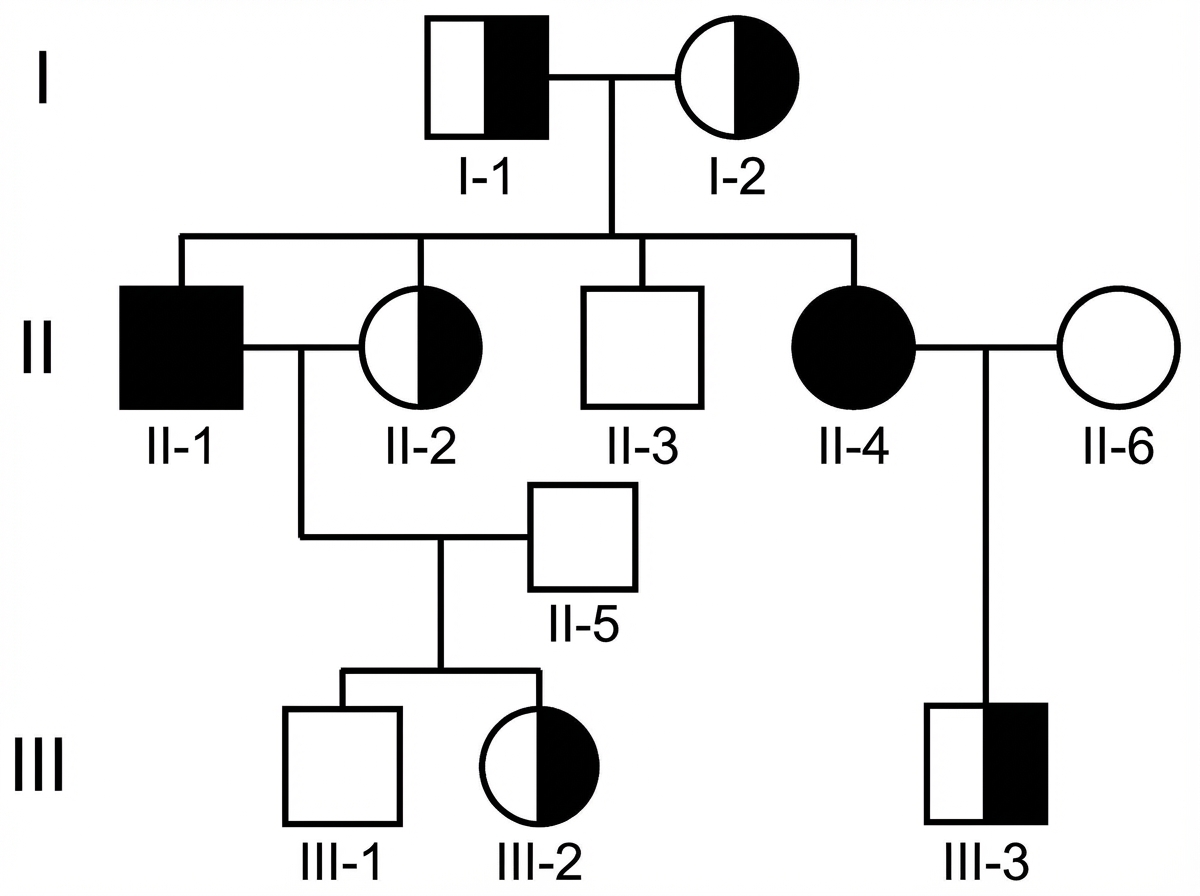
Anticipation is seen in which of the following genetic mechanisms?
A 65-year-old woman has noticed a slowly enlarging nodule on her face for the past 3 years. On physical examination, a 3-cm, nontender, mobile, discrete mass is palpable on the left side of the face, anterior to the ear and just superior to the mandible. The mass is completely excised, and histologic examination shows ductal epithelial cells in a myxoid stroma containing islands of chondroid like tissue and bone. This patient is most likely to have which of the following neoplasms?
All of the following are signs of necrosis except?
Which of the following conditions is NOT associated with HLA-B27?
What is the most characteristic feature of acute inflammation?
Explanation: **Explanation:** **Adenoid Cystic Carcinoma (ACC)** is the correct answer because it is classically characterized by its high propensity for **perineural invasion (PNI)**. [1] This occurs when tumor cells infiltrate the space surrounding a nerve. In the head and neck region, this often leads to clinical symptoms such as pain, numbness, or facial nerve palsy, and it is a major factor contributing to the tumor's high rate of local recurrence and late distant metastasis. [1] **Analysis of Options:** * **Adenoid Cystic Carcinoma (A):** Histologically, it shows "Swiss-cheese" (cribriform) patterns. Its neurotropic nature is its most defining surgical and pathological feature. [1] * **Mucoepidermoid Carcinoma (B):** This is the most common malignant salivary gland tumor. While it can be aggressive, it is characterized by a mixture of mucus-secreting, squamous, and intermediate cells rather than a specific tendency for perineural spread. [1] * **Acinic Cell Carcinoma (C):** This is generally a low-grade malignancy with a relatively good prognosis; perineural invasion is rare. [1] * **Adenocarcinoma (D):** While some subtypes (like Polymorphous Adenocarcinoma) show perineural invasion, ACC is the "classic" and most frequent association tested in exams regarding this feature. **High-Yield Pearls for NEET-PG:** * **Classic Triad of ACC:** Cribriform pattern (Swiss-cheese appearance), Perineural invasion, and Slow-growing but relentless clinical course. * **Staining:** The "pseudocysts" in the cribriform pattern stain positive with **PAS** and **Alcian Blue** (containing glycosaminoglycans). * **Other tumors with PNI:** Squamous cell carcinoma of the skin, Pancreatic adenocarcinoma, and Prostate cancer. * **Common Site:** Most commonly involves the minor salivary glands (palate). [1] **References:** [1] Kumar V, Abbas AK, et al.. Robbins and Cotran Pathologic Basis of Disease. 9th ed. Head and Neck, pp. 753-755.
Explanation: Explanation: Acute inflammation is the immediate and early response to an injurious agent. The vascular changes occur in a specific chronological sequence to facilitate the delivery of leukocytes and plasma proteins to the site of injury. 1. Why Vasodilation is the correct answer: While a transient vasoconstriction may occur for a few seconds, **vasodilation is the first functional vascular change** observed in acute inflammation [1]. It involves the opening of new capillary beds and primarily affects the arterioles [1]. This process is mediated by chemical mediators, most notably **Histamine** and **Nitric Oxide (NO)** [2]. Vasodilation leads to increased blood flow (hyperemia), which clinically manifests as heat (*calor*) and redness (*rubor*) [4]. 2. Analysis of Incorrect Options: * **Vasoconstriction (Option C):** This is an extremely transient (lasting seconds) and inconsistent event. It is not considered the hallmark "first event" of the inflammatory process. * **Increased Vascular Permeability (Option B):** This follows vasodilation [1]. As blood flow slows (stasis), the gaps between endothelial cells increase, allowing protein-rich fluid (exudate) to leak into the extravascular space [3]. This leads to swelling (*tumor*). * **Decreased Vascular Permeability (Option D):** This is physiologically incorrect; inflammation always involves an increase in permeability to allow the passage of immune cells and proteins. NEET-PG High-Yield Pearls: * **Sequence of Events:** Transient vasoconstriction → **Vasodilation** → Increased permeability → Stasis → Leukocyte Margination. * **Most Common Mechanism of Permeability:** Endothelial cell contraction (leads to intercellular gaps), primarily in the **post-capillary venules** [3]. * **Hallmark of Acute Inflammation:** Increased vascular permeability (leading to exudate formation) [1]. * **Cardinal Signs:** Remember Celsus’ Four Signs (*Rubor, Tumor, Calor, Dolor*) and Virchow’s Fifth Sign (*Functio Laesa*) [4]. **References:** [1] Kumar V, Abbas AK, et al.. Robbins and Cotran Pathologic Basis of Disease. 9th ed. Inflammation and Repair, pp. 84-85. [2] Kumar V, Abbas AK, et al.. Robbins and Cotran Pathologic Basis of Disease. 9th ed. Inflammation and Repair, p. 101. [3] Cross SS. Underwood's Pathology: A Clinical Approach. 6th ed. (Basic Pathology) introduces the student to key general principles of pathology, both as a medical science and as a clinical activity with a vital role in patient care. Part 2 (Disease Mechanisms) provides fundamental knowledge about the cellular and molecular processes involved in diseases, providing the rationale for their treatment. Part 3 (Systematic Pathology) deals in detail with specific diseases, with emphasis on the clinically important aspects., pp. 187-188. [4] Cross SS. Underwood's Pathology: A Clinical Approach. 6th ed. (Basic Pathology) introduces the student to key general principles of pathology, both as a medical science and as a clinical activity with a vital role in patient care. Part 2 (Disease Mechanisms) provides fundamental knowledge about the cellular and molecular processes involved in diseases, providing the rationale for their treatment. Part 3 (Systematic Pathology) deals in detail with specific diseases, with emphasis on the clinically important aspects., pp. 185-186.
Explanation: **Explanation:** **Why Option D is the Correct (Incorrect) Statement:** Caspases (Cysteine-aspartic proteases) are **proteases**, not endonucleases [1]. They function by cleaving specific proteins at aspartic acid residues to initiate and execute the apoptotic cascade [3]. The actual degradation of DNA into fragments is performed by **Caspase-Activated DNase (CAD)**, which is activated after caspases cleave its inhibitor (ICAD). **Analysis of Other Options:** * **Option A:** During apoptosis, endonucleases cleave DNA at internucleosomal linker regions, creating fragments in multiples of 180–200 base pairs. When run on agarose gel electrophoresis, this produces a characteristic **"Step-ladder pattern,"** a hallmark of apoptosis (unlike the "smear" seen in necrosis). * **Option B:** Apoptosis is an **active, energy-dependent process** requiring ATP for various steps, including the formation of the apoptosome and the maintenance of membrane integrity during blebbing. * **Option C:** In early apoptosis, **Phosphatidylserine** flips from the inner to the outer leaflet of the plasma membrane. **Annexin V** has a high affinity for phosphatidylserine and is used as a specific marker to identify apoptotic cells via flow cytometry [5]. **High-Yield Clinical Pearls for NEET-PG:** * **Initiator Caspases:** Caspase 8 & 9 (Intrinsic/Extrinsic pathways) [4]. * **Executioner Caspases:** Caspase 3, 6, and 7. * **Anti-apoptotic genes:** BCL-2, BCL-XL, MCL-1 [2]. * **Pro-apoptotic genes:** BAX, BAK (Bim, Bid, Bad are sensors) [2]. * **Morphology:** Cell shrinkage, chromatin condensation (pyknosis), and formation of apoptotic bodies with **intact** plasma membranes (no inflammation) [5]. **References:** [1] Kumar V, Abbas AK, et al.. Robbins and Cotran Pathologic Basis of Disease. 9th ed. Cellular Responses to Stress and Toxic Insults: Adaptation, Injury, and Death, pp. 64-65. [2] Kumar V, Abbas AK, et al.. Robbins and Cotran Pathologic Basis of Disease. 9th ed. Neoplasia, p. 310. [3] Kumar V, Abbas AK, et al.. Robbins and Cotran Pathologic Basis of Disease. 9th ed. Cellular Responses to Stress and Toxic Insults: Adaptation, Injury, and Death, pp. 65-67. [4] Kumar V, Abbas AK, et al.. Robbins and Cotran Pathologic Basis of Disease. 9th ed. Cellular Responses to Stress and Toxic Insults: Adaptation, Injury, and Death, p. 67. [5] Kumar V, Abbas AK, et al.. Robbins and Cotran Pathologic Basis of Disease. 9th ed. Cellular Responses to Stress and Toxic Insults: Adaptation, Injury, and Death, pp. 67-69.
Explanation: ### Explanation **Correct Answer: D. Histamine** **Mechanism and Role in Inflammation:** Vasoactive amines are among the first mediators to be released during an inflammatory response [1]. **Histamine** is the most important vasoactive amine in this context. It is primarily stored in the granules of **mast cells**, though it is also found in basophils and platelets. Upon release (triggered by physical injury, IgE binding, or complement fragments like C3a and C5a), histamine acts on **H1 receptors** on microvascular endothelial cells [1]. This leads to: 1. **Vasodilation** of arterioles [1]. 2. **Increased vascular permeability** of venules (via endothelial cell contraction, creating "interendothelial gaps") [2]. This is the hallmark of the immediate transient response in acute inflammation [2]. --- **Analysis of Incorrect Options:** * **A. Dopamine:** A catecholamine that acts as a neurotransmitter and a precursor to norepinephrine. While it has vascular effects (vasoconstriction/dilation depending on dose), it is not a mediator of the inflammatory cascade. * **B. Adrenaline (Epinephrine):** A hormone/neurotransmitter involved in the "fight or flight" response. It typically causes vasoconstriction in most vascular beds and is used clinically to *reverse* the effects of systemic inflammation (anaphylaxis). * **C. Angiotensin:** A peptide hormone (part of the RAAS system) primarily involved in blood pressure regulation and fluid balance through vasoconstriction and aldosterone release, rather than mediating local inflammatory responses. --- **High-Yield Clinical Pearls for NEET-PG:** * **Serotonin (5-HT)** is the other major vasoactive amine; in humans, it is primarily found in **platelets** and released during aggregation [1]. * **Inactivation:** Histamine is rapidly degraded by **histaminase** (diamine oxidase), which limits the inflammatory response. * **Triple Response of Lewis:** Histamine is responsible for the "Wheal, Flare, and Flush" reaction seen in skin injury [1]. * **Site of Action:** Remember that histamine-induced vascular leakage occurs specifically in **post-capillary venules**, not capillaries or arterioles [2]. **References:** [1] Kumar V, Abbas AK, et al.. Robbins and Cotran Pathologic Basis of Disease. 9th ed. Inflammation and Repair, pp. 84-101. [2] Cross SS. Underwood's Pathology: A Clinical Approach. 6th ed. (Basic Pathology) introduces the student to key general principles of pathology, both as a medical science and as a clinical activity with a vital role in patient care. Part 2 (Disease Mechanisms) provides fundamental knowledge about the cellular and molecular processes involved in diseases, providing the rationale for their treatment. Part 3 (Systematic Pathology) deals in detail with specific diseases, with emphasis on the clinically important aspects., pp. 187-188.
Explanation: **Explanation:** **Integrins** are transmembrane heterodimeric glycoproteins (composed of $\alpha$ and $\beta$ subunits) that function as primary **adhesion molecules** [1]. They play a critical role in cell-matrix and cell-cell interactions [1]. 1. **Why Option A is correct:** Integrins are essential for **binding**. They link the intracellular cytoskeleton (actin filaments) to the extracellular matrix (ECM) components like fibronectin and laminin [1]. In the context of inflammation, integrins on leukocytes (e.g., LFA-1, VLA-4) bind to ligands on endothelial cells (e.g., ICAM-1, VCAM-1), facilitating the **firm adhesion** phase of leukocyte extravasation [1]. 2. **Why Options B and C are incorrect:** Integrins are structural and signaling receptors, not genes [2]. While altered integrin expression is seen in cancer metastasis (helping cells detach and reattach), they are not classified as **oncogenes** (genes that promote cell growth) or **anti-oncogenes** (tumor suppressor genes). **Clinical Pearls for NEET-PG:** * **Leukocyte Adhesion Deficiency (LAD) Type 1:** Caused by a defect in the **$\beta$2-integrin (CD18)**. It presents with delayed umbilical cord separation, recurrent bacterial infections without pus formation, and persistent leukocytosis. * **Glanzmann Thrombasthenia:** Caused by a deficiency of **GpIIb/IIIa** (an integrin) on platelets, leading to defective platelet aggregation and bleeding [1]. * **Inside-out signaling:** A unique feature where intracellular signals trigger a conformational change in the extracellular domain of the integrin to increase its binding affinity. **References:** [1] Kumar V, Abbas AK, et al.. Robbins and Cotran Pathologic Basis of Disease. 9th ed. With Illustrations By, pp. 36-37. [2] Kumar V, Abbas AK, et al.. Robbins and Cotran Pathologic Basis of Disease. 9th ed. With Illustrations By, pp. 29-30.
Explanation: **Explanation:** **Trinucleotide-repeat expansion** is the correct answer because it is the genetic hallmark of **Anticipation** [1]. Anticipation refers to a clinical phenomenon where a genetic disorder becomes more severe or has an earlier age of onset in successive generations [1]. This occurs because the unstable repeats (e.g., CGG, CAG, GAA) tend to expand during gametogenesis (meiosis) [3]. As the number of repeats increases beyond a critical threshold, the disease phenotype worsens. **Analysis of Options:** * **A. Translocation:** This involves the exchange of genetic material between non-homologous chromosomes (e.g., t(9;22) in CML). It leads to gene fusion or deregulation but does not inherently cause worsening severity across generations. * **B. Chromosome breaking:** This refers to structural instability (seen in conditions like Fanconi Anemia or Bloom Syndrome). While it leads to increased cancer risk, it does not follow the pattern of anticipation. * **D. Mitochondrial mutation:** These exhibit **maternal inheritance** and variable expression due to **heteroplasmy** [1], but they do not involve the progressive expansion of DNA sequences characteristic of anticipation. **High-Yield Clinical Pearls for NEET-PG:** * **Fragile X Syndrome (CGG):** Most common cause of inherited intellectual disability [3]; expansion occurs during **oogenesis** (maternal) [2]. * **Huntington Disease (CAG):** Neurodegenerative disorder; expansion occurs during **spermatogenesis** (paternal). * **Friedreich Ataxia (GAA):** The only common trinucleotide repeat disorder with **Autosomal Recessive** inheritance. * **Myotonic Dystrophy (CTG):** Shows the most dramatic examples of anticipation. * **Sherman Paradox:** The observation that the risk of manifesting Fragile X symptoms increases in later generations (the basis of anticipation) [2]. **References:** [1] Kumar V, Abbas AK, et al.. Robbins and Cotran Pathologic Basis of Disease. 9th ed. Genetic Disorders, pp. 177-179. [2] Kumar V, Abbas AK, et al.. Robbins and Cotran Pathologic Basis of Disease. 9th ed. Genetic Disorders, p. 179. [3] Kumar V, Abbas AK, et al.. Robbins and Cotran Pathologic Basis of Disease. 9th ed. Genetic Disorders, p. 177.
Explanation: **Explanation:** The clinical presentation and histopathology are classic for a **Pleomorphic Adenoma** (Benign Mixed Tumor), the most common salivary gland neoplasm [1]. **Why Pleomorphic Adenoma is correct:** * **Clinical Presentation:** It typically presents as a slow-growing, painless, mobile, and discrete mass, most commonly in the parotid gland (anterior to the ear) [1]. * **Histopathology:** The hallmark is its "pleomorphic" (mixed) appearance. It consists of **epithelial/myoepithelial cells** arranged in ducts or sheets, embedded within a **mesenchymal-like stroma** [2]. This stroma characteristically contains **myxoid, chondroid (cartilage-like), and sometimes osseous (bone)** elements [2]. This "mixed" nature arises from the differentiation of myoepithelial cells. **Why other options are incorrect:** * **Acinic cell tumor:** Primarily composed of cells with granular basophilic cytoplasm (resembling serous acinar cells); it lacks the characteristic chondromyxoid stroma [3]. * **Mucoepidermoid carcinoma:** The most common malignant salivary gland tumor. It consists of a mixture of squamous cells, mucus-secreting cells, and intermediate cells [3]. It does not typically show chondroid or osseous metaplasia. * **Primitive neuroectodermal tumor (PNET):** A small round blue cell tumor that is highly aggressive and lacks the epithelial-stromal organization seen in salivary gland tumors. **NEET-PG High-Yield Pearls:** * **Most common site:** Parotid gland (superficial lobe). * **Risk of Malignancy:** Can undergo malignant transformation into **Carcinoma ex pleomorphic adenoma** (suspect if a long-standing mass suddenly rapidly enlarges) [1]. * **Recurrence:** High recurrence rate if "enucleated" due to tiny finger-like pseudopod projections; hence, **superficial parotidectomy** is the treatment of choice [1]. * **PLAG1 gene** rearrangements are frequently associated with this tumor. **References:** [1] Kumar V, Abbas AK, et al.. Robbins and Cotran Pathologic Basis of Disease. 9th ed. Head and Neck, pp. 751-753. [2] Kumar V, Abbas AK, et al.. Robbins and Cotran Pathologic Basis of Disease. 9th ed. Diseases of the Immune System, pp. 274-276. [3] Kumar V, Abbas AK, et al.. Robbins and Cotran Pathologic Basis of Disease. 9th ed. Head and Neck, pp. 753-755.
Explanation: **Explanation:** The correct answer is **Lipofuscin** because it is a marker of **cellular aging (wear-and-tear)** rather than an acute sign of necrosis [1]. **1. Why Lipofuscin is the correct answer:** Lipofuscin is an insoluble "wear-and-tear" pigment composed of polymers of lipids and phospholipids complexed with protein [1]. It accumulates in the lysosomes of aging cells or cells undergoing slow atrophy (commonly in the heart, liver, and brain). It is a hallmark of **free radical injury and lipid peroxidation** over time, but it does not signify cell death (necrosis). **2. Why the other options are signs of Necrosis:** Necrosis is characterized by the loss of membrane integrity and enzymatic digestion of the cell [2]. * **Cell membrane rupture:** This is a definitive feature of necrosis. Unlike apoptosis (where membranes remain intact), necrosis involves the breakdown of plasma and organelle membranes, leading to the leakage of cellular contents and subsequent inflammation [1]. * **Karyolysis:** This refers to the fading of the nucleus due to chromatin digestion by DNases and RNases. * **Karyorrhexis:** This refers to the fragmentation of the pyknotic (condensed) nucleus. *(Note: The sequence of nuclear changes in necrosis is Pyknosis → Karyorrhexis → Karyolysis) [1].* **High-Yield Clinical Pearls for NEET-PG:** * **Lipofuscin** is associated with **"Brown Atrophy"** of organs. It is not toxic to the cell but serves as a "tell-tale" sign of past oxidative stress [1]. * **Coagulative necrosis** is the most common type (seen in all infarcts except the brain). * **Liquefactive necrosis** is characteristic of CNS infarcts and bacterial/fungal abscesses. * **Irreversible cell injury** is marked by two main phenomena: the inability to reverse mitochondrial dysfunction and profound disturbances in membrane function [2]. **References:** [1] Kumar V, Abbas AK, et al.. Robbins and Cotran Pathologic Basis of Disease. 9th ed. Cellular Responses to Stress and Toxic Insults: Adaptation, Injury, and Death, pp. 51-53, 75. [2] Kumar V, Abbas AK, et al.. Robbins and Cotran Pathologic Basis of Disease. 9th ed. Cellular Responses to Stress and Toxic Insults: Adaptation, Injury, and Death, pp. 60-61.
Explanation: **Explanation:** The association between Human Leukocyte Antigens (HLA) and specific diseases is a high-yield topic in NEET-PG. **HLA-B27** is a Class I surface antigen strongly linked to a group of inflammatory joint diseases known as **Seronegative Spondyloarthropathies** [1], [2]. **1. Why Systemic Lupus Erythematosus (SLE) is the correct answer:** SLE is an autoimmune disease primarily associated with **HLA-DR2 and HLA-DR3** (MHC Class II), not HLA-B27 [4]. Therefore, it does not belong to the seronegative spondyloarthropathy group. **2. Analysis of Incorrect Options (Associated with HLA-B27):** * **Ankylosing Spondylitis:** This has the strongest association; >90% of patients are HLA-B27 positive [1]. * **Reactive Arthritis (Reiter’s Syndrome):** Characterized by the triad of urethritis, conjunctivitis, and arthritis; approximately 75% of cases are HLA-B27 positive [3]. * **Juvenile Rheumatoid Arthritis (JRA):** Specifically, the **enthesitis-related arthritis** subtype of JRA is frequently associated with HLA-B27 [2]. **Clinical Pearls for NEET-PG:** * **Mnemonic for HLA-B27 (PAIR):** **P**soriatic arthritis, **A**nkylosing spondylitis, **I**nflammatory bowel disease-associated arthritis, and **R**eactive arthritis. * **HLA-DR4:** Associated with Rheumatoid Arthritis (RA) and Type 1 Diabetes Mellitus. * **HLA-DQ2/DQ8:** Associated with Celiac Disease. * **HLA-B51:** Associated with Behcet’s disease. * **Seronegative** means these conditions are typically negative for Rheumatoid Factor (RF) and Anti-CCP [2]. **References:** [1] Cross SS. Underwood's Pathology: A Clinical Approach. 6th ed. (Basic Pathology) introduces the student to key general principles of pathology, both as a medical science and as a clinical activity with a vital role in patient care. Part 2 (Disease Mechanisms) provides fundamental knowledge about the cellular and molecular processes involved in diseases, providing the rationale for their treatment. Part 3 (Systematic Pathology) deals in detail with specific diseases, with emphasis on the clinically important aspects., pp. 49-50. [2] Kumar V, Abbas AK, et al.. Robbins and Cotran Pathologic Basis of Disease. 9th ed. Bones, Joints, and Soft Tissue Tumors, pp. 1214-1215. [3] Cross SS. Underwood's Pathology: A Clinical Approach. 6th ed. Common Clinical Problems From Osteoarticular And Connective Tissue Disease, pp. 684-685. [4] Kumar V, Abbas AK, et al.. Robbins and Cotran Pathologic Basis of Disease. 9th ed. Diseases of the Immune System, p. 226.
Explanation: **Explanation:** Acute inflammation is the immediate and early response to injury, characterized primarily by **vascular changes** and **cellular recruitment** [1]. **Why Option C is Correct:** The hallmark of acute inflammation is the alteration in vessel caliber and permeability [2]. 1. **Vasodilation:** Induced by mediators like histamine and nitric oxide, it leads to increased blood flow (causing redness and heat) [2]. 2. **Increased Vascular Permeability:** This is the **most characteristic feature** [1]. It allows protein-rich fluid (exudate) to move into extravascular tissues, leading to edema [2]. This process is essential for delivering plasma proteins (like antibodies and complement) and leukocytes to the site of injury. **Analysis of Incorrect Options:** * **A. Vasoconstriction:** This is a transient, inconsistent phenomenon occurring for only a few seconds immediately after injury. It is not a defining feature of the inflammatory process. * **B. Vascular Stasis:** While stasis occurs as a result of fluid loss and increased blood viscosity, it is a *consequence* of increased permeability, not the primary characteristic feature. * **D. Margination of Leucocytes:** This is a critical step in the cellular phase of inflammation where WBCs move to the periphery of the vessel. However, it follows the vascular changes and is considered a cellular event rather than the most characteristic overall feature. **NEET-PG High-Yield Pearls:** * **Cardinal Signs:** Rubor (redness), Calor (heat), Tumor (swelling), Dolor (pain), and Functio Laesa (loss of function). * **Gold Standard Mechanism:** The most common mechanism of increased vascular permeability is **endothelial cell contraction**, leading to intercellular gaps in post-capillary venules [1]. * **Sequence of Events:** Vasodilation → Increased permeability → Stasis → Leukocyte Margination. **References:** [1] Cross SS. Underwood's Pathology: A Clinical Approach. 6th ed. (Basic Pathology) introduces the student to key general principles of pathology, both as a medical science and as a clinical activity with a vital role in patient care. Part 2 (Disease Mechanisms) provides fundamental knowledge about the cellular and molecular processes involved in diseases, providing the rationale for their treatment. Part 3 (Systematic Pathology) deals in detail with specific diseases, with emphasis on the clinically important aspects., pp. 186-188. [2] Kumar V, Abbas AK, et al.. Robbins and Cotran Pathologic Basis of Disease. 9th ed. Inflammation and Repair, pp. 84-85.
Cell Injury and Cell Death
Practice Questions
Adaptations of Cellular Growth
Practice Questions
Accumulations and Deposits
Practice Questions
Acute and Chronic Inflammation
Practice Questions
Tissue Repair and Wound Healing
Practice Questions
Hemodynamic Disorders
Practice Questions
Genetic Disorders
Practice Questions
Environmental Pathology
Practice Questions
Nutritional Diseases
Practice Questions
Molecular Basis of Disease
Practice Questions
Get full access to all questions, explanations, and performance tracking.
Start For Free