Lipid peroxidation in cells exposed to ionizing radiation is initiated by?
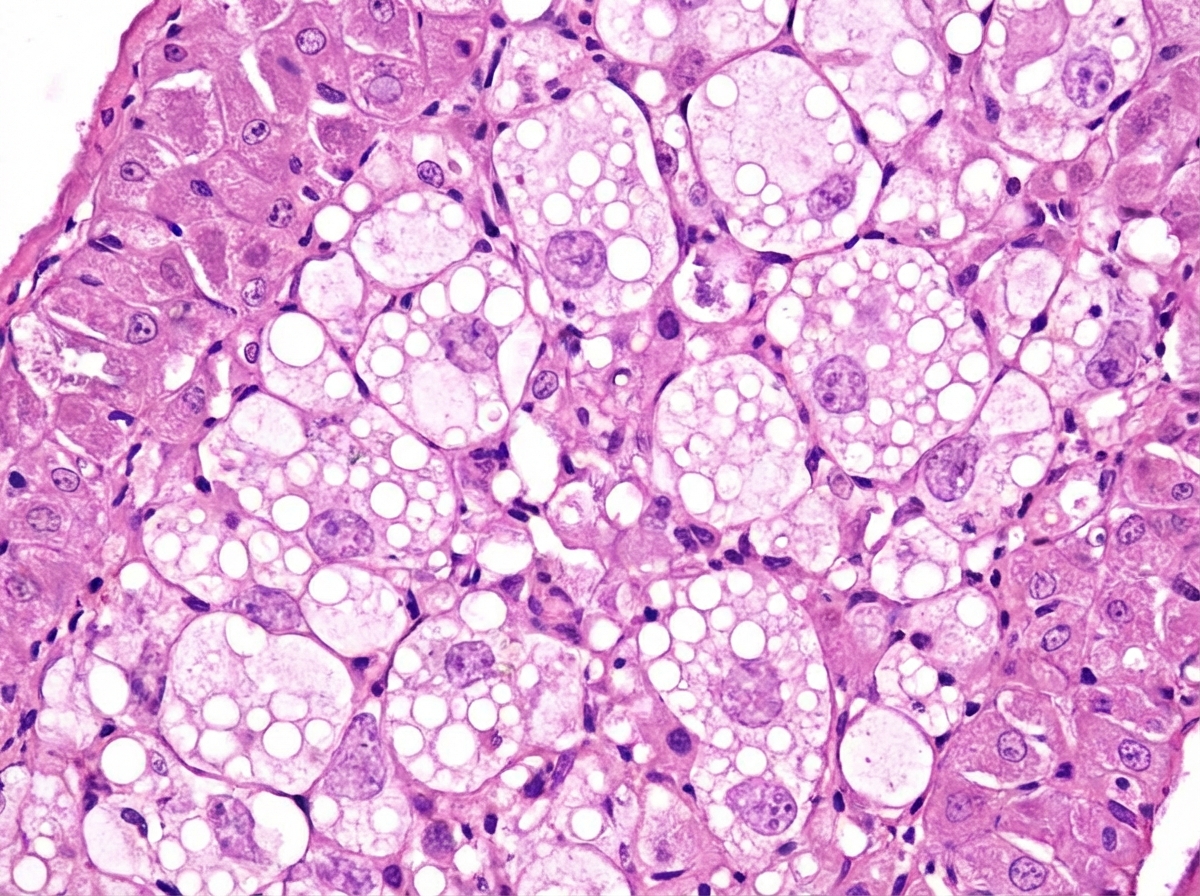
Histology in a child diagnosed with Gaucher's disease may show accumulation of which substance?
Migratory superficial thrombophlebitis is seen in which of the following conditions?
Which of the following is NOT an example of coagulative necrosis?
If both parents have sickle cell anemia, what is the likelihood of their offspring inheriting the disease?
A 55-year-old man with diabetes and a long history of renal failure is awaiting organ transplant and is on hemodialysis. If this man develops amyloid deposits around his joints, they are likely to be composed of which of the following substances?
What is true about hemochromatosis?
HMB 45 is a marker for which of the following?
Toll-like receptors are expressed in all of the following except:
Sezary syndrome is classified under which of the following categories?
Explanation: ### Explanation **Concept Overview:** Ionizing radiation (like X-rays or Gamma rays) causes cellular damage primarily through the **radiolysis of water**. This process generates reactive oxygen species (ROS) [1]. Among these, the **Hydroxyl radical (•OH)** is the most reactive and potent mediator of damage. **Why Hydroxyl Radical is Correct:** Lipid peroxidation is a process where free radicals "steal" electrons from the lipids in cell membranes, resulting in cell damage. The Hydroxyl radical (•OH) initiates this by reacting with the polyunsaturated fatty acids (PUFAs) of the membrane, creating a lipid peroxide radical [1], [2]. This triggers a self-amplifying chain reaction (initiation, propagation, and termination) that leads to extensive membrane damage and cell death. **Analysis of Incorrect Options:** * **Catalase (A):** This is an **antioxidant enzyme** found in peroxisomes. It protects the cell by decomposing hydrogen peroxide ($H_2O_2$) into water and oxygen [1]. It prevents damage rather than initiating it. * **Superoxide ($O_2^{•-}$) (B):** While it is a free radical produced by mitochondria, it has limited reactivity. It is usually converted to $H_2O_2$ by Superoxide Dismutase (SOD) [1] and is not the primary initiator of radiation-induced lipid peroxidation. * **Glutathione (D):** This is a major **intracellular antioxidant**. Glutathione peroxidase uses reduced glutathione to neutralize free radicals [2]. Like Catalase, it is a protective mechanism. **NEET-PG High-Yield Pearls:** * **Most reactive ROS:** Hydroxyl radical (•OH). * **Fenton Reaction:** $Fe^{2+} + H_2O_2 \rightarrow Fe^{3+} + OH^- + •OH$ (A key source of hydroxyl radicals) [1]. * **Morphological hallmark of Lipid Peroxidation:** Formation of **Lipofuscin** (the "wear-and-tear" pigment). * **Radiolysis of water** is the most common mechanism by which ionizing radiation damages DNA and membranes [1]. **References:** [1] Kumar V, Abbas AK, et al.. Robbins and Cotran Pathologic Basis of Disease. 9th ed. Cellular Responses to Stress and Toxic Insults: Adaptation, Injury, and Death, p. 59. [2] Kumar V, Abbas AK, et al.. Robbins and Cotran Pathologic Basis of Disease. 9th ed. Cellular Responses to Stress and Toxic Insults: Adaptation, Injury, and Death, pp. 59-60.
Explanation: **Explanation:** **Gaucher’s Disease** is the most common lysosomal storage disorder. It is an autosomal recessive condition caused by a deficiency of the enzyme **glucocerebrosidase** (also known as acid β-glucosidase). 1. **Why Option A is Correct:** Under normal physiological conditions, glucocerebrosidase cleaves glucose from ceramide. In Gaucher’s disease, the enzyme deficiency leads to the systemic accumulation of **glucocerebroside** (glucosylceramide) within the lysosomes of macrophages [1]. These laden macrophages are called **Gaucher cells**, characterized by a pathognomonic "wrinkled tissue paper" or "crumpled silk" appearance of the cytoplasm [1], [2]. 2. **Why Option B is Incorrect:** **Galactolipids** (specifically galactocerebroside) accumulate in **Krabbe’s disease** due to a deficiency of the enzyme galactocerebrosidase. 3. **Why Option C and D are Incorrect:** Since the metabolic defect in Gaucher’s is specific to the glucose-ceramide linkage, only glucocerebroside accumulates, making these options incorrect. **High-Yield Clinical Pearls for NEET-PG:** * **Gaucher Cells:** These are enlarged macrophages found primarily in the spleen, liver, and bone marrow [2]. They stain positive with **Periodic Acid-Schiff (PAS)**. * **Clinical Triad:** Hepatosplenomegaly (massive), bone involvement (Erlenmeyer flask deformity of the femur, bone crises), and cytopenias (due to hypersplenism) [1]. * **Biomarker:** Elevated levels of **serum chitotriosidase** and ACE are often seen. * **Treatment:** Enzyme Replacement Therapy (ERT) with recombinant enzymes (e.g., Imiglucerase) is the standard of care. **References:** [1] Kumar V, Abbas AK, et al.. Robbins and Cotran Pathologic Basis of Disease. 9th ed. Genetic Disorders, p. 163. [2] Kumar V, Abbas AK, et al.. Robbins and Cotran Pathologic Basis of Disease. 9th ed. Genetic Disorders, pp. 162-163.
Explanation: **Explanation:** **Migratory superficial thrombophlebitis**, also known as **Trousseau sign of malignancy**, is a paraneoplastic syndrome characterized by recurrent episodes of venous thrombosis that appear in different (migratory) locations, typically in the extremities [1]. **1. Why Carcinoma of the Pancreas is correct:** This condition is most classically associated with **adenocarcinomas** [1], particularly **Carcinoma of the Pancreas** (especially of the body and tail) [2]. The underlying pathophysiology involves the release of procoagulants, such as **mucin** and **tissue factor**, from the tumor cells into the circulation [2]. These substances trigger the extrinsic coagulation pathway, leading to a hypercoagulable state and the formation of multiple venous thrombi [1]. **2. Why other options are incorrect:** * **Astrocytoma:** While brain tumors can increase the risk of Deep Vein Thrombosis (DVT) due to immobility and tissue factor release, they are not the classic association for the "migratory" superficial form described by Trousseau. * **Renal Carcinoma:** Though it can cause hematological paraneoplastic syndromes (like polycythemia due to EPO production) or IVC obstruction, it is not the primary association for migratory thrombophlebitis. **Clinical Pearls for NEET-PG:** * **Trousseau Sign (Malignancy):** Do not confuse this with the Trousseau sign of latent tetany (carpal spasm during BP cuff inflation) [2]. * **Hypercoagulability in Cancer:** This is often referred to as a "prothrombotic state of malignancy." * **High-Yield Association:** If a question mentions "migratory thrombophlebitis" and "painless jaundice" or "weight loss," always suspect **Pancreatic Cancer** [2]. * **Other associated cancers:** Lung and gastric adenocarcinomas can also occasionally present with this sign [1]. **References:** [1] Kumar V, Abbas AK, et al.. Robbins and Cotran Pathologic Basis of Disease. 9th ed. Diseases of Infancy and Childhood, pp. 522-523. [2] Kumar V, Abbas AK, et al.. Robbins and Cotran Pathologic Basis of Disease. 9th ed. The Pancreas, pp. 899-900.
Explanation: **Explanation:** The core concept tested here is the tissue-specific response to ischemic injury. **Coagulative necrosis** is the most common pattern of cell death, typically occurring in solid organs following ischemia (infarct). In this pattern, the architecture of the dead tissue is preserved for several days because the injury denatures not only structural proteins but also the enzymes responsible for proteolysis (autolysis). **Why Option C is correct:** The **Brain** is the notable exception to the rule of coagulative necrosis following ischemia [1], [2]. Ischemic injury to the Central Nervous System (CNS) results in **Liquefactive necrosis**. This occurs because the brain has a high lipid content and lacks a robust supporting connective tissue framework. Microglial cells release powerful hydrolytic enzymes that rapidly digest the dead tissue into a liquid viscous mass (pus/fluid), eventually forming a cystic space [1], [2]. **Why other options are incorrect:** * **Options A, B, and D (Heart, Kidney, Adrenal):** These are all solid organs. Ischemia in these tissues leads to coagulative necrosis [2]. Under the microscope, these tissues exhibit "tombstone appearance"—where the cell outlines are preserved, but nuclei are lost (pyknosis, karyorrhexis, or karyolysis). **High-Yield NEET-PG Pearls:** * **Coagulative Necrosis:** Characteristic of all organ infarcts **EXCEPT** the brain [2]. * **Liquefactive Necrosis:** Seen in Brain infarcts and **Abscesses** (due to bacterial/fungal infections) [1]. * **Caseous Necrosis:** "Cheese-like" appearance, characteristic of **Tuberculosis** (granulomatous inflammation). * **Fat Necrosis:** Seen in **Acute Pancreatitis** (enzymatic) and breast trauma (non-enzymatic); characterized by "saponification" (calcium soap formation). **References:** [1] Kumar V, Abbas AK, et al.. Robbins and Cotran Pathologic Basis of Disease. 9th ed. The Central Nervous System, pp. 1268-1269. [2] Cross SS. Underwood's Pathology: A Clinical Approach. 6th ed. (Basic Pathology) introduces the student to key general principles of pathology, both as a medical science and as a clinical activity with a vital role in patient care. Part 2 (Disease Mechanisms) provides fundamental knowledge about the cellular and molecular processes involved in diseases, providing the rationale for their treatment. Part 3 (Systematic Pathology) deals in detail with specific diseases, with emphasis on the clinically important aspects., pp. 148-149.
Explanation: ### Explanation **1. Why Option D is Correct:** Sickle cell anemia is an **autosomal recessive** disorder caused by a point mutation in the HBB gene (substitution of glutamic acid by valine at the 6th position of the beta-globin chain) [1]. * In this scenario, both parents have the **disease** (Sickle Cell Anemia), meaning their genotypes are both homozygous recessive (**ss**). * According to Mendelian inheritance, a cross between two homozygous recessive individuals (**ss × ss**) will result in **100%** of the offspring having the genotype **ss**. * Therefore, every child will inherit two defective genes and manifest the disease [1]. **2. Why Other Options are Incorrect:** * **Option B (25%):** This is the probability of an offspring having the disease if both parents are **carriers** (Sickle Cell Trait, **Ss × Ss**). * **Option C (50%):** This is the probability if one parent has the **disease (ss)** and the other is a **carrier (Ss)**. * **Option A (10%):** This figure does not correspond to any standard Mendelian inheritance pattern for a single-gene autosomal disorder. **3. NEET-PG Clinical Pearls:** * **Molecular Basis:** Missense mutation (GAG → GTG) on Chromosome 11 [2]. * **Diagnosis:** **Hb Electrophoresis** is the gold standard (HbS moves slowest toward the anode compared to HbA and HbF). * **Screening Test:** Solubility test (using sodium dithionite) or Sickling test (using sodium metabisulfite). * **Protective Effect:** Heterozygotes (Sickle Cell Trait) have a selective advantage against *Plasmodium falciparum* malaria. * **Complication:** Autosplenectomy (due to repeated splenic infarctions) leads to increased susceptibility to encapsulated organisms like *Streptococcus pneumoniae* and *Salmonella* osteomyelitis. **References:** [1] Cross SS. Underwood's Pathology: A Clinical Approach. 6th ed. Common Clinical Problems From Blood And Bone Marrow Disease, pp. 598-599. [2] Kumar V, Abbas AK, et al.. Robbins and Cotran Pathologic Basis of Disease. 9th ed. Red Blood Cell and Bleeding Disorders, pp. 643-644.
Explanation: The clinical scenario describes **Hemodialysis-Associated Amyloidosis**. In patients with long-term renal failure undergoing hemodialysis, the correct answer is **Beta2-microglobulin (Aβ2M)** [1]. **1. Why Beta2-microglobulin is correct:** Beta2-microglobulin is a component of the MHC Class I molecule found on the surface of all nucleated cells. Under normal physiological conditions, it is filtered by the renal glomeruli and catabolized in the tubules. In patients with end-stage renal disease (ESRD), this protein cannot be filtered [1]. Standard hemodialysis membranes are inefficient at removing Beta2-microglobulin, leading to high serum concentrations. Over time (usually >10 years), it deposits as amyloid fibrils, showing a high predilection for osteoarticular structures like the **synovium, joints, and tendon sheaths**, often manifesting as Carpal Tunnel Syndrome [1]. **2. Why the other options are incorrect:** * **Amyloid-associated (AA) protein:** Derived from Serum Amyloid-Associated (SAA) protein, an acute-phase reactant [1]. It is seen in **Secondary Amyloidosis** resulting from chronic inflammatory conditions (e.g., Rheumatoid Arthritis, TB, Osteomyelitis) [2]. * **Amyloid light (AL) chains:** Derived from immunoglobulin light chains (usually lambda). It is associated with **Primary Amyloidosis** and Plasma Cell Dyscrasias (e.g., Multiple Myeloma) [3]. * **Calcitonin precursors (A-Cal):** These deposits are found locally in the stroma of **Medullary Carcinoma of the Thyroid**. **3. High-Yield Pearls for NEET-PG:** * **Staining:** All amyloid types show **Apple-green birefringence** under polarized light after **Congo Red** staining [4]. * **Transthyretin (ATTR):** Associated with Senile Systemic Amyloidosis (heart) and Familial Amyloid Polyneuropathies [2]. * **Alzheimer’s Disease:** Involves **Aβ amyloid** (derived from Amyloid Precursor Protein). * **Type 2 Diabetes:** Involves **Amylin (AIAPP)** deposits in the Islets of Langerhans. **References:** [1] Cross SS. Underwood's Pathology: A Clinical Approach. 6th ed. (Basic Pathology) introduces the student to key general principles of pathology, both as a medical science and as a clinical activity with a vital role in patient care. Part 2 (Disease Mechanisms) provides fundamental knowledge about the cellular and molecular processes involved in diseases, providing the rationale for their treatment. Part 3 (Systematic Pathology) deals in detail with specific diseases, with emphasis on the clinically important aspects., pp. 136-140. [2] Kumar V, Abbas AK, et al.. Robbins and Cotran Pathologic Basis of Disease. 9th ed. Diseases of the Immune System, pp. 267-268. [3] Kumar V, Abbas AK, et al.. Robbins and Cotran Pathologic Basis of Disease. 9th ed. Diseases of the Immune System, pp. 266-267. [4] Kumar V, Abbas AK, et al.. Robbins and Cotran Pathologic Basis of Disease. 9th ed. Diseases of the Immune System, pp. 268-269.
Explanation: **Explanation:** **Hereditary Hemochromatosis (HH)** is a disorder of iron metabolism characterized by excessive iron absorption and deposition in various organs (liver, heart, pancreas). **1. Why "Genetically Heterogenous" is Correct:** Hemochromatosis is not caused by a single mutation [1]. While the most common cause is a mutation in the **HFE gene** (C282Y or H63D), it can also be caused by mutations in other genes involved in iron regulation, such as **HJV** (Hemojuvelin), **HAMP** (Hepcidin), **TFR2** (Transferrin Receptor 2), and **SLC40A1** (Ferroportin) [2]. This variety of genetic origins defines its heterogeneity. **2. Why the Other Options are Incorrect:** * **B. Cannot be treated by phlebotomy:** This is false. Weekly **phlebotomy** (removal of blood) is the gold-standard treatment to deplete excess iron stores and prevent organ damage [2]. * **C. Is completely penetrant:** This is false. HH shows **incomplete penetrance**, meaning many individuals with the homozygous genotype (C282Y/C282Y) never develop clinical symptoms or significant iron overload. * **D. Is more common in females:** This is false. It is significantly more common in **males** (approx. 5:1 to 10:1 ratio). Females are protected during reproductive years due to physiological iron loss through menstruation and pregnancy. **High-Yield Clinical Pearls for NEET-PG:** * **Classic Triad (Bronze Diabetes):** Skin hyperpigmentation, Diabetes mellitus, and Cirrhosis. * **Pathogenesis:** Most forms involve a deficiency in **Hepcidin**, the master regulator of iron absorption [1], [2]. * **Stain:** **Prussian Blue** stain is used to visualize hemosiderin in tissues [1]. * **Cardiac Involvement:** Most commonly presents as Restrictive Cardiomyopathy (early) or Dilated Cardiomyopathy (late). * **Arthritis:** Often involves the 2nd and 3rd metacarpophalangeal (MCP) joints. **References:** [1] Kumar V, Abbas AK, et al.. Robbins and Cotran Pathologic Basis of Disease. 9th ed. Red Blood Cell and Bleeding Disorders, pp. 658-659. [2] Kumar V, Abbas AK, et al.. Robbins and Cotran Pathologic Basis of Disease. 9th ed. Liver and Gallbladder, pp. 854-855.
Explanation: **Explanation:** **HMB-45 (Human Melanoma Black-45)** is a highly specific monoclonal antibody used in immunohistochemistry (IHC) to identify **Melanoma** [1]. It reacts against **gp100**, a glycophosphoprotein found in the stage II melanosomes of melanocytes. While it is highly specific for melanocytic tumors, it is generally less sensitive than S-100, meaning it is excellent for confirming a diagnosis rather than screening. **Analysis of Options:** * **Option B (Melanoma):** Correct. HMB-45 is a classic marker for malignant melanoma [1]. It is particularly useful in distinguishing amelanotic melanoma (which lacks visible pigment) from other poorly differentiated tumors. * **Option A (Sarcoma):** Incorrect. Sarcomas are tumors of mesenchymal origin. Common markers include **Vimentin** (universal), Desmin (muscle), or CD34 (vascular). * **Option C (Carcinoma):** Incorrect. Carcinomas are of epithelial origin. The hallmark IHC marker for carcinomas is **Cytokeratin (CK)**. **High-Yield Clinical Pearls for NEET-PG:** * **S-100:** The most sensitive (but least specific) marker for melanoma. * **Melan-A (MART-1):** Another highly specific marker for melanocytic differentiation, often used alongside HMB-45. * **SOX10:** A reliable nuclear marker for both melanoma and nerve sheath tumors. * **HMB-45 Exceptions:** While primarily for melanoma, it can also be positive in **Angiomyolipoma (AML)** and Lymphangiomyomatosis (LAM), as these belong to the PEComa family of tumors. **References:** [1] Kumar V, Abbas AK, et al.. Robbins and Cotran Pathologic Basis of Disease. 9th ed. The Skin, pp. 1151-1152.
Explanation: Toll-like receptors (TLRs) are a class of **Pattern Recognition Receptors (PRRs)** that play a critical role in the innate immune system by detecting Pathogen-Associated Molecular Patterns (PAMPs). **Why B cells is the correct answer:** While TLRs are widely expressed on cells involved in innate immunity, they are **not typically expressed on B cells**. B cells primarily rely on their specific **B-cell receptors (BCR)** for antigen recognition [1]. Although some research suggests low-level expression of certain TLRs (like TLR9) in specific B-cell subsets, for the purposes of standard medical examinations like NEET-PG, B cells are categorized as lacking the classic TLR profile found on innate myeloid cells. **Analysis of other options:** * **Macrophages & Dendritic Cells:** These are the primary "sentinels" of the innate immune system. They express a wide array of TLRs (both on the cell surface and in endosomes) to detect bacteria, viruses, and fungi, triggering the release of cytokines and initiating the inflammatory response [2]. * **T cells:** Surprisingly, T cells do express certain TLRs (e.g., TLR2). These act as co-stimulatory molecules that can directly modulate T-cell activation and proliferation, bridging the gap between innate and adaptive immunity. **High-Yield Clinical Pearls for NEET-PG:** * **Location:** TLRs are found on the **plasma membrane** (detecting extracellular bacteria) and **endosomal membranes** (detecting nucleic acids of ingested viruses/bacteria). * **TLR-4:** Specifically recognizes **Lipopolysaccharide (LPS)** on Gram-negative bacteria. * **TLR-3:** Recognizes double-stranded RNA (dsRNA). * **Transcription Factor:** Activation of most TLRs leads to the activation of **NF-ΙB**, which stimulates the synthesis and secretion of cytokines and adhesion molecules. **References:** [1] Kumar V, Abbas AK, et al.. Robbins and Cotran Pathologic Basis of Disease. 9th ed. Diseases of the Immune System, pp. 199-200. [2] Kumar V, Abbas AK, et al.. Robbins and Cotran Pathologic Basis of Disease. 9th ed. Diseases of the Immune System, p. 200.
Explanation: **Explanation:** **Sezary Syndrome (SS)** is an aggressive, leukemic form of **Cutaneous T-Cell Lymphoma (CTCL)** [1]. It is characterized by a triad of erythroderma (generalized redness of the skin), lymphadenopathy, and the presence of malignant T cells (Sezary cells) in the peripheral blood [2]. 1. **Why Option A is Correct:** While closely related to Mycosis Fungoides (MF), Sezary Syndrome is specifically defined by its **leukemic involvement**. According to the WHO classification, it is categorized under Peripheral T-cell neoplasms [3]. The hallmark is the presence of **Sezary cells**—atypical CD4+ T-helper cells with characteristic **cerebriform nuclei** (folded, brain-like appearance)—circulating in the blood [1], [2]. 2. **Why Other Options are Incorrect:** * **Option B:** While SS is a type of lymphoma, in the context of competitive exams like NEET-PG, it is specifically distinguished from Mycosis Fungoides by its **leukemic** phase. MF is skin-limited (lymphoma), whereas SS is systemic (leukemia) [4]. * **Option C:** SS involves **T-helper cells (CD4+)**, not B cells [1]. * **Option D:** Although it presents with erythroderma, it is a neoplastic malignancy, not a primary disorder of pigmentation (like vitiligo or melasma). **High-Yield Clinical Pearls for NEET-PG:** * **Immunophenotype:** Typically **CD3+, CD4+, and CD8-**. A key diagnostic feature is the loss of normal T-cell markers like CD7. * **Pautrier’s Microabscesses:** These are clusters of atypical lymphocytes in the epidermis, more commonly seen in Mycosis Fungoides but can occur in SS [2]. * **Clinical Triad:** Erythroderma, Lymphadenopathy, and Circulating Sezary cells (>1000/mm³). * **Morphology:** Look for the "Cerebriform nucleus" in peripheral blood smears or skin biopsies [1]. **References:** [1] Kumar V, Abbas AK, et al.. Robbins and Cotran Pathologic Basis of Disease. 9th ed. Diseases of White Blood Cells, Lymph Nodes, Spleen, and Thymus, pp. 613-614. [2] Cross SS. Underwood's Pathology: A Clinical Approach. 6th ed. Common Clinical Problems From Diseases Of The Urinary And Male Genital Tracts, pp. 564-565. [3] Kumar V, Abbas AK, et al.. Robbins and Cotran Pathologic Basis of Disease. 9th ed. Diseases of White Blood Cells, Lymph Nodes, Spleen, and Thymus, pp. 596-598. [4] Kumar V, Abbas AK, et al.. Robbins and Cotran Pathologic Basis of Disease. 9th ed. The Skin, p. 1162.
Cell Injury and Cell Death
Practice Questions
Adaptations of Cellular Growth
Practice Questions
Accumulations and Deposits
Practice Questions
Acute and Chronic Inflammation
Practice Questions
Tissue Repair and Wound Healing
Practice Questions
Hemodynamic Disorders
Practice Questions
Genetic Disorders
Practice Questions
Environmental Pathology
Practice Questions
Nutritional Diseases
Practice Questions
Molecular Basis of Disease
Practice Questions
Get full access to all questions, explanations, and performance tracking.
Start For Free