Which of the following is a negative stain?
Which of the following stains is used for acidic mucin?
Which of the following is homogenously pink staining extracellular fibrillar protein on Congo red staining?
What is the indicated technique for histopathological examination of uterine cancer for mass screening?
A patient with multinodular goiter underwent fine needle aspiration cytology which was suspicious for papillary thyroid carcinoma. What is the percentage of malignancy risk in this patient?
An intestinal biopsy is most diagnostic in which of the following conditions?
A 26-year-old woman experiences the sudden onset of left-sided lower abdominal pain with radiation to the back, pelvis, and thigh. Following a negative test for pregnancy, abdominal radiography shows an enlarged left ovary with multiple calcifications. Laparoscopy reveals adnexal torsion and an ovarian tumor. Ovariectomy is performed. The tumor is most likely?
Wilms tumor is associated with all of the following except?
A 30-year-old lady presents with features of malabsorption and iron deficiency anemia. Duodenal biopsy reveals complete villous atrophy. Which of the following antibodies is likely to be present?
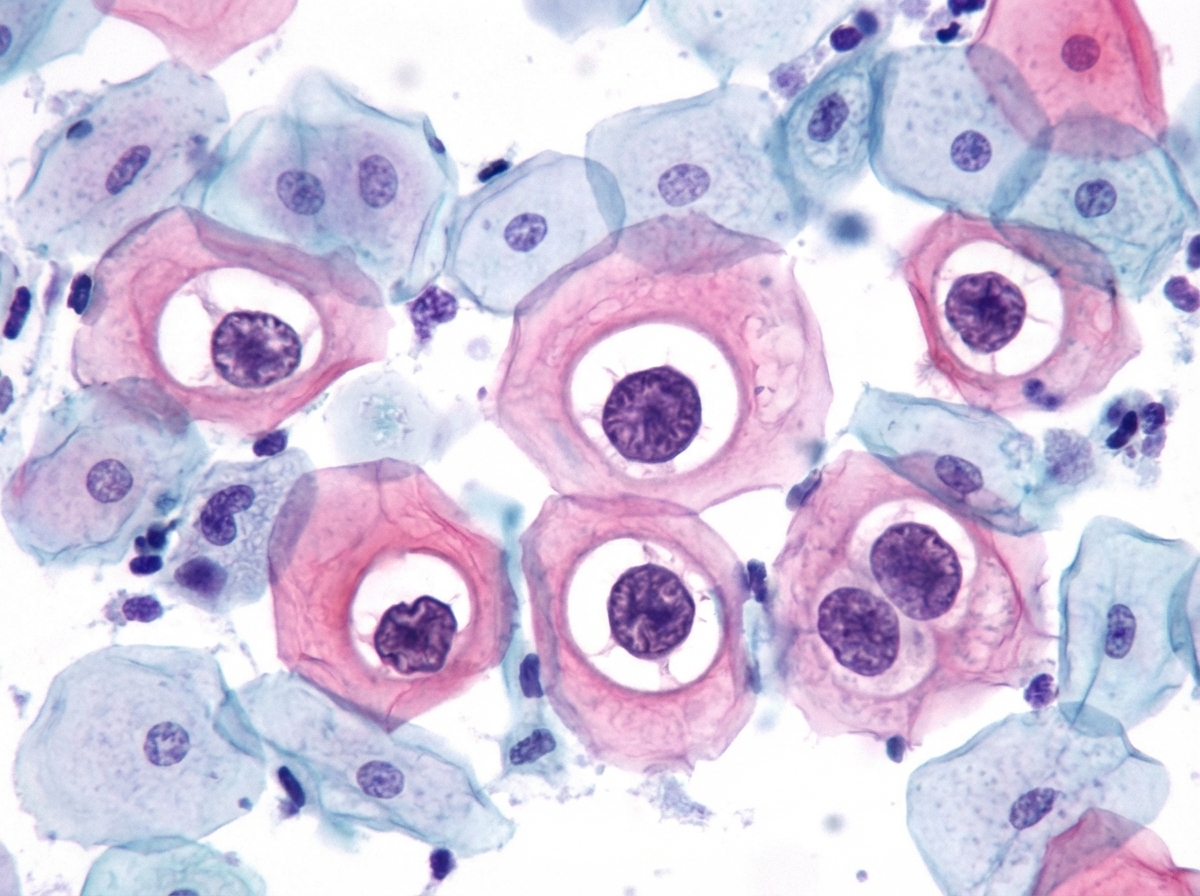
A 24-year-old woman is noted to have atypical cells on a Pap smear that are consistent with infection by human papillomavirus (HPV). Which of the following describes the characteristic cytopathic effect caused by infection with HPV?
Explanation: **Explanation:** **1. Why Negrosin is the Correct Answer:** Negrosin (along with India Ink) is a classic example of a **negative stain**. In negative staining, the dye is acidic and carries a negative charge. Since the bacterial cell surface is also negatively charged, the dye is repelled by the cell. Consequently, the background is stained dark, while the organism remains colorless and transparent. This technique is particularly useful for visualizing delicate structures like **capsules**, which do not take up ordinary stains. **2. Analysis of Incorrect Options:** * **Fontana Stain:** This is a silver impregnation stain used primarily to visualize **Spirochetes** (like *Treponema pallidum*) and argentaffin granules. It is not a negative stain. * **ZN (Ziehl-Neelsen) Stain:** This is a **differential stain** (Acid-fast stain) used to identify Mycobacteria [2]. It utilizes carbol fuchsin and heat to penetrate the waxy cell wall. * **Albert Stain:** This is a **special stain** used to demonstrate metachromatic granules (Volutin granules) in *Corynebacterium diphtheriae*. **3. High-Yield Clinical Pearls for NEET-PG:** * **India Ink/Nigrosin:** The most common clinical application is the identification of ***Cryptococcus neoformans*** in CSF (showing a clear halo against a dark background) [1]. * **Capsule Visualization:** Negative staining is the preferred method because heat fixation (required for positive stains) can shrink or destroy the polysaccharide capsule. * **Other Negative Stains:** Eosin and Congo Red can also function as negative stains in specific laboratory contexts. * **Mnemonic:** Remember **"NIC"** for Negative stains: **N**igrosin, **I**ndia Ink, **C**ongo Red. **References:** [1] Kumar V, Abbas AK, et al.. Robbins and Cotran Pathologic Basis of Disease. 9th ed. The Central Nervous System, pp. 1274-1275. [2] Kumar V, Abbas AK, et al.. Robbins and Cotran Pathologic Basis of Disease. 9th ed. Infectious Diseases, pp. 381-382.
Explanation: **Explanation:** The correct answer is **Alcian Blue**. **1. Why Alcian Blue is Correct:** Alcian blue is a basic dye containing copper, which gives it its characteristic blue color. It works by forming salt linkages with the anionic (negatively charged) groups of **acidic mucins** (acid mucopolysaccharides and glycosaminoglycans). At a pH of 2.5, it stains both carboxylated and sulfated acidic mucins blue, making it the gold standard for identifying intestinal metaplasia (e.g., Barrett’s esophagus) and certain mucin-secreting tumors. **2. Why Other Options are Incorrect:** * **PAS (Periodic Acid-Schiff):** This stain primarily identifies **neutral mucins**, glycogen, and basement membranes. It reacts with aldehyde groups created by the oxidation of 1,2-glycols. While some acidic mucins may be PAS-positive, it is not specific for them. * **Masson’s Trichrome:** This is a connective tissue stain used to differentiate between **collagen** (stains blue/green) and smooth muscle/epithelium (stains red). * **PTAH (Phosphotungstic Acid Hematoxylin):** This stain is used to demonstrate **striations in skeletal muscle** (rhabdomyosarcoma), fibrin, and glial fibers. **3. High-Yield Clinical Pearls for NEET-PG:** * **Combined PAS-Alcian Blue:** Used to differentiate neutral mucins (magenta) from acidic mucins (blue) in the same section. * **Mucicarmine:** Another specific stain for acidic mucins, particularly useful for identifying *Cryptococcus neoformans* (capsule stains red). * **pH Variation:** At pH 1.0, Alcian blue stains only sulfated mucins; at pH 2.5, it stains both carboxylated and sulfated mucins. * **Colloid Carcinoma:** Often shows abundant Alcian blue-positive extracellular mucin.
Explanation: The correct answer is **Amyloid**. **Why Amyloid is Correct:** Amyloid is a pathological proteinaceous substance deposited in the extracellular space [3]. It is characterized by a **beta-pleated sheet** configuration [1], which gives it unique staining properties. On routine Hematoxylin and Eosin (H&E) stains, it appears as a structureless, **homogenously pink (eosinophilic)**, hyaline material [2]. However, its definitive identification requires **Congo red staining**, where it appears salmon-pink under light microscopy [1], [2]. When viewed under polarized light, it exhibits the pathognomonic **apple-green birefringence** [1], [2]. **Why Other Options are Incorrect:** * **Elastin:** These are fibers found in connective tissue. They are typically visualized using Verhoeff-Van Gieson (VVG) or Orcein stains (appearing black/brown), not Congo red. * **Collagen:** While collagen is also eosinophilic (pink) on H&E, it has a distinct wavy, bundled morphology rather than the amorphous, glassy appearance of amyloid. It stains blue/green on Masson’s Trichrome. * **Actin:** This is an intracellular contractile protein (microfilament). It is not an extracellular fibrillar protein and does not react with Congo red. **High-Yield Clinical Pearls for NEET-PG:** * **Gold Standard for Diagnosis:** Congo red stain with apple-green birefringence under polarized light [1]. * **Secondary Amyloidosis (AA):** Associated with chronic inflammation (e.g., TB, Rheumatoid Arthritis); precursor is Serum Amyloid-Associated protein. * **Primary Amyloidosis (AL):** Associated with Plasma Cell Dyscrasias (e.g., Multiple Myeloma); consists of Immunoglobulin Light Chains [2]. * **Alzheimer’s Disease:** Characterized by **Aβ amyloid** deposition in the brain. * **Dialysis-associated:** Related to **β2-microglobulin** accumulation [4]. **References:** [1] Kumar V, Abbas AK, et al.. Robbins and Cotran Pathologic Basis of Disease. 9th ed. Diseases of the Immune System, pp. 268-269. [2] Cross SS. Underwood's Pathology: A Clinical Approach. 6th ed. Common Clinical Problems From Diseases Of The Urinary And Male Genital Tracts, pp. 533-534. [3] Kumar V, Abbas AK, et al.. Robbins and Cotran Pathologic Basis of Disease. 9th ed. Diseases of the Immune System, pp. 264-266. [4] Kumar V, Abbas AK, et al.. Robbins and Cotran Pathologic Basis of Disease. 9th ed. Diseases of the Immune System, p. 266.
Explanation: **Exfoliative cytology** is the correct answer because it is the gold standard for mass screening of uterine (specifically cervical) cancer [1]. The underlying medical concept is based on the physiological shedding (exfoliation) of cells from the epithelial surfaces into body cavities or onto the surface of the cervix [2]. In the context of the **Pap smear**, cells are scraped or shed from the transformation zone of the cervix [1]. Because it is non-invasive, cost-effective, and capable of detecting pre-malignant lesions (dysplasia), it is the ideal tool for population-based screening [3]. **Analysis of Incorrect Options:** * **Brush cytology:** While a brush (Cytobrush) is often used to collect cells during a Pap smear, "Brush Cytology" as a standalone term usually refers to specialized techniques used during endoscopy (e.g., bronchial or biliary brushing) [1]. Exfoliative cytology is the broader, more accurate category for screening. * **Fine Needle Aspiration Cytology (FNAC):** This is a diagnostic tool for palpable masses (e.g., breast lumps, thyroid nodules, or lymph nodes) [3]. It is not used for screening uterine cancer as it is invasive and cannot sample the surface epithelium where most uterine cancers originate. **Clinical Pearls for NEET-PG:** * **Pap Smear:** The most successful screening test in medical history. It primarily targets the **Transformation Zone** [4]. * **Fixative used:** 95% Ethyl alcohol is the standard fixative for cytological smears. * **Staining:** The Papanicolaou (Pap) stain is used to visualize nuclear detail and cytoplasmic maturation [1]. * **Bethesda System:** The standard reporting system for cervical cytology. * **Liquid-Based Cytology (LBC):** A modern modification of exfoliative cytology that reduces obscuring factors like blood and inflammation. **References:** [1] Kumar V, Abbas AK, et al.. Robbins and Cotran Pathologic Basis of Disease. 9th ed. The Female Genital Tract, pp. 1010-1011. [2] Kumar V, Abbas AK, et al.. Robbins and Cotran Pathologic Basis of Disease. 9th ed. The Female Genital Tract, p. 1010. [3] Cross SS. Underwood's Pathology: A Clinical Approach. 6th ed. (Basic Pathology) introduces the student to key general principles of pathology, both as a medical science and as a clinical activity with a vital role in patient care. Part 2 (Disease Mechanisms) provides fundamental knowledge about the cellular and molecular processes involved in diseases, providing the rationale for their treatment. Part 3 (Systematic Pathology) deals in detail with specific diseases, with emphasis on the clinically important aspects., pp. 237-240. [4] Cross SS. Underwood's Pathology: A Clinical Approach. 6th ed. Common Clinical Problems From Female Genital Tract Disease, pp. 467-468.
Explanation: This question tests your knowledge of the **Bethesda System for Reporting Thyroid Cytopathology (BSRTC)**, which is a standardized classification used to estimate the risk of malignancy (ROM) and guide clinical management. In the Bethesda System, the category **"Suspicious for Malignancy" (Category V)** carries a high risk of cancer. According to the updated Bethesda guidelines (2nd and 3rd editions), the risk of malignancy for a "Suspicious" nodule is approximately **50–75%**, with an average value often cited as **57%** (when NIFTP is considered a non-malignant outcome) or higher. Cytologically, this category is used when the aspirate shows some features of malignancy (like nuclear grooves or inclusions in Papillary Thyroid Carcinoma) that are strong but not sufficient for a definitive diagnosis of "Malignant" (Category VI) [1]. Why Other Options are Incorrect: * **A (20%) & C (30%):** These values are too low for Category V. A ROM of **10–30%** is typically associated with **Category III** (Atypia of Undetermined Significance/Follicular Lesion of Undetermined Significance - AUS/FLUS). * **D (41%):** This value is more closely associated with **Category IV** (Follicular Neoplasm/Suspicious for Follicular Neoplasm), which generally carries a ROM of **25–40%**. High-Yield Clinical Pearls for NEET-PG: * **Note:** The most common thyroid cancer is Papillary Carcinoma, characterized by Orphan Annie eye nuclei, Psammoma bodies, and nuclear grooves [1]. **References:** [1] Kumar V, Abbas AK, et al.. Robbins and Cotran Pathologic Basis of Disease. 9th ed. The Endocrine System, p. 1099.
Explanation: In **Whipple disease**, an intestinal biopsy is considered pathognomonic and definitive for diagnosis [1]. The hallmark finding is the presence of **PAS-positive, diastase-resistant macrophages** within the lamina propria of the small intestine. These macrophages contain the causative organism, *Tropheryma whipplei*. Under electron microscopy, these appear as characteristic "bacilliform bodies." [1] **Analysis of Options:** * **Whipple disease (Correct):** The biopsy is diagnostic because the specific histological finding (foamy macrophages with PAS+ granules) is unique to this condition and distinguishes it from other malabsorption syndromes [1]. * **Celiac disease:** While biopsy shows villous atrophy, crypt hyperplasia, and increased intraepithelial lymphocytes, these findings are suggestive but not pathognomonic [2, 3]. Diagnosis requires correlation with serology (Anti-ttG) and clinical response to a gluten-free diet [4]. * **Tropical sprue:** Biopsy findings are similar to Celiac disease (villous atrophy) but often involve the entire small intestine. It is a diagnosis of exclusion based on travel history and response to antibiotics/folate. * **Lactose intolerance:** This is a functional mucosal enzyme deficiency (lactase). The intestinal morphology/biopsy is typically **normal**. Diagnosis is usually made via a Hydrogen Breath Test or clinical challenge. **High-Yield Clinical Pearls for NEET-PG:** * **Whipple Disease Triad:** Malabsorption, Lymphadenopathy, and Arthritis (often migratory) [1]. * **Mnemonic for Biopsy:** **P**AS **P**ositive **P**olymorphs in **P**roprial **P**hagocytes (Macrophages). * **Rule out:** Always rule out *MAI (Mycobacterium avium-intracellulare)* in HIV patients, as it also shows PAS-positive macrophages; however, MAI will be **Acid-Fast (AFB) positive**, whereas *T. whipplei* is AFB negative [1]. **References:** [1] Kumar V, Abbas AK, et al.. Robbins and Cotran Pathologic Basis of Disease. 9th ed. The Gastrointestinal Tract, pp. 798-799. [2] Cross SS. Underwood's Pathology: A Clinical Approach. 6th ed. Common Clinical Problems From Alimentary System Disease, pp. 361-362. [3] Kumar V, Abbas AK, et al.. Robbins and Cotran Pathologic Basis of Disease. 9th ed. The Gastrointestinal Tract, pp. 789-790. [4] Cross SS. Underwood's Pathology: A Clinical Approach. 6th ed. Common Clinical Problems From Alimentary System Disease, pp. 360-361.
Explanation: The clinical presentation of a young woman with sudden-onset lower abdominal pain radiating to the back and thigh, combined with a negative pregnancy test, is highly suggestive of **adnexal torsion**. The key diagnostic clue in the question is the presence of **multiple calcifications** on abdominal radiography within an enlarged ovary. **Why Option D is Correct:** A **Dermoid Cyst (Mature Cystic Teratoma)** is the most common germ cell tumor in young women [2]. These tumors are composed of mature tissues from all three germ layers [1][2]. The presence of **teeth or bone** within the cyst frequently results in radio-opaque calcifications on X-ray [1][2]. Furthermore, dermoid cysts are notorious for having a high fat content and a long pedicle, making them the most common ovarian tumor to undergo **torsion**. **Why Other Options are Incorrect:** * **A. Granulosa Cell Tumor:** These are sex cord-stromal tumors that secrete estrogen (causing endometrial hyperplasia). They do not typically present with calcifications on X-ray. * **B. Brenner Tumor:** While these can have calcifications, they are usually small, solid, fibroepithelial tumors found incidentally in older women (50s-60s), not typically presenting as a large torsed mass in a 26-year-old. * **C. Serous Cystadenoma:** These are common cystic tumors but usually lack the dense calcified elements (like teeth) seen on plain radiography. While Psammoma bodies (microscopic calcifications) occur in serous *carcinomas*, they are rarely visible on standard X-rays. **NEET-PG High-Yield Pearls:** * **Most common ovarian tumor to torse:** Dermoid Cyst. * **Radiological sign:** "Rokitansky protuberance" (dermoid plug) is seen on ultrasound. * **Complication:** 1-2% undergo malignant transformation, most commonly into **Squamous Cell Carcinoma** [1]. * **Struma Ovarii:** A specialized teratoma composed entirely of thyroid tissue; can cause hyperthyroidism [1]. **References:** [1] Kumar V, Abbas AK, et al.. Robbins and Cotran Pathologic Basis of Disease. 9th ed. The Female Genital Tract, pp. 1033-1034. [2] Cross SS. Underwood's Pathology: A Clinical Approach. 6th ed. Common Clinical Problems From Female Genital Tract Disease, pp. 480-481.
Explanation: **Explanation:** Wilms tumor (Nephroblastoma) is the most common primary renal tumor of childhood. It is frequently associated with specific congenital malformations and genetic syndromes [1], but **Bilateral Polycystic Kidney Disease (ADPKD/ARPKD)** is a distinct genetic ciliopathy and is **not** a recognized component of Wilms tumor associations. **Why the other options are associated with Wilms Tumor:** * **Aniridia (Option B):** This is a key feature of the **WAGR Syndrome** (Wilms tumor, Aniridia, Genitourinary anomalies, and intellectual disability/Retardation) [1]. It results from a microdeletion on chromosome 11p13 involving the *WT1* and *PAX6* genes [1]. * **Hemihypertrophy (Option A):** This is a classic feature of **Beckwith-Wiedemann Syndrome (BWS)**, characterized by organomegaly, macroglossia, and hemihypertrophy. BWS is caused by abnormalities in the 11p15.5 region (*WT2* locus). * **Hypertension (Option C):** Up to 25% of patients with Wilms tumor present with hypertension. This occurs due to increased **renin production** by the tumor cells or compression of the renal artery by the tumor mass (Goldblatt kidney mechanism). **High-Yield Clinical Pearls for NEET-PG:** * **Triphasic Morphology:** On histopathology, Wilms tumor shows three components: Blastemal (small blue cells), Stromal (fibrocytic/myxoid), and Epithelial (tubules/glomeruli). * **Denys-Drash Syndrome:** Characterized by Wilms tumor, gonadal dysgenesis, and early-onset nephropathy (diffuse mesangial sclerosis). * **Most Common Presentation:** A large, palpable, asymptomatic abdominal mass in a child (usually 2–5 years old) that does not cross the midline. * **Prognostic Factor:** The presence of **anaplasia** (p53 mutation) is the most important adverse histological prognostic factor. **References:** [1] Kumar V, Abbas AK, et al.. Robbins and Cotran Pathologic Basis of Disease. 9th ed. Diseases of Infancy and Childhood, pp. 487-488.
Explanation: ### Explanation The clinical presentation of **malabsorption**, **iron deficiency anemia**, and **complete villous atrophy** on duodenal biopsy is a classic description of **Celiac Disease** (Gluten-sensitive enteropathy) [3]. **1. Why Antiendomysial antibodies (EMA) is correct:** Celiac disease is an immune-mediated enteropathy triggered by gluten ingestion in genetically predisposed individuals (HLA-DQ2/DQ8) [1]. **Anti-tissue transglutaminase (tTG) IgA** is the preferred screening test due to high sensitivity, but **Antiendomysial IgA antibodies** are highly specific (nearly 100%) for the diagnosis [2]. These antibodies are directed against the connective tissue covering of muscle fibers, where the target antigen is actually tissue transglutaminase. **2. Why the other options are incorrect:** * **Anti-goblet cell antibodies:** These are specific markers for **Ulcerative Colitis**, targeting the mucus-producing cells of the intestinal epithelium. * **Anti-Saccharomyces cerevisiae antibodies (ASCA):** These are typically associated with **Crohn’s Disease**. While not 100% specific, they help differentiate Crohn's from Ulcerative Colitis. * **Antineutrophil cytoplasmic antibodies (p-ANCA):** These are frequently positive in **Ulcerative Colitis** and Primary Sclerosing Cholangitis (PSC), but are rarely seen in Celiac disease. **Clinical Pearls for NEET-PG:** * **Gold Standard Diagnosis:** D2 (distal duodenum) biopsy showing villous atrophy, crypt hyperplasia, and increased intraepithelial lymphocytes (Marsh Classification) [1], [3]. * **Associated Conditions:** Dermatitis herpetiformis, Type 1 Diabetes, and Selective IgA deficiency [1]. * **Important Note:** If a patient has **Selective IgA deficiency** (common in Celiac), IgA-based tests will be false negatives; in such cases, **IgG-tTG** or **IgG-DGP** (Deamidated Gliadin Peptide) should be checked. * **Malignancy Risk:** Increased risk of Enteropathy-Associated T-cell Lymphoma (EATL). **References:** [1] Kumar V, Abbas AK, et al.. Robbins and Cotran Pathologic Basis of Disease. 9th ed. The Gastrointestinal Tract, pp. 789-790. [2] Cross SS. Underwood's Pathology: A Clinical Approach. 6th ed. Common Clinical Problems From Alimentary System Disease, pp. 360-361. [3] Cross SS. Underwood's Pathology: A Clinical Approach. 6th ed. Common Clinical Problems From Alimentary System Disease, pp. 361-362.
Explanation: **Explanation:** The correct answer is **B. Koilocytosis.** **1. Why Koilocytosis is Correct:** Koilocytosis [1] is the pathognomonic cytopathic effect of Human Papillomavirus (HPV) infection, particularly types 6, 11 (low-risk) and 16, 18 (high-risk) [3]. On a Pap smear, a **koilocyte** is a squamous epithelial cell that has undergone specific structural changes due to the E5 and E6/E7 viral proteins [2]. Key features include: * **Nuclear atypia:** Enlarged, hyperchromatic ("raisinoid") nucleus with an irregular membrane [1]. * **Perinuclear halo:** A sharp, clear zone around the nucleus caused by the collapse of cytoplasmic intermediate filaments [3]. **2. Why Other Options are Incorrect:** * **A & C. Hyperkeratosis and Parakeratosis:** These represent reactive changes of the squamous epithelium [3]. Hyperkeratosis is an thickening of the stratum corneum (no nuclei), while parakeratosis is the retention of nuclei in the stratum corneum. While they can be seen in various cervical irritations, they are non-specific and not diagnostic of HPV. * **D. Apoptosis:** This is programmed cell death. While HPV interferes with apoptotic pathways (via E6 protein inhibiting p53), apoptosis itself is not a diagnostic cytological feature of an HPV infection [2]. **3. NEET-PG High-Yield Pearls:** * **HPV Proteins:** **E6** binds to **p53** (degradation), and **E7** binds to **pRb** (releasing E2F transcription factor), leading to uncontrolled cell cycle progression [2]. * **Bethesda System:** Koilocytic changes are categorized under **LSIL** (Low-grade Squamous Intraepithelial Lesion) [1], [2]. * **Fried Egg Appearance:** Koilocytes are often described as having a "halo" or "fried egg" appearance in the superficial/intermediate layers of the epithelium [1]. **References:** [1] Kumar V, Abbas AK, et al.. Robbins and Cotran Pathologic Basis of Disease. 9th ed. The Female Genital Tract, p. 1010. [2] Kumar V, Abbas AK, et al.. Robbins and Cotran Pathologic Basis of Disease. 9th ed. The Female Genital Tract, pp. 1007-1008. [3] Cross SS. Underwood's Pathology: A Clinical Approach. 6th ed. Common Clinical Problems From Female Genital Tract Disease, pp. 466-467.
Basic Principles of Cytopathology
Practice Questions
Specimen Collection and Processing
Practice Questions
Gynecologic Cytology
Practice Questions
Respiratory Tract Cytology
Practice Questions
Urinary Tract Cytology
Practice Questions
Effusion Cytology
Practice Questions
Fine Needle Aspiration Cytology
Practice Questions
Gastrointestinal Tract Cytology
Practice Questions
Ancillary Studies in Cytopathology
Practice Questions
Quality Assurance in Cytopathology
Practice Questions
Get full access to all questions, explanations, and performance tracking.
Start For Free