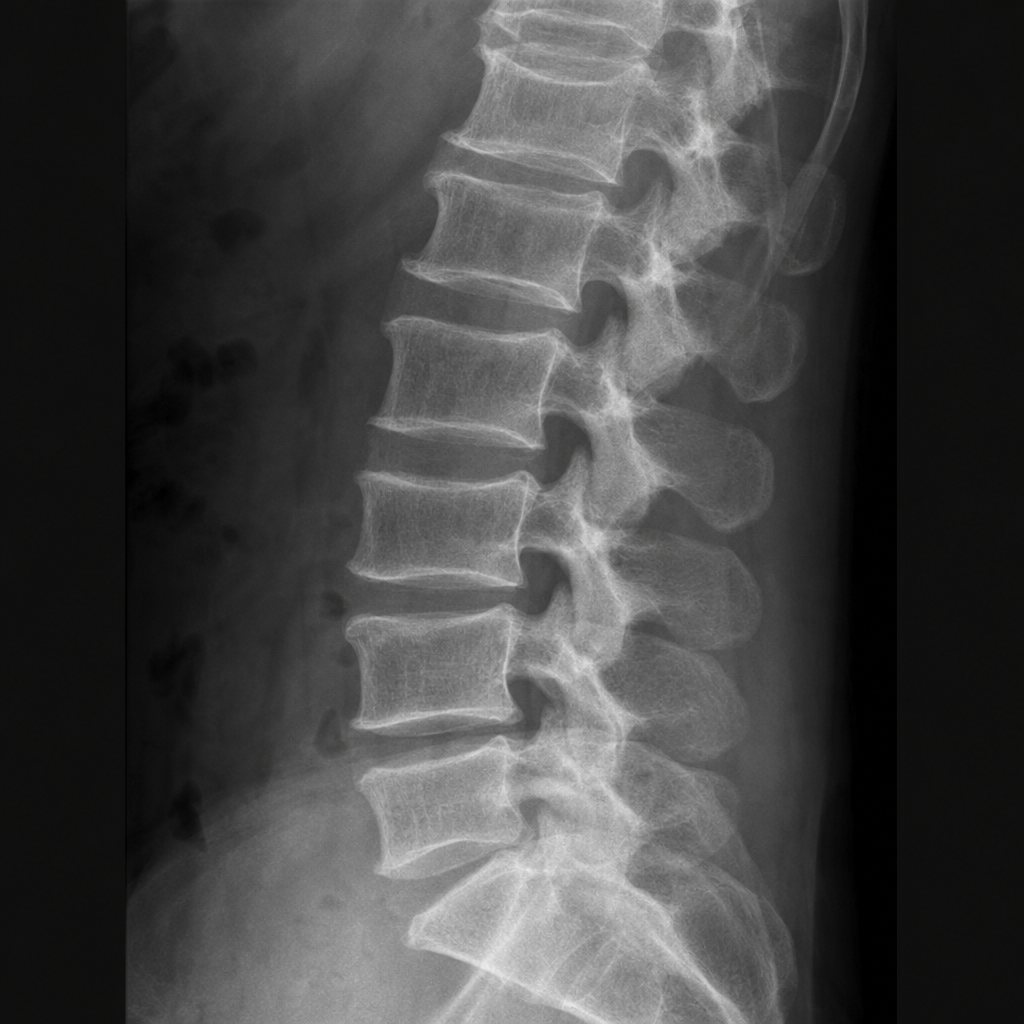
All of the following are true about Osteomalacia, EXCEPT:
Serum alkaline phosphatase level is normal in which of the following conditions?
Bone resorption is decreased by all of the following agents except:
Osteoporosis is characterized by?
Deficient mineralization in epiphysial growth cartilage is seen in?
Osteoporosis in postmenopausal women is defined by T-score of?
Albers-Schönberg disease is defined as which of the following conditions?
What is the LEAST common cause of a proximal lytic lesion of the head of the femur in a 13-year-old boy?
Molten - wax appearance is seen in?
Secondary hyperparathyroidism is seen in all except?
Explanation: **Explanation:** Osteomalacia is a metabolic bone disease characterized by **defective mineralization** of the organic bone matrix (osteoid), most commonly due to Vitamin D deficiency. **1. Why "Increased Calcium" is the correct answer (The Exception):** In Osteomalacia, serum calcium is **never increased**. Because Vitamin D is essential for intestinal calcium absorption, its deficiency leads to **low (hypocalcemia)** or **low-normal** serum calcium levels. An increase in calcium would instead suggest conditions like primary hyperparathyroidism or malignancy. **2. Analysis of other options:** * **Normal serum calcium (Option C):** This is a common finding due to **Secondary Hyperparathyroidism**. When calcium levels drop, the parathyroid glands secrete PTH, which mobilizes calcium from bones to maintain a low-normal serum level. * **Increased serum phosphate (Option B):** *Note: In classic Osteomalacia, phosphate is usually low due to PTH-induced renal wasting. However, in the context of this specific question format, "Increased Calcium" is the most definitive physiological impossibility, making it the primary exception.* * **Osteosclerotic lesions and pseudofractures (Option D):** **Looser’s zones** (pseudofractures) are the hallmark radiologic feature of osteomalacia. While the bone is generally osteopenic, some variants (like Renal Osteodystrophy) can present with osteosclerosis (e.g., "Rugger-Jersey spine"). **High-Yield NEET-PG Pearls:** * **Biochemical Profile:** ↓/Normal Ca²⁺, ↓ Phosphate, **↑ Alkaline Phosphatase (ALP)**, and ↑ PTH. * **Radiology:** Look for **Looser’s Zones** (Milkman’s fractures)—transverse lucent lines perpendicular to the cortex, typically found in the femoral neck, ribs, and scapula. * **Histology:** Increased thickness of **unmineralized osteoid seams**. * **Clinical Sign:** Proximal muscle weakness (waddling gait) and bone pain.
Explanation: **Explanation:** The correct answer is **Multiple Myeloma**. **1. Why Multiple Myeloma is the correct answer:** Serum Alkaline Phosphatase (ALP) is a marker of **osteoblastic (bone-forming) activity**. In Multiple Myeloma, the bone lesions are purely **osteolytic**. The malignant plasma cells produce "Osteoclast Activating Factors" (like IL-6 and RANKL) which stimulate osteoclasts to resorb bone, while simultaneously secreting substances (like DKK-1) that inhibit osteoblasts. Because there is no compensatory osteoblastic activity or new bone formation, the ALP levels remain characteristically **normal**, despite extensive bone destruction. **2. Why the other options are incorrect:** * **Paget’s Disease:** This condition is characterized by excessive and disorganized bone remodeling. The osteoblastic phase is very active, leading to significantly **elevated ALP** levels (often the highest seen in clinical practice), while calcium and phosphate remain normal. * **Fibrous Dysplasia:** This is a condition where normal bone is replaced by fibrous connective tissue. During periods of active bone turnover or in extensive polyostotic forms, **ALP levels are frequently elevated**. **3. High-Yield Clinical Pearls for NEET-PG:** * **The "Normal" Rule in Myeloma:** In Multiple Myeloma, despite "punched-out" lytic lesions on X-ray, the **ALP, Calcium (initially), and PSA** are typically normal. However, Calcium may rise later due to massive bone resorption (Hypercalcemia). * **ALP as a Marker:** Always associate elevated ALP with **osteoblasts**. If a bone disease is purely lytic (like Myeloma or some purely lytic metastases), ALP will not rise. * **Paget’s Triad:** High ALP + Normal Calcium + Normal Phosphate. * **Osteoblastic Metastases:** (e.g., Prostate cancer) will show very high ALP levels.
Explanation: **Explanation:** The core concept of this question lies in distinguishing between **antiresorptive agents** (which decrease bone resorption) and **anabolic agents** (which increase bone formation). **Why Teriparatide is the correct answer:** Teriparatide is a recombinant form of human **Parathyroid Hormone (PTH)**. When administered in an **intermittent, low-dose pulsatile fashion**, it acts as a potent **anabolic agent**. It stimulates osteoblast activity and increases bone formation more than bone resorption, leading to a net increase in Bone Mineral Density (BMD). Unlike the other options, its primary therapeutic goal is not to decrease resorption, but to build new bone. **Analysis of Incorrect Options:** * **Strontium Ranelate:** This is a "dual-action" agent. It uniquely **decreases bone resorption** (by inhibiting osteoclast differentiation) while simultaneously increasing bone formation. * **Alendronate:** A classic **Bisphosphonate**. It is a potent antiresorptive agent that induces osteoclast apoptosis, thereby directly decreasing bone resorption. * **Raloxifene:** A **Selective Estrogen Receptor Modulator (SERM)**. It mimics estrogen's effect on bone, inhibiting osteoclast activity and decreasing bone resorption. **NEET-PG High-Yield Pearls:** * **Teriparatide Side Effects:** Hypercalcemia, hyperuricemia, and a theoretical risk of Osteosarcoma (avoid in Paget’s disease or prior radiation). * **Denosumab:** Another high-yield antiresorptive; it is a monoclonal antibody against **RANKL**. * **Bisphosphonates:** The drug of choice for Osteoporosis; known for side effects like esophagitis and Osteonecrosis of the Jaw (ONJ). * **PTH Paradox:** Continuous high levels of PTH (as in Hyperparathyroidism) cause bone resorption, but intermittent low doses (Teriparatide) cause bone formation.
Explanation: **Explanation:** **Osteoporosis** is a metabolic bone disorder characterized by a **reduction in bone mass (density)** and the micro-architectural deterioration of bone tissue, leading to increased bone fragility and fracture risk. In osteoporosis, the chemical composition of the bone remains normal (the ratio of mineral to matrix is unchanged), but the total volume of bone tissue is decreased. **Analysis of Options:** * **Option B (Correct):** The hallmark of osteoporosis is **decreased bone mineral density (BMD)**. This is quantitatively assessed using a **DEXA scan**, where a T-score of **≤ -2.5** is diagnostic. * **Option A (Incorrect):** Serum calcium, phosphate, and **alkaline phosphatase (ALP) levels are typically normal** in primary osteoporosis. Elevated ALP is more characteristic of Paget’s disease, healing fractures, or Osteomalacia. * **Option C (Incorrect):** While sarcopenia (muscle loss) can coexist with osteoporosis in the elderly, muscle wasting is not a defining characteristic of the bone pathology itself. * **Option D (Incorrect):** **Looser’s zones** (pseudofractures) are the pathognomonic radiological feature of **Osteomalacia**, not osteoporosis. **High-Yield NEET-PG Pearls:** 1. **Most common site of fracture:** Vertebral body (compression fracture), followed by the neck of the femur and Colles' fracture. 2. **Gold Standard Investigation:** Dual-Energy X-ray Absorptiometry (DEXA). 3. **First-line Treatment:** Bisphosphonates (e.g., Alendronate), which inhibit osteoclast-mediated bone resorption. 4. **Singh’s Index:** Used to grade osteoporosis based on the disappearance of trabecular patterns in the proximal femur.
Explanation: **Explanation:** The correct answer is **Rickets**. **1. Why Rickets is correct:** Rickets is a metabolic bone disease characterized by **deficient mineralization of the osteoid matrix and the epiphyseal growth plate** (physial cartilage) before the fusion of epiphyses. In children, the lack of Vitamin D, Calcium, or Phosphate leads to a failure of calcification in the zone of provisional calcification. This results in the accumulation of unmineralized cartilage, leading to the characteristic widening and cupping of the metaphysis seen on X-rays. **2. Why other options are incorrect:** * **Osteomalacia:** While this also involves deficient mineralization of the osteoid, it occurs in **adults** after the epiphyseal plates have fused. Therefore, it does not involve the growth cartilage. * **Scurvy:** This is caused by Vitamin C deficiency, which leads to defective **collagen synthesis** (osteoid formation), not a primary mineralization defect. The calcification of the growth plate is actually excessive (Zone of provisional calcification becomes dense—White line of Frankel). * **Hyperparathyroidism:** This involves increased **bone resorption** (osteoclastic activity) due to excess PTH, leading to "brown tumors" and subperiosteal resorption, rather than a primary defect in growth plate mineralization. **NEET-PG High-Yield Pearls:** * **Earliest sign of Rickets:** Craniotabes (softening of skull bones). * **Earliest Radiological sign:** Rarefaction/Cupping and fraying of the metaphysis (best seen at the lower end of the radius/ulna). * **Biochemical profile:** Low/Normal Calcium, Low Phosphate, and **Elevated Alkaline Phosphatase (ALP)**—ALP is the most sensitive marker for disease activity. * **Rachitic Rosary:** Palpable enlargement of costochondral junctions (rounded in Rickets, sharp/angular in Scurvy).
Explanation: The diagnosis of osteoporosis is based on the **WHO criteria**, which utilize the **T-score** derived from Dual-energy X-ray Absorptiometry (DEXA) scans. The T-score compares a patient's Bone Mineral Density (BMD) to that of a healthy young adult (30-year-old) of the same sex. ### **Explanation of the Correct Answer** **Option D (Below -2.5 SD)** is correct because the WHO defines **Osteoporosis** as a BMD T-score of **≤ -2.5 standard deviations (SD)**. In postmenopausal women, the decline in estrogen leads to accelerated bone resorption, significantly increasing fracture risk when the density falls below this threshold. ### **Analysis of Incorrect Options** * **Option B (0 to -1 SD):** This range is considered **Normal** bone density. * **Option C (-1 to -2.5 SD):** This range defines **Osteopenia** (low bone mass), which is a precursor to osteoporosis but does not yet meet the diagnostic threshold for the disease. * **Option A (1 to 2.5 SD):** These are positive values indicating bone density that is higher than the young adult mean, which is not associated with osteoporosis. ### **NEET-PG High-Yield Pearls** * **Severe (Established) Osteoporosis:** Defined as a T-score ≤ -2.5 SD **plus** the presence of one or more fragility fractures. * **Z-score:** Compares the patient's BMD to an age-matched and sex-matched population. It is used primarily in children, premenopausal women, and men under 50. * **Gold Standard Site:** The hip (femoral neck) and lumbar spine are the preferred sites for DEXA scanning. * **Treatment Threshold:** Pharmacological intervention is usually initiated if the T-score is ≤ -2.5 or if the FRAX score indicates high 10-year fracture probability.
Explanation: **Explanation:** **Albers-Schönberg disease** is the eponym for **Osteopetrosis** (specifically the autosomal dominant, late-onset type). The underlying pathophysiology involves **defective osteoclast function** or recruitment, leading to failure of normal bone resorption. This results in excessively dense, thick, but brittle bones—often described as "marble bone disease." **Why the other options are incorrect:** * **Osteoporosis:** This is a metabolic condition characterized by low bone mass and micro-architectural deterioration, leading to increased fragility. It is the opposite of osteopetrosis in terms of bone density. * **Osteochondritis:** This refers to a group of disorders that affect the growing skeleton, resulting from abnormal growth, injury, or overuse of the developing growth plate and surrounding ossification centers (e.g., Perthes disease). * **Osteomalacia:** This is characterized by inadequate mineralization of the bone osteoid, usually due to Vitamin D deficiency or phosphate depletion. **High-Yield Clinical Pearls for NEET-PG:** * **Radiological Hallmark:** "Bone within a bone" appearance and **"Erlenmeyer flask deformity"** (metaphyseal flaring). * **Sandwich Vertebrae:** Increased density at the superior and inferior endplates of the vertebrae. * **Clinical Complications:** Despite increased density, bones are prone to fractures. Encroachment on the medullary canal leads to **pancytopenia** (myelophthisic anemia) and cranial nerve palsies (due to narrowing of neural foramina). * **Rugger-Jersey Spine:** While classically associated with renal osteodystrophy, a similar appearance can be seen in osteopetrosis.
Explanation: **Explanation** The correct answer is **Plasmacytoma**. The primary factor in solving this question is the **age of the patient (13 years old)**. **1. Why Plasmacytoma is the correct answer:** Plasmacytoma (a localized plasma cell neoplasm) and Multiple Myeloma are diseases of the elderly, typically occurring in patients over **50–60 years of age**. It is virtually unheard of in the pediatric or early adolescent population. Therefore, in a 13-year-old, it is the least likely cause of a lytic lesion. **2. Analysis of Incorrect Options:** * **Metastasis:** While more common in adults, certain pediatric tumors like **Neuroblastoma** or **Rhabdomyosarcoma** can frequently metastasize to the proximal femur in children. * **Histiocytosis:** Specifically **Langerhans Cell Histiocytosis (LCH)**, is a classic cause of "punched-out" lytic lesions in children and adolescents. The femur is a common site for eosinophilic granuloma (a form of LCH). * **Bone Tumour:** Several primary bone tumors occur in this age group. A lytic lesion in the femoral head/neck of a 13-year-old is highly suspicious for a **Chondroblastoma** (which characteristically involves the epiphysis) or a **Simple Bone Cyst**. **Clinical Pearls for NEET-PG:** * **Epiphyseal Lytic Lesions (Mnemonic: "C-G-I"):** **C**hondroblastoma (children), **G**iant Cell Tumor (adults/closed epiphysis), **I**nfection (Brodie’s Abscess). * **Multiple Myeloma/Plasmacytoma:** Always suspect in lytic lesions in patients **>40 years**. It is the most common primary bone malignancy in adults. * **Langerhans Cell Histiocytosis:** Often presents as a "vertebra plana" in the spine or a "beveled edge" lesion in the skull of a child.
Explanation: **Explanation:** **Melorheostosis** (Option C) is a rare, non-hereditary sclerosing bone dysplasia. The hallmark radiological feature is hyperostosis (thickening of the bone) that typically affects one side of the cortex of long bones. This appearance resembles **"dripping candle wax"** or **"molten wax"** flowing down the side of a candle. This occurs due to a mutation in the LEMD3 gene, leading to intramembranous and endochondral ossification. **Analysis of Incorrect Options:** * **Osteoporosis (Option A):** Characterized by decreased bone mineral density and micro-architectural deterioration. Radiologically, it presents with increased radiolucency (osteopenia), cortical thinning, and "picture frame" vertebrae, not hyperostosis. * **Osteopoikilosis (Option B):** Also a sclerosing dysplasia, but it presents as multiple, small, well-defined **"spotted"** radiopaque lesions (bone islands) typically clustered around joints. It is often asymptomatic and an incidental finding. * **Osteogenesis Imperfecta (Option C):** A genetic disorder of Type 1 collagen. It presents with bone fragility, blue sclera, and "Z-shaped" deformities. Radiologically, it shows thin cortices, "popcorn" calcifications at epiphyses, and multiple fractures. **High-Yield Clinical Pearls for NEET-PG:** * **Melorheostosis Distribution:** Usually follows a **sclerotome** distribution (areas of bone supplied by a single spinal sensory nerve). * **Clinical Presentation:** Patients may present with joint stiffness, pain, or limb contractures. * **Key Buzzword:** "Dripping candle wax appearance" is pathognomonic for Melorheostosis. * **Associated Finding:** It may be associated with soft tissue abnormalities like linear scleroderma or hemangiomas.
Explanation: ### Explanation **Secondary Hyperparathyroidism** is a compensatory physiological response where the parathyroid glands overproduce Parathyroid Hormone (PTH) in response to **hypocalcemia** (low serum calcium). **1. Why Osteoporosis is the Correct Answer:** **Osteoporosis** is characterized by a decrease in total bone mass (both mineral and matrix) but with **normal serum levels** of calcium, phosphate, and PTH. Since there is no underlying systemic mineral imbalance or hypocalcemia, the parathyroid glands are not stimulated. Therefore, secondary hyperparathyroidism is not a feature of osteoporosis. **2. Analysis of Incorrect Options:** * **Rickets & Osteomalacia:** Both conditions involve defective mineralization, most commonly due to Vitamin D deficiency. Low Vitamin D leads to decreased intestinal calcium absorption (hypocalcemia), which triggers the parathyroid glands to secrete more PTH to restore calcium levels. * **Renal Failure:** Chronic Kidney Disease (CKD) leads to phosphate retention (hyperphosphatemia) and a failure to activate Vitamin D (low 1,25-dihydroxyvitamin D). Both factors cause hypocalcemia, leading to a potent stimulation of PTH secretion (Renal Osteodystrophy). **3. High-Yield Clinical Pearls for NEET-PG:** * **Primary Hyperparathyroidism:** Usually due to an adenoma; characterized by **High Ca²⁺, Low PO₄³⁻, High PTH.** * **Secondary Hyperparathyroidism:** A compensatory state; characterized by **Low/Normal Ca²⁺, High PTH.** * **Tertiary Hyperparathyroidism:** Occurs when the parathyroid glands become autonomous after long-standing secondary hyperparathyroidism (usually in CKD); characterized by **High Ca²⁺ and Very High PTH.** * **Radiological Hallmark:** Subperiosteal bone resorption (most common in the radial aspect of middle phalanges) is the most sensitive sign of hyperparathyroidism.
Osteoporosis
Practice Questions
Osteomalacia and Rickets
Practice Questions
Paget's Disease of Bone
Practice Questions
Hyperparathyroidism
Practice Questions
Renal Osteodystrophy
Practice Questions
Fluorosis
Practice Questions
Osteogenesis Imperfecta
Practice Questions
Bone Mineral Density Assessment
Practice Questions
Pharmacological Management of Metabolic Bone Diseases
Practice Questions
Surgical Considerations in Metabolic Bone Diseases
Practice Questions
Fragility Fractures
Practice Questions
Prevention Strategies
Practice Questions
Get full access to all questions, explanations, and performance tracking.
Start For Free