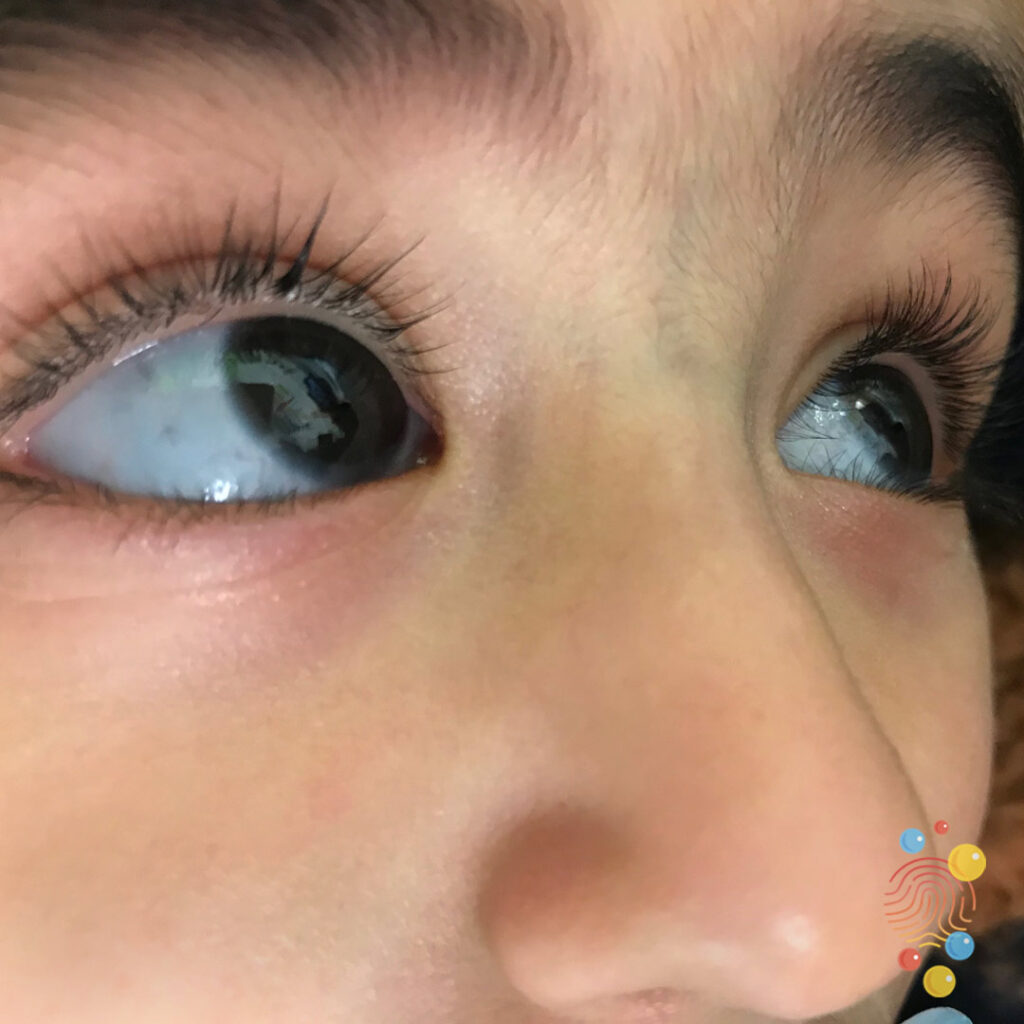
A 45-year-old man presents with back pain and facial pain. Physical examination reveals coarse facial features and kyphosis. Laboratory examination shows elevated alkaline phosphatase. Radiographic studies demonstrate skull thickening with narrowing of foramina, and bowing of the femur and tibia. Bone biopsy reveals a mosaic pattern of bone spicules with prominent osteoid seams. Which of the following neoplasms occurs with increased frequency in patients with this disorder?
Splaying and cupping of the metaphysis is seen in which of the following conditions?
Bone density is decreased in which of the following conditions?
A 40-year-old female presents with urine darkening on standing, joint pain and stiffness, and pigment deposition in joints. What is the probable diagnosis?
Codfish vertebrae are seen in which of the following conditions?
An X-ray shows heterotopic calcification around the bilateral knee joints in a young man. What is the next investigation?
The bodies of the vertebrae are biconcave and are called "codfish spine" most commonly seen in which of the following conditions?
Pelkan spur is seen in which of the following conditions?
Looser zones/pseudofractures are commonly seen in which of the following areas except?
Which of the following is NOT a type of vitamin D-resistant rickets?
Explanation: ### Explanation **Diagnosis: Paget’s Disease of Bone (Osteitis Deformans)** The clinical presentation of coarse facial features (leontiasis ossea), kyphosis, and bowing of long bones, combined with isolated elevation of **Alkaline Phosphatase (ALP)**, strongly suggests Paget’s disease. The pathognomonic histological finding is the **"Mosaic pattern"** (jigsaw-puzzle appearance) of bone, caused by prominent cement lines reflecting haphazard bone remodeling. #### Why Osteosarcoma is the Correct Answer: The most dreaded complication of long-standing Paget’s disease (especially polyostotic forms) is the development of a secondary malignancy. **Osteosarcoma** occurs in approximately 1% of patients with Paget’s disease. In an elderly patient, the sudden onset of new pain, swelling, or a pathological fracture in a Pagetic bone should immediately raise suspicion for **Pagetoid Sarcoma** (Osteosarcoma). #### Why Other Options are Incorrect: * **A. Astrocytoma & C. Meningioma:** While Paget’s disease causes skull thickening and narrowing of cranial foramina (leading to hearing loss or cranial nerve palsies), it does not predispose patients to primary brain or meningeal tumors. * **B. Hodgkin’s Lymphoma:** There is no established pathophysiological link between the disordered bone remodeling of Paget’s disease and the development of lymphomas. #### NEET-PG High-Yield Pearls: * **Stages of Paget’s:** 1. Osteolytic (Osteoclast-mediated) → 2. Mixed → 3. Osteosclerotic (Burned-out phase). * **Markers:** Elevated Serum ALP and Urinary Hydroxyproline; **Normal** Serum Calcium and Phosphate. * **Radiology:** "Cotton wool" appearance of the skull, "Picture frame" vertebrae, and "Blade of grass" (V-shaped) lytic lesions in long bones. * **Treatment of Choice:** Bisphosphonates (Zoledronic acid) to inhibit osteoclast activity. * **Common Complication:** High-output heart failure (due to extensive arteriovenous shunts in hypervascular bone).
Explanation: **Explanation:** **Rickets** is the correct answer because it is characterized by a failure of mineralization of the osteoid at the growth plate. In Rickets, the zone of provisional calcification fails to form, leading to an accumulation of unmineralized hypertrophic chondrocytes. This causes the metaphysis to become soft, weak, and bulky. Under the stress of weight-bearing or muscle pull, the softened metaphysis expands laterally (**Splaying**) and becomes concave or hollowed out (**Cupping**). Additionally, the margins appear irregular and fuzzy (**Fraying**). **Why other options are incorrect:** * **Scurvy:** Caused by Vitamin C deficiency, it affects collagen synthesis. Radiographic hallmarks include the *White line of Frankel* (dense zone of provisional calcification), *Wimberger’s ring* (epiphyseal lucency), and *Pelkan spurs*, rather than cupping. * **Paget’s Disease:** A disorder of bone remodeling characterized by excessive resorption and disorganized formation. Key findings include cortical thickening, coarsened trabeculae, and "Picture frame" vertebrae. * **Lead Poisoning:** Characterized by "Lead lines," which are dense transverse radiopaque bands at the metaphysis due to impaired resorptive activity. **High-Yield Clinical Pearls for NEET-PG:** * **Earliest sign of Rickets:** Craniotabes (softening of skull bones). * **Earliest radiological sign of Rickets:** Rarefaction (fading) of the zone of provisional calcification. * **Rachitic Rosary:** Palpable/visible enlargement of costochondral junctions (rounded in Rickets, angular/sharp in Scurvy—known as Scorbutic Rosary). * **Healing sign:** The reappearance of the zone of provisional calcification is the first sign of radiological healing.
Explanation: **Explanation:** **1. Why Osteoporosis is the Correct Answer:** Osteoporosis is defined as a systemic skeletal disorder characterized by **low bone mass** and micro-architectural deterioration of bone tissue. In this condition, there is a proportional decrease in both the bone mineral (calcium/phosphate) and the bone matrix (collagen). Because the total amount of bone tissue per unit volume is reduced, the **bone mineral density (BMD)** is significantly decreased, leading to increased bone fragility and risk of fractures. **2. Why the Other Options are Incorrect:** * **Avascular Necrosis (AVN):** In the early stages, the bone density may appear normal. However, as the bone dies and attempts to repair (creeping substitution), it often appears **more dense (sclerotic)** on X-ray compared to surrounding osteoporotic bone. * **Osteopetrosis:** Also known as "Marble Bone Disease," this is a genetic disorder where osteoclast function is defective. This leads to a failure of bone resorption, resulting in **increased bone density** (though the bone is paradoxically brittle). * **Fracture and Collapse of Cancellous Bone:** When bone collapses (as seen in vertebral compression fractures), the trabeculae are crushed together. This compaction leads to a localized **increase in radiodensity** on imaging. **High-Yield Clinical Pearls for NEET-PG:** * **Gold Standard for Diagnosis:** DEXA Scan (Dual-Energy X-ray Absorptiometry). * **WHO Criteria:** Osteoporosis is defined as a **T-score ≤ -2.5**. * **Biochemical Profile:** In primary osteoporosis, Serum Calcium, Phosphate, and Alkaline Phosphatase (ALP) levels are typically **Normal**. * **Most Common Site of Fracture:** Vertebral body (compression fracture), followed by the neck of the femur and Colles' fracture.
Explanation: **Explanation:** The clinical presentation of **urine darkening on standing**, joint stiffness, and pigment deposition (ochronosis) is pathognomonic for **Alkaptonuria**. **1. Why Alkaptonuria is Correct:** Alkaptonuria is an autosomal recessive disorder caused by a deficiency of the enzyme **Homogentisate 1,2-dioxygenase**. This leads to the accumulation of **Homogentisic Acid (HGA)**. * **Urine Findings:** When urine is exposed to air (standing), HGA oxidizes into a melanin-like polymer, turning the urine black. * **Ochronosis:** HGA binds to connective tissues (cartilage, sclera, ears), causing bluish-black pigmentation. * **Arthropathy:** Long-term deposition in large joints (spine, hips, knees) leads to degenerative "Ochronotic arthritis," typically manifesting in the 4th decade of life. **2. Why Other Options are Incorrect:** * **Phenylketonuria (PKU):** Caused by Phenylalanine Hydroxylase deficiency. It presents with intellectual disability, "mousy" body odor, and hypopigmentation, not joint pigment deposition. * **Tyrosinemia:** Involves defects in the tyrosine catabolic pathway (e.g., Fumarylacetoacetate hydrolase). It primarily presents with liver failure, renal rickets (Fanconi syndrome), and a "cabbage-like" odor, but not black urine or ochronosis. **3. NEET-PG High-Yield Pearls:** * **Radiology:** Characterized by **intervertebral disc calcification** and narrowing at multiple levels (bamboo spine appearance, but unlike Ankylosing Spondylitis, it spares the sacroiliac joints). * **Diagnosis:** Confirmed by detecting Homogentisic acid in urine using **Gas Chromatography-Mass Spectrometry (GC-MS)**. * **Screening:** Benedict’s test is positive (reducing sugar), and Ferric Chloride test gives a transient deep blue/green color.
Explanation: **Explanation:** **Codfish vertebrae** (also known as biconcave vertebrae) occur when the intervertebral discs bulge into the weakened vertebral bodies. This happens because the decreased bone mineral density makes the vertebral endplates unable to resist the pressure of the nucleus pulposus, resulting in a characteristic "hourglass" or fish-like appearance on a lateral X-ray. **1. Why Osteoporosis is Correct:** In **Osteoporosis**, there is a quantitative reduction in bone mass. The trabecular bone in the spine becomes thin and fragile. The expansive pressure of the intervertebral discs causes the softened superior and inferior endplates to bow inward, creating the classic biconcave "Codfish" deformity. **2. Analysis of Incorrect Options:** * **Osteopetrosis (Option A):** This is characterized by increased bone density ("marble bone disease"). Instead of biconcavity, it typically shows the **"Rugger-Jersey spine"** or **"Bone-within-a-bone"** (sandwich vertebrae) appearance due to defective osteoclast activity. * **Morquio Syndrome (Option C):** This mucopolysaccharidosis is characterized by **Platyspondyly** (generalized flattening of the vertebrae) and a characteristic **anterior tongue-shaped protrusion** (central beaking) of the vertebral bodies, rather than biconcavity. **Clinical Pearls for NEET-PG:** * **Codfish Vertebrae Differential:** While most common in **Osteoporosis**, it can also be seen in **Osteomalacia** and **Hyperparathyroidism**. * **Rugger-Jersey Spine:** Classically seen in **Renal Osteodystrophy** and Osteopetrosis. * **H-shaped Vertebrae (Lincoln Log):** Seen in **Sickle Cell Anemia** due to microvascular infarction of the central endplate. * **Picture Frame Vertebrae:** Pathognomonic for **Paget’s Disease**.
Explanation: **Explanation:** The presence of heterotopic calcification (calcification in non-osseous tissues) around major joints in a young patient is a hallmark of **Fibrodysplasia Ossificans Progressiva (FOP)** or, more commonly in clinical practice, **Hypophosphatasia**. **Why Serum Alkaline Phosphatase (ALP) is the correct answer:** In the context of metabolic bone disease presenting with ectopic calcification, **Hypophosphatasia** is a key differential. It is characterized by a genetic deficiency of the tissue-nonspecific alkaline phosphatase (TNSALP) enzyme. Low levels of ALP lead to an accumulation of inorganic pyrophosphate (a potent inhibitor of mineralization), which paradoxically results in both rickets/osteomalacia and ectopic calcification. Therefore, checking Serum ALP is the critical diagnostic step to identify the low levels pathognomonic of this condition. **Analysis of Incorrect Options:** * **Serum Phosphate & Calcium (A & B):** While these are often deranged in secondary tumoral calcinosis or renal osteodystrophy, they are typically normal in the early screening of primary genetic ossification disorders like FOP or Hypophosphatasia. * **Serum PTH (C):** PTH is useful for diagnosing hyperparathyroidism or pseudohypoparathyroidism. While these can cause metastatic calcification, they usually present with other systemic symptoms and are not the primary investigation for isolated heterotopic ossification in a young male. **NEET-PG High-Yield Pearls:** * **Hypophosphatasia:** Look for "Low Serum ALP" + "High Urinary Phosphoethanolamine." * **Fibrodysplasia Ossificans Progressiva (FOP):** Characterized by the "Stone Man" syndrome and a classic association with a **short hallux (great toe)**. * **Heterotopic Ossification (HO):** Most commonly occurs post-trauma or surgery (e.g., total hip arthroplasty). Prophylaxis includes NSAIDs (Indomethacin) or low-dose radiation.
Explanation: **Explanation:** The **"Codfish Spine"** appearance refers to the biconcave deformity of the vertebral bodies. This occurs when the bone mineral density is significantly reduced, making the vertebrae soft. Under the constant pressure of the nucleus pulposus (intervertebral discs), the weakened vertebral endplates bulge inward, resembling the anatomy of a fish's spine. **Why Osteomalacia is correct:** In **Osteomalacia** (and Osteoporosis), there is a failure of bone mineralization or a loss of bone mass. This leads to "soft bones." The biconcave shape is a classic radiological hallmark of these metabolic bone diseases. While it is seen in both, Osteomalacia is the most characteristic answer in this context due to the global softening of the osteoid. **Analysis of Incorrect Options:** * **Scurvy:** Characterized by Vitamin C deficiency leading to defective collagen synthesis. Radiological features include the *Wimberger sign* (ring epiphysis), *Frankel line* (white line of scurvy), and *Pelkan spur*, but not typically codfish vertebrae. * **Fluorosis:** Causes **Osteosclerosis** (increased bone density). The spine appears chalky white ("Marble bone" appearance) with ligamentous calcification, rather than biconcave softening. * **Hyperparathyroidism:** Classically associated with subperiosteal bone resorption (especially in phalanges), **"Rugger-Jersey Spine"** (bands of sclerosis), and "Salt and Pepper" skull. **NEET-PG High-Yield Pearls:** * **Codfish Spine:** Seen in Osteomalacia, Osteoporosis, and sometimes Sickle Cell Anemia (due to infarction). * **Rugger-Jersey Spine:** Pathognomonic for Chronic Kidney Disease - Mineral Bone Disorder (CKD-MBD) / Hyperparathyroidism. * **Picture Frame Vertebra / Ivory Vertebra:** Seen in Paget’s Disease. * **Bamboo Spine:** Classic for Ankylosing Spondylitis.
Explanation: **Explanation:** **Scurvy (Vitamin C deficiency)** is the correct answer. The underlying pathology involves a failure of osteoid formation due to defective collagen synthesis. While the cartilaginous matrix at the growth plate calcifies normally, it cannot be converted into bone, leading to a brittle, calcified zone known as the **Zone of Provisional Calcification**. **Pelkan Spur** refers to the lateral bony outgrowths (spicules) seen at the ends of long bones. These occur because the weakened, brittle zone of provisional calcification fractures and pushes outward under the stress of weight-bearing or muscle pull, creating a "spur" appearance on X-ray. **Why other options are incorrect:** * **Rickets:** Characterized by a failure of mineralization of the osteoid. Classic X-ray findings include cupping, splaying, and fraying of the metaphysis, but not Pelkan spurs. * **Hemophilia:** Primarily affects joints (hemarthrosis). Chronic cases show joint space narrowing, subchondral cysts, and squaring of the patella (Jordan’s sign), but not metaphyseal spurs. **High-Yield Clinical Pearls for Scurvy (NEET-PG):** * **Wimberger’s Sign:** A thin, sclerotic ring around a radiolucent epiphysis. * **Frankel’s Line:** A dense, white line of provisional calcification at the metaphysis. * **Trummerfeld Zone:** A radiolucent "scurvy line" proximal to Frankel’s line (representing a zone of debris/fracture). * **Subperiosteal Hemorrhage:** A hallmark clinical feature that causes exquisite pain and "pseudoparalysis" in infants.
Explanation: **Explanation:** **Looser zones**, also known as **pseudofractures** or Milkman’s lines, are pathognomonic radiological features of **Osteomalacia** (in adults) and Rickets (in children). They represent cortical stress fractures that have healed with unmineralized osteoid rather than mature bone. **Why Radius is the Correct Answer:** Looser zones typically occur at sites of mechanical stress or where major arteries cross the bone, causing pulsatile pressure. They are characteristically found in the **Scapula** (lateral border), **Ribs**, **Pubic rami (Pelvis)**, and the **medial aspect of the femoral neck**. The **Radius** is not a common site for these lesions; instead, the radius is more frequently associated with "Colles' fractures" in osteoporosis or "cupping and splaying" of the distal metaphysis in Rickets. **Analysis of Incorrect Options:** * **Scapula:** The lateral border of the scapula is one of the most classic locations for Looser zones due to the mechanical pull of the muscles. * **Ribs:** Multiple pseudofractures are frequently seen in the ribs of patients with severe Vitamin D deficiency. * **Pelvis:** The pubic rami and the ischium are high-stress areas where these radiolucent lines are commonly identified. **High-Yield Clinical Pearls for NEET-PG:** * **Radiological Appearance:** They appear as narrow, transverse radiolucent lines oriented perpendicular to the bone cortex. * **Symmetry:** Looser zones are often **bilateral and symmetrical**. * **Biochemical Profile:** Low/Normal Calcium, Low Phosphate, and **Elevated Alkaline Phosphatase (ALP)**. * **Most Common Site:** The axillary border of the scapula and the superior/inferior pubic rami.
Explanation: **Explanation:** The core concept of **Vitamin D-Resistant Rickets (VDRR)** refers to a group of metabolic disorders where clinical and radiological features of rickets persist despite physiological doses of Vitamin D. These are typically genetic conditions involving phosphate wasting or end-organ resistance. **Why Osteomalacia is the correct answer:** Osteomalacia is not a "type" of rickets; rather, it is the **adult counterpart** of rickets. While rickets occurs in children before the fusion of epiphyses (affecting the growth plate), osteomalacia occurs in adults after the epiphyses have closed (affecting bone remodeling). Furthermore, most cases of osteomalacia are Vitamin D-deficient (nutritional), not Vitamin D-resistant. **Analysis of Incorrect Options:** * **B. Familial Hypophosphatemia:** This is the most common form of VDRR. It is an X-linked dominant condition caused by a mutation in the PHEX gene, leading to renal phosphate wasting. * **C. Refractory Rickets:** This is a clinical synonym for Vitamin D-resistant rickets. It describes rickets that does not respond to standard doses (e.g., 600,000 units) of Vitamin D. * **D. Phosphate Diabetes:** This is an older clinical term used to describe the primary renal tubular defect in phosphate reabsorption seen in VDRR. **High-Yield NEET-PG Pearls:** * **Most common type of VDRR:** X-linked Hypophosphatemic Rickets. * **Biochemical hallmark:** Low serum phosphate, normal serum calcium, and elevated alkaline phosphatase. * **Treatment:** Unlike nutritional rickets, VDRR requires **oral phosphate supplements** and **calcitriol** (active Vitamin D), not just Vitamin D2/D3. * **Radiological sign:** "Looser’s zones" (pseudofractures) are characteristic of osteomalacia/rickets.
Explanation: **Explanation:** The core concept behind this question is the balance between bone formation and bone resorption. **Increased bone density (Osteosclerosis)** occurs when there is either excessive bone formation or defective bone resorption. **1. Why Primary Hyperparathyroidism is the Correct Answer:** In **Primary Hyperparathyroidism**, there is an excess of Parathyroid Hormone (PTH). PTH stimulates osteoclasts (via the RANKL pathway), leading to increased bone resorption. This results in **decreased bone density (Osteopenia/Osteoporosis)**. Classic radiological features include subperiosteal bone resorption (most common in phalanges), "Salt and Pepper" skull, and Brown tumors (Osteitis Fibrosa Cystica). **2. Analysis of Incorrect Options (Conditions with Increased Density):** * **Osteopetrosis (Marble Bone Disease):** Caused by a functional defect in osteoclasts. Since bone is not resorbed/remodeled, it becomes excessively dense, chalky, and brittle. * **Fluorosis:** Chronic fluoride toxicity stimulates osteoblastic activity and replaces hydroxyapatite with fluoroapatite, leading to dense, sclerotic bones, especially in the axial skeleton. * **Hypoparathyroidism:** A deficiency of PTH leads to decreased osteoclast activity. While not as dramatic as osteopetrosis, it often results in increased bone mineral density (BMD) because the normal "remodeling markers" are low. **High-Yield Clinical Pearls for NEET-PG:** * **Rugger Jersey Spine:** Characterized by sclerotic bands at the endplates; seen in **Chronic Renal Failure (Renal Osteodystrophy)**. * **Erlenmeyer Flask Deformity:** Seen in **Osteopetrosis**, Gaucher’s disease, and Thalassemia. * **Most common site of bone resorption in Hyperparathyroidism:** Radial aspect of the middle phalanx of the index and middle fingers.
Explanation: **Explanation:** **Osteopetrosis**, also known as **Marble Bone Disease** or Albers-Schönberg disease, is a rare genetic disorder characterized by a functional defect in **osteoclasts**. Due to the failure of normal bone resorption, bones become pathologically dense, thick, and sclerotic (resembling marble on X-ray). However, despite the increased density, the bone is structurally weak and prone to "chalk-like" fractures. **Analysis of Options:** * **Osteoporosis (A):** This is characterized by decreased bone mass and density (porous bones), the exact opposite of the dense bones seen in osteopetrosis. * **Osteochondritis (B):** This refers to a group of disorders involving inflammation or necrosis of the bone and cartilage at the joints (e.g., Perthes disease), not a generalized increase in bone density. * **Osteogenesis Imperfecta (D):** Also known as "Brittle Bone Disease," this is a connective tissue disorder caused by defective Type I collagen synthesis. It typically presents with blue sclera and multiple fractures, but bones appear osteopenic (translucent) on X-ray, not dense. **High-Yield Clinical Pearls for NEET-PG:** * **Pathophysiology:** Deficiency of **Carbonic Anhydrase II** enzyme is a common cause, leading to a failure of the acidic environment required for osteoclasts to dissolve bone. * **Radiological Signs:** Look for **"Bone within a bone"** appearance (Endobone) and **"Erlenmeyer flask deformity"** of the distal femur. * **Complications:** Obliteration of the marrow cavity leads to **pancytopenia** and extramedullary hematopoiesis (hepatosplenomegaly). Cranial nerve palsies may occur due to the narrowing of cranial foramina. * **Treatment:** Bone marrow transplant is the definitive treatment for the infantile (malignant) form to provide functional osteoclasts.
Explanation: **Explanation:** **Fibrous Dysplasia (Correct Answer):** Fibrous dysplasia is a condition where normal bone is replaced by fibrous connective tissue and haphazardly arranged trabeculae (often described as **"Chinese letter" patterns**). The **Shepherd’s crook deformity** refers to a severe coxa vara deformity of the proximal femur. It occurs because the dysplastic bone is weak and undergoes progressive bowing under the stress of body weight, causing the femoral neck to bend downward and the shaft to lateralize, mimicking the shape of a staff used by a shepherd. This is most commonly seen in the **polyostotic** form of the disease. **Incorrect Options:** * **Osteosarcoma:** A primary malignant bone tumor characterized by the production of osteoid. Radiological hallmarks include the **Sunburst appearance** and **Codman’s triangle**. * **Chondrosarcoma:** A malignant cartilage-forming tumor. It typically presents with **"popcorn calcification"** or endosteal pocketing, not gross structural bowing like a shepherd’s crook. * **Vertebral Hemangioma:** A benign vascular tumor of the spine. Its classic radiological feature is the **"Jail-bar" or "Corduroy cloth" appearance** due to thickened vertical trabeculae. **NEET-PG High-Yield Pearls:** * **Ground-glass appearance:** The classic radiological description of the bone density in fibrous dysplasia. * **McCune-Albright Syndrome:** A triad of polyostotic fibrous dysplasia, precocious puberty, and café-au-lait spots (with irregular "Coast of Maine" borders). * **Mazabraud Syndrome:** Association of fibrous dysplasia with soft tissue myxomas. * **Treatment:** Bisphosphonates may help with pain; surgery (like intramedullary nailing) is required for deformities or fractures.
Explanation: **Explanation:** **Osteosarcoma** is the most common primary malignant bone tumor in children and adolescents. It is characterized by the production of osteoid (immature bone) by malignant cells. **Why Lungs are the Correct Answer:** Osteosarcoma is a highly aggressive mesenchymal tumor that spreads primarily via the **hematogenous route** (through the bloodstream). Because the venous drainage from the extremities (where most osteosarcomas arise, such as the distal femur) passes directly into the systemic circulation and reaches the pulmonary capillary bed first, the **lungs** are the most common site of distant metastasis. Approximately 80% of all metastases in osteosarcoma occur in the lungs. **Why Other Options are Incorrect:** * **Brain & Liver:** While hematogenous spread can theoretically reach any organ, these are rare primary sites for osteosarcoma metastasis. Brain involvement is usually a terminal event. * **Bladder:** This is not a recognized site for osteosarcoma spread. **High-Yield Clinical Pearls for NEET-PG:** * **Skip Metastasis:** This refers to a second smaller lesion within the same bone but separate from the primary tumor. It is a poor prognostic factor. * **Second Most Common Site:** After the lungs, the most common site of spread is **other bones**. * **Radiology:** Look for the "Sunburst appearance" and "Codman’s triangle" on X-ray. * **Investigation of Choice:** Chest CT is the most sensitive test to detect early pulmonary nodules (micrometastases). * **Treatment:** Neoadjuvant chemotherapy followed by limb-salvage surgery and postoperative chemotherapy.
Explanation: **Explanation:** The correct answer is **Aneurysmal Bone Cyst (ABC)**. **1. Why Aneurysmal Bone Cyst is correct:** An ABC is a benign but locally aggressive, blood-filled reactive bone lesion. In the spine, it has a strong predilection for the **posterior elements** (lamina, pedicles, and transverse processes). Radiologically, it presents as a **"blow-out" expansile lytic lesion** with a thin shell of cortical bone. The classic description of an expansile lesion specifically involving the transverse process is a hallmark of ABC. **2. Analysis of Incorrect Options:** * **Osteosarcoma:** This is a highly malignant primary bone tumor characterized by osteoid formation and a "sunburst" periosteal reaction. It typically affects the metaphysis of long bones and rarely presents as an isolated expansile lesion of the transverse process. * **Osteoblastoma:** While it also involves the posterior elements of the spine, it is usually more sclerotic or contains calcified matrix. It is less likely to be described as a purely "expansile lytic" lesion compared to the "blow-out" appearance of ABC. * **Metastasis:** Spinal metastases most commonly involve the **vertebral body** (due to high vascularity) rather than the transverse process alone. They are usually destructive and lack the characteristic well-defined expansile shell of an ABC. **3. NEET-PG High-Yield Pearls:** * **Location:** 80% of ABCs occur in patients under 20 years of age. * **Imaging Gold Standard:** MRI is the investigation of choice to visualize **Fluid-Fluid levels** (caused by settling of RBCs within the blood-filled cavities). * **Spinal Predilection:** ABC and Osteoblastoma are the two most common benign tumors involving the posterior elements of the spine. * **Treatment:** Curettage and bone grafting is the standard treatment.
Explanation: **Explanation:** The term **osteopenia** refers to a decrease in bone mineral density (BMD) or bone mass, making the bones appear more radiolucent (darker) on X-rays. **Why Osteopetrosis is the correct answer:** **Osteopetrosis** (Marble Bone Disease) is characterized by a functional defect in **osteoclasts**, leading to impaired bone resorption. Since bone is constantly being formed but not broken down, there is a pathological **increase in bone density**. On imaging, bones appear "chalky white" or radiopaque, which is the exact opposite of osteopenia. **Analysis of incorrect options:** * **Rickets:** Occurs in children due to Vitamin D deficiency, leading to failure of mineralization of the osteoid at the growth plates. This results in decreased bone density (osteopenia). * **Osteomalacia:** The adult counterpart of Rickets. It involves inadequate mineralization of the bone matrix, leading to soft bones and generalized osteopenia. * **Osteonecrosis (Avascular Necrosis):** In the early stages of bone death, the surrounding viable bone undergoes hyperemia and disuse, leading to localized **disuse osteopenia**. While the necrotic segment itself may eventually appear dense (relative sclerosis), osteopenia is a recognized radiographic feature of the affected region. **High-Yield Clinical Pearls for NEET-PG:** * **Osteopetrosis Hallmark:** "Bone-within-a-bone" appearance (Endobone) and "Rugger-Jersey Spine." * **Rickets Hallmark:** Cupping, splaying, and fraying of the metaphysis. * **Osteomalacia Hallmark:** Looser’s zones (Pseudofractures or Milkman’s fractures). * **Key Distinction:** Osteoporosis is a quantitative defect (less bone), while Osteomalacia is a qualitative defect (poorly mineralized bone). Both present as osteopenia on X-ray.
Explanation: **Explanation:** **Osteogenesis Imperfecta (OI)**, also known as "Brittle Bone Disease," is the correct answer. It is a genetic disorder primarily caused by mutations in the **COL1A1 and COL1A2** genes, leading to defective synthesis of **Type 1 Collagen**. **Why Blue Sclera occurs:** The sclera is normally composed of Type 1 collagen. In OI, the collagen is thin and deficient. This thinning makes the sclera translucent, allowing the underlying **choroidal veins** (which contain dark uveal pigment) to show through, giving the eyes a characteristic blue or slate-gray appearance. **Analysis of Incorrect Options:** * **B. Osteopetrosis:** Also known as "Marble Bone Disease," it is caused by defective osteoclast function. It presents with dense, brittle bones and "Erlenmeyer flask" deformity, but not blue sclera. * **C. Cleidocranial Dysostosis:** Characterized by absent/hypoplastic clavicles, delayed closure of fontanelles, and multiple supernumerary teeth. * **D. Achondroplasia:** The most common cause of dwarfism, caused by a mutation in the **FGFR3 gene**. It presents with rhizomelic shortening of limbs and trident hands. **High-Yield Clinical Pearls for NEET-PG:** * **Inheritance:** Most commonly Autosomal Dominant. * **Clinical Triad:** Fragile bones (fractures with minimal trauma), Blue sclera, and Early-onset Otosclerosis (conductive hearing loss). * **Dental Finding:** Dentinogenesis imperfecta (brownish-blue discolored teeth). * **Classification:** **Sillence Classification** is used to grade severity (Type II is the most severe/lethal in the perinatal period). * **Other causes of Blue Sclera:** Marfan syndrome, Ehlers-Danlos syndrome, and Iron deficiency anemia (rarely).
Explanation: **Explanation:** **Osteomalacia** is a metabolic bone disease characterized by **defective mineralization** of the organic bone matrix (osteoid). In adults, while the production of osteoid by osteoblasts remains normal or even increases, the process of hardening this matrix with calcium and phosphate is delayed or absent. **Why Option C is Correct:** The **Osteoid Maturation Time (OMT)** is the interval between the deposition of the organic matrix and its subsequent mineralization. In Osteomalacia, because mineralization is impaired, the osteoid remains "unripe" for a significantly longer period. This leads to an **increase in osteoid maturation time** and an increase in **osteoid lag time**. Histologically, this manifests as thickened osteoid seams. **Why Other Options are Incorrect:** * **A & B (Decrease in osteoid volume/surface):** In Osteomalacia, there is actually an **increase** in both osteoid volume and surface area. Since the osteoid is not being mineralized into mature bone, it accumulates, leading to wider and more extensive osteoid seams. * **D (Increase in mineral apposition rate):** The Mineral Apposition Rate (MAR) refers to the speed at which the mineralization front moves. In Osteomalacia, this rate is **decreased** because the mineralization process is sluggish or halted. **NEET-PG High-Yield Pearls:** * **Hallmark Histology:** Increased thickness of osteoid seams (>12.5 μm) and increased osteoid volume. * **Looser’s Zones (Milkman’s Fractures):** Pathognomonic radiolucent lines (pseudofractures) found at the axillary border of the scapula, femoral neck, and pubic rami. * **Biochemical Profile:** Low/Normal Calcium, Low Phosphate, and **Elevated Alkaline Phosphatase (ALP)**. * **Gold Standard Diagnosis:** Bone biopsy with tetracycline labeling (shows decreased mineralization rate).
Explanation: **Explanation:** The correct answer is **Osteopetrosis** (Note: The option provided as "Osteoporosis" is a common typographical error in exams for **Osteopetrosis**, also known as Marble Bone Disease). **1. Why Osteopetrosis is correct:** Osteopetrosis is caused by **defective osteoclast function**, leading to failure of bone resorption. This results in excessively dense, brittle bones that encroach upon internal spaces: * **Pancytopenia:** Dense bone replaces the medullary cavity (myelophthisis), leading to bone marrow failure. * **Nasal Stiffness:** Overgrowth of facial bones (craniofacial hyperostosis) leads to narrowing of the nasal passages and paranasal sinuses. * **Hypertelorism:** Increased distance between the eyes occurs due to the expansion of the sphenoid bone and frontal bossing. **2. Why other options are incorrect:** * **Fibrous Dysplasia:** Characterized by the replacement of bone with fibrous tissue (Ground-glass appearance). While it can cause facial asymmetry (Leontiasis ossea), it does not typically cause pancytopenia. * **Marfan Syndrome:** A connective tissue disorder (Fibrillin-1 mutation) characterized by arachnodactyly, ectopia lentis, and aortic root dilation, not increased bone density. * **Apert Syndrome:** A craniosynostosis syndrome featuring midface hypoplasia and syndactyly (mitten hands), but not marrow failure or generalized bone density increase. **NEET-PG High-Yield Pearls:** * **Radiology:** "Bone within bone" appearance and "Erlenmeyer flask deformity." * **Complications:** Pathological fractures (chalk-stick fractures) and cranial nerve palsies (due to narrowing of foramina). * **Treatment:** Bone marrow transplant is the definitive treatment for the infantile (malignant) form to provide functional osteoclasts.
Explanation: ### Explanation The clinical presentation and radiographic findings are classic for **Gouty Arthritis**. **1. Why Gout is Correct:** The patient presents with **Podagra** (acute involvement of the first metatarsophalangeal joint), which is the most common site for gout. The X-ray description is pathognomonic: * **Punched-out lytic lesions:** These represent intraosseous tophi (monosodium urate crystals). * **Martel’s Sign (Overhanging edges):** The sclerotic, "rat-bite" erosions with overhanging bony margins are highly characteristic of chronic tophaceous gout. Unlike other inflammatory arthritides, the joint space in gout is often preserved until late stages. **2. Why Other Options are Incorrect:** * **Rheumatoid Arthritis (RA):** Typically presents with symmetrical involvement of small joints (MCP, PIP). Radiologically, it shows **periarticular osteopenia** and marginal erosions without sclerotic borders or overhanging edges. * **Psoriatic Arthritis:** While it can affect the distal phalanges, it is characterized by the "pencil-in-cup" deformity and periosteal new bone formation, not isolated punched-out lesions with sclerotic margins. * **Reiter’s Syndrome (Reactive Arthritis):** Usually follows a GI or GU infection and presents as an asymmetric oligoarthritis, often involving the heel (Achilles tendonitis) or sacroiliac joints. **3. High-Yield Pearls for NEET-PG:** * **Gold Standard Diagnosis:** Polarized light microscopy showing **needle-shaped, negatively birefringent** crystals (Yellow when parallel to the axis). * **Martel’s Sign:** The radiographic hallmark of gout (overhanging edges). * **Drug of Choice:** NSAIDs are first-line for acute attacks; **Colchicine** is an alternative. **Allopurinol** (Xanthine oxidase inhibitor) is used for chronic management but should *never* be started during an acute attack. * **Dietary triggers:** High purine foods (red meat, seafood) and alcohol.
Explanation: **Explanation:** **Hypoparathyroidism** is the correct answer because it is characterized by a deficiency of Parathyroid Hormone (PTH). PTH is a major regulator of bone remodeling; it stimulates both osteoblastic and osteoclastic activity. In its absence, bone turnover is significantly reduced, leading to an **increase in bone mineral density (BMD)** rather than a decrease. Therefore, it is not associated with osteoporosis. **Analysis of Incorrect Options:** * **Immobilization:** Lack of mechanical loading leads to "disuse osteoporosis." According to Wolff’s Law, bone adapts to the loads under which it is placed. Immobilization triggers rapid bone resorption by osteoclasts. * **Thyrotoxicosis:** Excess thyroid hormone (T3/T4) shortens the bone remodeling cycle, leading to a high-turnover state where bone resorption exceeds formation, resulting in secondary osteoporosis. * **Turner’s Syndrome:** This condition is associated with primary ovarian failure (hypogonadism). Estrogen deficiency leads to increased cytokine activity (IL-1, IL-6, TNF-α), which stimulates osteoclasts, causing significant bone loss. **High-Yield Clinical Pearls for NEET-PG:** * **Hyperparathyroidism** (specifically primary) is associated with osteoporosis and the classic "Salt and Pepper" skull appearance. * **Drug-induced Osteoporosis:** Long-term use of Glucocorticoids (most common cause), Heparin, and Phenytoin are frequent NEET-PG topics. * **Gold Standard Investigation:** DEXA Scan (Dual-Energy X-ray Absorptiometry). A **T-score of ≤ -2.5** defines osteoporosis. * **Bisphosphonates** (e.g., Alendronate) are the first-line treatment; they act by inhibiting osteoclast-mediated bone resorption.
Explanation: **Explanation:** **Osteoporosis** is a metabolic bone disorder characterized by a **reduction in bone mass (density)** while the ratio of bone mineral to bone matrix remains normal. The underlying pathology involves an imbalance where bone resorption by osteoclasts exceeds bone formation by osteoblasts, leading to fragile bones prone to fractures. **Analysis of Options:** * **B. Decreased bone density (Correct):** This is the hallmark of osteoporosis. It is quantitatively defined by a T-score of ≤ -2.5 on Dual-energy X-ray Absorptiometry (DEXA) scan. * **A. Increased serum alkaline phosphatase (Incorrect):** In primary osteoporosis, biochemical markers like Calcium, Phosphate, and Alkaline Phosphatase (ALP) are typically **normal**. Elevated ALP is characteristic of Paget’s disease, Osteomalacia, or healing fractures. * **C. Wasting of muscles (Incorrect):** While sarcopenia (muscle loss) often coexists with osteoporosis in the elderly, it is not a defining characteristic of the bone disease itself. * **D. Looser’s zone seen (Incorrect):** Looser’s zones (pseudofractures) are pathognomonic radiographic features of **Osteomalacia** (defective mineralization), not osteoporosis. **NEET-PG High-Yield Pearls:** 1. **Gold Standard Investigation:** DEXA scan (measures Bone Mineral Density). 2. **Most Common Site of Fracture:** Vertebral body (compression fracture), followed by the neck of the femur and distal radius (Colles’ fracture). 3. **Drug of Choice:** Bisphosphonates (e.g., Alendronate) are the first-line treatment; they act by inhibiting osteoclasts. 4. **Teriparatide:** A recombinant PTH analogue used as an anabolic agent to stimulate new bone formation.
Explanation: **Explanation:** **Osteoporosis** is a metabolic bone disease characterized by low bone mineral density (BMD) and micro-architectural deterioration, leading to increased bone fragility. It occurs when the rate of bone resorption exceeds bone formation. **Why Fluorosis is the correct answer:** Fluorosis (specifically skeletal fluorosis) actually causes **Osteosclerosis** (increased bone density), not osteoporosis. Chronic ingestion of high levels of fluoride stimulates osteoblasts, leading to the formation of new bone that is denser but structurally brittle and of poor quality. On X-ray, this appears as increased radiodensity, particularly in the axial skeleton, which is the opposite of the "washed-out" appearance seen in osteoporosis. **Why the other options are incorrect:** * **Hypogonadism:** Estrogen and testosterone are protective of bone. Deficiency (e.g., menopause or orchidectomy) leads to increased osteoclast activity and is the most common cause of primary osteoporosis. * **Hyperthyroidism:** Excess thyroid hormone (T3/T4) increases the rate of bone turnover with a shorter remodeling cycle, favoring resorption over formation, leading to secondary osteoporosis. * **Hyperparathyroidism:** Parathyroid hormone (PTH) stimulates osteoclasts via the RANKL pathway. Chronic elevation leads to significant bone resorption (osteitis fibrosa cystica) and generalized osteoporosis. **High-Yield NEET-PG Pearls:** * **Gold Standard Investigation:** DEXA Scan (T-score ≤ -2.5 defines Osteoporosis). * **Skeletal Fluorosis Hallmark:** "Chalky white" bones on X-ray and calcification of the interosseous membrane (especially in the forearm) and the sacrotuberous ligament. * **Drug of Choice:** Bisphosphonates (Alendronate/Zoledronic acid) are the first-line treatment for osteoporosis.
Explanation: **Explanation:** The correct answer is **McCune Albright Syndrome (MAS)**. This condition is a specific, severe form of **Polyostotic Fibrous Dysplasia** caused by a post-zygotic mutation in the *GNAS1* gene. This mutation leads to constitutive activation of the G-protein signaling pathway, resulting in a classic clinical triad: 1. **Polyostotic Fibrous Dysplasia:** Multiple bones are replaced by fibrous tissue (often showing a "ground-glass" appearance on X-ray). 2. **Café-au-lait Pigmentation:** Large, irregular skin patches typically described as having "Coast of Maine" borders (jagged), unlike the smooth "Coast of California" borders seen in Neurofibromatosis. 3. **Endocrine Disturbances:** Most commonly **Precocious Puberty** (especially in girls), but can also include hyperthyroidism or growth hormone excess. **Analysis of Other Options:** * **Jaffe’s Syndrome:** This is also a form of Polyostotic Fibrous Dysplasia with Café-au-lait spots, but it **lacks** the endocrine disturbances. * **Mazabraud’s Syndrome:** This refers to the association of Fibrous Dysplasia (usually polyostotic) with **intramuscular myxomas**. **High-Yield Clinical Pearls for NEET-PG:** * **Monostotic vs. Polyostotic:** Monostotic (single bone) is more common (70-80%), but Polyostotic is associated with these systemic syndromes. * **Radiology:** Look for the "Ground Glass" appearance and "Shepherd’s Crook" deformity of the femur. * **Histology:** Characterized by "Chinese letter" patterns of trabecular bone without osteoblastic rimming. * **Treatment:** Bisphosphonates (like Pamidronate) are used to manage bone pain and strengthen the lesions; surgery is reserved for fractures or severe deformities.
Explanation: **Explanation:** **Paget’s Disease (Osteitis Deformans)** is a chronic skeletal disorder characterized by excessive and disorganized bone remodeling. It involves an initial phase of intense osteoclastic bone resorption followed by a compensatory, but chaotic, increase in osteoblastic activity. This results in bone that is structurally weak, enlarged, and prone to deformities and fractures. **Why "All of the above" is correct:** Paget’s disease is typically a focal disease that can be monostotic (one bone) or polyostotic (multiple bones). It has a strong predilection for the **axial skeleton**. * **Pelvis:** This is the most common site of involvement (approx. 70% of cases). * **Vertebrae:** Frequently affected, often leading to spinal stenosis or "ivory vertebra" appearance on X-ray. * **Skull:** Common involvement leads to an increase in head size (hat size sign) and potential cranial nerve compression (e.g., deafness). * **Femur and Tibia:** These are also frequently involved long bones, often showing characteristic bowing. **Clinical Pearls for NEET-PG:** * **Markers:** The hallmark biochemical finding is a **markedly isolated elevation of Serum Alkaline Phosphatase (ALP)** with normal Calcium and Phosphate levels. * **Radiology:** Look for "Cotton wool spots" in the skull, "Picture frame vertebra," and "Blade of grass" or "Flame-shaped" lytic lesions in long bones. * **Complications:** The most dreaded late complication is **Osteosarcoma** (secondary to Paget’s). High-output heart failure can occur due to increased vascularity in extensive bone disease. * **Treatment:** **Bisphosphonates** (e.g., Zoledronate) are the drug of choice to inhibit osteoclastic activity.
Explanation: **Explanation:** **Correct Option (A):** The synthesis of Vitamin D begins in the skin, where **7-dehydrocholesterol** is converted into **Cholecalciferol (Vitamin D3)** upon exposure to **Ultraviolet B (UVB) radiation** (wavelength 290–315 nm). While the final "active" hormonal form (Calcitriol) is produced in the kidney, the initial activation of the precursor molecule in the body is strictly dependent on UVB light. **Analysis of Incorrect Options:** * **Option B:** Vitamin D primarily enhances the intestinal absorption of **Calcium and Phosphorus**, not proteins. It induces the synthesis of Calbindin-D9k in enterocytes to facilitate calcium transport. * **Option C:** This statement is technically a fact (Vitamin D3 is indeed Cholecalciferol), but in the context of standard medical examinations, Option A describes the fundamental physiological "activation" step. *Note: If this were a "multiple correct" style, C would be true, but A is the primary physiological process tested.* * **Option D:** Cholecalciferol is converted to **25-hydroxyvitamin D [25(OH)D]** in the liver by the enzyme 25-hydroxylase. The conversion to **Calcitriol [1,25(OH)₂D]** (the most active form) occurs in the **Kidneys** via the enzyme 1-alpha-hydroxylase. **High-Yield Clinical Pearls for NEET-PG:** * **Storage Form:** 25-hydroxyvitamin D (Calcidiol) is the major circulating form and the best indicator of Vitamin D status. * **Active Form:** 1,25-dihydroxyvitamin D (Calcitriol) is the most potent metabolite. * **Target Organs:** Vitamin D acts on the Gut (↑ Ca/PO4 absorption), Bone (mineralization and resorption), and Kidney (↑ Ca/PO4 reabsorption). * **Deficiency:** Leads to **Rickets** in children (failure of osteoid mineralization at growth plates) and **Osteomalacia** in adults (failure of mineralization of remodeled bone).
Explanation: **Explanation:** The core concept in this question is distinguishing between diseases that increase bone mineralization (sclerosis) and those that decrease it. **Why Rickets is the correct answer:** Rickets is characterized by **decreased bone density** (osteopenia). It occurs due to a deficiency of Vitamin D, calcium, or phosphorus, leading to a failure of mineralization of the osteoid matrix at the growth plates. Radiologically, this manifests as "rarefaction" or thinning of the bone, along with classic signs like cupping, splaying, and fraying of the metaphyses. **Analysis of Incorrect Options:** * **Osteopetrosis (Marble Bone Disease):** This is a genetic disorder where defective osteoclasts fail to resorb bone. This leads to an accumulation of excessively dense, brittle bone (generalized osteosclerosis). * **Hypervitaminosis A:** Chronic Vitamin D toxicity can cause hypercalcemia, but chronic **Vitamin A** toxicity is associated with cortical thickening and periosteal reaction (hyperostosis), particularly in the long bones, which increases apparent density. * **Lead Poisoning:** Lead interferes with cartilage remodeling at the zone of provisional calcification. This results in characteristic **"Lead Lines"**—transverse bands of increased density at the metaphyses of growing bones. **High-Yield Clinical Pearls for NEET-PG:** * **Osteopetrosis:** Look for the "Bone within a bone" appearance and "Erlenmeyer flask deformity." * **Rickets:** The earliest radiological sign is the fading/rarefaction of the **zone of provisional calcification**. * **Lead Poisoning:** Lead lines are most prominent at the knees and wrists (areas of rapid growth). * **Differential for "Erlenmeyer Flask Deformity":** Osteopetrosis, Gaucher’s disease, Pyle’s disease, and Thalassemia.
Explanation: **Explanation:** **Looser’s zones** (also known as pseudofractures, Milkman’s lines, or cortical infractions) are the hallmark radiological feature of **Osteomalacia** (in adults) and Rickets (in children). ### Why Osteomalacia is Correct: Osteomalacia is characterized by defective mineralization of the organic bone matrix (osteoid). Looser’s zones represent **stress fractures** where the body attempts to repair the micro-damage by laying down new osteoid; however, due to the lack of available calcium/phosphate, this osteoid fails to mineralize. On X-ray, these appear as narrow, radiolucent transverse bands oriented perpendicular to the bone cortex, often symmetrical and bilateral. ### Why Other Options are Incorrect: * **A. Osteoporosis:** This involves a decrease in total bone mass (both matrix and mineral are lost proportionally). The characteristic radiological finding is generalized osteopenia and wedge compression fractures, not pseudofractures. * **B. Osteopetrosis:** Also known as "Marble Bone Disease," this is a defect in osteoclast function leading to excessively dense, brittle bones. Key findings include "bone-within-bone" appearance and "Erlenmeyer flask" deformity. * **C. Scurvy:** Caused by Vitamin C deficiency, it affects collagen synthesis. Classic signs include Wimberger’s ring sign, Frankel’s line, and Pelkan spurs, primarily seen at the metaphysis. ### NEET-PG High-Yield Pearls: * **Common Sites for Looser’s Zones:** Axillary border of the scapula (most common), neck of the femur, pubic rami, and ribs. * **Biochemical Profile of Osteomalacia:** Low/Normal Calcium, Low Phosphate, and **Elevated Alkaline Phosphatase (ALP)**. * **Milkman’s Syndrome:** A specific condition where multiple pseudofractures lead to significant skeletal deformities. * **Hot Spot on Bone Scan:** Looser’s zones show increased uptake on Technetium-99m MDP scans due to increased osteoid turnover.
Explanation: **Explanation:** **Osteopetrosis** (also known as Albers-Schönberg disease) is the correct answer. It is a genetic disorder characterized by **defective osteoclast function**, leading to impaired bone resorption. Because bone is constantly being formed but not remodeled, the bones become pathologically dense, thick, and opaque on X-rays, resembling white marble. This gives rise to the classic **"Marble Bone Disease"** appearance. Despite the increased density, the bone is brittle and prone to fractures (chalk-stick fractures). **Analysis of Incorrect Options:** * **Osteogenesis Imperfecta:** This is a defect in Type 1 collagen synthesis. Radiologically, it presents with **osteopenia** (translucent bones), thinning of the cortex, and multiple fractures, rather than increased density. * **Fluorosis:** While fluorosis causes increased bone density (osteosclerosis), it typically presents with ligamentous calcification (especially the interosseous membrane) and a "ground-glass" appearance rather than the distinct "marble" look. * **Achondroplasia:** This is a disorder of endochondral ossification leading to dwarfism. Key radiological features include "bullet-nosed" vertebrae, "trident hand," and a "champagne glass" pelvis, but not generalized marble-like density. **High-Yield Clinical Pearls for NEET-PG:** * **Erlenmeyer Flask Deformity:** Seen at the ends of long bones (metaphysis) due to failed remodeling. * **Bone-within-a-bone appearance:** A classic radiological sign in the vertebrae and phalanges. * **Rugger Jersey Spine:** Alternating dense and radiolucent bands in the vertebrae (also seen in Renal Osteodystrophy). * **Complications:** Pancytopenia (due to marrow space obliteration) and cranial nerve palsies (due to narrowing of cranial foramina).
Explanation: **Explanation:** **Osteopetrosis** is a rare genetic disorder characterized by increased bone density due to a defect in **osteoclast function** (failure of bone resorption). Because the bone is not remodeled, it becomes excessively dense, thick, but paradoxically brittle. **Why "All of the above" is correct:** * **Albers-Schönberg Disease:** This is the eponymous name for the autosomal dominant (adult/benign) form of the disease. It was first described by the German radiologist Heinrich Albers-Schönberg in 1904. * **Marble Bone Disease:** This is a descriptive synonym used because the bones appear radiologically "white" and dense, resembling marble. * **Osteogenesis Imperfecta:** While traditionally considered a separate entity (Brittle Bone Disease), historical and certain clinical classifications sometimes grouped these under the umbrella of generalized bone fragility disorders. However, in the context of this specific question format often seen in older medical entrance patterns, it is included to signify the "brittle" nature of the bones in osteopetrosis. **High-Yield Clinical Pearls for NEET-PG:** * **Pathophysiology:** Defect in the **CA2 gene** (Carbonic Anhydrase II) or **TCIRG1**, leading to an inability of osteoclasts to acidify the resorption pit. * **Radiological Signs:** * **"Bone within a bone"** appearance (Endobone). * **"Erlenmeyer flask deformity"** of the distal femur. * **"Rugger-Jersey spine"** (sclerotic bands at endplates). * **Clinical Complications:** Pancytopenia (due to marrow space obliteration), cranial nerve palsies (due to narrowing of foramina), and frequent pathological fractures. * **Treatment:** Bone marrow transplant is the definitive treatment for the infantile (malignant) form to provide functional osteoclasts.
Explanation: **Explanation:** Glucocorticoid-induced osteoporosis (GIOP) is the most common cause of secondary osteoporosis. The primary mechanism involves the inhibition of osteoblast activity and the promotion of osteoclast-mediated bone resorption. **Why Vertebra is the Correct Answer:** Glucocorticoids have a predilection for affecting **trabecular (cancellous) bone** more significantly and earlier than cortical bone. The **vertebral bodies** have a high proportion of trabecular bone and a high metabolic turnover rate, making them the most sensitive site for bone loss and fragility fractures in patients on long-term steroid therapy. Rapid bone loss typically occurs within the first 3–6 months of starting glucocorticoids. **Why Other Options are Incorrect:** * **Humerus, Femur, and Radius:** While these long bones can eventually be affected by osteoporosis, they contain a higher ratio of **cortical bone** compared to the spine. Although the femoral neck (hip) is a significant site for osteoporotic fractures, vertebral fractures usually occur much earlier and more frequently in the clinical course of GIOP. **High-Yield Clinical Pearls for NEET-PG:** * **Mechanism:** Glucocorticoids decrease intestinal calcium absorption and increase renal calcium excretion, leading to secondary hyperparathyroidism. * **Gold Standard Diagnosis:** DEXA scan (Dual-energy X-ray absorptiometry). * **Treatment of Choice:** **Bisphosphonates** (e.g., Alendronate, Risedronate) are the first-line pharmacological treatment for GIOP. * **Prophylaxis:** Any patient expected to be on $\geq$ 2.5–5 mg of Prednisone daily for $>3$ months should be evaluated for preventive measures (Calcium, Vitamin D, and lifestyle modifications).
Explanation: **Explanation:** **Osteomalacia** is a metabolic bone disease characterized by **defective mineralization** of the organic bone matrix (osteoid). The hallmark of this condition is the accumulation of unmineralized osteoid. 1. **Why Option C is Correct:** In healthy bone, there is a specific time interval between the deposition of osteoid by osteoblasts and its subsequent mineralization (the **Osteoid Maturation Time**). In osteomalacia, because mineralization is impaired (usually due to Vitamin D deficiency or phosphate depletion), this interval is significantly prolonged. Therefore, an **increase in osteoid maturation time** is a definitive histomorphometric finding. 2. **Why the Other Options are Incorrect:** * **Options A & B:** In osteomalacia, osteoblasts continue to produce the organic matrix, but it fails to calcify. This leads to an **increase** in both osteoid surface (the area covered by unmineralized bone) and osteoid volume/thickness. * **Option D:** The **Mineral Apposition Rate (MAR)** refers to the rate at which the mineralization front moves. In osteomalacia, mineralization is sluggish or absent, leading to a **decrease** in the mineral apposition rate. **NEET-PG High-Yield Pearls:** * **Histology:** Look for "widened osteoid seams" on bone biopsy. * **Biochemical Profile:** Typically shows **Low/Normal Calcium**, **Low Phosphate**, and **Elevated Alkaline Phosphatase (ALP)**. * **Radiology:** Pathognomonic signs include **Looser’s zones** (Pseudofractures or Milkman’s fractures), which are cortical lucencies oriented perpendicular to the bone surface, often seen in the femoral neck, ribs, and axillary border of the scapula. * **Rickets vs. Osteomalacia:** Rickets occurs in children (before epiphyseal closure), while Osteomalacia occurs in adults.
Explanation: **Explanation:** **Rickets** is the correct answer because it is characterized by a failure of mineralization of the osteoid matrix at the growth plate. In Rickets, the zone of provisional calcification fails to form, leading to an accumulation of hypertrophic chondrocytes. This results in a softened, widened, and disorganized epiphyseal plate. Under the stress of weight-bearing or muscle pull, the weakened metaphysis expands laterally (**Splaying**) and develops a concave, hollowed-out appearance (**Cupping**). Additionally, the margins appear irregular and fuzzy (**Fraying**). **Why other options are incorrect:** * **Scurvy:** Caused by Vitamin C deficiency, it affects collagen synthesis. Radiographic hallmarks include the **White line of Frankel** (dense zone of provisional calcification), **Wimberger’s ring** (sclerotic margin of epiphysis), and **Pelkan spurs**, rather than cupping. * **Paget’s Disease:** A disorder of bone remodeling characterized by excessive resorption and disorganized formation. Key findings include cortical thickening, **coarse trabeculae**, and "Picture frame" vertebrae. * **Lead Poisoning:** Characterized by **Lead lines**, which are dense transverse radiopaque bands at the metaphysis due to impaired resorption of calcified cartilage. **High-Yield Clinical Pearls for NEET-PG:** * **Earliest sign of Rickets:** Fraying and cupping at the distal ends of the radius and ulna. * **Rachitic Rosary:** Palpable/visible enlargement of the costochondral junctions (rounded in Rickets, angular in Scurvy). * **Harrison’s Sulcus:** A horizontal groove along the lower border of the thorax corresponding to the diaphragmatic attachment. * **Looser’s Zones:** Pseudofractures seen in Osteomalacia (the adult counterpart of Rickets).
Explanation: ### Explanation **Paget’s Disease (Osteitis Deformans)** is the correct diagnosis based on the classic triad of clinical, biochemical, and radiological findings presented. 1. **Why Paget’s Disease is Correct:** * **Clinical Presentation:** It typically affects older males. **Sensorineural hearing loss** occurs due to the involvement of the petrous temporal bone or compression of the CN VIII in the internal auditory meatus. * **Biochemical Markers:** The hallmark is **isolated elevation of Serum Alkaline Phosphatase (ALP)**, reflecting high osteoblastic activity, while **Serum Calcium and Phosphate remain normal** (unlike hyperparathyroidism or osteomalacia). * **Radiology:** **"Cotton wool spots"** in the skull represent mixed lytic and sclerotic patches. **"Ivory vertebra"** (diffuse sclerosis of a vertebral body) and thickening of long bones (like the tibia) are characteristic features of the sclerotic phase. 2. **Why Other Options are Incorrect:** * **Fibrous Dysplasia:** Usually presents in younger patients; characterized by "ground-glass" appearance on X-ray and "shepherd’s crook" deformity, not ivory vertebrae. * **Osteosclerotic Metastasis (e.g., Prostate CA):** While it causes ivory vertebrae and high ALP, it rarely causes the specific "cotton wool" skull pattern or isolated hearing loss without other systemic symptoms of malignancy. * **Osteoporosis:** Characterized by low bone mass and normal laboratory values (ALP, Calcium, and Phosphate are all normal). It leads to radiolucency, not sclerosis or ivory vertebrae. ### NEET-PG High-Yield Pearls * **Most common site:** Pelvis > Femur > Skull > Tibia. * **Earliest sign on X-ray:** Osteolytic lesion (e.g., **Blade of grass/Flame sign** in long bones or **Osteoporosis circumscripta** in the skull). * **Complications:** High-output heart failure (due to increased vascularity) and **Osteosarcoma** (rare but serious, <1%). * **Treatment of choice:** Bisphosphonates (Zoledronic acid).
Explanation: ### Explanation **Osteomalacia** is a metabolic bone disease characterized by the **failure of mineralization of the organic bone matrix (osteoid)**. In adults, the bone remodeling process continues, and osteoblasts produce a normal amount of osteoid (the protein matrix consisting mainly of Type 1 Collagen). However, due to a deficiency in Calcium, Vitamin D, or Phosphate, this osteoid fails to calcify into hard bone. #### Analysis of Options: * **Option B (Correct):** In osteomalacia, the quantity of osteoid produced is **normal**, but the quality of the bone is poor because the **mineralization process is defective**. This leads to an accumulation of unmineralized osteoid seams. * **Option A:** This is incorrect because the osteoid itself is structurally normal; the pathology lies in the subsequent mineral deposition. * **Option C:** This describes a more global disruption, whereas osteomalacia specifically targets the mineralization phase. * **Option D:** "Demineralization" usually refers to the loss of minerals from previously mineralized bone (as seen in Osteoporosis). Osteomalacia is specifically a failure of *new* osteoid to mineralize. #### NEET-PG High-Yield Pearls: * **Rickets vs. Osteomalacia:** Rickets occurs in children (before epiphyseal closure) and affects the growth plate; Osteomalacia occurs in adults (after epiphyseal closure). * **Radiological Hallmark:** **Looser’s Zones** (Pseudofractures or Milkman’s fractures). These are narrow radiolucent lines oriented perpendicular to the cortex, commonly seen in the femoral neck, axillary border of the scapula, and pubic rami. * **Biochemical Profile:** Low/Normal Calcium, Low Phosphate, and **Elevated Alkaline Phosphatase (ALP)**. * **Histology:** Increased thickness and volume of **unmineralized osteoid seams** (Goldner’s Trichrome stain is often used).
Explanation: **Explanation:** **1. Why Option B is correct (The underlying concept):** Osteoporosis is a **quantitative** defect where there is a reduction in total bone mass, but the remaining bone is chemically normal. Because the mineralization process itself is not defective, the biochemical profile remains normal. In primary osteoporosis, **serum calcium, phosphorus, and alkaline phosphatase (ALP) levels are typically within the normal range.** This is a crucial diagnostic differentiator from Osteomalacia (where ALP is high and Calcium/Phosphate are low) or Paget’s disease (where ALP is markedly elevated). **2. Analysis of incorrect options:** * **Option A:** By definition, osteoporosis involves a decrease in bone mineral density (BMD) and a T-score of ≤ -2.5 on DXA scan. * **Option C:** Glucocorticoids are the most common cause of **secondary osteoporosis**. They inhibit osteoblast activity, enhance osteoclast-mediated resorption, and decrease intestinal calcium absorption. * **Option D:** The **dorsolumbar spine** (specifically the T12-L1 region) is the most common site for osteoporotic fragility fractures (wedge/compression fractures), followed by the neck of the femur and the distal radius (Colles’ fracture). **3. High-Yield Clinical Pearls for NEET-PG:** * **Gold Standard Investigation:** DXA Scan (Dual-energy X-ray Absorptiometry). * **First-line Treatment:** Bisphosphonates (e.g., Alendronate, Zoledronic acid). They act by inhibiting osteoclasts. * **Singh’s Index:** Used to grade osteoporosis based on the disappearance of trabecular patterns in the proximal femur. * **Ward’s Triangle:** An area of low bone density in the femoral neck, often the first site to show osteoporotic changes. * **Teriparatide:** A recombinant PTH analogue; it is the only **anabolic** agent (builds bone) used in severe cases.
Explanation: **Explanation:** **Van Buchem’s Disease (Hyperostosis Corticalis Generalisata)** is a rare autosomal recessive skeletal disorder characterized by excessive bone formation (sclerosing bone dysplasia). It is caused by a mutation in the *SOST* gene, leading to a deficiency of **Sclerostin**, a protein that normally inhibits bone formation. **Why "Distortion of Mandible" is the correct answer (the exception):** In Van Buchem’s disease, there is significant **symmetrical enlargement and thickening** of the mandible (hyperostosis), but it typically does **not** result in "distortion" or malalignment of the bone structure itself. Instead, the mandible becomes massive and prominent (prognathism). Distortion is more characteristic of conditions like Fibrous Dysplasia or Paget’s disease. **Analysis of other options:** * **Overgrowth (Option A):** Generalized osteosclerosis leads to massive overgrowth of the skull, mandible, ribs, and long bone diaphyses. * **Facial Palsy (Option C):** Progressive narrowing of the cranial nerve foramina due to skull base thickening frequently leads to **cranial nerve palsies**, most commonly affecting the facial (VII) and auditory (VIII) nerves. * **Increased Acid Phosphatase (Option D):** Serum alkaline phosphatase is usually normal, but **serum acid phosphatase** is frequently elevated in these patients, serving as a biochemical marker for the disease. **High-Yield Clinical Pearls for NEET-PG:** * **Sclerosteosis vs. Van Buchem:** Sclerosteosis is a more severe form of the same pathway defect; it includes syndactyly and increased intracranial pressure, which are absent in Van Buchem’s. * **Genetics:** Mutation in the *SOST* gene (17q21). * **Radiology:** Characterized by symmetrical cortical thickening and endosteal hyperostosis.
Explanation: **Explanation:** **1. Why Vertebrae is the Correct Answer:** Osteoporosis is a systemic skeletal disorder characterized by low bone mass and micro-architectural deterioration. It primarily affects **trabecular (cancellous) bone** more than cortical bone because trabecular bone has a higher metabolic turnover rate and a larger surface area exposed to osteoclast activity. The **vertebral bodies** have the highest concentration of trabecular bone in the human body, making them the most common site for both asymptomatic bone loss and clinical fractures (vertebral compression fractures). **2. Analysis of Incorrect Options:** * **Humerus (A):** While proximal humerus fractures are common in osteoporotic elderly patients (part of the "fragility fracture" group), they occur less frequently than vertebral or hip fractures. * **Scapula (C):** The scapula is rarely affected by osteoporosis to a clinical degree because it is not a primary weight-bearing bone and has a different structural composition. * **Flat bones (D):** While some flat bones (like the pelvis) contain trabecular bone, the term is too broad. The vertebrae remain the statistically dominant site for osteoporotic changes. **3. NEET-PG High-Yield Pearls:** * **Most common site of fracture:** Vertebra (often asymptomatic/wedge fracture). * **Most common site of "Colles' fracture":** Distal Radius (often the first sign of osteoporosis in postmenopausal women). * **Most serious site of fracture:** Hip (Neck of femur/Intertrochanteric), associated with high mortality. * **Gold Standard Investigation:** DEXA Scan (Dual-Energy X-ray Absorptiometry). * **DEXA Sites:** Usually measured at the Lumbar Spine (L1-L4) and Hip (Total hip/Femoral neck). * **Diagnosis:** T-score ≤ -2.5 SD.
Explanation: ### Explanation: Hypophosphataemic Rickets **Hypophosphataemic Rickets** (Vitamin D-resistant Rickets) is most commonly inherited as an X-linked dominant trait (XLH). The primary defect is a mutation in the **PHEX gene**, leading to increased levels of **FGF-23** (a phosphatonin). This results in renal phosphate wasting and impaired 1-alpha-hydroxylation of Vitamin D. #### 1. Why "Normal Alkaline Phosphatase" is the WRONG statement: In all forms of active rickets and osteomalacia, **Alkaline Phosphatase (ALP) is characteristically elevated**. ALP is a marker of osteoblastic activity; as the body attempts to mineralize the excessive unmineralized osteoid (the hallmark of rickets), ALP levels rise significantly. Therefore, a "Normal ALP" is clinically inconsistent with a diagnosis of active rickets. #### 2. Analysis of other options: * **Hypocalcemia:** While the primary defect is phosphate loss, serum calcium can be low or low-normal because the deficiency in 1,25-(OH)₂D (calcitriol) reduces intestinal calcium absorption. * **Elevated PTH:** Low serum calcium and low calcitriol levels trigger the parathyroid glands, leading to **Secondary Hyperparathyroidism**. * **Intestinal Malabsorption:** Due to the failure of the kidneys to convert Vitamin D to its active form (1,25-(OH)₂D), there is a secondary failure of calcium and phosphate absorption from the gut. #### 3. NEET-PG High-Yield Pearls: * **Biochemical Profile:** Low Serum Phosphate, Low/Normal Serum Calcium, **High ALP**, and Low/Normal 1,25-(OH)₂D. * **Hallmark:** "Phosphate wasting" despite low serum phosphate (decreased TmP/GFR). * **Clinical Feature:** Unlike nutritional rickets, these patients do **not** show signs of tetany (as calcium is rarely critically low) and do **not** respond to physiological doses of Vitamin D. * **Treatment:** Oral phosphate supplements and Calcitriol (active Vitamin D).
Explanation: **Explanation:** Fluorosis is a chronic condition caused by the prolonged ingestion of excessive fluoride, primarily through drinking water. The clinical manifestations are strictly dose-dependent: * **Correct Answer (C):** Chronic skeletal fluorosis, which leads to severe osteosclerosis, ligamentous calcification (especially the longitudinal ligaments of the spine), and crippling deformities, typically occurs when the fluoride concentration in drinking water exceeds **10 ppm (parts per million)** over a long period. At these levels, fluoride replaces the hydroxyl group in hydroxyapatite crystals to form fluorapatite, making the bone denser but more brittle. * **Incorrect Options (A & B):** * **1 ppm:** This is considered the **optimal level** for preventing dental caries. * **1.5 - 3 ppm:** This range is associated with **Dental Fluorosis** (mottling of enamel), which occurs during the period of tooth development in children. * **3 - 10 ppm:** While this can cause mild skeletal changes, the classic "chronic/crippling" skeletal fluorosis is defined by concentrations exceeding 10 ppm. **High-Yield Clinical Pearls for NEET-PG:** 1. **Radiological Hallmark:** The earliest sign is increased bone density (osteosclerosis), most prominent in the axial skeleton (spine, pelvis, and ribs). 2. **Physical Sign:** "Poker Back" deformity occurs due to calcification of the interspinous and longitudinal ligaments, leading to a rigid spine. 3. **Diagnostic Test:** 24-hour urinary fluoride excretion is the most reliable indicator of current fluoride intake. 4. **Genu Valgum:** In endemic areas, high fluoride intake combined with low calcium intake can lead to "Kenyan" or endemic genu valgum (knock-knees) in children.
Explanation: **Explanation:** **Umbau Zones** (also known as **Looser’s zones**, pseudofractures, or Milkman’s fractures) are radiolucent lines oriented perpendicular to the bone cortex. They represent stress fractures where the fractured bone is replaced by unmineralized osteoid rather than mature bone. **Why Osteomyelitis is the correct answer:** Osteomyelitis is an infectious inflammatory condition of the bone. Its hallmark radiological features include **sequestrum** (dead bone), **involucrum** (new bone formation), and **cloaca**. It does not involve the systemic defect in osteoid mineralization required to form Umbau zones. **Analysis of other options:** * **Osteomalacia:** This is the classic condition associated with Umbau zones. In adults, inadequate mineralization of the bone matrix leads to these characteristic pseudofractures, typically seen in the femoral neck, pubic rami, and axillary border of the scapula. * **Rickets:** As the pediatric counterpart to osteomalacia, severe rickets can also manifest with pseudofractures due to the same underlying pathology of defective mineralization. * **Osteogenesis Imperfecta (OI):** While OI is primarily a collagen defect, severe forms can present with "pseudo-Umbau zones" or actual stress fractures during the healing process of fragile bones. **NEET-PG High-Yield Pearls:** 1. **Common Sites for Umbau Zones:** Axillary border of the scapula (most classic), neck of the femur, pubic rami, and ribs. 2. **Radiological Appearance:** Transverse lucent bands that do NOT cross the entire bone width, often bilateral and symmetrical. 3. **Biochemical Profile in Osteomalacia:** Low/Normal Calcium, Low Phosphate, and **Elevated Alkaline Phosphatase (ALP)**. 4. **Milkman’s Syndrome:** A specific clinical entity characterized by multiple pseudofractures, often associated with Osteomalacia.
Explanation: ### Explanation **1. Why DEXA Scan is the Correct Answer:** Dual-Energy X-ray Absorptiometry (DEXA) scan is the **gold standard** for diagnosing osteoporosis and assessing its extent. It measures Bone Mineral Density (BMD) at clinically relevant sites like the lumbar spine and proximal femur. The diagnosis is based on the **T-score** (comparison to a young healthy adult). According to WHO criteria: * **Normal:** T-score ≥ -1.0 * **Osteopenia:** T-score between -1.0 and -2.5 * **Osteoporosis:** T-score ≤ -2.5 * **Severe Osteoporosis:** T-score ≤ -2.5 plus a fragility fracture (as seen in this patient). **2. Why Other Options are Incorrect:** * **Spinal X-rays:** While useful for identifying existing fractures (like the crush fracture mentioned), X-rays are insensitive for early diagnosis. Bone loss is only visible on plain radiographs after **30–50% of bone mass** has already been lost. * **Biochemistry (FBC, Bone/Liver profile):** In primary osteoporosis, serum calcium, phosphate, and alkaline phosphatase (ALP) levels are typically **normal**. These tests are used to rule out secondary causes (e.g., osteomalacia, hyperparathyroidism, or malignancy) rather than to quantify osteoporosis. * **Vitamin D levels:** While Vitamin D deficiency is a risk factor for bone loss, its level does not quantify the extent of bone density loss already present. **3. NEET-PG High-Yield Pearls:** * **Most common site** of osteoporotic fracture: Vertebra (Compression/Crush fracture). * **Most common site** for DEXA measurement: Neck of femur (best predictor of hip fracture) and Lumbar spine (L1–L4). * **Z-score:** Used for pre-menopausal women and men <50 years (compares density to age-matched controls). * **FRAX Tool:** Used to calculate the 10-year probability of a major osteoporotic fracture.
Explanation: **Explanation:** Paget’s disease (Osteitis Deformans) is a chronic disorder characterized by excessive and disorganized bone remodeling. It progresses through three stages: osteolytic, mixed, and osteosclerotic. * **Option A:** In the early **osteolytic phase**, the skull shows well-defined radiolucent areas known as **Osteoporosis Circumscripta**. As the disease progresses to the sclerotic phase, the bone thickens, leading to a progressive increase in head circumference (often described as the patient needing a larger hat size). * **Option B:** Histologically, the rapid, haphazard bone formation and resorption result in prominent cement lines. This creates a characteristic **"Mosaic" or "Jigsaw puzzle" appearance** of the lamellar bone, which is a pathognomonic finding. * **Option C:** When Paget’s disease involves the facial bones (maxilla and mandible), it causes massive bony overgrowth. This results in a lion-like facial appearance known as **Leontiasis Ossea**. Since all three descriptions are classic clinical and pathological hallmarks of the disease, **Option D** is the correct answer. **High-Yield Clinical Pearls for NEET-PG:** * **Marker of Choice:** Serum **Alkaline Phosphatase (ALP)** is markedly elevated, while Calcium and Phosphate levels typically remain normal. * **Radiological Signs:** "Cotton wool" appearance of the skull, "Picture frame" vertebrae, and "Ivory vertebra." * **Treatment:** **Bisphosphonates** (Zoledronic acid) are the drug of choice. * **Complications:** The most dreaded complication is **Osteosarcoma** (secondary), and the most common cause of death in extensive disease is high-output heart failure.
Explanation: **Explanation:** **Osteogenesis Imperfecta (OI)**, also known as **Lobstein disease** (specifically Type I), is a genetic disorder characterized by increased bone fragility and low bone mass. The underlying pathophysiology involves a mutation in the **COL1A1 or COL1A2 genes**, leading to a defect in the synthesis of **Type I Collagen**. Since Type I collagen is a primary component of the bone matrix, skin, and sclera, patients present with frequent fractures, blue sclera, and hearing loss. **Analysis of Options:** * **Fibrous Dysplasia:** This is a condition where normal bone is replaced by fibrous connective tissue (showing a "ground-glass" appearance on X-ray). It is associated with McCune-Albright syndrome, not Lobstein disease. * **Achondroplasia:** This is the most common cause of dwarfism, caused by a mutation in the **FGFR3 gene**. It affects endochondral ossification, leading to short-limbed stature. * **Osteopetrosis:** Also known as **Albers-Schönberg disease** or "Marble Bone Disease," it is caused by defective **osteoclast** function, leading to excessively dense but brittle bones. **High-Yield Clinical Pearls for NEET-PG:** * **Blue Sclera:** Occurs because the thinness of the Type I collagen allows the underlying choroidal veins to show through. * **Classification:** Sillence Classification is used to categorize the types of OI (Type II is the most severe/lethal perinatally). * **Radiological Sign:** "Zebra stripe sign" may be seen in patients treated with cyclic bisphosphonates. * **Dentinogenesis Imperfecta:** Often co-exists with OI, resulting in discolored, weak teeth.
Explanation: **Explanation:** **Osteogenesis Imperfecta (OI)**, also known as "Brittle Bone Disease," is the correct answer. It is primarily caused by a genetic defect in **Type 1 Collagen** synthesis (COL1A1 and COL1A2 genes). The sclera of the eye is normally composed of Type 1 collagen. In OI, the collagen is either deficient or structurally abnormal, leading to a **thinning of the scleral layers**. This allows the underlying **choroidal veins** to show through, giving the sclera a characteristic translucent blue or slate-gray appearance. **Analysis of Incorrect Options:** * **Alkaptonuria:** Characterized by **ochronosis** (dark pigmentation). It causes brownish-black pigmentation of the sclera and ear cartilage due to homogentisic acid deposition, not blue sclera. * **Turner’s Syndrome:** Associated with skeletal abnormalities like a short fourth metacarpal and cubitus valgus, but blue sclera is not a classic feature. * **Kawasaki Syndrome:** A systemic vasculitis characterized by **bilateral non-exudative conjunctival injection** (red eyes), not blue sclera. **High-Yield Clinical Pearls for NEET-PG:** * **Types of OI:** Type I is the most common and mildest form (presents with blue sclera); Type II is the most severe/lethal (perinatal death). * **Clinical Triad:** Fragile bones (multiple fractures), Blue sclera, and Early-onset Otosclerosis (conductive hearing loss). * **Other causes of Blue Sclera:** Ehlers-Danlos Syndrome, Marfan Syndrome, Pseudoxanthoma elasticum, and Iron deficiency anemia (rarely). * **Radiological Sign:** "Zebra stripe sign" (seen in children treated with cyclic bisphosphonates).
Explanation: ### **Explanation** **Correct Option: B. Paget’s Disease (Osteitis Deformans)** The clinical triad of **bone pain, skeletal deformities (bowing of legs/kyphosis), and cranial involvement** in an elderly patient is classic for Paget’s disease. * **Pathophysiology:** It is a disorder of bone remodeling characterized by excessive osteoclastic resorption followed by disorganized osteoblastic bone formation, resulting in "woven bone" that is mechanically weak and vascular. * **Clinical Features:** Skull enlargement (increasing hat size) leads to cranial nerve compression, causing **hearing loss** and tinnitus. Prominent scalp veins occur due to increased bone vascularity. * **Radiology:** The "sharply demarcated lucencies" in the skull represent **Osteoporosis Circumscripta** (early lytic phase). Thickening of the pelvic brim is known as the **"Brim Sign."** * **Biochemistry:** Characterized by isolated **elevated Alkaline Phosphatase (ALP)** with normal Calcium, Phosphate, and PTH levels. **Why Incorrect Options are Wrong:** * **A. Multiple Myeloma:** Presents with "punched-out" lytic lesions and bone pain, but typically features anemia, hypercalcemia, and renal failure. It does not cause bone enlargement or isolated ALP elevation. * **C. Hypercalcemia:** This is a biochemical finding, not a primary diagnosis. While it can cause bone pain (e.g., in hyperparathyroidism), it doesn't explain the focal skull enlargement or specific radiological signs like the Brim sign. * **D. Metastatic Bone Disease:** While common in the elderly, it usually presents with osteoblastic (prostate) or osteolytic (lung/breast) lesions. It does not typically cause generalized skull enlargement or the specific lytic pattern of osteoporosis circumscripta. ### **NEET-PG High-Yield Pearls** * **Most common site:** Pelvis > Lumbar spine > Skull > Tibia. * **Skull Signs:** "Cotton wool appearance" (sclerotic phase) and "Osteoporosis circumscripta" (lytic phase). * **Complications:** The most dreaded complication is **Osteosarcoma** (suspect if pain suddenly worsens or a soft tissue mass appears). High-output heart failure can occur due to extensive AV shunting in hypervascular bone. * **Treatment:** **Bisphosphonates** (Zoledronic acid is the drug of choice).
Explanation: **Explanation:** The clinical presentation and radiographic findings are classic for **Paget Disease of Bone (Osteitis Deformans)**. This condition is characterized by disordered bone remodeling where excessive osteoclastic resorption is followed by disorganized osteoblastic bone formation. **Why Paget Disease is correct:** 1. **Biochemical Markers:** The hallmark is an **isolated elevation of Serum Alkaline Phosphatase (ALP)** with normal calcium, phosphate, and PTH levels. 2. **Radiology:** "Cotton wool spots" in the skull represent mixed lytic and sclerotic patches. "Ivory vertebra" refers to a dense, radio-opaque vertebral body. 3. **Clinical Features:** Sensorineural hearing loss occurs due to the involvement of the petrous temporal bone or compression of the CN VIII in the internal auditory meatus. The tibia is a common site for bowing and enlargement. **Why other options are incorrect:** * **Fibrous Dysplasia:** Typically presents in younger patients with "ground-glass" appearance on X-ray and "shepherd’s crook" deformity of the femur. * **Osteosclerotic Metastasis:** While it can cause ivory vertebrae (commonly from prostate cancer), it would not explain the cotton wool skull or the specific pattern of hearing loss and tibial enlargement. * **Osteoporosis:** This is a "silent" disease characterized by decreased bone mass and normal lab values (including ALP), leading to fractures rather than bony enlargement or sclerosis. **NEET-PG High-Yield Pearls:** * **Most common site:** Pelvis > Femur > Skull > Tibia. * **Histology:** "Mosaic pattern" or "Jigsaw puzzle" appearance of lamellar bone with prominent cement lines. * **Treatment of choice:** Bisphosphonates (Zoledronic acid). * **Complication:** The most dreaded complication is **Osteosarcoma** (suspect if there is a sudden increase in pain or a new soft tissue mass).
Explanation: **Explanation:** Paget’s disease (Osteitis Deformans) is a chronic disorder characterized by focal areas of increased bone remodeling, where excessive bone resorption is followed by disorganized and excessive bone formation. This results in bone that is structurally weak, enlarged, and prone to deformity. **Why Pelvis is Correct:** The distribution of Paget’s disease is typically asymmetrical and can be monostotic or polyostotic. The **Pelvis** is the most frequently involved site (involved in approximately 70–75% of cases), followed by the lumbar spine and the femur. Involvement is often asymptomatic but can present with deep, aching pain or secondary osteoarthritis of the hip. **Analysis of Incorrect Options:** * **Skull (Option A):** While a classic site for board exams (presenting with "Cotton wool" appearance on X-ray or increased hat size), it is less common than pelvic or spinal involvement. * **Femur (Option B):** The femur is the third most common site. It frequently presents with lateral bowing and is a common site for pathological fractures. * **Vertebrae (Option C):** The spine (especially lumbar) is the second most common site. It can lead to spinal stenosis or "Picture Frame" vertebrae. **NEET-PG High-Yield Pearls:** * **Marker of Choice:** Serum **Alkaline Phosphatase (ALP)** is markedly elevated, while Calcium and Phosphate levels remain characteristically **normal**. * **Radiology:** Look for "Blade of Grass" or "Flame-shaped" lytic lesions in long bones. * **Complications:** The most dreaded complication is **Osteosarcoma** (<1% of cases). High-output heart failure can occur due to increased vascularity in extensive disease. * **Treatment:** **Bisphosphonates** (e.g., Zoledronate) are the mainstay of therapy to inhibit osteoclast activity.
Explanation: **Explanation:** The classification of skeletal dysplasias distinguishes between defects in **structural proteins** (like collagen), **signaling pathways**, and **metabolic pathways**. **Why Severe Infantile Osteopetrosis is correct:** Osteopetrosis is a group of rare genetic disorders characterized by increased bone density due to **defective osteoclast function**. In the severe infantile (autosomal recessive) form, the primary defect lies in the **metabolic machinery** required for bone resorption. Specifically, mutations in the *TCIRG1* gene (encoding a subunit of the vacuolar proton pump) or the *CLCN7* chloride channel prevent osteoclasts from acidifying the resorption lacuna. This failure of the metabolic "proton pump" mechanism prevents the dissolution of bone mineral, classifying it as a defect in metabolic pathways. **Analysis of Incorrect Options:** * **Cherubism:** This is classified under **disorders of signaling pathways**. It is caused by mutations in the *SH3BP2* gene, leading to overactive osteoclasts and fibro-osseous lesions in the mandible and maxilla. * **Robinow Syndrome:** This is a defect in **signaling pathways** (specifically the Wnt signaling pathway, involving *ROR2* or *WNT5A* genes), resulting in short-limbed dwarfism and "fetal face" dysmorphism. * **Pycnodysostosis:** While also involving osteoclast dysfunction, it is specifically a **lysosomal storage disorder** (cathepsin K deficiency). In many classifications, it is grouped separately or under enzymatic defects, whereas infantile osteopetrosis is the classic representative of metabolic/proton-pump failure in standard orthopedic texts. **NEET-PG High-Yield Pearls:** * **Osteopetrosis (Albers-Schönberg disease):** Look for "Marble Bone disease," "Erlenmeyer flask deformity," and "Bone-within-a-bone" appearance on X-ray. * **Clinical Triad:** Anemia, hepatosplenomegaly (due to extramedullary hematopoiesis), and blindness (due to cranial nerve compression). * **Pycnodysostosis:** Famous for being the diagnosis of artist Henri de Toulouse-Lautrec; characterized by osteosclerosis, short stature, and persistent fontanelles.
Explanation: **Explanation:** The presence or absence of myopathy is a critical clinical differentiator in metabolic bone diseases. **1. Why X-linked Hypophosphatemic Rickets (XLH) is the correct answer:** XLH is caused by a mutation in the **PHEX gene**, leading to increased levels of **FGF-23**. This results in renal phosphate wasting and impaired Vitamin D activation. Crucially, in XLH, **proximal muscle weakness (myopathy) is characteristically absent.** Patients typically present with lower limb deformities (bowing) and short stature, but they maintain normal muscle strength. **2. Analysis of Incorrect Options:** * **Nutritional Osteomalacia:** This is primarily caused by Vitamin D deficiency. Vitamin D plays a vital role in muscle metabolism and calcium homeostasis. Deficiency leads to significant **proximal myopathy**, often manifesting as a "waddling gait" and difficulty rising from a chair. * **Oncogenic Osteomalacia:** This is a paraneoplastic syndrome where tumors (usually mesenchymal) secrete FGF-23. Unlike the genetic form (XLH), acquired oncogenic osteomalacia is **strongly associated with severe muscle weakness** and bone pain. * **Option D:** This is incorrect because myopathy is a hallmark feature of most forms of osteomalacia, with XLH being the notable exception. **Clinical Pearls for NEET-PG:** * **The "Rule of XLH":** Low Serum Phosphate + High FGF-23 + Normal Calcium + **No Myopathy**. * **Waddling Gait:** Seen in nutritional osteomalacia due to proximal muscle weakness (Gluteus medius weakness). * **Looser’s Zones (Pseudofractures):** Radiographic hallmark of osteomalacia, typically seen at the axillary border of the scapula, pubic rami, and femoral neck.
Explanation: **Explanation:** Paget’s Disease (Osteitis Deformans) is a chronic disorder characterized by excessive and disorganized bone remodeling. It primarily affects the **axial skeleton** and long bones. The disease progresses through three stages: osteolytic, mixed, and osteosclerotic. **Why Option B is Correct:** Paget’s disease has a predilection for the axial skeleton. The most common sites involved are: 1. **Pelvis** (most common site, ~70%) 2. **Vertebrae** (Lumbar spine) 3. **Skull** (leads to increasing hat size and "Cotton wool" appearance on X-ray) 4. **Femur and Tibia** (leads to "saber shin" deformity) **Why Other Options are Incorrect:** * **Options C and D:** These include the **phalanges**. Paget’s disease characteristically **spares the small bones** of the hands and feet. If small bone involvement is seen, it is extremely rare and usually occurs only in very advanced, polyostotic cases. **High-Yield Clinical Pearls for NEET-PG:** * **Biochemical Marker:** Isolated elevation of **Serum Alkaline Phosphatase (ALP)** with normal Calcium, Phosphate, and PTH levels. * **Radiological Signs:** * **Skull:** *Osteoporosis circumscripta* (early), *Cotton wool spots* (late). * **Spine:** *Picture frame vertebra* or *Ivory vertebra*. * **Pelvis:** *Brim sign* (thickening of the pelvic brim). * **Complications:** The most dreaded complication is **Osteosarcoma** (secondary), seen in <1% of patients. Other complications include high-output heart failure and deafness (due to CN VIII compression). * **Drug of Choice:** **Bisphosphonates** (Zoledronic acid is highly effective).
Explanation: **Explanation:** In **Paget’s disease of bone (Osteitis Deformans)**, there is a marked increase in bone remodeling characterized by excessive osteoclastic resorption followed by disorganized osteoblastic bone formation. **Why "Extent and Severity" is correct:** Hydroxyproline is an amino acid found almost exclusively in collagen. When osteoclasts resorb bone matrix, collagen is broken down, and hydroxyproline is released into the bloodstream and excreted in the urine. Therefore, **24-hour urinary hydroxyproline** serves as a direct biochemical marker of **bone resorption rate**. In Paget's disease, the levels correlate directly with the metabolic activity of the disease and the total volume of bone involved (the "skeletal burden"). Higher levels indicate more widespread (polyostotic) and aggressive disease. **Analysis of Incorrect Options:** * **A. Poor outcome:** While high turnover suggests active disease, it does not necessarily predict a "poor outcome" in terms of mortality; Paget’s is often managed effectively with bisphosphonates. * **B. Diagnosis:** While suggestive, it is not diagnostic. Diagnosis is primarily based on **Radiology** (e.g., thickened cortex, coarse trabeculae, bone enlargement) and elevated **Serum Alkaline Phosphatase (ALP)**. * **C. Recurrence:** While it can be used to monitor treatment response, it is less specific for "recurrence" than Serum ALP, which is the preferred marker for monitoring follow-up. **High-Yield Clinical Pearls for NEET-PG:** * **Marker of Bone Formation:** Serum Alkaline Phosphatase (most commonly used clinical marker). * **Marker of Bone Resorption:** Urinary Hydroxyproline (classic) or **Urinary N-telopeptide/Deoxypyridinoline** (more specific modern markers). * **Radiological Sign:** "Blade of grass" or "Flame shaped" lytic lesion in long bones. * **Treatment of Choice:** Bisphosphonates (e.g., Zoledronic acid). * **Complication:** The most dreaded complication is **Osteosarcoma** (suspect if there is a sudden increase in pain or a new mass).
Explanation: The clinical presentation of progressive heterotopic ossification (HO) starting in early childhood, involving the axial skeleton (neck, back), and leading to restricted chest expansion is diagnostic of **Fibrodysplasia Ossificans Progressiva (FOP)**, also known as Munchmeyer’s disease. ### **Explanation of Options** * **A. They have a near-normal life expectancy (Correct Answer):** This statement is **false**. FOP is a severely disabling condition. Most patients become bedridden by their 20s and have a significantly reduced life expectancy (median age of death is approximately 40 years). Death usually occurs due to **Thoracic Insufficiency Syndrome** caused by the ossification of intercostal muscles and the chest wall. * **B. They are predisposed to pneumonia:** This is **true**. Progressive ossification of the thoracic cage leads to restrictive lung disease, poor cough reflex, and reduced vital capacity, making these patients highly susceptible to recurrent respiratory infections and pneumonia. * **C. They have a short hallux:** This is **true**. Congenital **malformation of the great toe** (short, monophalangic, or hallux valgus) is a classic pathognomonic feature present at birth, often preceding the onset of HO. * **D. Increased expression of BMP4 gene:** This is **true**. FOP is caused by a mutation in the **ACVR1 gene** (encoding the ALK2 receptor), which leads to over-activation of the Bone Morphogenetic Protein (BMP) signaling pathway, specifically **BMP4**, resulting in the transformation of connective tissue into bone. ### **High-Yield Clinical Pearls for NEET-PG** * **Inheritance:** Autosomal Dominant (most cases are sporadic mutations). * **Trigger:** Minor trauma, intramuscular injections, or viral illnesses can trigger "flare-ups" of ossification. * **Biopsy Warning:** **Never biopsy** these lesions; surgical trauma or needle sticks will trigger massive new heterotopic bone formation. * **Pattern:** Ossification typically follows a cranio-caudal and axial-to-appendicular pattern.
Explanation: **Explanation:** **Osteogenesis Imperfecta (OI)**, also known as "Brittle Bone Disease," is a genetic disorder of Type 1 collagen synthesis. The classification is primarily based on the **Sillence Classification**. 1. **Why Type 1 is correct:** **Type 1 OI** is the most common and mildest form. It is characterized by a **quantitative defect** (decreased production) of structurally normal Type 1 collagen. The hallmark clinical feature is **persistent blue sclera** throughout life. The blue appearance occurs because the abnormally thin scleral collagen allows the underlying choroidal veins to show through. 2. **Why other options are incorrect:** * **Type 2:** This is the most severe, **perinatal lethal** form. It involves a qualitative defect in collagen leading to multiple in-utero fractures and death in the neonatal period. While sclerae may be blue, the primary clinical identifier is lethality. * **Type 3:** This is the **severely deforming** type. Patients have multiple fractures and significant limb/spine deformities. Sclerae may be blue at birth but usually **turn white** as the patient ages. * **Type 4:** This is a moderate form with normal (white) sclerae. It is distinguished from Type 1 primarily by the absence of blue sclera and more frequent fractures. **High-Yield Clinical Pearls for NEET-PG:** * **Inheritance:** Most cases (Types 1-4) are **Autosomal Dominant**. * **Associated Features:** Dentinogenesis imperfecta (opalescent teeth), otosclerosis (conductive hearing loss), and wormian bones on skull X-ray. * **Treatment:** **Bisphosphonates** (e.g., Pamidronate) are the medical mainstay to increase bone mineral density. * **Surgery:** "Sofield-Millar" procedure (multiple osteotomies and intramedullary nailing) is used for long bone deformities.
Explanation: **Explanation:** **Osteopetrosis (Option A)** is the correct answer. Also known as **Albers-Schönberg disease** or **Marble Bone Disease**, it is a rare genetic disorder characterized by defective **osteoclast function**. Because osteoclasts fail to resorb bone, the balance between bone formation and resorption is lost, leading to excessively dense, thick, and opaque bones. Despite their "marble-like" appearance on X-ray, these bones are structurally weak and prone to pathological fractures. **Why other options are incorrect:** * **Marfan’s Syndrome (Option B):** A connective tissue disorder caused by a mutation in the Fibrillin-1 gene. It presents with arachnodactyly (long fingers), tall stature, and ectopia lentis, not increased bone density. * **Osteogenesis Imperfecta (Option C):** Known as "Brittle Bone Disease," it is caused by a defect in Type I collagen. Radiologically, it presents with osteopenia (thin, translucent bones), the opposite of marble bone. * **Melorheostosis (Option D):** Characterized by a "flowing wax" appearance (dripping candle wax) on X-ray due to cortical thickening. It is usually localized to a single limb rather than a generalized "marble" appearance. **High-Yield Clinical Pearls for NEET-PG:** * **Radiological Signs:** "Bone-within-a-bone" appearance and "Rugger-Jersey spine" (though also seen in renal osteodystrophy). * **Complications:** Bone marrow obliteration leads to **pancytopenia** and extramedullary hematopoiesis (hepatosplenomegaly). Cranial nerve palsies occur due to narrowing of the neural foramina. * **Erlenmeyer Flask Deformity:** Seen at the ends of long bones (also seen in Gaucher’s disease).
Explanation: **Explanation:** The World Health Organization (WHO) defines osteoporosis based on **Bone Mineral Density (BMD)** measurements compared to a reference population. The correct answer is **D** because it encompasses both the statistical definition and its clinical representation (the T-score). 1. **Why the correct answer is right:** The WHO criteria utilize the **T-score**, which represents the number of standard deviations (SD) a patient's BMD is above or below the mean BMD of a **young, healthy adult (peak bone mass)** of the same sex. Osteoporosis is defined as a BMD that is **2.5 SD or more below** this mean. Mathematically, this is expressed as a **T-score ≤ -2.5**. Since options B and C describe the same physiological threshold using different terminology, both are correct. 2. **Analysis of incorrect options:** * **Option A:** A BMD within 1 SD of the young adult mean (T-score between -1.0 and +1.0) is considered **Normal**. * **Option B & C:** While individually correct, they are incomplete on their own in the context of this multiple-choice question, as they represent the same diagnostic criteria. **High-Yield NEET-PG Pearls:** * **Osteopenia:** Defined as a T-score between **-1.0 and -2.5**. * **Severe (Established) Osteoporosis:** A T-score ≤ -2.5 **plus** the presence of one or more fragility fractures. * **Z-score:** Compares BMD to an **age-matched and sex-matched** population. It is used for children, pre-menopausal women, and men under 50. * **Gold Standard Investigation:** Dual-energy X-ray Absorptiometry (**DEXA Scan**). The most common sites scanned are the lumbar spine and the neck of the femur.
Explanation: **Explanation:** The patient presents with a **fragility fracture** (vertebral compression fracture) following minimal trauma. Her history of Rheumatoid Arthritis and Bronchial Asthma suggests chronic use of **Corticosteroids**, which are the most common cause of **secondary osteoporosis**. **1. Why Prednisolone is correct:** Prednisolone induces bone loss through multiple mechanisms: * **Decreased Bone Formation:** It directly inhibits osteoblast activity and increases osteocyte apoptosis. * **Increased Bone Resorption:** It increases RANK-L and decreases Osteoprotegerin (OPG), stimulating osteoclasts. * **Calcium Imbalance:** It inhibits intestinal calcium absorption and increases renal calcium excretion, leading to secondary hyperparathyroidism. * **Clinical Correlation:** Steroid-induced osteoporosis characteristically affects **trabecular bone** (like the vertebrae) more than cortical bone, leading to sudden compression fractures. **2. Why other options are incorrect:** * **Methotrexate:** While used for RA, it can cause "Methotrexate Osteopathy" (bone pain and stress fractures) only at very high doses (e.g., in oncology). At low doses for RA, it is not a primary cause of fragility fractures. * **Indomethacin:** This is an NSAID. While long-term use has GI and renal risks, it does not cause systemic bone loss; in fact, some studies suggest NSAIDs might slightly inhibit bone resorption. * **Salbutamol:** A beta-2 agonist used for asthma, it has no significant clinical association with decreased Bone Mineral Density (BMD). **3. NEET-PG High-Yield Pearls:** * **Gold Standard Diagnosis:** DEXA Scan (T-score ≤ -2.5 indicates osteoporosis). * **Prophylaxis:** Patients on >7.5mg prednisolone for >3 months should receive Calcium, Vitamin D, and potentially Bisphosphonates. * **First-line Treatment:** Bisphosphonates (e.g., Alendronate) are the drug of choice for steroid-induced osteoporosis. * **Teriparatide:** An anabolic agent (recombinant PTH) often used for severe cases with multiple fractures.
Explanation: **Explanation:** **Osteogenesis Imperfecta (OI)**, also known as **"Brittle Bone Disease,"** is a genetic disorder primarily caused by mutations in the **COL1A1 and COL1A2 genes**, leading to defective synthesis of **Type I Collagen**. Since Type I collagen is a major structural component of bone, skin, and sclera, its deficiency results in extreme bone fragility. **Why "Absent Clavicle" is the correct answer:** Absent or hypoplastic clavicles are a hallmark feature of **Cleidocranial Dysplasia**, not Osteogenesis Imperfecta. In Cleidocranial Dysplasia, patients can often approximate their shoulders in the midline due to the missing clavicles. In contrast, patients with OI have intact clavicles, though they are prone to fractures. **Analysis of other options:** * **A. Brittle bone disease:** This is the synonym for OI due to the characteristic susceptibility to multiple fractures from minimal trauma. * **B. Blue sclera:** This occurs because the thinning of the scleral collagen allows the underlying choroidal veins to show through. (Note: This is most common in Type I OI). * **C. Wormian bones:** These are accessory small bones found within the sutures of the skull. They are a classic radiological finding in OI (specifically more than 10 Wormian bones). **NEET-PG High-Yield Pearls:** * **Sillence Classification:** Used to categorize OI types (Type I is mildest/most common; Type II is perinatal lethal). * **Associated features:** Dentinogenesis imperfecta (translucent teeth), early-onset conductive hearing loss (otosclerosis), and ligamentous laxity. * **Differential for Wormian Bones:** Remember the mnemonic **"PORK CHOP"** (P-Pyknodysostosis, O-Osteogenesis Imperfecta, R-Rickets, K-Kinky Hair Syndrome, C-Cleidocranial Dysplasia, H-Hypothyroidism/Hypophosphatasia, O-One Down Syndrome, P-Pachydermoperiostosis).
Explanation: **Explanation:** **Jansen’s Metaphyseal Chondrodysplasia** is a rare autosomal dominant condition caused by a **constitutive (permanent) activation of the PTH/PTHrP receptor (PTHR1)**. 1. **Why Option B is correct:** Because the PTH receptor is "locked" in the ON position, the body behaves as if there are massive amounts of Parathyroid Hormone present, even though the actual hormone levels are low. This leads to **suppressed (low) Parathyroid Hormone (PTH) levels** due to negative feedback from high calcium. Therefore, "High PTH levels" is the incorrect feature. 2. **Why Option D is incorrect:** The constant activation of the receptor in the kidneys and bone leads to **Hypercalcemia**, mimicking primary hyperparathyroidism. 3. **Why Option C is incorrect:** Activation of the receptor in the renal tubules causes phosphate wasting, leading to **Hypophosphatemia**. 4. **Why Option A is incorrect:** The PTHrP receptor is critical for regulating the growth plate. Overactivity disrupts normal endochondral ossification, leading to severe metaphyseal changes, disorganized bone formation, and **short-limbed dwarfism**. **NEET-PG High-Yield Pearls:** * **Genetics:** Mutation in the **PTHR1 gene** (constitutive activation). * **Biochemical Profile:** High Calcium, Low Phosphate, **Low/Suppressed PTH**, and Low PTHrP. * **Radiology:** Characterized by "cauliflower-like" cystic expansions of the metaphyses and severe bowing of long bones. * **Contrast with Schmid-type:** Schmid metaphyseal chondrodysplasia is more common, caused by **COL10A1** mutations, and has **normal** calcium/phosphate levels.
Explanation: **Explanation:** **1. Why Hypoparathyroidism is the Correct Answer:** Osteoporosis is characterized by a decrease in bone mineral density (BMD) due to an imbalance between bone formation and resorption. In **Hypoparathyroidism**, there is a deficiency of Parathyroid Hormone (PTH). Since PTH is the primary driver of osteoclastic bone resorption, its absence leads to **increased bone mass** (osteosclerosis) rather than osteoporosis. The bone in hypoparathyroidism is typically denser, though it may be of poorer quality. **2. Analysis of Incorrect Options:** * **Hyperparathyroidism:** Excess PTH stimulates osteoclasts via the RANKL pathway, leading to significant bone resorption. This classically manifests as "brown tumors," osteitis fibrosa cystica, and generalized osteoporosis. * **Thyrotoxicosis:** High levels of thyroid hormones (T3/T4) increase the rate of bone turnover. The resorptive phase dominates over the formative phase, leading to a net loss of bone density. * **Heparin Administration:** Long-term heparin use (especially >6 months) is a well-known cause of secondary osteoporosis. It increases osteoclast activity and decreases osteoblast function, often seen in pregnant women on long-term anticoagulation. **3. NEET-PG High-Yield Pearls:** * **Drug-induced Osteoporosis:** Aside from Heparin, the most common cause is **Corticosteroids**. Others include Anticonvulsants (Phenytoin) and Proton Pump Inhibitors (PPIs). * **Gold Standard Diagnosis:** DEXA Scan (Dual-Energy X-ray Absorptiometry). Osteoporosis is defined as a **T-score ≤ -2.5**. * **Most Common Site of Fracture:** Vertebral body (compression fracture), followed by the neck of the femur. * **Biochemical Marker:** In primary osteoporosis, serum Calcium, Phosphate, and ALP levels are typically **normal**, unlike Osteomalacia or Hyperparathyroidism.
Explanation: **Explanation:** The skeleton is the third most common site for metastatic disease, following the lung and liver. While many tumors can spread to bone, certain "select" carcinomas are notorious for their predilection for skeletal metastasis. **Why Liver is the Correct Answer:** Primary **Hepatocellular Carcinoma (HCC)** rarely metastasizes to the bone. It primarily spreads via intrahepatic routes or to the lungs and abdominal lymph nodes. While bone metastasis can occur in advanced stages, it is significantly less common compared to the other organs listed. Therefore, in the context of standard NEET-PG "except" questions regarding common bone-seeking tumors, the liver is the outlier. **Analysis of Incorrect Options:** * **Thyroid:** Thyroid carcinoma (especially Follicular type) is a classic "bone-seeking" tumor. These metastases are typically **osteolytic** and highly vascular (pulsatile). * **Prostate:** This is the most common cause of bone metastasis in elderly males. It is unique because it characteristically produces **osteoblastic** (sclerotic) lesions. * **Breast:** The most common cause of bone metastasis in females. These lesions are usually **mixed** (both osteolytic and osteoblastic) or purely lytic. **High-Yield NEET-PG Pearls:** * **Mnemonic for Bone Metastasis:** "**PB-KTL**" (Lead Kettle) – **P**rostate, **B**reast, **K**idney, **T**hyroid, **L**ung. * **Most common site of bone metastasis:** Spine (specifically the thoracic spine). * **Osteoblastic lesions:** Prostate (most common), Carcinoid, Small cell lung cancer. * **Osteolytic lesions:** Kidney (RCC), Thyroid, Lung (NSCLC). * **Pulsatile secondarys:** RCC and Follicular Thyroid Carcinoma.
Explanation: **Explanation:** Osteoporosis is a metabolic bone disease characterized by reduced bone mass and micro-architectural deterioration, leading to increased bone fragility. It is often referred to as a **"Silent Disease"** because it remains asymptomatic until a fracture occurs. **1. Why Option A is Correct:** The most common clinical manifestation of osteoporosis is a **vertebral compression fracture**. These fractures often occur with minimal trauma or even during routine activities like bending or lifting. They typically present as sudden back pain, loss of height, or progressive kyphosis (Dowager’s hump). The lower thoracic and upper lumbar spine (T12–L1) are the most frequent sites. **2. Why Other Options are Incorrect:** * **Option B:** Osteoporosis is characterized by **normal** serum calcium, phosphate, and alkaline phosphatase levels. Low serum calcium is more characteristic of Osteomalacia or Hypoparathyroidism. * **Option C:** Bowing of legs is a classic feature of **Rickets** (in children) or **Paget’s disease**, where the bone is soft or structurally abnormal, rather than just decreased in mass. * **Option D:** While osteoporosis can lead to a loss of **height** due to vertebral collapse, it does not typically cause a loss of weight. **NEET-PG High-Yield Pearls:** * **Gold Standard Diagnosis:** DEXA Scan (Dual-energy X-ray Absorptiometry). * **WHO Criteria:** A **T-score of ≤ -2.5** defines Osteoporosis. * **Most Common Fracture Site:** Vertebra (Overall), but the **Hip fracture** is associated with the highest morbidity and mortality. * **First-line Treatment:** Bisphosphonates (e.g., Alendronate), which inhibit osteoclast-mediated bone resorption.
Explanation: **Explanation:** **Paget’s Disease (Osteitis Deformans)** is a chronic skeletal disorder characterized by a focal alteration in bone remodeling. The primary pathology involves a massive **increase in bone turnover** due to overactive osteoclasts and compensatory, disorganized osteoblastic activity. 1. **Why Option C is Correct:** The hallmark of Paget’s disease is a "metabolic madness" where bone is resorbed and replaced at an accelerated rate. This high turnover occurs in three phases: the **Osteolytic phase** (intense resorption), the **Mixed phase** (rapid, chaotic bone formation), and the **Osteosclerotic phase** (burnt-out, dense, poorly mineralized bone). This results in a characteristic **"Mosaic pattern"** of lamellar bone. 2. **Why Other Options are Incorrect:** * **Option A:** Bone mineralization is not primarily decreased (unlike Osteomalacia); rather, the bone formed is structurally weak and disorganized. * **Option B:** While bone resorption is significantly increased, it is only one half of the process. The defining feature of the disease is the *coupling* of increased resorption with increased formation, leading to high overall turnover. * **Option D:** While collagen metabolites (like hydroxyproline) are excreted more in urine due to bone breakdown, "increased degradation of collagen" is a non-specific finding and does not define the disease mechanism as accurately as "increased turnover." **High-Yield Clinical Pearls for NEET-PG:** * **Marker of Bone Resorption:** Urinary Hydroxyproline or N-telopeptide. * **Marker of Bone Formation:** Serum **Alkaline Phosphatase (ALP)** is markedly elevated (Calcium and Phosphate are usually normal). * **Radiology:** Look for "Blade of grass" appearance (lytic lesion), "Picture frame vertebra," or "Cotton wool spots" in the skull. * **Treatment of Choice:** **Bisphosphonates** (Zoledronic acid). * **Complication:** Most dreaded is **Osteosarcoma** (<1% of cases).
Explanation: **Explanation:** **Paget’s Disease (Correct Answer):** In Paget’s disease (Osteitis Deformans), there is a localized, intense disorder of bone remodeling characterized by excessive osteoclastic resorption followed by a disorganized, compensatory increase in osteoblastic activity. **Alkaline Phosphatase (ALP)** is a marker of osteoblastic activity. Because the bone formation in Paget’s is extremely rapid (albeit disorganized), serum ALP levels are characteristically **markedly elevated**, while serum calcium and phosphate levels typically remain normal. **Why the other options are incorrect:** * **Osteoporosis:** This is a "silent" metabolic bone disease where bone quality and quantity decrease, but the biochemical profile (Calcium, Phosphate, and ALP) remains **normal**. * **Multiple Myeloma:** This is a plasma cell dyscrasia characterized by purely **osteolytic** lesions. Because there is a lack of reactive osteoblastic activity (due to the inhibition of osteoblasts by myeloma cells), the ALP level is typically **normal**, despite extensive bone destruction. * **Osteolytic Metastasis:** While bone destruction occurs, purely osteolytic lesions (e.g., from thyroid or renal cell carcinoma) usually do not significantly elevate ALP. In contrast, **osteoblastic** metastases (e.g., Prostate cancer) would show elevated ALP. **NEET-PG High-Yield Pearls:** * **Paget’s Disease Triad:** Normal Calcium, Normal Phosphate, and Markedly Increased ALP. * **Marker of Bone Resorption:** Urinary Hydroxyproline or N-telopeptide (increased in Paget's). * **Imaging:** Look for "Cotton wool" appearance of the skull or "Picture frame" vertebrae. * **Treatment of Choice:** Bisphosphonates (Zoledronic acid).
Explanation: **Explanation:** **Windswept deformity of the foot** is a classic clinical feature of **Rheumatoid Arthritis (RA)**. It describes a specific combination of forefoot deformities where the toes appear "blown" to one side. This occurs due to a combination of **hallux valgus** (great toe deviating laterally) and **fibular (lateral) deviation** of the lesser toes at the metatarsophalangeal (MTP) joints. The underlying pathology involves chronic synovitis leading to the destruction of collateral ligaments and joint capsules, causing the toes to drift laterally. **Analysis of Incorrect Options:** * **Rickets (Option A):** While Rickets is famous for "Windswept deformity," it occurs at the **knees** (one knee in genu valgum and the other in genu varum), not the foot. This is a common "trap" in exams. * **Hyperparathyroidism (Option C):** This condition typically presents with subperiosteal bone resorption (classically in the phalanges), Brown tumors, and "Salt and Pepper" skull, but not specific windswept foot deformities. * **Scurvy (Option D):** Vitamin C deficiency presents with subperiosteal hemorrhages, Scorbutic rosary, and radiographic signs like Wimberger’s ring sign and Frankel’s line, rather than joint deviations. **High-Yield Clinical Pearls for NEET-PG:** * **Windswept Knee:** Rickets (most common), Osteomalacia, or Skeletal Dysplasias. * **Windswept Foot:** Rheumatoid Arthritis. * **Rheumatoid Foot Triad:** Hallux valgus, Fibular deviation of toes, and Subluxation of MTP joints (leading to "daylight sign"). * **Hand Deformities in RA:** Swan neck deformity, Boutonniere deformity, and Ulnar deviation at MCP joints.
Explanation: **Explanation:** **1. Why Osteomalacia is correct:** Pseudofractures, also known as **Looser’s zones** or **Milkman’s lines**, are the hallmark radiologic feature of **Osteomalacia** (and Rickets in children). In Osteomalacia, there is a defect in the mineralization of the organic bone matrix (osteoid), usually due to Vitamin D deficiency. Pseudofractures are not true fractures but represent stress fractures that have healed with unmineralized osteoid. On X-ray, they appear as narrow, radiolucent lines oriented perpendicular to the bone cortex, often occurring symmetrically in the scapula, femoral neck, pubic rami, and ribs. **2. Why other options are incorrect:** * **Osteoporosis:** This is a quantitative defect where there is a decrease in total bone mass, but the remaining bone is normally mineralized. It typically presents with pathological fractures (e.g., vertebral compression or distal radius) rather than pseudofractures. * **Osteopetrosis:** Also known as "Marble Bone Disease," this is a genetic disorder where defective osteoclasts fail to resorb bone. This leads to excessively dense, brittle bones (increased radiopacity) rather than radiolucent pseudofractures. * **Osteosclerosis:** This is a general descriptive term for increased bone density (seen in conditions like myelofibrosis or fluorosis) and is not a specific disease characterized by pseudofractures. **3. High-Yield Clinical Pearls for NEET-PG:** * **Looser’s Zones Locations:** Most common in the axillary border of the scapula, ribs, and pubic rami. * **Biochemical Profile of Osteomalacia:** Low/Normal Calcium, Low Phosphate, and **Elevated Alkaline Phosphatase (ALP)**. * **Rachitic Rosary:** Seen in Rickets (childhood osteomalacia) at the costochondral junctions. * **Rugger-Jersey Spine:** Characteristic of Renal Osteodystrophy (secondary hyperparathyroidism).
Explanation: ### Explanation **Correct Option: B. Decreased osteoid matrix formation** Scurvy is caused by a deficiency of **Vitamin C (Ascorbic acid)**. Vitamin C is a mandatory cofactor for the enzyme **prolyl and lysyl hydroxylase**, which are responsible for the hydroxylation of proline and lysine residues during collagen synthesis. Without this step, stable triple-helix collagen fibers cannot form. Since the organic bone matrix (**osteoid**) is composed of approximately 90% Type I collagen, Vitamin C deficiency leads to a failure in osteoid production. In scurvy, osteoblasts are present but cannot function effectively, resulting in a thin, brittle bone matrix. **Analysis of Incorrect Options:** * **A. Decreased mineralization:** This is the hallmark of **Rickets** (in children) and **Osteomalacia** (in adults). In these conditions, the osteoid matrix is formed normally, but there is a failure to mineralize it due to Vitamin D, Calcium, or Phosphate deficiency. * **C. Increased bone resorption:** This is the primary mechanism in **Hyperparathyroidism** (via osteoclast activation) or **Paget’s disease**. While bone resorption occurs in scurvy, it is not the *primary* metabolic defect. * **D. Decreased bone mass with normal mineralization/osteoid:** This describes **Osteoporosis**, where the quality of the bone is normal, but the quantity (mass) is decreased. **NEET-PG High-Yield Pearls:** * **Radiological Signs of Scurvy:** * **Wimberger’s Sign:** Circular calcification around the epiphysis. * **Frankel’s Line:** Dense zone of provisional calcification at the metaphysis. * **Trummerfeld Zone:** Lucent "scurvy line" (scorbutic zone) proximal to Frankel’s line. * **Pelkan Spur:** Marginal spurring due to healing of subperiosteal hemorrhages. * **Clinical Triad:** Gum bleeding, perifollicular hemorrhages, and bone pain (pseudoparalysis).
Explanation: **Explanation:** **Windswept deformity** is a classic clinical sign of **Rickets**, a metabolic bone disease characterized by deficient mineralization of the osteoid matrix, usually due to Vitamin D deficiency. In a growing child, the softened bones are unable to withstand the mechanical stress of weight-bearing. This results in a combination of **genu valgum** (knock-knee) in one leg and **genu varum** (bow-leg) in the other, giving the appearance that the knees have been "swept" to one side by the wind. **Analysis of Options:** * **Scurvy (Option A):** Caused by Vitamin C deficiency, it leads to defective collagen synthesis. Clinical features include subperiosteal hemorrhages, "scorbutic rosary" (depressed costochondral junctions), and gingival bleeding, but not windswept deformity. * **Achondroplasia (Option B):** This is a genetic disorder of endochondral ossification leading to dwarfism. While it causes rhizomelic shortening and trident hands, it typically presents with symmetrical bowing (genu varum), not the asymmetrical windswept pattern. * **Osteoporosis (Option D):** This involves a decrease in total bone mass (mineral + matrix) in adults. It primarily leads to pathological fractures (vertebral compression, Colles’, and hip fractures) rather than the plastic bowing deformities seen in the pediatric skeleton. **High-Yield Clinical Pearls for NEET-PG:** * **Rickets Triad:** Genu varum/valgum, Rachitic rosary (prominent costochondral junctions), and Harrison’s sulcus. * **Radiological Signs:** Cupping, fraying, and splaying of the metaphysis (best seen at the lower end of the radius/ulna). * **Windswept Deformity in Adults:** While classic in Rickets, it can also be seen in severe **Osteoarthritis** or **Rheumatoid Arthritis** due to asymmetrical joint destruction.
Explanation: **Explanation:** Osteomalacia is a metabolic bone disease characterized by **defective mineralization** of the organic bone matrix (osteoid), usually due to Vitamin D deficiency. This results in "soft bones," which are structurally weak. **Why Option C is the correct answer:** In osteomalacia, the bone becomes soft and pliable rather than brittle. However, because the mineral content (calcium hydroxyapatite) is significantly reduced, the bone loses its structural integrity. This leads to **decreased resistance** to stress, making the patient highly prone to **pathological fractures** and skeletal deformities (like bowing of legs). Therefore, saying there is "increased resistance" is pathophysiologically incorrect. **Analysis of other options:** * **A. Looser zones:** These are pathognomonic radiolucent lines (pseudofractures) representing stress fractures healed with unmineralized osteoid. Common sites include the axillary border of the scapula, neck of the femur, and pubic rami. * **B. High alkaline phosphatase (ALP):** Osteoblastic activity increases in an attempt to form new bone to compensate for the structural weakness, leading to elevated serum ALP levels. * **D. Diminished urinary excretion of calcium:** Due to Vitamin D deficiency, intestinal calcium absorption is low. The body compensates via secondary hyperparathyroidism, which increases renal tubular reabsorption of calcium, resulting in low urinary calcium levels (Hypocalciuria). **NEET-PG High-Yield Pearls:** * **Biochemical Triad:** Low/Normal Serum Calcium, Low Serum Phosphate, and High ALP. * **Radiology:** "Codfish vertebrae" (biconcave) and "Milkman’s fractures" (Looser zones). * **Histology:** Increased thickness of osteoid seams (Goldner’s Trichrome stain). * **Clinical:** Diffuse bone pain, proximal muscle weakness, and a waddling gait.
Explanation: **Explanation:** **Osteopetrosis** (Albers-Schönberg disease/Marble Bone Disease) is the correct answer. The underlying pathology is a **functional defect in osteoclasts**, leading to impaired bone resorption and remodeling. Because the metaphyses of long bones (especially the distal femur and proximal tibia) fail to remodel and narrow during growth, they remain abnormally wide and flared. This radiographic appearance resembles an **Erlenmeyer flask**. **Analysis of Incorrect Options:** * **Achondroplasia:** Characterized by impaired endochondral ossification. Classic radiographic findings include "bullet-shaped" vertebrae, "trident hand," and a "champagne glass" pelvis, but not the Erlenmeyer flask deformity. * **Osteogenesis Imperfecta:** A collagen type 1 defect leading to "brittle bones." Radiographs typically show osteopenia, multiple fractures, and "popcorn calcifications" at the metaphysis, rather than symmetric metaphyseal flaring. * **Paget’s Disease:** Involves excessive, disorganized bone remodeling. Key features include cortical thickening, "picture frame" vertebrae, and "cotton wool" appearance of the skull. **High-Yield Clinical Pearls for NEET-PG:** * **Differential Diagnosis for Erlenmeyer Flask Deformity (Mnemonic: LEAD):** * **L:** Lipid storage diseases (Gaucher’s disease – *Most common cause*) * **E:** Enchondromatosis (Ollier’s disease) * **A:** Anemias (Thalassemia major) * **D:** Dysplasias (Osteopetrosis, Pyle’s disease) * **Osteopetrosis Key Features:** "Bone-within-bone" appearance (Endobone), "Sandwich vertebrae," and pancytopenia due to marrow space obliteration. * **Gaucher’s Disease:** If both Gaucher’s and Osteopetrosis are in the options, Gaucher’s is statistically the most common cause of this deformity, but Osteopetrosis is the classic "textbook" association for metabolic bone exams.
Explanation: **Explanation:** **DEXA (Dual-Energy X-ray Absorptiometry)** is considered the **gold standard** for diagnosing osteoporosis because it provides a precise, non-invasive measurement of Bone Mineral Density (BMD) with minimal radiation exposure. It measures the T-score (standard deviations from the mean peak bone mass of a young healthy adult), which is the primary metric used by the WHO to define osteoporosis (T-score ≤ -2.5). **Analysis of Options:** * **Single-beam densitometry (B):** This is an older technique (e.g., Single Photon Absorptiometry) primarily used for peripheral sites like the forearm. It is less accurate than DEXA and cannot assess the hip or spine, which are critical for fracture risk assessment. * **Quantitative CT (C):** While QCT provides a true 3D volumetric density and can differentiate between cortical and trabecular bone, it involves significantly higher radiation doses and is more expensive, making it less suitable for routine screening. * **Bone histomorphometry (D):** This involves a bone biopsy (usually from the iliac crest). While it is the gold standard for assessing bone *quality* and turnover at a cellular level, it is invasive and not used for the clinical diagnosis of osteoporosis. **High-Yield Clinical Pearls for NEET-PG:** * **WHO Criteria:** Normal (T-score > -1), Osteopenia (-1 to -2.5), Osteoporosis (≤ -2.5), Severe Osteoporosis (≤ -2.5 + fragility fracture). * **Z-score:** Used for children, pre-menopausal women, and men <50. It compares BMD to age-matched controls. * **Common Sites for DEXA:** Hip (Neck of femur) and Lumbar spine (L1-L4). * **FRAX Tool:** Used to estimate the 10-year probability of a major osteoporotic fracture.
Explanation: **Explanation:** **Rickets** is the correct answer. A **"windswept deformity"** occurs when there is a combination of **genu valgum** (knock-knee) in one leg and **genu varum** (bow-leg) in the other. In Rickets, deficient mineralization of the osteoid matrix (due to Vitamin D, Calcium, or Phosphate deficiency) leads to softening of the bones. Under the stress of weight-bearing, the weakened metaphyseal regions undergo plastic deformation, resulting in these characteristic angular limb deformities. **Analysis of Incorrect Options:** * **Scurvy (Vitamin C deficiency):** Characterized by defective collagen synthesis. Clinical hallmarks include subperiosteal hemorrhages, gingival bleeding, and radiographic signs like the *Wimberger ring sign* and *Frankel’s line*, but not windswept limbs. * **Achondroplasia:** A genetic disorder of endochondral ossification leading to rhizomelic dwarfism. While patients often have genu varum (bowing), the classic "windswept" presentation is not a defining feature. * **Osteoporosis:** Involves a decrease in total bone mass with normal mineralization. It typically presents with pathological fractures (vertebral compression, neck of femur) in elderly patients rather than pediatric angular deformities. **NEET-PG High-Yield Clinical Pearls:** * **Radiological signs of Rickets:** Cupping, fraying, and splaying of the metaphysis; widening of the growth plate. * **Harrison’s Sulcus:** A horizontal groove along the lower border of the thorax corresponding to the costal insertion of the diaphragm, seen in Rickets. * **Rachitic Rosary:** Palpable enlargement of the costochondral junctions (rounded, unlike the sharp "Beaded Rosary" of Scurvy). * **Craniotabes:** Softening of the skull bones (earliest sign of Rickets).
Explanation: **Explanation:** **Looser’s zones** (also known as pseudofractures, Milkman’s lines, or increment fractures) are the hallmark radiological feature of **Osteomalacia**. 1. **Why Osteomalacia is correct:** Osteomalacia is characterized by defective mineralization of the organic bone matrix (osteoid). Looser’s zones represent cortical stress fractures that have healed with unmineralized osteoid rather than mature bone. On X-ray, they appear as narrow, transverse radiolucent lines, often symmetrical, perpendicular to the bone cortex. Common sites include the axillary border of the scapula, neck of the femur, pubic rami, and ribs. 2. **Why other options are incorrect:** * **Osteoporosis:** This is a quantitative defect (reduced bone mass) but the bone present is normally mineralized. It typically presents with fragility fractures (e.g., Colles, spine, hip) rather than pseudofractures. * **Osteopetrosis:** Also known as "Marble Bone Disease," this is a genetic defect in osteoclast function leading to excessively dense, brittle bone. Characteristic signs include "bone-within-bone" appearance and "Erlenmeyer flask" deformity. * **Scurvy:** Caused by Vitamin C deficiency, it affects collagen synthesis. Radiological signs include the White line of Frankel, Wimberger’s ring sign, and Pelkan spurs, but not Looser’s zones. **High-Yield Clinical Pearls for NEET-PG:** * **Biochemical Profile of Osteomalacia:** Low/Normal Calcium, Low Phosphate, and **Elevated Alkaline Phosphatase (ALP)**. * **Rickets vs. Osteomalacia:** Both are mineralization defects; Rickets occurs in children (before epiphyseal closure), while Osteomalacia occurs in adults. * **Most common site for Looser’s zones:** Axillary border of the scapula. * **Milkman’s Syndrome:** A condition where multiple pseudofractures are associated with osteomalacia.
Explanation: **Explanation:** **Looser’s zones** (also known as pseudofractures, Milkman’s lines, or cortical infractions) are the pathognomonic radiological hallmark of **Osteomalacia**. 1. **Why Osteomalacia is correct:** Osteomalacia is characterized by a defect in the mineralization of the organic bone matrix (osteoid), usually due to Vitamin D deficiency. Looser’s zones represent stress fractures where the body has attempted repair by laying down new osteoid, but because of the mineral deficiency, this osteoid remains uncalcified. On X-ray, these appear as narrow, transverse radiolucent lines oriented perpendicular to the cortex, often symmetrical and bilateral. Common sites include the axillary border of the scapula, femoral neck, pubic rami, and ribs. 2. **Why other options are incorrect:** * **Osteoporosis:** This involves a decrease in total bone mass (both matrix and mineral are lost), but the bone present is normally mineralized. It typically presents with wedge fractures or codfish vertebrae, not pseudofractures. * **Hyperparathyroidism:** Characterized by increased bone resorption. Classic radiological findings include subperiosteal bone resorption (radial side of middle phalanges) and "Salt and Pepper" skull. * **Renal Osteodystrophy:** While this is a complex spectrum that can include osteomalacia, the specific term "Looser's zones" is classically associated with pure Osteomalacia/Rickets. Renal osteodystrophy is more famously associated with the "Rugger Jersey Spine." **High-Yield Clinical Pearls for NEET-PG:** * **Biochemical Triad of Osteomalacia:** Low/Normal Calcium, Low Phosphate, and **Elevated Alkaline Phosphatase (ALP)**. * **Looser’s Zones vs. Stress Fractures:** Unlike true fractures, Looser’s zones do not show callus formation unless treated with Vitamin D. * **Milkman’s Syndrome:** A term used when a patient presents with multiple symptomatic pseudofractures.
Explanation: **Explanation:** The primary defect in **Scurvy (Vitamin C deficiency)** is the failure of **osteoid matrix formation**. Vitamin C (ascorbic acid) is a mandatory cofactor for the enzyme *prolyl hydroxylase* and *lysyl hydroxylase*, which are responsible for the hydroxylation of proline and lysine residues during collagen synthesis. Without this step, stable triple-helix collagen molecules cannot form. Since the organic bone matrix (osteoid) is composed of 90% Type I collagen, its production is severely impaired. **Analysis of Options:** * **Option A (Decreased mineralization):** This is the hallmark of **Rickets and Osteomalacia**. In scurvy, the mineralization process itself is normal; the problem is that there is no matrix available to be mineralized. * **Option C (Increased bone resorption):** While some secondary resorption may occur, it is not the primary pathology. Scurvy is characterized by a failure of bone *formation* (osteoblastic activity) rather than excessive destruction. * **Option D (Decreased bone mass with normal mineralization/osteoid):** This describes **Osteoporosis**, where the quality of the bone is normal, but the quantity is reduced. In scurvy, the quality of the matrix itself is defective. **High-Yield Clinical Pearls for NEET-PG:** * **Radiological Signs:** Look for **Fraenkel’s line** (dense zone of provisional calcification), **Trummerfeld zone** (scurvy line/lucent zone), **Pelkan spur**, and **Wimberger’s ring sign** (dense epiphysis periphery). * **Clinical Presentation:** Gingival bleeding, perifollicular hemorrhages, and subperiosteal hematomas (causing extreme pain and "pseudoparalysis"). * **Key Distinction:** Unlike Rickets, the **Zone of Provisional Calcification** in Scurvy is **thickened and dense** because the body continues to calcify the available cartilage, but cannot convert it to bone due to lack of osteoid.
Explanation: **Explanation:** The clinical triad of **blue sclerae, bone fragility (multiple fractures), and dental abnormalities** is the hallmark of **Osteogenesis Imperfecta (OI)**, also known as "Brittle Bone Disease." **Why Osteogenesis Imperfecta is correct:** OI is a genetic disorder caused by mutations in the **COL1A1 and COL1A2 genes**, leading to a defect in **Type I Collagen** synthesis. * **Bone Fragility:** Defective collagen leads to poor mineralization and frequent fractures with minimal trauma. * **Blue Sclerae:** The sclera is thin due to collagen deficiency, allowing the underlying choroidal veins to show through. * **Amber Teeth:** This refers to **Dentinogenesis Imperfecta**, where the teeth appear translucent or brownish-blue because of defective dentin (which is rich in Type I collagen). **Why other options are incorrect:** * **Osteoporosis:** Characterized by low bone mass and micro-architectural deterioration, but it does not present with blue sclerae or dentinogenesis imperfecta. It is typically an age-related or secondary metabolic condition. * **Osteitis Deformans (Paget’s Disease):** Involves excessive bone remodeling leading to thickened but weak bones. Key features include increased serum Alkaline Phosphatase and "mosaic" patterns on histology, not collagen defects. * **Osteitis Fibrosa Cystica:** This is a complication of **Hyperparathyroidism**. It presents with "brown tumors" and subperiosteal resorption, caused by overactive osteoclasts due to high PTH levels. **High-Yield Clinical Pearls for NEET-PG:** * **Inheritance:** Most commonly Autosomal Dominant. * **Classification:** **Sillence Classification** is used. **Type II** is the most severe (lethal in utero/perinatal); **Type I** is the most common and mildest. * **Associated Finding:** Otosclerosis leading to progressive conductive hearing loss in adulthood. * **Radiology:** Look for "Wormian bones" in the skull and "popcorn calcifications" near growth plates.
Explanation: **Explanation:** The core concept in this question is distinguishing between diseases that decrease bone density (**Osteoporosis**) and those that increase it (**Osteosclerosis**). **Why Fluorosis is the correct answer:** Fluorosis is a condition caused by chronic ingestion of high levels of fluoride. Fluoride is a potent stimulator of osteoblasts; it replaces the hydroxy group in hydroxyapatite crystals to form **fluorapatite**. This leads to **Osteosclerosis** (increased bone density), though the bone formed is structurally brittle. On X-ray, fluorosis presents with increased radiodensity, especially in the axial skeleton, and calcification of ligaments (e.g., sacrotuberous ligament), which is the opposite of the "lucent" bones seen in osteoporosis. **Why the other options are incorrect:** * **Hypogonadism:** Estrogen and testosterone are crucial for inhibiting osteoclast activity. A deficiency (e.g., post-menopausal state or Turner syndrome) leads to accelerated bone resorption, making it a leading cause of secondary osteoporosis. * **Hyperthyroidism:** Excess thyroid hormone (T3/T4) increases the rate of bone turnover with a shorter cycle, favoring resorption over formation, thus leading to decreased bone mineral density. * **Hyperparathyroidism:** Parathyroid hormone (PTH) stimulates osteoclasts via the RANKL pathway. Chronic elevation leads to significant bone loss, classically manifesting as *Osteitis Fibrosa Cystica* or generalized osteoporosis. **High-Yield Clinical Pearls for NEET-PG:** * **Osteoporosis:** Characterized by normal mineralization but **decreased bone mass/quantity**. * **Osteomalacia:** Characterized by **defective mineralization** of the osteoid. * **Fluorosis Hallmark:** "Chalky white" teeth with mottling (dental fluorosis) and increased bone density with "dagger sign" on spinal X-ray due to interspinous ligament calcification. * **Drug of choice for Osteoporosis:** Bisphosphonates (Alendronate/Zoledronic acid).
Explanation: **Explanation:** Hyperparathyroidism (HPT), particularly the primary form, leads to an overproduction of Parathyroid Hormone (PTH). PTH increases osteoclastic activity to mobilize calcium from bones into the blood, resulting in a spectrum of skeletal changes collectively known as **Osteitis Fibrosa Cystica**. * **Subperiosteal Bone Resorption:** This is the **most sensitive and pathognomonic** radiographic sign of hyperparathyroidism. It is most commonly seen on the radial aspect of the middle phalanges of the index and middle fingers. * **Brown’s Tumor (Osteoclastoma):** These are non-neoplastic lytic lesions caused by intense localized bone resorption. The "brown" color is due to vascularity, hemorrhage, and hemosiderin deposition within the fibrous tissue. * **Multiple Bone Cysts:** Chronic PTH elevation leads to the replacement of marrow with fibrous tissue and the formation of cystic spaces (Osteitis Fibrosa Cystica), making the bone weak and prone to pathological fractures. **Why "All of the above" is correct:** Since hyperparathyroidism triggers a systemic increase in bone remodeling and resorption, it manifests through all three features: subperiosteal resorption (early sign), bone cysts, and Brown's tumors (late signs). **High-Yield Clinical Pearls for NEET-PG:** * **Salt and Pepper Skull:** A classic radiological appearance caused by multiple tiny lucent areas in the calvarium. * **Rugger Jersey Spine:** Seen in secondary hyperparathyroidism (Renal Osteodystrophy), characterized by bands of sclerosis at the vertebral endplates. * **Looser’s Zones:** These are pseudofractures more characteristic of Osteomalacia, not HPT. * **Biochemical Triad:** Hypercalcemia, Hypophosphatemia, and elevated Serum Alkaline Phosphatase (SAP).
Explanation: ### Explanation **1. Why the Correct Answer is Right:** **Generalized Myositis Ossificans**, also known as **Fibrodysplasia Ossificans Progressiva (FOP)**, is a rare genetic connective tissue disease. It is characterized by the progressive transformation of soft tissues (muscles, tendons, and ligaments) into heterotopic bone. Over time, this extra-skeletal bone formation bridges joints, leading to permanent immobility. The term **'Petrified Man'** is used because the patient’s body literally turns into a "stone-like" state, locking the skeleton into a fixed position. A classic diagnostic hallmark is a congenital malformation of the **great toe (hallux valgus)**. **2. Why the Incorrect Options are Wrong:** * **B. Ehlers-Danlos Syndrome:** This is a disorder of collagen synthesis characterized by joint **hypermobility** and skin hyperextensibility. It is the opposite of "petrification," as patients are excessively flexible ("Rubber Man" syndrome). * **C. Osteogenesis Imperfecta:** Also known as "Brittle Bone Disease," this involves a defect in Type I collagen leading to frequent fractures and blue sclera, not extensive soft tissue calcification. * **D. Cherubism:** This is a rare genetic disorder of the jaws where bone is replaced by painless, cystic fibro-optical lesions, giving the child a "cherubic" (angelic) facial appearance. It does not involve generalized bodily ossification. **3. NEET-PG High-Yield Pearls:** * **Inheritance:** FOP is usually caused by a mutation in the **ACVR1 gene**. * **Pattern of Ossification:** It typically follows a cranio-caudal and axial-to-appendicular pattern (starts at the neck/shoulders and moves down). * **Contraindication:** **Biopsy or surgery** of the lesions is strictly contraindicated as trauma triggers "flare-ups" and accelerates explosive new bone formation. * **Radiology:** Look for "bridging" of the spine and limb joints by ectopic bone.
Explanation: ### Explanation **1. Why Option C is Correct:** Osteoporosis is defined as a **quantitative** decrease in bone mass (low bone mineral density) with a normal **qualitative** composition of the remaining bone. Because the underlying pathology is an imbalance between bone resorption and formation rather than a primary mineral or endocrine defect, the serum levels of **Calcium, Phosphate, and Alkaline Phosphatase (ALP) remain within the normal range.** This is a classic "trap" in exams; despite the bones being brittle and prone to fractures, the routine biochemical profile is unremarkable. **2. Why Other Options are Incorrect:** * **Option A:** High ALP with low calcium/phosphate is characteristic of **Osteomalacia** (in adults) or **Rickets** (in children), where there is a defect in mineralization. * **Option B:** This profile is not typical of any major metabolic bone disease. Low ALP is rare and seen in conditions like Hypophosphatasia. * **Option D:** Low calcium and phosphate with normal ALP can be seen in early stages of Vitamin D deficiency before the compensatory rise in ALP occurs, but it does not define osteoporosis. **3. NEET-PG High-Yield Clinical Pearls:** * **Gold Standard Investigation:** DEXA Scan (Dual-Energy X-ray Absorptiometry). * **DEXA Diagnostic Criteria:** * T-score **≤ -2.5**: Osteoporosis. * T-score between **-1.0 and -2.5**: Osteopenia. * **Most Common Site of Fracture:** Vertebral body (compression fracture), followed by the neck of the femur and Colles' fracture. * **Biochemical Markers:** While routine labs are normal, specialized **Bone Turnover Markers** may be elevated (e.g., Urinary deoxypyridinoline or Serum N-telopeptide for resorption; Osteocalcin for formation). * **First-line Treatment:** Bisphosphonates (e.g., Alendronate), which act by inhibiting osteoclasts.
Explanation: ### Explanation **Correct Answer: C. Osteomalacia (Note: In the context of the NEET-PG curriculum, "Osteomalacia" is the classic association for Triradiate Pelvis. If the option provided is Osteoporosis, it is often a misnomer in older question banks for Osteomalacia/Rickets).** **1. Why Osteomalacia is the correct underlying concept:** A **Triradiate Pelvis** (also known as a Champagne glass pelvis or heart-shaped pelvis) occurs due to the softening of bones (**osteomalacia** in adults). Because the pelvic bones lack adequate mineralization, they become pliable. The weight of the trunk transmitted through the spine pushes the sacrum forward, while the resistance from the femoral heads pushes the acetabula inward and upward. This leads to the characteristic three-rayed (triradiate) appearance of the pelvic outlet. **2. Analysis of Incorrect Options:** * **Rickets (A):** While Rickets is the pediatric equivalent of osteomalacia, it typically presents with a **flat (platypelloid) pelvis** due to the weight-bearing effects on a developing skeleton, rather than the classic triradiate shape seen in adults. * **Chondrodystrophy (B):** Conditions like Achondroplasia result in a **"Champagne glass"** appearance of the pelvic inlet (broad and shallow) with squared-off iliac wings, but this is a developmental structural change, not a softening-induced deformity. * **Hyperparathyroidism (D):** This leads to subperiosteal resorption and "Salt and Pepper" skull, but does not typically cause the specific triradiate pelvic deformity unless it leads to profound secondary osteomalacia. **3. NEET-PG High-Yield Pearls:** * **Triradiate Pelvis:** Pathognomonic for **Osteomalacia**. * **Protrusio Acetabuli:** Often seen alongside triradiate pelvis; it is the inward bulging of the acetabulum. * **Looser’s Zones (Pseudofractures):** The hallmark radiological feature of Osteomalacia (found at the axillary border of the scapula, ribs, and pubic rami). * **Codfish Vertebrae:** Biconcave vertebrae seen in both Osteoporosis and Osteomalacia due to the pressure of the intervertebral discs on softened bone.
Explanation: In Rickets, the hallmark of healing is the mineralization of the previously uncalcified osteoid at the growth plate. **Why Radiological Examination is Correct:** The **earliest** objective evidence of healing in rickets is seen on an X-ray of the wrist or knee. Within **1 to 3 weeks** of starting Vitamin D therapy, a new line of calcification appears at the zone of provisional calcification (the **"Line of Heubner"**). This represents the rapid deposition of calcium salts in the metaphyseal osteoid, making it the most reliable early indicator of a therapeutic response. **Analysis of Incorrect Options:** * **Serum Calcium (A):** Calcium levels often remain near normal in rickets due to secondary hyperparathyroidism. While they may rise slightly during treatment, they are not a specific or earliest indicator of bone healing. * **Serum Phosphates (B):** Phosphate levels rise as the disease resolves, but this biochemical shift precedes the structural repair of the bone and is less definitive than radiological changes. * **Serum Alkaline Phosphatase (D):** ALP is a marker of osteoblastic activity. In rickets, ALP is significantly elevated. During healing, ALP levels actually **remain high or may even transiently increase** before slowly returning to normal over several months. It is the *last* parameter to normalize. **NEET-PG High-Yield Pearls:** * **Earliest sign of healing:** Radiological appearance of the "Line of Heubner." * **Last sign to normalize:** Serum Alkaline Phosphatase (ALP). * **Most sensitive biochemical marker for diagnosis:** Serum ALP. * **Radiological features of active rickets:** Cupping, splaying, and fraying of the metaphysis.
Explanation: **Explanation:** **Milkman’s fracture** is a classic radiological feature of **Osteomalacia** (softening of bones due to Vitamin D deficiency in adults). Despite the name, it is not a true traumatic fracture but a **Pseudofracture**, also known as a **Looser’s zone**. ### Why the correct answer is right: Pseudofractures are narrow, radiolucent lines that appear perpendicular to the bone cortex. They represent **unmineralized osteoid** (stress fractures that have healed with non-mineralized callus) at sites where major arteries cross the bone, causing mechanical pulsation. They are typically bilateral, symmetrical, and occur in non-weight-bearing areas. ### Why the other options are wrong: * **B, C, and D (Clavicular, Humeral, Metacarpal fractures):** While these bones can technically sustain fractures, Milkman’s fracture refers specifically to a pathological radiological sign of metabolic bone disease, not a traumatic injury to a specific anatomical bone. While Looser's zones can occur in the clavicle or humerus, the term "Milkman's fracture" is synonymous with the *type* of lesion (pseudofracture) rather than the *location*. ### NEET-PG High-Yield Pearls: * **Common Sites:** Axillary border of the scapula (most common), inner cortex of the femoral neck, pubic rami, and ribs. * **Radiological Triad of Osteomalacia:** Generalized rarefaction (decreased bone density), Looser’s zones, and "Protrusio Acetabuli." * **Biochemical Profile:** Low/Normal Calcium, Low Phosphate, and **Elevated Alkaline Phosphatase (ALP)**. * **Clinical Sign:** "Waddling gait" due to proximal muscle weakness and pelvic girdle pain.
Explanation: **Explanation:** **1. Why Osteomalacia is Correct:** Looser’s zones (also known as **pseudofractures** or Milkman’s lines) are the pathognomonic radiological hallmark of **Osteomalacia** (in adults) and Rickets (in children). They represent cortical stress fractures that have healed with **unmineralized osteoid** rather than mature bone. On X-ray, they appear as thin, radiolucent lines oriented perpendicular to the bone cortex, often symmetrical. Common sites include the axillary border of the scapula, inner cortex of the femoral neck, pubic rami, and ribs. **2. Why Other Options are Incorrect:** * **A. Vitamin C deficiency (Scurvy):** Characterized by defective collagen synthesis. Classic radiological signs include the **White line of Frankel**, Wimberger’s ring sign, and Pelkan spurs, but not pseudofractures. * **B. Osteoporosis:** This involves a decrease in total bone mass (both matrix and mineral are lost proportionally). While it increases the risk of true pathological fractures (e.g., Colles' or vertebral compression fractures), it does not typically present with Looser’s zones. * **C. Thyroiditis:** This is an inflammatory condition of the thyroid gland. While hyperthyroidism can lead to secondary osteoporosis, thyroiditis itself is not a primary cause of pseudofractures. **3. NEET-PG Clinical Pearls:** * **Biochemical Triad of Osteomalacia:** Low/Normal Calcium, Low Phosphate, and **Elevated Alkaline Phosphatase (ALP)**. * **Gold Standard Diagnosis:** Bone biopsy showing increased osteoid volume/thickness. * **Milkman’s Syndrome:** A specific clinical eponym for multiple spontaneous pseudofractures associated with osteomalacia. * **Differential Diagnosis for Looser's Zones:** Osteomalacia, Rickets, Paget’s disease, and occasionally Renal Osteodystrophy.
Explanation: **Explanation:** **Osteogenesis Imperfecta (OI)**, also known as "Brittle Bone Disease," is a genetic disorder characterized by increased bone fragility. The fundamental defect lies in the synthesis of **Type 1 Collagen**, which is the primary structural protein in bone, skin, tendons, and sclera. Most cases are autosomal dominant and result from mutations in the **COL1A1** or **COL1A2** genes. These mutations lead to either a quantitative deficiency or a qualitative defect (structural abnormality) in the collagen triple helix, resulting in weak osteoid and frequent fractures. **Analysis of Options:** * **Option D (Correct): Type 1 Collagen** is the "bone" collagen (Mnemonic: Type **One** is in B**one**). It provides tensile strength to the organic matrix. * **Option B: Type 2 Collagen** is primarily found in hyaline **cartilage** and vitreous humor (Mnemonic: Type **Two** is in Car-**two**-lage). * **Option A: Type 3 Collagen** (Reticulin) is found in extensible connective tissues like blood vessels, skin, and fetal tissues. It is deficient in the Vascular type of Ehlers-Danlos Syndrome. * **Option C: Type 4 Collagen** is a major component of the **Basement Membrane** (Mnemonic: Type **Four** is on the **Floor**). Defects here lead to Alport Syndrome. **High-Yield Clinical Pearls for NEET-PG:** 1. **Clinical Triad:** Fragile bones (multiple fractures), **Blue Sclera** (due to thinning of collagen allowing uveal pigment to show through), and **Early Otosclerosis** (hearing loss). 2. **Dental Findings:** Dentinogenesis imperfecta (translucent, weak teeth). 3. **Sillence Classification:** Type I is the most common and mildest; Type II is the most severe (perinatal lethal). 4. **Radiology:** Look for "Popcorn calcifications" at metaphyses and "Codfish vertebrae" (biconcave).
Explanation: **Explanation:** **Looser’s zones** (also known as pseudofractures, Milkman’s fractures, or Umbauzonen) are the pathognomonic radiological hallmark of **Osteomalacia** (and Rickets in children). 1. **Why Osteomalacia is correct:** In osteomalacia, there is a defect in the mineralization of the organic bone matrix (osteoid). Looser’s zones represent cortical stress fractures that have healed with unmineralized osteoid rather than true bone. On X-ray, they appear as thin, radiolucent lines oriented perpendicular to the bone cortex, often symmetrical. Common sites include the axillary border of the scapula, inner cortex of the femoral neck, pubic rami, and ribs. 2. **Why other options are incorrect:** * **Osteoporosis:** Characterized by a decrease in total bone mass (both matrix and mineral are lost proportionally). Radiologically, it presents with cortical thinning and increased radiolucency (osteopenia), but not pseudofractures. * **Hyperparathyroidism:** Classic findings include subperiosteal bone resorption (especially in middle phalanges), "Salt and Pepper" skull, and Brown tumors (Osteitis fibrosa cystica). * **Multiple Myeloma:** Characterized by discrete, "punched-out" lytic lesions without a sclerotic rim, typically seen in the skull and long bones. **NEET-PG High-Yield Pearls:** * **Biochemical Profile of Osteomalacia:** Low/Normal Calcium, Low Phosphorus, and **Elevated Alkaline Phosphatase (ALP)**. * **Looser’s Zones vs. True Fractures:** Unlike true fractures, Looser’s zones are often bilateral, symmetrical, and occur in non-weight-bearing areas. * **Milkman’s Syndrome:** A specific clinical condition characterized by multiple pseudofractures.
Explanation: **Explanation:** **Looser’s zones** (also known as pseudofractures, Milkman’s fractures, or Umbauzonen) are the pathognomonic radiological hallmark of **Osteomalacia** in adults (and Rickets in children). ### 1. Why Osteomalacia is Correct Osteomalacia is characterized by a defect in the **mineralization** of the organic bone matrix (osteoid), usually due to Vitamin D deficiency. Looser’s zones are not true fractures but represent cortical stress fractures that have been replaced by unmineralized osteoid tissue. Radiologically, they appear as narrow, transverse radiolucent lines perpendicular to the bone cortex, often symmetrical and bilateral. Common sites include the axillary border of the scapula, inner cortex of the femoral neck, pubic rami, and ribs. ### 2. Why Other Options are Incorrect * **A. Osteoporosis:** This involves a decrease in total bone mass (both matrix and mineral are lost equally). The bone is porous but chemically normal. It typically presents with fragility fractures (e.g., Colles, hip, or vertebral wedge fractures), not pseudofractures. * **B. Osteopetrosis:** Also known as "Marble Bone Disease," this is a genetic defect in osteoclast function leading to excessively dense but brittle bones. Characteristic signs include "bone-within-bone" appearance and Erlenmeyer flask deformity. * **C. Scurvy:** Caused by Vitamin C deficiency, it affects collagen synthesis. Radiological features include the White line of Frankel, Wimberger’s ring sign, and Pelkan spurs, primarily seen at the metaphysis. ### 3. NEET-PG High-Yield Pearls * **Biochemical Profile of Osteomalacia:** Low/Normal Calcium, Low Phosphate, and **Elevated Alkaline Phosphatase (ALP)**. * **Gold Standard Diagnosis:** Bone biopsy showing increased osteoid thickness. * **Looser's Zone Mnemonic:** Remember **"M"** for **M**ilkman’s, **M**ineralization defect, and Osteo**m**alacia.
Explanation: **Explanation:** In **Osteoporosis**, there is a reduction in total bone mass (both mineral and matrix), but the **chemical composition of the remaining bone is normal**. Therefore, serum levels of Calcium, Phosphate, and Alkaline Phosphatase remain **characteristically normal**. The presence of hypercalcemia (Option B) should instead prompt an investigation for conditions like primary hyperparathyroidism or malignancy. **Analysis of Options:** * **Option A (Bending of long bones):** While more characteristic of Osteomalacia (where bone is soft due to poor mineralization), severe osteoporosis can lead to skeletal deformities and bowing due to the inability of the thinned cortex to support weight. * **Option C (Vertebral compression fractures):** This is a hallmark of osteoporosis. The axial skeleton is highly susceptible, leading to "codfish vertebrae" or wedge fractures, often resulting in kyphosis (Dowager’s hump). * **Option D (Milkman’s fracture):** Also known as **Looser’s zones** or pseudofractures. While classically the pathognomonic sign for **Osteomalacia**, some examiners include it in osteoporosis discussions in the context of "fragility fractures" or mixed metabolic pictures. However, in the context of this question, the biochemical normalcy of osteoporosis makes "Hypercalcemia" the most definitively "false" statement. **NEET-PG High-Yield Pearls:** 1. **Gold Standard Investigation:** DEXA Scan (T-score ≤ -2.5 defines Osteoporosis). 2. **Biochemical Profile:** In Osteoporosis, Ca, PO₄, and ALP are all **Normal**. 3. **Most Common Site of Fracture:** Vertebral body (overall); Neck of femur (clinically significant). 4. **Singh’s Index:** Used to grade osteoporosis based on the disappearance of trabecular patterns in the proximal femur.
Explanation: **Explanation:** **Windswept deformity** is a classic clinical sign of **Rickets**, a metabolic bone disease characterized by deficient mineralization of the osteoid matrix, most commonly due to Vitamin D deficiency. In a growing child, the softened bones are unable to withstand physiological mechanical stress. This leads to a combination of **genu valgum** (knock-knee) in one leg and **genu varum** (bow-leg) in the other, giving the appearance that the knees have been "swept" to one side by the wind. **Analysis of Options:** * **Rickets (Correct):** Softening of the growth plates (physes) and weight-bearing bones leads to various angular deformities, including bow legs, knock knees, and the windswept appearance. * **Scurvy:** Caused by Vitamin C deficiency, it affects collagen synthesis. Clinical hallmarks include subperiosteal hemorrhage, "scorbutic rosary," and Wimberger’s sign, but not windswept deformity. * **Hyperparathyroidism:** Characterized by increased bone resorption. Classic findings include "salt and pepper" skull, subperiosteal resorption of phalanges, and Brown tumors (Osteitis fibrosa cystica). * **Hypothyroidism:** In children (Cretinism), this leads to delayed skeletal maturation, epiphyseal dysgenesis (stippled epiphysis), and short stature, rather than specific angular limb deformities. **High-Yield Clinical Pearls for NEET-PG:** * **Other Rickets Deformities:** Rachitic rosary (enlarged costochondral junctions), Harrison’s sulcus, Craniotabes (earliest sign), and frontal bossing. * **Radiological Signs:** Cupping, splaying, and fraying of the metaphysis (best seen at the lower end of the radius and ulna). * **Windswept Deformity in Adults:** While classic in Rickets, it can also be seen in severe **Osteoarthritis** or **Rheumatoid Arthritis** due to asymmetrical joint destruction.
Explanation: **Explanation:** Osteogenesis Imperfecta (OI), also known as "Brittle Bone Disease," is a genetic disorder primarily caused by mutations in the **COL1A1 and COL1A2 genes**, leading to a quantitative or qualitative defect in **Type I Collagen**. **Why Option A is the Correct Answer:** Contrary to what might be expected in a disease with "fragile bones," **fracture healing in OI is generally normal** in terms of timing and callus formation. The defect lies in the structural integrity of the bone matrix (collagen), not in the cellular mechanisms of the healing cascade (osteoblasts and fibroblasts). In fact, some patients may even develop "Hyperplastic Callus" (especially in Type V OI), which can sometimes be mistaken for osteosarcoma. **Analysis of Incorrect Options:** * **B. Deafness:** This is a classic feature (Otosclerosis). Conductive or sensorineural hearing loss occurs due to the involvement of the auditory ossicles, which are also composed of bone. * **C. Laxity of joints:** Type I collagen is a major component of ligaments and tendons. Its defect leads to significant ligamentous laxity and joint hypermobility. * **D. Fragile bones:** This is the hallmark of the disease. The defective collagen matrix leads to decreased bone density and extreme cortical thinning, making bones highly susceptible to multiple fractures from minimal trauma. **NEET-PG High-Yield Pearls:** * **Blue Sclera:** The most iconic clinical sign, caused by the thinning of the scleral collagen allowing the underlying choroidal veins to show through. * **Dentinogenesis Imperfecta:** "Opalescent teeth" due to deficiency in dentin. * **Classification:** The **Sillence Classification** is used to grade severity (Type II is the most severe/lethal perinatally). * **Treatment:** **Bisphosphonates** (like Pamidronate) are the mainstay to increase bone mineral density and reduce pain. Surgical management often involves **Sillence (telescopic) nails**.
Explanation: **Explanation:** Osteomalacia is a metabolic bone disease characterized by **defective mineralization** of the organic bone matrix (osteoid). In a healthy state, osteoblasts secrete osteoid, which undergoes a "maturation" period before being mineralized. **Why the correct answer is right:** In Osteomalacia, the mineralization process is delayed or absent due to deficiencies (commonly Vitamin D, Calcium, or Phosphate). This leads to an **increased osteoid maturation time** (the lag time between osteoid deposition and its subsequent mineralization). Because the matrix is produced but not hardened, there is a characteristic accumulation of unmineralized bone. **Analysis of incorrect options:** * **A & B (Decreased osteoid volume/surface):** These are incorrect because Osteomalacia actually shows **increased** osteoid volume and surface. Since the osteoid is not being mineralized into mature bone, it "piles up," leading to thickened osteoid seams. * **D (Increased mineral apposition rate):** The mineral apposition rate (MAR) refers to the speed at which the mineralization front moves. In Osteomalacia, mineralization is sluggish or halted, resulting in a **decreased** mineral apposition rate. **NEET-PG High-Yield Pearls:** * **Histology Gold Standard:** Presence of widened osteoid seams (increased width and volume) and a decreased calcification rate. * **Radiology:** Look for **Looser’s zones** (Pseudofractures/Milkman’s fractures), which are pathognomonic. They are typically bilateral and symmetrical, found in the femoral neck, axillary border of the scapula, and pubic rami. * **Biochemistry:** Typically shows **low/normal Calcium**, **low Phosphate**, and **elevated Alkaline Phosphatase (ALP)**. * **Rickets vs. Osteomalacia:** Rickets occurs in children (before epiphyseal closure) and affects the growth plate; Osteomalacia occurs in adults (after epiphyseal closure).
Explanation: ### Explanation **Correct Answer: A. Rickets** **Mechanism:** Triradiate pelvis (also known as a "heart-shaped" or "beaked" pelvis) is a classic radiological feature of **Rickets** (in children) and **Osteomalacia** (in adults). The underlying pathology is a failure of mineralization of the bone matrix (osteoid), leading to soft, pliable bones. Under the physiological stress of weight-bearing and the upward thrust of the femoral heads, the softened acetabula are pushed inward (protrusio acetabuli), while the sacrum is pushed downward. This structural collapse results in the characteristic three-rayed or "triradiate" appearance of the pelvic inlet. **Analysis of Incorrect Options:** * **B. Chondrodystrophy (e.g., Achondroplasia):** Typically presents with a **"Champagne glass"** appearance of the pelvis, characterized by a broad, short ilium and a narrow greater sciatic notch. * **C. Osteoporosis:** Characterized by a decrease in total bone mass (both matrix and mineral). While it leads to fractures (especially of the neck of femur and vertebrae), it does not typically cause the plastic deformation required to form a triradiate pelvis. * **D. Hyperparathyroidism:** Leads to subperiosteal bone resorption and "Salt and Pepper" skull. While it can cause osteopenia, the specific triradiate deformity is not a hallmark feature. **High-Yield Clinical Pearls for NEET-PG:** * **Rickets Radiological Signs:** Cupping, fraying, and splaying of metaphyses (best seen at the lower end of the radius/ulna), and **Harrison’s sulcus**. * **Looser’s Zones (Pseudofractures):** Pathognomonic for Osteomalacia; these are radiolucent lines oriented perpendicular to the cortex. * **Protrusio Acetabuli:** Also seen in Rheumatoid Arthritis, Paget’s disease, and Marfan syndrome. * **Pelvic Shapes:** * *Triradiate:* Rickets/Osteomalacia. * *Champagne Glass:* Achondroplasia. * *Mickey Mouse Ear:* Down Syndrome (iliac wings).
Explanation: ### Explanation **Correct Answer: D. Thyroxine** **Why Thyroxine is the Correct Answer:** Thyroxine is not a treatment for osteoporosis; in fact, **excessive thyroxine is a known risk factor for secondary osteoporosis.** High levels of thyroid hormone (hyperthyroidism or over-replacement therapy) increase bone turnover by stimulating osteoclastic activity more than osteoblastic activity. This leads to a shortened remodeling cycle and a net loss of bone mineral density (BMD). Therefore, it is contraindicated as a treatment and must be monitored carefully in osteoporotic patients. **Analysis of Other Options:** * **A. Alendronate:** A nitrogen-containing **Bisphosphonate**. It is the first-line treatment for postmenopausal osteoporosis. It works by inhibiting osteoclast-mediated bone resorption. * **B. Teriparatide:** A recombinant human **Parathyroid Hormone (rhPTH 1-34)**. It is an anabolic agent that stimulates new bone formation (osteoblastic activity) when given in intermittent pulses. * **C. Calcium:** Essential supplementation in osteoporosis management. It ensures adequate mineralization of the bone matrix and suppresses compensatory PTH secretion which would otherwise cause bone resorption. **NEET-PG High-Yield Pearls:** * **Drug of Choice (DOC):** Bisphosphonates (e.g., Alendronate, Zoledronic acid) are the first-line agents for most patients. * **Anabolic vs. Antiresorptive:** Teriparatide and Romosozumab are **anabolic** (build bone), while Bisphosphonates, Denosumab, and SERMs are **antiresorptive** (prevent breakdown). * **Denosumab:** A monoclonal antibody against **RANKL**, administered subcutaneously every 6 months. * **Side Effect Note:** Long-term bisphosphonate use is associated with **Atypical Femur Fractures** and **Osteonecrosis of the Jaw (ONJ)**.
Explanation: **Explanation:** **Sudeck’s atrophy**, also known as **Complex Regional Pain Syndrome (CRPS) Type 1**, is a condition characterized by post-traumatic reflex sympathetic dystrophy. The hallmark radiographic feature of this condition is **patchy, periarticular osteopenia** (rarefaction of bone). 1. **Why Osteopenia is correct:** Following an injury (often a distal radius fracture), abnormal sympathetic activity leads to increased local blood flow and rapid bone resorption. This results in a localized decrease in bone mineral density, which appears on X-rays as "ground-glass" appearance or patchy demineralization, specifically termed **osteopenia**. 2. **Why other options are incorrect:** * **Osteoporosis:** While both involve low bone density, osteoporosis is typically a systemic metabolic process. Sudeck’s is a localized, post-traumatic phenomenon. In exam nomenclature, "osteopenia" is the preferred term for the specific radiographic finding in CRPS. * **Osteophyte formation:** These are bony outgrowths associated with degenerative conditions like Osteoarthritis, not sympathetic dystrophy. * **Osteochondritis:** This refers to inflammation or necrosis of bone and cartilage (e.g., Perthes disease), which has a different pathophysiology involving ischemia. **High-Yield Clinical Pearls for NEET-PG:** * **Clinical Triad:** Burning pain, autonomic dysfunction (swelling/sweating), and trophic changes (skin thinning/hair loss). * **Common Site:** Most frequently seen after a **Colles’ fracture**. * **Diagnosis:** Primarily clinical; **Triple-phase bone scan** is the most sensitive imaging modality (shows increased uptake). * **Treatment:** Early mobilization is preventive; Vitamin C supplementation post-fracture is thought to reduce incidence.
Explanation: ### Explanation **Correct Answer: D. Paramyxovirus infection of osteoclasts** **Pathogenesis:** Paget disease (Osteitis Deformans) is characterized by disordered bone remodeling. The primary defect lies in **hyperactive osteoclasts**. The current leading theory for its etiology is a **slow virus infection** (specifically **Paramyxoviruses** like Measles or Respiratory Syncytial Virus) in genetically susceptible individuals. These viruses act as triggers, leading to the formation of giant, multinucleated osteoclasts (containing up to 100 nuclei) that exhibit increased sensitivity to RANKL and Vitamin D. This results in three phases: Osteolytic, Mixed, and Osteosclerotic (burnt-out) phases. **Analysis of Incorrect Options:** * **A. Generalized reduction in bone mass:** This describes **Osteoporosis**, where bone quality is normal but quantity is decreased. Paget disease involves localized, disordered overgrowth, not generalized loss. * **B. Genetic deficiency of carbonic anhydrase II:** This is the hallmark of **Osteopetrosis** (Marble Bone Disease). Carbonic anhydrase II is essential for osteoclasts to create an acidic environment to dissolve bone; its deficiency leads to dense, brittle bones. * **C. Monoclonal proliferation of plasma cells:** This refers to **Multiple Myeloma**, which presents with "punched-out" lytic lesions and hypercalcemia, rather than the sclerotic/mixed bone changes seen in Paget disease. **NEET-PG High-Yield Pearls:** * **Clinical Triad:** Increasing hat size (skull enlargement), bowing of femur/tibia, and hearing loss (due to nerve compression in the foramen). * **Markers:** **Elevated Serum Alkaline Phosphatase (ALP)** reflects high osteoblastic activity; **High Urine Hydroxyproline** reflects high osteoclastic bone resorption. Serum Calcium and Phosphate are typically **normal**. * **X-ray Signs:** "Blade of grass" or "Flame-shaped" lytic lesions; "Cotton wool" appearance of the skull; "Picture frame" vertebrae. * **Complication:** The most dreaded late complication is **Osteosarcoma** (<1% of cases). * **Treatment:** **Bisphosphonates** (Drug of choice) to inhibit osteoclasts.
Explanation: ### Explanation **Correct Answer: C. Osteomalacia** **Understanding the Concept:** Pseudofractures, also known as **Looser’s zones** or **Milkman’s lines**, are the hallmark radiological feature of **Osteomalacia** (and its pediatric counterpart, Rickets). They are not true fractures but represent stress fractures that have healed with **unmineralized osteoid** (callus) rather than mature bone. On X-ray, they appear as thin, radiolucent lines oriented perpendicular to the bone cortex, often occurring symmetrically. Common sites include the axillary border of the scapula, inner cortex of the femoral neck, pubic rami, and ribs. **Analysis of Incorrect Options:** * **A. Osteoarthritis:** This is a degenerative joint disease characterized by joint space narrowing, osteophytes, and subchondral sclerosis, not metabolic defects in mineralization. * **B. Rickets:** While Rickets is the childhood version of osteomalacia, the classic radiological findings emphasized in exams are **cupping, splaying, and fraying** of the metaphysis. While pseudofractures *can* occur, they are the definitive diagnostic sign for adult **Osteomalacia**. * **D. Osteoporosis:** This involves a decrease in total bone mass (both matrix and mineral are lost), leading to **fragility fractures** (e.g., Colles, vertebral compression). The bone that remains is normally mineralized, so pseudofractures do not form. **High-Yield Clinical Pearls for NEET-PG:** * **Biochemical Triad of Osteomalacia:** Low/Normal Calcium, Low Phosphate, and **Elevated Alkaline Phosphatase (ALP)**. * **Looser’s Zones** are most commonly found at the **axillary border of the scapula** (most specific site). * **Vitamin D Deficiency** is the most common cause. * **Clinical Presentation:** Diffuse bone pain, tenderness, and a characteristic **waddling gait** due to proximal muscle weakness.
Explanation: **Explanation:** **Windswept deformity** is a classic clinical sign of **Rickets**. It occurs due to the softening of bones (osteomalacia) caused by Vitamin D deficiency or impaired mineral metabolism. In this deformity, one knee is in **genu valgum** (knock-knee) and the other is in **genu varum** (bow-leg), making it appear as if the legs have been "swept" to one side by the wind. This happens because the weakened metaphyseal plates cannot withstand the mechanical stresses of weight-bearing. **Analysis of Options:** * **Scurvy (Option A):** Caused by Vitamin C deficiency, it leads to defective collagen synthesis. Clinical features include subperiosteal hemorrhages, "scorbutic rosary," and gingival bleeding, but not windswept deformity. * **Achondroplasia (Option B):** A genetic disorder of endochondral ossification leading to dwarfism. While it causes rhizomelic shortening and trident hands, it does not typically present with windswept deformity. * **Osteoporosis (Option D):** Characterized by decreased bone mass with normal mineralization. It primarily leads to fragility fractures (vertebral, hip, Colles') in elderly patients, rather than the plastic bowing deformities seen in children. **High-Yield Clinical Pearls for NEET-PG:** * **Rickets Triad:** Genu varum, Genu valgum, and Windswept deformity. * **Radiological Signs of Rickets:** Cupping, fraying, and splaying of the metaphysis (most prominent at the distal radius and ulna). * **Harrison’s Sulcus:** A horizontal groove along the lower border of the thorax corresponding to the insertion of the diaphragm, seen in Rickets. * **Rachitic Rosary:** Palpable enlargement of the costochondral junctions (rounded, unlike the sharp "scorbutic rosary").
Explanation: ### Explanation The core concept behind this question is distinguishing between **osteosclerotic** (increased bone density) and **osteolytic** (decreased bone density) processes. **Why Hyperparathyroidism is the correct answer:** Hyperparathyroidism (HPT) is characterized by an excess of Parathyroid Hormone (PTH), which stimulates **osteoclastic activity**. This leads to generalized **bone resorption** (osteopenia/osteoporosis) rather than sclerosis. Classic radiological hallmarks include subperiosteal resorption (pathognomonic, best seen in radial aspect of middle phalanges), "Salt and Pepper" skull, and Brown tumors (Osteitis Fibrosa Cystica). **Analysis of Incorrect Options (Conditions showing Sclerosis):** * **Fluorosis:** Chronic fluoride toxicity stimulates osteoblasts, leading to increased bone formation and dense, chalky white bones (osteosclerosis), particularly in the axial skeleton. * **Osteopetrosis (Marble Bone Disease):** A genetic defect in osteoclast function prevents normal bone resorption. This results in excessively dense, brittle bones with a "bone-within-bone" appearance. * **Secondaries from Prostate:** Prostatic metastasis to the bone is classically **osteoblastic**, resulting in focal or diffuse areas of increased bone density (sclerotic lesions) on X-ray. **NEET-PG High-Yield Pearls:** * **Rugger Jersey Spine:** Seen in secondary hyperparathyroidism (Renal Osteodystrophy); it is a rare instance where HPT shows sclerosis (at the vertebral endplates). However, primary HPT is predominantly resorptive. * **Osteoblastic Metastases:** Remember the mnemonic **"Prostate, Breast (can be mixed), Lung (small cell), Carcinoid, and Lymphoma."** * **Looser’s Zones:** Characteristic of Osteomalacia (pseudofractures), not sclerosis. * **Erlenmeyer Flask Deformity:** Classic sign of Osteopetrosis.
Explanation: **Explanation:** **Osteoporosis** is a systemic skeletal disorder characterized by low bone mass and micro-architectural deterioration of bone tissue, leading to increased bone fragility. **Why Estradiol is the Correct Answer:** Estradiol (Estrogen) is **protective** against osteoporosis. It inhibits bone resorption by inducing apoptosis of osteoclasts and suppressing pro-inflammatory cytokines (like IL-1, IL-6, and TNF-α) that stimulate osteoclast activity. The decline in estradiol levels during menopause is the primary cause of postmenopausal osteoporosis. Therefore, estradiol therapy is used to prevent, not cause, bone loss. **Analysis of Incorrect Options:** * **Corticosteroids:** These are the most common cause of drug-induced osteoporosis. They decrease osteoblast activity, reduce intestinal calcium absorption, and increase renal calcium excretion. * **Methotrexate:** Long-term or high-dose use (often in oncology or rheumatology) inhibits osteoblast proliferation and stimulates osteoclastogenesis, leading to "methotrexate osteopathy." * **Chronic Heparin Therapy:** Long-term heparin use (usually >3 months) increases bone resorption and decreases bone formation by affecting the RANKL/OPG pathway. **High-Yield Clinical Pearls for NEET-PG:** * **Gold Standard Diagnosis:** DEXA Scan (Dual-Energy X-ray Absorptiometry). * **T-Score Criteria:** Osteoporosis is defined as a T-score **≤ -2.5 SD**. * **Drug of Choice:** Bisphosphonates (e.g., Alendronate) are the first-line treatment. * **Other Drugs causing Osteoporosis:** Phenytoin (Anticonvulsants), Proton Pump Inhibitors (PPIs), and Lithium.
Explanation: **Explanation:** The correct answer is **A (Raised alkaline phosphatase)** because, in primary osteoporosis, biochemical markers including **Serum Calcium, Phosphorus, and Alkaline Phosphatase (ALP) typically remain within the normal range.** Osteoporosis is characterized by a decrease in bone mass (quantity) while the mineral-to-matrix ratio remains normal. Elevated ALP is instead a hallmark of conditions with high bone turnover or mineralization defects, such as Paget’s disease, Osteomalacia, or healing fractures. **Analysis of other options:** * **B. DEXA scan is helpful:** This is the **Gold Standard** for diagnosing osteoporosis. It measures Bone Mineral Density (BMD). A T-score of ≤ -2.5 SD is diagnostic of osteoporosis. * **C. Reduced bony matrix:** Osteoporosis is defined as a metabolic bone disease where there is a **quantitative reduction** in both the mineral and the organic osteoid matrix, leading to porous and brittle bones. * **D. Cod fish appearance on X-ray:** This refers to the biconcave appearance of vertebrae caused by the pressure of intervertebral discs on weakened, osteoporotic vertebral bodies. It is a classic radiological sign of the disease. **Clinical Pearls for NEET-PG:** * **Most common site of fracture:** Vertebral body (compression fracture), followed by the neck of the femur and Colles' fracture. * **Singh’s Index:** Used to grade osteoporosis based on the disappearance of trabecular patterns in the proximal femur. * **First-line treatment:** Bisphosphonates (e.g., Alendronate), which act by inhibiting osteoclast-mediated bone resorption. * **Ward’s Triangle:** An area of low bone density in the neck of the femur, often the first site to show changes in osteoporosis.
Explanation: **Explanation:** The question asks for the **false** statement regarding Osteogenesis Imperfecta (OI). **Why Option A is the "False" Statement (The Correct Answer):** The statement "It is caused by defects in type 1 collagen" is actually a **true** statement. In the context of multiple-choice questions where you must identify the false option, if a statement is factually correct, it cannot be the answer unless there is a typographical error in the question's key or the phrasing of the options. *Note: In many standard medical exams, if all options are factually true, the question may be technically flawed. However, OI is fundamentally a disorder of **Type 1 Collagen** (COL1A1 and COL1A2 genes). If the option intended to say Type 2 or Type 3, it would be clearly false.* **Analysis of Other Options:** * **Option B (True):** Most cases of OI (Types I-IV) follow an **Autosomal Dominant** inheritance pattern. Rare types (Type V onwards) may show autosomal recessive patterns. * **Option C (True):** **Blue sclera** occurs due to thinning of the collagen, allowing the underlying choroidal veins to show through. **Deafness** (otosclerosis) is a common secondary feature due to middle ear ossicle involvement. * **Option D (True):** **Bisphosphonates** (like Pamidronate or Zoledronate) are the mainstay of medical management. They increase bone mineral density and reduce the frequency of fractures by inhibiting osteoclast activity. **NEET-PG High-Yield Pearls:** * **Sillence Classification:** The most common system used to classify OI (Types I to IV). * **Type II OI:** The most severe form; usually lethal in the perinatal period due to respiratory failure. * **Wormian Bones:** Small, irregular bones found in the sutures of the skull; a classic radiological sign of OI. * **Triad of OI:** Fragile bones, blue sclera, and early-onset deafness.
Explanation: **Explanation:** **Paget’s Disease of Bone (Osteitis Deformans)** is a chronic skeletal disorder characterized by excessive and disorganized bone remodeling. The correct answer is the **Adult skeleton** because this condition is almost exclusively seen in individuals over the age of 40, with its prevalence increasing significantly with advancing age (affecting up to 3% of the population over 55). * **Why Option D is correct:** Paget’s disease involves an initial phase of overactive osteoclasts (resorption) followed by compensatory, chaotic osteoblastic activity. This process requires a mature, fully formed skeleton. It is a disease of aging and is rarely, if ever, diagnosed in patients under 20. * **Why Options A, B, and C are incorrect:** These options refer to the developing or immature skeleton. Metabolic bone diseases affecting these stages are typically related to mineralization defects (like **Rickets**) or genetic collagen disorders (like **Osteogenesis Imperfecta**). Paget’s disease does not occur in infants or during the pubertal growth spurt. **High-Yield Clinical Pearls for NEET-PG:** * **Pathology:** The hallmark is the **"Mosaic pattern"** of bone (thickened trabeculae with irregular cement lines). * **Markers:** Characterized by **isolated elevation of Serum Alkaline Phosphatase (ALP)** with normal Calcium and Phosphate levels. * **Radiology:** Look for **"Blade of grass"** or "Flame-shaped" lytic lesions and **"Cotton wool"** appearance of the skull. * **Complications:** The most feared late complication is **Osteosarcoma** (seen in <1% of cases). * **Treatment:** **Bisphosphonates** (e.g., Zoledronic acid) are the drug of choice to inhibit osteoclast activity.
Explanation: **Explanation:** **Windswept deformity** is a classic clinical sign of **Rickets**. It occurs due to the softening of bones (osteomalacia) caused by Vitamin D deficiency or abnormal metabolism during the growth phase. In this deformity, one knee is in **genu valgum** (knock-knee) while the other is in **genu varum** (bow-leg), giving the appearance that the legs have been "swept" to one side by the wind. This happens because the weakened metaphyseal regions cannot withstand the mechanical stresses of weight-bearing. **Analysis of Options:** * **Achondroplasia:** Characterized by short-limbed dwarfism and trident hands. While genu varum (bowing) is common, the specific asymmetrical "windswept" pattern is not a hallmark. * **Ankylosing Spondylitis:** A chronic inflammatory arthritis primarily affecting the axial skeleton (sacroiliac joints and spine), leading to a "Bamboo spine." It does not cause pediatric metabolic bone deformities. * **Scurvy:** Caused by Vitamin C deficiency. It presents with subperiosteal hemorrhages, "scorbutic rosary," and Wimberger’s sign, but not windswept limbs. **High-Yield Clinical Pearls for NEET-PG:** * **Rickets Triad of Deformities:** Genu varum (most common), Genu valgum, and Windswept deformity. * **Radiological Signs:** Cupping, splaying, and fraying of the metaphysis (best seen at the lower end of the radius/ulna). * **Harrison’s Sulcus:** A horizontal groove along the lower border of the thorax corresponding to the diaphragmatic attachment, seen in Rickets. * **Rachitic Rosary:** Palpable enlargement of costochondral junctions (rounded/blunt), whereas in Scurvy, they are sharp/angular (Scorbutic rosary).
Explanation: **Explanation:** **1. Why Hyperparathyroidism is Correct:** Brown tumors (also known as **Osteitis Fibrosa Cystica**) are a hallmark of advanced **Hyperparathyroidism** (most commonly primary). The pathophysiology involves excessive secretion of Parathyroid Hormone (PTH), which overstimulates osteoclasts. This leads to rapid bone resorption and the replacement of marrow with vascular fibrous tissue. The "brown" color is due to **hemosiderin deposition** resulting from micro-hemorrhages within these cystic lesions. Despite the name, it is a reactive process, not a true neoplasm. **2. Why the Other Options are Incorrect:** * **Hypoparathyroidism:** This condition involves low PTH levels, leading to increased bone density (osteosclerosis) rather than resorptive cystic lesions. * **Hyperthyroidism:** While it can cause increased bone turnover and osteoporosis, it does not typically result in the focal, cystic, giant-cell-containing lesions characteristic of brown tumors. * **Hypopituitarism:** This leads to growth hormone deficiency and delayed bone age/growth retardation, but does not involve the specific osteoclastic pathology of brown tumors. **3. High-Yield Clinical Pearls for NEET-PG:** * **Radiological Sign:** Classically associated with the **"Salt and Pepper" skull** and subperiosteal resorption (most common on the radial aspect of the middle phalanx). * **Biochemical Triad:** Hypercalcemia, Hypophosphatemia, and elevated Alkaline Phosphatase. * **Histology:** Brown tumors are histologically indistinguishable from **Giant Cell Tumors (GCT)**; always check serum calcium/PTH levels to differentiate. * **Classic Mnemonic:** Symptoms of hypercalcemia are "Stones (renal), Bones (brown tumors), Groans (abdominal pain), and Psychic Moans (depression)."
Explanation: In Rickets, the primary pathology is a failure of mineralization of the osteoid matrix at the growth plate. This leads to characteristic radiological changes primarily seen at the metaphysis of long bones. **Explanation of the Correct Answer:** * **A. Fraenkel’s Line (White line of Fraenkel):** This is a dense, radiopaque line seen at the zone of provisional calcification. It is a hallmark of **Scurvy (Vitamin C deficiency)**, not rickets. In Scurvy, there is a failure of osteoid formation, but the calcification of existing cartilage continues, leading to this dense line. In Rickets, the zone of provisional calcification is lost or blurred. **Explanation of Incorrect Options:** * **B. Widening of epiphysis-diaphysis distance:** In rickets, the non-mineralized osteoid and hypertrophic cartilage accumulate, causing the radiolucent gap between the epiphysis and the shaft to increase. * **C. Cupping and splaying of metaphysis:** Due to the weight-bearing load on softened, uncalcified bone, the metaphysis expands laterally (**splaying**) and develops a concave, saucer-like appearance (**cupping**). * **D. Rarefaction:** This refers to a generalized decrease in bone density (osteopenia) due to poor mineralization of the bone trabeculae, a consistent finding in rickets. **NEET-PG High-Yield Pearls:** * **Rickets Triad on X-ray:** Cupping, Splaying, and Fraying (shaggy margins) of the metaphysis. * **Scurvy Signs (for differential):** Wimberger’s ring (dense epiphysis), Pelkan spur (metaphyseal spurs), and Trummerfeld zone (scurvy zone/lucent line). * **Earliest Sign of Rickets:** Fraying of the metaphysis (best seen at the lower end of the radius and ulna). * **Biochemical Profile:** Low/Normal Calcium, Low Phosphate, and **Elevated Alkaline Phosphatase (ALP)**.
Explanation: **Explanation:** The hallmark of **Gout** is the deposition of **Monosodium Urate (MSU)** crystals in the joints. Definitive diagnosis is made via synovial fluid analysis using **compensated polarized light microscopy**, which reveals needle-shaped crystals that exhibit **strong negative birefringence** (they appear yellow when parallel to the slow axis of the compensator). * **Option B is correct:** The presence of these urate crystals is the pathognomonic finding for gouty arthritis. * **Option A is incorrect:** Decreased glucose levels in synovial fluid are typically characteristic of **Septic Arthritis** or Rheumatoid Arthritis, where bacteria or high metabolic activity of inflammatory cells consume glucose. * **Option C is incorrect:** Pyrophosphate crystals (Calcium Pyrophosphate Dihydrate or CPPD) are found in **Pseudogout**. These crystals are rhomboid-shaped and show **weak positive birefringence** (blue when parallel to the axis). * **Option D is incorrect:** While the WBC count is elevated in gout (inflammatory range: 2,000–50,000 cells/mm³), it is **not a specific finding**. High WBC counts are seen in all inflammatory and infectious arthritides. The presence of crystals is the specific "true statement" that defines the disease. **High-Yield Clinical Pearls for NEET-PG:** * **First joint affected:** Usually the 1st Metatarsophalangeal (MTP) joint (**Podagra**). * **Radiology:** Look for "punched-out" erosions with overhanging edges (**Martel’s sign**). * **Acute Management:** NSAIDs (first-line), Colchicine, or Corticosteroids. * **Chronic Management:** Xanthine oxidase inhibitors like **Allopurinol** or Febuxostat (never start during an acute attack).
Explanation: **Explanation:** **Osteopetrosis** (Marble Bone Disease) is a genetic disorder characterized by **defective osteoclast function**, leading to failure of bone resorption. While the bones appear dense on X-ray, they are structurally weak and "chalk-like." 1. **Why "Delayed healing of fractures" is the correct answer:** In osteopetrosis, fractures actually **heal at a normal rate** or sometimes even faster. This is because fracture healing primarily depends on **osteoblastic activity** (callus formation), which is preserved or even hyperactive in this condition. The defect lies in the remodeling phase (osteoclasts), not the initial repair phase. 2. **Analysis of Incorrect Options:** * **Pancytopenia:** The failure of bone resorption leads to the obliteration of the medullary canal by calcified cartilage and bone. This "crowding out" of the bone marrow results in myelophthisic anemia and pancytopenia. * **Compression of cranial nerves:** Failure of remodeling prevents the enlargement of cranial foramina. As the skull thickens, nerves (especially II, VII, and VIII) are compressed, leading to blindness, facial palsy, or deafness. * **Osteomyelitis of mandible:** Despite the high density, the bone is relatively **avascular**. This poor blood supply, combined with dental caries (common in these patients), makes the mandible highly susceptible to refractory osteomyelitis. **High-Yield Clinical Pearls for NEET-PG:** * **Radiological Signs:** "Bone-within-a-bone" appearance (Endobone), "Sandwich vertebrae" (Rugger-Jersey spine appearance), and "Erlenmeyer flask deformity" of the distal femur. * **Most Common Type:** Autosomal Dominant (Albers-Schönberg disease) is the benign adult form; Autosomal Recessive is the malignant infantile form. * **Treatment:** Bone Marrow Transplant is the definitive treatment for the infantile form to provide functional osteoclasts.
Explanation: **Explanation:** **Looser’s zones** (also known as pseudofractures, Milkman’s fractures, or Umbauzonen) are the pathognomonic radiological hallmark of **Osteomalacia** (and Rickets in children). **Why Osteomalacia is correct:** Osteomalacia is characterized by defective mineralization of the newly formed bone matrix (osteoid). Looser’s zones represent cortical stress fractures that have healed with unmineralized osteoid rather than mature bone. On X-ray, they appear as narrow, transverse radiolucent lines perpendicular to the bone cortex, often symmetrical. Common sites include the axillary border of the scapula, inner cortex of the femoral neck, pubic rami, and ribs. **Analysis of Incorrect Options:** * **A. Osteogenesis Imperfecta:** A genetic disorder of Type 1 collagen synthesis. It presents with "brittle bones," blue sclera, and multiple pathological fractures, but not pseudofractures. * **B. Osteopetrosis:** Also known as "Marble Bone Disease," it involves defective osteoclast function leading to excessively dense, radio-opaque bones. * **D. Hypoparathyroidism:** Characterized by low calcium and high phosphate levels. While it affects bone metabolism, it does not cause the mineralization defect seen in Looser's zones. **High-Yield Clinical Pearls for NEET-PG:** * **Biochemical Triad of Osteomalacia:** Low/Normal Calcium, Low Phosphate, and **Elevated Alkaline Phosphatase (ALP)**. * **Radiological Signs:** Looser’s zones, "Codfish vertebrae" (biconcave), and generalized osteopenia. * **Vitamin D Deficiency:** The most common cause of Osteomalacia/Rickets. * **Differential Diagnosis:** Looser's zones can also be seen in Paget’s disease and Renal Osteodystrophy.
Explanation: **Explanation:** The core concept in this question is the anatomical site of pathology. **Rickets** is defined as a systemic disease of the growing skeleton characterized by **deficient mineralization of the osteoid tissue and the epiphyseal growth plate (physal) cartilage**. Because the growth plates are only present and active before skeletal maturity, Rickets occurs exclusively in children. The lack of mineralization leads to an accumulation of non-calcified cartilage, causing the characteristic widening and cupping of the metaphysis seen on X-ray. **Analysis of Incorrect Options:** * **B. Osteomalacia:** This is the adult counterpart to Rickets. Since the epiphyseal plates have already fused in adults, the deficiency in mineralization occurs only in the **mature bone osteoid**, not the growth cartilage. * **C. Scurvy:** This is caused by Vitamin C deficiency, which leads to defective **collagen synthesis** (specifically hydroxyproline). The primary defect is in the formation of the osteoid matrix itself, not its mineralization. * **D. Hyperparathyroidism:** This condition involves increased **bone resorption** due to overactive osteoclasts. It is characterized by "brown tumors" and subperiosteal resorption, rather than a primary mineralization defect of the growth plate. **NEET-PG High-Yield Pearls:** * **Radiological Hallmarks of Rickets:** Cupping, splaying, and fraying of the metaphysis (most prominent at the wrist and knee). * **Harrison’s Sulcus:** A horizontal groove along the lower margin of the thorax at the insertion of the diaphragm, seen in Rickets. * **Craniotabes:** Softening of the skull bones; one of the earliest clinical signs of Rickets. * **Biochemical Profile:** Typically shows low/normal Calcium, low Phosphate, and **elevated Alkaline Phosphatase (ALP)**.
Explanation: **Explanation:** **Pseudofractures**, also known as **Looser’s zones** or **Milkman’s lines**, are narrow radiolucent lines that represent stress fractures where the callus has failed to mineralize. They are typically oriented perpendicular to the bone cortex and are often bilateral and symmetrical. **Why "All the Above" is correct:** While most commonly associated with **Osteomalacia** and **Rickets**, pseudofractures occur in various conditions characterized by increased bone turnover or abnormal mineralization: * **Paget’s Disease:** Characterized by excessive and disorganized bone remodeling. Pseudofractures (often called "incremental fractures") typically occur on the convex side of long bones. * **Fibrous Dysplasia:** Normal bone is replaced by weak fibrous tissue, leading to mechanical instability and the formation of Looser’s zones. * **Hereditary Hyperphosphatasia (Juvenile Paget’s):** A rare genetic disorder with rapid bone turnover and poor mineralization, leading to skeletal deformities and pseudofractures. **Clinical Pearls for NEET-PG:** 1. **Common Sites:** Axillary border of the scapula, inner cortex of the femoral neck, pubic rami, and ribs. 2. **Differential Diagnosis:** Apart from the options above, consider **Osteogenesis Imperfecta**, **Renal Osteodystrophy**, and **Hypophosphatasia**. 3. **Radiological Appearance:** They are "pseudo" because they do not involve a complete break in the cortex initially; they are lucent zones of uncalcified osteoid. 4. **Key Distinction:** In Paget’s disease, these occur on the **convex** surface, whereas in Osteomalacia, they often appear on the **concave** surface of stressed bones.
Explanation: **Explanation:** Osteomalacia is a metabolic bone disease characterized by **defective mineralization** of the organic bone matrix (osteoid), most commonly due to Vitamin D deficiency. **1. Why "Increased Calcium" is the correct answer (The Exception):** In Osteomalacia, serum calcium is **never increased**. Because Vitamin D is essential for intestinal calcium absorption, its deficiency leads to **low (hypocalcemia)** or **low-normal** serum calcium levels. An increase in calcium would instead suggest conditions like primary hyperparathyroidism or malignancy. **2. Analysis of other options:** * **Normal serum calcium (Option C):** This is a common finding due to **Secondary Hyperparathyroidism**. When calcium levels drop, the parathyroid glands secrete PTH, which mobilizes calcium from bones to maintain a low-normal serum level. * **Increased serum phosphate (Option B):** *Note: In classic Osteomalacia, phosphate is usually low due to PTH-induced renal wasting. However, in the context of this specific question format, "Increased Calcium" is the most definitive physiological impossibility, making it the primary exception.* * **Osteosclerotic lesions and pseudofractures (Option D):** **Looser’s zones** (pseudofractures) are the hallmark radiologic feature of osteomalacia. While the bone is generally osteopenic, some variants (like Renal Osteodystrophy) can present with osteosclerosis (e.g., "Rugger-Jersey spine"). **High-Yield NEET-PG Pearls:** * **Biochemical Profile:** ↓/Normal Ca²⁺, ↓ Phosphate, **↑ Alkaline Phosphatase (ALP)**, and ↑ PTH. * **Radiology:** Look for **Looser’s Zones** (Milkman’s fractures)—transverse lucent lines perpendicular to the cortex, typically found in the femoral neck, ribs, and scapula. * **Histology:** Increased thickness of **unmineralized osteoid seams**. * **Clinical Sign:** Proximal muscle weakness (waddling gait) and bone pain.
Explanation: **Explanation:** The correct answer is **Multiple Myeloma**. **1. Why Multiple Myeloma is the correct answer:** Serum Alkaline Phosphatase (ALP) is a marker of **osteoblastic (bone-forming) activity**. In Multiple Myeloma, the bone lesions are purely **osteolytic**. The malignant plasma cells produce "Osteoclast Activating Factors" (like IL-6 and RANKL) which stimulate osteoclasts to resorb bone, while simultaneously secreting substances (like DKK-1) that inhibit osteoblasts. Because there is no compensatory osteoblastic activity or new bone formation, the ALP levels remain characteristically **normal**, despite extensive bone destruction. **2. Why the other options are incorrect:** * **Paget’s Disease:** This condition is characterized by excessive and disorganized bone remodeling. The osteoblastic phase is very active, leading to significantly **elevated ALP** levels (often the highest seen in clinical practice), while calcium and phosphate remain normal. * **Fibrous Dysplasia:** This is a condition where normal bone is replaced by fibrous connective tissue. During periods of active bone turnover or in extensive polyostotic forms, **ALP levels are frequently elevated**. **3. High-Yield Clinical Pearls for NEET-PG:** * **The "Normal" Rule in Myeloma:** In Multiple Myeloma, despite "punched-out" lytic lesions on X-ray, the **ALP, Calcium (initially), and PSA** are typically normal. However, Calcium may rise later due to massive bone resorption (Hypercalcemia). * **ALP as a Marker:** Always associate elevated ALP with **osteoblasts**. If a bone disease is purely lytic (like Myeloma or some purely lytic metastases), ALP will not rise. * **Paget’s Triad:** High ALP + Normal Calcium + Normal Phosphate. * **Osteoblastic Metastases:** (e.g., Prostate cancer) will show very high ALP levels.
Explanation: **Explanation:** The core concept of this question lies in distinguishing between **antiresorptive agents** (which decrease bone resorption) and **anabolic agents** (which increase bone formation). **Why Teriparatide is the correct answer:** Teriparatide is a recombinant form of human **Parathyroid Hormone (PTH)**. When administered in an **intermittent, low-dose pulsatile fashion**, it acts as a potent **anabolic agent**. It stimulates osteoblast activity and increases bone formation more than bone resorption, leading to a net increase in Bone Mineral Density (BMD). Unlike the other options, its primary therapeutic goal is not to decrease resorption, but to build new bone. **Analysis of Incorrect Options:** * **Strontium Ranelate:** This is a "dual-action" agent. It uniquely **decreases bone resorption** (by inhibiting osteoclast differentiation) while simultaneously increasing bone formation. * **Alendronate:** A classic **Bisphosphonate**. It is a potent antiresorptive agent that induces osteoclast apoptosis, thereby directly decreasing bone resorption. * **Raloxifene:** A **Selective Estrogen Receptor Modulator (SERM)**. It mimics estrogen's effect on bone, inhibiting osteoclast activity and decreasing bone resorption. **NEET-PG High-Yield Pearls:** * **Teriparatide Side Effects:** Hypercalcemia, hyperuricemia, and a theoretical risk of Osteosarcoma (avoid in Paget’s disease or prior radiation). * **Denosumab:** Another high-yield antiresorptive; it is a monoclonal antibody against **RANKL**. * **Bisphosphonates:** The drug of choice for Osteoporosis; known for side effects like esophagitis and Osteonecrosis of the Jaw (ONJ). * **PTH Paradox:** Continuous high levels of PTH (as in Hyperparathyroidism) cause bone resorption, but intermittent low doses (Teriparatide) cause bone formation.
Explanation: **Explanation:** **Osteoporosis** is a metabolic bone disorder characterized by a **reduction in bone mass (density)** and the micro-architectural deterioration of bone tissue, leading to increased bone fragility and fracture risk. In osteoporosis, the chemical composition of the bone remains normal (the ratio of mineral to matrix is unchanged), but the total volume of bone tissue is decreased. **Analysis of Options:** * **Option B (Correct):** The hallmark of osteoporosis is **decreased bone mineral density (BMD)**. This is quantitatively assessed using a **DEXA scan**, where a T-score of **≤ -2.5** is diagnostic. * **Option A (Incorrect):** Serum calcium, phosphate, and **alkaline phosphatase (ALP) levels are typically normal** in primary osteoporosis. Elevated ALP is more characteristic of Paget’s disease, healing fractures, or Osteomalacia. * **Option C (Incorrect):** While sarcopenia (muscle loss) can coexist with osteoporosis in the elderly, muscle wasting is not a defining characteristic of the bone pathology itself. * **Option D (Incorrect):** **Looser’s zones** (pseudofractures) are the pathognomonic radiological feature of **Osteomalacia**, not osteoporosis. **High-Yield NEET-PG Pearls:** 1. **Most common site of fracture:** Vertebral body (compression fracture), followed by the neck of the femur and Colles' fracture. 2. **Gold Standard Investigation:** Dual-Energy X-ray Absorptiometry (DEXA). 3. **First-line Treatment:** Bisphosphonates (e.g., Alendronate), which inhibit osteoclast-mediated bone resorption. 4. **Singh’s Index:** Used to grade osteoporosis based on the disappearance of trabecular patterns in the proximal femur.
Explanation: **Explanation:** The correct answer is **Rickets**. **1. Why Rickets is correct:** Rickets is a metabolic bone disease characterized by **deficient mineralization of the osteoid matrix and the epiphyseal growth plate** (physial cartilage) before the fusion of epiphyses. In children, the lack of Vitamin D, Calcium, or Phosphate leads to a failure of calcification in the zone of provisional calcification. This results in the accumulation of unmineralized cartilage, leading to the characteristic widening and cupping of the metaphysis seen on X-rays. **2. Why other options are incorrect:** * **Osteomalacia:** While this also involves deficient mineralization of the osteoid, it occurs in **adults** after the epiphyseal plates have fused. Therefore, it does not involve the growth cartilage. * **Scurvy:** This is caused by Vitamin C deficiency, which leads to defective **collagen synthesis** (osteoid formation), not a primary mineralization defect. The calcification of the growth plate is actually excessive (Zone of provisional calcification becomes dense—White line of Frankel). * **Hyperparathyroidism:** This involves increased **bone resorption** (osteoclastic activity) due to excess PTH, leading to "brown tumors" and subperiosteal resorption, rather than a primary defect in growth plate mineralization. **NEET-PG High-Yield Pearls:** * **Earliest sign of Rickets:** Craniotabes (softening of skull bones). * **Earliest Radiological sign:** Rarefaction/Cupping and fraying of the metaphysis (best seen at the lower end of the radius/ulna). * **Biochemical profile:** Low/Normal Calcium, Low Phosphate, and **Elevated Alkaline Phosphatase (ALP)**—ALP is the most sensitive marker for disease activity. * **Rachitic Rosary:** Palpable enlargement of costochondral junctions (rounded in Rickets, sharp/angular in Scurvy).
Explanation: The diagnosis of osteoporosis is based on the **WHO criteria**, which utilize the **T-score** derived from Dual-energy X-ray Absorptiometry (DEXA) scans. The T-score compares a patient's Bone Mineral Density (BMD) to that of a healthy young adult (30-year-old) of the same sex. ### **Explanation of the Correct Answer** **Option D (Below -2.5 SD)** is correct because the WHO defines **Osteoporosis** as a BMD T-score of **≤ -2.5 standard deviations (SD)**. In postmenopausal women, the decline in estrogen leads to accelerated bone resorption, significantly increasing fracture risk when the density falls below this threshold. ### **Analysis of Incorrect Options** * **Option B (0 to -1 SD):** This range is considered **Normal** bone density. * **Option C (-1 to -2.5 SD):** This range defines **Osteopenia** (low bone mass), which is a precursor to osteoporosis but does not yet meet the diagnostic threshold for the disease. * **Option A (1 to 2.5 SD):** These are positive values indicating bone density that is higher than the young adult mean, which is not associated with osteoporosis. ### **NEET-PG High-Yield Pearls** * **Severe (Established) Osteoporosis:** Defined as a T-score ≤ -2.5 SD **plus** the presence of one or more fragility fractures. * **Z-score:** Compares the patient's BMD to an age-matched and sex-matched population. It is used primarily in children, premenopausal women, and men under 50. * **Gold Standard Site:** The hip (femoral neck) and lumbar spine are the preferred sites for DEXA scanning. * **Treatment Threshold:** Pharmacological intervention is usually initiated if the T-score is ≤ -2.5 or if the FRAX score indicates high 10-year fracture probability.
Explanation: **Explanation:** **Albers-Schönberg disease** is the eponym for **Osteopetrosis** (specifically the autosomal dominant, late-onset type). The underlying pathophysiology involves **defective osteoclast function** or recruitment, leading to failure of normal bone resorption. This results in excessively dense, thick, but brittle bones—often described as "marble bone disease." **Why the other options are incorrect:** * **Osteoporosis:** This is a metabolic condition characterized by low bone mass and micro-architectural deterioration, leading to increased fragility. It is the opposite of osteopetrosis in terms of bone density. * **Osteochondritis:** This refers to a group of disorders that affect the growing skeleton, resulting from abnormal growth, injury, or overuse of the developing growth plate and surrounding ossification centers (e.g., Perthes disease). * **Osteomalacia:** This is characterized by inadequate mineralization of the bone osteoid, usually due to Vitamin D deficiency or phosphate depletion. **High-Yield Clinical Pearls for NEET-PG:** * **Radiological Hallmark:** "Bone within a bone" appearance and **"Erlenmeyer flask deformity"** (metaphyseal flaring). * **Sandwich Vertebrae:** Increased density at the superior and inferior endplates of the vertebrae. * **Clinical Complications:** Despite increased density, bones are prone to fractures. Encroachment on the medullary canal leads to **pancytopenia** (myelophthisic anemia) and cranial nerve palsies (due to narrowing of neural foramina). * **Rugger-Jersey Spine:** While classically associated with renal osteodystrophy, a similar appearance can be seen in osteopetrosis.
Explanation: **Explanation** The correct answer is **Plasmacytoma**. The primary factor in solving this question is the **age of the patient (13 years old)**. **1. Why Plasmacytoma is the correct answer:** Plasmacytoma (a localized plasma cell neoplasm) and Multiple Myeloma are diseases of the elderly, typically occurring in patients over **50–60 years of age**. It is virtually unheard of in the pediatric or early adolescent population. Therefore, in a 13-year-old, it is the least likely cause of a lytic lesion. **2. Analysis of Incorrect Options:** * **Metastasis:** While more common in adults, certain pediatric tumors like **Neuroblastoma** or **Rhabdomyosarcoma** can frequently metastasize to the proximal femur in children. * **Histiocytosis:** Specifically **Langerhans Cell Histiocytosis (LCH)**, is a classic cause of "punched-out" lytic lesions in children and adolescents. The femur is a common site for eosinophilic granuloma (a form of LCH). * **Bone Tumour:** Several primary bone tumors occur in this age group. A lytic lesion in the femoral head/neck of a 13-year-old is highly suspicious for a **Chondroblastoma** (which characteristically involves the epiphysis) or a **Simple Bone Cyst**. **Clinical Pearls for NEET-PG:** * **Epiphyseal Lytic Lesions (Mnemonic: "C-G-I"):** **C**hondroblastoma (children), **G**iant Cell Tumor (adults/closed epiphysis), **I**nfection (Brodie’s Abscess). * **Multiple Myeloma/Plasmacytoma:** Always suspect in lytic lesions in patients **>40 years**. It is the most common primary bone malignancy in adults. * **Langerhans Cell Histiocytosis:** Often presents as a "vertebra plana" in the spine or a "beveled edge" lesion in the skull of a child.
Explanation: **Explanation:** **Melorheostosis** (Option C) is a rare, non-hereditary sclerosing bone dysplasia. The hallmark radiological feature is hyperostosis (thickening of the bone) that typically affects one side of the cortex of long bones. This appearance resembles **"dripping candle wax"** or **"molten wax"** flowing down the side of a candle. This occurs due to a mutation in the LEMD3 gene, leading to intramembranous and endochondral ossification. **Analysis of Incorrect Options:** * **Osteoporosis (Option A):** Characterized by decreased bone mineral density and micro-architectural deterioration. Radiologically, it presents with increased radiolucency (osteopenia), cortical thinning, and "picture frame" vertebrae, not hyperostosis. * **Osteopoikilosis (Option B):** Also a sclerosing dysplasia, but it presents as multiple, small, well-defined **"spotted"** radiopaque lesions (bone islands) typically clustered around joints. It is often asymptomatic and an incidental finding. * **Osteogenesis Imperfecta (Option C):** A genetic disorder of Type 1 collagen. It presents with bone fragility, blue sclera, and "Z-shaped" deformities. Radiologically, it shows thin cortices, "popcorn" calcifications at epiphyses, and multiple fractures. **High-Yield Clinical Pearls for NEET-PG:** * **Melorheostosis Distribution:** Usually follows a **sclerotome** distribution (areas of bone supplied by a single spinal sensory nerve). * **Clinical Presentation:** Patients may present with joint stiffness, pain, or limb contractures. * **Key Buzzword:** "Dripping candle wax appearance" is pathognomonic for Melorheostosis. * **Associated Finding:** It may be associated with soft tissue abnormalities like linear scleroderma or hemangiomas.
Explanation: ### Explanation **Secondary Hyperparathyroidism** is a compensatory physiological response where the parathyroid glands overproduce Parathyroid Hormone (PTH) in response to **hypocalcemia** (low serum calcium). **1. Why Osteoporosis is the Correct Answer:** **Osteoporosis** is characterized by a decrease in total bone mass (both mineral and matrix) but with **normal serum levels** of calcium, phosphate, and PTH. Since there is no underlying systemic mineral imbalance or hypocalcemia, the parathyroid glands are not stimulated. Therefore, secondary hyperparathyroidism is not a feature of osteoporosis. **2. Analysis of Incorrect Options:** * **Rickets & Osteomalacia:** Both conditions involve defective mineralization, most commonly due to Vitamin D deficiency. Low Vitamin D leads to decreased intestinal calcium absorption (hypocalcemia), which triggers the parathyroid glands to secrete more PTH to restore calcium levels. * **Renal Failure:** Chronic Kidney Disease (CKD) leads to phosphate retention (hyperphosphatemia) and a failure to activate Vitamin D (low 1,25-dihydroxyvitamin D). Both factors cause hypocalcemia, leading to a potent stimulation of PTH secretion (Renal Osteodystrophy). **3. High-Yield Clinical Pearls for NEET-PG:** * **Primary Hyperparathyroidism:** Usually due to an adenoma; characterized by **High Ca²⁺, Low PO₄³⁻, High PTH.** * **Secondary Hyperparathyroidism:** A compensatory state; characterized by **Low/Normal Ca²⁺, High PTH.** * **Tertiary Hyperparathyroidism:** Occurs when the parathyroid glands become autonomous after long-standing secondary hyperparathyroidism (usually in CKD); characterized by **High Ca²⁺ and Very High PTH.** * **Radiological Hallmark:** Subperiosteal bone resorption (most common in the radial aspect of middle phalanges) is the most sensitive sign of hyperparathyroidism.
Explanation: **Explanation:** **Looser’s zones** (also known as pseudofractures, Milkman’s fractures, or Umbauzonen) are narrow radiolucent lines that represent cortical stress fractures replaced by unmineralized osteoid. They typically occur perpendicular to the bone cortex in weight-bearing areas (e.g., femoral neck, axillary border of the scapula, pubic rami). **Why Hypoparathyroidism is the correct answer:** Looser’s zones are a hallmark of conditions characterized by **excessive osteoid** or **increased bone turnover** where mineralization is defective. In **Hypoparathyroidism**, there is a deficiency of Parathyroid Hormone (PTH), leading to low bone turnover and increased bone density (osteosclerosis). Since there is no excess of unmineralized osteoid, Looser’s zones do not occur. **Analysis of incorrect options:** * **Osteomalacia:** This is the most common cause. Defective mineralization leads to the accumulation of soft osteoid at sites of mechanical stress. * **Paget’s disease:** Characterized by high bone turnover and disorganized remodeling. Pseudofractures can occur on the convex side of deformed long bones. * **Fibrous dysplasia:** A condition where normal bone is replaced by fibrous tissue and immature bone, creating structural weaknesses that predispose to pseudofractures. **NEET-PG High-Yield Pearls:** * **Common sites for Looser’s zones:** Axillary border of the scapula (most classic), neck of the femur, ribs, and pubic rami. * **Other conditions associated:** Rickets, Renal Osteodystrophy, and Osteogenesis Imperfecta. * **Radiological appearance:** Transverse lucent bands with sclerotic margins, often bilateral and symmetrical. * **Biochemical marker:** In Osteomalacia (the primary cause), expect **Low/Normal Calcium, Low Phosphate, and High Alkaline Phosphatase (ALP).**
Explanation: **Explanation:** **1. Why Option A is Correct:** Osteoporosis is defined as a metabolic bone disease characterized by a **decrease in the absolute amount of bone mass** (low bone mineral density). Crucially, while the quantity of bone is reduced, the **chemical composition** of the remaining bone matrix remains normal (normal mineralization). This distinguishes it from Osteomalacia, where the mineral-to-matrix ratio is decreased. **2. Analysis of Incorrect Options:** * **Option B:** Osteoporosis is significantly **more common in females**, particularly post-menopausal women, due to the cessation of the protective effect of estrogen on bone resorption. * **Option C:** Radiographs do **not** show normal bone density. However, they are insensitive for early diagnosis because osteopenia only becomes visible on X-ray after **30-50% of bone mass is lost**. The gold standard for diagnosis is the DEXA scan (T-score ≤ -2.5). * **Option D:** While Hormone Replacement Therapy (HRT) was historically used for prevention, it is **not the primary observation or definition** of the disease. Furthermore, due to risks of breast cancer and thromboembolism, Bisphosphonates (like Alendronate) are now the first-line pharmacological treatment. **High-Yield Clinical Pearls for NEET-PG:** * **Biochemical Profile:** In primary osteoporosis, Serum Calcium, Phosphate, and Alkaline Phosphatase are typically **Normal**. * **Most Common Fracture:** The most common site for an osteoporotic fracture is the **Vertebral body** (compression fracture), followed by the neck of the femur and Colles’ fracture. * **Ward’s Triangle:** An area of low bone density in the neck of the femur, which is one of the earliest signs of osteoporosis on X-ray. * **Singh’s Index:** Used to grade the severity of osteoporosis based on the disappearance of trabecular patterns in the proximal femur.
Explanation: **Explanation:** **Albers-Schönberg disease** is the eponym for the autosomal dominant (AD) form of **Osteopetrosis** (specifically Type II). It is a metabolic bone disorder characterized by a functional defect in **osteoclasts**, which fail to resorb bone. This leads to an imbalance where bone formation continues but remodeling is absent, resulting in excessively dense, "stone-like," but brittle bones. **Why the correct answer is right:** In Osteopetrosis, the failure of osteoclasts leads to the persistence of primary spongiosa. On imaging, this manifests as increased bone density (sclerosis) and the characteristic **"bone-within-a-bone"** appearance and **"sandwich vertebrae"** (Rugger-Jersey spine). **Why the incorrect options are wrong:** * **A. Osteomyelitis:** This is an infectious inflammation of the bone/bone marrow, usually bacterial (e.g., *S. aureus*). While osteopetrosis patients are prone to osteomyelitis (due to reduced vascularity), it is not the primary pathology. * **C. Condensing osteitis:** This is a localized reactive periapical bone sclerosis, usually associated with chronic dental pulp inflammation, not a systemic metabolic disease. * **D. Osteomalacia:** This is characterized by inadequate mineralization of the bone matrix (usually due to Vitamin D deficiency), leading to "soft" bones—the physiological opposite of the dense bones seen in Albers-Schönberg disease. **NEET-PG High-Yield Pearls:** * **Inheritance:** AD (Albers-Schönberg/Tarda) is milder; AR (Infantile/Malignant) is severe and presents with pancytopenia and hepatosplenomegaly due to marrow obliteration. * **Radiological Signs:** Erlenmeyer flask deformity (distal femur), Sandwich vertebrae, and "Space-alien" or "Mask-like" skull. * **Complications:** Pathological fractures (Chalk-stick fractures), cranial nerve palsies (due to foraminal narrowing), and secondary anemia.
Explanation: ### Explanation **Diagnosis: Osteogenesis Imperfecta (OI)** The clinical triad of **multiple fractures with minimal trauma**, **blue sclera**, and early-onset hearing loss is classic for **Osteogenesis Imperfecta**. This is a genetic disorder (most commonly Autosomal Dominant) caused by a quantitative or qualitative defect in **Type 1 Collagen** synthesis. **1. Why the Correct Answer is Right:** In Osteogenesis Imperfecta, the pathology lies in the **organic matrix** (collagen) of the bone, not in the mineral metabolism. Because the body's ability to regulate minerals remains intact and the parathyroid-vitamin D axis is unaffected, the serum levels of **Calcium and Phosphate are typically Normal**. Alkaline Phosphatase may occasionally be slightly elevated following a recent fracture, but the baseline metabolic profile is unremarkable. **2. Why Incorrect Options are Wrong:** * **Options A, B, and C:** These patterns of abnormal calcium and phosphate are characteristic of **metabolic** bone diseases such as Rickets/Osteomalacia (Low Ca/P), Hypophosphatemic Rickets (Low P), or Hyperparathyroidism (High Ca, Low P). In these conditions, the primary defect is in the mineralization process, whereas in OI, the defect is in the structural protein scaffold. **3. Clinical Pearls for NEET-PG:** * **Defect:** Mutation in *COL1A1* or *COL1A2* genes. * **Blue Sclera:** Caused by the thinning of the scleral collagen, allowing the underlying choroidal veins to show through. * **Wormian Bones:** Often seen on skull X-rays (sutural bones). * **Classification:** Sillence Classification (Type I is the most common and mildest; Type II is perinatal lethal). * **Treatment:** Bisphosphonates (e.g., Pamidronate) are used to increase bone mineral density and reduce fracture rates. * **Differential Diagnosis:** Always rule out Non-Accidental Injury (Child Abuse) in children with multiple fractures, though blue sclera strongly points toward OI.
Explanation: ### Explanation **Diagnosis: Osteogenesis Imperfecta (OI)** The clinical triad of **multiple fractures with minimal trauma**, **blue sclera**, and early-onset hearing loss is classic for **Osteogenesis Imperfecta**. This is a genetic disorder (most commonly Autosomal Dominant) caused by a quantitative or qualitative defect in **Type 1 Collagen** synthesis (COL1A1 or COL1A2 genes). **1. Why the Correct Answer is Right:** In Osteogenesis Imperfecta, the pathology lies in the **organic matrix** of the bone (collagen), not in the mineral metabolism. Because the body’s ability to regulate minerals remains intact, the **serum calcium, phosphate, and alkaline phosphatase levels are typically normal**. The bones are brittle because the "scaffolding" (collagen) is defective, even though the "cement" (calcium/phosphate) is available in normal amounts. **2. Why the Incorrect Options are Wrong:** * **Options A, B, and C:** These patterns of abnormal calcium and phosphate are characteristic of **Metabolic Bone Diseases** involving mineral homeostasis, such as: * **Rickets/Osteomalacia:** Typically presents with low/normal calcium and low phosphate. * **Hypoparathyroidism:** Low calcium and high phosphate. * **Hyperparathyroidism:** High calcium and low phosphate. Since OI is a primary structural collagen defect, these mineral imbalances are not expected. **3. NEET-PG High-Yield Pearls:** * **Blue Sclera:** Caused by the thinning of collagen fibers in the sclera, allowing the underlying choroidal veins to show through. * **Wormian Bones:** Multiple small bones within the cranial sutures (often seen on X-ray). * **Classification:** **Sillence Classification** is used. Type I is the most common and mildest; Type II is the most severe (perinatal lethal). * **Dentinogenesis Imperfecta:** Often co-exists (brownish/translucent teeth). * **Treatment:** Bisphosphonates (e.g., Pamidronate) are used to increase bone mineral density and reduce fracture rates.
Explanation: **Explanation:** **McCune-Albright Syndrome (MAS)** is a rare genetic disorder caused by a post-zygotic mutation in the **GNAS gene**, which leads to overactivity of the G-protein signaling pathway. This results in a classic clinical triad: 1. **Polyostotic Fibrous Dysplasia:** Normal bone is replaced by fibrous tissue, often leading to deformities (like the "Shepherd’s Crook" deformity) and pathological fractures. 2. **Café-au-lait Spots:** These are hyperpigmented skin lesions characterized by irregular borders, often described as the **"Coast of Maine"** appearance (distinguishing them from the smooth "Coast of California" borders seen in Neurofibromatosis). 3. **Endocrinopathies:** The most common manifestation is **precocious puberty** (especially in girls), but it can also include hyperthyroidism, growth hormone excess, and Cushing syndrome. **Analysis of Options:** * **Option A & B:** These are incomplete. While Fibrous Dysplasia and Café-au-lait spots are components of the syndrome, they do not encompass the full diagnostic triad required for Albright Syndrome. Option B describes the "Jaffe-Lichtenstein" variant (Fibrous dysplasia + skin spots without endocrine involvement). * **Option C:** This is the **correct** answer as it includes all three hallmark features of the syndrome. **High-Yield Pearls for NEET-PG:** * **Genetics:** GNAS1 gene mutation on chromosome 20. * **Radiology:** Fibrous dysplasia shows a characteristic **"Ground Glass Appearance"** on X-ray. * **Histology:** Look for "Alphabet soup" or **"Chinese letter"** patterns of trabeculae without osteoblastic rimming. * **Management:** Bisphosphonates are used to manage bone pain; surgery is reserved for stabilization of fractures or severe deformities.
Explanation: ### Explanation **Diagnosis: Osteopetrosis (Albers-Schönberg Disease / Marble Bone Disease)** The correct answer is **Osteopetrosis**. This condition is characterized by a defect in **osteoclast function** (specifically a deficiency in carbonic anhydrase II), leading to failed bone resorption. This results in excessively dense, brittle bones that obliterate the medullary cavity. * **Anemia:** Occurs because the dense bone encroaches upon the marrow space (**myelophthisic anemia**), leading to extramedullary hematopoiesis (splenomegaly). * **Cranial Nerve Palsies:** The failure of bone remodeling causes narrowing of the cranial foramina. The 7th (facial) and 8th (vestibulocochlear) nerves are most commonly affected, leading to facial paralysis and hearing loss. * **Radiology:** Classic signs include "Marble bone" appearance, **"Erlenmeyer flask" deformity** of long bones, and **"Rugger-jersey spine"** (though also seen in renal osteodystrophy). --- ### Why the other options are incorrect: * **Paget’s Disease:** Typically affects older patients (>40 years). While it can cause nerve deafness due to bony overgrowth, it is characterized by high bone turnover (increased osteoblasts and osteoclasts) rather than pure density increase, and anemia is not a standard feature. * **Osteogenesis Imperfecta:** A defect in Type I collagen. It presents with bone fragility, blue sclera, and hearing loss (otosclerosis), but bones appear **osteopenic** (radiolucent) on X-ray, not dense. * **Osteomalacia:** Caused by Vitamin D deficiency in adults. It presents with "soft" bones, Looser’s zones (pseudofractures), and decreased bone density, not the sclerosis seen here. --- ### High-Yield NEET-PG Pearls: * **Genetic Defect:** Most common is the *CLCN7* gene or Carbonic Anhydrase II deficiency. * **X-ray Sign:** **"Bone within a bone"** appearance (Endobone). * **Treatment:** Bone marrow transplant is the definitive treatment for the infantile (malignant) form to provide functional osteoclasts. * **Complication:** Despite increased density, bones are weak and prone to **pathological fractures** and osteomyelitis (especially of the mandible).
Explanation: **Explanation:** Paget’s Disease (Osteitis Deformans) is a disorder of bone remodeling characterized by excessive bone resorption followed by disorganized, high-turnover bone formation [2]. **1. Why the Correct Answer is Right:** While Paget’s disease typically presents with normal serum calcium and phosphate levels [1], **hypercalcemia** can occur if the patient becomes **immobilized** (due to a fracture or prolonged bed rest). In these states, the lack of mechanical stress combined with high osteoclastic activity leads to a rapid release of calcium into the blood. **Hypophosphatemia** may occur as a secondary response to the physiological handling of high bone turnover states. **2. Analysis of Incorrect Options:** * **Option A:** Paget’s is a disease of the **elderly** (typically >50 years). It is extremely rare in patients under 40 [2]. * **Option B:** While **Increased ALP** is the most characteristic biochemical marker of Paget’s (reflecting high osteoblastic activity) [2], in the context of this specific question and standard NEET-PG patterns, the examiner is testing the metabolic complications associated with immobilization. (Note: If this were a "single best answer" without Option C, ALP would be the primary choice). * **Option D:** It is more common in **males** (M:F ratio approx. 3:2). The most feared malignant transformation is **Osteosarcoma** (seen in <1% of cases), not chondrosarcoma. **3. High-Yield Clinical Pearls for NEET-PG:** * **Stages:** Osteolytic [3] → Mixed → Osteoblastic (Sclerotic). * **Radiology:** "Blade of grass" or "Flame sign" (lytic phase) [3], "Cotton wool appearance" of the skull, and "Picture frame vertebra." * **Clinical Signs:** Increasing hat size, Leontiasis ossea (lion-like face), and sensorineural hearing loss due to nerve compression [3]. * **Treatment:** **Bisphosphonates** (Drug of choice) to inhibit osteoclasts. * **Marker of Bone Resorption:** Urinary hydroxyproline or N-telopeptide [2].
Explanation: **Explanation:** **Concept:** Osteoporosis is characterized by a reduction in bone mass (low bone mineral density) due to an imbalance between bone resorption (osteoclasts) and bone formation (osteoblasts). **Why Oestradiol is the correct answer:** Oestradiol (Estrogen) is **bone-protective**. It inhibits bone resorption by inducing apoptosis of osteoclasts and suppressing pro-inflammatory cytokines (like IL-1, IL-6, and TNF-α) that stimulate osteoclastogenesis. A deficiency in oestradiol (as seen in menopause) is the primary cause of **Type I (Postmenopausal) Osteoporosis**. Therefore, oestradiol prevents rather than causes osteoporosis. **Why the other options are incorrect:** * **Corticosteroids:** These are the most common cause of drug-induced osteoporosis. They decrease osteoblast activity, reduce intestinal calcium absorption, and increase renal calcium excretion. * **Methotrexate:** This cytotoxic drug interferes with osteoblast proliferation and increases osteoclast activity, leading to "methotrexate osteopathy" at high or chronic doses. * **Chronic Heparin Therapy:** Long-term heparin use (usually >6 months) stimulates osteoclasts and inhibits osteoblasts, leading to decreased bone density. **High-Yield Clinical Pearls for NEET-PG:** * **Gold Standard Diagnosis:** DEXA Scan (Dual-energy X-ray Absorptiometry). Osteoporosis is defined as a **T-score ≤ -2.5**. * **Most common site of fracture:** Vertebral body (compression fracture), followed by the neck of the femur. * **Drug of Choice:** Bisphosphonates (e.g., Alendronate) are the first-line treatment. They act by inhibiting osteoclast-mediated bone resorption. * **Teriparatide:** A recombinant PTH analogue; it is the only **anabolic** agent (builds new bone) used in severe osteoporosis.
Explanation: **Explanation:** **Osteogenesis Imperfecta (OI)**, also known as "Brittle Bone Disease," is the correct answer. It is a genetic disorder primarily caused by mutations in the **COL1A1 and COL1A2 genes**, leading to a defect in the synthesis of **Type I Collagen**. **Why Blue Sclera occurs:** The sclera is normally composed of Type I collagen. In OI, the collagen is either deficient or defective, causing the scleral coat to become abnormally thin. This thinness allows the underlying **choroidal veins** to show through, giving the eyes a characteristic blue or slate-gray appearance. **Analysis of Incorrect Options:** * **Osteopetrosis (Marble Bone Disease):** Characterized by defective osteoclast function leading to excessively dense, brittle bones. It does not involve collagen defects of the sclera. * **Cleidocranial Dysostosis:** A RUNX2 gene mutation affecting intramembranous ossification. Key features include absent/hypoplastic clavicles and delayed closure of fontanelles, but not blue sclera. * **Achondroplasia:** The most common cause of dwarfism, caused by a mutation in the **FGFR3 gene**. It affects endochondral ossification; scleral color is normal. **NEET-PG High-Yield Pearls:** * **Sillence Classification:** Used to grade OI (Type I is the most common and mildest; Type II is the most severe/lethal). * **Clinical Triad:** Blue sclera, fragile bones (multiple fractures), and early-onset otosclerosis (conductive hearing loss). * **Wormian Bones:** Often seen on skull X-rays in OI patients. * **Differential Diagnosis for Blue Sclera:** Apart from OI, it can be seen in Ehlers-Danlos Syndrome, Marfan Syndrome, and Pseudoxanthoma elasticum.
Explanation: **Explanation:** **Myositis Ossificans Progressiva**, also known as **Fibrodysplasia Ossificans Progressiva (FOP)**, is a rare genetic disorder characterized by the progressive transformation of soft tissues (muscles, tendons, and ligaments) into heterotopic bone. **Why Lung Disease is the Correct Answer:** The primary cause of mortality in FOP is **Thoracic Insufficiency Syndrome**. As the disease progresses, heterotopic ossification involves the intercostal muscles, paravertebral soft tissues, and the joints of the thoracic cage. This leads to: 1. **Chest Wall Restriction:** The rib cage becomes "frozen" or fused, severely limiting expansion during inspiration. 2. **Respiratory Failure:** Chronic restrictive lung disease develops, leading to pneumonia and eventually right-sided heart failure (Cor Pulmonale). Most patients succumb to respiratory complications by their 40s or 50s. **Analysis of Incorrect Options:** * **A. Nutritional deficiency:** While jaw involvement (ankylosis of the temporomandibular joint) can make eating difficult, it is rarely the primary cause of death due to modern nutritional support. * **B & D. Bed sore and Septicemia:** While immobility increases the risk of pressure sores and subsequent sepsis, these are secondary complications. The physiological hallmark that limits lifespan in FOP is the mechanical failure of the respiratory system. **Clinical Pearls for NEET-PG:** * **Genetic Mutation:** Caused by a mutation in the **ACVR1 gene** (encoding the ALK2 receptor). * **Classic Sign:** Congenital **malformation of the great toe** (short, hallux valgus) is a pathognomonic early diagnostic clue. * **Management Caution:** Avoid intramuscular injections, biopsies, or surgeries, as **trauma triggers "flare-ups"** and rapid new bone formation.
Explanation: **Explanation:** **Cementifying fibroma** (also known as ossifying fibroma) is a benign fibro-osseous neoplasm most commonly involving the mandible. It is characterized by the replacement of normal bone with fibrous tissue containing mineralized masses of cementum-like material or bone. Clinically, it presents as a slow-growing, painless, and well-demarcated **nodular expansion of the alveolus** (the tooth-bearing portion of the jaw). This localized, nodular growth is a hallmark feature that helps distinguish it from more diffuse bone pathologies. **Analysis of Incorrect Options:** * **Paget’s Disease:** While Paget’s can involve the maxilla (causing "leontiasis ossea"), it typically presents as a generalized, diffuse enlargement of the bone with a "cotton-wool" appearance on X-ray, rather than a localized nodular growth of the alveolus. * **Osteomas:** These are benign osteogenic tumors that appear as very dense, radiopaque masses. While they can occur in the jaw (often associated with Gardner’s syndrome), they are usually peripheral or endosteal masses rather than specific nodular growths of the alveolar ridge itself. * **All of the above:** Incorrect because the specific clinical descriptor "nodular growth of the alveolus" is the classic presentation specifically linked to cementifying fibromas in standard orthopaedic and oral pathology texts. **High-Yield Clinical Pearls for NEET-PG:** * **Radiology:** Cementifying fibroma appears as a well-circumscribed lesion with a radiolucent rim (fibrous capsule), which helps differentiate it from fibrous dysplasia (which has "ground-glass" appearance and ill-defined borders). * **Demographics:** Most common in the 3rd and 4th decades of life, with a predilection for females. * **Treatment:** Surgical enucleation or curettage is usually sufficient due to its well-demarcated nature.
Explanation: **Explanation:** Paget’s disease of bone (Osteitis Deformans) is a chronic disorder characterized by focal areas of increased and disorganized bone remodeling. The correct answer is **Pelvis**, as it is the most frequently involved site in this condition. **1. Why Pelvis is Correct:** Paget’s disease typically involves the axial skeleton. Epidemiological studies and clinical data consistently show that the **Pelvis** is involved in approximately **70–75%** of cases, making it the most common site. It is followed by the spine (vertebrae), femur, and skull. **2. Analysis of Incorrect Options:** * **Skull (Option A):** While iconic for clinical signs like "Cotton wool spots" on X-ray and increasing hat size, it is less frequently involved than the pelvis or femur. * **Femur (Option B):** The femur is the most common site in the **appendicular skeleton** (long bones), but it ranks below the pelvis in overall frequency. * **Vertebrae (Option C):** The lumbar spine is the second most common site overall, but it does not surpass the pelvis in incidence. **3. High-Yield Clinical Pearls for NEET-PG:** * **Pathophysiology:** Initial osteoclastic (lytic) phase → Mixed phase → Osteoblastic (sclerotic) phase. * **Biochemical Marker:** Characterized by **Isolated elevation of Serum Alkaline Phosphatase (ALP)** with normal Calcium and Phosphate levels. * **Radiological Signs:** "Picture frame" vertebrae, "Blade of grass" sign in long bones, and "Brim sign" in the pelvis. * **Complications:** The most dreaded complication is **Osteosarcoma** (seen in <1% of cases). High-output heart failure can occur due to increased vascularity in bone. * **Treatment:** Bisphosphonates (Zoledronic acid is the drug of choice).
Explanation: **Explanation:** **Osteopetrosis (Albers-Schönberg disease)**, also known as "Marble Bone Disease," is a genetic disorder characterized by **defective osteoclast function**. Because osteoclasts fail to resorb bone, the bone becomes excessively dense but structurally weak and brittle. 1. **Why Option A is Correct:** * **Multiple Fractures:** Despite the increased bone density (radiopacity), the lack of normal remodeling leads to poor bone quality, making them prone to "chalk-stick" fractures. * **Hepatosplenomegaly:** The excessive bone formation obliterates the medullary (bone marrow) cavity. To compensate for the loss of hematopoietic space, the body resorts to **extramedullary hematopoiesis** in the liver and spleen, leading to their enlargement. 2. **Why Other Options are Incorrect:** * **Option B:** While hepatosplenomegaly is present, it is an incomplete description. The hallmark clinical paradox of osteopetrosis is "dense but fragile" bones. * **Option C & D:** **Frontal bossing** is more characteristic of Rickets or Thalassemia. **Cataracts** are not a feature of osteopetrosis; however, patients may suffer from **optic atrophy** or blindness due to the narrowing of cranial nerve foramina (bone overgrowth compressing the nerves). **NEET-PG High-Yield Pearls:** * **Radiology:** Look for the "Bone within a bone" appearance (Endobone) and "Erlenmeyer flask deformity" of the distal femur. * **Rugger-Jersey Spine:** Characterized by dense bands at the superior and inferior endplates (also seen in Renal Osteodystrophy). * **Complications:** Pancytopenia (due to marrow space loss) and cranial nerve palsies (most commonly CN II, VII, and VIII). * **Treatment:** Bone marrow transplant is the definitive treatment for the infantile (malignant) form to provide functional osteoclasts.
Explanation: ### Explanation **Correct Answer: C. Osteopetrosis** **Mechanism and Clinical Presentation:** Osteopetrosis (Albers-Schönberg disease or Marble Bone Disease) is caused by **defective osteoclast function**, leading to a failure of normal bone resorption. * **Bulbous ends of long bones:** Failure of remodeling results in the characteristic **"Erlenmeyer flask deformity"** (metaphyseal widening). * **Normal appositional growth:** While longitudinal remodeling is impaired, subperiosteal bone formation continues, leading to increased bone density. * **Myelophthisic Anemia:** Because the medullary cavity is not resorbed, it becomes obliterated by calcified cartilage and bone. This "crowds out" the bone marrow, leading to pancytopenia and extramedullary hematopoiesis. * **Dental findings:** Failure of physiologic root resorption and delayed tooth eruption are classic features due to the dense alveolar bone. **Why other options are incorrect:** * **A. Fibrous Dysplasia:** Characterized by "Ground-glass appearance" on X-ray and replacement of bone with fibrous tissue; it does not cause generalized increased bone density or myelophthisic anemia. * **B. Osteomyelitis:** This is an infection showing bone destruction (sequestrum) and new bone formation (involucrum), usually localized rather than systemic. * **D. Paget’s Disease:** Involves disordered bone remodeling (high turnover). While it shows cortical thickening, it typically presents with a "mosaic pattern" on histology and elevated Alkaline Phosphatase, without obliterating the marrow cavity to cause anemia. **High-Yield NEET-PG Pearls:** * **Radiological Signs:** "Bone-within-a-bone" appearance (Endobone) and "Sandwich vertebrae" (Rugger-jersey spine). * **Complications:** Pathological fractures (despite high density, the bone is brittle) and cranial nerve palsies (due to narrowing of cranial foramina). * **Treatment:** Bone marrow transplant is the definitive treatment for the infantile (malignant) form to provide functional osteoclasts.
Explanation: **Explanation:** The **lamina dura** is a thin layer of compact bone that lines the tooth socket (alveolus). On a radiograph, it appears as a continuous, radio-opaque white line around the tooth root. Its integrity is a sensitive indicator of systemic bone metabolism. **1. Why Hyperparathyroidism is correct:** In **Hyperparathyroidism** (specifically primary or secondary), there is an excess of Parathyroid Hormone (PTH), which stimulates osteoclastic activity. This leads to generalized subperiosteal bone resorption. The lamina dura is one of the earliest sites to undergo resorption because it has a high turnover rate. The "loss of lamina dura" is a classic, high-yield radiographic sign of hyperparathyroidism, often occurring alongside "Salt and Pepper" appearance of the skull and Brown tumors. **2. Why the other options are incorrect:** * **Rickets & Osteomalacia:** While these involve defective mineralization of the bone matrix (osteoid), they typically present with features like Looser’s zones (pseudofractures) or bowing of long bones. While thinning of the lamina dura *can* rarely occur, it is not the classic or pathognomonic feature associated with these conditions in exams. * **Deficiency of Vitamin C (Scurvy):** Scurvy affects collagen synthesis. Radiographic features include the Wimberger ring sign, Frankel’s line, and Pelkan spurs. It typically causes gingival bleeding and tooth mobility, but not the specific resorption of the lamina dura. **3. NEET-PG High-Yield Pearls:** * **Most sensitive site for resorption in Hyperparathyroidism:** Radial aspect of the middle phalanx of the index and middle fingers. * **Differential Diagnosis for Loss of Lamina Dura:** Hyperparathyroidism (most common), Paget’s disease, and Systemic Sclerosis (Scleroderma). * **Rugger-Jersey Spine:** Seen in secondary hyperparathyroidism (Renal Osteodystrophy).
Explanation: **Explanation:** The correct answer is **D. Bow legs**. The clinical presentation of Rickets is highly dependent on the age of the child and the specific bones undergoing the most rapid growth at that time. 1. **Why "Bow legs" is the correct answer:** Bow legs (Genu Varum) occur due to weight-bearing on softened long bones. In an **infant** (typically defined as <1 year old), the child has not yet started walking or standing. Therefore, the mechanical stress required to produce bowing of the legs is absent. Bowing of the legs is a characteristic feature of Rickets in **toddlers** (1–3 years) once they become ambulatory. 2. **Analysis of Incorrect Options:** * **A. Craniotabes:** This is the **earliest** clinical sign of rickets, seen in infants <6 months. It involves softening of the skull bones (usually the occiput and parietal bones), giving a "ping-pong ball" sensation on pressure. * **B. Widened Fontanel:** Rickets causes a delay in the ossification of cranial sutures, leading to a persistently large anterior fontanel and delayed closure (normally closes by 18 months). * **C. Rachitic Rosary:** This is caused by the expansion of the osteochondral junctions of the ribs. It is a classic early sign seen in infants as the ribs are rapidly growing. **NEET-PG High-Yield Pearls:** * **Earliest sign of Rickets:** Craniotabes. * **Earliest radiological sign:** Rarefaction of the zone of provisional calcification (seen at the growth plate). * **Classic Radiological Triad:** Cupping, Splaying, and Fraying of the metaphysis (best seen at the distal radius/ulna). * **Harrison’s Sulcus:** A horizontal groove along the lower border of the thorax corresponding to the insertion of the diaphragm, seen in older infants/children with rickets.
Explanation: **Explanation:** The correct answer is **Bow legs (Genu varum)**. The key to this question lies in the **age of the patient (infant)** and the sequence of skeletal deformities in Rickets. **1. Why "Bow legs" is the correct answer:** Rickets manifests differently depending on the child's developmental stage and weight-bearing status. **Bow legs (Genu varum)** occur only once a child starts **weight-bearing (walking)**, typically after 1 year of age. In a non-ambulatory infant, the lower limb deformities are not yet present. **2. Analysis of Incorrect Options:** * **Craniotabes (A):** This is the **earliest** clinical sign of rickets, seen in infants <6 months. it is characterized by the thinning and softening of the skull bones (ping-pong ball sensation). * **Widened fontanel (B):** Delayed closure of the anterior fontanel and frontal bossing are classic early cranial features of infantile rickets due to defective mineralization. * **Rachitic rosary (C):** This refers to the palpable/visible enlargement of the costochondral junctions. It is a hallmark sign seen in infants as the osteoid tissue expands at the growth plates of the ribs. **Clinical Pearls for NEET-PG:** * **Sequence of signs:** Craniotabes (earliest) → Rachitic Rosary → Harrison’s Sulcus → Lower limb deformities (once walking). * **Knock-knees (Genu valgum):** This is more common in older children (late rickets). * **Radiological sign:** The earliest sign on X-ray is the **fading/loss of the Zone of Provisional Calcification**. * **Biochemical hallmark:** Low/Normal Calcium, **Low Phosphate**, and **Elevated Alkaline Phosphatase (ALP)**. ALP is the best marker for disease activity.
Explanation: **Explanation:** The correct answer is **D. Bow legs**. The clinical presentation of rickets depends significantly on the **age of the child** and the specific bones undergoing the most rapid growth at that time. 1. **Why "Bow legs" is the correct answer:** In an **infant** (non-ambulatory), the lower limbs are not yet weight-bearing. Bowing of the legs (Genu varum) typically develops only after the child starts walking and the softened osteoid is subjected to mechanical stress. Therefore, it is a sign seen in toddlers, not infants. 2. **Why the other options are incorrect:** * **Craniotabes (A):** This is the **earliest** clinical sign of rickets, seen in infants under 6 months. It is characterized by the softening of the skull bones (ping-pong ball sensation). * **Widened fontanel (B):** Delayed closure of the anterior fontanel and frontal bossing are classic cranial features of infantile rickets. * **Rachitic rosary (C):** This refers to the palpable/visible enlargement of the costochondral junctions. It is a hallmark sign of active rickets in infancy. **NEET-PG High-Yield Pearls:** * **Earliest Sign:** Craniotabes. * **Earliest Radiological Sign:** Rarefaction of the zone of provisional calcification (followed by cupping, splaying, and fraying of the metaphysis). * **Best Site for X-ray:** Wrist (specifically the distal ulna) is the most sensitive site for early diagnosis. * **Harrison’s Sulcus:** A horizontal groove along the lower border of the thorax corresponding to the insertion of the diaphragm, seen in severe rickets. * **Biochemical Profile:** Low/Normal Calcium, Low Phosphate, and **Elevated Alkaline Phosphatase (ALP)** (the most sensitive biochemical marker).
Explanation: ***Skeletal fluorosis*** - The image on the left shows a person with **bowing of legs** and **joint deformities**, consistent with the chronic bone and joint pain, and stiffness characteristic of skeletal fluorosis. - The accompanying X-ray on the right, showing increased bone density and periosteal new bone formation (indicated by the arrow), is a classic radiographic finding in **skeletal fluorosis** caused by *excess fluoride intake*, often from contaminated drinking water in rural areas. *Neurolathyrism* - This condition is caused by the neurotoxin **ODAP** found in *Lathyrus sativus* (grass pea) and primarily manifests as **spastic paraplegia** and weakness of the lower limbs, typically without significant bone deformities or characteristic X-ray changes seen here. - While it affects locomotion and is prevalent in rural farming communities due to dietary habits, the visual and radiological findings presented do not align with its typical presentation. *Tropical spastic paraparesis* - This is a chronic progressive **myelopathy** often associated with **HTLV-1 infection**, characterized by **spasticity** and weakness primarily in the lower limbs, bladder dysfunction, and sensory disturbances. - It does not present with the specific bone deformities or the radiographic findings of increased bone density and periosteal new bone formation observed in the image. *Guillian-Barre syndrome* - This is an **acute post-infectious demyelinating polyneuropathy** characterized by *rapidly progressive ascending paralysis* and areflexia, which is a medical emergency. - It has an acute onset and lacks the chronic bony changes and deformities depicted in the image.
Explanation: ***The patient was diagnosed with osteoporosis initially based on a T-score of -2.5*** - The image indicates "At Diagnosis -2.5" with an arrow pointing to the T-score of -2.5, which falls within the osteoporotic range (T-score ≤ -2.5) per WHO criteria. - Per WHO classification: **Normal** = T-score ≥ -1.0; **Osteopenia** = T-score between -1.0 and -2.5; **Osteoporosis** = T-score ≤ -2.5. - A T-score of exactly **-2.5 meets the threshold for osteoporosis**, placing it in the brown zone. *The initial T-score of -2.5 places the patient in the osteopenia (yellow) zone* - Incorrect. The osteopenia zone spans T-scores between -1.0 and -2.5 (exclusive). A T-score of **-2.5 is at the boundary of osteoporosis**, not osteopenia — the WHO cutoff is T-score ≤ -2.5 for osteoporosis. *The green zone on the report indicates osteopenia (T-score between -1 and -2.5)* - Incorrect. The **green zone represents normal bone density** (T-score above -1.0). The yellow zone represents osteopenia, and the brown/red zone represents osteoporosis. *A T-score above -1 indicates osteoporosis on this report* - Incorrect. A T-score **above -1.0 indicates normal bone density** (green zone). Osteoporosis is defined by a T-score **at or below -2.5** (brown zone).
Explanation: ***Osteitis fibrosa cystica*** - The combination of **elevated calcium**, **decreased phosphate**, and **elevated alkaline phosphatase** is classic for **primary hyperparathyroidism**, which leads to osteitis fibrosa cystica. - The X-ray image shows evidence of **bone resorption**, particularly **subperiosteal resorption** in the distal phalanges, which is highly characteristic of this condition. *Paget's disease of the bone* - Characterized by **disordered bone remodeling**, leading to localized areas of **bone enlargement** and **sclerosis**, often with a normal calcium and phosphate level. - The elevated alkaline phosphatase is consistent, but normal calcium and phosphate would be expected, and the X-ray findings for Paget's usually show pronounced **cortical thickening** or a **"cotton wool" appearance**. *Osteomalacia* - Results from **defective mineralization of bone due to vitamin D deficiency**, leading to low calcium or phosphate, and elevated alkaline phosphatase. - While laboratory findings can be similar, osteomalacia often presents with characteristic **pseudofractures (Looser zones)** on X-ray, which are not depicted here. *Osteoporosis* - Involves **decreased bone density** and increased fracture risk, typically with normal calcium, phosphate, and alkaline phosphatase levels. - The X-ray would show generalized **osteopenia**, but the specific findings of subperiosteal resorption and the given lab values (elevated calcium, decreased phosphate) point away from uncomplicated osteoporosis.
Explanation: ***Paget's disease*** - **Paget's disease** is characterized by disordered bone turnover, leading to bone enlargement, deformity, and weakness. This can result in changes in posture, such as **simian posturing** due to involvement of the pelvis and vertebrae, as described. - The abnormal bone remodeling in Paget's disease can cause **bowing of long bones**, skull enlargement, and spinal changes, directly leading to the described posture. *Rickets* - **Rickets** is a childhood condition caused by a deficiency in vitamin D, calcium, or phosphate, leading to **softening and weakening of bones**. - While rickets can cause bone deformities like bowed legs and skeletal pain, it typically does not present with the specific **simian posturing** affecting the entire trunk and spine as described in an adult. *Achondroplasia* - **Achondroplasia** is a genetic disorder of bone growth resulting in **dwarfism**, characterized by short limbs and a normal-sized trunk. - While it causes skeletal abnormalities, it typically manifests differently from the described simian posturing, which involves advanced bone remodeling in the spine and pelvis, not primarily a growth disorder. *Osteoporosis* - **Osteoporosis** is a condition where bones become **brittle and fragile** due to loss of tissue, leading to an increased risk of fractures. - Although osteoporosis can lead to **kyphosis** (hunchback) due to vertebral compression fractures, it typically does not present with the global "simian posturing" involving the entire pelvis, spine, and flexed legs due to disordered bone turnover.
Explanation: ***Teriparatide should be started before supplementing bisphosphonates*** - This statement is incorrect because **bisphosphonates are typically the first-line treatment** for osteoporosis, especially in patients with a history of fragility fractures like a Colles fracture. - **Teriparatide**, an anabolic agent, is usually reserved for patients with very severe osteoporosis, those who have failed bisphosphonate therapy, or those with highly accelerated bone loss. *Oral vitamin D3 is given along with oral calcium* - This is a routine and **correct practice in osteoporosis management** as calcium and vitamin D are essential for bone health. - **Vitamin D** aids in calcium absorption from the gut, and both are crucial for bone mineralization and density. *Calcium requirement is 1200 mg per day* - The recommended daily **calcium intake for postmenopausal women** and elderly individuals with osteoporosis is typically around 1200 mg. - This amount helps to maintain skeletal health and reduce the risk of fractures. *Bisphosphonates can be given for 3-5 years depending on patient response and risk factors* - This statement is correct, as **bisphosphonates are commonly prescribed for 3-5 years** to reduce fracture risk in osteoporosis. - A **"drug holiday"** may be considered after this period, depending on the patient's fracture risk and bone mineral density.
Explanation: ***Thick cortical bone*** - Osteogenesis imperfecta (OI) is characterized by **fragile bones** due to defects in **Type I collagen** synthesis, leading to abnormally **thin cortical bone**. - **Thick cortical bone** would indicate increased bone density or strength, which is the opposite of the fundamental pathology in OI. *Wormian bones* - **Wormian bones** (intrasutural bones) are frequently seen in individuals with **osteogenesis imperfecta**, particularly in types I and III. - They are small, irregular bones that develop within the **cranial sutures**. *Coxa vara* - **Coxa vara**, a deformity where the angle between the femoral neck and shaft is decreased, is a common orthopedic complication of **osteogenesis imperfecta**. - This deformity is primarily due to the **bone fragility** and remodeling issues inherent to the condition. *Saber shin* - **Saber shin** refers to an anterior bowing of the tibia, which is a classic orthopedic manifestation in patients with **osteogenesis imperfecta**. - This bowing results from repeated microfractures and **abnormal bone remodeling** characteristic of the disease.
Explanation: ***Osteopetrosis*** - Albers-Schonberg disease is a common synonym for **osteopetrosis**, also known as **marble bone disease**. - This genetic disorder is characterized by abnormally **dense bones** due to a defect in **osteoclast function**, leading to unresorbed bone. *Osteoporosis* - **Osteoporosis** is a condition of **reduced bone density** and mass, leading to fragile bones and increased fracture risk, which is the opposite of Albers-Schonberg disease. - It results from an imbalance where **bone resorption** by osteoclasts outpaces bone formation by osteoblasts. *Osteitis punctata* - This term is not a recognized medical condition but might refer to a non-specific localized inflammation or lesion of bone characterized by "dots" or points. - It does not describe a systemic bone density disorder like Albers-Schonberg disease. *Osteodystrophy* - **Osteodystrophy** is a general term referring to a **bone disease** or malformation, often due to a metabolic disorder like **renal osteodystrophy**. - It is a broader category and not a specific synonym for Albers-Schonberg disease.
Explanation: **X-ray** - Alendronate, a **bisphosphonate**, is associated with **atypical femoral fractures** after prolonged use, and an X-ray is the most appropriate initial investigation to visualize such a fracture. - Complaints of thigh pain in a patient on long-term bisphosphonate therapy should prompt imaging to rule out this serious complication. *DEXA scan* - A DEXA scan assesses **bone mineral density** but does not provide information about acute fractures or structural integrity in response to specific pain. - While it's used for osteoporosis diagnosis and monitoring, it won't directly identify an atypical femoral fracture. *Serum vitamin D levels* - Maintaining adequate **vitamin D levels** is important for bone health, but its measurement won't explain acute thigh pain or identify a fracture. - Low vitamin D levels can contribute to osteoporosis but are not the primary cause of pain suggestive of an atypical femoral fracture. *Serum alkaline phosphate levels* - **Alkaline phosphatase** levels can be elevated in conditions involving increased bone turnover, such as healing fractures or certain bone diseases. - However, it is not a direct diagnostic tool for identifying atypical femoral fractures and would not be the first line investigation.
Explanation: ***Fibrous dysplasia*** - **Fibrous dysplasia** is a bone disorder where normal bone is replaced by fibrous tissue and immature woven bone, but it is not typically associated with the development of **Wormian bones**. - Its manifestations are usually localized to specific bones and include pain, deformity, and fractures, rather than abnormalities in cranial suture ossification. *Osteogenesis imperfecta* - **Osteogenesis imperfecta** (OI), or brittle bone disease, is a genetic disorder characterized by **fragile bones** and often includes **Wormian bones** due to defective collagen synthesis. - The presence of multiple Wormian bones is a common radiographic finding in individuals with OI. *Rickets* - **Rickets** is caused by a deficiency in vitamin D, calcium, or phosphate, leading to impaired bone mineralization and **softening of bones**. - While rickets primarily affects long bones, severe and prolonged cases, particularly in children, can lead to widespread defects in bone ossification, including the appearance of **Wormian bones** in the skull. *Cretinism* - **Cretinism** (congenital hypothyroidism) leads to delayed skeletal maturation and abnormal bone development. - One of the skeletal anomalies seen in cretinism is the presence of **Wormian bones**, reflecting impaired ossification of the skull.
Explanation: ***Osteogenesis imperfecta*** - **Osteogenesis imperfecta** is an inherited disorder characterized by **brittle bones** that fracture easily, due to a defect in **collagen type I** synthesis. - Patients often present with **blue sclera**, **dentinogenesis imperfecta**, and **hearing loss**, in addition to frequent fractures. *Osteoporosis* - **Osteoporosis** is a condition of **decreased bone density**, making bones fragile and prone to fracture, but it is not typically referred to as "brittle bone disease" in the same congenital sense. - It is more common in older adults and is often related to **hormonal changes** (e.g., post-menopause) or lifestyle factors. *Paget's disease* - **Paget's disease of bone** involves abnormal bone remodeling with excessive bone resorption followed by disorganized and expanded bone formation, leading to **enlarged, weakened bones**. - It typically affects older individuals and can lead to bone pain, deformities, and fractures, but it's not the primary condition associated with "brittle bone disease." *Osteopetrosis* - **Osteopetrosis** is characterized by **abnormally dense bones** due to impaired osteoclast function, leading to a buildup of bone. - While bones are dense, they are also **brittle** and prone to fracture, and the condition is also known as "marble bone disease" rather than "brittle bone disease."
Explanation: ***Dorsal spine*** - The **midthoracic (T7-T8)** and **thoracolumbar junction (T12-L1)** regions are the most common sites for osteoporotic vertebral fractures due to greater mechanical stress and kyphotic curvature. - This area experiences significant axial loading and bending forces, making it prone to **compression fractures** in weakened bone. *Cervical spine* - **Cervical vertebral fractures** are rare in osteoporosis because the cervical spine is less weight-bearing and more flexible compared to the thoracic spine. - Fractures in this region are more commonly associated with **high-energy trauma**, not typically osteoporosis. *Lumbosacral spine* - While osteoporotic fractures can occur in the a **lumbar spine**, they are less common in the **lower lumbar** and **sacral regions** compared to the mid-thoracic or thoracolumbar areas. - The **sacrum** is strongly supported by the pelvis and rarely fractures due to osteoporosis alone. *Dorsolumbar spine* - The term **dorsolumbar spine** is broad and encompasses the thoracolumbar junction, which is a common site. - However, the most specific and highest incidence areas are within the **dorsal (thoracic)** spine, particularly at the midthoracic and thoracolumbar levels, making "Dorsal spine" a more accurate umbrella term.
Explanation: ***Avascular necrosis*** - Chronic **steroid use**, especially after organ transplantation, is a major risk factor for avascular necrosis (AVN) due to impaired blood supply to bone, particularly in the femoral head. - **Hip pain** and **difficulty walking** are classic symptoms of AVN, which can lead to collapse of the femoral head if untreated. *Tuberculosis* - While tuberculosis can affect bones and joints (**Pott's disease**), it typically presents with more systemic symptoms like fever, weight loss, and night sweats, which are not mentioned. - Skeletal TB often affects the spine more commonly and usually presents with granulomatous inflammation and bone destruction rather than isolated joint pain in the hips *Primary Osteoarthritis* - Primary osteoarthritis is typically an **age-related degenerative joint disease** occurring in older individuals, and while it causes hip pain, it is not directly linked to steroid use in a 45-year-old. - The onset of pain in this scenario, following long-term steroid use, strongly points away from primary osteoarthritis as the primary driving factor. *Aluminum toxicity* - Aluminum toxicity can occur in patients with **renal failure** and can cause **osteomalacia** or **dialysis encephalopathy**. - Its presentation typically involves bone pain, fractures, and neurological symptoms, but it does not specifically cause avascular necrosis of the femoral head as seen with steroid use.
Explanation: ***Subcapital region*** - The **subcapital region** of the femoral head is the most common site for avascular necrosis due to its precarious blood supply, especially after trauma or with certain medical conditions. - This area is particularly vulnerable because the main blood supply from the **medial femoral circumflex artery** passes through the femoral neck to reach the head. *Transcervical region* - While fractures in the **transcervical region** can compromise blood supply to the femoral head, avascular necrosis primarily affects the subcapital region itself, rather than the neck. - This region is more prone to fracture, which can subsequently lead to disruption of vascularity to the femoral head, but not the primary site of necrosis. *Subchondral region* - The **subchondral region** is the area directly beneath the articular cartilage, and while it is eventually impacted by necrosis as the bone collapses, it is not the initial or primary site of avascular changes. - Necrosis typically begins in the bone marrow and trabeculae before affecting the subchondral plate. *Trochanteric region* - The **trochanteric region** (both greater and lesser trochanters) is well-vascularized and is rarely affected by avascular necrosis. - This area is a site for muscle attachments and has a robust blood supply, making it resilient to ischemic events.
Explanation: ***Osgood-Schlatter disease*** - This condition is characterized by **inflammation of the patellar ligament** at its insertion into the tibial tuberosity, primarily due to repetitive stress in adolescents. - While it involves pain and swelling around the knee, it is a **traction apophysitis** and not a form of avascular necrosis. *Long-term use of corticosteroids* - **Corticosteroids** are a well-established risk factor for avascular necrosis, particularly in the femoral head, by affecting lipid metabolism and blood flow. - They can lead to **fat embolism** and increased intraosseous pressure, compromising blood supply to the bone. *Sickle-cell disease* - **Sickle cell disease** significantly increases the risk of avascular necrosis due to **vaso-occlusive crises**, where sickled red blood cells block small blood vessels. - This leads to **ischemia and infarction** in bone marrow, commonly affecting the femoral and humeral heads. *Legg-Perthes disease* - This is a specific type of **avascular necrosis of the femoral head** in children, causing a temporary interruption of blood supply to the epiphysis. - It results in the collapse of the femoral head and subsequent repair processes, consistent with the pathology of avascular necrosis.
Explanation: ***Osteoporosis*** - **Osteoporosis** is a characteristic feature of reflex sympathetic dystrophy (RSD), also known as **complex regional pain syndrome (CRPS)** type 1, often visible on imaging as patchy bone demineralization in the affected limb. - This bone loss is thought to be due to increased osteoclast activity and altered local blood flow and nerve supply in the affected region. *Increased skin temp* - While initial stages of RSD can involve **increased skin temperature** due to vasodilation, later stages often show **decreased skin temperature** and cyanosis. - The temperature changes are often asymmetric and can fluctuate, but a constant increase is not universally true or defining. *Vasoconstriction* - RSD can present with both **vasodilation** in the acute phase and **vasoconstriction** in the chronic phase, leading to diverse vascular symptoms. - Therefore, stating only vasoconstriction as a universal truth for RSD isn't accurate, as the condition involves a dysregulation of blood vessel control. *Common in athletes* - RSD is not specifically more common in athletes; it can affect anyone after **trauma (e.g., fracture, surgery)**, nerve injury, or even without an identifiable cause. - While athletes can experience trauma leading to RSD, no specific predisposition exists in this population compared to others experiencing similar injuries.
Explanation: ***Vertebral compression fracture*** - The patient's age (70 years), history of **osteoporosis**, and sudden severe back pain after lifting a heavy object are classic signs of a **vertebral compression fracture**. - **Osteoporosis** significantly weakens bones, making them susceptible to fracture from minor trauma or even routine activities. *Lumbar muscle strain* - While lifting can cause **muscle strain**, the combination of **osteoporosis** and severe sudden pain points more strongly to a skeletal injury. - Muscle strains typically cause localized pain that might be exacerbated by movement but usually doesn't present as sudden, severe pain following a 'heavy object' lift in an osteoporotic patient. *Herniated disc* - A **herniated disc** typically presents with radiating pain down the leg (**sciatica**), numbness, or weakness, which are not mentioned in this scenario. - Although heavy lifting can precipitate a herniated disc, the patient's age and osteoporosis history make a compression fracture more likely. *Spinal stenosis* - **Spinal stenosis** usually causes pain that radiates down the legs and worsens with walking (**neurogenic claudication**), improving with sitting or leaning forward. - It's a chronic condition and does not typically present as sudden, severe back pain triggered by a single lifting event.
Explanation: ***Osteoporosis*** - **Osteoporosis** leads to vertebral compression fractures, particularly in the thoracic spine, which causes a gradual collapse of the vertebral bodies and an increase in the kyphotic curve. - This condition is very common, especially in **postmenopausal women** and the elderly, making it the most frequent cause of kyphotic deformity. *Trauma* - While significant **spinal trauma** can lead to kyphotic deformities, it is generally less common than the gradual kyphosis resulting from osteoporosis. - Traumatic kyphosis usually results from severe injuries leading to **vertebral body collapse** or neurological deficits. *Ankylosing spondylitis* - **Ankylosing spondylitis** can cause severe kyphosis, often referred to as a "bamboo spine," due to chronic inflammation and fusion of the vertebrae. - However, it is a less prevalent condition compared to **osteoporosis-related kyphosis**. *Rickets* - **Rickets**, a childhood bone disorder caused by **vitamin D deficiency**, can lead to bone deformities including kyphosis due to softened bones. - While a cause in children, its prevalence is lower than osteoporosis globally as a cause of kyphosis and it primarily affects a different age group.
Explanation: ***Avascular necrosis*** - Chronic **steroid use** is a major risk factor for avascular necrosis (AVN), particularly affecting the **femoral head** of the hip. - Reduced blood supply leads to bone death, resulting in severe pain and impaired mobility. *Perthes disease* - This is a condition of idiopathic **avascular necrosis of the femoral head** occurring in **children**, primarily between ages 4-10. - It is not associated with steroid use and typically presents in a different age group. *Hip dislocation* - Hip dislocation presents with **acute, severe pain** and an inability to bear weight or move the hip, often due to significant trauma. - While it causes immobility, it is an **acute traumatic event** rather than a chronic consequence of steroid use. *Osteoarthritis* - Osteoarthritis is a degenerative joint disease characterized by **cartilage breakdown** and joint pain that typically **worsens with activity** and improves with rest. - While chronic hip pain can be due to osteoarthritis, its direct link to steroid use for severe pain and immobility as described is less prominent than AVN.
Explanation: ***Paget's disease*** - **Paget's disease of bone (osteitis deformans)** is a localized disorder of bone remodeling, characterized by excessive and disorganized bone formation, leading to enlarged, softened, and misshapen bones, but not directly causing osteonecrosis. - While complications like **pathological fractures** and **osteosarcoma** can occur, primary osteonecrosis is not a typical feature of Paget's disease itself. *Fracture neck femur* - **Fractures of the femoral neck** can disrupt the blood supply to the femoral head, particularly the medial circumflex femoral artery, leading to **avascular necrosis** (osteonecrosis) of the femoral head. - This is a well-known and common complication, especially in displaced fractures. *Sickle cell anemia* - **Sickle cell anemia** causes sickling of red blood cells, leading to **vaso-occlusion** and impaired blood flow to bones, resulting in **bone infarcts** (osteonecrosis). - This can affect various bones, including the femoral head, humeral head, and vertebrae. *Perthe's disease* - **Perthe's disease** (Legg-Calvé-Perthes disease) is a childhood condition characterized by **idiopathic osteonecrosis** of the femoral head. - It involves the collapse and subsequent re-ossification of the femoral epiphysis due to an interruption of its blood supply.
Explanation: ***Bilateral Hip dislocation*** - While hip dislocations can occur in severe cases due to bone fragility, **bilateral hip dislocation** is not a characteristic or typical primary association with osteogenesis imperfecta. - The underlying issue is primarily **bone fragility** leading to fractures, not inherent joint instability or malformation causing bilateral dislocation. *Blue sclera* - **Blue sclera** is a classic sign of osteogenesis imperfecta, caused by the thinness of the sclera allowing the underlying choroid vessels to show through. - This is due to a defect in **Type I collagen** synthesis, which affects not only bones but also other connective tissues including the sclera. *Lax ligament* - **Lax ligaments** are common in osteogenesis imperfecta due to the generalized **connective tissue defect**, particularly involving Type I collagen. - This can contribute to joint instability, *hypermobility*, and an increased risk of sprains. *Osteoporosis* - **Osteoporosis** with reduced bone mineral density is a hallmark feature of osteogenesis imperfecta, leading to **fragile bones** and recurrent fractures. - The genetic defect in **Type I collagen** impairs bone matrix formation, resulting in weak and brittle bones.
Osteoporosis
Practice Questions
Osteomalacia and Rickets
Practice Questions
Paget's Disease of Bone
Practice Questions
Hyperparathyroidism
Practice Questions
Renal Osteodystrophy
Practice Questions
Fluorosis
Practice Questions
Osteogenesis Imperfecta
Practice Questions
Bone Mineral Density Assessment
Practice Questions
Pharmacological Management of Metabolic Bone Diseases
Practice Questions
Surgical Considerations in Metabolic Bone Diseases
Practice Questions
Fragility Fractures
Practice Questions
Prevention Strategies
Practice Questions
Get full access to all questions, explanations, and performance tracking.
Start For Free