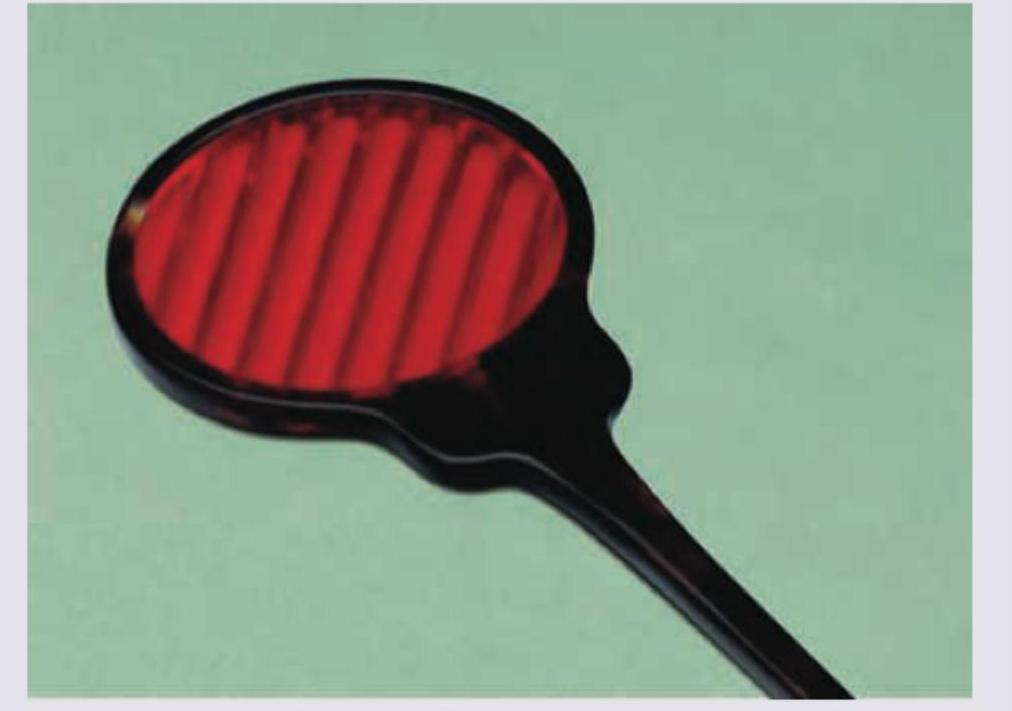
Uncrossed diplopia is seen in which of the following conditions?
What is the treatment of choice for a 2-month-old child presenting with watering and discharge of the eye, with normal anterior and posterior chamber findings?
Typical coloboma of the iris occurs:
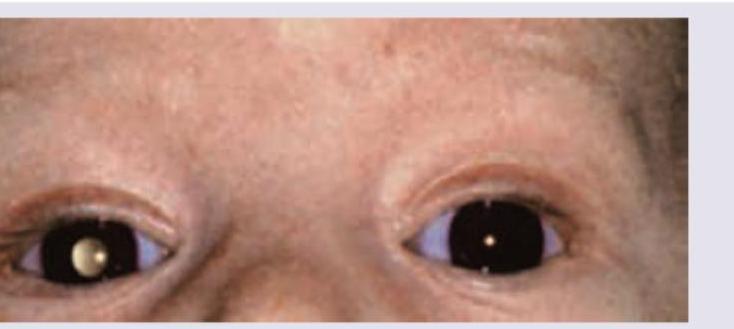
What are the management options for retinoblastoma?
In paralytic convergent squint, diplopia is:
Persistent hyperplastic primary vitreous (PHPV) is associated with which of the following congenital anomalies?
Increased oxygen delivery during prematurity causes all the following EXCEPT:
A mother noticed mucopurulent discharge from the right puncta of her 3-month-old child. There is a history of watering from the right eye. What is the initial management?
A 3-year-old child with convergent squint requires refraction. Which of the following is the most appropriate pharmacological agent for cycloplegia?
Which of the following is a wrong pair of Yolk muscles?
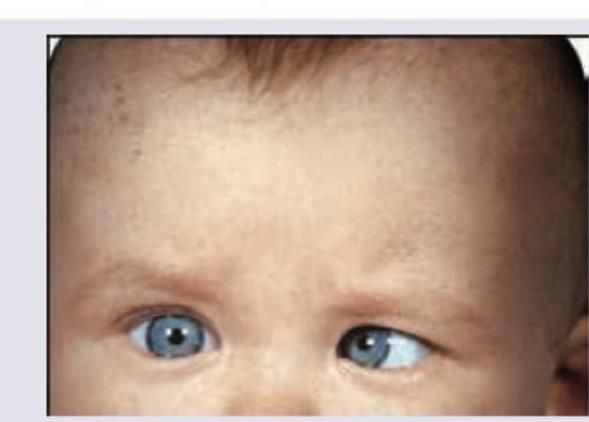
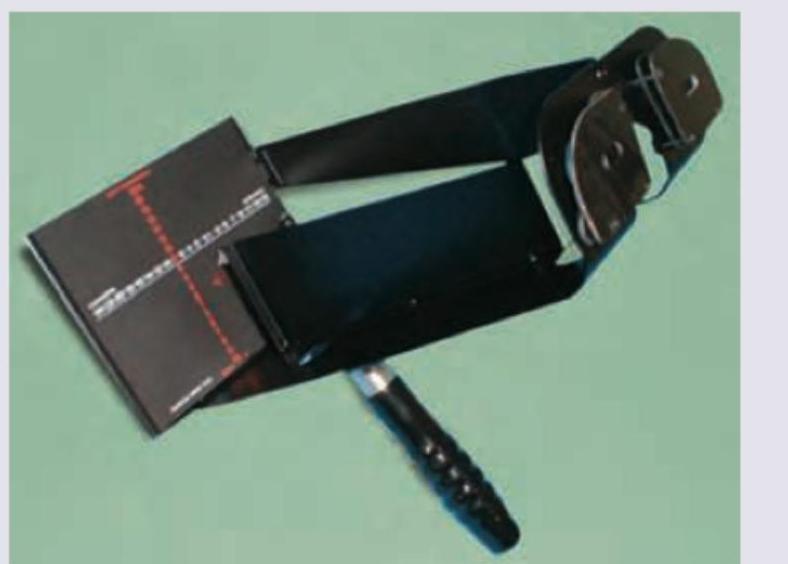
Explanation: ### Explanation The type of diplopia (double vision) experienced in strabismus is determined by the relationship between the deviated eye's position and the projection of the image on the retina. **1. Why Esotropia is Correct:** In **Esotropia** (convergent squint), the eye is deviated medially (inward). Because of this inward deviation, light from an object falls on the **nasal retina**. In the visual cortex, images falling on the nasal retina are projected to the **temporal visual field**. Therefore, the image seen by the right eye appears on the right side, and the image seen by the left eye appears on the left side. This is known as **Uncrossed (Homonymous) Diplopia**. **2. Why the other options are incorrect:** * **Exotropia (A):** In divergent squint, the eye turns outward, and light falls on the **temporal retina**. Images on the temporal retina are projected to the **nasal visual field**. Thus, the image from the right eye appears on the left side, resulting in **Crossed (Heteronymous) Diplopia**. * **Exophoria (B) and Esophoria (D):** These are "latent" squints. In phorias, the eyes are normally kept in alignment by sensory fusion. Diplopia only occurs when the deviation becomes manifest (tropia). While the *potential* for crossed or uncrossed diplopia exists if they break down, the question refers to the clinical manifestation seen in manifest deviations. **Clinical Pearls for NEET-PG:** * **Rule of Thumb:** * **E**sotropia = **U**ncrossed (Mnemonic: **E** is close to **U** in the alphabet, or "Esotropia stays on its own side"). * **E**xotropia = **C**rossed (Mnemonic: **X** looks like a **Cross**). * **Maddox Rod Test:** Used to differentiate these. In Esotropia, the red line is seen on the same side as the red filter. * **False Macula:** In long-standing childhood strabismus, diplopia may disappear due to **suppression** or **abnormal retinal correspondence (ARC)**.
Explanation: ### Explanation The clinical presentation of watering (epiphora) and discharge in a 2-month-old infant with a normal ocular examination is characteristic of **Congenital Nasolacrimal Duct Obstruction (CNLDO)**. This is most commonly due to a persistent imperforate membrane at the **Valve of Hasner**. **Why Option A is correct:** The treatment of choice for infants under 1 year of age is **Crigler’s Lacrimal Sac Massage** (Hydrostatic massage). The technique involves applying downward pressure over the lacrimal sac to increase hydrostatic pressure, which mechanically ruptures the obstructing membrane at the distal end of the NLD. Approximately 90% of cases resolve spontaneously or with massage by the age of one. **Why other options are incorrect:** * **B. Syringing and probing:** This is the second line of treatment, typically reserved for cases that fail to resolve with massage after **10–12 months** of age. Performing it at 2 months is premature. * **C. Balloon catheter dilation:** This is an advanced intervention used for complex or recalcitrant obstructions, usually after failed initial probing. * **D. Dacryocystorhinostomy (DCR):** This is a major surgical procedure (creating a bypass) and is generally contraindicated in infants. It is considered only after the age of **3–4 years** if all conservative and minor surgical measures fail. **High-Yield Clinical Pearls for NEET-PG:** * **Most common site of CNLDO:** Valve of Hasner (lower end of NLD). * **Regurgitation test:** Pressure over the lacrimal sac produces mucoid/mucopurulent discharge, confirming the diagnosis. * **Antibiotics:** Topical antibiotics are only indicated if there is significant mucopurulent discharge (secondary infection), but they do not treat the underlying obstruction. * **Timing:** Conservative management (massage) is the gold standard for the first year of life.
Explanation: **Explanation:** The correct answer is **Inferonasally (Option A)**. **1. Why Inferonasally is correct:** A typical coloboma is a congenital defect resulting from the **incomplete closure of the embryonic (optic) fissure** during the 5th to 7th week of intrauterine life. In normal development, this fissure closes from the center, extending anteriorly and posteriorly. The final point of closure is located in the **inferonasal quadrant**. Failure of this fusion leads to a gap in the ocular tissues, most commonly affecting the iris, ciliary body, choroid, or optic nerve. **2. Why other options are incorrect:** * **Options B, C, and D:** These locations do not correspond to the anatomical site of the embryonic fissure. Any coloboma occurring in these quadrants is termed an **atypical coloboma**. Atypical colobomas are not caused by fissure closure defects but may result from intrauterine inflammation, trauma, or persistent pupillary membranes. **3. Clinical Pearls for NEET-PG:** * **Appearance:** A typical iris coloboma gives the pupil a characteristic **"keyhole" appearance**. * **Associations:** It is a key component of the **CHARGE syndrome** (Coloboma, Heart defects, Atresia choanae, Retardation of growth, Genitourinary anomalies, and Ear anomalies). * **Extent:** It can be "complete" (extending from the pupil to the root) or "incomplete" (not involving the full thickness or length). * **Vision:** Iris colobomas alone usually cause photophobia; however, if the coloboma involves the optic nerve or macula, significant visual acuity loss occurs.
Explanation: **Explanation:** Retinoblastoma is the most common primary intraocular malignancy of childhood. The management strategy is multidisciplinary, aimed primarily at saving life, then the eye, and finally preserving vision. The choice of treatment depends on the **International Classification of Retinoblastoma (ICRB)** grouping (Groups A-E). 1. **Enucleation (Option A):** This remains the treatment of choice for advanced cases (Group E), where there is no hope for vision, or in cases with secondary glaucoma or optic nerve involvement. 2. **Chemotherapy (Option B):** Systemic **Chemoreduction** (using the VEC regimen: Vincristine, Etoposide, and Carboplatin) is used to shrink the tumor size before focal therapy. Advanced techniques like **Intra-arterial chemotherapy (IAC)** and **Intravitreal chemotherapy** (for vitreous seeds) have revolutionized eye salvage. 3. **Radiotherapy (Option C):** While External Beam Radiotherapy (EBRT) is now avoided due to the risk of secondary malignancies (especially in heritable cases), **Brachytherapy (Plaque radiotherapy)** is still an effective option for localized tumors. **Why "All of the above" is correct:** Management is highly individualized. Small tumors (Group A) may only require focal therapy (Cryotherapy/Laser), while complex cases require a combination of chemotherapy, surgery, and radiation. **High-Yield Clinical Pearls for NEET-PG:** * **Most common presenting sign:** Leukocoria (White pupillary reflex), followed by strabismus. * **Pathognomonic Histology:** Flexner-Wintersteiner rosettes. * **Calcification:** Present in 90% of cases (seen on CT/Ultrasound); a key diagnostic feature. * **Genetic Mutation:** RB1 gene on Chromosome **13q14**. * **Trilateral Retinoblastoma:** Bilateral retinoblastoma associated with a pinealoblastoma.
Explanation: **Explanation:** In paralytic squint, the type of diplopia is determined by the relationship between the visual axes. **1. Why Heteronymous is Correct:** Convergent squint (Esotropia) occurs due to the paralysis of an abductor muscle (most commonly the **6th Cranial Nerve/Lateral Rectus**). When the eye is turned inward (converged), the image of an object falls on the **nasal retina**. According to the laws of projection, an image falling on the nasal retina is projected to the **temporal visual field**. Therefore, the false image is seen on the opposite side of the deviating eye (e.g., in right esotropia, the image is seen to the left). This "crossed" relationship is termed **Heteronymous or Crossed Diplopia**. **2. Why Other Options are Incorrect:** * **Homonymous (Uncrossed) Diplopia:** This occurs in **divergent squint (Exotropia)**. When the eye turns outward, the image falls on the temporal retina and is projected to the nasal field. The false image stays on the same side as the deviating eye. * **Both/None:** Diplopia in paralytic squint follows fixed optical laws based on the direction of deviation; it cannot be both simultaneously for a single deviation type. **Clinical Pearls for NEET-PG:** * **Rule of Thumb:** Convergent = Crossed (Heteronymous); Divergent = Uncrossed (Homonymous). * **False Image:** In paralytic squint, the false image is always the one that is more peripheral and less distinct. * **Hering’s Law & Sherrington’s Law:** These govern the coordination and innervation of extraocular muscles, often tested alongside diplopia questions. * **Compensatory Head Tilt:** Patients often tilt their head toward the direction of the paralyzed muscle's action to minimize diplopia.
Explanation: **Explanation:** **Persistent Hyperplastic Primary Vitreous (PHPV)**, now more commonly termed **Persistent Fetal Vasculature (PFV)**, is a congenital anomaly resulting from the failure of the primary vitreous and the hyaloid vascular system to regress during fetal development. **Why Patau Syndrome is Correct:** Patau syndrome (**Trisomy 13**) is the chromosomal anomaly most strongly associated with PHPV. It is characterized by severe systemic and ocular malformations. In these patients, PHPV often presents as part of a spectrum of ocular defects including microphthalmos, iris coloboma, congenital cataracts, and retinal dysplasia. The failure of the hyaloid system to involute is a hallmark of the developmental arrest seen in Trisomy 13. **Analysis of Incorrect Options:** * **Down Syndrome (Trisomy 21):** Associated with Brushfield spots, keratoconus, infantile cataracts, and high refractive errors, but not typically PHPV. * **Tuberous Sclerosis:** A phakomatosis characterized by **astrocytic hamartomas** of the retina (mulberry lesions), not persistent fetal vasculature. * **Sturge-Weber Syndrome:** Associated with **port-wine stains** and ocular complications like diffuse choroidal hemangioma ("tomato catsup" fundus) and congenital glaucoma. **Clinical Pearls for NEET-PG:** * **Presentation:** PHPV is usually **unilateral** and presents as **leukocoria** (white pupillary reflex) in a **microphthalmic eye**. * **Differential Diagnosis:** It is a critical differential for Retinoblastoma. Remember: Retinoblastoma occurs in a normal-sized eye, while PHPV occurs in a small (microphthalmic) eye. * **Key Sign:** Elongated ciliary processes (Mittendorf dot and Bergmeister’s papilla are remnants of the same system). * **Complications:** Can lead to secondary angle-closure glaucoma due to the retrolental mass pushing the lens-iris diaphragm forward.
Explanation: This question pertains to the pathogenesis of **Retinopathy of Prematurity (ROP)**, which occurs in two distinct phases triggered by oxygen levels. ### **Explanation of the Correct Answer** **B. Vasodilation** is the correct answer because hyperoxia (increased oxygen delivery) causes the exact opposite effect: **vasoconstriction**. The pathogenesis of ROP follows a biphasic pattern: 1. **Phase 1 (Hyperoxic Phase):** When a premature infant is exposed to high supplemental oxygen, it leads to the suppression of Vascular Endothelial Growth Factor (VEGF). This results in **vasoconstriction** and subsequent **vaso-obliteration** (death of developing retinal capillaries). 2. **Phase 2 (Hypoxic Phase):** As the infant is removed from oxygen or as the metabolic demands of the retina increase, the now-non-perfused (obliterated) retina becomes hypoxic. This triggers a massive overproduction of VEGF, leading to **neovascularization**. ### **Analysis of Incorrect Options** * **A. Vasoconstriction:** This is the immediate physiological response of immature retinal vessels to high oxygen tension. * **C. Vaso-obliteration:** Prolonged vasoconstriction due to hyperoxia leads to the permanent closure and dropout of the capillary beds. * **D. Neovascularization:** While this occurs in the second phase (due to relative hypoxia), it is a direct consequence of the initial damage caused by increased oxygen delivery. ### **High-Yield Clinical Pearls for NEET-PG** * **Screening Criteria (India):** Birth weight **<1750g** or Gestational Age **<34 weeks** (or stable infants 34–36 weeks with risk factors). * **Timing of Screening:** First screen at **4 weeks** (28 days) of life or **31 weeks** post-conceptional age (whichever is later). "When in doubt, screen at 4 weeks." * **Zone I:** The most critical area (centered on the disc; radius is twice the distance from the disc to the fovea). * **Plus Disease:** Characterized by arterial tortuosity and venous dilatation in the posterior pole; it indicates active, severe ROP. * **Treatment of Choice:** Laser photocoagulation (of the peripheral avascular retina) or Intravitreal Anti-VEGF (e.g., Ranibizumab).
Explanation: **Explanation:** The clinical presentation of watering (epiphora) and mucopurulent discharge in a 3-month-old infant is characteristic of **Congenital Nasolacrimal Duct Obstruction (CNLDO)**. This occurs most commonly due to a persistent imperforate membrane at the distal end of the NLD, known as the **Valve of Hasner**. **Why Option C is Correct:** The initial management for CNLDO in infants under one year of age is conservative. **Crigler’s Lacrimal Sac Massage** (hydrostatic massage) increases the hydrostatic pressure within the lacrimal sac, which helps rupture the membrane at the Valve of Hasner. Topical antibiotics are added to control the secondary infection (mucopurulent discharge). Approximately 90% of cases resolve spontaneously with this method by the age of one. **Why Other Options are Incorrect:** * **A & B (Syringing/Probing):** Probing is the treatment of choice if conservative management fails or if the child is older than 12–18 months. Performing it at 3 months is premature and carries risks of trauma to the delicate canaliculi. * **D (Dacryocystorhinostomy):** DCR is a major surgical procedure indicated only after the failure of repeated probings and intubation, usually performed after 3–4 years of age. **High-Yield Clinical Pearls for NEET-PG:** * **Most common site of CNLDO:** Valve of Hasner (lower end of NLD). * **Crigler Massage Technique:** 10 strokes, 4 times a day. * **Management Timeline:** * Birth to 1 year: Conservative (Massage + Antibiotics). * 1 year to 2 years: Probing (Success rate decreases with age). * 2 years to 4 years: Intubation or Balloon Dacryoplasty. * After 4 years: Dacryocystorhinostomy (DCR).
Explanation: **Explanation:** In pediatric ophthalmology, accurate refraction is critical, especially in cases of **convergent squint (Esotropia)**. Children have a very strong accommodative reflex due to a highly active ciliary muscle. To uncover the full refractive error (particularly latent hypermetropia), **Atropine** is the drug of choice as it is the most potent cycloplegic available. **Why Atropine Ointment is the Correct Choice:** 1. **Potency:** Atropine provides the most complete paralysis of the ciliary muscle (cycloplegia), which is essential in children under 5–7 years old with strabismus to determine the maximum hypermetropic correction. 2. **Safety (Ointment vs. Drops):** In young children, **Atropine ointment (1%)** is preferred over drops. Ointment is absorbed more slowly through the conjunctiva and carries a lower risk of systemic toxicity (via the nasolacrimal duct) compared to drops, which can cause flushing, tachycardia, and fever. **Analysis of Incorrect Options:** * **Tropicamide (A):** The weakest cycloplegic with a short duration. It is insufficient for pediatric refraction as it fails to overcome strong accommodation. * **Atropine Drops (B):** While chemically correct, the drop formulation is avoided in toddlers due to the high risk of systemic absorption and toxicity. * **Cyclopentolate (D):** Though it is the "gold standard" for routine pediatric refraction in older children, it is less potent than Atropine and may miss a portion of latent hypermetropia in a child with an active squint. **High-Yield Clinical Pearls for NEET-PG:** * **Atropine Regimen:** Usually applied 2–3 times daily for 3 days prior to refraction. * **The "Atropine Discovery":** Refraction is performed on the 4th day; a deduction of **1.0 Diopter** is made from the objective finding to account for the "tone" of the ciliary muscle. * **Antidote:** Physostigmine is the antidote for Atropine toxicity. * **Contraindication:** Avoid Atropine in children with Down Syndrome (risk of severe tachycardia).
Explanation: ### Explanation The concept of **Yoke Muscles** (also known as Contralateral Synergists) is based on **Hering’s Law of Equal Innervation**, which states that during any conjugate eye movement, equal and simultaneous innervation is sent to the muscles of both eyes that act as a pair to move the eyes in a specific direction. **1. Why Option C is the Correct (Wrong Pair) Answer:** * **RMR (Right Medial Rectus)** and **LMR (Left Medial Rectus)** are both adductors. If both contract simultaneously, the eyes undergo **convergence**, not conjugate movement (version). * For conjugate movement to the left (Levoversion), the **RMR** pairs with the **LSO (Left Lateral Rectus)**. Therefore, RMR and LMR are not yoke muscles. **2. Analysis of Incorrect Options (Correct Yoke Pairs):** Yoke muscles are identified by the direction of gaze they subserve: * **Option A (RSR & LIO):** Both are primary elevators in **Dextro-elevation** (looking up and to the right). * **Option B (RSO & LIR):** Both are primary depressors in **Levo-depression** (looking down and to the left). * **Option D (RIR & LSO):** Both are primary depressors in **Dextro-depression** (looking down and to the right). **Clinical Pearls for NEET-PG:** * **Hering’s Law:** Explains why the secondary deviation is greater than the primary deviation in paralytic squint. * **Sherrington’s Law:** Deals with **reciprocal innervation** in the *same* eye (e.g., when the RMR contracts, the RLR must relax). * **High-Yield Tip:** To identify yoke muscles quickly, remember they must have the same vertical action (Elevation/Depression) but opposite horizontal names (Right/Left) and opposite muscle types (Rectus/Oblique), except for the horizontal recti.
Amblyopia
Practice Questions
Esotropia
Practice Questions
Exotropia
Practice Questions
Vertical Deviations
Practice Questions
Special Forms of Strabismus
Practice Questions
Nystagmus in Children
Practice Questions
Pediatric Cataract
Practice Questions
Retinopathy of Prematurity
Practice Questions
Pediatric Glaucoma
Practice Questions
Pediatric Neuro-ophthalmology
Practice Questions
Genetic Eye Diseases in Children
Practice Questions
Pediatric Ocular Trauma
Practice Questions
Get full access to all questions, explanations, and performance tracking.
Start For Free