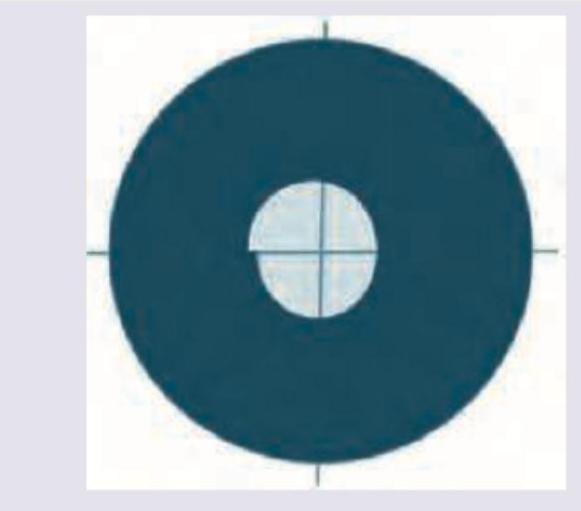
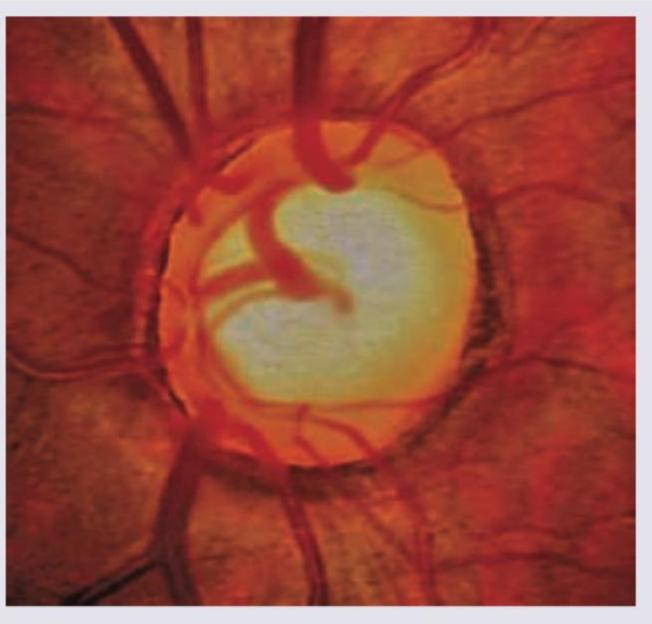
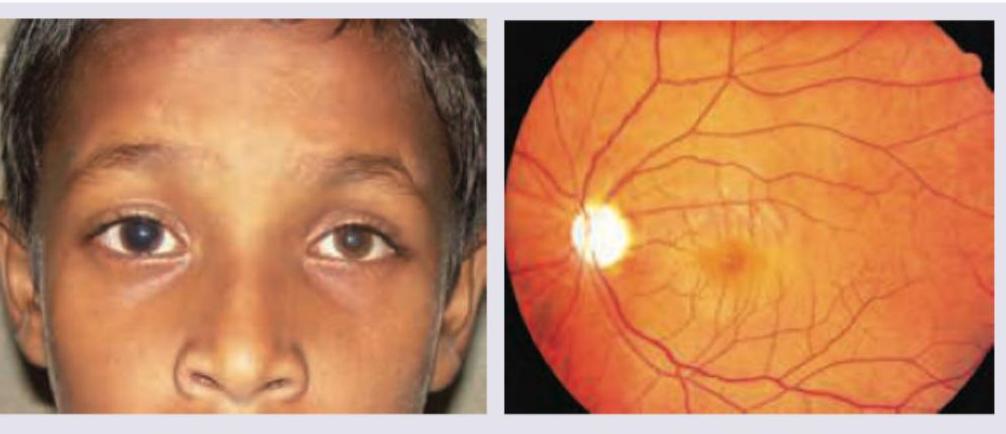
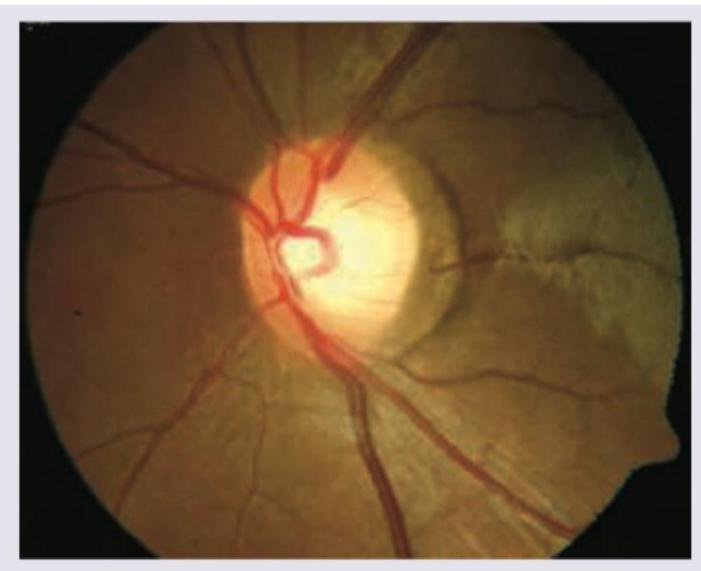
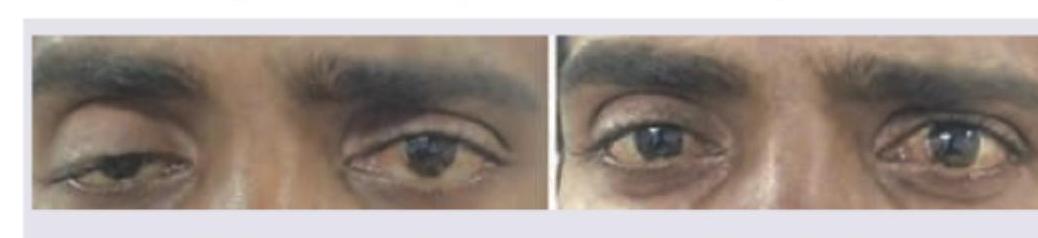
Lamina cribrosa is absent in which of the following conditions?
Visually-evoked response (VER) is useful in the diagnosis of all of the following except:
Homonymous hemianopia is seen in all of the following except:
Which of the following is characteristic of Leber's hereditary optic neuropathy?
All are features of optic nerve injury except?
Which of the following conditions does NOT typically impair vision?
Painful eye movement is a characteristic feature of which of the following conditions?
Which of the following is FALSE regarding Argyll Robertson pupil?
Which nerve, when affected, results in the loss of medial/nasal movement during eye action?
What is not a feature of a carotico-cavernous fistula?
Explanation: **Explanation:** The **Lamina Cribrosa** is a mesh-like structure formed by a continuation of the sclera, through which the optic nerve fibers exit the eye. Its absence or structural failure is a hallmark of specific congenital optic disc anomalies. **Why Morning Glory Syndrome (MGS) is correct:** Morning Glory Syndrome is a sporadic congenital anomaly characterized by a funnel-shaped excavation of the posterior pole that includes the optic disc. In MGS, there is a **failure in the development of the lamina cribrosa**, leading to the characteristic deep excavation. The defect is filled with a central plug of white glial tissue, surrounded by a ring of pigmentary changes and radially arranged retinal vessels. **Analysis of Incorrect Options:** * **Nanophthalmia:** This refers to a "pure" small eye where all dimensions are reduced, but the internal structures like the lamina cribrosa are typically present and thickened. * **Coloboma of Retina:** This is caused by the failure of the embryonic fissure to close. While it can involve the optic nerve (Optic Disc Coloboma), the lamina cribrosa is usually present but defective or displaced, rather than completely absent as seen in MGS. * **Optic Nerve Agenesis:** This is an extremely rare condition where the optic nerve, retinal ganglion cells, and retinal vessels are entirely absent. Since the nerve itself does not form, the question of a specific structural absence of the lamina cribrosa within a "disc" is secondary to the global absence of the visual pathway. **High-Yield Clinical Pearls for NEET-PG:** * **MGS Association:** Always rule out **Basal Encephalocele** (specifically transsphenoidal) in children with MGS; imaging of the midbrain/sella is mandatory. * **MGS vs. Coloboma:** MGS is usually unilateral and sporadic; Coloboma can be bilateral and inherited (autosomal dominant). * **Complication:** The most common vision-threatening complication of MGS is **serous retinal detachment** (occurring in ~30% of cases).
Explanation: ### Explanation The **Visually Evoked Response (VER)**, also known as Visually Evoked Potential (VEP), measures the electrical activity of the **visual cortex** in response to light stimuli. It primarily assesses the integrity of the **optic nerve** and the central visual pathways. **Why Retinitis Pigmentosa (RP) is the correct answer:** Retinitis pigmentosa is a primary **photoreceptor dystrophy** (affecting rods and cones) and the retinal pigment epithelium. To assess the functional status of the retina, the **Electroretinogram (ERG)** is the investigation of choice. In RP, the ERG is typically "extinguished" or markedly subnormal even in early stages. While VER might show secondary changes in advanced RP, it is not a diagnostic tool for retinal diseases. **Analysis of Incorrect Options:** * **Retrobulbar Neuritis:** VER is the most sensitive test for diagnosing demyelinating diseases like Multiple Sclerosis. It typically shows a **delayed P100 wave latency** despite normal visual acuity. * **Visual Potential in Opaque Media:** In cases of dense cataracts or vitreous hemorrhage where the fundus cannot be seen, VER (specifically Flash VEP) is used to predict the postoperative visual prognosis by checking if the optic nerve is functional. * **Optic Atrophy:** Since optic atrophy represents the end-stage of optic nerve damage, the VER will show significantly **reduced amplitude** or an absent waveform, confirming the loss of neuronal conduction. ### High-Yield Clinical Pearls for NEET-PG: * **ERG (Electroretinogram):** Evaluates the **Retina** (Outer layers). Diagnostic for Retinitis Pigmentosa. * **EOG (Electro-oculogram):** Evaluates the **RPE** (Retinal Pigment Epithelium). Diagnostic for **Best’s Disease** (Arden Index < 1.5). * **VER/VEP:** Evaluates the **Optic Nerve** to the **Occipital Cortex**. * **P100 Wave:** The most stable and clinically significant peak in VER, occurring at approximately 100ms. Delayed latency is a hallmark of **Optic Neuritis**.
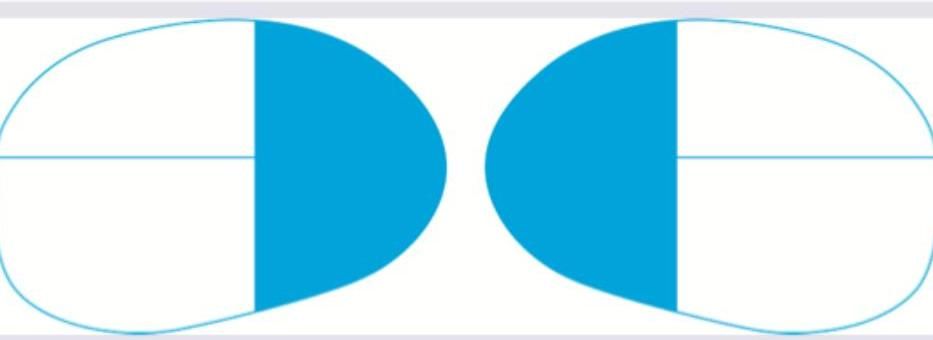
Explanation: **Explanation:** The key to solving visual field defect questions lies in the location of the lesion relative to the **Optic Chiasm**. 1. **Why Optic Nerve Lesion is the Correct Answer:** The optic nerve carries fibers from only one eye (ipsilateral) before any decussation occurs. Therefore, a complete lesion of the optic nerve results in **ipsilateral total blindness (Anopia)**, not a hemianopia. Hemianopias require a lesion at or behind the chiasm where fibers from both eyes are represented. 2. **Analysis of Incorrect Options:** * **Optic Tract Lesion:** This is the first point in the visual pathway where fibers from the temporal retina of the ipsilateral eye and nasal retina of the contralateral eye join. A lesion here causes a **Contralateral Homonymous Hemianopia**. * **Lateral Geniculate Body (LGB):** As a relay station post-chiasm, lesions here also result in a contralateral homonymous hemianopia (often with specific patterns like sectoranopia depending on the blood supply). * **Visual Cortex/Occipital Lobe:** Lesions in the retro-geniculate pathway (optic radiations or cortex) consistently produce **Contralateral Homonymous Hemianopia**, often with **Macular Sparing** if the lesion is vascular (due to dual blood supply from MCA and PCA). **High-Yield Clinical Pearls for NEET-PG:** * **Bitemporal Hemianopia:** Classic sign of a **Central Chiasmal** lesion (e.g., Pituitary Adenoma). * **Congruity:** The more posterior the lesion (closer to the occipital cortex), the more "congruous" (identical in shape) the field defects in both eyes become. * **Meyer’s Loop Lesion (Temporal lobe):** Causes "Pie in the sky" (Superior Quadrantanopia). * **Baum’s Loop Lesion (Parietal lobe):** Causes "Pie on the floor" (Inferior Quadrantanopia).
Explanation: **Explanation:** **Leber’s Hereditary Optic Neuropathy (LHON)** is a classic example of **Mitochondrial Inheritance** (maternal inheritance). 1. **Why Option B is Correct:** In mitochondrial inheritance, the disease is transmitted exclusively through the mother because the mitochondria in a zygote are derived entirely from the oocyte; sperm do not contribute mitochondria to the offspring. Therefore, while an affected male may carry the mutation, he **cannot transmit it** to any of his children. 2. **Why the other options are Incorrect:** * **Option A:** LHON typically presents in the **second to third decade** of life (young adult males), not the fourth. * **Option C:** It is inherited via **mitochondrial DNA mutations** (most commonly at positions 11778, 3460, or 14484), not through autosomal or X-linked Mendelian patterns. * **Option D:** In the acute phase, the optic disc is **hyperemic** with circumpapillary telangiectatic microangiopathy and swelling of the nerve fiber layer (pseudo-edema). Optic atrophy and disc pallor are **late-stage** findings. **Clinical Pearls for NEET-PG:** * **Presentation:** Sudden, painless, sequential bilateral central vision loss (centrocecal scotoma). * **Triad of Acute LHON:** Circumpapillary telangiectasia, swelling of the peripapillary nerve fiber layer, and **absence of leakage** on Fluorescein Angiography (distinguishes it from true papilledema). * **Gender Predisposition:** Much higher penetrance in males (approx. 80-90% of clinical cases). * **High-Yield Association:** Smoking and alcohol consumption can trigger or worsen the vision loss in carriers.
Explanation: **Explanation:** Optic nerve injury (optic neuropathy) results in a disruption of the transmission of visual information from the retina to the brain. This leads to a generalized depression of visual functions. **Why "Intact contrast sensitivity" is the correct answer:** Contrast sensitivity is the ability to distinguish an object from its background. It is one of the **earliest and most sensitive indicators** of optic nerve dysfunction. In any optic nerve injury (whether traumatic, inflammatory, or ischemic), contrast sensitivity is **impaired**, not intact. Therefore, "Intact contrast sensitivity" is the false statement. **Analysis of Incorrect Options:** * **Decreased acuity:** Visual acuity is a measure of central macular function transmitted via the papillomacular bundle of the optic nerve. Damage to these fibers leads to a drop in Snellen’s acuity. * **Decreased colour vision:** Dyschromatopsia (specifically red-green deficiency) is a hallmark of optic nerve disease. It often occurs out of proportion to the loss of visual acuity. * **Relative Afferent Pupillary Defect (RAPD):** Also known as the Marcus Gunn pupil, RAPD is the **most important clinical sign** of unilateral or asymmetrical optic nerve injury. It indicates that the affected eye perceives less light than the healthy eye, leading to paradoxical dilation when the light is swung from the normal to the affected eye. **Clinical Pearls for NEET-PG:** * **Red Desaturation Test:** A bedside test where the patient perceives a red object as "washed out" or pink in the affected eye; highly suggestive of optic nerve pathology. * **Triad of Optic Neuritis:** Decreased vision, pain with eye movements, and RAPD. * **Foster Kennedy Syndrome:** Ipsilateral optic atrophy (due to direct compression) and contralateral papilledema (due to raised ICP), often seen in olfactory groove meningiomas.
Explanation: **Explanation:** The hallmark of **Papilledema** (passive swelling of the optic disc due to increased intracranial pressure) is that **visual acuity remains characteristically preserved** in the early and well-developed stages. Because the pathology involves axonal transport stasis rather than direct inflammatory or ischemic damage to the neuro-retinal fibers, the patient typically presents with a normal vision (6/6) despite significant disc edema. Vision loss in papilledema only occurs in the late/atrophic stage or due to secondary complications like macular edema or hemorrhages. **Analysis of Incorrect Options:** * **Berlin’s Edema (Commotio Retinae):** This is post-traumatic retinal edema involving the outer retinal layers (photoreceptors). It typically occurs at the macula, leading to an immediate and significant decrease in central vision. * **Optic Neuritis:** This is an inflammatory condition of the optic nerve. Unlike papilledema, it presents with a **sudden, painful loss of vision** and a Relative Afferent Pupillary Defect (RAPD). * **Uveitis:** Inflammation of the uveal tract (especially posterior or pan-uveitis) impairs vision due to inflammatory cells in the vitreous (vitritis), macular edema (CME), or pupillary membranes. **NEET-PG High-Yield Pearls:** * **Early Sign of Papilledema:** Blurring of the superior and inferior disc margins and loss of spontaneous venous pulsations (SVP). * **Visual Field Defect in Papilledema:** The earliest change is an **enlargement of the blind spot**. * **Foster Kennedy Syndrome:** Ipsilateral optic atrophy (due to direct tumor compression) and contralateral papilledema (due to raised ICP). * **Key Differentiator:** If a patient has a swollen disc but **sudden vision loss**, think Optic Neuritis or AION. If they have a swollen disc but **normal vision**, think Papilledema.
Explanation: **Explanation:** **Optic Neuritis** is an inflammatory condition of the optic nerve, most commonly associated with Multiple Sclerosis. The hallmark clinical triad includes sudden visual loss, a Relative Afferent Pupillary Defect (RAPD), and **painful eye movements**. The pain occurs because the optic nerve sheath is closely attached to the tendons of the superior and medial rectus muscles at the orbital apex. When these muscles contract during eye movement, they pull on the inflamed, sensitive dural sheath of the optic nerve, causing retrobulbar pain. **Analysis of Incorrect Options:** * **Papilloedema:** This is passive swelling of the optic disc due to increased intracranial pressure. It is typically bilateral and **painless**, as there is no primary inflammation of the nerve sheath. * **Optic Atrophy:** This represents the end-stage degeneration of retinal ganglion cell axons. It is a chronic, permanent state of nerve damage and is not associated with acute pain. * **Optic Nerve Hypoplasia:** This is a congenital anomaly where the optic nerve is underdeveloped. It is a static, non-inflammatory condition and does not cause pain. **High-Yield Clinical Pearls for NEET-PG:** * **Uhthoff’s Phenomenon:** Temporary worsening of vision in optic neuritis patients when body temperature rises (e.g., after a hot shower or exercise). * **Pulfrich Phenomenon:** Perception of an object moving in a straight line as moving in an elliptical orbit. * **MRI Brain:** The most important investigation to predict the future risk of developing Multiple Sclerosis. * **Treatment:** Based on the **ONTT (Optic Neuritis Treatment Trial)**, the standard management is IV Methylprednisolone (1g/day for 3 days) followed by oral steroids. Note: Oral steroids alone are contraindicated as they increase the rate of recurrence.
Explanation: **Argyll Robertson Pupil (ARP)** is a classic neuro-ophthalmological sign traditionally associated with tertiary syphilis (neurosyphilis). The hallmark of this condition is **Light-Near Dissociation**, where the pupil fails to react to light but constricts during accommodation. ### **Explanation of Options:** * **Why Option D is the Correct Answer (False Statement):** Argyll Robertson pupils are characteristically **bilateral and symmetrical**. While the pupils are extremely small (miotic), they are typically equal in size. Therefore, **anisocoria** (unequal pupil size) is not a feature of true ARP. * **Option A (True):** The defining feature is that the **Accommodation reflex is present** (and brisk), while the light reflex is absent. This occurs due to a lesion in the pretectal nucleus of the midbrain, sparing the more ventral fibers involved in the near reflex. * **Option B (True):** These pupils are typically very small (**"Prostitute’s Pupil"**) and show **poor dilation** to mydriatics due to chronic iris atrophy and sympathetic involvement. * **Option C (True):** A **Pseudo-Argyll Robertson pupil** (light-near dissociation without extreme miosis) can be seen in Parinaud Syndrome, Adie’s Tonic Pupil, and **aberrant regeneration of the 3rd Nerve**. ### **High-Yield Clinical Pearls for NEET-PG:** 1. **Mnemonic:** **ARP** (Argyll Robertson Pupil) = **A**ccommodation **R**eflex **P**resent / **A**tropine **R**esistant **P**upil. 2. **Location of Lesion:** Periaqueductal gray matter of the **Midbrain** (specifically the pretectal nucleus). 3. **Most Common Cause:** Neurosyphilis (Tabes dorsalis). 4. **Differential Diagnosis:** **Adie’s Tonic Pupil** is usually unilateral, dilated (mydriatic), and shows "vermiform" pupillary movements, unlike the bilateral miotic ARP.
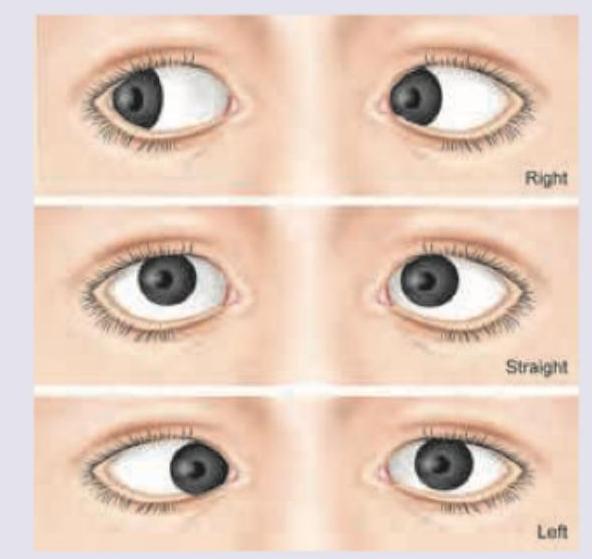
Explanation: ### Explanation **Correct Answer: C. 3rd nerve (Oculomotor Nerve)** The **3rd Cranial Nerve (Oculomotor)** supplies the majority of the extraocular muscles, including the **Medial Rectus**. The primary action of the Medial Rectus is **adduction**, which moves the eye medially toward the nose. Therefore, a palsy of the 3rd nerve results in the inability to move the eye nasally. In a complete 3rd nerve palsy, the eye typically deviates "down and out" due to the unopposed action of the Superior Oblique (4th nerve) and Lateral Rectus (6th nerve). **Analysis of Incorrect Options:** * **A. 4th nerve (Trochlear):** This nerve supplies the **Superior Oblique** muscle. Its primary action is depression in the adducted position and intorsion. Damage leads to vertical diplopia and a compensatory head tilt, not a loss of medial movement. * **B. 6th nerve (Abducens):** This nerve supplies the **Lateral Rectus** muscle, which is responsible for **abduction** (moving the eye away from the nose). A 6th nerve palsy results in a loss of lateral movement and an inward (esotropic) deviation. * **D. 7th nerve (Facial):** This nerve supplies the muscles of facial expression, including the **Orbicularis Oculi**, which is responsible for closing the eyelids. It does not control extraocular muscle movements. **High-Yield Clinical Pearls for NEET-PG:** * **Rule of 3s:** The 3rd nerve supplies 4 out of 6 extraocular muscles (MR, SR, IR, IO) plus the Levator Palpebrae Superioris (LPS) and the sphincter pupillae. * **Pupil Involvement:** In 3rd nerve palsy, a **dilated pupil** suggests external compression (e.g., PCom artery aneurysm), while **pupillary sparing** often suggests a microvascular cause (e.g., Diabetes Mellitus). * **Mnemonic for Nerve Supply:** **LR6 (SO4) 3** — Lateral Rectus (6th), Superior Oblique (4th), and all others (3rd).
Explanation: **Explanation:** A **Carotico-cavernous fistula (CCF)** is an abnormal communication between the carotid arterial system and the cavernous sinus. High-pressure arterial blood flows into the low-pressure venous sinus, leading to venous engorgement and characteristic clinical signs. **Why Option D is correct:** While CCF causes significant venous congestion, it **does not typically lead to spontaneous intraorbital hemorrhage**. The increased pressure is transmitted to the orbital veins, causing them to dilate, but the primary complications are related to ocular ischemia, secondary glaucoma, and cranial nerve palsies. Intraorbital hemorrhage is usually a result of direct trauma (which may also cause the CCF) rather than a spontaneous feature of the fistula itself. **Why the other options are incorrect:** * **A. Pulsatile exophthalmos:** This is a hallmark feature. The transmission of arterial pulsations through the fistula to the ophthalmic veins causes the globe to pulsate in sync with the heartbeat. * **B. Generally post-traumatic:** Direct CCFs (high-flow) are most commonly caused by basal skull fractures (70-80% of cases), making them predominantly post-traumatic. * **C. Dilated superior ophthalmic vein:** This is a classic radiological finding on CT or MRI. The reversal of blood flow from the cavernous sinus into the orbital veins leads to significant dilation of the superior ophthalmic vein. **Clinical Pearls for NEET-PG:** * **Classic Triad:** Pulsatile exophthalmos, conjunctival chemosis (corkscrew vessels), and an orbital bruit (heard over the eye). * **Dandy’s Sign:** Disappearance of the bruit upon compression of the ipsilateral carotid artery. * **Gold Standard Investigation:** Digital Subtraction Angiography (DSA). * **Treatment:** Endovascular embolization (detachable balloons or coils) is the treatment of choice.
Anatomy of Visual Pathways
Practice Questions
Pupillary Disorders
Practice Questions
Optic Neuritis
Practice Questions
Ischemic Optic Neuropathies
Practice Questions
Other Optic Neuropathies
Practice Questions
Papilledema
Practice Questions
Cranial Nerve Palsies
Practice Questions
Nystagmus
Practice Questions
Visual Field Defects
Practice Questions
Neuro-ophthalmic Manifestations of Intracranial Lesions
Practice Questions
Functional Visual Disorders
Practice Questions
Migraine and the Eye
Practice Questions
Get full access to all questions, explanations, and performance tracking.
Start For Free