Nuclear cataract is associated with which refractive error?
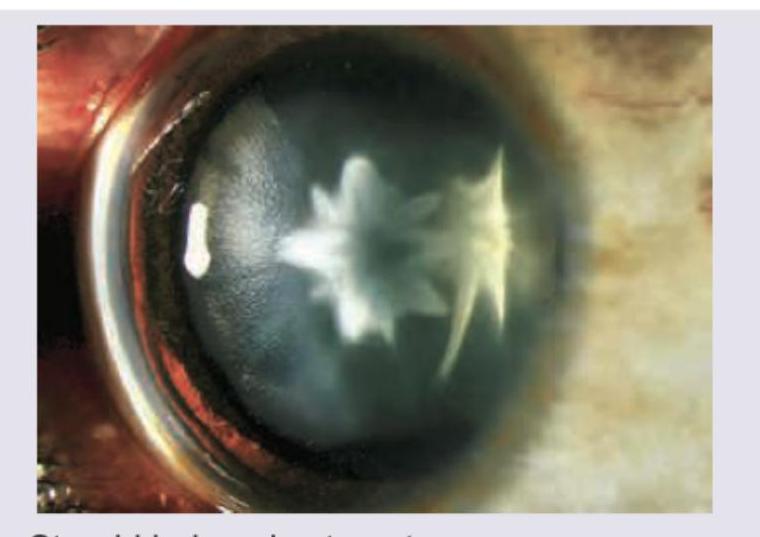
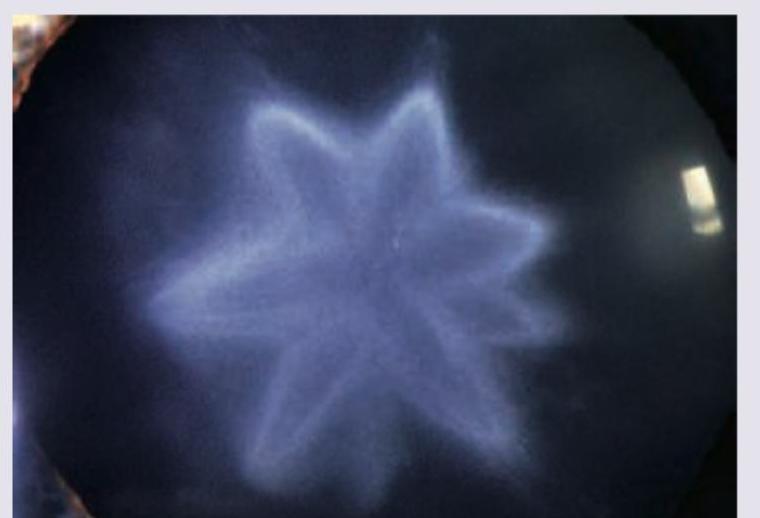
What type of cataract is characteristically seen in Wilson's disease?
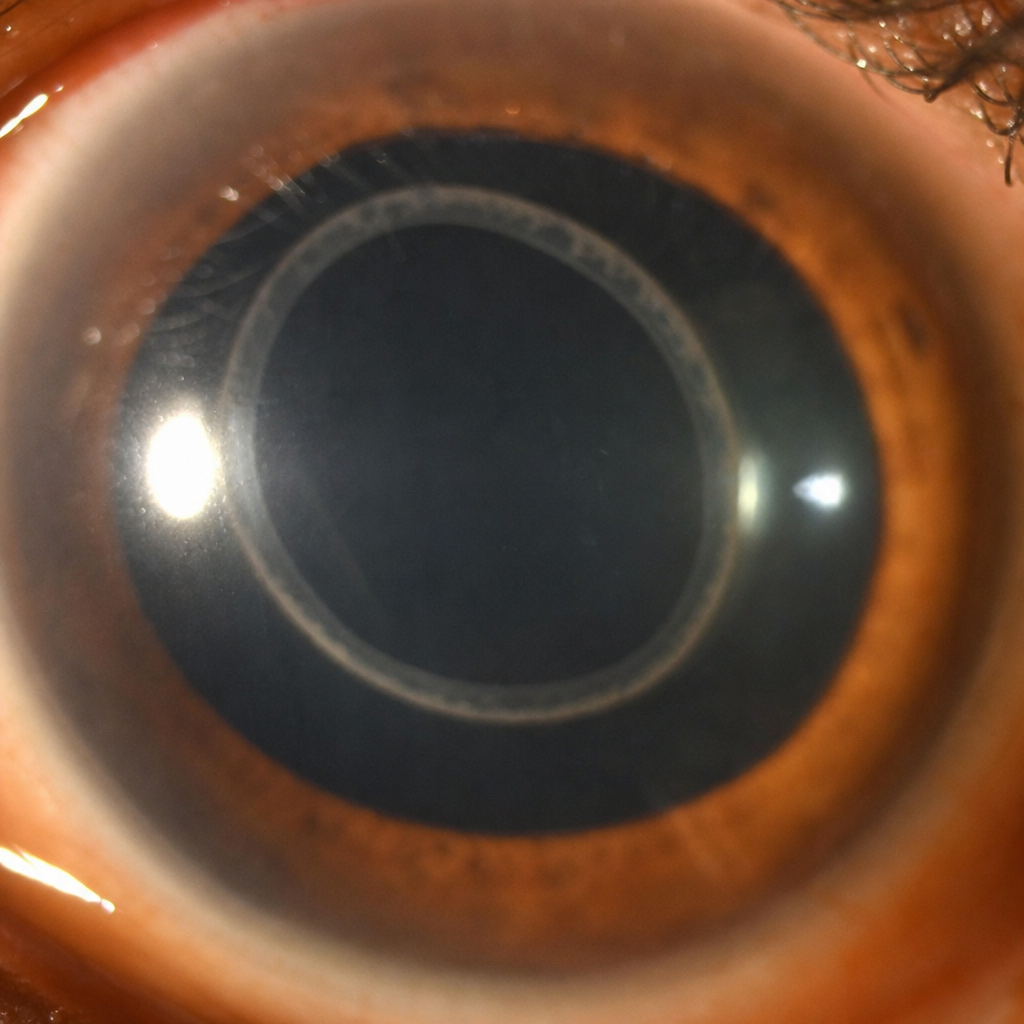
Which of the following ocular structures continues to grow throughout a person's lifetime?
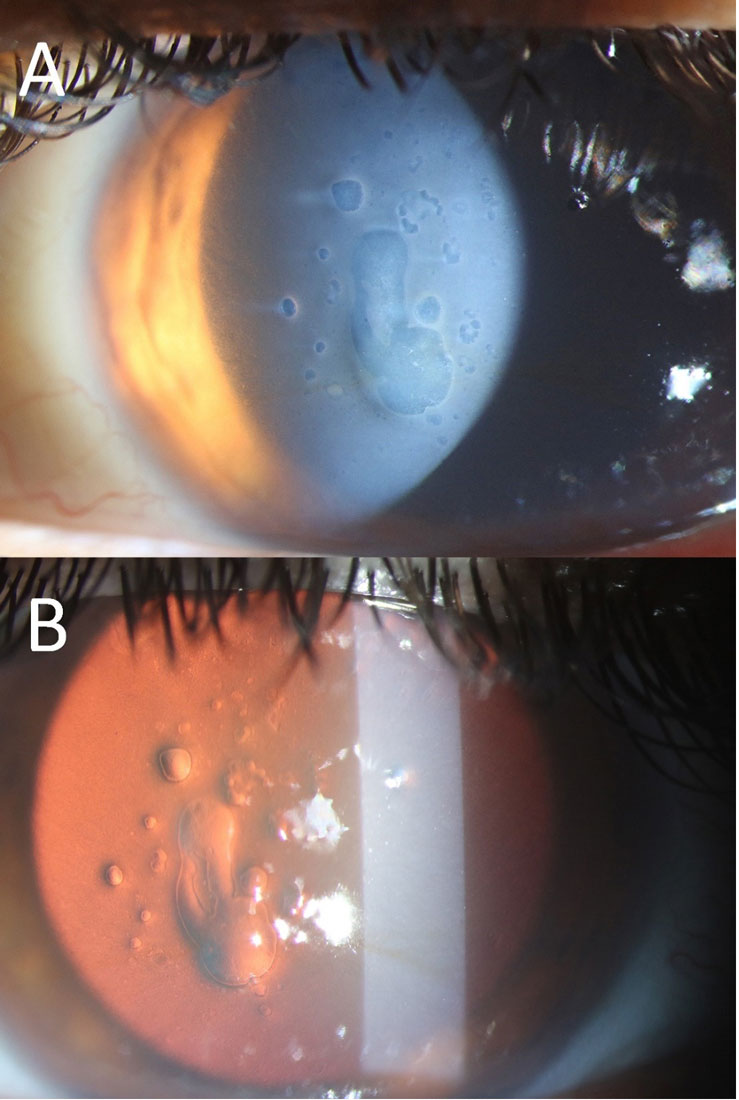
Which type of congenital cataract presents with a disc of opacity involving the fetal and embryonal nucleus with many white dots resembling dust?
Which of the following are considered modern intraocular lens (IOL) materials?
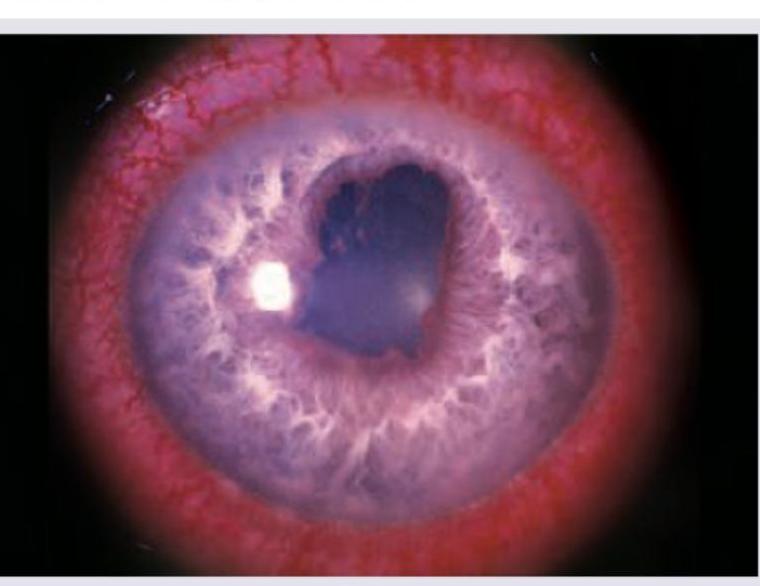
A 60-year-old male presented with colored halos. Fincham's test revealed splitting and reunion of the halos. What is the most likely diagnosis?
Which of the following is NOT an advantage of leaving the lens capsule behind after cataract surgery?
What is the most common type of senile cataract?
Which of the following is a cause of anterior polar cataract?
What is the management for a mature uniocular cataract in a 3-year-old child?
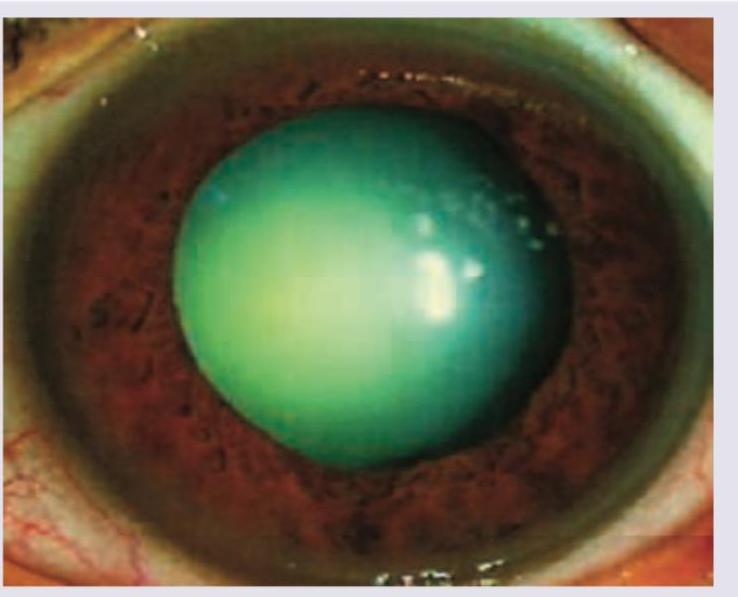
Explanation: In nuclear cataracts, the central part of the lens (the nucleus) undergoes progressive sclerosis and opacification. This process increases the **Refractive Index** of the lens nucleus. According to the principles of optics, an increase in the refractive index of the lens increases its total dioptric power, causing light rays to focus in front of the retina. This shift is termed **Index Myopia**. **Explanation of Options:** * **A. Index Myopia (Correct):** The hardening and increased density of the nucleus lead to a higher refractive index, shifting the patient’s refraction toward myopia. * **B. Index Hypermetropia:** This occurs when the refractive index of the lens decreases (e.g., in cortical cataracts due to hydration changes) or when the refractive index of the vitreous increases (e.g., in some diabetic states). * **C & D. Axial Myopia/Hypermetropia:** These refractive errors are determined by the **axial length** of the eyeball (too long or too short, respectively), not by changes in the lens density or refractive index. **Clinical Pearls for NEET-PG:** * **Second Sight (Day-sight):** Patients with nuclear cataracts often experience a temporary improvement in near vision (e.g., being able to read without glasses again) due to the induced index myopia. This is a classic "buzzword" for nuclear cataracts. * **Color Perception:** Nuclear cataracts act as a yellow/brown filter, leading to poor blue-color discrimination (cyanopsia). * **Grading:** Nuclear cataracts are graded based on color (from pale yellow to black/brown, known as *Cataracta Brunescens*). * **Contrast:** While nuclear cataracts cause index myopia, **Cortical cataracts** are more commonly associated with an initial shift toward **Index Hypermetropia** due to a decrease in the refractive index of the cortex.
Explanation: **Explanation:** **Sunflower cataract** is the characteristic ocular finding in **Wilson’s disease** (Hepatolenticular degeneration). This condition is caused by a deficiency of the copper-transporting protein, Ceruloplasmin, leading to excessive copper deposition in various tissues. In the eye, copper accumulates in the **anterior lens capsule**, forming a central disc with radiating petal-like spokes, resembling a sunflower. This cataract is typically brown or golden-green and usually does not significantly impair vision. **Analysis of Incorrect Options:** * **Snowflake cataract:** These are white, subcapsular opacities seen in **Juvenile Diabetes Mellitus** due to the accumulation of sorbitol and sudden osmotic changes in the lens. * **Posterior subcapsular cataract (PSC):** This is commonly associated with **prolonged steroid use**, ionizing radiation, or chronic intraocular inflammation (uveitis). * **Coronary cataract:** These are club-shaped opacities arranged in a ring (like a crown) in the peripheral cortex, typically seen as a form of **congenital or developmental cataract** (often appearing at puberty). **High-Yield Clinical Pearls for NEET-PG:** * **Kayser-Fleischer (KF) Ring:** The most common ocular sign of Wilson’s disease, caused by copper deposition in the **Descemet’s membrane** of the cornea (not the lens). * **Reversibility:** Both the Sunflower cataract and the KF ring may disappear with systemic chelation therapy (e.g., D-Penicillamine). * **Chalcosis:** Intraocular copper (from a foreign body) can also cause a sunflower cataract, but Wilson’s disease is the classic systemic cause.
Explanation: **Explanation:** The **Lens** is the only ocular structure that continues to grow throughout a person’s lifetime. This unique growth pattern is due to its embryological origin and anatomical arrangement. The lens is derived from the **surface ectoderm** and is enclosed within a basement membrane (the lens capsule). New lens fibers are continuously produced by the mitosis of subcapsular epithelial cells at the **equator**. Since the older fibers cannot be shed, they are compressed toward the center, forming the lens nucleus. This continuous addition of fibers leads to an increase in the weight, thickness, and density of the lens as a person ages. **Why other options are incorrect:** * **Cornea:** The cornea reaches its adult size (approximately 11.5–12 mm in horizontal diameter) by the age of 2 years. Significant growth beyond this period does not occur. * **Iris:** The iris reaches its definitive size and pigmentation in early childhood and does not undergo continuous growth. * **Retina:** The retina, being neural tissue (neuroectoderm), completes its development and growth in the early postnatal period. **High-Yield Clinical Pearls for NEET-PG:** * **Presbyopia:** The continuous growth and increasing density of the lens contribute to the loss of elasticity, leading to presbyopia (loss of accommodation) around age 40. * **Phacomorphic Glaucoma:** In some individuals, the age-related increase in lens thickness can lead to shallowing of the anterior chamber, predisposing them to angle-closure glaucoma. * **Metabolism:** The lens is avascular and derives its nutrition primarily from the **aqueous humor** via anaerobic glycolysis.
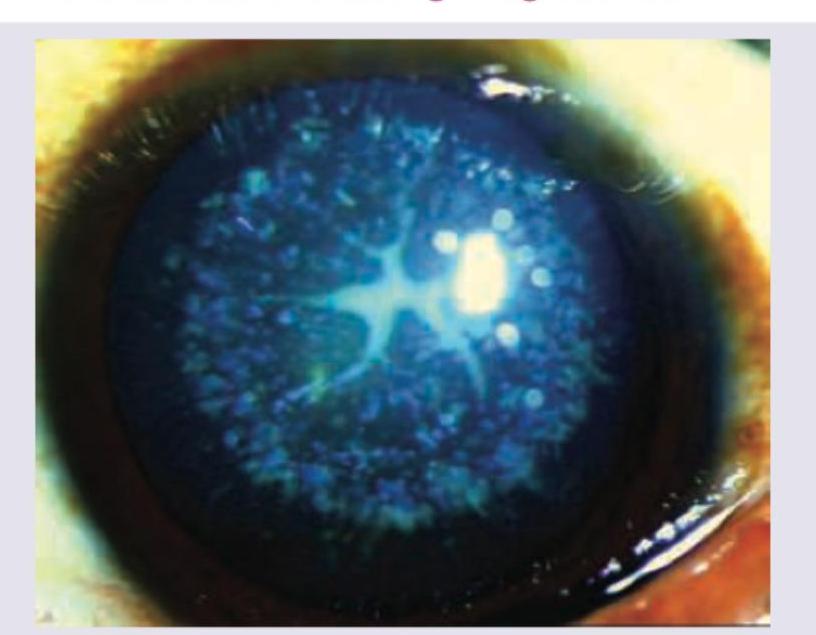
Explanation: **Explanation:** **Pulverulent cataract** (specifically the **Coppock cataract** or Doyne’s discoid cataract) is a hereditary, bilateral condition characterized by a disc-shaped opacity involving the embryonal and fetal nuclei. The term "pulverulent" refers to its "powdery" or "dust-like" appearance, consisting of numerous small white dots. It is typically non-progressive and rarely affects vision significantly. **Analysis of Incorrect Options:** * **A. Lamellar (Zonular) Cataract:** This is the most common type of congenital cataract. It involves a specific "shell" or layer of the lens (usually the fetal nucleus) while the core remains clear. It is characterized by **"riders"** (linear opacities extending towards the equator), which are absent in pulverulent cataracts. * **B. Punctate Cataract (Blue Dot Cataract):** Also known as *Cataracta punctata caerulea*, these appear as multiple small, bluish, translucent dots scattered throughout the lens. They do not form a central discoid mass in the fetal nucleus. * **C. Coronary Cataract:** This is a form of developmental cataract that occurs at puberty. The opacities are club-shaped or petal-shaped and are arranged in a ring (corona) in the peripheral cortex, leaving the center of the lens clear. **High-Yield Clinical Pearls for NEET-PG:** * **Most common congenital cataract:** Lamellar (Zonular) cataract. * **Most common cause of unilateral congenital cataract:** Persistent Fetal Vasculature (PFV) / Persistent Hyperplastic Primary Vitreous (PHPV). * **Maternal Rubella:** Typically causes a "pearly white" nuclear cataract. * **Galactosemia:** Characterized by a **"Oil droplet"** appearance. * **Diabetes Mellitus:** Characterized by **"Snowflake"** opacities.
Explanation: Intraocular lenses (IOLs) have evolved significantly since Harold Ridley’s first implantation in 1949. Modern cataract surgery utilizes a variety of biocompatible materials, categorized primarily into **rigid** and **foldable** types. **Explanation of Options:** * **Polymethyl methacrylate (PMMA):** This is the "gold standard" rigid material. While it was the first material used, it remains a "modern" staple for non-foldable IOLs, particularly in SICS (Small Incision Cataract Surgery). It is hydrophobic, lightweight, and highly biocompatible. * **Silicone:** Introduced as the first foldable IOL material, silicone allows for implantation through small incisions. It is highly inert but is generally avoided in patients who may require vitreoretinal surgery (as silicone oil can adhere to the lens). * **Acrylic Polymers:** These are the most popular materials in contemporary Phacoemulsification. They are available in **Hydrophobic** (low water content, low PCO rates) and **Hydrophilic** (high water content, excellent uveal biocompatibility) forms. **Why "All of the Above" is Correct:** All three materials are currently manufactured, FDA-approved, and routinely used in clinical practice depending on the surgical technique (Phaco vs. SICS) and patient-specific contraindications. **High-Yield Clinical Pearls for NEET-PG:** * **Foldable IOLs:** Include Silicone and Acrylic; used in Phacoemulsification to minimize incision size (2.2–2.8 mm). * **Rigid IOLs:** PMMA; requires a larger incision (5–6 mm). * **PCO Prevention:** Hydrophobic acrylic lenses with **square-edge designs** are most effective at reducing Posterior Capsular Opacification (PCO). * **Heparin-coated IOLs:** Preferred in patients with uveitis to reduce postoperative inflammation.
Explanation: ### Explanation The presence of colored halos is a classic symptom in ophthalmology, typically caused by the diffraction of light as it passes through an edematous cornea or a lens with structural irregularities. **1. Why Senile Immature Cataract is correct:** In an immature cataract, the lens fibers undergo hydration and opacification, creating irregular protein aggregates that act as a diffraction grating. **Fincham’s Test** is used to differentiate the cause of these halos. When a stenopeic slit is passed across the pupil: * **Cataractous halos** undergo **splitting and reunion** (fragmentation) because the lens fibers are arranged radially, causing different parts of the halo to disappear and reappear as the slit moves. * This confirms the lens as the source of diffraction. **2. Why the other options are incorrect:** * **Acute Congestive Glaucoma:** Halos are caused by corneal edema (accumulation of fluid in the epithelium). In Fincham’s test, these halos **do not split**; they simply disappear or diminish in intensity as the slit moves. * **Open Angle Glaucoma:** Halos are not a typical feature unless the intraocular pressure is high enough to cause corneal edema (which is rare in early POAG). * **Mucopurulent Conjunctivitis:** Halos here are caused by mucus flakes on the corneal surface. These halos **disappear after blinking** or washing the eyes, unlike cataractous or glaucomatous halos. **Clinical Pearls for NEET-PG:** * **Fincham’s Test:** Differentiates Glaucomatous halos (Corneal) from Cataractous halos (Lenticular). * **Glaucomatous Halos:** The blue ring is innermost and the red ring is outermost. * **Other causes of halos:** Corneal dystrophy (Fuchs'), wearing contact lenses for too long (Sattler’s veil), and physiological halos (due to lens sutures).
Explanation: **Explanation:** The question asks for the option that is **NOT** an advantage of preserving the posterior lens capsule during cataract surgery (as seen in Extracapsular Cataract Extraction or Phacoemulsification). **Why "Progressively improves vision" is the correct answer:** Leaving the posterior capsule behind does not lead to a progressive improvement in vision. In fact, the most common long-term complication of leaving the capsule intact is **Posterior Capsular Opacification (PCO)**, also known as "After Cataract." PCO causes a gradual **decrease** in visual acuity over time, which eventually requires a YAG laser capsulotomy to restore clarity. **Why the other options are wrong (Advantages of an intact capsule):** * **Prevents Cystoid Macular Edema (CME):** An intact capsule acts as a barrier, preventing the forward movement of vitreous and the release of inflammatory mediators (like prostaglandins) toward the retina, thereby reducing the risk of Irvine-Gass Syndrome (CME). * **Decreases Endothelial Damage:** The capsule maintains the anatomical integrity of the anterior segment, preventing vitreous from bulging forward and touching the corneal endothelium during or after surgery. * **Decreases Retinal Detachment:** By keeping the vitreous stable in the posterior chamber and preventing vitreous loss/traction, the risk of rhegmatogenous retinal detachment is significantly lowered compared to Intracapsular Cataract Extraction (ICCE). **High-Yield Clinical Pearls for NEET-PG:** * **ICCE vs. ECCE:** ICCE (removing the whole lens with capsule) is now obsolete due to high rates of vitreous loss and retinal complications. * **PCO Pathogenesis:** Caused by the proliferation and migration of residual **Lens Epithelial Cells (LECs)**. * **Elschnig’s Pearls:** A classic sign of PCO where LECs form small, clear clusters resembling bunches of grapes. * **Soemmering’s Ring:** Another form of PCO where lens fibers are trapped between the two layers of the capsule.
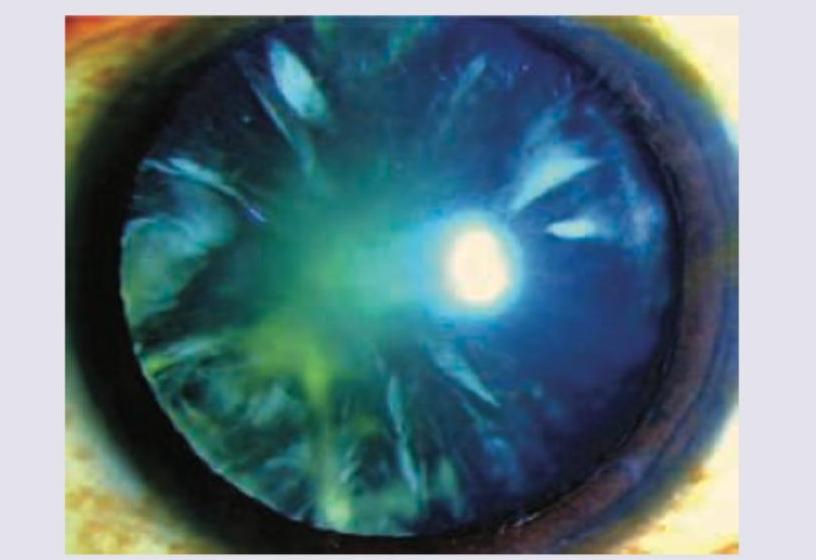
Explanation: **Explanation:** Senile cataract is the most common cause of visual impairment in the elderly, occurring due to age-related degenerative changes in the lens. It is broadly classified into two types: **Cortical (Soft)** and **Nuclear (Hard)**. **Why Cuneiform is the correct answer:** The **Cuneiform cataract** is a subtype of senile cortical cataract. It is statistically the **most common morphological type** of senile cataract. It is characterized by wedge-shaped opacities (spokes) that begin in the periphery of the lens cortex and progress toward the center. These opacities are caused by the hydration of lens fibers, leading to the formation of water clefts and vacuoles. **Analysis of Incorrect Options:** * **Nuclear Cataract:** While very common, it is the second most frequent type. It involves intensification of the age-related hardening (sclerosis) and yellowing of the lens nucleus. It is classically associated with "second sight" (myopic shift). * **Cupuliform (Posterior Subcapsular) Cataract:** This is the least common type of senile cataract but the most visually significant. It forms a saucer-shaped opacity at the posterior pole. It causes significant glare and affects near vision more than distance vision. **High-Yield Clinical Pearls for NEET-PG:** * **Most common type overall:** Cuneiform (Cortical). * **Cataract with "Second Sight":** Nuclear cataract (due to index myopia). * **Cataract associated with Steroids/Diabetes:** Posterior Subcapsular (Cupuliform). * **Earliest sign of Senile Cortical Cataract:** Vacuoles and water clefts. * **Morgagnian Cataract:** A hypermature stage where the cortex liquefies and the nucleus settles at the bottom.
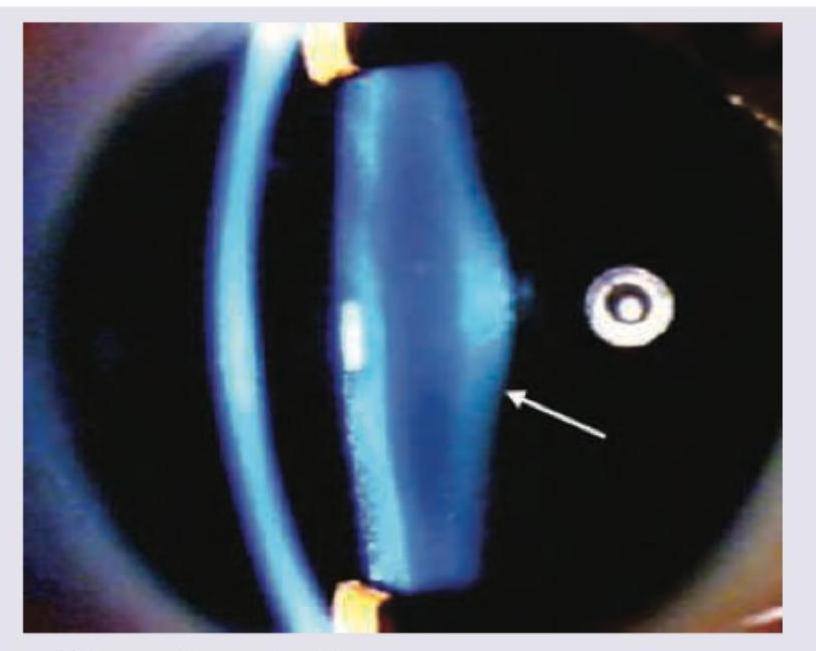
Explanation: **Explanation:** **Anterior polar cataract** involves a small, well-defined opacity at the central part of the anterior lens capsule and the underlying subcapsular cortex. **Why Option B is correct:** The primary mechanism for acquired anterior polar cataract is a **perforating corneal injury**. When the cornea is perforated, the aqueous humor escapes, causing the anterior chamber to collapse. This leads to direct contact between the lens and the inflamed corneal endothelium. This contact, often associated with a corneal ulcer or trauma, triggers the proliferation of subcapsular epithelium and subsequent fibrous metaplasia, resulting in a localized opacity. **Why the other options are incorrect:** * **A. Diabetes Mellitus:** Typically causes "Snowflake" cataracts (subcapsular opacities) or accelerates the formation of senile nuclear sclerosis. * **C. Irradiation:** Radiation exposure (e.g., X-rays, Gamma rays) characteristically leads to **Posterior Subcapsular Cataract (PSC)**, as the damaged epithelial cells migrate to the posterior pole. * **D. Chalcosis:** Intraocular copper (Chalcosis bulbi) results in a **"Sunflower cataract"** due to copper deposition in the lens capsule. **High-Yield Clinical Pearls for NEET-PG:** * **Congenital Etiology:** Most anterior polar cataracts are congenital and sporadic, often associated with persistent pupillary membranes. * **Pyramidal Cataract:** If the opacity projects forward into the anterior chamber like a cone, it is termed a pyramidal cataract. * **Visual Impact:** These cataracts are usually stationary and rarely affect vision significantly because they are very small and central. * **Differential:** Do not confuse with **Posterior Polar Cataract**, which is associated with a weakened posterior capsule and carries a high risk of **Posterior Capsular Rupture (PCR)** during surgery.
Explanation: **Explanation:** The management of a pediatric cataract is a medical emergency because the visual system is still in the "critical period" of development. **1. Why Surgical Removal is Correct:** In a 3-year-old with a mature uniocular cataract, the visual axis is completely obstructed. This leads to **stimulus-deprivation amblyopia** (lazy eye), which can become irreversible if the obstruction is not removed promptly. The goal of surgery (Lens aspiration + Posterior Capsulotomy + Anterior Vitrectomy ± IOL implantation) is to clear the visual axis and allow for immediate optical rehabilitation to ensure normal visual development. **2. Why Other Options are Incorrect:** * **Refraction:** A mature cataract is an opaque lens; light cannot pass through it. Refraction is only possible and effective after the cataract has been surgically removed. * **Absorption:** While very rare cases of spontaneous lens protein absorption occur (membranous cataract), it is unpredictable, often leads to inflammation (uveitis), and takes too long to prevent amblyopia. * **Observation:** Delaying treatment in a child leads to permanent visual loss due to dense amblyopia and potential sensory strabismus (squint). **Clinical Pearls for NEET-PG:** * **Critical Period:** The most sensitive period for visual development is from birth to 6 years of age. * **Timing:** For congenital cataracts, surgery is ideally performed within **4–6 weeks** for unilateral cases and **8–10 weeks** for bilateral cases. * **Surgical Technique:** In children, the posterior capsule must be addressed (**Primary Posterior Capsulotomy and Anterior Vitrectomy**) because the visual axis opacifies rapidly (100% rate) if the capsule is left intact. * **IOL:** Intraocular lens implantation is generally avoided in infants under 6 months but is the standard of care for a 3-year-old.
Lens Anatomy and Physiology
Practice Questions
Age-Related Cataract
Practice Questions
Congenital and Developmental Cataracts
Practice Questions
Traumatic Cataract
Practice Questions
Metabolic Cataracts
Practice Questions
Drug-Induced Cataracts
Practice Questions
Cataract Surgery Techniques
Practice Questions
Intraocular Lens Implants
Practice Questions
Complications of Cataract Surgery
Practice Questions
Posterior Capsular Opacification
Practice Questions
Lens Subluxation and Dislocation
Practice Questions
Specialty IOLs
Practice Questions
Get full access to all questions, explanations, and performance tracking.
Start For Free