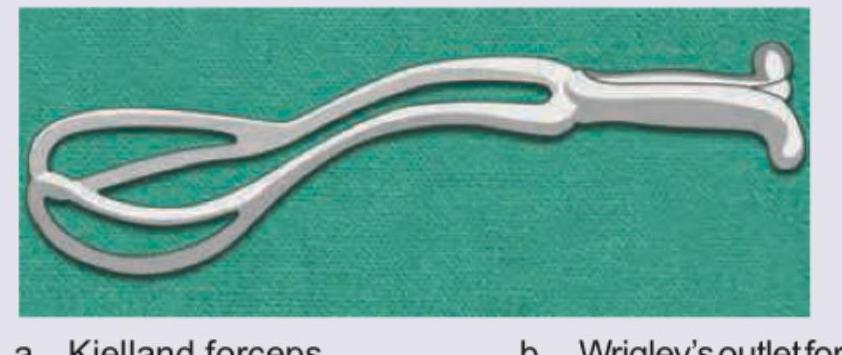
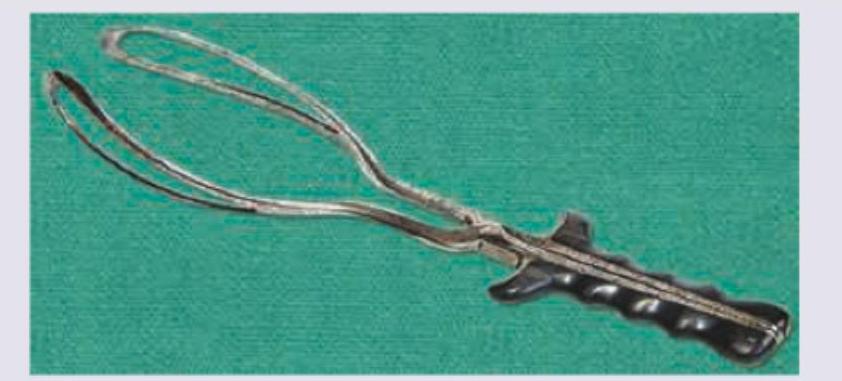
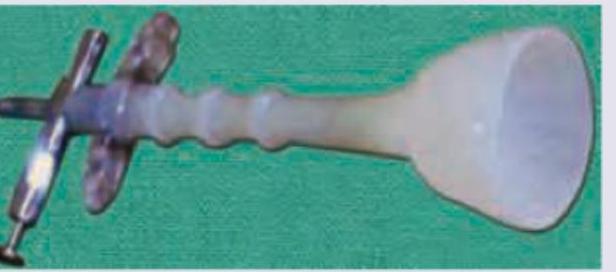
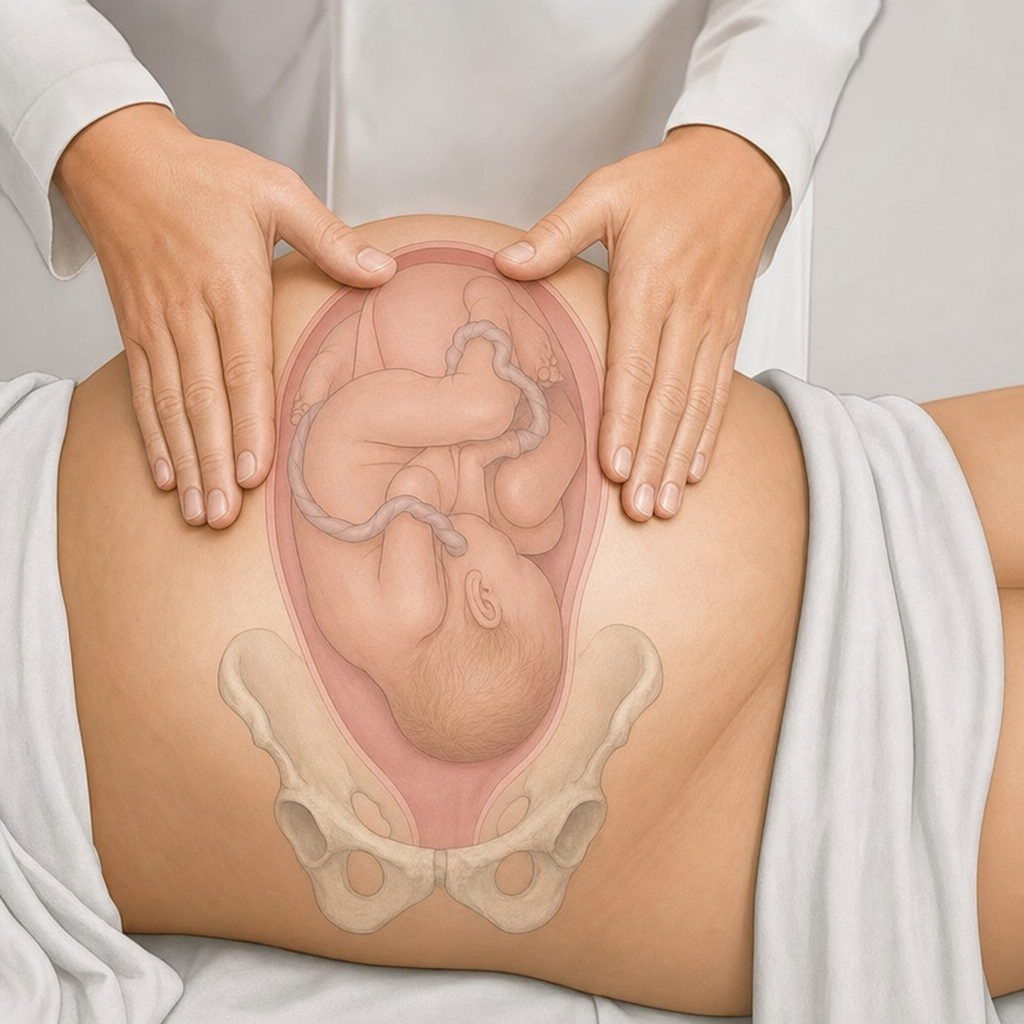
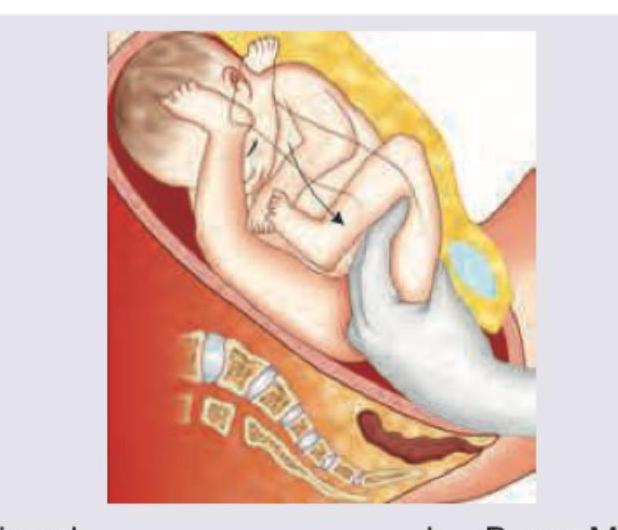
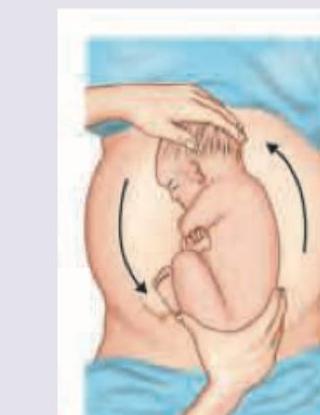
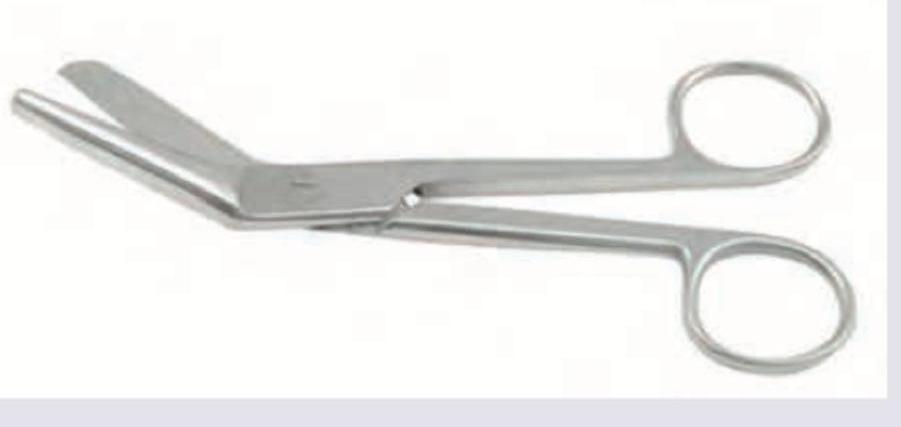
Head engaged and reached the pelvic floor. What is the indicated obstetric intervention?
Which of the following is NOT an advantage of Lower Segment Cesarean Section (LSCS)?
Which of the following is NOT an assisted reproduction technique?
A classical cesarean section is indicated in all the following conditions EXCEPT:
All of the following are true with regards to fetal lung maturity except?
Which of the following is NOT a criterion for forceps application?
Of the following events in labor and delivery, arrange them in their correct sequence of appearance:
A 32-year-old G5P1 presents for her first prenatal visit. Classically, cervical incompetence is characterized by delivery in the second trimester preceded by which of the following?
Which of the following statements regarding fetal circulation is true?
An elderly gravida (G6P5) became disoriented, lightheaded, breathless, and cyanotic 20 minutes after an uncomplicated spontaneous vaginal term delivery. Her blood pressure is 80/40 mm Hg, pulse is 110/min, and respiratory rate is 30/min. O2 saturation is 75% on face mask. A generalized purpuric rash and bleeding from the I.V line site are seen. Which of the following is the most appropriate next step in management of this patient?
Explanation: **Explanation:** The classification of forceps delivery is based on the station and position of the fetal head at the time of application. According to the **ACOG classification**, the correct answer is **Outlet Forceps**. **1. Why Outlet Forceps is correct:** Outlet forceps are indicated when the fetal scalp is visible at the introitus without separating the labia. Crucially, the **fetal skull has reached the pelvic floor** (the perineum), the sagittal suture is in the direct anteroposterior diameter (or right/left occipito-anterior/posterior position), and the rotation does not exceed 45 degrees. At this stage, the head is fully engaged and crowning. **2. Why the other options are incorrect:** * **High Forceps (B):** This refers to application when the head is not yet engaged. This procedure is **obsolete** and contraindicated in modern obstetrics due to extreme maternal and fetal trauma. * **Mid Forceps (C):** Applied when the head is engaged, but the station is above +2 cm. The leading point of the skull is above the pelvic floor. It carries a higher risk of morbidity. * **Low Forceps (D):** Applied when the leading point of the fetal skull is at a station of **+2 cm or more**, but has not yet reached the pelvic floor. **High-Yield Clinical Pearls for NEET-PG:** * **Prerequisites for Forceps:** Remember the mnemonic **FORCEPS** (Fetus alive, Pelvis Adequate, Ruptured membranes, Cervix fully dilated, Engaged head, Position known, Scissors/Bladder empty). * **Station 0:** Defined when the leading bony part of the head is at the level of the **Ischial Spines** (Engagement). * **Most common indication:** Prolonged second stage of labor. * **Vacuum vs. Forceps:** Vacuum (Ventouse) is associated with more cephalhematomas, while Forceps are associated with more maternal perineal trauma.
Explanation: In operative obstetrics, the **Lower Segment Cesarean Section (LSCS)** is the standard of care compared to the Classical (Upper Segment) Cesarean Section. ### **Explanation of the Correct Answer** **A. Lateral extension:** This is **NOT** an advantage; it is a significant **disadvantage/risk** of LSCS. When the transverse incision is made in the lower uterine segment, there is a risk of the incision extending laterally into the highly vascular **uterine arteries** or the broad ligament. This can lead to profuse hemorrhage or ureteric injury. In contrast, a vertical classical incision is less likely to involve these lateral vascular structures. ### **Analysis of Incorrect Options** * **B. Less blood loss:** In LSCS, the lower segment is thinner and less vascular than the thick, muscular upper segment. Consequently, there is significantly less blood loss compared to a classical section. * **C. Minimal wound hematoma:** Because the lower segment is relatively quiescent and the incision is covered by the bladder flap (peritonealization), there is a lower incidence of hematoma formation and better healing. * **D. Less chance of gutter formation:** "Gutter formation" refers to the space created between the uterus and the abdominal wall where bowel loops can adhere. LSCS allows for better peritonealization (covering the scar with the vesicouterine fold of peritoneum), which minimizes adhesions and "gutters." ### **NEET-PG High-Yield Pearls** * **Scar Rupture Risk:** The risk of scar rupture in a subsequent pregnancy is **0.5–1% for LSCS**, whereas it is significantly higher (**4–9%**) for a Classical CS. * **Healing:** LSCS heals by **fibrous tissue**, while the upper segment (Classical) heals by **muscular regeneration**, which is paradoxically less secure during the stretching of a subsequent pregnancy. * **Incision of Choice:** LSCS is preferred even in cases of placenta previa (unless it is a central/Type IV previa with massive vascularity in the lower segment).
Explanation: **Explanation:** The core distinction in reproductive medicine lies between **Assisted Reproductive Technology (ART)** and simpler infertility treatments. According to the WHO and CDC definitions, **ART** includes all fertility treatments in which **both eggs and sperm are handled outside the body** (in vitro). **Why Option D is the Correct Answer:** **Artificial Insemination (IUI - Intrauterine Insemination)** involves depositing washed and concentrated sperm directly into the uterus. Since the **oocytes (eggs) are never handled outside the woman’s body** and fertilization occurs naturally within the fallopian tube (in vivo), it does not meet the technical definition of ART. It is classified as an "assisted conception" technique but not "assisted reproductive technology." **Analysis of Incorrect Options:** * **A. ZIFT:** This is an ART procedure where fertilization happens in the lab, and the resulting **zygote** is laparoscopically transferred into the fallopian tube. * **B. GIFT:** Although fertilization occurs inside the body, it is considered ART because the **oocytes are surgically removed** from the ovaries and handled alongside sperm before being placed into the fallopian tube. * **C. IVF-ET:** The gold standard of ART. Both gametes are handled, fertilization occurs in a dish, and the resulting **embryo** is transferred to the uterus. **NEET-PG Clinical Pearls:** * **Success Rates:** IVF generally has higher success rates per cycle (~30-40%) compared to IUI (~10-15%). * **Prerequisite for GIFT/ZIFT:** At least one fallopian tube **must be patent**. * **ICSI (Intracytoplasmic Sperm Injection):** The most advanced form of ART, used primarily for severe male factor infertility. * **OHSS (Ovarian Hyperstimulation Syndrome):** A critical complication to remember associated with the ovulation induction phase of ART.
Explanation: **Explanation:** The choice of incision in a Cesarean Section (CS) depends on the accessibility of the lower uterine segment and the risk of future uterine rupture. **1. Why "Lower Segment Fibroid" is the Correct Answer:** A fibroid in the lower segment is actually an **indication for a Classical CS**, not an exception. If a large fibroid occupies the lower segment, it obstructs the standard transverse incision site and increases the risk of uncontrollable hemorrhage due to increased vascularity. In such cases, a vertical incision in the upper segment (Classical CS) is performed to bypass the fibroid and safely deliver the fetus. Therefore, the option is technically a "false" exception. **2. Analysis of Other Options:** * **Previous VVF (Vesicovaginal Fistula) and RVF (Rectovaginal Fistula) Repair:** These are classic indications for a **Planned Cesarean Section** (to avoid the trauma of vaginal delivery on the repair site). However, they do *not* mandate a Classical incision; a standard Lower Segment Cesarean Section (LSCS) is the preferred approach. * **Previous Myomectomy:** If the previous myomectomy involved a deep intramural incision or entry into the endometrial cavity, a CS is indicated. Again, this is usually performed via LSCS unless the previous scar is in the upper segment or inaccessible. **Clinical Pearls for NEET-PG:** * **Indications for Classical CS:** Carcinoma cervix, lower segment fibroid, anterior placenta previa (with large vessels), transverse lie with ruptured membranes, and extremely preterm fetuses where the lower segment is not formed. * **Disadvantage:** Higher risk of uterine rupture (4-9%) in subsequent pregnancies compared to LSCS (0.2-1.5%). * **High-Yield Fact:** The most common incision used today is the **Kerr incision** (transverse lower segment). The Classical incision is now reserved for specific obstetric emergencies or anatomical obstructions.
Explanation: **Explanation:** The assessment of fetal lung maturity (FLM) is crucial in operative obstetrics to prevent Respiratory Distress Syndrome (RDS). **Why Option B is the Correct Answer (The "Except" Statement):** While the **Lecithin:Sphingomyelin (L:S) ratio** was historically the gold standard, it is **not** the single best indicator. Its main drawback is a high false-positive rate (predicting maturity when RDS still occurs), particularly in diabetic pregnancies. Currently, the presence of **Phosphatidylglycerol (PG)** is considered a more reliable and specific indicator of lung maturity than the L:S ratio. **Analysis of Other Options:** * **Option A:** **Phosphatidylcholine (Lecithin)** is indeed the primary functional component of surfactant, accounting for about 70-80% of its composition. * **Option C:** The **Nile Blue Sulphate test** identifies fetal sebaceous cells (orange-stained). A count of **>50% orange cells** correlates with a gestational age of >38 weeks and signifies functional pulmonary maturity. * **Option D:** **Phosphatidylglycerol (PG)** is the last surfactant component to appear (around 35-36 weeks). Its presence is **100% confirmatory** of lung maturity, as RDS almost never occurs if PG is present, even in diabetic mothers. **High-Yield Clinical Pearls for NEET-PG:** * **L:S Ratio:** A ratio **>2:1** indicates maturity in non-diabetic pregnancies. * **Shake Test (Bubble Stability Test):** A rapid bedside screening test for FLM. * **Lamellar Body Count (LBC):** A modern, rapid automated test; a count **>30,000-50,000/µL** indicates maturity. * **Corticosteroids:** Best given between 24–34 weeks to accelerate FLM (Betamethasone is preferred over Dexamethasone).
Explanation: To successfully perform an instrumental vaginal delivery using forceps, specific prerequisites must be met to ensure maternal and fetal safety. ### **Explanation of the Correct Answer** **Option C (Fetal station below 0)** is the correct answer because it is **not** a sufficient criterion for forceps application. According to the ACOG classification, the fetal head must be at least at **station +2 cm or lower** (on a scale of -5 to +5) for a "Low Forceps" application, or on the pelvic floor for "Outlet Forceps." A station of "below 0" (e.g., +1) is considered a **Mid-forceps** procedure, which is rarely performed today due to high morbidity. Forceps are strictly contraindicated if the head is not engaged (station 0 or above). ### **Analysis of Incorrect Options** * **Option A (Fetal head at the perineum):** This is a requirement for **Outlet Forceps**. The scalp must be visible at the introitus without separating the labia. * **Option B (Cervix fully dilated):** This is an absolute prerequisite. Attempting forceps delivery through an incompletely dilated cervix can lead to cervical lacerations, hemorrhage, and uterine rupture. * **Option C (Sagittal suture in AP diameter):** For Outlet Forceps, the fetal globe must have reached the pelvic floor, and the sagittal suture must be in the AP diameter or in a right/left occiput anterior/posterior position (rotation < 45°). ### **NEET-PG High-Yield Pearls** * **Mnemonic for Prerequisites (FORCEPS):** **F**ully dilated cervix, **O**cciput position known, **R**uptured membranes, **C**ephalopelvic disproportion absent, **E**ngaged head, **P**elvis adequate, **S**pinal/Epidural anesthesia & **S**traight (empty) bladder. * **Prerequisite Station:** The head must be **engaged** (at least station 0). * **Most common indication:** Prolonged second stage of labor. * **Key Contraindication:** Fetal bleeding diathesis (e.g., hemophilia) or demineralizing bone disease.
Explanation: ### Explanation: Cardinal Movements of Labor The correct sequence of labor follows the **Cardinal Movements**, which are the positional changes the fetal head undergoes to navigate the maternal pelvis. **1. Why Option A is Correct:** The physiological sequence is dictated by the pelvic anatomy (the pelvic inlet is widest transversely, while the outlet is widest anteroposteriorly). * **Engagement:** The widest diameter of the fetal head passes the pelvic inlet. * **Descent:** A continuous process occurring throughout labor. * **Flexion:** As the head meets resistance from the pelvic floor, it flexes to present the smallest diameter (Suboccipitobregmatic). * **Internal Rotation:** The head rotates (usually 1/8th of a circle) so the occiput lies under the symphysis pubis. * **Extension:** The head is delivered as it pivots under the pubic symphysis. * **Restitution:** The head untwists by 45° to realign with the shoulders. * **External Rotation:** The shoulders rotate internally, causing the head to rotate another 45° externally. **2. Why Other Options are Incorrect:** * **Option B & C:** These suggest flexion or delivery by extension occur before descent or internal rotation is complete. Extension can only occur *after* the head has passed the symphysis pubis. * **Option D:** Suggests descent precedes engagement. While they are related, engagement is the specific milestone of entering the true pelvis, and descent continues thereafter. It also incorrectly orders restitution and rotation. **3. NEET-PG High-Yield Pearls:** * **Engagement** is defined when the Biparietal diameter (9.5 cm) crosses the pelvic inlet. * **Restitution** is a passive movement; **Internal Rotation** is an active movement caused by the gutter-like shape of the levator ani muscles. * The **pivot point** for delivery by extension is the **subocciput** against the lower border of the symphysis pubis. * **Mnemonic:** **E**very **D**og **F**ights **I**n **E**xtra **R**ough **E**nclosures (Engagement, Descent, Flexion, Internal rotation, Extension, Restitution, External rotation).
Explanation: ### Explanation **Correct Answer: C. Painless dilatation** **Medical Concept:** Cervical incompetence (now often termed **Cervical Insufficiency**) is defined as the inability of the uterine cervix to retain a pregnancy in the second trimester in the absence of clinical contractions, labor, or both. The hallmark of this condition is the **painless, progressive dilatation and effacement** of the cervix. This occurs because the structural integrity of the cervical tissue is compromised, leading to the "silent" prolapse of fetal membranes into the vagina, followed by premature rupture of membranes (PROM) and expulsion of a premature fetus. **Analysis of Incorrect Options:** * **A. Fever:** Fever is suggestive of **Chorioamnionitis** or systemic infection. While infection can be a consequence of cervical incompetence (due to exposed membranes), it is not the preceding characteristic. * **B. Heavy bleeding:** This is more characteristic of **Abruptio Placentae** or **Placenta Previa**. Cervical incompetence may involve "show" or light spotting, but heavy hemorrhage is not typical. * **D. Painful contractions:** This is the defining feature of **Preterm Labor**. In cervical incompetence, the cervix fails *without* the presence of uterine contractions. **NEET-PG High-Yield Pearls:** * **Gold Standard Diagnosis:** Usually clinical, based on a history of repeated mid-trimester losses. * **Ultrasonography (TVS):** A cervical length **<25 mm** or the presence of **"funneling"** (beaking of the internal os) before 24 weeks is a significant marker. * **Treatment:** The primary intervention is **Cervical Cerclage** (e.g., McDonald or Shirodkar techniques), typically performed between **12–14 weeks** of gestation. * **Classic History:** A patient describing a "sudden pressure" followed by the rapid, relatively painless delivery of a normal-appearing fetus in the second trimester.
Explanation: **Explanation:** The fetal circulation is uniquely designed to prioritize the delivery of oxygenated blood to the brain and myocardium while bypassing the non-functional lungs. **Why Option D is Correct:** Oxygenated blood from the placenta enters the fetus via the umbilical vein. A significant portion bypasses the liver through the **ductus venosus** and enters the **Inferior Vena Cava (IVC)**. Upon reaching the right atrium, this highly oxygenated stream is directed by the **Eustachian valve** toward the **foramen ovale**. It crosses into the left atrium, enters the left ventricle, and is pumped into the ascending aorta to supply the brain and heart. **Analysis of Incorrect Options:** * **Option A:** In the fetus, the heart chambers work in **parallel**, not in series. Both ventricles pump blood into the systemic circulation simultaneously due to the presence of shunts (foramen ovale and ductus arteriosus). * **Option B:** The ductus venosus is a shunt originating from the **umbilical vein**, not the artery. It allows oxygenated blood to bypass the hepatic circulation. * **Option C:** The oxygen content is highest in the **umbilical vein** ($SaO_2 \approx 80\%$). Once it joins the IVC, it mixes with deoxygenated blood returning from the lower body, meaning the oxygen content in the IVC is lower than that leaving the placenta. **High-Yield NEET-PG Pearls:** * **Highest $PO_2$:** Found in the Umbilical Vein. * **Lowest $PO_2$:** Found in the Umbilical Arteries. * **Functional Closure:** The foramen ovale closes functionally at birth due to increased left atrial pressure. * **Anatomical Remnants:** * Umbilical Vein $\rightarrow$ Ligamentum teres. * Ductus Venosus $\rightarrow$ Ligamentum venosum. * Ductus Arteriosus $\rightarrow$ Ligamentum arteriosum.
Explanation: ### Explanation **Diagnosis: Amniotic Fluid Embolism (AFE)** The clinical presentation of sudden cardiovascular collapse (hypotension), respiratory distress (hypoxia, cyanosis), and coagulopathy (purpuric rash, bleeding from IV sites) immediately following delivery in a multiparous woman is classic for **Amniotic Fluid Embolism (AFE)**. #### 1. Why "Intubation and Mechanical Ventilation" is Correct AFE is a critical emergency with a high mortality rate. The pathophysiology involves an anaphylactoid reaction to fetal antigens, leading to acute pulmonary hypertension and right heart failure. The **immediate priority** is the "ABC" of resuscitation: * **Airway & Breathing:** Oxygen saturation is critically low (75%). Immediate intubation and 100% oxygen are mandatory to correct hypoxia and prevent cardiac arrest. * **Circulation:** Aggressive fluid resuscitation and vasopressors are required to manage the obstructive/cardiogenic shock. #### 2. Why Other Options are Incorrect * **Abdominal Ultrasound:** While useful to rule out concealed postpartum hemorrhage or uterine rupture, it is not the priority when the patient is in respiratory failure. * **Intramuscular Magnesium Sulfate:** This is the treatment for eclampsia. While eclampsia can cause disorientation, it does not typically present with sudden profound cyanosis and DIC. * **Intravenous Heparin:** Although DIC is present, heparin is contraindicated in the acute phase of AFE due to the high risk of life-threatening postpartum hemorrhage. #### 3. NEET-PG High-Yield Pearls * **Risk Factors:** Advanced maternal age (elderly gravida), multiparity, tumultuous labor, and use of oxytocin. * **The "Classic Triad":** 1. Hypoxia/Respiratory failure, 2. Hypotension, 3. Coagulopathy (DIC). * **Timing:** Most commonly occurs during labor or within 30 minutes of delivery. * **Definitive Diagnosis (Post-mortem):** Presence of fetal squames or lanugo in the maternal pulmonary vasculature. * **Management Goal:** Supportive care. There is no specific antidote for AFE.
Cesarean Section Techniques
Practice Questions
Vaginal Birth After Cesarean
Practice Questions
Instrumental Deliveries
Practice Questions
Breech Delivery
Practice Questions
Episiotomy and Repair
Practice Questions
Management of Multiple Gestation
Practice Questions
Cervical Cerclage
Practice Questions
Obstetric Hysterectomy
Practice Questions
Surgery During Pregnancy
Practice Questions
Surgical Complications in Obstetrics
Practice Questions
Get full access to all questions, explanations, and performance tracking.
Start For Free