
Congenital Anomalies — MCQs

A newborn male is noted to have difficulty feeding and "turns blue and chokes when drinking formula." The prenatal records reveal that the amniotic fluid appeared normal on ultrasound. A pediatric feeding tube is passed orally to 20 cm without difficulty, with gastric secretions aspirated. Which of the following is the most likely diagnosis?
Which of the following causes teratogenicity?
Which one of the following life-threatening congenital anomalies in the newborn presents with polyhydramnios, aspiration pneumonia, excessive salivation and difficulty in passing a nasogastric tube?
Which of the following anti-epileptic drugs has the highest teratogenic potential?
A child presented at 10 weeks with recurrent episode of pneumonia and failure to thrive. X-ray shows cardiomegaly & pulmonary plethora. What is the diagnosis?
In pregnancy, neural tube defects arise in the fetus due to a deficiency of which specific vitamin in the mother?
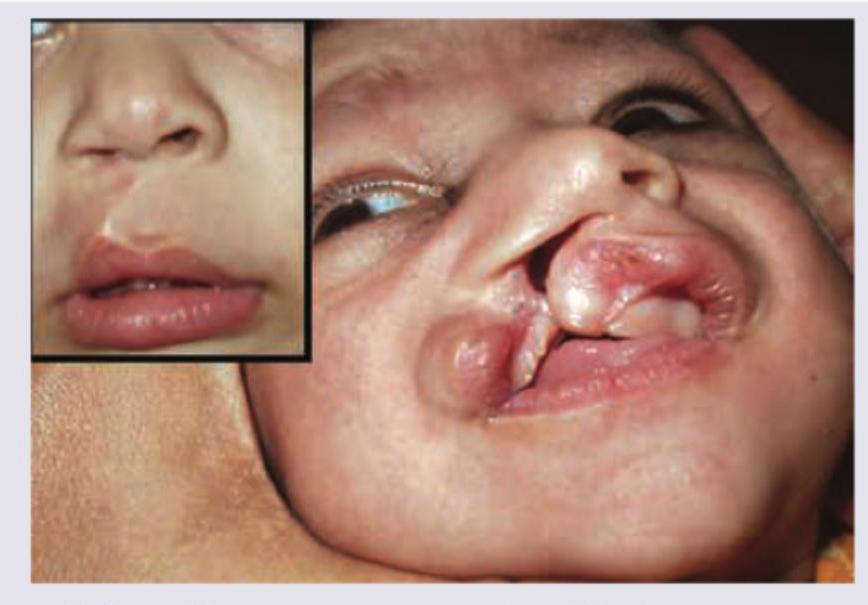
Which of the following drugs taken by the mother during pregnancy can cause the congenital defect shown in the image?
18 weeks pregnant female presents with no high risk of NTD and low risk of trisomy 21 on quad test. What is the most appropriate next step in management?
USG of 28 weeks gestation showing oligohydramnios is likely to be due to?
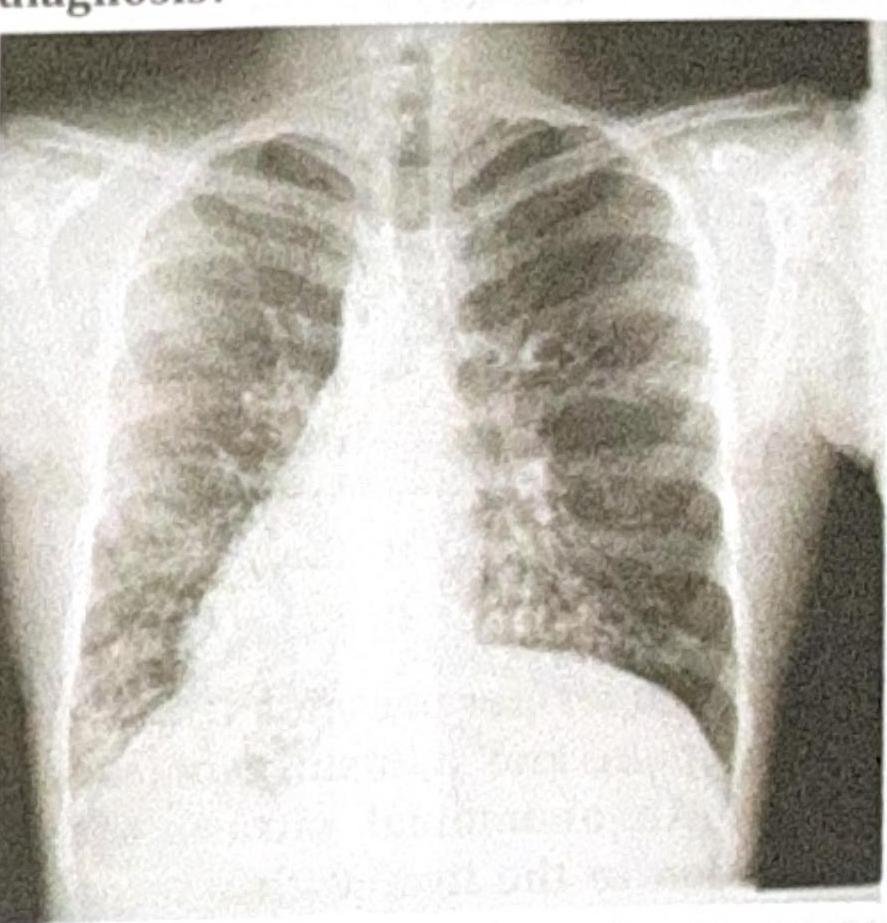
A patient presents with recurrent lung infections, and the chest X-ray provided shows a characteristic finding. What is the most likely diagnosis?
Want unlimited practice?
Get full access to all questions, explanations, and performance tracking.
Scan to download app