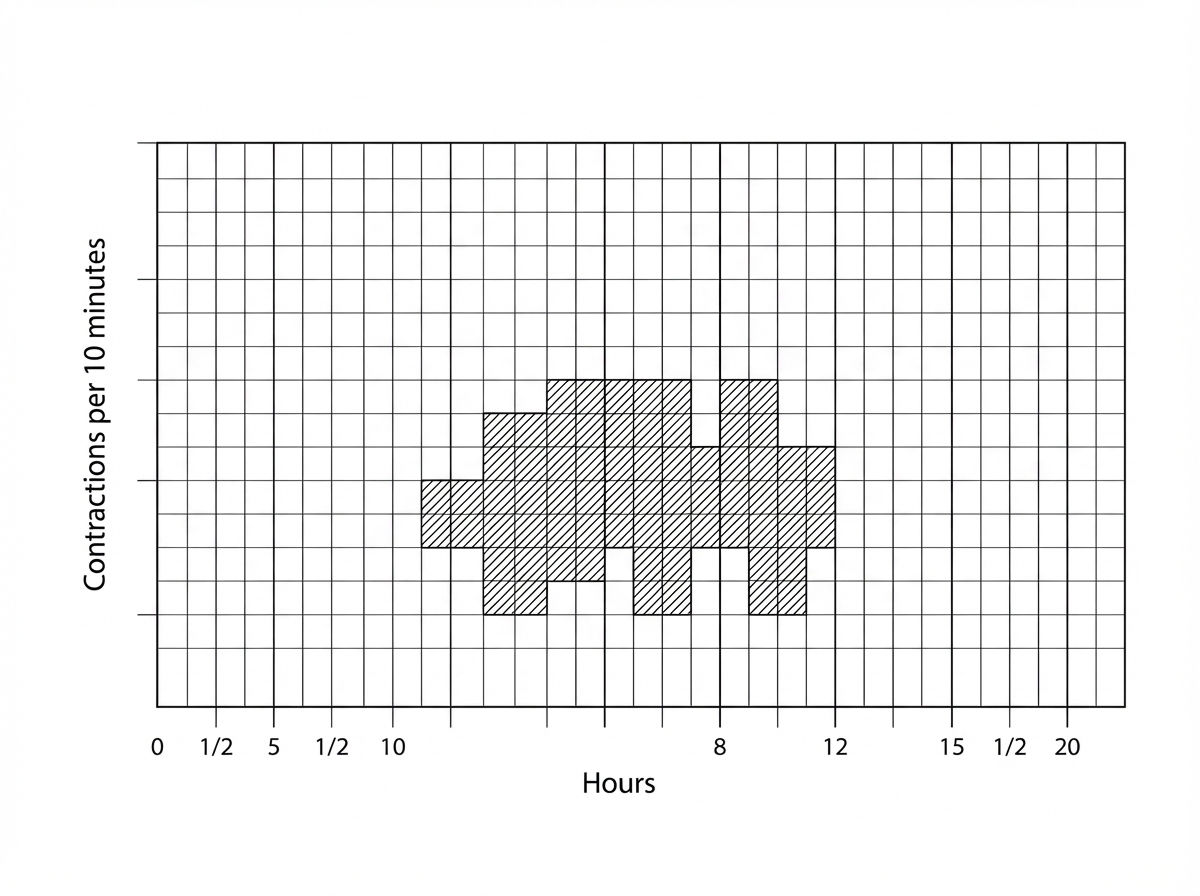
'Flying foetus' is associated with which type of fetal presentation?
What is the recommended mode of delivery for a case of central placenta previa with an anencephaly fetus?
What is the commonest cause of first-trimester abortion?
Vaginal delivery is not possible in which of the following fetal positions?
What is an indication for the induction of labor?
All of the following are criteria for the diagnosis of HELLP syndrome, except?
Contraindications to ergometrine are all except:
The classical triad of amniotic fluid embolism includes which of the following, except:
Fetal blood loss occurs in which of the following conditions?
What is the commonest cause of non-engagement of the fetal head at term in a primigravida?
Explanation: The term **'Flying Foetus'** is a classic radiological sign associated with a **Breech presentation**, specifically when there is **hyperextension of the fetal head** (also known as 'Stargazing Foetus'). ### 1. Why Breech is Correct In a breech presentation, if the fetal neck is severely hyperextended (extension of the head on the spinal column), the fetus appears to be looking upward or "flying" on an X-ray or ultrasound. This is clinically significant because: * It increases the diameters of the fetal head presenting to the birth canal. * It carries a high risk of **spinal cord injury** or cervical fracture during vaginal delivery. * **Management:** The presence of a "flying foetus" is a definitive indication for a **Cesarean Section** to avoid birth trauma. ### 2. Why Other Options are Incorrect * **Shoulder:** Associated with a transverse lie. While the head may be lateral, the specific "flying" hyperextension is not a defining characteristic of this malpresentation. * **Brow:** This is a cephalic presentation where the head is partially extended. While the head is extended, the term "flying foetus" is reserved for the extreme hyperextension seen in breech. * **Vertex:** This is the normal, well-flexed cephalic presentation. The chin is tucked against the chest, the opposite of the "flying" position. ### 3. Clinical Pearls for NEET-PG * **Stargazing Foetus:** Another name for the flying foetus sign. * **Incidence:** Occurs in approximately 5% of breech presentations. * **Prerequisites for Vaginal Breech Delivery:** The head must be **flexed**. If the head is extended (Flying Foetus), vaginal delivery is contraindicated. * **Other Breech Signs:** Look for the "Pawlik’s Grip" (3rd Leopold maneuver) identifying the hard, round head in the fundus rather than the pelvis.
Explanation: **Explanation:** In cases of **central (Type IV) placenta previa**, the placenta completely covers the internal os. This creates an absolute mechanical obstruction to the birth canal, making vaginal delivery impossible regardless of the fetal condition. 1. **Why Cesarean Section is Correct:** Even though the fetus has a lethal anomaly (anencephaly), the primary concern in central placenta previa is **maternal safety**. Attempting a vaginal delivery would lead to massive, life-threatening maternal hemorrhage as the cervix dilates and separates the placenta. Therefore, a Cesarean section is mandatory to bypass the obstruction and control bleeding, even if the fetus is non-viable. 2. **Why Incorrect Options are Wrong:** * **Induction of Labor:** Induction is contraindicated because the placenta blocks the exit. Uterine contractions against a central previa will cause catastrophic antepartum hemorrhage. * **Breech Extraction/Forceps:** These are methods of vaginal instrumental delivery. Since the fetus cannot enter the birth canal due to the placental position, these maneuvers are physically impossible and would cause fatal trauma and hemorrhage. **High-Yield Clinical Pearls for NEET-PG:** * **Absolute Indications for C-Section in Placenta Previa:** Type II posterior (Dangerous Type), Type III, and Type IV (Central). * **Anencephaly & Delivery:** Normally, for a lethal anomaly like anencephaly, vaginal delivery is preferred to avoid maternal morbidity from surgery. However, **Placenta Previa is the "Exception to the Rule"**—maternal life always takes precedence over fetal condition. * **Double Setup Examination:** This is no longer routinely recommended; diagnosis is primarily via Transvaginal Ultrasound (TVS).
Explanation: **Explanation:** The most common cause of spontaneous abortion in the first trimester is **genetic abnormalities**, specifically **Aneuploidy** (an abnormal number of chromosomes). Approximately 50–60% of early pregnancy losses are attributed to chromosomal aberrations. * **Why Aneuploidy is correct:** Aneuploidy is a broad category that encompasses any numerical chromosomal abnormality, including trisomies, monosomies, and polyploidy. Since it is the "umbrella term" for all these conditions, it represents the single most common overall cause. * **Why Trisomy is incorrect:** While **Autosomal Trisomy** is the most common *specific* type of chromosomal abnormality found in spontaneous abortions (accounting for about 50% of the aneuploid cases), it is a subset of aneuploidy. Trisomy 16 is the most common specific trisomy seen. * **Why Monosomy is incorrect:** Monosomy X (Turner Syndrome, 45,X) is the most common *single* specific chromosomal abnormality found in abortuses (approx. 20%), but as a category, it is less frequent than total trisomies. * **Why Triploidy is incorrect:** Triploidy (69 chromosomes) occurs due to polyspermy and is associated with partial hydatidiform moles, but it is less frequent than trisomies or monosomy X. **High-Yield Clinical Pearls for NEET-PG:** 1. **Most common specific trisomy:** Trisomy 16 (never seen in live births). 2. **Most common single chromosomal abnormality:** Monosomy X (45,X). 3. **Most common cause of second-trimester abortion:** Maternal factors (e.g., cervical incompetence, uterine anomalies, systemic infections) are more prevalent than in the first trimester. 4. **Risk Factor:** Advanced maternal age is the most significant risk factor for aneuploidic conceptions.
Explanation: In obstetric practice, the possibility of vaginal delivery depends on whether the presenting diameter of the fetal head can successfully navigate the maternal pelvis. **Why Mentoposterior (MP) is the correct answer:** In a face presentation, the fetal head is fully extended. In the **Mentoposterior** position, the fetal chin (mentum) is directed toward the maternal sacrum. For delivery to occur, the head must further extend to sweep under the pubic symphysis. However, the head is already at its maximum limit of extension. Furthermore, the fetal chest and shoulders enter the pelvic inlet simultaneously with the head, making the combined diameter too large to pass through the birth canal. Unless the fetus spontaneously rotates to a Mentoanterior (MA) position, vaginal delivery is physically impossible, and a Cesarean section is mandatory. **Explanation of Incorrect Options:** * **Right Occipitoposterior (ROP):** This is a common malposition. Most ROP cases (about 90%) spontaneously rotate to an occipitoanterior position and deliver vaginally. Even if they remain persistent OP, vaginal delivery is possible, though it may require instrumental assistance. * **Occipitotransverse (OT):** This is often a transitory phase during internal rotation. If it persists (Deep Transverse Arrest), it may require manual or forceps rotation, but it is not an absolute contraindication to vaginal delivery. * **Breech with extended legs (Frank Breech):** This is the most common type of breech presentation. Vaginal Breech Delivery (VBD) is possible and often safer in Frank breech compared to footling breech because the buttocks and extended legs form a solid wedge that effectively dilates the cervix. **High-Yield Clinical Pearls for NEET-PG:** * **Mentoanterior (MA):** Vaginal delivery is possible (the chin can escape under the symphysis). * **Brow Presentation:** This has the largest presenting diameter (**Mentovertical, 13.5 cm**) and is generally undeliverable unless it converts to a face or vertex presentation. * **Face Presentation Rule:** "If the chin is posterior, the baby won't come out; if the chin is anterior, delivery can occur."
Explanation: **Explanation:** Induction of labor (IOL) is the artificial initiation of uterine contractions before the spontaneous onset of labor for the purpose of delivery. It is indicated when the benefits of delivery to either the mother or the fetus outweigh the risks of continuing the pregnancy. **Why Option B is Correct:** **Pregnancy-induced hypertension (PIH) at term** is a classic indication for induction. Once a patient with gestational hypertension or pre-eclampsia reaches 37 weeks (term), the risk of maternal complications (e.g., eclampsia, placental abruption) and fetal risks (e.g., IUGR, placental insufficiency) increases. Delivery is the definitive treatment for PIH. **Why Other Options are Incorrect:** * **A. Placenta Previa:** This is a **strict contraindication** for induction and vaginal delivery. Since the placenta covers the internal os, labor would lead to life-threatening maternal hemorrhage. Delivery must be via Cesarean section. * **C. Heart Disease at Term:** While not an absolute contraindication, heart disease is generally managed by allowing **spontaneous onset of labor** to minimize hemodynamic stress. Induction is only reserved for obstetric indications, as induced labor often involves more intense contractions and higher cardiac demand. * **D. Breech Presentation:** In modern obstetrics, a malpresentation like breech is typically managed by External Cephalic Version (ECV) or elective Cesarean section. Induction of a breech fetus increases the risk of cord prolapse and head entrapment. **High-Yield Clinical Pearls for NEET-PG:** * **Bishop Score:** Used to assess "inducibility" or cervical ripeness. A score of **≥8** suggests a high likelihood of successful vaginal delivery. * **Most common indication for IOL:** Post-dated pregnancy (usually at 41 weeks). * **Absolute Contraindications:** Placenta previa, vasa previa, transverse lie, previous classical (vertical) C-section, and active genital herpes.
Explanation: **Explanation:** HELLP syndrome is a severe complication of pregnancy, typically considered a variant of preeclampsia. The diagnosis is strictly based on laboratory parameters rather than clinical symptoms. The acronym **HELLP** serves as a direct mnemonic for its diagnostic criteria: * **H (Hemolysis):** Characterized by microangiopathic hemolytic anemia. Diagnostic markers include an abnormal peripheral smear (schistocytes, burr cells), elevated serum bilirubin (≥1.2 mg/dL), and low haptoglobin levels. * **EL (Elevated Liver enzymes):** Indicates hepatocellular damage. The standard criterion is an AST or ALT level ≥70 U/L (or more than twice the upper limit of normal). * **LP (Low Platelets):** Defined as a platelet count <100,000/mm³. **Why Option D is correct:** **Pulmonary edema** is a known complication of severe preeclampsia and HELLP syndrome due to increased capillary permeability and left ventricular dysfunction. However, it is a **clinical complication**, not a diagnostic criterion for the syndrome itself. **Clinical Pearls for NEET-PG:** * **Tennessee Classification:** Uses the criteria mentioned above (Platelets <100k, AST ≥70, LDH ≥600). * **Mississippi Classification:** Categorizes HELLP based on platelet count (Class 1: <50k, Class 2: 50k–100k, Class 3: 100k–150k). * **Most common symptom:** Epigastric or right upper quadrant pain (due to Glisson’s capsule distension). * **Management:** The definitive treatment is delivery. Magnesium sulfate is administered for seizure prophylaxis, even if blood pressure is only mildly elevated.
Explanation: **Explanation:** The question asks for the condition where ergometrine is **not** contraindicated. Ergometrine (an ergot alkaloid) is a potent uterotonic agent that causes tetanic uterine contractions. Its primary clinical indication is the management of **Atonic Postpartum Hemorrhage (PPH)**. **1. Why "Atonic uterine bleeding" is the correct answer:** Ergometrine is the drug of choice (alongside Oxytocin) for controlling bleeding caused by uterine atony. It acts directly on the myometrium to produce sustained contractions, which compress the intramyometrial blood vessels, thereby achieving hemostasis. Therefore, it is an **indication**, not a contraindication. **2. Why the other options are Contraindications:** * **Suspected multiple pregnancy:** Ergometrine should never be given before the delivery of the last fetus. If administered after the birth of the first twin, the resulting tetanic contraction can cause fetal hypoxia or entrapment of the second twin. * **Cardiac problems:** Ergometrine causes peripheral vasoconstriction and a sudden rise in blood pressure. This increases the cardiac workload (afterload) and can precipitate heart failure or pulmonary edema in patients with pre-existing cardiac disease. * **Rh-negative mother:** Ergometrine-induced vigorous contractions can increase the risk of feto-maternal macro-transfusion, potentially worsening Rh-isoimmunization. **High-Yield Clinical Pearls for NEET-PG:** * **Mechanism:** Acts on alpha-adrenergic, dopaminergic, and serotonergic receptors. * **Absolute Contraindications:** Preeclampsia, Eclampsia, Hypertension, and Organic Heart Disease (due to the risk of hypertensive crisis). * **Storage:** It is light-sensitive and must be stored in a cool, dark place (refrigerated at 2–8°C). * **Side Effects:** Nausea, vomiting, and transient hypertension are common.
Explanation: **Explanation:** Amniotic Fluid Embolism (AFE) is a rare but catastrophic obstetric emergency characterized by an anaphylactoid reaction to fetal debris entering the maternal circulation. The diagnosis is primarily clinical, based on a classic triad of symptoms. **1. Why "Metabolic Acidosis" is the correct answer:** While metabolic acidosis may occur as a secondary complication of prolonged shock or cardiac arrest, it is **not** part of the classical diagnostic triad. The triad focuses on the immediate physiological collapse: respiratory failure, cardiovascular collapse, and hematological failure. **2. Analysis of Incorrect Options (The Classical Triad):** * **Hypoxia (Option C):** This is often the earliest sign. It manifests as sudden respiratory distress, cyanosis, or acute pulmonary edema due to severe ventilation-perfusion mismatch. * **Hypotension (Option B):** This represents sudden cardiovascular collapse. It is caused by acute right heart failure (cor pulmonale) followed by left ventricular failure, often leading to cardiac arrest within minutes. * **Severe Consumptive Coagulopathy (Option D):** Disseminated Intravascular Coagulation (DIC) occurs in up to 80% of survivors. It presents as massive hemorrhage (often uterine atony) and bleeding from venipuncture sites. **NEET-PG High-Yield Pearls:** * **Alternative Name:** Also known as "Anaphylactoid Syndrome of Pregnancy." * **Risk Factors:** Advanced maternal age, multiparity, placental abruption, and medically induced labor. * **Pathognomonic Finding:** Presence of fetal squamous cells or lanugo hair in the maternal pulmonary circulation (usually found during autopsy). * **Management:** Immediate supportive care (A-B-C: Airway, Breathing, Circulation). There is no specific antidote; high-quality CPR and aggressive blood product replacement (massive transfusion protocol) are vital.
Explanation: **Explanation:** In **Vasa Previa**, fetal vessels (unprotected by Wharton’s jelly or placental tissue) run across the internal os, often due to a velamentous cord insertion or a succenturiate lobe. When the membranes rupture (ARM or SRM), these vessels are easily lacerated. Since these vessels contain **fetal blood**, the resulting hemorrhage leads to rapid fetal exsanguination and distress, while the mother remains hemodynamically stable. **Why the other options are incorrect:** * **Placenta Previa:** The bleeding originates from the **maternal** venous sinuses in the lower uterine segment as it stretches or when the placenta separates. * **Abruptio Placentae:** This involves the premature separation of a normally situated placenta. The hemorrhage is almost exclusively **maternal** blood from the spiral arteries. * **Cord Prolapse:** This is a mechanical emergency where the umbilical cord descends below the presenting part. It causes fetal hypoxia due to **cord compression**, not blood loss. **High-Yield Clinical Pearls for NEET-PG:** * **Apt Test / Kleihauer-Betke Test:** Used to differentiate fetal hemoglobin from maternal hemoglobin in vaginal blood. A positive Apt test confirms fetal blood loss (Vasa Previa). * **Classic Triad of Vasa Previa:** (1) Rupture of membranes, (2) Painless vaginal bleeding, and (3) Sudden fetal bradycardia/distress. * **Management:** If diagnosed prenatally via Color Doppler, an elective Cesarean section is planned at 34–36 weeks to avoid labor. If diagnosed during labor with bleeding, immediate emergency Cesarean is mandatory.
Explanation: In a primigravida, the fetal head typically engages between **36 to 38 weeks** of gestation due to the good tone of the abdominal and uterine muscles. If the head remains high (non-engaged) at term, it is considered pathological until proven otherwise. **Explanation of the Correct Answer:** **A. Cephalopelvic Disproportion (CPD):** This is the **most common cause** of non-engagement in a primigravida. CPD occurs when there is a mismatch between the size of the fetal head and the maternal pelvis (either a contracted pelvis, a large fetus, or both). Because the primigravid uterus is "untried," any mechanical obstruction prevents the head from descending into the pelvic inlet. **Explanation of Incorrect Options:** * **B. Hydramnios:** While excessive liquor can lead to a mobile fetal head, it is less common than CPD. It more frequently results in unstable lie or malpresentation rather than simple non-engagement of a vertex. * **C. Brow Presentation:** This is a malpresentation where the largest diameter of the fetal head (Mentovertical, 13.5 cm) presents. While it causes non-engagement, it is a rare clinical occurrence compared to the prevalence of CPD. * **D. Breech Presentation:** In a breech, the "head" is in the fundus, not the lower pole. Therefore, the question of "non-engagement of the fetal head" at the pelvic inlet does not apply in the same clinical context as a cephalic presentation. **NEET-PG High-Yield Pearls:** * **Rule of Thumb:** Engagement in a primigravida occurs *before* labor; in a multigravida, it often occurs *during* labor. * **Commonest cause of non-engagement (Overall):** Deflexed head (often associated with CPD). * **Müller-Munro Kerr Method:** The clinical maneuver used to diagnose CPD and estimate the degree of disproportion. * **Other causes to remember:** Placenta previa, pelvic tumors (fibroids), and full bladder/rectum.
Physiology of Labor
Practice Questions
Stages of Labor and Normal Progression
Practice Questions
Fetal Monitoring Techniques
Practice Questions
Pain Management in Labor
Practice Questions
Induction and Augmentation of Labor
Practice Questions
Operative Delivery (Forceps and Vacuum)
Practice Questions
Cesarean Section: Indications and Techniques
Practice Questions
Dystocia and Abnormal Labor Patterns
Practice Questions
Obstetric Emergencies
Practice Questions
Postpartum Hemorrhage Management
Practice Questions
Get full access to all questions, explanations, and performance tracking.
Start For Free