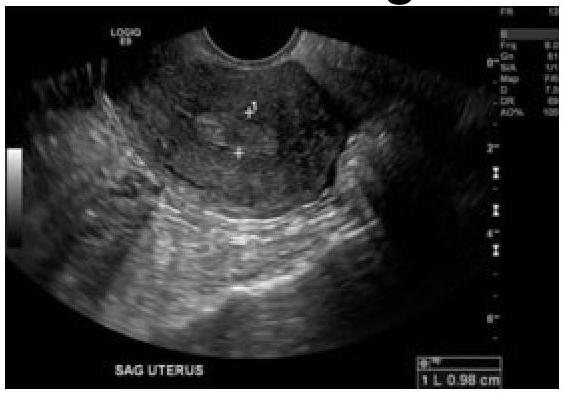
A 21-year-old woman presents to the emergency department complaining of pelvic pain, a yellow-green vaginal discharge, and fever, all of which have been worsening over the last 24 hours. She has no frequency or dysuria. She has no medical problems. Her past surgical history is significant for a cesarean delivery 2 years ago. She takes no medications and is allergic to sulfa drugs. She is sexually active with multiple male partners. Her temperature is 38.2°C (100.7°F), blood pressure is 100/60 mm Hg, pulse is 110/minute, and respirations are 12/minute. Her abdominal examination is significant for diffuse tenderness, rebound, and guarding. Speculum examination demonstrates a copious greenish vaginal discharge that appears to be coming from the cervix. Pelvic examination is significant for cervical motion tenderness and adnexal tenderness. Laboratory evaluation shows: Urine hCG: negative, Urinalysis: negative, Leukocytes: 15,000/mm³, Hematocrit: 39%, Platelets: 200,000/mm³. Which of the following is the most likely diagnosis?
Which part of the female genital tract is most commonly involved in genital tuberculosis?
What are the most life-threatening complications of septic abortion?
What is the mechanism of action of progesterone in the medical management of endometriosis?
Which one of the following is implicated in the etiology of adhesions around the liver?
What is the most common cause of pyometra?
Vaginal defense is lost in which of the following conditions?
Which of the following is NOT helpful in the diagnosis of a tubal mass in ectopic pregnancy?
Hysteroscopy can diagnose all of the following conditions, except:
What surgical treatments are available for uterine polyps?
Explanation: ### Explanation **Correct Answer: C. Pelvic inflammatory disease (PID)** The clinical presentation is classic for **Pelvic Inflammatory Disease (PID)**, an ascending polymicrobial infection of the upper female genital tract. The diagnosis is primarily clinical, based on the **CDC triad**: cervical motion tenderness (chandelier sign), uterine tenderness, or adnexal tenderness in a patient with lower abdominal/pelvic pain. This patient exhibits several supporting features: * **Systemic symptoms:** Fever (38.2°C) and leukocytosis (15,000/mm³). * **Physical signs:** Purulent cervical discharge (mucopurulent cervicitis) and signs of peritoneal irritation (rebound/guarding), suggesting the infection has spread to the pelvic peritoneum. * **Risk factors:** Young age and multiple sexual partners. --- ### Why the other options are incorrect: * **A & D (Ectopic pregnancy / Spontaneous abortion):** Both are ruled out by the **negative urine hCG**. In any woman of reproductive age presenting with pelvic pain, pregnancy must be excluded first. * **B (Gonococcal cervicitis):** While *N. gonorrhoeae* is a common cause of PID, "cervicitis" refers only to inflammation of the cervix. The presence of fever, diffuse abdominal tenderness, rebound, and adnexal tenderness indicates that the infection has ascended beyond the cervix into the uterus and fallopian tubes, making PID the more comprehensive and accurate diagnosis. --- ### NEET-PG High-Yield Pearls: * **Minimum Clinical Criteria for PID:** Pelvic/lower abdominal pain + one of the following: Cervical motion tenderness, Uterine tenderness, or Adnexal tenderness. * **Most common organisms:** *Chlamydia trachomatis* (most common) and *Neisseria gonorrhoeae*. * **Gold Standard Diagnosis:** Laparoscopy (shows tubal erythema and edema), though rarely done in acute settings. * **Fitz-Hugh-Curtis Syndrome:** A complication of PID involving perihepatitis ("violin-string" adhesions between the liver capsule and parietal peritoneum). * **Treatment:** Requires broad-spectrum antibiotics (e.g., Ceftriaxone + Doxycycline + Metronidazole) to cover Gram-positives, Gram-negatives, anaerobes, and atypicals.
Explanation: **Explanation:** Genital tuberculosis (TB) is almost always a secondary infection, typically spreading from a primary pulmonary focus via the **hematogenous route**. **Why the Submucosal Layer is Correct:** The **Fallopian tubes** are the most common site of involvement in female genital TB (90–100% of cases). Within the tube, the infection begins in the **submucosal layer**. The tubercle bacilli reach the highly vascular endosalpingeal folds first. As the disease progresses, it causes inflammation, ulceration, and eventually the characteristic "tobacco pouch" appearance or lead-pipe rigidity. Because the infection starts internally (submucosa) and spreads outward, the fimbriae often remain everted (open) even while the tube is blocked, a classic sign known as the "Patulous Fimbriae." **Analysis of Incorrect Options:** * **A. Uterine cornual part:** While the endometrium is the second most common site (50–60%), the infection usually spreads to the uterus descending from the tubes. The cornua is a location, not the specific histological layer where the infection originates. * **B. Serosal layer:** The serosa is involved later in the disease process (perisalpingitis), often leading to "violin-string" adhesions, but it is not the primary site of initial involvement. * **D. Muscular layer:** The myosalpinx (muscularis) is involved as the infection becomes chronic, leading to scarring and rigidity, but the initial nidus is always the submucosa. **NEET-PG High-Yield Pearls:** * **Order of involvement:** Fallopian Tubes (100%) > Endometrium (50%) > Ovaries (25%) > Cervix (5%). * **Most common symptom:** Infertility (due to tubal factor). * **Most common menstrual abnormality:** Amenorrhea or Oligomenorrhea (due to endometrial destruction/Asherman’s). * **Gold Standard Diagnosis:** Endometrial biopsy/aspirate for TB Culture or GeneXpert (taken on Day 1 of the cycle).
Explanation: **Explanation:** Septic abortion is a serious condition where an abortion is complicated by infection. While all the listed options are potential complications, **Respiratory Distress Syndrome (ARDS)** is considered the most life-threatening and carries the highest mortality rate. **Why Respiratory Distress Syndrome is the Correct Answer:** In severe cases of septic abortion, particularly those involving Gram-negative bacteria (like *E. coli*) or *Clostridium perfringens*, endotoxins are released into the bloodstream. This triggers a systemic inflammatory response that leads to increased pulmonary capillary permeability. The resulting non-cardiogenic pulmonary edema (ARDS) leads to rapid respiratory failure, which is the leading cause of death in these patients despite intensive care. **Analysis of Incorrect Options:** * **Peritonitis (A):** While common due to pelvic spread or uterine perforation, it is usually manageable with surgical drainage and antibiotics. * **Renal Failure (B):** Acute Kidney Injury (AKI) often occurs due to septic shock or hemolysis (common in *Clostridium* infections). While grave, it is often reversible with dialysis and has a lower immediate mortality compared to ARDS. * **Septicemia (D):** This is the systemic state that *leads* to other complications. While dangerous, the specific organ failure that typically results in sudden death is the respiratory collapse (ARDS). **Clinical Pearls for NEET-PG:** * **Most common cause of death in Septic Abortion:** ARDS (followed by Septic Shock and AKI). * **Common Organisms:** *E. coli* (most common), *Bacteroides*, and *Clostridium perfringens* (associated with gas gangrene of the uterus). * **Management Priority:** Stabilization (ABC), high-dose intravenous antibiotics, and prompt evacuation of the products of conception. * **Grade III Septic Abortion:** Defined when the infection spreads beyond the pelvis to cause generalized peritonitis or organ failure (like ARDS or AKI).
Explanation: **Explanation:** The primary goal in the medical management of endometriosis is to create a hypoestrogenic or progestogenic environment that suppresses the growth of ectopic endometrial tissue. **1. Why Option A is Correct:** Progesterones (such as Medroxyprogesterone acetate or Dienogest) act directly on the estrogen-dependent endometriotic implants. They induce **decidualization** (transformation of the stromal cells) followed by progressive **atrophy** of both the eutopic and ectopic endometrial tissue. By antagonizing the proliferative effects of estrogen, progesterones lead to the shrinkage of lesions and a reduction in the associated inflammatory response, thereby relieving pain. **2. Why the Other Options are Incorrect:** * **Option B:** Retrograde menstruation is a physiological phenomenon (Sampson’s theory) that occurs in most women. While progesterones may cause amenorrhea, their therapeutic effect in endometriosis is due to direct tissue atrophy, not the mechanical prevention of retrograde flow. * **Option C:** While progesterones do thicken cervical mucus, this is a mechanism for **contraception** (preventing sperm penetration), not a treatment for endometriosis. * **Option D:** Although high-dose progesterones can inhibit the HPO axis and prevent ovulation, this is a secondary effect. The specific "medical management" benefit for the lesions themselves is the direct decidualization and atrophy. **Clinical Pearls for NEET-PG:** * **Dienogest** is currently considered the progesterone of choice for endometriosis due to its high selectivity and minimal androgenic side effects. * **Pseudopregnancy:** The state created by continuous progesterone or OCP use (decidualization and amenorrhea) mimics the hormonal profile of pregnancy. * **First-line treatment:** NSAIDs and OCPs/Progesterones are generally first-line, while GnRH agonists are reserved for severe or refractory cases.
Explanation: The correct answer is **Chlamydial infection**. ### **Explanation** The question refers to **Fitz-Hugh-Curtis Syndrome (FHCS)**, a clinical manifestation of Pelvic Inflammatory Disease (PID). 1. **Why Chlamydia is correct:** FHCS is characterized by perihepatitis, which leads to the formation of pathognomonic **"violin-string" adhesions** between the liver capsule and the anterior abdominal wall or diaphragm. While both *Neisseria gonorrhoeae* and *Chlamydia trachomatis* can cause this, *Chlamydia* is more frequently implicated in the development of these chronic adhesions due to its ability to cause subclinical, persistent inflammation. The infection spreads from the pelvis to the liver via the paracolic gutters or through lymphatic/hematogenous routes. 2. **Why other options are incorrect:** * **Perforation of dermoid cyst:** This typically leads to chemical peritonitis due to the release of sebaceous material, which causes diffuse peritoneal granulomas rather than localized perihepatic "violin-string" adhesions. * **Gastric perforation:** This results in acute bacterial peritonitis and subphrenic abscesses, but not the specific perihepatic adhesive pattern seen in FHCS. * **Liver metastases:** Ovarian cancer usually spreads via transcoelomic seeding (omental cakes) or direct surface involvement, but it does not typically present with isolated perihepatic adhesions. ### **High-Yield Clinical Pearls for NEET-PG** * **Classic Presentation:** A patient with a history of PID presenting with sharp, pleuritic right upper quadrant (RUQ) pain. * **Laparoscopy:** This is the **Gold Standard** for diagnosis, where "violin-string" adhesions are visualized. * **Liver Enzymes:** In FHCS, liver function tests (AST/ALT) are usually **normal**, which helps differentiate it from viral hepatitis or cholecystitis. * **Treatment:** Antibiotics targeting PID (Ceftriaxone + Doxycycline) are the mainstay of management.
Explanation: **Explanation:** **Pyometra** refers to the accumulation of pus within the uterine cavity. It occurs due to an obstruction of the cervical canal, which prevents natural drainage of uterine secretions, leading to secondary infection. **Why Endometrial Carcinoma is the Correct Answer:** In clinical practice and for the NEET-PG exam, **malignancy** is the most significant and common cause of pyometra. Among these, **Endometrial Carcinoma** is the leading cause. The tumor growth often leads to cervical stenosis or blocks the internal os. Additionally, the necrotic tissue from the tumor provides an ideal medium for bacterial growth, resulting in pus formation. **Analysis of Incorrect Options:** * **Senile Endometritis:** While this is a common cause of pyometra in postmenopausal women due to atrophy and secondary infection, it is statistically less frequent than malignancy-associated pyometra in exam-based clinical scenarios. * **Cervical Carcinoma:** This can cause pyometra by obstructing the endocervical canal; however, it is less common than endometrial carcinoma as a primary cause. * **Ovarian Carcinoma:** This does not typically cause pyometra because it does not involve the uterine cavity or the cervical canal directly to cause an obstruction. **High-Yield Clinical Pearls for NEET-PG:** * **Classic Presentation:** A postmenopausal woman presenting with vaginal discharge, lower abdominal pain, and an enlarged, tender uterus. * **Management Rule:** In any case of pyometra in a postmenopausal woman, **malignancy must be ruled out**. After draining the pus, a fractional curettage or endometrial biopsy is mandatory. * **Spontaneous Perforation:** Although rare, pyometra can perforate, leading to "generalized peritonitis," which is a surgical emergency. * **Most common benign cause:** Senile/Atrophic vaginitis leading to cervical stenosis.
Explanation: **Explanation:** The concept of "Vaginal Defense" refers to the physiological mechanisms that maintain an acidic environment (pH 4–4.5) to prevent the growth of pathogenic bacteria. This defense is primarily dependent on **Döderlein’s bacilli** (Lactobacilli), which convert glycogen into lactic acid. This process is directly regulated by **Estrogen** levels. **Why Option B is correct:** At birth, a female neonate has high levels of maternal estrogen circulating in her blood. This results in a thick vaginal epithelium rich in glycogen and a low pH. However, these maternal hormones are metabolized and cleared from the infant's system by approximately **10 days after birth**. Once the estrogen is gone, the vaginal epithelium becomes thin, glycogen disappears, the pH becomes neutral or alkaline, and Döderlein’s bacilli vanish. Consequently, the vaginal defense is lost, making the infant susceptible to infections (vulvovaginitis) until puberty. **Analysis of Incorrect Options:** * **A. Within 10 days of birth:** During this period, maternal estrogen is still present, maintaining the acidic defense. * **C. During pregnancy:** Estrogen levels are at their peak during pregnancy. This leads to increased glycogen deposition and a highly acidic vaginal pH (often < 4), which actually *strengthens* the defense against most bacteria (though it increases susceptibility to Candidiasis). * **D. At puberty:** At puberty, the girl’s own ovaries begin producing estrogen. This *restores* the vaginal defense by re-establishing the acidic environment and Döderlein’s bacilli. **High-Yield Clinical Pearls for NEET-PG:** * **Vaginal pH:** Birth to 10 days (Acidic); 10 days to Puberty (Neutral/Alkaline); Reproductive age (Acidic); Menopause (Neutral/Alkaline). * **Predominant Organism:** In the presence of estrogen, *Lactobacillus* species predominate. * **Clinical Correlation:** The loss of defense after 10 days explains why pediatric vulvovaginitis is common and usually presents with a mixed bacterial flora rather than a specific pathogen.
Explanation: **Explanation:** The diagnosis of ectopic pregnancy relies on a combination of clinical assessment, biochemical markers, and imaging. **Why Hysterosalpingography (HSG) is the Correct Answer:** HSG is a radiologic procedure used primarily to assess tubal patency in infertility workups. It involves injecting radiopaque contrast into the uterine cavity and tubes under pressure. In a suspected ectopic pregnancy, HSG is **contraindicated** and not helpful because: 1. It carries a high risk of **rupturing** the ectopic gestation. 2. It can cause severe infection or introduce contrast into the peritoneal cavity. 3. It provides no diagnostic value compared to non-invasive imaging. **Analysis of Other Options:** * **Beta-HCG Estimation:** This is the "gold standard" biochemical marker. A positive pregnancy test confirms gestation, and serial titers (looking for a sub-optimal doubling time) help differentiate an ectopic pregnancy from a viable intrauterine one. * **Transvaginal Ultrasound (TVS):** This is the imaging modality of choice. It can visualize an adnexal mass (e.g., "bagel sign" or "blob sign"), a gestational sac outside the uterus, or free fluid in the Pouch of Douglas. * **Pelvic Examination:** Clinical examination is essential. Findings such as cervical motion tenderness (Chandelier sign) and a palpable, tender adnexal mass are classic indicators of a tubal pregnancy. **NEET-PG High-Yield Pearls:** * **Classic Triad:** Amenorrhea, abdominal pain, and vaginal bleeding (present in only 50% of cases). * **Discriminatory Zone:** The level of β-hCG (usually 1500–2000 mIU/mL) at which a gestational sac should be visible on TVS. If β-hCG is above this and the uterus is empty, suspect ectopic pregnancy. * **Most Common Site:** The **Ampulla** of the fallopian tube. * **Most Common Site for Rupture:** The **Isthmus** (due to its narrow lumen).
Explanation: **Explanation:** Hysteroscopy is the "gold standard" for evaluating the uterine cavity as it allows direct visualization of the endocervical canal and the endometrial lining. **Why Adenomyosis is the correct answer:** Adenomyosis is a condition characterized by the presence of endometrial glands and stroma within the **myometrium** (the muscular layer of the uterus). Since hysteroscopy only visualizes the internal surface (the cavity), it cannot see into the muscle wall to diagnose adenomyosis. The diagnosis is typically made via **Transvaginal Ultrasound (TVUS)** showing a "globular uterus" or "asymmetrical thickening," or more definitively via **MRI**. **Why the other options are incorrect:** * **Asherman’s Syndrome:** Hysteroscopy is the gold standard for diagnosis and treatment. It reveals intrauterine adhesions or synechiae (fibrous bands) obstructing the cavity. * **Septate Uterus:** Hysteroscopy allows direct visualization of the midline longitudinal septum. While it cannot distinguish a septum from a bicornuate uterus alone (laparoscopy is needed to see the external fundal contour), it is a primary tool for diagnosing and treating (septal resection) the internal defect. * **Tuberculous Endometritis:** Hysteroscopy can identify suggestive features such as a pale endometrium, intrauterine adhesions, or a "shaggy" appearance of the cavity. It also allows for directed biopsies for histopathology and TB-PCR. **High-Yield Clinical Pearls for NEET-PG:** * **Gold Standard for Adenomyosis:** Histopathology (post-hysterectomy). * **Best Imaging for Adenomyosis:** MRI (showing a Junctional Zone >12mm). * **Distinguishing Septate vs. Bicornuate:** Hysteroscopy + Laparoscopy (or 3D Ultrasound/MRI). * **Distending Media:** CO2 (rarely used now), Normal Saline (for bipolar cautery), or Glycine (for monopolar cautery).
Explanation: **Explanation:** Uterine polyps (endometrial or cervical) are localized overgrowths of the mucosa. The choice of surgical treatment depends on the polyp's size, location (cervical vs. endometrial), and the available equipment. * **Removal by Twisting (Polypectomy):** This is the traditional method for **pedunculated cervical polyps**. The polyp is grasped with a sponge forceps or ovum forceps and twisted until the pedicle strangulates and detaches. * **Removal by Morcellement:** Hysteroscopic morcellators (e.g., MyoSure) are modern devices used to mechanically fragment and aspirate intrauterine polyps simultaneously. This is highly effective for large or multiple endometrial polyps, reducing the risk of thermal injury to the endometrium. * **Hysteroscopy:** This is the **Gold Standard** for both diagnosis and treatment. Hysteroscopic guided resection (using a resectoscope or scissors) ensures complete removal of the base/stalk, which minimizes the risk of recurrence compared to "blind" curettage. Since all three methods are established surgical techniques for different clinical scenarios, **Option D** is the correct answer. **High-Yield Clinical Pearls for NEET-PG:** * **Gold Standard Investigation:** Saline Infusion Sonography (SIS) or Hysteroscopy. * **Most Common Symptom:** Intermenstrual bleeding (metrorrhagia) or postmenopausal bleeding. * **Malignancy Risk:** While most polyps are benign, the risk of malignancy increases in postmenopausal women (approx. 3-5%). * **Blind D&C:** No longer recommended as a primary treatment because it frequently misses small, mobile polyps.
Abnormal Uterine Bleeding
Practice Questions
Endometriosis
Practice Questions
Adenomyosis
Practice Questions
Uterine Fibroids
Practice Questions
Ovarian Cysts
Practice Questions
Pelvic Inflammatory Disease
Practice Questions
Vulvovaginitis
Practice Questions
Pelvic Organ Prolapse
Practice Questions
Vulvar Disorders
Practice Questions
Benign Breast Diseases
Practice Questions
Get full access to all questions, explanations, and performance tracking.
Start For Free