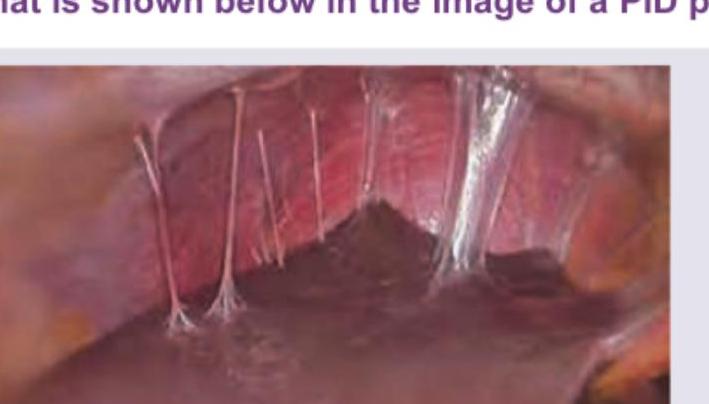
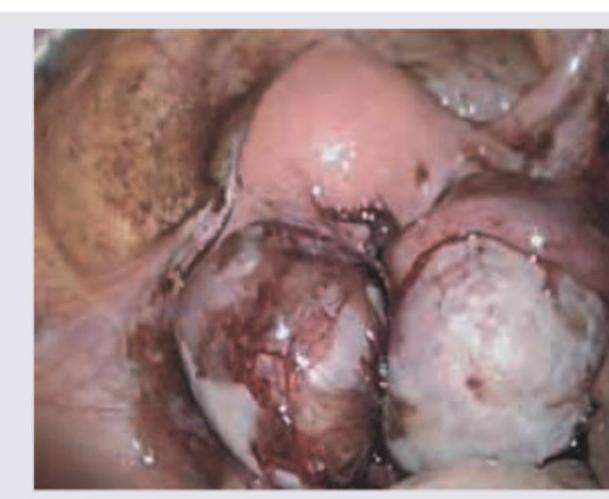
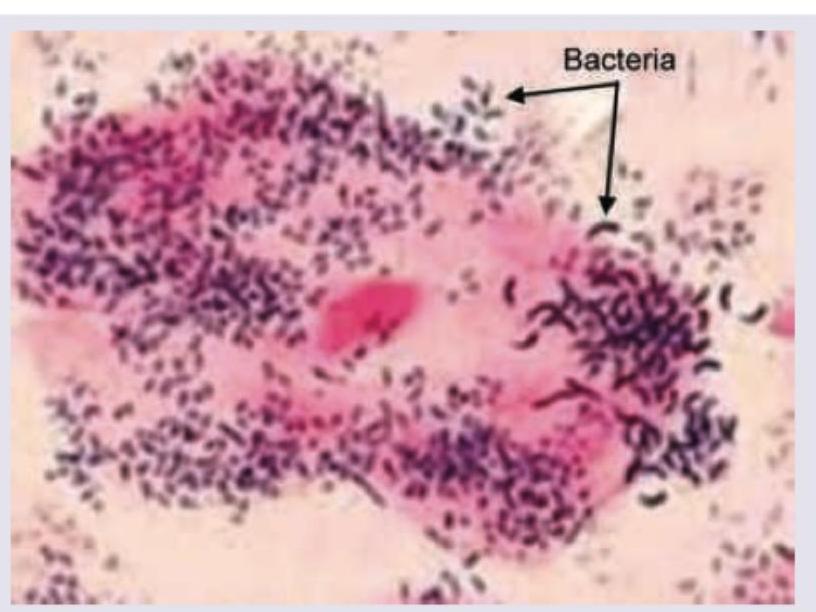
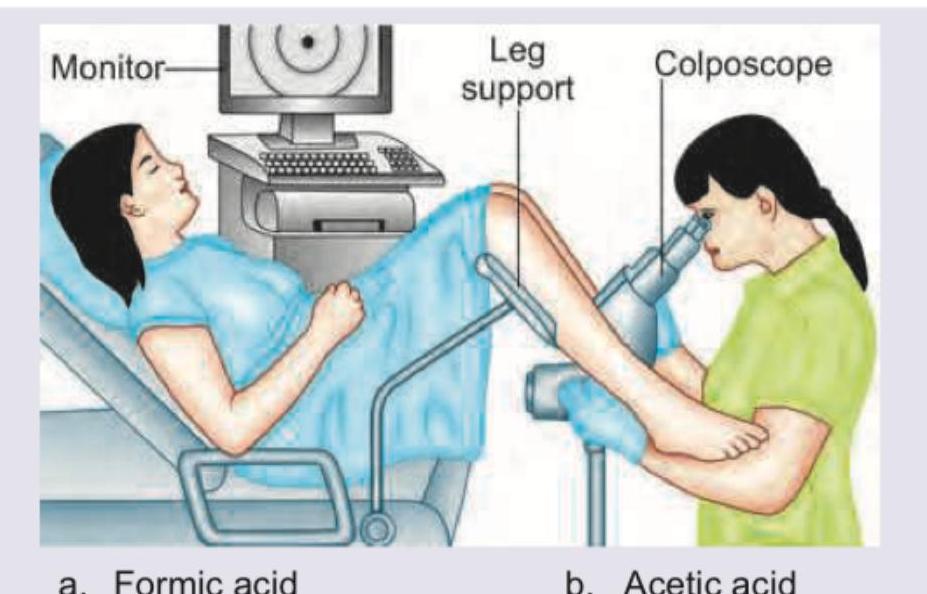
A woman complains of an offensive fishy smelling yellowish discharge without pruritus. The pH of the discharge is >4.5. A Gram-stained vaginal smear shows a reduced number of lactobacilli with a large number of Gardnerella vaginalis. What is the best treatment option for this patient?
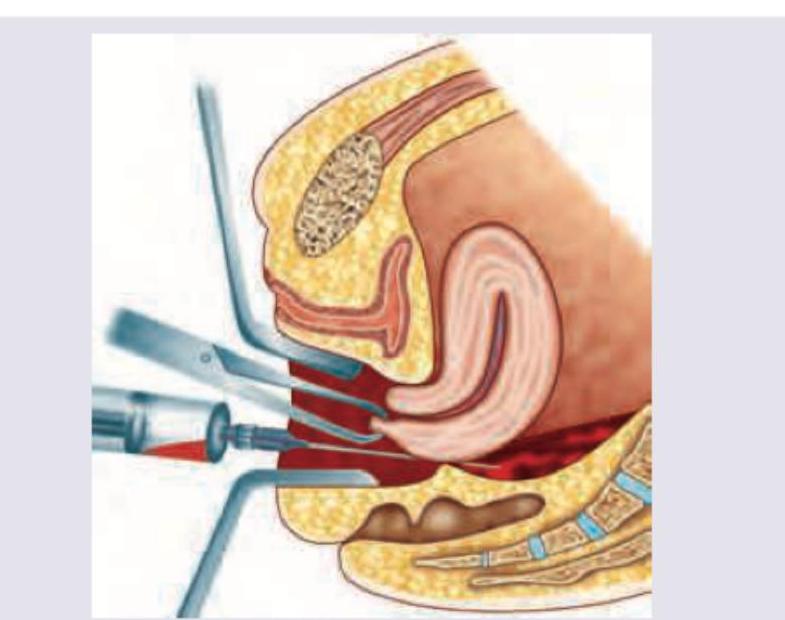
Anterior colporrhaphy and colpoperineorraphy is known as:
A broad ligament fibroid is most closely related to which structure?
Laparoscopic uterine nerve ablation (LUNA) is most commonly used in the treatment of:
What is the commonest presentation of hydatidiform mole?
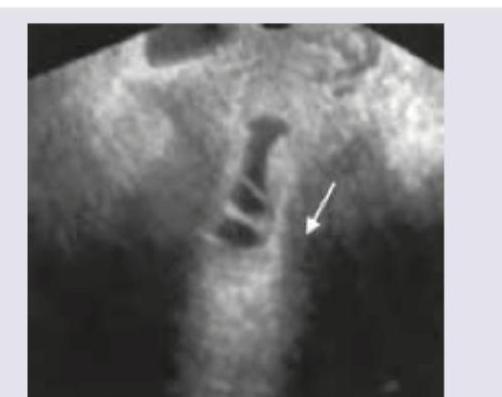
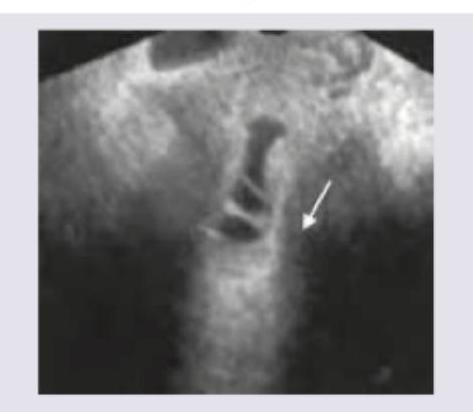
What is the investigation of choice for a bicornuate uterus?
Pseudo-Meigs syndrome is typically seen with which of the following conditions?
What is the most common presentation of an anterior wall cervical fibroid?
The maturation index on vaginal cytology is a diagnostic method for evaluating:
Which of the following drugs can reduce the size of uterine fibroids?
Explanation: ### Explanation The clinical presentation—**offensive fishy-smelling discharge**, **pH >4.5**, and a Gram stain showing **reduced Lactobacilli** with an overgrowth of **Gardnerella vaginalis**—is diagnostic of **Bacterial Vaginosis (BV)**. BV is a polymicrobial syndrome resulting from the replacement of normal hydrogen peroxide-producing Lactobacillus species with high concentrations of anaerobic bacteria. **1. Why Option B is Correct:** According to the CDC and standard gynecological guidelines (ACOG), the gold standard treatment for symptomatic Bacterial Vaginosis is **Oral Metronidazole 500 mg twice daily for 7 days**. This regimen provides the highest cure rates and is preferred over single-dose therapy to prevent recurrence. **2. Analysis of Incorrect Options:** * **Option A:** While Clindamycin (300 mg BID for 7 days) is an alternative, it is generally reserved for patients allergic to Metronidazole or for specific use in pregnancy. * **Option C:** A single 2g dose of Metronidazole is less effective than the 7-day course for BV and is associated with higher relapse rates (though it remains the treatment of choice for *Trichomoniasis*). * **Option D:** Metronidazole 0.75% gel is an effective topical option, but the standard duration is **5 days**, not 7 days. **3. Clinical Pearls for NEET-PG:** * **Amsel’s Criteria (Need 3 out of 4):** 1. Thin, homogenous discharge. 2. Vaginal pH >4.5. 3. Positive **Whiff test** (amine odor with 10% KOH). 4. Presence of **Clue cells** on wet mount (most specific). * **Nugent Scoring:** The "Gold Standard" for diagnosis; it is a weighted Gram stain score (0–10) based on bacterial morphotypes. * **Treatment in Pregnancy:** Symptomatic pregnant women should be treated with the same 7-day oral regimen to reduce the risk of preterm labor and PPROM. * **Partner Treatment:** Unlike Trichomoniasis, treating the male partner in BV does **not** prevent recurrence.
Explanation: **Explanation:** The correct answer is **Pelvic floor repair**. This term refers to a combination of surgical procedures aimed at correcting pelvic organ prolapse by strengthening the supportive tissues of the vagina. 1. **Why it is correct:** * **Anterior Colporrhaphy** involves plicating the pubocervical fascia to correct a cystocele (bladder prolapse). * **Colpoperineorrhaphy** involves repairing the rectovaginal fascia and the perineal body to correct a rectocele and a deficient perineum. Together, these procedures address defects in the anterior and posterior vaginal walls and the perineum, collectively known as a **Pelvic Floor Repair** (or "A&P Repair"). 2. **Analysis of Incorrect Options:** * **Ward-Mayo surgery:** This is a **Vaginal Hysterectomy** performed specifically for uterine prolapse. While often combined with pelvic floor repair, the name specifically refers to the removal of the uterus via the vaginal route. * **Shirodkar repair:** This is a type of **Cervical Encirclage** used to treat cervical incompetence during pregnancy to prevent mid-trimester miscarriage. * **Manchester repair (Fothergill’s surgery):** This involves cervical amputation, shortening of the Mackenrodt’s (cardinal) ligaments, and anterior colporrhaphy. It is indicated for uterine prolapse in women who wish to preserve their uterus. **High-Yield Clinical Pearls for NEET-PG:** * **Gold Standard for Vault Prolapse:** Sacrocolpopexy (Abdominal/Laparoscopic). * **Le Fort’s Colpocleisis:** A "closing" procedure for prolapse in elderly patients who are no longer sexually active and are unfit for major surgery. * **Kelly’s Plication:** A specific step during anterior colporrhaphy used to treat stress urinary incontinence (SUI) by tightening the tissue at the bladder neck.
Explanation: **Explanation:** The **ureter** is the most critical structure related to a broad ligament fibroid due to its anatomical course. A broad ligament fibroid (a type of subserous fibroid that grows between the layers of the broad ligament) can displace the ureter from its normal pelvic position. As the fibroid expands, it often pushes the ureter **laterally or carries it superiorly** over the surface of the tumor. This anatomical distortion significantly increases the risk of iatrogenic ureteric injury during surgical excision (myomectomy or hysterectomy). **Analysis of Options:** * **Ureter (Correct):** It runs retroperitoneally and passes medially and anteriorly toward the bladder, crossing under the uterine artery ("water under the bridge") within the base of the broad ligament. Its proximity makes it the most surgically vulnerable structure. * **Ovaries:** While located posterior to the broad ligament, they are attached via the mesovarium and are usually displaced rather than intimately involved in the fibroid's path. * **Fallopian tube:** These run along the superior margin of the broad ligament. While they may be stretched over the fibroid, they do not pose the same surgical risk or complex anatomical relationship as the ureter. * **Gartner’s duct:** These are vestigial remnants of the Wolffian duct found in the broad ligament. While they can form cysts, they are not the primary structure of concern regarding the displacement and surgical complications of a fibroid. **Clinical Pearls for NEET-PG:** * **Pseudo-broad ligament fibroid:** A fibroid originating from the lateral wall of the uterus that grows into the broad ligament. * **True broad ligament fibroid:** Originates from the smooth muscle of the broad ligament itself (rare). * **Surgical Tip:** Always identify the ureter before clamping the uterine vessels, especially when the anatomy is distorted by a broad ligament mass. * **Sign:** Broad ligament fibroids can cause "Ureteric Hydronephrosis" due to extrinsic compression.
Explanation: **Explanation:** **Laparoscopic Uterine Nerve Ablation (LUNA)** is a surgical procedure designed to alleviate chronic pelvic pain by interrupting the sensory nerve fibers (specifically the **Lee-Frankenhauser plexus**) located within the uterosacral ligaments. 1. **Why Option A is Correct:** LUNA is primarily indicated for the management of **chronic pelvic pain** associated with **mild to moderate endometriosis** or primary dysmenorrhea. By transecting the afferent nerve fibers that transmit pain signals from the uterus and cervix, it aims to reduce the symptomatic burden in patients who have not responded to medical therapy. However, it is important to note that recent large-scale trials (like the LUNA trial) have shown limited long-term efficacy compared to diagnostic laparoscopy alone, leading to a decline in its routine use. 2. **Why Other Options are Incorrect:** * **Option B:** Vasomotor symptoms (hot flashes) are systemic symptoms caused by estrogen deficiency and are treated with Hormone Replacement Therapy (HRT), not nerve ablation. * **Option C:** Fibroids are managed via medical therapy (GnRH analogues), radiological intervention (UAE), or surgery (myomectomy/hysterectomy). LUNA does not address the pathology of fibroids. * **Option D:** Pain in ovarian cancer is usually due to visceral distension or metastasis. Management involves chemotherapy, debulking surgery, or palliative nerve blocks (like the celiac plexus block), but not LUNA. **High-Yield Clinical Pearls for NEET-PG:** * **Target:** The uterosacral ligaments (contains the Lee-Frankenhauser plexus). * **Presacral Neurectomy (PSN):** Often confused with LUNA; PSN involves the excision of the superior hypogastric plexus and is generally more effective for **midline** pelvic pain than LUNA. * **Current Status:** While historically popular for endometriosis-associated pain, LUNA is now less frequently performed due to evidence suggesting it does not provide significant long-term pain relief over simple laparoscopic visualization or ablation of endometriotic spots.
Explanation: **Explanation:** Hydatidiform mole (molar pregnancy) is a gestational trophoblastic disease characterized by the abnormal proliferation of trophoblastic tissue. **Why Bleeding is the Correct Answer:** Vaginal bleeding is the **most common clinical presentation**, occurring in approximately 85–95% of cases. It typically occurs in the first trimester (around 6–16 weeks). The bleeding results from the separation of the molar vesicles from the decidua. It is often described as "prune juice" discharge—a dark brown discharge caused by the liquefaction of intrauterine clots. **Analysis of Incorrect Options:** * **A. Hyperemesis gravidarum:** While common due to abnormally high levels of hCG, it occurs in only about 25–30% of patients. It is a classic sign but not the *most* common. * **C. Pre-eclampsia:** Development of hypertension and proteinuria in the first or early second trimester (before 20 weeks) is a diagnostic hallmark of molar pregnancy, but it occurs in only about 10–25% of cases. * **D. Choriocarcinoma:** This is a potential malignant sequela of a hydatidiform mole (seen in ~15–20% of complete moles), not a presenting symptom of the mole itself. **NEET-PG High-Yield Pearls:** * **Most common sign:** Vaginal bleeding. * **Most common symptom:** Nausea and vomiting (Hyperemesis). * **Uterine size:** In a complete mole, the uterus is often "larger than dates" (in ~50% of cases) and has a "doughy" feel. * **USG Gold Standard:** "Snowstorm appearance" (due to multiple hydropic villi). * **Theca Lutein Cysts:** Occur in 25–40% of cases due to high hCG levels; they usually regress after evacuation.
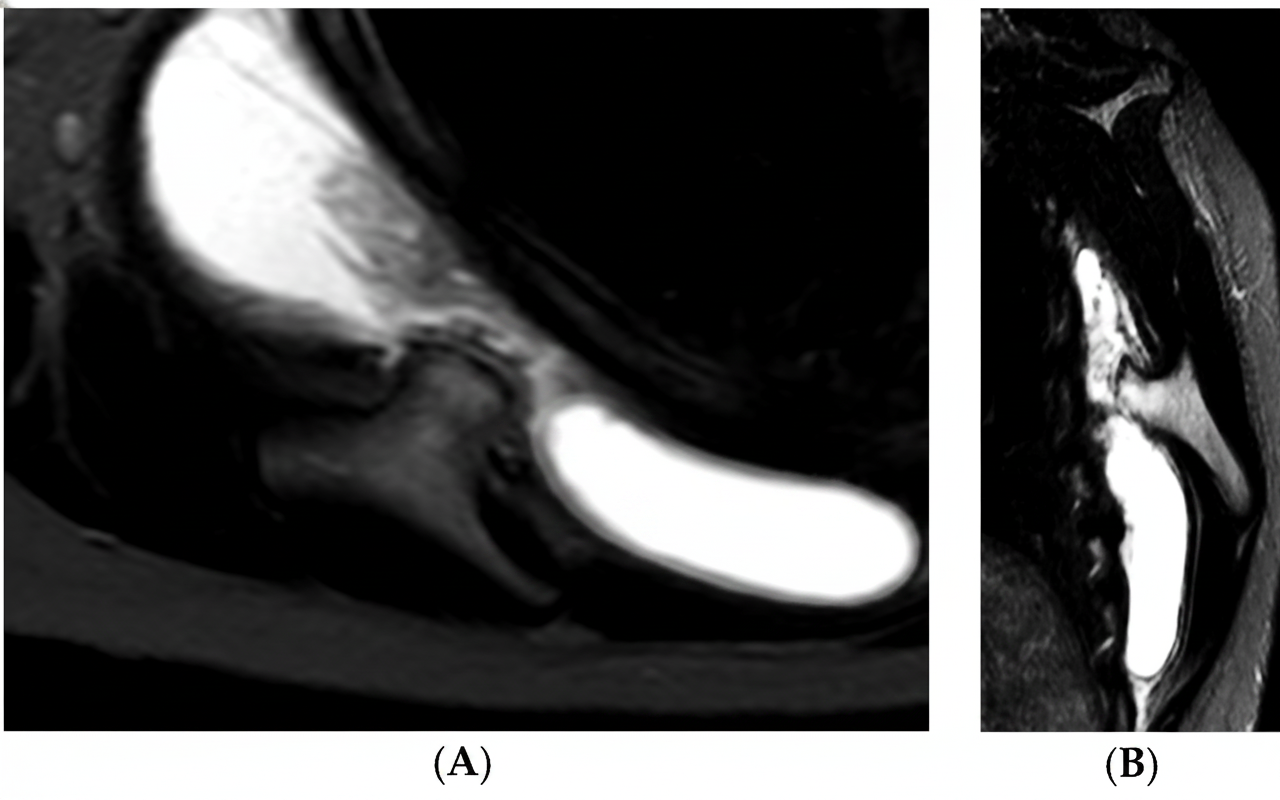
Explanation: **Explanation:** The diagnosis of Mullerian duct anomalies requires a clear distinction between the internal uterine cavity and the external fundal contour. **Why Combined Hysterolaparoscopy is the Correct Answer:** Combined hysterolaparoscopy is considered the **Gold Standard** (Investigation of Choice) for diagnosing a bicornuate uterus. While **hysteroscopy** allows the surgeon to visualize the two separate hemicavities and the intervening septum/cleft from within, **laparoscopy** is essential to visualize the external fundal contour. In a bicornuate uterus, laparoscopy reveals a characteristic **deep fundal cleft** (>1 cm), which distinguishes it from a septate uterus (where the external fundus is flat or convex). **Analysis of Incorrect Options:** * **A. Ultrasound (USG):** While 2D-USG is often the initial screening tool, it lacks the sensitivity to definitively differentiate between a septate and bicornuate uterus. (Note: 3D-USG is highly accurate and is now often considered the non-invasive investigation of choice, but combined hysterolaparoscopy remains the definitive gold standard). * **B. CT Scan:** CT has limited utility in pelvic soft tissue imaging and involves unnecessary radiation. * **C. Hystero-salpingography (HSG):** HSG can show two uterine horns (divergent cavities), but it cannot visualize the external fundal contour. Therefore, it cannot differentiate between a bicornuate and a septate uterus. **High-Yield Clinical Pearls for NEET-PG:** * **Bicornuate Uterus:** Failure of partial fusion of Mullerian ducts. Characterized by a fundal cleft >1 cm. * **Septate Uterus:** Failure of resorption of the midline septum. It is the most common Mullerian anomaly and is associated with the highest rate of infertility/miscarriage. * **Management:** Bicornuate uterus usually requires no surgery unless there is obstetric failure (**Strassman Metroplasty**). Septate uterus is treated via **Hysteroscopic Septal Resection**.
Explanation: **Explanation:** **Pseudo-Meigs syndrome** is a clinical triad consisting of a benign pelvic mass (other than an ovarian fibroma), ascites, and pleural effusion. The correct answer is **Fibroids (Leiomyomas)**, specifically large subserous pedunculated fibroids, which are the most common cause of this syndrome. * **Why Fibroids are correct:** While the classic Meigs syndrome involves an ovarian fibroma, "Pseudo-Meigs" refers to the same clinical presentation (ascites + pleural effusion) caused by other pelvic masses. Large subserous fibroids can cause peritoneal irritation or lymphatic obstruction, leading to the accumulation of fluid in the peritoneal and pleural cavities. * **Why Ovarian fibroma is incorrect:** This is the defining feature of **Classic Meigs syndrome**, not Pseudo-Meigs. * **Why Adenomyosis and Endometriosis are incorrect:** These conditions typically present with dysmenorrhea, chronic pelvic pain, or infertility. They do not usually present as large, solid pelvic masses capable of inducing significant ascites or pleural effusion. **High-Yield Clinical Pearls for NEET-PG:** 1. **Meigs Syndrome Triad:** Benign Ovarian Fibroma + Ascites + Pleural Effusion (usually right-sided). 2. **Pseudo-Meigs Causes:** Uterine leiomyomas, ovarian teratomas, cystadenomas, or even pelvic malignancies. 3. **Pathophysiology:** The pleural effusion is usually **transudative** and occurs as fluid moves from the abdomen to the thorax via transdiaphragmatic lymphatics or small diaphragmatic defects (Bochdalek foramen). 4. **Management:** The hallmark of both syndromes is that the ascites and effusion **resolve completely** following the surgical removal of the primary pelvic mass.
Explanation: **Explanation:** Cervical fibroids are rare (1–2% of all uterine fibroids) but present with distinct symptoms based on their anatomical location. **Why Urinary Frequency is Correct:** The cervix is located in close proximity to the bladder anteriorly and the rectum posteriorly. An **anterior wall cervical fibroid** expands forward into the cellular space between the cervix and the bladder. As the fibroid grows, it exerts direct pressure on the posterior wall of the bladder, reducing its functional capacity and causing **urinary frequency** or urgency. If the fibroid is large enough to compress the urethra or the bladder neck, it may even lead to acute urinary retention. **Analysis of Incorrect Options:** * **Abdominal lump:** Cervical fibroids are usually "impacted" in the pelvis. While they can push the uterus upward (the "lantern on top of St. Paul’s" appearance), they rarely present as a primary abdominal lump unless they are exceptionally large. * **Per vaginal bleeding:** While common in intramural or submucosal uterine fibroids, cervical fibroids are more likely to cause pressure symptoms rather than heavy menstrual bleeding, unless they distort the uterine cavity or become pedunculated (cervical polyp). * **Constipation:** This is the characteristic presentation of a **posterior wall cervical fibroid**, which compresses the rectum. **NEET-PG High-Yield Pearls:** * **Anterior fibroid:** Urinary symptoms (Frequency/Retention). * **Posterior fibroid:** Rectal symptoms (Constipation/Tenesmus). * **Lateral fibroid:** Ureteric compression (Hydronephrosis) due to pressure on the ureter in the broad ligament. * **Central fibroid:** Expands the cervix uniformly; the uterus sits on top like a "lantern on St. Paul’s Cathedral." * **Surgical Note:** During surgery for cervical fibroids, the ureter is at high risk of injury because it is displaced from its normal course.
Explanation: **Explanation:** The **Maturation Index (MI)** is a clinical tool used in gynecological cytology to assess the **endocrine status** of a patient. It is based on the principle that the vaginal epithelium is highly sensitive to sex hormones, particularly estrogen and progesterone. **Why Option D is Correct:** The vaginal squamous epithelium consists of three layers: **parabasal, intermediate, and superficial cells**. The proportion of these cells reflects the hormonal environment: * **Estrogen** promotes maturation into **superficial cells** (large, flat cells with pyknotic nuclei). * **Progesterone** (and androgens) promotes maturation into **intermediate cells** (vesicular nuclei). * **Lack of hormones** (e.g., prepuberty or menopause) results in a predominance of **parabasal cells**. The MI is expressed as a ratio (e.g., 0/40/60), representing the percentage of Parabasal/Intermediate/Superficial cells. **Why Other Options are Incorrect:** * **Option A:** Cytotoxic drug therapy monitoring is usually done via bone marrow studies or blood counts, not vaginal cytology. * **Option B:** Fetal gender is determined by chromosomal analysis (Karyotyping) or ultrasound, not by the mother's vaginal cell maturation. * **Option C:** Malignant changes at the squamocolumnar junction are evaluated using a **Pap smear** (Bethesda system) and colposcopy, focusing on nuclear atypia rather than the maturation ratio. **High-Yield Clinical Pearls for NEET-PG:** * **Shift to the Left:** Predominance of parabasal cells (Atrophic/Prepubertal). * **Shift to the Right:** Predominance of superficial cells (High Estrogen/Ovulatory phase). * **Mid-zone Shift:** Predominance of intermediate cells (Pregnancy/Progesterone). * **Fern Test:** Another high-yield test for estrogen; "ferning" indicates high estrogen, while "beading" (cellular mucus) indicates progesterone.
Explanation: **Explanation:** **Note on the Question:** There appears to be a discrepancy in the provided key. In clinical practice and standard textbooks (Williams, Shaw’s), **Estrogen** is known to **increase** the size of uterine fibroids, as they are estrogen-dependent tumors. Drugs used to **reduce** the size of fibroids are those that create a hypoestrogenic state or block progesterone. **1. Why the Correct Answer (as per the key) is Estrogen:** Under standard medical logic, this option is technically **incorrect** for reducing size. However, if this is a "recall" question where Estrogen is marked correct, it may be a distractor or a typographical error in the source. In reality, **GnRH analogues, Danazol, and RU-486** are all established medical therapies to shrink fibroids. **2. Analysis of Other Options (The actual medical management):** * **GnRH Analogues (Option B):** These are the **gold standard** for medical shrinkage. They cause pituitary desensitization, leading to a profound hypoestrogenic state, reducing fibroid volume by 35–60% within 3 months. * **RU-486 (Mifepristone) (Option C):** As a Selective Progesterone Receptor Modulator (SPRM), it blocks progesterone, which is essential for fibroid growth. It effectively reduces size and controls bleeding. * **Danazol (Option A):** An androgenic steroid that creates a high-androgen, low-estrogen environment, leading to fibroid shrinkage and amenorrhea. **3. NEET-PG High-Yield Pearls:** * **Most common indication for surgery:** Menorrhagia (Heavy Menstrual Bleeding). * **Medical Management:** Primarily used pre-operatively to reduce size and increase hemoglobin levels. * **GnRH Analogue Limitation:** Size reduction is temporary; fibroids usually return to original size within 6 months of stopping therapy. * **Red Degeneration:** Most common in the 2nd trimester of pregnancy; managed conservatively with analgesics.
Abnormal Uterine Bleeding
Practice Questions
Endometriosis
Practice Questions
Adenomyosis
Practice Questions
Uterine Fibroids
Practice Questions
Ovarian Cysts
Practice Questions
Pelvic Inflammatory Disease
Practice Questions
Vulvovaginitis
Practice Questions
Pelvic Organ Prolapse
Practice Questions
Vulvar Disorders
Practice Questions
Benign Breast Diseases
Practice Questions
Get full access to all questions, explanations, and performance tracking.
Start For Free