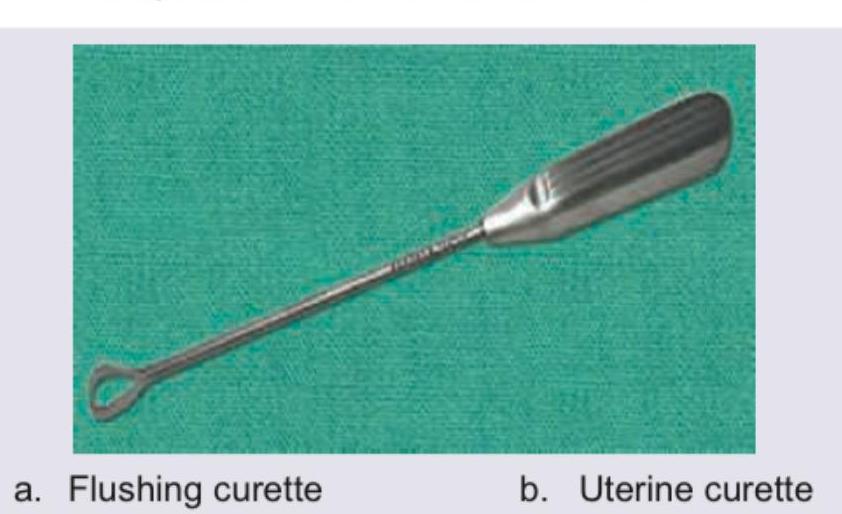
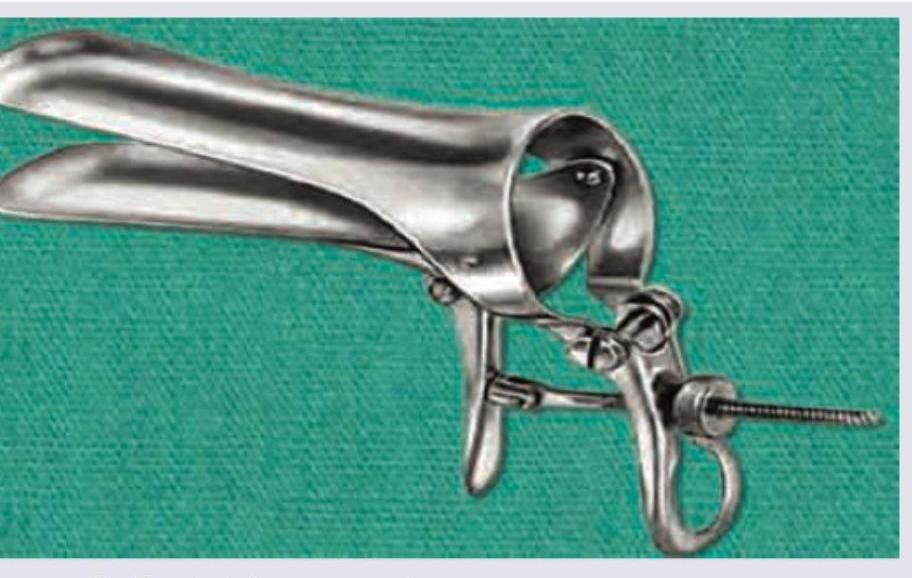
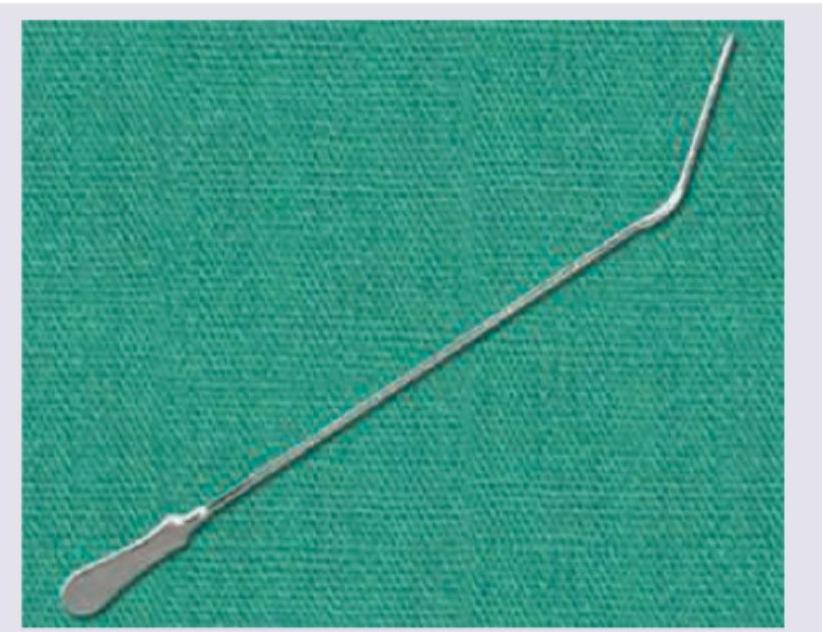
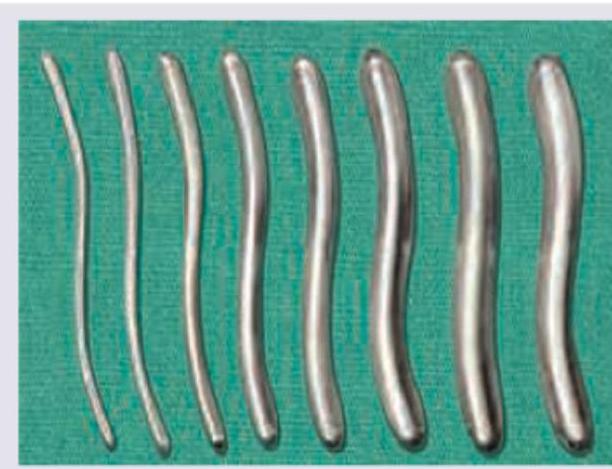
What is the treatment of choice in a multiparous female with 2nd-degree uterovaginal prolapse?
Which of the following is the drug of choice to treat endometriosis?
An 18-year-old girl who has not attained menarche presents with acute retention of urine. What is the most likely diagnosis?
Which of the following is NOT a cause of acute abdomen in pregnancy?
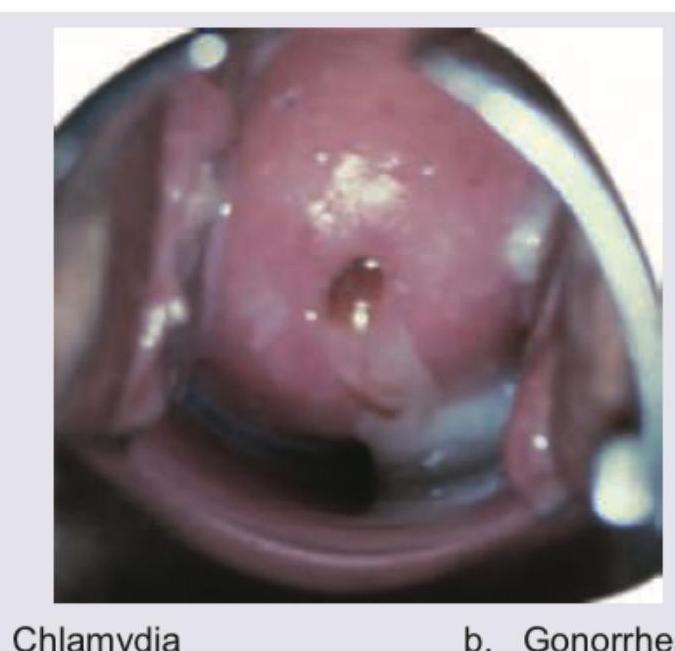
"Strawberry cervix" is a feature of which of the following conditions?
What is the position used for bimanual examination in the out-patient department?
What is the key difference between ectopic pregnancy and threatened abortion?
Which one of the following is NOT a feature of Turner's syndrome?
In Turner syndrome, which of the following clinical features is NOT typically seen?
What does the karyopyknotic index represent?
Explanation: ### Explanation The treatment of choice for a multiparous female with 2nd-degree uterovaginal prolapse who wishes to preserve her uterus is **Fothergill’s operation (Manchester operation)**. However, since the patient is multiparous and has completed her family, it is standard clinical practice to combine this procedure with **tubal ligation** to prevent future pregnancies, as pregnancy following this surgery carries a high risk of recurrence and cervical incompetence. **Why Option C is Correct:** Fothergill’s operation involves cervical amputation, shortening of the Mackenrodt’s (cardinal) ligaments, and anterior colporrhaphy with posterior colpoperineorrhaphy. In a multiparous woman, adding tubal ligation ensures permanent contraception, protecting the surgical repair from the strain of future labor. **Analysis of Incorrect Options:** * **Option A (Fothergill's only):** While technically the surgical procedure for prolapse, it is incomplete for a multiparous woman who requires concurrent sterilization to ensure long-term success. * **Option B (Hysterectomy with repair):** Though commonly performed (Ward-Mayo’s operation), Fothergill’s is often preferred in specific scenarios where the patient wishes to preserve the uterus or if the prolapse is primarily due to an elongated cervix rather than total uterine descent. * **Option D (Hysterectomy only):** Hysterectomy alone does not address the weakened pelvic floor supports (cystocele or rectocele); without pelvic floor repair, the risk of vault prolapse is significantly high. **High-Yield Clinical Pearls for NEET-PG:** * **Fothergill’s Operation** is specifically indicated when there is **congenital/nulliparous prolapse** or when the patient has **cervical elongation** with a relatively well-supported fundus. * **Contraindication:** It should be avoided if the patient desires future childbearing due to the high risk of mid-trimester abortion and cervical dystocia. * **Lefort’s Colpocleisis:** The treatment of choice for elderly, sexually inactive women with total prolapse (procidentia) who are poor surgical candidates. * **Shirodkar’s Sling:** Preferred for young women with prolapse who wish to retain fertility.
Explanation: **Explanation:** The primary goal in treating endometriosis is to induce a state of **"pseudopregnancy"** or **"pseudomenopause"** to cause atrophy of the ectopic endometrial tissue. **Why Medroxyprogesterone is the Correct Answer:** Progestogens like **Medroxyprogesterone acetate (MPA)** are currently considered the first-line medical therapy for endometriosis. They work by antagonizing the effects of estrogen, leading to the decidualization and eventual atrophy of endometrial implants. They are preferred over older treatments due to their high efficacy in pain relief, favorable safety profile, and cost-effectiveness. **Analysis of Incorrect Options:** * **Testosterone propionate (A):** This is an androgenic steroid. While androgens can oppose estrogen, testosterone is not used due to severe virilizing side effects (hirsutism, voice deepening) and the availability of more targeted hormonal therapies. * **Norethisterone (B):** While also a progestogen, it is less commonly used as a standalone "drug of choice" compared to MPA or newer progestins like Dienogest (which is highly specific for endometriosis). * **Danazol (D):** Historically, Danazol was the "Gold Standard." It creates a high-androgen, low-estrogen environment (pseudomenopause). However, it has fallen out of favor as a first-line agent due to significant side effects like weight gain, acne, and hirsutism. **NEET-PG High-Yield Pearls:** * **First-line Medical Management:** Combined Oral Contraceptive Pills (COCPs) or Progestogens (MPA/Dienogest). * **Dienogest:** Often cited in recent literature as the most effective progestin for endometriosis. * **Gold Standard for Diagnosis:** Laparoscopy ("Powder-burn" or "Gunshot" lesions). * **Definitive Treatment:** Total Abdominal Hysterectomy with Bilateral Salpingo-oophorectomy (TAH + BSO). * **GnRH Agonists:** (e.g., Leuprolide) Create a "pseudomenopause" state but require "add-back therapy" to prevent bone loss if used for >6 months.
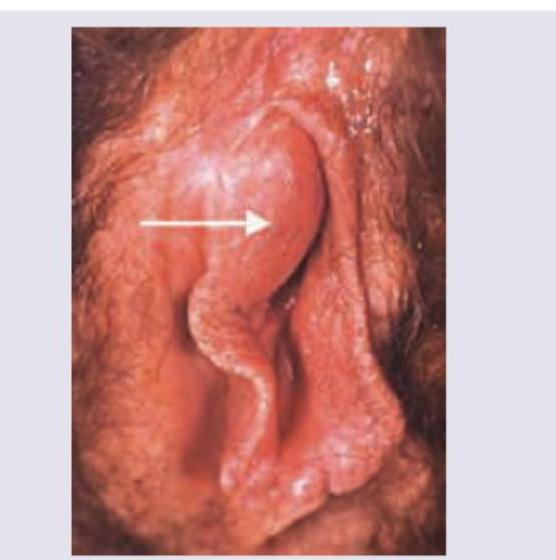
Explanation: ### Explanation The clinical presentation of an 18-year-old girl with **primary amenorrhea** and **acute urinary retention** is a classic "textbook" description of **Hematocolpos** secondary to an **imperforate hymen**. **Why Hematocolpos is the correct answer:** In an imperforate hymen, menstrual blood accumulates in the vagina (hematocolpos) cycle after cycle. As the volume increases, the distended vagina creates significant extrinsic pressure on the adjacent **urethra and bladder neck**. This mechanical obstruction leads to acute urinary retention. Patients typically present during puberty with cyclical pelvic pain and a bulging, bluish membrane at the introitus on physical examination. **Analysis of Incorrect Options:** * **Twisted Ovarian Cyst:** While this causes acute pelvic pain and potentially a palpable mass, it rarely causes urinary retention. It is more likely to present with nausea, vomiting, and signs of peritonitis. * **Urinary Tract Infection (UTI):** UTIs cause frequency, urgency, and dysuria. While severe cases can cause voiding dysfunction, they do not explain the primary amenorrhea in an 18-year-old. * **Cervical Fibroid:** Although a central fibroid can compress the urethra, fibroids are extremely rare in the adolescent population (typically seen in women of reproductive age, 30–50 years). **NEET-PG High-Yield Pearls:** * **Initial Investigation:** Physical examination (inspection of the vulva). * **Gold Standard Investigation:** Pelvic Ultrasound (shows a hypoechoic collection in the vagina/uterus). * **Treatment:** Cruciate incision or stellate incision of the hymen to drain the "tarry" chocolate-colored blood. * **Sequence of Accumulation:** Hematocolpos (vagina) → Hematometra (uterus) → Hematosalpinx (fallopian tubes).
Explanation: **Explanation:** The core concept in evaluating an acute abdomen in pregnancy is the presence of **pain**. An "acute abdomen" refers to a sudden, severe abdominal pain that may require urgent surgical or medical intervention. **Why Placenta Previa is the correct answer:** Placenta previa is classically characterized by **painless, causeless, and recurrent** vaginal bleeding in the second half of pregnancy. Because the bleeding occurs from the separation of the placenta from the lower uterine segment without uterine contractions or concealed hemorrhage, it does not typically cause abdominal pain or peritoneal irritation. Therefore, it is not a cause of acute abdomen. **Analysis of incorrect options:** * **Abortion:** Threatened or inevitable abortions are associated with uterine contractions and cervical dilation, leading to significant pelvic pain and cramping. * **Preterm Labor:** This involves regular, painful uterine contractions leading to cervical changes before 37 weeks, presenting as acute abdominal/pelvic pain. * **Appendicitis:** This is the most common non-obstetric surgical emergency during pregnancy. It presents with acute right-sided abdominal pain (though the location may shift upward as the uterus grows). **NEET-PG High-Yield Pearls:** * **Abruptio Placentae vs. Placenta Previa:** Abruption is **painful** (due to retroplacental hematoma and uterine hypertonicity), whereas Previa is **painless**. * **Diagnosis:** Transvaginal Ultrasound (TVS) is the gold standard for diagnosing Placenta Previa. **Digital vaginal examination is strictly contraindicated** (the "Double Setup" rule) until previa is ruled out, as it can provoke torrential hemorrhage. * **Most common cause of acute abdomen in pregnancy:** Appendicitis. * **Most common obstetric cause of acute abdomen:** Ectopic pregnancy (1st trimester) or Abruptio placentae (3rd trimester).
Explanation: **Explanation:** **Trichomonas vaginitis** is the correct answer. The term **"Strawberry Cervix" (Colpitis Macularis)** refers to the presence of punctate, focal hemorrhages on the ectocervix and vaginal walls. These are caused by the protozoan *Trichomonas vaginalis*, which induces a localized inflammatory response and capillary dilation. While classic, this sign is clinically visible in only about 2–5% of cases but is highly specific for the infection. **Analysis of Incorrect Options:** * **Vaginal Candidiasis:** Characterized by a thick, "curd-like" or "cottage cheese" discharge and intense pruritus. The cervix usually appears normal or mildly erythematous, but not punctate. * **HSV Infection:** Typically presents with painful, shallow, multiple grouped vesicles or ulcers on the vulva or cervix. * **Bacterial Vaginosis (BV):** Caused by an overgrowth of *Gardnerella vaginalis*. It presents with a thin, homogenous, greyish-white "fishy-smelling" discharge. The cervix typically shows no signs of inflammation. **High-Yield Clinical Pearls for NEET-PG:** * **Discharge Profile:** Trichomoniasis features a **profuse, frothy, greenish-yellow** discharge with a pH > 4.5. * **Diagnosis:** The gold standard is **NAAT**, but the most common bedside test is **Wet Mount microscopy**, showing "pear-shaped" motile flagellates (jerky motility). * **Treatment:** The drug of choice is **Metronidazole** (2g single dose). **Crucial:** Always treat the partner to prevent "ping-pong" reinfection. * **Whiff Test:** Positive in both BV and Trichomoniasis (addition of 10% KOH releases amine odor).
Explanation: **Explanation:** The **Dorsal position with thighs flexed** is the standard and most practical position for a bimanual examination in the Out-Patient Department (OPD). In this position, the patient lies flat on her back with her knees bent and feet resting on the examination table. **Why it is correct:** The primary goal of a bimanual examination is to palpate the pelvic organs (uterus and adnexa) between the internal (vaginal) fingers and the external (abdominal) hand. Flexing the thighs and knees is crucial because it **relaxes the abdominal wall muscles**. This relaxation decreases resistance, allowing the clinician’s external hand to press deeper into the pelvis to meet the internal fingers, ensuring an accurate assessment of organ size, shape, and mobility. **Analysis of incorrect options:** * **Lithotomy position:** While commonly used for pelvic exams, it requires a specialized table with stirrups. It is more frequently used for procedures (like D&C or vaginal delivery) or detailed speculum exams rather than routine OPD bimanual palpation. * **Sims position (Left lateral):** Used primarily for inspecting the vaginal walls, taking smears, or visualizing a vesicovaginal fistula. It is not suitable for bimanual palpation as the abdominal hand cannot effectively reach the pelvic organs. * **Supine position:** In a flat supine position with legs extended, the abdominal muscles remain tense, making deep pelvic palpation difficult and uncomfortable for the patient. **High-Yield Clinical Pearls for NEET-PG:** * **Sequence:** Always perform a speculum examination *before* a bimanual examination to avoid contaminating the cervix with lubricant, which can interfere with cytology (Pap smear). * **Empty Bladder:** Always ask the patient to void before the exam; a full bladder can displace the uterus and cause discomfort. * **Bimanual Exam:** The internal fingers are placed in the **vaginal fornices** (usually the lateral or posterior) to lift the pelvic structures toward the abdominal hand.
Explanation: In the context of early pregnancy complications, differentiating between ectopic pregnancy and threatened abortion is a high-yield clinical skill for NEET-PG. **Explanation of the Correct Answer:** In a **threatened abortion**, the pregnancy is intrauterine. Therefore, the **uterine size corresponds to the period of amenorrhea (gestational age)**. In contrast, in an **ectopic pregnancy**, the uterus is typically **smaller** than the period of amenorrhea because the gestational sac is located extra-uterinely (most commonly in the fallopian tube), and the uterus only undergoes minor decidual changes. **Analysis of Incorrect Options:** * **A. Presence of minimal vaginal bleeding:** Both conditions present with spotting or minimal bleeding. In ectopic pregnancy, bleeding is usually dark brown and scanty; in threatened abortion, it is fresh and bright red. * **B. Pain typically follows bleeding:** This is a classic feature of **threatened abortion** (Bleeding → Pain). In **ectopic pregnancy**, the sequence is reversed: **Pain precedes bleeding** (Pain → Bleeding). * **D. Manifests at an early gestational age:** Both conditions typically manifest in the first trimester (6–10 weeks), making this a poor differentiating factor. **NEET-PG High-Yield Pearls:** * **The Classic Triad of Ectopic Pregnancy:** Amenorrhea, abdominal pain, and vaginal bleeding. * **Arias-Stella Reaction:** Hypersecretory endometrium seen on histology in ectopic pregnancy (not pathognomonic, but highly suggestive). * **Discriminatory Zone:** If Serum β-hCG is >1500–2000 mIU/mL and the gestational sac is not visible on Transvaginal Ultrasound (TVS), suspect ectopic pregnancy. * **Cervical Os:** In both threatened abortion and ectopic pregnancy, the internal os remains **closed**.
Explanation: **Explanation:** **Turner’s Syndrome (45, XO)** is the most common sex chromosome abnormality in females, characterized by the absence of one X chromosome. 1. **Why "Mental Retardation" is the correct answer:** Most individuals with Turner’s syndrome have **normal intelligence**. While they may occasionally face specific learning disabilities (such as difficulties with visuospatial organization or mathematics), generalized intellectual disability (mental retardation) is **not** a characteristic feature. If a patient with Turner-like features presents with significant mental retardation, a different diagnosis or a more complex chromosomal mosaicism should be suspected. 2. **Analysis of Incorrect Options:** * **Short Stature (A):** This is the most consistent clinical finding (seen in >95% of cases) due to the loss of the *SHOX* gene on the X chromosome. * **Coarctation of Aorta (C):** This is the most common specific cardiac anomaly associated with Turner’s syndrome (occurring in about 15-20% of cases), followed by bicuspid aortic valve. * **Lymphedema (D):** Congenital lymphedema of the hands and feet is a classic neonatal sign caused by lymphatic hypoplasia. This often leads to the characteristic "webbed neck" (cystic hygroma) seen later in life. **High-Yield Clinical Pearls for NEET-PG:** * **Karyotype:** 45, XO is the most common, but 45, XO/46, XX mosaicism is also frequent. * **Gonads:** "Streak ovaries" lead to hypergonadotropic hypogonadism (high FSH/LH, low Estrogen) and primary amenorrhea. * **Renal:** Horseshoe kidney is the most common renal anomaly. * **Dermatology:** Multiple pigmented nevi are common. * **Treatment:** Growth hormone for height; Estrogen/Progesterone for secondary sexual characteristics and bone health.
Explanation: **Explanation:** Turner Syndrome (45,XO) is the most common sex chromosome abnormality in females, characterized by the complete or partial absence of one X chromosome. **Why "Tall Stature" is the correct answer:** The hallmark clinical feature of Turner syndrome is **short stature**, not tall stature. This is primarily due to the haploinsufficiency of the **SHOX gene** (Short Stature Homeobox gene) located on the distal end of the X chromosome. Without two functional copies of this gene, longitudinal bone growth is severely impaired, leading to an average untreated adult height of approximately 143 cm. **Analysis of other options:** * **Webbed neck (Pterygium colli):** This is a classic phenotypic feature caused by lymphatic obstruction (cystic hygroma) during fetal development. * **Widening of long bones:** Patients often exhibit skeletal abnormalities such as a widened metaphysis of the long bones (especially the tibia), a short fourth metacarpal (Archibald’s sign), and cubitus valgus. * **XO inheritance:** While most cases are sporadic due to nondisjunction, 45,XO is the classic karyotype associated with the syndrome. **NEET-PG High-Yield Pearls:** * **Most common cause of primary amenorrhea:** Turner Syndrome (due to streak ovaries/gonadal dysgenesis). * **Cardiac association:** Bicuspid aortic valve (most common) and Coarctation of the aorta. * **Renal association:** Horseshoe kidney. * **Hormonal profile:** Hypergonadotropic hypogonadism (High FSH/LH, Low Estrogen). * **Treatment:** Growth Hormone (for height) and Estrogen/Progesterone (for secondary sexual characteristics and bone health).
Explanation: The **Karyopyknotic Index (KPI)** is a cytohormonal evaluation tool used to assess the estrogenic effect on the vaginal epithelium. ### Explanation of the Correct Answer The vaginal epithelium is highly sensitive to steroid hormones. **Estrogen** promotes the maturation of the squamous epithelium, leading to a predominance of **superficial (mature) cells** characterized by small, shrunken, and dark (pyknotic) nuclei. The KPI specifically measures the percentage of these mature superficial cells in relation to intermediate and parabasal cells. A high KPI indicates high estrogenic activity (e.g., at ovulation), while a low KPI indicates low estrogen or high progesterone levels. ### Why Other Options are Incorrect * **Option B:** This describes a ratio used in grading **Dysplasia or CIN** (Cervical Intraepithelial Neoplasia), not a hormonal index. * **Option C:** Koilocytes are pathognomonic for **HPV infection**. Their presence is a diagnostic marker for LSIL, not a measure of hormonal status. * **Option D:** While the presence of immature cells is noted in a maturation index, the KPI specifically focuses on the "pyknotic" (superficial) cells as the numerator. ### High-Yield Clinical Pearls for NEET-PG * **Maturation Index (MI):** Expressed as a ratio of Parabasal : Intermediate : Superficial cells (e.g., 0/40/60). * **Estrogen Effect:** Shifts the MI to the **right** (increases KPI). * **Progesterone/Pregnancy Effect:** Increases the number of **Intermediate cells** (Navicular cells), shifting the MI to the middle. * **Atrophy (Menopause):** Shifts the MI to the **left** (predominance of parabasal cells). * **Fern Test:** Another bedside test for estrogen; shows arborization of cervical mucus due to high sodium chloride content.
Abnormal Uterine Bleeding
Practice Questions
Endometriosis
Practice Questions
Adenomyosis
Practice Questions
Uterine Fibroids
Practice Questions
Ovarian Cysts
Practice Questions
Pelvic Inflammatory Disease
Practice Questions
Vulvovaginitis
Practice Questions
Pelvic Organ Prolapse
Practice Questions
Vulvar Disorders
Practice Questions
Benign Breast Diseases
Practice Questions
Get full access to all questions, explanations, and performance tracking.
Start For Free