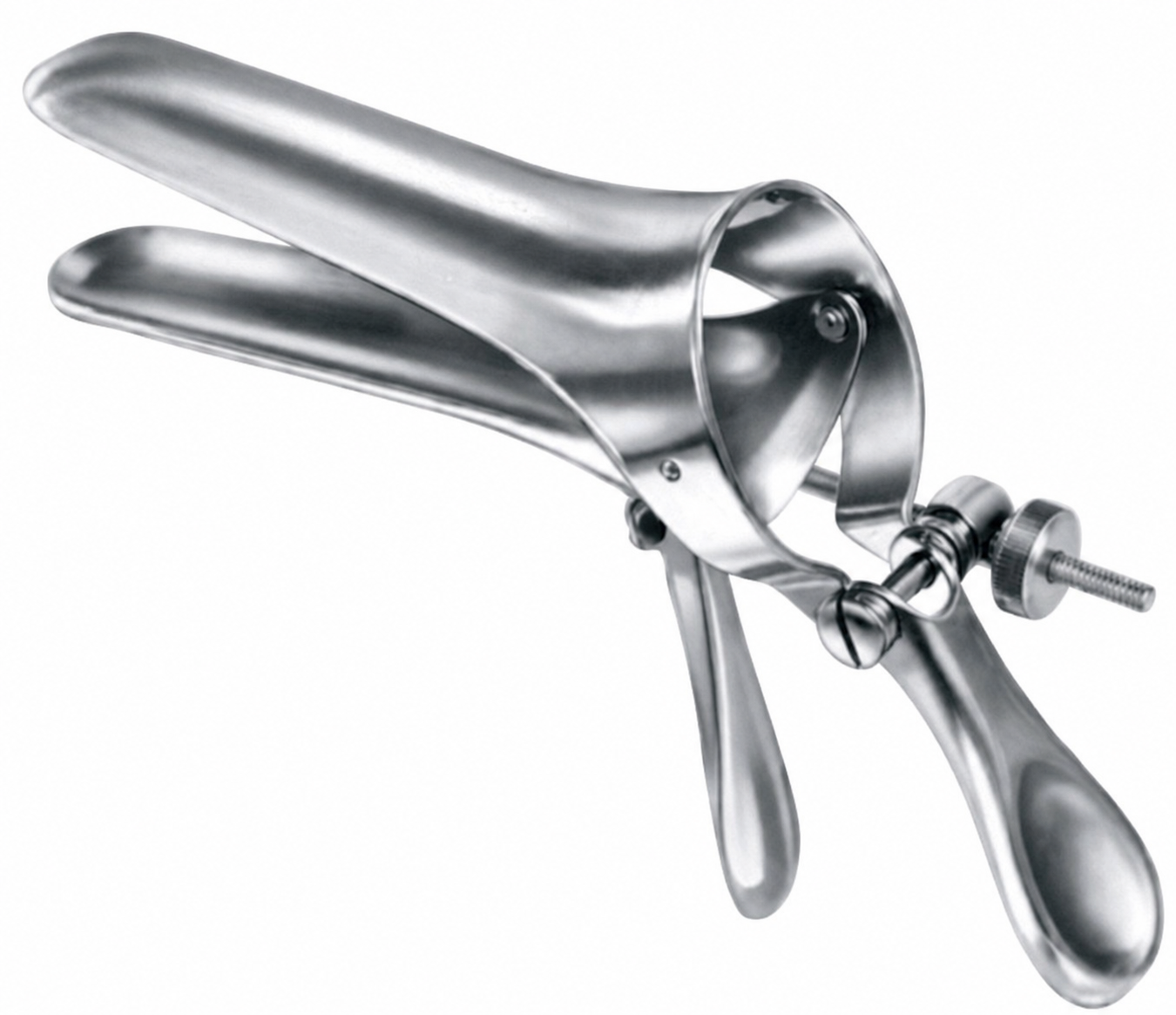
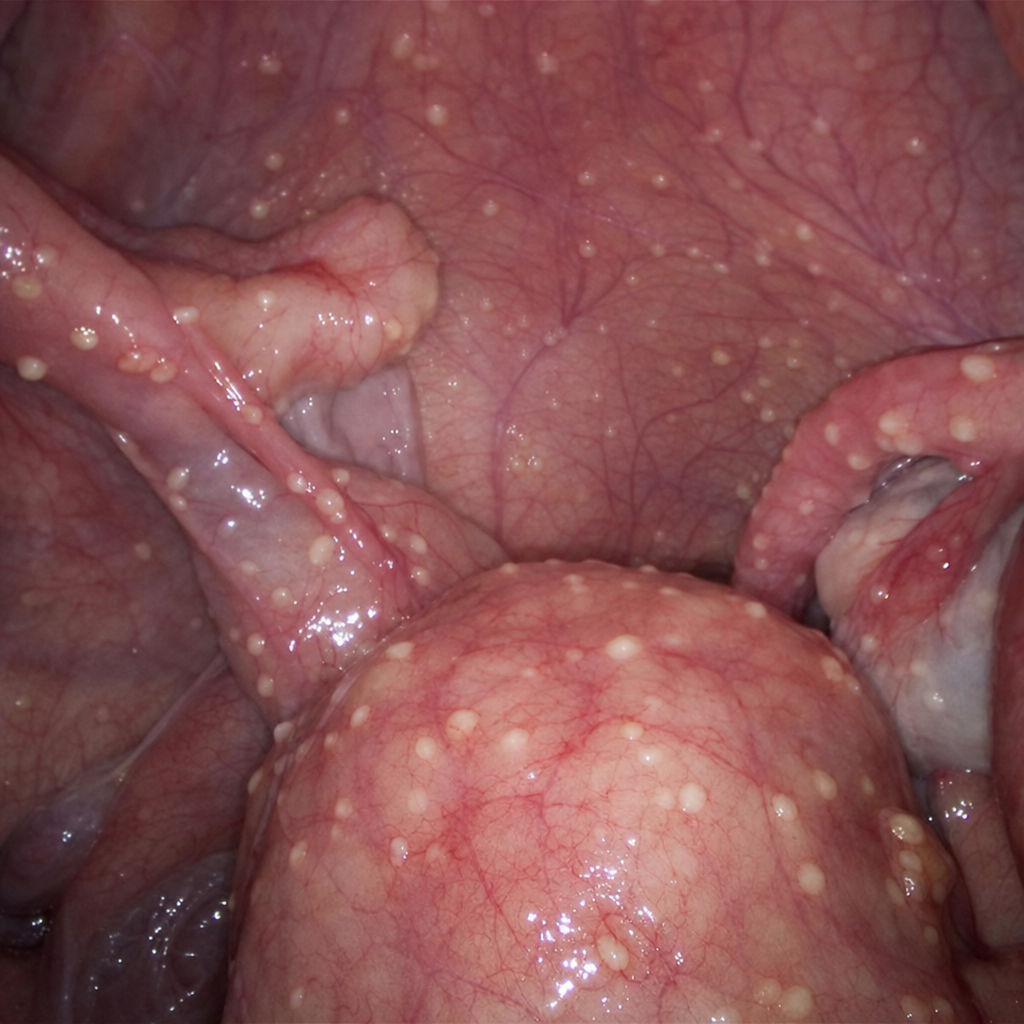
A 20-year-old female presented with vaginal discharge which is non-irritating and malodorous. Saline wet preparation reveals clue cells. Clue cells are used to detect which type of vaginitis?
Which type of pelvis is characterized by a single pelvic ala?
During which phase of the menstrual cycle is colposcopy best performed?
What is the recommended treatment for simple endometrial hyperplasia with atypia in a 48-year-old woman?
All the following are features of the classic triad of ectopic pregnancy except?
A 58-year-old woman presents with a mildly tender, fluctuant mass in the right vulva, located just outside the introitus in the region of the Bartholin's gland. She reports pain in the area during walking and coitus. What is the most appropriate treatment?
Which of the following is a congenital cyst?
Fibroid uterus is the neoplasm that arises from which layer of the uterus?
All of the following changes occur in a fibroid uterus EXCEPT:
A 19-year-old female presents with a 2-month history of progressively worsening left lower quadrant pain. She denies changes in bowel or bladder function, fevers, chills, nausea, vomiting, or diarrhea. The pain is intermittent and described as a dull pressure. Pelvic examination reveals a mildly tender left adnexal mass. Urine hCG is negative, and pelvic ultrasound shows a 6 cm complex left adnexal mass with features consistent with a benign cystic teratoma. What is the most appropriate next step in management?
Explanation: ### Explanation **Correct Option: A. Bacterial vaginosis** Bacterial vaginosis (BV) is a clinical syndrome resulting from the replacement of normal hydrogen peroxide-producing *Lactobacillus* species with high concentrations of anaerobic bacteria (e.g., *Gardnerella vaginalis*, *Mobiluncus*). **Clue cells** are the pathognomonic microscopic finding for BV. These are vaginal epithelial cells that have a "stippled" or "shaggy" appearance because their borders are obscured by numerous coccobacilli adhering to them. For a diagnosis of BV, clue cells must constitute at least 20% of the epithelial cells on a saline wet mount. **Why the other options are incorrect:** * **B. Candidal vaginitis:** Characterized by a thick, "curd-like" or "cottage cheese" discharge. Microscopic examination typically shows pseudohyphae and budding yeast (best seen with 10% KOH). * **C & D. Primary and Secondary Syphilis:** Caused by *Treponema pallidum*. Primary syphilis presents with a painless chancre, while secondary syphilis presents with a maculopapular rash and condyloma lata. Diagnosis is made via dark-field microscopy or serology (VDRL/RPR), not clue cells. ### High-Yield Clinical Pearls for NEET-PG * **Amsel’s Criteria (3 out of 4 required for BV diagnosis):** 1. Homogeneous, thin, grayish-white discharge. 2. Vaginal pH > 4.5 (Most sensitive). 3. Positive **Whiff test** (fishy odor on adding 10% KOH). 4. Presence of **Clue cells** on wet mount (Most specific). * **Treatment of Choice:** Oral Metronidazole (500 mg twice daily for 7 days). * **Nugent Scoring:** The "gold standard" for BV diagnosis, based on a Gram stain of vaginal secretions. * **Note:** BV is not considered a traditional STI; therefore, routine treatment of the male partner is not recommended.
Explanation: **Explanation:** The correct answer is **Naegele’s pelvis**. This condition is a rare type of contracted pelvis characterized by the **congenital absence or imperfect development of one sacral ala** (wing). This leads to the fusion of the sacrum with the ilium (sacroiliac synostosis) on the affected side, resulting in an asymmetrical, obliquely contracted pelvis. **Analysis of Options:** * **Naegele’s Pelvis (Correct):** Defined by the absence of **one** sacral ala. It results in an oblique contraction where the oblique diameter from the healthy side is shortened. * **Robert’s Pelvis:** This is characterized by the congenital absence of **both** sacral alae. It results in a transversely contracted pelvis (bilateral version of Naegele’s). * **Osteomalacic Pelvis:** Also known as a "Triradiate" or "Beaked" pelvis. Softening of the bones causes the acetabula to be pushed inward and the sacrum forward, creating a Y-shaped pelvic brim. * **Rachitic (Rickets) Pelvis:** Characterized by a shortened anteroposterior (AP) diameter and an increased transverse diameter. The sacral promontory sinks forward, and the pelvic brim becomes "reniform" (kidney-shaped). **High-Yield Clinical Pearls for NEET-PG:** * **Naegele’s = 1 ala missing** (Mnemonic: **N**aegele = **N**one on one side). * **Robert’s = 2 alae missing** (Mnemonic: **R**obert = **R**obbed of both). * **Reniform brim** is seen in Rachitic pelvis. * **Triradiate brim** is seen in Osteomalacic pelvis. * Both Naegele’s and Robert’s pelvis usually necessitate a Cesarean section due to severe contraction.
Explanation: **Explanation:** The **Proliferative phase** (Days 5–14) is the ideal time to perform a colposcopy because of the physiological changes driven by estrogen. During this phase, the cervical mucus is thin, clear, and watery, which allows for optimal visualization of the transformation zone and the squamocolumnar junction (SCJ). Furthermore, the cervical os is slightly more dilated, and the vaginal epithelium is mature, making it easier to identify abnormal vascular patterns or acetowhite changes. **Analysis of Incorrect Options:** * **Secretory Phase:** Under the influence of progesterone, the cervical mucus becomes thick, opaque, and tenacious. This "plugs" the cervix and obscures the view of the transformation zone. Additionally, the vaginal epithelium may become more friable or congested, leading to minor bleeding that interferes with the examination. * **Menstrual Phase:** Menstrual blood and debris physically obstruct the view of the cervix. Blood also reacts with acetic acid, making it impossible to interpret acetowhite changes or perform accurate biopsies. * **Any day of the cycle:** While colposcopy can be performed at various times in an emergency, it is not "best" performed at any time due to the aforementioned hormonal influences on mucus and visibility. **NEET-PG High-Yield Pearls:** * **Ideal Timing:** Post-menstrual (Days 7–12) is the "sweet spot." * **Acetic Acid (3-5%):** Used to identify acetowhite lesions (areas of high nuclear density). * **Schiller’s Test:** Uses Lugol’s Iodine. Normal squamous epithelium turns mahogany brown (iodine-positive); suspicious areas remain pale/yellow (iodine-negative). * **Contraindication:** Acute pelvic inflammatory disease (PID) or active cervicitis. * **Pregnancy:** Colposcopy is safe, but endocervical curettage (ECC) is strictly contraindicated.
Explanation: ### Explanation The management of endometrial hyperplasia is primarily determined by the **presence or absence of cellular atypia**. **1. Why Hysterectomy is Correct:** Endometrial hyperplasia with atypia (EHWA) is considered a **premalignant condition**. In women with atypia, there is a significant risk (up to 30–40%) of a coexisting occult endometrial carcinoma or progression to cancer over time. For a 48-year-old woman who has likely completed her family, **Total Laparoscopic or Abdominal Hysterectomy** is the definitive treatment of choice to eliminate the risk of malignancy. **2. Why Other Options are Incorrect:** * **Medroxyprogesterone acetate (B) & Levonorgestrel IUCD (C):** These are the treatments of choice for endometrial hyperplasia **without** atypia. While progestogens can be used for EHWA in patients who desire fertility preservation or are unfit for surgery, they are not the first-line recommendation for a 48-year-old due to the high failure rate and risk of underlying cancer. * **Observation (D):** This is contraindicated. Atypical hyperplasia is a high-risk lesion that requires active intervention to prevent progression to invasive adenocarcinoma. **Clinical Pearls for NEET-PG:** * **Risk of Progression (Kelly’s Criteria):** * Simple Hyperplasia without atypia: 1% * Complex Hyperplasia without atypia: 3% * Simple Hyperplasia with atypia: 8% * **Complex Hyperplasia with atypia: 29%** * **WHO 2014 Classification:** Simplified into two categories: (1) Hyperplasia without atypia and (2) Atypical hyperplasia/Endometrioid intraepithelial neoplasia (EIN). * **Gold Standard Diagnosis:** Endometrial biopsy or D&C. * **Post-menopausal bleeding + Endometrial thickness >4mm:** Always warrants evaluation to rule out hyperplasia/malignancy.
Explanation: ### Explanation The **classic clinical triad** of ectopic pregnancy consists of **Amenorrhea, Abdominal Pain, and Vaginal Bleeding**. This triad is a hallmark of the condition, though it is present in only about 50% of patients. **1. Why "Mass per abdomen" is the correct answer:** While a pelvic mass may be felt on bimanual examination (adnexal tenderness or mass), a **palpable mass per abdomen** is not part of the classic triad. In most cases of ectopic pregnancy, the fallopian tube ruptures or the pregnancy is too small to be felt through the abdominal wall. A palpable abdominal mass is more characteristic of large uterine fibroids, ovarian tumors, or advanced intrauterine pregnancy. **2. Analysis of the Incorrect Options (The Triad):** * **Amenorrhea (Option A):** Occurs in 75–90% of cases. It usually lasts 6–8 weeks from the last menstrual period before symptoms begin. * **Abdominal Pain (Option B):** The most common symptom (95–100%). It is typically unilateral and pelvic, but can become generalized if rupture occurs (due to hemoperitoneum). * **Vaginal Bleeding (Option C):** Seen in 70–80% of cases. It is usually "spotting" or dark brown bleeding caused by the sloughing of the decidua due to falling progesterone levels. **Clinical Pearls for NEET-PG:** * **Most common site:** Ampulla of the Fallopian tube. * **Most common site for rupture:** Isthmus (due to its narrow lumen). * **Gold Standard Diagnosis:** Transvaginal Ultrasound (TVUS) + Serial β-hCG levels (Discriminatory zone: 1500–2000 mIU/mL). * **Arias-Stella Reaction:** Hypersecretory endometrium seen on biopsy; it is suggestive but not diagnostic of ectopic pregnancy. * **Kehr’s Sign:** Referred shoulder pain due to diaphragmatic irritation by blood (hemoperitoneum).
Explanation: **Explanation:** The clinical presentation describes a **Bartholin’s gland cyst/abscess**. The critical factor in determining the management here is the **patient’s age (58 years)**. **1. Why Surgical Excision is Correct:** In postmenopausal women (typically defined as >40 years in this clinical context), any new or persistent Bartholin’s gland mass must be treated with **surgical excision (vulvectomy/biopsy)**. This is because the risk of **Bartholin’s gland carcinoma**, though rare, increases significantly with age. Unlike younger women where the goal is gland preservation, in older women, a definitive tissue diagnosis via excision is mandatory to rule out malignancy. **2. Why Other Options are Incorrect:** * **Marsupialization (Option A):** This is the preferred treatment for recurrent cysts in younger women to preserve gland function. However, it is inappropriate in a 58-year-old as it does not provide a complete specimen for histopathology to rule out cancer. * **Administration of Antibiotics (Option B):** Antibiotics are only adjuncts if there is evidence of cellulitis or a confirmed abscess. They do not treat the underlying cyst and delay the necessary diagnostic excision. * **Incision and Drainage (Option C):** This has a very high recurrence rate and is generally avoided unless the abscess is pointing. Like marsupialization, it is insufficient in postmenopausal women because it misses the potential diagnosis of carcinoma. **Clinical Pearls for NEET-PG:** * **Location:** Bartholin’s glands are located at the **4 and 8 o’clock positions** in the posterior third of the labia majora. * **Age Rule:** Any Bartholin mass in a woman **>40 years** = Excision/Biopsy to rule out malignancy. * **Word Catheter:** The gold standard for initial management of symptomatic cysts in younger women (allows for epithelialization of a new tract). * **Most common Bartholin cancer:** Squamous cell carcinoma (though adenocarcinoma can also occur).
Explanation: **Explanation:** **Gartner’s duct cyst** is the correct answer because it is a **congenital vestigial remnant** of the vaginal portion of the **Wolffian (Mesonephric) duct**. In females, the Wolffian ducts normally regress; however, if a portion persists, it can undergo cystic dilatation. These cysts are typically located in the **anterolateral wall** of the upper vagina and are lined by non-mucinous cuboidal or low columnar epithelium. **Analysis of Incorrect Options:** * **Inclusion Cyst:** These are the most common vaginal cysts but are **acquired**, not congenital. They result from the entrapment of squamous epithelium under the surface, usually following birth trauma (episiotomy) or surgical procedures (colporrhaphy). * **Ovarian Cyst:** Most ovarian cysts (like follicular or corpus luteum cysts) are **functional** or neoplastic rather than congenital. While some germ cell tumors (like dermoid cysts) have embryonic origins, "ovarian cyst" as a general category is not classified as a congenital cyst of the genital tract. **NEET-PG High-Yield Pearls:** * **Origin:** Gartner’s duct cysts arise from **Mesonephric** remnants; **Müllerian** remnants (Paramesonephric) lead to Paratubal cysts (e.g., Hydatid of Morgagni). * **Location:** Always remember the **Anterolateral** wall of the vagina for Gartner’s. * **Differential Diagnosis:** Must be distinguished from a **Urethral Diverticulum** (usually midline/ventral) and a **Bartholin Cyst** (located in the posterior third of the labia majora). * **Association:** Large or multiple Gartner’s duct cysts can sometimes be associated with **renal agenesis** or ectopic ureters.
Explanation: **Explanation:** **1. Why Myometrium is Correct:** Uterine fibroids, medically known as **leiomyomas**, are the most common benign tumors of the female reproductive tract. They are monoclonal tumors that arise specifically from the **smooth muscle cells (myocytes)** of the **myometrium**. The growth of these tumors is highly dependent on the hormones estrogen and progesterone, which is why they typically enlarge during reproductive years and regress after menopause. **2. Why Other Options are Incorrect:** * **Endometrium:** This is the innermost mucosal lining of the uterus. Neoplasms arising here include endometrial polyps or endometrial carcinoma (adenocarcinoma), not fibroids. * **Perimetrium:** This is the outer serous layer of the uterus. While "subserosal" fibroids may bulge toward this layer, they do not originate from it. * **Visceral Peritoneum:** This is the thin membrane covering the pelvic organs. It is histologically distinct from the muscular wall where leiomyomas originate. **3. NEET-PG High-Yield Clinical Pearls:** * **Most Common Site:** The most common location is **intramural** (within the myometrium), but the most symptomatic (causing heavy menstrual bleeding) is **submucosal**. * **Degenerations:** The most common degeneration is **hyaline degeneration**. **Red degeneration** (carneous degeneration) is a classic exam favorite, occurring typically during the mid-trimester of pregnancy due to rapid growth and venous thrombosis. * **Genetic Association:** Often associated with **MED12** gene mutations. * **Key Feature:** Fibroids are characterized by a "pseudocapsule" formed by compressed myometrium, which allows for easy shelling out during a myomectomy.
Explanation: **Explanation:** The correct answer is **B. Squamous metaplasia.** Uterine fibroids (leiomyomas) are benign smooth muscle tumors of the myometrium. **Squamous metaplasia** is a change typically seen in the **columnar epithelium of the cervix** or the **endometrium** (often associated with chronic irritation or vitamin A deficiency), but it does not occur within the smooth muscle tissue of a fibroid itself. **Why the other options are incorrect (Changes that DO occur in fibroids):** * **Hyaline Degeneration (D):** This is the **most common** type of degeneration (65%). The smooth muscle is replaced by homogenous eosinophilic hyaline tissue. It occurs due to a gradual decrease in blood supply. * **Calcification (C):** Often follows hyaline or fatty degeneration, particularly in postmenopausal women (subserosal fibroids). It is known as a "womb stone" and appears as a popcorn-like calcification on X-ray. * **Atrophy (A):** Fibroids are estrogen-dependent. Following menopause or during treatment with GnRH agonists, the size of the fibroid decreases due to the loss of hormonal support, leading to atrophy. **High-Yield Clinical Pearls for NEET-PG:** * **Red Degeneration:** Occurs most commonly during the **second trimester of pregnancy** due to aseptic infarction. It presents with acute pain and fever. * **Cystic Degeneration:** Occurs when hyaline tissue liquefies; it can mimic an ovarian cyst on ultrasound. * **Sarcomatous Change:** The rarest but most serious change (<0.5%), where a leiomyoma transforms into a leiomyosarcoma. * **Most common symptom:** Menorrhagia (specifically for intramural and submucosal types).
Explanation: **Explanation:** The patient presents with a symptomatic, 6 cm complex adnexal mass consistent with a **mature cystic teratoma (dermoid cyst)**. In a young female, the primary management goal for a symptomatic dermoid cyst is surgical intervention to alleviate pain and prevent complications such as **ovarian torsion** (the most common complication) or rupture. **Why Laparotomy (or Laparoscopy) is Correct:** Surgical removal (cystectomy) is indicated for symptomatic teratomas or those >5 cm due to the increased risk of torsion. While laparoscopy is often preferred in modern practice, **laparotomy** remains a standard definitive management option in many clinical scenarios and exams to ensure complete removal of the cyst while preserving as much healthy ovarian tissue as possible (ovarian cystectomy). **Why Other Options are Incorrect:** * **A & B (Observation/Repeat Ultrasound):** Dermoid cysts are germ cell tumors; they do not regress spontaneously. Observation is only reserved for asymptomatic cysts <5 cm. This patient is symptomatic with a 6 cm mass, necessitating intervention. * **C (Oral Contraceptive Pills):** OCPs can suppress functional (physiologic) cysts like follicular or corpus luteum cysts by inhibiting ovulation. They have no effect on the size or progression of neoplastic cysts like teratomas. **Clinical Pearls for NEET-PG:** * **Most common ovarian tumor in young women:** Mature cystic teratoma. * **Pathognomonic USG signs:** Rokitansky protuberance (dermoid plug), "tip of the iceberg" sign, and "dermoid mesh" (hair fibers). * **Complications:** Torsion (15%), Rupture (leading to chemical peritonitis), and Malignant transformation (1-2%, usually Squamous Cell Carcinoma in older women). * **Management:** Cystectomy is preferred over oophorectomy in reproductive-age women to preserve fertility.
Abnormal Uterine Bleeding
Practice Questions
Endometriosis
Practice Questions
Adenomyosis
Practice Questions
Uterine Fibroids
Practice Questions
Ovarian Cysts
Practice Questions
Pelvic Inflammatory Disease
Practice Questions
Vulvovaginitis
Practice Questions
Pelvic Organ Prolapse
Practice Questions
Vulvar Disorders
Practice Questions
Benign Breast Diseases
Practice Questions
Get full access to all questions, explanations, and performance tracking.
Start For Free