Which of the following is true for benign ovarian tumors?
In a case of vesicular mole, all of the following are high-risk factors for the development of choriocarcinoma except:
What is the marker for endodermal sinus tumor?
Which drug is considered the best treatment for gestational trophoblastic disease presenting with jaundice?
Inheritance is a major factor in which of the following conditions?
What is the essential investigation to be included in the follow-up of a hydatidiform mole?
What is true about dysgerminoma?
The presence of lutein cysts in a vesicular mole is due to excess of which hormone?
What is true about granulosa cell tumors?
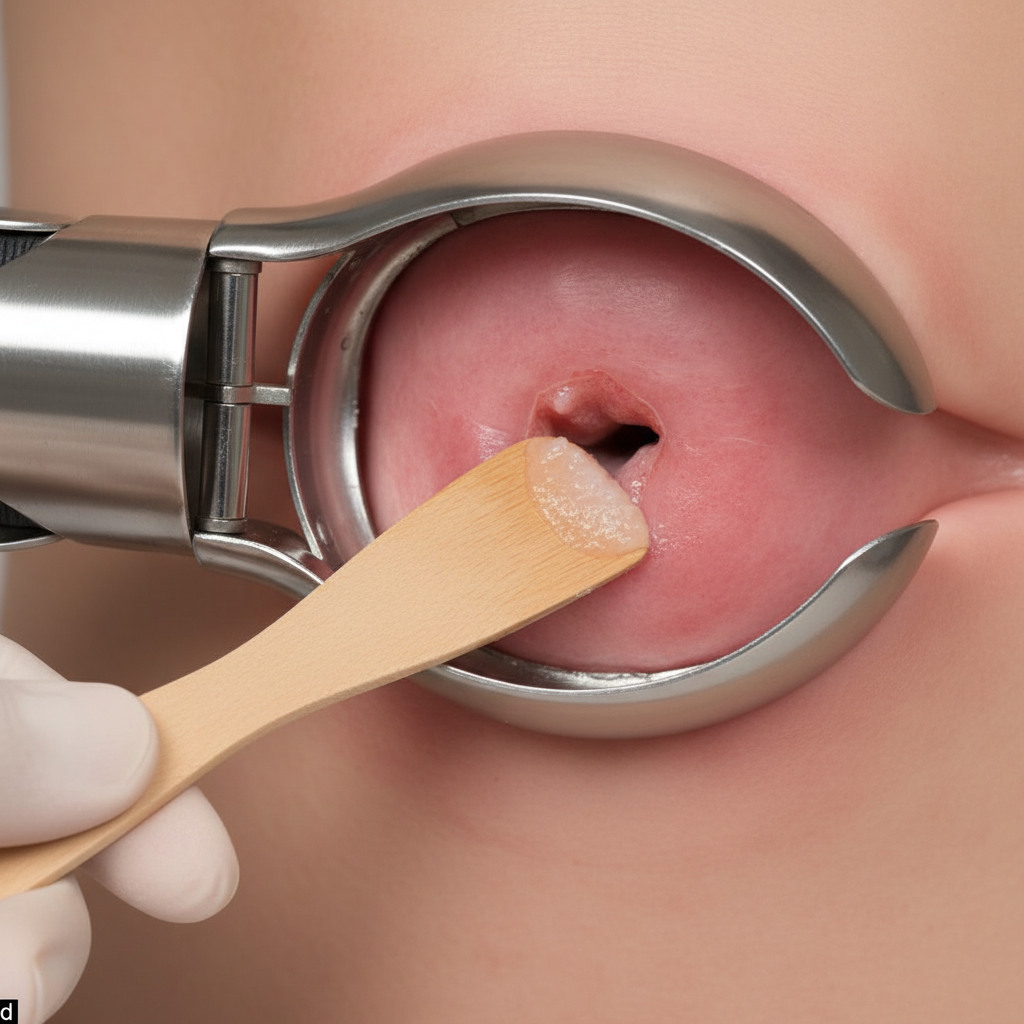
A high-grade squamous intraepithelial lesion (HSIL) is noted on Pap smear. What is the next management step?
Explanation: **Explanation:** **Correct Answer: B. Capsule is intact** Benign ovarian tumors are characterized by slow, expansive growth rather than infiltrative growth. This results in a well-defined, smooth, and **intact capsule**. In contrast, malignant tumors often exhibit capsular breach, surface excrescences, or invasion into surrounding pelvic structures. An intact capsule is a key surgical and pathological marker of benignity. **Analysis of Incorrect Options:** * **A. Torsion is uncommon:** This is false. Torsion is actually the **most common complication** of benign ovarian tumors (especially dermoid cysts). Because benign tumors are often mobile and pedunculated, they are more prone to twisting on their pedicle compared to malignant tumors, which are often fixed by adhesions or invasion. * **C. Ascites can occur:** While ascites is a classic hallmark of **malignancy** (due to peritoneal seeding), it is generally absent in benign cases. A notable exception is **Meigs’ Syndrome** (fibroma with ascites and pleural effusion), but as a general rule for NEET-PG, ascites points toward malignancy. * **D. Size is less than 10 cm:** Size is not a definitive criterion for benignity. Benign tumors, particularly **Mucinous Cystadenomas**, can reach massive proportions, often filling the entire abdominal cavity and exceeding 20–30 cm. **High-Yield Clinical Pearls for NEET-PG:** * **Most common benign tumor (all ages):** Serous cystadenoma. * **Most common benign tumor (reproductive age):** Mature cystic teratoma (Dermoid cyst). * **IOTA Simple Rules:** Benign features include unilocular cysts, presence of solid components <7mm, acoustic shadows, and no blood flow on Doppler. * **Tumor Markers:** CA-125 is often normal in benign tumors but can be elevated in endometriosis or PID.
Explanation: In the management of Hydatidiform Mole, identifying high-risk clinical features is crucial as they predict a 15–20% risk of progression to **Gestational Trophoblastic Neoplasia (GTN)**, specifically choriocarcinoma. ### **Why "Features of Thyrotoxicosis" is the Correct Answer** While thyrotoxicosis is a known complication of molar pregnancy (due to the structural similarity between the $\alpha$-subunit of hCG and TSH), it is considered a **medical complication** rather than a prognostic risk factor for malignancy. Its presence necessitates pre-operative stabilization with beta-blockers but does not increase the statistical likelihood of the mole becoming a choriocarcinoma. ### **Analysis of High-Risk Factors (Incorrect Options)** The following are established criteria for **"High-Risk Complete Mole"** (as defined by Goldstein and Berkowitz): * **Serum hCG > 100,000 mIU/mL:** Reflects massive trophoblastic proliferation and high tumor burden. * **Uterus size larger than dates (or > 16 weeks):** Rapid uterine enlargement indicates exuberant growth and a higher risk of post-evacuation persistent disease. * **Theca Lutein Cysts > 6 cm:** Bilateral ovarian enlargement due to hyperstimulation by high hCG levels is a significant marker for future malignant transformation. ### **Clinical Pearls for NEET-PG** * **Age Factor:** Maternal age > 40 years is also a major high-risk factor for GTN. * **The "Snowstorm Appearance":** The classic ultrasound finding for a complete mole. * **Follow-up Gold Standard:** Weekly serum hCG monitoring until three consecutive normal values are obtained is mandatory to rule out choriocarcinoma. * **Most Common Site of Metastasis:** The lungs (80%), followed by the vagina (30%).
Explanation: **Explanation:** **Endodermal Sinus Tumor (Yolk Sac Tumor)** is the most common malignant germ cell tumor in children and young adults. It is derived from the primitive yolk sac, which physiologically produces **Alpha-fetoprotein (AFP)**. Consequently, AFP serves as a highly specific and sensitive serum marker for this tumor, used for both diagnosis and monitoring treatment response. Histologically, these tumors are characterized by the pathognomonic **Schiller-Duval bodies**. **Analysis of Incorrect Options:** * **B. HCG (Human Chorionic Gonadotropin):** This is the characteristic marker for **Choriocarcinoma**. While it can be elevated in some dysgerminomas (if syncytiotrophoblastic giant cells are present), it is not the primary marker for yolk sac tumors. * **C. LDH (Lactate Dehydrogenase):** This is a non-specific marker but is classically associated with **Dysgerminoma**. It reflects high cell turnover. * **D. CA-125:** This is the primary marker for **Epithelial Ovarian Tumors** (e.g., Serous Cystadenocarcinoma). It is generally not used for germ cell tumors. **High-Yield Clinical Pearls for NEET-PG:** * **Schiller-Duval bodies:** Glomeruloid-like structures seen on histology in Yolk Sac Tumors. * **Dysgerminoma:** Most common malignant germ cell tumor in pregnancy; markers are **LDH** and **Inhibin**. * **Immature Teratoma:** Marker is often **AFP** (if yolk sac elements are present). * **Granulosa Cell Tumor:** Marker is **Inhibin B**. * **Rule of Thumb:** In a young girl with a rapidly growing ovarian mass and high AFP, always suspect Endodermal Sinus Tumor.
Explanation: **Explanation:** The treatment of Gestational Trophoblastic Disease (GTD) is primarily determined by the risk score (WHO/FIGO scoring system). For low-risk non-metastatic or metastatic GTD, single-agent chemotherapy is the standard of care. **Why Actinomycin-D is the correct answer:** Methotrexate (MTX) and Actinomycin-D are the two primary first-line agents for low-risk GTD. However, **Methotrexate is hepatotoxic** and is primarily excreted by the kidneys. If a patient presents with **jaundice** (indicating hepatic dysfunction) or impaired liver function tests, Methotrexate is contraindicated. In such scenarios, **Actinomycin-D** becomes the drug of choice as it is safer and highly effective, with a slightly higher primary remission rate than MTX, though it carries more side effects (alopecia, nausea). **Analysis of Incorrect Options:** * **A. Methotrexate:** While it is often the first choice for low-risk GTD due to its low toxicity profile, it cannot be used in the presence of liver dysfunction (jaundice) or renal failure. * **B. Adriamycin (Doxorubicin):** This is an anthracycline used in various malignancies but is not a first-line agent for GTD. It is known for cardiotoxicity. * **D. Cyclophosphamide:** This is an alkylating agent used in multi-drug regimens (like EMA-CO) for high-risk GTD, but it is not the preferred single-agent treatment, especially when jaundice is the limiting factor for MTX. **NEET-PG High-Yield Pearls:** * **Drug of Choice for Low-Risk GTD:** Methotrexate (with Leucovorin rescue). * **Drug of Choice for GTD with Liver/Renal dysfunction:** Actinomycin-D. * **High-Risk GTD Treatment:** EMA-CO regimen (Etoposide, Methotrexate, Actinomycin-D, Cyclophosphamide, Oncovin/Vincristine). * **Most common site of metastasis:** Lungs (followed by the vagina). * **Follow-up marker:** Serial quantitative β-hCG levels.
Explanation: **Explanation:** **1. Why Endometrial Carcinoma is the Correct Answer:** Inheritance plays a significant role in endometrial carcinoma, primarily through **Lynch Syndrome (Hereditary Non-Polyposis Colorectal Cancer - HNPCC)**. This autosomal dominant condition is caused by mutations in DNA mismatch repair (MMR) genes (MLH1, MSH2, MSH6, PMS2). Women with Lynch Syndrome have a **40–60% lifetime risk** of developing endometrial cancer, which often exceeds their risk of colorectal cancer. Additionally, Cowden Syndrome (PTEN mutation) also predisposes individuals to endometrial malignancy. **2. Why Other Options are Incorrect:** * **Cervical Carcinoma:** This is primarily an **infectious disease**, not a genetic one. Over 99% of cases are caused by persistent infection with **High-Risk Human Papillomavirus (HPV)**, specifically types 16 and 18. Risk factors are related to sexual behavior, parity, and smoking rather than inherited germline mutations. * **Both/None:** Since inheritance is a proven major factor for endometrial cancer but not for cervical cancer, these options are incorrect. **High-Yield Clinical Pearls for NEET-PG:** * **Lynch Syndrome:** The most common inherited predisposition to endometrial cancer. Screening involves annual endometrial biopsies starting at age 30–35. * **Type I vs. Type II Endometrial Cancer:** Type I (Endometrioid) is associated with estrogen excess and PTEN mutations, while Type II (Serous) is associated with p53 mutations. * **Protective Factors:** Combined Oral Contraceptive Pills (COCPs) significantly reduce the risk of endometrial cancer by providing progestational opposition to estrogen. * **Cervical Cancer:** The most common gynecological cancer in India; preventable via HPV vaccination and Pap smear screening.
Explanation: ### Explanation **Correct Answer: C. Serum levels of HCG** The primary goal of follow-up after the evacuation of a hydatidiform mole is the early detection of **Gestational Trophoblastic Neoplasia (GTN)**. Since trophoblastic tissue (both benign and malignant) secretes Human Chorionic Gonadotropin (hCG), it serves as a highly sensitive and specific tumor marker. Serial quantitative serum beta-hCG levels are the "gold standard" to monitor for regression or persistence of the disease. A plateau or rise in these levels is the diagnostic criteria for post-molar GTN. **Why other options are incorrect:** * **A. Ultrasound of the abdomen:** While ultrasound is the investigation of choice for the *initial diagnosis* of a molar pregnancy ("snowstorm appearance"), it is not sensitive enough to detect microscopic persistent trophoblastic disease during follow-up. * **B. Chest X-ray:** This is performed at the time of diagnosis to rule out lung metastasis. However, it is not a routine serial investigation unless the hCG levels rise or the patient becomes symptomatic. * **D. Serum levels of TSH:** High levels of hCG can cross-react with TSH receptors (due to a common alpha subunit), leading to hyperthyroidism. While TSH is checked at diagnosis if the patient is symptomatic, it is not used to monitor for disease recurrence. **NEET-PG High-Yield Pearls:** * **Follow-up Protocol:** hCG levels should be monitored **weekly** until three consecutive results are negative (<5 mIU/mL), followed by **monthly** monitoring for 6 months. * **Contraception:** Reliable contraception (preferably Oral Contraceptive Pills) is mandatory during the follow-up period to prevent a new pregnancy from confusing the hCG interpretation. * **FIGO Criteria for GTN:** 1) hCG plateau for 4 readings over 3 weeks, 2) hCG rise of >10% for 3 readings over 2 weeks, or 3) Persistence of hCG beyond 6 months.
Explanation: **Explanation:** **Dysgerminoma** is the most common malignant germ cell tumor (GCT) of the ovary, accounting for approximately 50% of all malignant GCTs. It is the female counterpart of the testicular seminoma and typically affects young women in their teens and early twenties. * **Why Option B is correct:** Dysgerminoma is statistically the most frequent malignancy arising from germ cells. It is often associated with gonadal dysgenesis (e.g., Swyer syndrome). * **Why Option A is incorrect:** Dysgerminoma is famously **exquisitely radiosensitive**. However, because it primarily affects women of reproductive age, fertility-sparing surgery followed by chemotherapy (BEP regimen) is the preferred management to preserve the contralateral ovary and uterus. * **Why Option C is incorrect:** While it is the most common germ cell tumor to be bilateral (10–15% of cases), it is **predominantly unilateral** (85–90%). Therefore, "Bilateral" is not a defining characteristic compared to its status as the most common malignant GCT. * **Why Option D is incorrect:** The characteristic tumor marker for dysgerminoma is **LDH (Lactate Dehydrogenase)**. It may also show mild elevations in hCG. **Alpha-fetoprotein (AFP)** is the specific marker for Yolk Sac Tumors (Endodermal Sinus Tumors). **High-Yield Clinical Pearls for NEET-PG:** * **Microscopy:** Characterized by large, round, clear cells with central nuclei ("fried egg" appearance) separated by fibrous septa infiltrated with **lymphocytes**. * **Associated Condition:** Always rule out 46, XY karyotype (Gonadoblastoma) if a dysgerminoma is detected in a pre-pubertal girl. * **Treatment:** Most are Stage IA and treated with unilateral salpingo-oophorectomy. It has an excellent prognosis with a 5-year survival rate >95%.
Explanation: ### Explanation **1. Why Human Chorionic Gonadotropin (HCG) is Correct:** Theca lutein cysts (also known as hyperreactio luteinalis) are bilateral, functional ovarian cysts that occur due to **excessive stimulation of the ovarian follicles**. In a vesicular mole (hydatidiform mole), there is a massive proliferation of trophoblastic tissue, leading to pathologically high levels of **hCG**. The alpha subunit of hCG is structurally identical to that of **Luteinizing Hormone (LH)**. Because of this structural similarity, extremely high levels of hCG act as an LH analogue, causing luteinization of the theca interna cells and resulting in the formation of multiple large, fluid-filled cysts. These cysts are typically bilateral and regress spontaneously once the source of hCG (the mole) is removed. **2. Why the Other Options are Incorrect:** * **A. Follicle-stimulating hormone (FSH):** While FSH stimulates follicular growth, it is not the primary driver in molar pregnancy. In fact, high levels of hCG and estrogen usually suppress pituitary FSH via negative feedback. * **B. Luteinizing hormone (LH):** Although the cysts are "lutein" cysts, they are caused by hCG acting *like* LH, not by LH itself. In molar pregnancy, pituitary LH is actually suppressed. * **C. Estrogen:** Estrogen is a product of the stimulated follicles, not the cause of the cyst formation. **3. Clinical Pearls for NEET-PG:** * **Incidence:** Theca lutein cysts occur in approximately **25–30%** of patients with a complete hydatidiform mole. * **Appearance:** On ultrasound, they have a classic **"spoke-wheel"** appearance. * **Management:** They are **benign and self-limiting**. Surgical intervention (oophorectomy) is contraindicated unless there is a complication like torsion or rupture. * **Association:** Besides molar pregnancy, they are also seen in multiple gestations, Rh isoimmunization, and Ovulation Induction (Ovarian Hyperstimulation Syndrome).
Explanation: **Explanation:** Granulosa cell tumors (GCTs) are the most common type of **sex cord-stromal tumors**. While they are often characterized by their indolent course and late recurrence, their management in advanced or recurrent stages relies heavily on their chemosensitivity. * **Why Option D is Correct:** GCTs are considered **chemosensitive**. For patients with high-risk Stage I or advanced/recurrent disease, platinum-based chemotherapy—specifically the **BEP regimen** (Bleomycin, Etoposide, and Cisplatin)—is the standard of care and shows high response rates. * **Why Option A is Incorrect:** The most common malignant tumors of the ovary are **Epithelial Ovarian Tumors** (specifically Serous Cystadenocarcinoma), not sex cord-stromal tumors. GCTs account for only about 2–5% of all ovarian malignancies. * **Why Option B & C are Incorrect (Contextual Note):** While GCTs *do* secrete estrogen and *are* associated with endometrial hyperplasia/carcinoma, these options are often considered "less true" or "incomplete" in the context of specific competitive exam framing if the question seeks the most definitive clinical management fact. *Note: In many clinical contexts, B and C are physiologically true; however, in NEET-PG, if D is the marked key, it emphasizes the therapeutic approach to malignancy.* **High-Yield Clinical Pearls for NEET-PG:** 1. **Pathognomonic Feature:** **Call-Exner bodies** (small follicles filled with eosinophilic material) and "coffee-bean" nuclei. 2. **Tumor Marker:** **Inhibin B** is the most reliable marker for diagnosis and monitoring recurrence. 3. **Clinical Presentation:** Often presents with **precocious puberty** (in juveniles) or **postmenopausal bleeding** (in adults) due to hyperestrogenism. 4. **Associated Pathology:** Up to 25–50% of cases are associated with endometrial hyperplasia, and 5% with endometrial carcinoma.
Explanation: **Explanation:** The management of cervical cytological abnormalities follows a specific diagnostic algorithm. A Pap smear is a **screening tool**, not a diagnostic one. When a Pap smear shows **High-Grade Squamous Intraepithelial Lesion (HSIL)**, it indicates a high probability of underlying high-grade cervical intraepithelial neoplasia (CIN 2/3) or even occult invasive cancer. **1. Why Colposcopy with Biopsy is correct:** According to ASCCP guidelines, any high-grade screening result (HSIL, ASC-H, or AGC) requires immediate **Colposcopy**. Colposcopy allows for the visualization of the transformation zone under magnification. If an abnormal area is identified (e.g., punctations, mosaicism, or dense acetowhite epithelium), a **directed biopsy** is performed to obtain a tissue diagnosis. Management is based on the histological grade (CIN) rather than the cytological smear. **2. Why other options are incorrect:** * **Wertheim’s Hysterectomy:** This is a radical surgery for invasive cervical cancer (Stage IA2-IIA). It is never performed based solely on a screening Pap smear without a histological diagnosis of malignancy. * **Local Excision (LEEP/Cold Knife Conization):** While HSIL may eventually require an excisional procedure (See-and-Treat), the standard initial step is diagnostic confirmation via colposcopy. * **HPV DNA Testing:** This is used for "reflex testing" in low-grade lesions (ASC-US). In HSIL, the risk of high-risk HPV is already so high that testing adds no clinical value to the management. **Clinical Pearls for NEET-PG:** * **ASC-US:** Next step is HPV DNA testing (if positive → Colposcopy; if negative → repeat Pap in 3 years). * **HSIL in Pregnancy:** Colposcopy is mandatory, but biopsy is only done if invasive cancer is suspected. Endocervical curettage (ECC) is **contraindicated** in pregnancy. * **Gold Standard for Diagnosis:** Cervical Biopsy (Colposcopy-directed).
Cervical Cancer
Practice Questions
Endometrial Cancer
Practice Questions
Ovarian Cancer
Practice Questions
Vulvar and Vaginal Cancer
Practice Questions
Gestational Trophoblastic Disease
Practice Questions
Screening for Gynecologic Cancers
Practice Questions
Principles of Gynecologic Oncology Surgery
Practice Questions
Radiation Therapy in Gynecologic Malignancies
Practice Questions
Chemotherapy in Gynecologic Oncology
Practice Questions
Palliative Care in Gynecologic Oncology
Practice Questions
Get full access to all questions, explanations, and performance tracking.
Start For Free