The highest incidence of Gestational Trophoblastic Disease is in which geographic region?
Which of the following factors protects against endometrial cancer?
What is the treatment of choice for sarcoma of the uterus?
Which of the following presentations of vulvar cancer has the poorest prognosis?
CA-125 is a tumor marker for which of the following?
Rokitansky protuberance is seen in which of the following conditions?
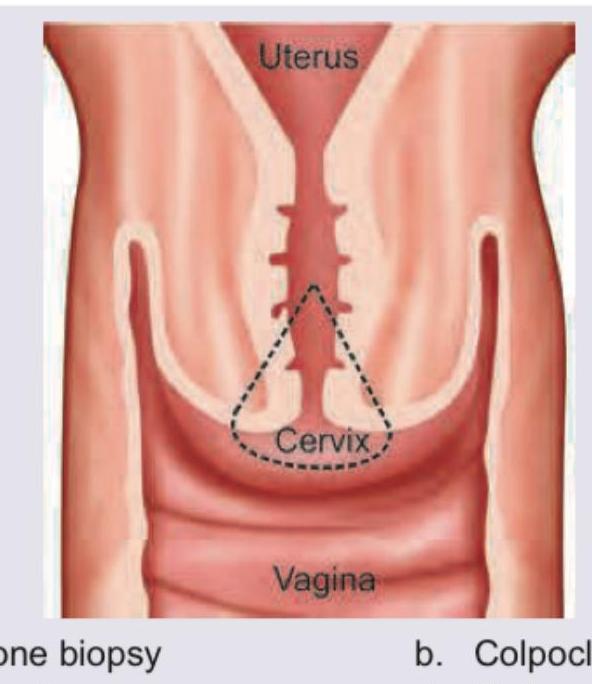
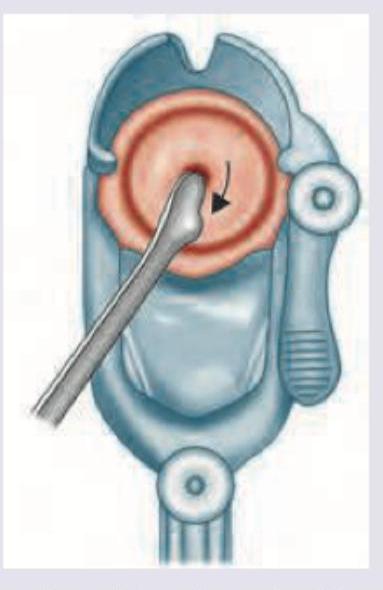
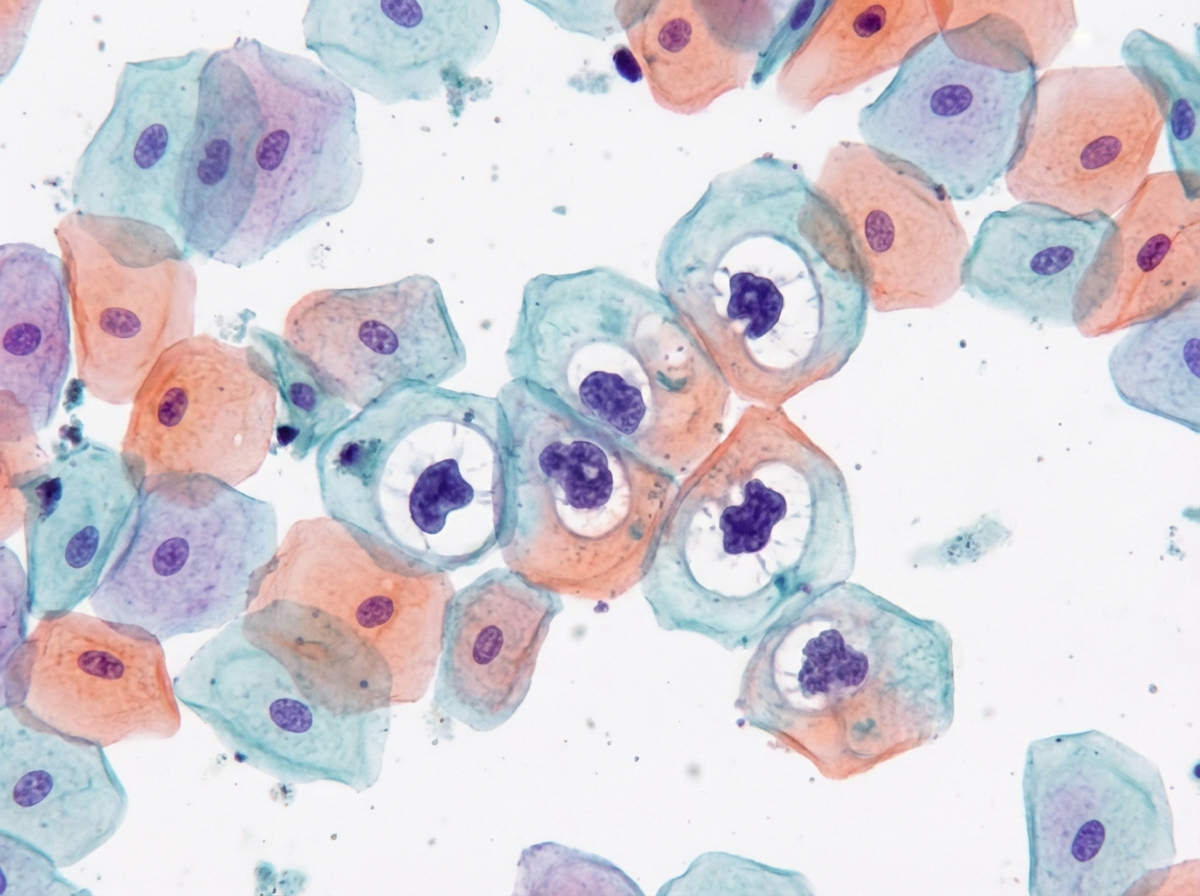
A young lady presents with mild cervical erosion and a Pap smear shows dysplasia. What is the next step in management?
What is the investigation of choice to detect a hydatiform mole?
A 56-year-old female presents with abdominal pain and a 4 cm bilateral ovarian mass with increased vascularity on ultrasound. What is the next best step in management?
What is the best management for a 26-year-old woman diagnosed with ovarian carcinoma and Grade I histology?
Explanation: **Explanation:** **Gestational Trophoblastic Disease (GTD)**, which includes hydatidiform mole and choriocarcinoma, exhibits a striking geographic variation in incidence. **Why Asia is Correct:** Epidemiological studies consistently show that the highest incidence of GTD is in **Asia**, particularly in Southeast Asia and the Far East. In these regions, the incidence is reported to be as high as 1 in 120 to 1 in 500 pregnancies, compared to approximately 1 in 1,000 to 1,500 in Western nations. While the exact etiology is multifactorial, the higher prevalence is attributed to a combination of **nutritional factors** (deficiencies in Vitamin A/carotene and animal fats), lower socioeconomic status, and potentially genetic predispositions. **Why Other Options are Incorrect:** * **Australia, North America, and Western Europe:** These regions are classified as "Western" or developed geographies where the incidence of GTD is significantly lower. In these areas, the disease is relatively rare, occurring in roughly 0.5 to 1 per 1,000 pregnancies. **High-Yield Clinical Pearls for NEET-PG:** * **Risk Factors:** The two most significant risk factors for GTD are **extremes of maternal age** (<15 or >40 years) and a **prior history of molar pregnancy**. * **Dietary Link:** Low dietary intake of **carotene** (Vitamin A precursor) and animal fat is specifically linked to an increased risk of complete hydatidiform mole. * **Karyotype:** Remember that a **Complete Mole** is typically 46,XX (diploid, purely paternal origin), while a **Partial Mole** is 69,XXX or 69,XXY (triploid, maternal and paternal origin). * **Diagnosis:** The "Snowstorm appearance" on pelvic ultrasound is the classic diagnostic hallmark.
Explanation: **Explanation:** Endometrial cancer is primarily an **estrogen-dependent** malignancy. The risk increases when there is "unopposed estrogen" (estrogen without the balancing effect of progesterone). **Why Smoking is Correct:** Smoking is uniquely protective against endometrial cancer because it exerts an **anti-estrogenic effect**. It achieves this through three mechanisms: 1. **Increased Metabolism:** It induces hepatic enzymes that increase the conversion of potent estradiol into inactive catecholestrogens. 2. **Hypothalamic Suppression:** It may lower gonadotropin levels, leading to decreased ovarian estrogen production. 3. **Early Menopause:** Smokers typically undergo menopause 1–2 years earlier than non-smokers, reducing the lifetime duration of estrogen exposure. **Why Other Options are Incorrect:** * **Obesity (A):** This is a major risk factor. Adipose tissue contains the enzyme **aromatase**, which converts adrenal androgens (androstenedione) into estrone, leading to chronic unopposed estrogen. * **Nulliparity (C):** Pregnancy provides a "progesterone holiday" and involves the shedding of the endometrium during delivery. Nulliparity results in more uninterrupted menstrual cycles and higher lifetime estrogen exposure. * **Diabetes (D):** Hyperinsulinemia and insulin-like growth factors (IGF-1) stimulate endometrial cell proliferation. Diabetes is often comorbid with obesity (PCOS/Metabolic syndrome), further increasing risk. **High-Yield Clinical Pearls for NEET-PG:** * **The "Lynch Syndrome" Connection:** Always screen for HNPCC (Lynch II) in young patients with endometrial cancer. * **Protective Factors:** Combined Oral Contraceptive Pills (COCPs), smoking, multiparity, and physical activity. * **Tamoxifen Paradox:** While tamoxifen is an anti-estrogen in the breast, it acts as a **partial agonist** on the endometrium, increasing the risk of endometrial hyperplasia and cancer.
Explanation: **Explanation:** The treatment of choice for uterine sarcoma is **Total Abdominal Hysterectomy with Bilateral Salpingo-oophorectomy (TAH + BSO)**. Uterine sarcomas (such as Leiomyosarcoma, Endometrial Stromal Sarcoma, and Adenosarcoma) are aggressive mesenchymal tumors. Unlike epithelial endometrial cancers, sarcomas primarily spread via the hematogenous route and direct local extension. Surgical removal of the primary tumor and potential sites of spread (the ovaries) is the cornerstone of management. * **Why Option B is correct:** TAH + BSO is the standard staging and therapeutic procedure. Removing the ovaries is crucial because many uterine sarcomas (especially Endometrial Stromal Sarcomas) are hormone-sensitive, and residual estrogen can promote recurrence. * **Why Option A is incorrect:** Total hysterectomy alone is insufficient because it leaves the ovaries intact, increasing the risk of recurrence due to hormonal influence or occult metastasis. * **Why Options C & D are incorrect:** Uterine sarcomas are generally **radioresistant**. While radiotherapy may be used for local pelvic control in advanced stages, it is never the primary treatment of choice. Surgery must always precede adjuvant therapies. **High-Yield Clinical Pearls for NEET-PG:** * **Most common type:** Leiomyosarcoma (LMS) is the most frequent histological subtype. * **Diagnosis:** Often suspected when a "fibroid" grows rapidly in a postmenopausal woman. * **Staging:** Uterine sarcomas are staged using the **FIGO staging system** (similar to endometrial carcinoma). * **Prognosis:** Generally poor compared to endometrial adenocarcinoma; the most important prognostic factor is the **mitotic index** and stage at presentation. * **Note on Lymphadenectomy:** Unlike endometrial cancer, routine lymphadenectomy is controversial in sarcomas (especially LMS) as nodal involvement is relatively rare (<5%).
Explanation: **Explanation:** The prognosis of vulvar cancer is most significantly determined by the status of the regional lymph nodes. Vulvar cancer typically spreads in a predictable, stepwise fashion: first to the **inguino-femoral (superficial and deep) lymph nodes**, and subsequently to the **pelvic (iliac) lymph nodes**. **Why C is Correct:** The presence of **positive pelvic lymph nodes** indicates advanced lymphatic dissemination (Stage IVB). While positive inguino-femoral nodes are the most important *initial* prognostic factor, once the disease reaches the pelvic nodes, the 5-year survival rate drops drastically (often below 20%). Pelvic node involvement signifies that the cancer has bypassed the primary regional filters, representing a systemic risk and the poorest prognosis among the given options. **Why Other Options are Incorrect:** * **A & D (Large tumor size/Vaginal involvement):** These factors influence the T-stage (local extent). While a larger tumor or involvement of adjacent structures like the lower vagina increases the risk of nodal spread, they do not carry as grave a prognosis as confirmed nodal metastasis. * **B (Positive inguino-femoral nodes):** This is the most common prognostic factor identified, but it represents an earlier stage of lymphatic spread compared to pelvic node involvement. **High-Yield Clinical Pearls for NEET-PG:** * **Most common histological type:** Squamous Cell Carcinoma (SCC). * **Most important prognostic factor:** Lymph node status (specifically the number and extent of nodal involvement). * **Sentinel Lymph Node Biopsy (SLNB):** Indicated in Stage T1b/T2 tumors (<4cm) with clinically negative nodes. * **Cloquet’s Node:** The highest deep inguinal node; if positive, it often necessitates pelvic lymphadenectomy as it is the gateway to the pelvic nodes.
Explanation: **Explanation:** **CA-125 (Cancer Antigen 125)** is a high-molecular-weight glycoprotein and the most widely used tumor marker for **epithelial ovarian cancer (EOC)**, particularly the serous subtype. It is produced by derivatives of the coelomic epithelium (pleura, pericardium, and peritoneum). * **Why Option A is correct:** In ovarian cancer, CA-125 is elevated in approximately 80% of patients with advanced-stage disease. It is primarily used for **monitoring treatment response** and **detecting recurrence**. While it lacks the specificity required for a standalone screening tool in the general population, it is highly significant when used alongside ultrasound (RMI - Risk of Malignancy Index). * **Why Options B, C, and D are incorrect:** * **Carcinoma Endometrium:** While CA-125 can be elevated in advanced or metastatic endometrial cancer, it is not the primary diagnostic or surveillance marker. * **Carcinoma Cervix & Vagina:** These are typically squamous cell carcinomas. The relevant markers for these are **SCC (Squamous Cell Carcinoma) antigen**, not CA-125. **High-Yield Clinical Pearls for NEET-PG:** 1. **Normal Value:** < 35 U/mL. 2. **Specificity Issues:** CA-125 is notoriously elevated in **benign conditions** such as endometriosis, pelvic inflammatory disease (PID), pregnancy, menstruation, and fibroids. 3. **Other Ovarian Markers:** * **Germ Cell Tumors:** LDH (Dysgerminoma), AFP (Yolk sac tumor), hCG (Choriocarcinoma). * **Granulosa Cell Tumor:** Inhibin B. * **Mucinous Ovarian Cancer:** CEA and CA 19-9. 4. **HE4 (Human Epididymis Protein 4):** A newer marker often used with CA-125 (ROMA score) to better differentiate benign from malignant pelvic masses.
Explanation: **Explanation:** **1. Why Dermoid Cyst is Correct:** A **Dermoid cyst** (Mature Cystic Teratoma) is a germ cell tumor containing tissues from all three germ layers. The **Rokitansky protuberance** (also known as the **dermoid plug**) is a focal, solid projection arising from the inner wall of the cyst. It is the site where most specialized tissues—such as hair follicles, sebaceous glands, teeth, bone, or cartilage—are concentrated. On ultrasound, it appears as a hyperechoic nodule, and on gross pathology, it is the most common site for malignant transformation (usually Squamous Cell Carcinoma) in a mature teratoma. **2. Why Other Options are Incorrect:** * **Serous cystadenocarcinoma:** These are epithelial tumors characterized by papillary projections and psammoma bodies, but they do not form a Rokitansky protuberance. * **Mucinous cystadenoma:** These are large, multiloculated cysts filled with thick mucoid material. While they may have internal septations, they lack the specific solid "plug" characteristic of teratomas. * **All of the above:** Incorrect because the Rokitansky protuberance is a pathognomonic feature specific to cystic teratomas. **3. High-Yield Clinical Pearls for NEET-PG:** * **Tip of the Iceberg Sign:** An ultrasound finding in dermoid cysts where the highly echogenic Rokitansky protuberance/hair casts a dense posterior acoustic shadow, obscuring the deeper parts of the cyst. * **Dermoid Mesh:** Multiple thin, echogenic lines (hair fibers) floating in the cyst fluid. * **Most Common Complication:** Torsion (due to the high fat content making the cyst buoyant). * **Malignant Transformation:** Occurs in <2% of cases, most commonly into **Squamous Cell Carcinoma**.
Explanation: **Explanation:** The management of an abnormal Pap smear follows a specific diagnostic algorithm designed to bridge the gap between screening and treatment. **1. Why Colposcopy is the Correct Answer:** The Pap smear is a **cytological screening tool**, not a histological diagnosis. When a smear shows dysplasia (abnormal cells), the immediate next step is to visualize the cervix under magnification to identify the specific site and extent of the lesion. **Colposcopy-directed biopsy** is the "Gold Standard" for diagnosing Cervical Intraepithelial Neoplasia (CIN). It allows the clinician to take a targeted tissue sample from the most suspicious areas (usually at the Transformation Zone), which determines the definitive management. **2. Why Other Options are Incorrect:** * **Antibiotics (A):** While "cervical erosion" (ectropion) can sometimes be associated with cervicitis, the presence of **dysplasia** on a Pap smear indicates a pre-malignant process (likely HPV-mediated) that cannot be treated with antibiotics. * **Cryosurgery (C):** This is an ablative treatment. One must never treat/destroy cervical tissue without a histological diagnosis (biopsy) first, as it might mask an underlying invasive cancer. * **Conization (D):** This is a surgical procedure (diagnostic or therapeutic) used if colposcopy is unsatisfactory, if there is a mismatch between cytology and biopsy, or if microinvasion is suspected. It is too invasive as an immediate next step. **Clinical Pearls for NEET-PG:** * **Transformation Zone (TZ):** The most common site for cervical dysplasia and the primary focus during colposcopy. * **Schiller’s Test:** Uses Lugol’s iodine; normal cells turn brown (iodine positive), while dysplastic cells remain pale/yellow (iodine negative). * **Acetic Acid Test:** Dysplastic areas appear "Acetowhite" due to high nuclear density. * **Management Rule:** Screening (Pap) → Diagnosis (Colposcopy/Biopsy) → Treatment (LEEP/Cryo/Conization).
Explanation: **Explanation:** **Ultrasound (USG)** is the investigation of choice (Gold Standard) for diagnosing a hydatidiform mole. In a **complete mole**, the characteristic USG finding is a **"Snowstorm appearance,"** which represents multiple hydropic villi (vesicles) and the absence of a fetus or gestational sac. In a **partial mole**, USG typically reveals a thickened placenta with cystic spaces ("Swiss cheese appearance") and a potentially growth-restricted fetus. **Why other options are incorrect:** * **X-ray Abdomen:** Historically used to look for fetal skeletal parts (absent in complete moles), it is now obsolete due to radiation risks and the superior resolution of USG. * **Serum hCG level:** While hCG levels are characteristically very high in molar pregnancies (often >100,000 mIU/mL), this is not diagnostic. High hCG can also occur in multiple gestations or normal pregnancies. It is, however, the investigation of choice for **follow-up** and monitoring for gestational trophoblastic neoplasia (GTN). * **Gravindex:** This is an older, qualitative immunological urine pregnancy test. It only confirms pregnancy but cannot differentiate between a normal and a molar pregnancy. **High-Yield Clinical Pearls for NEET-PG:** * **Most common symptom:** Vaginal bleeding (painless). * **Clinical sign:** "Size > Date" (Uterus is larger than the period of amenorrhea) and "Doughy feel" on palpation. * **Ovarian finding:** Bilateral **Theca Lutein Cysts** (due to high hCG levels). * **Definitive Diagnosis:** Histopathological examination (HPE) after suction evacuation. * **Treatment:** Suction and Evacuation is the treatment of choice.
Explanation: **Explanation:** The patient is a **postmenopausal female** (56 years old) presenting with a symptomatic, **bilateral ovarian mass** showing **increased vascularity**. In postmenopausal women, any adnexal mass is considered malignant until proven otherwise. The presence of bilateral involvement and increased Doppler vascularity are high-risk features (RMI - Risk of Malignancy Index) that necessitate definitive surgical management. * **Why Surgical Intervention is Correct:** The primary goal in postmenopausal ovarian masses is to rule out malignancy. Surgical exploration (usually via laparotomy or laparoscopy) allows for staging and histological diagnosis. Fine-needle aspiration is contraindicated due to the risk of "seeding" the peritoneum if the mass is malignant. * **Why Option A is Wrong:** Ultrasound-guided aspiration is strictly avoided in suspected ovarian cancer because it can rupture the capsule, upstaging a localized tumor (Stage IA to IC) and worsening the prognosis. * **Why Option B is Wrong:** Observation is only appropriate for small (<5 cm), simple, unilocular, asymptomatic cysts in postmenopausal women with normal CA-125 levels. This patient is symptomatic with high-risk ultrasound features. * **Why Option D is Wrong:** OCPs are used to suppress functional cysts in reproductive-age women. They have no role in treating postmenopausal masses, which are never functional. **High-Yield Clinical Pearls for NEET-PG:** * **Postmenopausal Palpable Ovary Syndrome:** Any palpable ovary in a postmenopausal woman is abnormal and requires investigation. * **Malignancy Risk:** Bilaterality, solid components, ascites, and high vascularity (low resistance index on Doppler) are strong predictors of malignancy. * **Management Gold Standard:** The definitive management for a suspicious postmenopausal adnexal mass is **Total Abdominal Hysterectomy (TAH) + Bilateral Salpingo-Oophorectomy (BSO)** with surgical staging.
Explanation: **Explanation:** The management of ovarian carcinoma in young women of reproductive age requires a balance between oncological safety and the preservation of fertility. This patient is 26 years old with **Grade I (well-differentiated)** histology, which indicates a low-risk profile. **1. Why Option A is Correct:** For young patients with **Stage IA, Grade I** epithelial ovarian cancer (or low-grade germ cell/stromal tumors) who wish to preserve fertility, **Fertility-Sparing Surgery (FSS)** is the gold standard. This involves a unilateral salpingo-oophorectomy (USO) and surgical staging (peritoneal washings, omental biopsy, and lymph node assessment). If the disease is confined to one ovary (Stage IA) and is low-grade, the risk of recurrence is minimal, and adjuvant treatment is not required. Close follow-up is sufficient. **2. Why the other options are incorrect:** * **Option B:** Adjuvant chemotherapy is generally reserved for Stage IC or higher, or Stage IA/IB with **Grade 3 (high-grade)** histology. Grade I tumors are often chemo-resistant and have an excellent prognosis with surgery alone. * **Option C & D:** Bilateral salpingo-oophorectomy (BSO) and Total Abdominal Hysterectomy (TAH) are part of "radical" or "definitive" surgery. While this is the standard for post-menopausal women, it is unnecessarily aggressive for a 26-year-old with low-grade, early-stage disease, as it leads to permanent infertility and premature menopause. **Clinical Pearls for NEET-PG:** * **Fertility Sparing Surgery (FSS)** is indicated only in Stage IA, Grade 1 or 2 (Epithelial) or any stage of Germ Cell Tumors. * **Dysgerminoma** is the most common malignant germ cell tumor where FSS is frequently performed. * **Granulosa Cell Tumors** (Stage IA) in young women are also managed with USO and follow-up due to their indolent nature. * Always perform a **dilatation and curettage (D&C)** in cases of endometrioid ovarian cancer to rule out a synchronous endometrial primary.
Cervical Cancer
Practice Questions
Endometrial Cancer
Practice Questions
Ovarian Cancer
Practice Questions
Vulvar and Vaginal Cancer
Practice Questions
Gestational Trophoblastic Disease
Practice Questions
Screening for Gynecologic Cancers
Practice Questions
Principles of Gynecologic Oncology Surgery
Practice Questions
Radiation Therapy in Gynecologic Malignancies
Practice Questions
Chemotherapy in Gynecologic Oncology
Practice Questions
Palliative Care in Gynecologic Oncology
Practice Questions
Get full access to all questions, explanations, and performance tracking.
Start For Free