OCPs are not protective for?
A 32-year-old woman presents with intermenstrual bleeding following the insertion of an intrauterine device (IUD). She reports no other complications. What is the most appropriate initial management step?
Identify the image given below:
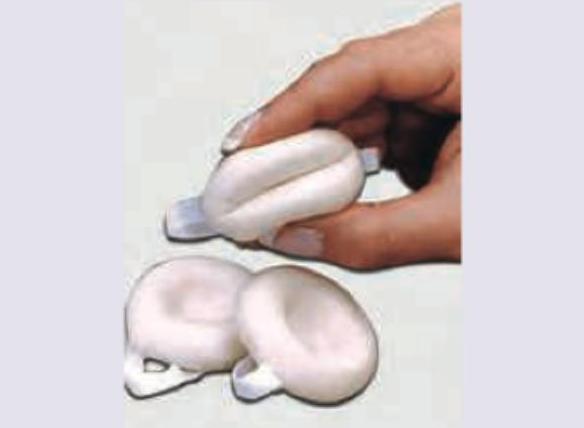
Identify the image given below:
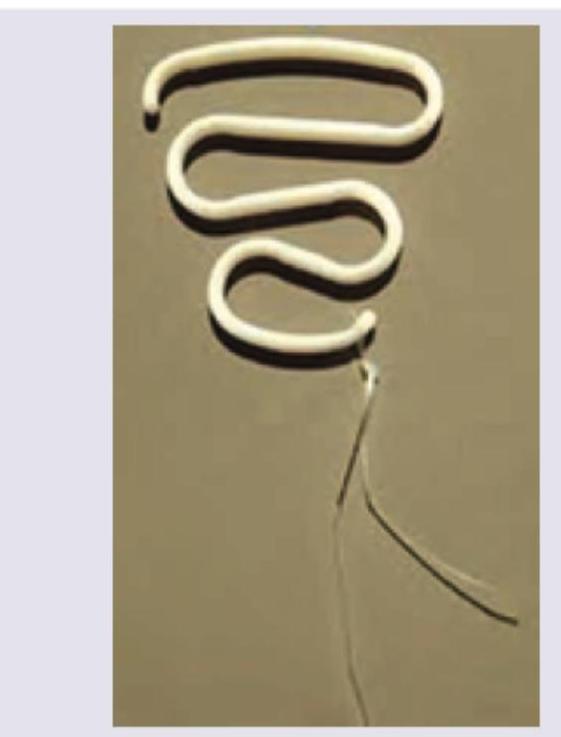
Identify the image given below:
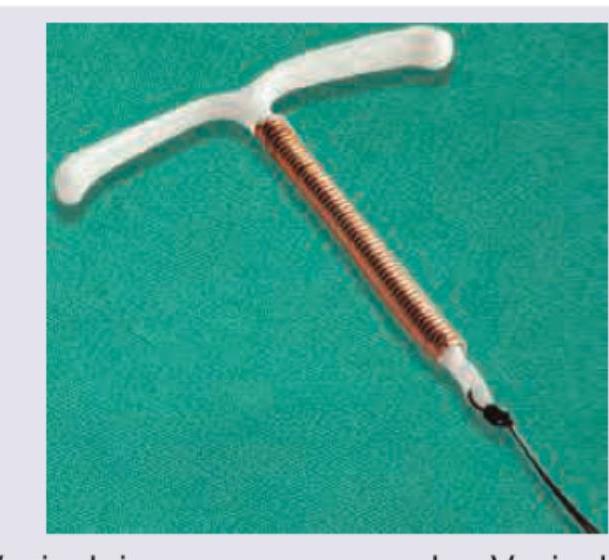
Which method of contraception is shown below?
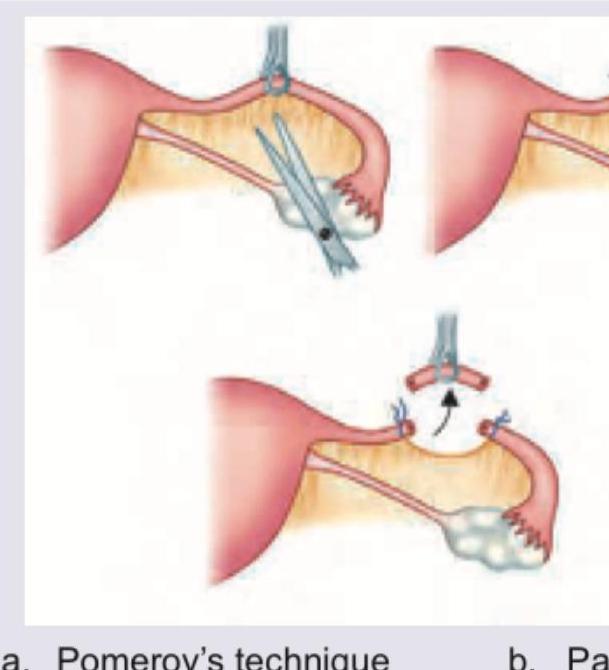
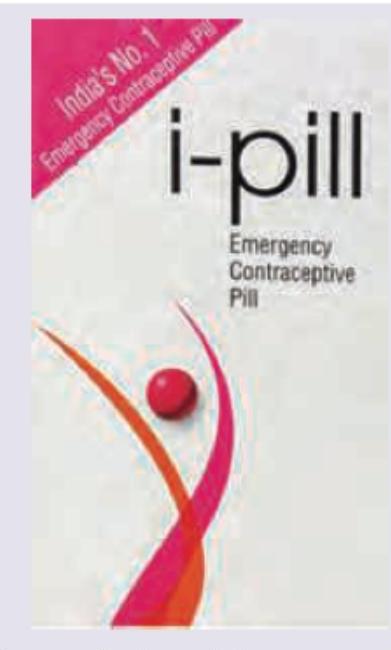
Which of the following is true about the pill shown in the image?
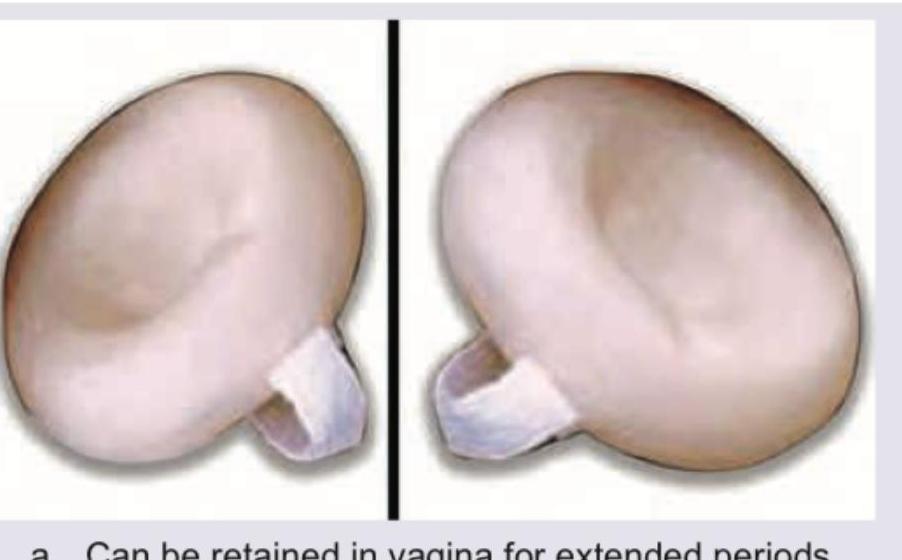
What is the most distinctive functional characteristic of the barrier method shown?
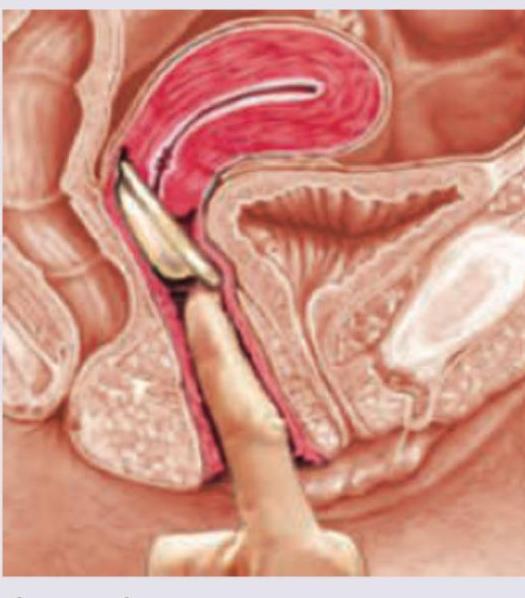
Which method of contraception usage is shown here?
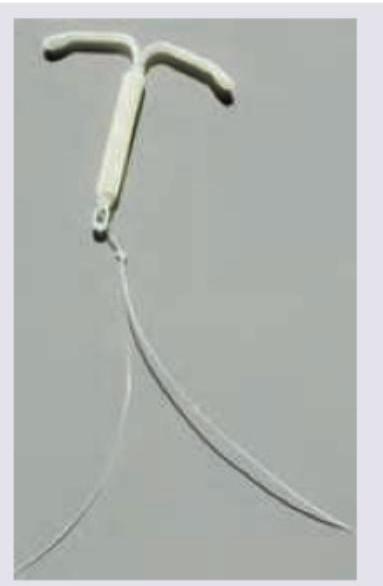
What is the following contraceptive method called?
Explanation: ***Breast Ca (Correct Answer)*** - OCPs are **not protective** against breast cancer - Current or recent use is associated with a **small, reversible increase** in risk, particularly with prolonged use (>5 years) - The risk is attributed to **exogenous estrogen and progesterone** stimulating hormone-sensitive breast tissue proliferation *Endometrial Ca (Incorrect - OCPs ARE protective)* - OCPs offer significant protection against endometrial cancer, reducing risk by about **50%** - This benefit is primarily due to the reliable dose of **progestin**, which induces **endometrial atrophy** and counteracts unopposed estrogen effects *Ovarian Ca (Incorrect - OCPs ARE protective)* - OCPs provide powerful protection against ovarian cancer, with benefit increasing with duration of use and persisting for decades after cessation - Mechanism involves suppression of **gonadotropins** and prevention of **repeated ovulation**, reducing trauma and carcinogenic transformation potential of the ovarian epithelium *Colorectal Ca (Incorrect - OCPs ARE protective)* - OCP use provides a long-lasting protective effect against colorectal cancer - This protective effect is thought to be mediated by **synthetic progestins and estrogens** altering local hormone receptors or bile acid composition
Explanation: **Reassure the patient and observe (Correct)** - Irregular bleeding (spotting or intermenstrual bleeding) is a very common and expected side effect, especially during the first **3 to 6 months** after IUD insertion (both copper and hormonal). - In the absence of signs of infection (fever, purulent discharge, pelvic pain), IUD expulsion, or pregnancy, the initial management is typically **reassurance** that symptoms often resolve spontaneously. *Remove the IUD (Incorrect)* - IUD removal is generally reserved for failure of medical management, **IUD expulsion**, severe complications (e.g., **perforation**), or persistent, unacceptable side effects after the initial adaptation period. - Removing the IUD prematurely for expected spotting unnecessarily terminates a highly effective form of **contraception**. *Perform a pelvic ultrasound (Incorrect)* - Imaging is usually indicated if there is suspicion of **IUD malposition** (e.g., missing strings, pain, suspected expulsion) or to rule out other causes of bleeding like **pregnancy** or structural uterine abnormalities (fibroids, polyps). - Since the bleeding is expected and transient in the immediate post-insertion phase, an ultrasound is generally not mandatory as the *initial* step in an otherwise asymptomatic patient. *Prescribe hormonal therapy (Incorrect)* - While treatments like low-dose **estrogen** or **NSAIDs** can sometimes manage persistent, heavy bleeding, simple spotting is typically managed conservatively first. - Adding hormonal therapy might mask important underlying issues or add unnecessary risk/side effects for a symptom that is likely to resolve spontaneously.
Explanation: ***Diaphragm*** - The image shows a **dome-shaped barrier device** with a flexible rim, characteristic of a diaphragm. A hand is demonstrating how it can be folded for insertion. - Diaphragms are used with **spermicide** and are placed over the **cervix** prior to intercourse to block sperm. *Vaginal sponge* - A vaginal sponge is typically a soft, **polyurethane foam device** that contains spermicide and is inserted into the vagina. - It would appear more porous and less rigid than the device shown. *Vaginal ring* - A vaginal ring is a **flexible, plastic ring** that is inserted into the vagina to release hormones. - It has a distinct ring shape and is usually made of a smooth material, unlike the device pictured. *DMPA* - **DMPA (depot medroxyprogesterone acetate)** is an injectable contraceptive, administered as a shot. - It is not a physical device, but a **hormonal medication**.
Explanation: ***Lippes loop*** - The image displays a **serpentine or S-shaped intrauterine device (IUD)**, which is characteristic of the Lippes loop. - The Lippes loop was one of the **first-generation IUDs**, typically made of polyethylene, and is now largely historical. *Progestasert* - **Progestasert** was a **T-shaped IUD** that released progesterone, not a serpentine loop. - Its mechanism involved local progesterone release to inhibit sperm motility and fertilisation. *Mirena* - **Mirena** is a **T-shaped intrauterine system (IUS)** that releases levonorgestrel, not a loop. - It is a hormonal IUS widely used today for contraception and to treat heavy menstrual bleeding. *CuT 380 A* - **CuT 380 A** is a **T-shaped copper-releasing IUD**, not a loop. - The "Cu" indicates copper, and "T" refers to its characteristic T-shape, with 380 mm² of copper surface area.
Explanation: ***IUD*** - The image displays a **T-shaped device** with a **copper coil** wrapped around its stem, which is characteristic of a copper intrauterine device (IUD). - IUDs are placed in the uterus for **long-term contraception**. *Vaginal ring* - A vaginal ring is a **flexible, soft plastic ring** that is inserted into the vagina and releases hormones. - Its appearance is distinct from the T-shaped device shown, lacking the copper coil. *Vaginal sponge* - A vaginal sponge is a **soft, disposable sponge** containing spermicide, inserted into the vagina before intercourse. - It does not resemble the rigid, T-shaped structure seen in the image. *Diaphragm* - A diaphragm is a **dome-shaped, flexible cup** with a springy rim that is inserted into the vagina to cover the cervix. - It is also very different in appearance from the object in the image.
Explanation: ***Pomeroy's technique*** - The image illustrates the **Pomeroy method** of tubal ligation, where a loop of the fallopian tube is lifted, ligated (tied), and then excised (cut). - This method is one of the most common and effective techniques for **permanent female sterilization**. *Parkland method* - The Parkland method involves ligating the fallopian tube in two places and then excising the segment between the two ligatures, leaving **raw ends** that might adhere. - The image distinctly shows a **single loop ligated and excised**, which is characteristic of the Pomeroy technique. *Hulka method* - The Hulka method utilizes a **plastic clip (Hulka clip)** to occlude the fallopian tube, which is a different mechanism than shown in the illustration. - This method is not depicted as the image shows the tube being **tied and cut**, not clipped. *Clipping method* - The clipping method, while a form of tubal ligation, involves applying a **clip (e.g., Filshie or Hulka clip)** to the fallopian tube to block it. - The illustration clearly shows the tube being **ligated and a segment removed**, which is distinct from simply applying a clip.
Explanation: ***High content of Progestin*** - Emergency contraceptive pills like i-pill contain **Levonorgestrel 1.5 mg**, which is a **high-dose progestin-only** pill - This is significantly higher than the daily dose in regular oral contraceptive pills (0.15 mg levonorgestrel) - The high progestin dose works by **inhibiting or delaying ovulation**, preventing fertilization, or potentially altering the endometrial lining - Modern emergency contraceptive pills are **progestin-only** formulations, not estrogen-containing pills - Most effective when taken within **72 hours** of unprotected intercourse, though can be used up to 120 hours *Start 24 hours before intercourse* - Emergency contraceptive pills are designed to be taken **after unprotected intercourse**, not before - They are for emergency use only, not for routine pre-planned contraception - Effectiveness decreases with time after intercourse, emphasizing the need for **prompt use** *More effective than emergency IUD insertion* - **Emergency copper IUD insertion** is the **most effective** form of emergency contraception, with effectiveness rates over **99%** - Oral emergency contraceptive pills have effectiveness rates of **85-89%** when taken within 72 hours - ECPs are **less effective** than emergency IUD, especially when taken more than 24 hours after intercourse *Intraception method* - **Intraception** refers to methods that primarily prevent implantation of a fertilized egg (e.g., copper IUD) - Emergency contraceptive pills' **primary mechanism** is **delaying or inhibiting ovulation** and interfering with fertilization - While they may have some effect on the endometrium, this is not their primary mechanism - They are classified as **contraceptive** rather than purely intraceptive methods
Explanation: ***Can be retained in vagina for extended periods*** - The image displays a **contraceptive sponge**, which can be inserted up to 24 hours before intercourse and provides continuous protection for that duration, allowing for multiple acts of coitus. - It must be left in place for at least **6 hours after the last intercourse** but not for more than **30 hours in total**. - This extended retention capability is a **distinctive feature** of the contraceptive sponge compared to other barrier methods. *More effective than male condom* - The **contraceptive sponge** has a **higher failure rate** (typical use: 12-24% for parous women, 9-12% for nulliparous women) compared to male condoms (typical use failure rate of 13%). - Male condoms are generally **more effective** in preventing pregnancy and provide additional protection against sexually transmitted infections (STIs). *Must be inserted immediately after coitus* - The contraceptive sponge is designed for **pre-coital insertion**, not post-coital use. - It should be inserted **before intercourse** to be effective, as its mechanism relies on trapping sperm and releasing spermicide continuously. - It remains effective for multiple acts of intercourse within the 24-hour insertion window. *Consists of nonoxynol-9 impregnated polyurethane* - While this statement is **technically accurate** (the contraceptive sponge is made of polyurethane foam impregnated with 1000mg of nonoxynol-9), it describes the **composition** rather than a functional characteristic. - The most **clinically distinctive** feature of the sponge is its extended retention time, making Option A the **best answer** among the choices provided. - This distinguishes the sponge from other barrier methods like diaphragms or cervical caps, which also use spermicide but have different insertion timing requirements.
Explanation: ***Female condom*** - The image shows a device with an **internal ring** that is placed deep inside the vagina, near the cervix, and an **outer ring** that remains outside the vagina. This characteristic two-ring structure identifies it as a female condom. - The female condom creates a **physical barrier** to prevent sperm from reaching the uterus and also offers protection against sexually transmitted infections (STIs). *Vaginal contraceptive film* - A vaginal contraceptive film is a **spermicide-coated, thin film** that dissolves in the vagina, releasing chemicals that kill sperm. - It would appear as a thin, often transparent, film and not a structured device with rings as depicted in the image. *Implanon* - Implanon (now branded as Nexplanon) is a **subdermal hormonal implant**, typically placed under the skin of the upper arm. - It uses hormones to prevent pregnancy and is not visually inserted into the vagina, making the image inconsistent with this method. *Diaphragm* - A diaphragm is a **dome-shaped barrier device** inserted into the vagina to cover the cervix, usually used with spermicide. - Unlike the female condom, it has only **one flexible ring** that fits snugly around the cervix and does not typically feature an external ring or a liner extending out of the vaginal opening.
Explanation: ***Copper T 380A*** - The image clearly displays a **T-shaped intrauterine device (IUD)** with a **copper wire** wrapped around the stem, which is characteristic of the Copper T 380A. - This IUD provides **non-hormonal contraception** by releasing copper ions, which act as a spermicide and induce an inflammatory reaction in the uterus, preventing fertilization and implantation. - **Copper T 380A** is the **generic medical term** used in clinical practice and medical education, making it the most appropriate answer. *Mirena* - **Mirena** is a **hormonal IUD** that releases levonorgestrel, a progestin. - While it also has a T-shape, it does not have visible copper wiring wrapped around its stem, as its contraceptive action comes from hormone release, not copper ions. *Paragard* - **Paragard** is a **brand name** for the Copper T 380A marketed primarily in the United States. - While the device shown is technically a copper IUD that could be called Paragard, in medical education and clinical practice, **generic names are preferred over brand names** for standardization and universal understanding. - In the Indian context (NEET-PG), the term **"Copper T 380A"** is more commonly used and recognized. *Oestrogen containing Copper T* - There is currently **no commercially available or widely recognized contraceptive IUD** that combines both **oestrogen and copper**. - Copper IUDs are non-hormonal, while hormonal IUDs typically release progestin (like levonorgestrel), not oestrogen.
Natural Family Planning Methods
Practice Questions
Barrier Methods
Practice Questions
Hormonal Contraceptives
Practice Questions
Intrauterine Devices
Practice Questions
Emergency Contraception
Practice Questions
Permanent Contraception Methods
Practice Questions
Contraception in Special Populations
Practice Questions
Contraceptive Counseling
Practice Questions
Side Effects and Complications of Contraceptives
Practice Questions
Future Contraceptive Technologies
Practice Questions
Get full access to all questions, explanations, and performance tracking.
Start For Free