Which of the following is NOT included in emergency contraception?
What is the primary unmet need for contraception in a 35-year-old female?
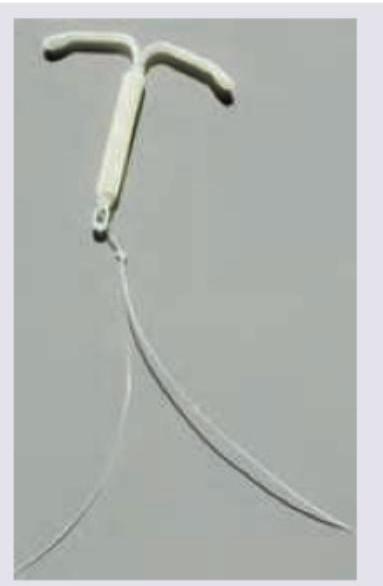
Which of the following is a frameless IUD?
What is an absolute contraindication for combined oral contraceptive pills?
Which of the following is a conventional contraceptive?
What is the most effective mode of contraception for a woman with heart disease?
Which is the progesterone of choice for emergency contraception?
The success rate following tubal recanalization is low after which procedure?
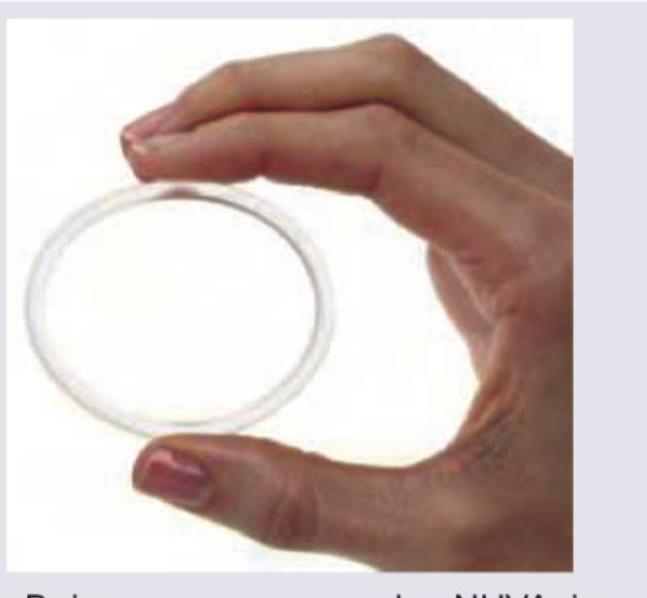
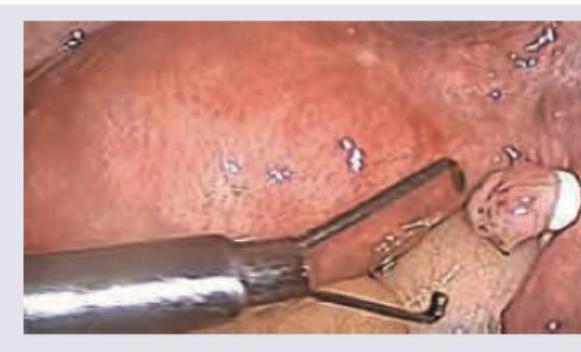
Regarding the given mode of contraception, all statements are true EXCEPT?

Which sterilization procedure has the maximum chances of reversal?
Explanation: **Explanation:** Emergency contraception (EC) refers to methods used to prevent pregnancy after unprotected intercourse, typically within a specific window (up to 5 days). **Why DMPA is the correct answer:** **DMPA (Depot Medroxyprogesterone Acetate)** is a long-acting injectable contraceptive administered every 3 months. It is used for **routine, long-term contraception**, not emergency use. It works primarily by inhibiting ovulation over a sustained period and does not provide the rapid hormonal surge or local effect required to prevent implantation or ovulation immediately after a single act of intercourse. **Analysis of other options:** * **Oral Contraceptives (Yuzpe Regimen):** Combined oral contraceptive pills (Ethinylestradiol + Levonorgestrel) can be used in specific high doses as EC. Though less commonly used now due to side effects like nausea, it remains a recognized method. * **Copper T (Cu-IUCD):** This is the **most effective** method of emergency contraception. If inserted within 5 days (120 hours) of unprotected intercourse, it prevents pregnancy by causing a local inflammatory response toxic to sperm and ova and preventing implantation. * **Levonorgestrel (LNG) tablets:** Often called the "morning-after pill" (e.g., 1.5 mg single dose), this is the most common hormonal EC. It works by delaying or inhibiting ovulation. **High-Yield Clinical Pearls for NEET-PG:** * **Gold Standard/Most Effective EC:** Copper T (Failure rate <0.1%). * **Drug of Choice (Hormonal):** Levonorgestrel 1.5mg (effective up to 72 hours, though can be used up to 120 hours). * **Ulipristal Acetate:** A selective progesterone receptor modulator (SPRM); it is more effective than LNG and is the hormonal EC of choice between 72–120 hours. * **Mifepristone:** Can also be used as an EC in low doses (10–25 mg).
Explanation: **Explanation:** The concept of "Unmet Need for Contraception" refers to the proportion of women who are fecund and sexually active but are not using any method of contraception despite wanting to postpone or stop childbearing. This is broadly categorized into two types: **Spacing** and **Limiting**. **1. Why "Limiting Births" is correct:** In the context of demographic trends in India (NFHS data), the unmet need for contraception shifts as a woman ages. * **Younger women (<25-30 years):** Generally have a higher unmet need for **spacing** as they wish to delay their next pregnancy. * **Older women (>30-35 years):** Usually have completed their desired family size. Therefore, their primary unmet need is **limiting** (permanent or long-term prevention of further pregnancies). At age 35, the clinical and demographic priority is the cessation of childbearing. **2. Analysis of Incorrect Options:** * **Option A (Spacing births):** This is the primary unmet need for younger women (newlyweds or those with only one child) who want to delay the next birth by at least two years. * **Options C & D:** While improving maternal and family health are the *outcomes* or *benefits* of fulfilling unmet contraceptive needs, they are not categories of "unmet need" themselves. **3. High-Yield Clinical Pearls for NEET-PG:** * **NFHS-5 Data:** The total unmet need in India has declined to approximately **9.4%**. * **Most Common Method:** Female Sterilization remains the most widely used contraceptive method in India. * **Calculation:** Unmet Need = (Women wanting to space + Women wanting to limit) / Total women in reproductive age group. * **Target Group:** The highest unmet need is often seen in the postpartum period (Postpartum Family Planning - PPFP).
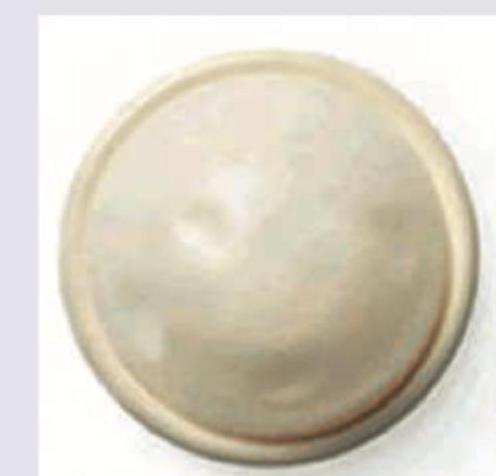
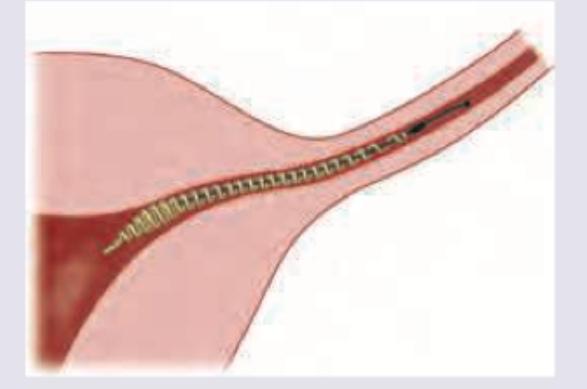
Explanation: **Explanation:** The correct answer is **Cu Fix**. **1. Why Cu Fix is correct:** The **Cu Fix** (also known as GyneFix) is a unique, **frameless** intrauterine device. Unlike traditional IUDs that have a T-shaped or plastic frame, the Cu Fix consists of six copper sleeves (beads) threaded onto a non-absorbable polypropylene suture. The top end of the suture has a knot that is anchored into the myometrium of the uterine fundus using a specialized inserter. Its frameless design allows it to conform to the shape of the uterine cavity, significantly reducing side effects like pain and expulsion often caused by frame-related irritation. **2. Why other options are incorrect:** * **Mirena:** This is a hormonal (Levonorgestrel-releasing) IUD. It has a **T-shaped polyethylene frame** that acts as a reservoir for the hormone. * **Cu T 380A:** This is the most common copper IUD. It features a **T-shaped plastic frame** with copper wire wound around the vertical stem and copper sleeves on the horizontal arms. * **Multiload 375:** This device has a **flexible, horseshoe-shaped (D-shaped) plastic frame** with spurs to help prevent expulsion. **3. High-Yield Clinical Pearls for NEET-PG:** * **Ideal Candidate for Cu Fix:** Women with a small or malformed uterus where a framed IUD might cause discomfort. * **Cu T 380A:** The "A" stands for the copper sleeves on the arms. It is the most effective framed copper IUD with a lifespan of **10 years**. * **Mirena:** Primarily used for contraception, Menorrhagia (DUB), and Endometriosis; it is effective for **5–8 years**. * **Mechanism of Action (Copper IUDs):** Primarily spermicidal; they cause a sterile inflammatory response in the endometrium.
Explanation: **Explanation:** Combined Oral Contraceptive Pills (COCPs) contain both estrogen and progestogen. Their metabolism and safety profile are heavily dependent on hepatic function and vascular health. **Why Active Liver Disease is the Correct Answer:** The liver is the primary site for the metabolism of steroid hormones. In **active liver disease** (e.g., acute hepatitis, decompensated cirrhosis, or liver tumors), the liver cannot effectively metabolize estrogen. This leads to toxic accumulation, potential hepatotoxicity, and an increased risk of cholestasis. According to the WHO Medical Eligibility Criteria (MEC), active viral hepatitis and severe liver impairment are classified as **MEC Category 4** (Absolute Contraindication). **Analysis of Incorrect Options:** * **Epilepsy:** Not a contraindication. However, certain enzyme-inducing anti-epileptics (e.g., Phenytoin, Carbamazepine) decrease COCP efficacy. * **Obesity:** While obesity increases the baseline risk of thromboembolism, it is a relative contraindication (MEC 2), not an absolute one. * **Smoking 10 cigars/day:** Smoking is an absolute contraindication **only if** the woman is ≥35 years old and smokes ≥15 cigarettes/day (MEC 4). For those <35 years or light smokers, it is MEC 2 or 3. **High-Yield Clinical Pearls for NEET-PG:** * **MEC Category 4 (Absolute Contraindications):** History of DVT/PE, Migraine with aura, Breast cancer (current), Undiagnosed vaginal bleeding, and Hypertension (>160/100 mmHg). * **Mechanism of Action:** Primarily prevents ovulation by suppressing LH surge (via negative feedback on the HPO axis). * **Non-contraceptive benefit:** COCPs significantly reduce the risk of Ovarian and Endometrial cancers.
Explanation: **Explanation:** In the classification of family planning methods, **Conventional Contraceptives** (also known as barrier methods) are those that require action at the time of each sexual act and act as a physical or chemical barrier to prevent sperm from entering the uterus. **1. Why Condom is Correct:** Condoms (both male and female) are the most widely used conventional contraceptives. They provide a physical barrier that prevents the deposition of semen into the vagina. A key feature of conventional contraceptives is that they are "user-dependent" and often available over-the-counter without surgical intervention or systemic hormonal changes. **2. Analysis of Incorrect Options:** * **Intrauterine Contraceptive Device (IUCD):** These are classified as **Spacing Methods** (specifically, long-acting reversible contraception or LARC). They require clinical insertion and provide continuous protection for years, unlike conventional methods used per act. * **Coitus Interruptus:** This is classified as a **Behavioral or Natural Method**. It relies on the timing and technique of intercourse rather than a physical device or medication. * **Oral Contraceptive Pill (OCP):** These are classified as **Hormonal Methods**. They work systemically by inhibiting ovulation and altering cervical mucus, rather than acting as a local barrier. **High-Yield Clinical Pearls for NEET-PG:** * **Dual Protection:** Condoms are the *only* contraceptive method that provides "dual protection"—preventing both pregnancy and Sexually Transmitted Infections (STIs), including HIV. * **Failure Rates:** The typical failure rate of male condoms is approximately 18%, while the perfect use failure rate is 2%. * **NIRODH:** This is the specific brand name for condoms promoted under the National Family Planning Programme in India. * **Spermicides:** Vaginal foams, gels, and diaphragms are also categorized as conventional contraceptives.
Explanation: **Explanation:** The choice of contraception in women with heart disease is governed by the need to avoid systemic side effects that could destabilize hemodynamic status, particularly the risk of thromboembolism and fluid retention. **Why IUCD is the Correct Answer:** Intrauterine Contraceptive Devices (IUCDs), specifically the **Levonorgestrel-releasing Intrauterine System (LNG-IUS)** or the Copper-T, are considered the most effective and safest options. They provide long-acting reversible contraception (LARC) with minimal systemic absorption. The LNG-IUS is often preferred as it reduces menstrual blood loss, preventing anemia—a critical factor in heart disease patients where maintaining optimal oxygen-carrying capacity is vital. **Why Other Options are Incorrect:** * **Oral Pills (Combined Oral Contraceptives):** These are generally **contraindicated** in many cardiac conditions (especially valvular heart disease or those with a risk of stroke) because the estrogen component increases the risk of thromboembolism and can cause sodium/water retention, potentially leading to heart failure. * **Norplant (Progestogen Implants):** While safer than estrogen-containing pills, implants are highly effective but may cause irregular bleeding. However, in the hierarchy of "most effective and recommended" for cardiac patients, IUCDs (specifically LNG-IUS) are prioritized due to their superior local action and safety profile. * **Condoms:** While safe, they have a high **"typical use" failure rate**. For a woman with heart disease, an unintended pregnancy poses a significant maternal mortality risk; therefore, highly reliable methods (LARC) are preferred over barrier methods. **High-Yield Clinical Pearls for NEET-PG:** * **WHO Medical Eligibility Criteria (MEC):** Most cardiac conditions are MEC Category 1 or 2 for IUCDs. * **Infective Endocarditis (IE):** Antibiotic prophylaxis is **no longer routinely recommended** by the AHA/ESC for IUCD insertion, even in patients with high-risk cardiac lesions. * **Vasovagal Syncope:** Caution is advised during IUCD insertion in women with severe valvular stenosis (like Aortic Stenosis) due to the risk of a vasovagal response; these procedures should be done in a setup equipped for resuscitation.
Explanation: **Explanation:** **Levonorgestrel (LNG)** is the progesterone of choice for emergency contraception (EC) due to its high efficacy and safety profile. The primary mechanism of action is the **prevention or delay of ovulation** by inhibiting the LH surge. It is most effective when taken as soon as possible after unprotected intercourse (ideally within 72 hours), though it may be used up to 120 hours. The standard regimen is a single dose of **1.5 mg** (or two doses of 0.75 mg taken 12 hours apart). **Analysis of Options:** * **Levonorgestrel (C):** It is a second-generation synthetic progestogen. It is preferred over the older Yuzpe regimen (Estrogen + Progesterone) because it causes significantly less nausea and vomiting. * **Norgesterone (A):** This is an older progestogen not typically used in modern emergency contraception protocols. * **Micronized Progesterone (B):** This is a natural form of progesterone used primarily for luteal phase support in infertility or for hormone replacement therapy; it lacks the potency required for emergency contraceptive action. * **DMPA (D):** Depot Medroxyprogesterone Acetate is an injectable contraceptive used for long-term protection (3 months), not for emergency use. **High-Yield Clinical Pearls for NEET-PG:** * **Window of Efficacy:** Most effective within 72 hours; efficacy decreases with increased Body Mass Index (BMI >26 kg/m²). * **Ulipristal Acetate:** A Selective Progesterone Receptor Modulator (SPRM) that is now considered more effective than LNG, especially between 72–120 hours. * **Gold Standard:** The **Copper-T (IUCD)** remains the most effective method of emergency contraception overall (failure rate <0.1%) and can be inserted up to 5 days after the earliest predicted day of ovulation. * **Failure:** If a patient conceives after LNG failure, there is no evidence of teratogenicity.
Explanation: **Explanation:** The success of tubal recanalization depends primarily on the **length of the healthy fallopian tube remaining** and the **preservation of the fimbrial end**. **Why Fimbriectomy is the correct answer:** Fimbriectomy (Kroener’s technique) involves the complete surgical removal of the fimbriated end of the fallopian tube. Since the fimbriae are essential for "ovum pickup" from the ovary, their removal results in a permanent loss of the physiological mechanism of fertility. Reconstructive surgery (fimbrioplasty) after a fimbriectomy has the **lowest success rate** because the specialized ciliated epithelium and the anatomical structure required for egg capture cannot be effectively restored. **Analysis of Incorrect Options:** * **Pomeroy’s Method:** The most common method; it involves ligating a loop of the tube and resecting the mid-segment. It leaves the fimbriae intact and preserves sufficient tubal length, making it the **most reversible** method. * **Madlener’s Method:** Involves crushing and ligating a loop of the tube without resection. While it has a higher failure rate (accidental pregnancy), it is technically easier to reverse than a fimbriectomy. * **Irwin’s Method:** A technique where the distal end of the proximal stump is buried in the uterine wall. While complex, it preserves the distal tube and fimbriae, allowing for better reversal outcomes than total fimbrial removal. **High-Yield Clinical Pearls for NEET-PG:** * **Best prognosis for reversal:** Pomeroy’s method or use of mechanical clips (e.g., Hulka-Clemens). * **Worst prognosis for reversal:** Fimbriectomy and Electrocoagulation (due to extensive tissue damage). * **Ideal candidate for reversal:** Age <35 years and remaining tubal length >4 cm. * **Gold standard for checking tubal patency post-reversal:** Hysterosalpingography (HSG).
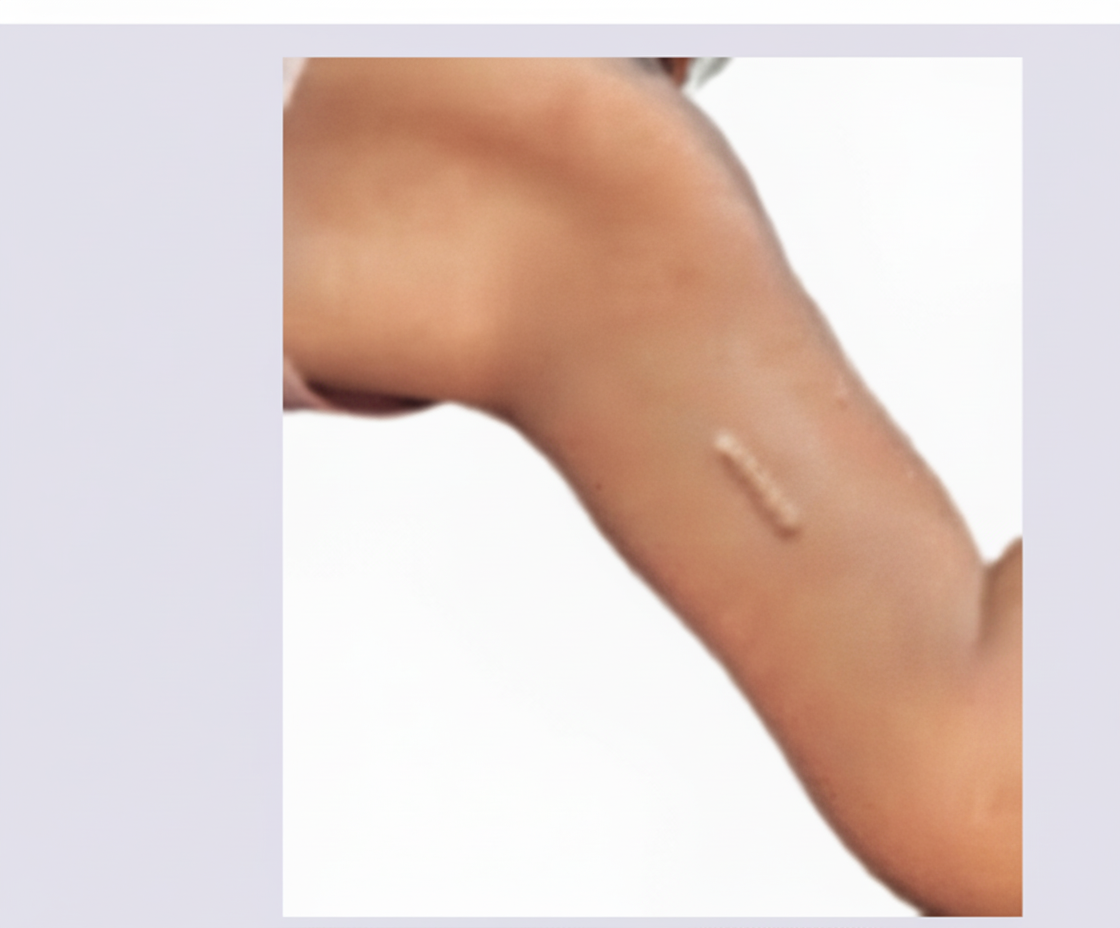
Explanation: ***It does not inhibit ovulation*** - The **etonogestrel implant** (Nexplanon) **does inhibit ovulation** in approximately **97% of menstrual cycles**, making this statement false. - **Ovulation suppression** is the **primary mechanism** of contraceptive action for this subdermal implant. *It has the least failure rate* - The etonogestrel implant has a **failure rate of less than 1%**, making it one of the **most effective reversible contraceptives**. - It provides **continuous hormone release** without user compliance issues, contributing to its high effectiveness. *It contains etonogestrel* - The subdermal implant (Nexplanon) contains **68 mg of etonogestrel**, a **third-generation progestin**. - Etonogestrel is released continuously over **3 years**, providing consistent contraceptive efficacy. *It is effective for 3 years* - The **etonogestrel implant** provides contraceptive protection for **3 years** from insertion. - After 3 years, the implant must be **removed and replaced** if continued contraception is desired.
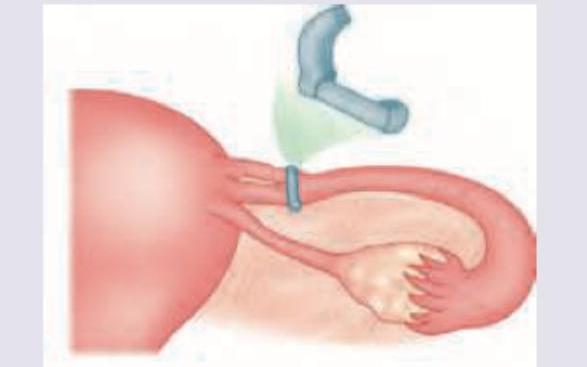
Explanation: **Explanation:** The success of tubal sterilization reversal (tuboplasty) is directly proportional to the **length of the healthy fallopian tube preserved** and the **minimal nature of tissue destruction**. **Why Option D is Correct:** Laparoscopic tubal ligation using **Hulka-Clemens clips** or **Filshie clips** is the most reversible method. Clips cause the least amount of tissue damage, destroying only about **3–5 mm** of the fallopian tube. Because the majority of the tube remains intact and healthy, surgical re-anastomosis has the highest success rate (up to 80-90%). **Analysis of Incorrect Options:** * **Pomeroy’s Technique (Option A):** This is the most common method used during postpartum sterilization. It involves looping the tube, ligating it, and excising a segment. It destroys approximately **3–4 cm** of the tube, making reversal more difficult than clips. * **Irwing’s Technique (Option B):** This involves burying the proximal end of the tube into the myometrium. It is the most effective method (lowest failure rate) but is considered **permanent and irreversible** due to extensive anatomical disruption. * **Silastic Bands/Falope Rings (Option C):** These cause more tissue necrosis than clips. They destroy about **2–3 cm** of the tube due to the pressure necrosis of the looped segment, resulting in lower reversal success compared to clips. **NEET-PG High-Yield Pearls:** * **Most Reversible:** Clips > Silastic Bands > Pomeroy’s. * **Most Effective (Lowest Failure Rate):** Irwing’s technique. * **Most Common Method (India):** Modified Pomeroy’s technique. * **Highest Failure Rate:** Madlener’s technique (due to fistula formation). * **Ideal Site for Reversal:** Isthmus-to-isthmus anastomosis yields the best results.
Natural Family Planning Methods
Practice Questions
Barrier Methods
Practice Questions
Hormonal Contraceptives
Practice Questions
Intrauterine Devices
Practice Questions
Emergency Contraception
Practice Questions
Permanent Contraception Methods
Practice Questions
Contraception in Special Populations
Practice Questions
Contraceptive Counseling
Practice Questions
Side Effects and Complications of Contraceptives
Practice Questions
Future Contraceptive Technologies
Practice Questions
Get full access to all questions, explanations, and performance tracking.
Start For Free