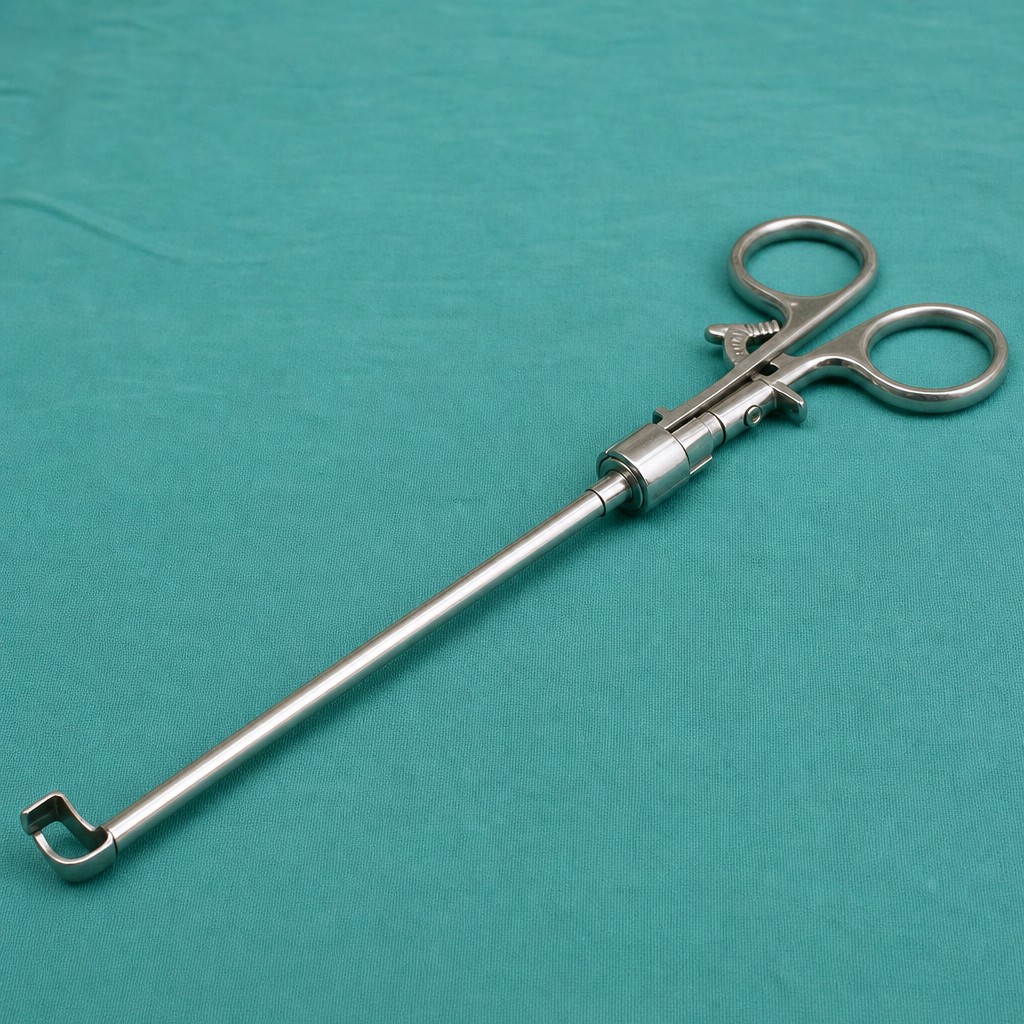
Which intrauterine device (IUD) is most commonly associated with expulsion?
Which of the following statements is true regarding mifepristone (RU 486)?
What is an absolute contraindication for Cu-T insertion?
What is the best mode of contraception for a newly married lady with rheumatic heart disease?
Which of the following is the best contraceptive option in a 30-year-old woman with heart disease?
How is contraception efficacy measured?
Which of the following drugs can be safely used in early pregnancy to treat rheumatoid arthritis, except:
Oral contraceptive pills decrease the incidence of all of the following conditions except:
Which of the following are considered Long Acting Reversible Contraceptives (LARC)?
Which of the following is the safest method of sterilization in the immediate postpartum period?
Explanation: **Explanation:** The expulsion rate of an intrauterine device (IUD) is primarily influenced by its shape, size, and the material's interaction with the uterine cavity. **Why Lippes Loop is the Correct Answer:** The **Lippes Loop** is a non-medicated, first-generation IUD made of polyethylene. It has the **highest expulsion rate** among all IUDs. This is because it is a large, bulky device that lacks a rigid frame to anchor it effectively against the uterine walls. Its presence often triggers significant uterine contractions (myometrial activity) as the uterus attempts to expel the foreign body, leading to a higher incidence of spontaneous displacement compared to modern, smaller, T-shaped devices. **Analysis of Incorrect Options:** * **T Cu-200 & T Cu-380A:** These are second and third-generation medicated IUDs. Their **T-shape** is designed to conform better to the uterine cavity, significantly reducing the risk of expulsion compared to the S-shaped Lippes Loop. * **LNG-IUD (Mirena):** This hormone-releasing system also uses a T-shaped frame. Additionally, the progestogen (Levonorgestrel) causes endometrial atrophy and reduces uterine contractility, further lowering the risk of expulsion compared to non-medicated devices. **High-Yield Clinical Pearls for NEET-PG:** * **Most common side effect of IUDs:** Bleeding (Menorrhagia). * **Most common reason for removal:** Bleeding (for Copper T) and Pain. * **Ideal time for insertion:** During menstruation or within 10 days of the cycle (to ensure the patient is not pregnant and the cervix is slightly dilated). * **Expulsion Risk:** Highest in the first year of use and during the first few months post-insertion. * **PPIUD (Postpartum IUD):** Has a higher expulsion rate than interval insertion, but is still a recommended public health strategy.
Explanation: **Explanation:** **Mifepristone (RU-486)** is a potent synthetic steroid with high affinity for **progesterone receptors**, where it acts as a competitive antagonist. 1. **Why Option D is correct:** When used as emergency contraception (EC), mifepristone primarily acts by **inhibiting or delaying ovulation** through the suppression of the LH surge. If taken during the luteal phase, it can disrupt the endometrium. This hormonal interference frequently results in a **delay of the next menstrual period** (usually by a few days), which is a common clinical observation and a key point for patient counseling. 2. **Why other options are incorrect:** * **Option A:** Mifepristone does not prevent fertilization; it prevents pregnancy primarily by interfering with ovulation or preventing implantation (post-fertilization). * **Option B:** It has a high affinity for **progesterone and glucocorticoid receptors**, but negligible affinity for estrogen receptors. In fact, it exhibits anti-progestational and anti-glucocorticoid activity. * **Option C:** While a single dose is effective, the standard low-dose for emergency contraception is **10 mg**, but its efficacy is approximately **85%**; more importantly, the dose-response relationship in literature varies, and the "90%" figure is not a standardized clinical hallmark compared to the definitive side effect of menstrual delay. **High-Yield Clinical Pearls for NEET-PG:** * **Mechanism in Medical Abortion:** It causes decidual breakdown and sensitizes the myometrium to prostaglandins (like Misoprostol). * **Dose for Medical Abortion:** 200 mg orally (followed by Misoprostol 800 mcg 36–48 hours later) up to 9 weeks (63 days) of gestation. * **Dose for Emergency Contraception:** A single 10 mg dose is effective up to 72–120 hours post-coitus. * **Other Uses:** Cushing’s syndrome (due to anti-glucocorticoid action), fibroids, and endometriosis.
Explanation: **Explanation:** The correct answer is **Undiagnosed vaginal bleeding**. **1. Why it is the Correct Answer:** According to the WHO Medical Eligibility Criteria (MEC) for contraceptive use, undiagnosed vaginal bleeding is a **Category 4 contraindication** (Absolute Contraindication) for the insertion of a Copper-T (Cu-T). The underlying medical concern is that the bleeding could be a symptom of an underlying malignancy (such as cervical or endometrial cancer) or an active pelvic infection. Inserting an IUD in these scenarios could worsen the condition, delay a critical diagnosis, or cause complications like perforation and heavy hemorrhage. **2. Analysis of Incorrect Options:** * **A. Patient unmotivated:** This is a psychosocial factor, not a medical contraindication. While counseling is essential for compliance, it does not pose a clinical risk. * **C. Previous ectopic pregnancy:** This is actually a **Category 1** condition (No restriction). While a Cu-T does not prevent ectopic pregnancy as effectively as it prevents intrauterine pregnancy, a history of ectopic pregnancy does not preclude its use. * **D. Previous history of abortion:** Cu-T can be inserted immediately post-abortion (provided there is no sepsis), making this a safe time for insertion. **3. High-Yield Clinical Pearls for NEET-PG:** * **WHO MEC Category 4 (Absolute Contraindications) for Cu-T:** * Pregnancy. * Undiagnosed vaginal bleeding. * Current Pelvic Inflammatory Disease (PID) or Purulent Cervicitis. * Gestational Trophoblastic Disease (with high hCG). * Cervical or Endometrial Cancer (awaiting treatment). * Distorted uterine cavity (e.g., large fibroids). * Copper allergy or Wilson’s Disease. * **Ideal Time for Insertion:** Within 10 days of the menstrual cycle (to ensure the patient is not pregnant). * **Most Common Side Effect:** Bleeding (Menorrhagia); **Most Common Reason for Removal:** Pain and Bleeding.
Explanation: **Explanation:** The primary goal of contraception in a patient with Rheumatic Heart Disease (RHD) is to prevent pregnancy while avoiding any method that exacerbates the underlying cardiac condition or increases the risk of complications like thromboembolism or infection. **Why Condoms (Barrier Method) are the best choice:** Condoms are the preferred method for a newly married woman with RHD because they are **non-hormonal** and do not interfere with the cardiovascular system. They carry zero risk of thromboembolism, do not cause fluid retention (which could lead to congestive heart failure), and provide protection against Pelvic Inflammatory Disease (PID). In cardiac patients, preventing infection is crucial to avoid secondary infective endocarditis. **Analysis of Incorrect Options:** * **Oral Contraceptive Pills (OCPs):** These are generally contraindicated in RHD, especially if there is associated valvular damage or atrial fibrillation. The estrogen component increases the risk of **thromboembolism**, which is already a significant concern in RHD patients. * **IUCD (Intrauterine Contraceptive Device):** IUCDs are avoided in RHD due to the risk of **pelvic infections** and subsequent **subacute bacterial endocarditis (SABE)**. Additionally, the vasovagal shock that can occur during insertion can be dangerous for a patient with a compromised heart. * **Norplant:** While progestogen-only methods are safer than combined pills, they are not the "best" initial choice compared to barrier methods due to potential side effects and the invasive nature of the implant. **Clinical Pearls for NEET-PG:** * **Ideal Contraceptive for RHD:** Barrier methods (Condoms). * **Most Effective (but not best for RHD):** Sterilization (Permanent) or Progestogen-only methods if barrier methods fail. * **WHO Eligibility Criteria:** Combined Oral Contraceptives are Category 4 (Absolute Contraindication) for patients with complicated valvular heart disease. * **Infective Endocarditis Prophylaxis:** No longer routinely recommended for IUCD insertion by recent guidelines, but IUCDs are still clinically avoided in RHD due to the high stakes of infection.
Explanation: **Explanation:** The selection of a contraceptive method in women with heart disease depends on the specific cardiac condition, the risk of thromboembolism, and the potential for hemodynamic instability. **Why IUCD is the Correct Answer:** According to the WHO Medical Eligibility Criteria (MEC), the **Intrauterine Contraceptive Device (IUCD)**, specifically the Levonorgestrel-releasing Intrauterine System (LNG-IUS) or the Copper-T (Cu-T), is often the preferred long-acting reversible contraceptive (LARC) for cardiac patients. It provides highly effective contraception without the systemic cardiovascular risks associated with estrogen. While there is a theoretical risk of a vasovagal attack during insertion, it is manageable and does not outweigh the benefit of avoiding pregnancy, which carries a much higher cardiac load. **Analysis of Incorrect Options:** * **Sterilization (A):** While permanent, the surgical procedure (laparoscopy or laparotomy) and anesthesia pose significant hemodynamic risks (e.g., CO2 pneumoperitoneum affecting venous return) to a woman with heart disease. It is generally reserved for stable patients or performed via minilap. * **Steroid Contraceptives (B):** Combined Oral Contraceptive Pills (COCPs) are often contraindicated (MEC 3 or 4) in many cardiac conditions (like valvular heart disease, ischemic heart disease, or history of stroke) due to the estrogen component, which increases the risk of thromboembolism. * **Barrier Methods (C):** While safe, they have a high "typical use" failure rate. In cardiac patients, where pregnancy can be life-threatening, a method with higher efficacy is preferred. **High-Yield Clinical Pearls for NEET-PG:** * **WHO MEC 4 (Absolute Contraindication):** COCPs are strictly contraindicated in patients with a history of thromboembolism or complicated valvular heart disease (pulmonary hypertension, atrial fibrillation). * **Infective Endocarditis (IE):** Routine antibiotic prophylaxis is **no longer recommended** by the AHA/ESC for IUCD insertion, even in patients with high-risk cardiac lesions. * **Progestogen-only pills (POPs):** These are a safe alternative if IUCDs are refused, as they do not increase the risk of thrombosis.
Explanation: To measure the efficacy of a contraceptive method, we primarily look at the **failure rate**. In clinical research and public health, two standard statistical tools are used: **1. Pearl Index (PI):** This is the most common method. it calculates the number of unintended pregnancies per 100 woman-years of exposure. * *Formula:* (Total accidental pregnancies × 1200) / (Total months of exposure). * *Limitation:* It assumes a constant failure rate over time, which is often inaccurate as failure rates usually decrease the longer a method is used. **2. Life Table Analysis:** This is a more sophisticated method that calculates the failure rate at specific intervals (e.g., at 6 months, 12 months). It accounts for "drop-outs" and recognizes that the risk of pregnancy changes over time, making it more accurate than the Pearl Index for long-term studies. ### Analysis of Options: * **Option A:** Incorrect because while the Pearl Index is standard, it is not the *only* measure; Life Table analysis provides a more longitudinal perspective. * **Option C & D:** Incorrect because the **Couple Protection Rate (CPR)** is a public health indicator used to monitor the performance of family planning programs in a population. It measures the proportion of eligible couples protected by any contraceptive method; it does **not** measure the efficacy of the method itself. ### High-Yield NEET-PG Pearls: * **Most effective contraceptive (Lowest Pearl Index):** Implant (Nexplanon) ~0.05. * **Least effective (Highest Pearl Index):** No contraception (~85) or Barrier methods (with typical use). * **Perfect Use vs. Typical Use:** Pearl Index is always lower (better) for "perfect use" compared to "typical use" (which accounts for human error). * **Denominator of Pearl Index:** 100 woman-years (equivalent to 1,200 months or 1,300 cycles).
Explanation: **Explanation:** The management of Rheumatoid Arthritis (RA) during pregnancy requires a careful balance between controlling maternal disease activity and avoiding teratogenicity. **Why Leflunomide is the Correct Answer:** Leflunomide is **strictly contraindicated** in pregnancy (FDA Category X). It is a pyrimidine synthesis inhibitor that is highly teratogenic, associated with significant fetal malformations (skeletal, craniofacial, and cardiovascular). Due to its long half-life and active metabolite (teriflunomide), it can persist in the body for up to two years. If a patient becomes pregnant while on this drug, a **Cholestyramine washout protocol** is mandatory to rapidly eliminate the drug from the plasma. **Analysis of Incorrect Options:** * **Sulfasalazine:** Considered safe in pregnancy. It is a common DMARD used for RA in pregnant women. However, it should be co-administered with high-dose Folic Acid (5mg) as it is a folate antagonist. * **NSAIDs:** Generally considered safe in the **first and second trimesters** for pain management. They are avoided in the third trimester (after 30-32 weeks) due to the risk of premature closure of the *ductus arteriosus* and oligohydramnios. * **Adalimumab:** This is a TNF-alpha inhibitor. Large molecules like IgG1 antibodies do not significantly cross the placenta during the first trimester (organogenesis). While often stopped in the third trimester to prevent neonatal immunosuppression, they are considered safe for use in early pregnancy if the disease is severe. **High-Yield Clinical Pearls for NEET-PG:** * **Drug of Choice for RA in pregnancy:** Sulfasalazine or Hydroxychloroquine. * **Methotrexate:** Absolutely contraindicated (Category X); causes "Fetal Methotrexate Syndrome" (craniofacial anomalies, limb defects). * **Washout:** If pregnancy is planned after Leflunomide, plasma levels must be confirmed <0.02 mg/L on two separate tests. * **RA Course:** Symptoms of RA typically **improve** during pregnancy (due to immune modulation) but often flare postpartum.
Explanation: **Explanation:** Combined Oral Contraceptive Pills (COCPs) are known for several non-contraceptive health benefits, but they are also associated with specific risks. **Why Hepatic Adenoma is the correct answer:** Hepatic adenoma is a rare, benign liver tumor that is a known **complication** of long-term COCP use. The estrogen component in the pill promotes the growth of these vascular tumors. Therefore, COCPs **increase** the incidence of hepatic adenoma rather than decreasing it. If an adenoma is detected, the first step in management is often the discontinuation of the pill. **Why the other options are incorrect:** * **Salpingitis (Pelvic Inflammatory Disease):** COCPs decrease the risk of symptomatic PID. The progestogen component thickens the cervical mucus, creating a barrier that prevents the upward migration of pathogens into the fallopian tubes. * **Ovary CA:** COCPs provide significant protection against epithelial ovarian cancer by suppressing ovulation ("incessant ovulation" theory). This protective effect increases with the duration of use and persists for years after discontinuation. * **Fibroadenosis:** COCPs reduce the incidence of benign breast diseases, including fibroadenosis and fibrocystic disease, by stabilizing hormonal fluctuations. **NEET-PG High-Yield Pearls:** * **Cancer Protection:** COCPs decrease the risk of **Ovarian** and **Endometrial** cancers (by ~50%). They also reduce the risk of **Colorectal** cancer. * **Cancer Risks:** COCPs are associated with a slight increase in the risk of **Cervical** and **Breast** cancers. * **Other Benefits:** They reduce the risk of ectopic pregnancy, iron-deficiency anemia (due to reduced menstrual flow), and functional ovarian cysts.
Explanation: **Explanation:** **Long-Acting Reversible Contraceptives (LARC)** are defined as methods of birth control that provide effective contraception for an extended period without requiring daily or frequent user action. The hallmark of LARCs is their high efficacy (comparable to sterilization) and their "forget-ability," which eliminates the risk of user error. 1. **Why the answer is "All of the above":** * **IUCDs (Option C):** Both Copper-T (e.g., Cu-T 380A, effective for 10 years) and Levonorgestrel-releasing systems (e.g., Mirena, effective for 5–8 years) are classic LARCs. * **Implants (Option A):** Subdermal implants (e.g., Nexplanon/Implanon) provide continuous hormone release for 3 years and are considered the most effective reversible method available. * **Injections (Option B):** While some international guidelines (like the CDC) categorize only IUCDs and Implants as LARCs due to their multi-year duration, the **WHO and Indian National Health Programs** often include Injectable Contraceptives (e.g., DMPA/Antara) under the LARC umbrella because they provide protection for 3 months per dose, significantly longer than daily pills or coitus-dependent methods. 2. **Clinical Pearls for NEET-PG:** * **Most Effective Contraceptive:** Subdermal Implant (Failure rate ~0.05%). * **LARC vs. Permanent:** LARCs are as effective as tubal ligation but are fully reversible. * **Postpartum IUCD (PPIUCD):** Should be inserted within 48 hours of delivery; if missed, wait until 6 weeks (involution). * **DMPA (Antara):** Given every 13 weeks (IM). A common side effect is menstrual irregularity followed by amenorrhea and a potential delay in the return of fertility (up to 7–10 months). * **Ideal Candidate:** LARCs are now recommended as first-line options for both nulliparous and multiparous women, including adolescents.
Explanation: **Explanation:** In the immediate postpartum period (within 48 hours to 7 days of delivery), the uterus is significantly enlarged and intra-abdominal, with the fundus located near the level of the umbilicus. This anatomical change dictates the choice of sterilization. **1. Why Minilaparotomy is the Correct Answer:** Minilaparotomy (specifically the **Pomeroy technique**) is the gold standard for postpartum sterilization. Because the fundus is high, a small (2–3 cm) subumbilical incision provides direct and easy access to the fallopian tubes. It is safe, cost-effective, and can be performed under local anesthesia or sedation. It avoids the risks associated with creating a pneumoperitoneum in a recently pregnant abdomen. **2. Why Other Options are Incorrect:** * **Laparoscopy:** This is the preferred method for **interval sterilization** (non-pregnant state). However, in the immediate postpartum period, it is contraindicated or avoided because the large uterus increases the risk of visceral injury during Trocar insertion. Additionally, the increased vascularity of the pelvic organs and the difficulty in maintaining a pneumoperitoneum make it unsafe. * **Hysteroscopic method (e.g., Essure):** This involves placing micro-inserts into the fallopian tubes via the cervix. It is not performed postpartum because the uterine cavity is enlarged, the endometrium is sloughing (lochia), and the anatomy is distorted, leading to a high risk of expulsion or perforation. **Clinical Pearls for NEET-PG:** * **Ideal Timing:** Postpartum sterilization is ideally done 24–48 hours after delivery (to ensure hemodynamic stability). * **Failure Rate:** The failure rate of postpartum sterilization is approximately 1 in 200. * **Counseling:** Sterilization is a permanent method; informed consent must be obtained during the antenatal period, not during active labor. * **Modified Pomeroy’s Technique** is the most common surgical method used during minilaparotomy.
Natural Family Planning Methods
Practice Questions
Barrier Methods
Practice Questions
Hormonal Contraceptives
Practice Questions
Intrauterine Devices
Practice Questions
Emergency Contraception
Practice Questions
Permanent Contraception Methods
Practice Questions
Contraception in Special Populations
Practice Questions
Contraceptive Counseling
Practice Questions
Side Effects and Complications of Contraceptives
Practice Questions
Future Contraceptive Technologies
Practice Questions
Get full access to all questions, explanations, and performance tracking.
Start For Free