A 43-year-old woman complains of fatigue and night sweats associated with itching for 2 months. On physical examination, there is diffuse nontender lymphadenopathy, including small supraclavicular, epitrochlear, and scalene nodes. CBC and chemistry studies (including liver enzymes) are normal. Chest x-ray shows hilar lymphadenopathy. Which of the following is the best next step in evaluation?
A 69-year-old man, whose friend died of prostate cancer, wishes to be evaluated for the disease. He has no urinary symptoms. Which of the following tests is most likely indicated to screen him for prostate cancer?
A 70-year-old intensive care unit patient complains of fever and shaking chills. The patient develops hypotension, and blood cultures are positive for gram-negative bacilli. The patient begins bleeding from venipuncture sites and around his Foley catheter. Laboratory studies show: Hct: 38%, WBC: 15,000/mL, Platelet count: 40,000/mL, fragmented RBCs on peripheral blood smear, elevated PT, elevated PTT, plasma fibrinogen: 70 mg/dL. Which of the following is the best course of therapy in this patient?
Hormonal treatment is given for which of the following malignancies?
Which of the following is NOT a risk factor for developing cholangiocarcinoma?
Which of the following is not an oncological emergency?
A 42-year-old man is on amitriptyline for depression. Recently he has been feeling more lethargic and unwell. His clinical examination is normal. Serum sodium is 125 mEq/L and osmolality is 260 mOsm/kg, and urine sodium is 40 mEq/L and osmolality is 450 mOsm/kg. For the above patient with hyponatremia, select the most likely diagnosis.
A 28-year-old woman presents with a recent episode of coughing up blood, frequent nosebleeds, and decreased urine output. Physical examination reveals an ulcerated nasal mucosa. Urinalysis is positive for protein and red blood cells, consistent with acute glomerulonephritis. Chest X-ray shows two cavitary lesions, and serology is positive for antineutrophil cytoplasmic antibodies (ANCA). Which of the following is the most likely diagnosis?
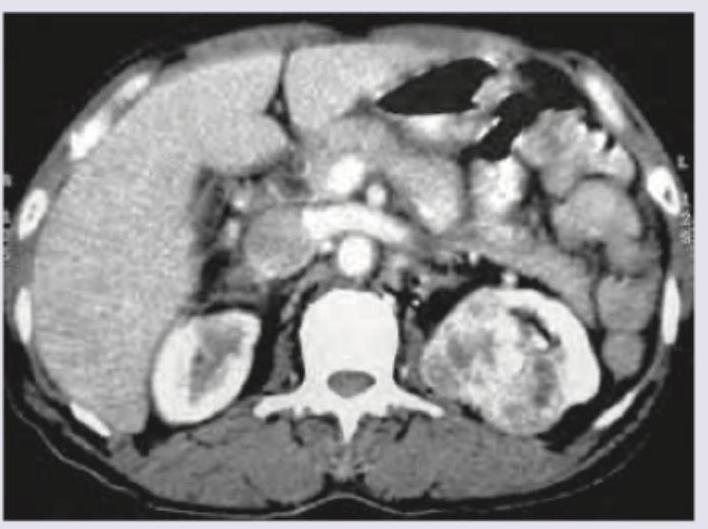
What is the commonest site of extramedullary relapse?
Which of the following statements regarding cancer therapy with interleukin 2 (IL-2) is true?
Explanation: ### Explanation The clinical presentation of **B-symptoms** (night sweats, fatigue), **generalized pruritus**, and **diffuse nontender lymphadenopathy** (especially in high-risk areas like supraclavicular and scalene nodes) is highly suspicious for **Lymphoma** (specifically Hodgkin Lymphoma, given the itching and hilar adenopathy) [1]. **1. Why Excisional Biopsy is the Correct Choice:** In any patient with suspected lymphoma, an **excisional lymph node biopsy** is the gold standard and the "best next step." [1] Unlike Fine Needle Aspiration (FNA), which only provides cytology, an excisional biopsy preserves the **node architecture**. This is critical for distinguishing between Hodgkin and Non-Hodgkin lymphoma and for accurate subtyping (e.g., identifying Reed-Sternberg cells within the appropriate cellular background). **2. Analysis of Incorrect Options:** * **B & C (Monospot/Toxoplasmosis):** While Infectious Mononucleosis and Toxoplasmosis cause lymphadenopathy, they typically present with acute pharyngitis or fever and rarely cause hilar adenopathy or significant B-symptoms [1]. * **D (Serum ACE level):** While hilar adenopathy and itching can occur in **Sarcoidosis**, ACE levels are neither sensitive nor specific enough for a primary diagnosis. Histopathological confirmation (showing non-caseating granulomas) is still required to rule out malignancy. **3. NEET-PG High-Yield Pearls:** * **Supraclavicular/Scalene Nodes:** Always considered pathological until proven otherwise; they have a high association with intrathoracic or intra-abdominal malignancy. * **Pruritus in Hodgkin Lymphoma (HL):** Occurs in about 25% of patients and can precede the diagnosis by weeks. * **Biopsy Hierarchy:** Excisional Biopsy > Incisional Biopsy > Core Needle Biopsy > FNA (FNA is generally insufficient for the initial diagnosis of lymphoma) [1]. * **Alcohol-induced pain:** Pain in lymph nodes after drinking alcohol is a rare but highly specific sign for Hodgkin Lymphoma.
Explanation: ### Explanation The correct approach to prostate cancer screening involves a combination of **Digital Rectal Examination (DRE)** and **Prostate-Specific Antigen (PSA)** testing. **1. Why "DRE and PSA" is correct:** Screening is most effective when both tests are used together because they are complementary. * **PSA** has high sensitivity but low specificity (it can be elevated in BPH or prostatitis). * **DRE** can detect tumors in the posterior and lateral aspects of the prostate (where 70% of cancers originate) even if the PSA is within the normal range [1]. Approximately 20-25% of cancers are detected by DRE despite a normal PSA; however, note that up to 45% of tumors may remain impalpable even on DRE [1]. Combining both maximizes the **Positive Predictive Value (PPV)** for detecting clinically significant malignancy. **2. Why other options are incorrect:** * **Prostate Ultrasound (Option A):** Transrectal Ultrasound (TRUS) is not a screening tool. It is used to guide biopsies or evaluate a patient who already has an abnormal PSA or DRE. It lacks the sensitivity to be used as a primary screen. * **DRE alone (Option B):** DRE is highly subjective and often misses early-stage tumors that are not yet palpable but are producing elevated PSA levels [1]. * **PSA alone (Option D):** While PSA is a powerful marker, relying on it alone misses "PSA-negative" cancers (e.g., high-grade neuroendocrine or small cell variants) that may be palpable on DRE. **Clinical Pearls for NEET-PG:** * **Age to start:** Screening is generally discussed at age 50 for average-risk men (age 45 for high-risk, such as African Americans or those with a first-degree relative diagnosed at <65). * **PSA Cut-off:** Traditionally **>4 ng/mL** is the threshold for further evaluation, though age-specific ranges are often used. * **Definitive Diagnosis:** The "Gold Standard" for diagnosis is a **TRUS-guided needle biopsy** (usually 12 cores). * **Metastasis:** Prostate cancer most commonly spreads to the **bone (osteoblastic lesions)**, specifically the lumbar spine and pelvis [1]; the investigation of choice for metastasis is a **Radionuclide Bone Scan**.
Explanation: ### **Explanation** The clinical presentation of fever, hypotension, gram-negative sepsis, and spontaneous bleeding from venipuncture sites, combined with laboratory findings (thrombocytopenia, schistocytes, prolonged PT/PTT, and low fibrinogen), is a classic description of **Disseminated Intravascular Coagulation (DIC)** [1], [2]. **1. Why "Treat underlying disease" is correct:** DIC is never a primary diagnosis; it is always secondary to an underlying systemic insult (in this case, **Gram-negative sepsis**) [1]. The pathophysiology involves the systemic activation of coagulation, leading to the consumption of clotting factors and platelets [2]. The most critical step in management is to **eliminate the trigger** [1]. Without treating the sepsis (with antibiotics and source control), any replacement therapy (like FFP or platelets) is akin to "adding fuel to the fire," as the procoagulant stimulus remains active [1], [2]. **2. Why the other options are incorrect:** * **A. Begin Heparin:** While heparin can be used in chronic, compensated DIC (e.g., Trousseau syndrome in malignancy), it is generally **contraindicated** in acute DIC with active bleeding, as it can worsen the hemorrhage. * **C. Begin Plasmapheresis:** This is the treatment of choice for **Thrombotic Thrombocytopenic Purpura (TTP)**. While TTP also presents with schistocytes and thrombocytopenia, it typically features normal PT/PTT and fibrinogen levels, unlike DIC. * **D. Give Vitamin K:** Vitamin K deficiency causes prolonged PT/PTT but does not cause thrombocytopenia, low fibrinogen, or the presence of schistocytes (fragmented RBCs). --- ### **High-Yield Clinical Pearls for NEET-PG** * **DIC Hallmark:** Low Fibrinogen + Elevated D-dimer (most sensitive) + Prolonged PT/PTT + Schistocytes [1], [2]. * **Common Triggers:** Sepsis (Gram-negative), Obstetric complications (Abruptio placentae), and Malignancy (APML - M3) [1]. * **Management Priority:** 1. Treat the cause (Primary) [1], [2]. 2. Supportive care (Fluids/Pressors). 3. Blood products (FFP/Cryoprecipitate/Platelets) *only* if the patient is actively bleeding or requires a procedure [1]. * **Differentiating TTP vs. DIC:** TTP has a **normal** coagulation profile (PT/PTT); DIC has an **abnormal** coagulation profile.
Explanation: **Explanation:** **1. Why Carcinoma of the Prostate is Correct:** Prostate cancer is a classic example of a **hormone-dependent malignancy**. The growth and survival of prostatic adenocarcinoma cells are largely driven by androgens (testosterone and dihydrotestosterone) [1]. Therefore, **Androgen Deprivation Therapy (ADT)** is a cornerstone of management, especially in metastatic or advanced stages [2]. This is achieved through surgical castration (orchiectomy) or medical castration using GnRH agonists (e.g., Leuprolide), GnRH antagonists (e.g., Degarelix), or androgen receptor blockers (e.g., Enzalutamide). **2. Analysis of Incorrect Options:** * **Choriocarcinoma (A):** This is a highly malignant germ cell tumor that is exquisitely sensitive to **chemotherapy** (specifically Methotrexate or the EMA-CO regimen). While it produces hormones (hCG), it is not treated with hormonal therapy [1]. * **Hepatoma (C):** Hepatocellular carcinoma (HCC) is primarily treated with surgical resection, liver transplantation, or targeted systemic therapies like Multikinase inhibitors (e.g., **Sorafenib**, Lenvatinib) and immunotherapy. It does not respond to hormonal manipulation. * **Teratoma (D):** Teratomas are germ cell tumors composed of multiple germ layers. Mature teratomas are treated with **surgical excision**, while malignant components (immature teratoma) require chemotherapy [1]. They are not hormone-sensitive. **Clinical Pearls for NEET-PG:** * **Other Hormone-Dependent Tumors:** Breast cancer (ER/PR positive), Endometrial cancer, and some Thyroid cancers (TSH suppression). * **First-line for Metastatic Prostate CA:** ADT is the standard of care. * **Tumor Flare:** GnRH agonists can cause a transient surge in testosterone; this is prevented by co-administering Flutamide (anti-androgen) for the first 2 weeks.
Explanation: **Explanation:** Cholangiocarcinoma (CCA) is a malignancy arising from the biliary epithelium [1]. The primary pathophysiology involves **chronic inflammation** and cholestasis, which lead to DNA damage and malignant transformation of cholangiocytes. **Why Option D is the Correct Answer:** Working in the **rubber industry** is a well-established risk factor for **Bladder Cancer** (due to exposure to aromatic amines like benzidine) and certain leukemias, but it is **not** associated with cholangiocarcinoma. In contrast, the chemical industry exposure specifically linked to cholangiocarcinoma is the **aircraft and PVC industry** (exposure to 1,2-dichloropropane and dichloromethane). **Analysis of Incorrect Options:** * **Choledochal Cyst (Option A):** These congenital cystic dilatations of the bile duct cause bile stasis and chronic inflammation. The risk of malignancy is as high as 10-15%, necessitating surgical excision. * **Cholelithiasis (Option B):** While gallstones are primarily a risk factor for **Gallbladder Cancer**, large or long-standing stones in the biliary tree (especially hepatolithiasis/intrahepatic stones) cause chronic mucosal irritation, significantly increasing the risk of cholangiocarcinoma [1]. * **Liver Flukes (Option C):** Infection with *Opisthorchis viverrini* and *Clonorchis sinensis* (common in SE Asia) is a classic, high-yield risk factor. These parasites reside in the bile ducts, causing chronic mechanical injury and inflammation [1]. **NEET-PG High-Yield Pearls:** * **Most common risk factor (Worldwide):** Primary Sclerosing Cholangitis (PSC). * **Tumor Marker:** CA 19-9 is commonly elevated (also seen in pancreatic cancer). * **Klatskin Tumor:** A hilar cholangiocarcinoma occurring at the confluence of the right and left hepatic ducts [1]. * **Thorotrast:** A historical radiocontrast agent strongly linked to both cholangiocarcinoma and hepatic angiosarcoma.
Explanation: An **oncological emergency** is defined as an acute condition caused by cancer or its treatment that requires immediate intervention to prevent death or severe permanent disability. **Why Option D is the correct answer:** **Carcinoma cervix stage-III B with Pyometra** is a chronic complication or a local progression of the disease. While pyometra (accumulation of pus in the uterine cavity) requires drainage and antibiotics, it is generally a localized infection and does not pose an immediate threat to life or vital organ function in the same way systemic or compressive oncological emergencies do. It is considered a clinical complication rather than an acute oncological emergency. **Why the other options are incorrect:** * **A. Spinal Cord Compression:** A structural emergency [1]. Delay in treatment (steroids/radiation/surgery) leads to irreversible paralysis. * **B. Superior Vena Cava (SVC) Syndrome:** A vascular emergency caused by obstruction of blood flow through the SVC [1]. It can lead to cerebral edema and airway compromise. * **C. Tumor Lysis Syndrome (TLS):** A metabolic emergency. Rapid breakdown of tumor cells leads to hyperkalemia, hyperuricemia, and hyperphosphatemia, causing acute renal failure and fatal arrhythmias. **High-Yield Clinical Pearls for NEET-PG:** * **Most common cause of SVC Syndrome:** Bronchogenic carcinoma (Small cell lung cancer) [2]. * **Earliest sign of Spinal Cord Compression:** Localized back pain (precedes neurological deficits). * **TLS Prophylaxis:** Aggressive hydration and Allopurinol (Rasburicase for high-risk cases). * **Hypercalcemia of Malignancy:** The most common metabolic oncological emergency overall [1].
Explanation: ### Explanation The patient presents with **hypotonic hyponatremia** (Serum Na+ 125 mEq/L, Osmolality 260 mOsm/kg) in a **euvolemic** state (normal clinical examination). The diagnosis is **SIADH**, likely secondary to **Amitriptyline** (TCAs are a known pharmacological cause). **1. Why SIADH is Correct:** The diagnosis of SIADH is confirmed by the following criteria: * **Hypotonic Hyponatremia:** Serum osmolality <280 mOsm/kg. * **Inappropriate Urine Concentration:** Urine osmolality >100 mOsm/kg (here it is 450 mOsm/kg), indicating ADH is active despite low serum osmolality [2]. * **Natriuresis:** Urine sodium >40 mEq/L (here it is 40 mEq/L) occurs because the body attempts to maintain euvolemia by excreting sodium. * **Clinical Euvolemia:** No signs of edema or dehydration [1]. **2. Why Other Options are Incorrect:** * **CHF (A):** This is a **hypervolemic** state. Patients typically present with edema, JVP elevation, and low urine sodium (<20 mEq/L) due to RAAS activation [1]. * **Extrarenal Losses (B):** This causes **hypovolemic** hyponatremia. Clinical examination would show signs of dehydration (tachycardia, dry mucus membranes), and urine sodium would be low (<20 mEq/L) as the kidneys try to conserve salt [1]. * **Polydipsia (D):** While it causes hypotonic hyponatremia, the urine would be **maximally dilute** (Urine Osmolality <100 mOsm/kg) as the body tries to get rid of excess water [1][2]. **3. NEET-PG High-Yield Pearls:** * **Common Causes of SIADH:** Small cell lung cancer (most common paraneoplastic cause), CNS disorders (stroke, trauma), and Drugs (SSRIs, TCAs, Carbamazepine, Cyclophosphamide). * **Management:** Fluid restriction is the first-line treatment. For severe/symptomatic cases, use 3% hypertonic saline. * **Caution:** Avoid rapid correction to prevent **Osmotic Demyelination Syndrome (Central Pontine Myelinolysis)**. Limit correction to <8–10 mEq/L in 24 hours.
Explanation: ### Explanation The clinical presentation of **Wegener Granulomatosis** (now known as **Granulomatosis with Polyangiitis or GPA**) is classically defined by a triad of involvement: the upper respiratory tract, lower respiratory tract, and the kidneys [1], [2]. 1. **Why the correct answer is right:** * **Upper Respiratory Tract:** The patient has epistaxis and an ulcerated nasal mucosa (saddle-nose deformity is a common late finding) [2]. * **Lower Respiratory Tract:** Hemoptysis and **cavitary lesions** on chest X-ray are hallmark features of GPA [2]. * **Renal:** Acute glomerulonephritis (hematuria and proteinuria) indicates renal involvement, typically presenting as Pauci-immune Crescentic GN [1]. * **Serology:** The presence of **c-ANCA (anti-PR3)** is highly specific (approx. 90%) for GPA [1]. 2. **Why the incorrect options are wrong:** * **Bacterial Endocarditis:** While it can cause hematuria (via embolic GN) and lung issues (septic emboli), it would not typically cause nasal mucosal ulceration and is associated with fever and heart murmurs. * **Goodpasture Syndrome:** This involves a "pulmonary-renal syndrome" (hemoptysis + GN), but it **spares the upper respiratory tract** (no nasal ulcers) and is associated with anti-GBM antibodies, not ANCA [2]. * **Lupus Erythematosus (SLE):** SLE can cause nephritis and lung pleurisy, but cavitary lung lesions and nasal mucosal ulcers are not characteristic. SLE is associated with ANA and anti-dsDNA antibodies [3]. ### High-Yield Pearls for NEET-PG * **Triad of GPA:** Upper RTI + Lower RTI + Glomerulonephritis. * **Biopsy Gold Standard:** Shows necrotizing granulomatous inflammation and vasculitis [2]. * **Serology:** **c-ANCA** (cytoplasmic) directed against **Proteinase-3 (PR3)** [1]. * **Treatment:** Induction with **Cyclophosphamide** or Rituximab plus Corticosteroids [1]. * **Differential:** Microscopic Polyangiitis (MPA) also has lung-renal involvement but lacks granulomas and upper airway involvement, and is usually **p-ANCA** positive [2].
Explanation: In the context of hematological malignancies, particularly **Acute Lymphoblastic Leukemia (ALL)**, extramedullary relapse refers to the reappearance of leukemic cells in sites other than the bone marrow [1]. **1. Why CNS is the correct answer:** The **Central Nervous System (CNS)** is the most common site for extramedullary relapse. This occurs because the blood-brain barrier (BBB) acts as a **"pharmacological sanctuary."** Most standard systemic chemotherapeutic agents (like Vincristine or Anthracyclines) cannot cross the BBB in therapeutic concentrations. Consequently, subclinical leukemic cells can survive in the meninges despite systemic remission, eventually leading to a relapse. This is why CNS prophylaxis (intrathecal methotrexate) is a mandatory component of ALL treatment protocols [1]. **2. Analysis of Incorrect Options:** * **Lung and Liver (Options B & C):** While leukemic infiltration can occur in these solid organs during active disease or blast crisis, they are not considered "sanctuary sites." Systemic chemotherapy reaches these vascular organs effectively, making isolated relapses here rare. * **Testis (Option D):** The testis is the **second most common** site of extramedullary relapse. Like the CNS, it is a sanctuary site due to the blood-testis barrier and a lower local temperature, which may decrease the efficacy of certain drugs. However, statistically, CNS involvement occurs more frequently than testicular involvement. **Clinical Pearls for NEET-PG:** * **Sanctuary Sites:** CNS (1st most common) > Testis (2nd most common). * **CNS Relapse Presentation:** Usually presents with features of increased intracranial pressure (headache, vomiting, papilledema) or cranial nerve palsies. * **Diagnosis:** Identification of blasts in the Cerebrospinal Fluid (CSF) via cytocentrifugation. * **Prophylaxis:** All patients with ALL require CNS prophylaxis regardless of whether blasts are seen in the initial CSF analysis.
Explanation: ### Explanation **1. Why Option D is Correct** Interleukin-2 (IL-2), specifically high-dose recombinant IL-2 (Aldesleukin), is a potent cytokine that acts as a **T-cell growth factor**. It stimulates the proliferation and activation of cytotoxic T-cells and Natural Killer (NK) cells. Historically, it was the first effective immunotherapy for **metastatic melanoma** and **renal cell carcinoma (RCC)**. It can induce durable, complete remissions in a subset of these patients (approximately 5-10%), which is why it is considered a "major response" in the context of these specific malignancies. **2. Why the Other Options are Incorrect** * **Option A:** IL-2 is primarily a **T-cell growth factor**, not a B-cell growth factor. While it has some indirect effects on B-cells, its primary clinical utility in oncology is the expansion of the cellular immune response (T-cells). * **Options B & C:** Metastatic breast and colon cancers are generally considered "cold" tumors regarding IL-2 therapy. They do not show significant clinical responses to IL-2 monotherapy, which is why its use is restricted to immunogenic tumors like melanoma and RCC. **3. High-Yield Clinical Pearls for NEET-PG** * **Mechanism:** IL-2 stimulates the production of Lymphokine-Activated Killer (LAK) cells and Tumor-Infiltrating Lymphocytes (TILs). * **Major Side Effect:** **Capillary Leak Syndrome (CLS)**. IL-2 causes extravasation of plasma into the extravascular space, leading to hypotension, pulmonary edema, and weight gain. * **FDA Approval:** IL-2 is FDA-approved for metastatic Renal Cell Carcinoma and metastatic Melanoma. * **Current Status:** While largely superseded by Checkpoint Inhibitors (PD-1/CTLA-4 inhibitors), IL-2 remains a classic example of cytokine-based immunotherapy in medical board exams.
Cancer Biology and Carcinogenesis
Practice Questions
Principles of Cancer Diagnosis and Staging
Practice Questions
Solid Tumor Management
Practice Questions
Hematological Malignancies
Practice Questions
Cancer Emergencies
Practice Questions
Principles of Chemotherapy, Immunotherapy and Targeted Therapy
Practice Questions
Radiation Oncology Basics
Practice Questions
Palliative Care in Oncology
Practice Questions
Cancer Screening and Prevention
Practice Questions
Paraneoplastic Syndromes
Practice Questions
Get full access to all questions, explanations, and performance tracking.
Start For Free