
Medical Decision Making — MCQs

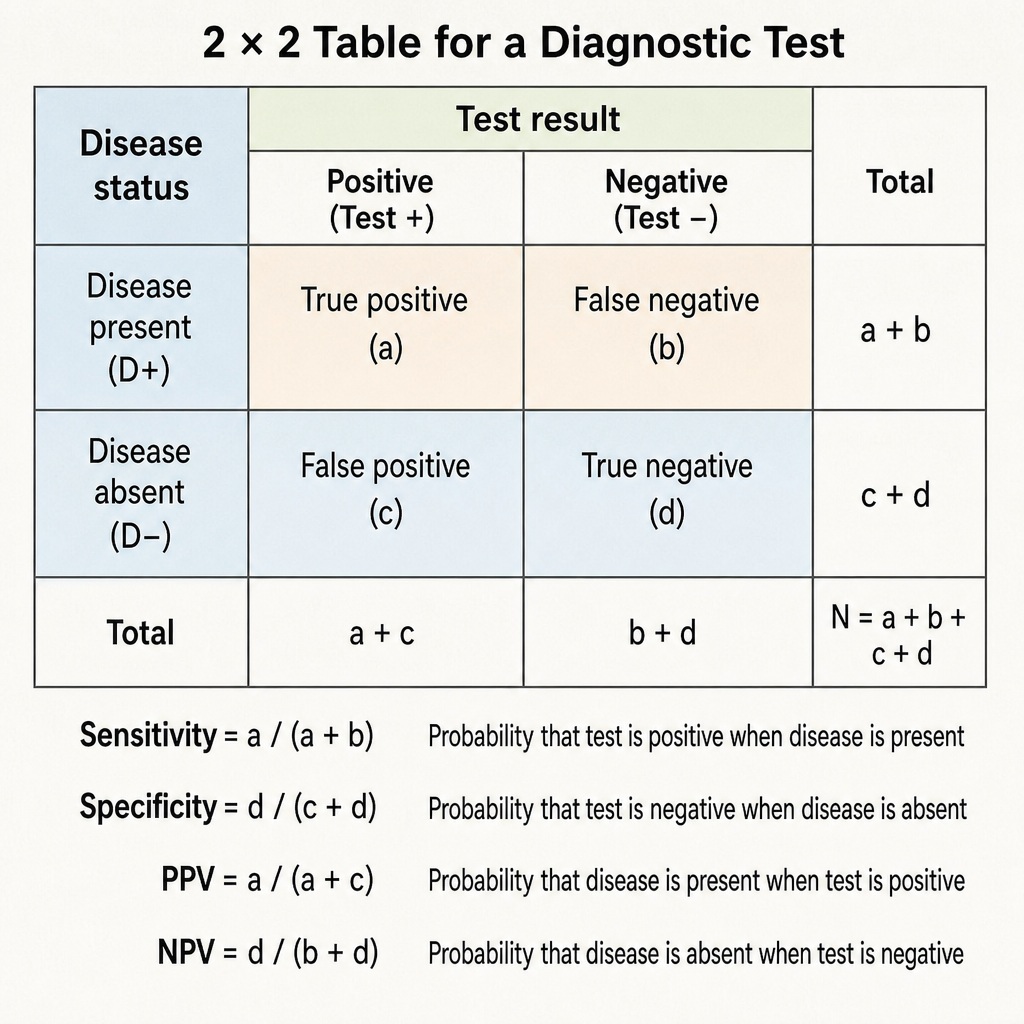
Specificity of a diagnostic test is defined as:
What is the single most useful clinical sign of severity in a person without underlying lung disease?
Which of the following attributes are essential for an ideal screening test?
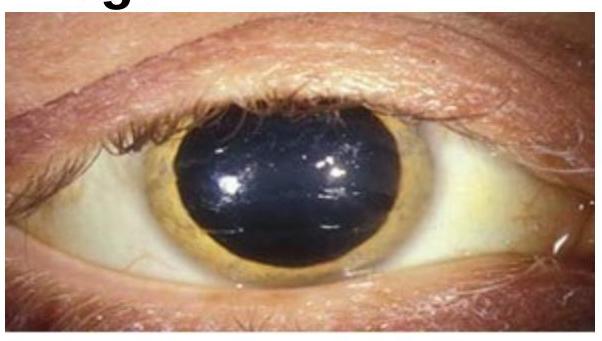
Choose the best method of diagnosis for the clinical sign represented in the image.
A new drug has been introduced into the market which was found to decrease mortality but it does not cure the disease. Which of the following is a true statement regarding prevalence and incidence?
India is a country with different cultures and diverse languages. Which steps should a physician take to address the patient for better outcomes? 1. Insist on good communication 2. Insist on communication only via an interpreter 3. Treat them regardless of their cultural perceptions 4. The physician should consider the patient's religion and cultural perception Select the correct combination:
A 60-year-old male with a history of diabetes and hypertension is found unconscious. On examination, his pulse rate is 120/min and BP is 160/100 mm Hg. What is the next step in management?
Smoking is not a risk factor for which of the following conditions?
Deficiency of which complement component is characteristic of Neisseria infection?
Which of the following is true about the therapy of obesity?
Want unlimited practice?
Get full access to all questions, explanations, and performance tracking.
Scan to download app