Which of the following is NOT a manometric feature of achalasia?
Antiendomysial Antibody is typically seen in which of the following conditions?
In a 30-year-old man, which of the following is the most likely organism causing infection of the epididymis?
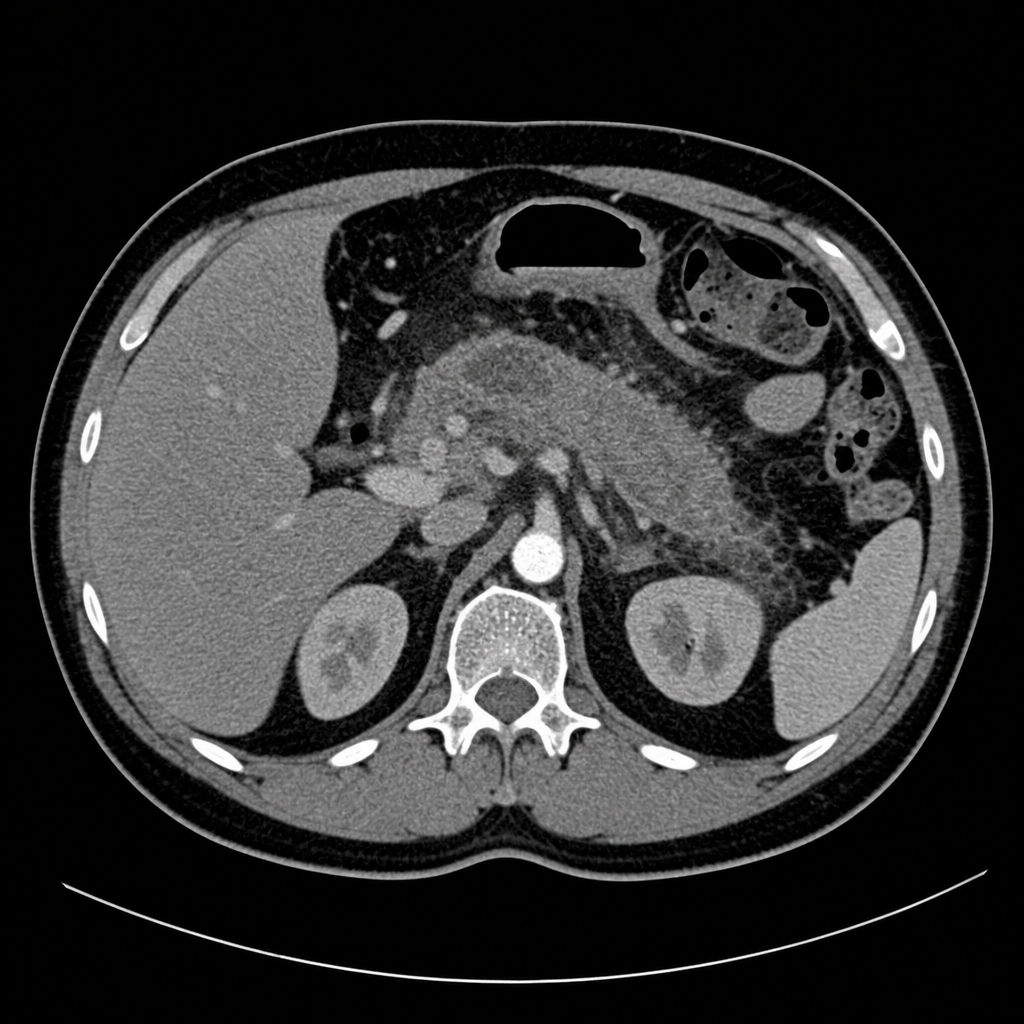
Which of the following is not associated with pancreatitis?
Which of the following is the established biological therapy for Crohn's disease?
Which of the following conditions is characterized by indirect hyperbilirubinemia?
A 28-year-old female with a several-year history of intermittent diarrhea and abdominal pain is seen for inflammatory bowel disease. Endoscopic evaluation of her terminal ileum, colon, and rectum is undertaken. Which of the following endoscopic observations is more indicative of Crohn's disease than of ulcerative colitis?
Which is the most important complication of celiac sprue?
Oral rehydration solution has been employed in a patient with diarrhea for:
Eradication of H. pylori has been proved to be beneficial in which of the following conditions except?
Explanation: ### Explanation **Achalasia Cardia** is a primary esophageal motility disorder characterized by the failure of the Lower Esophageal Sphincter (LES) to relax and the absence of progressive peristalsis in the esophageal body [1]. **1. Why "Segmental body peristalsis" is the correct answer:** In achalasia, the hallmark manometric finding in the esophageal body is **aperistalsis** (complete absence of organized peristalsis) [1]. The esophageal body may show low-amplitude simultaneous contractions or, in the case of Type III (Vigorous) Achalasia, high-amplitude simultaneous contractions. "Segmental body peristalsis" implies some preserved progressive movement, which is inconsistent with the pathophysiology of achalasia (degeneration of the myenteric plexus) [1]. **2. Analysis of incorrect options:** * **High LES pressure:** Approximately 60–90% of patients have a hypertensive LES (resting pressure >45 mmHg). While not mandatory for diagnosis, it is a classic feature [1]. * **Decreased LES relaxation:** This is the **most consistent** manometric finding [1]. There is an incomplete relaxation of the LES in response to swallowing, measured as an elevated Integrated Relaxation Pressure (IRP). * **Manometry helps in diagnosis:** High-Resolution Manometry (HRM) is the **gold standard** for diagnosing achalasia and classifying it into the three Chicago types. **Clinical Pearls for NEET-PG:** * **Gold Standard Investigation:** High-Resolution Manometry. * **Barium Swallow:** Shows "Bird’s beak" appearance and "Mega-esophagus." * **Chicago Classification:** * **Type I (Classic):** No pressure changes in the body. * **Type II (Pan-esophageal pressurization):** Best prognosis. * **Type III (Spastic):** Worst prognosis; involves lumen-obliterating contractions. * **Treatment of choice:** Heller’s Myotomy (often with Dor/Toupet fundoplication) or POEM (Peroral Endoscopic Myotomy).
Explanation: ### Explanation **Correct Answer: A. Celiac Disease** **Medical Concept:** Celiac disease is an immune-mediated enteropathy triggered by the ingestion of gluten in genetically predisposed individuals (HLA-DQ2/DQ8) [1]. The **Anti-endomysial antibody (EMA)** is a highly specific IgA antibody directed against the connective tissue covering of muscle fibers (endomysium). The actual target antigen for EMA is **tissue Transglutaminase (tTG)** [1]. Because of its high specificity (>95%), EMA is considered a gold-standard serological marker for diagnosing Celiac disease, though tTG-IgA is more commonly used in initial screening due to lower cost and ease of testing. **Analysis of Incorrect Options:** * **B. Systemic Lupus Erythematosus (SLE):** This is a multisystem autoimmune disease characterized by **Anti-nuclear antibodies (ANA)** and **Anti-dsDNA**. It does not involve gluten-sensitive enteropathy [2]. * **C. Tropical Sprue:** While it presents with malabsorption similar to Celiac disease, it is likely infectious in origin (post-infectious malabsorption) [2]. It is **seronegative** for Celiac-specific antibodies (EMA/tTG) and responds to antibiotics (Tetracycline) and Folate. * **D. Collagenous Colitis:** A type of microscopic colitis characterized by chronic watery diarrhea and a thick subepithelial collagen band on biopsy. It is not associated with gluten sensitivity or EMA. **NEET-PG High-Yield Pearls:** * **Best Initial Test:** IgA tissue Transglutaminase (tTG) antibody. * **Most Specific Test:** Anti-endomysial antibody (EMA). * **Gold Standard Diagnosis:** Small intestinal biopsy showing Villous atrophy, Crypt hyperplasia, and increased Intraepithelial lymphocytes (Marsh Criteria) [1]. * **Associated Condition:** Dermatitis Herpetiformis (intense pruritic vesicles on elbows/knees). * **Important Caveat:** Always check **Total Serum IgA levels**; if a patient is IgA deficient, IgA-based tests (EMA/tTG) will be falsely negative. In such cases, IgG-deamidated gliadin peptide (DGP) should be tested.
Explanation: The etiology of acute epididymitis is primarily determined by the **patient's age** and sexual history. This is a high-yield distinction for NEET-PG. ### **Explanation of the Correct Answer** In men **under the age of 35**, acute epididymitis is most commonly caused by sexually transmitted organisms. **Chlamydia trachomatis** is the most frequent pathogen [1], followed by *Neisseria gonorrhoeae* [1]. These infections typically result from retrograde spread of the organism from the urethra through the vas deferens. ### **Analysis of Incorrect Options** * **A. E. coli:** This is the most common cause of epididymitis in men **over 35 years** or in children. In these groups, the infection is usually associated with urinary tract infections (UTIs), bladder outlet obstruction (e.g., BPH), or recent urological instrumentation [2]. * **B. Gonococci:** While *Neisseria gonorrhoeae* is a common cause of sexually transmitted epididymitis in young men, it is statistically less frequent than *Chlamydia* [1]. * **D. Ureaplasma ureolyticum:** This is a recognized cause of non-gonococcal urethritis and can occasionally cause epididymitis, but it is far less common than Chlamydia [1]. ### **Clinical Pearls for NEET-PG** * **Age < 35 years:** Think STIs (*Chlamydia* > *Gonorrhea*). Treatment: Ceftriaxone (IM) + Doxycycline. * **Age > 35 years:** Think Coliforms (*E. coli*, *Pseudomonas*). Treatment: Fluoroquinolones (e.g., Levofloxacin).
Explanation: **Explanation:** In acute pancreatitis, the underlying pathophysiology involves the premature activation of pancreatic enzymes, leading to autodigestion of the gland and systemic inflammation. **Why Hypoglycemia is the Correct Answer:** Pancreatitis is typically associated with **Hyperglycemia**, not hypoglycemia. This occurs due to: 1. **Endocrine dysfunction:** Damage to the Islets of Langerhans leads to decreased insulin secretion. 2. **Stress response:** Increased release of glucagon, catecholamines, and cortisol. 3. **Enzymatic interference:** Elevated serum lipase can inhibit insulin receptors. **Analysis of Incorrect Options:** * **Raised Serum Amylase & Lipase (Options A & B):** These are the biochemical hallmarks of acute pancreatitis. Lipase is more specific and remains elevated longer (7–14 days) than amylase (3–5 days). * **Hypocalcaemia (Option C):** This occurs due to **saponification**—the process where liberated free fatty acids (from fat necrosis) bind with calcium to form "soaps" in the retroperitoneum. It is a poor prognostic sign and is included in the **Ranson’s Criteria**. **High-Yield Clinical Pearls for NEET-PG:** * **Most common cause:** Gallstones (overall), Alcohol (chronic/recurrent). * **Most specific enzyme:** Serum Lipase (rises within 4-8 hours). * **Cullen’s Sign:** Periumbilical ecchymosis (indicates hemoperitoneum). * **Grey Turner’s Sign:** Flank ecchymosis (indicates retroperitoneal hemorrhage). * **Imaging of choice:** Contrast-Enhanced CT (CECT) is the gold standard for assessing necrosis, usually performed 48–72 hours after symptom onset.
Explanation: **Explanation:** **1. Why Anti-TNF-alpha is Correct:** Tumor Necrosis Factor-alpha (TNF-α) is a key pro-inflammatory cytokine that plays a central role in the pathogenesis of Crohn’s disease by inducing intestinal inflammation and mucosal damage. Biological therapies targeting TNF-α (e.g., **Infliximab, Adalimumab, Certolizumab**) have revolutionized management. They work by neutralizing soluble and membrane-bound TNF-α, inducing apoptosis of inflammatory cells, and promoting mucosal healing. These are indicated for moderate-to-severe Crohn’s disease, especially in patients refractory to conventional steroids or thiopurines [1]. **2. Why the Other Options are Incorrect:** * **IL-1 Antagonist (Anakinra):** While IL-1 is involved in general inflammation, its antagonists have not shown clinical efficacy in Crohn’s disease and are primarily used in Rheumatoid Arthritis or Autoinflammatory syndromes. * **IL-6 Antagonist (Tocilizumab):** Although IL-6 levels are elevated in IBD, clinical trials have not established IL-6 inhibition as a standard therapy for Crohn’s; it is mainly used in Rheumatoid Arthritis and Giant Cell Arteritis. * **IL-8 Antagonist:** IL-8 is a potent neutrophil chemoattractant, but it is not a target for any currently approved biological therapy for IBD. **3. NEET-PG High-Yield Pearls:** * **First-line Biological:** Infliximab is often the first biological used, especially for **fistulizing Crohn’s disease**. * **Other Biological Targets:** Apart from Anti-TNF, other approved biologics include **Vedolizumab** (Anti-α4β7 integrin) and **Ustekinumab** (Anti-IL-12/23). * **Pre-treatment Screening:** Before starting Anti-TNF therapy, always screen for **Latent Tuberculosis (Chest X-ray, TST/IGRA)** and **Hepatitis B**, as these drugs can cause reactivation. * **Side Effects:** Increased risk of opportunistic infections and lymphoma (especially when combined with azathioprine).
Explanation: The classification of jaundice depends on whether the elevation is in **unconjugated (indirect)** or **conjugated (direct)** bilirubin. [1] **Correct Answer: C. Gilbert syndrome** Gilbert syndrome is a common, benign autosomal recessive condition characterized by reduced activity of the enzyme **UDP-glucuronosyltransferase (UGT1A1)**. [1] This enzyme is responsible for conjugating bilirubin in the liver. A deficiency leads to impaired conjugation, resulting in isolated **indirect (unconjugated) hyperbilirubinemia**. [1] Jaundice is typically mild and triggered by stress, fasting, or illness. **Incorrect Options:** * **A & B (Dubin-Johnson and Rotor syndromes):** These are hereditary disorders characterized by impaired biliary excretion of bilirubin from the hepatocytes into the bile canaliculi. Therefore, they result in **conjugated (direct) hyperbilirubinemia**. * **D (Gallstone):** This causes obstructive (post-hepatic) jaundice. [2] Since the bilirubin has already been processed by the liver, the obstruction leads to a backup of **conjugated (direct) bilirubin** into the bloodstream. [2] **High-Yield Clinical Pearls for NEET-PG:** * **Crigler-Najjar Syndrome:** Also causes indirect hyperbilirubinemia. Type I is a total absence of UGT1A1 (severe, kernicterus), while Type II (Arias syndrome) is a partial deficiency. [1] * **Dubin-Johnson vs. Rotor:** Dubin-Johnson is associated with a **black liver** (due to melanin-like pigment) and normal urinary coproporphyrin levels but an abnormal ratio (80% Coproporphyrin I). Rotor syndrome does not have a pigmented liver. * **Gilbert Syndrome Diagnosis:** Usually an incidental finding; liver function tests (ALT, AST, ALP) and biopsy are normal. Reticulocyte count is normal (ruling out hemolysis).
Explanation: **Explanation:** The primary distinction between Crohn’s Disease (CD) and Ulcerative Colitis (UC) lies in the distribution and depth of inflammation [1]. **1. Why Option A is Correct:** **Discontinuous mucosal involvement**, also known as **"skip lesions,"** is a hallmark of Crohn’s disease. In CD, areas of active inflammation are separated by segments of normal-appearing mucosa [2]. In contrast, Ulcerative Colitis is characterized by **continuous** inflammation that starts in the rectum and extends proximally without interruption [1]. **2. Why the Other Options are Incorrect:** * **B. Mucosal atrophy:** This is a non-specific finding seen in chronic stages of both UC and CD due to repeated cycles of inflammation and healing [1]. * **C. Mucosal ulceration:** Both diseases present with ulcers. However, the *type* of ulcer differs: UC typically shows superficial, friable ulcers, while CD often presents with deep, **"aphthous"** or **"serpiginous"** ulcers, leading to a "cobblestone" appearance. * **D. Pseudopolyps:** These are islands of regenerating mucosa surrounded by areas of ulceration. While more common and extensive in UC [1], they can occur in any condition with severe mucosal inflammation, including CD. **Clinical Pearls for NEET-PG:** * **Transmurality:** CD involves all layers of the bowel wall (leading to fistulas/strictures), whereas UC is limited to the **mucosa and submucosa** [1]. * **Location:** CD can affect any part of the GIT from **"mouth to anus"** (most common: terminal ileum); UC is confined to the **colon and rectum** (rectum is always involved). Crohn's is often characterized by rectal sparing [3]. * **Histology:** Non-caseating **granulomas** are pathognomonic for CD (seen in 30% of cases); UC shows **crypt abscesses** [1]. * **Smoking:** Smoking is a risk factor for CD but appears to be **protective** against UC.
Explanation: The most serious and life-threatening complication of long-standing Celiac disease (especially in patients non-compliant with a gluten-free diet) is the development of malignancies [1]. The most characteristic neoplasm is **Enteropathy-Associated T-cell Lymphoma (EATL)**, which typically involves the proximal small bowel [1]. Other associated malignancies include small bowel adenocarcinoma and squamous cell carcinoma of the esophagus. The risk is significantly higher in patients with "Refractory Celiac Disease." **2. Analysis of Incorrect Options:** * **B. Diabetes Mellitus:** Type 1 Diabetes is an **associated autoimmune condition** (sharing the HLA-DQ2/DQ8 linkage) rather than a complication caused by Celiac disease itself. * **C. Dermatitis Herpetiformis:** This is the **cutaneous manifestation** of Celiac disease, characterized by pruritic vesicles on extensor surfaces. It is considered part of the disease spectrum, not a complication. * **D. Bile Acid Diarrhea:** While malabsorption occurs in Celiac disease, bile acid diarrhea is more typically a complication of terminal ileal resection or Crohn’s disease, where bile acid reabsorption is impaired. **3. NEET-PG High-Yield Pearls:** * **Gold Standard Diagnosis:** Small intestinal biopsy showing villous atrophy, crypt hyperplasia, and increased intraepithelial lymphocytes (Marsh Classification) [1]. * **Serology:** Anti-tissue Transglutaminase (anti-tTG) IgA is the screening test of choice. Anti-Endomysial antibody (EMA) is the most specific. * **Genetics:** Strongly associated with **HLA-DQ2** (95%) and **HLA-DQ8** [1]. * **Refractory Disease:** If symptoms persist despite a gluten-free diet, suspect EATL or Ulcerative Jejunoileitis [1].
Explanation: The primary objective of Oral Rehydration Solution (ORS) is to replace fluid and electrolytes lost due to dehydration [1]. While traditionally associated with diarrhea, its utility extends to any clinical scenario involving significant isotonic or near-isotonic fluid loss where the oral route is still viable. [2] **Why the correct answer is right:** * **Burn Cases:** In minor to moderate burns, there is a significant loss of plasma-like fluid through the damaged skin barrier. If the patient is conscious and not in hypovolemic shock, ORS is an effective and inexpensive way to maintain hydration and electrolyte balance. * **Heat Stroke/Exhaustion:** Heat-related illnesses involve massive loss of water and sodium through sweat. ORS provides the optimal ratio of glucose and sodium to facilitate water absorption via the SGLT-1 receptors in the small intestine, making it superior to plain water for rapid rehydration. [1] **Why the incorrect option is wrong:** * **Severe Vomiting:** This is a contraindication for ORS. In cases of severe or persistent vomiting, the patient cannot tolerate oral intake, and the risk of aspiration increases. Such patients require intravenous (IV) fluid resuscitation (typically Ringer’s Lactate or Normal Saline). **High-Yield Clinical Pearls for NEET-PG:** * **WHO Reduced Osmolarity ORS:** The current standard has an osmolarity of **245 mOsm/L** (Sodium: 75 mmol/L, Glucose: 75 mmol/L). This is preferred over the older 311 mOsm/L formula as it reduces stool output and the need for unscheduled IV fluids. * **Mechanism:** ORS works on the principle of **Glucose-coupled Sodium transport** [1]. Even in secretory diarrheas like Cholera, this mechanism remains intact. * **Contraindications for ORS:** Severe dehydration (shock), paralytic ileus, abdominal distension, and unconsciousness.
Explanation: The eradication of *Helicobacter pylori* is a cornerstone in the management of several acid-peptic and lymphoproliferative disorders [1]. However, it has no proven therapeutic benefit in **Hypertrophic gastritis** (Option D). [2] **1. Why Hypertrophic Gastritis is the Correct Answer:** Hypertrophic gastritis (specifically **Ménétrier's disease**) is characterized by massive overgrowth of mucous cells (foveolar hyperplasia) in the gastric body, leading to large rugal folds and protein-losing enteropathy. The underlying pathophysiology is linked to the over-expression of **Transforming Growth Factor-alpha (TGF-α)**, not *H. pylori* infection. Therefore, eradication therapy does not reverse the pathology. **2. Analysis of Incorrect Options:** * **Duodenal (A) and Gastric Ulcers (B):** *H. pylori* is the most common cause of peptic ulcer disease (PUD) [1]. Eradication therapy significantly promotes ulcer healing and, more importantly, reduces the rate of recurrence from >70% to <5% [1]. * **Low-grade MALT Lymphoma (C):** This is a high-yield fact. Gastric MALT lymphoma is uniquely dependent on the antigenic stimulation provided by *H. pylori* [1]. In early-stage (low-grade) cases, *H. pylori* eradication alone can lead to complete regression of the tumor in up to 70-80% of patients [1]. **Clinical Pearls for NEET-PG:** * **Definite Indications for Eradication:** PUD (active or healed), MALT lymphoma, and early gastric cancer (post-resection). * **Ménétrier's Disease:** Look for the triad of **large rugal folds**, **hypoalbuminemia** (protein loss), and **achlorhydria**. It is a premalignant condition. * **First-line Treatment:** Standard Triple Therapy (Clarithromycin + Amoxicillin + PPI) for 14 days is the conventional choice, though Bismuth-based Quadruple Therapy is increasingly preferred due to resistance.
Esophageal Disorders
Practice Questions
Peptic Ulcer Disease
Practice Questions
Inflammatory Bowel Disease
Practice Questions
Irritable Bowel Syndrome
Practice Questions
Malabsorption Syndromes
Practice Questions
Pancreatitis (Acute and Chronic)
Practice Questions
Gastrointestinal Bleeding
Practice Questions
Liver Diseases and Cirrhosis
Practice Questions
Viral Hepatitis
Practice Questions
Biliary Tract Disorders
Practice Questions
Gastrointestinal Motility Disorders
Practice Questions
Gastrointestinal Malignancies
Practice Questions
Get full access to all questions, explanations, and performance tracking.
Start For Free