Which of the following statements regarding capsule endoscopy is false?
Which one of the following is least expected to precipitate hepatic encephalopathy in a liver cirrhosis patient?
A 51-year-old man presents with sudden onset of massive hematemesis of bright red blood. On physical examination, his temperature is 36.9°C, pulse is 103/min, respirations are 23/min, and blood pressure is 85/50 mm Hg. His spleen tip is palpable. Laboratory studies show a hematocrit of 21%. The serologic test result for HBsAg is positive. He has had no prior episodes of hematemesis. What is the most likely cause of his hematemesis?
What is the commonest cause of Budd-Chiari syndrome?
A 50-year-old male presents with pain in the upper abdomen, pruritus, jaundice, and weight loss. He has an elevated ANA. What is the likely diagnosis?
All of the following are true about spontaneous bacterial peritonitis EXCEPT:
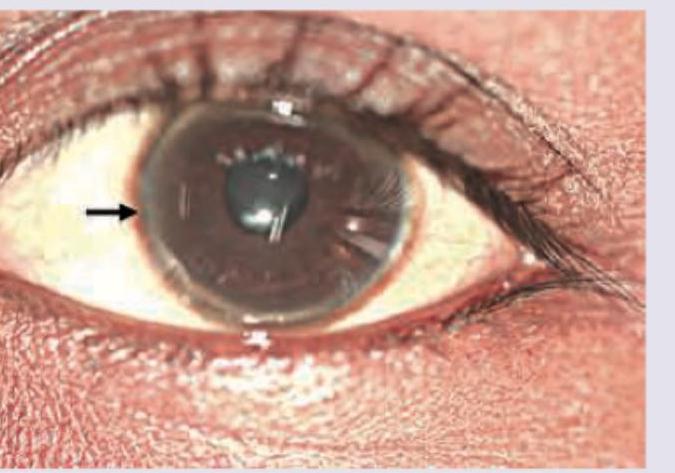
All of the following are features of Wilson's disease, except?
An 88-year-old woman with osteoarthritis has noticed mild epigastric discomfort for several weeks. Naproxen has helped her joint symptoms. She has emesis that resembles coffee grounds on three occasions. What is the most likely cause of gastrointestinal blood loss?
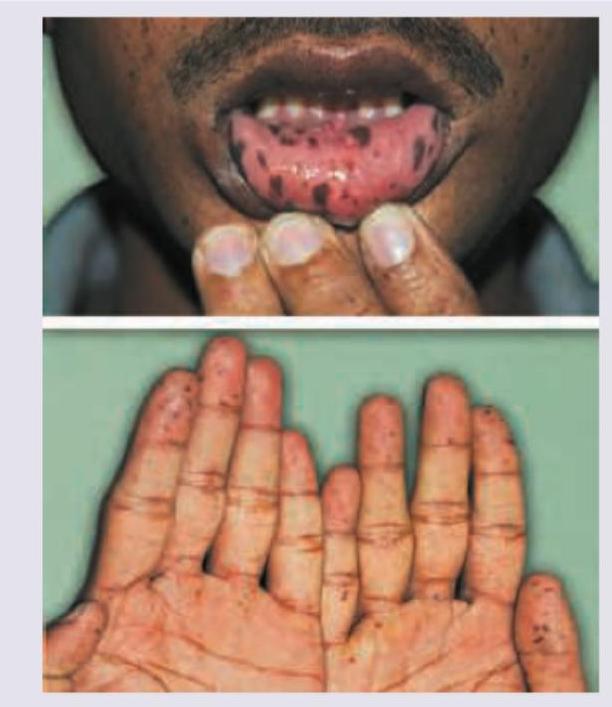
A 32-year-old man presents with abdominal pain. On examination, he is noted to have pigmented spots in the buccal region. He is diagnosed to have Peutz-Jeghers syndrome. What is a characteristic finding associated with this condition?
The Bernstein test involves the infusion of 0.1 N HCl into the esophagus. This test is used to diagnose which of the following conditions?
Explanation: The correct answer is **D**. Capsule endoscopy is **contraindicated** in patients with known or suspected bowel strictures, obstructions, or extensive Crohn’s disease with narrowing. This is because the non-dissolvable capsule (roughly the size of a large vitamin pill) can become trapped at the site of the stricture, leading to **capsule retention**, which may necessitate surgical or endoscopic retrieval. **Analysis of Options:** * **A & B:** These are true. Capsule endoscopy is non-invasive. The patient swallows the device with water; it requires **no sedation** and is **painless**, as it moves naturally through the GI tract via peristalsis [1]. * **C:** This is true. One of the primary clinical advantages of capsule endoscopy is its ability to visualize the **entire small bowel** (duodenum, jejunum, and ileum), areas that are often beyond the reach of conventional upper GI endoscopy and colonoscopy [1]. **Clinical Pearls for NEET-PG:** * **Primary Indication:** Obscure Gastrointestinal Bleeding (OGIB) is the most common indication. * **Gold Standard:** It is the gold standard for diagnosing mucosal lesions in the small intestine (e.g., Angiodysplasia, early Crohn’s). * **Patency Capsule:** If a stricture is suspected, a "Patency Capsule" (a dissolvable dummy capsule) is administered first. If it passes intact, the procedure is safe. * **Contraindications:** Besides strictures, other contraindications include pregnancy and implanted electromedical devices like pacemakers (though the latter is now considered a relative contraindication).
Explanation: Explanation: Hepatic Encephalopathy (HE) is a reversible neuropsychiatric syndrome caused by the accumulation of neurotoxins (primarily ammonia) due to portosystemic shunting and liver failure [1]. Why Peritoneal Tap is the correct answer: A diagnostic peritoneal tap (paracentesis) is a safe procedure used to rule out Spontaneous Bacterial Peritonitis (SBP). It does not precipitate HE. In fact, a large-volume therapeutic paracentesis is also safe, provided it is accompanied by albumin infusion to prevent post-paracentesis circulatory dysfunction. Unlike the other options, it does not increase ammonia production or cross the blood-brain barrier. Analysis of Incorrect Options: * Antibiotics (Option B): While antibiotics like Rifaximin are used to treat HE, certain nephrotoxic antibiotics (e.g., Aminoglycosides) can cause acute kidney injury (AKI). Renal failure reduces ammonia clearance, thereby precipitating HE. * Variceal Bleed (Option C): This is a classic precipitant. Blood in the GI tract is a massive protein load. Bacteria break down this hemoglobin into ammonia, which is then absorbed into the systemic circulation [1]. * Hypokalemia (Option D): Low potassium levels induce intracellular acidosis. To compensate, the kidneys increase ammonia production (ammoniagenesis) and exchange H+ for K+, leading to increased systemic ammonia levels. High-Yield Clinical Pearls for NEET-PG: * Most common precipitant of HE: Infections (SBP, UTI, Pneumonia) and Dehydration/Diuretics. * Metabolic triggers: Hypokalemia, Hyponatremia, and Metabolic Alkalosis (alkalosis favors the conversion of NH4+ to NH3, which crosses the blood-brain barrier more easily). * Drug triggers: Benzodiazepines, Narcotics, and Diuretics. * First-line treatment: Lactulose (converts NH3 to non-absorbable NH4+) and Rifaximin (reduces ammonia-producing gut flora).
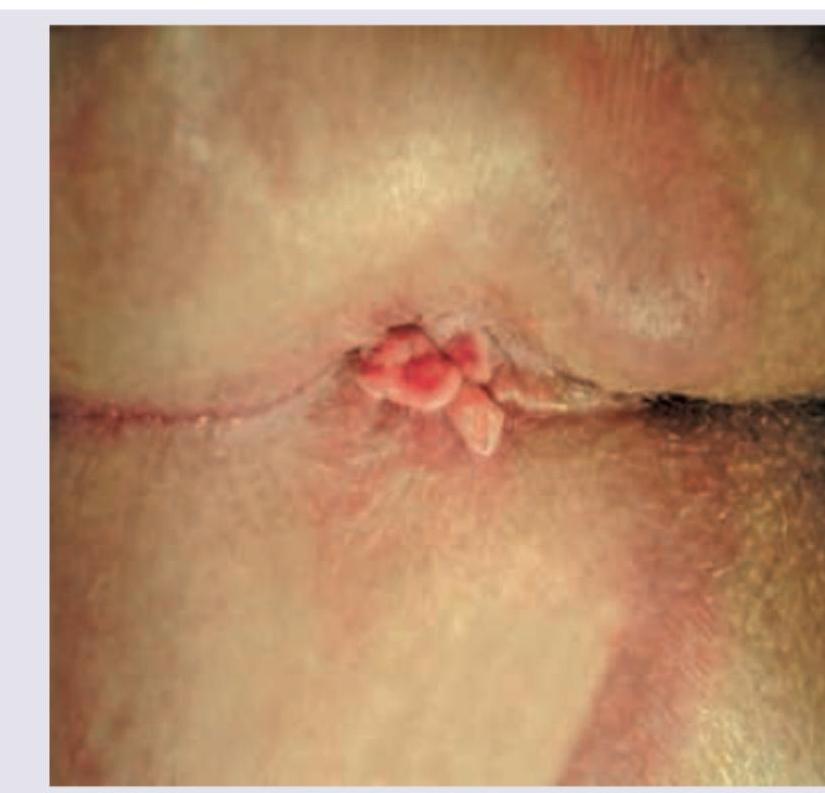
Explanation: ### Explanation **Correct Answer: C. Esophageal varices** The patient presents with **massive hematemesis** and **hemodynamic instability** (tachycardia and hypotension), which are hallmarks of a ruptured esophageal varix [2]. The key diagnostic clues in the history are: 1. **HBsAg positivity:** Indicates chronic Hepatitis B infection, which leads to **liver cirrhosis** [1]. 2. **Splenomegaly:** A classic sign of **portal hypertension**, where back-pressure in the splenic vein causes splenic congestion [1]. In cirrhosis, portal hypertension forces blood to divert from the portal system to the systemic circulation via portosystemic anastomoses [1]. The most clinically significant site is the lower esophagus, where the left gastric vein (portal) meets the azygos vein (systemic), forming **esophageal varices** [1]. These thin-walled dilated submucosal veins are prone to sudden, catastrophic rupture. --- ### Why Other Options are Incorrect: * **A. Barrett Esophagus:** This is a premalignant metaplasia (squamous to columnar) due to chronic GERD. While it increases the risk of adenocarcinoma, it does not typically cause massive, sudden hematemesis. * **B. Candida albicans:** Causes infectious esophagitis, usually in immunocompromised patients. It presents with odynophagia (painful swallowing) and white plaques, not massive hemorrhage. * **C. Reflux Esophagitis:** Results from GERD. It may cause "coffee-ground" emesis or occult blood loss (anemia), but it rarely causes life-threatening bright red hematemesis. --- ### NEET-PG High-Yield Pearls: * **Most common cause of portal hypertension in India:** Cirrhosis (often due to Hepatitis B, C, or Alcohol). * **Management Priority:** Hemodynamic stabilization (IV fluids/blood) followed by **Urgent Endoscopy** (within 12 hours) [2]. * **Drug of Choice:** **Octreotide** or Terlipressin (vasoconstrictors to reduce portal pressure). * **Definitive Endoscopic Treatment:** Endoscopic Variceal Ligation (EVL) is preferred over sclerotherapy. * **Prophylaxis:** Non-selective beta-blockers (e.g., Propranolol) are used for primary prevention of variceal bleeding.
Explanation: **Explanation:** **Budd-Chiari Syndrome (BCS)** is defined as the obstruction of hepatic venous outflow at any level from the small hepatic veins to the junction of the inferior vena cava (IVC) with the right atrium. **Why Paroxysmal Nocturnal Hemoglobinuria (PNH) is correct:** In the Western world and for the purpose of standardized exams like NEET-PG, **hypercoagulable states** are the most common underlying causes of BCS. Among these, **PNH** is classically cited as the single most common primary prothrombotic condition leading to hepatic vein thrombosis [1]. In PNH, the deficiency of GPI-anchored proteins (CD55/CD59) leads to uncontrolled complement activation, which creates a profound prothrombotic state. **Analysis of Incorrect Options:** * **A. Valve in the IVC:** While membranous webs or "valves" in the IVC are a significant cause of BCS in Asia (particularly Nepal and India), they are generally considered less common globally compared to systemic hypercoagulable states in standardized literature. * **B. Hepatocellular Carcinoma (HCC):** HCC can cause BCS via direct invasion or compression of the hepatic veins, but it is a secondary cause and less frequent than primary hematologic disorders. * **D. Renal Cell Carcinoma (RCC):** RCC is known for its propensity to extend into the renal vein and propagate up the IVC, potentially causing outflow obstruction. However, this is a rare cause of classic BCS compared to PNH. **NEET-PG High-Yield Pearls:** * **Classic Triad:** Abdominal pain, ascites, and hepatomegaly. * **Imaging Gold Standard:** Doppler Ultrasound is the initial test; "Spider-web" collateral vessels on venography are pathognomonic [1]. * **Biopsy Finding:** Centrilobular congestion (Nutmeg liver) and necrosis. * **Most common cause worldwide:** Myeloproliferative neoplasms (e.g., Polycythemia Vera) are also high-frequency causes, but PNH remains the classic "textbook" answer for the most common specific hematologic trigger.
Explanation: ### Explanation **Correct Answer: A. Primary Sclerosing Cholangitis (PSC)** Primary Sclerosing Cholangitis is a chronic cholestatic liver disease characterized by inflammation and fibrosis of both intrahepatic and extrahepatic bile ducts [1]. * **Clinical Presentation:** Patients typically present with the "cholestatic triad" of jaundice, pruritus, and right upper quadrant pain, often accompanied by constitutional symptoms like weight loss [1]. * **Immunology:** While **p-ANCA** is the most characteristic marker (seen in 60-80%), **ANA** and **SMA** are also frequently elevated in PSC patients, reflecting the autoimmune nature of the disease [1]. * **Key Association:** 70-80% of PSC patients have concurrent Inflammatory Bowel Disease (most commonly Ulcerative Colitis) [1], [2]. **Why Incorrect Options are Wrong:** * **B. Klatskin Tumor:** This is a hilar cholangiocarcinoma. While it causes obstructive jaundice and weight loss, it is a malignancy and would not typically be associated with positive ANA titers. * **C. Secondary Sclerosing Cholangitis:** This results from a known identifiable cause such as long-standing biliary calculi, surgical trauma, or ischemic injury. The presence of ANA points towards a primary autoimmune/idiopathic process (PSC). * **D. Choledocholithiasis:** Gallstones in the common bile duct cause acute biliary colic and jaundice but do not explain the presence of ANA or significant chronic weight loss unless complicated by malignancy. **High-Yield Clinical Pearls for NEET-PG:** * **Gold Standard Investigation:** MRCP (shows characteristic **"beaded appearance"** due to multifocal strictures and dilations). * **Biopsy:** Shows pathognomonic **"onion-skin" fibrosis** (periductal concentric fibrosis). * **Malignancy Risk:** PSC significantly increases the risk of **Cholangiocarcinoma** and Colorectal Cancer. * **Treatment:** Liver transplantation is the only definitive treatment for end-stage disease.
Explanation: **Explanation:** Spontaneous Bacterial Peritonitis (SBP) is a common and serious complication of cirrhosis with ascites. [1] **1. Why Option A is the correct answer (The False Statement):** The risk of SBP is actually associated with **low ascitic fluid protein levels** (typically **<1.0 g/dL**). [1] Ascitic fluid contains proteins like complement (C3), which possess opsonic activity to help kill bacteria. In patients with advanced cirrhosis, the liver produces fewer proteins, leading to low opsonic activity in the ascitic fluid, making it easier for bacteria to proliferate. Therefore, high protein levels are protective, not a risk factor. **2. Analysis of other options:** * **Option B:** **Escherichia coli** is indeed the most common causative organism, followed by *Klebsiella pneumoniae* and *Streptococcus* species. These are typically aerobic gram-negative bacilli from the gut. * **Option C:** The primary pathophysiology involves **bacterial translocation**. Bacteria from the intestinal lumen migrate through the gut wall into mesenteric lymph nodes and then enter the bloodstream (bacteremia), eventually seeding the ascitic fluid. * **Option D:** An **Absolute Neutrophil Count (ANC) >250 cells/mm³** (or 0.25 x 10⁹/L) in the ascitic fluid is the gold standard for diagnosing SBP, even if cultures are negative (Culture-Negative Neutrocytic Ascites). **High-Yield Clinical Pearls for NEET-PG:** * **Treatment of Choice:** Third-generation cephalosporins (e.g., **Cefotaxime**). * **Prophylaxis:** Indicated for patients with low protein ascites or prior SBP episodes; **Norfloxacin** or Rifaximin are commonly used. * **Albumin Infusion:** Administering IV albumin (1.5g/kg on day 1, 1g/kg on day 3) reduces the risk of hepatorenal syndrome and mortality in SBP. [2] * **Secondary Peritonitis:** Suspect if multiple organisms (polymicrobial) are found or if ascitic protein is >1g/dL and glucose is <50mg/dL. [1]
Explanation: **Explanation:** Wilson’s disease (Hepatolenticular degeneration) is an autosomal recessive disorder caused by a mutation in the **ATP7B gene** on chromosome 13. This leads to impaired biliary copper excretion and toxic accumulation in various organs, primarily the liver and brain [1]. **Why Testicular Atrophy is the Correct Answer:** Testicular atrophy is **not** a characteristic feature of Wilson’s disease. While Wilson’s can cause endocrine issues like delayed puberty or secondary amenorrhea due to chronic liver disease, direct gonadal involvement is rare. In contrast, testicular atrophy is a classic hallmark of **Hemochromatosis** (iron overload), which is a common distractor in NEET-PG questions. **Analysis of Other Options:** * **Hemolytic Anemia:** Wilson’s can present with Coombs-negative hemolytic anemia [1]. This occurs when sudden releases of copper from necrotic hepatocytes cause oxidative damage to red blood cell membranes. * **Chorea:** Copper deposition in the basal ganglia (specifically the putamen) leads to extrapyramidal symptoms [1]. While "wing-beating" tremors are classic, chorea, athetosis, and parkinsonism are frequently observed [1]. * **Chronic Active Hepatitis:** Liver involvement is the most common initial presentation in children. It can range from asymptomatic transaminitis to chronic active hepatitis, cirrhosis, or fulminant hepatic failure [1]. **NEET-PG High-Yield Pearls:** * **Diagnosis:** Low serum Ceruloplasmin (<20 mg/dL), increased 24-hour urinary copper excretion (>100 μg), and the presence of **Kayser-Fleischer (KF) rings** (copper in Descemet’s membrane). * **Ocular Sign:** "Sunflower cataract" is also seen. * **Treatment:** Drug of choice is **Penicillamine** (chelator). Trientine is an alternative. Oral Zinc is used for maintenance or in asymptomatic patients to prevent copper absorption.
Explanation: ### Explanation **Correct Answer: C. Gastric Ulcer** The clinical presentation points toward **NSAID-induced Gastropathy**. The patient is an elderly woman using **Naproxen** (a non-selective NSAID) for osteoarthritis [1]. NSAIDs inhibit the COX-1 enzyme, leading to decreased synthesis of protective prostaglandins (PGE2 and PGI2). This results in reduced gastric mucus and bicarbonate secretion, making the gastric mucosa highly susceptible to acid injury. In the elderly, NSAID-induced ulcers are often **painless or associated with mild dyspepsia** until they present with complications like hematemesis (coffee-ground emesis) or melena [2]. While NSAIDs can cause both gastric and duodenal ulcers, **gastric ulcers** are more classically associated with chronic NSAID use. **Why the other options are incorrect:** * **A. Mallory-Weiss tear:** This involves a longitudinal mucosal laceration at the gastroesophageal junction, typically following **forceful retching** or vomiting. This patient had emesis *after* the onset of bleeding. * **B. Aortoenteric fistula:** A rare but catastrophic cause of GI bleed, usually seen in patients with a history of **abdominal aortic aneurysm (AAA) repair** with a synthetic graft. It typically presents with a "herald bleed" followed by massive exsanguination. * **D. Esophageal varices:** These occur due to portal hypertension (e.g., Cirrhosis). There are no stigmata of chronic liver disease (jaundice, ascites, splenomegaly) mentioned in this history. **NEET-PG High-Yield Pearls:** 1. **Risk Factors for NSAID Ulcers:** Age >65, history of prior peptic ulcer disease, high-dose NSAIDs, and concomitant use of corticosteroids or anticoagulants [2]. 2. **Prophylaxis:** For patients requiring long-term NSAIDs with high GI risk, **Proton Pump Inhibitors (PPIs)** or **Misoprostol** (PGE1 analogue) are the drugs of choice for prevention. 3. **Coffee-ground emesis** indicates that the blood has been oxidized by gastric acid (iron in hemoglobin is oxidized to hematin), suggesting the blood has remained in the stomach for some time.
Explanation: **Explanation:** **Peutz-Jeghers Syndrome (PJS)** is an autosomal dominant condition characterized by the mutation of the **STK11 (LKB1)** gene on chromosome 19. The clinical hallmark of this syndrome is the presence of multiple **hamartomatous polyps** throughout the gastrointestinal tract, most commonly found in the **small intestine** (jejunum > ileum > duodenum), followed by the colon and stomach [1]. These polyps are histologically distinct, showing a "Christmas tree" branching pattern of smooth muscle. The patient in the question also exhibits the second classic feature: **mucocutaneous hyperpigmentation** (melanotic macules) on the lips, buccal mucosa, and digits. **Analysis of Options:** * **Option D (Correct):** Hamartomatous polyps in the small intestine are the defining gastrointestinal feature. They often lead to complications like intussusception (lead point) or occult GI bleeding. * **Option A & C (Incorrect):** Optic neuroma and cerebellar dysfunction (specifically Lhermitte-Duclos disease) are associated with **Cowden Syndrome**, another PTEN-related hamartoma tumor syndrome, not PJS. * **Option B (Incorrect):** Constricted pupils (miosis) are not a feature of PJS. This may be seen in Horner’s syndrome or opioid overdose, which have no association with this polyposis syndrome. **High-Yield Clinical Pearls for NEET-PG:** * **Cancer Risk:** PJS carries a significantly increased risk of both GI and extra-GI malignancies (Pancreas, Breast, Ovary, Lung, and Sertoli cell tumors of the testis) [1]. * **Screening:** Regular surveillance with upper GI endoscopy, colonoscopy, and capsule endoscopy/MR enterography is mandatory. * **Classic Triad:** 1. STK11 mutation, 2. Mucocutaneous pigmentation, 3. Hamartomatous polyps.
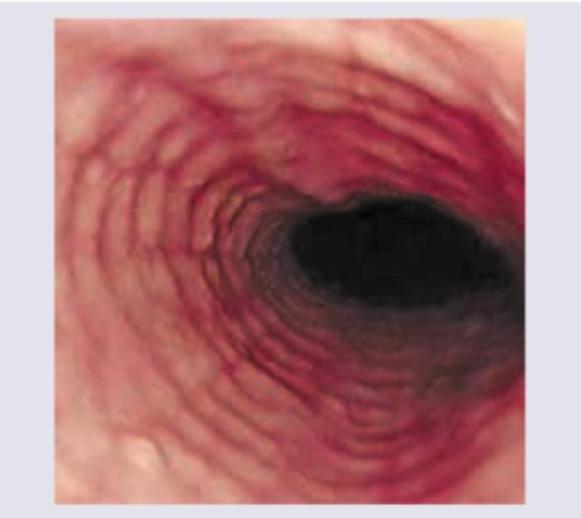
Explanation: **Explanation:** The **Bernstein test** (Acid Perfusion Test) is a provocative test used to determine if a patient’s chest pain or symptoms are related to **Gastroesophageal Reflux Disease (GERD)**. **1. Why the Correct Answer is Right:** The test involves the alternating infusion of normal saline and **0.1 N Hydrochloric Acid (HCl)** into the lower esophagus via a nasogastric tube. In patients with GERD, the esophageal mucosa is often inflamed or sensitized (esophagitis). The infusion of acid mimics physiological reflux; if the patient’s typical symptoms (heartburn or retrosternal pain) are reproduced during the acid infusion but relieved by saline, the test is considered **positive**, confirming that the esophagus is the source of the pain. **2. Why Incorrect Options are Wrong:** * **Achalasia Cardia:** This is a motility disorder characterized by the failure of the Lower Esophageal Sphincter (LES) to relax [1]. Diagnosis is primarily made via **Manometry** (showing "bird-beak" appearance on barium swallow). * **Diffuse Esophageal Spasm (DES):** This is a motility disorder presenting with "corkscrew esophagus." While it causes chest pain, the pain is triggered by swallowing (odynophagia) or spontaneous spasms, not specifically by acid sensitivity [1]. * **Esophageal Malignancy:** Diagnosis requires **Endoscopy and Biopsy** [1]. While malignancy can cause pain, the Bernstein test is not specific or sensitive for structural lesions or neoplastic changes. **3. High-Yield Clinical Pearls for NEET-PG:** * **Gold Standard for GERD:** The 24-hour ambulatory pH monitoring is the current gold standard, making the Bernstein test largely historical/obsolete in clinical practice, though it remains a favorite for exams. * **Sensitivity vs. Specificity:** The Bernstein test has high specificity but low sensitivity; it only identifies patients whose symptoms are specifically triggered by acid. * **Key Differentiation:** If a patient has chest pain but a negative cardiac workup, the Bernstein test helps differentiate esophageal origin from non-cardiac chest pain.
Esophageal Disorders
Practice Questions
Peptic Ulcer Disease
Practice Questions
Inflammatory Bowel Disease
Practice Questions
Irritable Bowel Syndrome
Practice Questions
Malabsorption Syndromes
Practice Questions
Pancreatitis (Acute and Chronic)
Practice Questions
Gastrointestinal Bleeding
Practice Questions
Liver Diseases and Cirrhosis
Practice Questions
Viral Hepatitis
Practice Questions
Biliary Tract Disorders
Practice Questions
Gastrointestinal Motility Disorders
Practice Questions
Gastrointestinal Malignancies
Practice Questions
Get full access to all questions, explanations, and performance tracking.
Start For Free