Enteric fever on the fourth day is best diagnosed by?
Which of the following is not a component of the Child-Pugh score?
A 29-year-old man with acquired immune deficiency syndrome (AIDS) presents with progressively increasing abdominal discomfort and voluntary guarding in the upper abdomen. His biochemistry is normal except for an elevated amylase at 370 U/L (25-125 U/L). Which of the following infections can trigger this disorder in AIDS patients?
Which of the following is not a feature of autoimmune hepatitis?
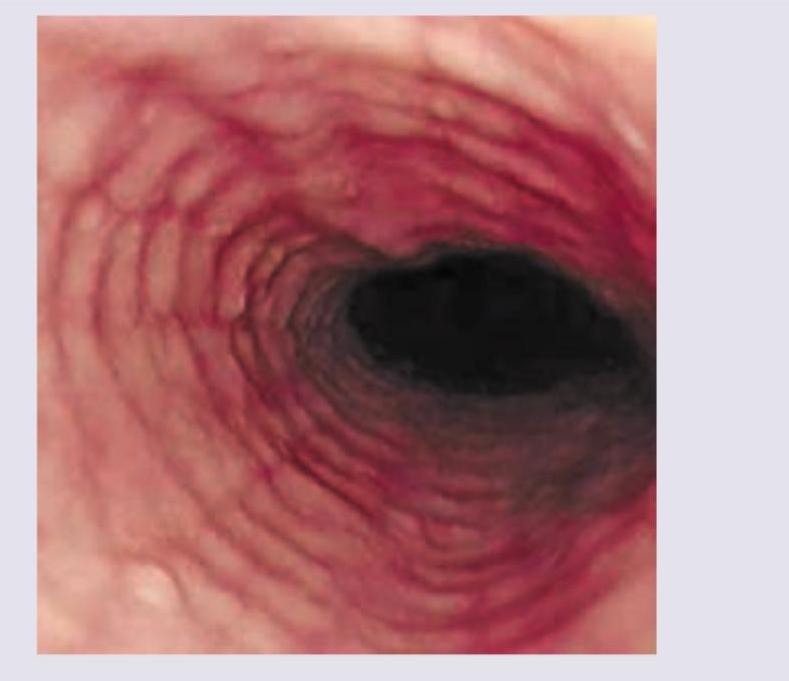
Petterson-Kelly syndrome is characterized by all of the following EXCEPT:
In celiac sprue, which vitamin deficiency is least likely?
A 40-year-old woman complains of severe back pain for about 3 months and recurrent fever. Her past medical history is significant for ulcerative colitis. On physical examination, the patient is thin and jaundiced. The liver edge descends 1 cm below the right costal margin and is nontender. Laboratory studies show normal serum levels of AST and ALT but elevated serum levels of alkaline phosphatase (420 U/L). Endoscopic retrograde cholangiopancreatography demonstrates a beaded appearance of the extrahepatic biliary tree. Which of the following diseases is a late complication of this patient's condition?
Which of the following is NOT a common cause of oesophagitis in an immunocompromised person?
King's College criteria for orthotopic liver transplantation in acute liver failure (paracetamol induced) include all of the following except?
Which substance is most often incriminated in the pathogenesis of hepatic encephalopathy?
Explanation: The diagnosis of Enteric Fever (Typhoid) follows a specific chronological pattern based on the pathogenesis of *Salmonella typhi*. After ingestion, the bacteria multiply in the Peyer's patches and enter the bloodstream, causing a **primary bacteremia** during the first week of illness. **1. Why Blood Culture is correct:** During the **first week** (Days 1–7) of fever, blood culture is the gold standard and the most sensitive diagnostic method (positive in 70–90% of cases). Since the question specifies the **fourth day**, the bacteria are actively circulating in the blood, making blood culture the definitive investigation. **2. Why other options are incorrect:** * **Widal Test:** This serological test detects antibodies (Anti-O and Anti-H). These antibodies only reach significant titers by the **end of the second week** or the beginning of the third week. Testing on the fourth day would likely yield a false negative. * **Stool Test:** While *S. typhi* is shed in feces, cultures are most likely to be positive during the **second and third weeks** as the bacteria are released from the gallbladder and inflamed Peyer's patches into the intestinal lumen [1]. * **Urine Test:** This is the least sensitive method and typically becomes positive only in the **third week** of the illness. **Clinical Pearls for NEET-PG:** * **Mnemonic "BASU":** To remember the sequence of positivity—**B**lood (1st week), **A**gglutination/Widal (2nd week), **S**tool (3rd week), **U**rine (4th week). * **Bone Marrow Culture:** This is the **most sensitive** overall (up to 95%), even if the patient has already started antibiotics. * **Rose Spots:** These faint salmon-colored rashes typically appear on the trunk during the second week. * **Drug of Choice:** Ceftriaxone is currently the preferred empirical treatment due to widespread multi-drug resistance (MDR) and fluoroquinolone resistance.
Explanation: The **Child-Pugh Score** (also known as the Child-Turcotte-Pugh score) is a clinical tool used to assess the prognosis and severity of chronic liver disease, particularly cirrhosis [1]. ### **Why "Bleeding Time" is the Correct Answer** Bleeding time is a measure of platelet function and vascular integrity, which is not used in the Child-Pugh classification. Instead, the score utilizes **Prothrombin Time (PT)** or the **International Normalized Ratio (INR)** to assess the liver's synthetic function regarding coagulation factors [1]. ### **Explanation of Incorrect Options** The Child-Pugh score consists of five parameters (mnemonic: **ABCDE**): * **A - Albumin (Option A):** A marker of the liver's long-term synthetic function [1]. * **B - Bilirubin (Option D):** An indicator of the liver's excretory capacity [1]. * **C - Clinical Ascites (Option C):** Assessed as absent, slight, or moderate/severe [1]. * **D - Degree of Encephalopathy:** Assessed based on the West Haven criteria [1]. * **E - PT/INR:** Measures the synthesis of vitamin K-dependent clotting factors [1]. ### **NEET-PG High-Yield Pearls** * **Scoring:** Each parameter is scored 1–3. Total scores range from 5 to 15. * **Class A (5–6):** Least severe, 100% 1-year survival. * **Class B (7–9):** Moderate severity. * **Class C (10–15):** Most severe, ~45% 1-year survival. * **MELD Score:** Unlike Child-Pugh, the MELD score (Model for End-Stage Liver Disease) uses **Creatinine, Bilirubin, and INR** [1]. It is more objective as it excludes subjective clinical assessments like ascites and encephalopathy. * **Clinical Note:** Child-Pugh Class C is often a contraindication for major non-transplant surgeries.
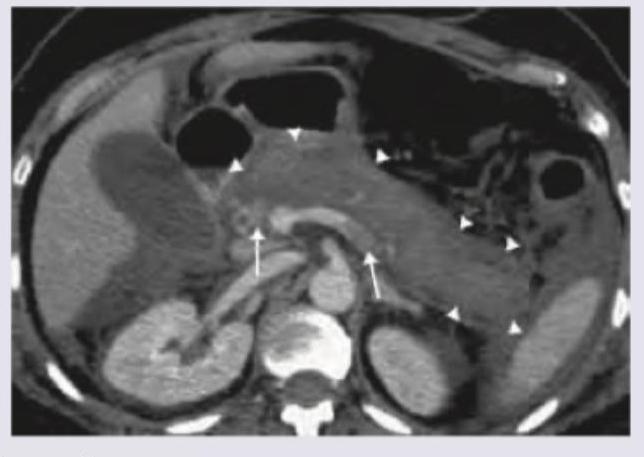
Explanation: ### Explanation The clinical presentation of abdominal pain, guarding, and hyperamylasemia (370 U/L) in an AIDS patient is highly suggestive of **Acute Pancreatitis**. In patients with HIV/AIDS, the etiology of pancreatitis is often multifactorial, involving opportunistic infections, drug toxicities (e.g., Pentamidine, Didanosine), or HIV-related neoplasms. **Why Mycobacterium avium complex (MAC) is correct:** MAC is a common opportunistic infection in advanced AIDS (typically CD4 < 50 cells/mm³). It can cause disseminated disease involving the liver, spleen, and lymph nodes [1]. MAC can trigger pancreatitis either through direct invasion of the pancreatic parenchyma or, more commonly, via **extrinsic compression** of the pancreatic duct by massive peripancreatic lymphadenopathy. **Analysis of Incorrect Options:** * **Toxoplasmosis (A):** Primarily affects the CNS (ring-enhancing lesions). While disseminated toxoplasmosis can occur, it is an extremely rare cause of pancreatitis compared to MAC or CMV. * **Mycobacterium tuberculosis (C):** While TB can cause abdominal symptoms and lymphadenopathy, in the specific context of advanced AIDS and disseminated opportunistic triggers for pancreatitis, MAC is more classically associated with this presentation in literature and exams. * **Pneumocystis jirovecii (D):** Primarily causes interstitial pneumonia. While extrapulmonary PCP can occur, it typically involves the spleen, liver, or bone marrow; it is not a standard infectious trigger for acute pancreatitis. **NEET-PG High-Yield Pearls:** 1. **Most common infectious cause** of pancreatitis in AIDS: **Cytomegalovirus (CMV)**, followed by MAC and Cryptosporidium. 2. **Drug-induced pancreatitis** is more common in HIV patients than the general population (Check for: Didanosine, Stavudine, Pentamidine, and Trimethoprim-Sulfamethoxazole) [2]. 3. **Diagnostic Clue:** If a question mentions AIDS + Pancreatitis + CD4 < 50, think CMV or MAC. If it mentions AIDS + Pancreatitis + Low CD4 + Respiratory distress, think Pentamidine toxicity.
Explanation: The correct answer is **D. Anti-Sm (Smith) antigen antibodies**. **Why Anti-Sm is the correct choice:** Anti-Sm antibodies are highly specific for **Systemic Lupus Erythematosus (SLE)**, not autoimmune hepatitis (AIH) [1]. While AIH is an autoimmune condition, its diagnosis relies on specific liver-related autoantibodies. Anti-Sm is part of the ENA (Extractable Nuclear Antigen) panel used to confirm a diagnosis of SLE [1]. **Analysis of incorrect options:** * **A. Anti-SMA (Smooth Muscle Antibodies):** These are the hallmark of **Type 1 AIH** (the most common form). They are often found alongside positive ANA (Anti-Nuclear Antibodies) [1]. * **B. Anti-LKM1 (Liver Kidney Microsome type 1):** These antibodies are the serological marker for **Type 2 AIH**, which typically affects children and adolescents and follows a more aggressive course. * **C. Anti-mitochondrial antibodies (AMA):** While AMA is the classic marker for Primary Biliary Cholangitis (PBC), it can be present in **"Overlap Syndrome,"** where a patient exhibits features of both AIH and PBC. Therefore, it is considered a recognized feature in the spectrum of autoimmune liver diseases. **NEET-PG High-Yield Pearls:** * **AIH Type 1:** ANA (+), Anti-SMA (+), associated with HLA-DR3/DR4 [1]. * **AIH Type 2:** Anti-LKM1 (+), Anti-LC1 (Liver Cytosol type 1) (+). * **Histology:** Look for **"Interface Hepatitis"** (piecemeal necrosis) and a dense infiltrate of **plasma cells**. * **Treatment:** Prednisolone (Corticosteroids) and Azathioprine are the mainstays of therapy.
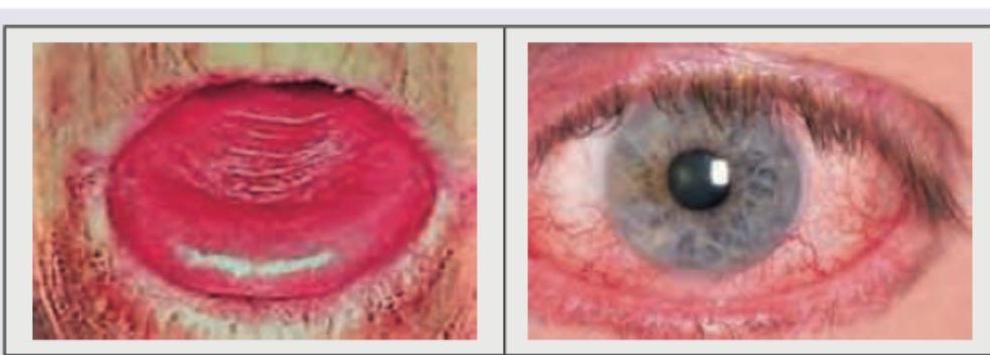
Explanation: **Explanation:** **Petterson-Kelly Syndrome** (also known as **Plummer-Vinson Syndrome**) is a classic clinical triad characterized by **Iron Deficiency Anemia (IDA)**, **Esophageal webs**, and **Dysphagia**. It is most commonly seen in middle-aged women and carries an increased risk of squamous cell carcinoma of the esophagus and pharynx. **Why Option D is the Correct Answer:** Petterson-Kelly syndrome is fundamentally linked to chronic, severe **iron deficiency** [1], not Vitamin B12 deficiency. While both can cause glossitis, the pathophysiological hallmark of this syndrome is the formation of post-cricoid esophageal webs resulting from iron-depleted mucosal atrophy. Vitamin B12 deficiency leads to megaloblastic (macrocytic) anemia [2], which is not a feature of this syndrome. **Analysis of Incorrect Options:** * **Option A (Koilonychia):** This refers to spoon-shaped nails, a classic physical sign of chronic, severe iron deficiency. * **Option B & C (Microcytic hypochromic anemia / Iron deficiency anemia):** These are essentially describing the same hematological state. Iron deficiency results in a microcytic (low MCV) and hypochromic (low MCHC) blood picture [1]. These are the defining laboratory features of Petterson-Kelly syndrome. **High-Yield Clinical Pearls for NEET-PG:** * **Triad:** Dysphagia + Iron Deficiency Anemia + Esophageal Webs. * **Pre-malignant condition:** It is associated with an increased risk of **Squamous Cell Carcinoma** of the esophagus. * **Treatment:** Iron supplementation often resolves the dysphagia and mucosal changes; mechanical dilation is used for persistent webs. * **Other associated signs:** Glossitis (smooth red tongue), Cheilosis/Angular stomatitis.
Explanation: **Explanation:** Celiac disease (Gluten-sensitive enteropathy) is characterized by immune-mediated damage to the small intestinal mucosa, primarily affecting the **proximal small intestine** (duodenum and proximal jejunum) [1]. **Why Vitamin B12 is the correct answer:** Vitamin B12 (Cobalamin) is absorbed in the **terminal ileum** after binding to the intrinsic factor. Since Celiac disease predominantly involves the proximal bowel, the distal ileum is usually spared or less severely affected. Therefore, while B12 deficiency can occur in extensive disease, it is statistically the **least likely** deficiency compared to nutrients absorbed proximally. Furthermore, the liver stores enough vitamin B12 for 3 years, meaning deficiency takes years to become manifest even if malabsorption occurs [2]. **Analysis of Incorrect Options:** * **Iron (Option D):** Iron is primarily absorbed in the duodenum. Iron deficiency anemia is the most common extra-intestinal manifestation of Celiac disease and often the presenting feature in adults [1]. * **Folic Acid (Option C):** Folate is absorbed in the proximal jejunum. Because this area is heavily involved in Celiac sprue, folate deficiency is very common [1]. * **Vitamin A (Option A):** As a fat-soluble vitamin, its absorption depends on intact mucosal surface area and micelle formation. Proximal mucosal damage leads to fat malabsorption (steatorrhea), frequently resulting in deficiencies of Vitamins A, D, E, and K [1]. **NEET-PG High-Yield Pearls:** * **Gold Standard Diagnosis:** Small bowel biopsy showing villous atrophy, crypt hyperplasia, and increased intraepithelial lymphocytes (Marsh Criteria) [1]. * **Serology:** Anti-tissue transglutaminase (anti-tTG) IgA is the screening test of choice. Anti-endomysial antibody (EMA) is the most specific [1]. * **Dermatological Association:** Dermatitis herpetiformis (IgA deposits in dermal papillae). * **Malignancy Risk:** Increased risk of Enteropathy-associated T-cell lymphoma (EATL).
Explanation: The clinical presentation points toward **Primary Sclerosing Cholangitis (PSC)**. The key diagnostic features in this case are the patient’s history of **Ulcerative Colitis (UC)**, elevated alkaline phosphatase (suggesting cholestasis), and the classic **"beaded appearance"** (multifocal strictures and dilations) of the biliary tree on ERCP [1]. **1. Why Cholangiocarcinoma is correct:** PSC is a chronic, progressive inflammatory disorder of the bile ducts. It is the most significant risk factor for **Cholangiocarcinoma**, which develops in approximately 10–15% of patients with PSC [2]. The chronic inflammation and cellular dysplasia within the biliary epithelium predispose patients to this malignancy, often occurring years after the initial diagnosis. **2. Why the other options are incorrect:** * **A. Adenocarcinoma of the gallbladder:** While PSC increases the risk of gallbladder polyps and stones, the association with cholangiocarcinoma is much stronger and more characteristic for NEET-PG scenarios [2]. * **C. Hepatic adenoma:** This is primarily associated with oral contraceptive use or anabolic steroids, not chronic biliary inflammation. * **D. Hepatic angiosarcoma:** This rare tumor is linked to environmental toxins like vinyl chloride, arsenic, or Thorotrast, rather than autoimmune or inflammatory bowel conditions. **Clinical Pearls for NEET-PG:** * **The "Rule of 70% ":** Approximately 70-80% of patients with PSC have underlying Ulcerative Colitis (though only 4-5% of UC patients develop PSC) [1]. * **Antibody Marker:** **p-ANCA** is positive in about 60-80% of PSC cases [1]. * **Imaging Gold Standard:** MRCP is now the initial diagnostic test of choice, showing the "beaded" pattern [1]. * **Management:** PSC does not improve with a colectomy (unlike other extraintestinal manifestations of UC). Liver transplantation is the only definitive treatment for end-stage disease.
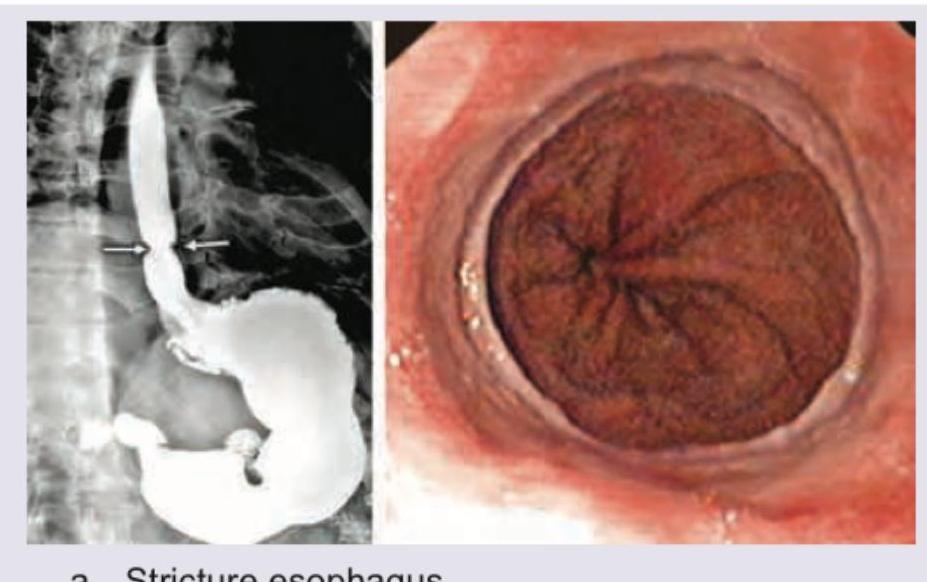
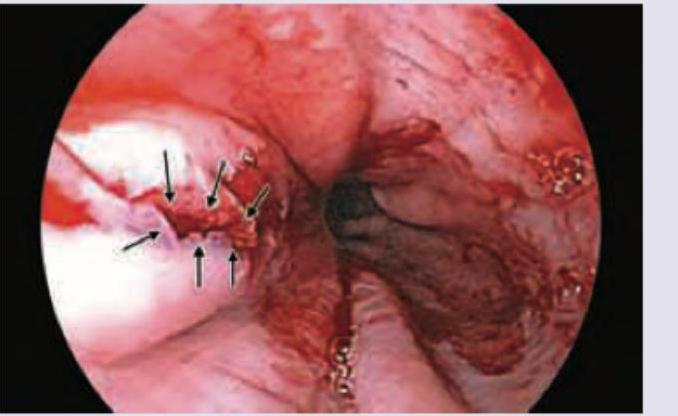
Explanation: In immunocompromised patients (such as those with AIDS, organ transplants, or malignancy), infectious oesophagitis is a frequent complication. The correct answer is **HIV (Option B)** because, while HIV is the underlying cause of the immunosuppression that predisposes a patient to infections, the virus itself is **not a common direct cause** of oesophagitis. While "HIV-associated idiopathic esophageal ulcers" can occur during seroconversion, they are significantly less common than opportunistic infections. **Analysis of Options:** * **HSV (Option A):** A very common cause. It typically presents with small, punched-out "volcano-like" ulcers. Histology shows Cowdry Type A inclusion bodies and multinucleated giant cells. * **CMV (Option D):** Another frequent cause in severely immunocompromised patients (CD4 <50). It typically presents with large, linear, shallow ulcers. Histology reveals characteristic "owl’s eye" intranuclear inclusions. * **VZV (Option C):** Though less common than HSV or CMV, VZV is a recognized cause of viral oesophagitis in the immunocompromised, often occurring in association with disseminated zoster or chickenpox. **NEET-PG High-Yield Pearls:** 1. **Most Common Cause:** *Candida albicans* is the #1 overall cause of infectious oesophagitis (presents with white plaques) [1]. 2. **Endoscopic Differentiation:** * **HSV:** Multiple, small, deep ulcers (Volcano ulcers). * **CMV:** Large, solitary, shallow/linear ulcers. 3. **Drug of Choice:** Fluconazole for *Candida*, Acyclovir for HSV, and Ganciclovir for CMV. 4. **Odynophagia:** Severe pain on swallowing is the hallmark symptom of viral oesophagitis, often more prominent than dysphagia.
Explanation: The **King’s College Criteria** are the most widely used prognostic tools to determine the need for liver transplantation in Acute Liver Failure (ALF). [1] The criteria are strictly divided based on the etiology: **Paracetamol (Acetaminophen) induced** vs. **Non-Paracetamol induced.** ### 1. Why Option A is the Correct Answer The question asks for the "Except" option. **pH < 7.30** is actually a **major inclusion criterion** for transplantation in paracetamol toxicity. If the arterial pH is less than 7.30 (after adequate fluid resuscitation), the patient meets the criteria for transplant regardless of the grade of encephalopathy. Therefore, it is a core component of the criteria, not an exception. ### 2. Analysis of Other Options * **Option B (PT > 100s):** This is a correct criterion. In paracetamol toxicity, if the pH is > 7.30, the patient must meet all three of the following: PT > 100 seconds (or INR > 6.5), Serum Creatinine > 3.4 mg/dL (300 µmol/L), and Grade III/IV encephalopathy. [1] * **Option C (Grade III Encephalopathy):** As mentioned above, advanced hepatic encephalopathy (Grade III or IV) is a required component if the pH is not critically low. [1] * **Option D (Serum Bilirubin > 300 µmol/L):** This is the "Except" factor in the context of paracetamol. High bilirubin is a criterion for **Non-Paracetamol** ALF (where Bilirubin > 17.5 mg/dL or 300 µmol/L is significant), but it is **not** used in the paracetamol-induced criteria. [1] ### Clinical Pearls for NEET-PG * **Paracetamol Criteria:** pH < 7.30 **OR** (PT > 100s + Creatinine > 3.4 + Grade III/IV Encephalopathy). * **Non-Paracetamol Criteria:** PT > 100s **OR** any 3 of the following: Age <10 or >40, PT > 50s, Bilirubin > 17.5 mg/dL, Jaundice-to-encephalopathy interval > 7 days, or unfavorable etiology (e.g., drug-induced, halothane). * **High-Yield Tip:** In paracetamol toxicity, **Lactate levels** (>3.5 mmol/L after early resuscitation) are now considered an even earlier predictor of mortality than the King's College Criteria.
Explanation: **Explanation:** **Pathogenesis of Hepatic Encephalopathy (HE):** The correct answer is **Ammonia (NH₃)** [1]. In a healthy individual, ammonia is produced by the breakdown of proteins by intestinal bacteria and the metabolism of amino acids [2]. It is then transported via the portal vein to the liver, where it is converted into urea via the **Urea Cycle**. In patients with cirrhosis or portosystemic shunting, the liver fails to detoxify ammonia [1]. Elevated systemic ammonia crosses the **blood-brain barrier**, where it is taken up by **astrocytes**. Here, ammonia is converted into **glutamine** by the enzyme glutamine synthetase. The osmotic effect of excess glutamine leads to astrocyte swelling and cerebral edema, which are central to the pathogenesis of HE [2]. **Analysis of Incorrect Options:** * **A. Urea:** Urea is the non-toxic end product of ammonia metabolism [2]. While urea levels may be low in end-stage liver disease, it does not cause neurotoxicity. * **C. Uric Acid:** This is the end product of purine metabolism. Elevated levels cause gout or urate nephropathy, not encephalopathy. * **D. Creatinine:** This is a marker of renal function (muscle metabolism byproduct). While it rises in Hepatorenal Syndrome [3], it is not the causative agent of HE. **NEET-PG High-Yield Pearls:** * **Astrocyte Swelling:** The hallmark pathological change in HE. * **Alzheimer Type II Astrocytes:** Characteristically seen on brain histopathology in chronic HE. * **Precipitating Factors:** GI bleed (increases protein load), infections (SBP), hypokalemia, and constipation. * **Treatment Gold Standard:** **Lactulose** (converts NH₃ to non-absorbable NH₄⁺) and **Rifaximin** (reduces ammonia-producing gut flora).
Esophageal Disorders
Practice Questions
Peptic Ulcer Disease
Practice Questions
Inflammatory Bowel Disease
Practice Questions
Irritable Bowel Syndrome
Practice Questions
Malabsorption Syndromes
Practice Questions
Pancreatitis (Acute and Chronic)
Practice Questions
Gastrointestinal Bleeding
Practice Questions
Liver Diseases and Cirrhosis
Practice Questions
Viral Hepatitis
Practice Questions
Biliary Tract Disorders
Practice Questions
Gastrointestinal Motility Disorders
Practice Questions
Gastrointestinal Malignancies
Practice Questions
Get full access to all questions, explanations, and performance tracking.
Start For Free