Which of the following is NOT associated with acute pancreatitis?
All are features of Plummer-Vinson syndrome except?
What is true about the early stages of GERD?
Which of the following is true regarding Gilbert syndrome?
Primary sclerosing cholangitis is associated with which of the following conditions?
Hyperamylasemia is seen in all of the following conditions except:
Which of the following statements about achalasia cardia are TRUE?
Which of the following is a poor prognostic factor in a patient with acute pancreatitis?
Which of the following statements regarding primary sclerosing cholangitis associated with ulcerative colitis is FALSE?
What is true about Barrett's esophagus?
Explanation: **Explanation:** **1. Why Steatorrhea is the Correct Answer:** Steatorrhea (fatty, foul-smelling stools) is a hallmark of **exocrine pancreatic insufficiency**. This occurs when more than 90% of the pancreatic parenchyma is destroyed or non-functional. It is a classic feature of **Chronic Pancreatitis**, where there is permanent structural damage [1]. In **Acute Pancreatitis**, the inflammation is sudden and usually reversible; the gland typically retains enough functional capacity to prevent malabsorption during the acute phase. **2. Analysis of Incorrect Options:** * **Upper Abdominal Pain:** This is the most common presenting symptom (95% of cases). It is typically steady, boring, and severe, located in the epigastrium or periumbilical region [1]. * **Epigastric Tenderness:** Physical examination usually reveals significant tenderness in the upper abdomen, often accompanied by guarding and distension [1]. * **Cullen’s Sign:** This refers to periumbilical ecchymosis (bluish discoloration) caused by the tracking of hemoperitoneum from the retroperitoneum. While rare, it is a specific sign of **severe necrotizing pancreatitis**. **3. Clinical Pearls for NEET-PG:** * **Grey Turner’s Sign:** Ecchymosis in the flanks (associated with severe/hemorrhagic pancreatitis). * **Fox’s Sign:** Ecchymosis over the inguinal ligament. * **Most Common Cause:** Gallstones (overall), followed by Alcohol. * **Diagnosis:** Requires 2 out of 3: (1) Typical abdominal pain, (2) Serum Amylase/Lipase >3x upper limit, (3) Characteristic findings on imaging (CECT is the gold standard) [1]. * **Lipase vs. Amylase:** Lipase is more specific and remains elevated longer than amylase.
Explanation: **Explanation:** **Plummer-Vinson Syndrome (PVS)**, also known as Paterson-Brown-Kelly syndrome, is characterized by a classic clinical triad. The correct answer is **Achalasia cardia** because it is a primary esophageal motility disorder involving the failure of the lower esophageal sphincter (LES) to relax, which is pathophysiologically unrelated to PVS [1]. **Breakdown of Options:** * **Iron deficiency (Option B):** This is the primary underlying metabolic derangement. Chronic iron deficiency leads to mucosal atrophy and is thought to predispose the upper esophagus to web formation. * **Esophageal web (Option A):** These are thin, mucosal folds typically located in the **post-cricoid region** (upper esophagus). They are a hallmark structural finding in PVS. * **Dysphagia (Option D):** The dysphagia in PVS is typically painless, intermittent, and specifically for solids, caused by the physical obstruction of the esophageal web. **High-Yield Clinical Pearls for NEET-PG:** * **Epidemiology:** Most commonly seen in middle-aged Caucasian women. * **Physical Exam Signs:** Look for features of iron deficiency like **koilonychia** (spoon-shaped nails), glossitis (smooth red tongue), and cheilosis. * **Diagnosis:** The investigation of choice for visualizing the web is a **Barium Swallow** (lateral view). * **Malignant Potential:** PVS is a **premalignant condition**. It significantly increases the risk of **Squamous Cell Carcinoma** of the post-cricoid region and upper esophagus. * **Treatment:** Iron supplementation often improves the dysphagia; however, mechanical dilation may be required for persistent webs.
Explanation: The pathophysiology of Gastroesophageal Reflux Disease (GERD) involves a breakdown of the anti-reflux barrier at the gastroesophageal junction. **1. Why Option A is Correct:** In the **early stages of GERD** and in patients with mild disease (without hiatus hernia), the primary mechanism is an **increased frequency of Transient Lower Esophageal Sphincter Relaxations (TLOSRs)**. TLOSRs are physiological relaxations of the LOS triggered by gastric distension (vasovagal reflex) to allow gas to escape (belching). In GERD patients, these occur more frequently [1], allowing acidic gastric contents to reflux into the esophagus despite having a normal resting LOS pressure. **2. Why the Incorrect Options are Wrong:** * **Option B:** Increased LOS pressure would actually prevent reflux. In advanced GERD, there is typically **decreased** (hypotensive) LOS pressure [1]. * **Option C & D:** Shortening of the LOS (less than 2 cm) and the loss of the intra-abdominal segment of the esophagus are structural defects usually associated with **Hiatus Hernia** and **advanced/severe GERD**, rather than the early stages. **Clinical Pearls for NEET-PG:** * **Gold Standard Investigation:** 24-hour ambulatory pH monitoring (DeMeester Score). * **Most Common Symptom:** Heartburn (Pyrosis). * **Initial Investigation of Choice:** Upper GI Endoscopy (to rule out complications like Barrett’s or malignancy), though it is often normal in Non-Erosive Reflux Disease (NERD). * **Key Mechanism:** TLOSRs (Early/Mild); Hypotensive LOS (Late/Severe) [1].
Explanation: **Explanation:** Gilbert syndrome is a common, benign condition characterized by a reduction in the activity of the enzyme **UDP-glucuronosyltransferase (UGT1A1)** [1]. This enzyme is responsible for the conjugation of bilirubin in the liver [3]. **Why Option C is correct:** Phenobarbitone is a potent inducer of microsomal enzymes, including UGT1A1 [3]. Administration of phenobarbitone increases the expression of the enzyme, thereby enhancing bilirubin conjugation and effectively lowering serum bilirubin levels [2]. This is a classic pharmacological response used to differentiate Gilbert syndrome from more severe types of Crigler-Najjar syndrome [1]. **Analysis of Incorrect Options:** * **Option A:** Gilbert syndrome is characterized by **unconjugated (indirect) hyperbilirubinemia**, as the defect lies in the conjugation process [4]. * **Option B:** The condition actually **worsens with starvation**, fasting, dehydration, stress, or intercurrent illness. Caloric restriction leads to an increase in unconjugated bilirubin levels [4]. * **Option D:** It is a **benign, non-life-threatening** condition [1]. Most patients are asymptomatic, and the liver architecture and other liver function tests (ALT, AST, ALP) remain perfectly normal. **High-Yield Clinical Pearls for NEET-PG:** * **Genetic Defect:** Most commonly due to a TATAA box mutation in the *UGT1A1* gene [4]. * **Diagnosis:** Suggested by isolated unconjugated hyperbilirubinemia (<3 mg/dL) in the absence of hemolysis (normal reticulocyte count and hemoglobin) [4]. * **Rifampicin Test:** Administration of Rifampicin can provoke an increase in bilirubin in these patients, aiding diagnosis. * **Prognosis:** Excellent; no specific treatment is required other than reassurance.
Explanation: **Primary Sclerosing Cholangitis (PSC)** is a chronic cholestatic liver disease characterized by inflammation, fibrosis, and stricturing of the intrahepatic and extrahepatic bile ducts [1]. **Why Option A is correct:** There is a profound association between PSC and **Inflammatory Bowel Disease (IBD)**, specifically **Ulcerative Colitis (UC)** [1]. Approximately **70-80%** of patients with PSC have underlying UC [2]. Conversely, about 2-5% of UC patients develop PSC. Interestingly, PSC can be diagnosed before, during, or years after the onset of colitis, and even after a total proctocolectomy. **Why the other options are incorrect:** * **B. Celiac Sprue:** This is an autoimmune-mediated intolerance to gluten affecting the small intestine. While it is associated with other autoimmune conditions (like Type 1 Diabetes or Dermatitis Herpetiformis), it has no specific link to PSC. * **C. Wilson’s Disease:** This is a genetic disorder of copper metabolism. While it causes liver cirrhosis, the pathology involves copper deposition in hepatocytes, not the biliary tree. * **D. Whipple’s Disease:** Caused by *Tropheryma whipplei*, this is a systemic infectious disease primarily affecting the small bowel and joints, unrelated to the biliary destruction seen in PSC. **High-Yield Clinical Pearls for NEET-PG:** * **Imaging Gold Standard:** MRCP/ERCP shows a characteristic **"Beaded Appearance"** (multifocal strictures and dilations). * **Antibody Marker:** **p-ANCA** is positive in 60-80% of cases (though not specific) [1]. * **Biopsy:** May show pathognomonic **"Onion-skin fibrosis"** around bile ducts. * **Malignancy Risk:** PSC significantly increases the risk of **Cholangiocarcinoma** and Colorectal Cancer. * **Gender Predilection:** Unlike Primary Biliary Cholangitis (PBC), PSC is more common in **males** (M:F ratio 3:1) [1].
Explanation: The correct answer is **Cystic Fibrosis (B)**. **1. Why Cystic Fibrosis is the correct answer:** In Cystic Fibrosis (CF), the mutation in the CFTR gene leads to thick, inspissated secretions that obstruct the pancreatic ducts [1]. Over time, this causes progressive **acinar atrophy** and extensive **fibrotic replacement** of the pancreatic parenchyma. Because the enzyme-producing cells (acinar cells) are destroyed, the pancreas becomes "burned out," leading to pancreatic insufficiency. Consequently, serum amylase levels are typically **low or undetectable**, rather than elevated. **2. Analysis of Incorrect Options:** * **Pancreatic Pseudocyst (A):** High amylase levels are a hallmark of pseudocysts [2]. Amylase remains elevated or persistently rises following an episode of acute pancreatitis if a pseudocyst develops. * **Macroamylasemia (C):** This is a benign condition where amylase binds to high-molecular-weight proteins (like IgA or IgG). The resulting complex is too large to be filtered by the renal glomeruli, leading to **persistent hyperamylasemia** despite normal pancreatic function and low urinary amylase. * **Parotitis (D):** Amylase has two main isoenzymes: P-type (pancreatic) and S-type (salivary). Inflammation of the salivary glands (e.g., Mumps, sialadenitis) increases S-type amylase [2], causing hyperamylasemia. **Clinical Pearls for NEET-PG:** * **Amylase vs. Lipase:** Lipase is more specific for acute pancreatitis and remains elevated longer (7–14 days) than amylase (3–5 days). * **Hypertriglyceridemia:** Can cause "falsely normal" amylase levels due to interference with the laboratory assay. * **Other causes of Hyperamylasemia:** Ectopic pregnancy, intestinal perforation, renal failure (decreased clearance), and diabetic ketoacidosis.
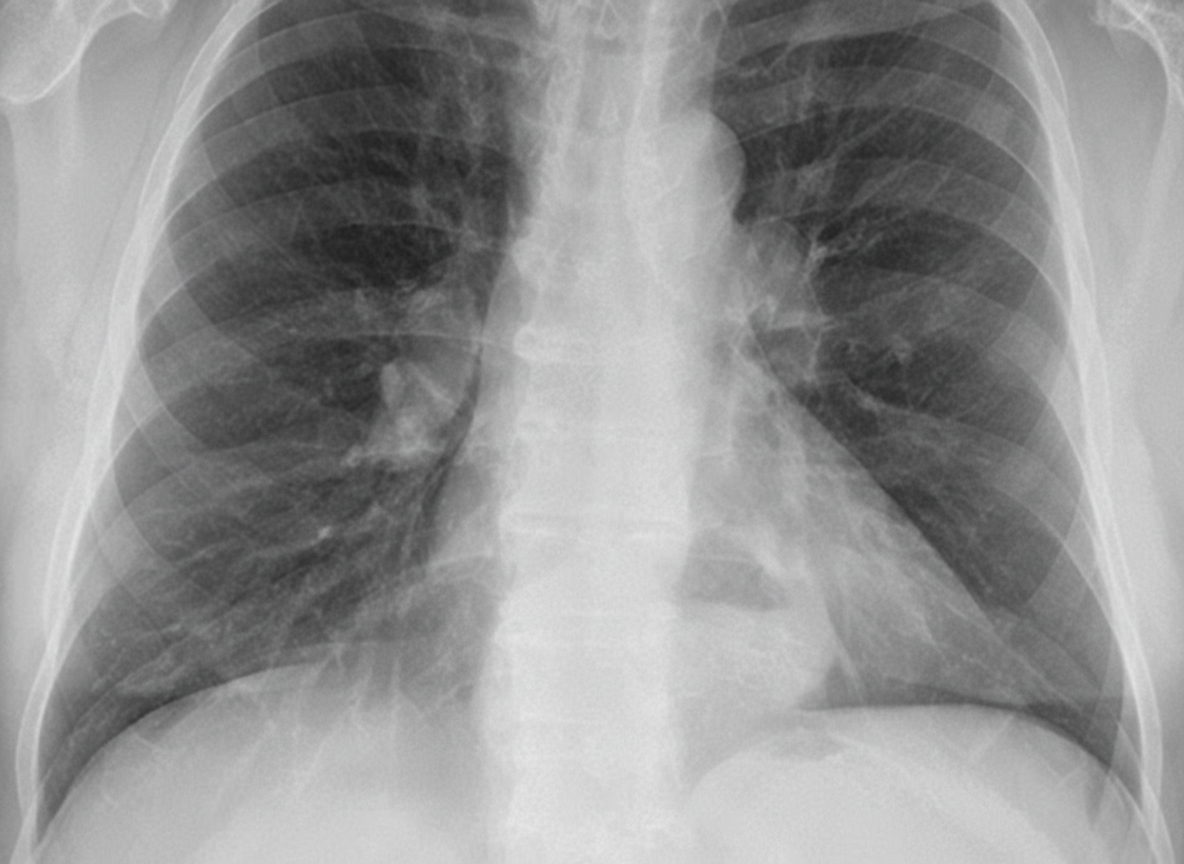
Explanation: **Explanation:** Achalasia cardia is a primary esophageal motility disorder characterized by the failure of the Lower Esophageal Sphincter (LES) to relax and the absence of esophageal peristalsis [1]. **Analysis of Statements:** 1. **Pathophysiology (True):** It results from the degeneration of the **myenteric (Auerbach’s) plexus** and loss of inhibitory nitrergic neurons [1]. 2. **Clinical Presentation (True):** Dysphagia is the hallmark, occurring for **both solids and liquids** from the onset (unlike malignancy, which starts with solids) [1]. 3. **Diagnosis (False):** While a Barium swallow shows the classic "Bird’s beak" appearance, **Esophageal Manometry** is the **Gold Standard** for diagnosis. 4. **Manometric Findings (True):** Key findings include incomplete LES relaxation (residual pressure >10 mmHg) and aperistalsis in the distal esophagus [1]. 5. **Treatment (False):** Pharmacotherapy (Nitrates/Calcium channel blockers) is generally ineffective and reserved for those unfit for surgery. The definitive treatments are **Pneumatic Dilation**, **Heller’s Myotomy**, or **POEM** (Peroral Endoscopic Myotomy) [2]. **Why Option B is Correct:** Statements 1, 2, and 4 accurately describe the pathology, symptoms, and manometric criteria. Statement 3 is incorrect because manometry, not radiology, is the definitive diagnostic tool. Statement 5 is incorrect as medical therapy is the least effective long-term intervention. **NEET-PG High-Yield Pearls:** * **Most common symptom:** Dysphagia (90%+). * **CXR finding:** Mediastinal widening with an air-fluid level; absence of gastric air bubble. * **Chagas Disease:** Can cause secondary achalasia (Trypanosoma cruzi). * **Complication:** Increased risk of **Squamous Cell Carcinoma** due to chronic stasis and esophagitis.
Explanation: **Explanation:** The prognosis of acute pancreatitis is determined by the severity of the systemic inflammatory response and the extent of pancreatic necrosis [1]. To predict outcomes, clinicians use scoring systems like **Ranson’s Criteria**, APACHE II, and the BISAP score. **Why Option A is Correct:** According to **Ranson’s Criteria**, a White Blood Cell (WBC) count **> 16,000/µL** at the time of admission is a significant indicator of severity. A leukocytosis of **> 20,000/µL** (as given in the option) reflects a profound systemic inflammatory response syndrome (SIRS), which correlates with a higher risk of multi-organ failure and pancreatic necrosis, thus indicating a poor prognosis [1]. **Why the Other Options are Incorrect:** * **Options B & C (Decreased Amylase/Lipase):** The absolute levels of serum amylase and lipase are diagnostic but **not prognostic**. A very high level does not mean the disease is severe, and a decrease does not necessarily mean the patient is worsening (though it may occur in end-stage chronic pancreatitis or massive necrosis, it is not a standard prognostic marker). * **Option D (Diastolic BP > 90 mmHg):** Hypertension is not a poor prognostic sign. In fact, **hypotension** (Systolic BP < 90 mmHg) or shock is a sign of severe disease and poor prognosis due to third-space fluid loss. **NEET-PG High-Yield Pearls:** * **Ranson’s Criteria at Admission (GALAW):** **G**lucose >200 mg/dL, **A**ge >55 yrs, **L**DH >350 IU/L, **A**ST >250 IU/L, **W**BC >16,000/µL [1]. * **Most sensitive marker for prognosis:** C-Reactive Protein (CRP) > 150 mg/L at 48 hours. * **Single best predictor of mortality:** Rising Blood Urea Nitrogen (BUN) or persistent SIRS. * **Imaging:** Contrast-Enhanced CT (CECT) is the gold standard for assessing necrosis (best done after 72 hours) [1].
Explanation: **Explanation:** Primary Sclerosing Cholangitis (PSC) is a chronic cholestatic liver disease characterized by inflammation and fibrotic stricturing of the intrahepatic and extrahepatic bile ducts. It is strongly associated with Inflammatory Bowel Disease (IBD), particularly **Ulcerative Colitis (UC)** (seen in ~70-80% of PSC patients). **Why Option D is the Correct (False) Statement:** The clinical course of PSC is **independent** of the activity or management of the underlying Ulcerative Colitis. Unlike the extraintestinal manifestations like erythema nodosum or peripheral arthritis, which improve with bowel treatment, **total colectomy does not prevent, cure, or halt the progression of PSC.** The biliary destruction continues even after the colon is removed. **Analysis of Incorrect Options:** * **Option A:** Chronic cholestasis and recurrent bouts of cholangitis lead to progressive fibrosis, eventually resulting in **biliary cirrhosis** and portal hypertension. * **Option B:** PSC is a major risk factor for **cholangiocarcinoma** (lifetime risk of 10-15%), most commonly occurring at the hilum (Klatskin tumor). * **Option C:** As a cholestatic disease, the biochemical hallmark is a significant elevation in **Alkaline Phosphatase (ALP)**, often 3-5 times the upper limit of normal. **High-Yield Clinical Pearls for NEET-PG:** * **Gold Standard Investigation:** MRCP (shows "beaded appearance" or "string of pearls" due to multifocal strictures). * **Antibody Marker:** p-ANCA is positive in 60-80% of cases (though not specific). * **Risk of Malignancy:** Patients with PSC + UC have a significantly higher risk of **Colorectal Carcinoma** compared to those with UC alone; they require annual colonoscopic surveillance. * **Treatment:** Liver transplantation is the only definitive treatment for end-stage PSC.
Explanation: **Explanation:** Barrett’s Esophagus (BE) is a classic example of **metaplasia**, where the normal stratified squamous epithelium of the lower esophagus is replaced by simple columnar epithelium with goblet cells (intestinal metaplasia). * **Option A (Consequence of GERD):** Chronic exposure to gastric acid and bile in Gastroesophageal Reflux Disease (GERD) causes mucosal injury [1]. To survive this acidic environment, the esophageal lining undergoes an adaptive change (metaplasia). * **Option B (Premalignant):** BE is the most significant risk factor for **Esophageal Adenocarcinoma**. The progression follows a predictable sequence: Metaplasia → Low-grade dysplasia → High-grade dysplasia → Adenocarcinoma [1]. * **Option C (Intestinal-type epithelium):** The hallmark of BE is the presence of **Goblet cells** on biopsy. This "intestinalization" is a protective but pathological response to chronic acid reflux. Since all three statements are pathophysiologically accurate, **Option D** is the correct answer. **High-Yield Clinical Pearls for NEET-PG:** * **Endoscopic Appearance:** Described as "Salmon-pink" tongues of mucosa extending upwards from the gastroesophageal junction. * **Diagnosis:** Requires both endoscopic evidence and histological confirmation of intestinal metaplasia (Goblet cells). * **Risk Factors:** Male gender, obesity, smoking, and long-standing GERD (>5 years) [1]. * **Screening/Surveillance:** Patients with BE require periodic endoscopy with "Seattle Protocol" biopsies (4-quadrant biopsies every 1–2 cm) to monitor for dysplasia. * **Management:** PPIs for symptom control; endoscopic mucosal resection (EMR) or radiofrequency ablation (RFA) for high-grade dysplasia.
Esophageal Disorders
Practice Questions
Peptic Ulcer Disease
Practice Questions
Inflammatory Bowel Disease
Practice Questions
Irritable Bowel Syndrome
Practice Questions
Malabsorption Syndromes
Practice Questions
Pancreatitis (Acute and Chronic)
Practice Questions
Gastrointestinal Bleeding
Practice Questions
Liver Diseases and Cirrhosis
Practice Questions
Viral Hepatitis
Practice Questions
Biliary Tract Disorders
Practice Questions
Gastrointestinal Motility Disorders
Practice Questions
Gastrointestinal Malignancies
Practice Questions
Get full access to all questions, explanations, and performance tracking.
Start For Free