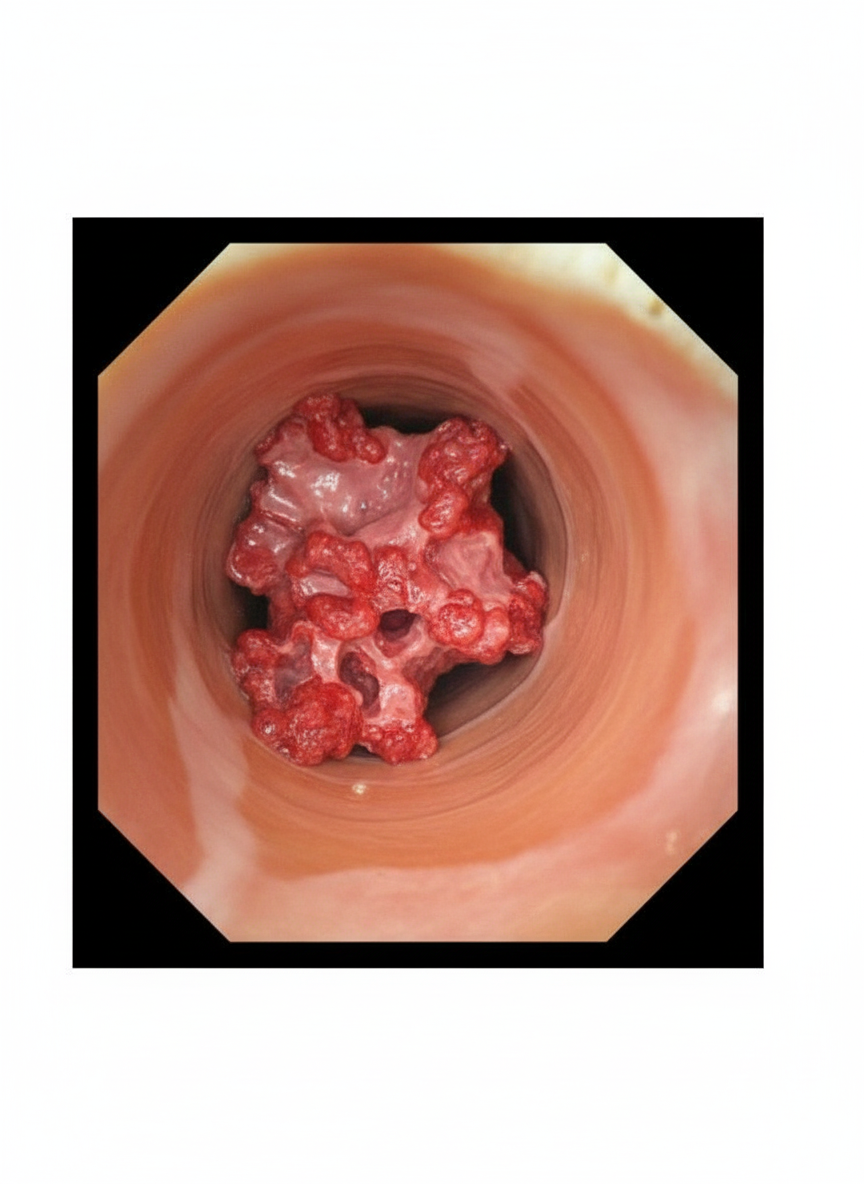
Which is the best method for the diagnosis of small intestinal mucosal disease?
A man presents with weakness, pain in the upper abdomen, hyperpigmentation, arthritis, hyperglycemia, and an enlarged palpable liver. What is the most probable diagnosis?
Which of the following is considered to be an effective treatment for Type I hepatorenal syndrome?
Which of the following statements about jaundice is false?
A patient is found to be positive for HBs Ag on routine laboratory evaluation. Other serological tests for hepatitis are unremarkable. He is clinically asymptomatic and liver enzymes are within the normal range. Which of the following best describes his diagnosis?
A 55-year-old male presents with retrosternal discomfort unrelated to physical exertion. The pain worsens after lying down and is partially relieved by antacids. What is the most likely diagnosis?
A 60-year-old man is found to be disoriented and comatose. He lived alone, ate poorly, and consumed large amounts of hard liquor. Physical examination reveals an emaciated man with a distended abdomen, jaundice, ascites, and a slightly enlarged liver and spleen. Which blood test would confirm a diagnosis of hepatic coma?
Which of the following predisposes to hepatic encephalopathy?
A patient presents after setting off a metal detector, despite removing all obvious metallic items. Which of the following conditions could be responsible for this phenomenon?
Which one of the following is not a sequela of pancreatitis?
Explanation: The diagnosis of small intestinal mucosal disease (such as Celiac disease, Whipple’s disease, or Tropical sprue) requires direct visualization and histological assessment. **Small intestinal mucosal biopsy** is the gold standard because it allows for the definitive identification of characteristic pathological changes like villous atrophy, crypt hyperplasia, and intraepithelial lymphocytosis [1]. With the advent of endoscopy (OGD scopy), biopsies can be precisely taken from the second part of the duodenum (D2) [2]. **Analysis of Incorrect Options:** * **A. Small bowel series (Barium):** This is a radiological study useful for detecting structural abnormalities (strictures, fistulas, or diverticula) but lacks the sensitivity to detect microscopic mucosal changes [3]. * **B. Urinary D-xylose test:** This is a functional test for carbohydrate malabsorption. While it helps differentiate mucosal malabsorption from pancreatic insufficiency, it cannot provide a specific histological diagnosis. * **D. Breath hydrogen test:** This is used primarily to diagnose Small Intestinal Bacterial Overgrowth (SIBO) or lactose intolerance. It measures gas produced by bacterial metabolism rather than assessing mucosal integrity. **NEET-PG High-Yield Pearls:** * **Gold Standard:** Biopsy is the definitive test for Celiac disease (Marsh Classification) [1]. * **Site of Biopsy:** Usually the distal duodenum or proximal jejunum [2]. * **Whipple’s Disease:** Biopsy shows PAS-positive macrophages. * **Celiac Disease:** Biopsy shows "flat" mucosa with villous atrophy [1]. * **D-Xylose Fact:** It remains normal in pancreatic insufficiency but is decreased in mucosal diseases (e.g., Celiac).
Explanation: ### Explanation The clinical presentation described is the classic "Bronze Diabetes" triad, which is hallmark for **Hereditary Hemochromatosis** [1]. **1. Why Hemochromatosis is Correct:** Hemochromatosis is an autosomal recessive disorder (most commonly the **HFE gene mutation**) leading to excessive iron absorption [1]. Iron deposits in various organs, causing multi-system damage: * **Liver:** Iron deposition leads to hepatomegaly, cirrhosis, and increased risk of Hepatocellular Carcinoma (HCC) [1]. * **Pancreas:** Damage to beta cells causes **Hyperglycemia/Diabetes Mellitus** [1]. * **Skin:** Iron deposition and increased melanin production cause **Hyperpigmentation** (bronzing) [1]. * **Joints:** Calcium pyrophosphate deposition leads to **Arthritis** (typically involving the 2nd and 3rd metacarpophalangeal joints). * **Heart:** Can lead to restrictive or dilated cardiomyopathy. **2. Why Other Options are Incorrect:** * **Addison’s Disease:** While it causes hyperpigmentation and weakness, it typically presents with **hypotension and hypoglycemia**, not hyperglycemia or hepatomegaly. * **Insulin Dependent Diabetes Mellitus (IDDM):** Explains the hyperglycemia but does not account for hepatomegaly, arthritis, or skin bronzing. * **Cushing’s Syndrome:** Presents with hyperglycemia and weakness, but features include central obesity, striae, and "moon facies" rather than hyperpigmentation and arthritis. **3. NEET-PG High-Yield Pearls:** * **Gold Standard Diagnosis:** Liver biopsy with **Prussian Blue staining** (quantifies hepatic iron index) [2]. * **Screening Test:** Transferrin saturation (>45% is highly suggestive). * **Treatment of Choice:** Therapeutic Phlebotomy (maintains Ferritin ~50 ng/mL) [2]. * **Classic Joint Finding:** "Hook-like" osteophytes on X-ray of the MCP joints. * **Most Common Cause of Death:** Decompensated Cirrhosis or HCC.
Explanation: **Explanation:** Hepatorenal Syndrome (HRS) is a form of functional renal failure occurring in patients with advanced cirrhosis and portal hypertension. The pathophysiology involves intense **splanchnic vasodilation**, which leads to a decrease in effective arterial blood volume, subsequently triggering the renin-angiotensin-aldosterone system (RAAS) and causing profound **renal vasoconstriction** [1]. **Why Option D is correct:** The goal of therapy is to reverse renal vasoconstriction. **Terlipressin** (a vasopressin analogue) acts as a potent vasoconstrictor of the splanchnic circulation, redistributing blood flow to the systemic circulation. **Albumin infusion** acts as a volume expander, increasing the effective arterial pressure and suppressing the RAAS. Together, they improve renal perfusion and are considered the first-line medical management for Type I HRS (now often referred to as HRS-AKI) [1]. **Why other options are incorrect:** * **Options A & B (Dialysis):** While Renal Replacement Therapy (RRT) can manage electrolyte imbalances and fluid overload, it does not reverse the underlying pathophysiology of HRS. It is typically reserved as a "bridge" to liver transplantation in patients who do not respond to medical therapy [1]. * **Option C (Diuretics):** Large-dose diuretics are **contraindicated** in HRS. They exacerbate intravascular volume depletion, further reducing renal perfusion and worsening the renal failure. **Clinical Pearls for NEET-PG:** * **Definitive Treatment:** Liver Transplantation is the only definitive cure for HRS [1]. * **Alternative Vasoconstrictors:** If Terlipressin is unavailable, Midodrine (alpha-agonist) plus Octreotide (somatostatin analogue) can be used. * **Diagnosis of Exclusion:** Before diagnosing HRS, one must rule out other causes of AKI (e.g., shock, nephrotoxic drugs, or organic kidney disease) and ensure there is no improvement after 48 hours of diuretic withdrawal and volume expansion with albumin [1].
Explanation: **Explanation:** **1. Why Option A is the correct (False) statement:** Clinically, jaundice (icterus) becomes detectable to the naked eye only when serum total bilirubin levels exceed **2.5 to 3 mg/dL**. While the normal range is 0.3–1.2 mg/dL, the range between 1.2 and 2.5 mg/dL is termed "latent jaundice," where levels are elevated but not yet visible on physical examination [1]. Therefore, stating it is detected at >2 mg% is technically inaccurate for clinical diagnosis. **2. Analysis of other options:** * **Option B:** Bilirubin has a very high affinity for **elastin fibers**. Since the sclera is rich in elastin, it is often the first site where jaundice becomes visible. * **Option C:** This statement is actually the **most controversial** in the question. In long-standing **conjugated** hyperbilirubinemia, bilirubin oxidizes to biliverdin, giving a greenish tint [2]. However, in the context of standard medical exams, Option A is the "more false" numerical fact. *Note: Some texts consider a green hue specific to obstructive (conjugated) jaundice.* * **Option D:** Carotenemia (due to excessive Vitamin A/carrots) causes yellowing of the skin (palms/soles) but **spares the sclera** because carotene does not bind to elastin. This is a classic bedside differentiator. **High-Yield Clinical Pearls for NEET-PG:** * **First site to detect jaundice:** Upper sclera (examine while the patient looks down). * **Van den Bergh Reaction:** Direct-acting (conjugated) vs. Indirect-acting (unconjugated). * **Cholestasis:** Characterized by pruritus (due to bile salt deposition) and clay-colored stools [3]. * **Achuric Jaundice:** Seen in hemolytic jaundice (unconjugated bilirubin is not water-soluble and doesn't appear in urine) [1].
Explanation: ### Explanation **1. Why "Inactive HBV Carrier" is Correct:** The diagnosis of an **Inactive HBV Carrier** state is defined by a specific serological and clinical profile: * **HBsAg positivity** for >6 months (indicating chronic infection) [1]. * **HBeAg negativity** and Anti-HBe positivity [1]. * **Normal serum ALT/AST levels** (indicating no ongoing necroinflammation) [1]. * **Low HBV DNA levels** (typically <2,000 IU/mL). In this patient, the presence of HBsAg with normal liver enzymes and an asymptomatic clinical status fits the classic definition of an inactive carrier. **2. Why the Other Options are Incorrect:** * **B. Acute Hepatitis B:** Acute infection is characterized by high levels of liver enzymes (ALT/AST often >1000 U/L) and clinical symptoms like jaundice, nausea, and malaise [1]. IgM anti-HBc would also be positive [1]. * **C. Chronic Hepatitis B:** While an inactive carrier is technically a subset of chronic infection, "Chronic Hepatitis B" as a clinical diagnosis usually implies **Chronic Active Hepatitis**, characterized by elevated liver enzymes and evidence of liver injury/inflammation [2]. * **D. Active HBV Carrier:** This term is often used for patients with "HBeAg-positive chronic hepatitis" or "HBeAg-negative chronic hepatitis." These patients have high HBV DNA levels and elevated ALT, indicating active viral replication and liver damage. **3. NEET-PG High-Yield Pearls:** * **HBsAg:** First marker to appear; its persistence >6 months defines chronic infection [1]. * **HBeAg:** Marker of active viral replication and high infectivity. * **Anti-HBs:** Indicates immunity (either via recovery or vaccination) [1]. * **Window Period:** The interval where HBsAg and Anti-HBs are both negative; **IgM anti-HBc** is the only diagnostic marker during this phase [1]. * **Inactive Carrier Prognosis:** Generally good, but requires lifelong monitoring (every 6–12 months) because they are at risk for reactivation or developing Hepatocellular Carcinoma (HCC), even without cirrhosis [1].
Explanation: **Explanation:** The patient presents with classic symptoms of **Gastroesophageal Reflux Disease (GERD)**, which is most commonly associated with a **Hiatus Hernia** [1]. In a hiatus hernia, the protrusion of the stomach through the diaphragmatic crus into the mediastinum compromises the lower esophageal sphincter (LES) pressure [1]. The pain is typically retrosternal, worsens in the **supine position** (due to gravity-assisted reflux), and is relieved by **antacids**, which neutralize gastric acid [1], [3]. **Analysis of Options:** * **Ischemic Heart Disease (IHD):** While IHD presents with retrosternal pain, it is typically precipitated by **physical exertion** and relieved by rest or nitrates. The relief with antacids and worsening with posture strongly point toward a GI etiology. * **Carcinoma Esophagus:** This usually presents with progressive **dysphagia** (initially for solids, then liquids) and significant weight loss rather than intermittent postural reflux pain [4]. * **Achalasia Cardia:** This is characterized by a failure of the LES to relax [2]. The primary symptom is **dysphagia for both solids and liquids** from the onset, often accompanied by regurgitation of undigested food, rather than acid-induced heartburn [2]. **NEET-PG High-Yield Pearls:** * **Sliding Hiatus Hernia (Type I):** The most common type (95%). The gastroesophageal junction moves above the diaphragm [1]. It is the type most associated with GERD. * **Paraesophageal Hernia (Type II):** The GE junction remains in place, but the fundus herniates [1]. It carries a higher risk of **strangulation/volvulus** and often requires surgical intervention even if asymptomatic [1]. * **Cameron Ulcers:** Linear erosions found in the mucosal folds of a hiatus hernia due to mechanical trauma; a known cause of iron deficiency anemia.
Explanation: **Explanation:** The clinical presentation of disorientation, coma, jaundice, ascites, and hepatosplenomegaly in a chronic alcoholic points toward **Hepatic Encephalopathy (HE)** secondary to cirrhosis [2]. **1. Why Ammonia is the Correct Answer:** Ammonia is a neurotoxin produced primarily by the bacterial degradation of nitrogenous compounds in the gut [1]. In a healthy individual, the liver converts ammonia into urea via the urea cycle. In patients with cirrhosis or portal-systemic shunting, the liver fails to detoxify ammonia, leading to elevated systemic levels [1]. Ammonia crosses the blood-brain barrier, where it is metabolized by astrocytes into **glutamine**. This causes osmotic swelling of astrocytes, cerebral edema, and neurotransmitter imbalance, resulting in the clinical spectrum of hepatic coma. **2. Why Other Options are Incorrect:** * **Alanine Aminotransferase (ALT):** This is a marker of hepatocellular injury (necrosis). While it may be elevated in hepatitis, it does not correlate with the degree of neurological impairment or confirm encephalopathy. * **Alkaline Phosphatase (ALP):** This is primarily a marker of cholestasis or bone turnover. It helps diagnose biliary obstruction but has no diagnostic value for hepatic coma. * **Bilirubin:** While elevated bilirubin explains the patient's jaundice, hyperbilirubinemia itself does not cause coma in adults (unlike kernicterus in neonates) [2]. **High-Yield Clinical Pearls for NEET-PG:** * **Asterixis (Flapping tremors):** The characteristic physical sign of Grade II/III HE. * **Triggers for HE:** GI bleeding (increases nitrogen load), infections (SBP), constipation, and hypokalemia. * **Treatment Gold Standard:** **Lactulose** (converts ammonia to non-absorbable ammonium $NH_4^+$ in the gut) and **Rifaximin** (reduces ammonia-producing gut flora). * **EEG Finding:** Classic **triphasic waves** are seen in hepatic encephalopathy.
Explanation: **Explanation:** Hepatic Encephalopathy (HE) is a reversible neuropsychiatric syndrome caused by liver failure or portosystemic shunting [1]. The core pathophysiology involves the accumulation of neurotoxins, primarily **ammonia ($NH_3$)**, which crosses the blood-brain barrier [1]. **Why "All the Above" is Correct:** * **Gastrointestinal Bleeding:** This is a major precipitant. Blood in the GI tract provides a massive protein load. Bacteria in the gut break down hemoglobin into nitrogenous compounds, leading to a surge in ammonia production. * **Dehydration:** Hypovolemia leads to decreased renal perfusion (prerenal azotemia). This results in elevated blood urea levels, which diffuse into the gut and are converted to ammonia. Additionally, dehydration can lead to electrolyte imbalances (like hypokalemia) that further promote ammonia production in the kidneys. * **Constipation:** Increased gut transit time allows for prolonged contact between intestinal bacteria and nitrogenous waste, significantly increasing the absorption of ammonia into the portal circulation. **Clinical Pearls for NEET-PG:** 1. **Hypokalemic Metabolic Alkalosis:** This is a high-yield precipitant. Alkalosis shifts the equilibrium from ammonium ($NH_4^+$) to ammonia ($NH_3$), which more easily crosses the blood-brain barrier. 2. **Infections:** Spontaneous Bacterial Peritonitis (SBP) is a common trigger for HE in cirrhotic patients. 3. **Drugs:** Benzodiazepines, narcotics, and diuretics are frequent culprits. 4. **Management Gold Standard:** **Lactulose** (converts $NH_3$ to non-absorbable $NH_4^+$ and acts as an osmotic laxative) and **Rifaximin** (reduces ammonia-producing gut flora). 5. **Asterixis (Flapping Tremors):** The classic physical exam finding, though not pathognomonic for HE.
Explanation: **Explanation:** **1. Why Hemochromatosis is correct:** Hereditary Hemochromatosis is a disorder of iron overload characterized by excessive intestinal absorption of iron, leading to its deposition in various organs (liver, pancreas, heart, and skin) [1]. In advanced stages, the total body iron stores can exceed **20 to 40 grams** (normal is ~3–4 grams). Because iron is a ferromagnetic metal, extreme systemic accumulation can theoretically increase the body's magnetic susceptibility enough to trigger highly sensitive metal detectors. This is a classic, high-yield clinical anecdote used to illustrate the massive scale of iron overload in these patients. **2. Why the other options are incorrect:** * **Argyria (A):** This condition results from chronic ingestion of silver salts, leading to a blue-grey skin discoloration. While silver is a metal, the quantities deposited are insufficient to trigger a metal detector. * **Gallstones (B) and Kidney stones (D):** These are typically composed of cholesterol, bile pigments, or calcium salts (calcium oxalate/phosphate). These materials are not ferromagnetic and do not exist in quantities large enough to interfere with electromagnetic fields. **3. NEET-PG High-Yield Pearls:** * **Classic Triad (Bronze Diabetes):** Skin hyperpigmentation, Diabetes Mellitus, and Liver Cirrhosis [1]. * **Genetics:** Most commonly due to a mutation in the **HFE gene (C282Y)** on Chromosome 6 [2]. * **Diagnosis:** Best initial test is **Transferrin Saturation** (>45%); Gold standard for quantification is **MRI (T2*)** or Liver Biopsy (Perls' Prussian Blue stain) [3]. * **Treatment:** Therapeutic phlebotomy is the mainstay of management [3]. * **Associated Infection:** Patients are at increased risk of infections with siderophilic (iron-loving) organisms like *Vibrio vulnificus* and *Yersinia enterocolitica*.
Explanation: In acute pancreatitis, the biochemical hallmark is **hypocalcemia**, not hypercalcemia. Therefore, Option D is the correct answer as it is not a sequela of the condition. ### **Explanation of Options** * **Hypercalcemia (Correct Answer):** Hypocalcemia occurs in severe pancreatitis due to **saponification**—the deposition of calcium soaps in areas of fat necrosis. Additionally, a transient hypoparathyroidism or hypoalbuminemia may contribute. Note: While hypercalcemia is a *cause* of pancreatitis (via activation of trypsinogen), it is not a *sequela* (consequence). * **Hyperbilirubinemia:** This occurs in approximately 10–20% of patients. It is usually due to compression of the intrapancreatic portion of the common bile duct by inflammatory edema or a pancreatic pseudocyst [1]. * **Increased Hematocrit:** This is a sign of **hemoconcentration** resulting from significant third-space fluid loss into the retroperitoneum and peritoneal cavity [1]. A hematocrit >44% on admission is a strong predictor of pancreatic necrosis. * **Hyperglycemia:** This is common and multifactorial, resulting from decreased insulin release (islet cell damage), increased glucagon release, and the systemic stress response (increased catecholamines and cortisol). ### **Clinical Pearls for NEET-PG** * **Ranson’s Criteria:** Remember that a fall in hematocrit (>10%) and a fall in serum calcium (<8 mg/dL) within 48 hours are indicators of poor prognosis [1]. * **Grey Turner’s Sign:** Ecchymosis of the flanks, indicating retroperitoneal hemorrhage. * **Cullen’s Sign:** Periumbilical ecchymosis. * **Most Common Cause:** Gallstones (overall), followed by Alcohol. * **Drug-induced Pancreatitis:** Common culprits include Azathioprine, Sulfonamides, Valproate, and Thiazides.
Esophageal Disorders
Practice Questions
Peptic Ulcer Disease
Practice Questions
Inflammatory Bowel Disease
Practice Questions
Irritable Bowel Syndrome
Practice Questions
Malabsorption Syndromes
Practice Questions
Pancreatitis (Acute and Chronic)
Practice Questions
Gastrointestinal Bleeding
Practice Questions
Liver Diseases and Cirrhosis
Practice Questions
Viral Hepatitis
Practice Questions
Biliary Tract Disorders
Practice Questions
Gastrointestinal Motility Disorders
Practice Questions
Gastrointestinal Malignancies
Practice Questions
Get full access to all questions, explanations, and performance tracking.
Start For Free