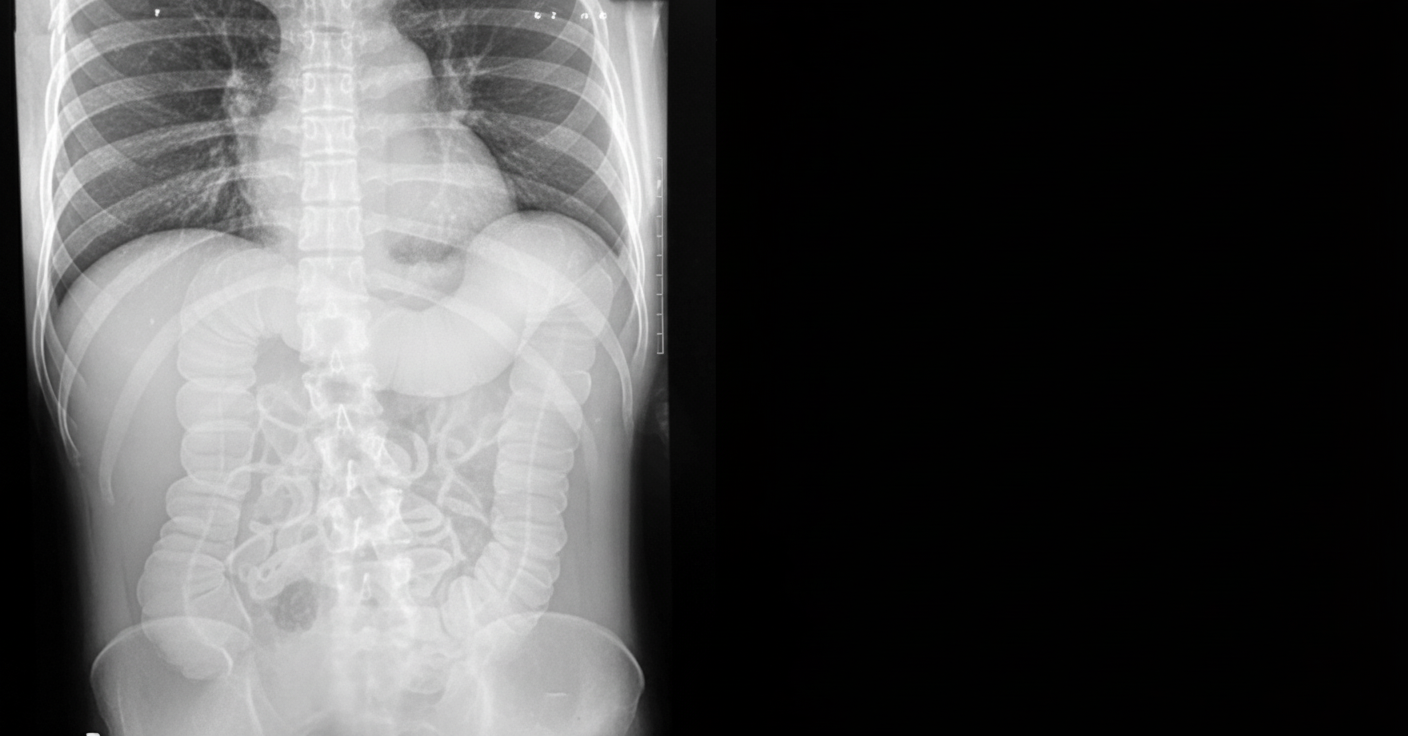
All of the following are true about refeeding syndrome except?
Which of the following lifestyle modifications should NOT be advised to a patient with GERD?
What is the most likely diagnosis in a 25-year-old male patient presenting with jaundice, a serum total bilirubin of 21 mg/dL, a direct bilirubin of 9.6 mg/dL, and an alkaline phosphatase of 84 KA units?
What is the mainstay of treatment for a patient with mild ulcerative colitis?
A patient presents with lower gastrointestinal bleed. Sigmoidoscopy shows ulcers in the sigmoid. Biopsy from this area shows flask-shaped ulcers. Which of the following is the most appropriate treatment?
A 52-year-old male presents with persistent severe right upper quadrant pain for the past 2 hours, accompanied by nausea, diaphoresis, and pain in the posterior aspect of his right shoulder. The pain began shortly after consuming a meal. Ultrasound examination reveals multiple stones in an inflamed gallbladder with a normal bile duct. Which of the following spinal nerve segments are involved in the referred shoulder pain associated with cholecystitis?
Blood culture is indicated in all the following conditions, except:
A 56-year-old man with a history of heavy alcohol consumption is admitted with sudden massive hematemesis and hypotension. On examination, there is jaundice, spider angiomata, abdominal distension with shifting dullness, and edema. What is the most likely cause of gastrointestinal blood loss?
Which of the following is not a feature of gastrinoma?
Severity in acute hepatitis is best estimated by?
Explanation: Refeeding syndrome is a potentially fatal metabolic complication that occurs when nutrition is reintroduced too rapidly in patients with severe, chronic malnutrition (e.g., anorexia nervosa, chronic alcoholism, or prolonged starvation). **1. Why Option A is the Correct Answer (The Exception):** Refeeding syndrome is **not** exclusive to Total Parenteral Nutrition (TPN). It can occur regardless of the route of administration—including **enteral (tube) feeding and oral intake**. The trigger is the sudden availability of glucose, which leads to a massive surge in **insulin**. This shifts electrolytes (phosphorus, potassium, and magnesium) from the extracellular space into the cells, causing dangerous serum deficiencies [1]. **2. Analysis of Other Options:** * **Option B:** True. Severe hypokalemia and hypomagnesemia prolong the QT interval and predispose the patient to fatal cardiac **arrhythmias** and heart failure. * **Option C:** True. The syndrome is specifically triggered by the **rapid and excessive** reintroduction of calories in a body that has adapted to a catabolic state. * **Option D:** True. **Hypophosphatemia** is the biochemical hallmark of refeeding syndrome [1]. Along with hypomagnesemia and hypokalemia, these must be aggressively monitored and replaced to prevent multi-organ failure. **High-Yield Clinical Pearls for NEET-PG:** * **Hallmark:** Hypophosphatemia [1]. * **Vitamin Deficiency:** Thiamine (Vitamin B1) deficiency is often exacerbated, as it is a co-factor for glucose metabolism; its depletion can lead to Wernicke’s encephalopathy. * **Prevention:** "Start low and go slow." Begin at 10–15 kcal/kg/day and supplement with Thiamine before starting nutrition. * **Most common cause of death:** Cardiac arrhythmias.
Explanation: The primary goal of lifestyle modifications in Gastroesophageal Reflux Disease (GERD) is to reduce the frequency of transient lower esophageal sphincter relaxations (TLESRs) and minimize the volume of gastric contents available for reflux. **Why Option C is the correct answer (The "NOT" advice):** Consuming a meal within 2 hours of bedtime is contraindicated. Patients should be advised to maintain a **minimum gap of 3 hours** between their last meal and lying down [1]. Recumbency shortly after eating increases intragastric pressure and promotes the reflux of undigested food and gastric acid into the esophagus due to the loss of gravitational assistance. **Analysis of Incorrect Options:** * **Option A:** Fatty foods delay gastric emptying, while spicy foods and chocolate can decrease Lower Esophageal Sphincter (LES) tone. Avoiding these reduces reflux triggers. * **Option B:** Large meals cause gastric distention, which triggers TLESRs. Small, frequent meals prevent excessive pressure on the LES. * **Option D:** Elevating the head end of the bed (by 6–8 inches using blocks, not just extra pillows) uses gravity to keep gastric contents in the stomach and is highly effective for nocturnal GERD [1]. **High-Yield Clinical Pearls for NEET-PG:** * **Weight Loss:** This is the **most effective** lifestyle intervention for symptomatic relief in obese patients [1]. * **Smoking & Alcohol:** Both should be avoided as they decrease LES pressure and impair mucosal healing [1]. * **Positioning:** If symptoms persist, sleeping in the **left lateral decubitus** position is preferred over the right, as it keeps the gastroesophageal junction above the level of gastric acid. * **Drug of Choice:** Proton Pump Inhibitors (PPIs) remain the gold standard for medical management [1].
Explanation: **Explanation:** The diagnosis of **Obstructive Jaundice** (extrahepatic cholestasis) is primarily established by analyzing the pattern of liver function tests (LFTs) [2]. 1. **Why Obstructive Jaundice is correct:** * **Conjugated Hyperbilirubinemia:** The patient has a direct bilirubin of 9.6 mg/dL (approx. 45% of total), indicating a significant conjugated component. * **Markedly Elevated Alkaline Phosphatase (ALP):** The ALP is **84 KA units**. In the King-Armstrong (KA) unit system, the normal range is 3–13 KA units. A value of 84 is >6 times the upper limit of normal. In clinical practice, an ALP elevation >3 times the normal limit is highly suggestive of cholestasis or biliary obstruction [3]. 2. **Why other options are incorrect:** * **Hemolytic Anemia:** This presents with **unconjugated** (indirect) hyperbilirubinemia. Direct bilirubin is typically <15% of the total, and ALP remains normal [2]. * **Viral/Drug-induced Hepatitis:** These are hepatocellular patterns of injury. While bilirubin can be high, the hallmark is a massive rise in **transaminases (ALT/AST)** [1]. While ALP can be elevated in hepatitis, it rarely reaches the extreme levels seen in mechanical obstruction. **High-Yield Clinical Pearls for NEET-PG:** * **Normal ALP Ranges:** 3–13 KA units (King-Armstrong) or 40–125 IU/L. * **Bilirubin Partitioning:** If direct bilirubin is >50% of total, it is conjugated hyperbilirubinemia (Obstructive/Hepatocellular). If <20%, it is unconjugated (Hemolysis/Gilbert’s). * **Courvoisier’s Law:** In a patient with obstructive jaundice, if the gallbladder is palpable, the obstruction is likely due to a malignancy (e.g., Periampullary carcinoma) rather than gallstones. * **Fractional Excretion:** In obstructive jaundice, urine will be dark (bilirubinuria) and stools may be clay-colored (acholic) [3].
Explanation: **Explanation:** The mainstay of treatment for **mild to moderate ulcerative colitis (UC)** is **5-Aminosalicylic acid (5-ASA)** agents, such as Sulfasalazine or Mesalamine [1]. These drugs act locally on the colonic mucosa to inhibit the production of pro-inflammatory cytokines and leukotrienes. For distal disease (proctitis), topical 5-ASAs (suppositories/enemas) are preferred, while oral formulations are used for extensive colitis [1]. **Analysis of Options:** * **A. 5-ASA agents (Correct):** They are the first-line therapy for both induction of remission and maintenance in mild-to-moderate UC due to their high efficacy and favorable safety profile [1]. * **B. Corticosteroids:** These are used for **induction of remission** in moderate-to-severe UC or in patients who do not respond to 5-ASAs [1]. They are never used for maintenance therapy due to significant systemic side effects. * **C. Azathioprine:** This is an immunomodulator used for **maintaining remission** in patients who are steroid-dependent or have frequent relapses. It has a slow onset of action (3–6 months) and is not used for acute induction. * **D. Antibiotics:** Unlike in Crohn’s disease (where they may treat fistulas or abscesses), antibiotics have no proven primary role in the routine management of ulcerative colitis unless a secondary infection (like *C. difficile*) is suspected. **High-Yield Clinical Pearls for NEET-PG:** * **Sulfasalazine** consists of Sulfapyridine (carrier) and 5-ASA. Most side effects are due to the sulfapyridine moiety. * **Mesalamine** is the preferred 5-ASA as it lacks the sulfa component, leading to better tolerance. * **Step-up therapy:** If 5-ASAs fail, move to Corticosteroids $\rightarrow$ Immunomodulators (Azathioprine) $\rightarrow$ Biologics (Infliximab) $\rightarrow$ Surgery [1]. * **Surgery (Proctocolectomy)** is considered curative in UC, unlike in Crohn’s disease [2].
Explanation: ### Explanation The clinical presentation of lower gastrointestinal bleeding combined with the pathognomonic finding of **flask-shaped ulcers** on biopsy is diagnostic of **Amoebic Colitis**, caused by *Entamoeba histolytica*. [1] **1. Why Intravenous Metronidazole is Correct:** *Entamoeba histolytica* trophozoites secrete proteolytic enzymes (histolysins) that breach the colonic mucosa. Once they reach the submucosa, they spread laterally, creating the classic "flask-shaped" appearance (narrow neck, broad base) [1]. **Metronidazole** is the drug of choice for invasive amoebiasis as it is highly effective against trophozoites in the tissue. Intravenous administration is preferred in patients with significant bleeding or severe colitis to ensure rapid therapeutic levels. **2. Why Other Options are Incorrect:** * **Option A (Ceftriaxone):** This is a third-generation cephalosporin used for bacterial infections like Enteric fever or peritonitis. It has no activity against protozoa like *E. histolytica*. * **Options C & D (Steroids/Sulphasalazine/Enemas):** These are treatments for **Inflammatory Bowel Disease (IBD)**, specifically Ulcerative Colitis. While IBD also presents with bloody diarrhea and ulcers, the biopsy would show crypt abscesses and architectural distortion, not flask-shaped ulcers. Administering steroids in a case of amoebic colitis is dangerous and can lead to toxic megacolon or perforation. **Clinical Pearls for NEET-PG:** * **Pathognomonic Finding:** Flask-shaped ulcers (Amoebic colitis) [1]. * **Most Common Site:** Cecum and ascending colon (though the sigmoid can be involved). * **Liver Involvement:** The most common extra-intestinal manifestation is an **Amoebic Liver Abscess** (typically "anchovy sauce" pus) [1]. * **Treatment Protocol:** Always follow a tissue amoebicide (Metronidazole/Tinidazole) with a **luminal amoebicide** (e.g., Paromomycin or Diloxanide furoate) to eradicate the cyst stage and prevent relapse/transmission.
Explanation: ### Explanation **1. Why T5 to T9 is Correct:** The gallbladder receives its visceral sensory innervation via the **greater splanchnic nerve**, which carries pain fibers back to the spinal cord segments **T5 through T9** [2]. When the gallbladder is inflamed (cholecystitis) or contracting against an obstruction (biliary colic), the visceral pain is perceived in the epigastrium or right hypochondrium. However, due to the convergence of visceral and somatic afferents in the dorsal horn of these spinal segments, the pain is frequently **referred** to the infrascapular region (specifically the **inferior angle of the right scapula**). This classic clinical sign is known as **Boas' sign**. **2. Why the Other Options are Incorrect:** * **A (C3 to C5):** These segments form the **phrenic nerve**. While irritation of the diaphragm (by an inflamed gallbladder) can cause referred pain to the **top of the right shoulder** [1] (Kehr’s sign), the question specifically asks for the segments involved in the standard gallbladder pain pathway. T5-T9 is the primary visceral supply. * **B (C5 to C8):** These segments contribute to the brachial plexus, supplying the upper limb. They are not involved in gallbladder innervation. * **C (T1 to T4):** These segments receive visceral afferents from the **heart** and lungs. Pain referred here is characteristic of myocardial infarction or angina, not cholecystitis. **3. NEET-PG High-Yield Pearls:** * **Boas' Sign:** Hyperesthesia or referred pain below the right scapula (T5–T9). * **Kehr’s Sign:** Referred pain to the tip of the shoulder due to phrenic nerve (C3–C5) irritation (common in splenic rupture or subphrenic abscess) [1]. * **Murphy’s Sign:** Inspiratory arrest on deep palpation of the right upper quadrant; highly specific for acute cholecystitis. * **Biliary Colic vs. Cholecystitis:** Biliary colic usually lasts <6 hours and lacks inflammatory markers (fever, leukocytosis), whereas cholecystitis lasts >6 hours with systemic signs [1].
Explanation: **Explanation:** The correct answer is **Malaria (Option D)**. Blood culture is a diagnostic tool used to detect the presence of viable bacteria or fungi in the bloodstream (bacteremia or fungemia) [1]. **Why Malaria is the exception:** Malaria is caused by protozoan parasites of the genus *Plasmodium*. These are intracellular parasites that infect red blood cells. They do not grow on standard aerobic or anaerobic bacterial culture media. The gold standard for diagnosis is **microscopic examination of peripheral blood smears** (thick and thin smears) or **Rapid Diagnostic Tests (RDTs)** that detect parasite antigens (e.g., HRP-2, LDH). **Analysis of other options:** * **Enteric Fever (Option A):** Blood culture is the investigation of choice during the **first week** of illness. It has a sensitivity of 70-90% before antibiotics are started. * **Subacute Bacterial Endocarditis (Option B):** Blood cultures are the cornerstone of diagnosis (part of the **Duke Criteria**). Multiple sets are required to capture the continuous bacteremia characteristic of this condition [2]. * **Septicemia (Option C):** By definition, septicemia involves systemic infection with pathogens multiplying in the blood [2]. Blood cultures are mandatory to identify the causative organism and determine antibiotic sensitivity. **High-Yield Clinical Pearls for NEET-PG:** * **Enteric Fever Timeline:** Remember the mnemonic **BASU** for positive cultures: **B**lood (1st week), **A**gglutination/Widal (2nd week), **S**tool (3rd week), **U**rine (4th week). * **Bone Marrow Culture:** This is the most sensitive culture for Enteric fever, especially if the patient has already started antibiotics. * **Volume Matters:** For adult blood cultures, 10-20 ml of blood per bottle is recommended to optimize yield. * **Malaria Diagnosis:** Quantitative Buffy Coat (QBC) is a faster, fluorescent-based microscopic method, but peripheral smear remains the gold standard.
Explanation: **Explanation:** The clinical presentation describes a patient with **Decompensated Liver Cirrhosis**, evidenced by a history of heavy alcohol use, jaundice, stigmata of chronic liver disease (spider angiomata), and signs of portal hypertension (ascites/shifting dullness) [4], [5]. In a cirrhotic patient presenting with **sudden, massive hematemesis and hemodynamic instability (hypotension)**, the most likely diagnosis is **Esophageal Varices** [1]. **Why Esophageal Varices is correct:** Portal hypertension (Portal venous pressure >10-12 mmHg) leads to the formation of collateral circulation at the gastroesophageal junction [1], [3]. These thin-walled vessels are prone to spontaneous rupture, causing life-threatening, painless, massive upper GI bleeding [1]. **Why other options are incorrect:** * **Mallory-Weiss tear:** Characterized by longitudinal mucosal tears at the GE junction, typically occurring *after* repeated episodes of forceful vomiting or retching. The bleeding is usually self-limiting and less massive than variceal hemorrhage. * **Aortoenteric fistula:** A rare cause of massive GI bleed, usually seen in patients with a history of abdominal aortic aneurysm repair with a synthetic graft. * **Gastric ulcer:** While common in alcoholics, it typically presents with epigastric pain and is less likely than varices to cause such sudden, catastrophic hemorrhage in the presence of clear signs of cirrhosis. **NEET-PG High-Yield Pearls:** * **Initial Management:** Hemodynamic stabilization (IV fluids) is the priority [4]. * **Drug of Choice (Active Bleed):** Terlipressin (Somatostatin analogues like Octreotide are also used). * **Definitive Management:** Endoscopic Variceal Ligation (EVL) is the gold standard (Balloon tamponade and TIPSS are used as bridges to therapy) [2]. * **Prophylaxis:** Non-selective beta-blockers (Propranolol/Nadolol) are used for primary and secondary prophylaxis. * **Prognostic Score:** Child-Pugh Score and MELD score are used to assess the severity of liver disease [3].
Explanation: **Explanation:** Gastrinoma (Zollinger-Ellison Syndrome) is a neuroendocrine tumor that secretes excessive amounts of gastrin, leading to hyperchlorhydria [1]. **Why Option D is the Correct Answer:** In a normal individual, histamine stimulates parietal cells to secrete HCl. However, in Gastrinoma, the parietal cells are already **maximally stimulated** by the chronically high levels of endogenous gastrin. Therefore, the administration of exogenous histamine (or pentagastrin) fails to produce a significant further increase in acid output. This "refractoriness" to stimulation is a diagnostic hallmark, as the Basal Acid Output (BAO) is already very high, often exceeding 60% of the Maximal Acid Output (MAO). **Analysis of Incorrect Options:** * **Option A (Recurrent duodenal ulcer):** Excessive acid production leads to aggressive peptic ulcer disease. These ulcers are often refractory to standard therapy and frequently recur after treatment. * **Option B (Diarrhoea):** This occurs in ~50% of patients. It is caused by the high acid volume overwhelming the small intestine, inactivating pancreatic enzymes (leading to steatorrhea), and damaging the intestinal mucosa. * **Option C (Ulcer at unusual sites):** While most ZES ulcers are in the first part of the duodenum, ulcers in the distal duodenum or jejunum are highly suggestive of gastrinoma. **NEET-PG High-Yield Pearls:** * **Most common location:** The "Gastrinoma Triangle" (Passaro’s Triangle)—bounded by the cystic duct, junction of the 2nd and 3rd parts of the duodenum, and the neck of the pancreas. * **Best Initial Test:** Fasting Serum Gastrin (>1000 pg/mL is diagnostic). * **Most Sensitive Provocative Test:** Secretin Stimulation Test (Gastrin levels rise >200 pg/mL; in normal people, secretin inhibits gastrin). * **Association:** 25% of cases are associated with **MEN-1 syndrome** (3Ps: Pituitary, Parathyroid, Pancreas) [2].
Explanation: **Explanation:** In the context of acute hepatitis, the severity and prognosis are best determined by assessing the **synthetic function** of the liver. **Why Prothrombin Time (PT) is the correct answer:** The liver is the primary site for the synthesis of almost all coagulation factors (except Factor VIII). Among these, **Factor VII** has the shortest half-life (approximately 4–6 hours). Because of this rapid turnover, any significant impairment in the liver's synthetic capacity—as seen in fulminant or severe acute hepatitis—is reflected almost immediately by a prolongation of the Prothrombin Time [1]. Therefore, PT (or INR) is the most sensitive indicator of acute liver failure and a key component of the King’s College Criteria for prognosis [3]. **Why other options are incorrect:** * **Serum Bilirubin:** While rising bilirubin levels indicate the degree of cholestasis or parenchymal damage, they do not accurately reflect the immediate synthetic failure or the risk of mortality as acutely as PT does. * **Gamma-glutamyl transferase (GGT):** This is a marker of biliary epithelial damage and alcohol induction [2]. It is sensitive for hepatobiliary disease but has no role in assessing the severity or prognosis of acute hepatitis. * **Alkaline Phosphatase (ALP):** This enzyme is primarily a marker of cholestasis or obstructive jaundice [2]. It does not correlate with the extent of hepatocellular necrosis or synthetic dysfunction. **NEET-PG High-Yield Pearls:** * **Serum Albumin** is also a marker of synthetic function but is **not useful in acute hepatitis** because its half-life is long (~20 days). It is more useful in chronic liver disease (Cirrhosis). * **Transaminases (AST/ALT)** indicate the *magnitude* of hepatocyte injury but do not correlate with *prognosis* [2]. A sudden drop in transaminases accompanied by a rising PT and bilirubin often signals "shrinking liver syndrome," indicating massive hepatic necrosis. * **Best indicator of prognosis in Acute Liver Failure:** Prothrombin Time/INR and Encephalopathy [4].
Esophageal Disorders
Practice Questions
Peptic Ulcer Disease
Practice Questions
Inflammatory Bowel Disease
Practice Questions
Irritable Bowel Syndrome
Practice Questions
Malabsorption Syndromes
Practice Questions
Pancreatitis (Acute and Chronic)
Practice Questions
Gastrointestinal Bleeding
Practice Questions
Liver Diseases and Cirrhosis
Practice Questions
Viral Hepatitis
Practice Questions
Biliary Tract Disorders
Practice Questions
Gastrointestinal Motility Disorders
Practice Questions
Gastrointestinal Malignancies
Practice Questions
Get full access to all questions, explanations, and performance tracking.
Start For Free